Easter

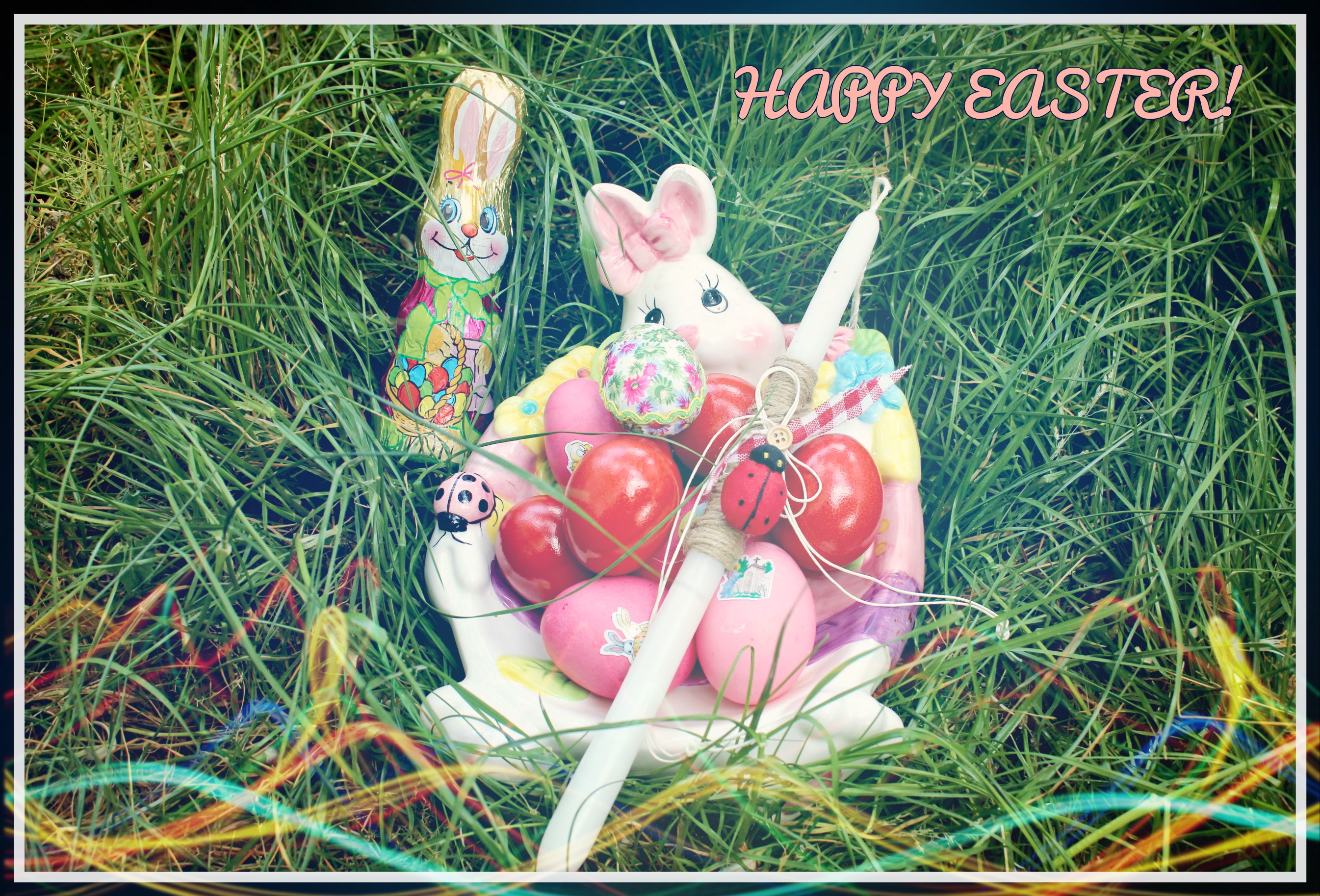
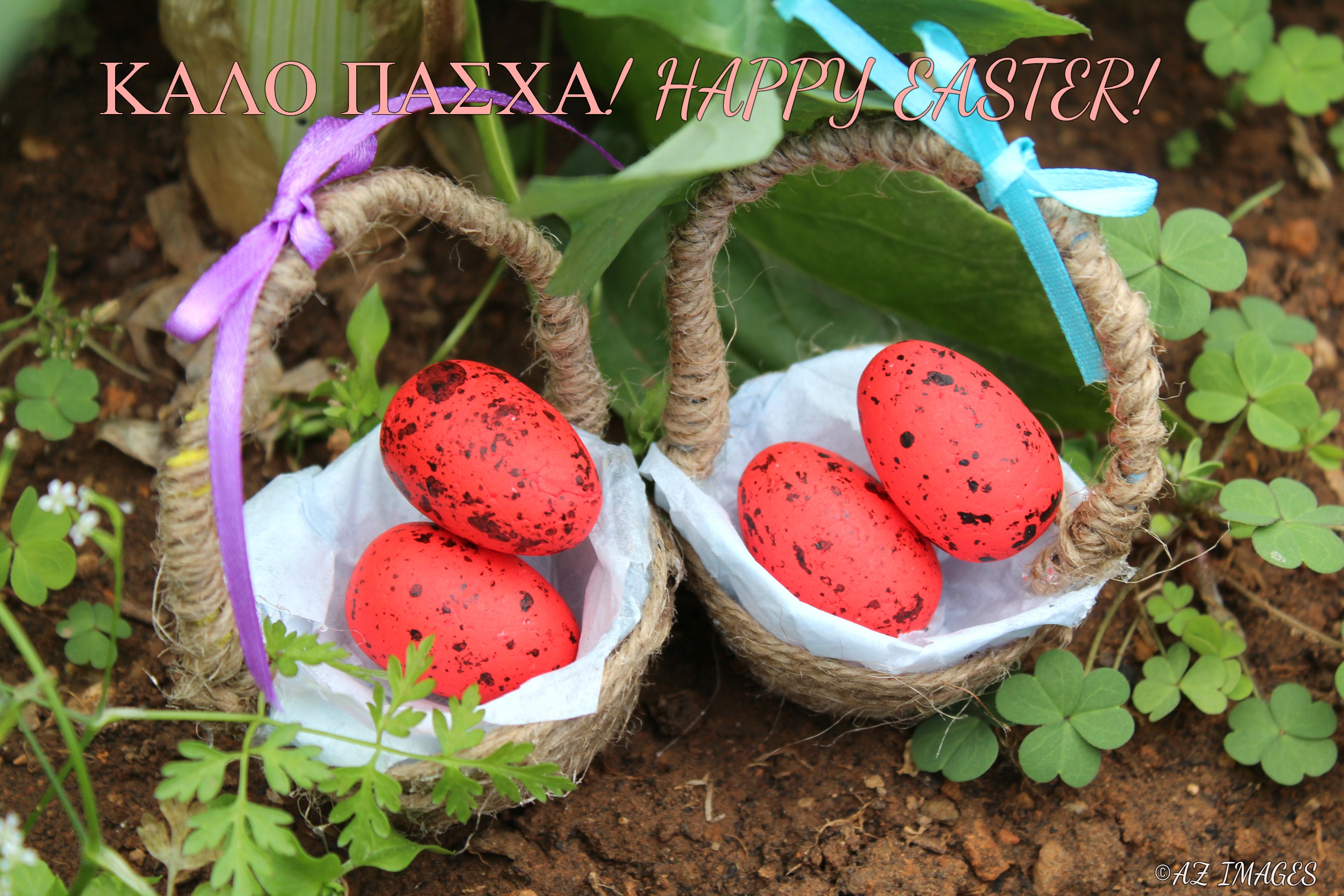
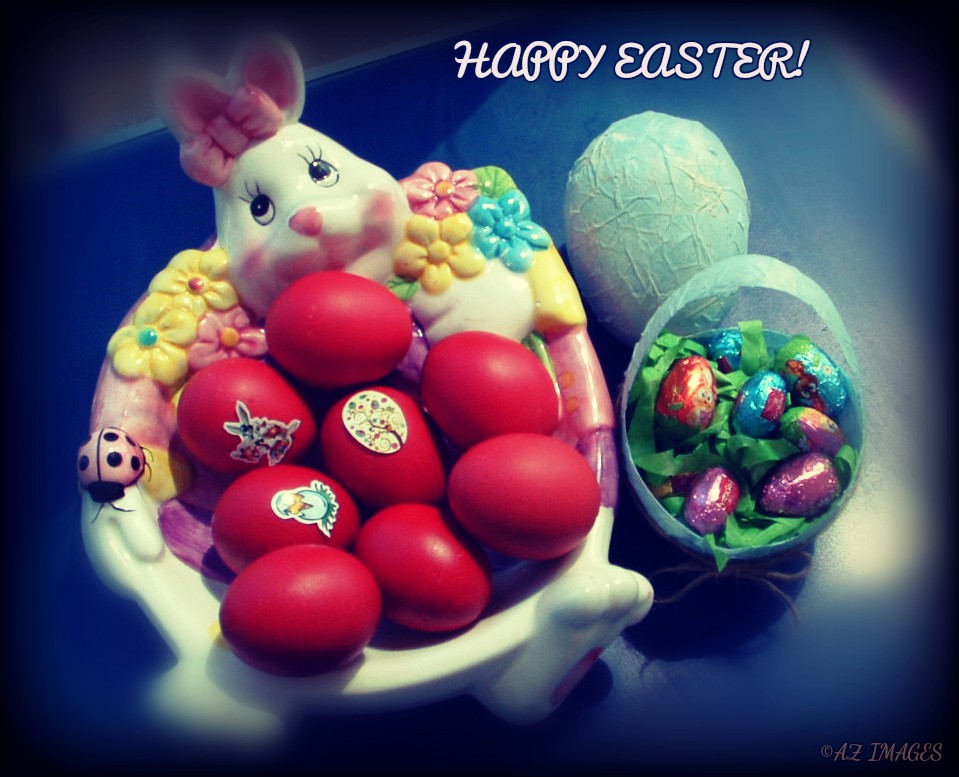
Happy Easter! Καλο Πασχα!

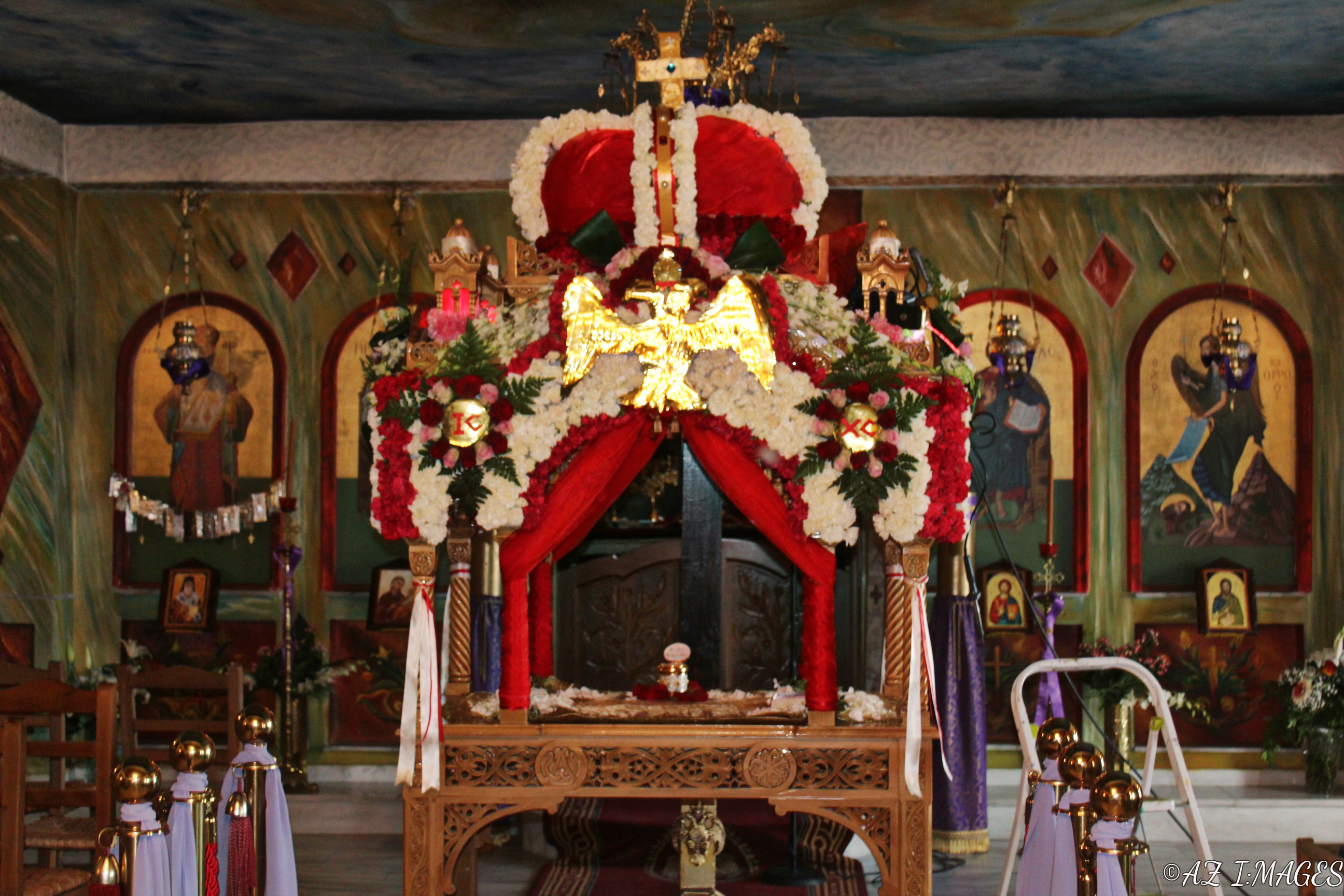
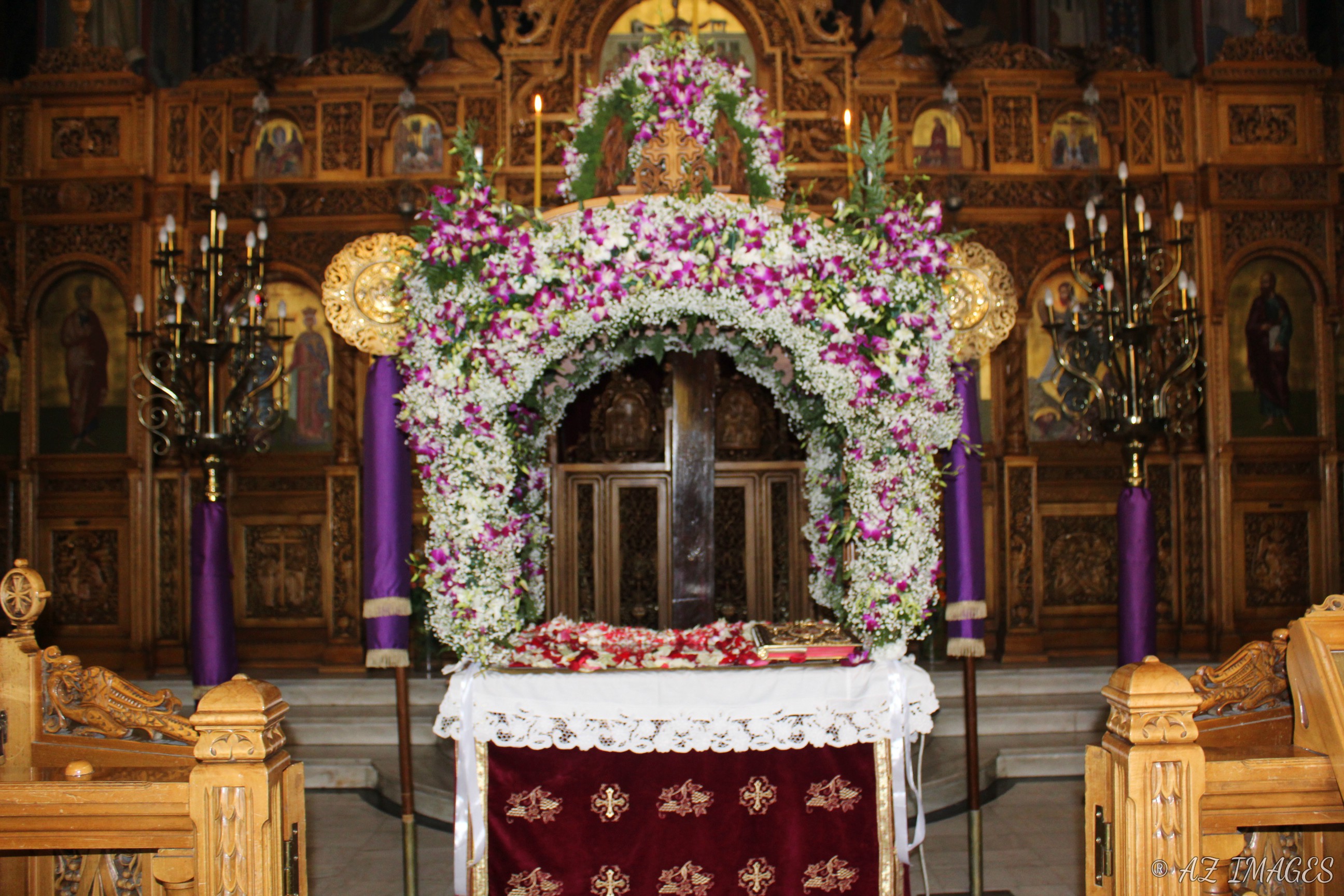
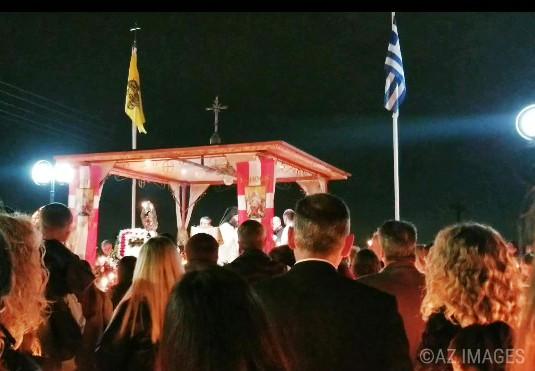
Fridays’ Epitafio ceremony. The church ladies spend the whole night decorating it with flowers.

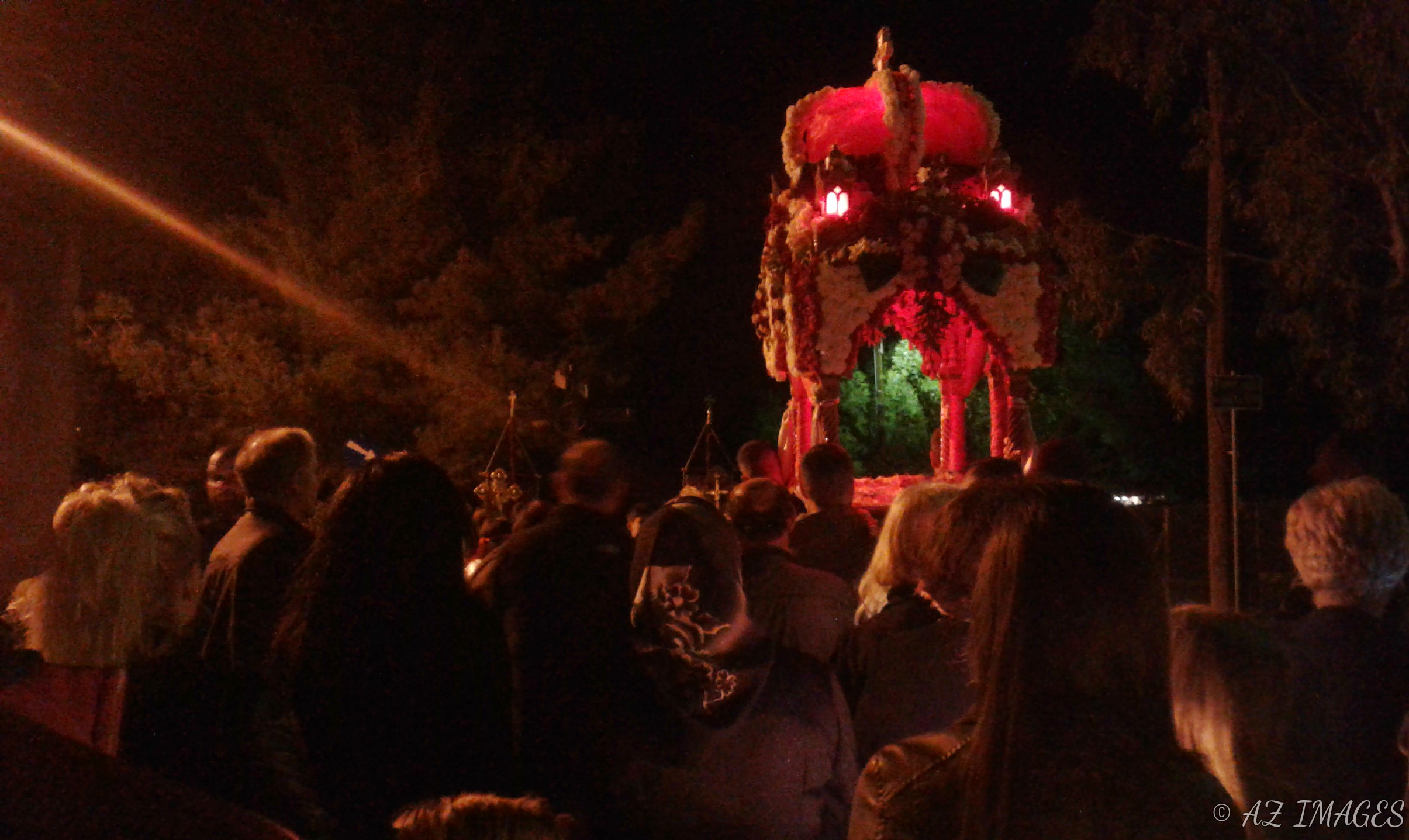
After a long walk the Epitafio enters the church. Everyone pays their respects by walking underneath it.

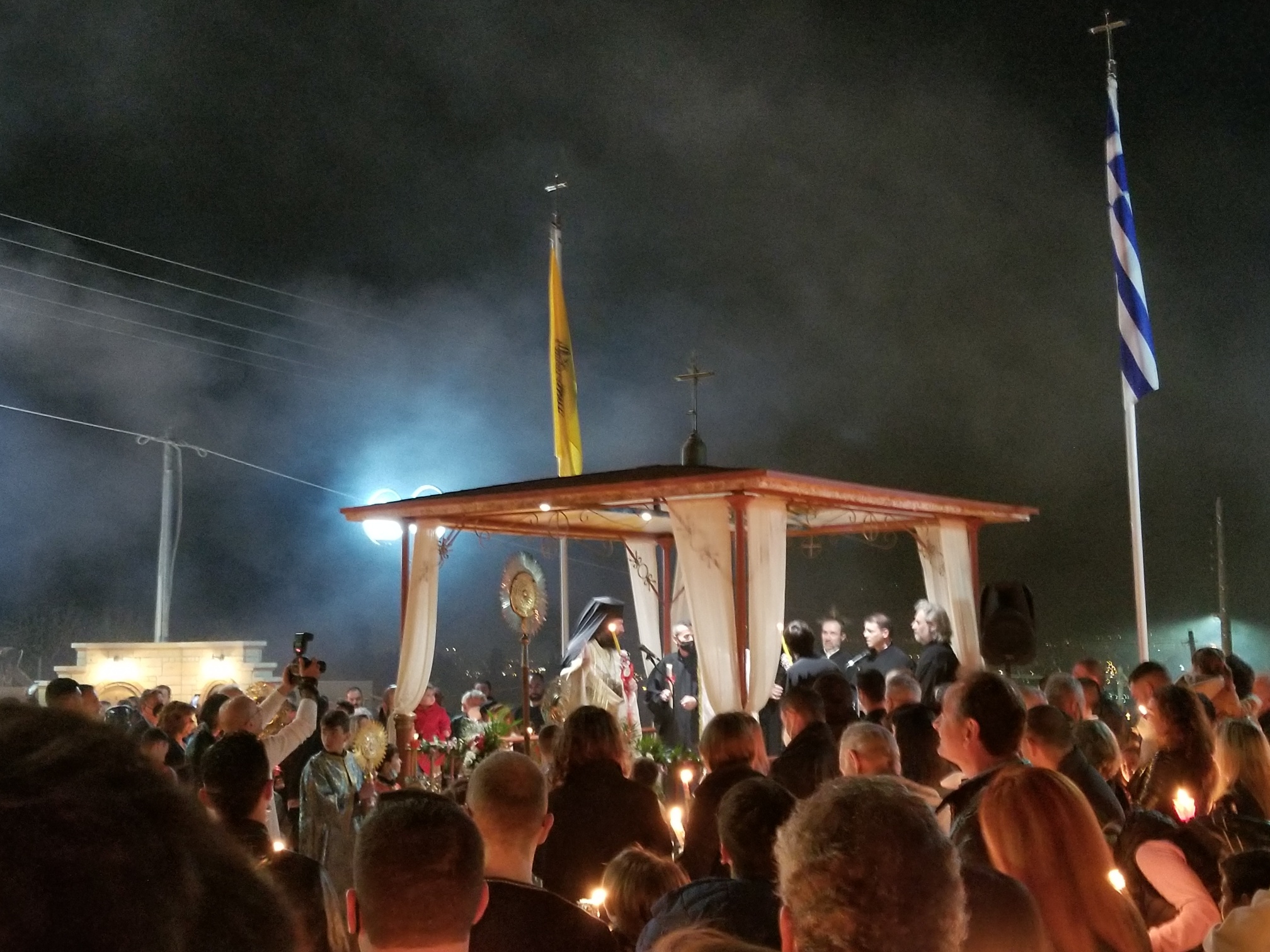
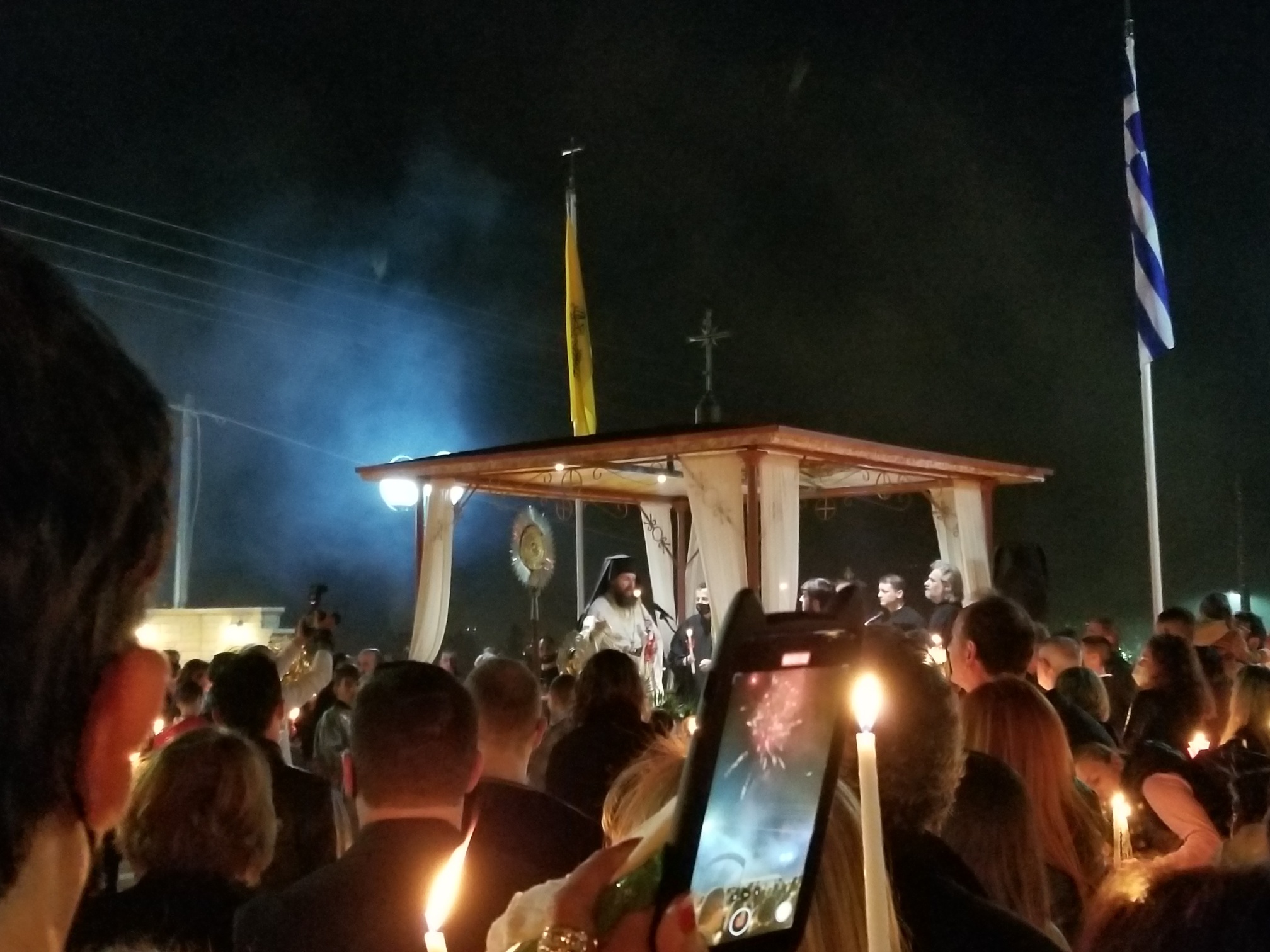
Saturday night’s Resurrection ceremony.
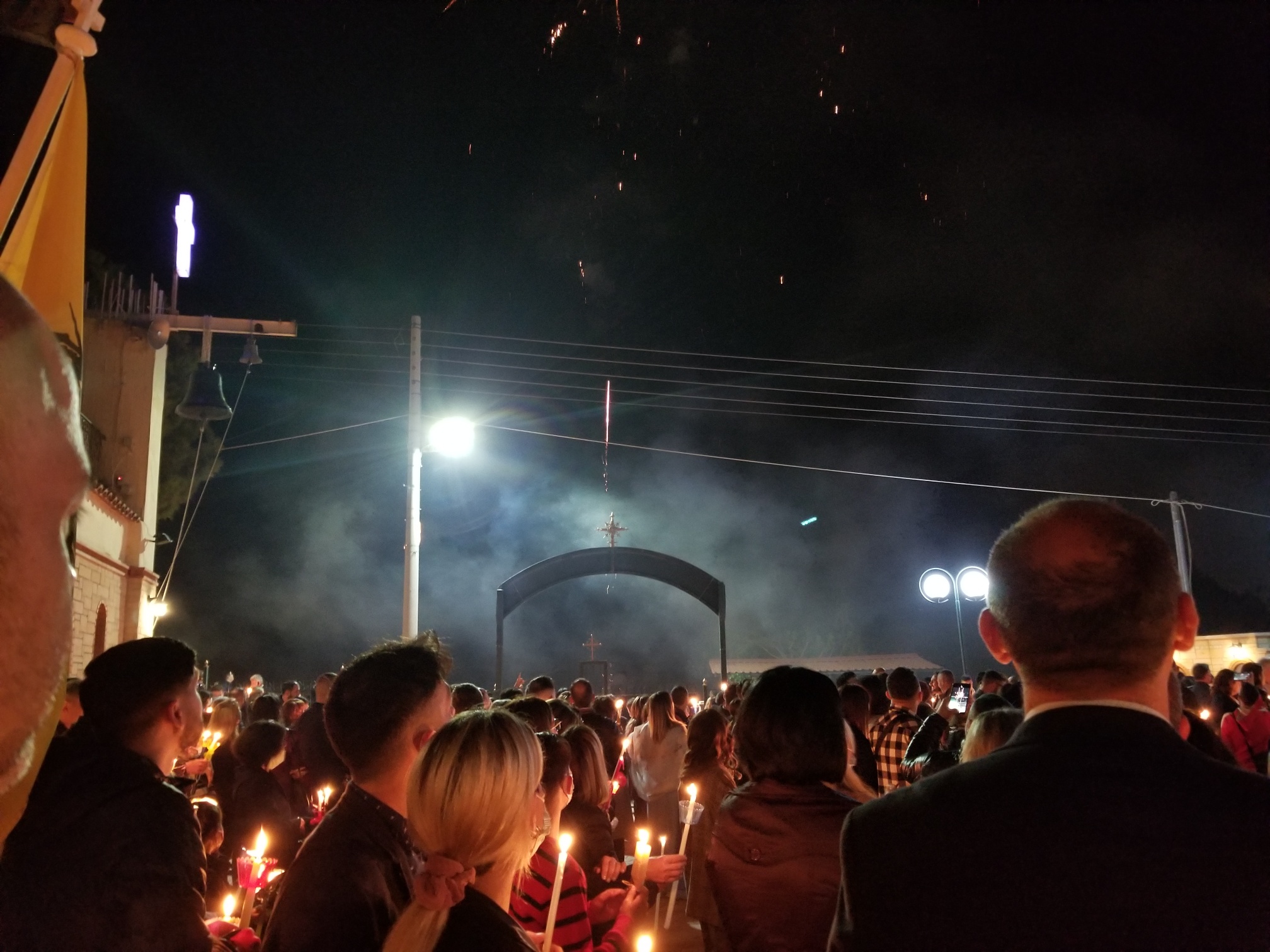
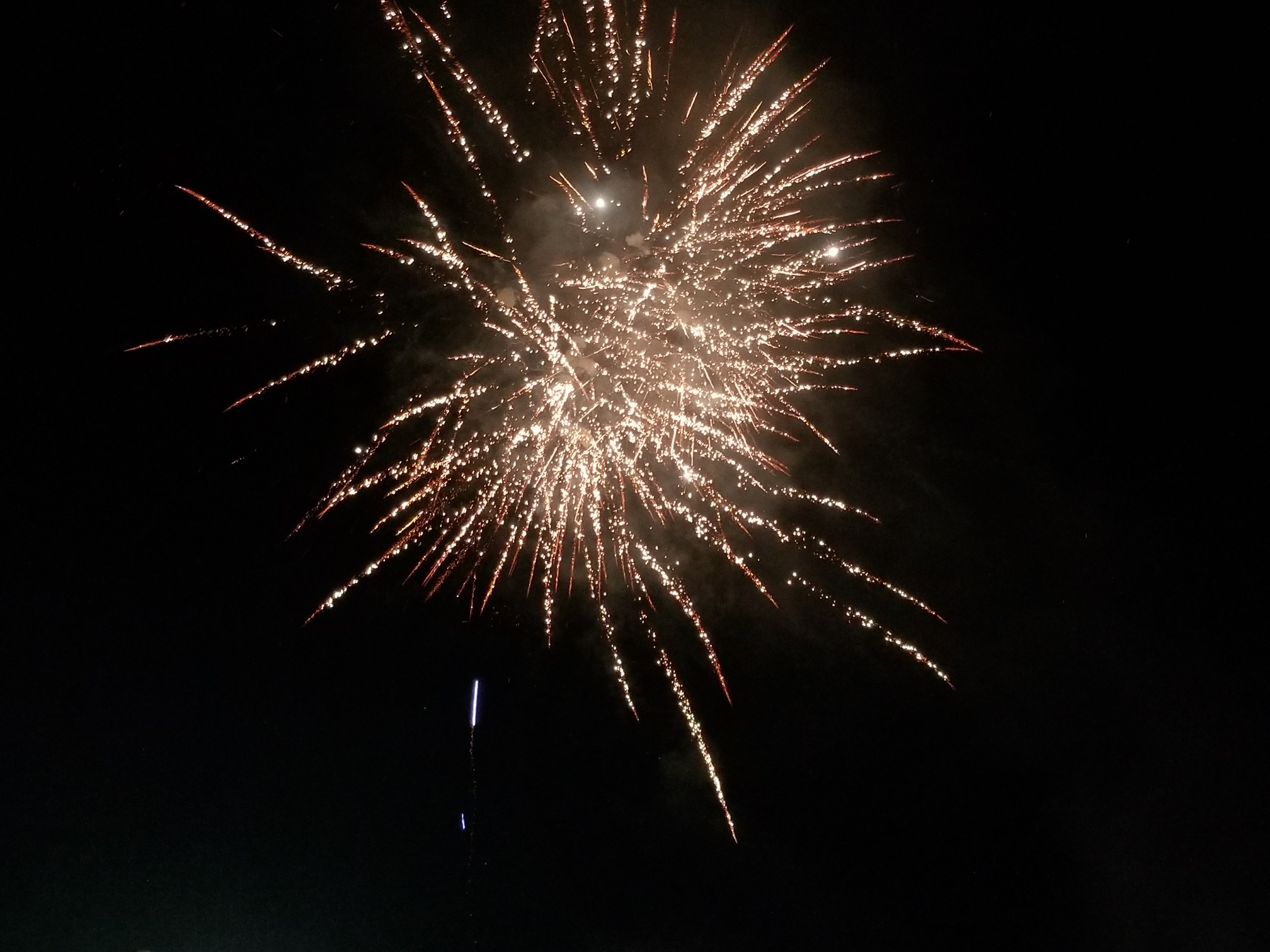
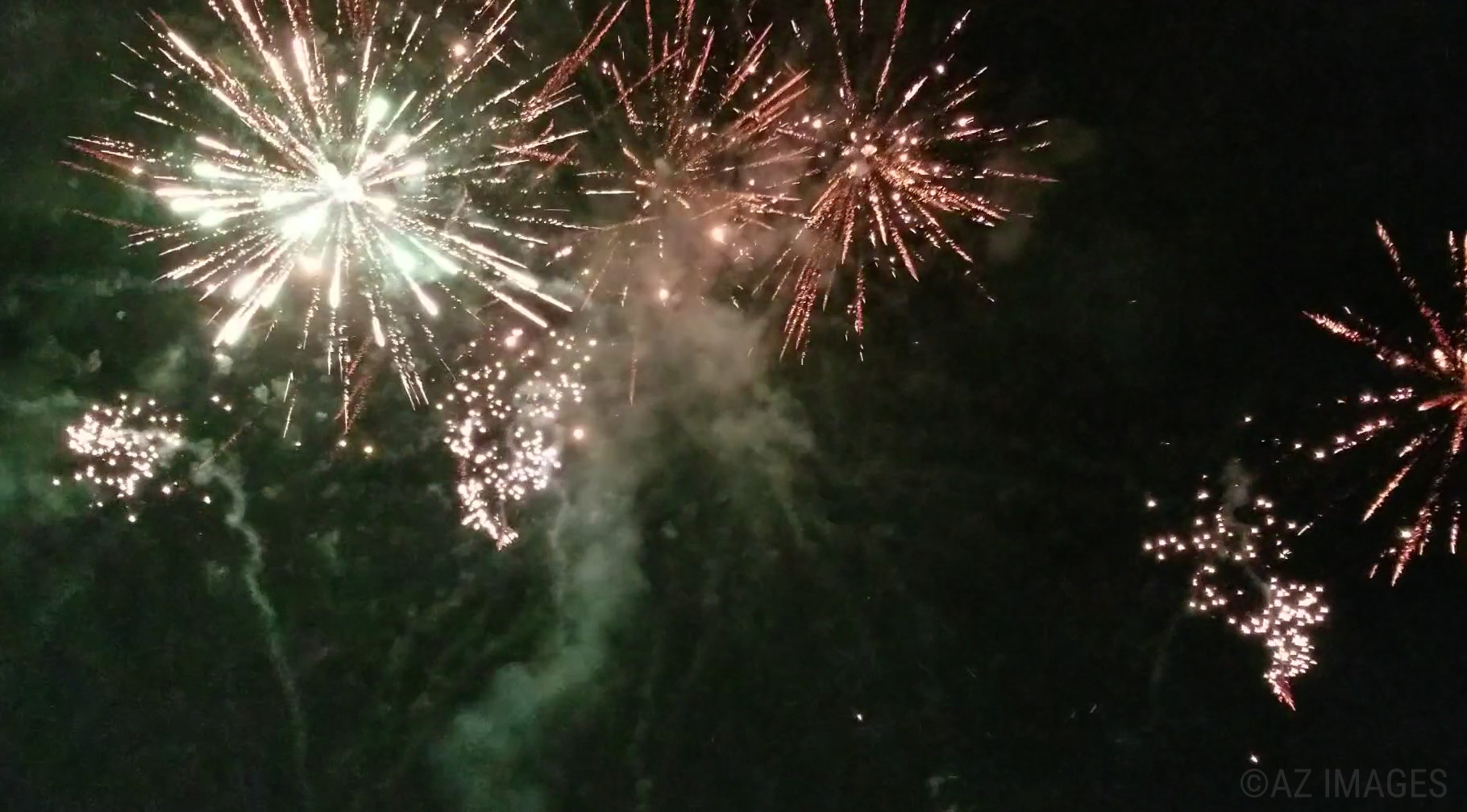
The fireworks display on Saturday night. Christ has risen!

The Holy week of Easter is the most important time of the year for Greek Orthodox Christians. It’s is a week full of frenzied preparations. From the long church services, to the dying of the eggs, to the baking of the ‘koulouria'(cookies) and ‘tsoureki’ (sweet bread), and then the grande finale- Friday and Saturdays’ church ceremonies. Then Easter sunday, of course, with the great feast which many who have followed the strict forty day fast look so forward to. A lamb on a spit is usually devoured by Greeks.

Greek Orthodox Easter takes place a week after the Catholic Easter. This is because they use different calenders. The Orthodox church uses the Julian, and the Catholic the Gregorian.

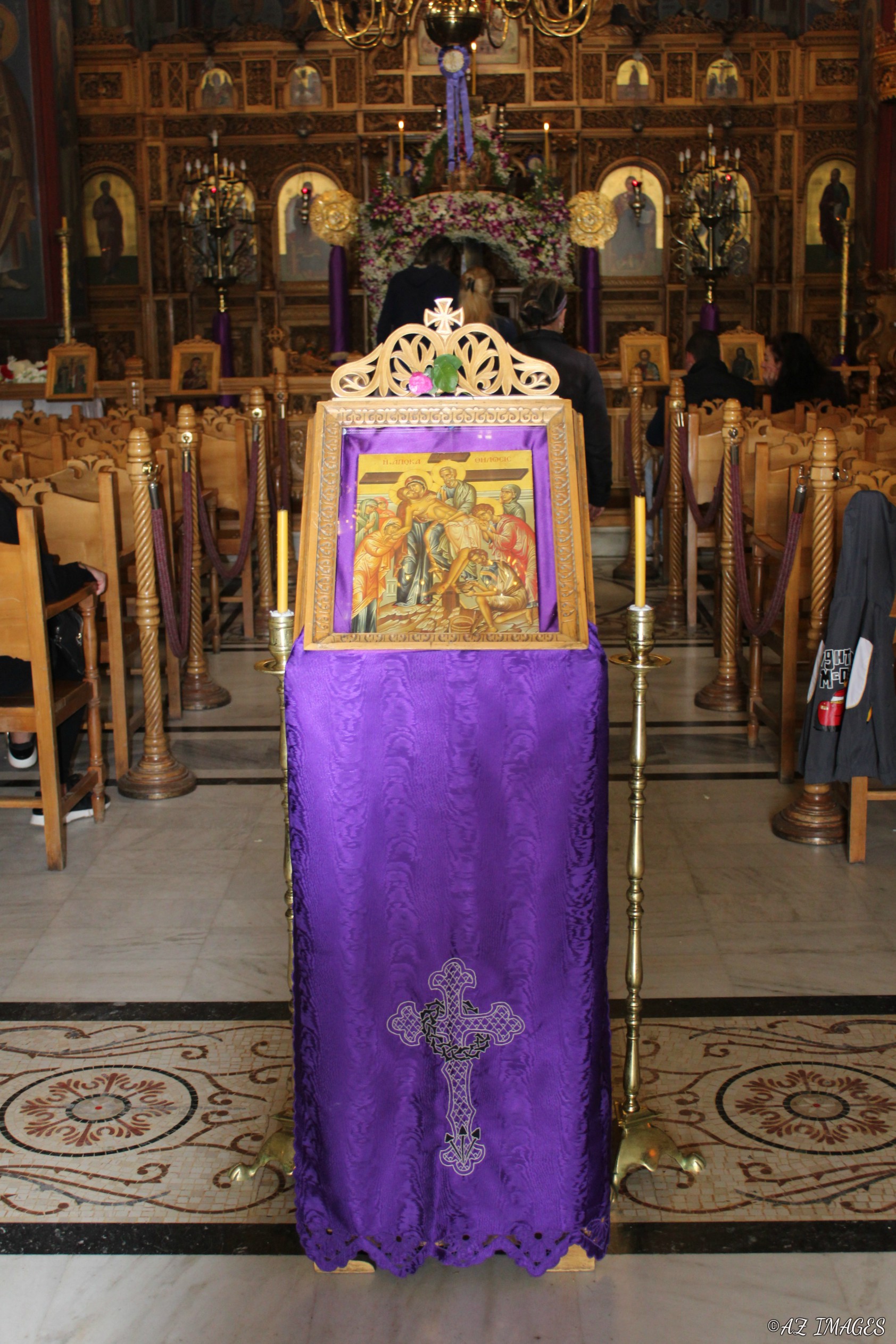
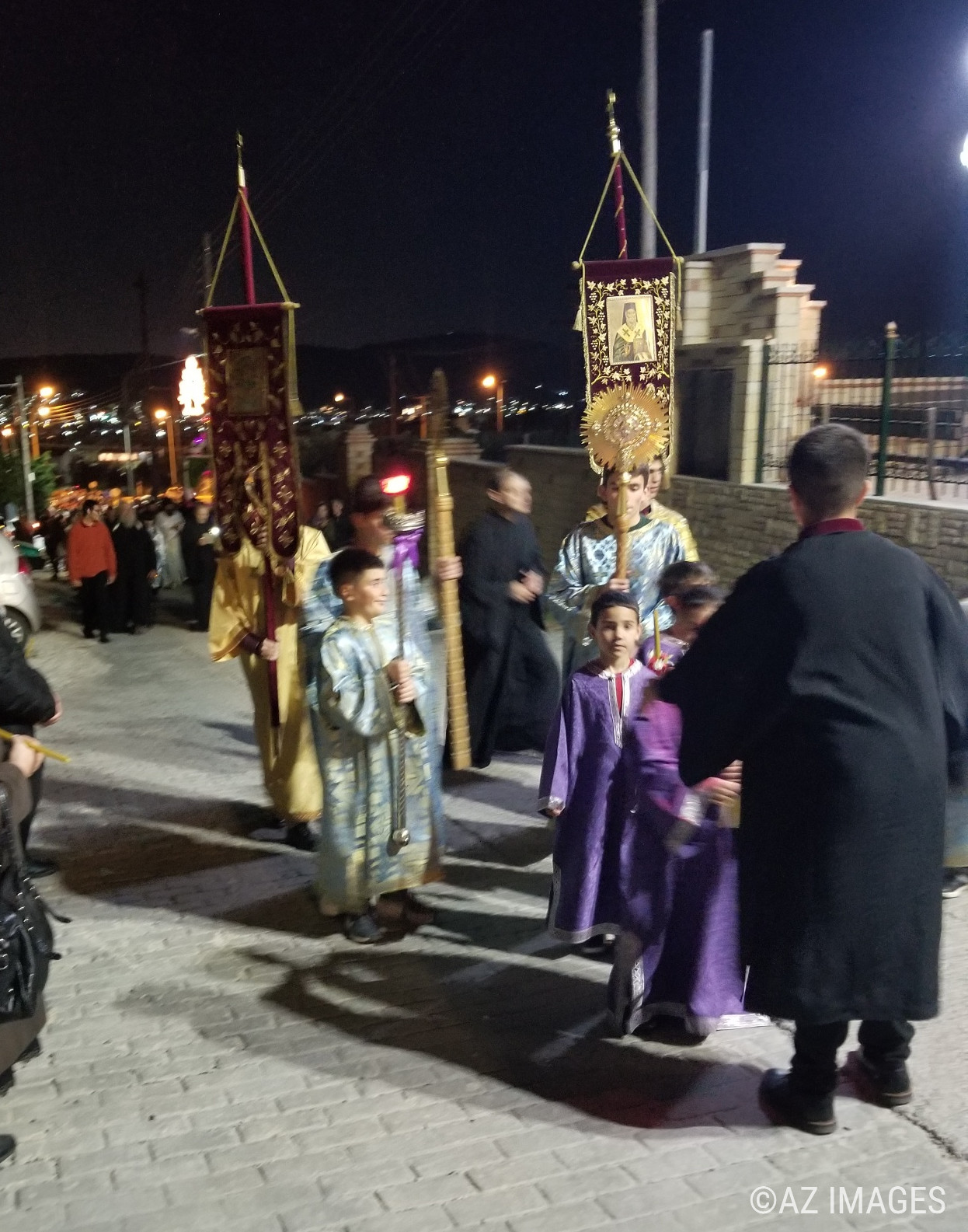
The photographs are from a chruch in Athens from last Friday night’s ‘Epitafio’ ceremony, and Saturday night’s ‘Anastasi’ ceremony.

Friday night symbolizes Jesus’ burial and Saturday night symbolizes His resurrection and then the lighting of everyones candles from the Holy Flame in Jerusalem. Then at midnight after the priest says ‘Christ has Risen’ there is a big fireworks display.
ΚΑΛΟ ΠΑΣΧΑ!/Happy Easter!

Happyeaster!

Happy Easter to all Orthodox Christians. We celebrate Easter a week after the Catholic Easter. Greeks couldn’t move about this year, so they couldn’t leave for their villages to celebrate Easter as they would do every year.  This year, so they celebrated in Athens and the whole city is smoky and it smells like bbq! 🙂

“The reappearance of the light is the same as the survival of the soul.” Victor Hugo

“Blessed are those who have not seen and have yet believed.” John 20:29

“The Easter egg symbolizes our ability to break out of the hardened, protective shell we’ve surrounded ourselves with…”-Siobhan Shaw

Happy Easter!/ Καλο Πασχα!

Easter greeting card

The Orthodox Christians celebrate Easter a week after the Catholic Easter. It depends on the calendar; in the past their respective Easters were celebrated on the same week.

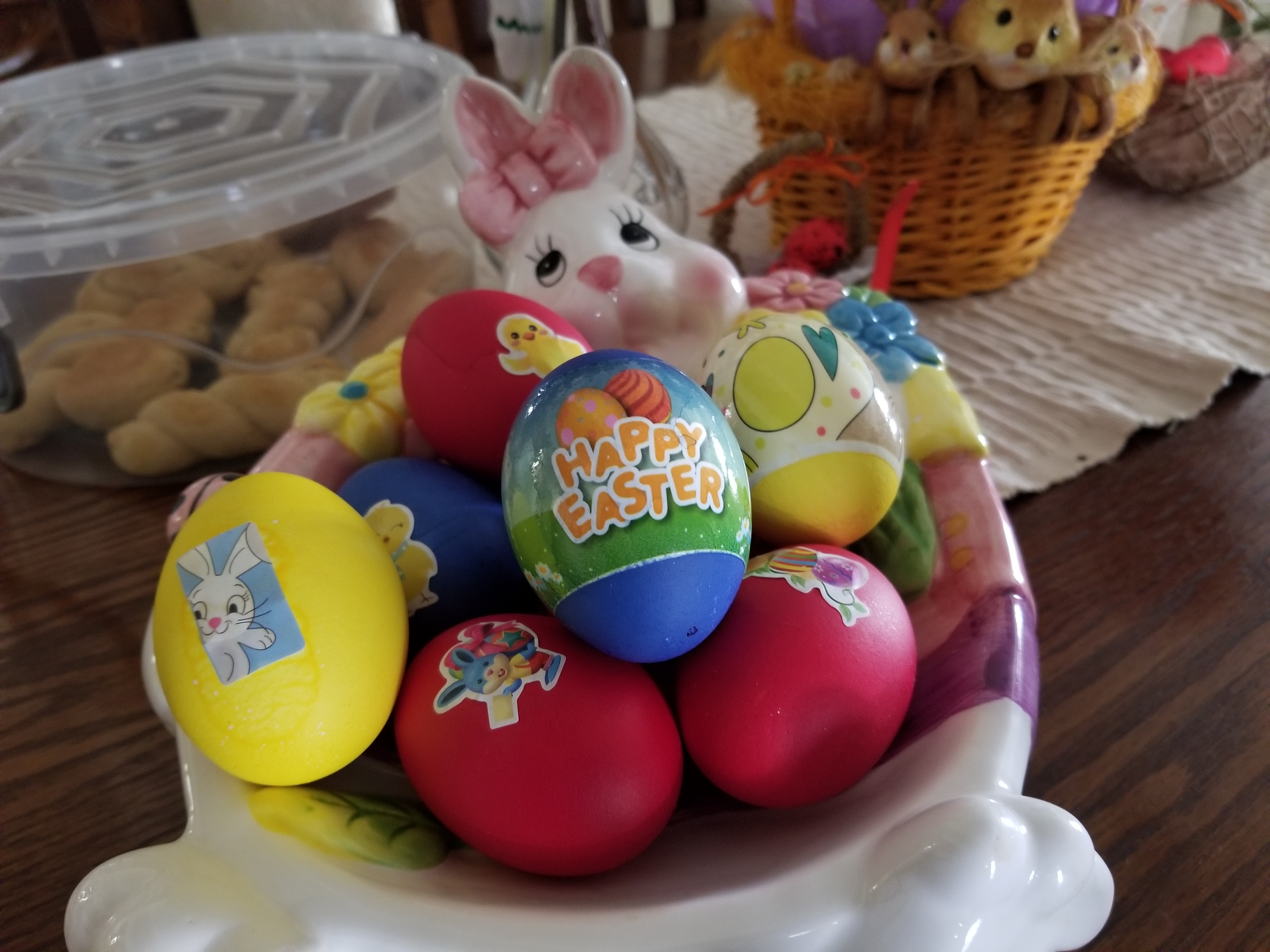
On Thursday before Easter Sunday, some eggs are dyed red and they  represent the blood that was spilled by Jesus on the cross. The large white candle is called a ‘labada’, and they can be decorated with toys and ribbons. It is brought to church on Saturday night to receive the holy light. After the ceremony there are fireworks and people kiss each other on the cheek and they say ‘Christos Anesti’ meaning ‘Christ has risen’. The lit ‘labada’  is then brought home and before entering the home, the sign of the cross is made three times with the flame from the candle at the front door.

On Easter Sunday most Greeks will spit a lamb and visitors will greet the host and random people on the street by saying ‘Christos Anesti’, Christ has risen. the person will reply by saying ‘Alithos o Kyrios’ which means ‘it is true he has risen’.

For those who observed the 40 day lent, which is strict like a vegan diet, Easter Sunday is a day to eat, drink and be merry..until you fall into a coma!

O Επιταφιος/Epitaphios

Epitafios1epitafios2icon

epitafiosnight

On Friday evening, before Easter Sunday,  Greek Orthodox Christians arrive in droves to church to mourn Christ.  ‘Epitaphios’ in Greek means ‘on the tomb’ and it is a religious icon embroidered on a cloth with an image of the dead body of Christ. It is placed on the holy table that is adorned with beautiful flowers early in the morning. In the evening the ‘Epitaphio’ is carried outside, and the funeral procession begins.  At the end of the procession the clergy, who are carrying the ‘Epitaphio’, stand at the door of the church. The worshipers then pass underneath it. It symbolizes entering the tomb of Christ. These rituals symbolize the death and resurrection of Jesus. On Saturday night close to midnight people will receive the holy light from Jerusalem and praise Jesus’ resurrection and ascension into the heavens.