Month: July 2014

The Ancient Ruins of Olympia

archaeologisttext.jpg

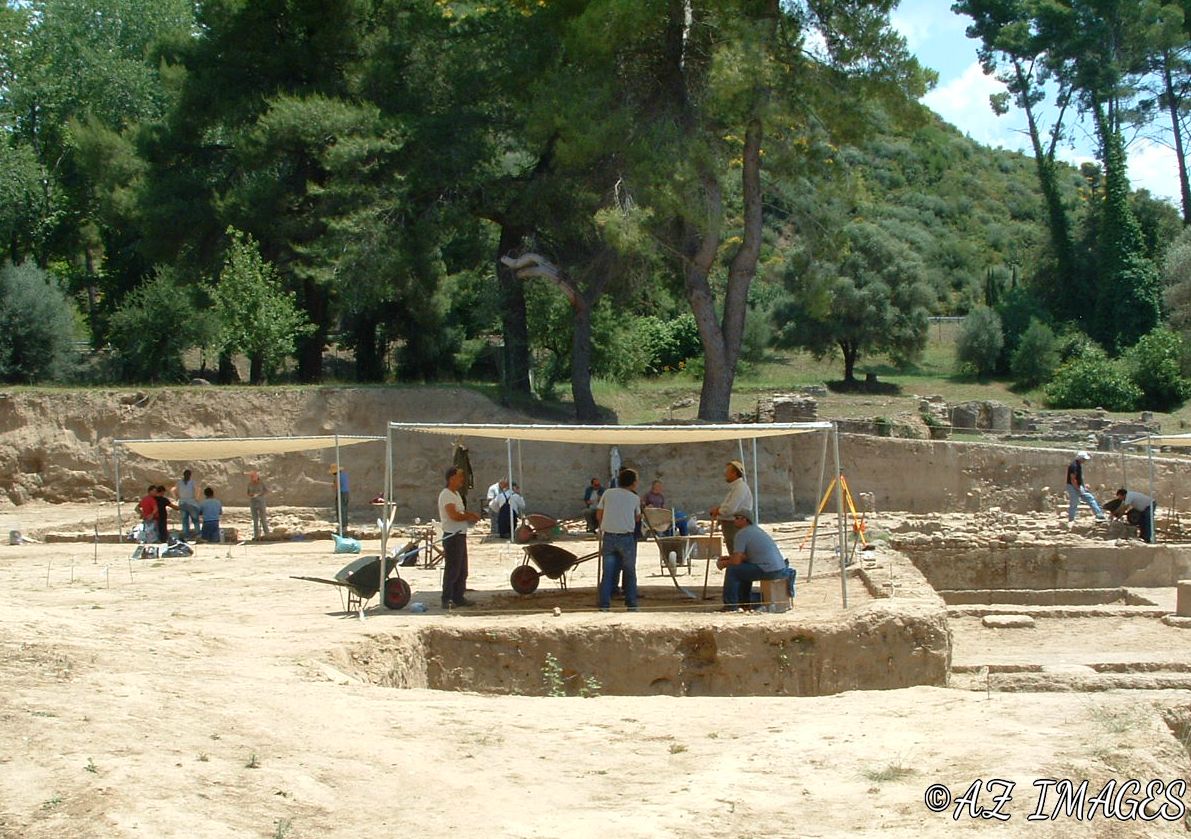
Archaeologists at work close to the entrance of the site.
archaeositetext.jpg

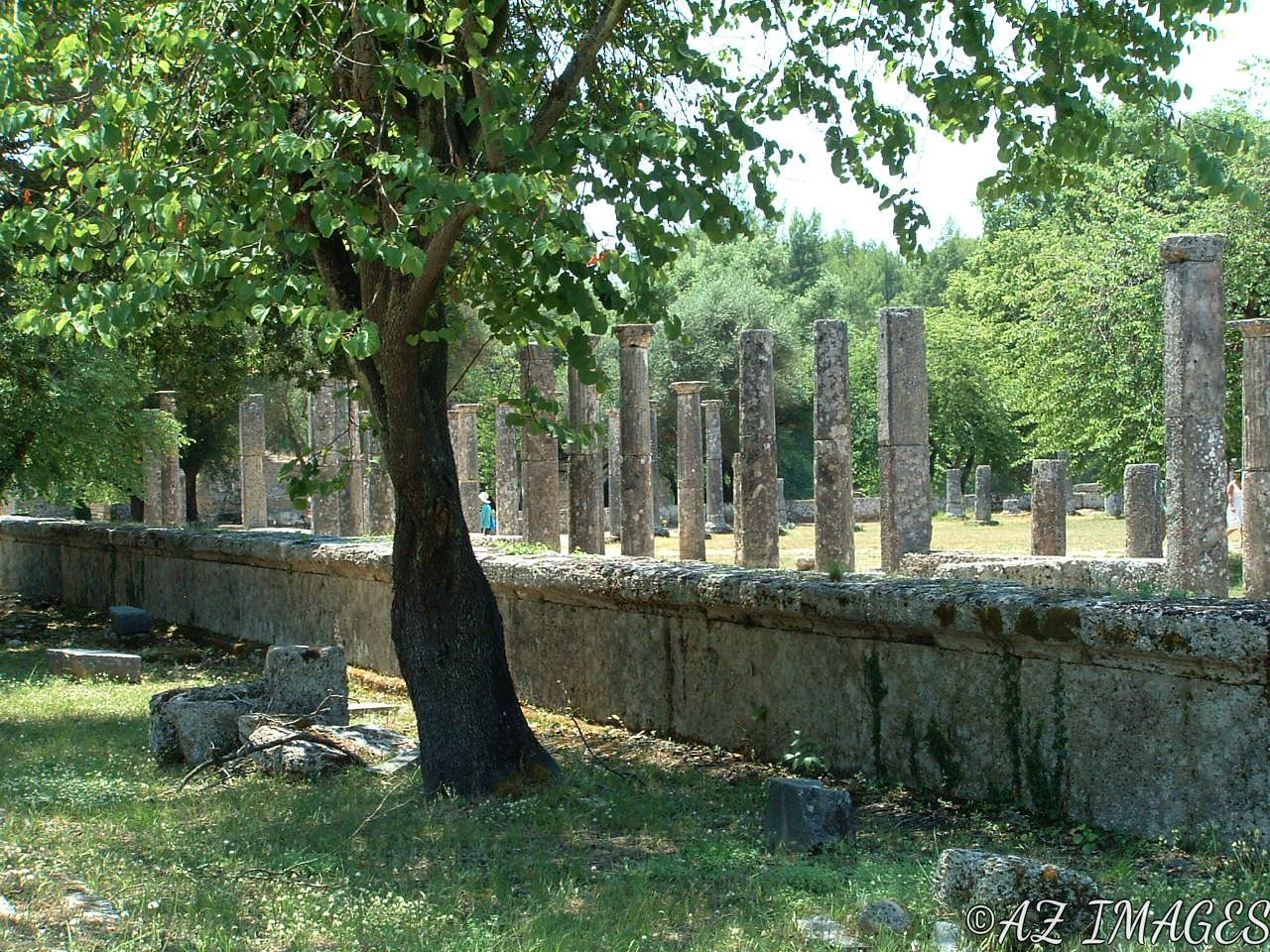
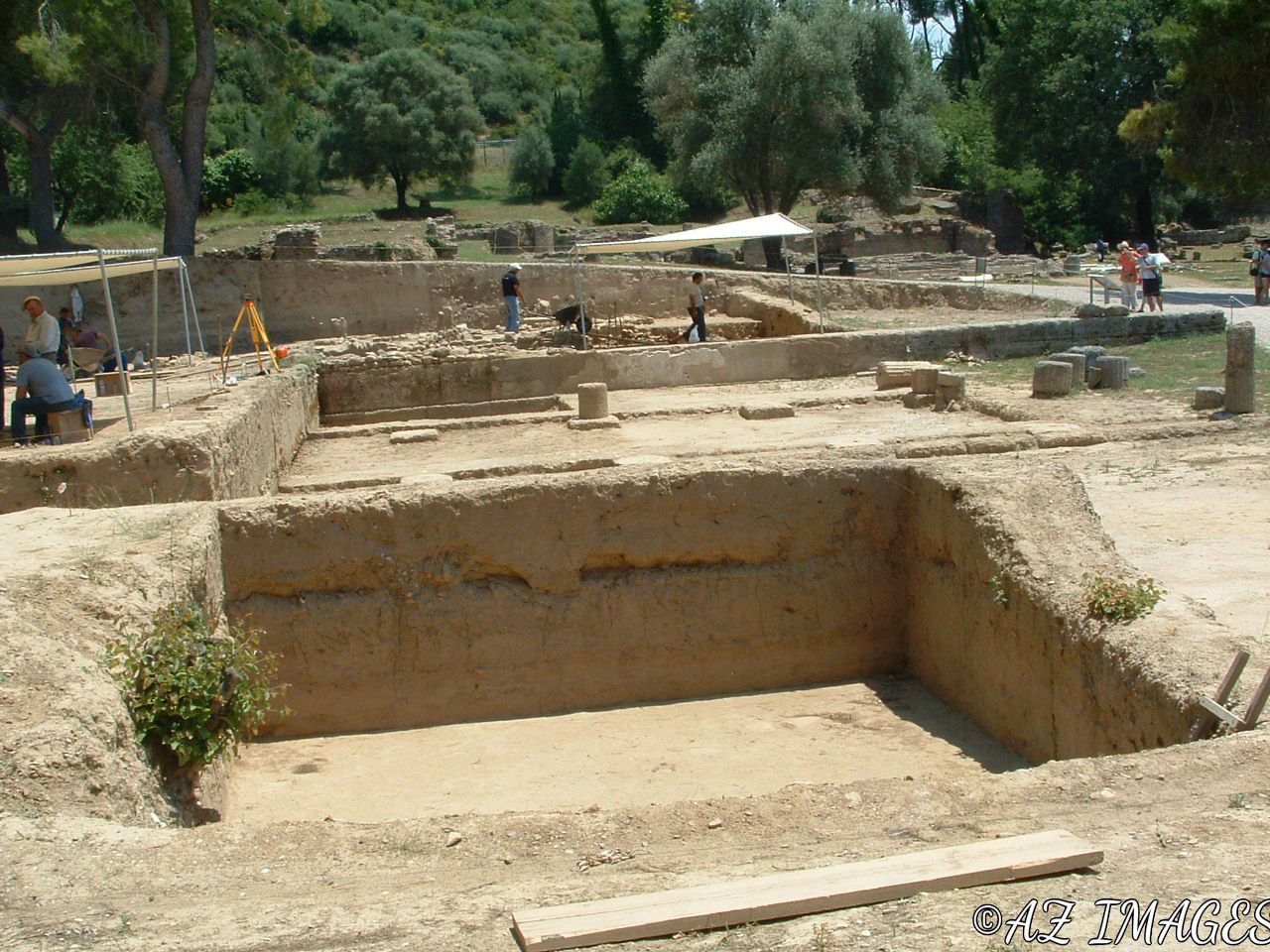
Archaeologists uncovered a gymnasium 186 meters in length dating back to the 3rd & 4th Century A.D
archaeositetext3.jpg

archaeosite4text.jpg

archaeosite5text.jpg

archaeotext9.jpg

The many tourists at the archaeological site

The many tourists at the archaeological site

The Entrance to the Stadium for the Athletes
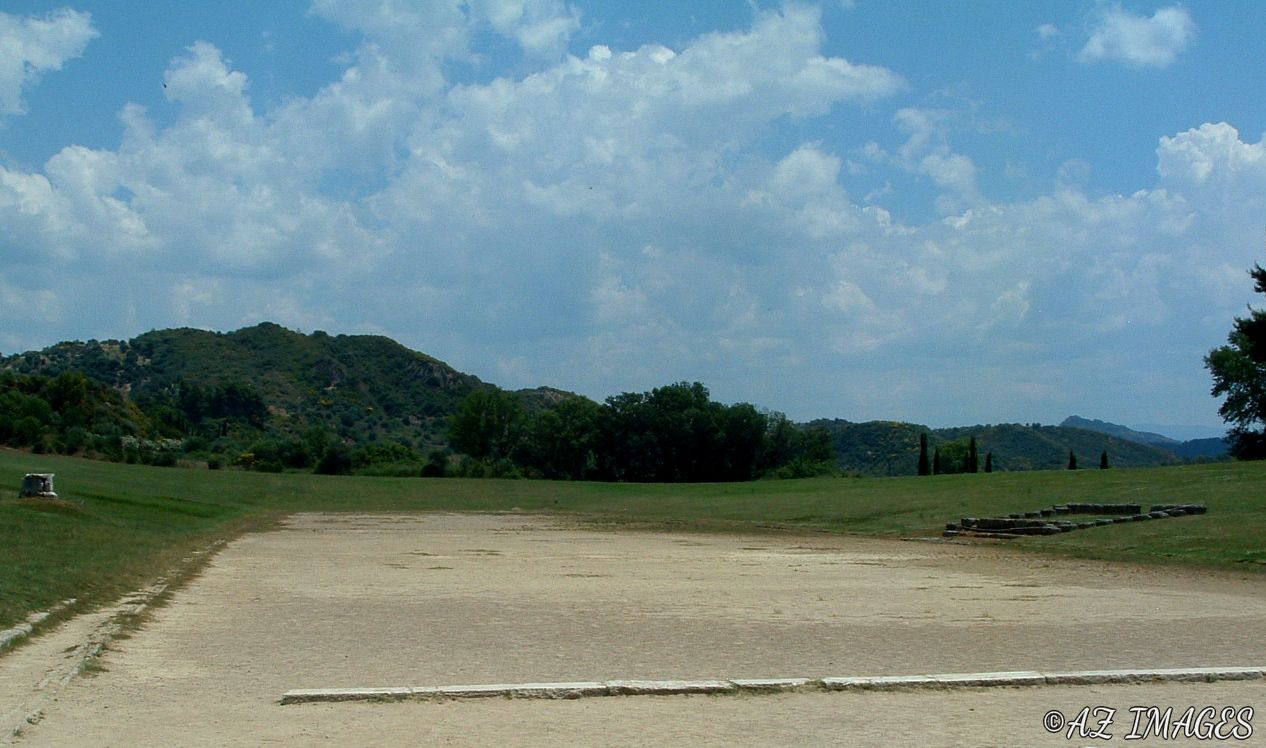
The Entrance to the Stadium for the Athletes

The Ancient Stadium. The judges sat on the right.

The Ancient Stadium. The judges sat on the right where the stones are.

This is the first time that I visited the archaeological site (Altis) at ancient Olympia. I have driven by the site many times to visit my mothers’ village. I even went to the museum, but I did not have the opportunity to visit the site where the gymnasiums were. This was where the athletes would train for the games.  I remember back in the summer of 2004, when Athens was hosting the Olympic games, and sitting on the grass of the ancient stadium with other spectators from around the world. We were waiting for the priestess to light the torch in the gymnasium area. It was a cloudy morning and all of a sudden the sun came out and the torch was lit. It was an experience that I will never forget.

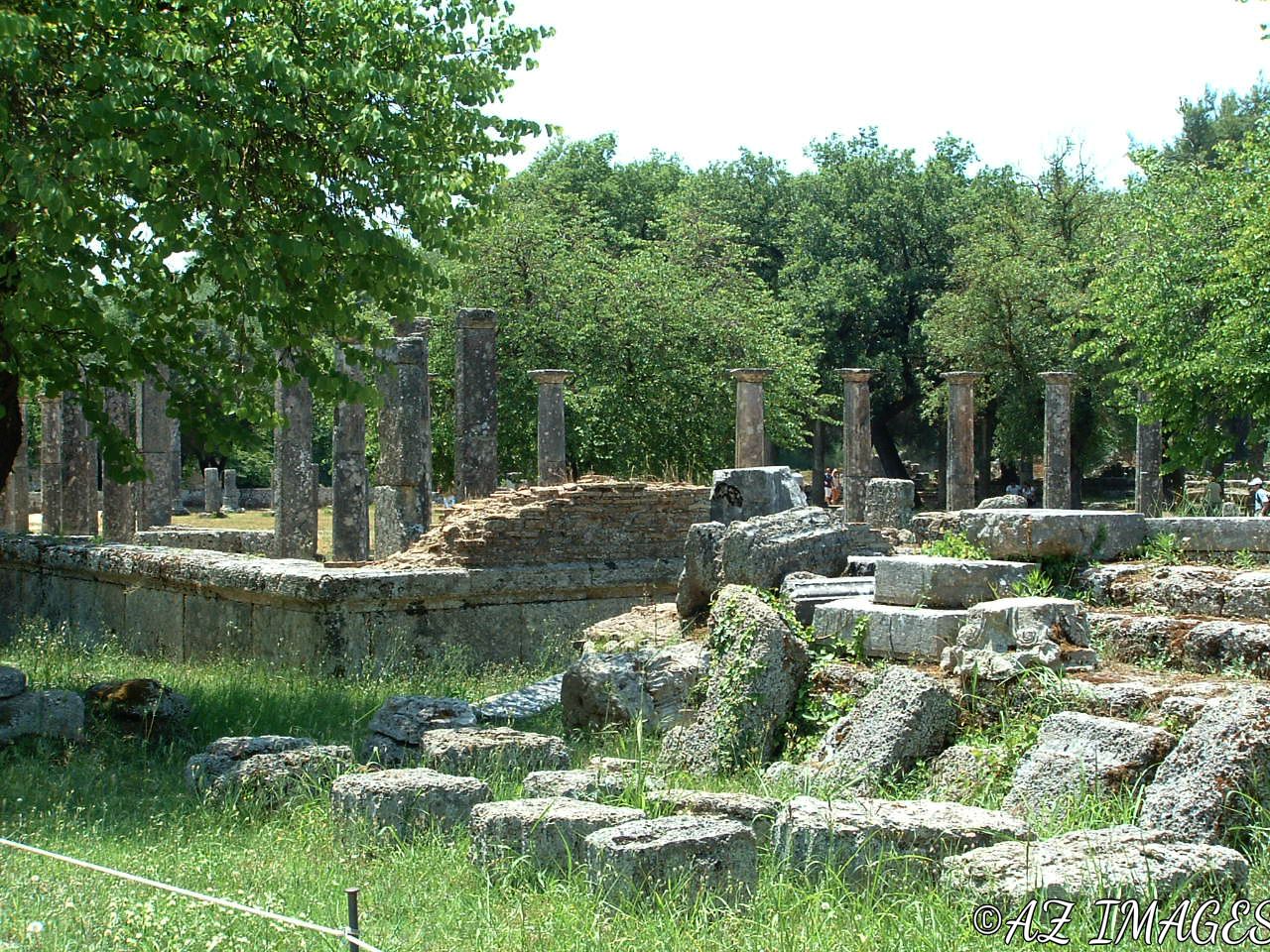
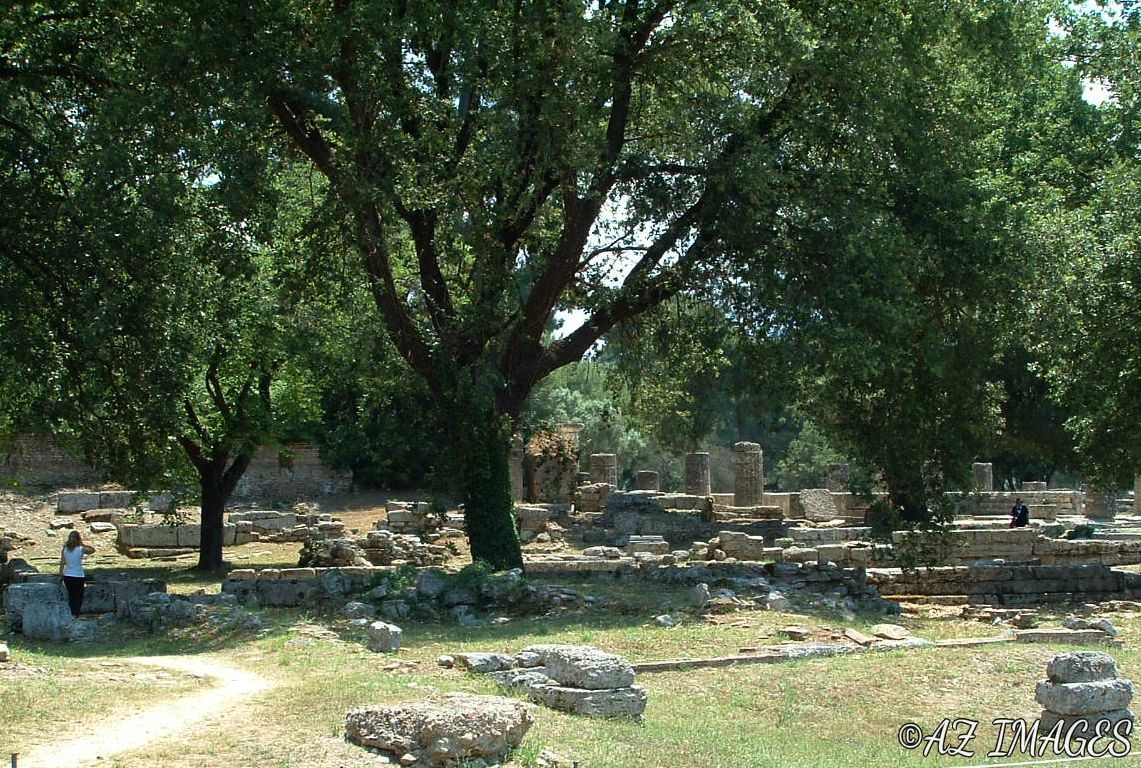
Walking through the site I was a bit disheartening to see everything in ruins. It’s hard to imagine how the site looked like back then. Despite being in ruins the site was very beautiful and tranquil.
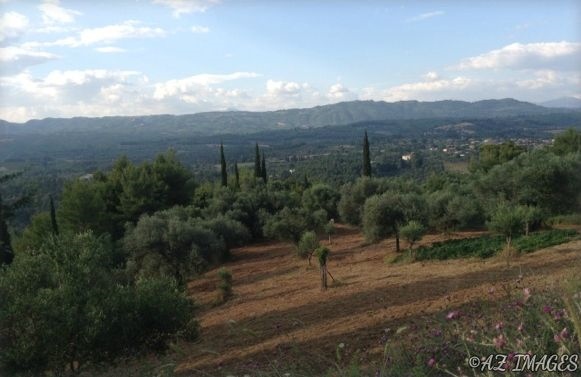
Ancient Olympia/Αρχαία Ολυμπία

he Olive Groves of Olympia

The Olive Groves of Olympia

A Lone Cypress Tree

A Lone Cypress Tree

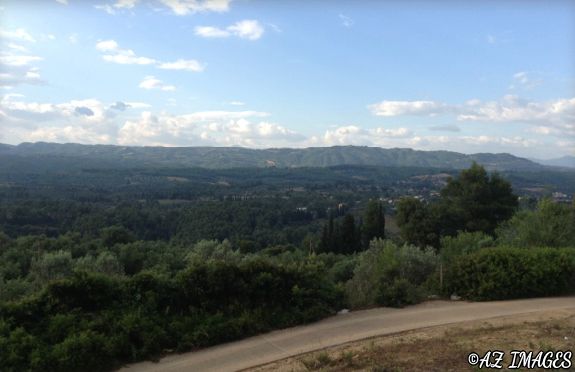
The Landscape of Olympia

The Landscape of Olympia

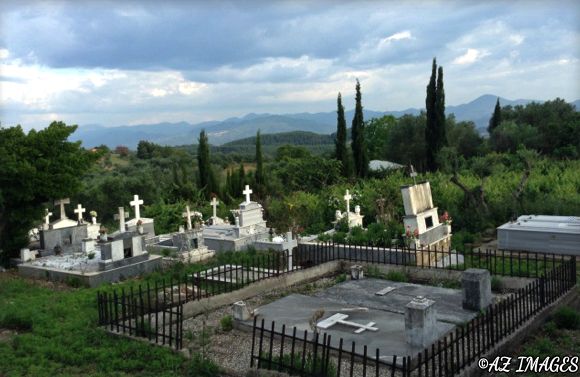
The Church Cemetary

The Church Cemetary

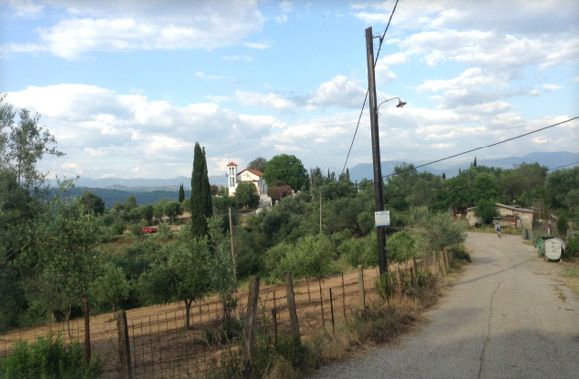
In the distance, the church of Saint Sotiros (Saviour)

In the distance, the church of Saint Sotiros (Saviour)

Recently, I took some photographs of the lush green landscape of Olympia located in the western Peloponnese in Greece. I took most of the photographs from the church which offers a great view of the surrounding land with its many olive groves. My mother is from this region and I have gone many times but I never took photographs like these. It is a very beautiul and important place as it is where the original Olympic games were held.

Πρόσφατα, τραβηξα μερικές φωτογραφίες από το καταπράσινο τοπίο της Ολυμπίας που βρίσκεται στη δυτική Πελοπόννησο στην Ελλάδα. Τραβηξα τις φωτογραφίες κοντα στην εκκλησία η οποία προσφέρει μια υπέροχη θέα στη γύρω περιοχη με τις πολλες ελαιώνες. Η μητέρα μου είναι από την περιοχή αυτή και έχω πάει πολλές φορές, αλλά ποτέ δεν ειχα τραβηξει φωτογραφίες σαν αυτές. Η Αρχαια Ολυμπια είναι ένα πολύ ομορφο και σημαντικο μερος καθώς είναι το σημείο όπου πραγματοποιήθηκαν οι πρωτες Ολυμπιακες Αγώνες

Voidokilia Beach/Η Παραλία Της Βοϊδοκοιλιάς

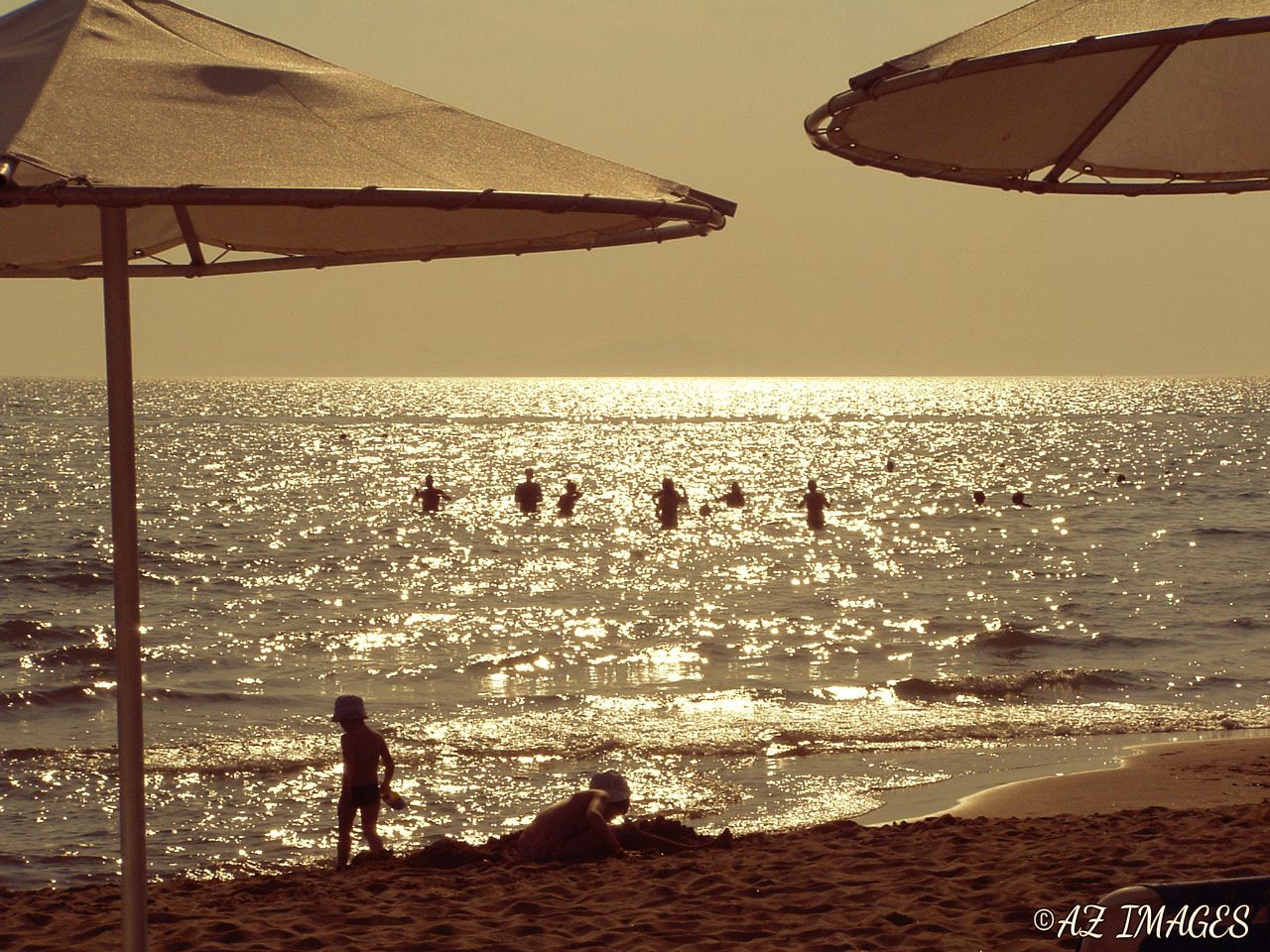
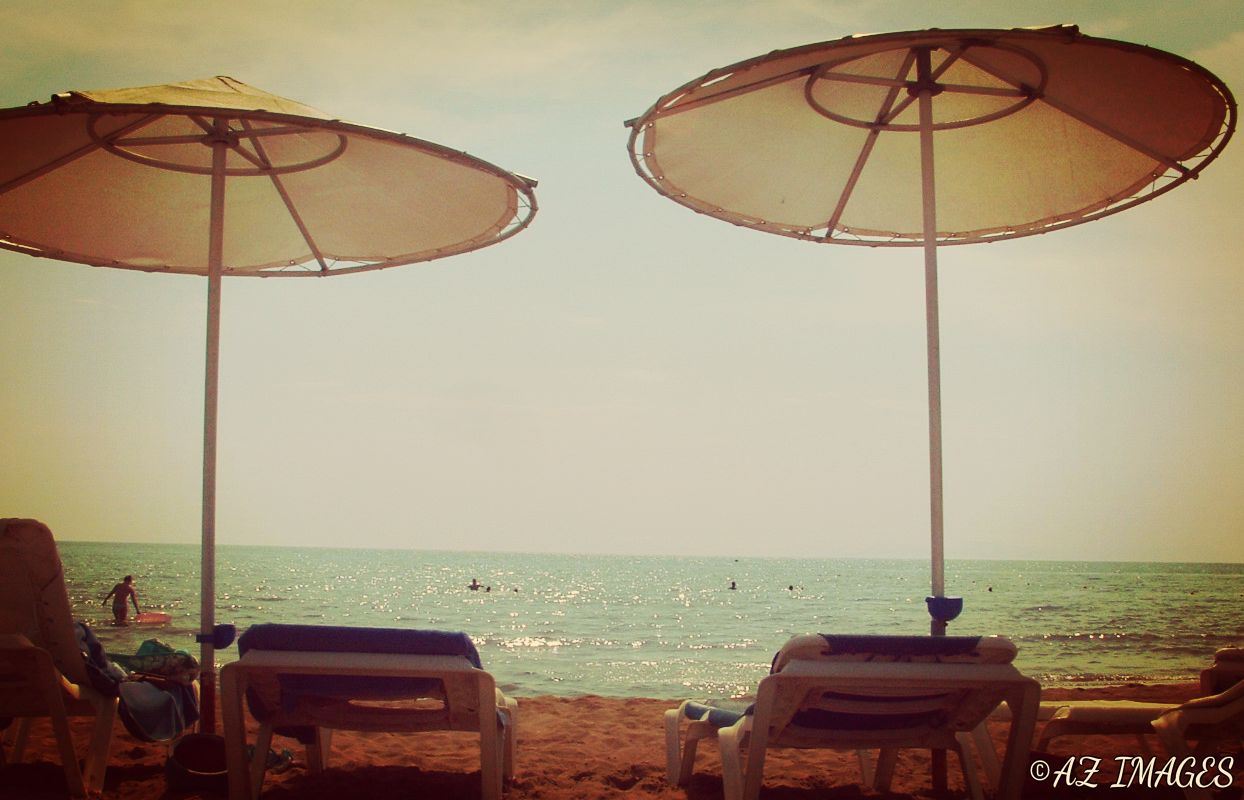
‘Voidokilia’ beach is a very famous beach in Greece and it is considered to be one of the most beautiful in Greece. It is located in Messinia, Peloponnese.   The  landscape is very unique  with its sand dunes and marshland, and the beach that has a circular Omega type shape.  It is a great place for bike riding too.  The day that I went was not great for swimming.  It has been a rainy summer so far in Greece.  I arrived in the evening as I was just quickly passing through with no intention for staying too long, but I when I got there I wanted to stay a while longer. So,  I will definitely re-visit this place when the weather is better in the near-future.

Methoni Castle/Το Κάστρο της Μεθώνης


castlebridgebwtext.jpg

The bridge to leading to the castle

flowerscastlebwtext.jpg

hiddendoorbwtext.jpg

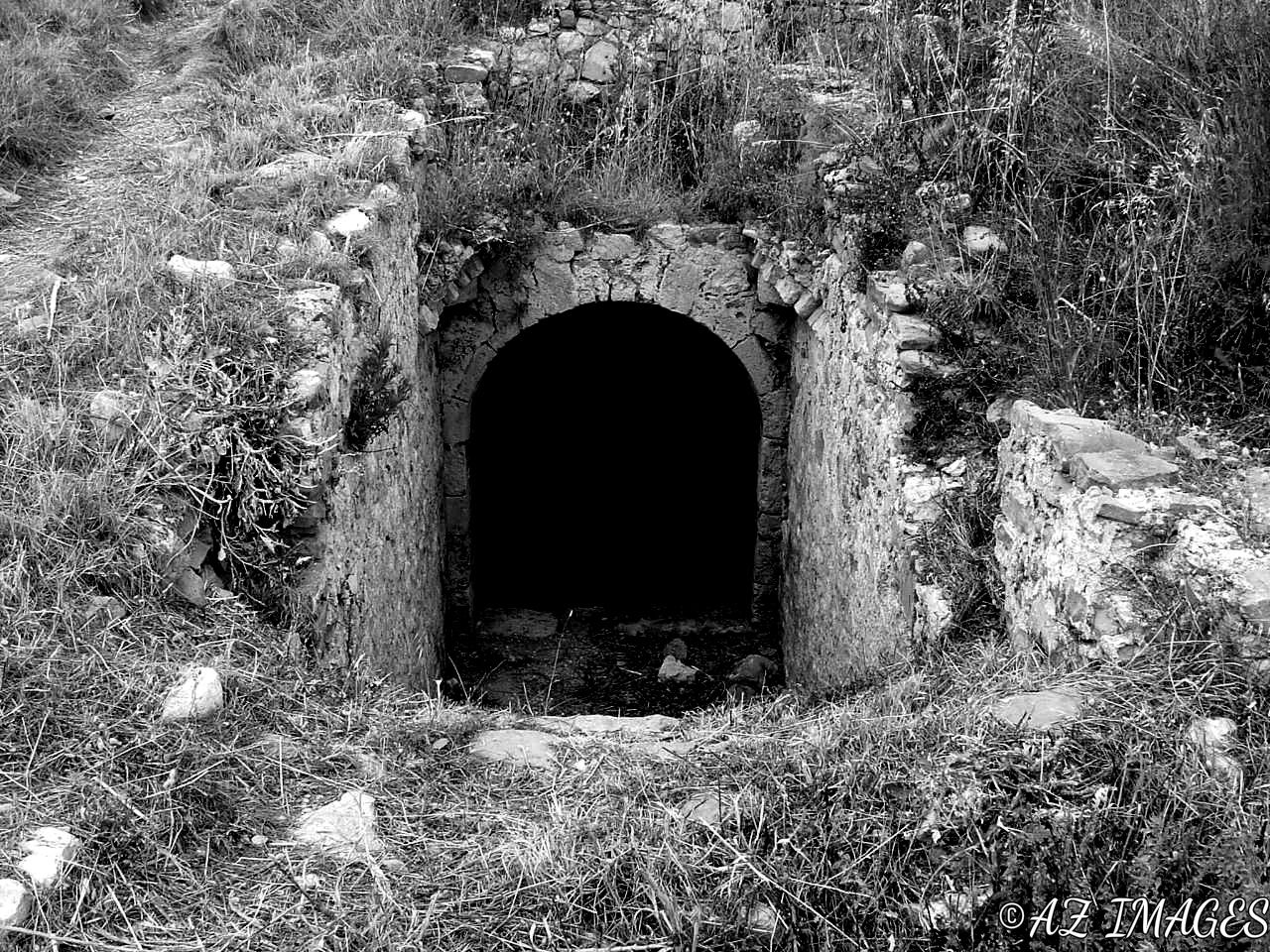
Creepy hidden passageway

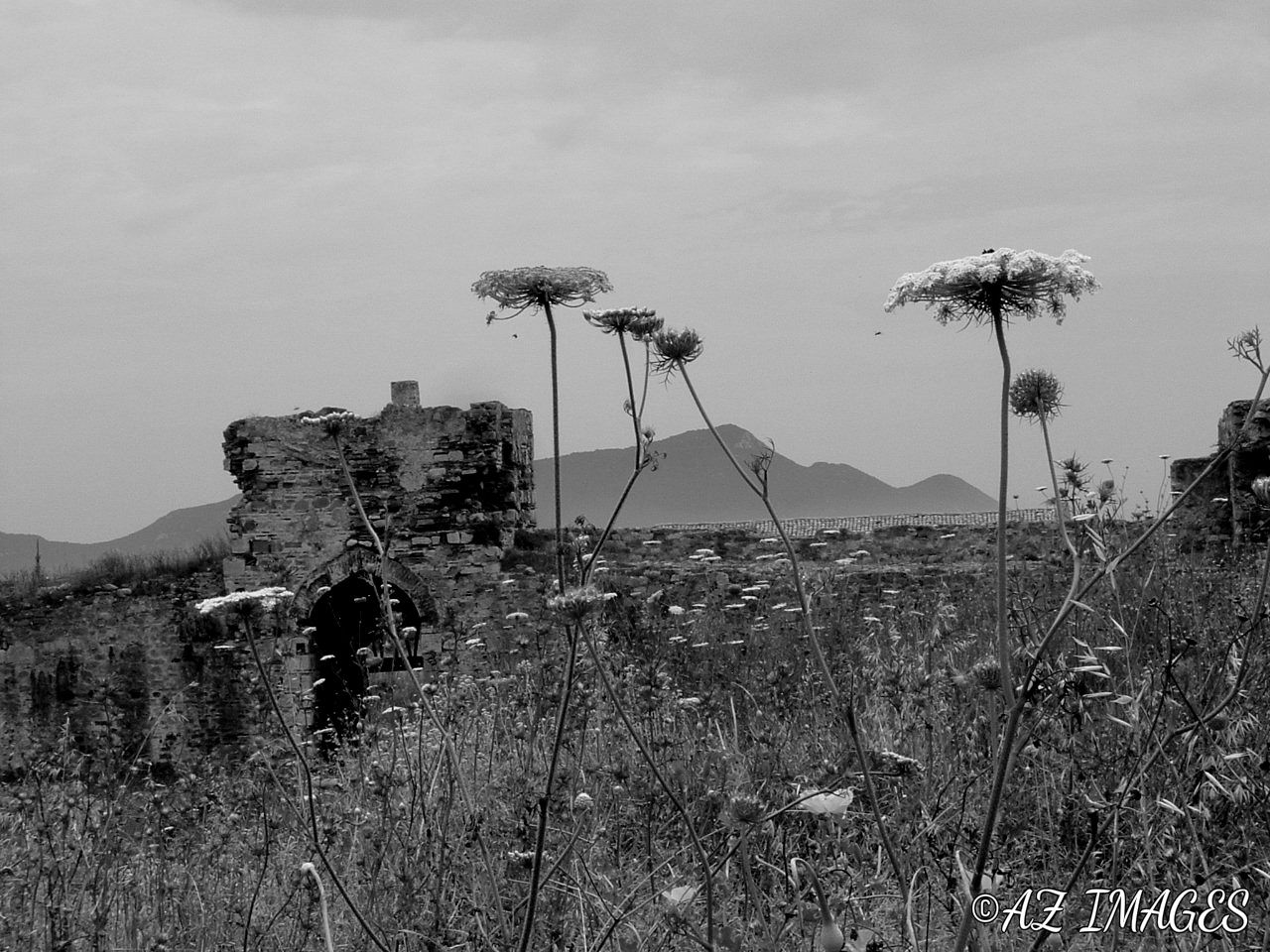
My next stop on my tour of the southern Peloponnese is a small town called ‘Methoni’ which is located in Messinia in the west coast part of the Peloponnese. The town of Methoni is famous for its’ medieval castle (Game of Thrones style) which might be in ruins now,  but it is still awe-inspiring.  The climb to the top offers a spectacular view of the sea and of the town with its red tile roofs.  The site was known in Homeric times as it was called ‘Pedasus’.  Homer called the site “ampeloessa” (of vine leaves) in the Iliad.  In 1209 A.D the Venetians built the castle as it was the ideal spot for trade.   Due to its strategic location between Venice and the Holy Lands, Methoni was conquered by many people. The castle was conquered by the Franks and the Venetians and even pirates and then it went into the hands of the Turks in the 18th Century and then back into the hands of the Greeks in the 19th Century.

When I went there was no one there so there was no entrance fee and I roamed freely with just a few tourists scattered around. I took a lot of photographs and it was very difficult to choose the right ones for this blog. Some photographs I felt were better in black and white, but I didn’t want them all to be black and white, even though it was  cloudy that day, there was some good light and the colourful landscape showed up well in the photographs.