“March on, and fear not the thorns, or the sharp stones on life’s path.” — Kahlil Gibran
“You are never too old to set a new goal or to dream a new dream.” — C.S. Lewis
“March on, and fear not the thorns, or the sharp stones on life’s path.” — Kahlil Gibran
“You are never too old to set a new goal or to dream a new dream.” — C.S. Lewis
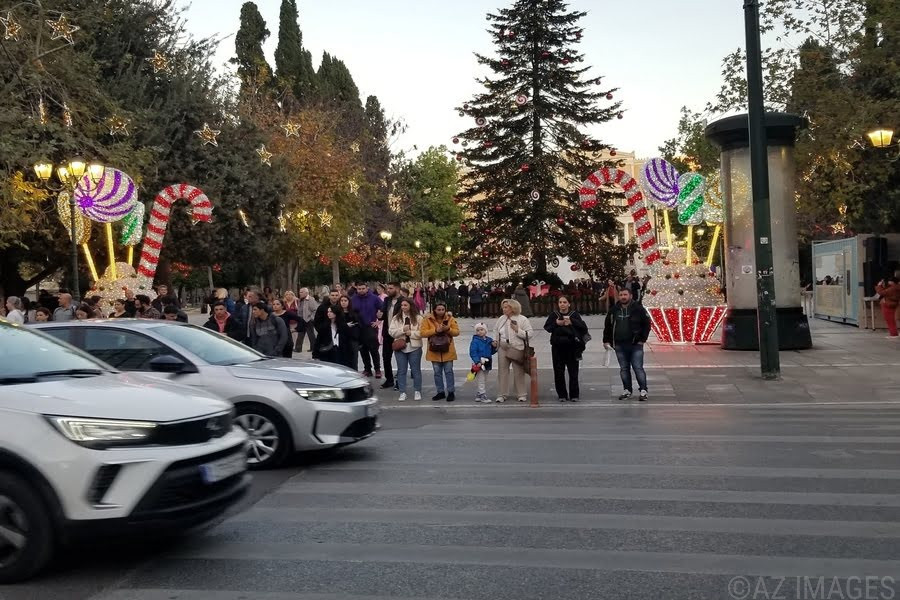
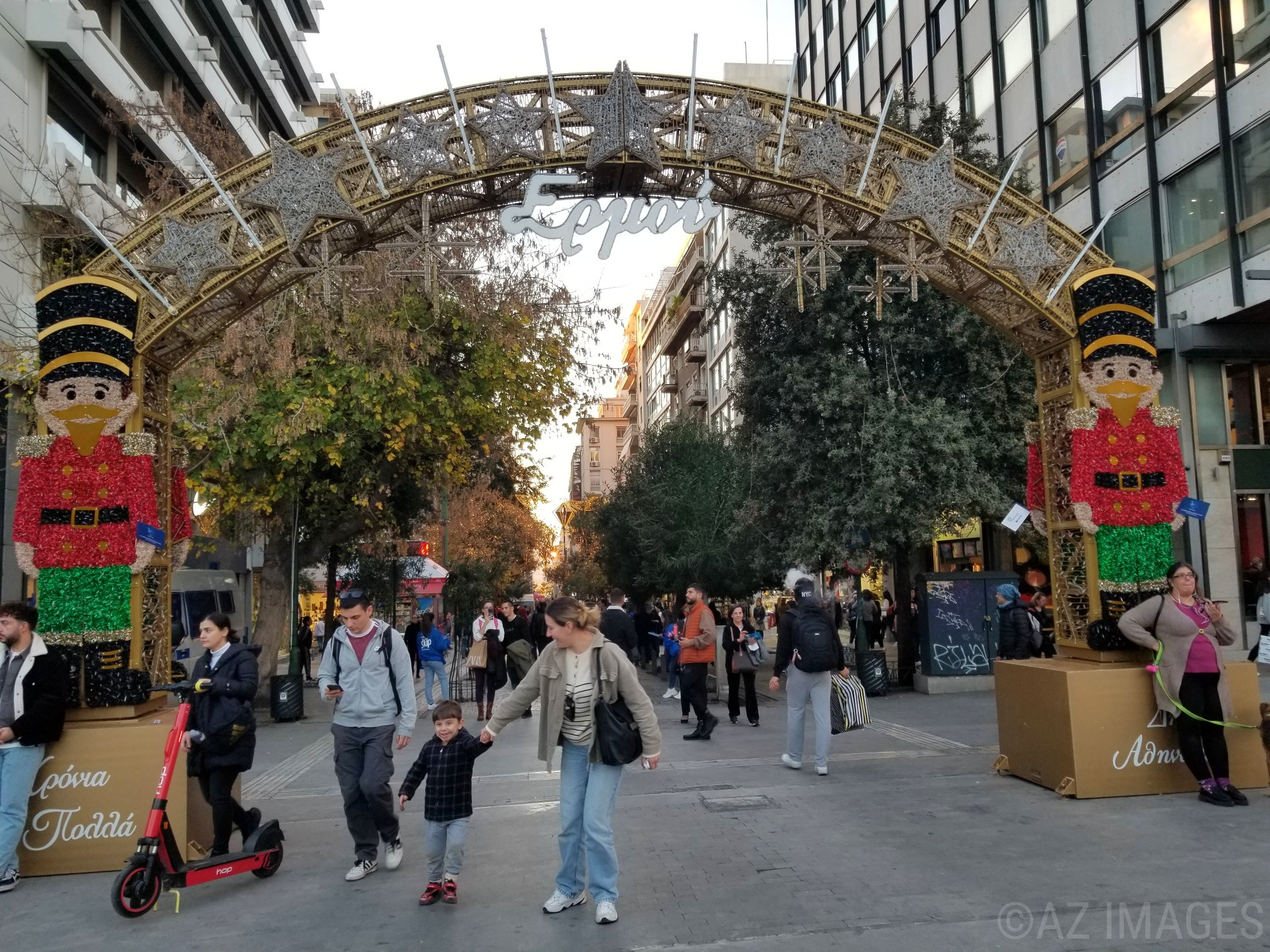
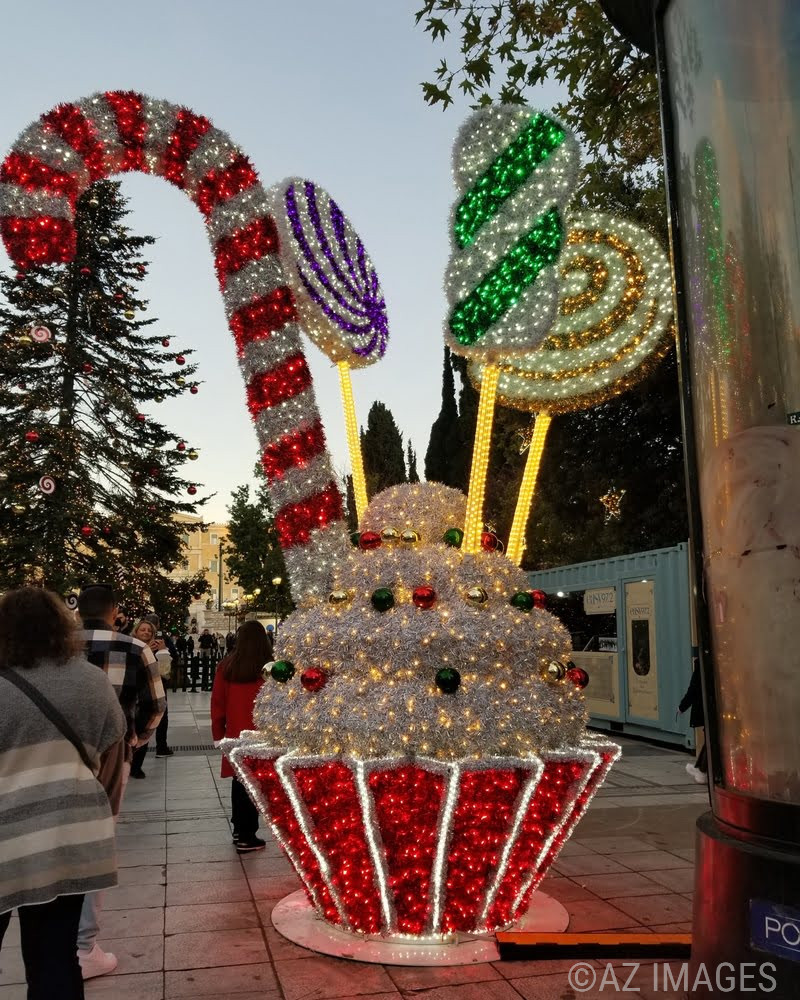
“It is my heart-warmed and world-embracing Christmas hope and aspiration that all of us, the high, the low, the rich, the poor, the admired, the despised, the loved, the hated, the civilized, the savage (every man and brother of us all throughout the whole earth), may eventually be gathered together in a heaven of everlasting rest and peace and bliss, except the inventor of the telephone.” —Mark Twain
«Είναι η θερμή και κοσμοαγκαλιασμένη ελπίδα και φιλοδοξία των Χριστουγέννων μου όλοι, οι υψηλοί, οι χαμηλοί, οι πλούσιοι, οι φτωχοί, οι θαυμαστές, οι περιφρονημένοι, οι αγαπημένοι, οι μισητοί, οι πολιτισμένοι, οι άγριοι ( κάθε άνθρωπος και αδελφός όλων μας σε ολόκληρη τη γη), μπορεί τελικά να συγκεντρωθεί μαζί σε έναν ουρανό αιώνιας ανάπαυσης, ειρήνης και ευδαιμονίας, εκτός από τον εφευρέτη του τηλεφώνου.”- Mark Twain
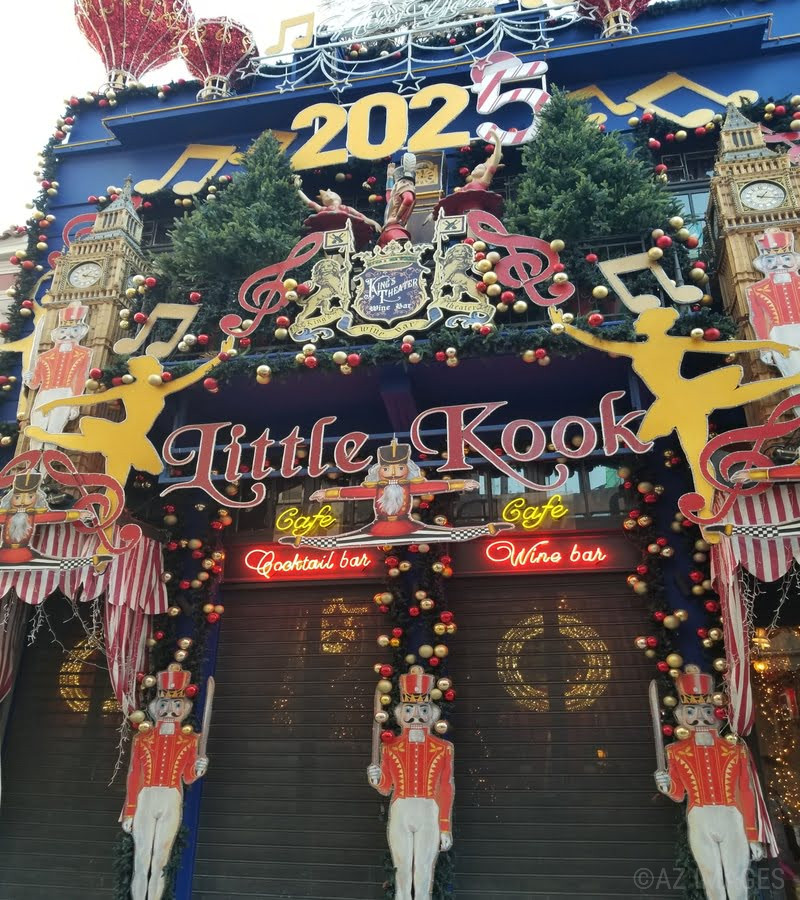
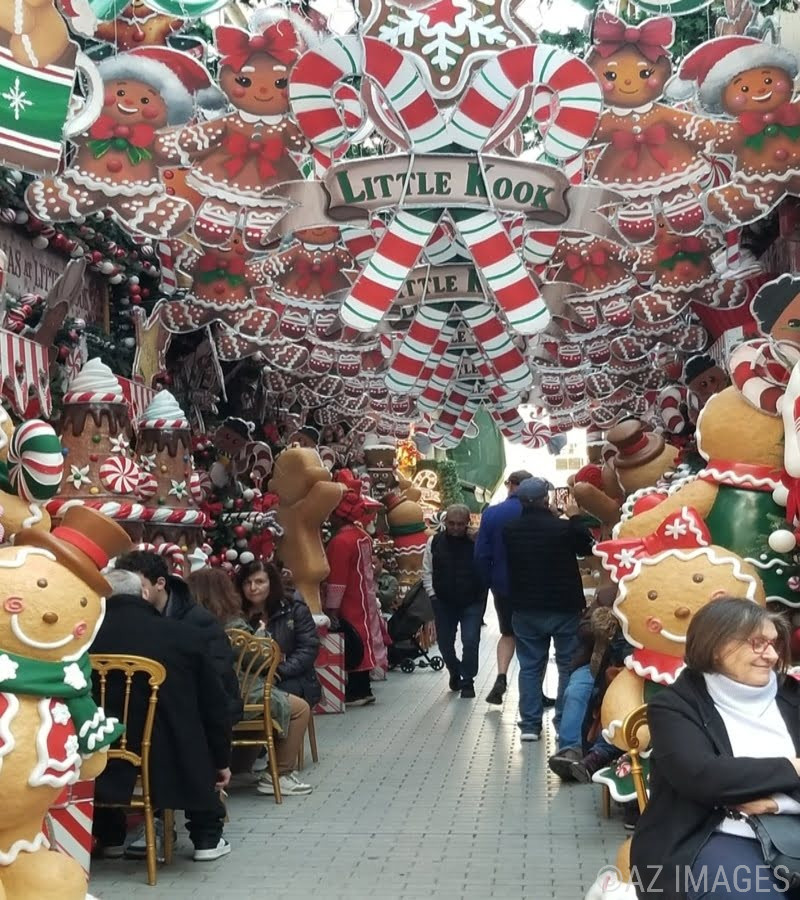
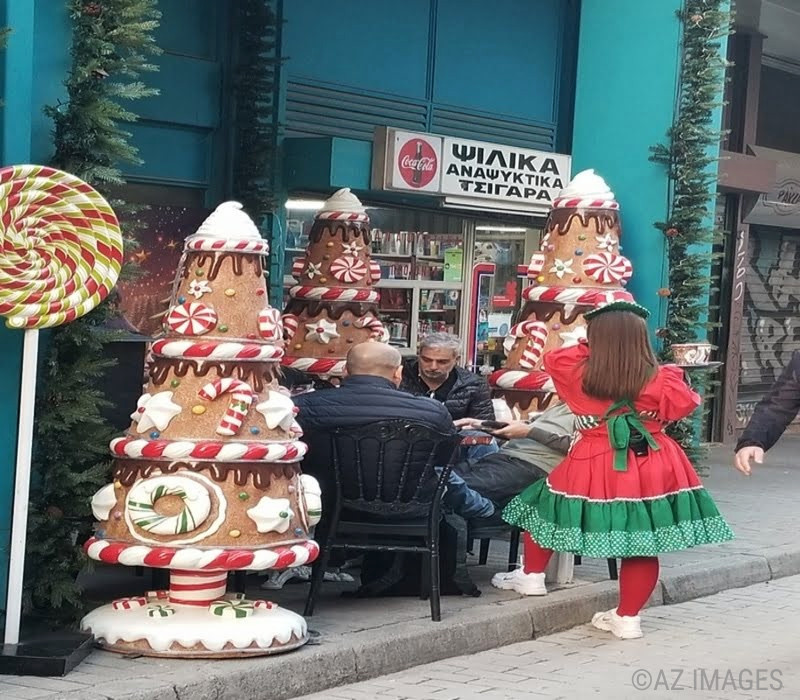
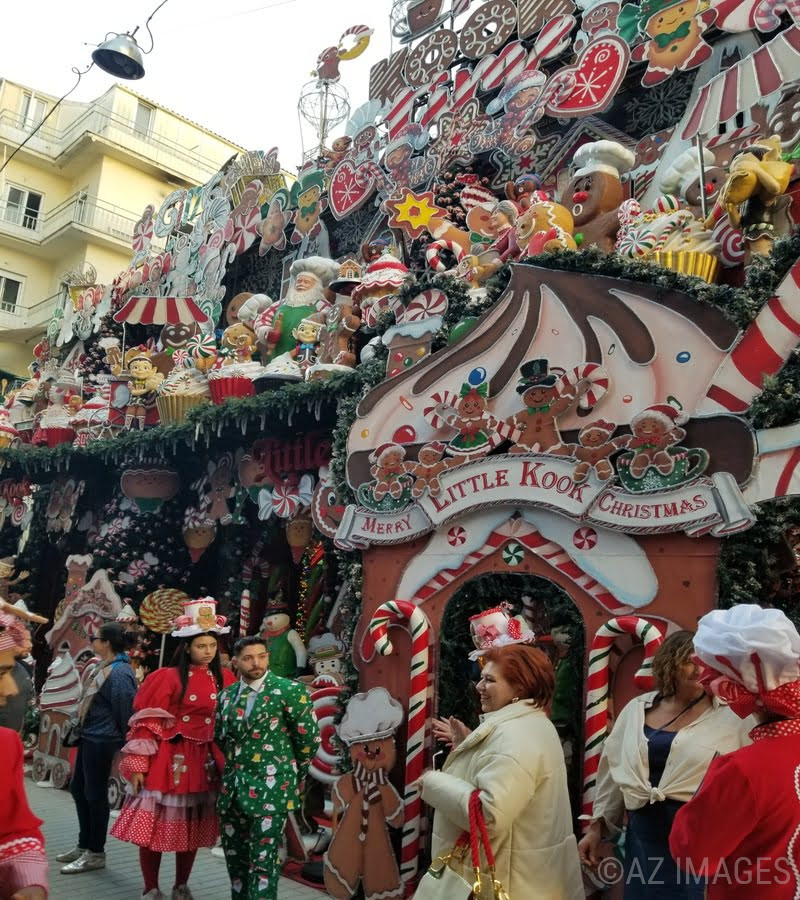

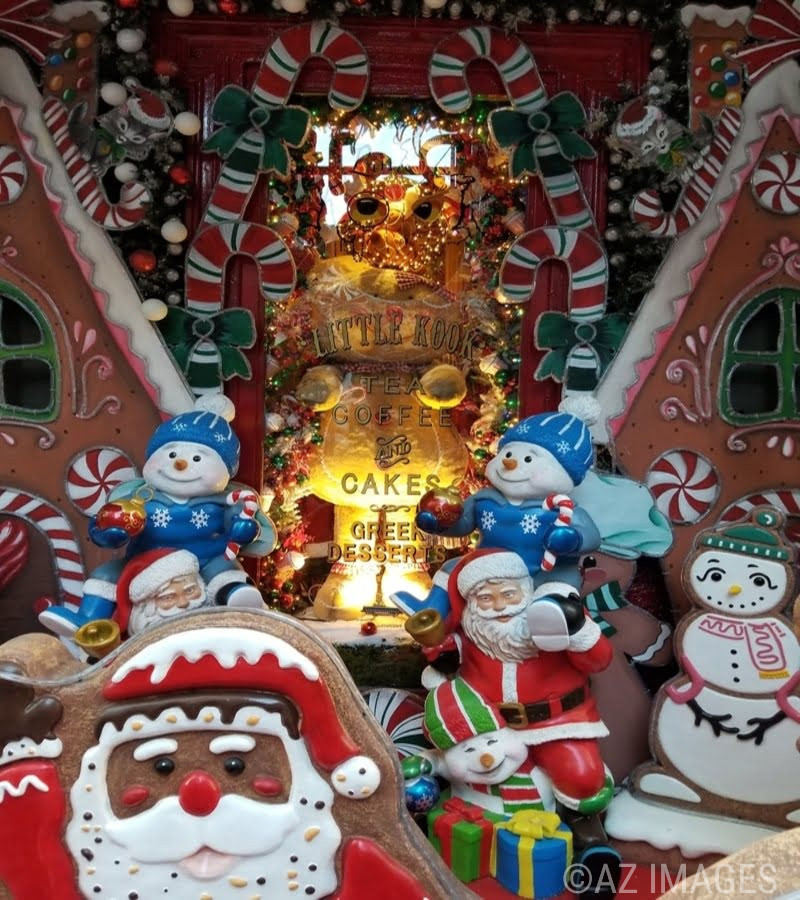

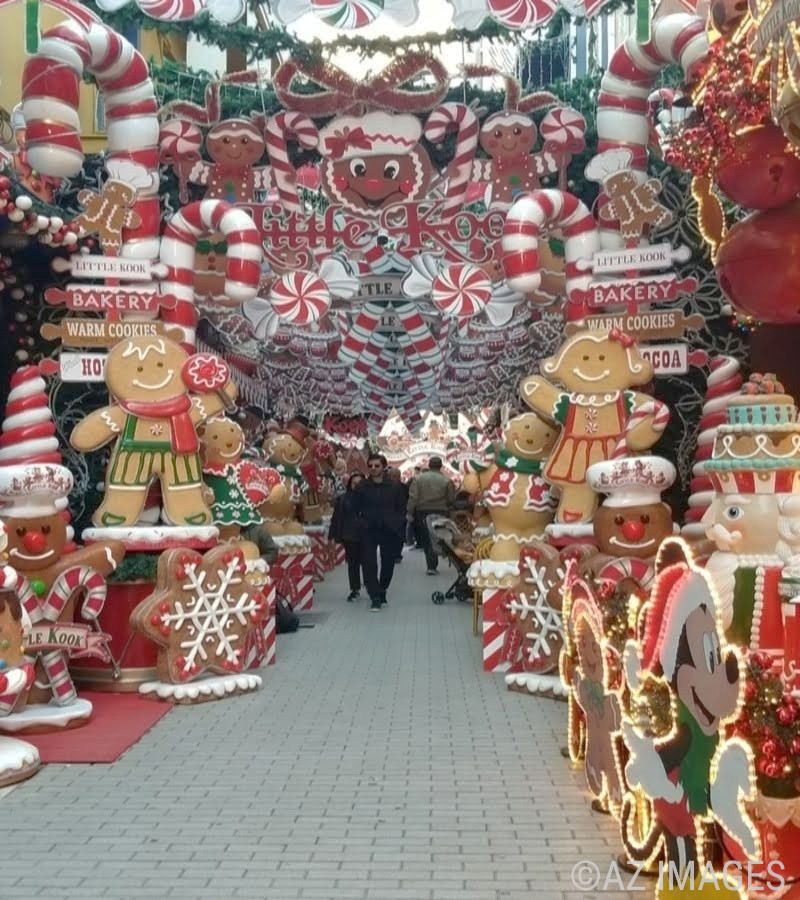
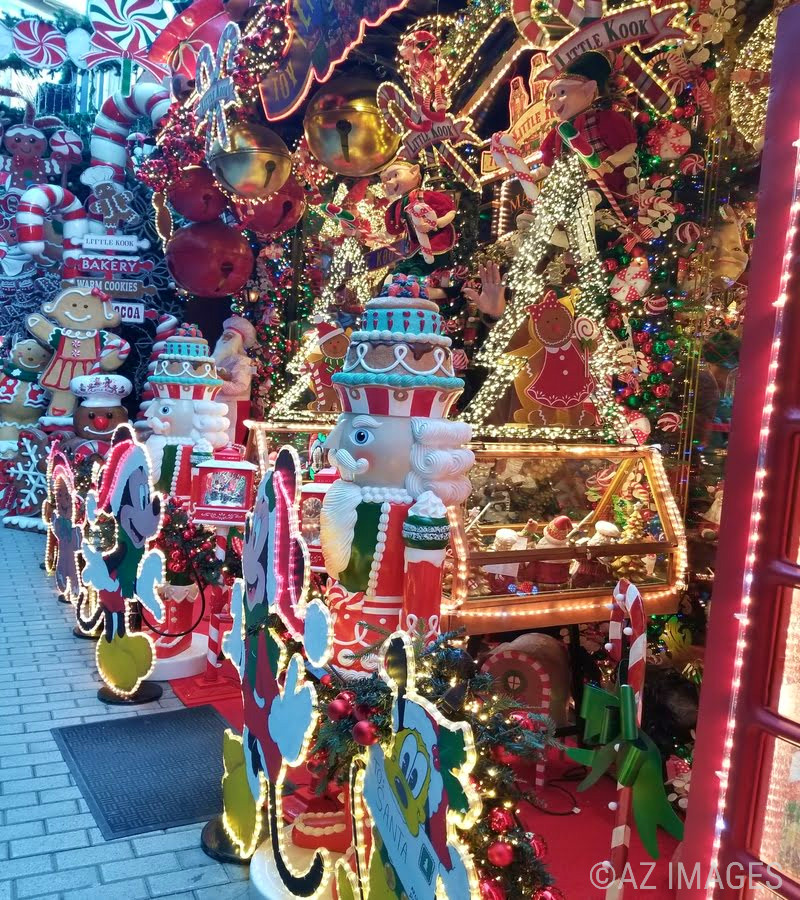
The Little Kook cafe has beautiful decorations for every season near Psirri street in downtown Athens.
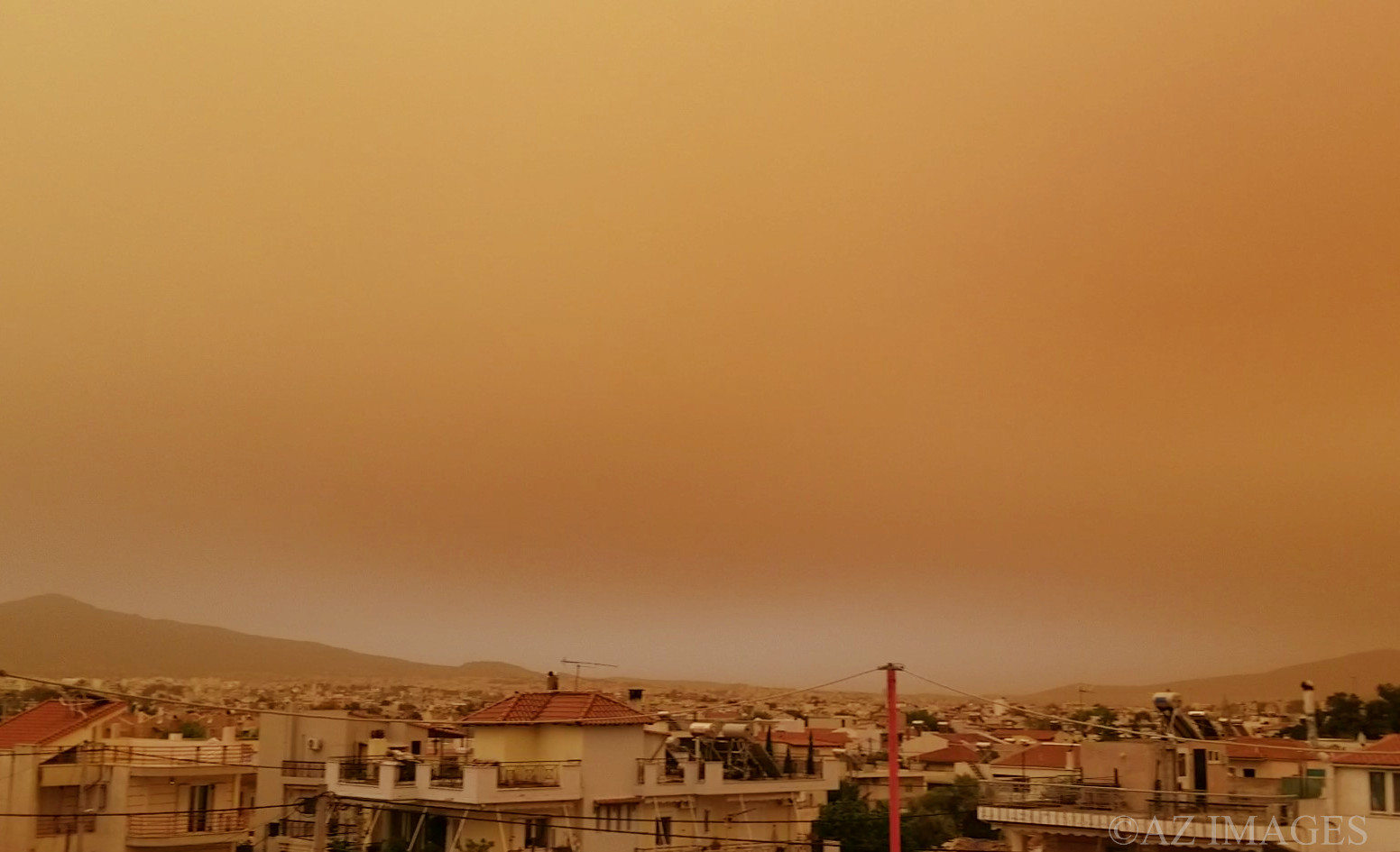

Orange skies over Athens and most parts of Greece and Cyprus on Tuesday. This is probably the third wave of dust from the sahara desert to cover the skies of Greece over the past few weeks. It’s a very eerie sight, almost apocalyptic, like a scene from the futuristic film Blade runner.
It’s not a common phenomenon in Greece. This was the worst in years. The dust is toxic and terrible for the lungs, and for plants and trees. I only stepped outside for a couple of minutes to take photos and to capture the unique sky. Later on, I was coughing a lot. I have asthma and allergies so people like me are advised to stay indoors. You need to wear a mask if you have to go outside. The dust will slowly go away, but will linger a bit until this Friday.
F.Y.I WordPress has informed me that this is my 14th anniversary on wordpress.
WOW!! Time flies!
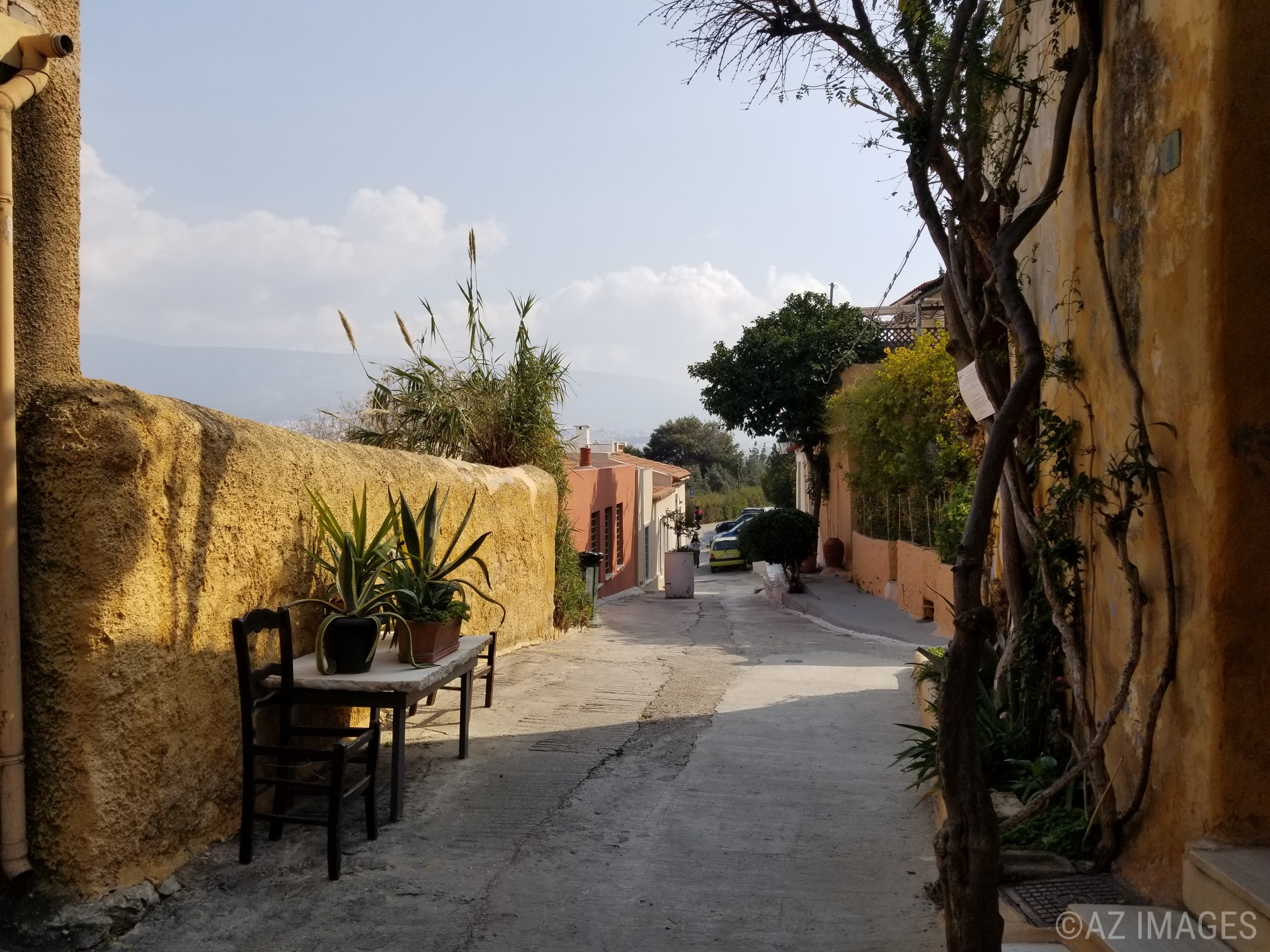
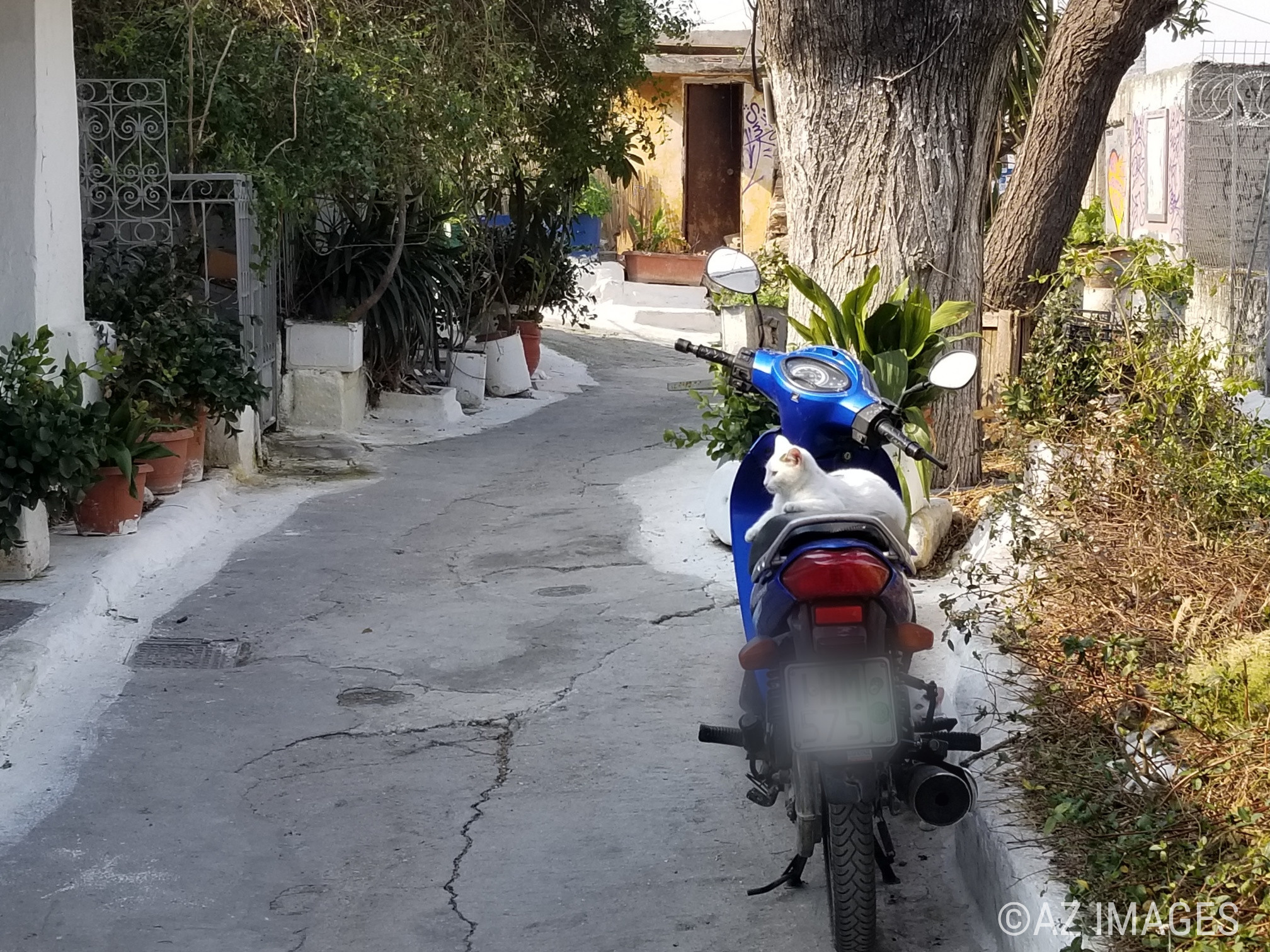
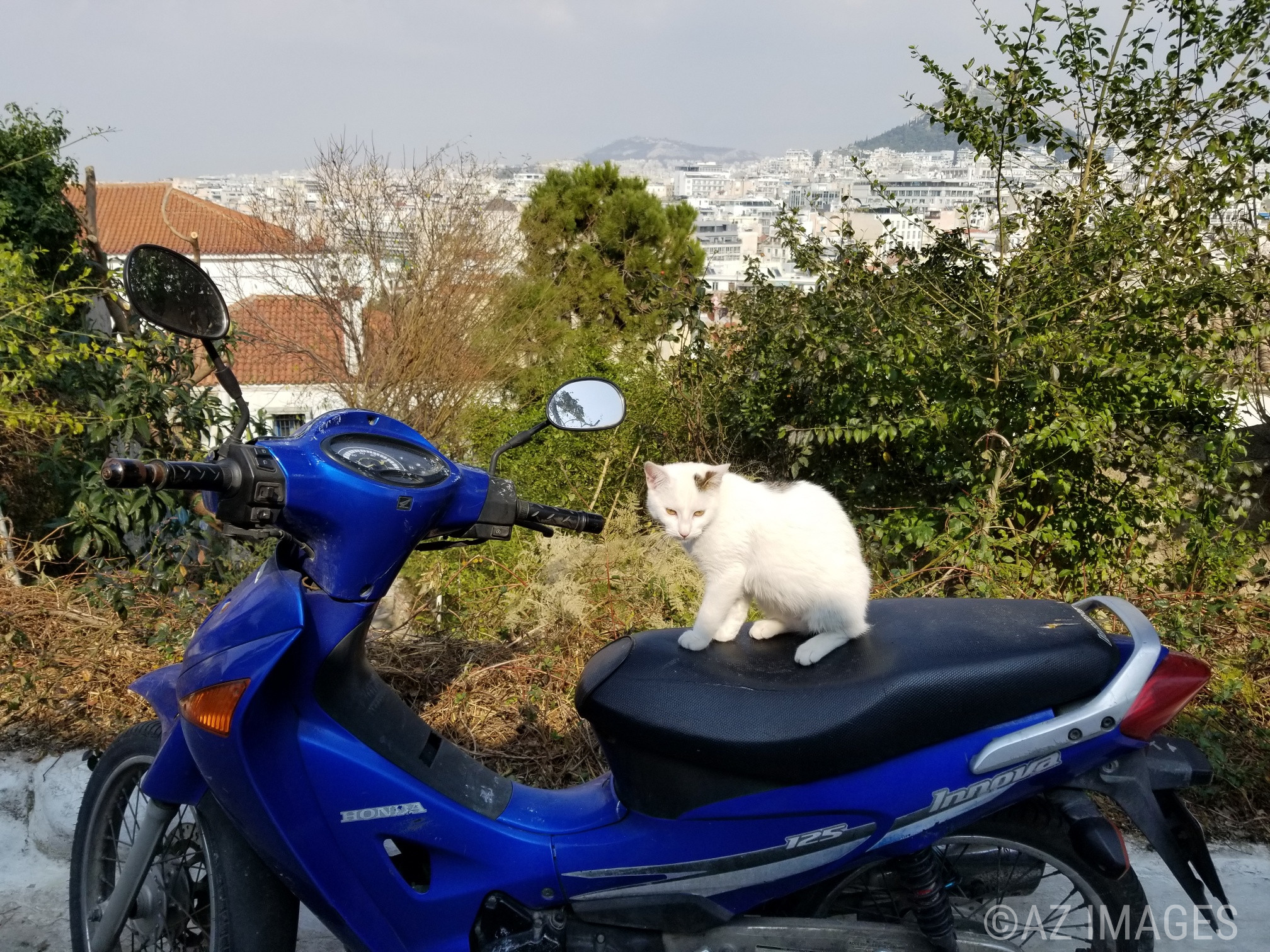

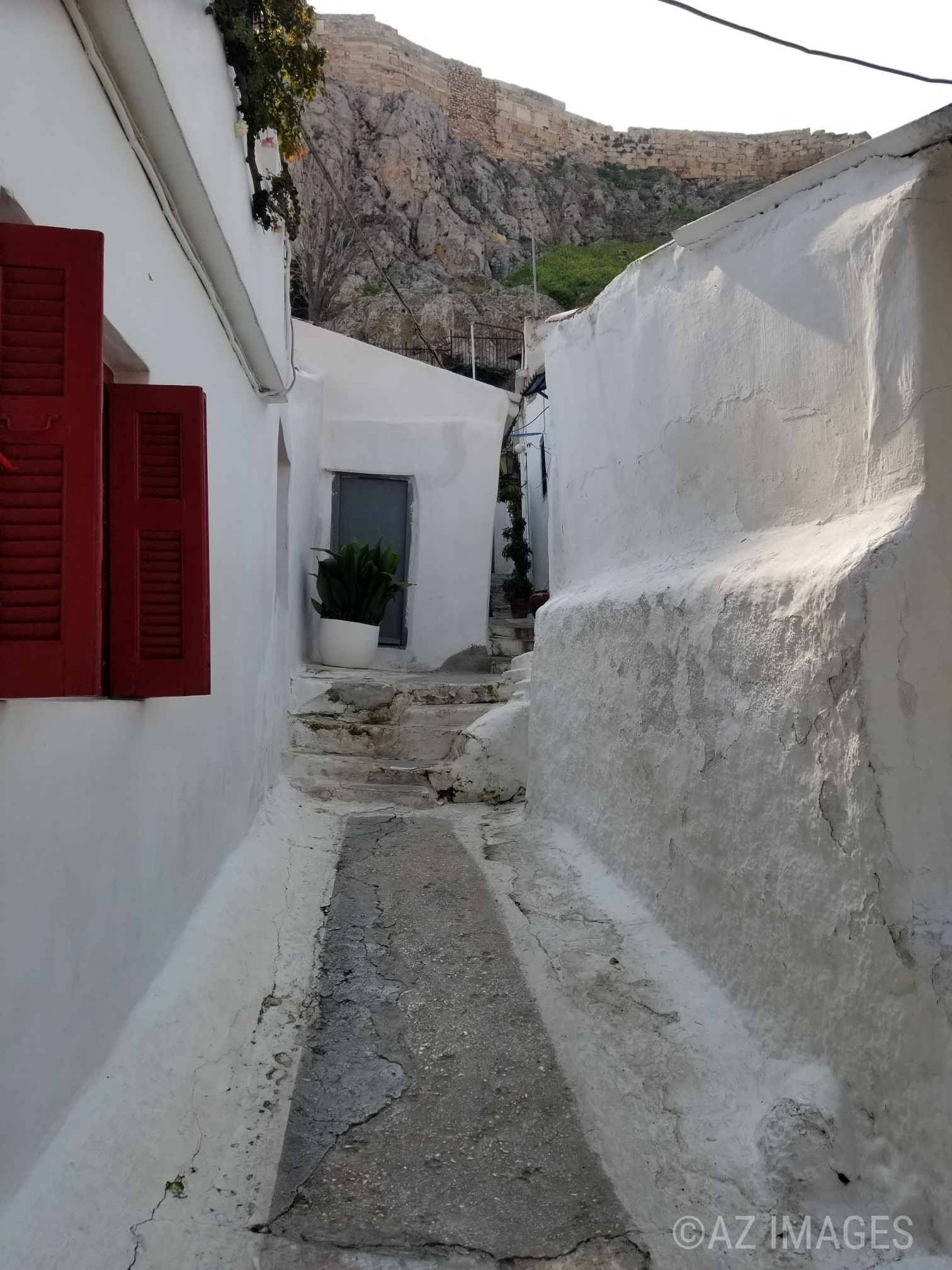
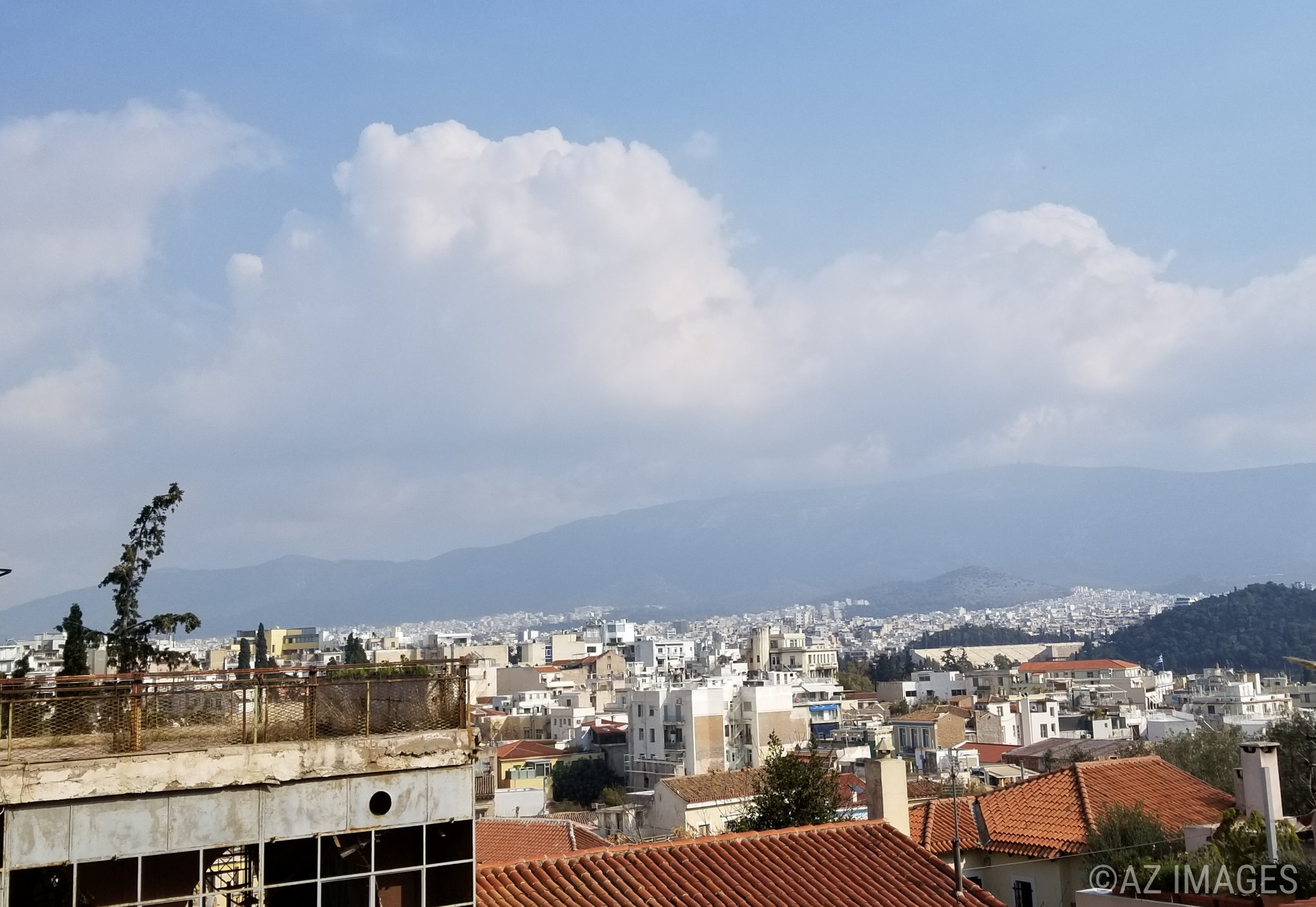
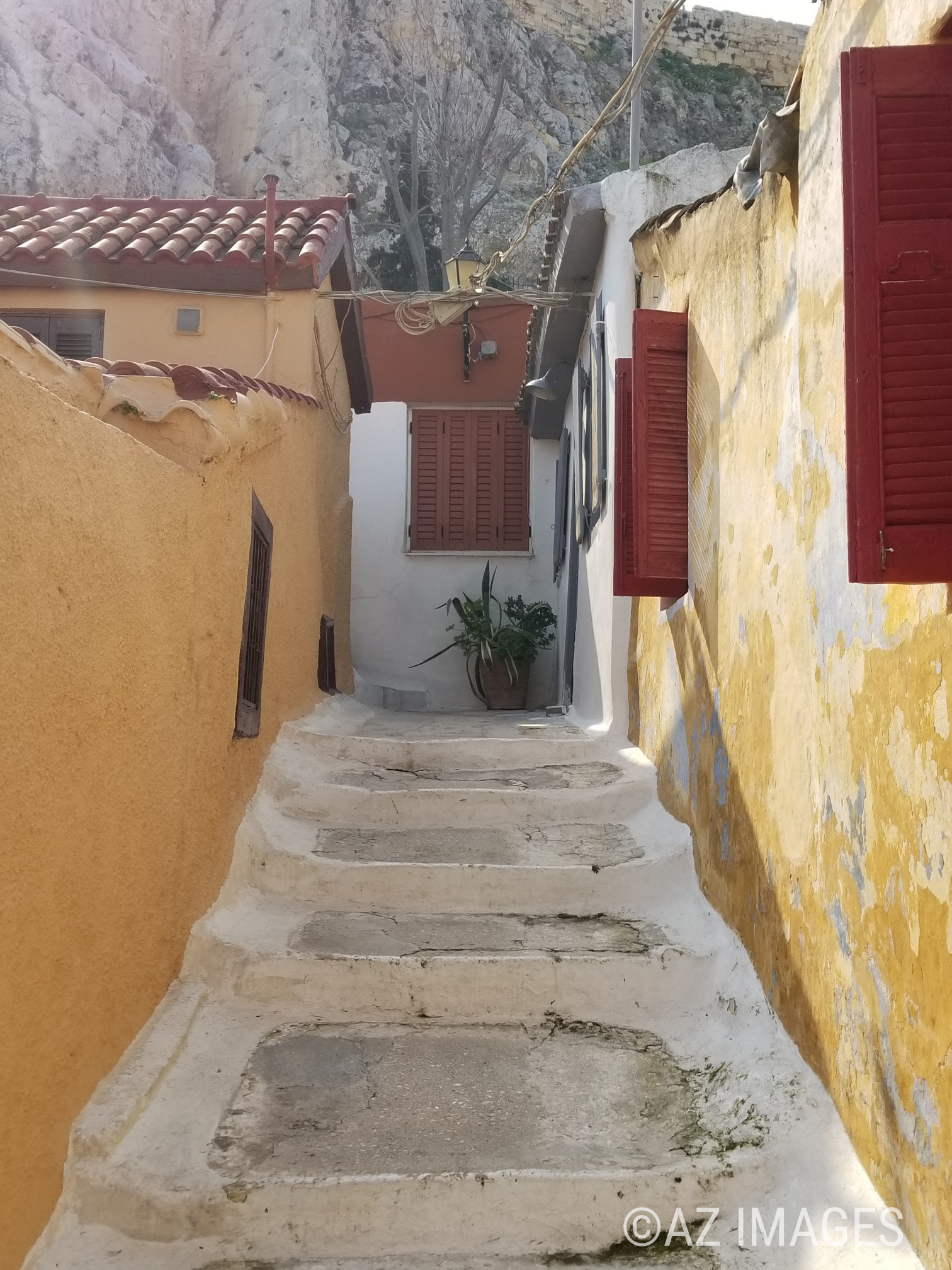
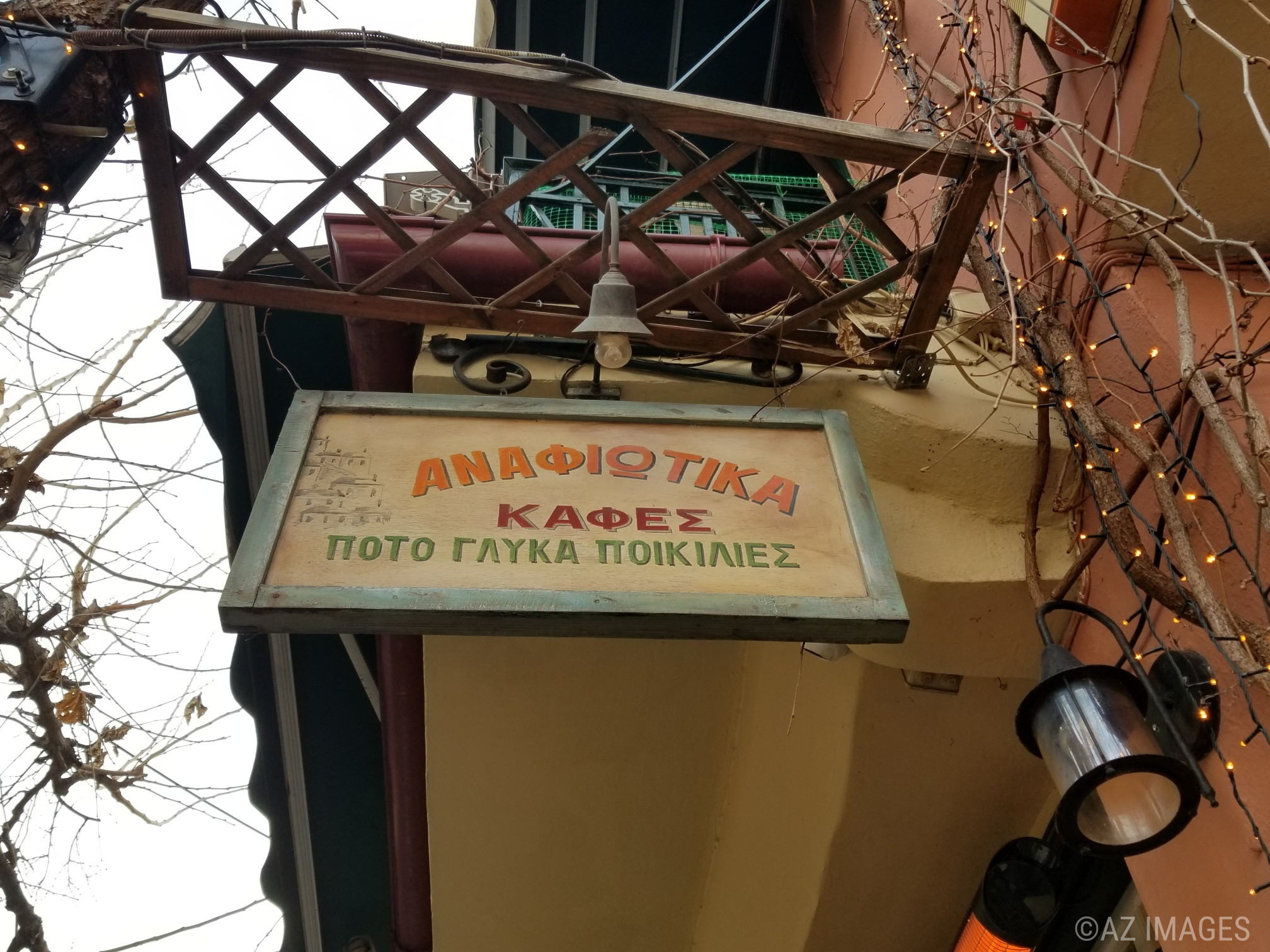
Anafiotika is a unique, and beautiful neighborhood on the northeast side of the Acropolis hill. The architectural style of the homes are similar to the ones in the Cycladic islands in Greece. This is due to the fact that in the 19th century, constructions workers were brought in from the Cycladic island of Anafi by King Otto to renovate the kings’ palace in Athens. Their building skills were renowned and very much in demand. The workers built the small-cubed homes and named their new neighbourhood ‘Anafi’ after their beloved island.
The Anafiotika homes were built illegaly and still are illegal, so none of them can be passed down to family members. This is why many have been abandoned. Some have been demolished in the 1930’s due to archaeological excavations. Today, there are only forty-five houses left in the neighbourhood.
The neighbourhood definitely has an ‘island feel’ to it. There were a lot less tourists here as there are so many things to and see in and around the area of the Acropolis that it is easy to neglect this part of the hill. However, it is well-worth the visit.
Τα Αναφιώτικα είναι μια μοναδική και όμορφη γειτονιά στη βορειοανατολική πλευρά του λόφου της Ακρόπολης. Το αρχιτεκτονικό στυλ των σπιτιών είναι παρόμοιο με αυτό των Κυκλάδων στην Ελλάδα. Αυτό οφείλεται στο γεγονός ότι τον 19ο αιώνα, εργάτες οικοδομής προσήλθαν από το κυκλαδίτικο νησί Ανάφη από τον βασιλιά Όθωνα για να ανακαινίσουν το παλάτι των βασιλέων στην Αθήνα. Οι κατασκευαστικές τους ικανότητες ήταν γνωστές και με μεγάλη ζήτηση. Οι εργάτες έχτισαν τα σπίτια σε μικρούς κύβους και ονόμασαν τη νέα τους γειτονιά «Ανάφη» από το αγαπημένο τους νησί.
Τα Αναφιώτικα σπίτια χτίστηκαν παράνομα και εξακολουθούν να είναι παράνομα, οπότε κανένα από αυτά δεν μπορεί να περάσει στα μέλη της οικογένειας. Αυτός είναι ο λόγος που πολλοί έχουν εγκαταλειφθεί. Ορισμένα έχουν κατεδαφιστεί τη δεκαετία του 1930 λόγω αρχαιολογικών ανασκαφών. Σήμερα, έχουν απομείνει μόνο σαράντα πέντε σπίτια στη γειτονιά.
Η γειτονιά έχει σίγουρα μια «νησιωτική αίσθηση». Υπήρχαν πολύ λιγότεροι τουρίστες εδώ, καθώς υπάρχουν τόσα πολλά πράγματα για να δείτε και να δείτε μέσα και γύρω από την περιοχή της Ακρόπολης που είναι εύκολο να παραμελήσετε αυτό το μέρος του λόφου. Ωστόσο, αξίζει μια επίσκεψη.
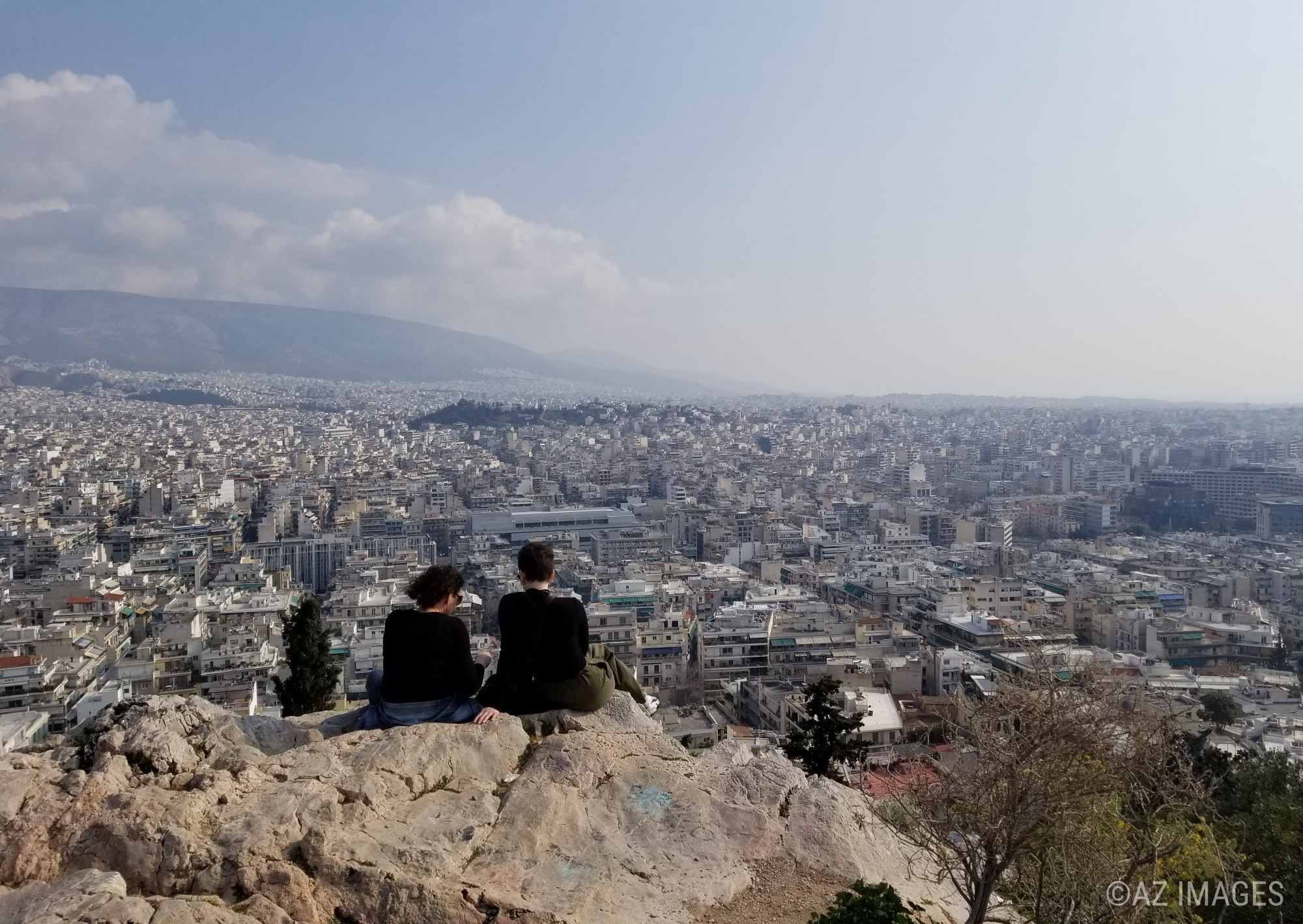
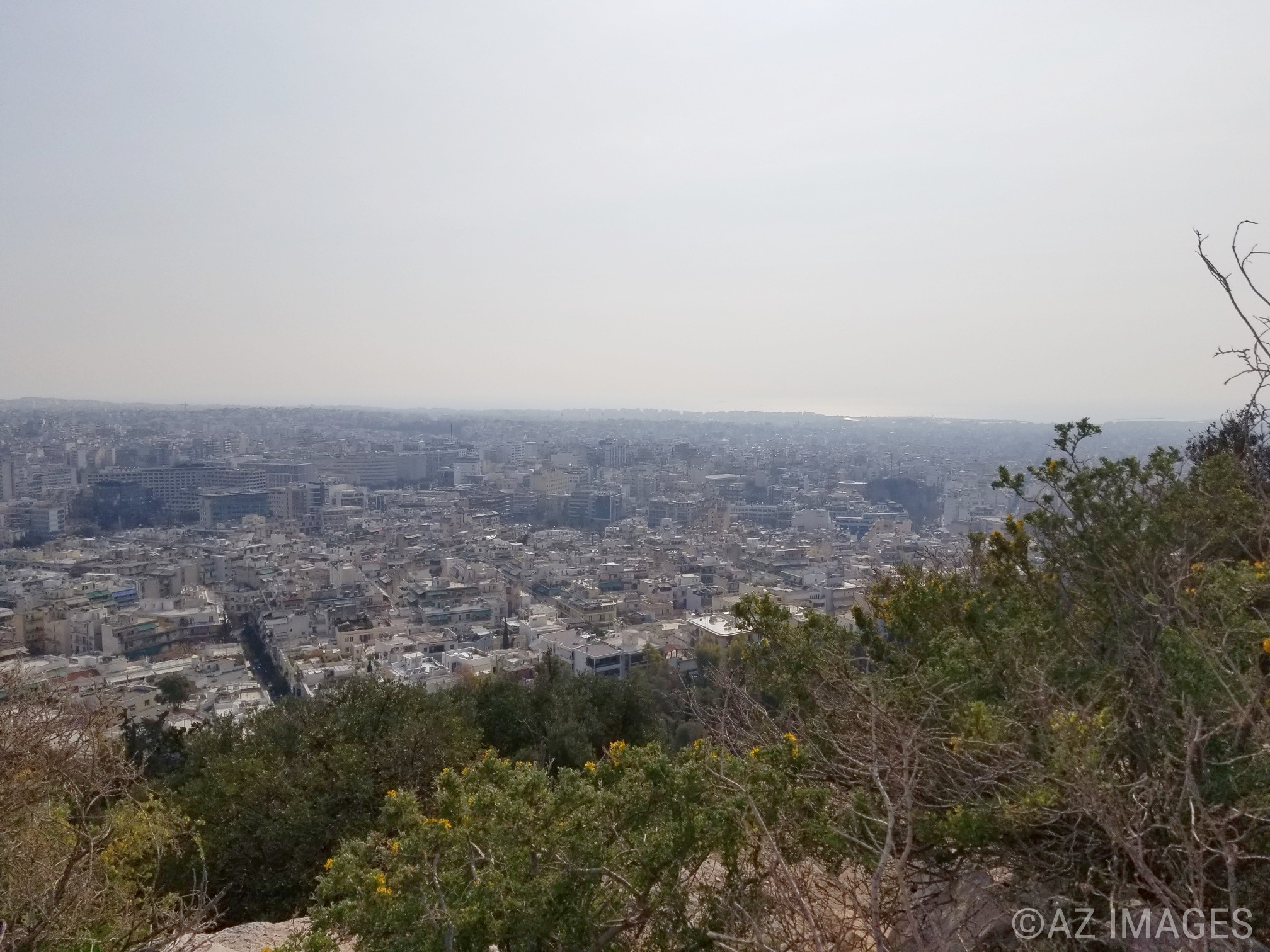
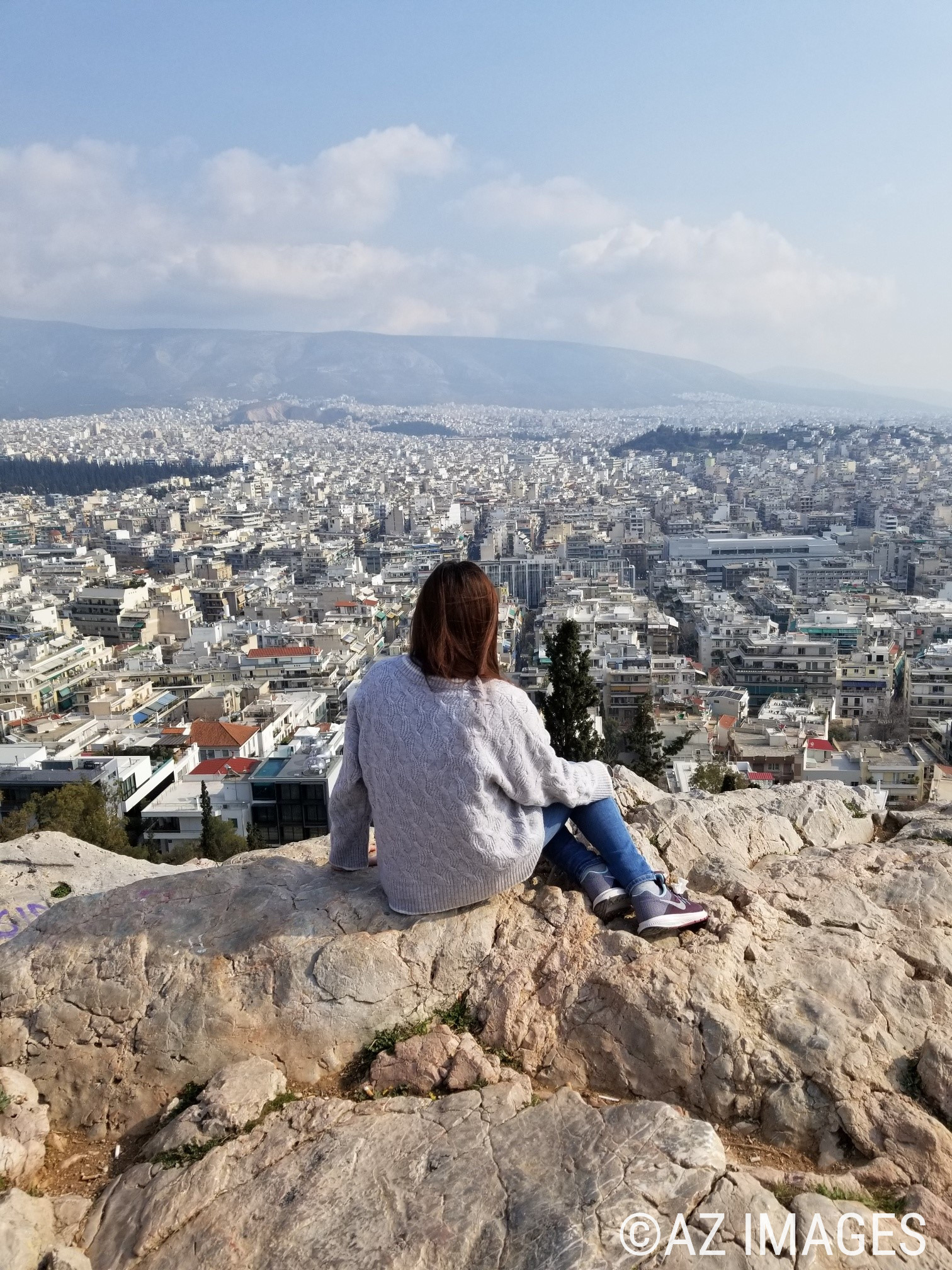
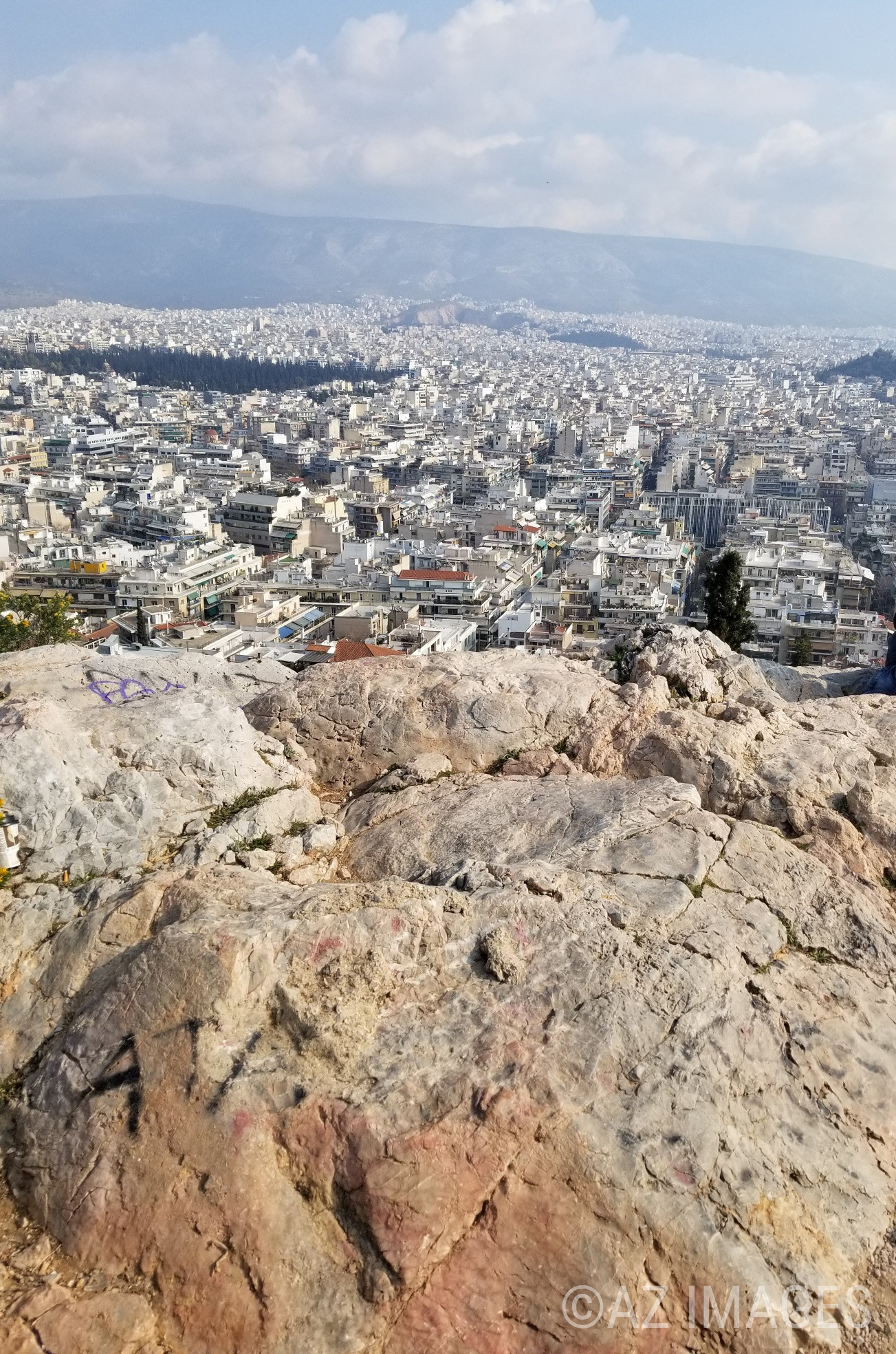
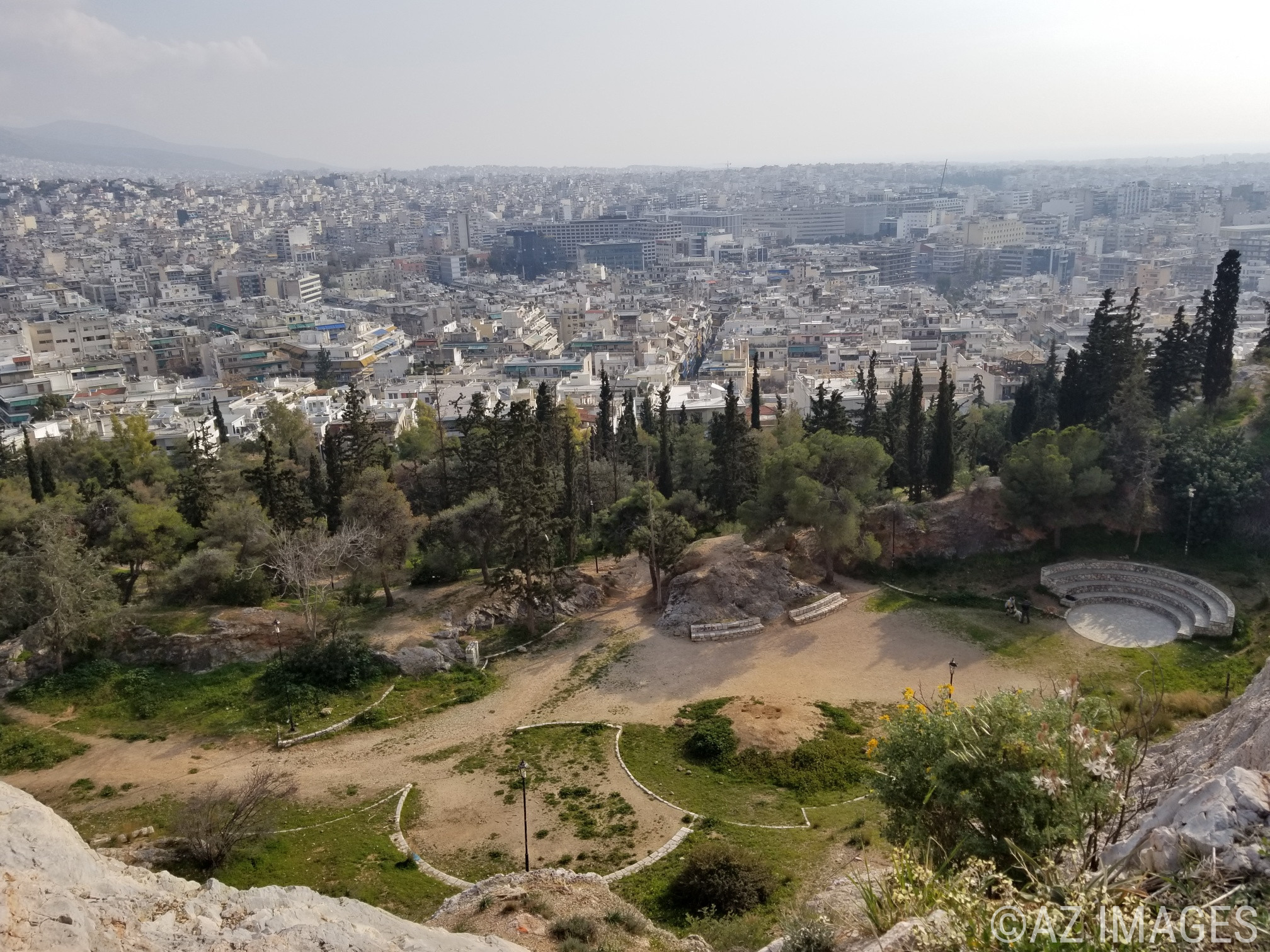
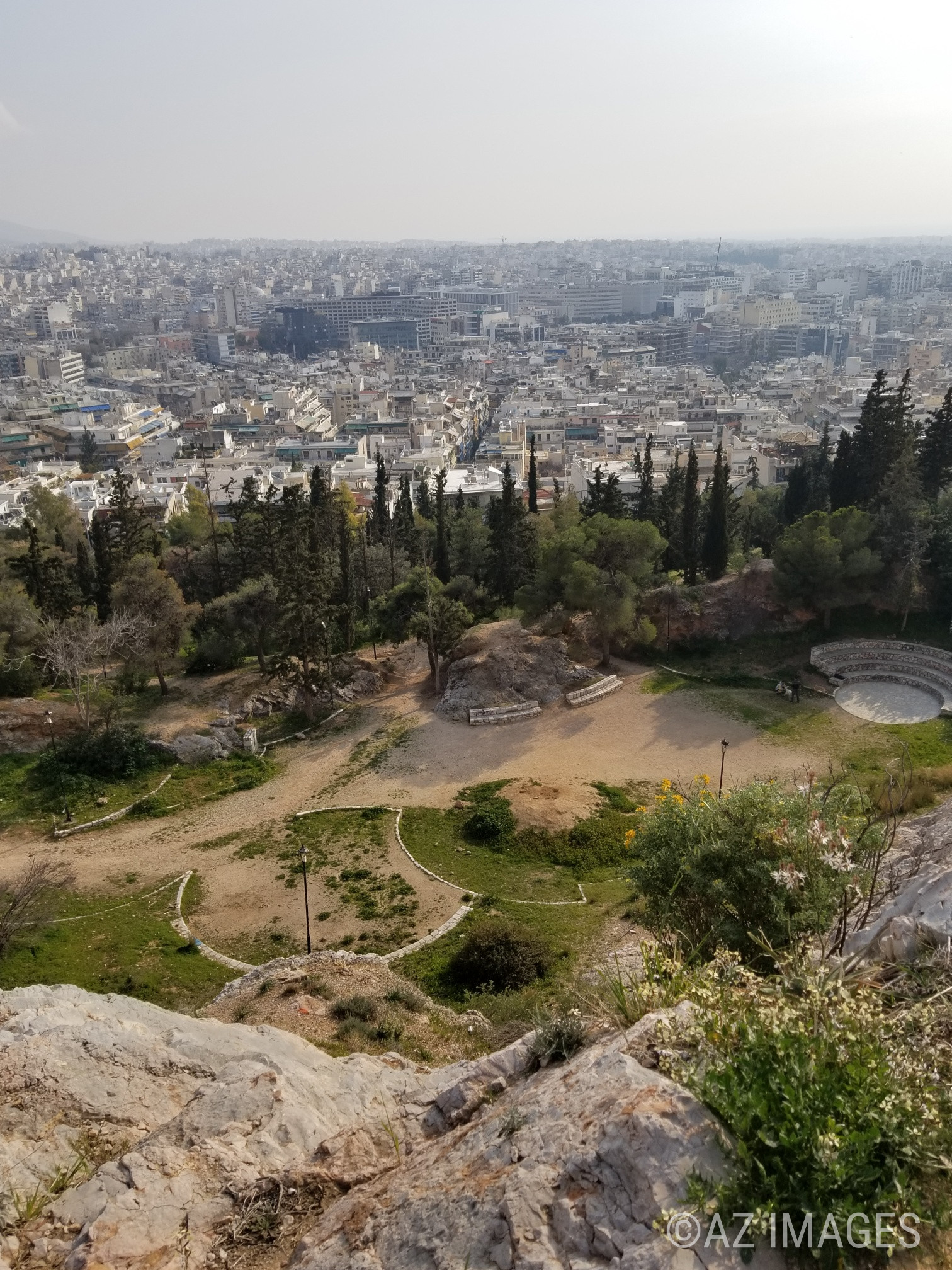
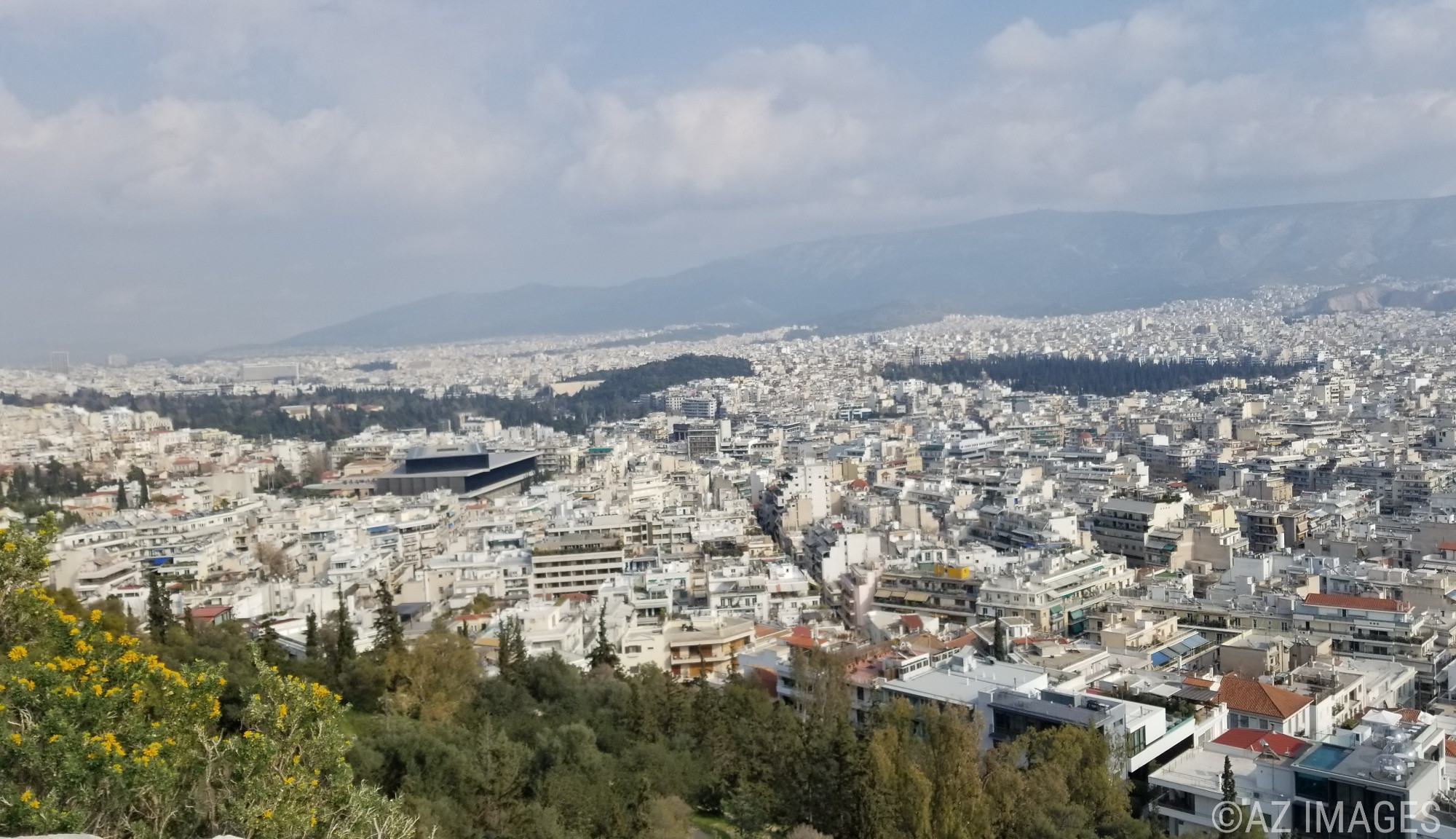
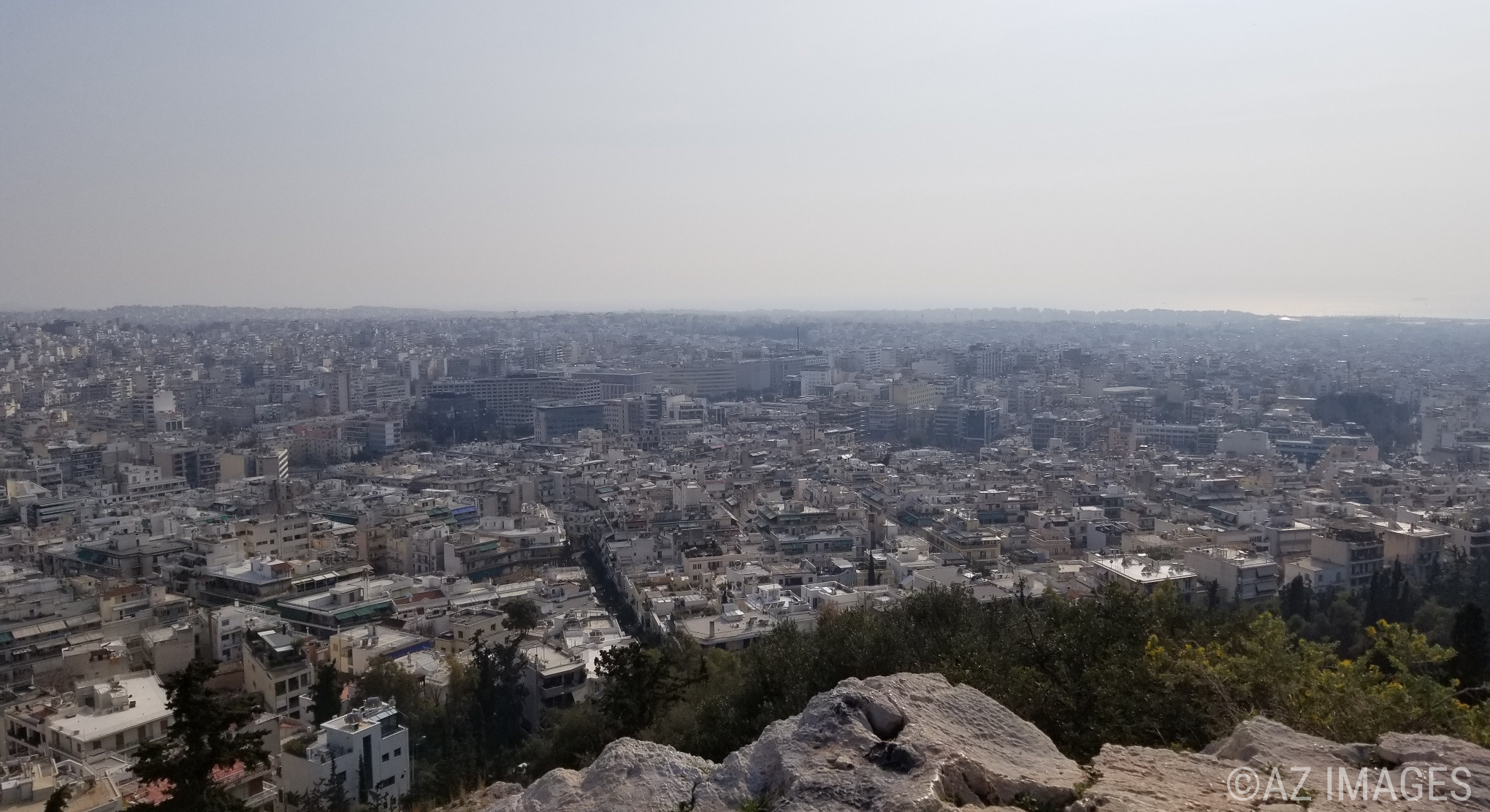
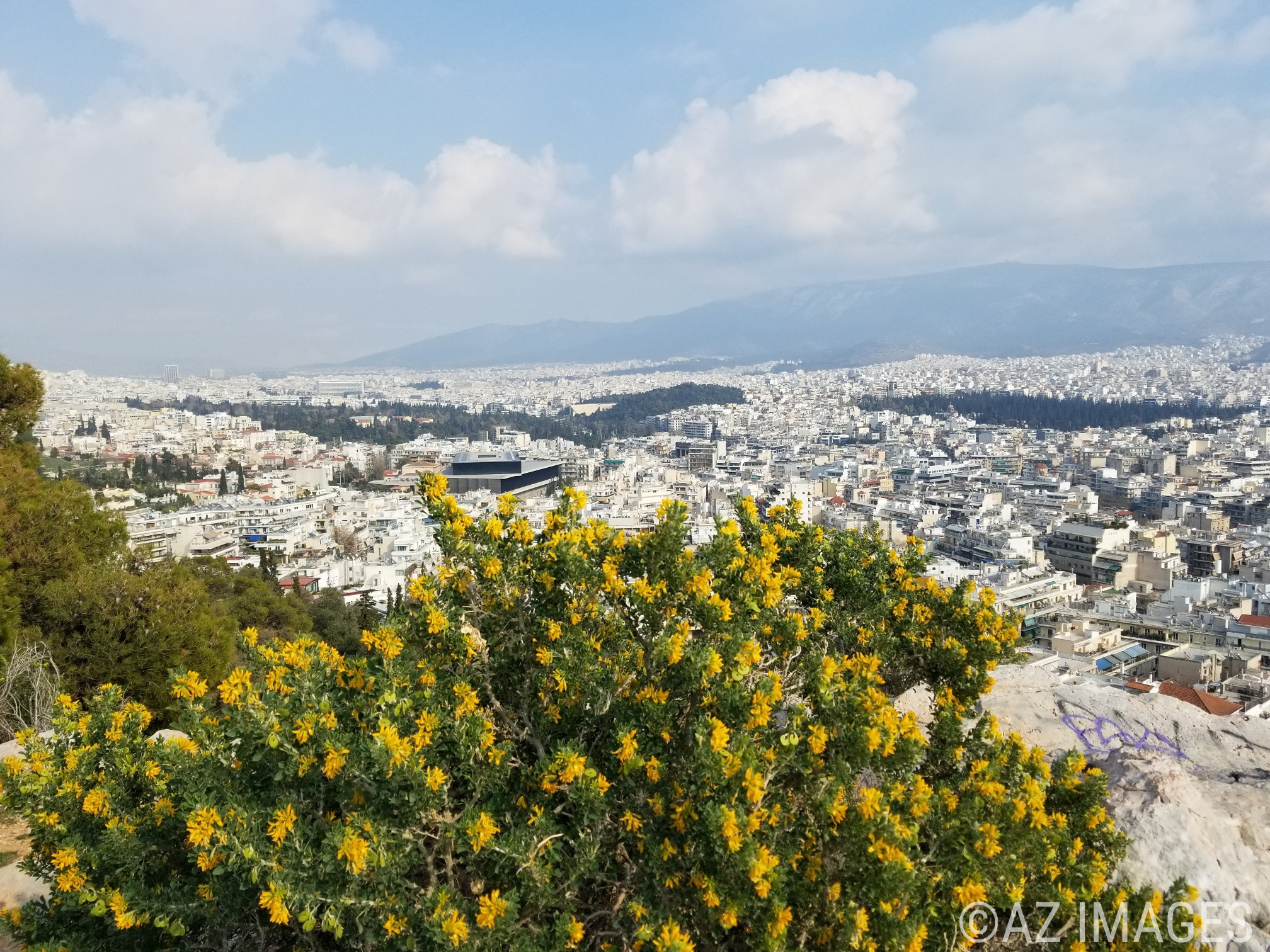
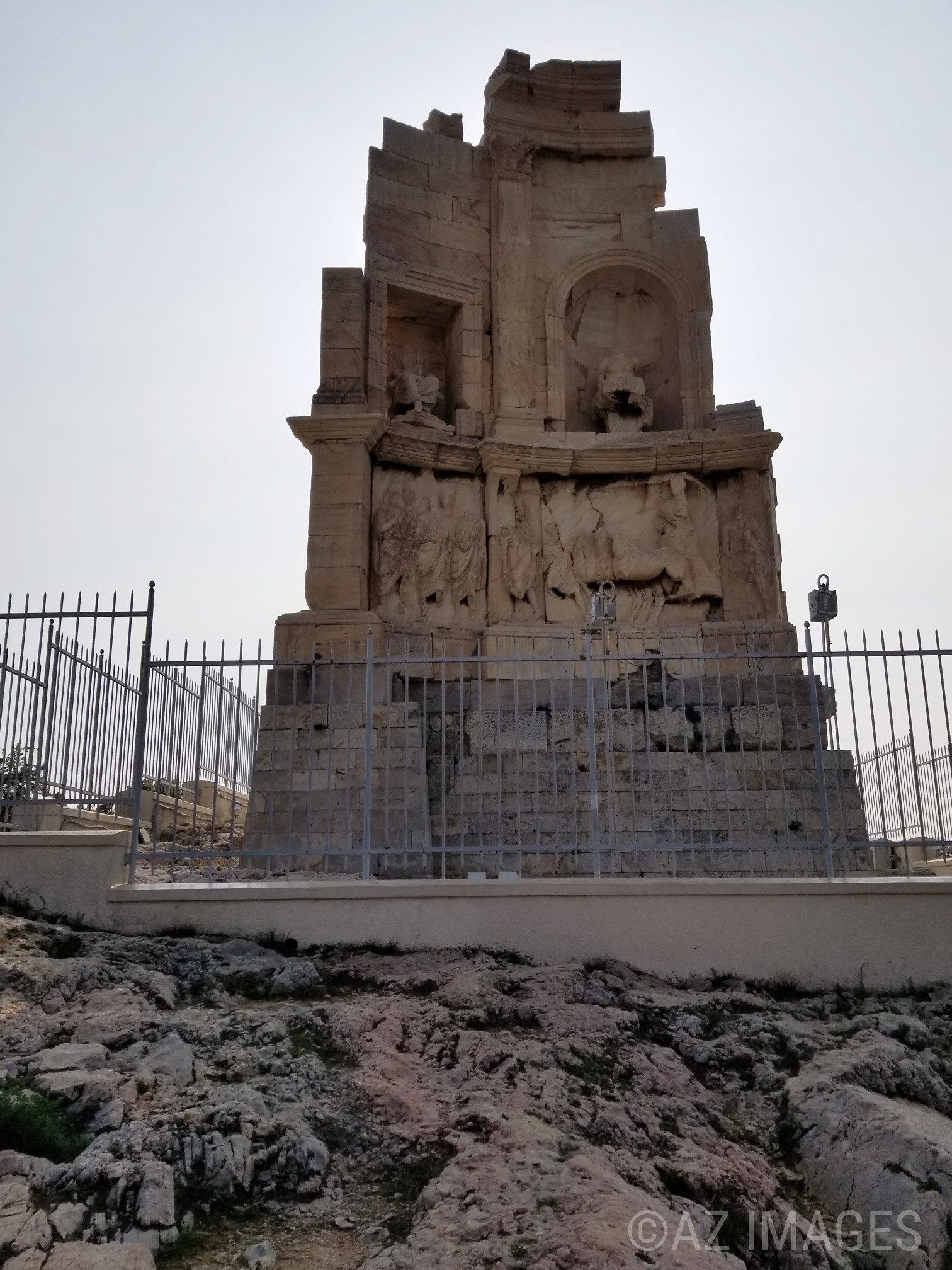
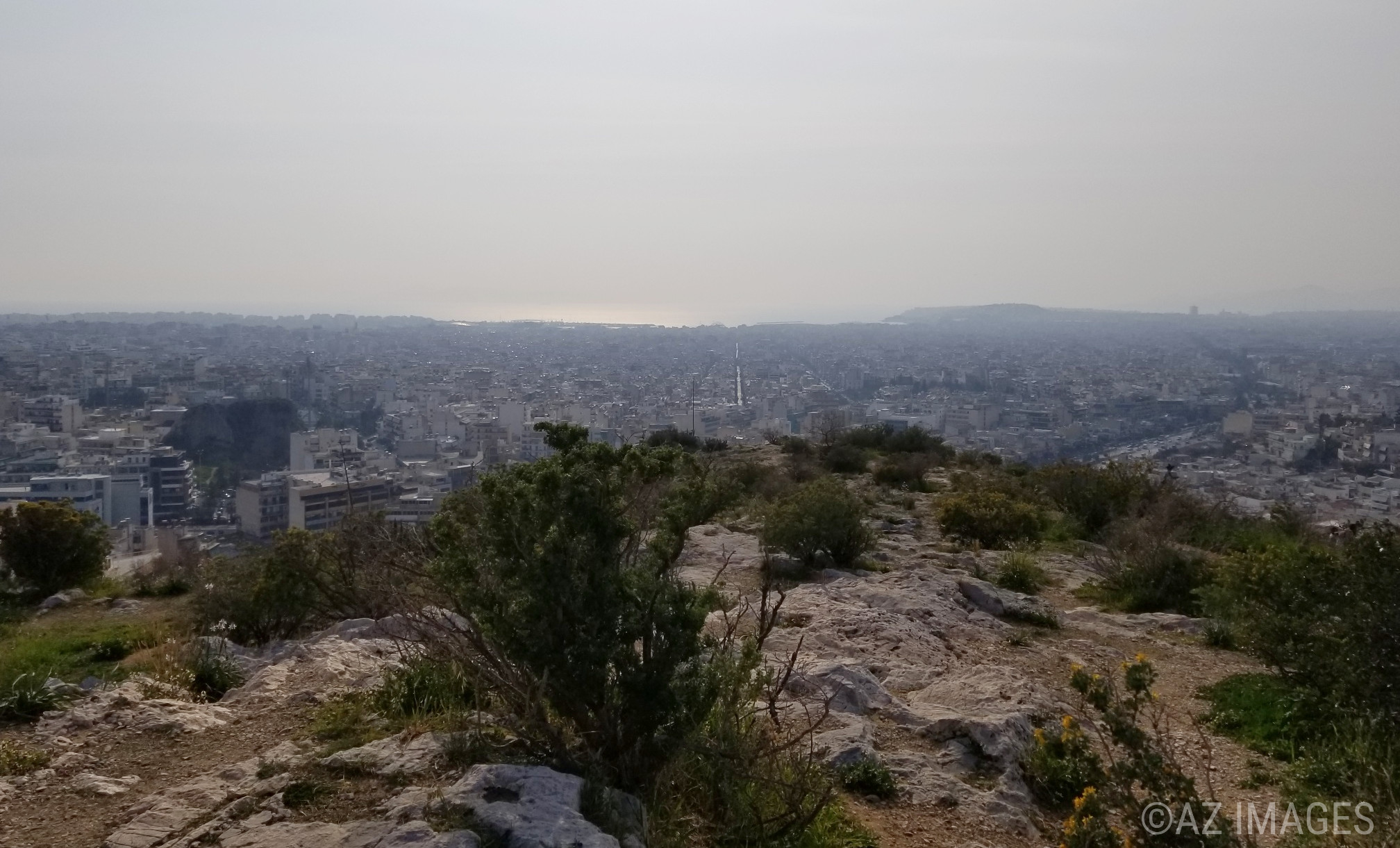
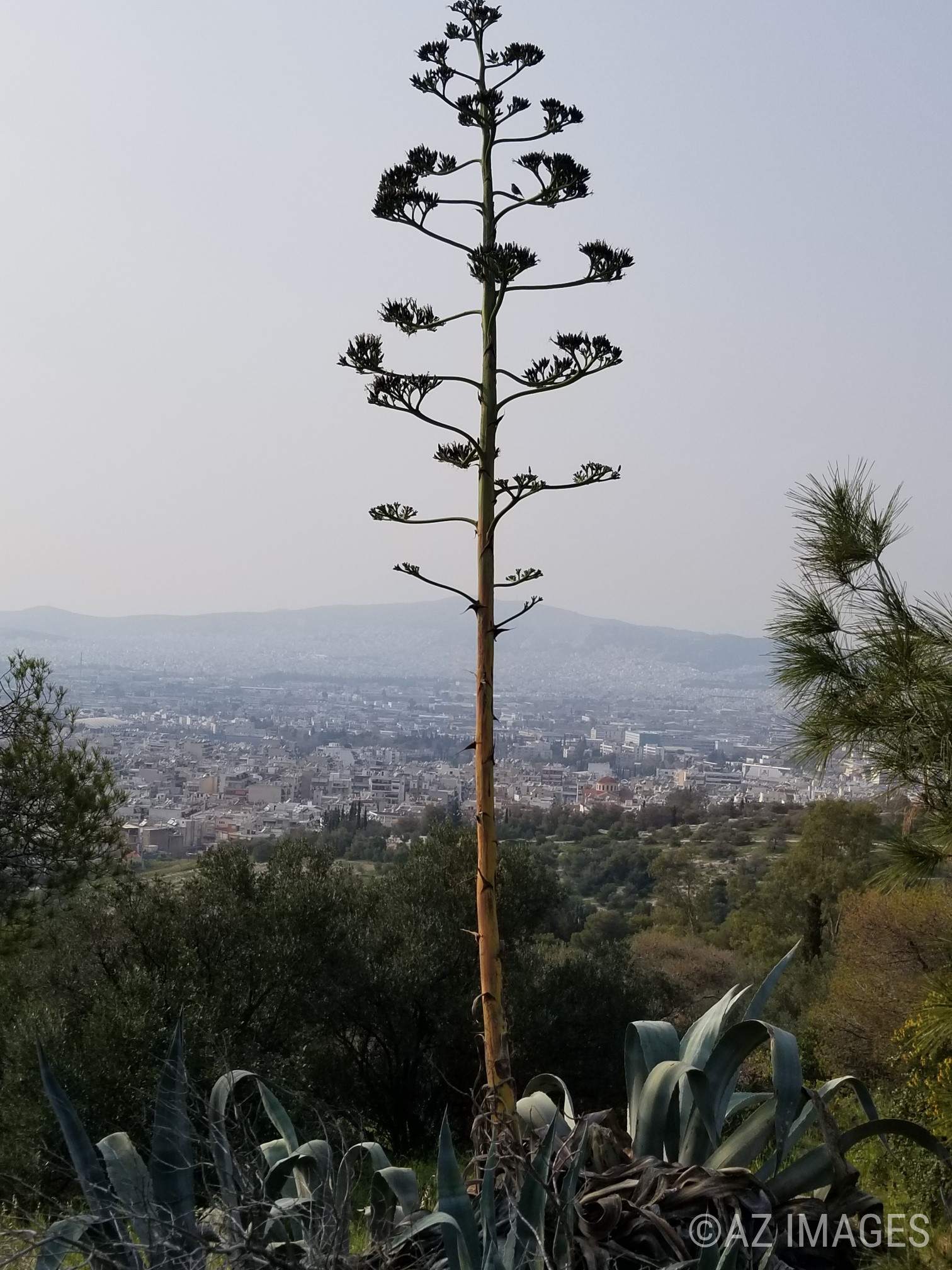
This was my first time hiking up Philiopappos hill in Athens. It’s odd that this was my first time up there as I have been to the nearby sites many times.
The hill is located at the south west of the Acropolis. In 115 AD, a monument dedicated to the exiled Roman Prince Gaius Julius Antichus Philopappos of Commagene (a region in ancient Armenia) was erected on top of the hill. After his exile, Philopappos was settled in Athens, became an Athenian citizen and held religious and civil offices. Philopappos Hill is also called the Hill of Muses because it is home to a sanctuary dedicated to the 6th-century BC poet and prophet and mystical seer, Musaios. According to Greek geographer Pausanias the poet is buried there at the site of the monument. The park covers an area of 700 square km and the highest point of the hill reaches an elevation of 147 meters.
It is a bit of a hike up, but once at the top the incredible scenery of Athens and Piraeus is very rewarding. It’s best to visit during the day. There are a lot less people, and it’s less dangerous.
The pictures capture the calm before the storm, as these photographs were taken in the month of February. Just four days before the tragic train accident in Northern Greece that left the whole country in mourning throughout the month of March. The month ofMarch was filled with angry protests over the train accident.
Αυτή ήταν η πρώτη μου φορά που ανέβαινα στον λόφο του Φιλοπάππου στην Αθήνα. Είναι περίεργο που αυτή ήταν η πρώτη μου φορά εκεί, καθώς έχω πάει πολλές φορές στις κοντινές τοποθεσίες.
Ο λόφος βρίσκεται στα νοτιοδυτικά της Ακρόπολης. Το 115 μ.Χ., ένα μνημείο αφιερωμένο στον εξόριστο Ρωμαίο πρίγκιπα Γάιο Ιούλιο Αντίχο Φιλοπάππο της Κομμαγηνής (περιοχή στην αρχαία Αρμενία) ανεγέρθηκε στην κορυφή του λόφου. Μετά την εξορία του, ο Φιλοπάππος εγκαταστάθηκε στην Αθήνα, έγινε Αθηναίος πολίτης και κατείχε θρησκευτικά και πολιτικά αξιώματα.
Ο λόφος του Φιλοπάππου ονομάζεται επίσης Λόφος των Μουσών επειδή φιλοξενεί ένα ιερό αφιερωμένο στον ποιητή και προφήτη και μυστικιστή μάντη του 6ου αιώνα π.Χ., Μουσάιο. Σύμφωνα με τον Έλληνα γεωγράφο Παυσανία, ο ποιητής είναι θαμμένος εκεί στη θέση του μνημείου. Το πάρκο καλύπτει μια έκταση 700 τετραγωνικών χιλιομέτρων και το υψηλότερο σημείο του λόφου φτάνει σε υψόμετρο 147 μέτρων.
Είναι λίγο πεζοπορία, αλλά μια φορά στην κορυφή το απίστευτο τοπίο της Αθήνας και του Πειραιά είναι πολύ ικανοποιητικό. Είναι καλύτερο να το επισκεφτείτε κατά τη διάρκεια της ημέρας. Υπάρχουν πολύ λιγότεροι άνθρωποι και είναι λιγότερο επικίνδυνο.
Οι φωτογραφίες αποτυπώνουν την ηρεμία πριν από την καταιγίδα, καθώς αυτές οι φωτογραφίες τραβήχτηκαν τον Φεβρουάριο. Τέσσερις μόλις ημέρες πριν από το τραγικό σιδηροδρομικό δυστύχημα στη Βόρεια Ελλάδα που άφησε στο πένθος όλη τη χώρα όλο τον Μάρτιο. Ο μήνας Μάρτιος ήταν γεμάτος οργισμένες διαμαρτυρίες για το σιδηροδρομικό δυστύχημα.
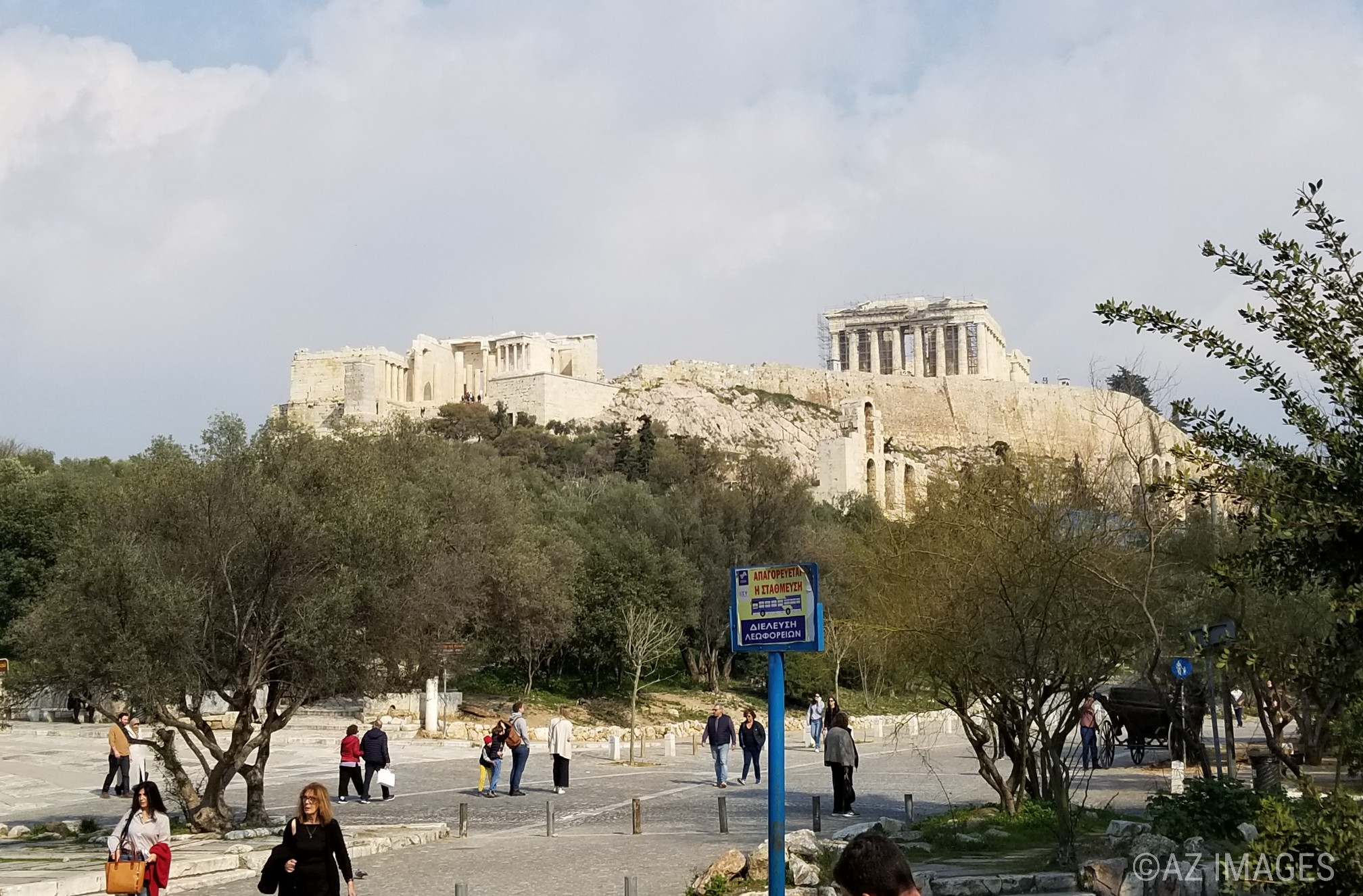
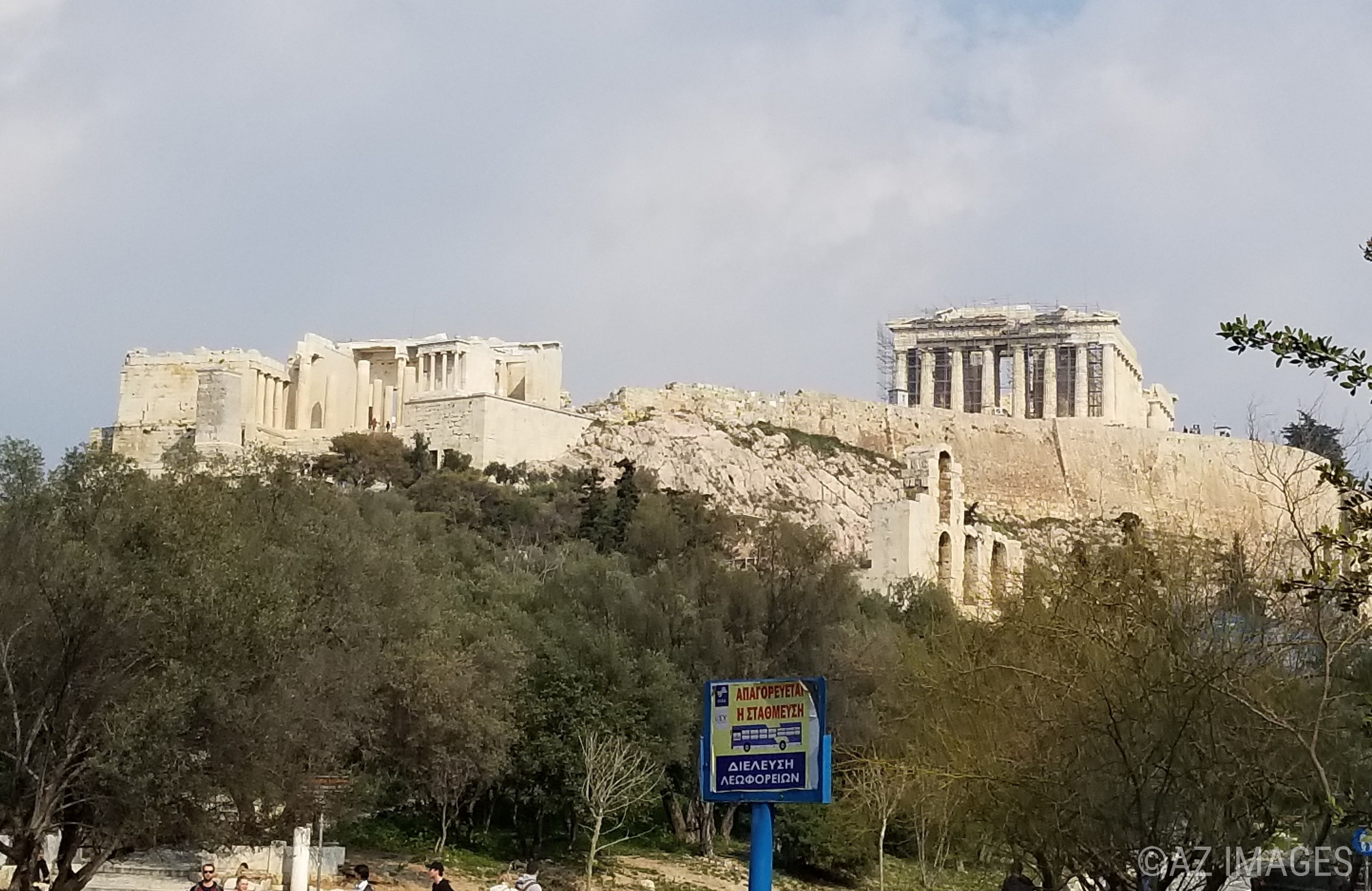
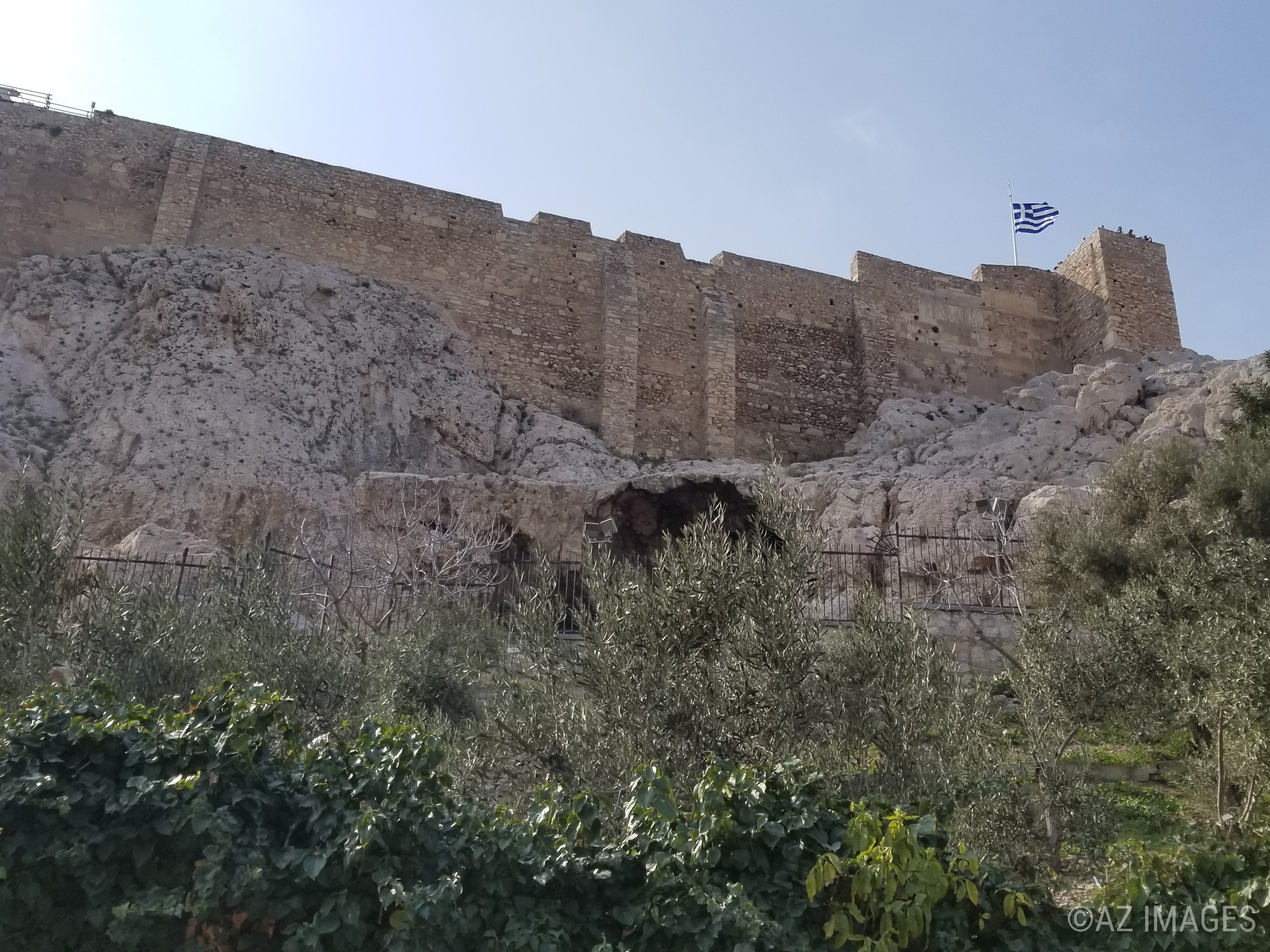
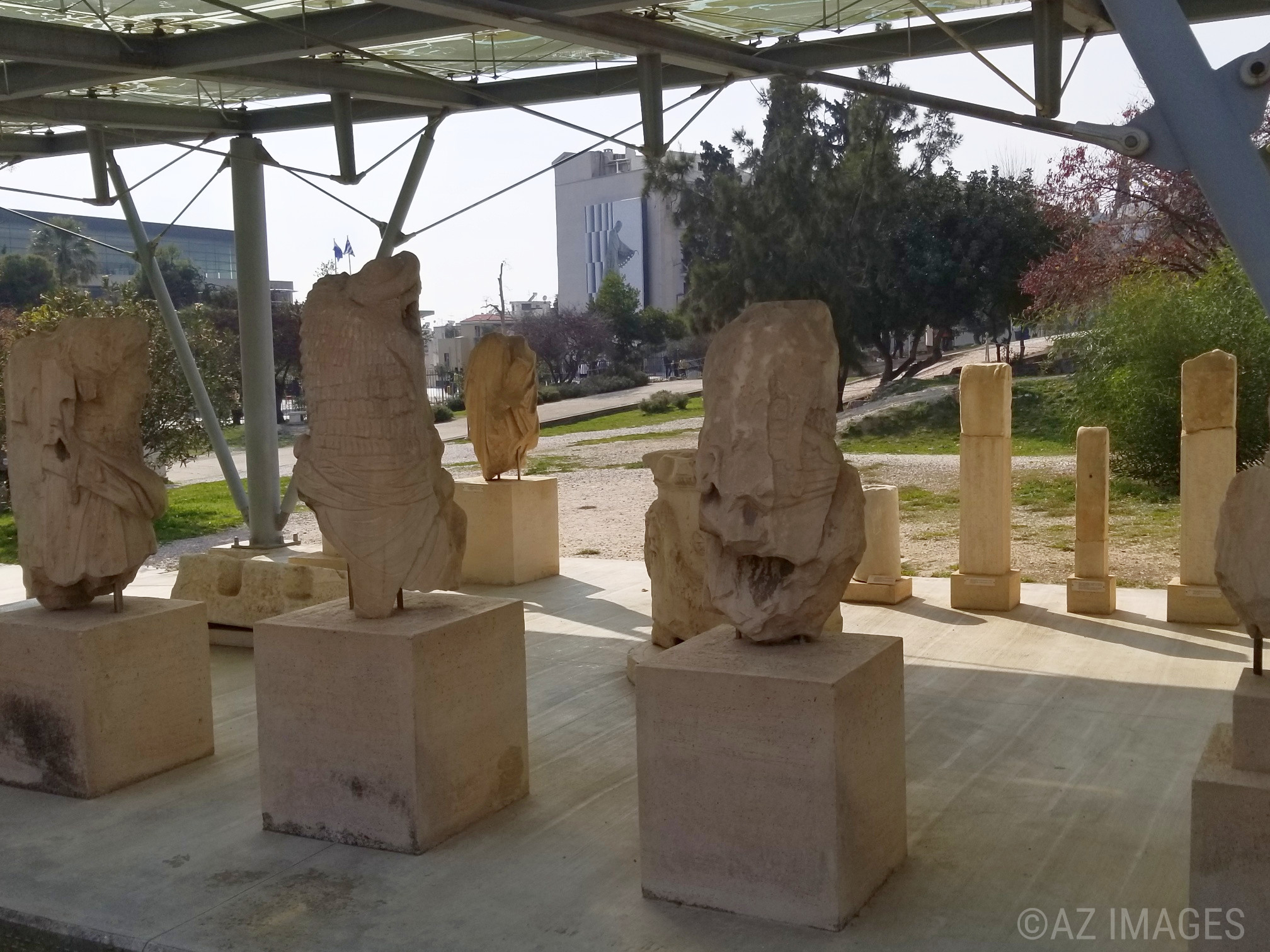
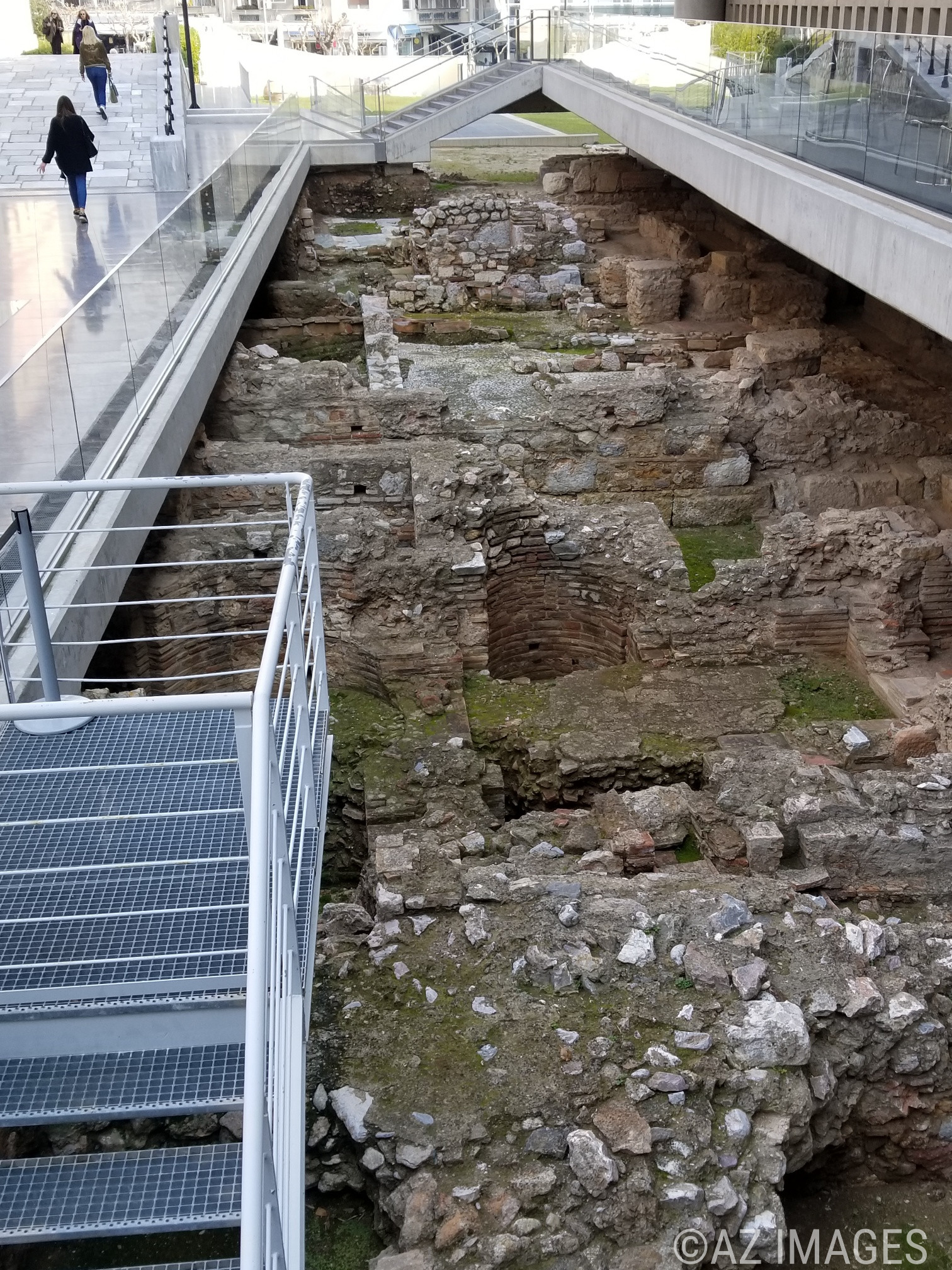
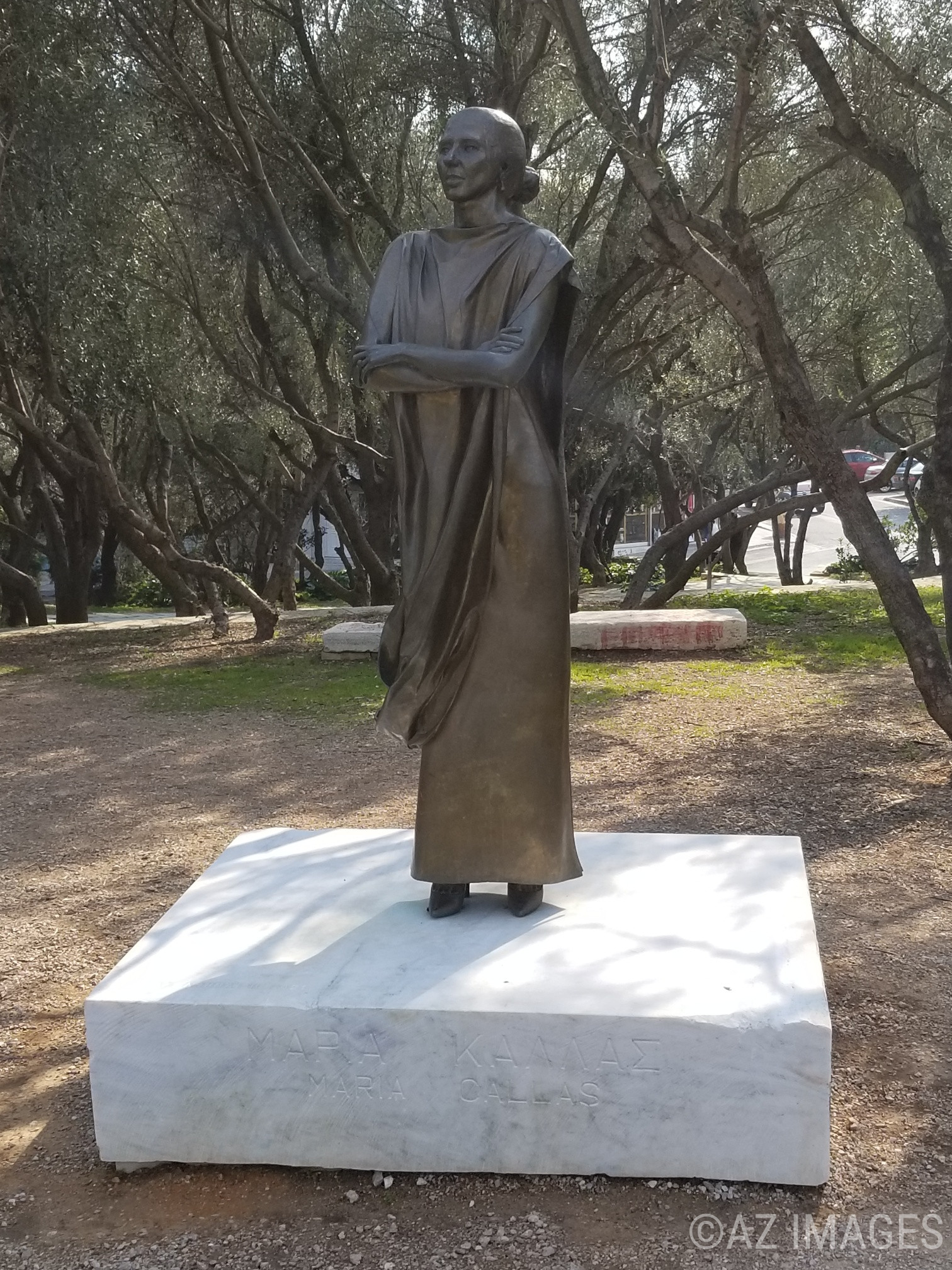
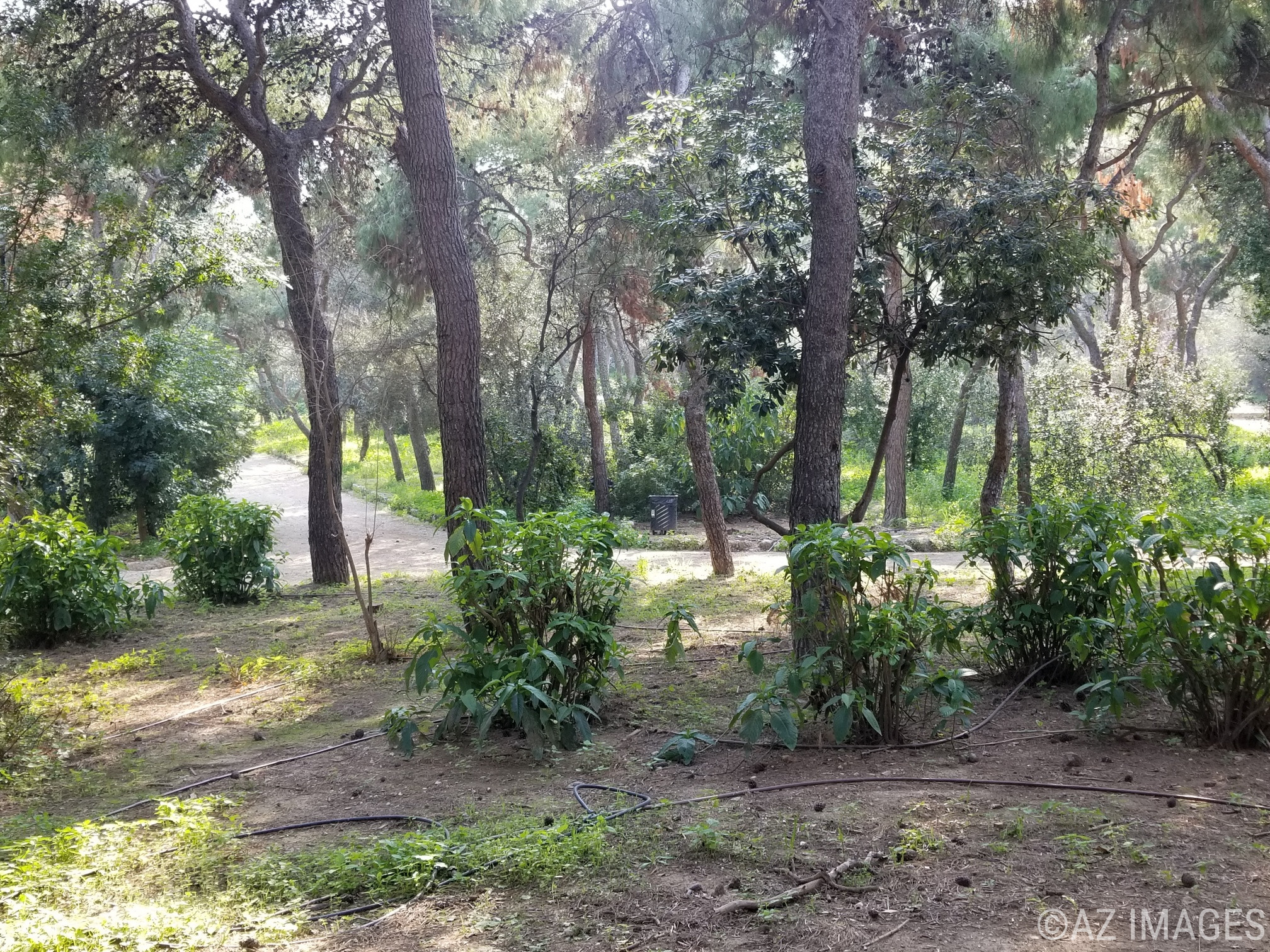
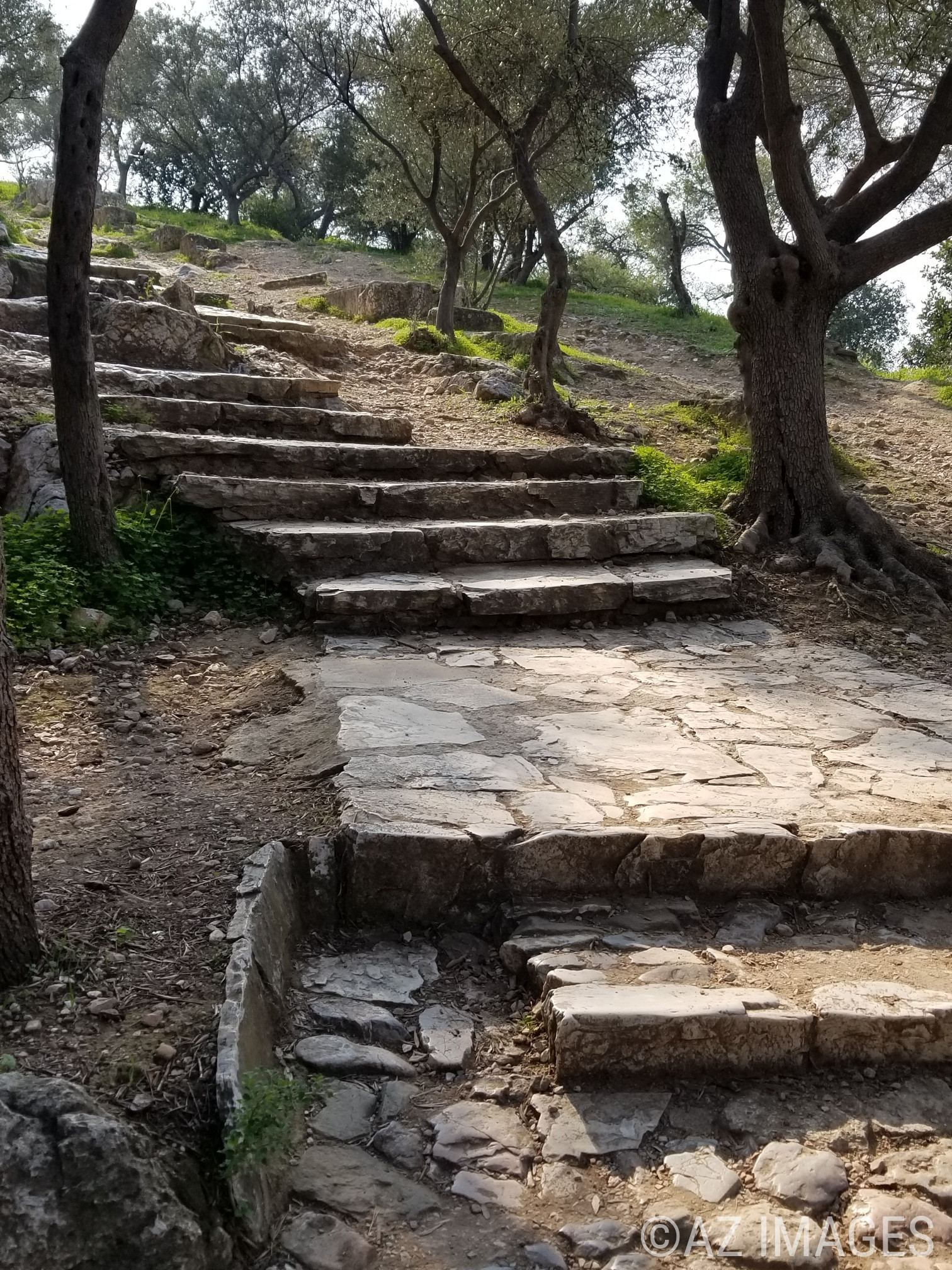

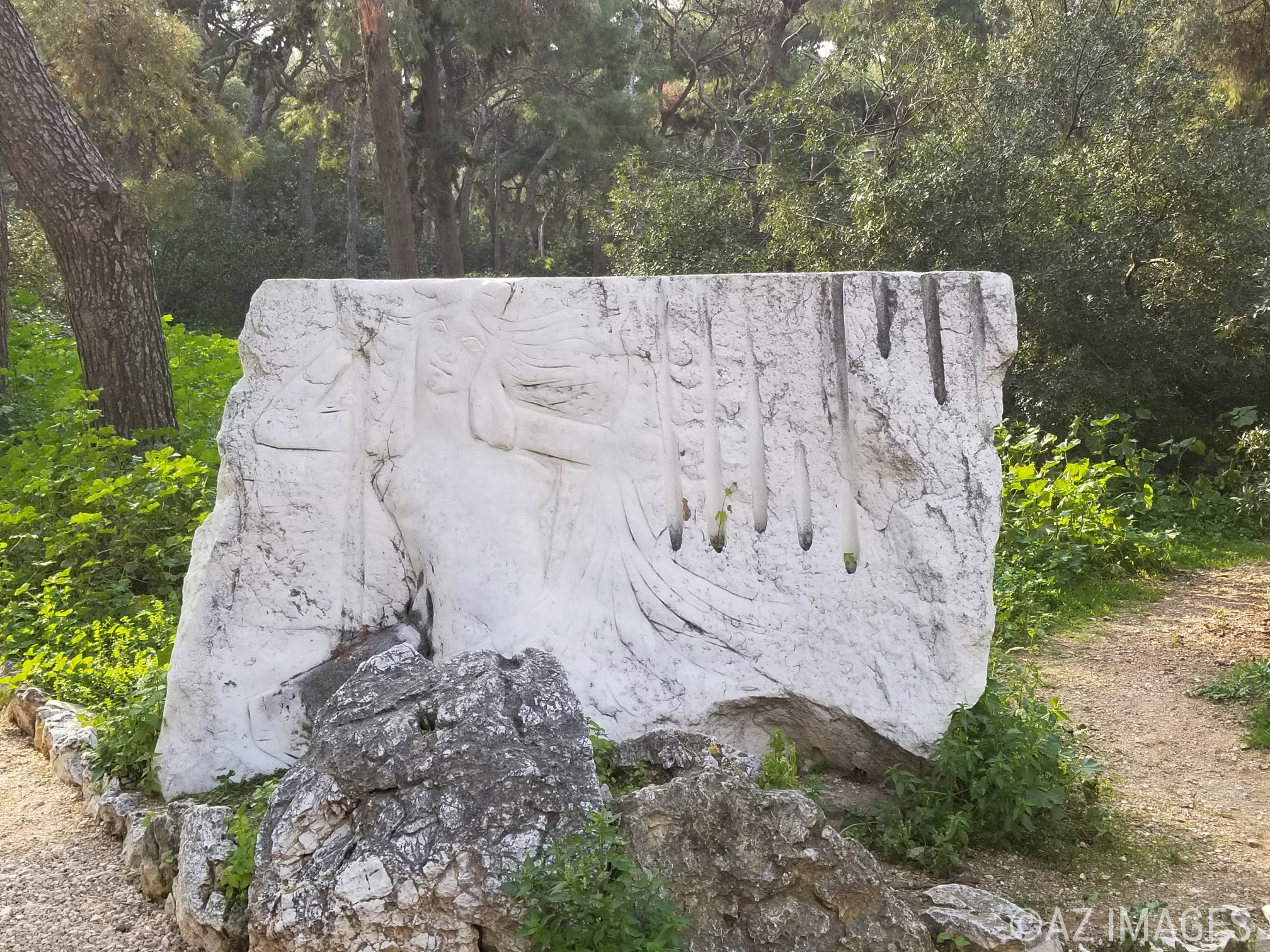

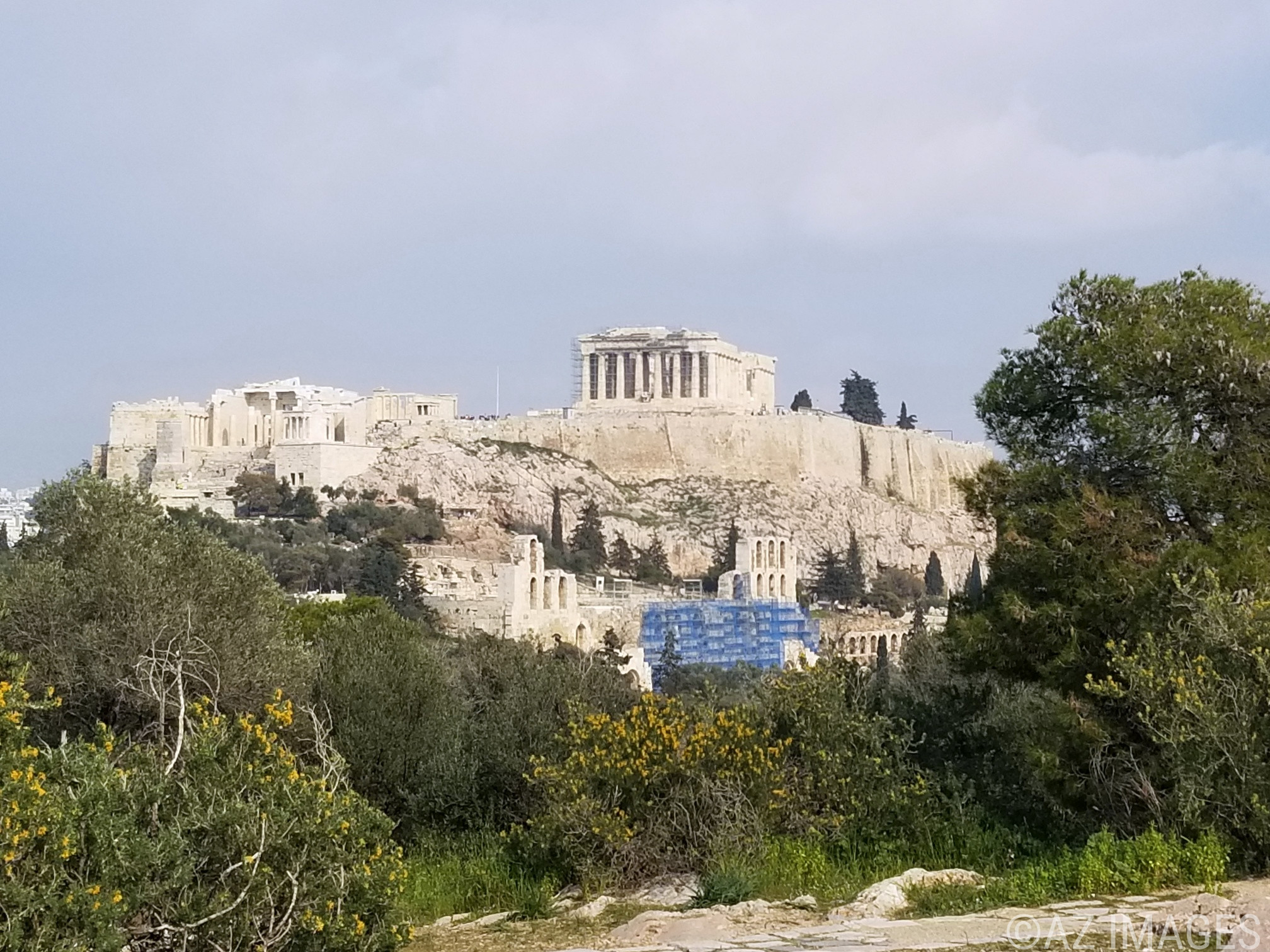
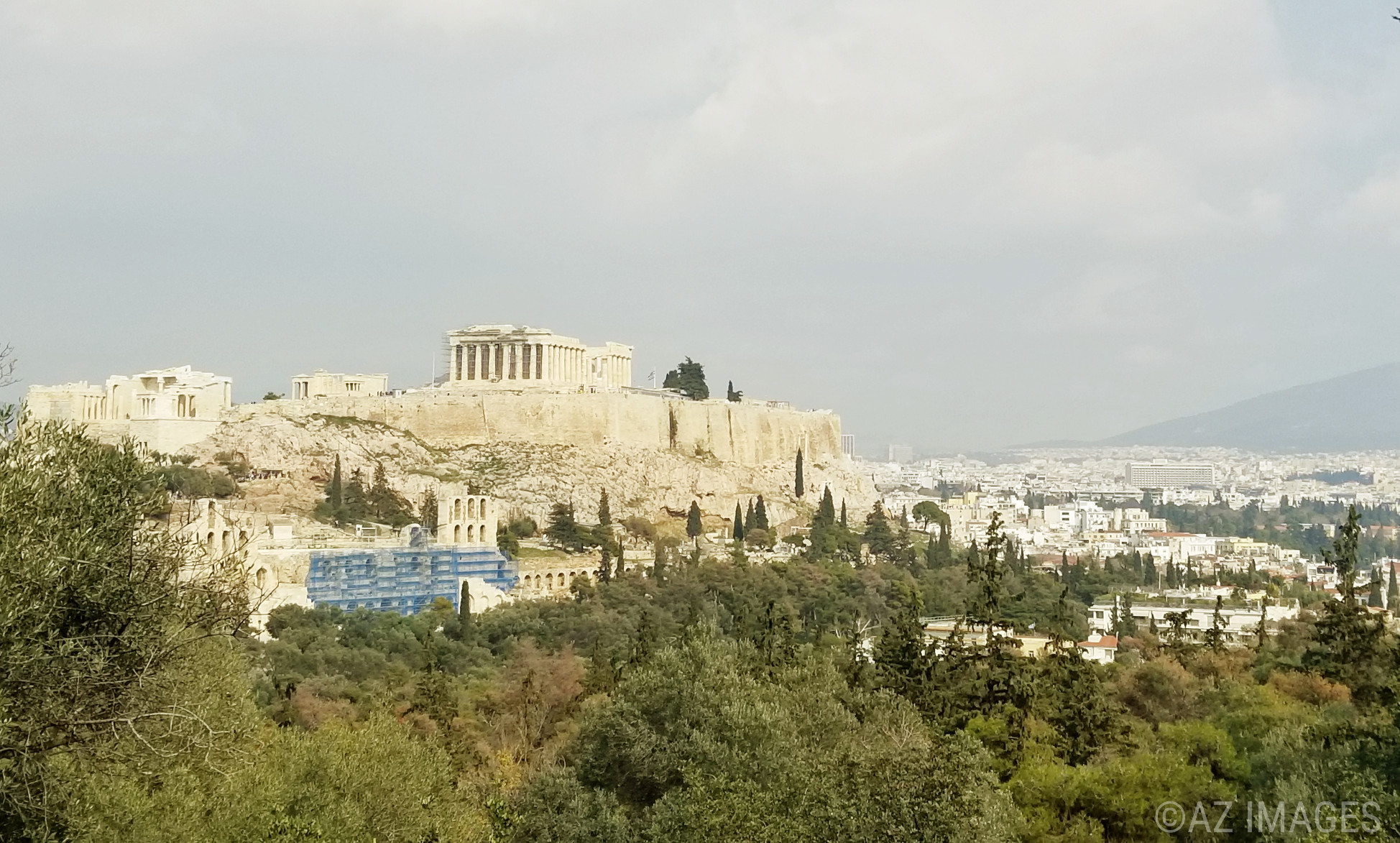
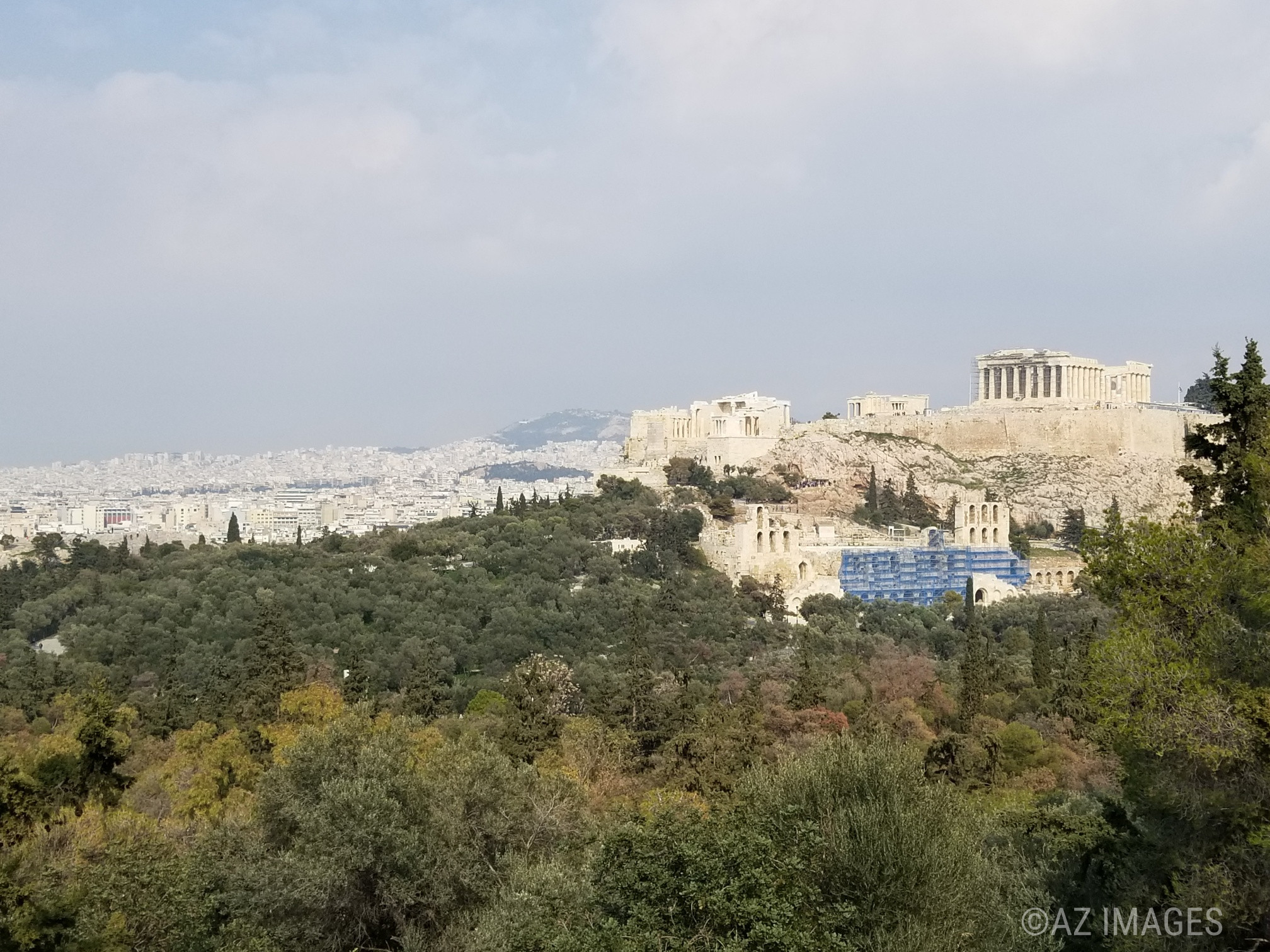
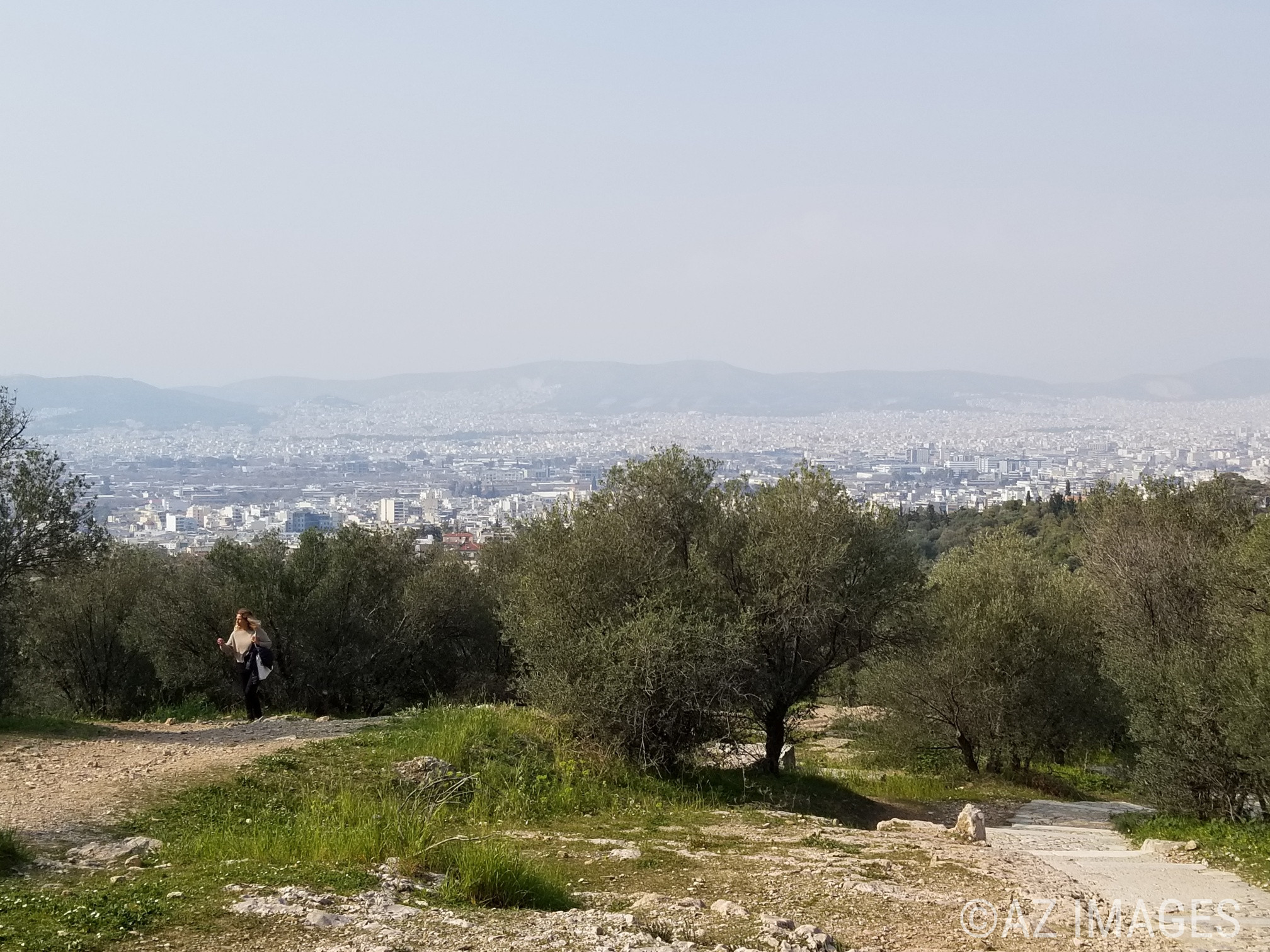

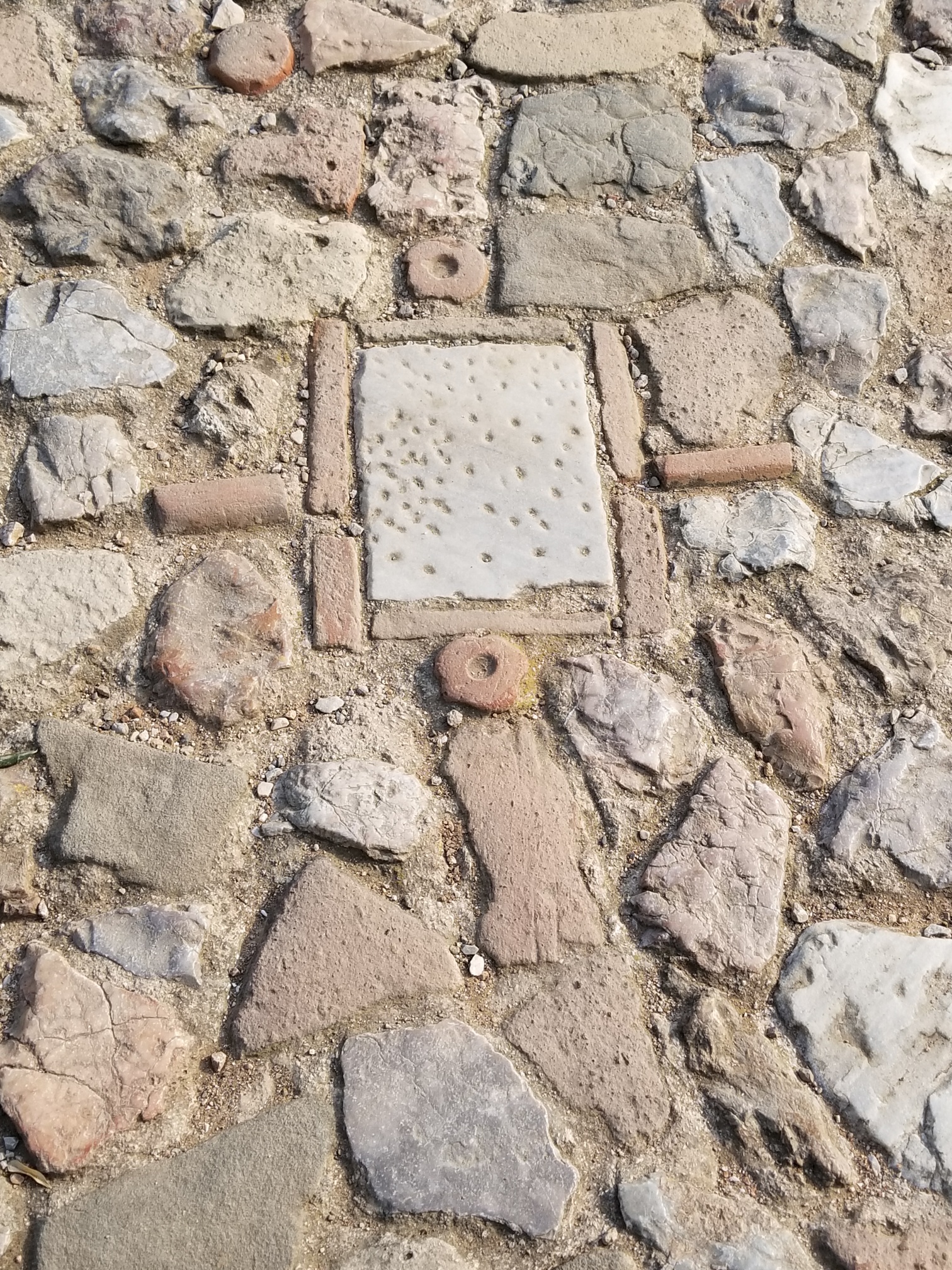
On the way up the Philopappos Hill on a semi-cloudy day in February in Athens.
Dionysos Areopagitou road, near the Acropolis station, is the most beautiful and historically significant road in Athens. It is about 830 meters with so much to see and explore. The Acropolis museum and Parthenon temple can all be found on the cobble stone street.
The street was named in 1884. It was named after the Athenian parliament member Dionysos, who along with his wife were one of the first to convert to Chritianity after Apostole Paul visited Athens in the year 50 A.D. He was Bishop of the city of Athens and was canonized after his martyrdom, by fire, during the reign of Domitian. He is the patron saint of the city and patron of the judiciary and his memory is celebrated on October 3rd.
Then there is a hike up to the Philopappos Hill which offers exquiste views of the city as well as the Acropolis.
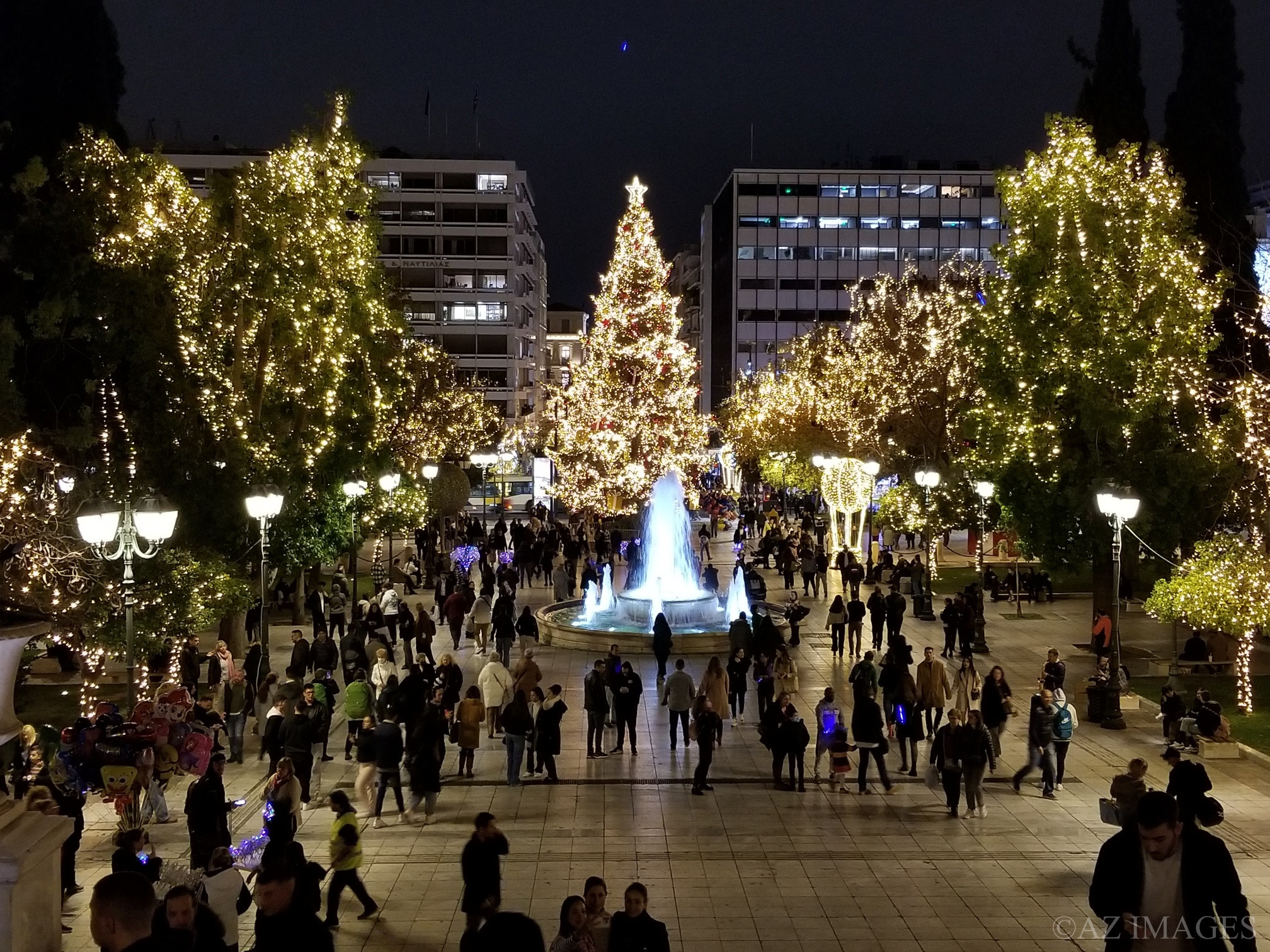
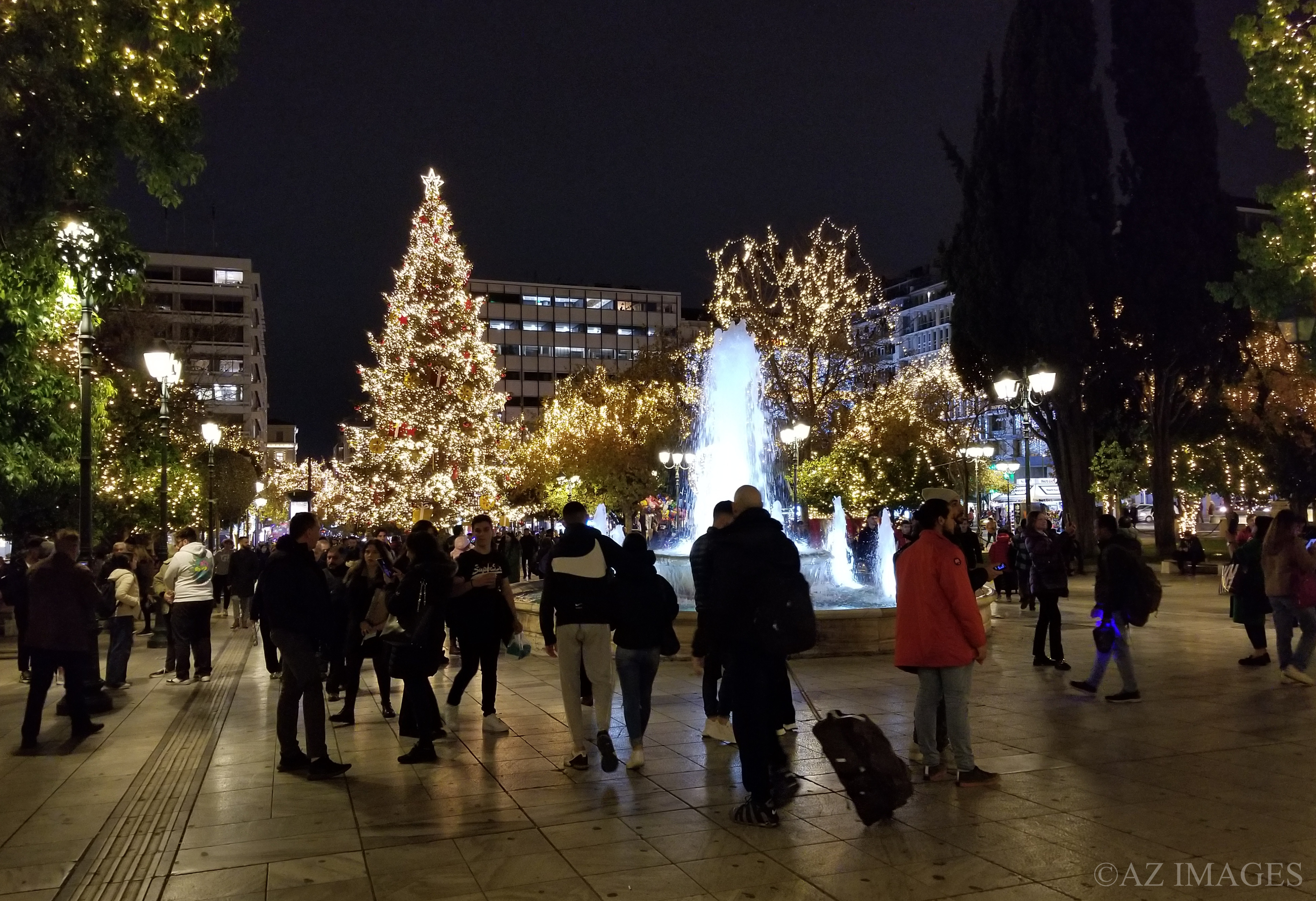
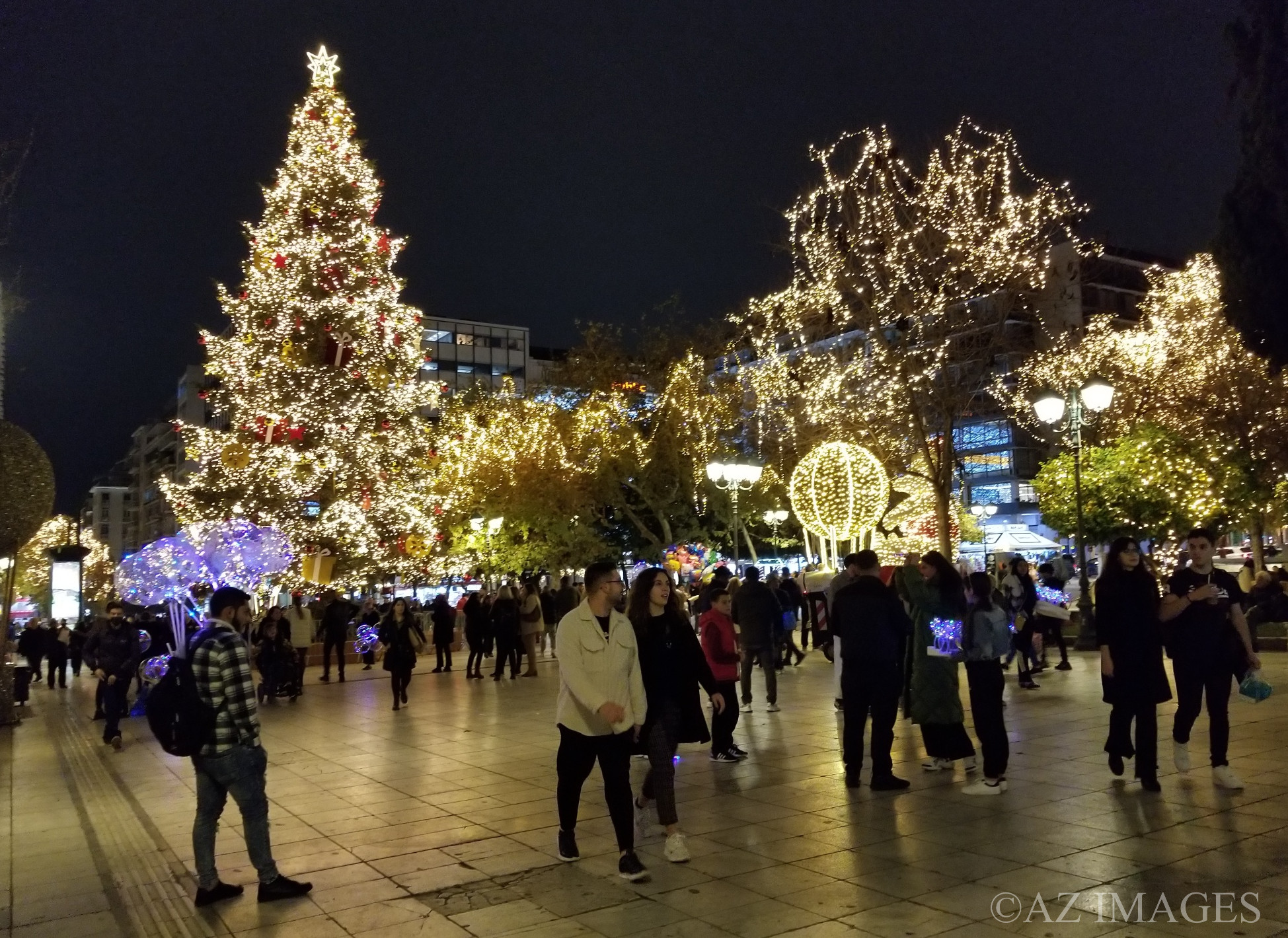
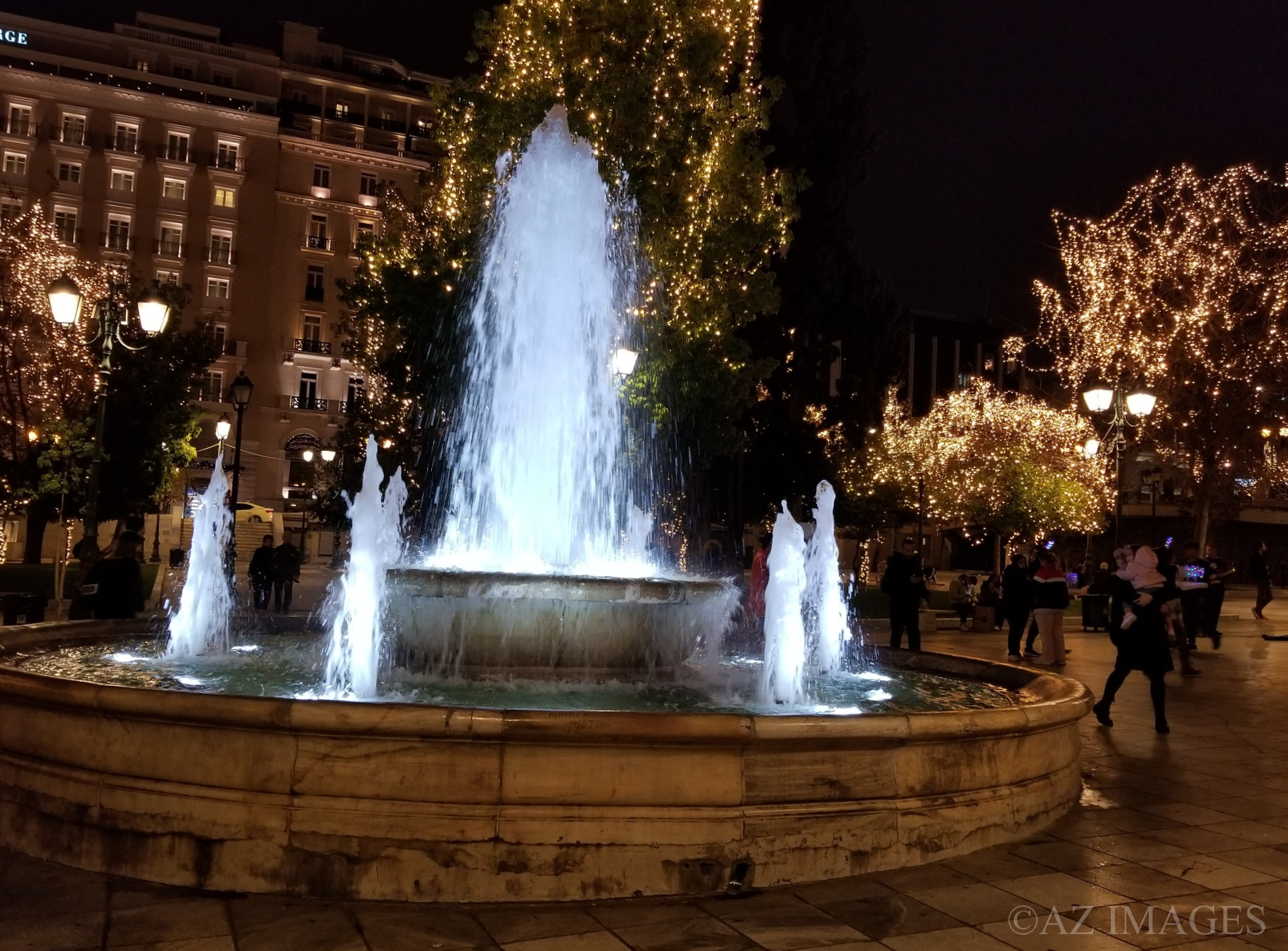
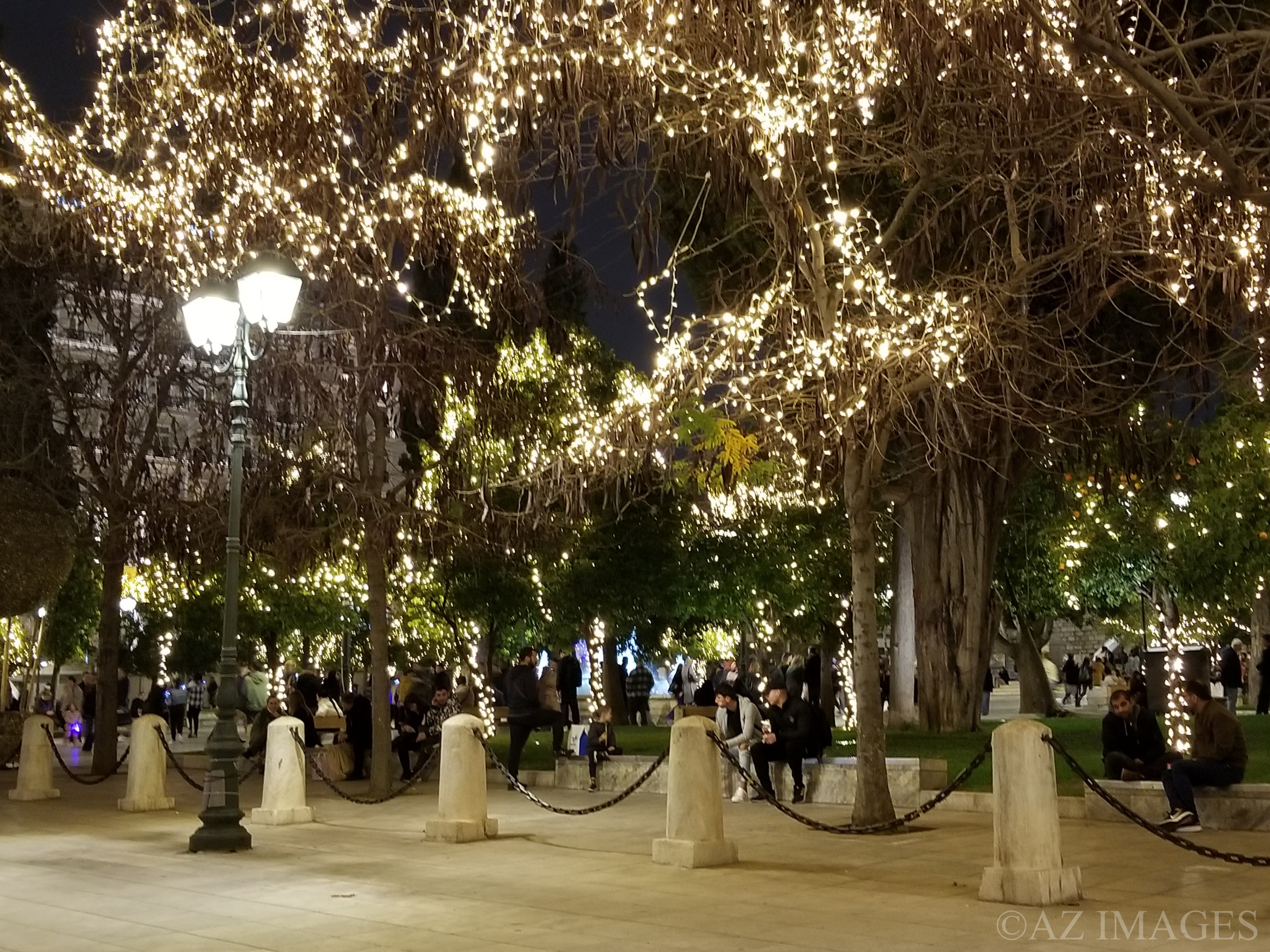
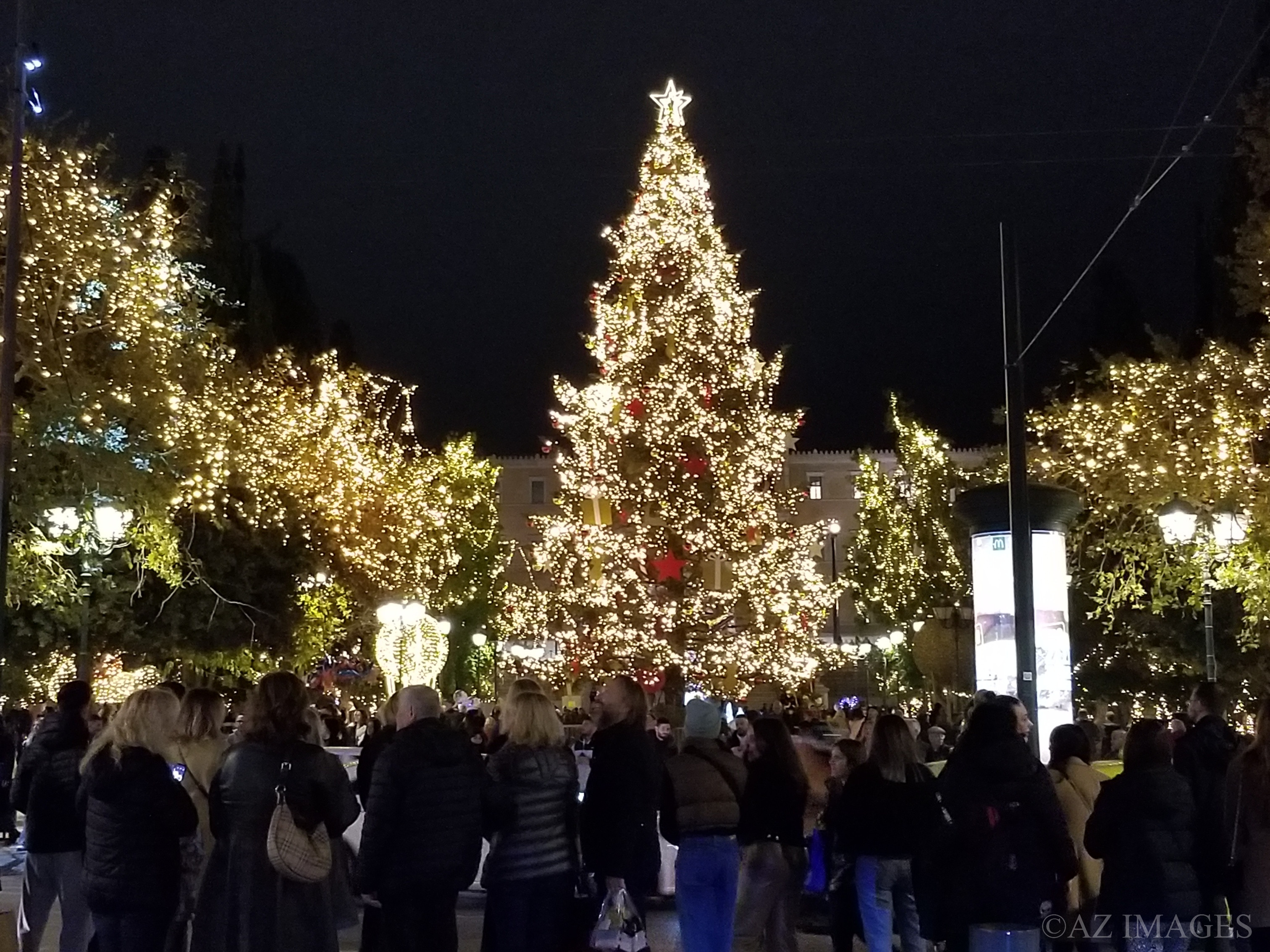
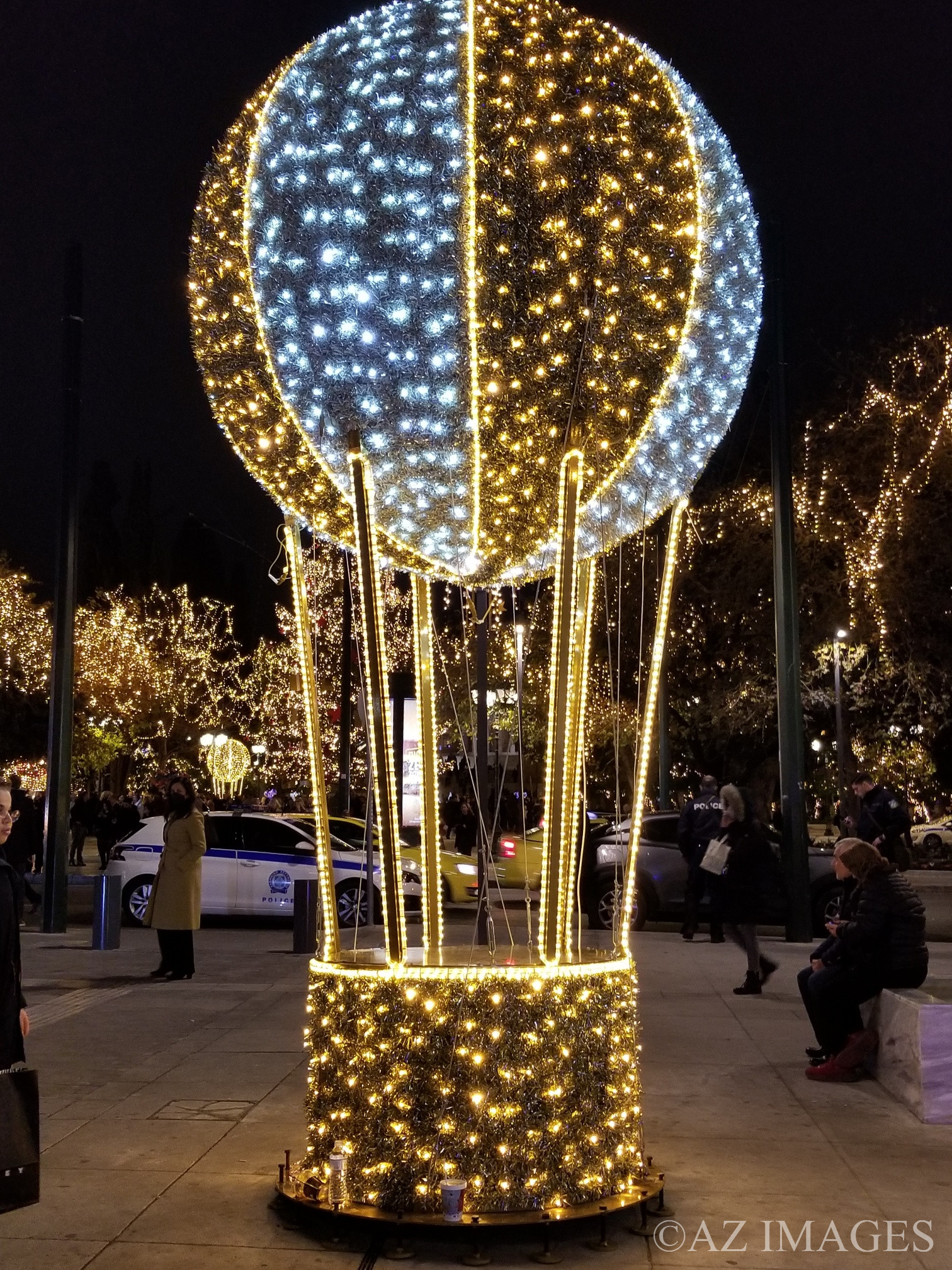
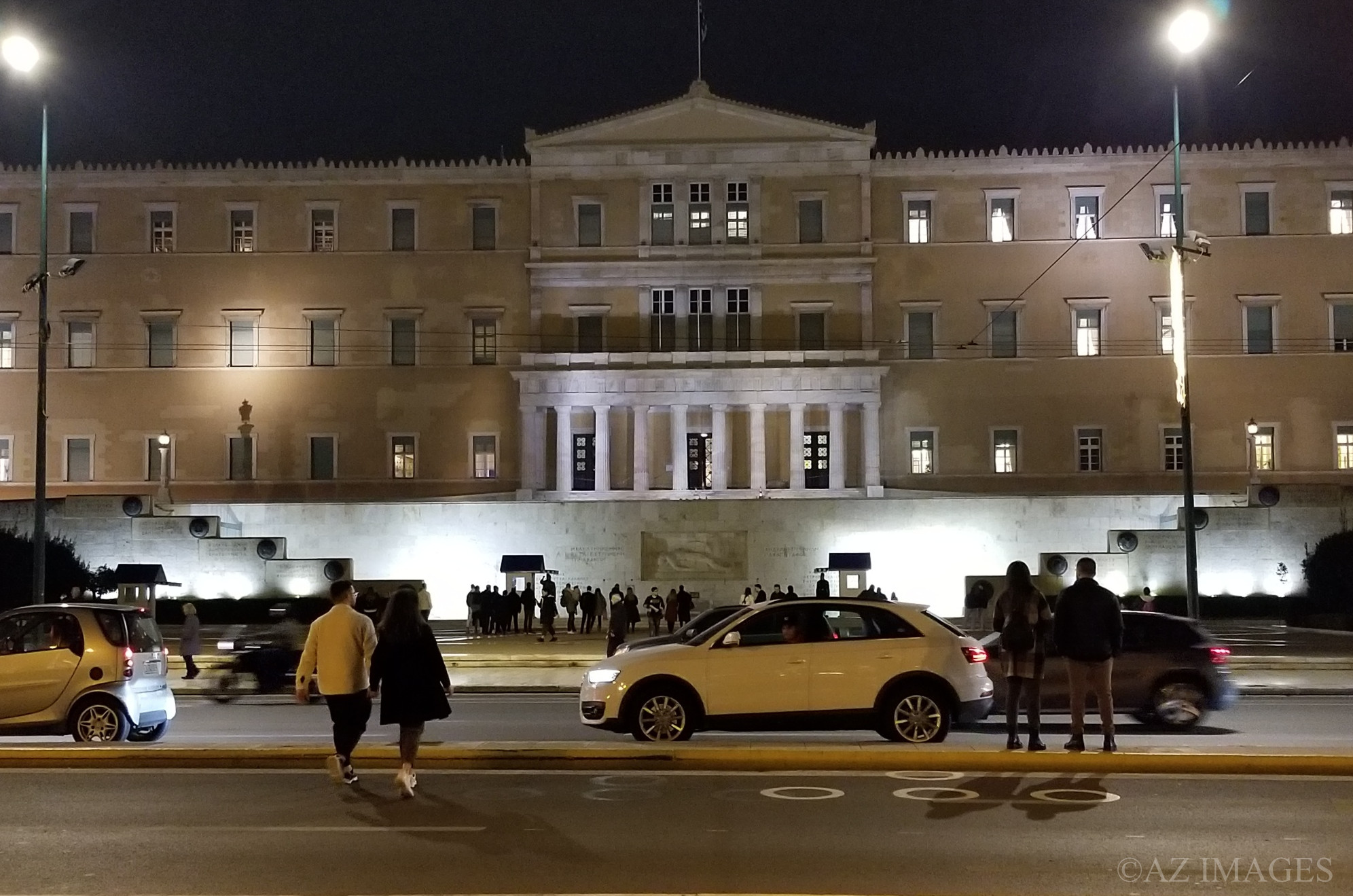
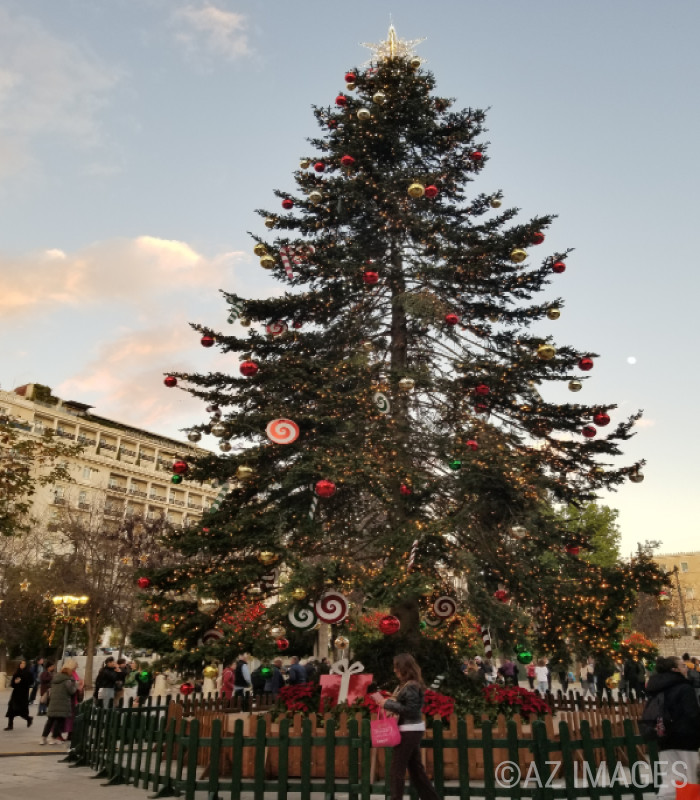
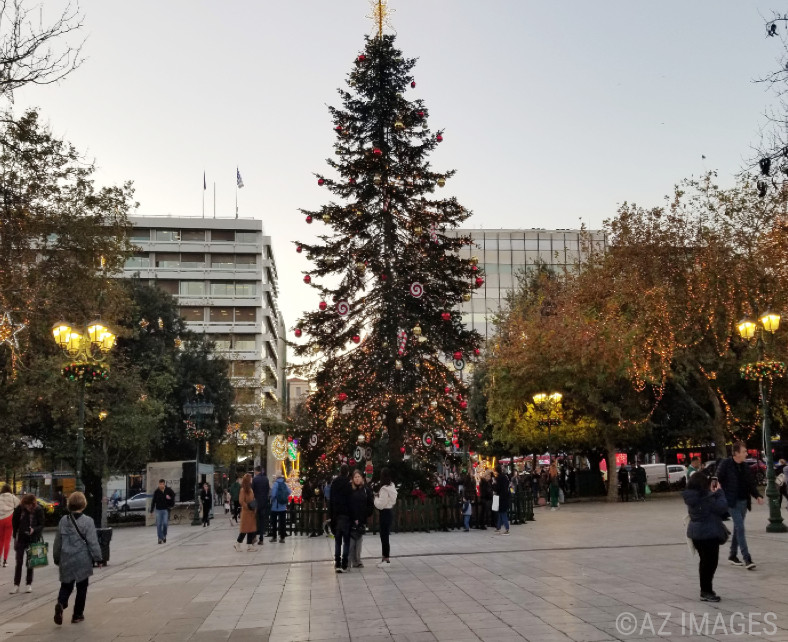
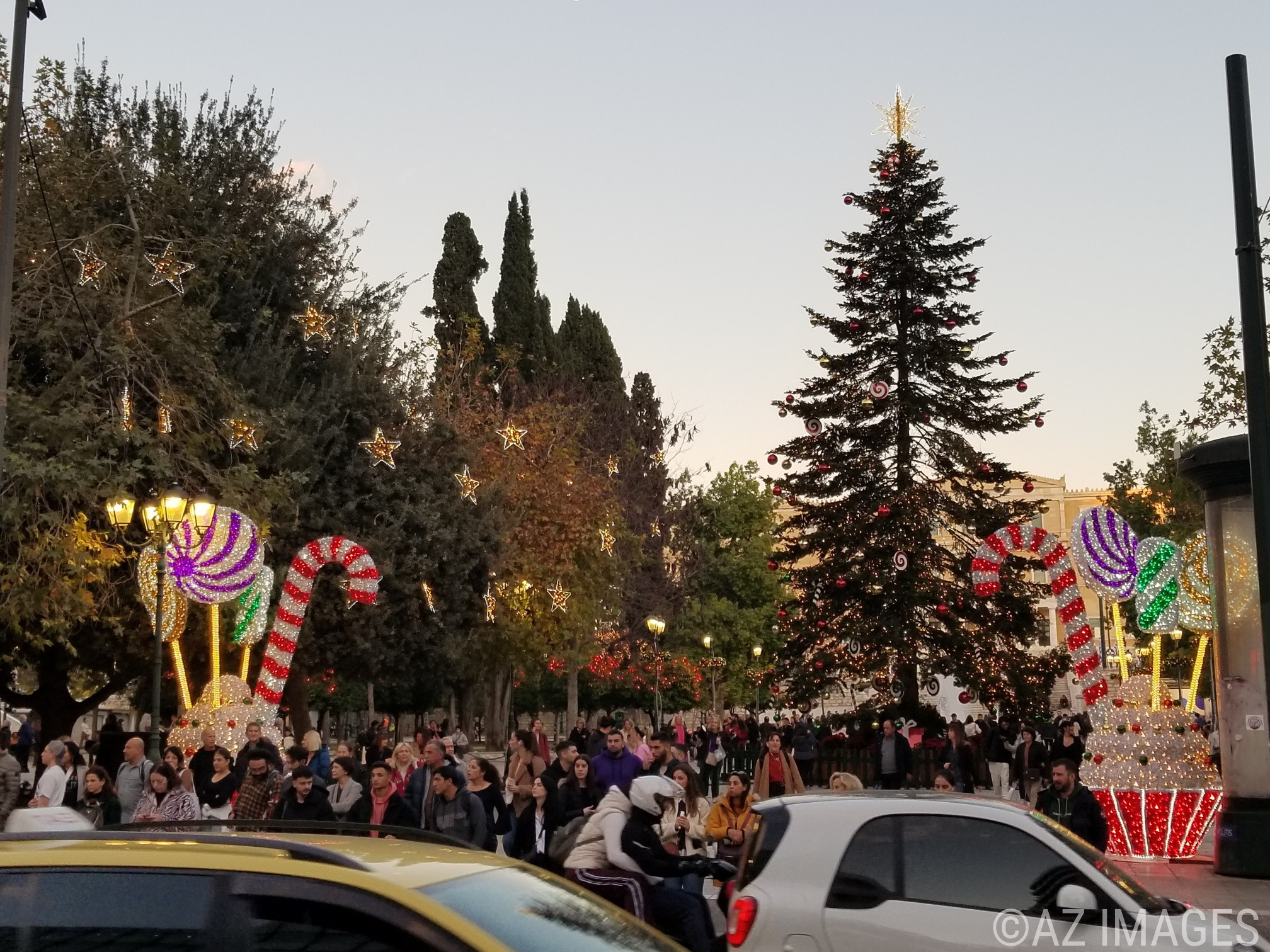
Another batch of photographs from the same city square as the previous post, but at night. I think Athens looks a lot more beautiful at night with all of the Christmas lights.
Άλλη μια παρτίδα φωτογραφιών από την ίδια πλατεία της πόλης με την προηγούμενη ανάρτηση, αλλά τη νύχτα. Νομίζω ότι η Αθήνα φαίνεται πολύ πιο όμορφη τη νύχτα με όλα τα χριστουγεννιάτικα φώτα.
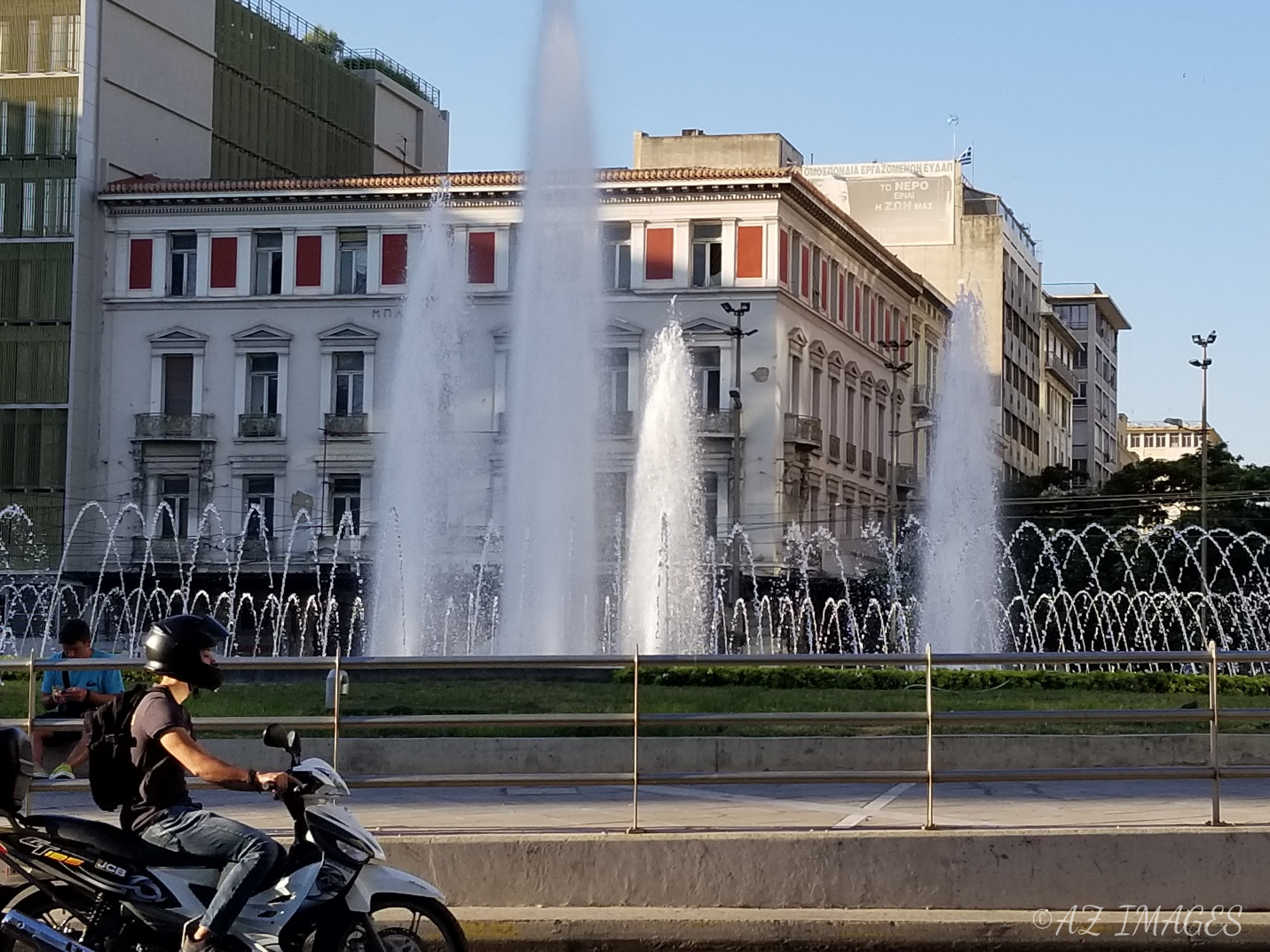
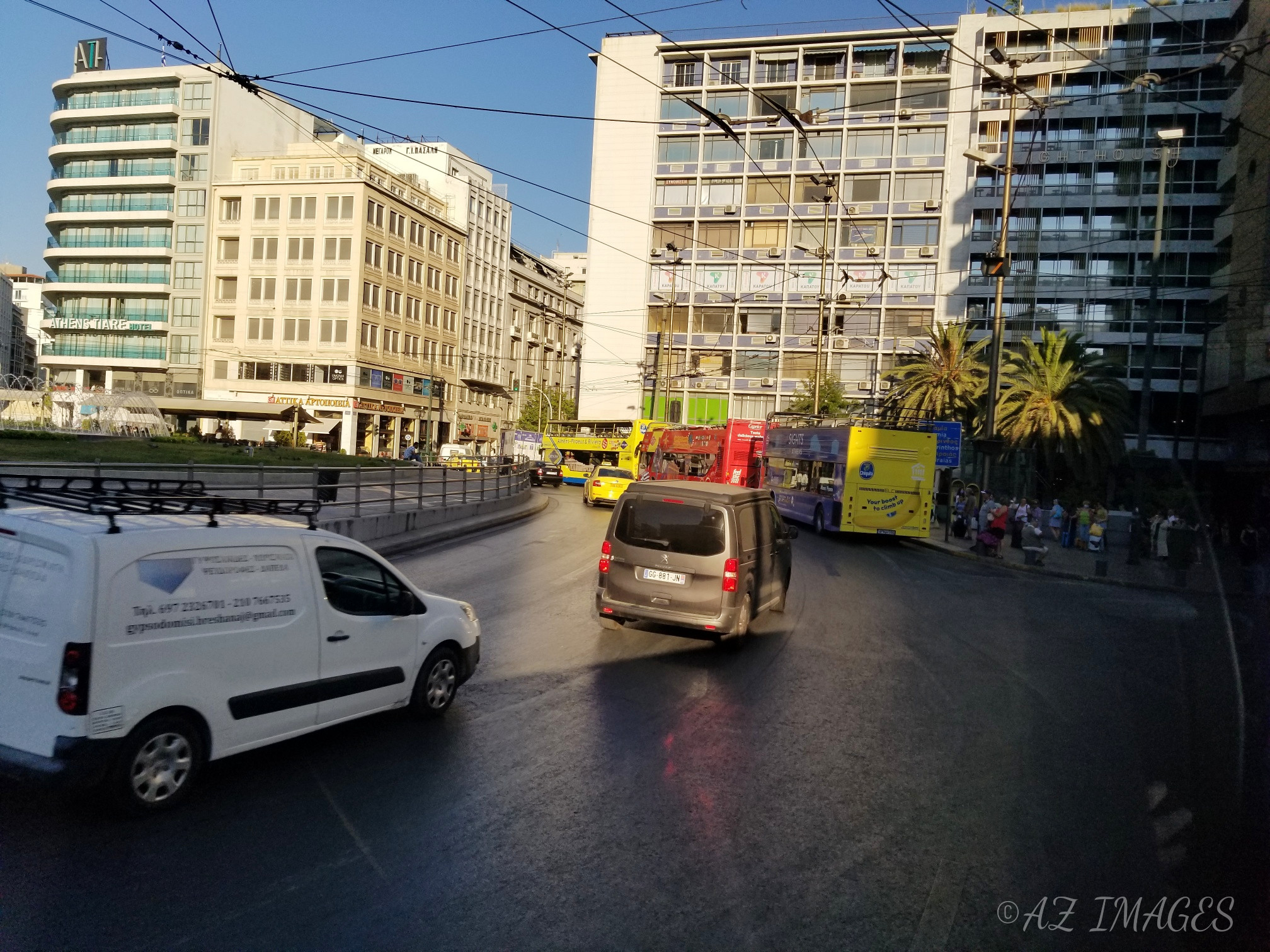
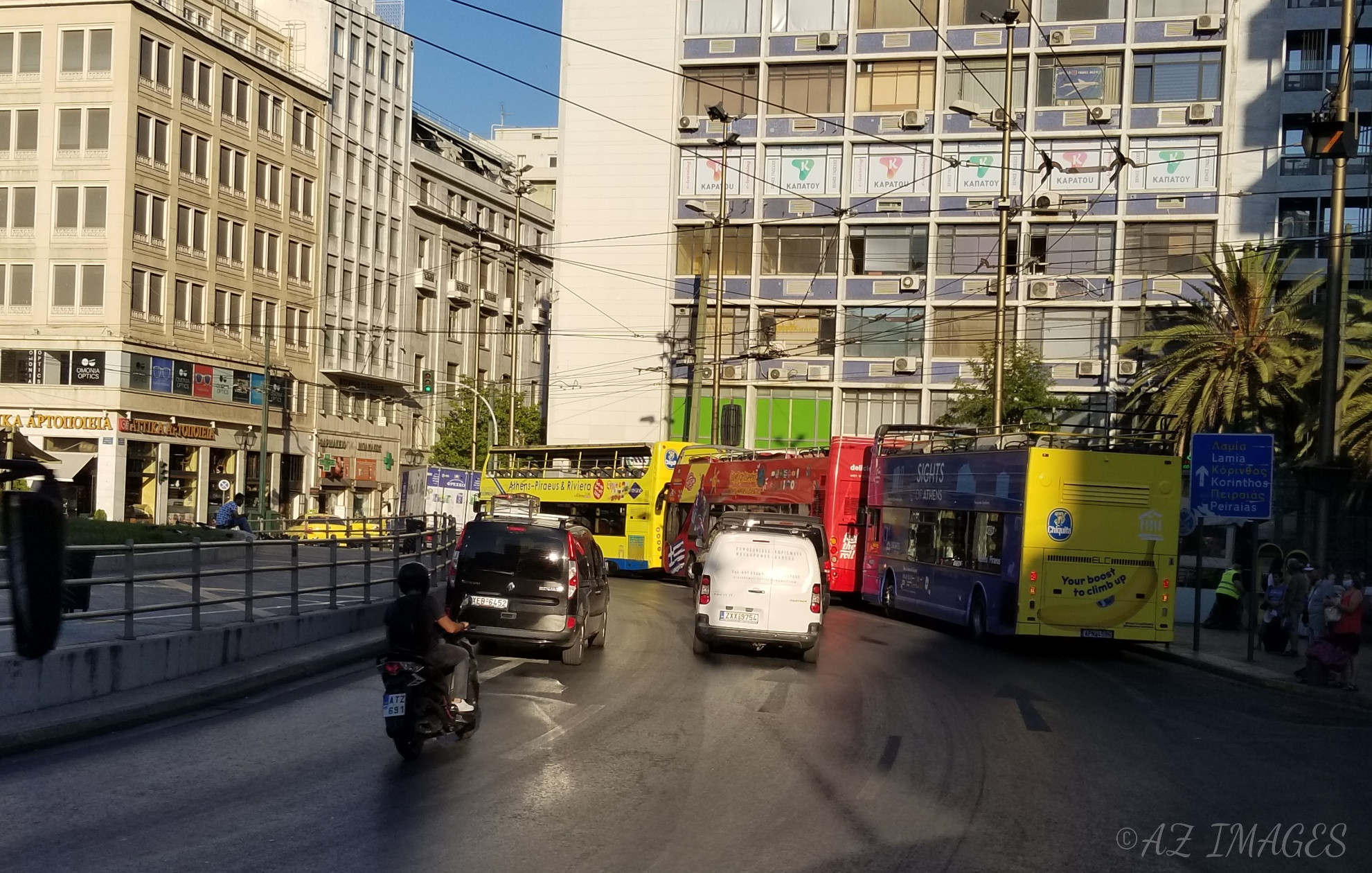
Omonia square is a busy imtersection at the heart of the main roads of the city of Athens. Omonia is Greek for harmony, reflecting the informal political truce declared here in 1862 by the leaders of rival political parties in the wake of King Otto’s ousting.
It is one of the most grittiest neighbourhoods of the city, and admittedly not the prettiest. Run down buildings, crime, refugees, drug addicts and homeless people have tarnished the reputation of the area.
Some buildings should be demolished and a revitalization plan needs to be implemented, but unfortunately that is not up to me.
However, there have been some efforts to improve the area or a small portion of it. In May 2020 the squares’ new design was revealed and the fountain was restored with its 188 jets and 177 underwater spotlights built with eco-friendly materials and cool pavement technologies.
It is my hope that one day the Greek government will one day soon put the same amount of vision, work and funds, that has been put into the Athens Riviera and Hellenikon, as the neglected urban parts of Athens.

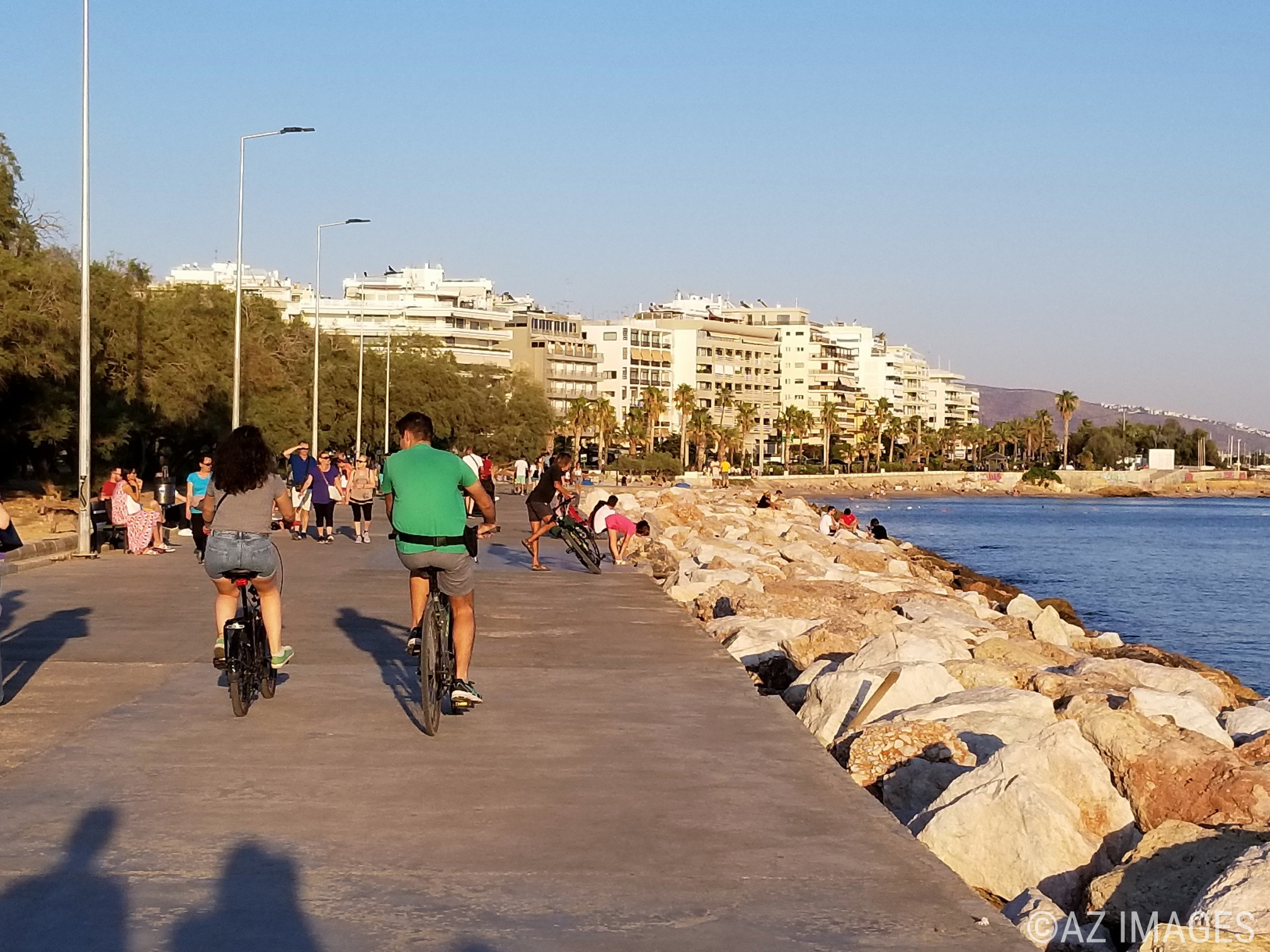

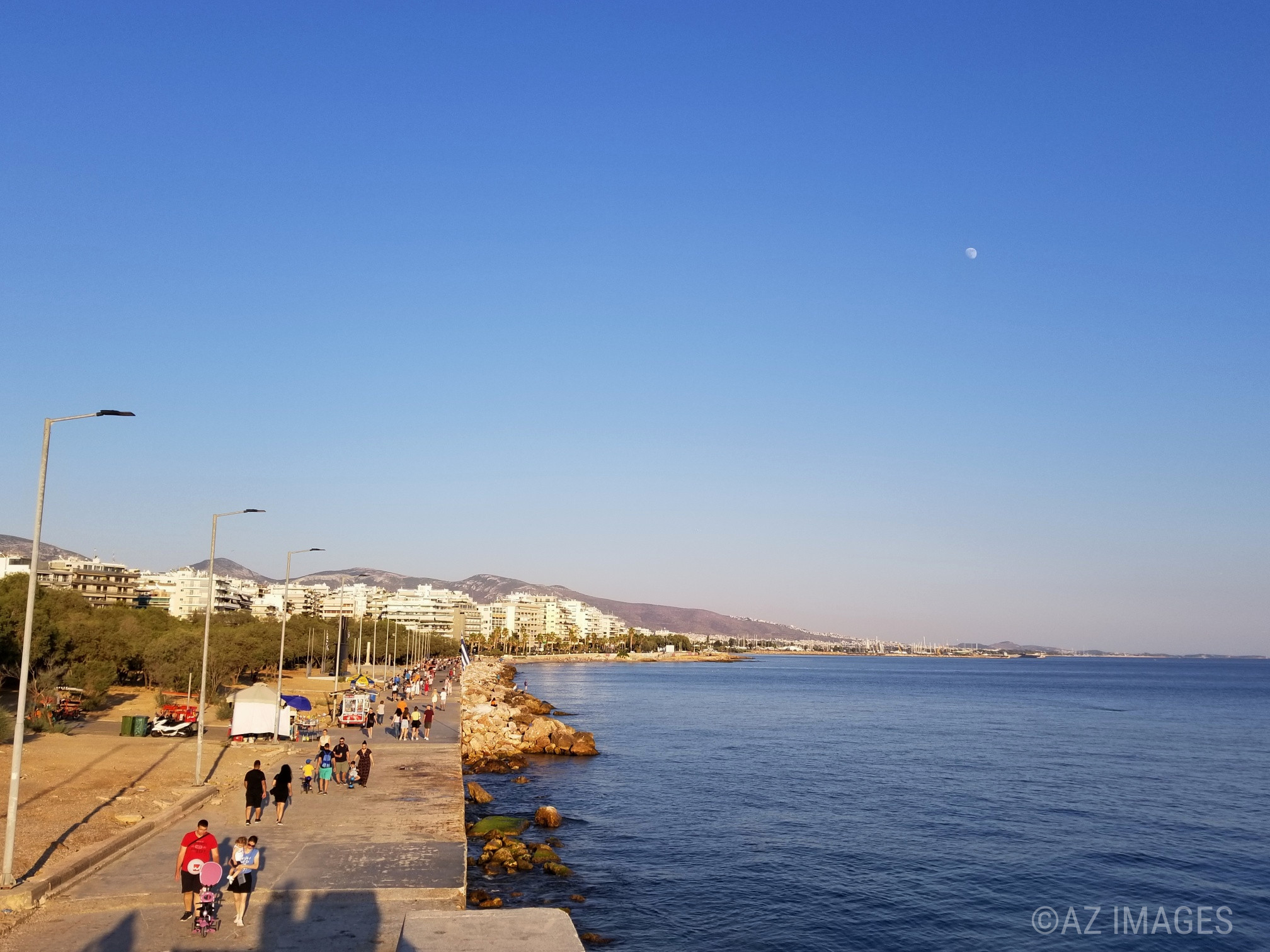
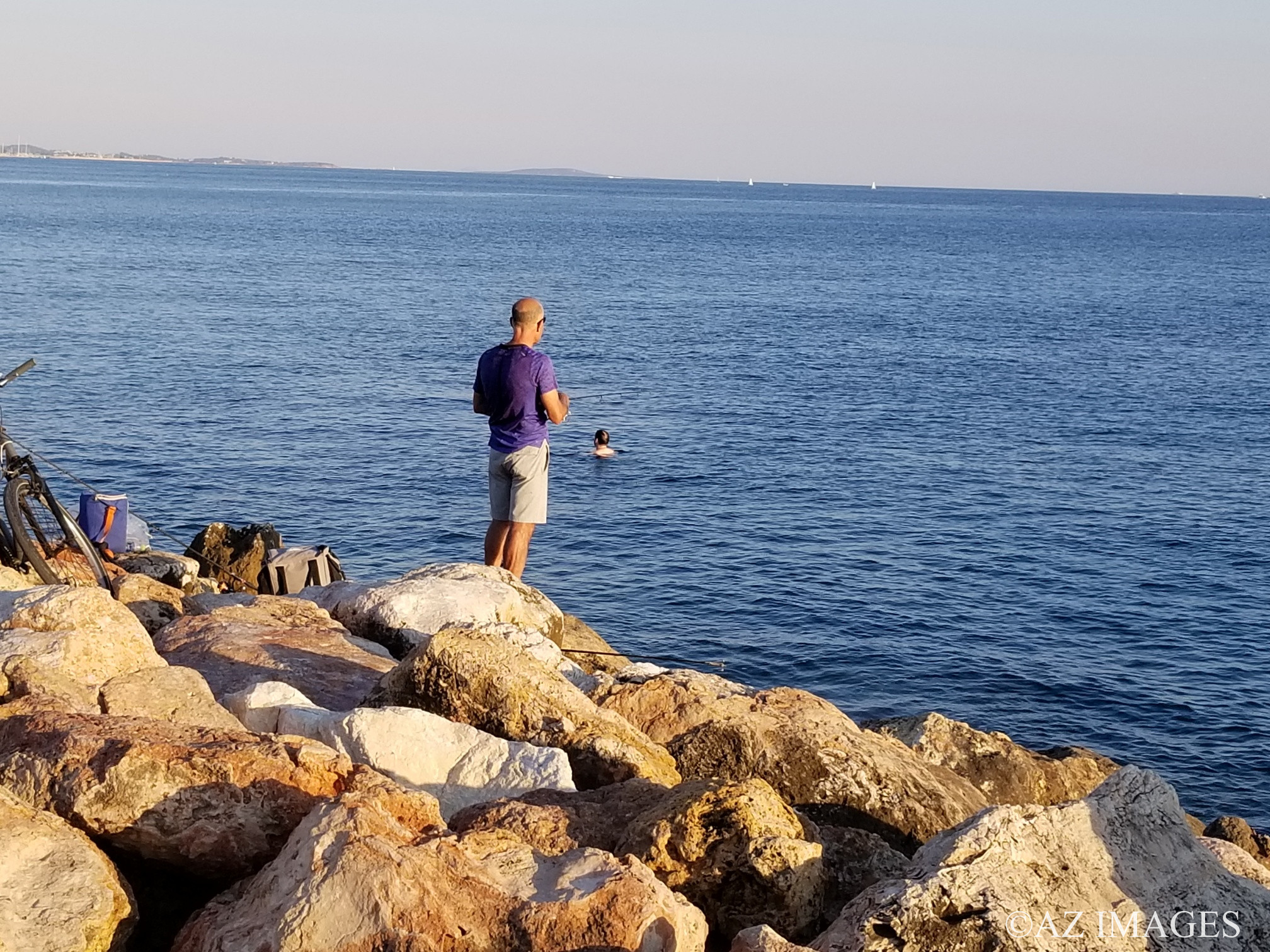
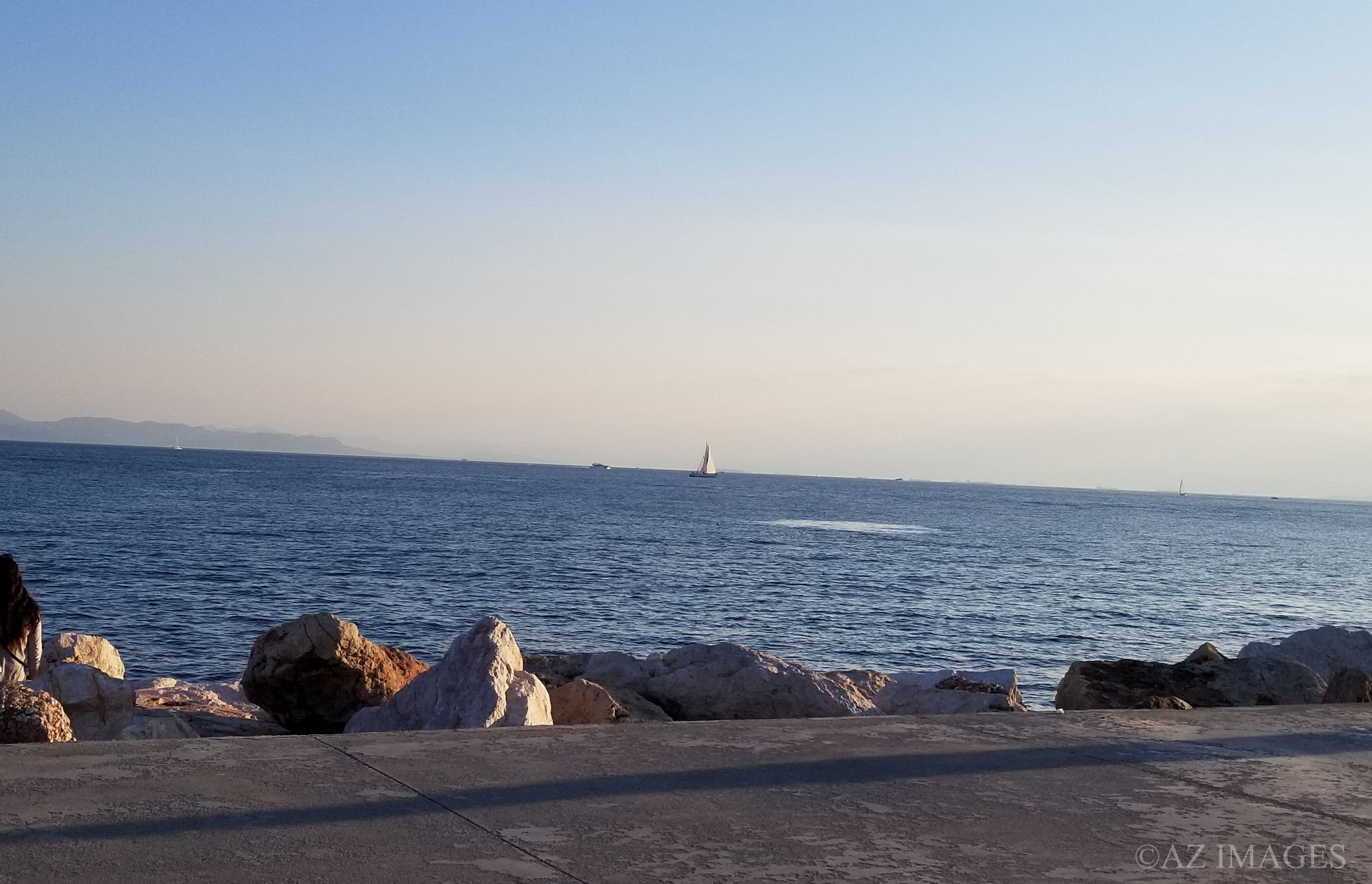
A few more shots from the board walk at the Glyfada area in the south of Athens on a very hot and some day in July.
 My Creative Wayz