“Bad things do happen how I respond to them defines my character and the quality of my life. I can choose to sit in perpetual sadness immobilized by the gravity of my loss, or I can choose to rise from the pain and treasure the most precious gift I have – life itself.” – Walter Anderson
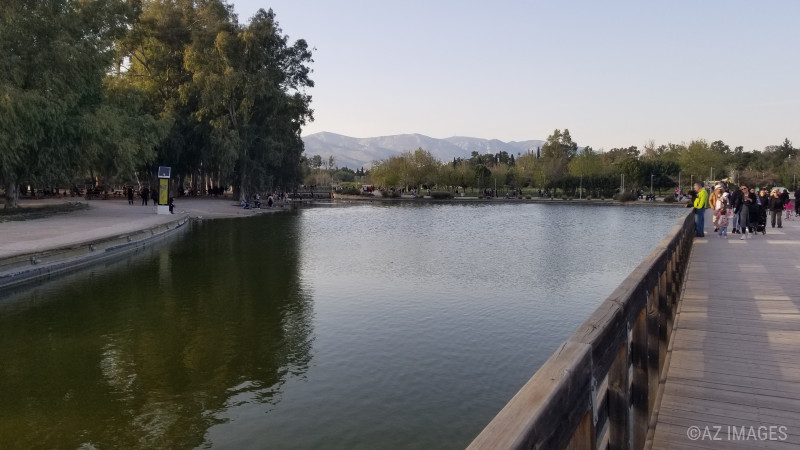
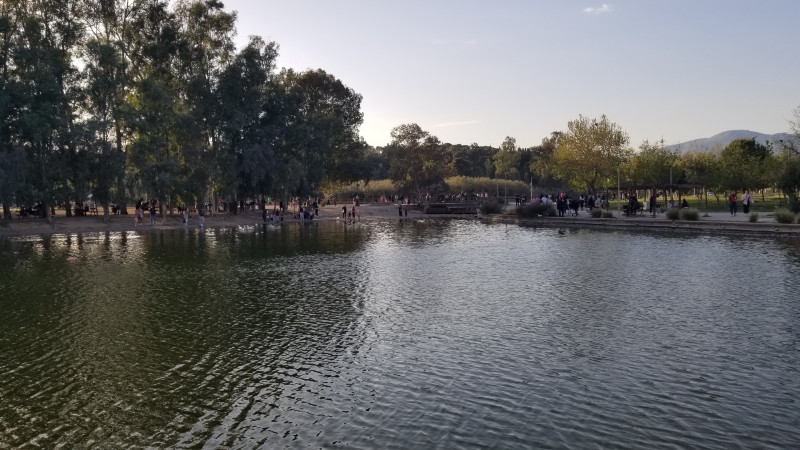
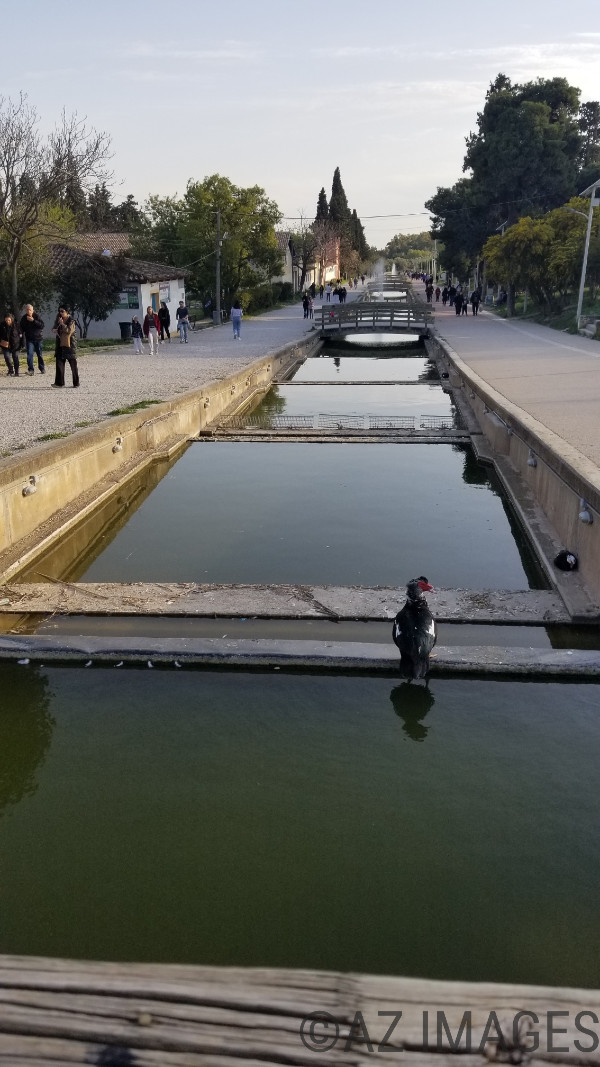
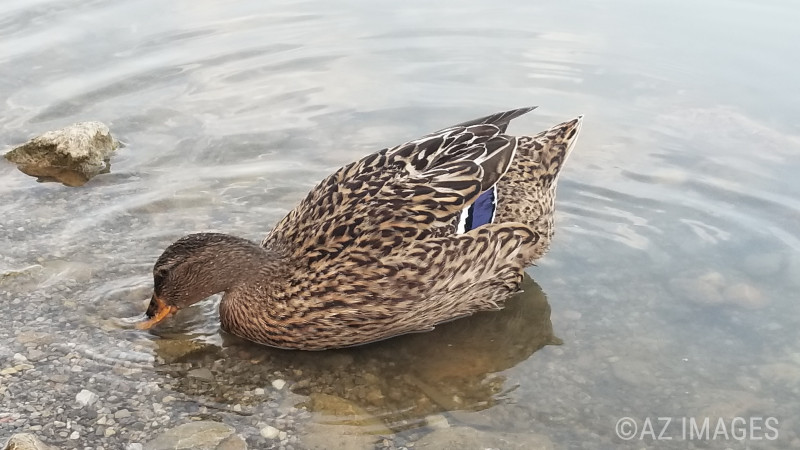
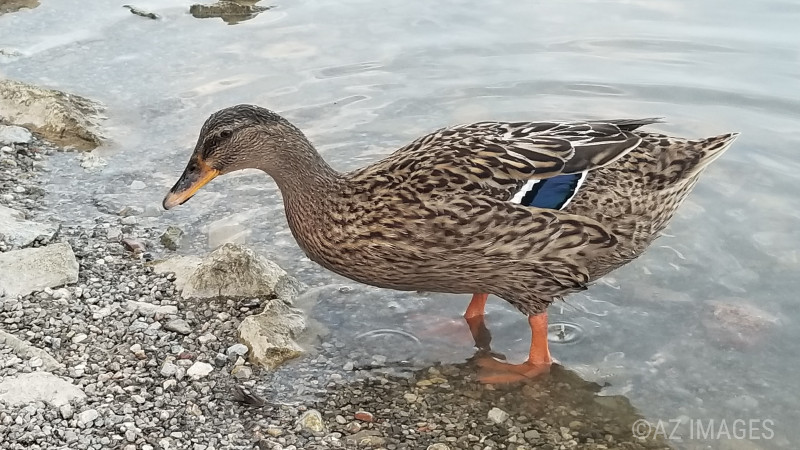
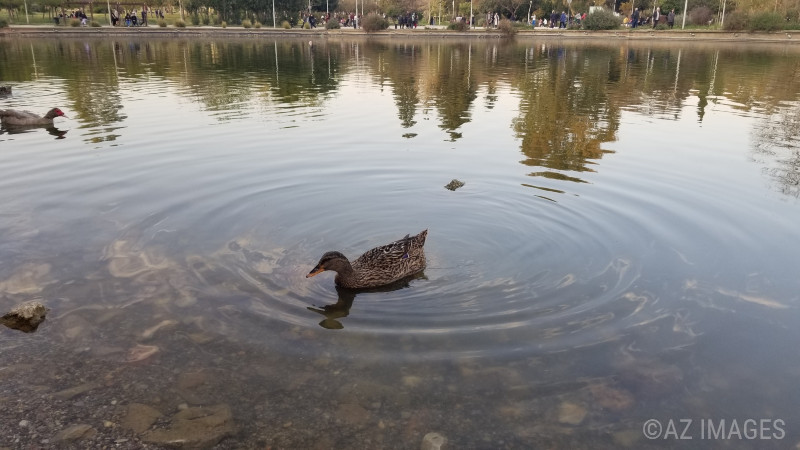
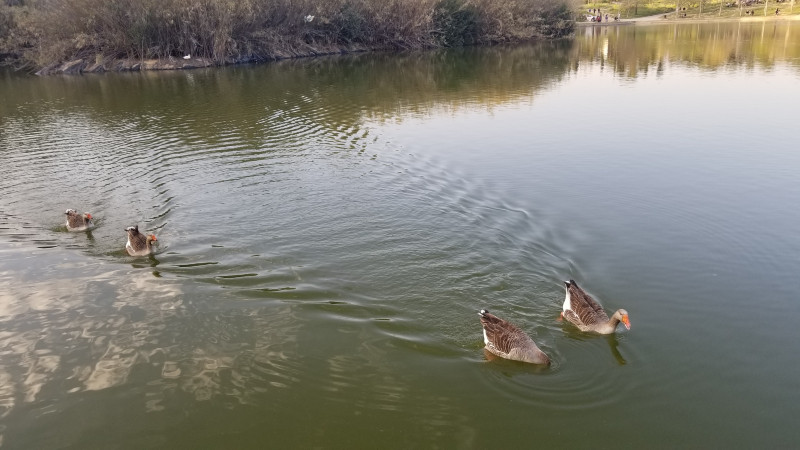
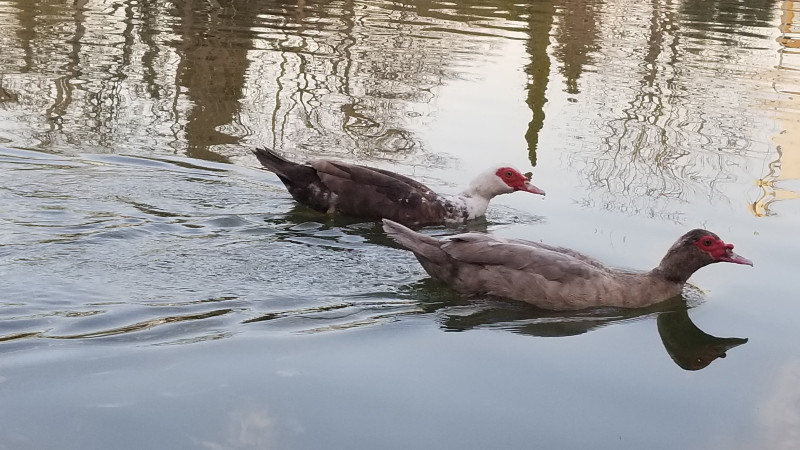
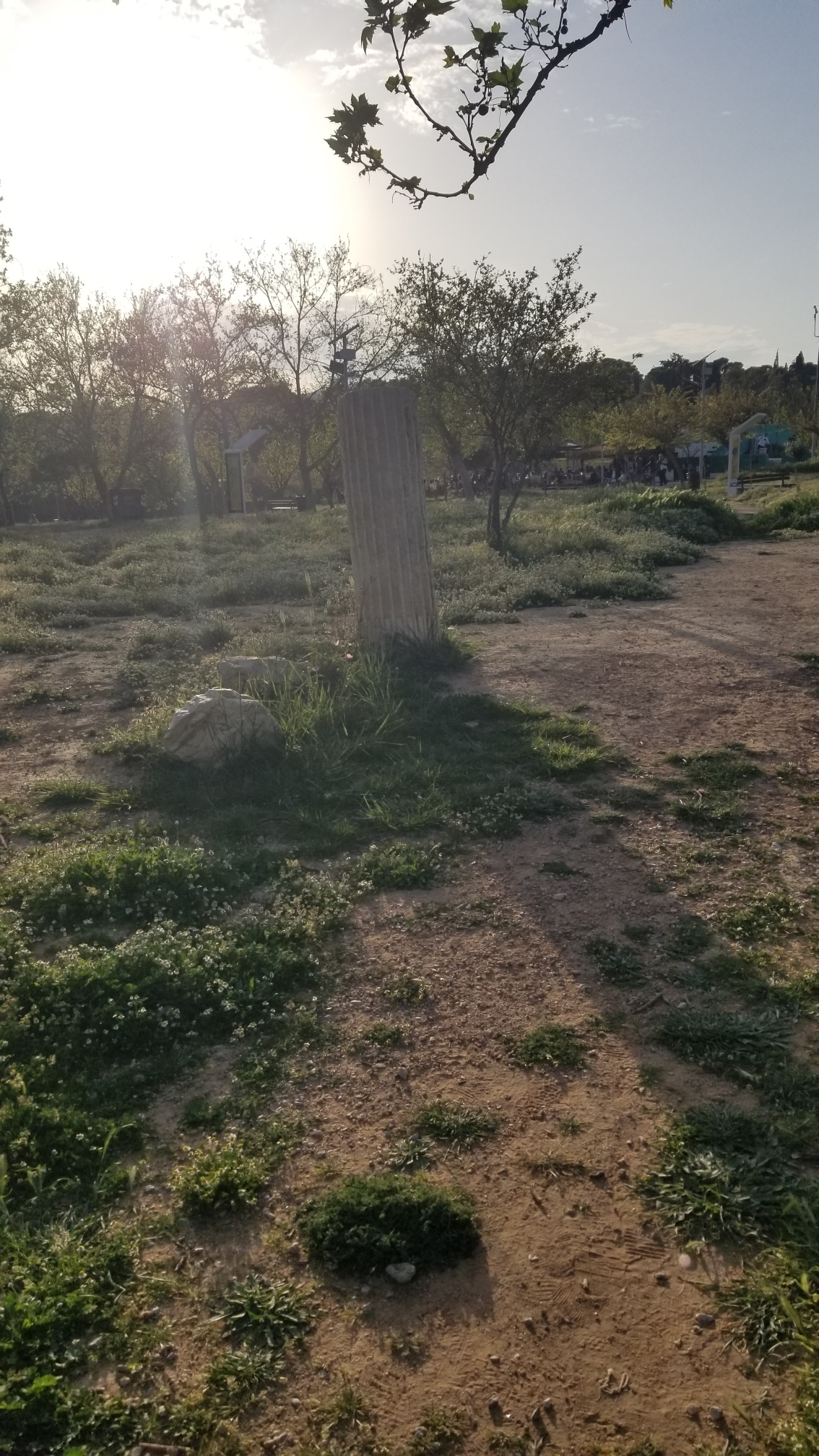
A relaxing stroll through the biggest park in Athens called Parko Tritsi. (Antonis Tritsis) Metropolitan Park «Αντώνης Τρίτσης») is a public park in Ilion, and it is the largest park in Attica. The park is also known as the ‘evironmental park’ as it is the the only one dedicated exclusively to environmental awareness and education in Greece.
While walking through the park I was brought back to my childhood years in Torontot with the many green parks and bike paths and picnic tables.. It was a much gentler and simplier time.
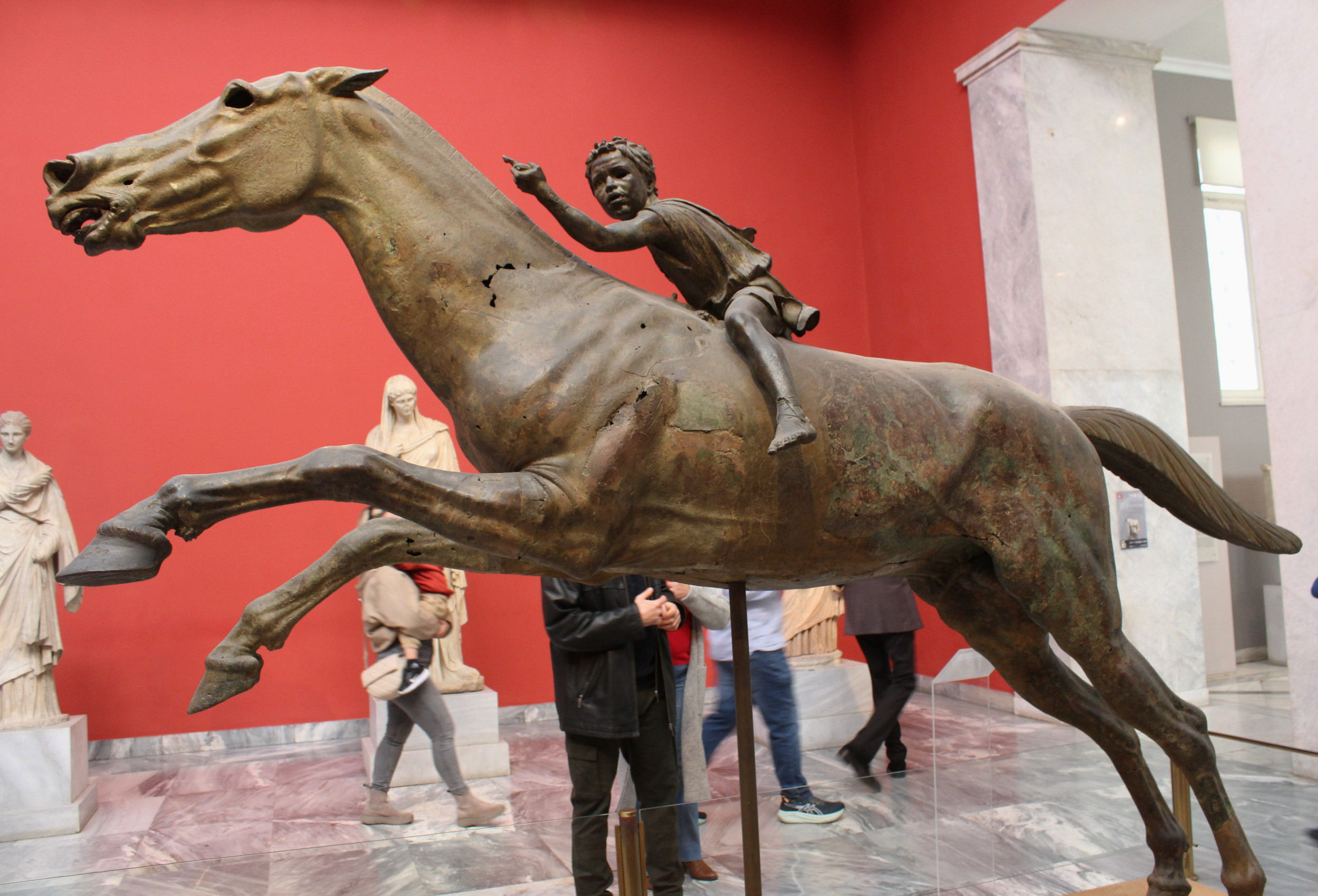
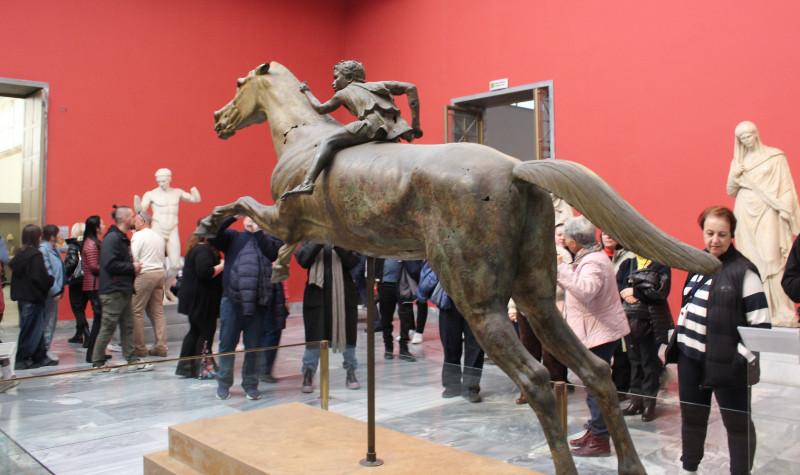
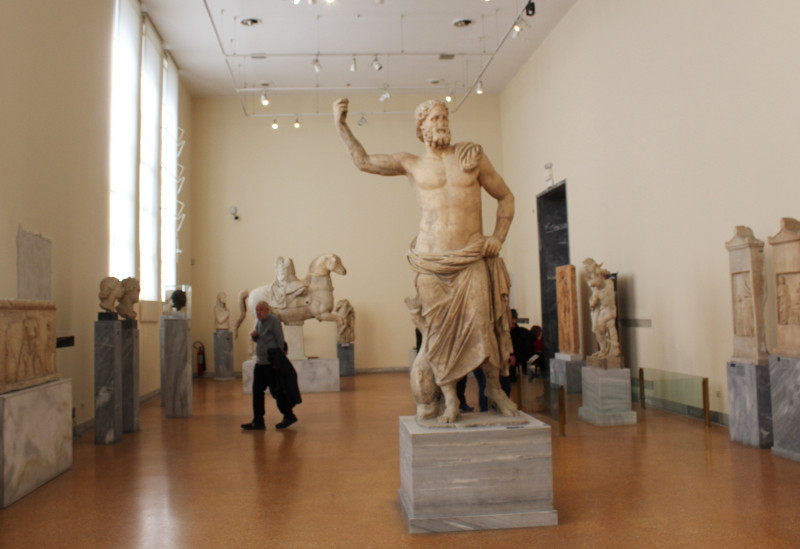
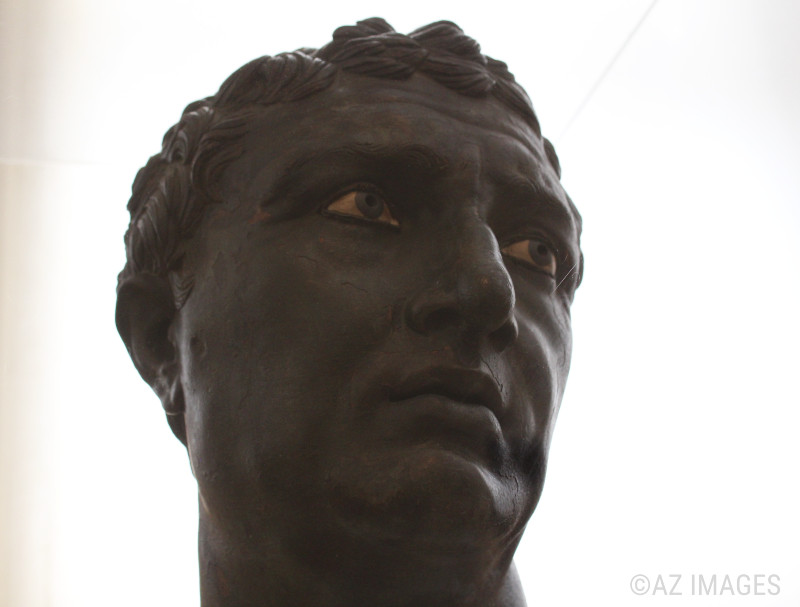
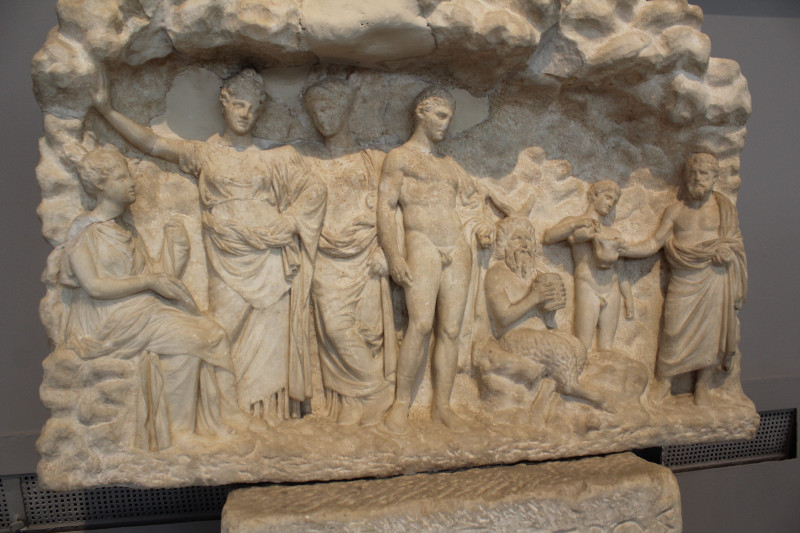
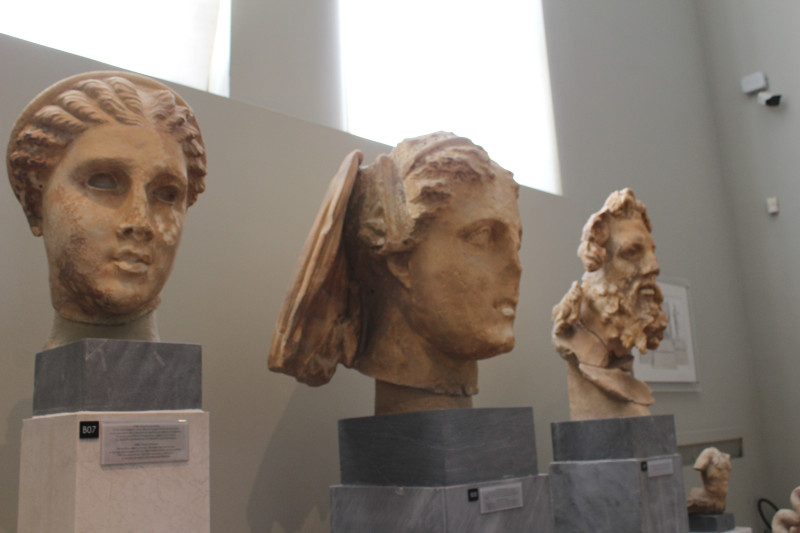
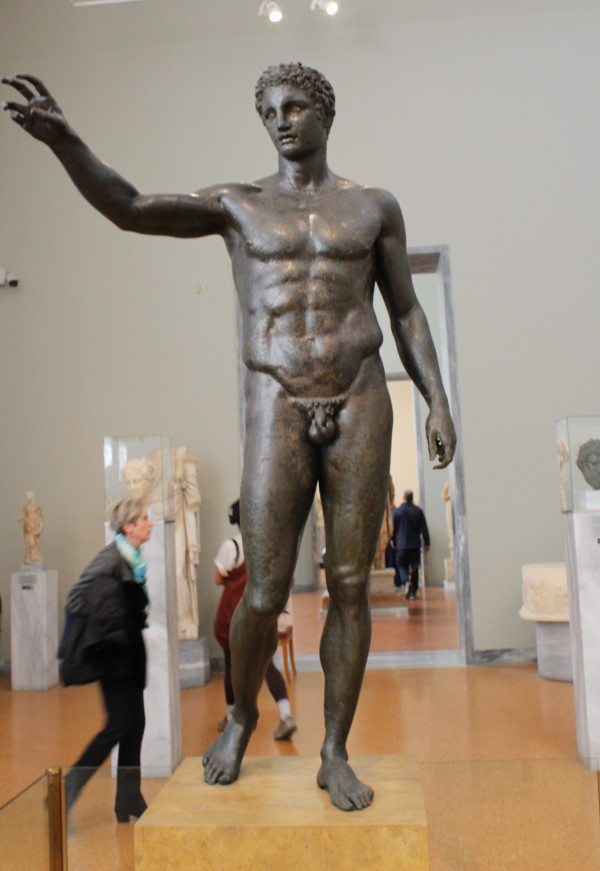
‘Jockey of Artemision’ A rare Hellenistic bronze statue was found in pieces, at different times, in the sea off Cape Artemision between 1928 and 1937. The statue was pieced together. The artist is unknown, although the work dates to around 140 BC. This statue is the Poseidon of Milos. It dates to approximately 125-100 BC, during the Hellenistic period.A bronze portrait of an man dating to around 100 BC, during the Hellenistic period. The sculpture was discovered in the palaestra of Delos island. A characteristic of the work is the intense realism in the rendering of the facial features and the melancholic expression, while the eyes are made of different materials, such as glass and stone.Votive relief dedicated to the nymphs on mount Penteli. From 330-310 B.C Depicted in the relief are the 3 nymphs, the gods Hermes and Pan.
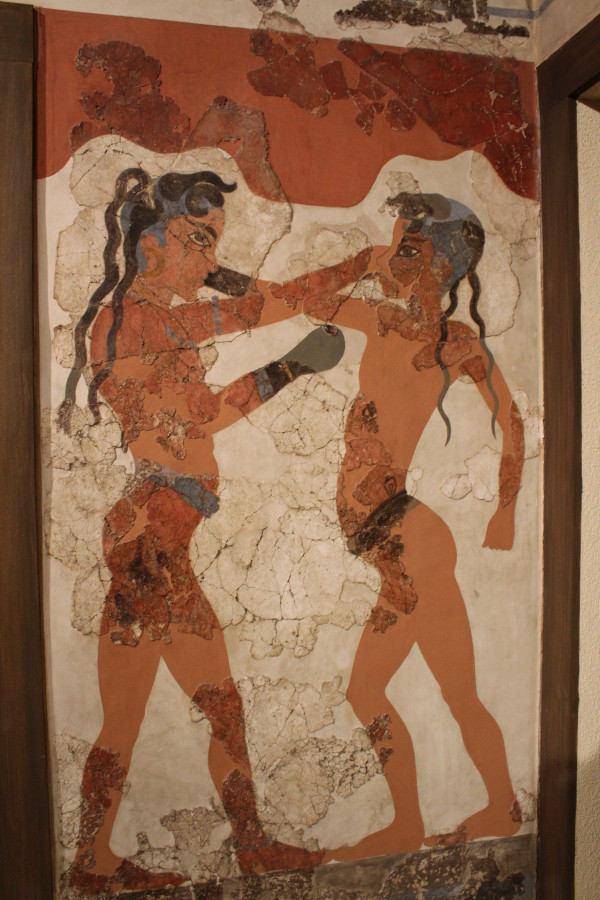
”The Young Boxers’ fresco from Thira, Santorini. Bronze age 16th Century B.C
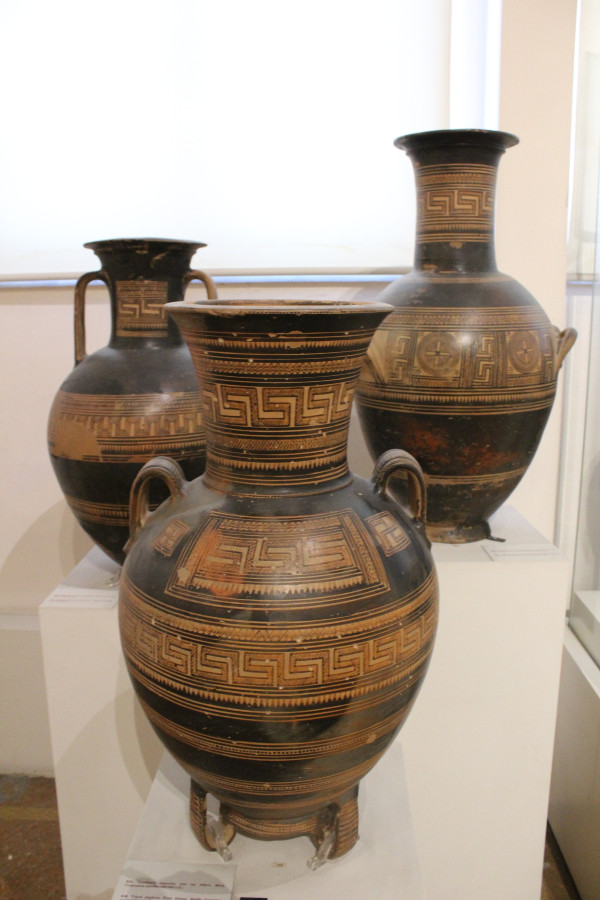
Geometric amphorae from Attica. 800-750 B.C
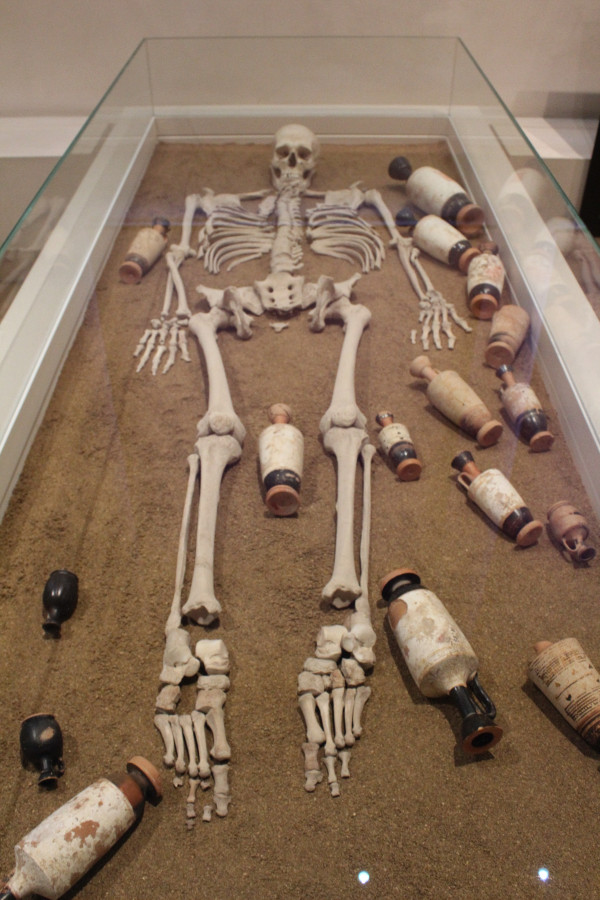
A human skeleton surrounded by funerary objects (burial goods), such as vessels and lekyths. Experts have examined the remains and have identified diseases of the time, such as osteoarthritis. The skeleton was discovered in the ancient cemetery of Kerameikosin Athens.
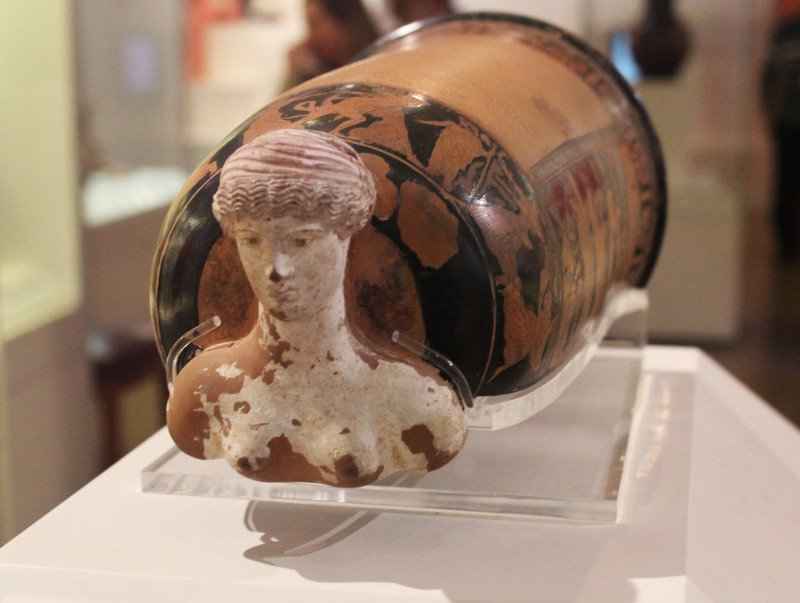
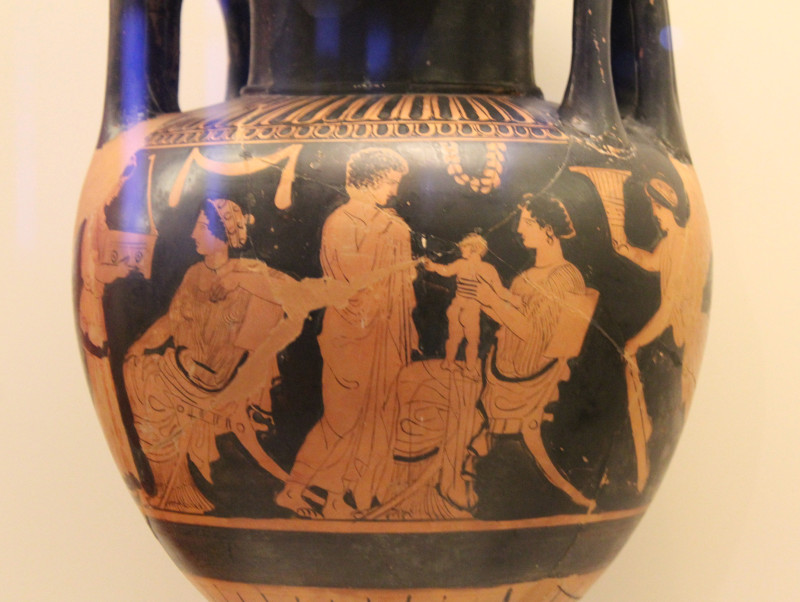
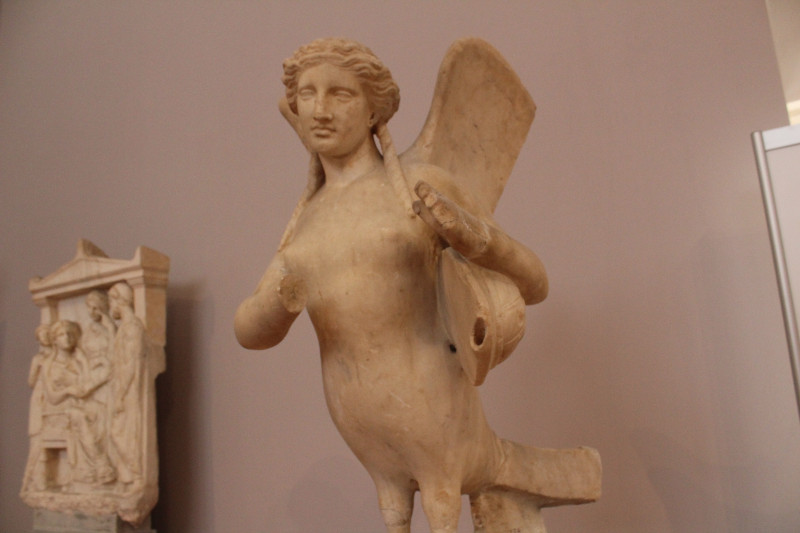
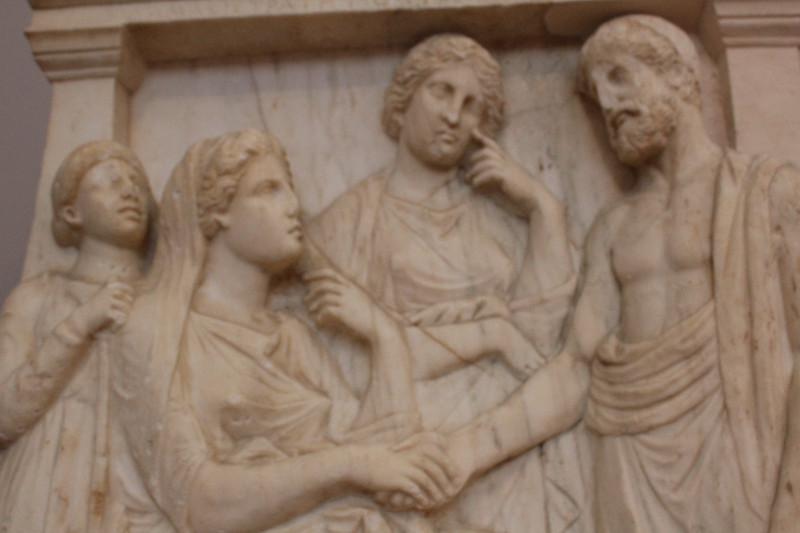
An Attic red-figure epinetron (a thigh guard), a clay vessel used by women in antiquity for combing wool.An Attic red-figure bridal cauldron, dating to around 430 BC. Depicts a family scene in the women’s quarters.This statue depicts a Siren from ancient Greece. Created around 370 BC.In ancient times, Sirens functioned as symbols of mourning and musicians of the Underworld, accompanying the souls of the dead.This relief depicts a farewell scene from an ancient Greek funerary stele.The bearded man, often identified with the father, greets a seated woman, while other figures are present on the scene. This work dates to 360-325 BC and comes from Attica.A group of cult statues in the temple of Despina at Lykosoura.The sculptures date to approximately 190-180 BC and are attributed to the sculptor Damophon from Messene.
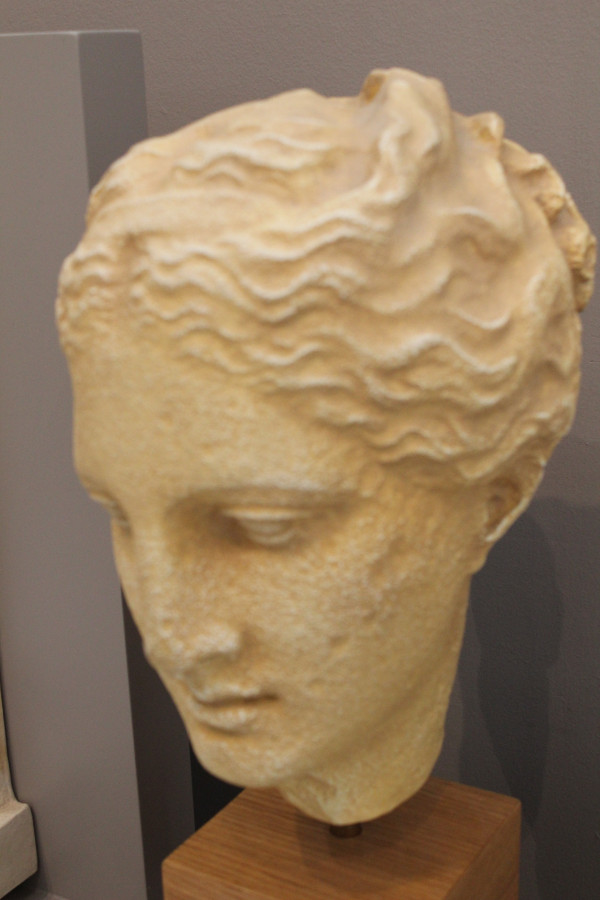
A marble replica of the head of Hygieia, the ancient Greek goddess of health and daughter of Asclepius. The original work is attributed to the famous sculptor Scopas from Paros and dates back to around 360 BC.
‘The teenager of Antikithira’ bronze statue 340-330 B.C, Some researchers believe he is Perseus holding the head of Medusa, others Paris holding the golden apple.
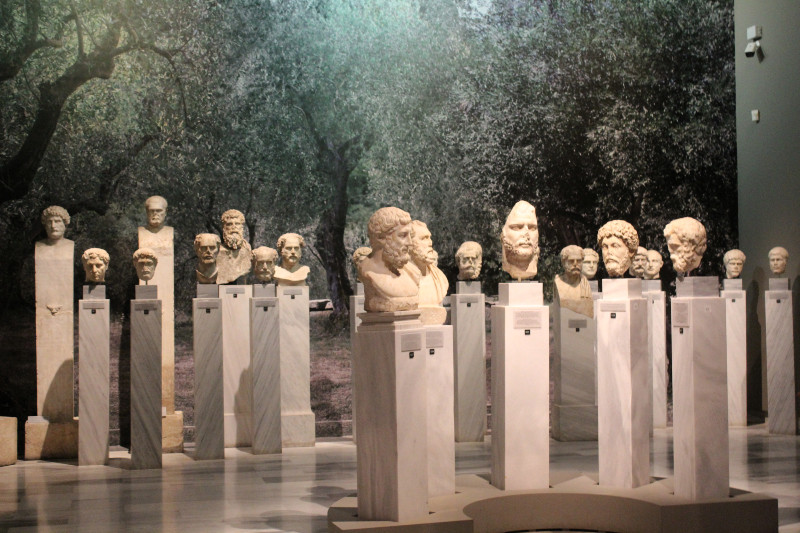
The exhibition presents the philhellenism of Emperor Hadrian and the influence of Greek intellectuals on Roman tradition.
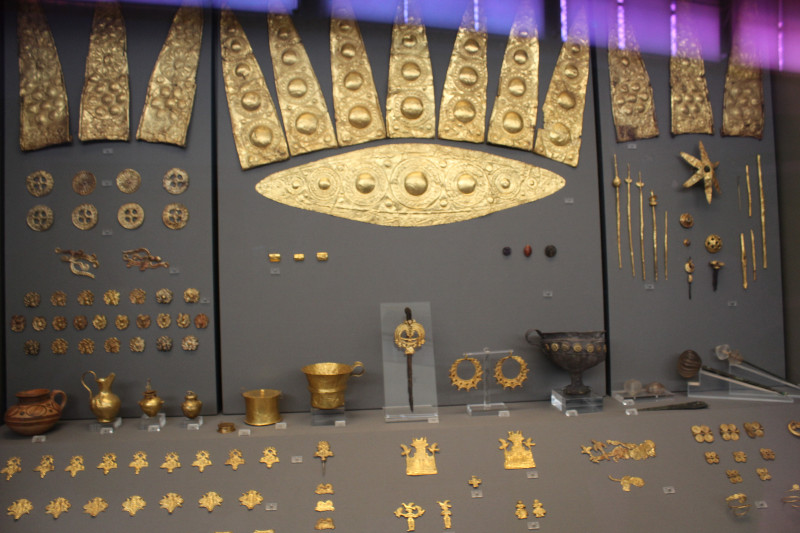
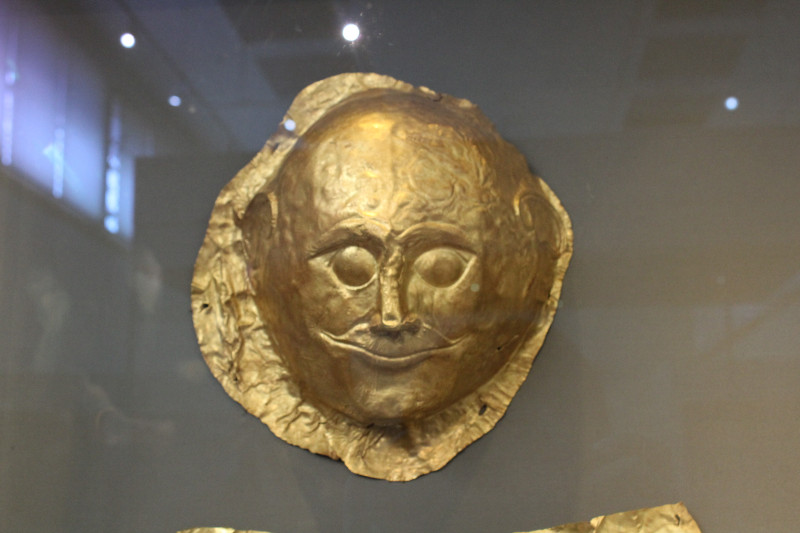
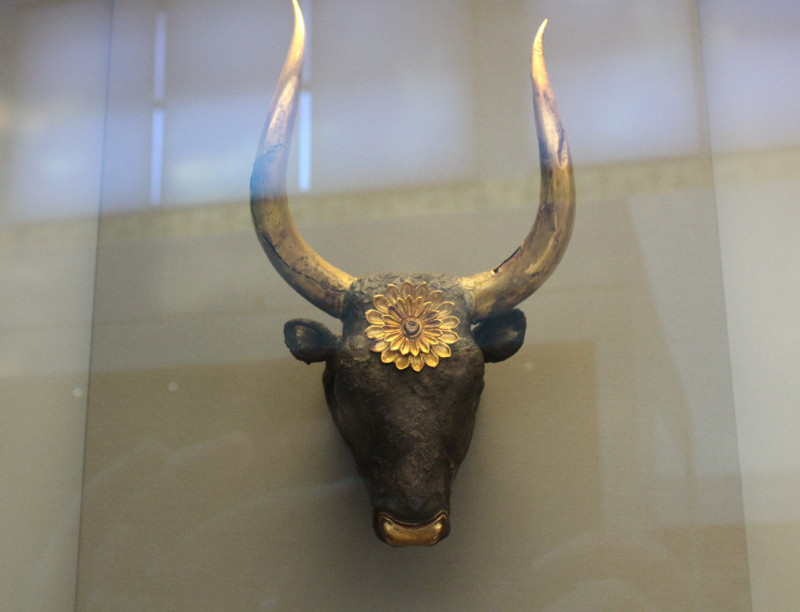
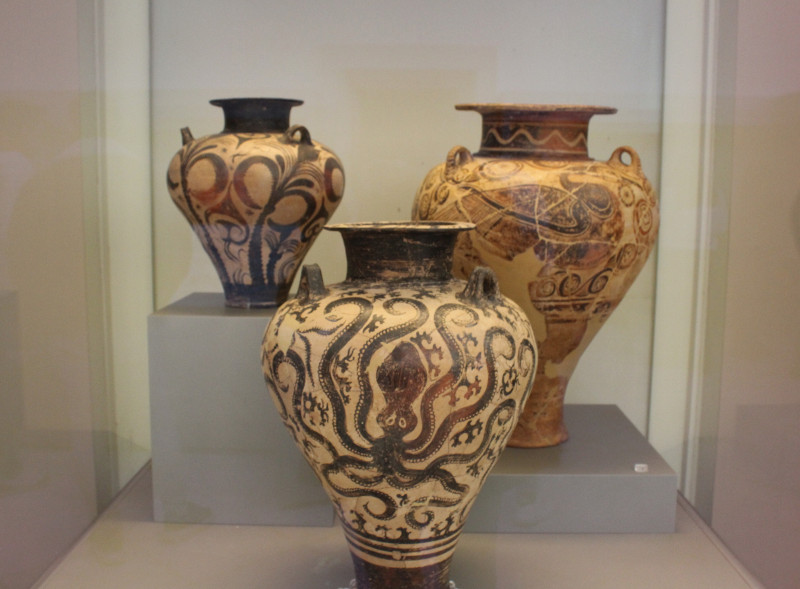
The treasures of Mycenae.Gold death mask.Mycenean ceremonial vessel a bull head made of silver. The horns, snout and rosette on the forehead are made out of gold Mycenean palace amphora with octopus. 15th B.C.
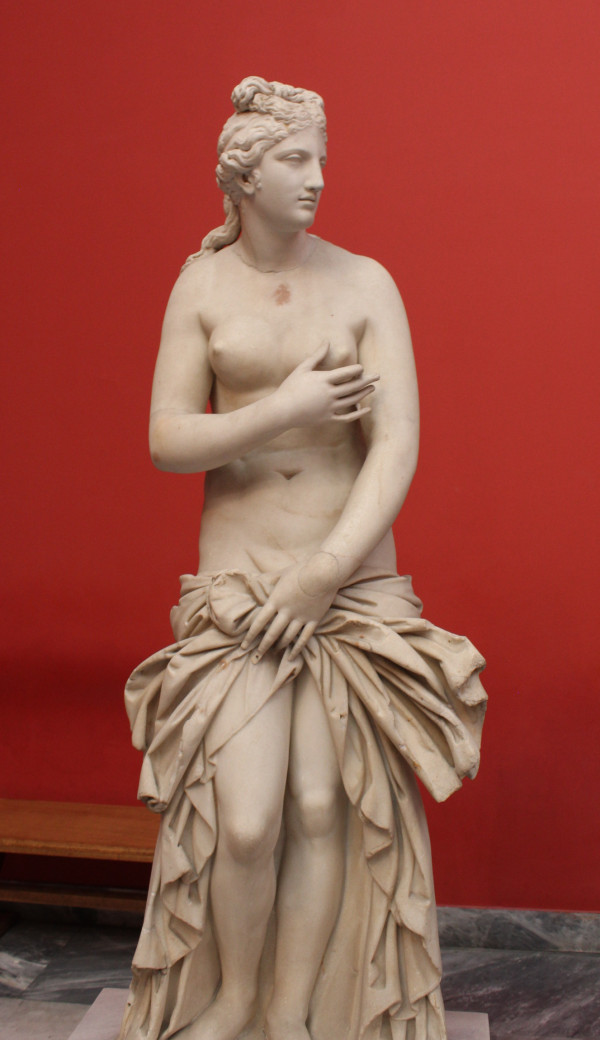
Statue of Aphrodite
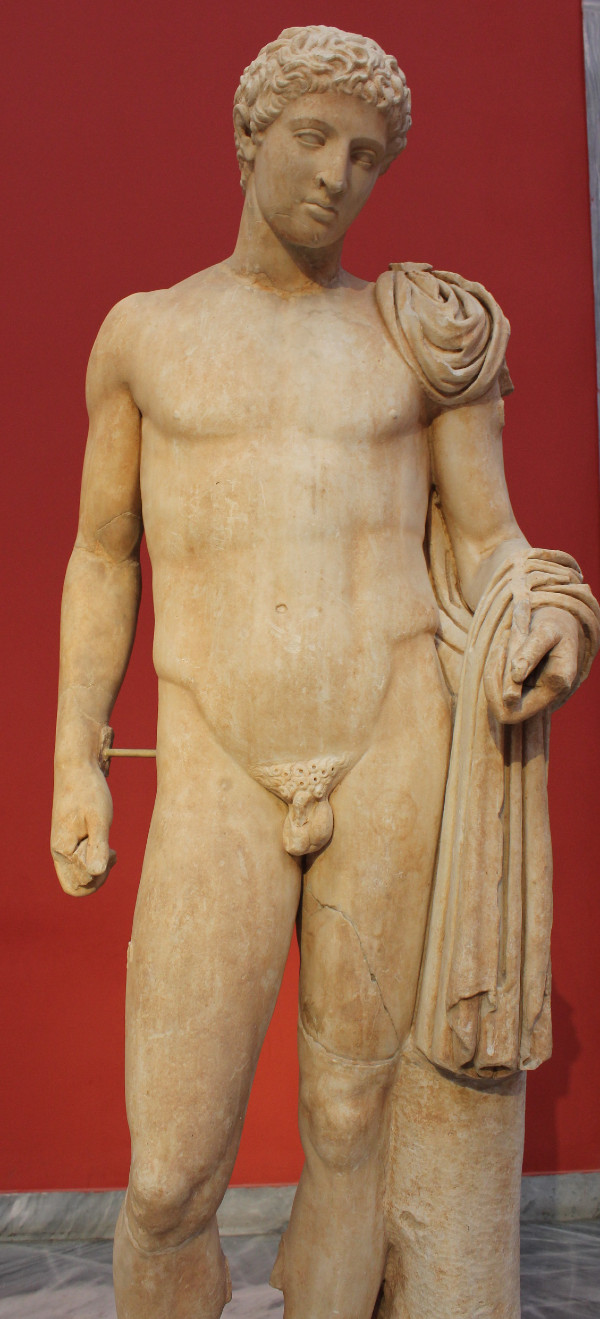
Statue of Hermes
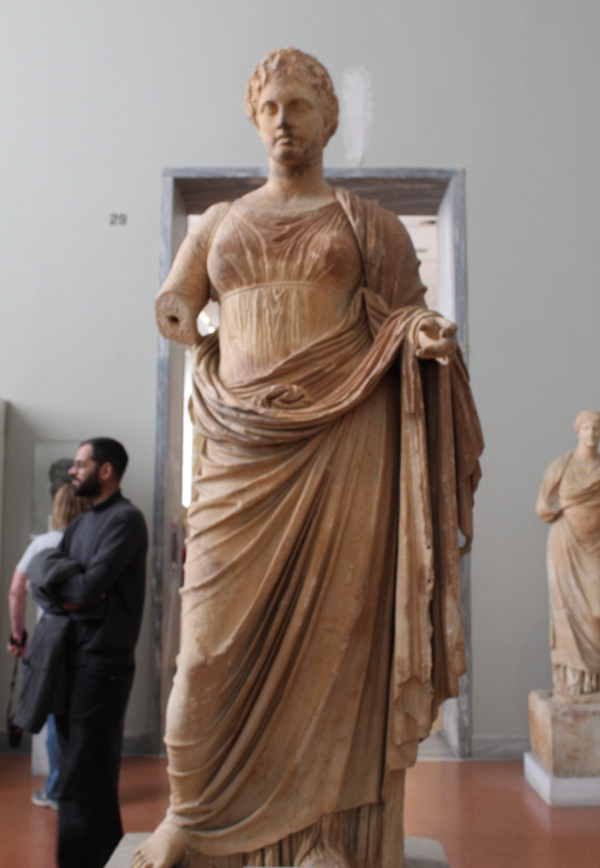
Marble statue of the goddess Themis.
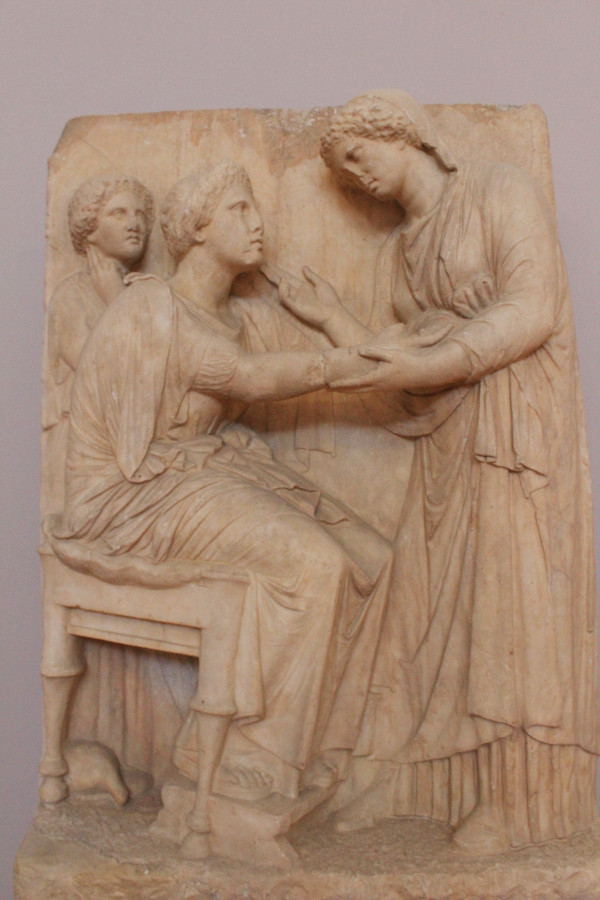
A Grave stele known as the ‘stele of farwell’ found near Omonia square.
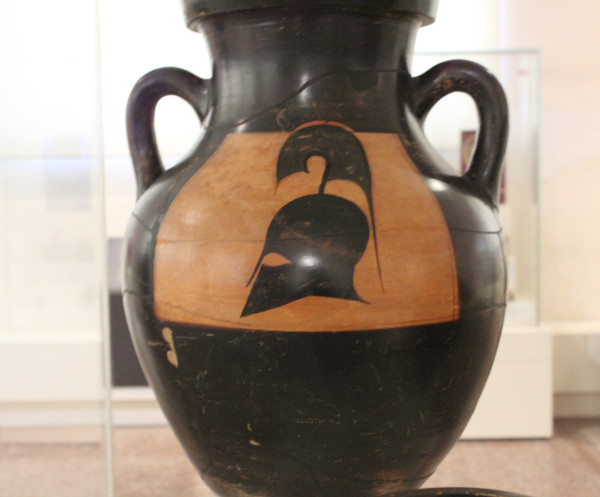
Attic black-figure ampora depicting a Corinthian helmet.575-550 B>C.
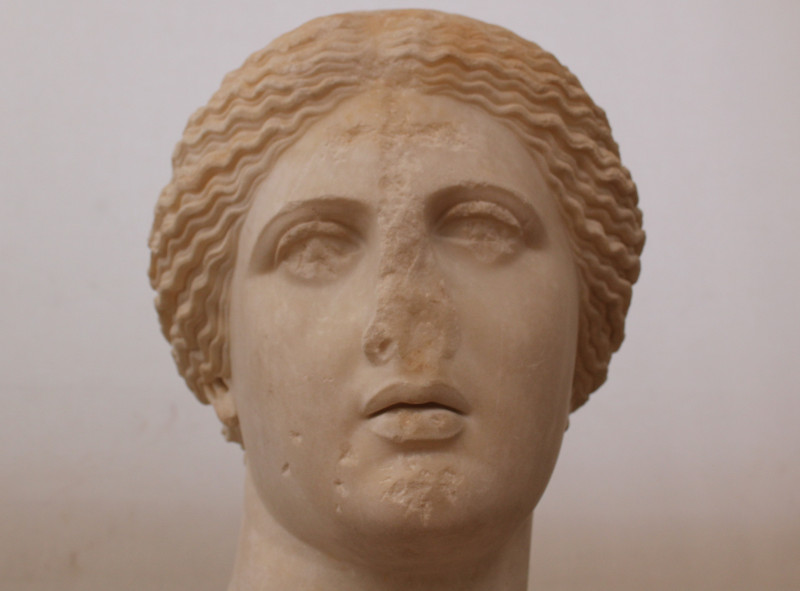
Marble head of Aphrodite found in the Roman agora of Athens. 1st C. A.D. The cross on the forehead was inscised during the Christian era.
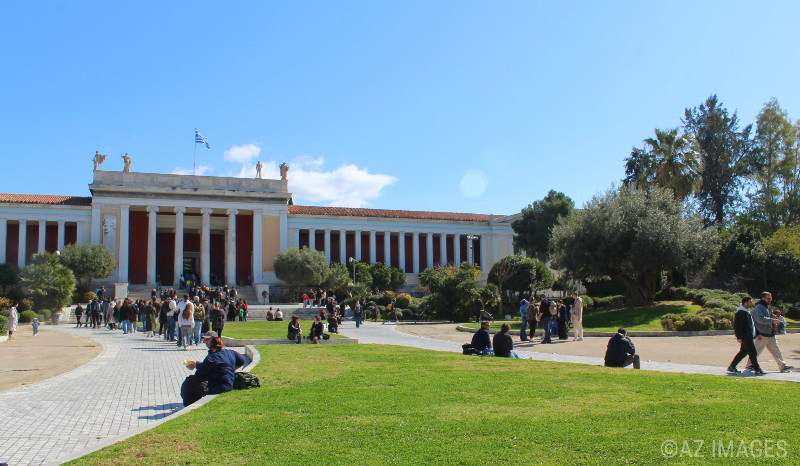
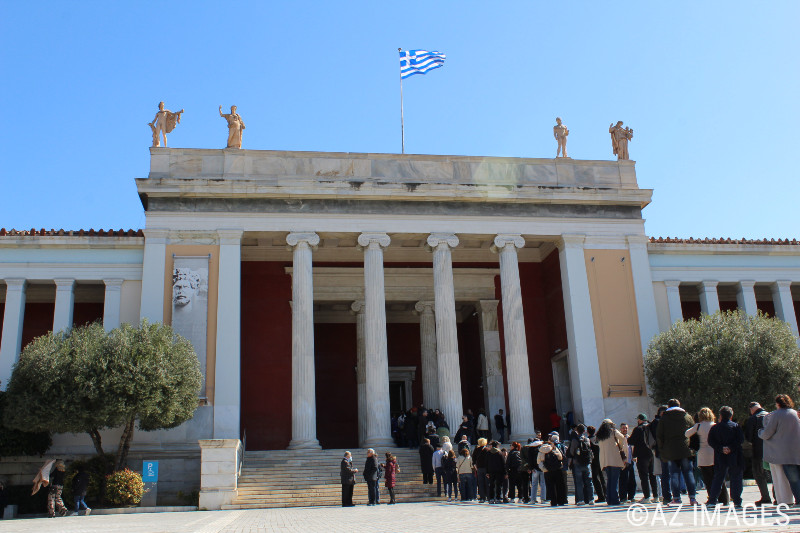
The archaeological musuem of Athens has every artifact from Greece that you can think of..that is if you know your Greek history. Artifacts from the neolithic era, the Mycenaean ear. classical Athens and so on fill the museum to the brim. The artifacts are over 11.000 and they are housed in a neoclassical building that was built from 1866-1889.
It’s the largest museum in Greece and one of the most important in the world.
However, the museum is outdated and in dire need of renovations. There are plans currently in the works and when everything has been approved the renovations could begin later this year or next year. This is why I paid a visit after many years. Who knows how long the renovations will take. But, it will be worth the hassel because these artifacts deserve a better home.
Το αρχαιολογικό μουσείο της Αθήνας διαθέτει κάθε είδους τεχνούργημα από την Ελλάδα που μπορείτε να σκεφτείτε… αν γνωρίζετε την ελληνική ιστορία. Τεχνουργήματα από τη νεολιθική εποχή, τα μυκηναϊκά χρόνια, την κλασική Αθήνα και ούτω καθεξής γεμίζουν το μουσείο μέχρι το τέρμα. Τα αντικείμενα είναι πάνω από 11.000 και στεγάζονται σε ένα νεοκλασικό κτίριο που χτίστηκε από το 1866 έως το 1889.
Είναι το μεγαλύτερο μουσείο στην Ελλάδα και ένα από τα σημαντικότερα στον κόσμο.
Ωστόσο, το μουσείο είναι ξεπερασμένο και έχει άμεση ανάγκη από ανακαινίσεις. Υπάρχουν σχέδια που βρίσκονται σε εξέλιξη και όταν όλα εγκριθούν, οι ανακαινίσεις θα μπορούσαν να ξεκινήσουν αργότερα φέτος ή του χρόνου. Γι’ αυτό το λόγο το επισκέφτηκα μετά από πολλά χρόνια. Ποιος ξέρει πόσο καιρό θα διαρκέσουν οι ανακαινίσεις. Αλλά, θα αξίζει τον κόπο, γιατί αυτά τα αντικείμενα αξίζουν ένα καλύτερο σπίτι.
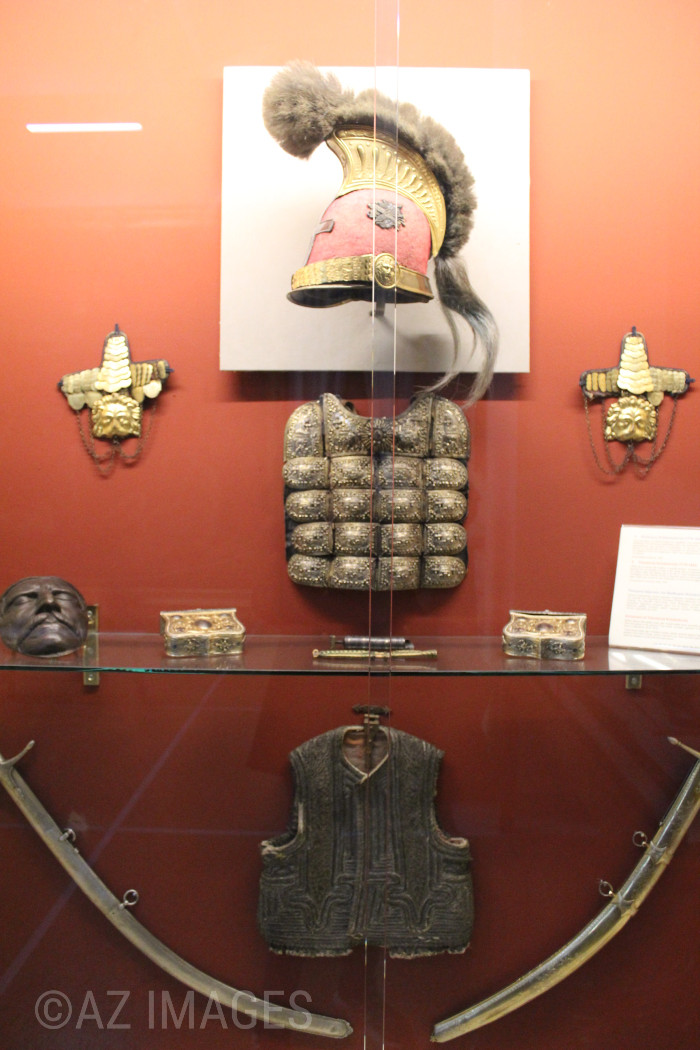
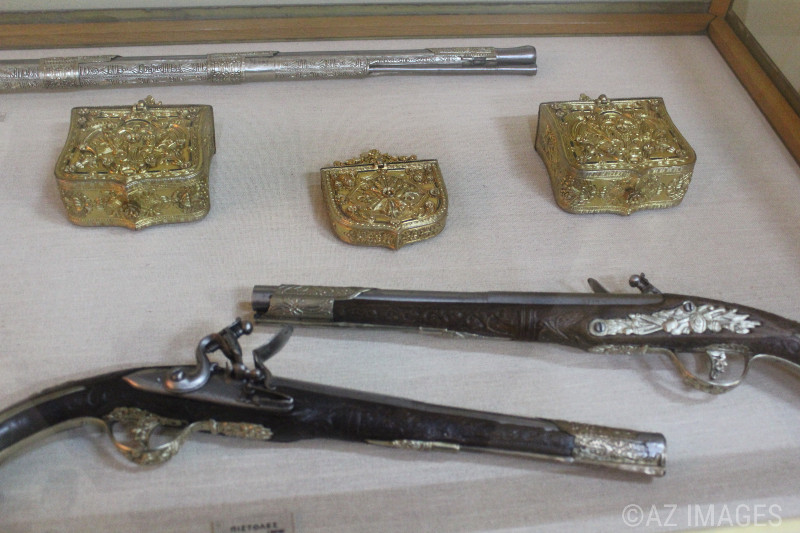
The armor of Theodoros Kolokotronis an important leader in the Greek war of independence.
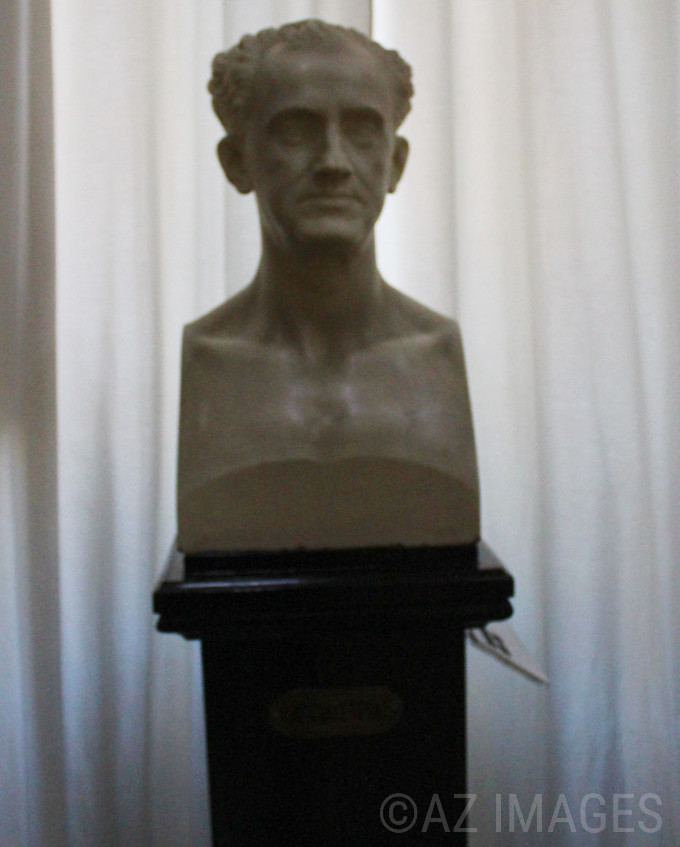
A bust of Ioannis Kapodistrias, the first governor of Greece after the war of independence.
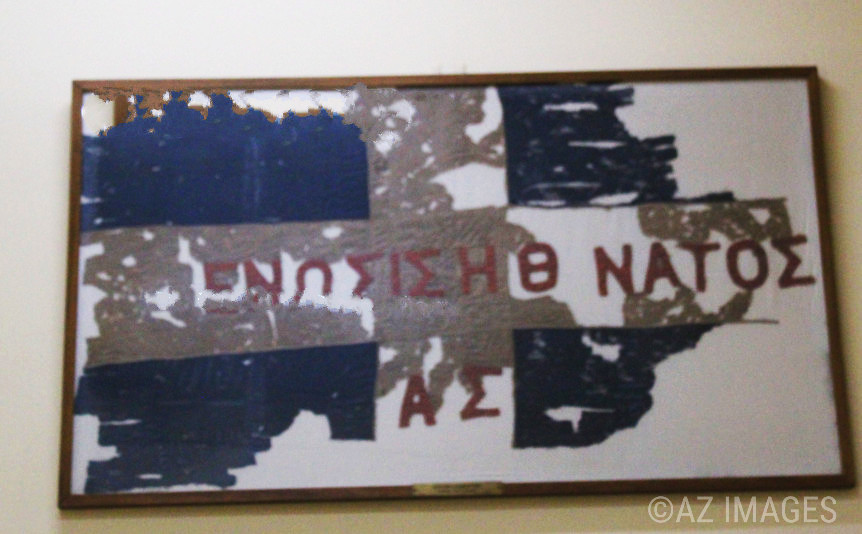
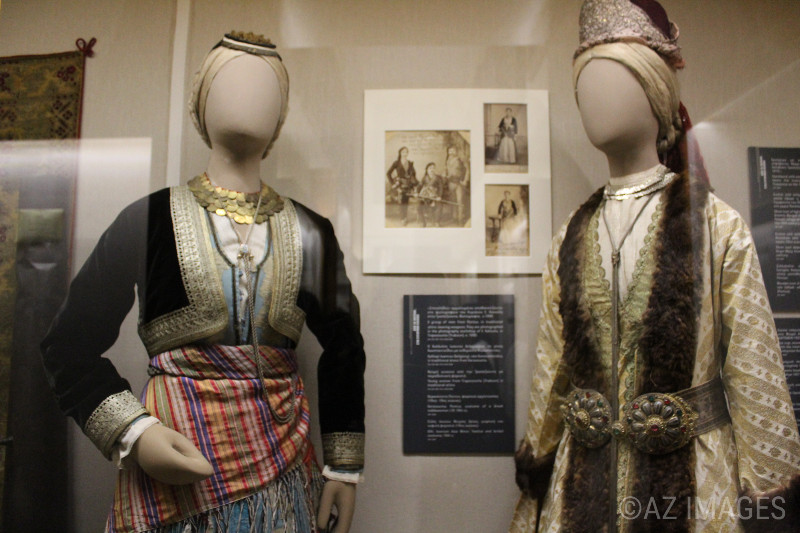
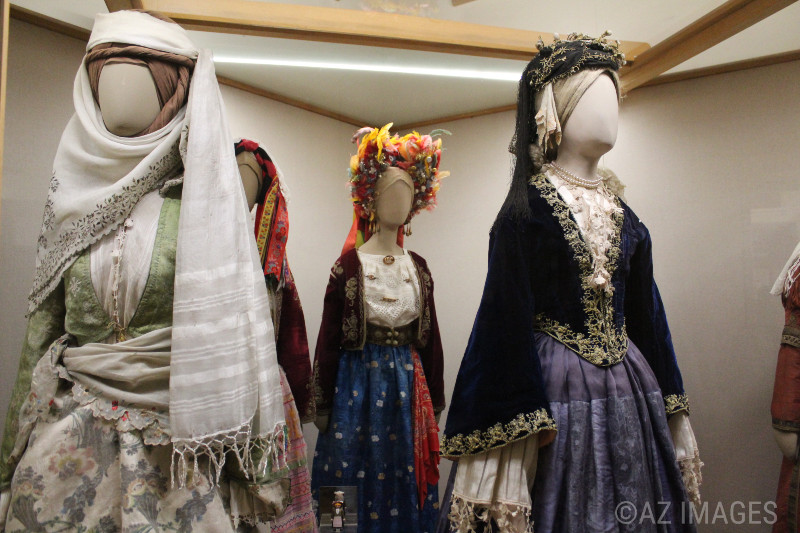
‘Unity or death’ on old Greek flagCostumes from the revolutionary ear from different regions of Greece.
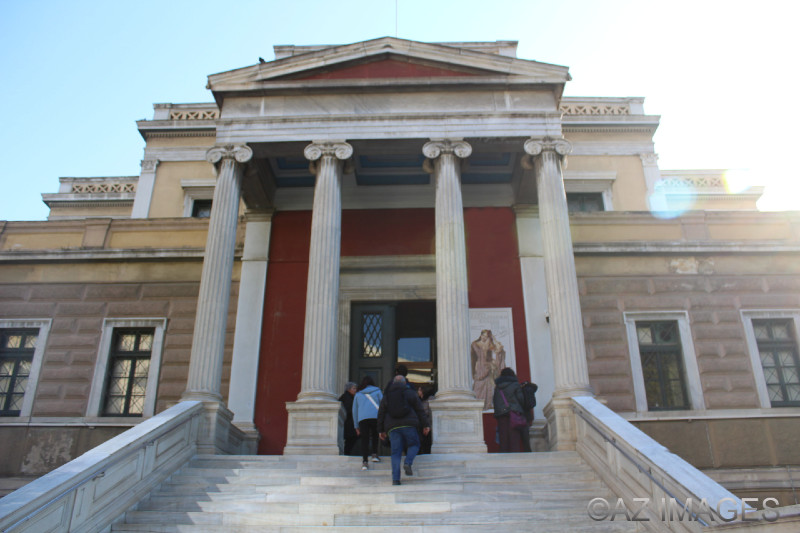
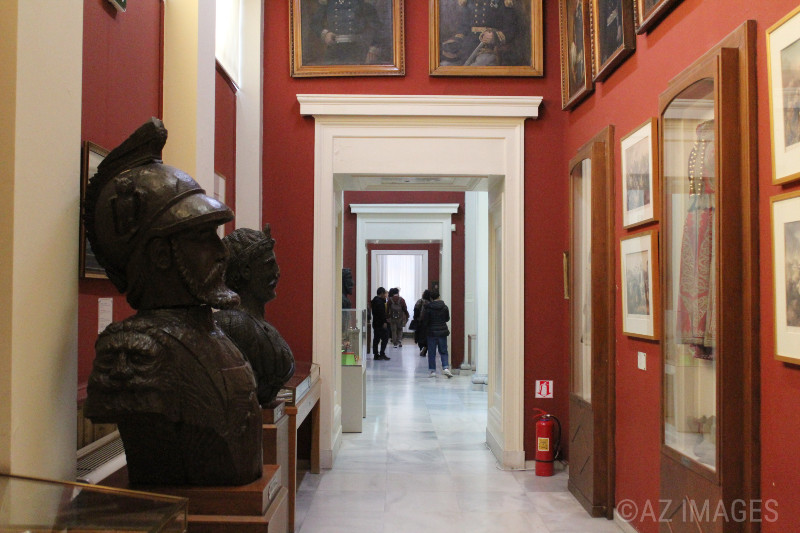
The old parliament on Stadiou street in downtown Athens is now The National Historic museum that houses artifacts, paintings, and costumes from the era of Greek Revolution in the early 19th century.
The museum once housed the parliament from 1875-1935.
Το παλιό κοινοβούλιο στην οδό Σταδίου στο κέντρο της Αθήνας είναι τώρα το Εθνικό Ιστορικό Μουσείο που στεγάζει αντικείμενα, πίνακες ζωγραφικής και ενδυμασίες από την εποχή της Ελληνικής Επανάστασης στις αρχές του 19ου αιώνα.
Το μουσείο κάποτε στέγαζε το κοινοβούλιο από το 1875 έως το 1935.
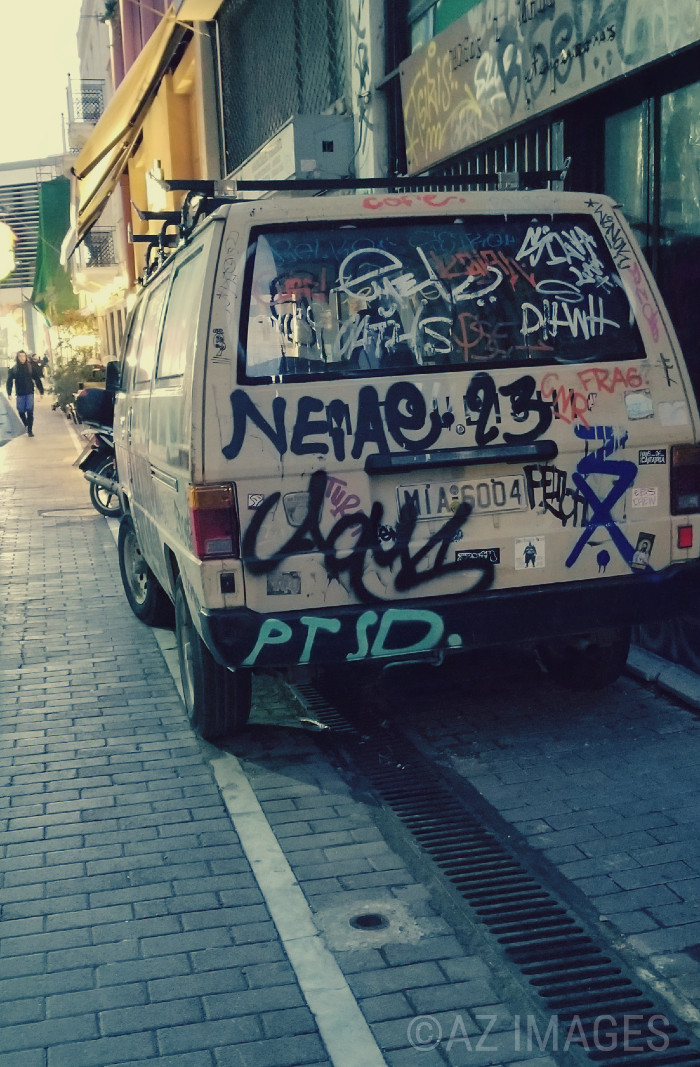
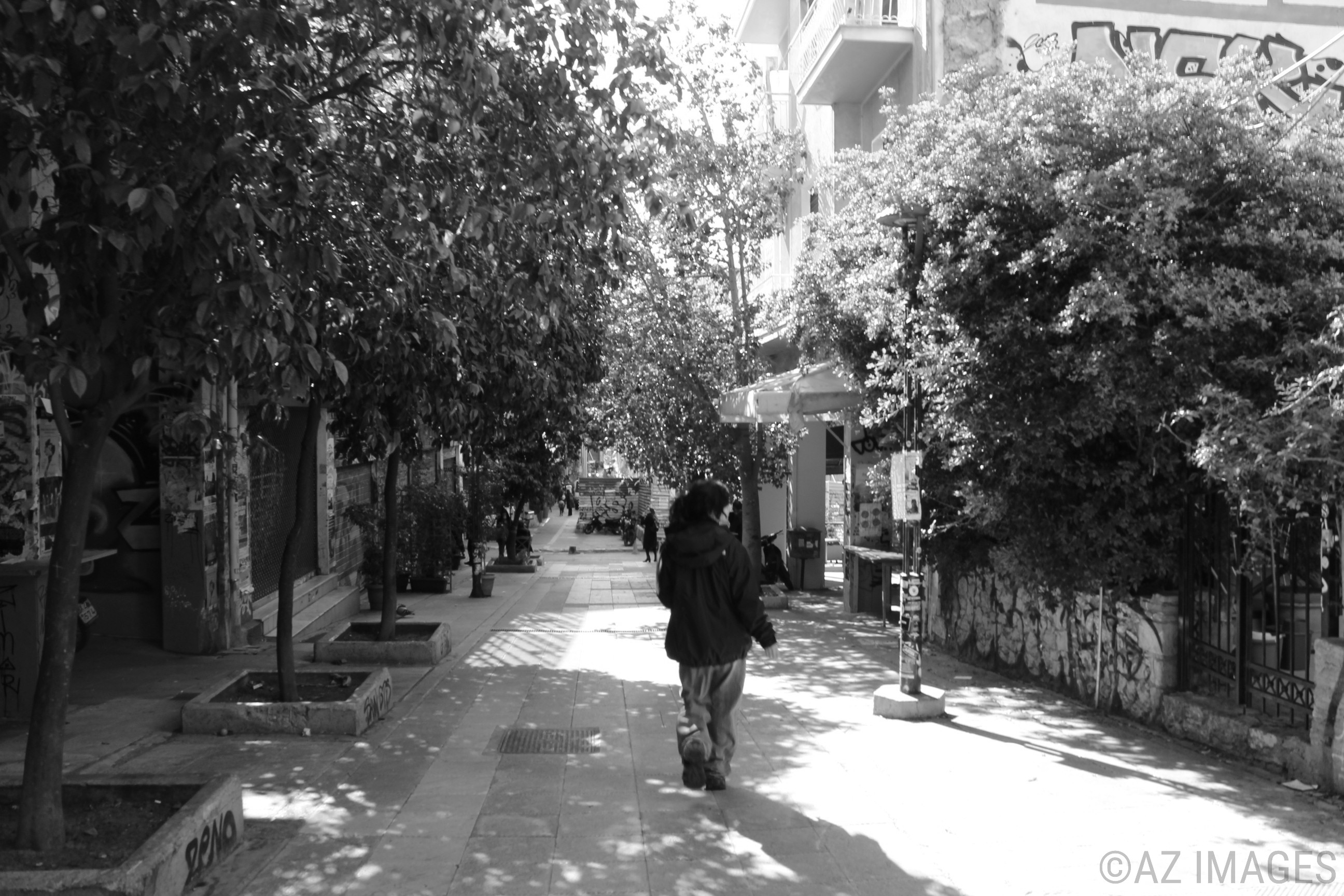
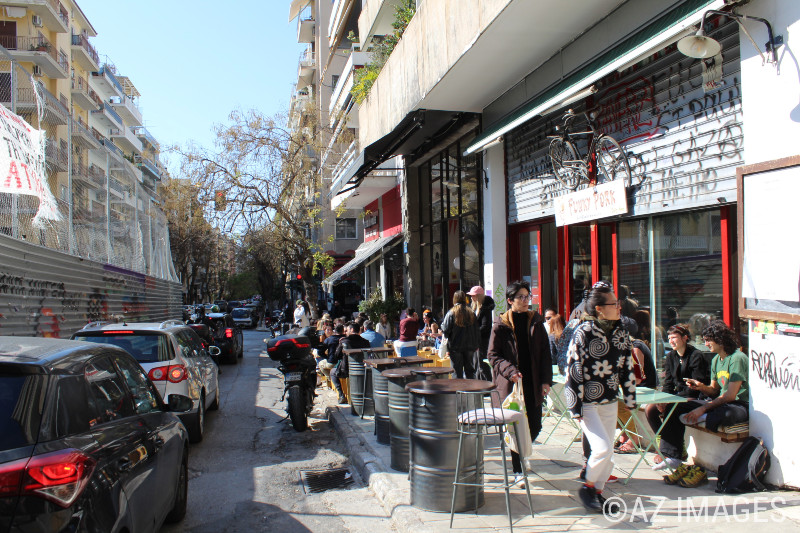
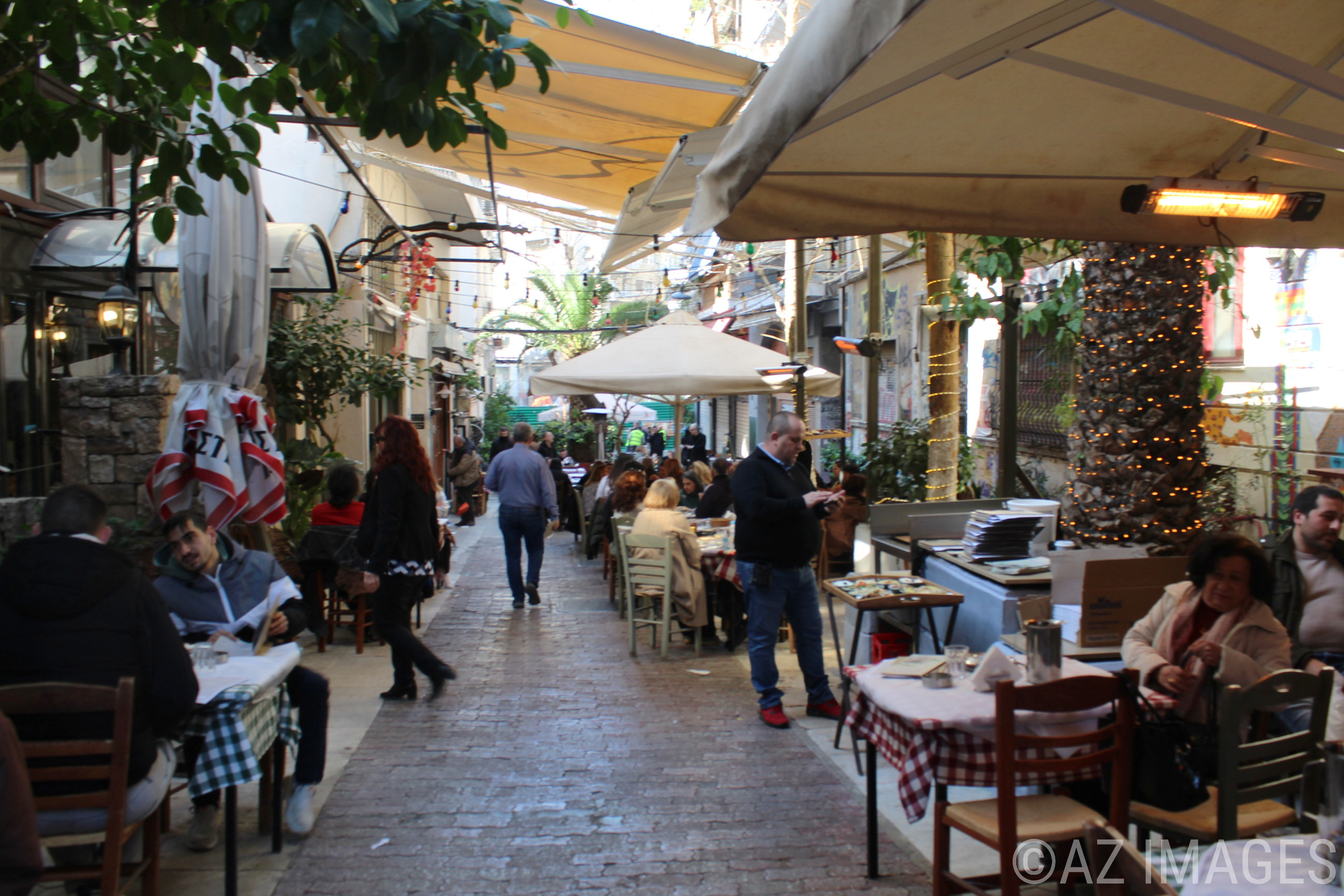
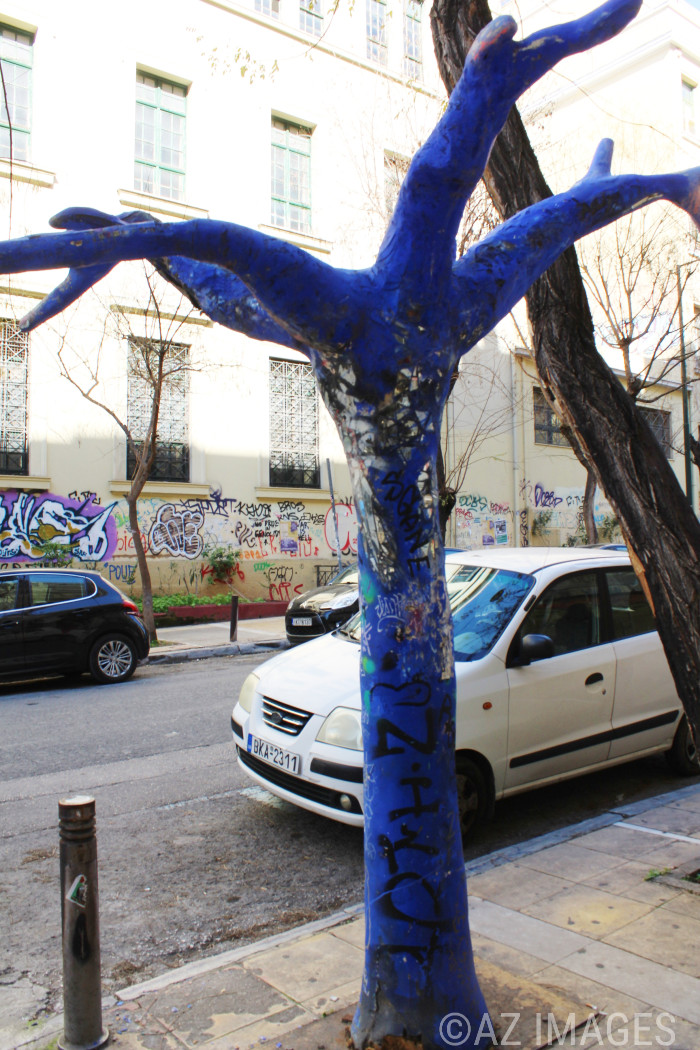
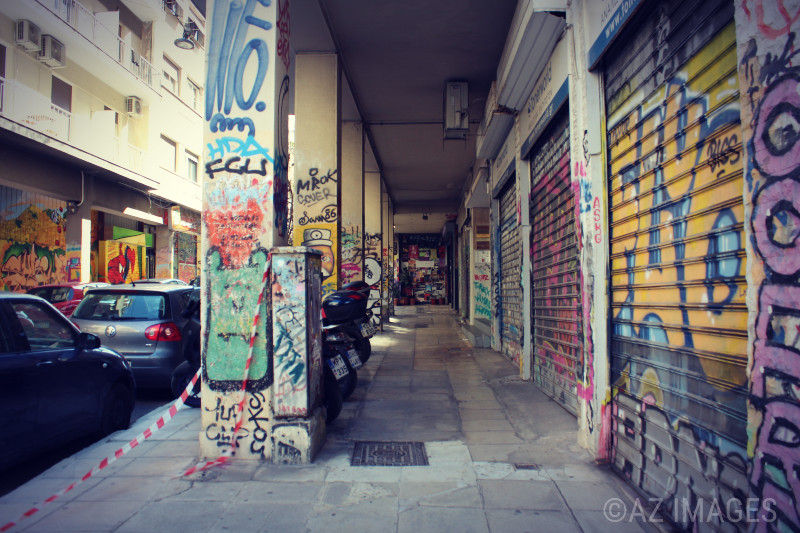
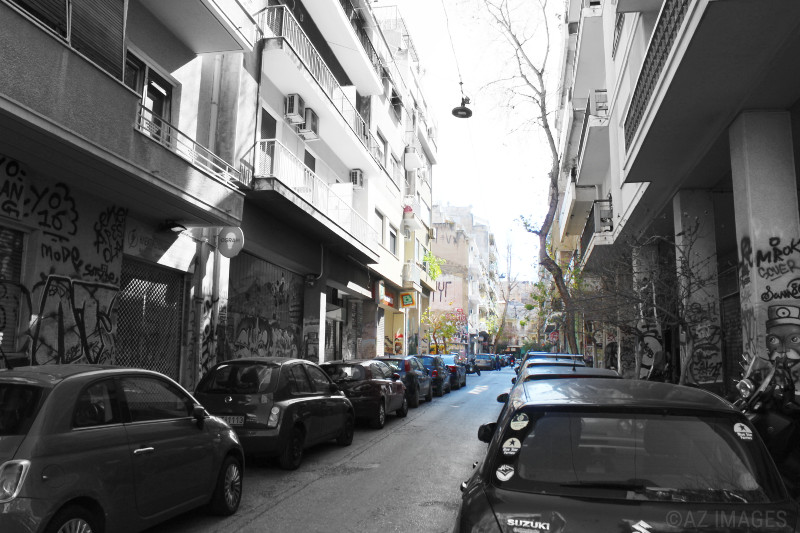
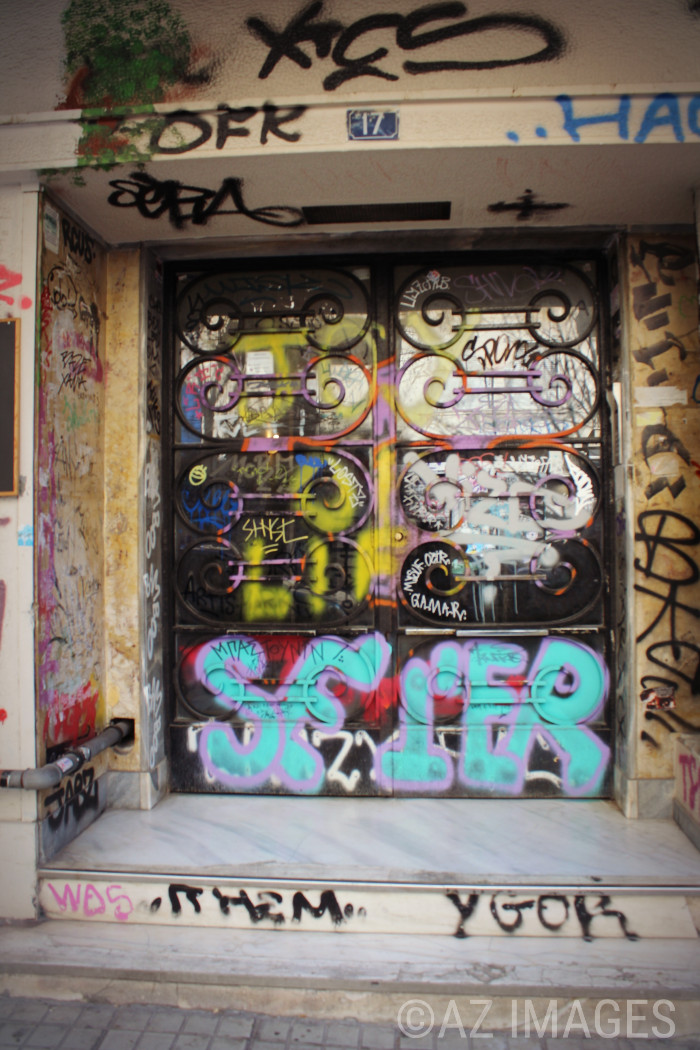
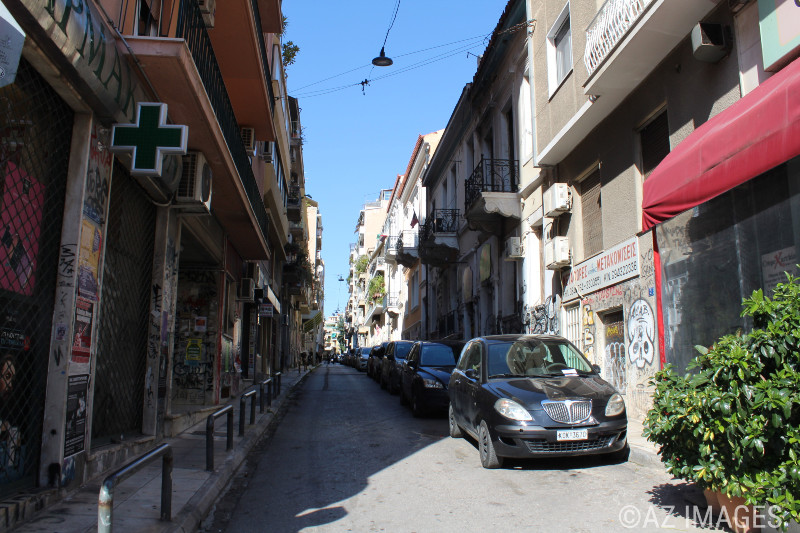
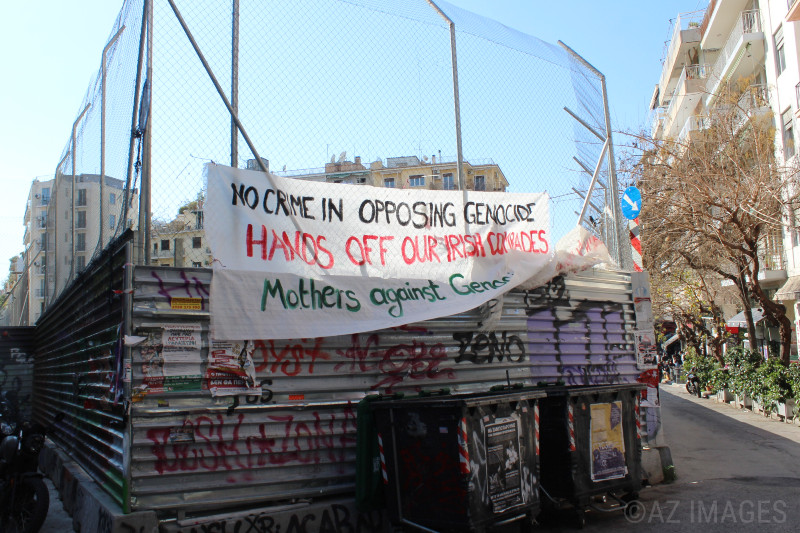
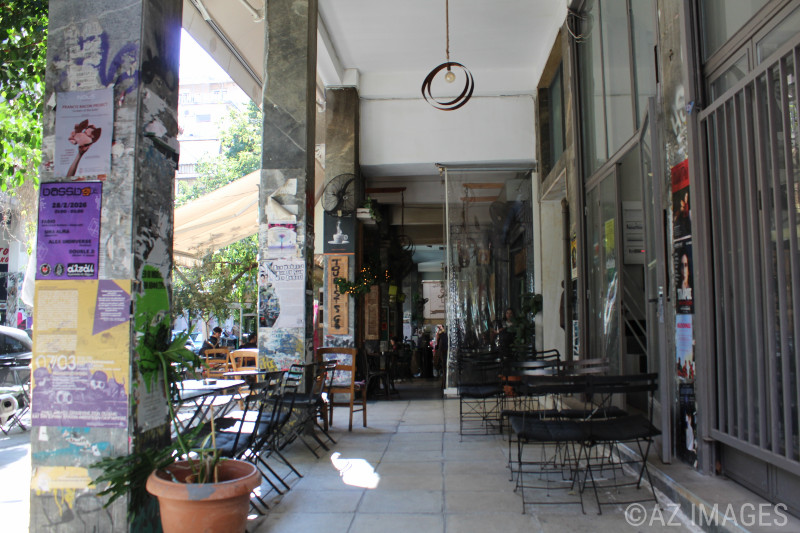
If your feeling angry and have an anti-government sentiment. If your in the mood for something more edgy and want to see an excessive amount of grafitti, then the neighbourhood of Exarchia is for you.
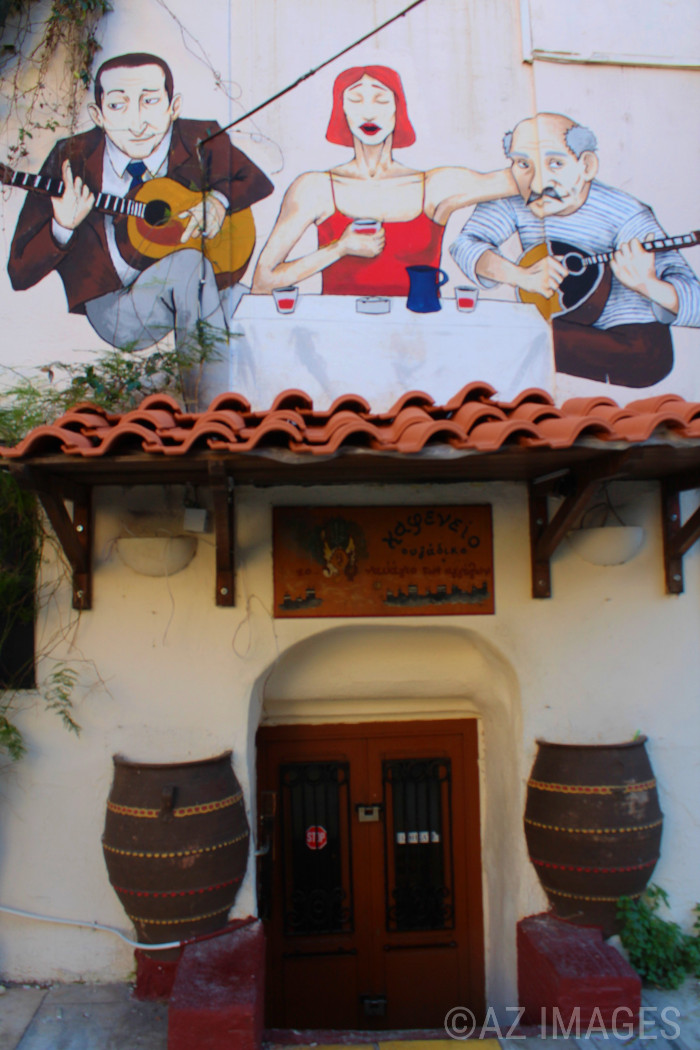
The Exharchia neighbourhood is home to many intellectuals, artists and students that attend the nearby universities. There are many cafes and restaurants and has a cool, alternative vibe to it.
The neighbourhood is also known as the ‘anarchist neighbourhood’ of Athens. It has a differnet ‘air’ about it from the other neighbourhoods in the city. It -in no way-similar and or representative of other parts of the city. Every neighbourhood in Athens is unique.
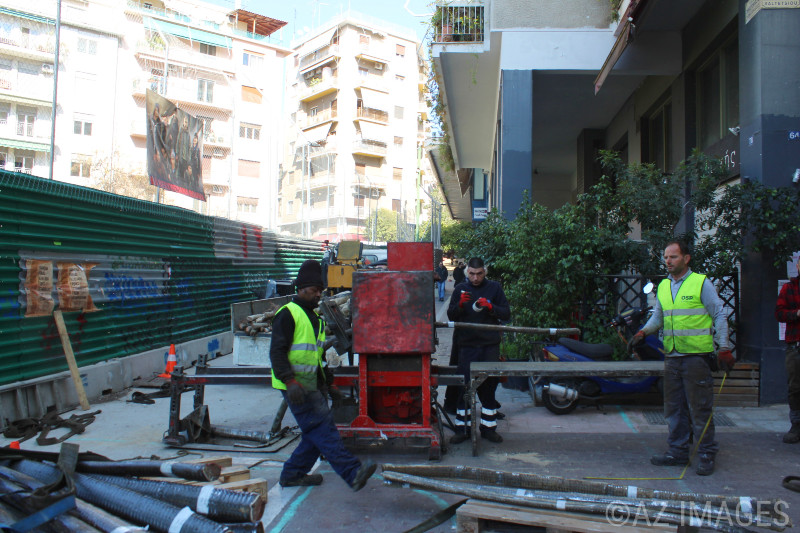
It is not easily accessible to those who don’t live in the downtown area like myself. Which is why they are building a metro station. The metro isn’t something the locals want and have protested against. The locals would prefer that their neighbourhood be unaccessible to outsiders. It’s understandable that they don’t want their neighbourhood to be overrun by tourists.
Αν νιώθετε θυμό και έχετε αντικυβερνητικά αισθήματα. Αν έχετε διάθεση για κάτι πιο τολμηρό και θέλετε να δείτε υπερβολική ποσότητα γκράφιτι, τότε η γειτονιά των Εξαρχείων είναι για εσάς.
Η γειτονιά των Εξαρχείων φιλοξενεί πολλούς διανοούμενους, καλλιτέχνες και φοιτητές που φοιτούν στα κοντινά πανεπιστήμια. Υπάρχουν πολλά καφέ και εστιατόρια και έχει μια κουλ, εναλλακτική ατμόσφαιρα.
Η γειτονιά είναι επίσης γνωστή ως η «αναρχική γειτονιά» της Αθήνας. Έχει μια διαφορετική «αέρα» από τις άλλες γειτονιές της πόλης. Δεν είναι -σε καμία περίπτωση- παρόμοια ή αντιπροσωπευτική άλλων περιοχών της πόλης. Κάθε γειτονιά στην Αθήνα είναι μοναδική.
Δεν είναι εύκολα προσβάσιμη σε όσους δεν ζουν στο κέντρο της πόλης όπως εγώ. Γι’ αυτό κατασκευάζουν σταθμό μετρό. Το μετρό δεν είναι κάτι που θέλουν οι ντόπιοι και έχουν διαμαρτυρηθεί για αυτό. Οι ντόπιοι θα προτιμούσαν η γειτονιά τους να μην είναι προσβάσιμη σε ξένους. Είναι κατανοητό ότι δεν θέλουν η γειτονιά τους να κατακλύζεται από τουρίστες.
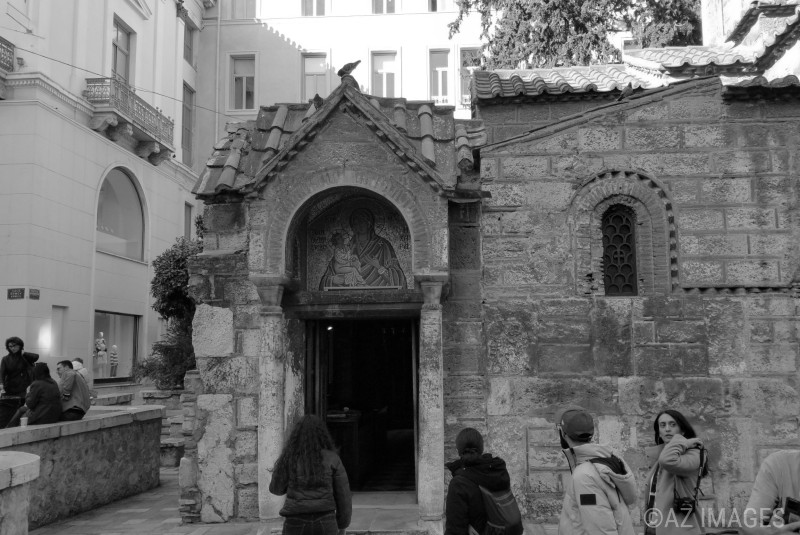
A photograph of the entrance to the Greek Orthodox church of Panagia Kapnikarea. The Byzantine church is estimated to have been build in the 11th Century.
It was built over a temple dedicated to either the godess Athena or Demetra, It is located in the middle of a very busy shopping district called Ermou.
Μια φωτογραφία της εισόδου της ελληνορθόδοξης εκκλησίας της Παναγίας Καπνικαρέας. Η βυζαντινή εκκλησία εκτιμάται ότι χτίστηκε τον 11ο αιώνα.
Χτίστηκε πάνω σε έναν ναό αφιερωμένο είτε στη θεά Αθηνά είτε στη Δήμητρα. Βρίσκεται στη μέση μιας πολύ πολυσύχναστης εμπορικής περιοχής που ονομάζεται Ερμού.