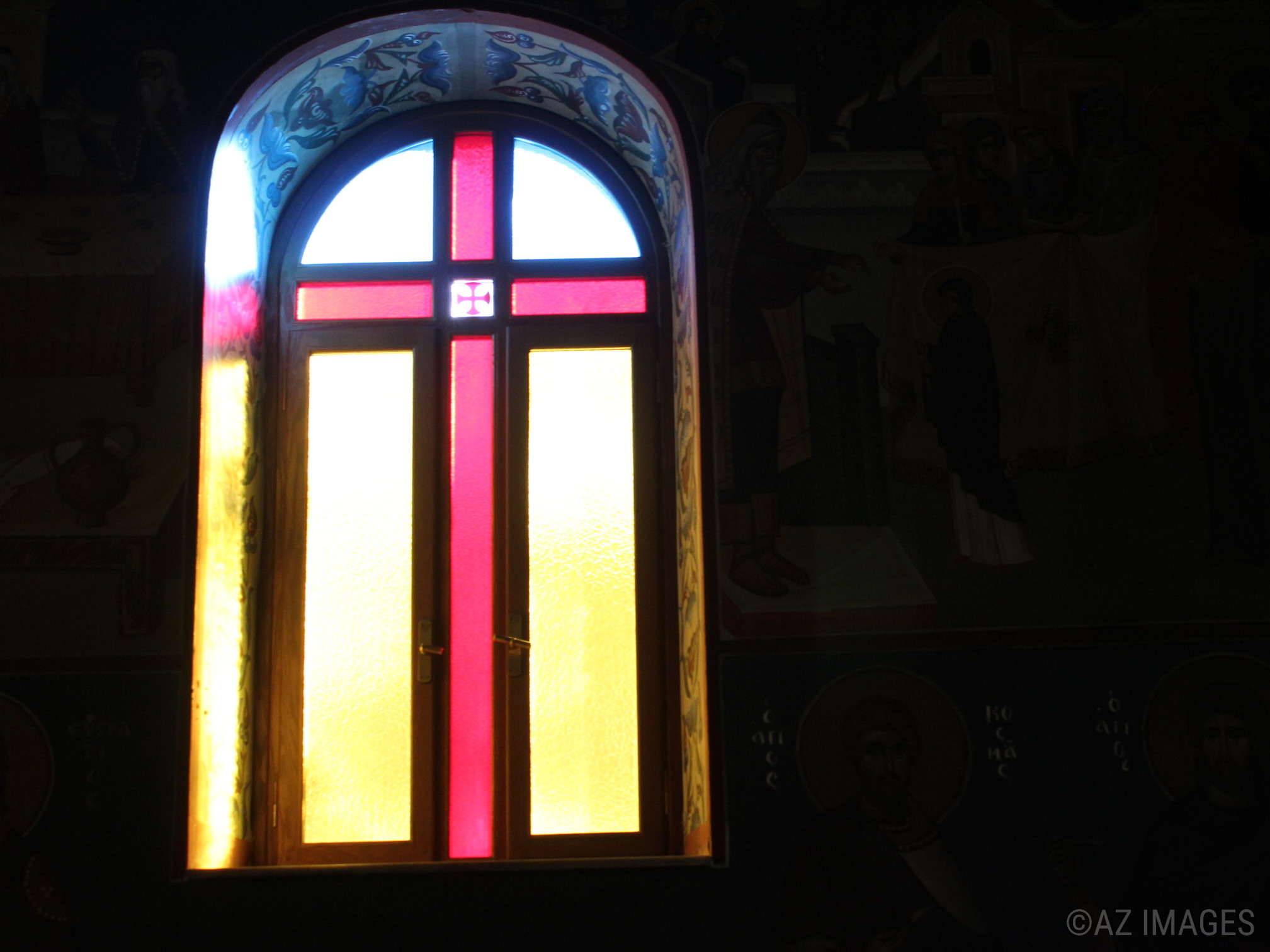
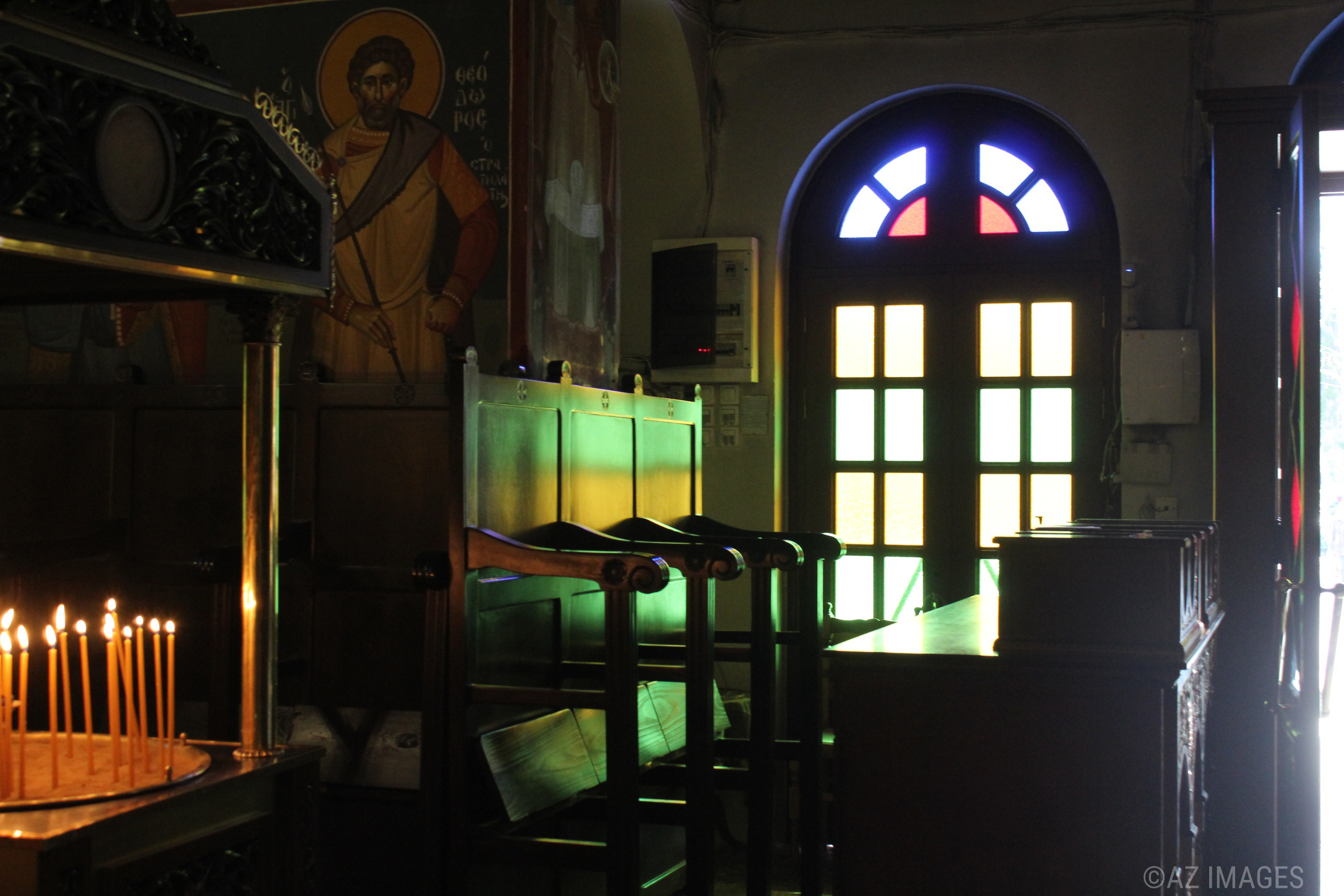
One of the very few times I take photographs in a church. Of course, when it is empty. I love stained-glass windows and how the colours pour into the church when the light shines on them.
One of the very few times I take photographs in a church. Of course, when it is empty. I love stained-glass windows and how the colours pour into the church when the light shines on them.
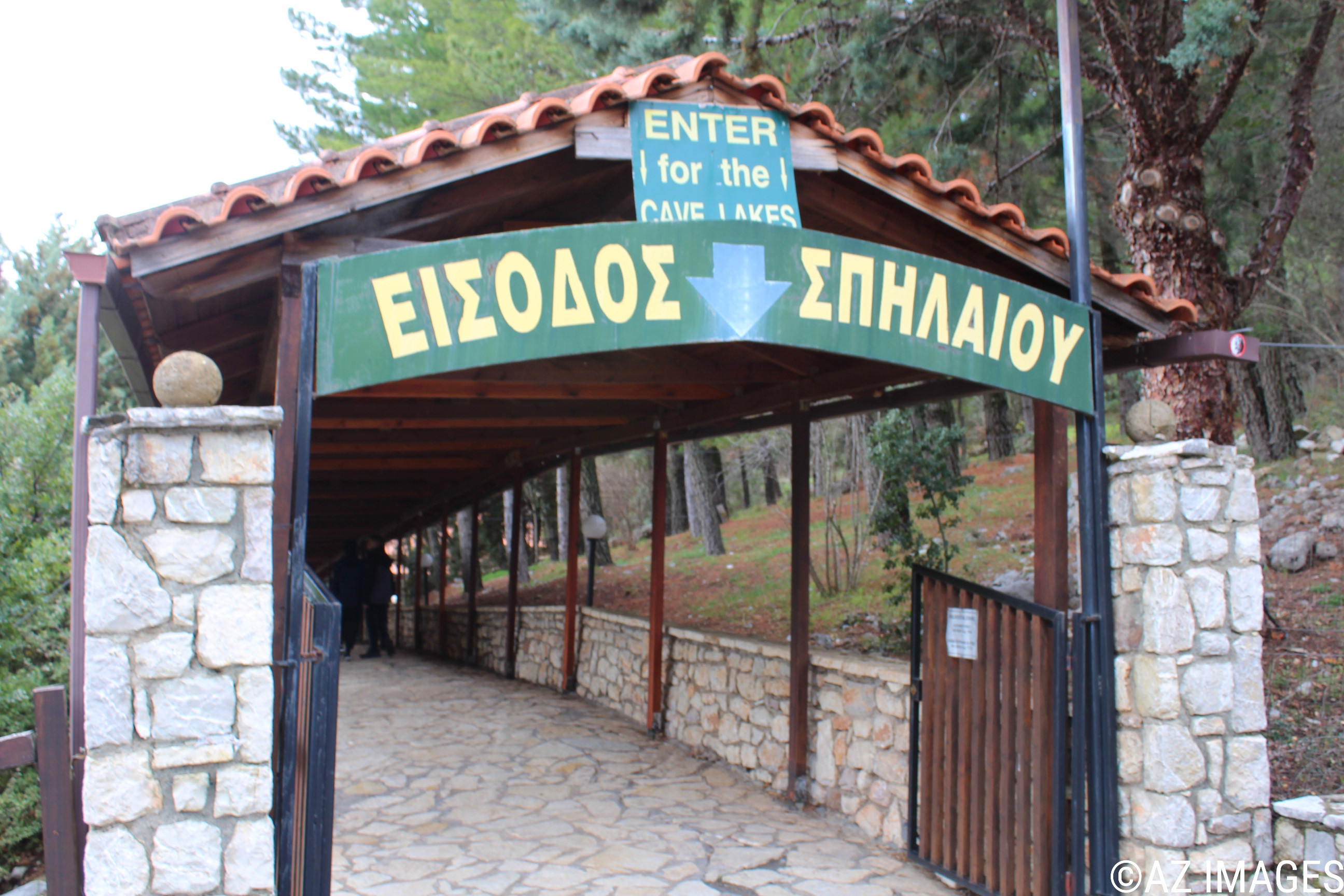

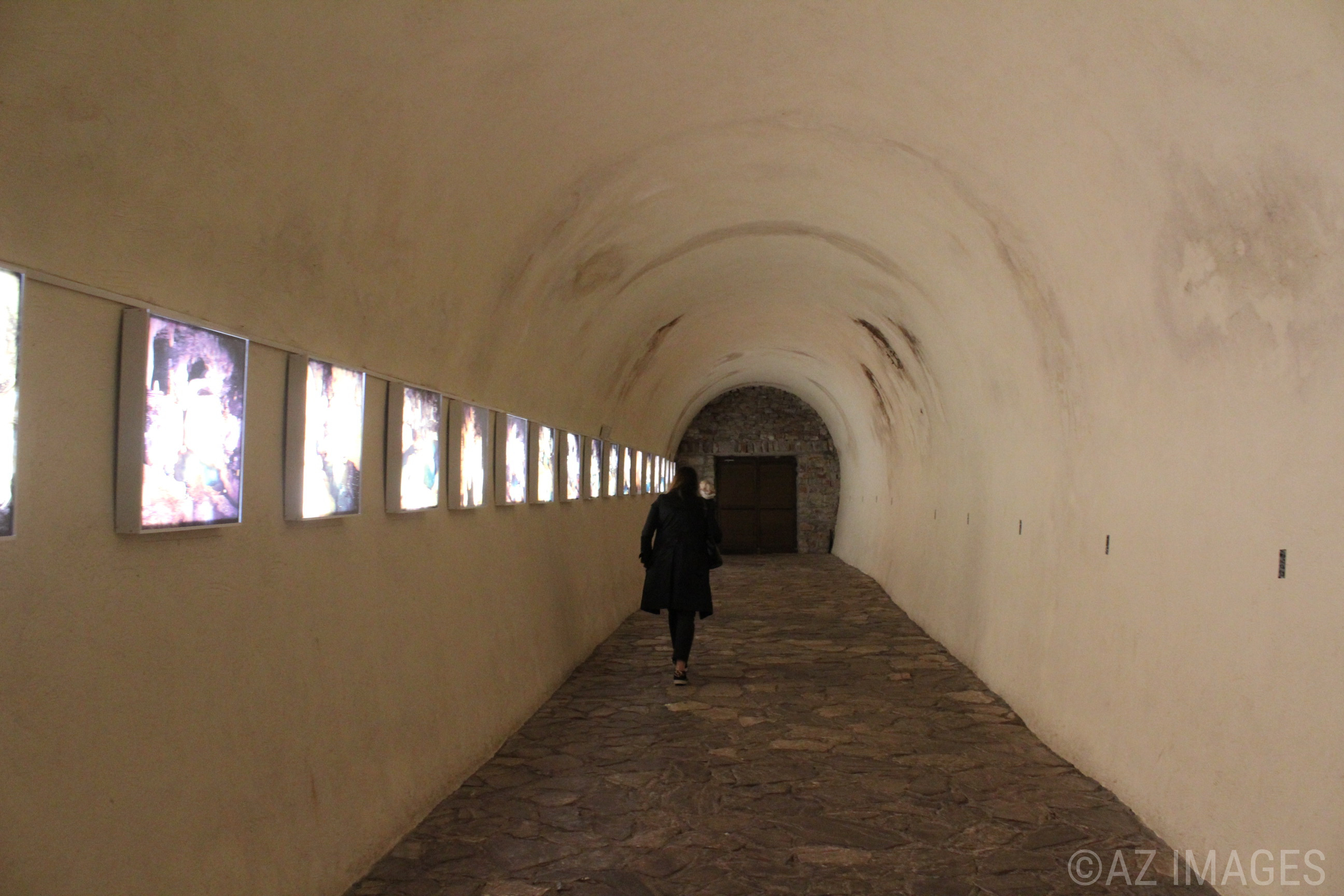
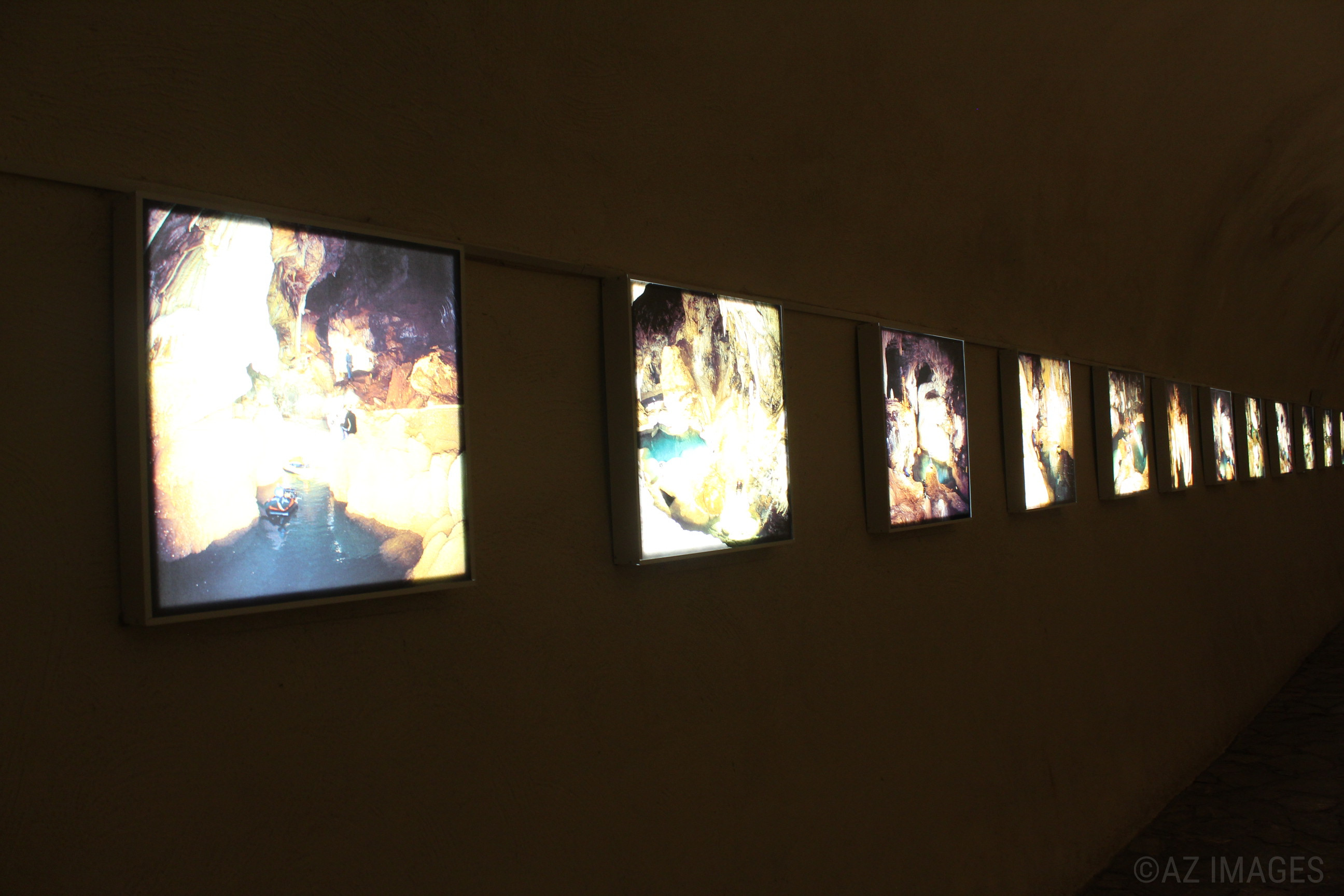

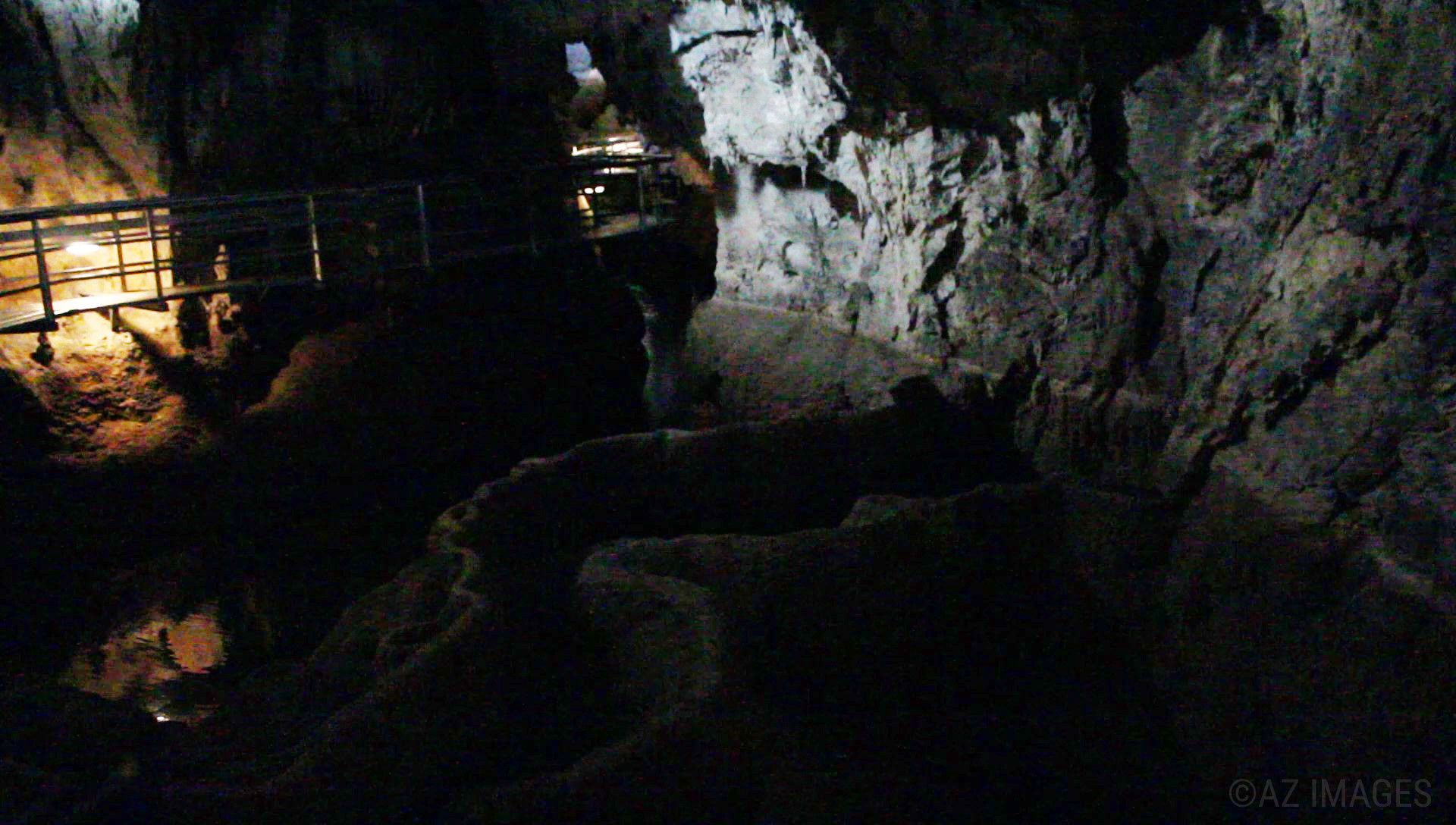
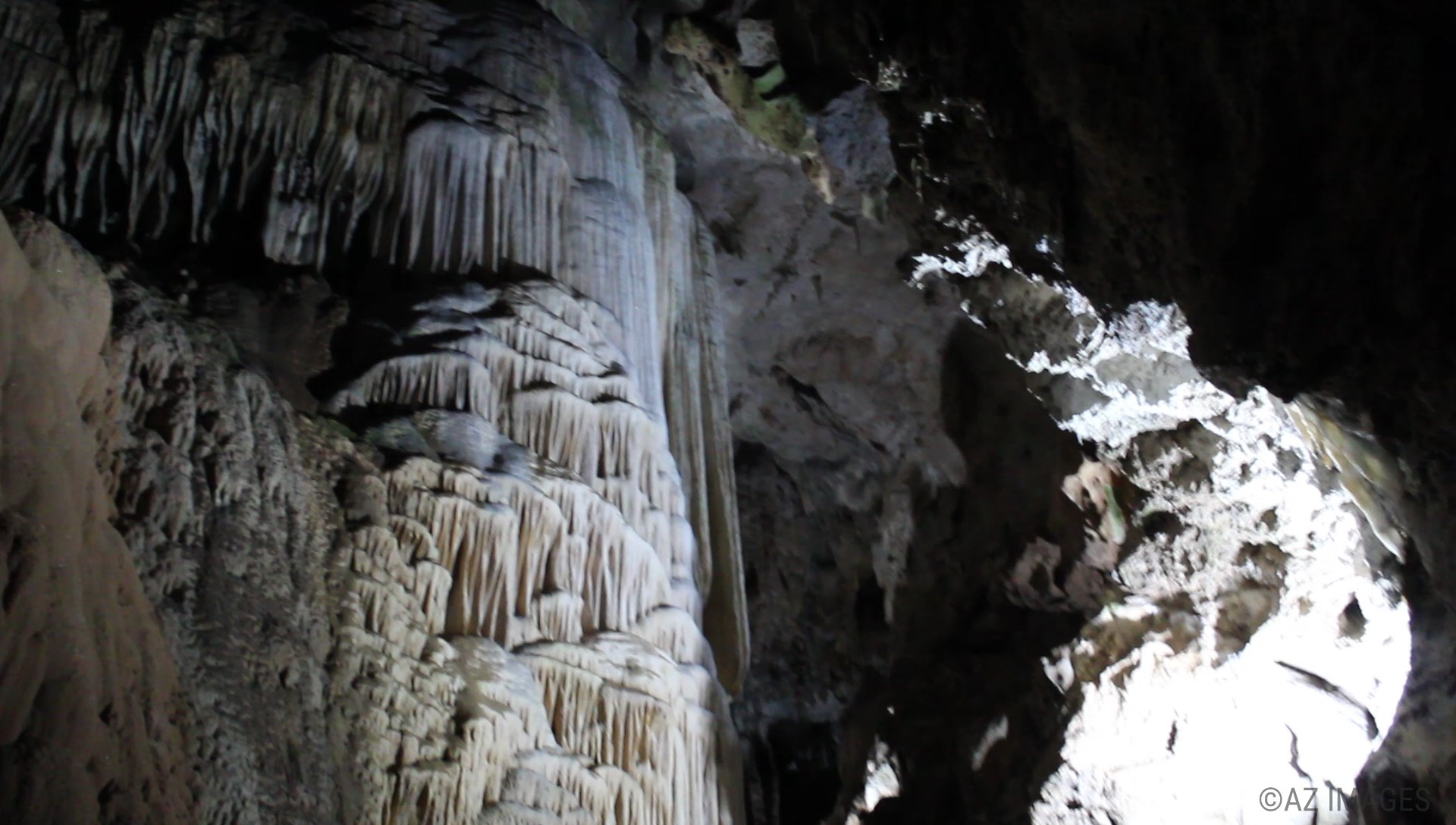
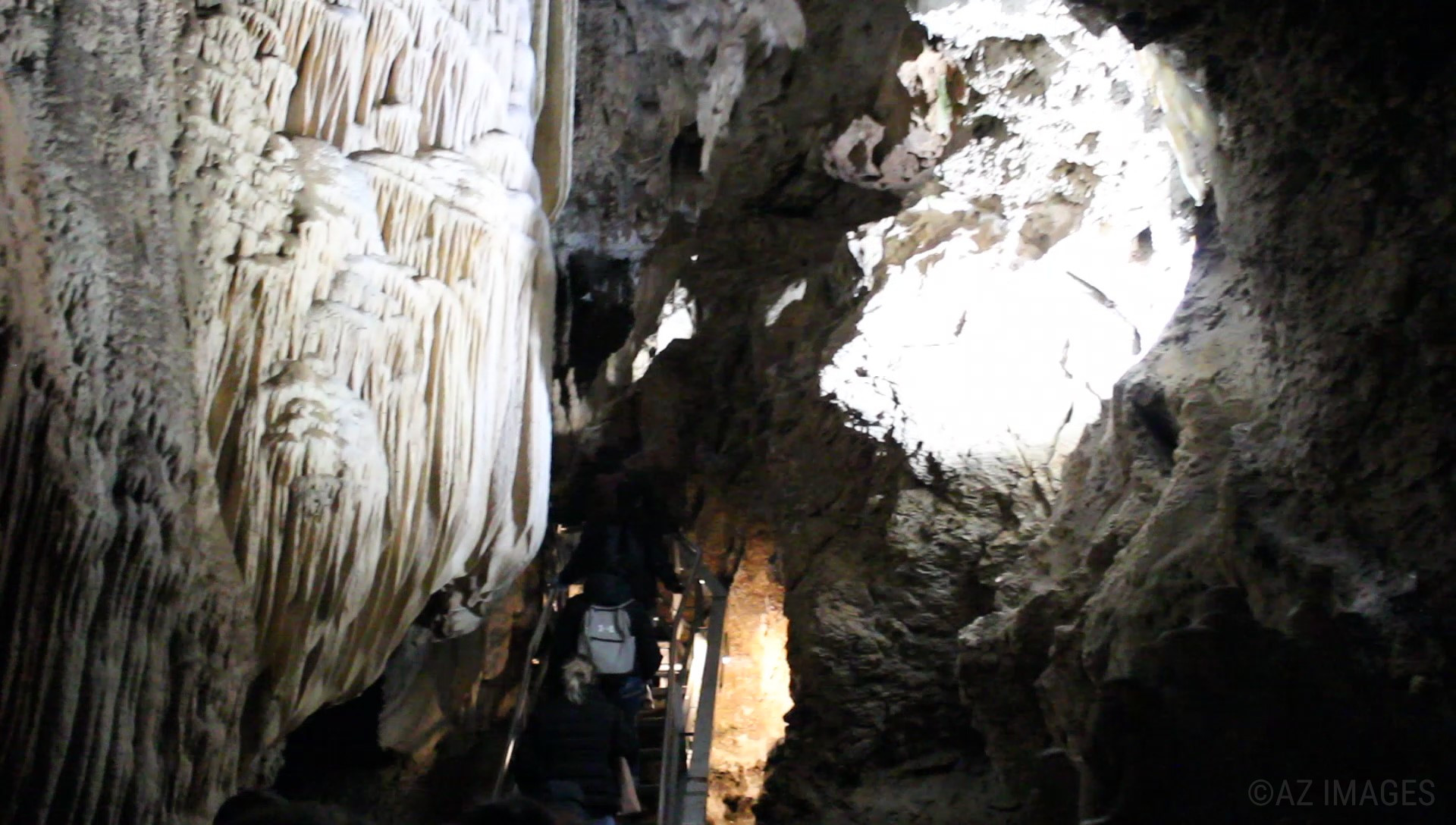
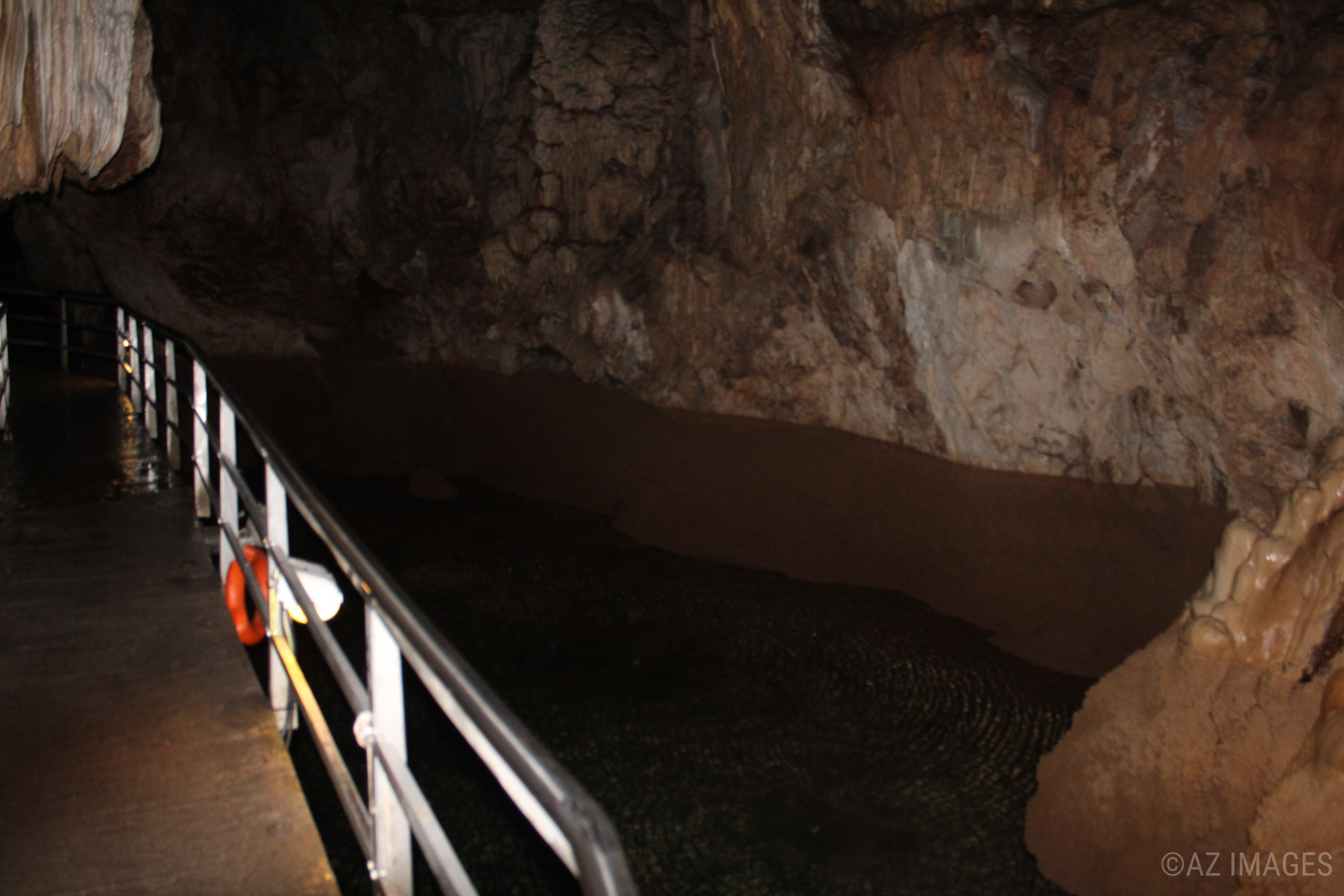
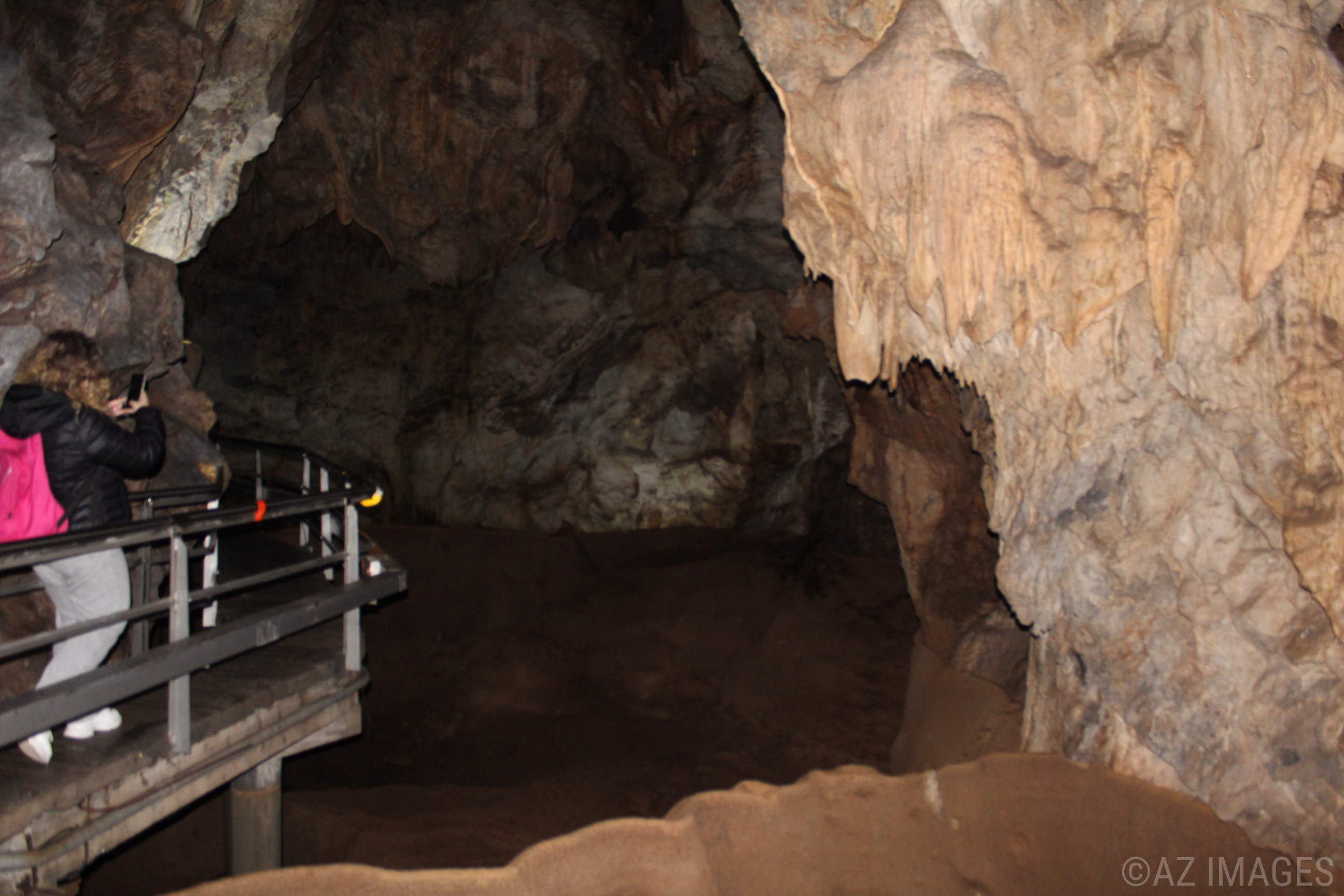
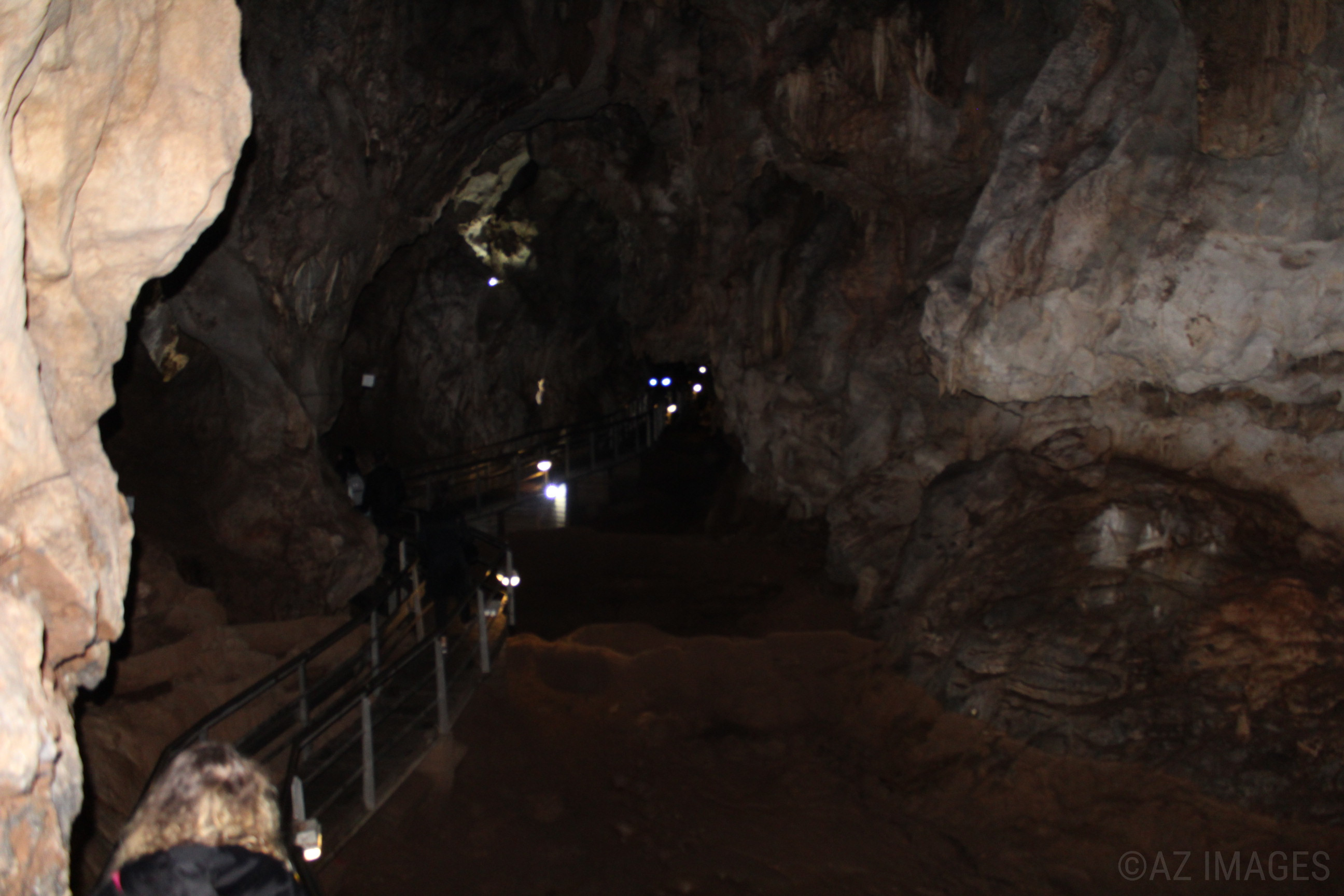
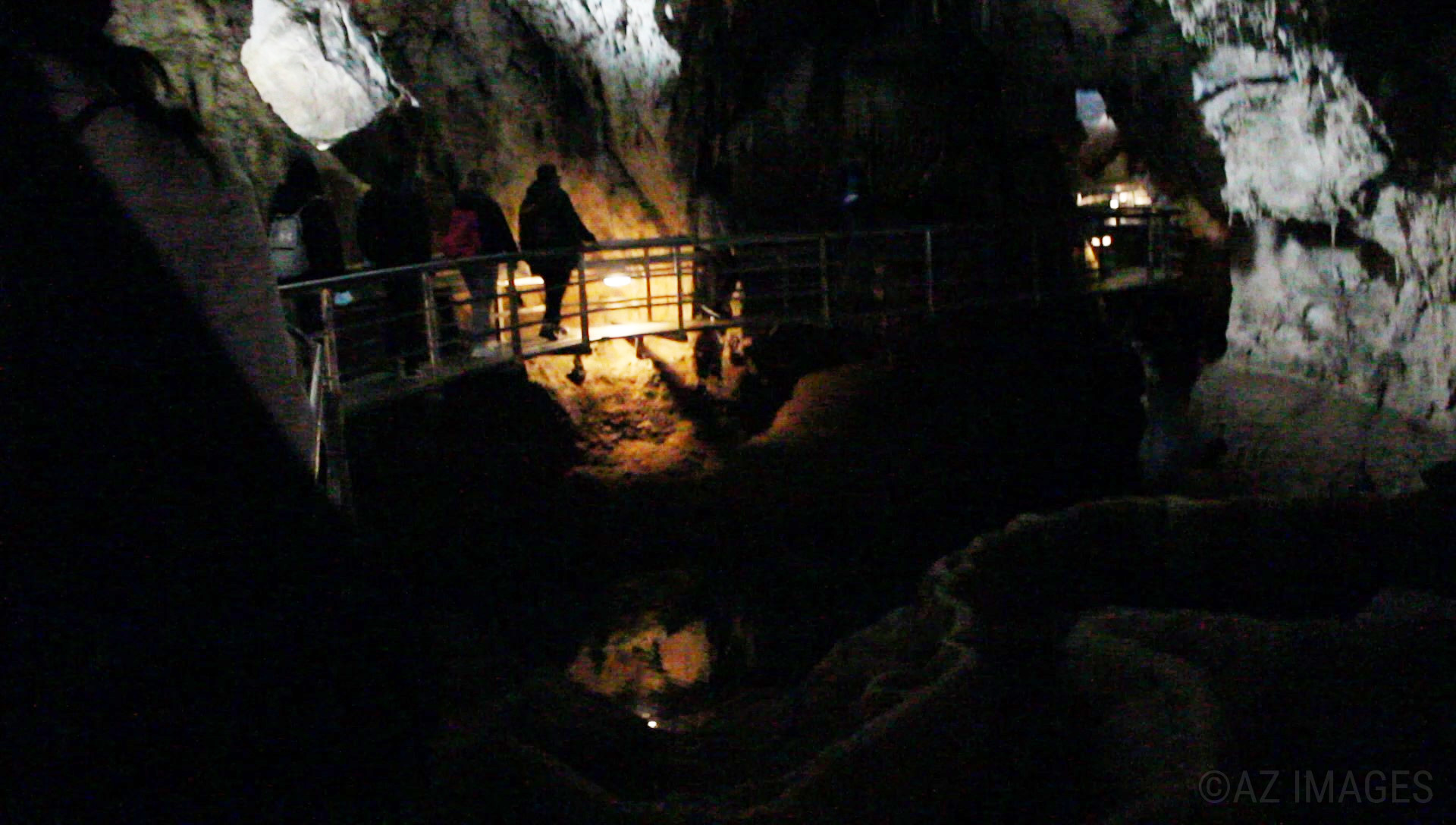

The ‘Cave Lakes’ is located in Kastria Achaea, Kalavrita, Greece. This was my first time visiting a cave as big as this one. It an other worldly, and incredible experience.
There is a legend connected to this cave. One of them from Greek traveler and geographer-Pausanias’ ‘Arcadika’, the daughters of the King of Tiryns Proetus, Lysippe, Iphinoe and Iphianassa found refuge in the cave called ‘Lussi. It is said that they were driven to madness as a punishment for offending Hera, by saying that their palace was more beautiful than Hera’s temple. Another version of the myth states that they were punished for not participating in the Dionysian rituals.
During exacvations, bones of young girls have been found. But, it is not certain if the bones belong to the girls in the legend. Many burials were found inside and outside of the cave from the Neolithic, Early Helladic, Late Middle Helladic and the Late Helladic III periods.
In 1965, I. Melentis, Professor of Palaeontology, discovered fossil bones of deer and hippopotami. He believed that the cave had been used as shelter for the hippopotami in the course of the dry periods. The bones were dated to the Middle Pleistocene (500,000-200,000 years before present) and are kept in the Palaeontological Museum of the University of Athens.
Το “Σπήλαιο των Λιμνών” βρίσκεται στην Καστριά Αχαιών Καλβρύτων, Ελλάδα. Αυτή ήταν η πρώτη μου φορά που επισκέφτηκα μια σπηλιά. Είναι μια άλλη κοσμική και εκπληκτική εμπειρία.
Υπάρχει ένας θρύλος που συνδέεται με αυτό το σπήλαιο. Μία από αυτές από την «Αρκάδικα» του Έλληνα περιηγητή και γεωγράφου-Παυσανία, οι κόρες του βασιλιά της Τίρυνθας Προίτου, της Λυσίππης, της Ιφινόης και της Ιφιάνασσας βρήκε καταφύγιο στη σπηλιά που ονομάζεται «Λούση». Λέγεται ότι οδηγήθηκαν στην τρέλα ως τιμωρία επειδή προσέβαλαν την Ήρα, λέγοντας ότι το παλάτι τους ήταν πιο όμορφο από το ναό της Ήρας. Μια άλλη εκδοχή του μύθου αναφέρει ότι τιμωρήθηκαν επειδή δεν συμμετείχαν στις διονυσιακές τελετουργίες.
Κατά τις ανασκαφές έχουν βρεθεί οστά νεαρών κοριτσιών. Όμως, δεν είναι σίγουρο αν τα κόκαλα ανήκουν στα κορίτσια του μύθου. Πολλές ταφές βρέθηκαν εντός και εκτός του σπηλαίου από τη Νεολιθική, την Πρωτοελλαδική, την Υστερομεσοελλαδική και την Υστεροελλαδική ΙΙΙ περίοδο.
Το 1965 ο καθηγητής Παλαιοντολογίας Ι. Μελέντης ανακάλυψε απολιθώματα ελαφιών και ιπποπόταμων. Πίστευε ότι το σπήλαιο είχε χρησιμοποιηθεί ως καταφύγιο για τους ιπποποτάμους κατά τη διάρκεια των ξηρών περιόδων. Τα οστά χρονολογήθηκαν στο Μέσο Πλειστόκαινο (500.000-200.000 χρόνια πριν από σήμερα) και φυλάσσονται στο Παλαιοντολογικό Μουσείο του Πανεπιστημίου Αθηνών.


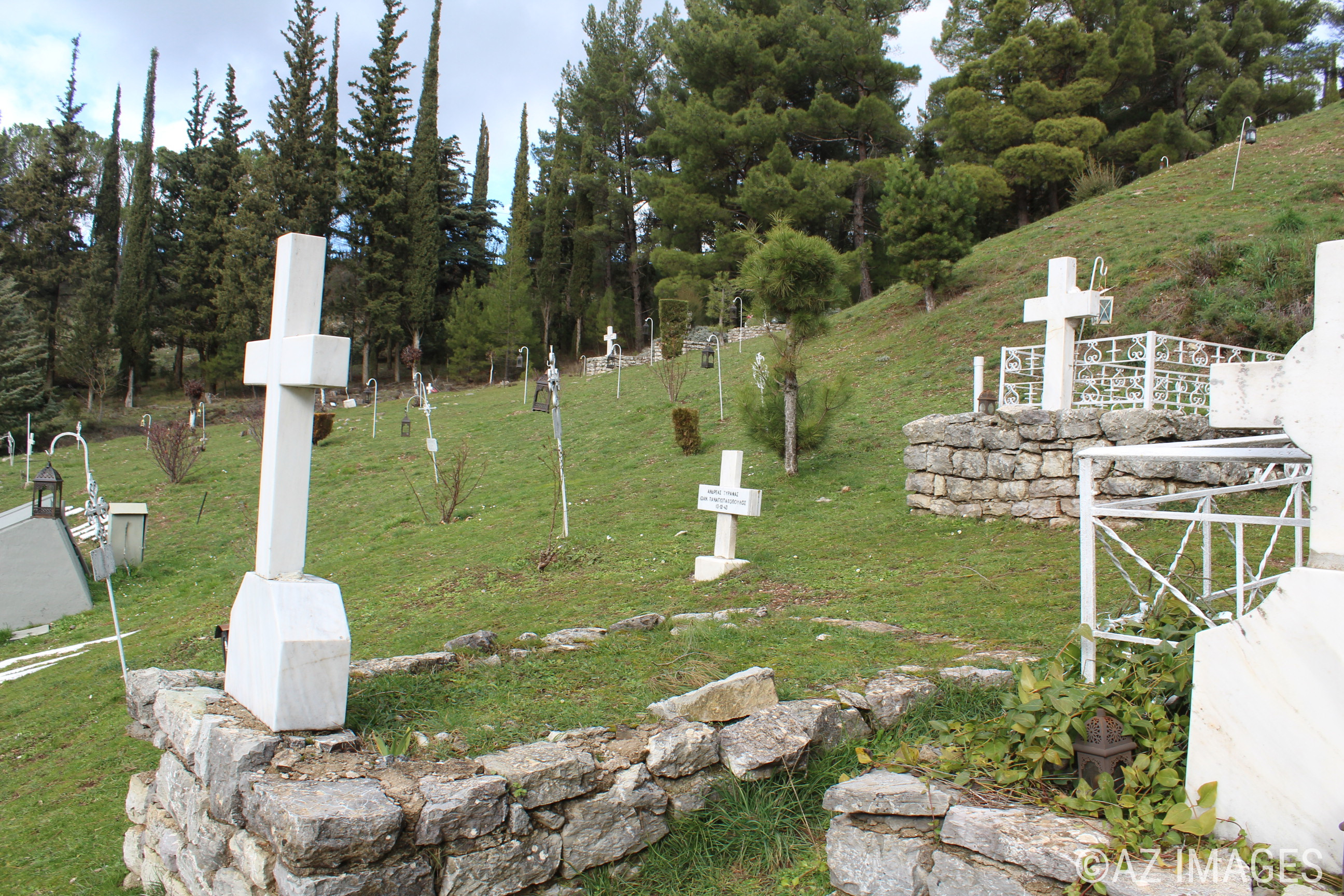
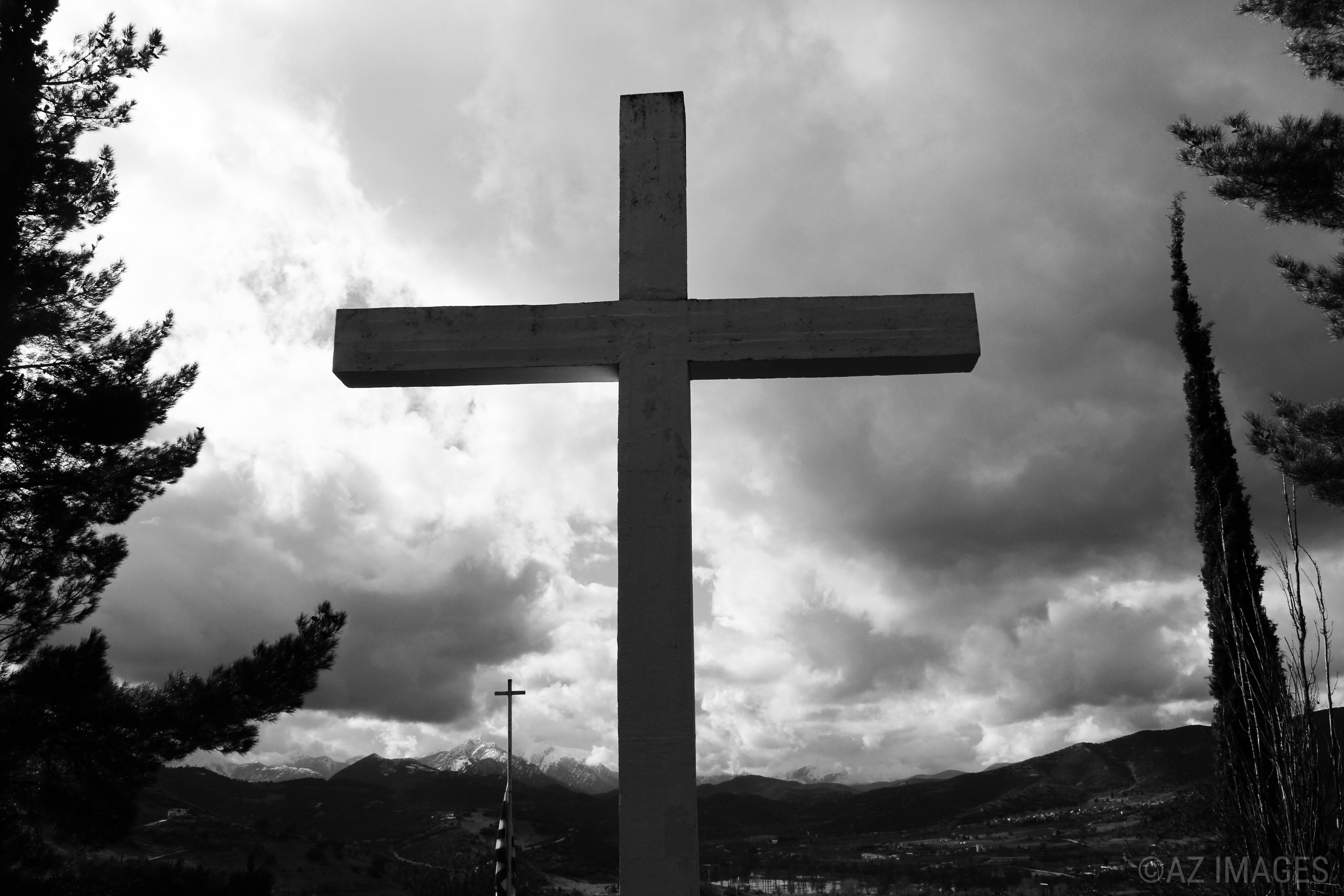

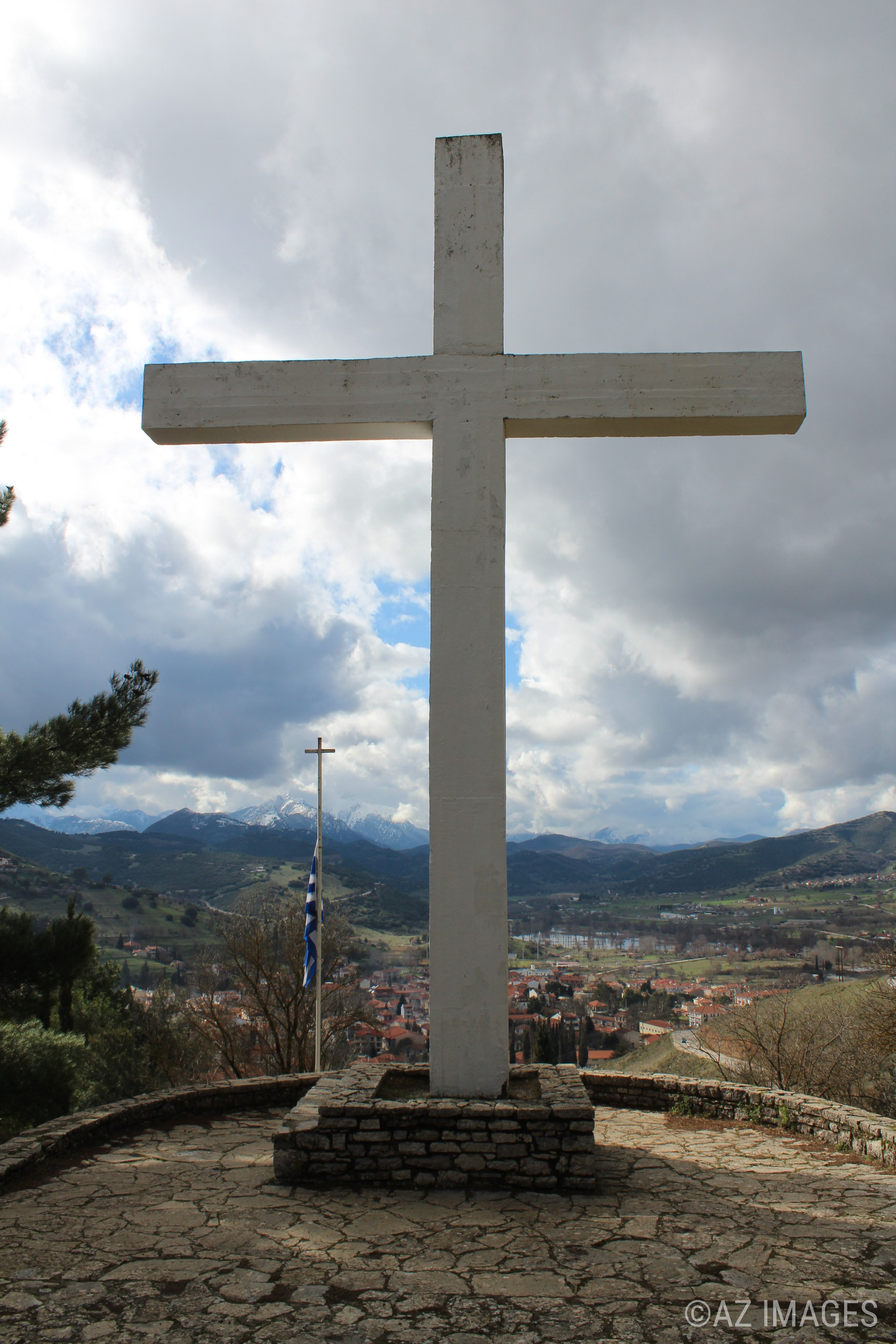
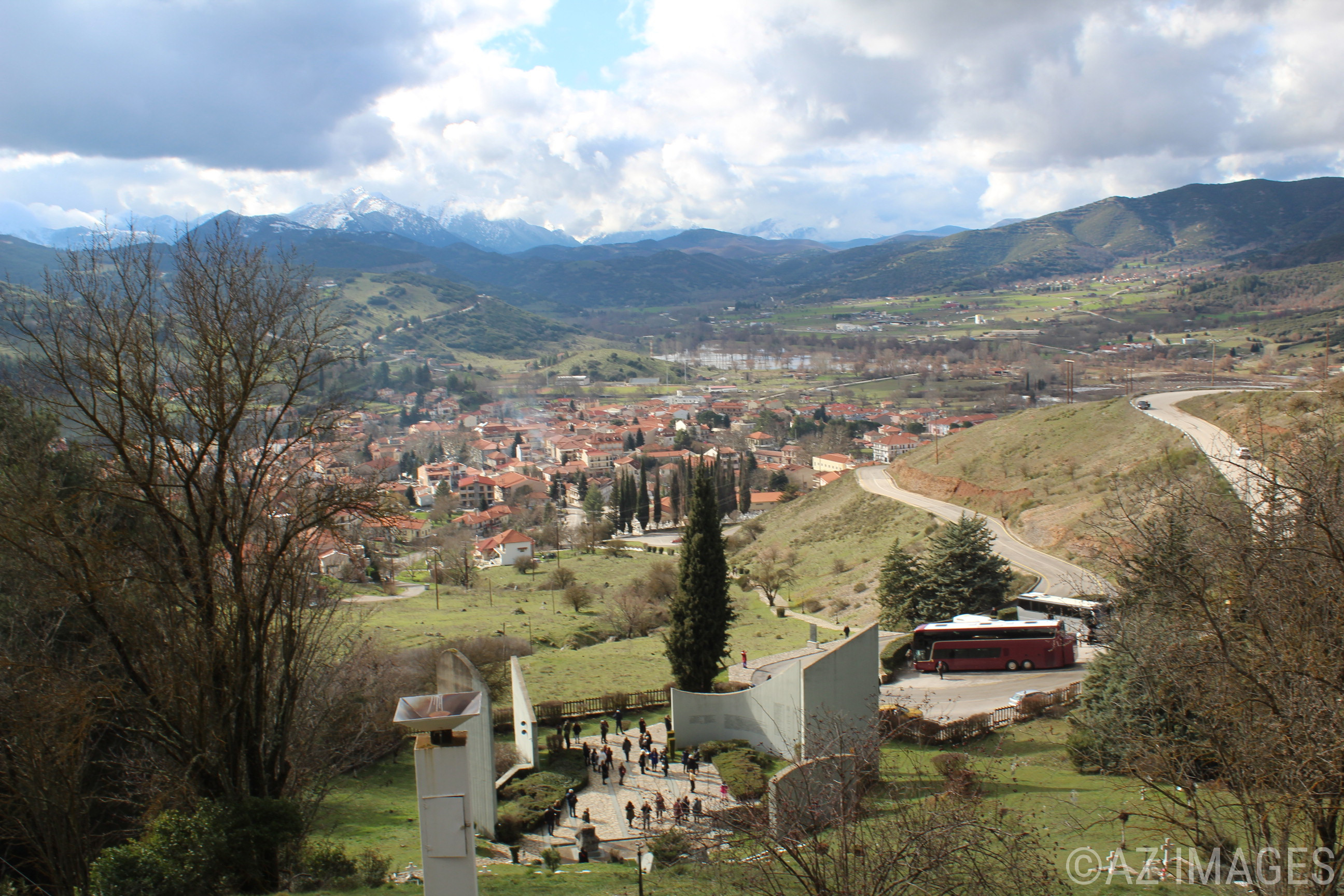
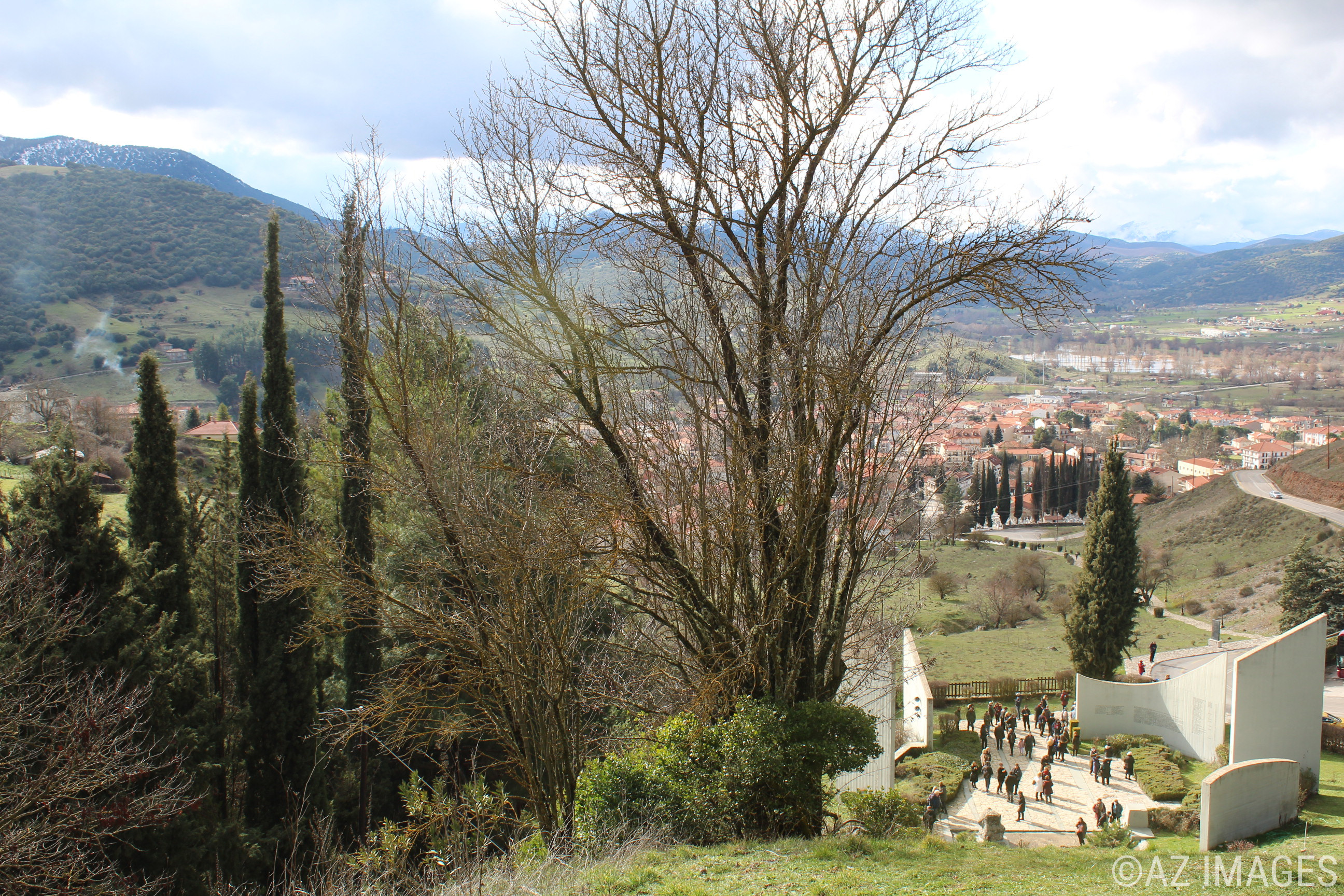

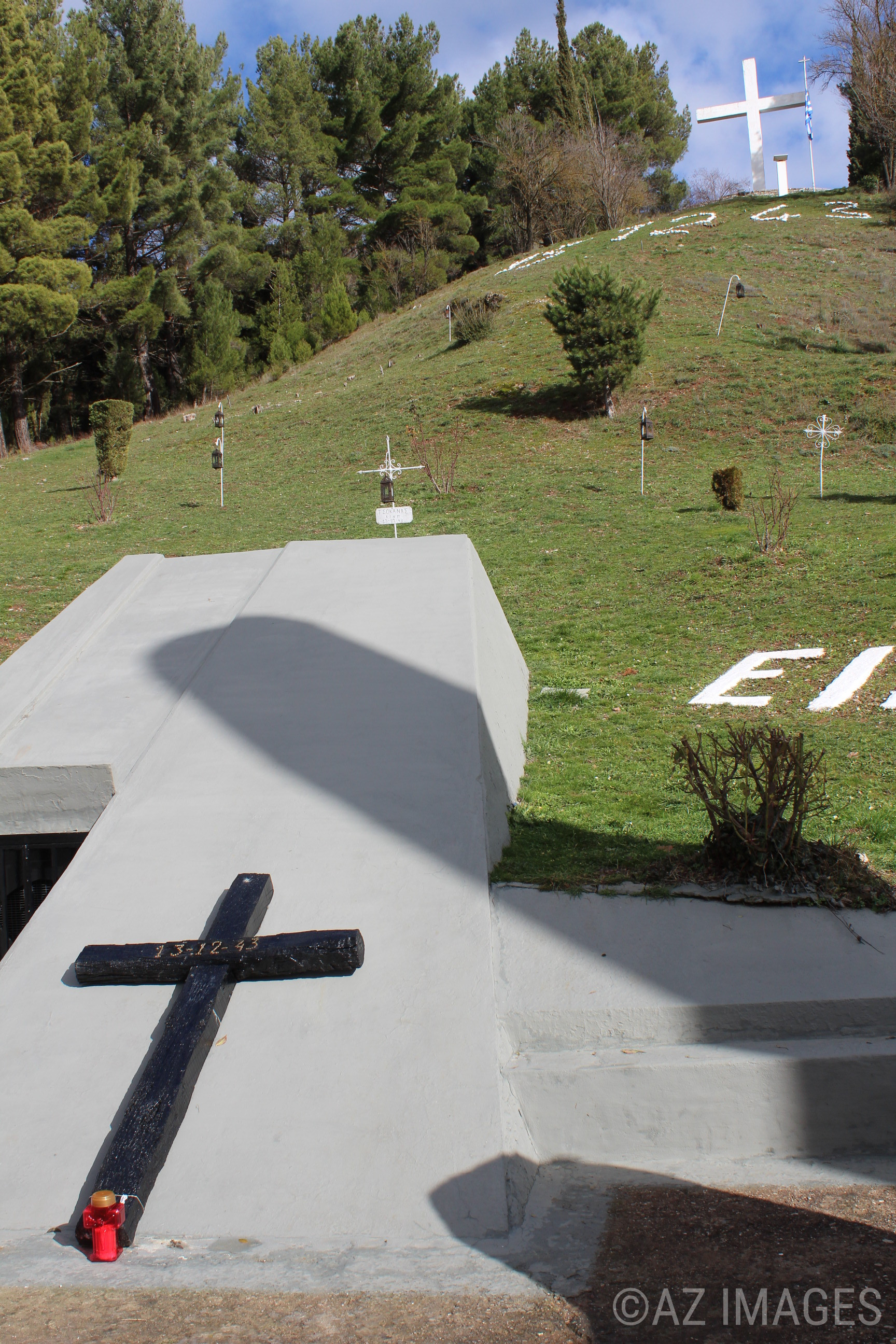
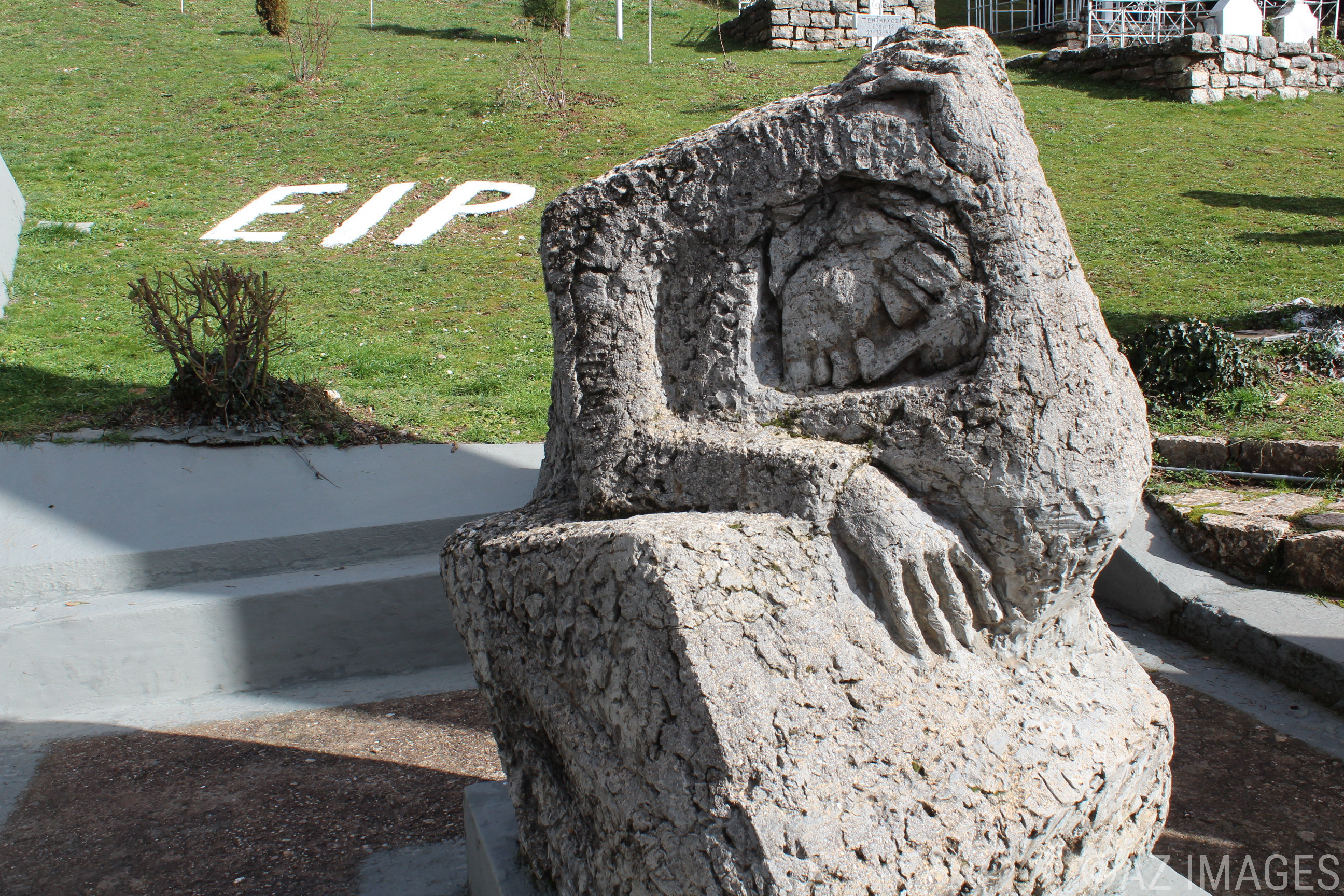
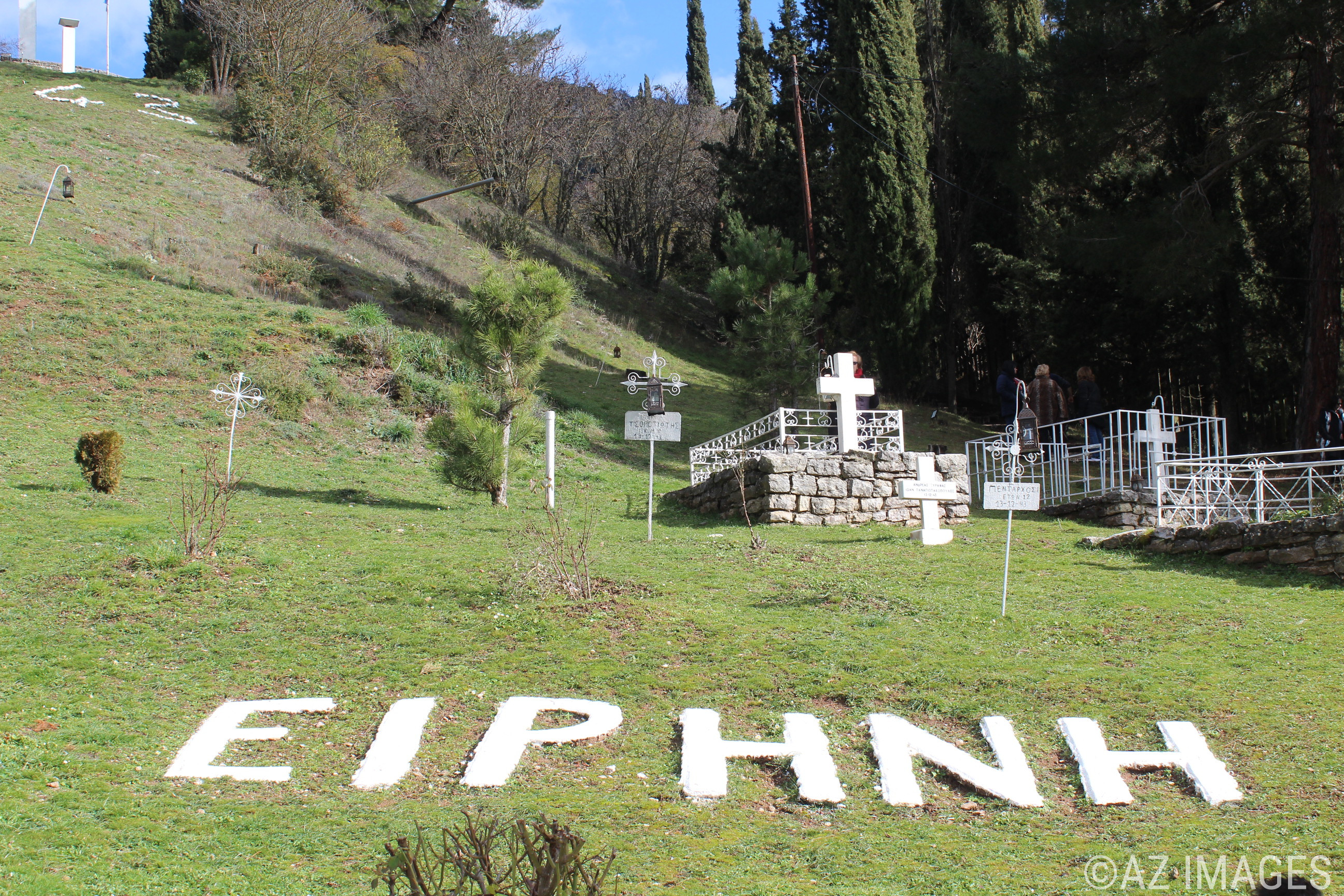

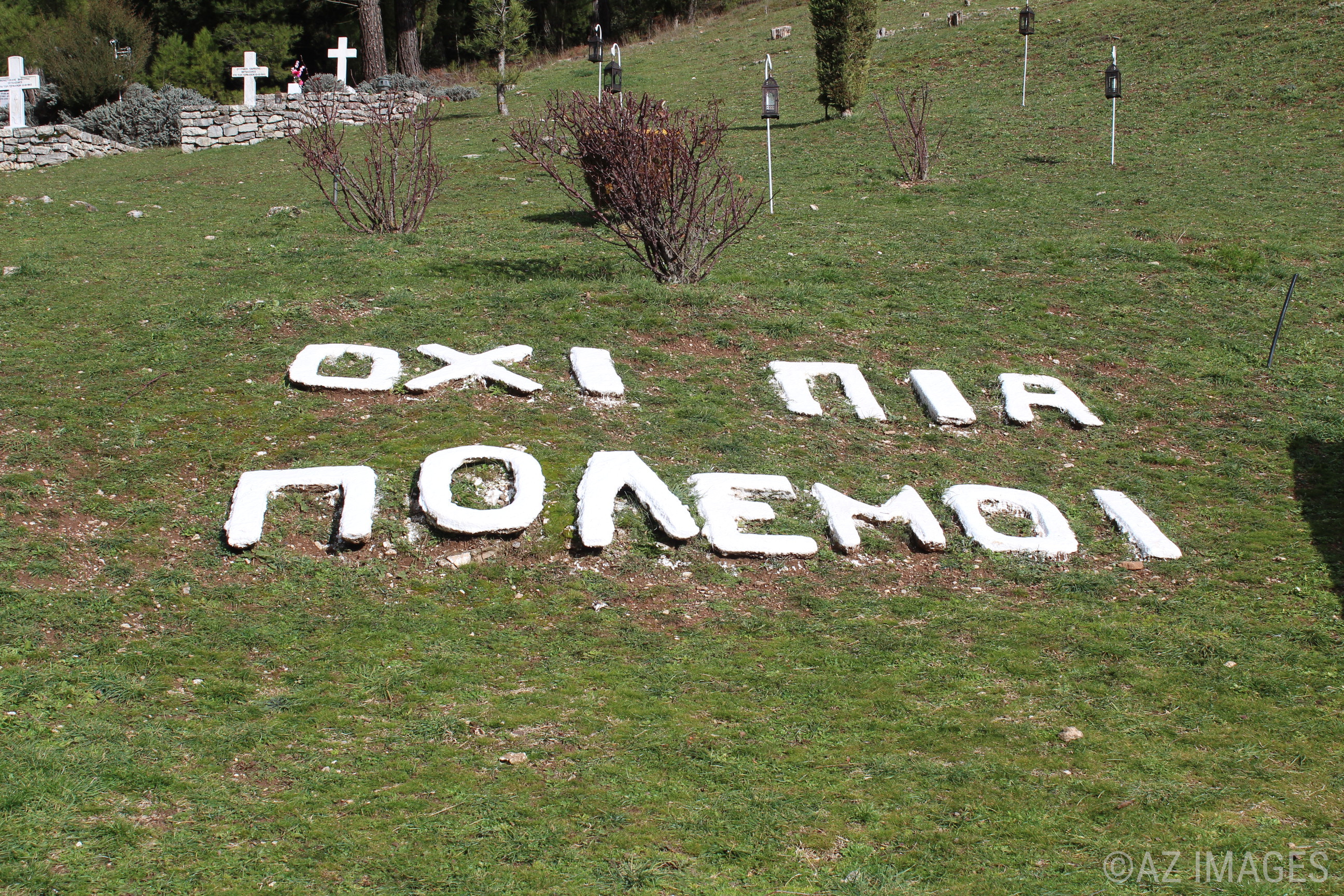
The next stop in beautiful Kalavryta was a more sombre one. On a small hill is a cemetery with some marked and unmarked graves. There is huge white cross on the top of the hill that overlooks the whole town.
This is the place where the worst massacre in Greece was committed. It is also considered one of the worst in Europe.
On the 13th of December 1943 the ‘Massacre of Kalavryta or the ‘Holocaust of Kalavryta’ occured. The Nazis, in retaliation for the execution of sixty-eight German soldiers by the Greek resistance, burnt down the town of Kalavryta. They looted and burnt over a thousand homes, stole over 2, 000 livestock. The women and children were sent to the nearby elementary school, and the school was set ablaze.
All of the men over 14 years of age were taken to the hill to watch the school burn. Fortunately, the women and children escaped by breaking down the windows and doors. Some say an Austrian or German soldier helped them to escape.
As the men watched in horror they were machine-gunned down by the Nazis. Over 499 men were murdered that day. Thirteen men managed to escape; as they hid under the pile of bodies. A total of 677 people were killed in Kalavryta and the neighbouring villages.
The elementary school is now a museum for the Massacre in Kalavryta.
The Nazis were never punished for the war crimes. The Mayor of Kalavrita and President of the Network of Martyred Cities and Villages of Greece in the period 1940-1945, Athanasios Papadopoulos, remarked in an online conference in 2021 that, “every crime without punishment generates the conditions of recurrence”.
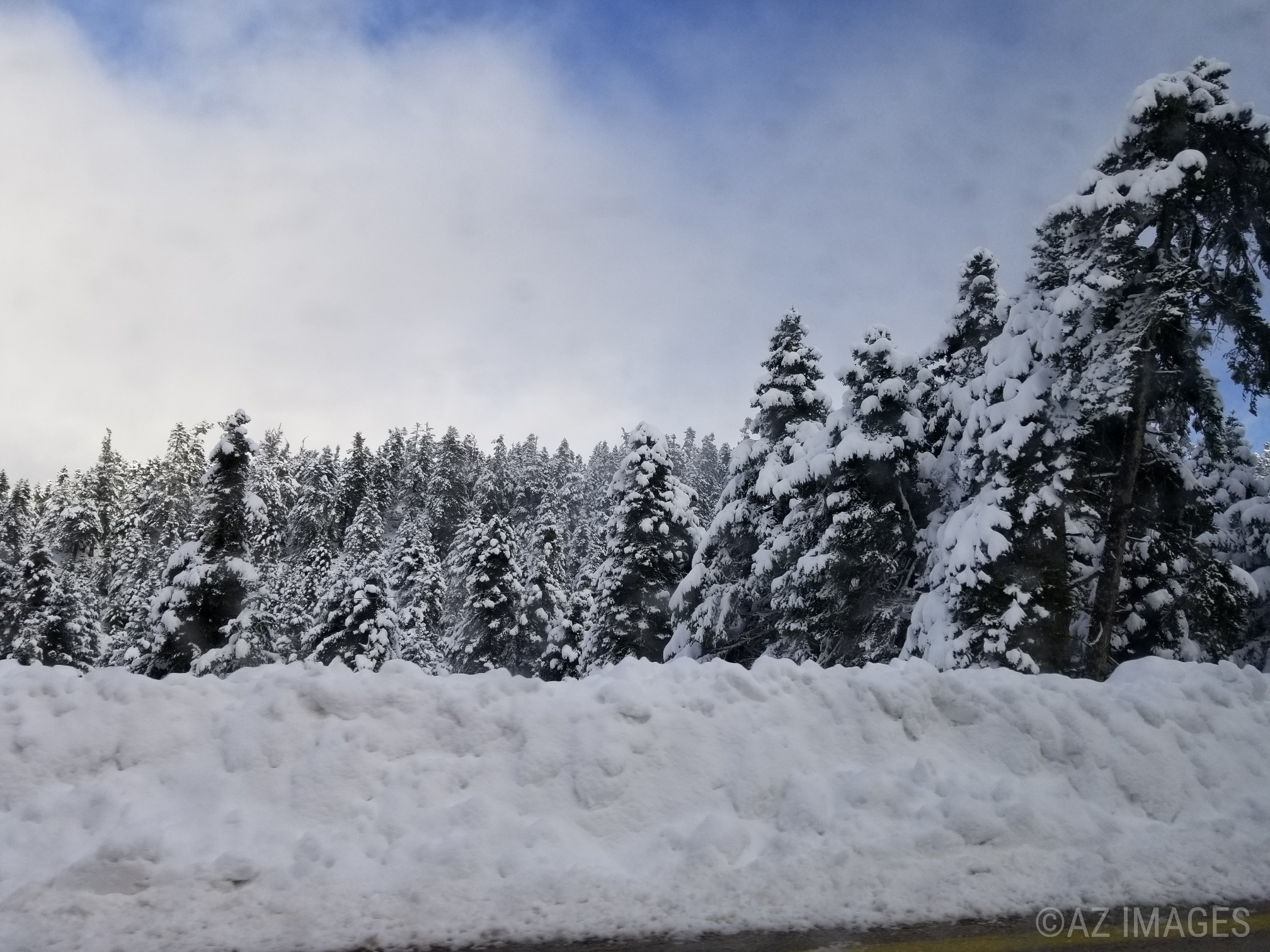
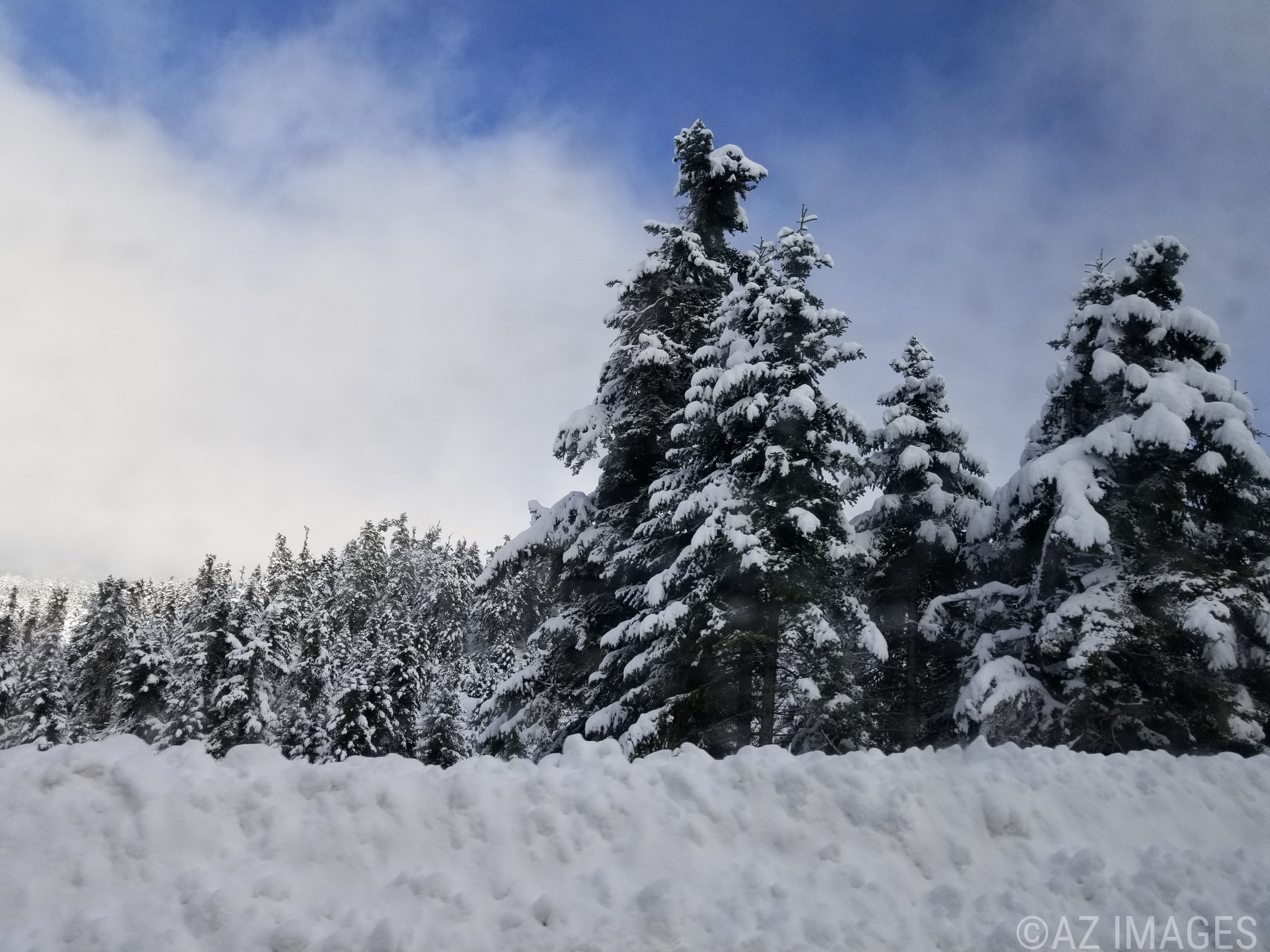
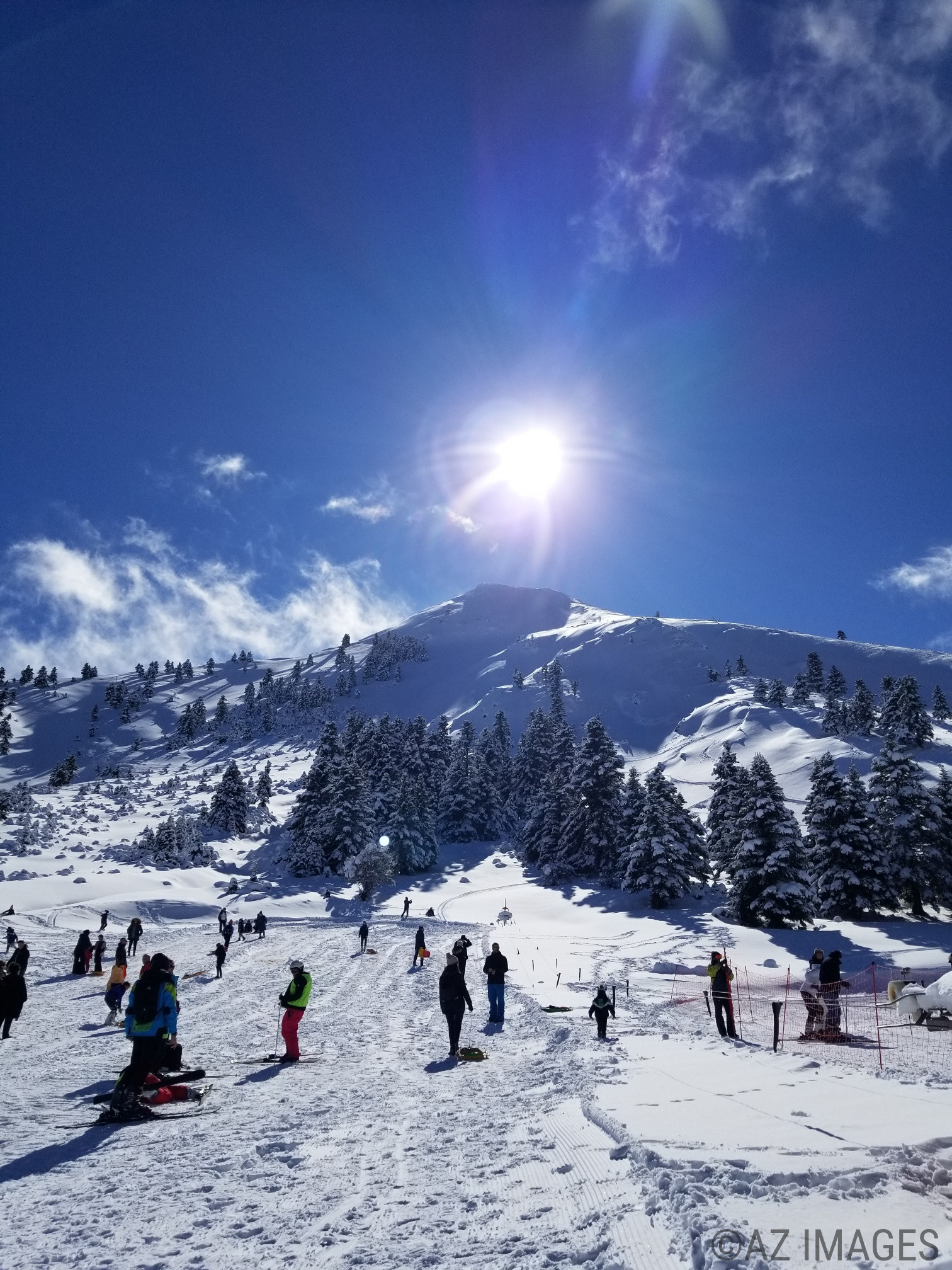
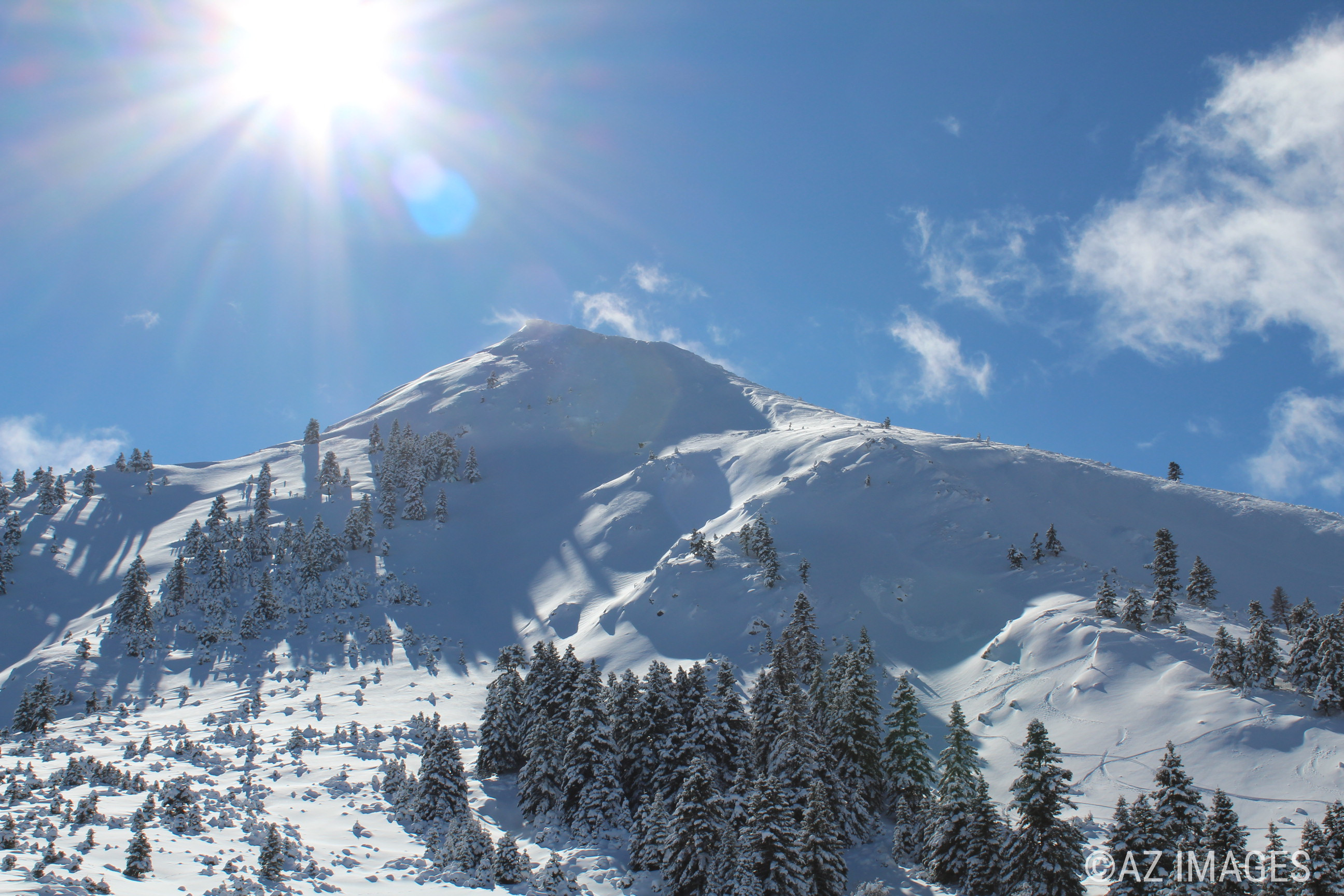
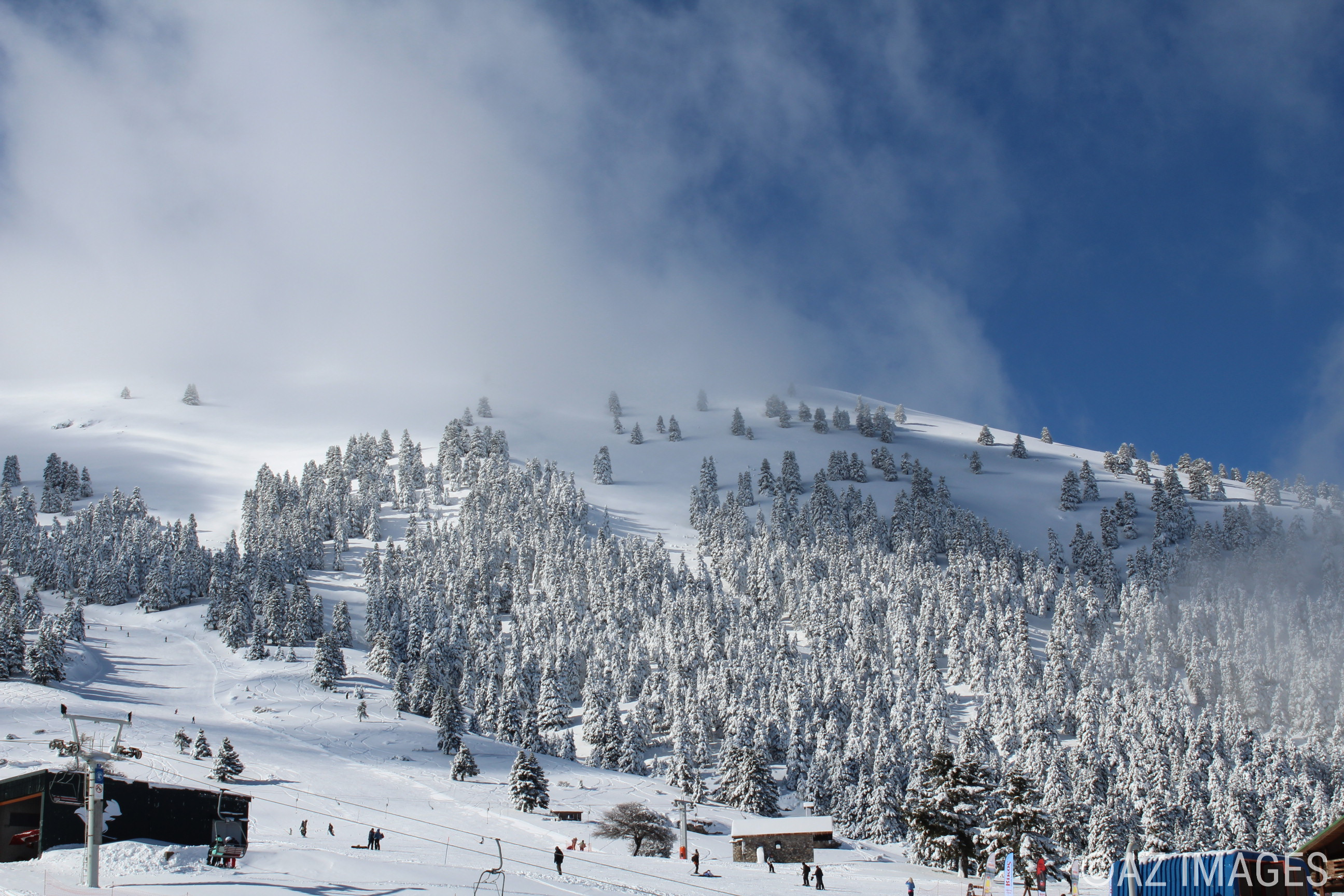
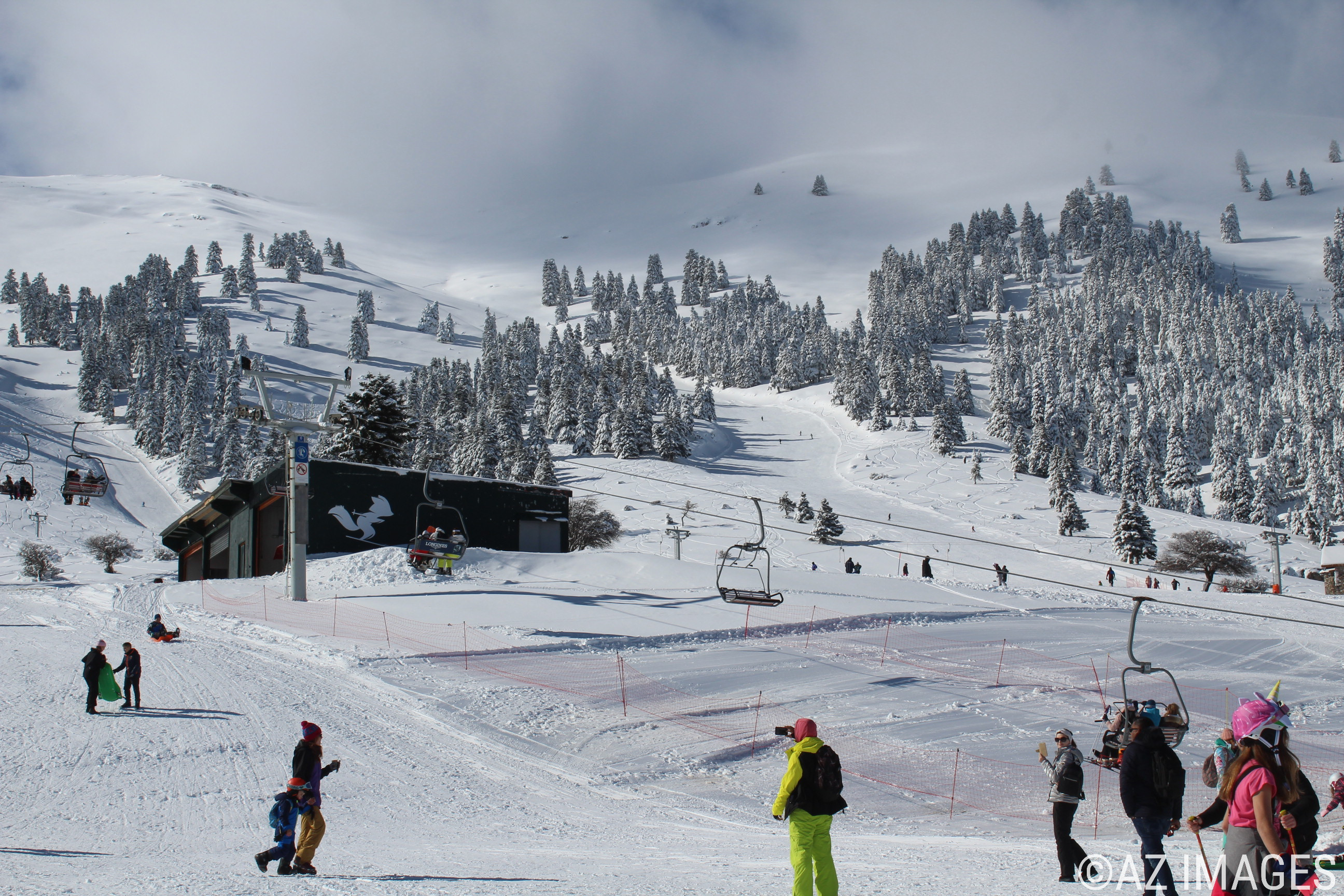
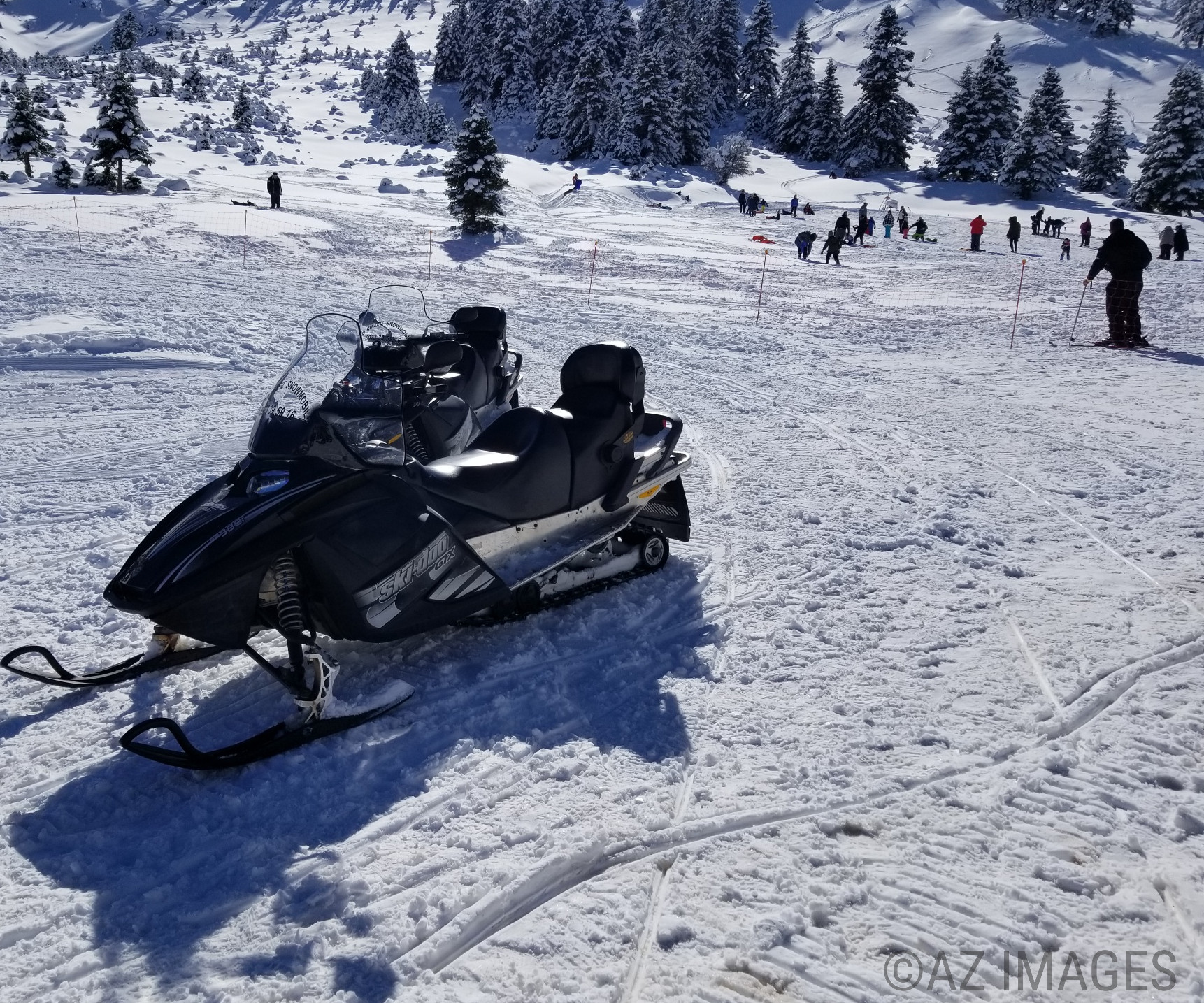
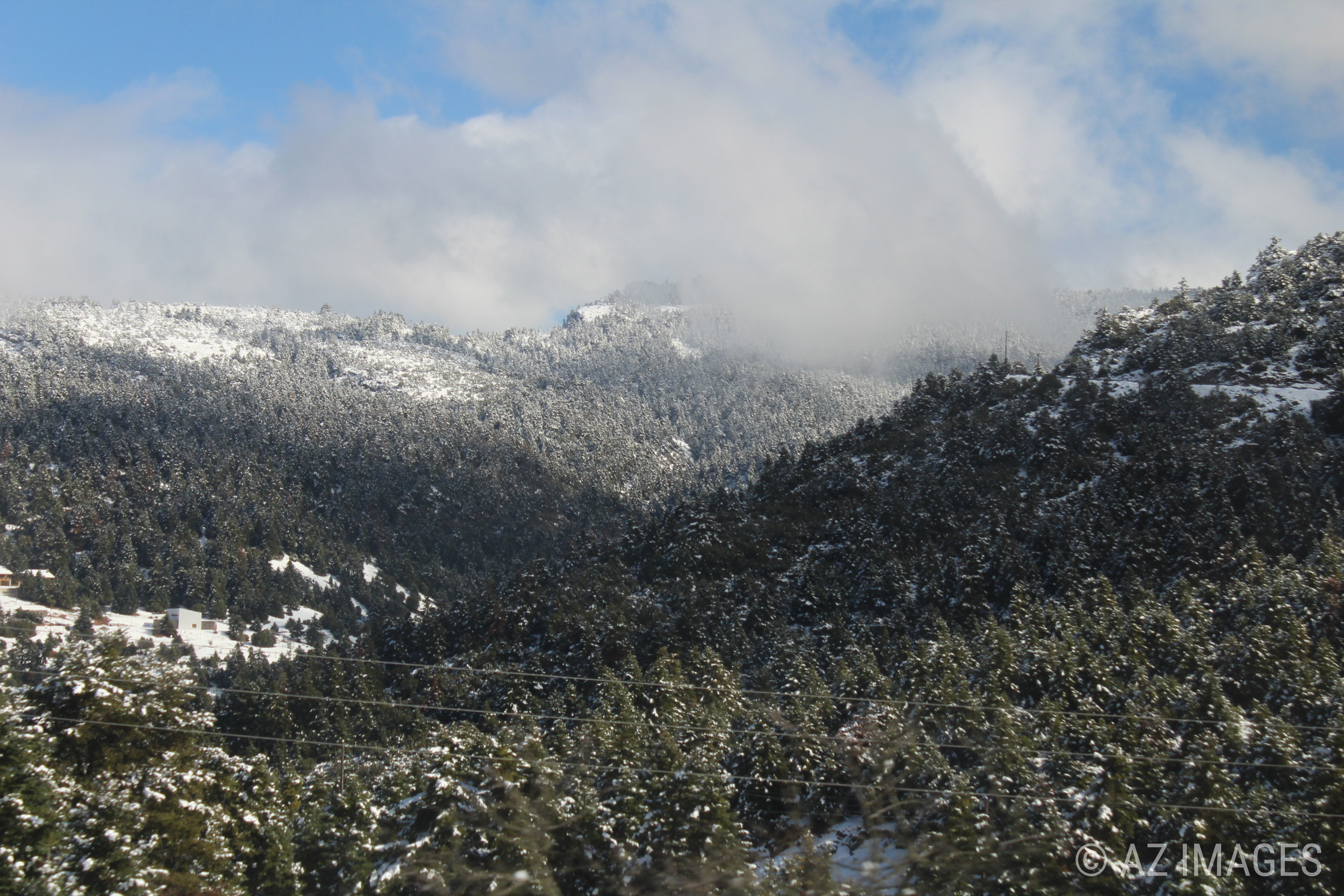
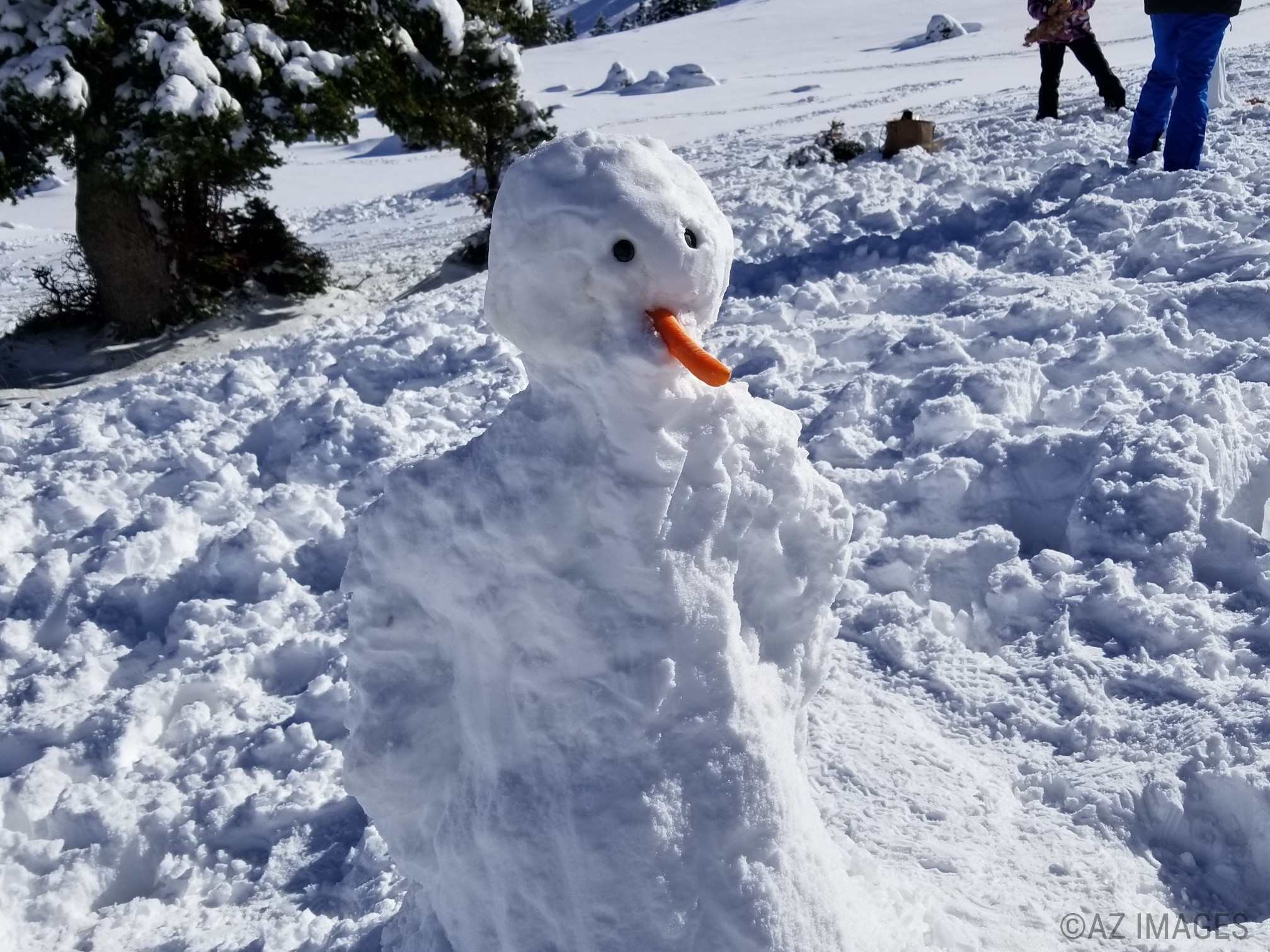
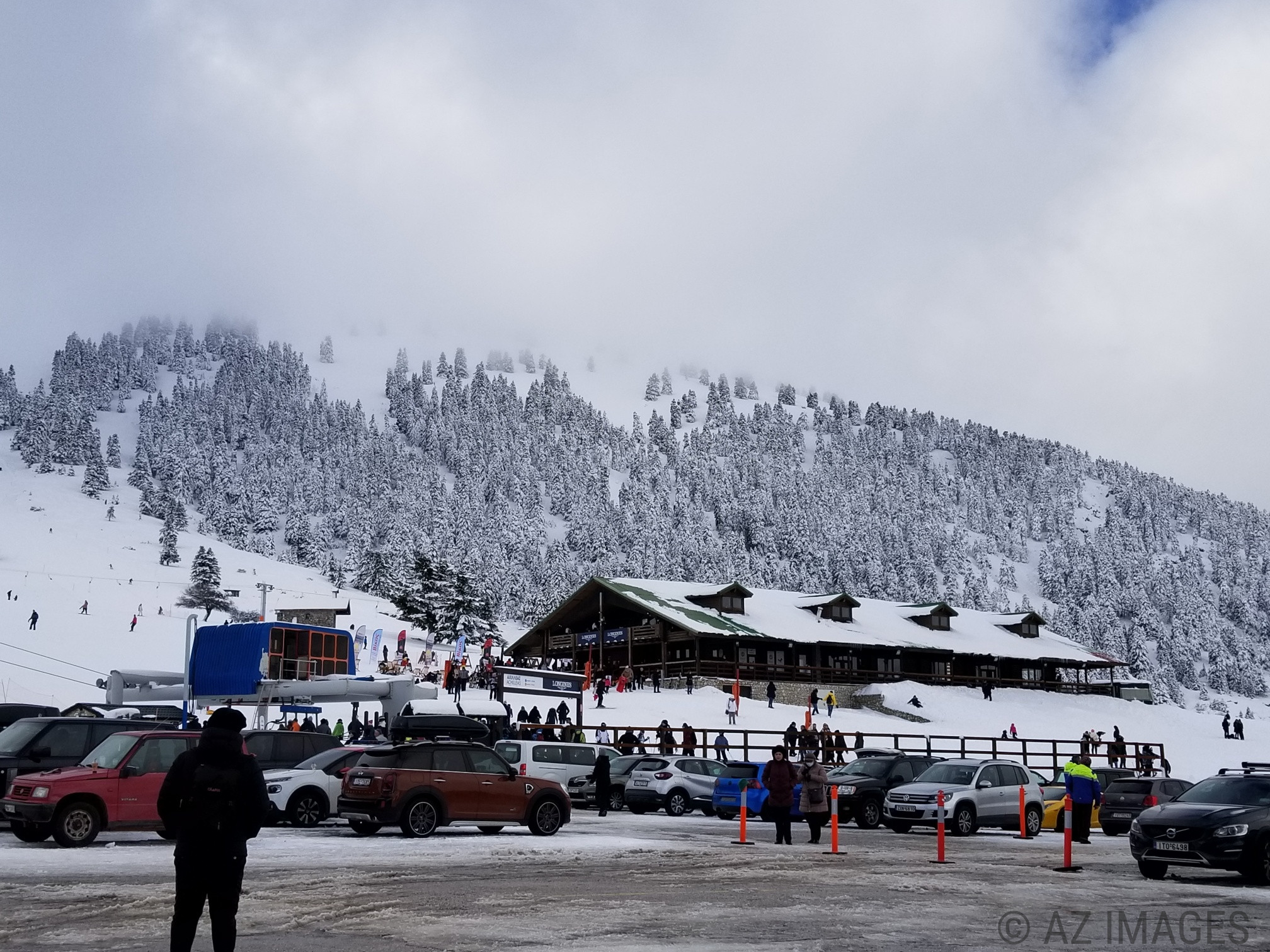

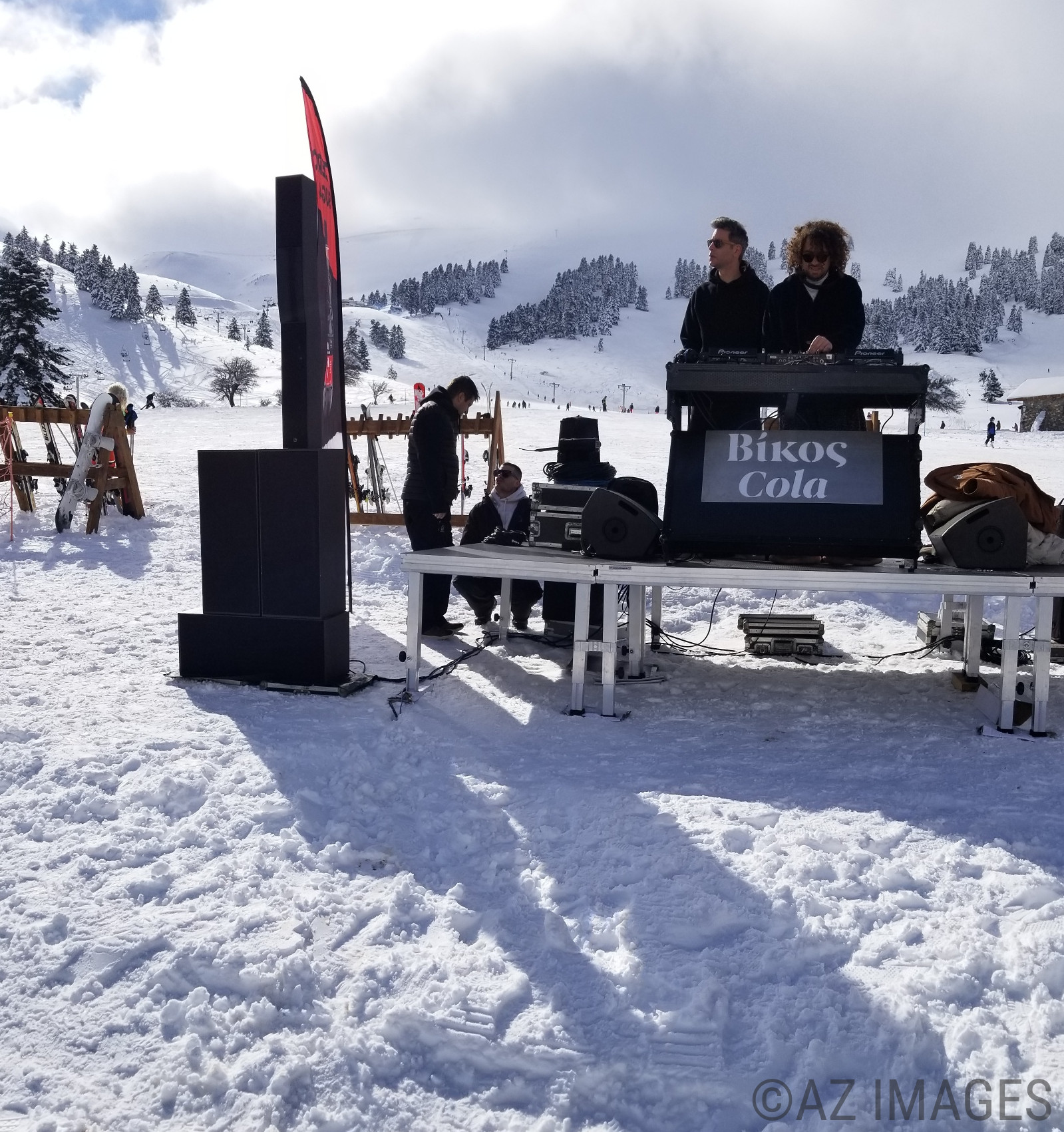
Mount Helmos ski resort is located in Kalavrita. The mountains’ highest peak is 2.350 meters.
It was a beautiful, sunny day. Not cold at all. A lot sporty-type people doing the usual of skiing, tobogganing, and snowboarding. If you don’t have the energy or skill for any of those sports than you just chill and relax on the chairs with a dj under he hot sun.
I got plenty of vitamin D that day. 🙂
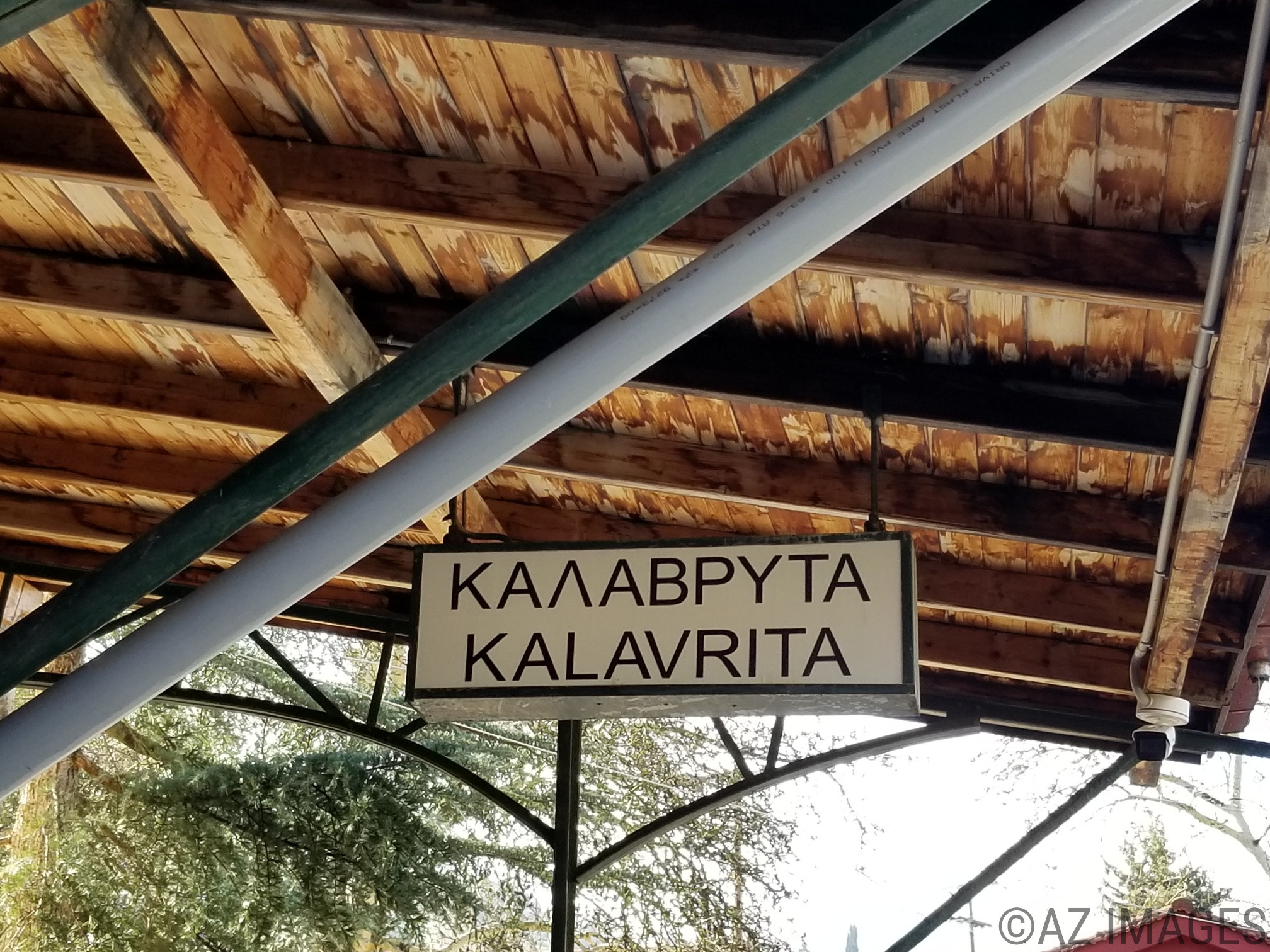
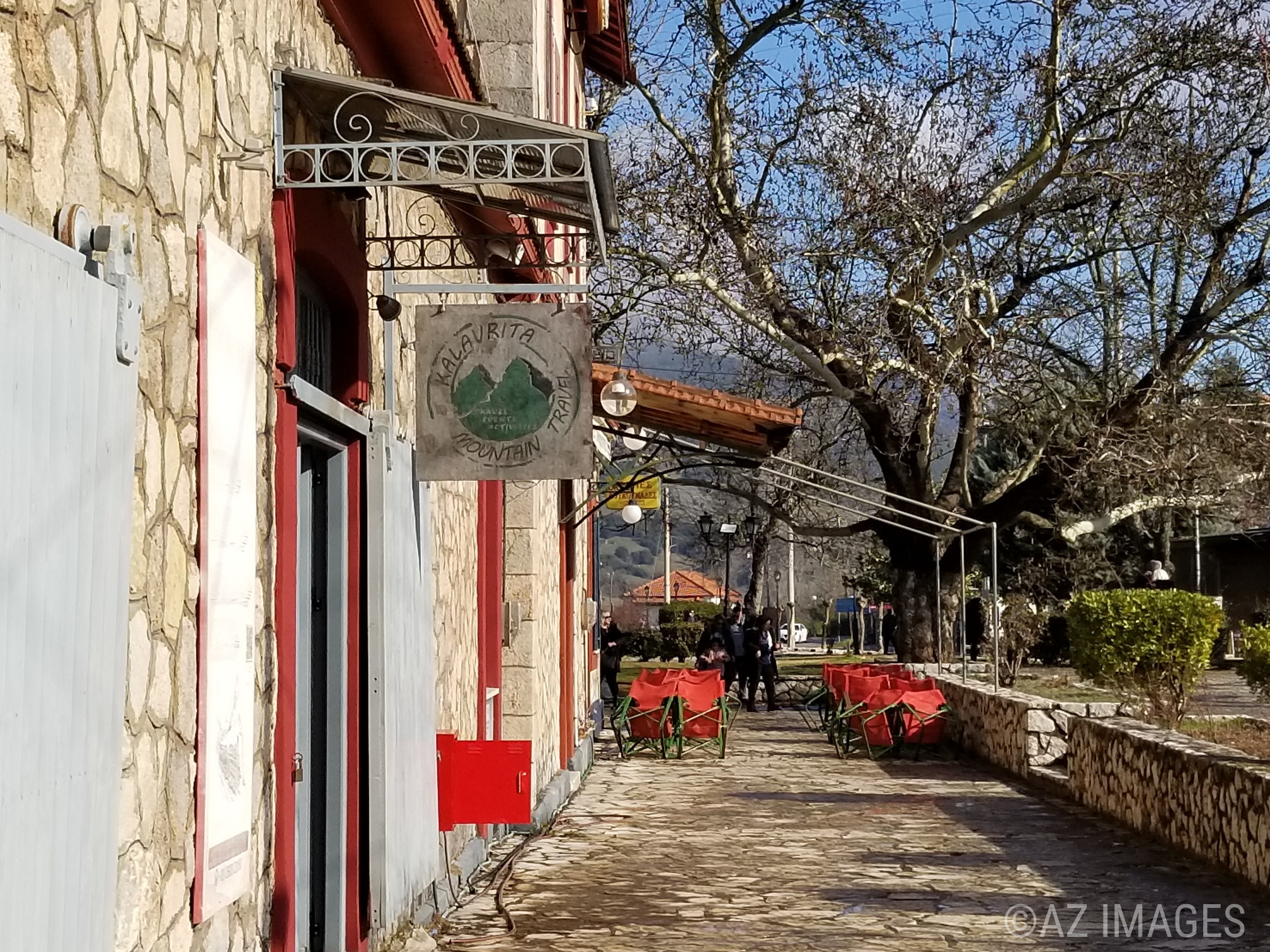

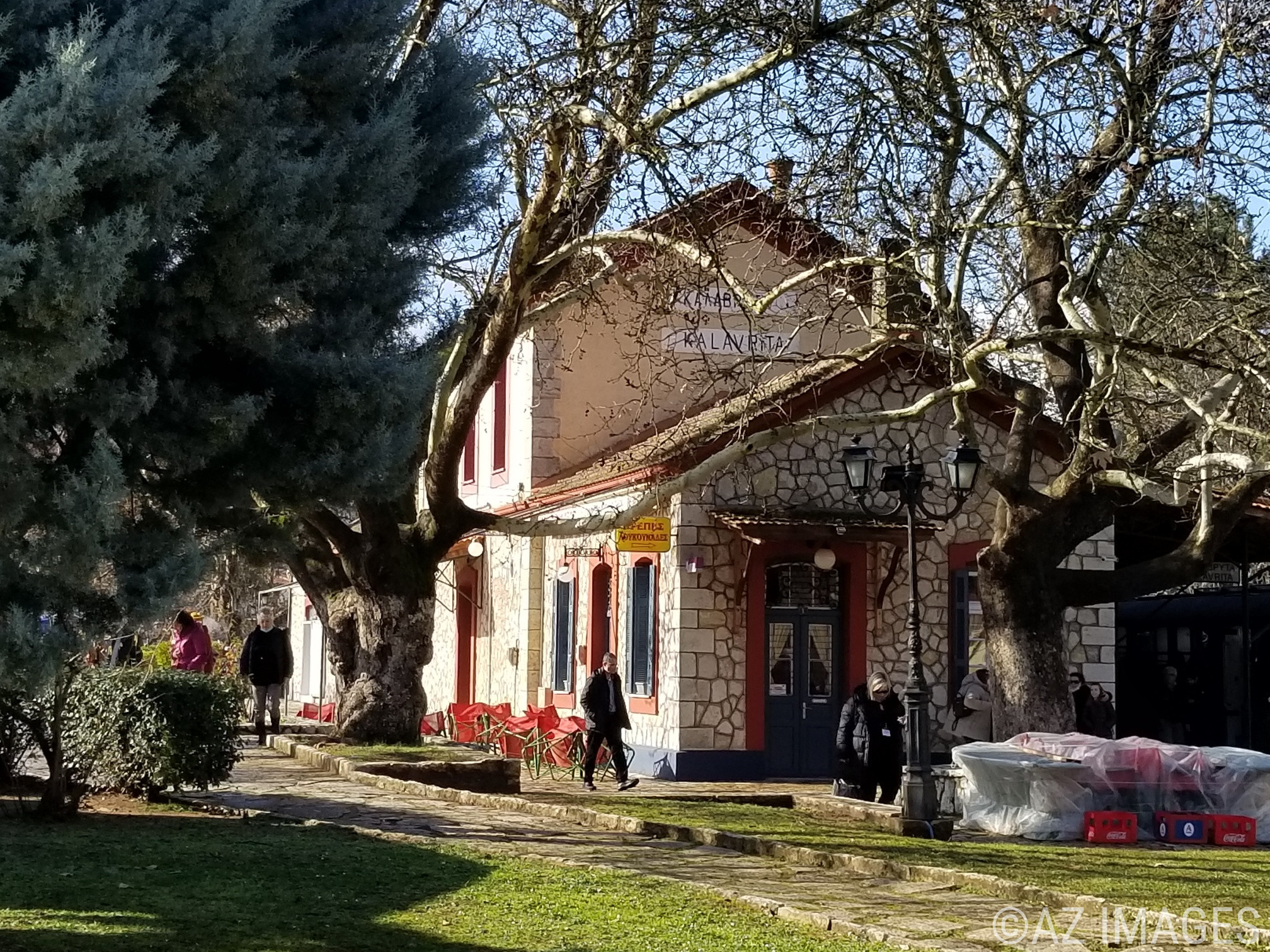

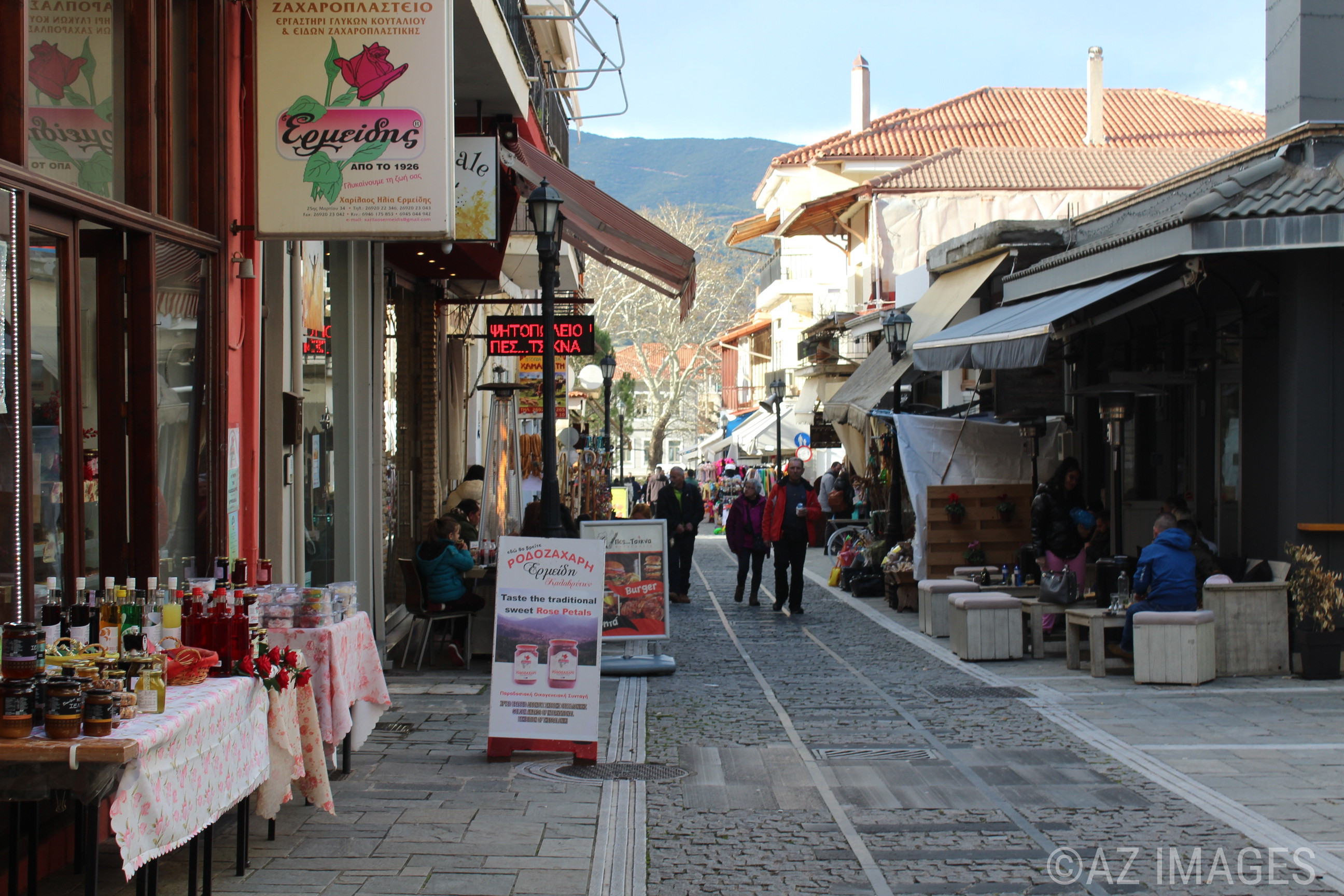

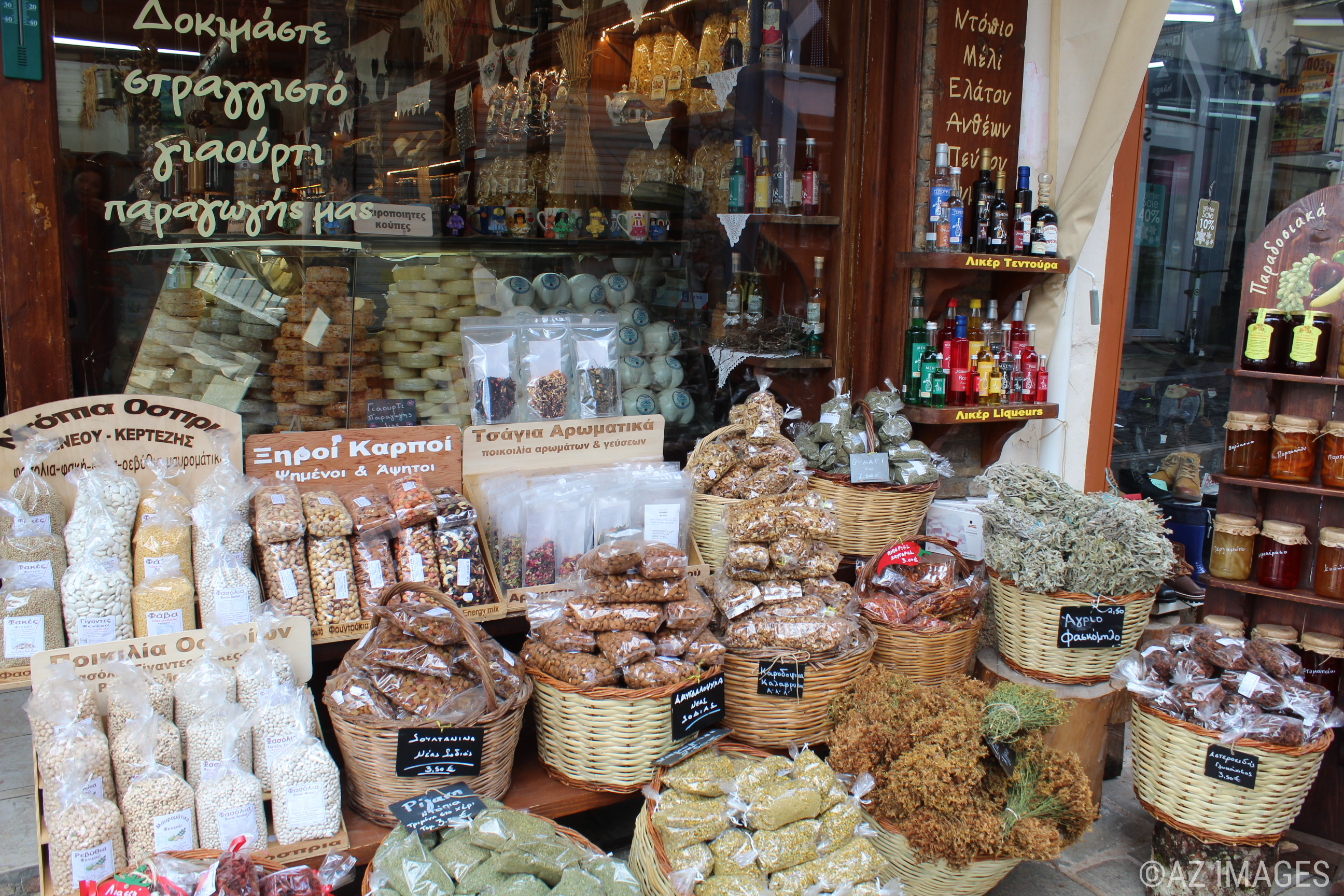
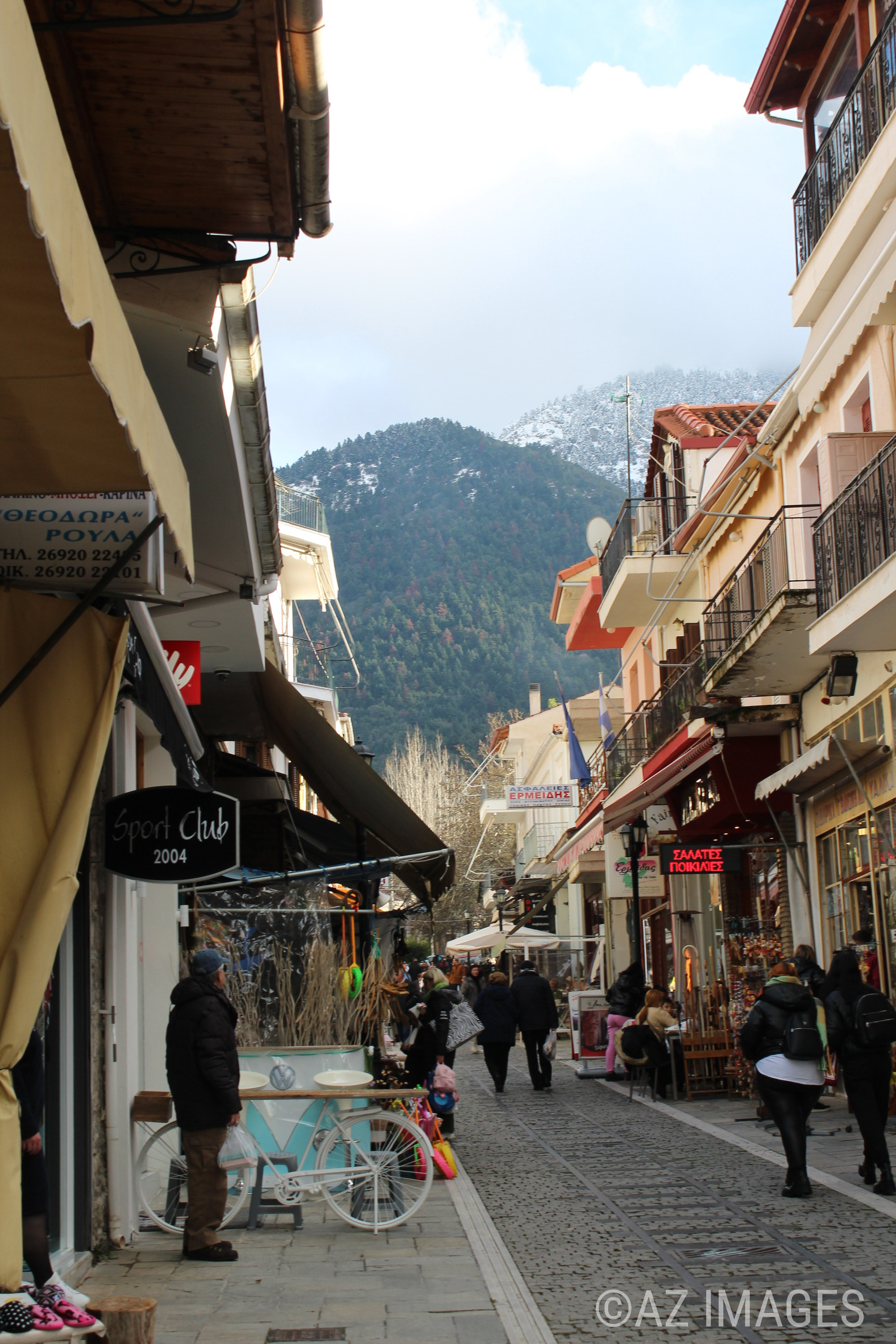
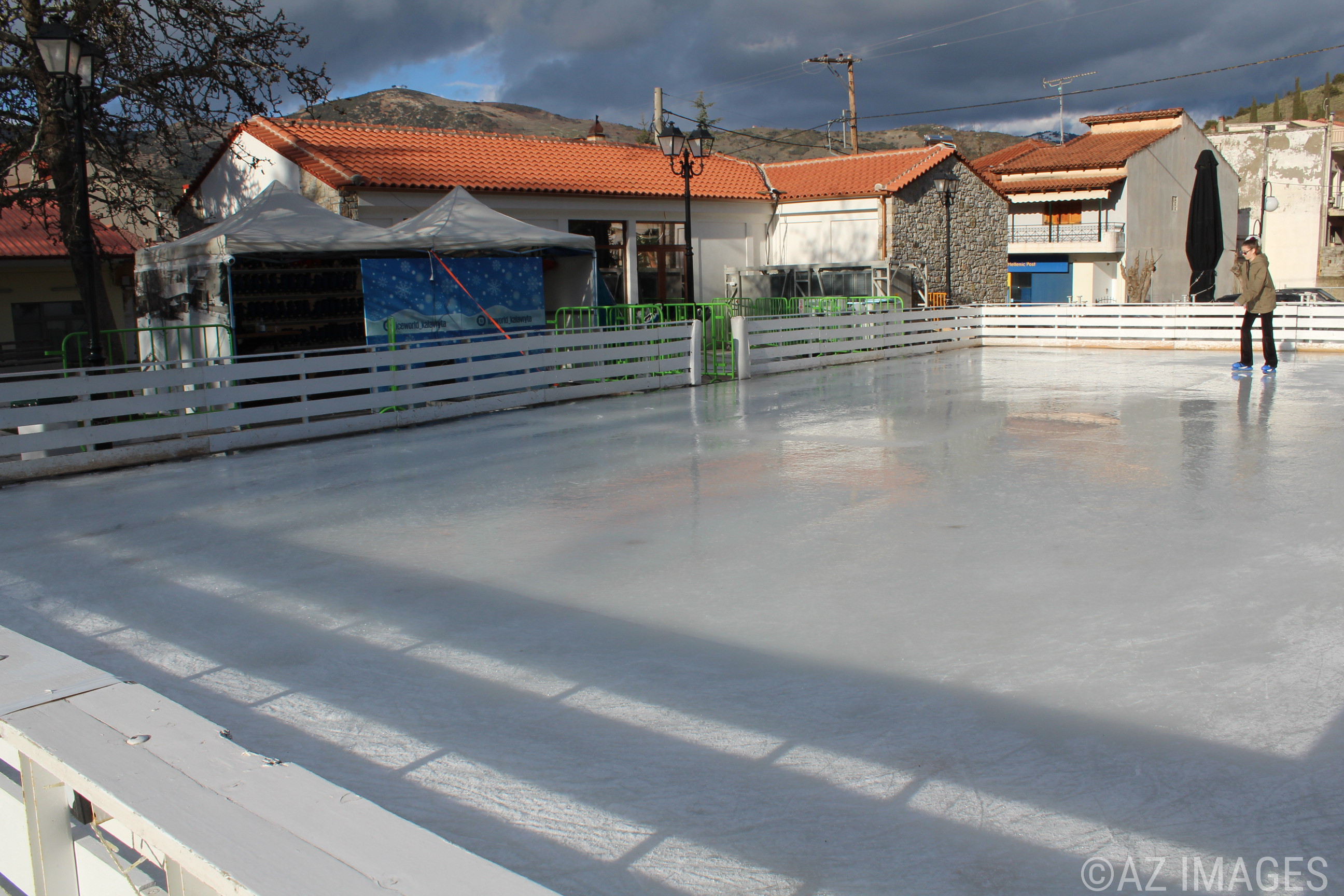
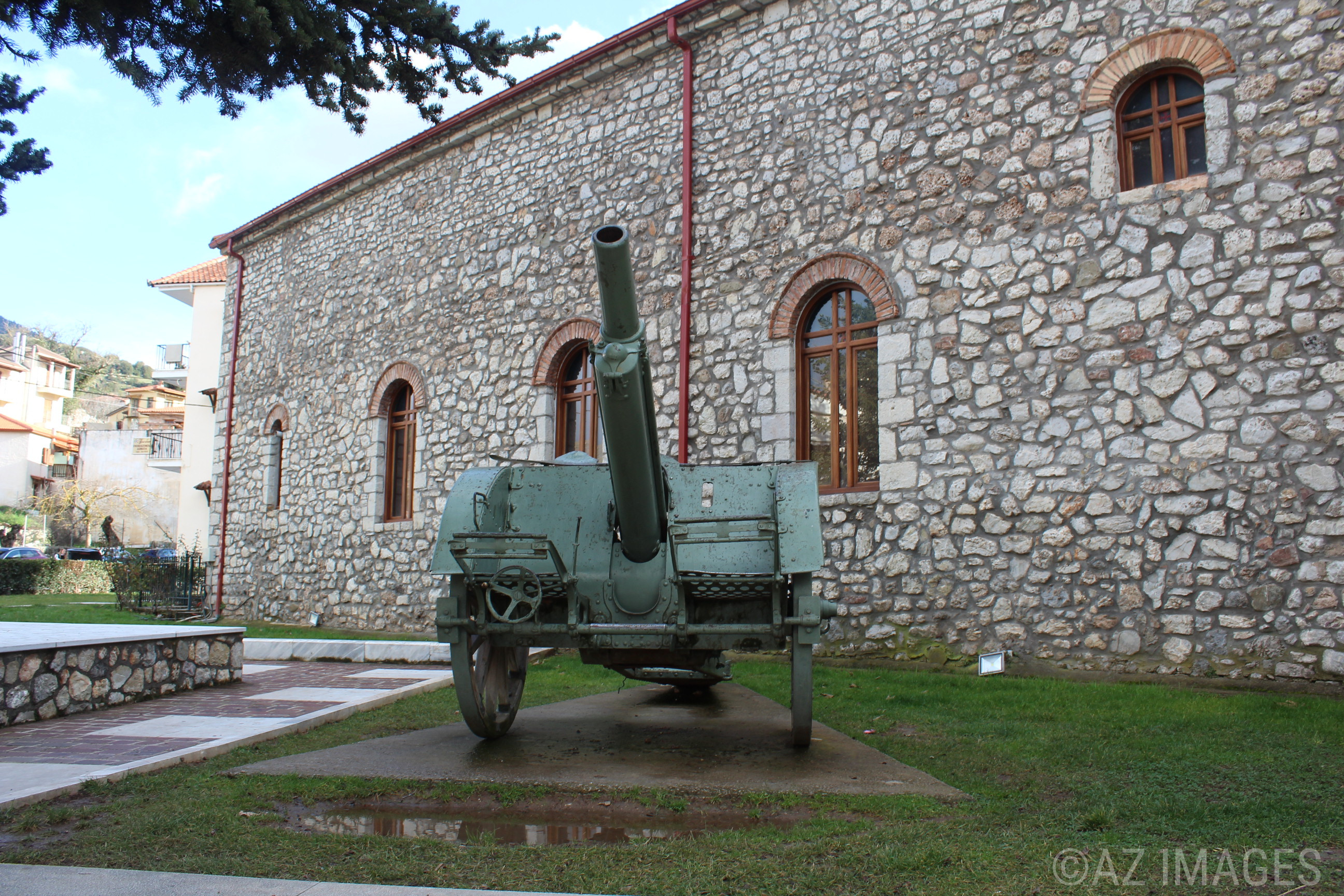
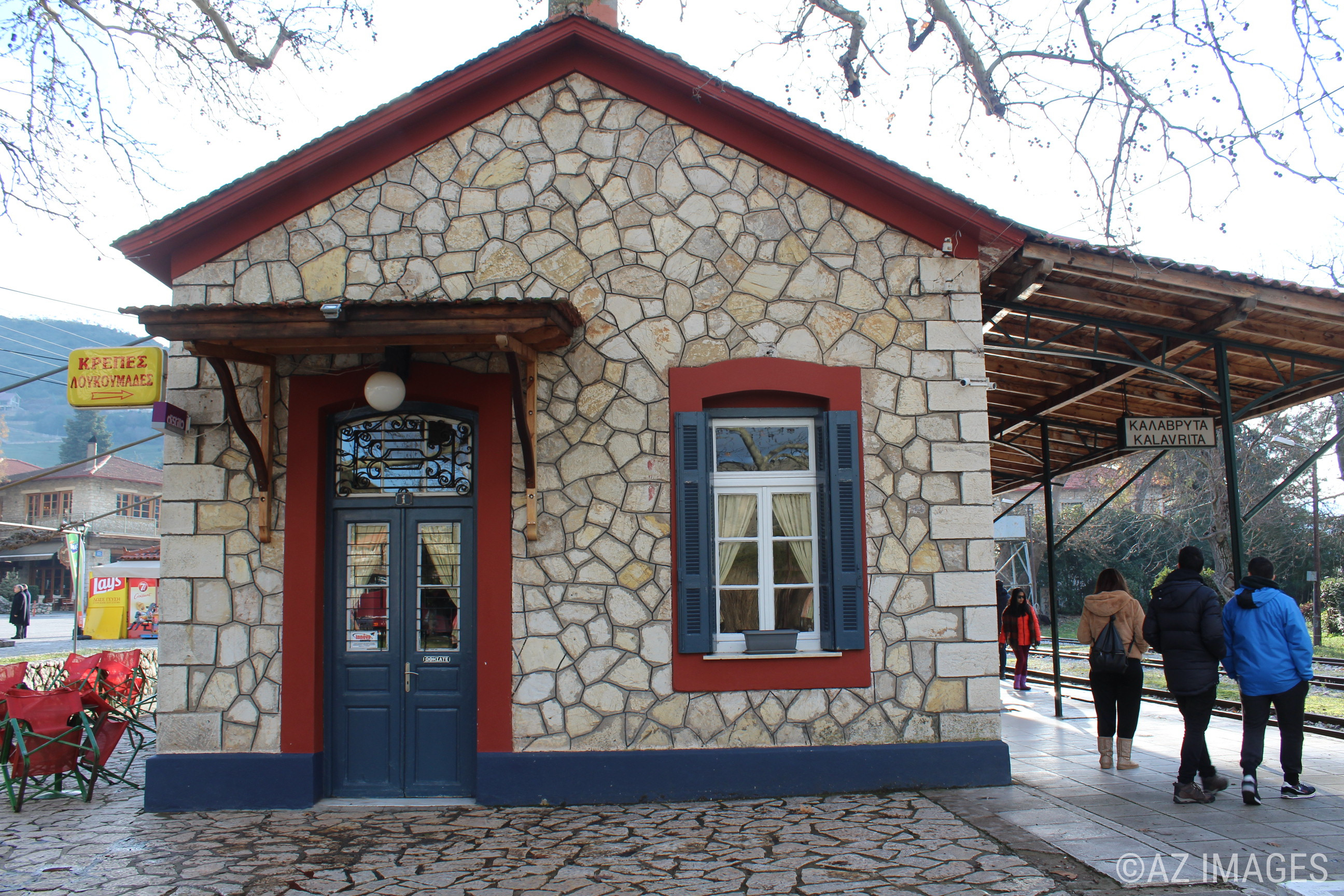
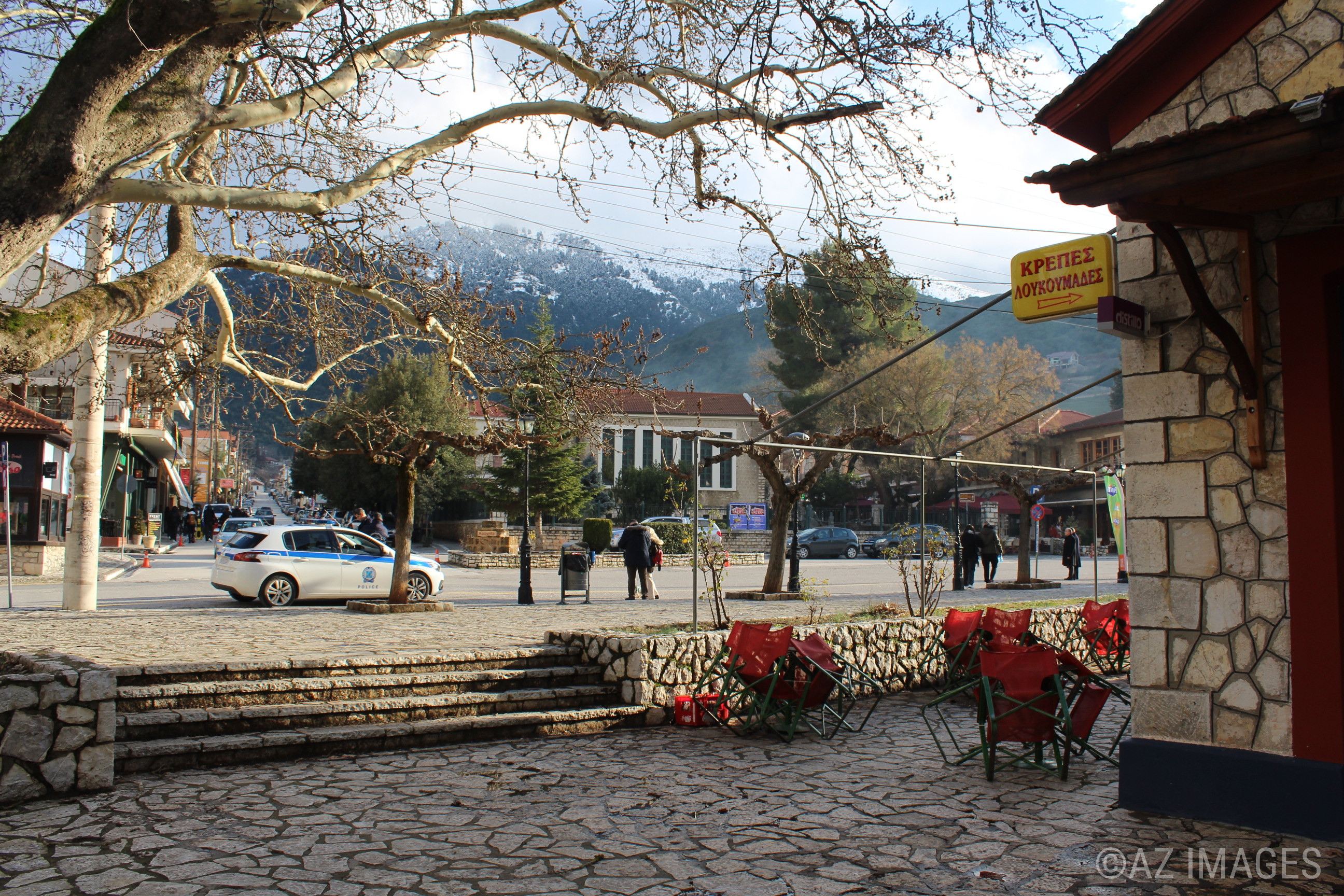
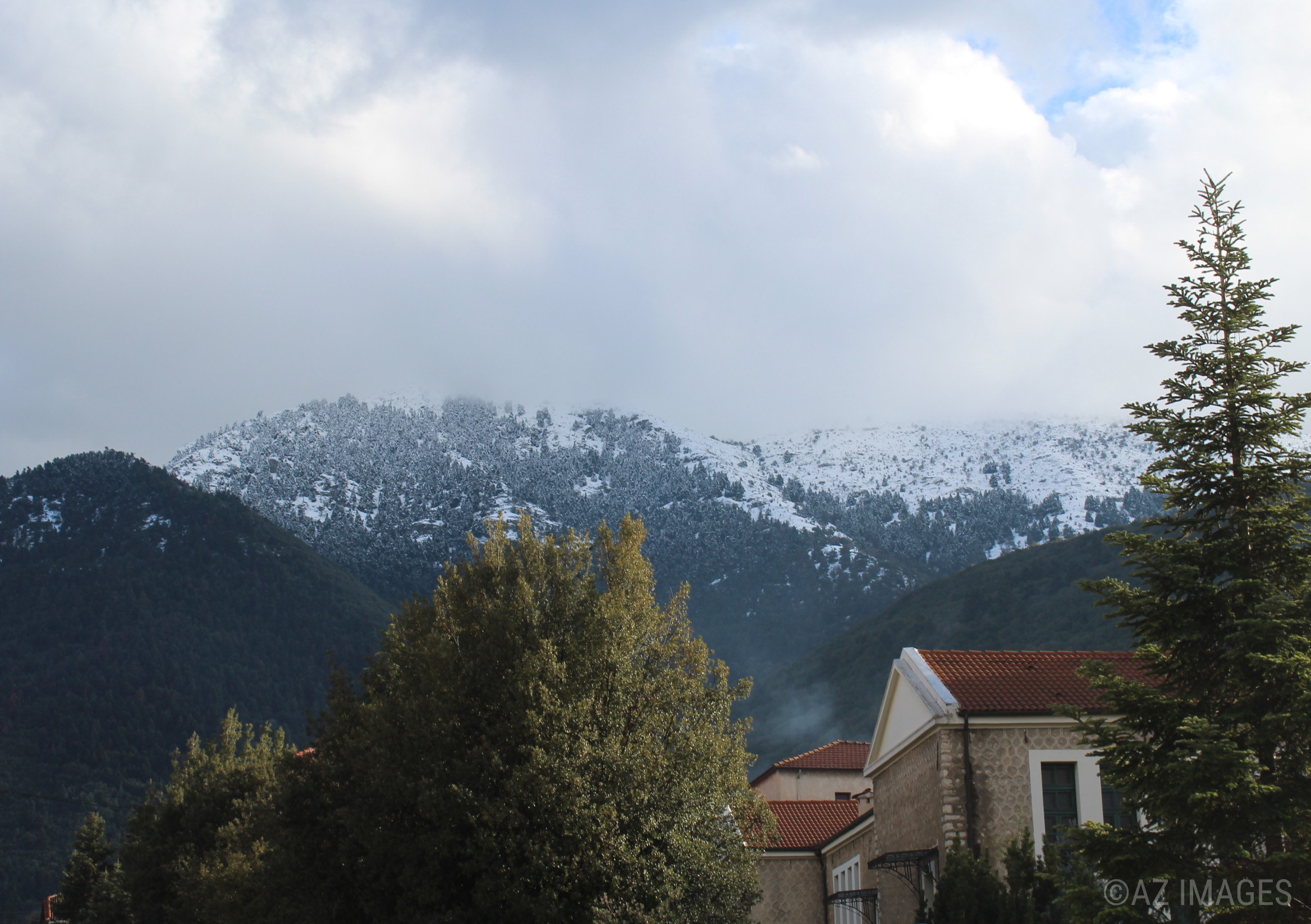
The town of Kalavrita is a sleepy, mountainous little town in the north of the Peloponnese in Achaea. It has a population of over 1, 829 according to a 2011 census. The cobblestone streets are lined with beautiful shops full of local honey and botanicals. Kalavrita is well-known for its quality feta cheese as well.
Mount Helmos towers above the town and there is a ski resort.
The modern residents are lucky to have a good quality of life. The town is perfect for raising a family. However, the previous in habitants weren’t so fortunate. It is a town that has seen its share of atrocities which I will be discussing in a future post.
Η πόλη των Καλαβρύτων είναι μια νυσταγμένη, ορεινή μικρή πόλη στα βόρεια της Πελοποννήσου στην Αχαΐα. Έχει πληθυσμό πάνω από 1.829 κατοίκους σύμφωνα με απογραφή του 2011. Τα πλακόστρωτα δρομάκια είναι γεμάτα με όμορφα μαγαζιά γεμάτα τοπικό μέλι και βοτανικά. Τα Καλάβρυτα είναι γνωστά και για την ποιοτική φέτα τους.
Το όρος Χελμός δεσπόζει πάνω από την πόλη και υπάρχει ένα χιονοδρομικό κέντρο.
Οι σύγχρονοι κάτοικοι είναι τυχεροί που έχουν καλή ποιότητα ζωής. Η πόλη είναι ιδανική για μια οικογένεια. Ωστόσο, οι προηγούμενοι σε κατοίκους δεν ήταν τόσο τυχεροί. Είναι μια πόλη που έχει δει το μερίδιό της σε φρικαλεότητες, τις οποίες θα συζητήσω σε μελλοντική ανάρτηση.
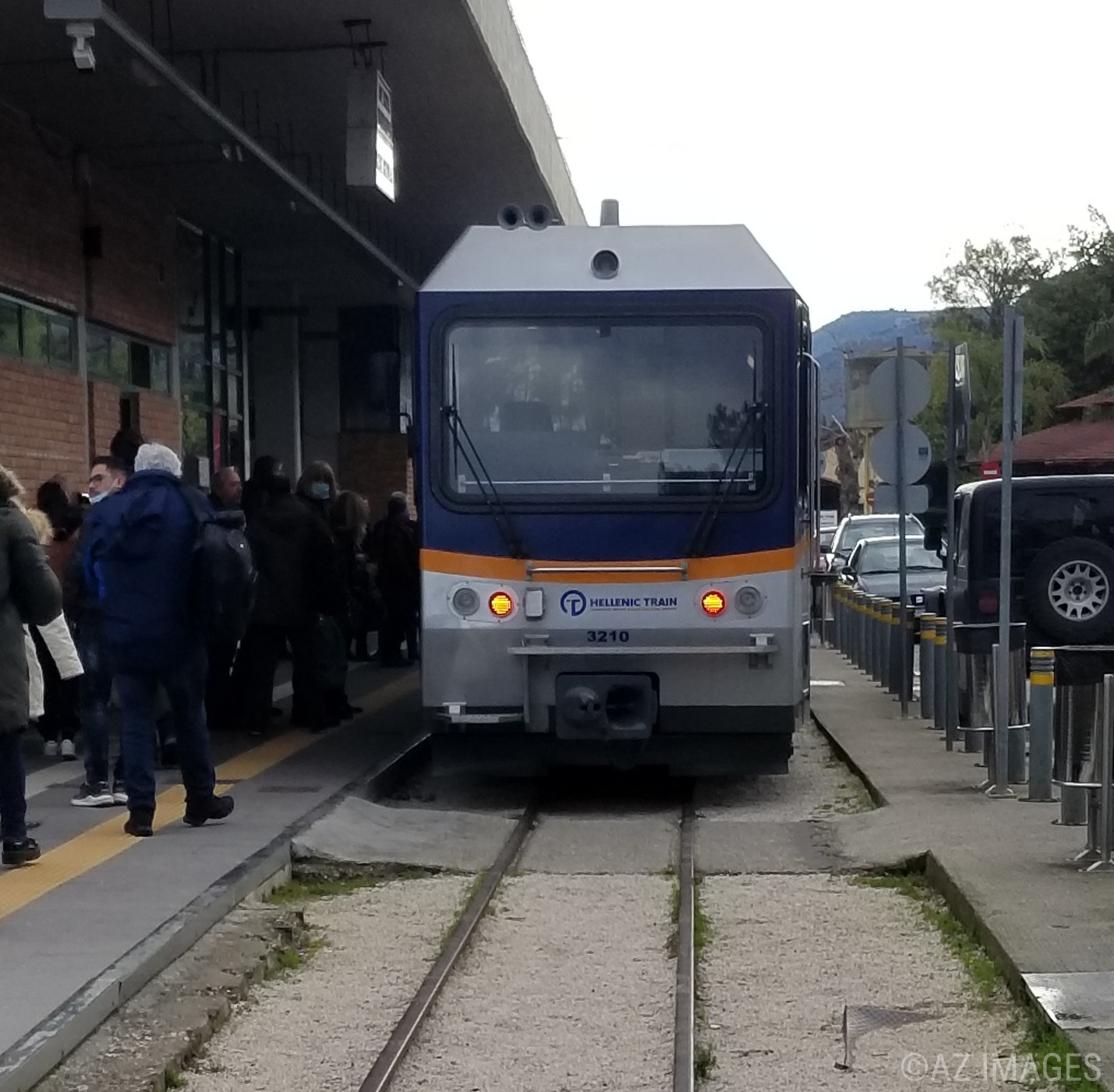
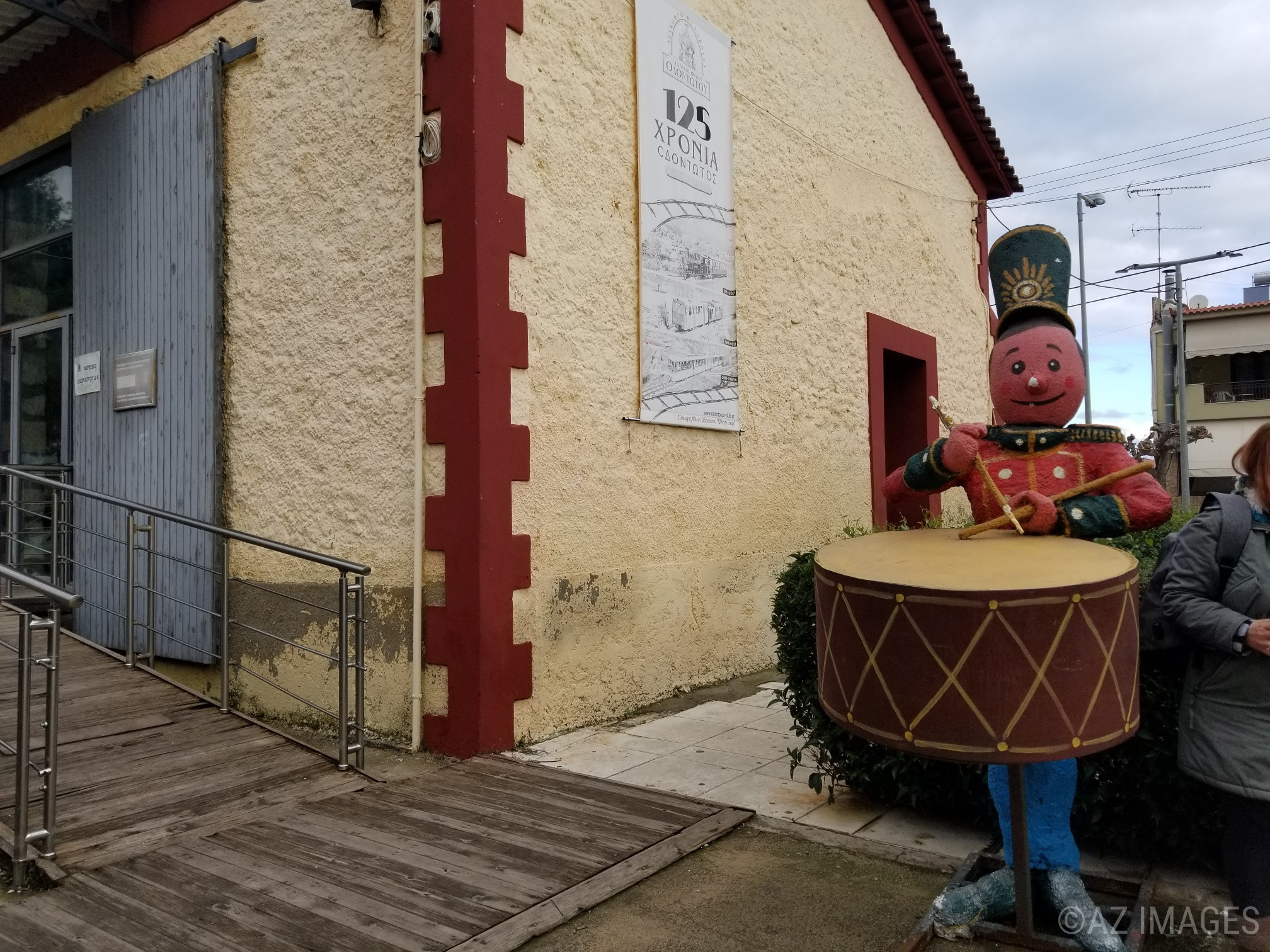
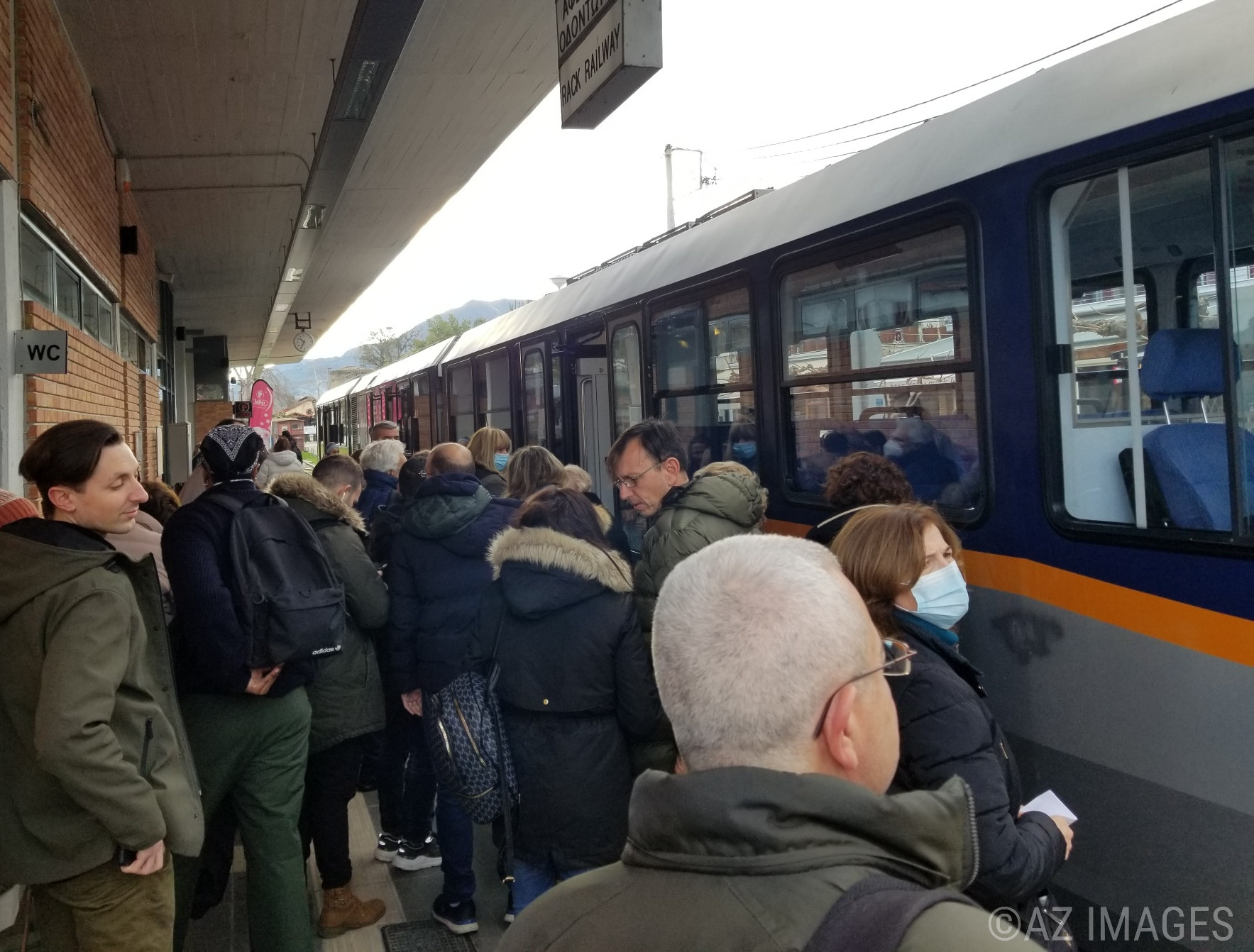
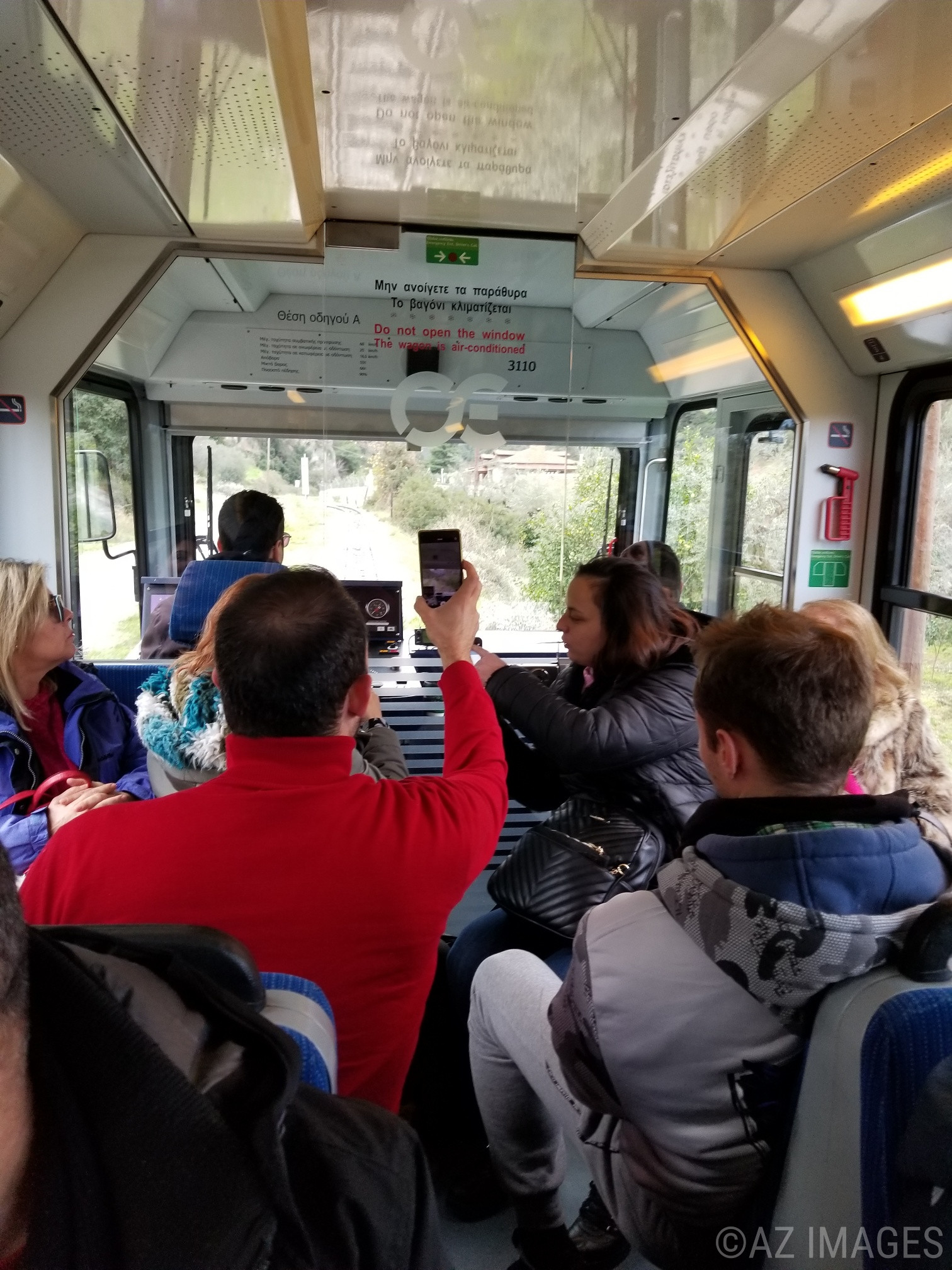



Last weekend, I took a trip to Kalavrita, a mountainous town in the North of the Peloponnese. It was my first time in this region and I was excited to check out all of the attractions as Kalavrita has many.
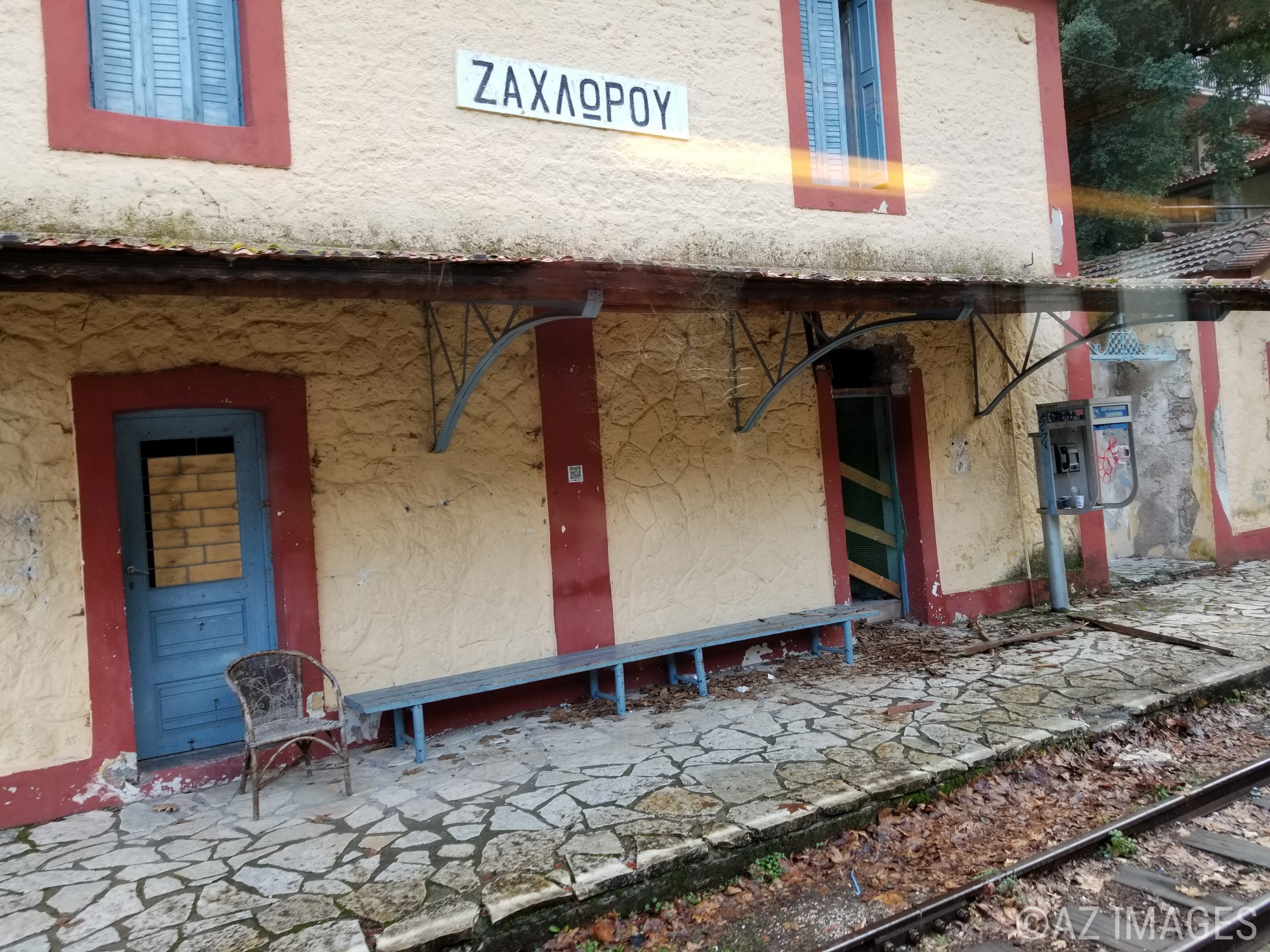
The weather was perfect after many days of thunderstorms. The first stop was the cog railway, also known as Odontotos. The Odontotos dates back to the 19th century. It was 120 years ago when the prime minister of Greece Harilao Trikoupi came up with the idea to construct local railway networks. The construction started in 1889, but it was fraught with many enginneering issues. However, the railway was completed in 1896 and since then the railway has been in use on a daily basis.
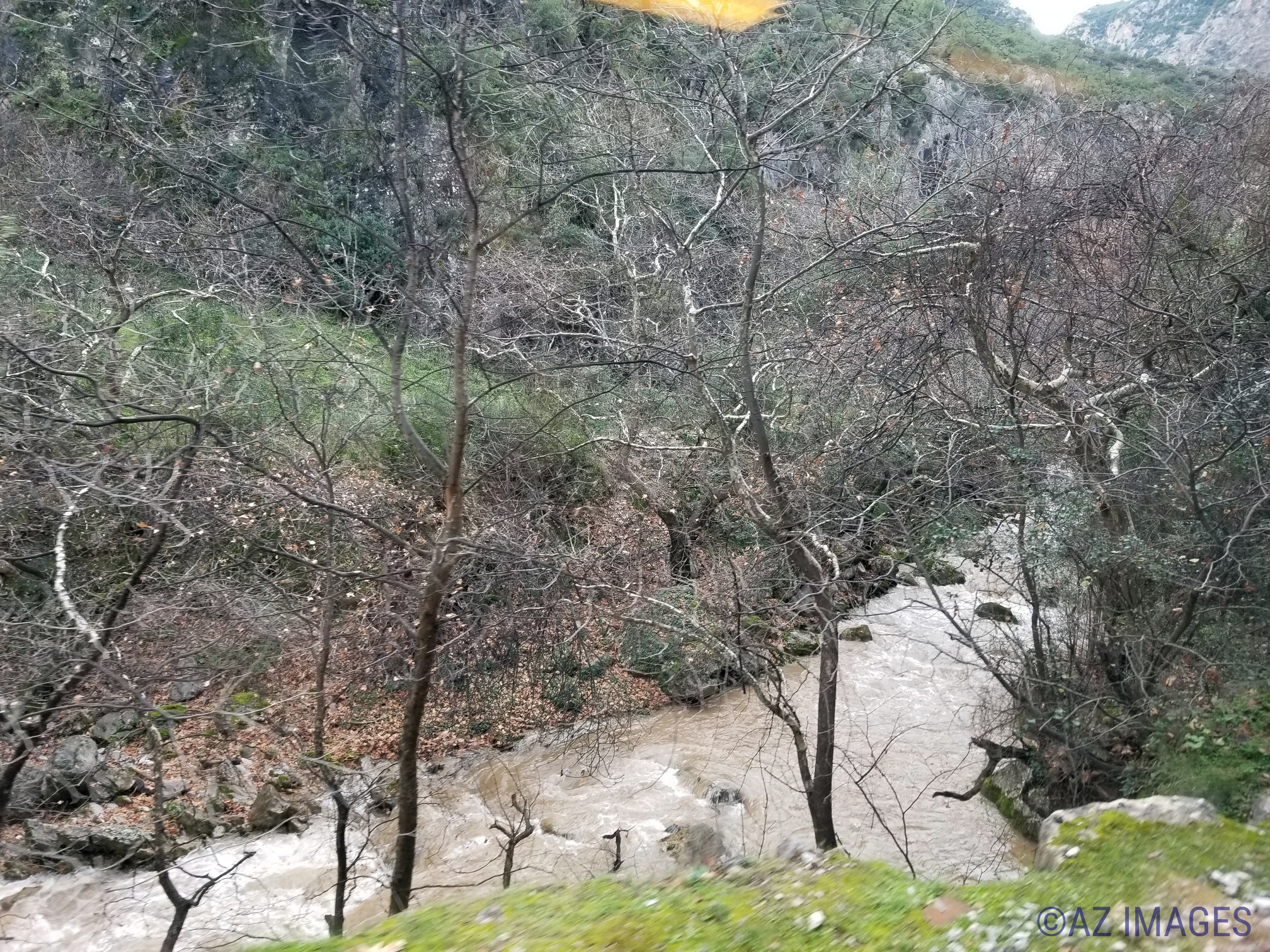
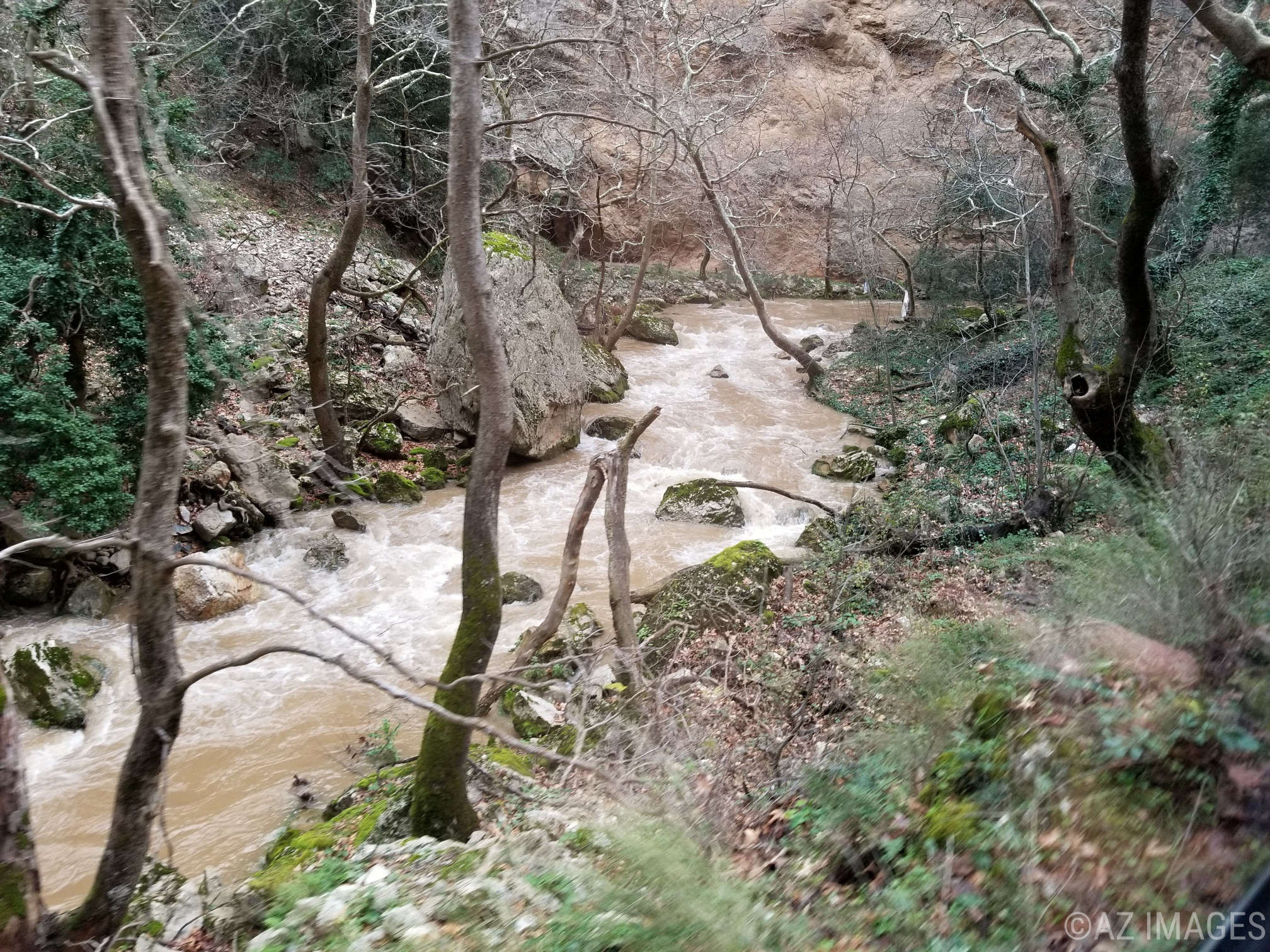
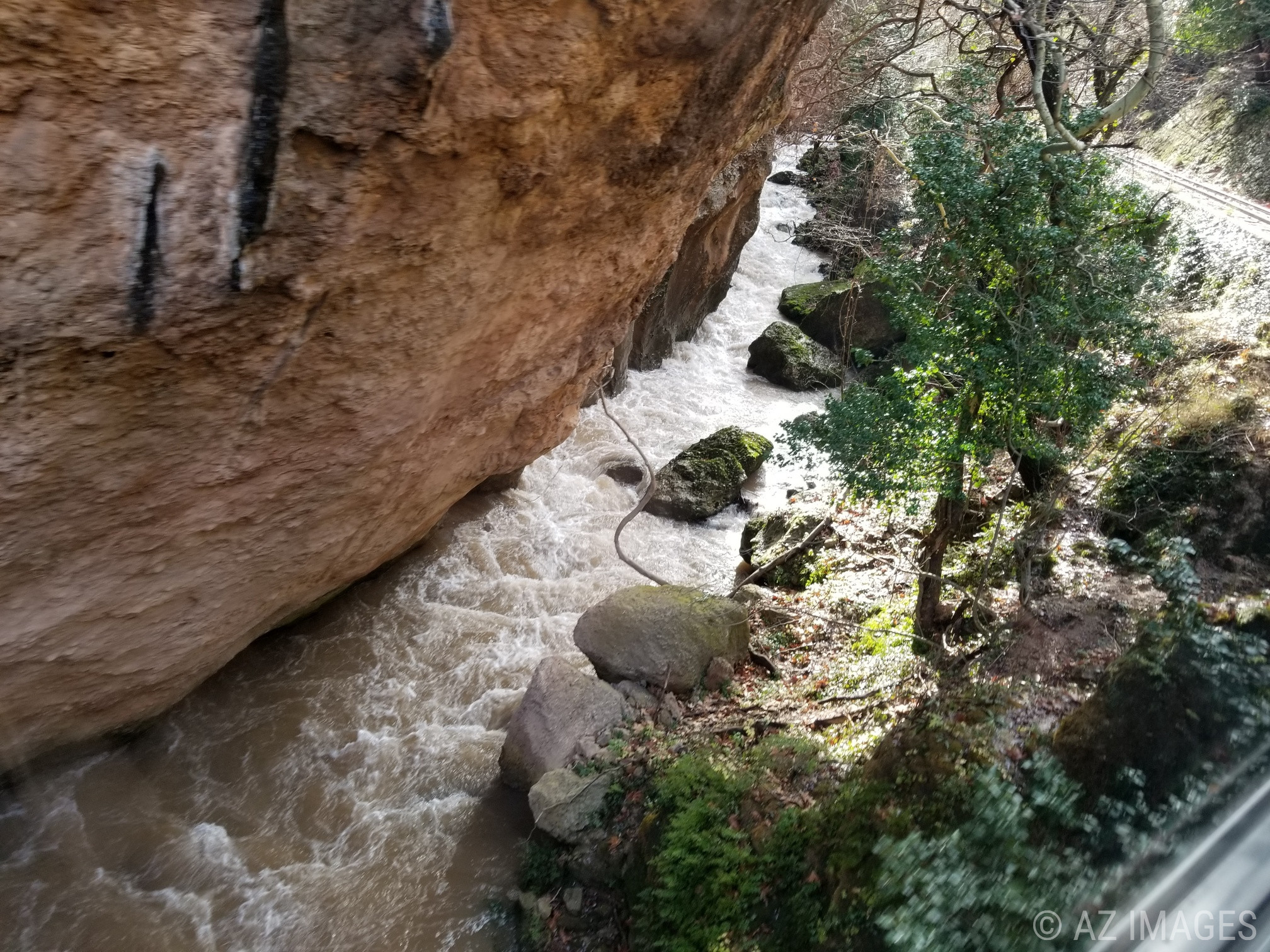
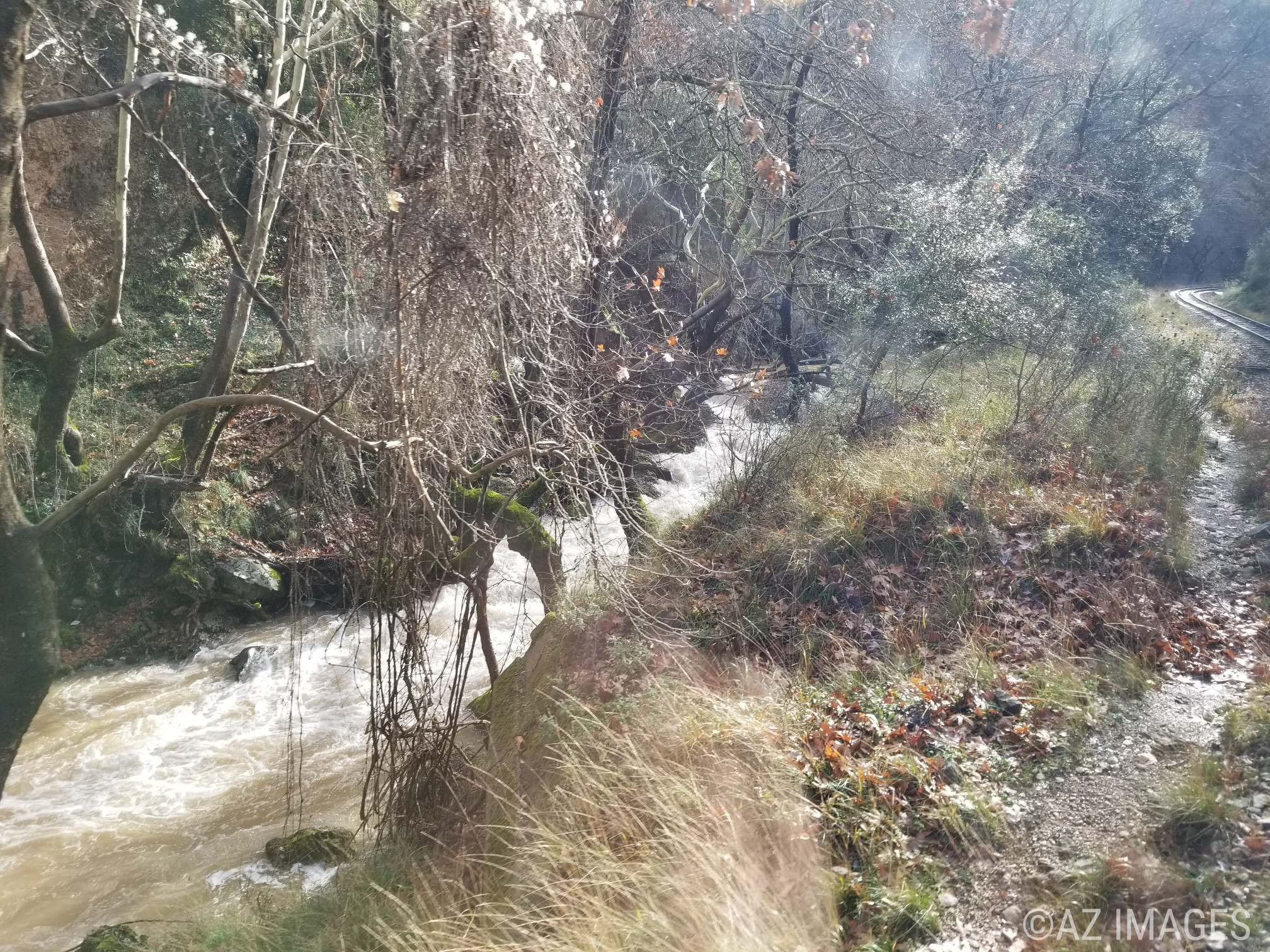
The scenery from the train is stunning as it passes by the gorge of Vouraikos. Everyone was in awe of the many beautiful streams and waterfalls. The trees and the strange shapes of their branches as well as all of the plant life.
Το περασμένο Σαββατοκύριακο έκανα ένα ταξίδι στα Καλάβρυτα, μια ορεινή πόλη στα βόρεια της Πελοποννήσου. Ήταν η πρώτη μου φορά σε αυτήν την περιοχή και ήμουν ενθουσιασμένη που είδα όλα τα αξιοθέατα καθώς τα Καλάβρυτα έχει πολλά.
Ο καιρός ήταν τέλειος μετά από πολλές μέρες καταιγίδων. Πρώτος σταθμός ο σιδηρόδρομος, γνωστός και ως ‘Οδοντωτός’. Ο Οδοντωτός χρονολογείται από τον 19ο αιώνα. Ήταν πριν από 120 χρόνια όταν ο πρωθυπουργός της Ελλάδας Χαρίλαο Τρικούπη είχε την ιδέα να κατασκευάσει τοπικά σιδηροδρομικά δίκτυα. Η κατασκευή ξεκίνησε το 1889, αλλά υπήρχαν πολλά μηχανολογικά θέματα. Ωστόσο, ο σιδηρόδρομος ολοκληρώθηκε το 1896 και από τότε ο σιδηρόδρομος χρησιμοποιείται σε καθημερινή βάση.
Το σκηνικό από το τρένο είναι εκπληκτικό καθώς περνάει από το φαράγγι του Βουραϊκού. Όλοι ένιωσαν δέος για τα πολλά όμορφα ρυάκια και τους καταρράκτες. Τα δέντρα και τα περίεργα σχήματα των κλαδιών τους καθώς και όλη η φυτική ζωή.
 My Creative Wayz