Peloponnese

Mystras-The Castle City pt2

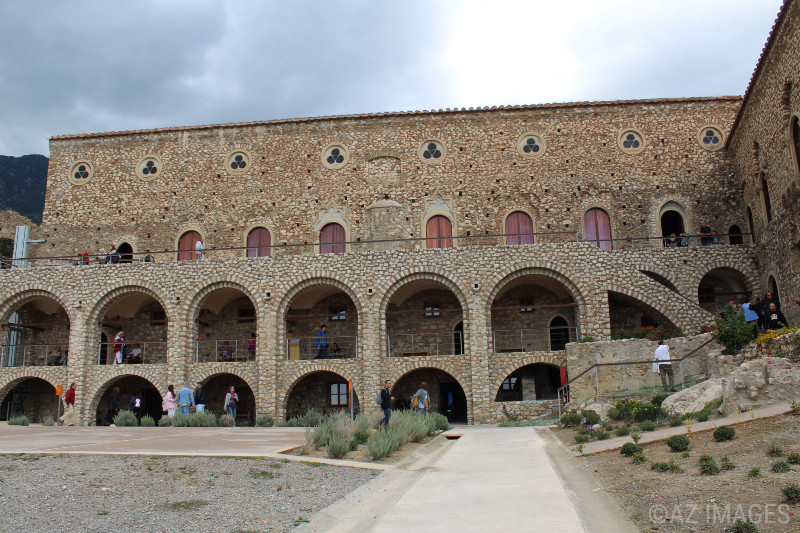
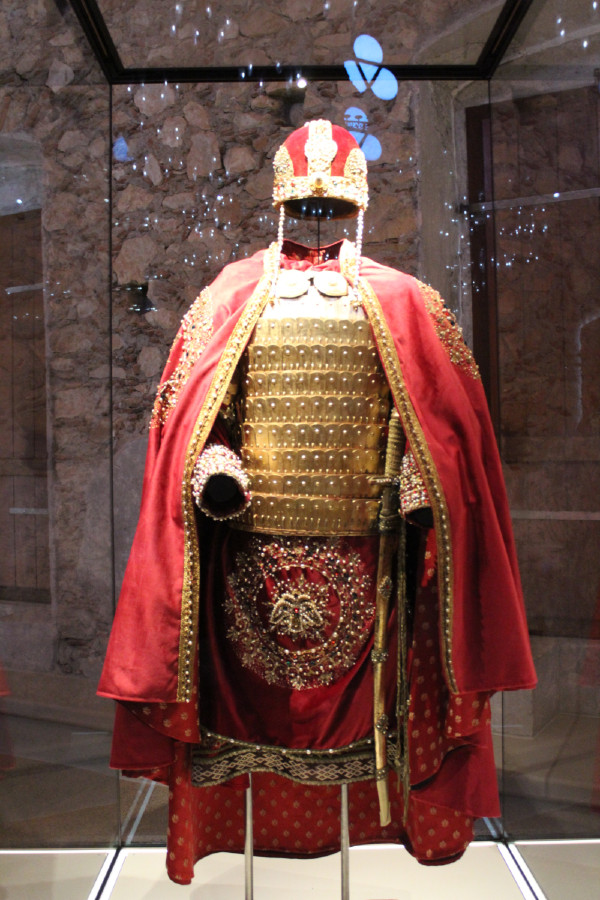
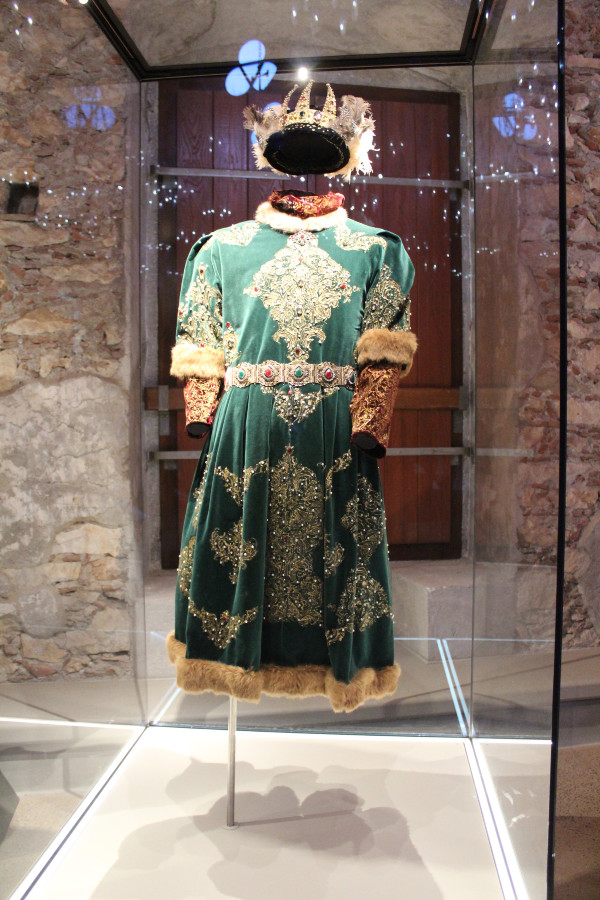
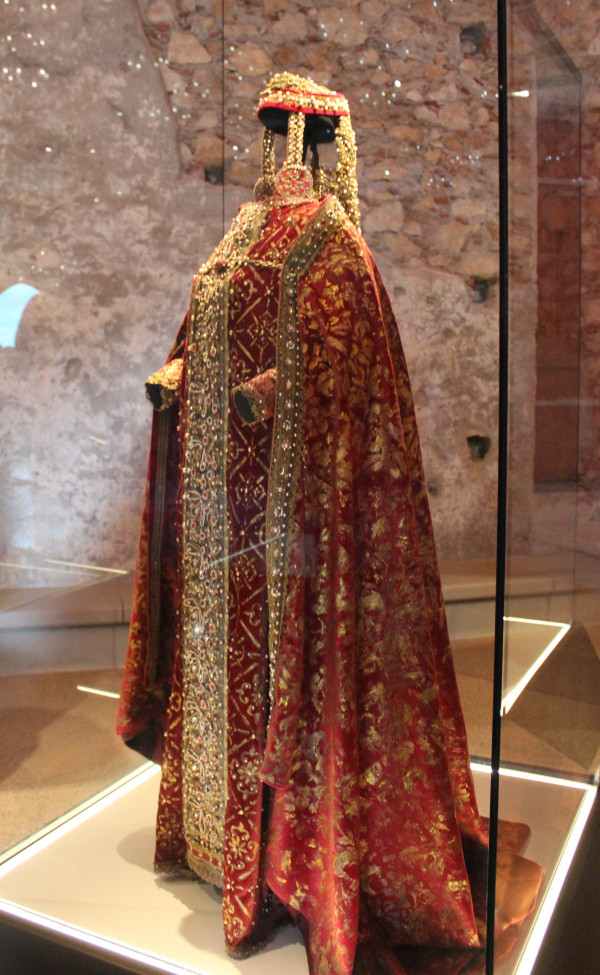
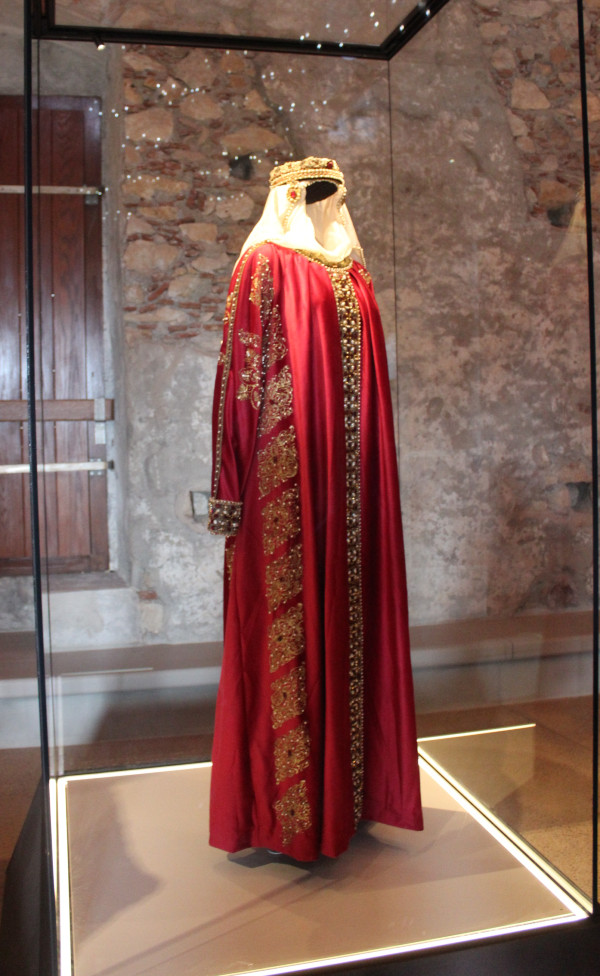
The museum at Mystras with the display of the Byzantine costumes.

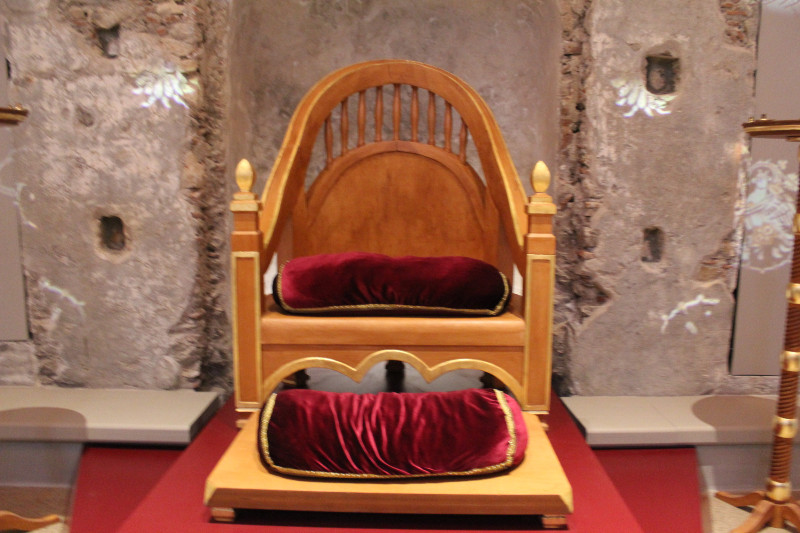
Reconstruction of a throne from the Byzantine period in Mystras.

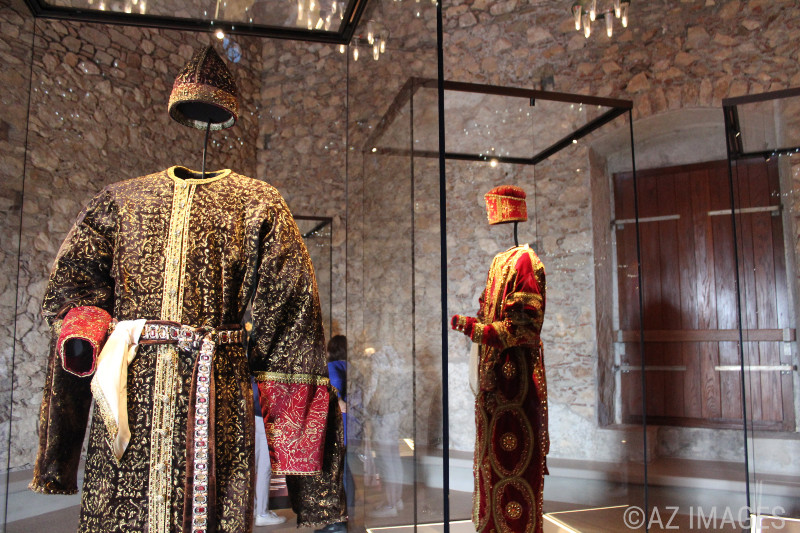
The recreation of Emperors Constantine XI Paleologos’ clothes

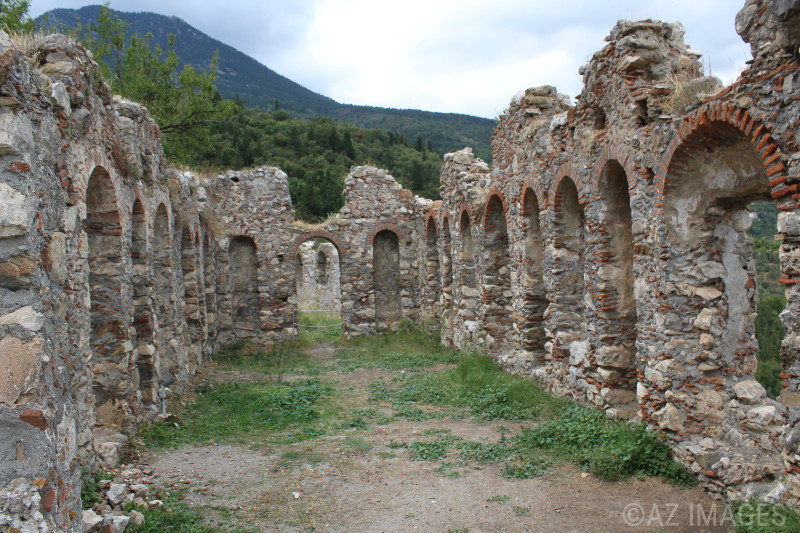
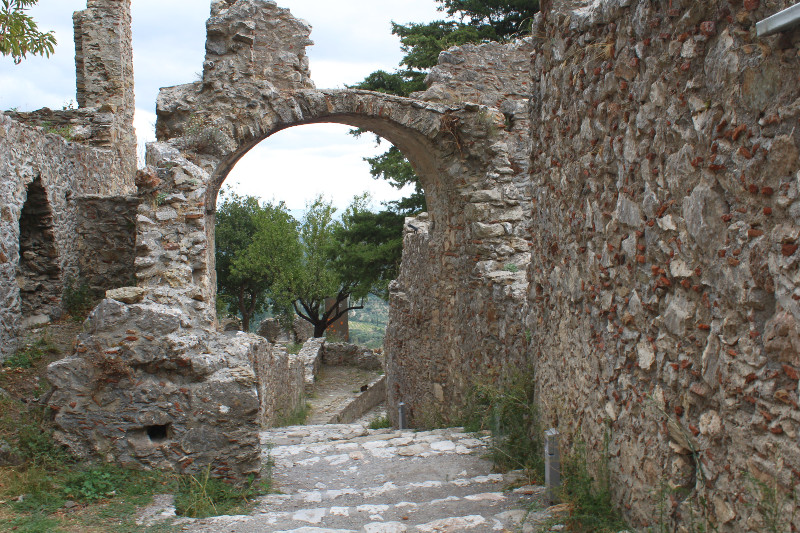
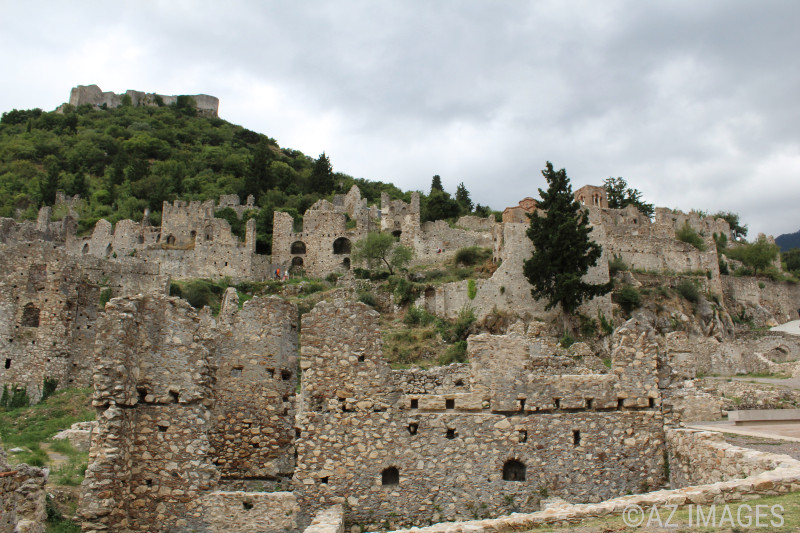
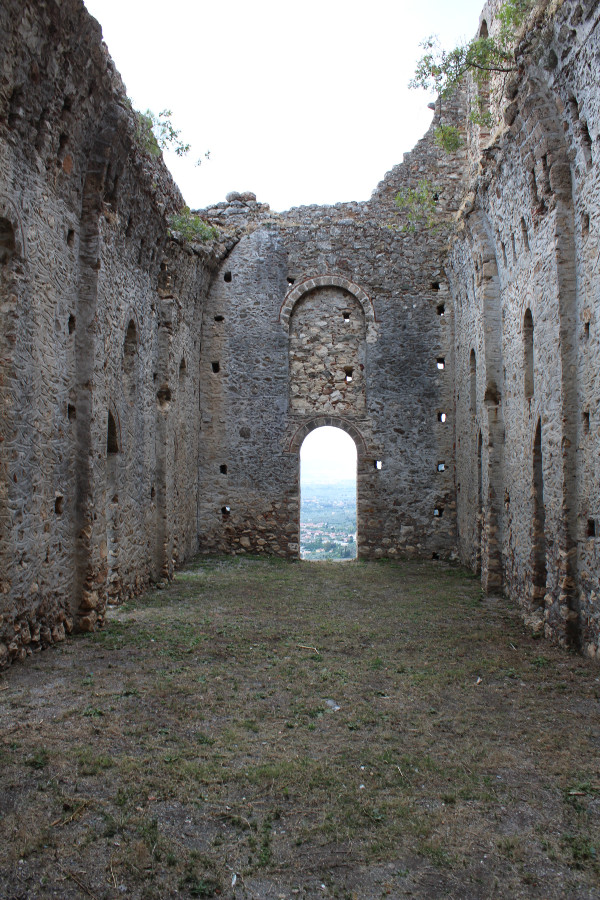
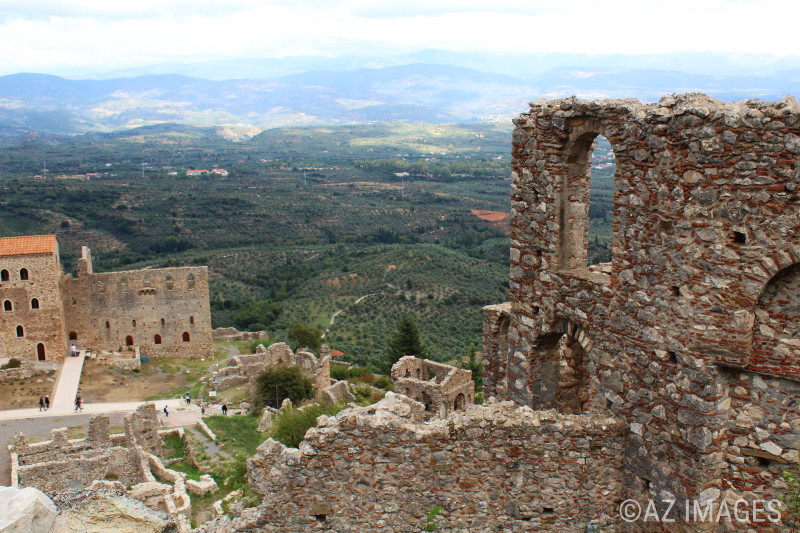
On a hilltop overlooking the city of Sparta the Frankish castle of Mystras was built. William II of Villehardouin, a Frankish ruler, founded the castle in 1249.

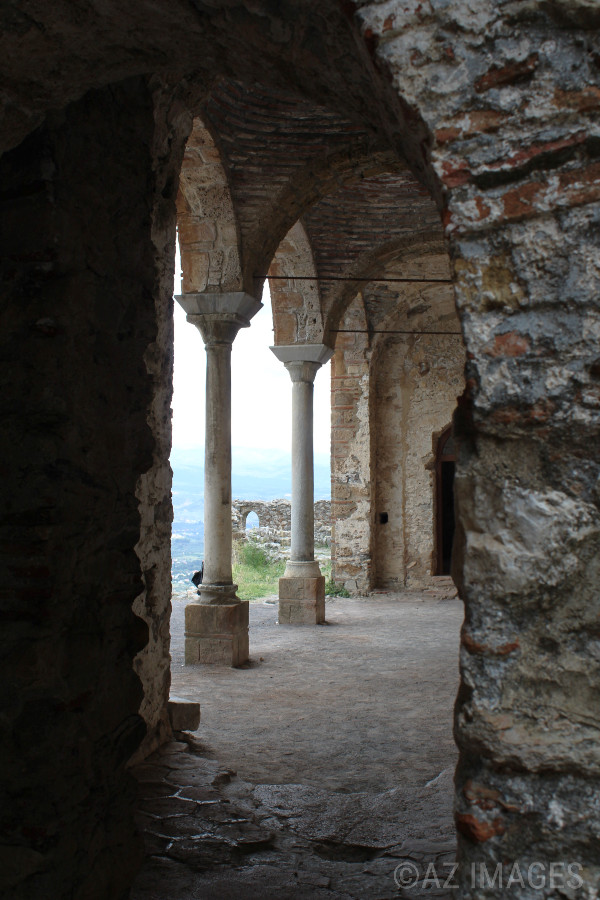
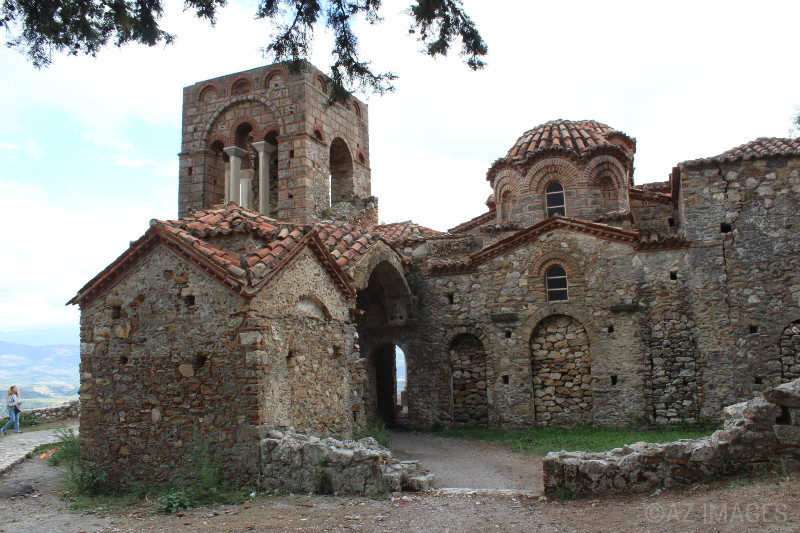
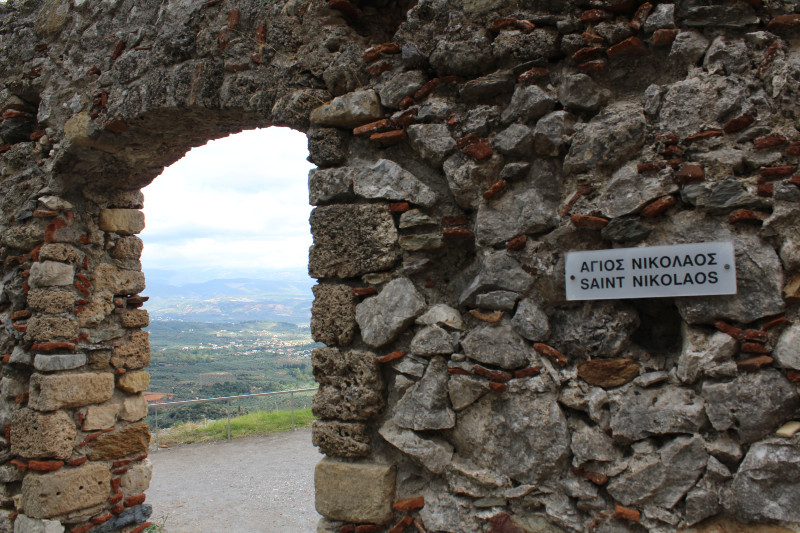
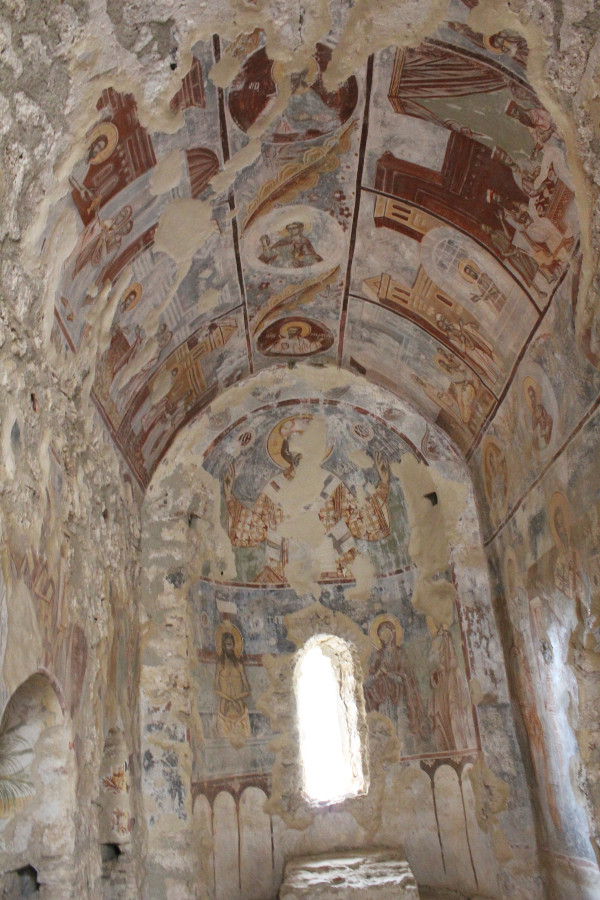
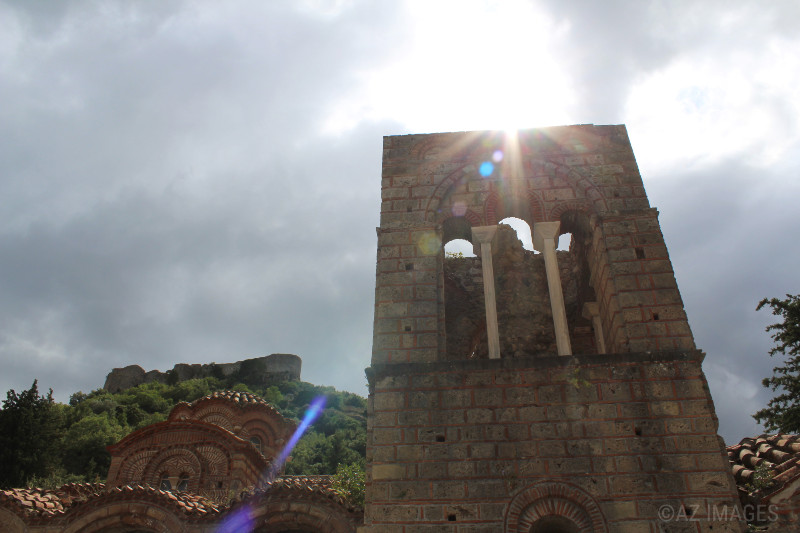
There are many churches and monasteries built on the hill of Mystras.

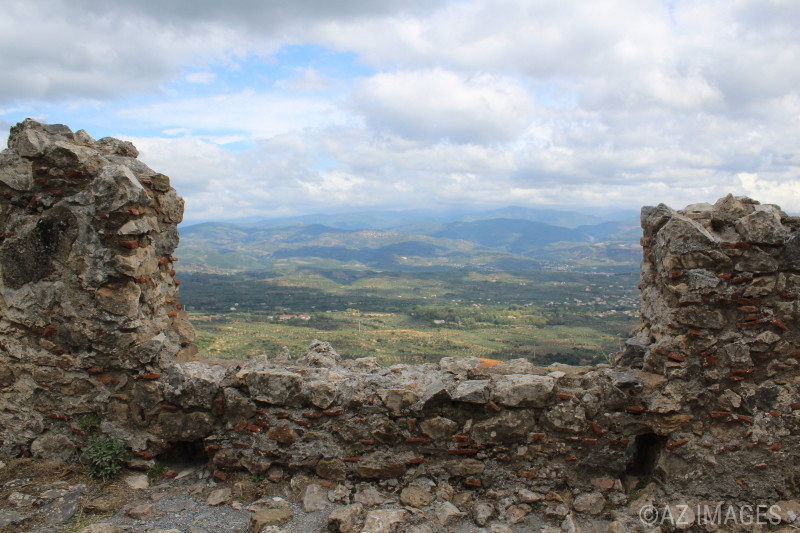
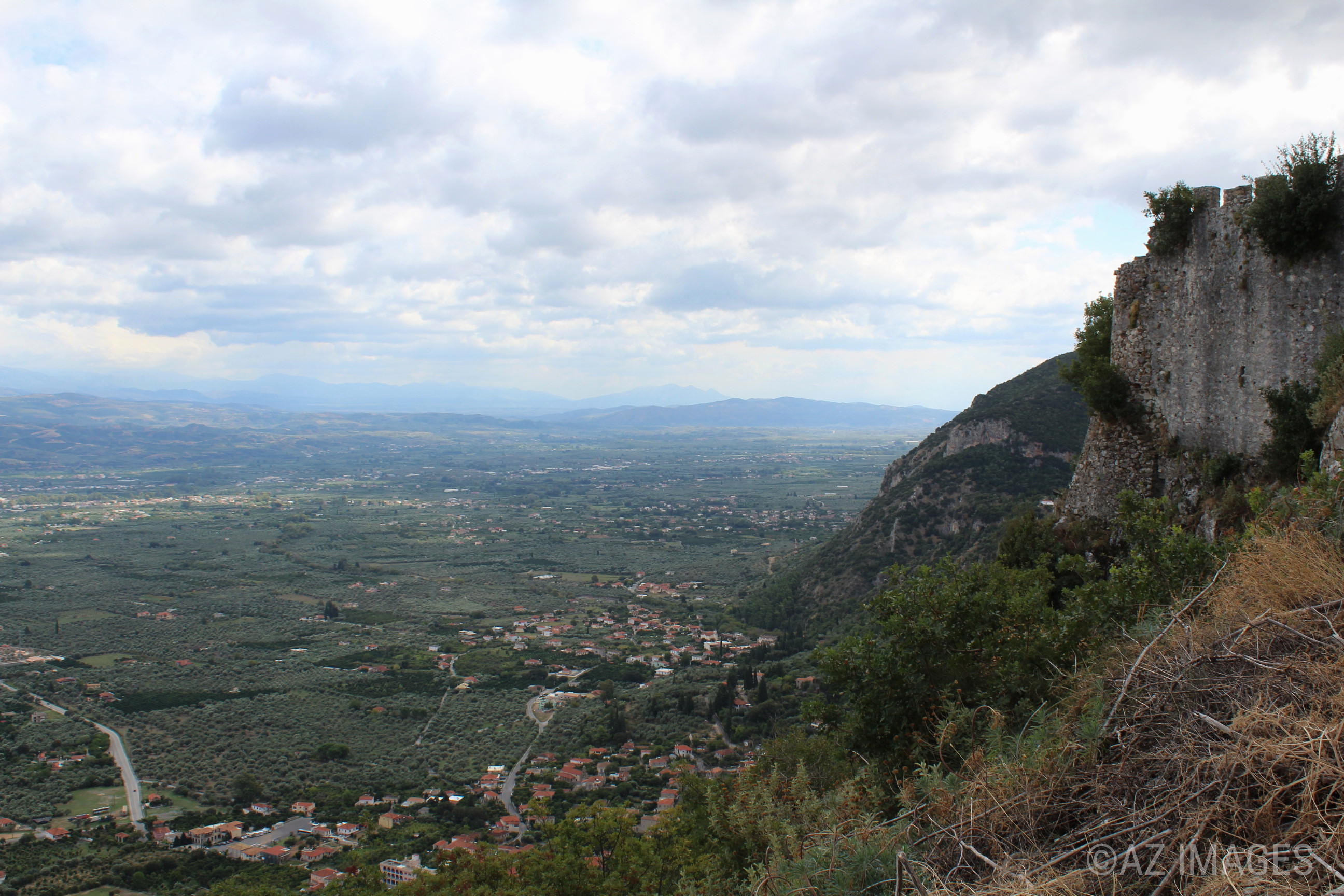
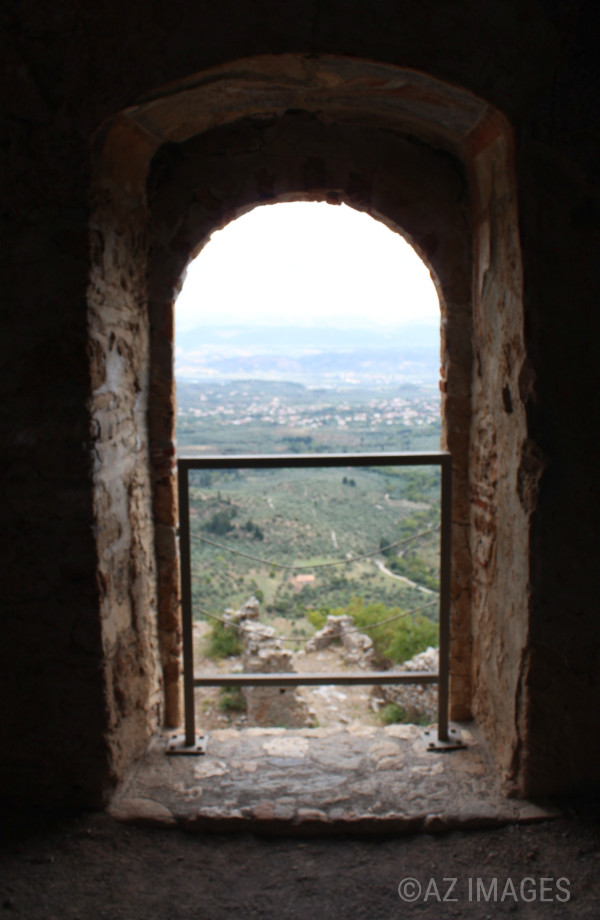
It was a great day for a hike up to the castle. It didn’t rain and it wasn’t hot. I wouldn’t visit the site in the summertime as it is a long hike up and then down with some difficult cobble stones beneath the feet. The view at the top is worth the effort though, as you can see all of Sparta in the distance.

The museum had an impressive display of recreated clothing from the period. The inspiration was from the artwork of that period.

Το φραγκικό κάστρο του Μυστρά χτίστηκε σε έναν λόφο με θέα την πόλη της Σπάρτης. Ιδρύθηκε το 1249 από τον Γουλιέλμο Β’ Βιλλεαρδουίνο, έναν Φράγκο ηγεμόνα.

Στον λόφο του Μυστρά υπάρχουν πολλές εκκλησίες και μοναστήρια. Ήταν μια υπέροχη μέρα για πεζοπορία μέχρι το κάστρο. Δεν έβρεχε και ο καιρός δεν ήταν ζεστός.

Δεν θα επισκεπτόμουν τον αρχαιολογικό χώρο το καλοκαίρι, καθώς η διαδρομή περιλαμβάνει μεγάλη ανάβαση και κατάβαση, με δύσκολα πλακόστρωτα μονοπάτια. Ωστόσο, η θέα από την κορυφή αξίζει τον κόπο, καθώς μπορεί κανείς να δει ολόκληρη τη Σπάρτη στο βάθος.

Το μουσείο διέθετε μια εντυπωσιακή έκθεση με αναπαραστάσεις ενδυμασιών της εποχής, οι οποίες είχαν δημιουργηθεί με βάση τα έργα τέχνης της περιόδου εκείνης.
Mystras-The Castle City pt1

Mystras is a Byzantine castle town in the south of the Peloponnese close to the town of Sparta. at the foot of Mt. Taygetos.

It was included in the list of UNESCO World Heritage Sites in 1989.

It is an an elevation of 1.020 ft. The hike to the top is worth it as it offers magnificent views of the municipality of Sparta.

The site has many churches from the 14th and 15th centuries when it was the capital of the Byzantine Despotate of Morea (Peloponnese).

Ο Μυστράς είναι μια βυζαντινή καστροπολιτεία στη νότια Πελοπόννησο, κοντά στην πόλη της Σπάρτης και στους πρόποδες του Ταϋγέτου.

Εντάχθηκε στον κατάλογο των Μνημείων Παγκόσμιας Κληρονομιάς της UNESCO το 1989.

Βρίσκεται σε υψόμετρο 310 μέτρων (1.020 ποδιών). Η ανάβαση στην κορυφή αξίζει τον κόπο, καθώς προσφέρει υπέροχη θέα προς τον Δήμο Σπάρτης.

Ο αρχαιολογικός χώρος διαθέτει πολλές εκκλησίες που χρονολογούνται από τον 14ο και τον 15ο αιώνα, την εποχή που η πόλη αποτελούσε την πρωτεύουσα του βυζαντινού Δεσποτάτου του Μορέως (Πελοποννήσου).

Neapolis Port/Το Λιμανι της Νεαπολης

Leaving the port of Neapoli

Docking at the island of…

Neapolis is a busy port located on the southern point of the Peloponnese, between Elafonisos and Cape Malea. The ancient town founded between 1050 B.C. and 950 B.C. There are many cafes that line the streets and clean beaches. From Neapoli there are ferry boats that will take you to Kythira, Atikythira and Elafonisos.

Η Νεάπολη είναι ένα πολυσύχναστο λιμάνι που βρίσκεται στο νότιο άκρο της Πελοποννήσου, ανάμεσα στην Ελαφόνησο και τον Κάβο Μαλιά. Η αρχαία πόλη ιδρύθηκε μεταξύ 1050 π.Χ. και 950 π.Χ. Υπάρχουν πολλά καφέ κατά μήκος των δρόμων και καθαρές παραλίες. Από τη Νεάπολη υπάρχουν ferry boats που θα σας μεταφέρουν στα Κύθηρα, την Ατικύθηρα και την Ελαφόνησο.

Lake Doxa/Η Λίμνη Δόξα Pt1

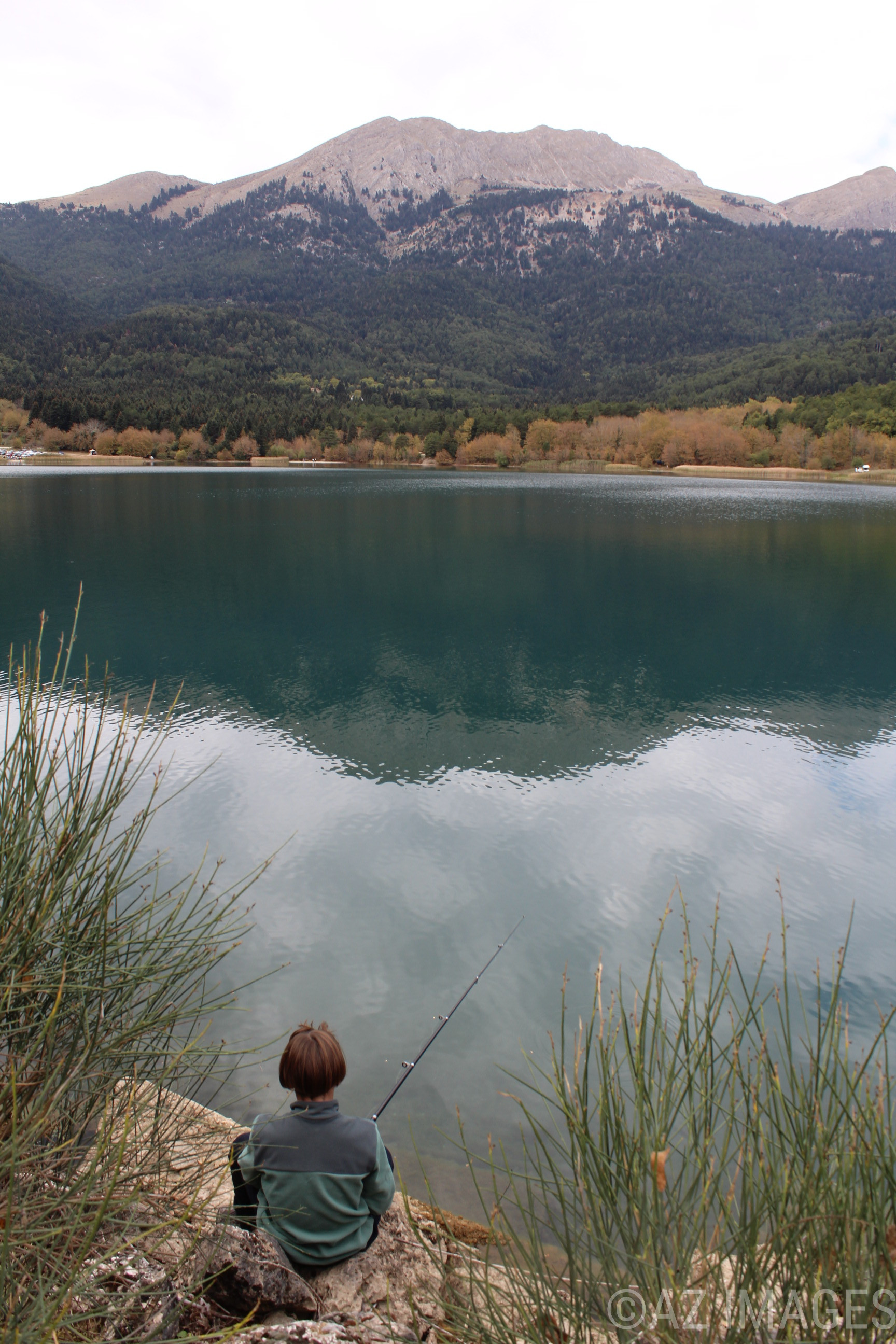
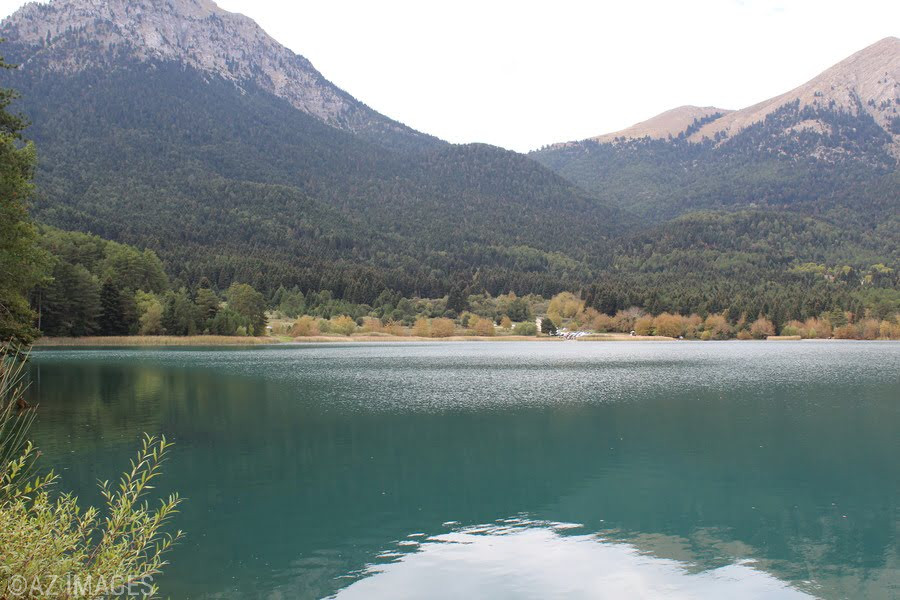
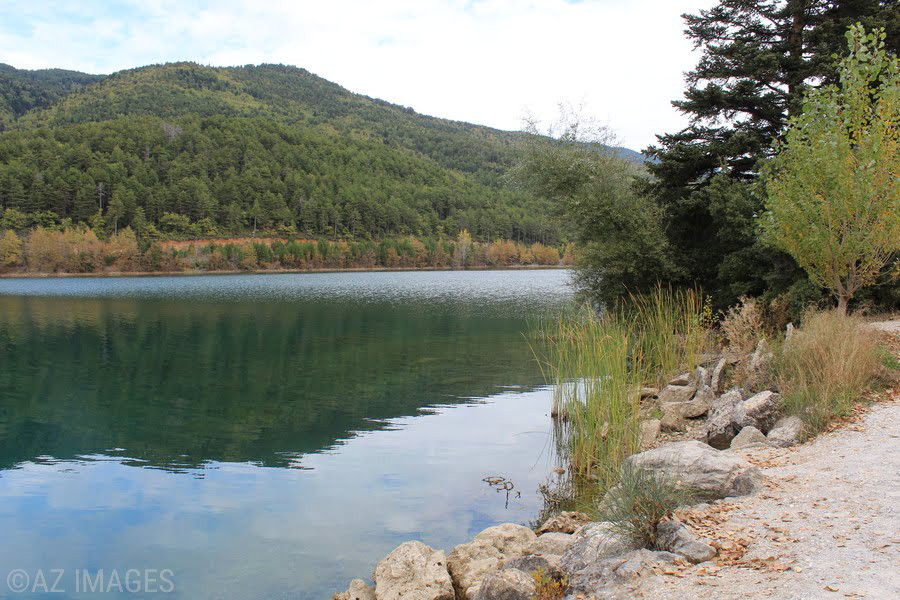
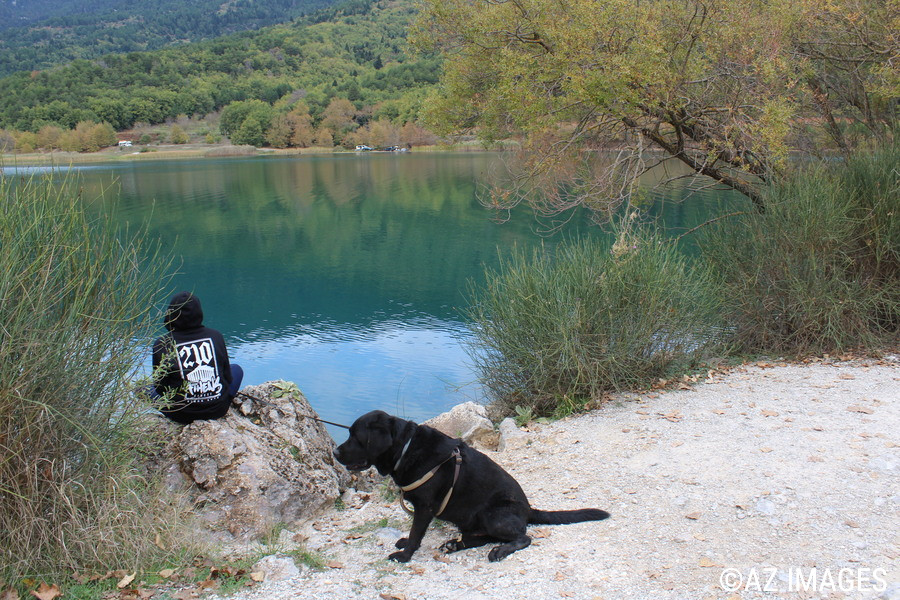
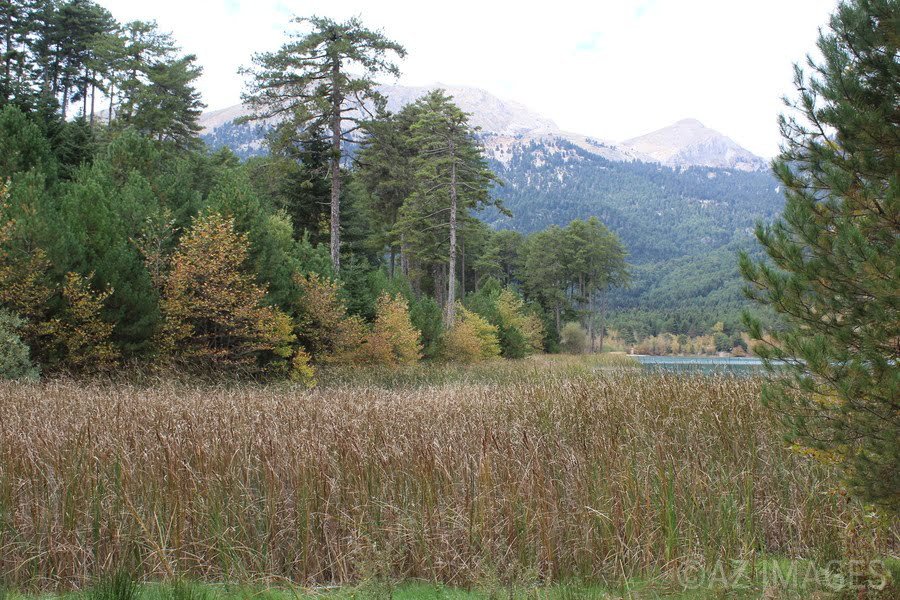
Lake Doxa is a stunning and breathtaking artificial lake in the area of Feneos, Corinth. It is about two hours away from Athens and is at an elevation of 900m.

The construction of the lake was completed in the 1990’s with the creation of a 225-meter-long dam in the bed of the Doxa stream, which was intended to cover the irrigation needs of the Feneos valley. Until then, the waters of the stream merged with the waters of the Olvios river and very often flooded the basin of the Feneos plain, destroying the crops of the producers.

Η λίμνη Δόξα είναι μια εκπληκτική και συναρπαστική τεχνητή λίμνη στην περιοχή του Φενεού Κορινθίας. Απέχει περίπου δύο ώρες από την Αθήνα και βρίσκεται σε υψόμετρο 900μ.

Η κατασκευή της λίμνης ολοκληρώθηκε τη δεκαετία του 1990 με τη δημιουργία φράγματος μήκους 225 μέτρων στην κοίτη του ρέματος Δόξας, που προοριζόταν να καλύψει τις αρδευτικές ανάγκες της κοιλάδας του Φενεού. Μέχρι τότε τα νερά του ρέματος ενώθηκαν με τα νερά του ποταμού Όλβιου και πολύ συχνά πλημμύριζαν τη λεκάνη της πεδιάδας του Φενεού, καταστρέφοντας τις καλλιέργειες των παραγωγών.

Ναός της Ζωοδόχου Πηγής/Church of the ‘Life giving fountain’

The church of ‘Zoodóchou Pigís’ or ‘Life giving fountain’ in English is built over a cave. It is located in Kefalari, Argolis in the Peloponnese.

It has a long and fascinating history. It was built in 1634 A.D close to where the icon of the Virgin Mary was found. However, in May 18, 1918 the church was destroyed when ammunition stored in military depots nearby exploded. The explosion was so powerful that 45 people lost their lives. The church that we see today was completed in 1928.

During the Nazi occupation of Greece the Nazis wanted to use the church to build an anti-aircraft artillery on the roof of the church. However, after the intervention of the priest Constantinos Papadimitriou to the German commander Dassinger, the construction of the artillery was prevented.

The cave was even used as a secret school to educate Greek children during the Ottoman empire.

Η εκκλησία της Ζωοδόχου Πηγής είναι χτισμένη πάνω από μια σπηλιά. Βρίσκεται στο Κεφαλάρι Αργολίδας στην Πελοπόννησο.

Έχει μια μακρά και συναρπαστική ιστορία. Χτίστηκε το 1634 μ.Χ. κοντά στο σημείο που βρέθηκε η εικόνα της Παναγίας. Ωστόσο, στις 18 Μαΐου 1918 η εκκλησία καταστράφηκε όταν πυρομαχικά που ήταν αποθηκευμένα σε στρατιωτικές αποθήκες κοντά εξερράγησαν. Η έκρηξη ήταν τόσο ισχυρή που 45 άνθρωποι έχασαν τη ζωή τους. Η εκκλησία που βλέπουμε σήμερα ολοκληρώθηκε το 1928.

Κατά τη διάρκεια της ναζιστικής κατοχής στην Ελλάδα οι Ναζί ήθελαν να χρησιμοποιήσουν την εκκλησία για να κατασκευάσουν ένα αντιαεροπορικό πυροβολικό στην οροφή της εκκλησίας. Ωστόσο, μετά από παρέμβαση του ιερέα Κωνσταντίνου Παπαδημητρίου στον Γερμανό διοικητή Ντασίντζερ, η κατασκευή του πυροβολικού αποτράπηκε.

Το σπήλαιο χρησιμοποιήθηκε ως κρυφό σχολειό για την εκπαίδευση των Ελλήνων κατά την Οθωμανική αυτοκρατορία.

Old Town of Nafplio

The town is architecturally influenced by the Franks, Venetians and Turks. On the right is a Mosque.

Nafplio is a sea side city on the coast of the Peloponnese, it is the capital of Argolis. It is was modern Greece’s first capital from 1823 and 1834. The Venetians called it ‘the Naples of the East’.

It is beautiful and romantic. There is the old town and the newer town right next to it. It is surrounded by fortresses. From Bourtzi to Palamidi fortress with its 999 steps. This is where the famous hero of the Greek Revolution Theodore Kolokotronis had been imprisoned.

There are neoclassical buildings and Venetian style buildings with pretty side streets and creatively decorated shops. There are museums such as the Archaeological Museum with important artifacts from the Prehistoric and Mycenaean Era.

Το Ναύπλιο είναι παραθαλάσσια πόλη στην ακτή της Πελοποννήσου, είναι η πρωτεύουσα της Αργολίδας. Ήταν η πρώτη πρωτεύουσα της σύγχρονης Ελλάδας από το 1823 και το 1834. Οι Ενετοί την αποκαλούσαν «Νάπολη της Ανατολής».

Είναι όμορφο και ρομαντικό. Υπάρχει η παλιά πόλη και η νεότερη πόλη ακριβώς δίπλα της. Περιβάλλεται από φρούρια. Από το Μπούρτζι στο Παλαμήδι με τα 999 σκαλοπάτια. Εδώ είχε φυλακιστεί ο διάσημος ήρωας της Ελληνικής Επανάστασης Θεόδωρος Κολοκοτρώνης.

Υπάρχουν νεοκλασικά κτίρια και κτίρια βενετσιάνικου στυλ με όμορφους παράδρομους και δημιουργικά διακοσμημένα καταστήματα. Υπάρχουν μουσεία όπως το Αρχαιολογικό Μουσείο με σημαντικά ευρήματα από την Προϊστορική και Μυκηναϊκή Εποχή.

Bourtzi Fortress Pt1

The beautiful town of Nafplio has many hidden gems, one which is the fortress on the tiny islet called St. Theodoroi. The ‘Bourtzi fortress’, its Turkish name still used to this day, was called “Castello dello soglio”first as it was a Venetian castle, and was built by Antonio Gambello, an architect from Bergamo in Northern Italy, in 1471. But, the construction was completed by the engineer Brancaleone.

The town of Nafplio is a fortress town. It was built this way to protect itself from pirates.

The castle/fortress had many uses ranging from a tower, to a prison where executions took place, and a hotel after it was restored in the 1930’s.

For years it was off limits to visitors and it re-opened this past August after restorations were made.

The short boat ride costs five euros and the entrance fee at the castle is five euros.

Η όμορφη πόλη του Ναυπλίου έχει πολλά κρυμμένους θησαυρούς, ένα από αυτά είναι το φρούριο στο μικροσκοπικό νησάκι που ονομάζεται Άγιοι Θεόδωροι. Το «φρούριο Μπούρτζι», που το τουρκικό του όνομα χρησιμοποιείται ακόμα μέχρι σήμερα, ονομαζόταν «Castello dello soglio» αρχικά καθώς ήταν ένα ενετικό κάστρο και χτίστηκε από τον Antonio Gambello, έναν αρχιτέκτονα από το Μπέργκαμο της Βόρειας Ιταλίας, το 1471. η κατασκευή ολοκληρώθηκε από τον μηχανικό Brancaleone.

Η πόλη του Ναυπλίου είναι μια πόλη-φρούριο. Χτίστηκε με αυτόν τον τρόπο για να προστατεύεται από τους πειρατές.

Το κάστρο/φρούριο είχε πολλές χρήσεις που κυμαίνονταν από έναν πύργο, μια φυλακή όπου γίνονταν εκτελέσεις και ένα ξενοδοχείο μετά την αναπαλαίωσή του τη δεκαετία του 1930.

Για χρόνια ήταν εκτός ορίων για τους επισκέπτες και άνοιξε ξανά τον περασμένο Αύγουστο μετά τις ανακαινίσεις που έγιναν.

Η σύντομη βόλτα με το σκάφος κοστίζει πέντε ευρώ και η είσοδος στο κάστρο είναι πέντε ευρώ.

God’s Promise/Η Υποσχεση του Θεου

After the floods God promises Noah and his family that..

“never again will all life be destroyed by the waters of a flood; never again will there be a flood to destroy the earth.”

The rainbow was his visible promise.

“I have told you these things, so that in me you may have peace. In this world you will have trouble. But take heart! I have overcome the world.” John 16:33

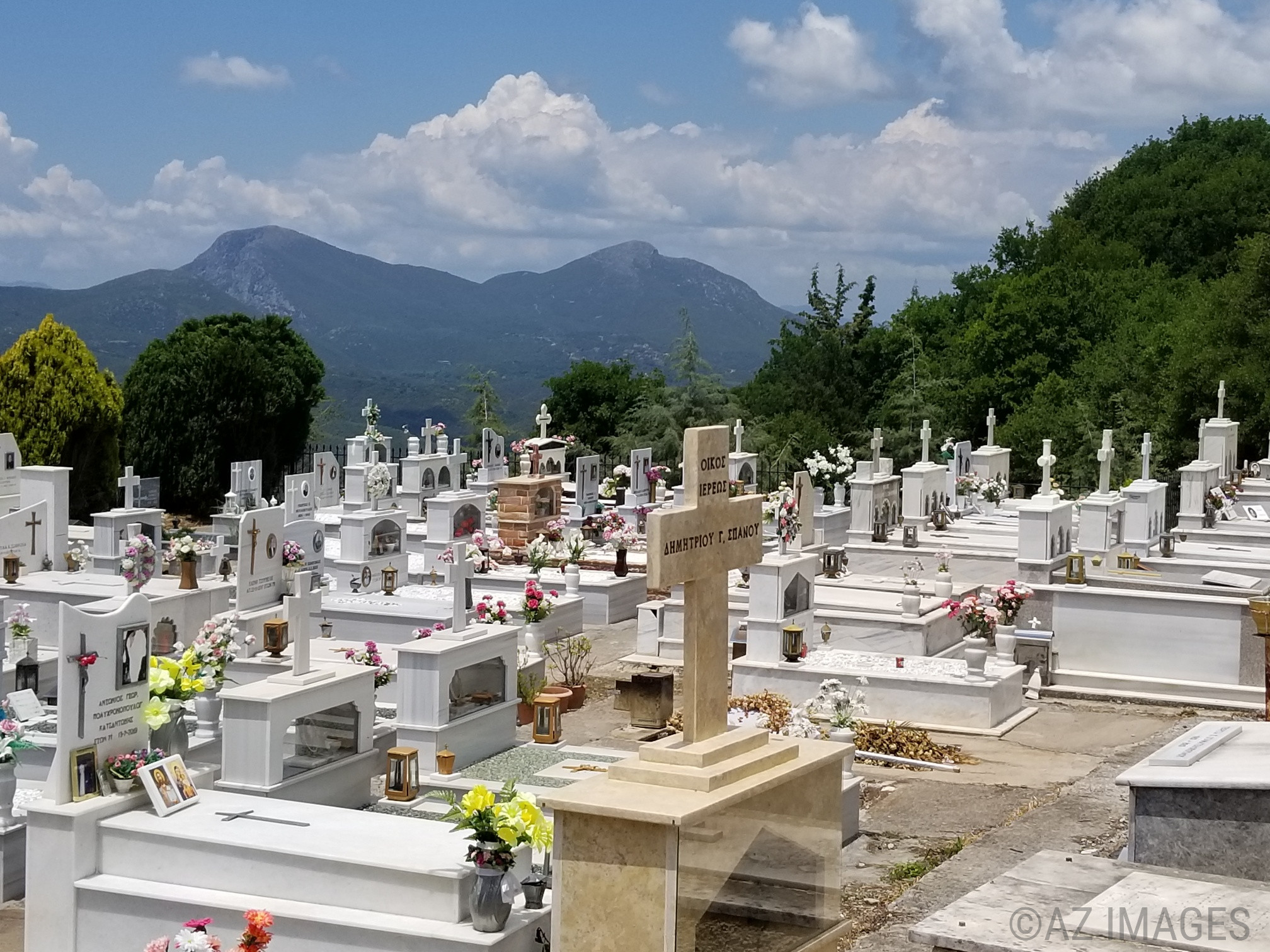
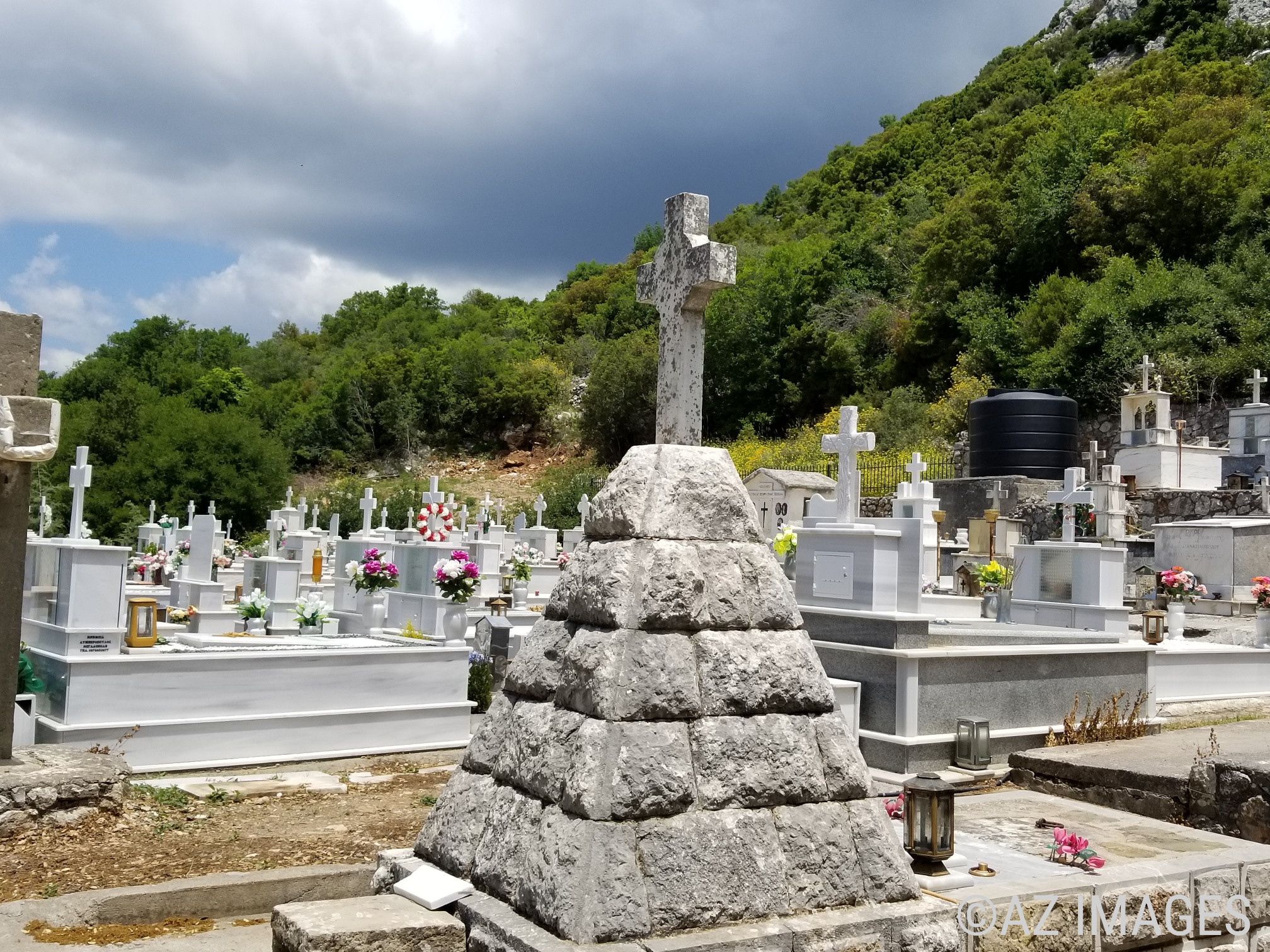
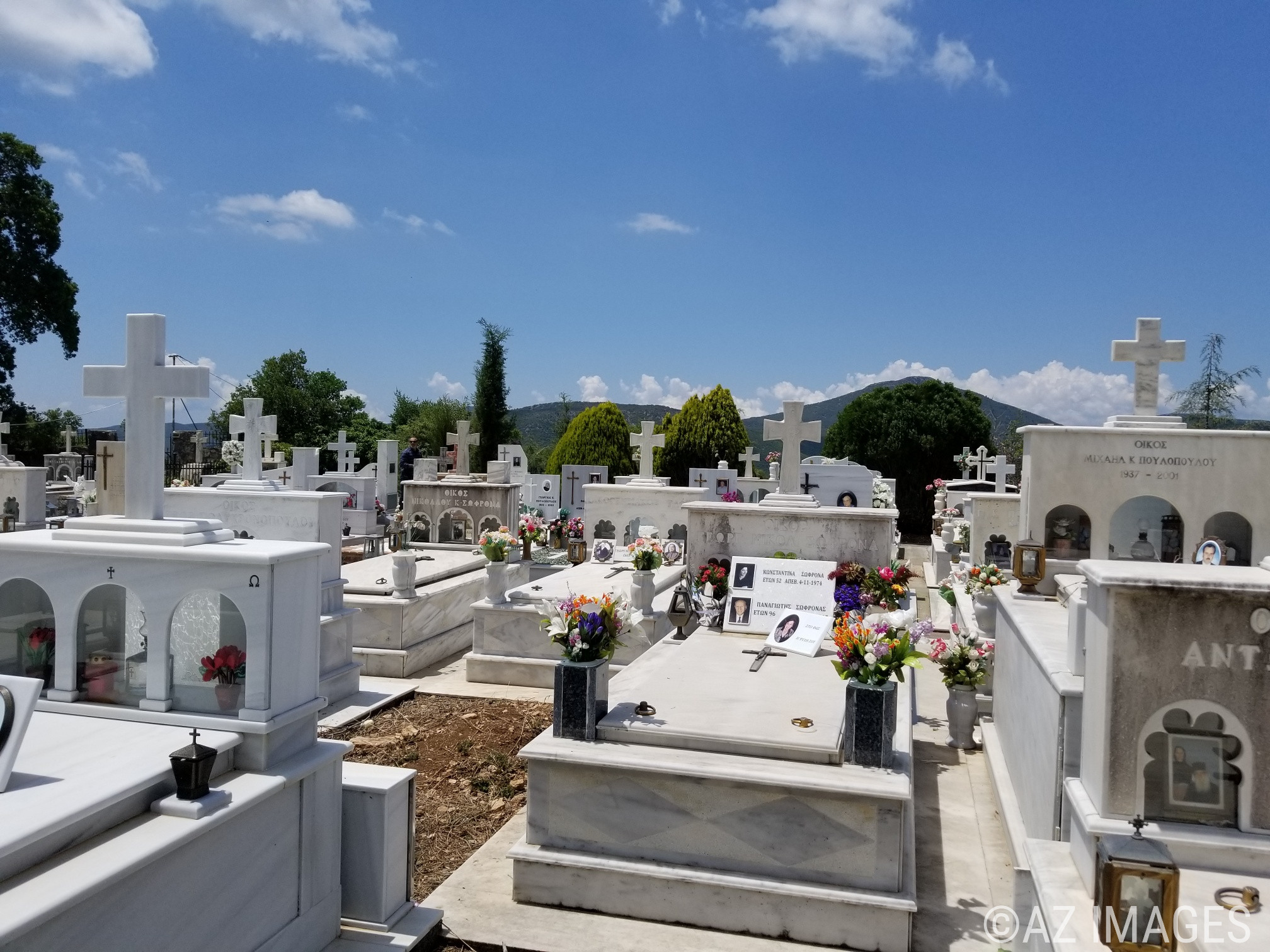
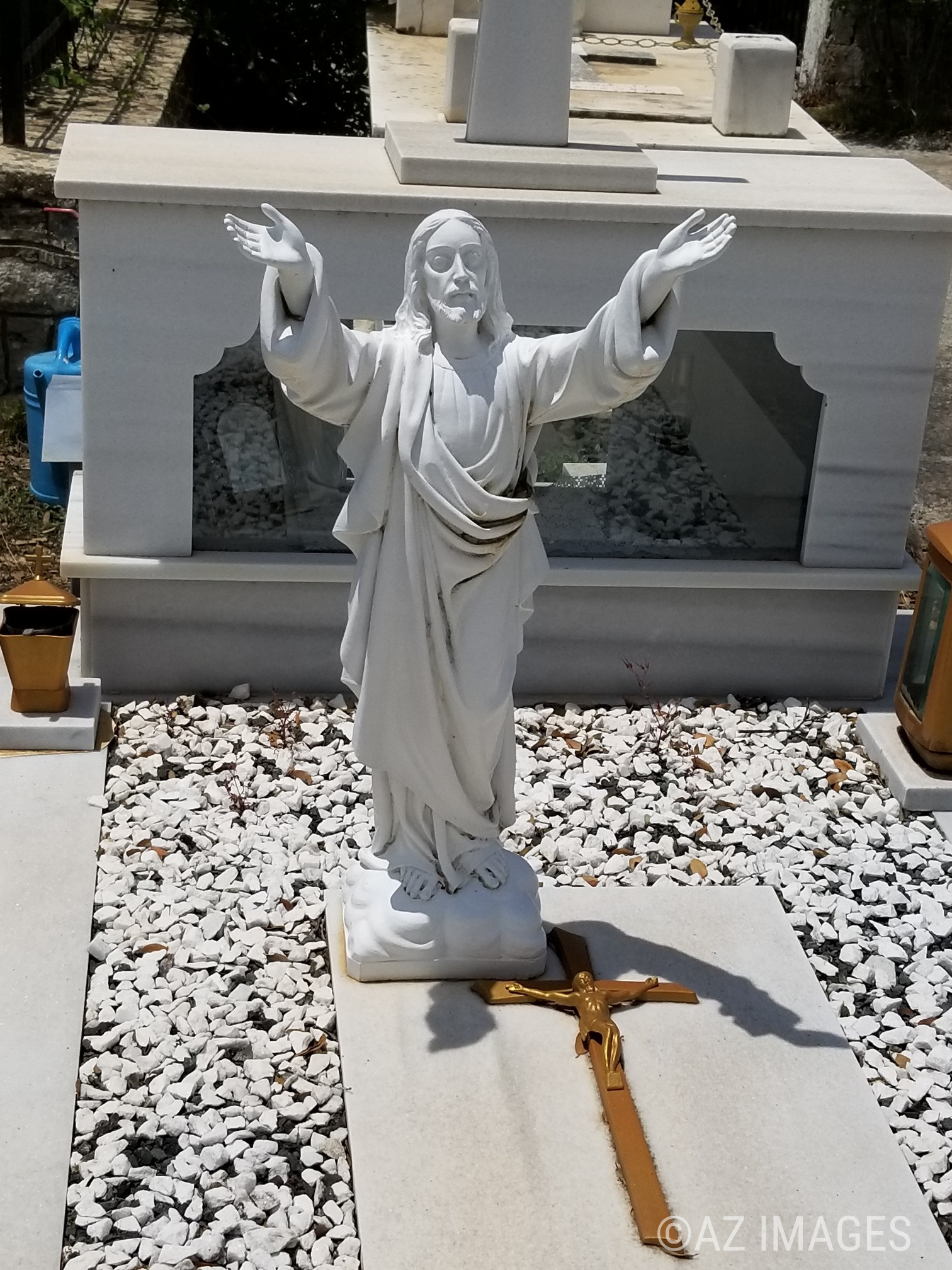
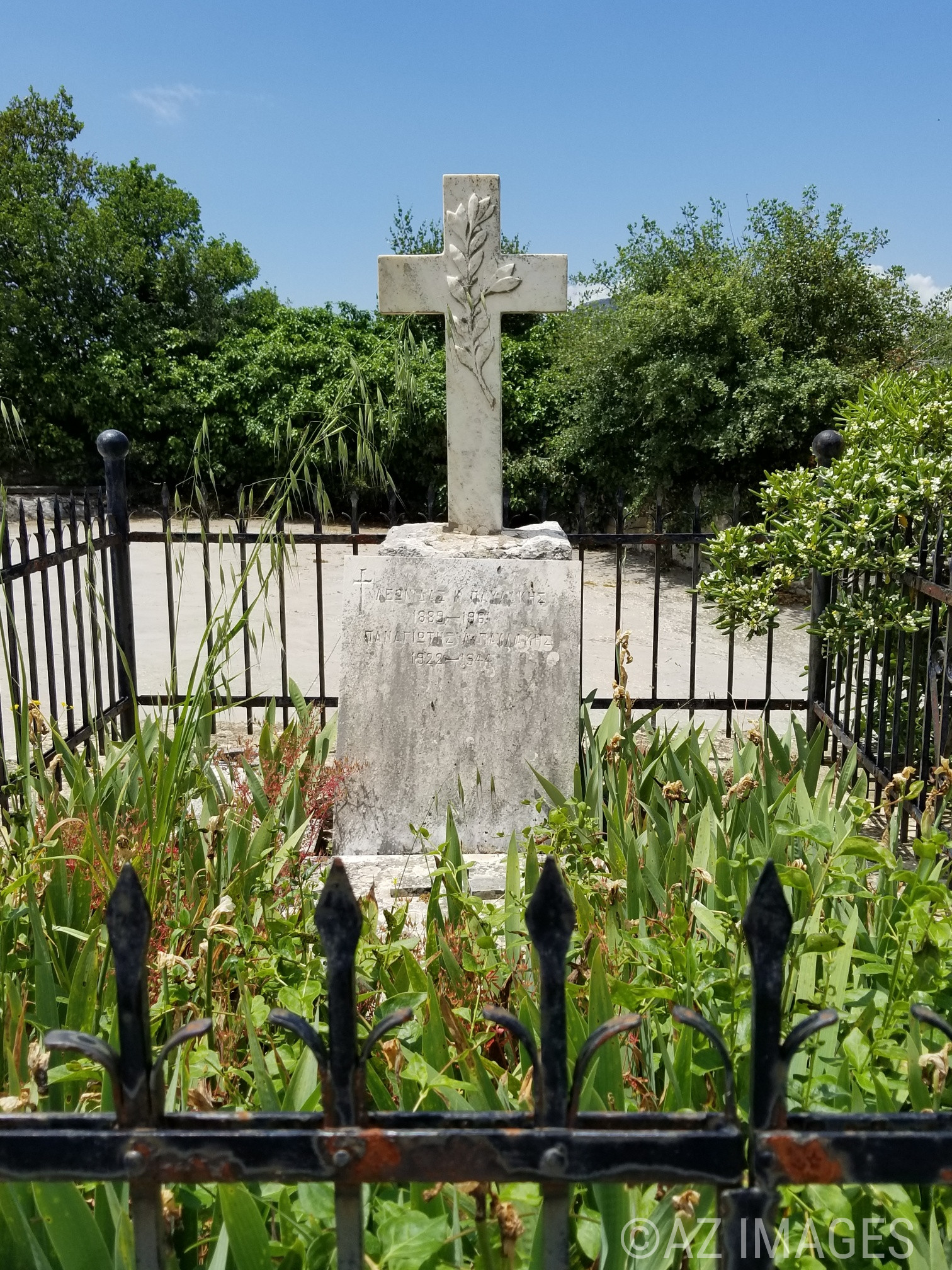
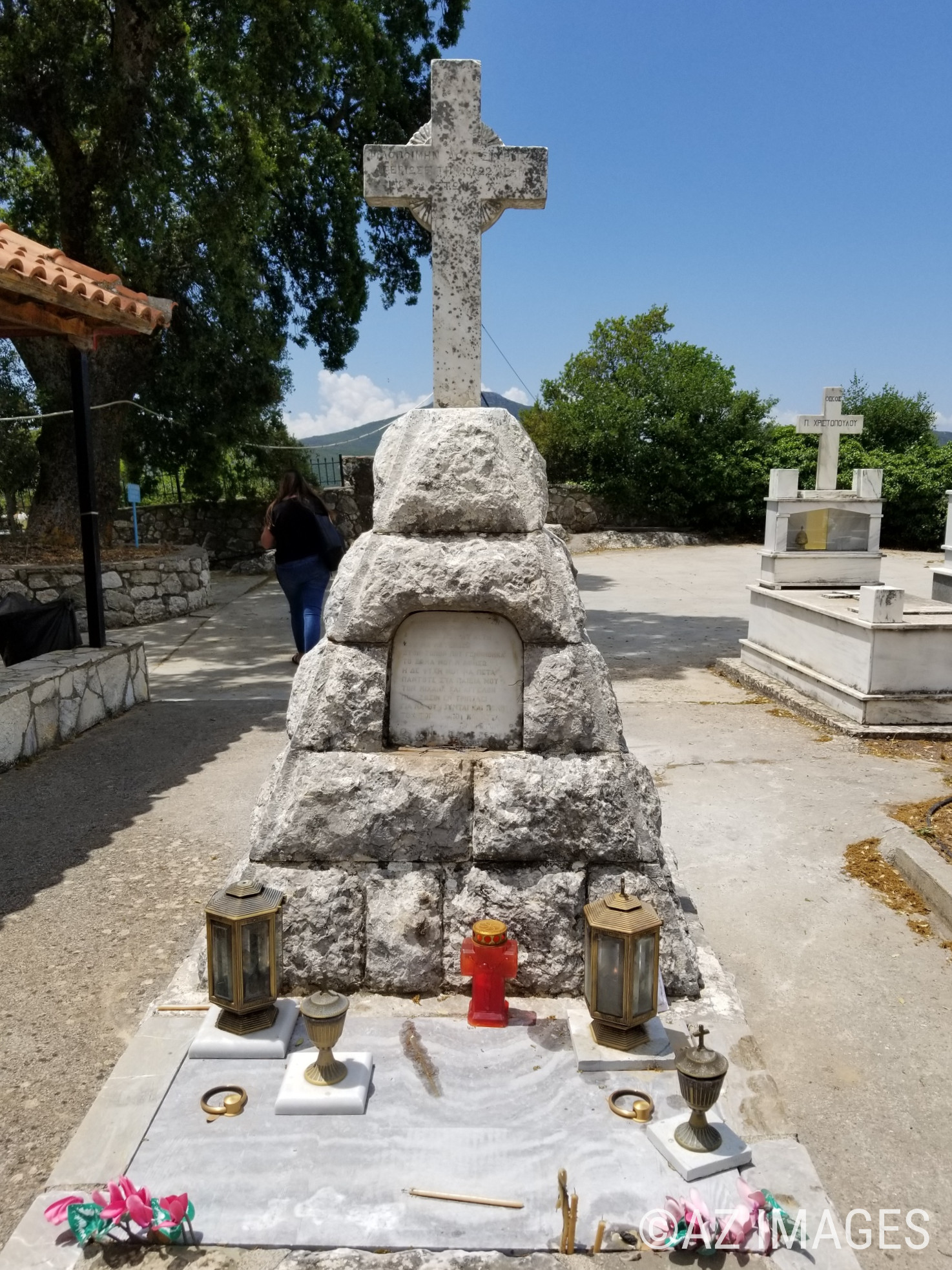
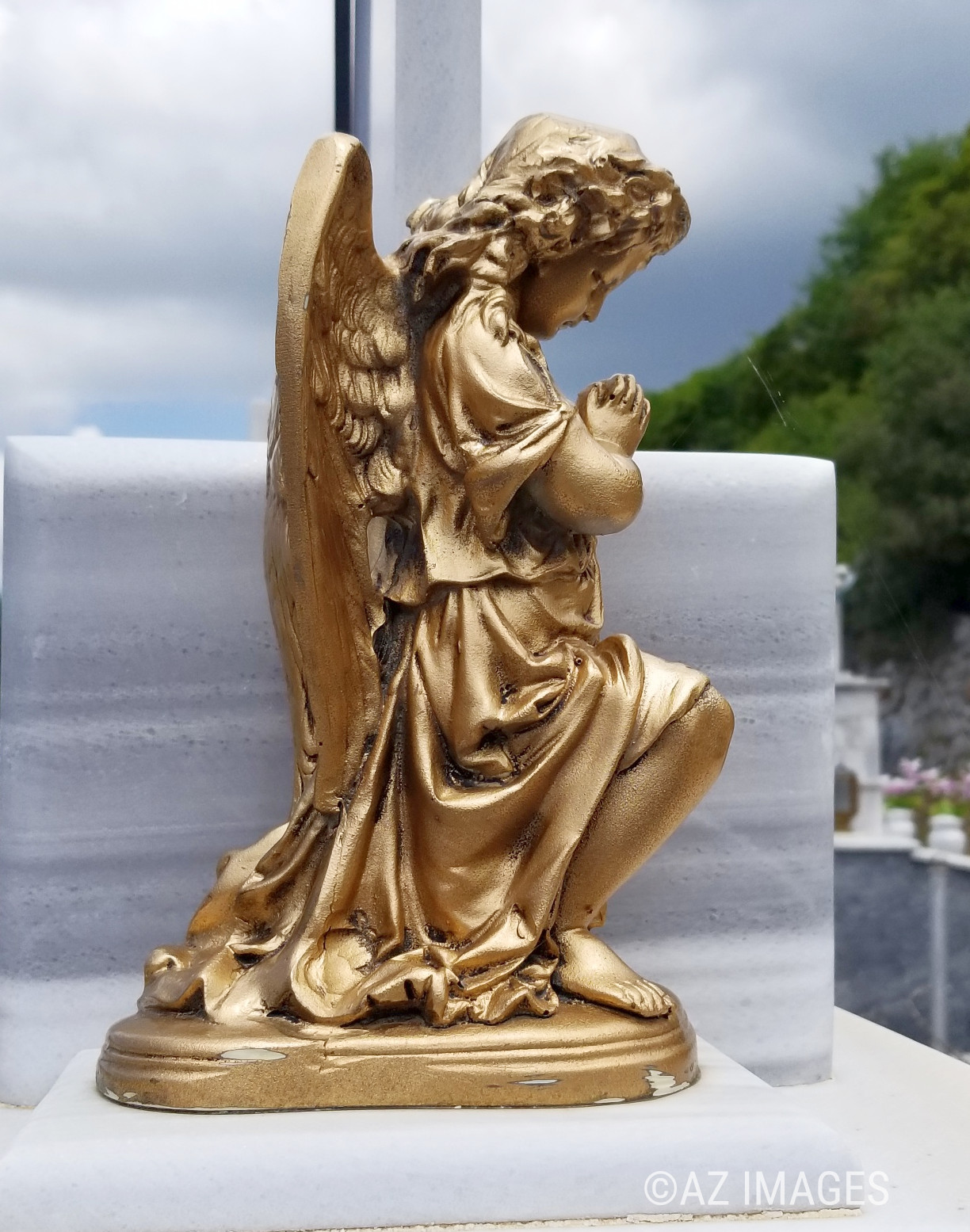
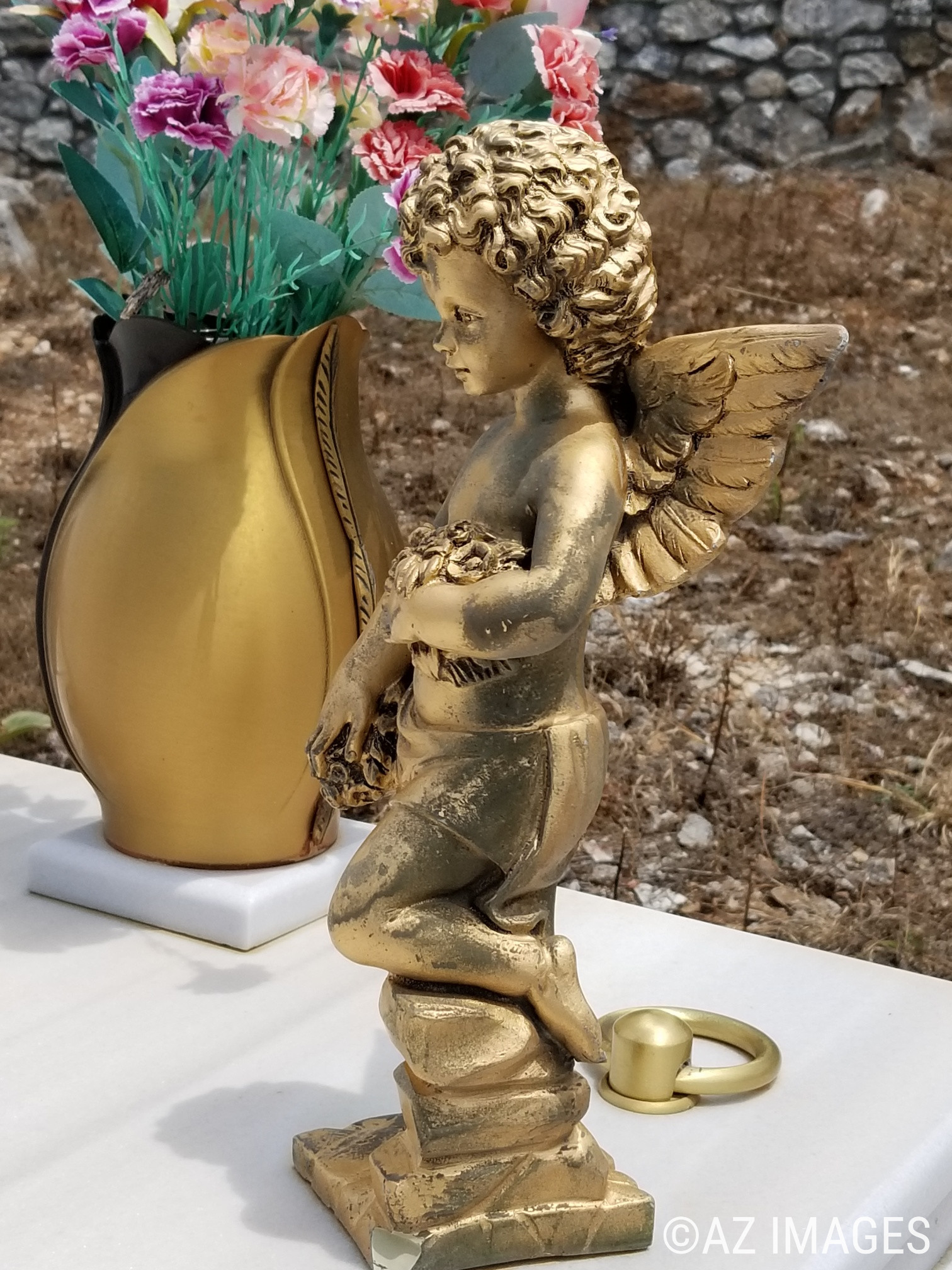
Village Cemetery

‘Don’t die old, die empty. That’s the goal of life. Go to the cemetery and disappoint the graveyard.‘-Myles Munroe

“Where is the graveyard of dead gods? What lingering mourner waters their mounds? There was a time when Jupiter was the king of the gods, and any man who doubted his puissance was ipso facto a barbarian and an ignoramus. But where in all the world is there a man who worships Jupiter today? And who of Huitzilopochtli? In one year – and it is no more than five hundred years ago – 50,000 youths and maidens were slain in sacrifice to him. Today, if he is remembered at all, it is only by some vagrant savage in the depths of the Mexican forest. Huitzilopochtli, like many other gods, had no human father; his mother was a virtuous widow; he was born of an apparently innocent flirtation that she carried out with the sun.…

…They were gods of the highest standing and dignity-gods of civilized peoples-worshiped and believed in by millions. All were omnipotent, omniscient and immortal.“

H.L. Mencken, A Mencken Chrestomathy