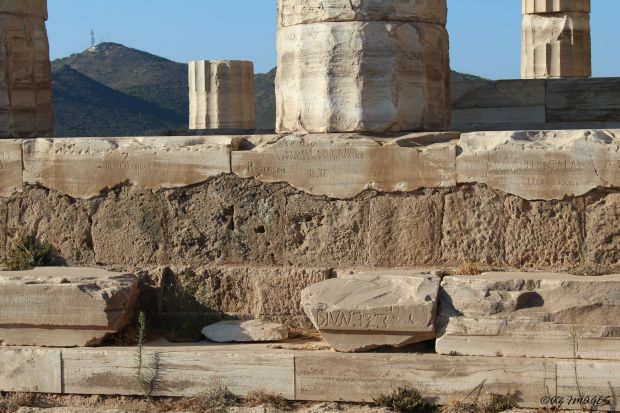
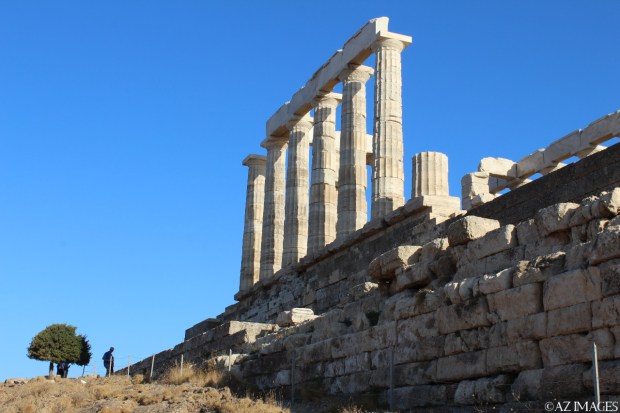
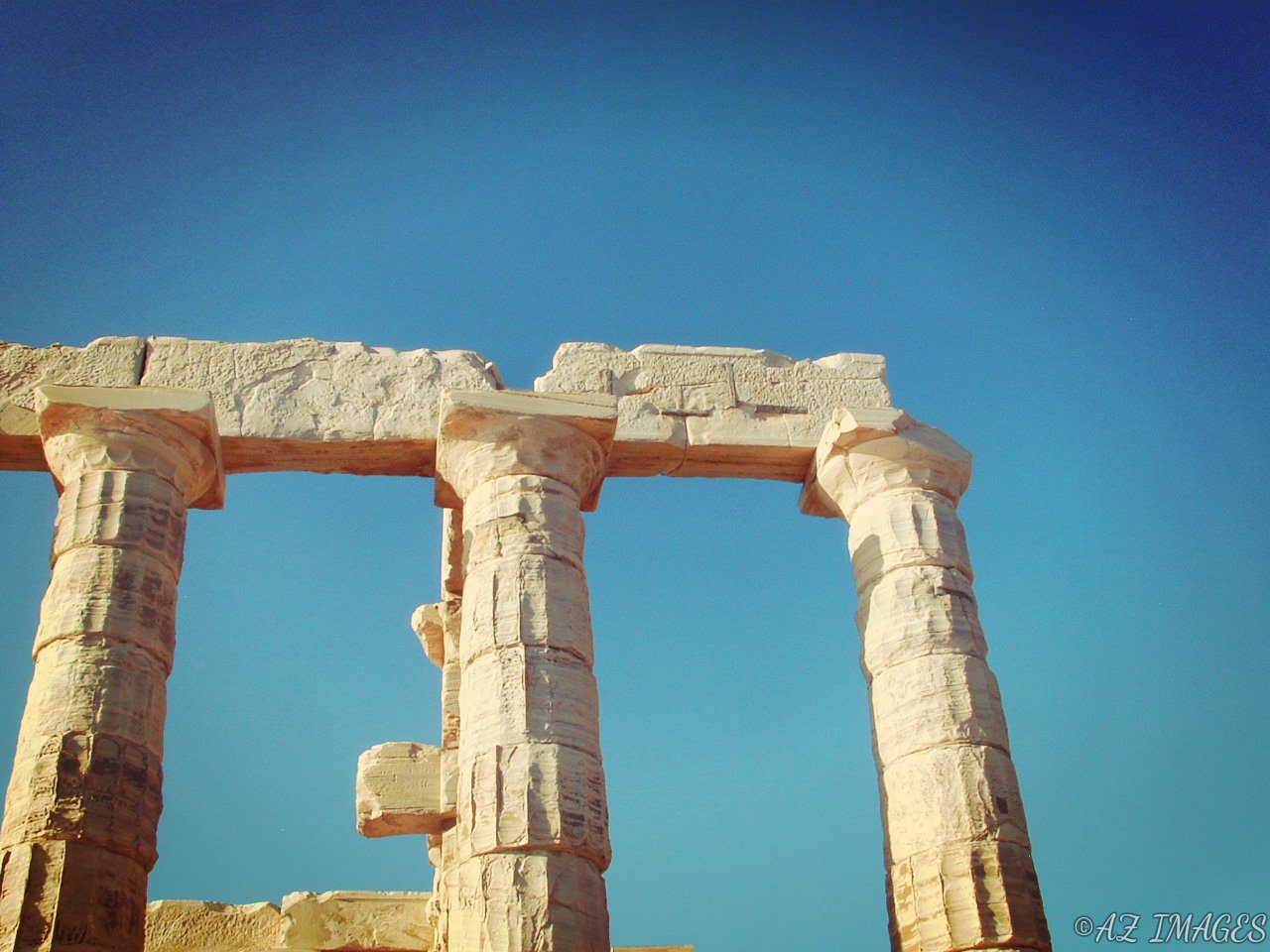
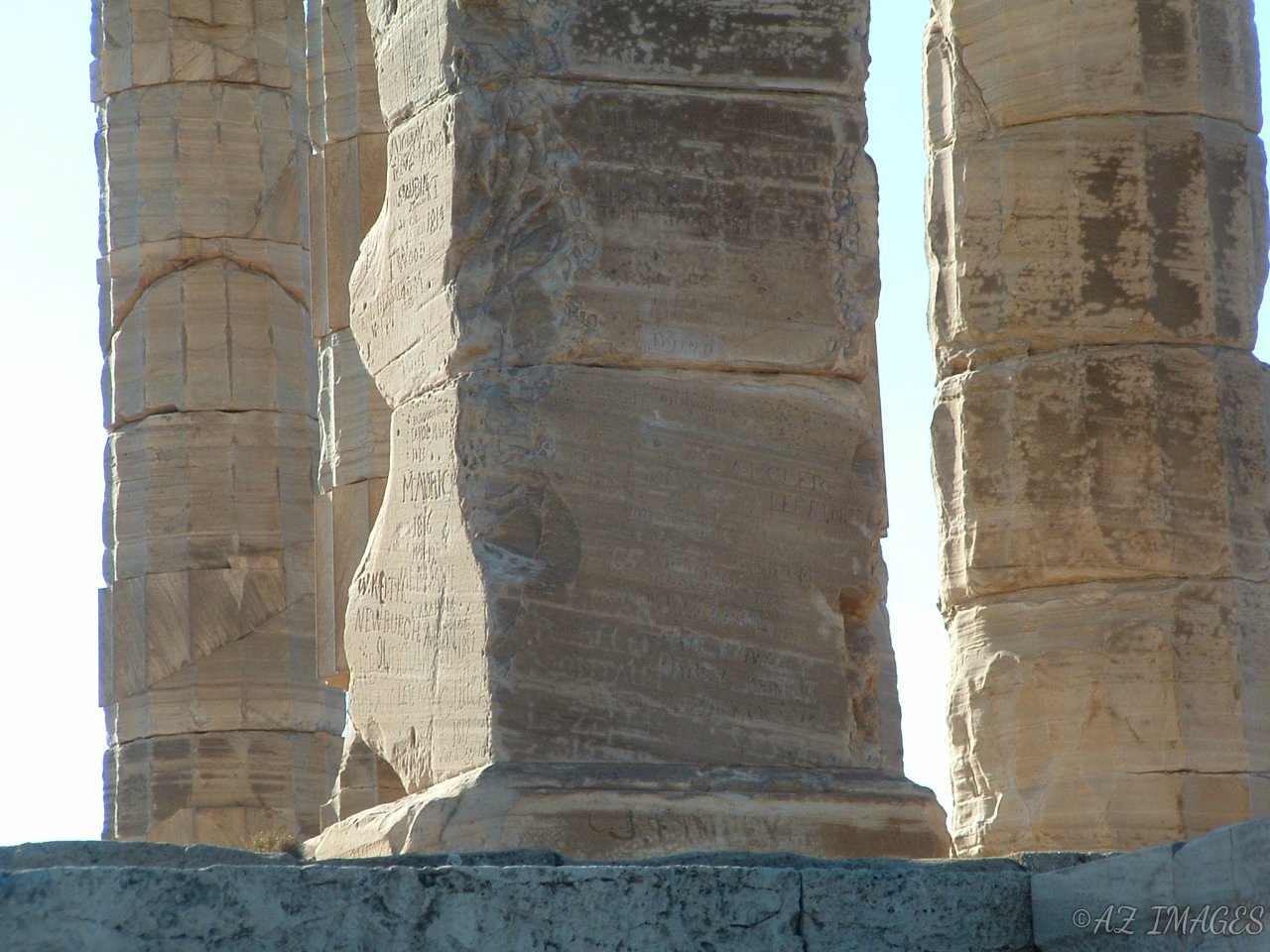
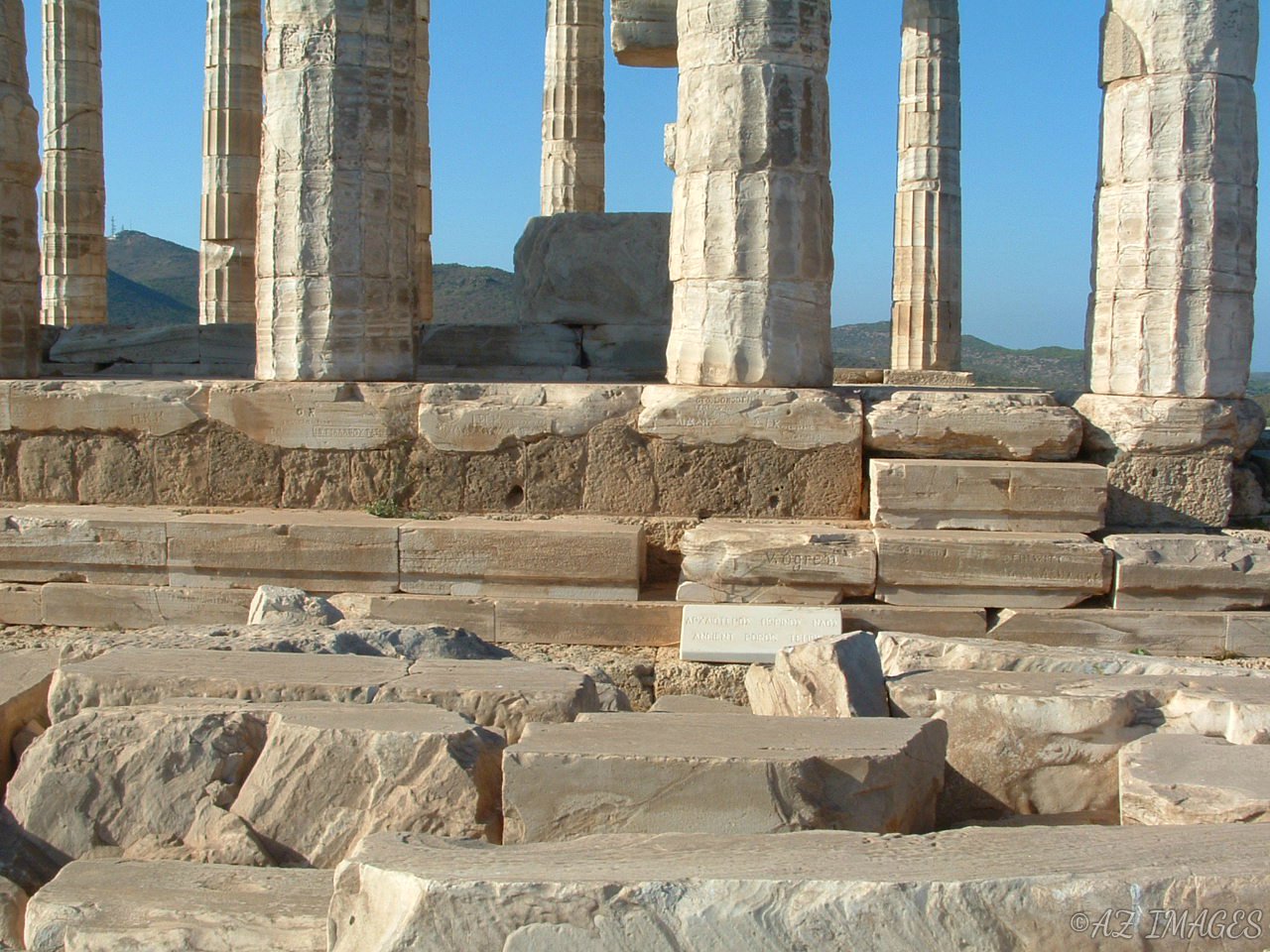
Many names are carved into the marble from the 19th century. The scandalous Lord Byron left carved his name here.
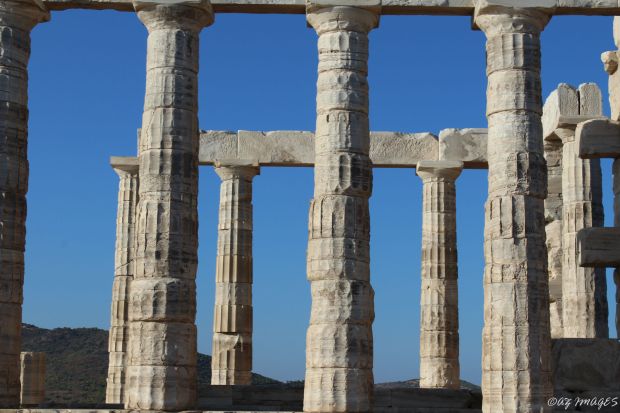
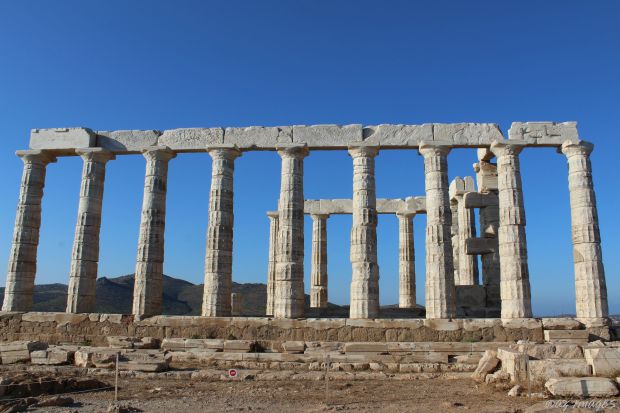
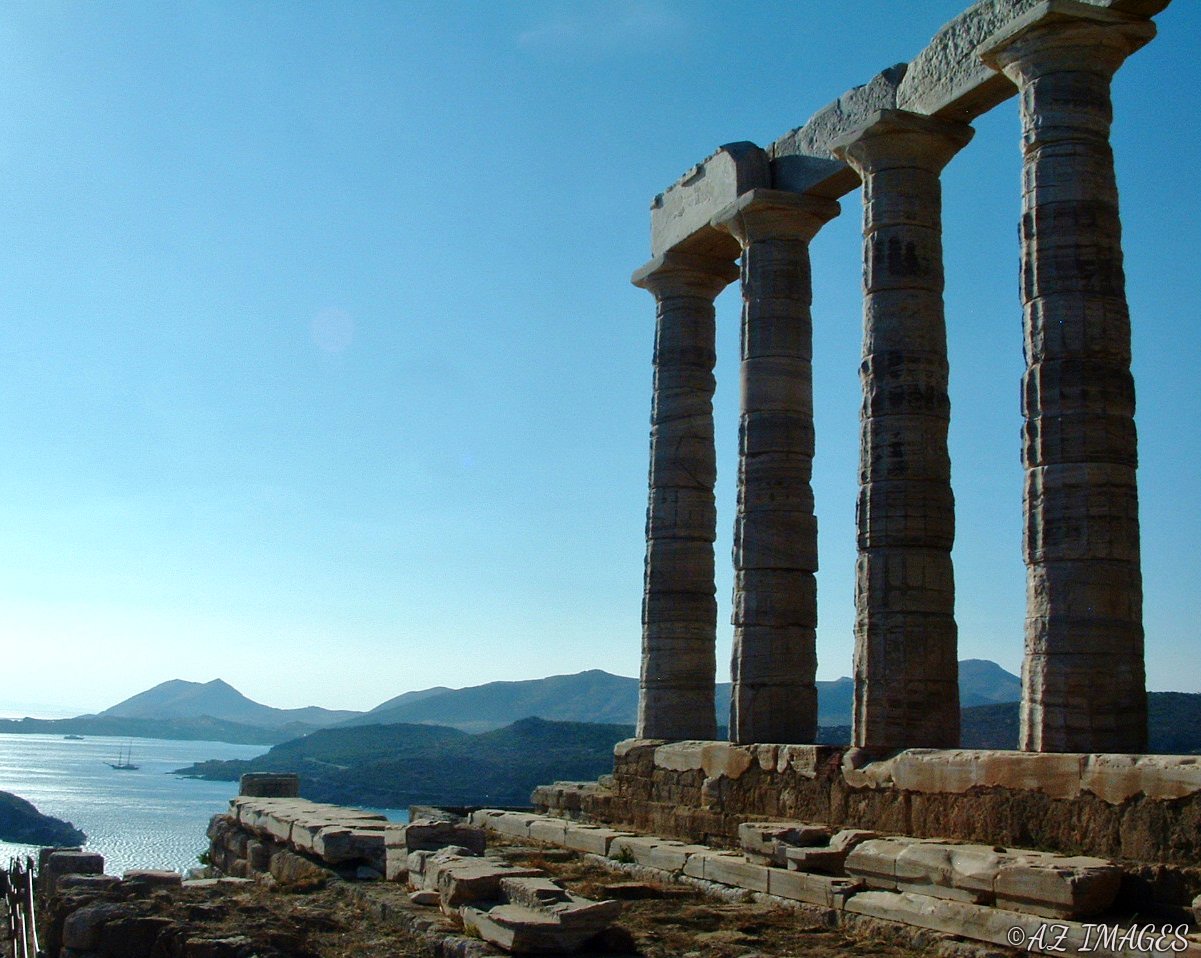
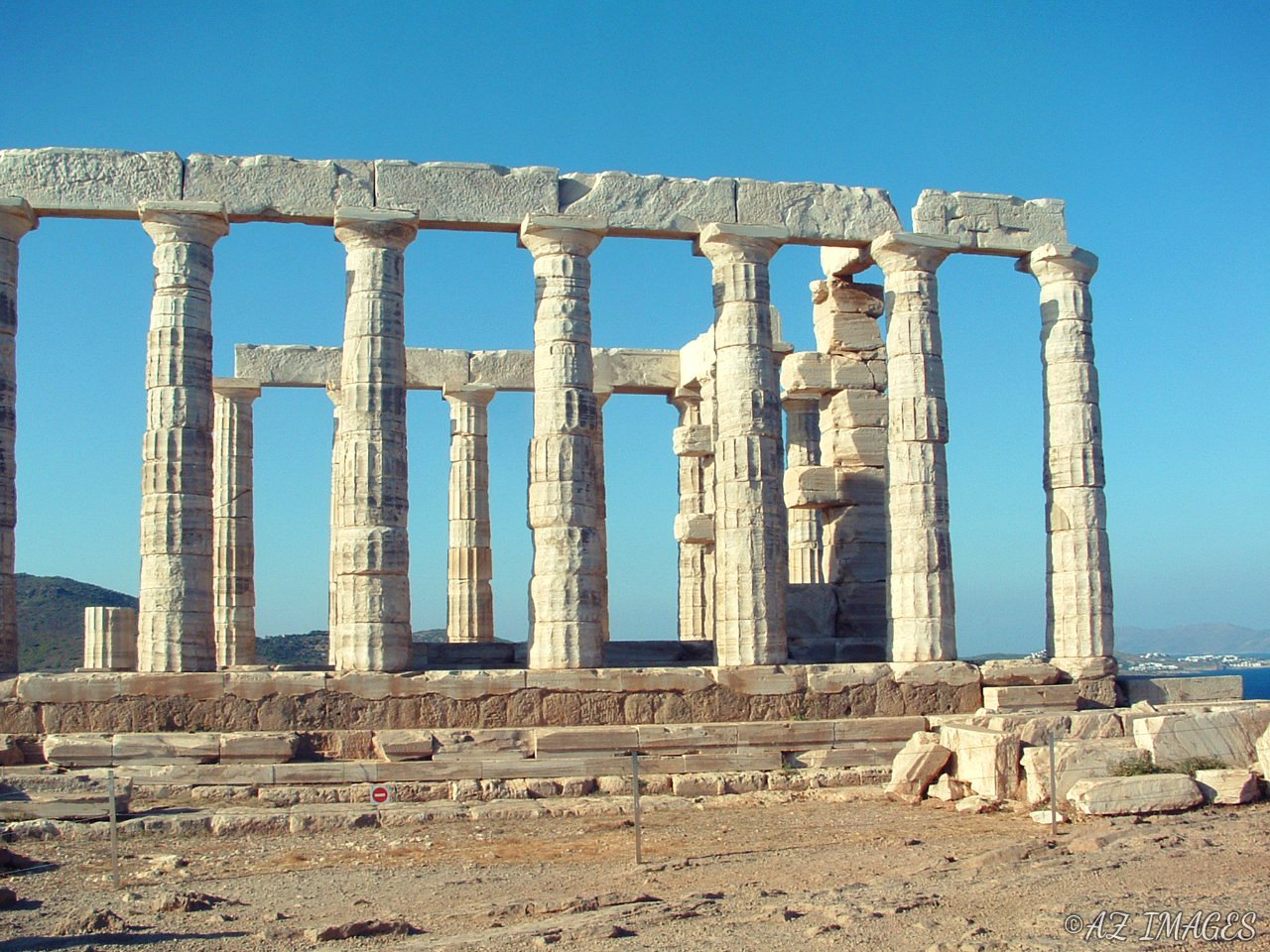
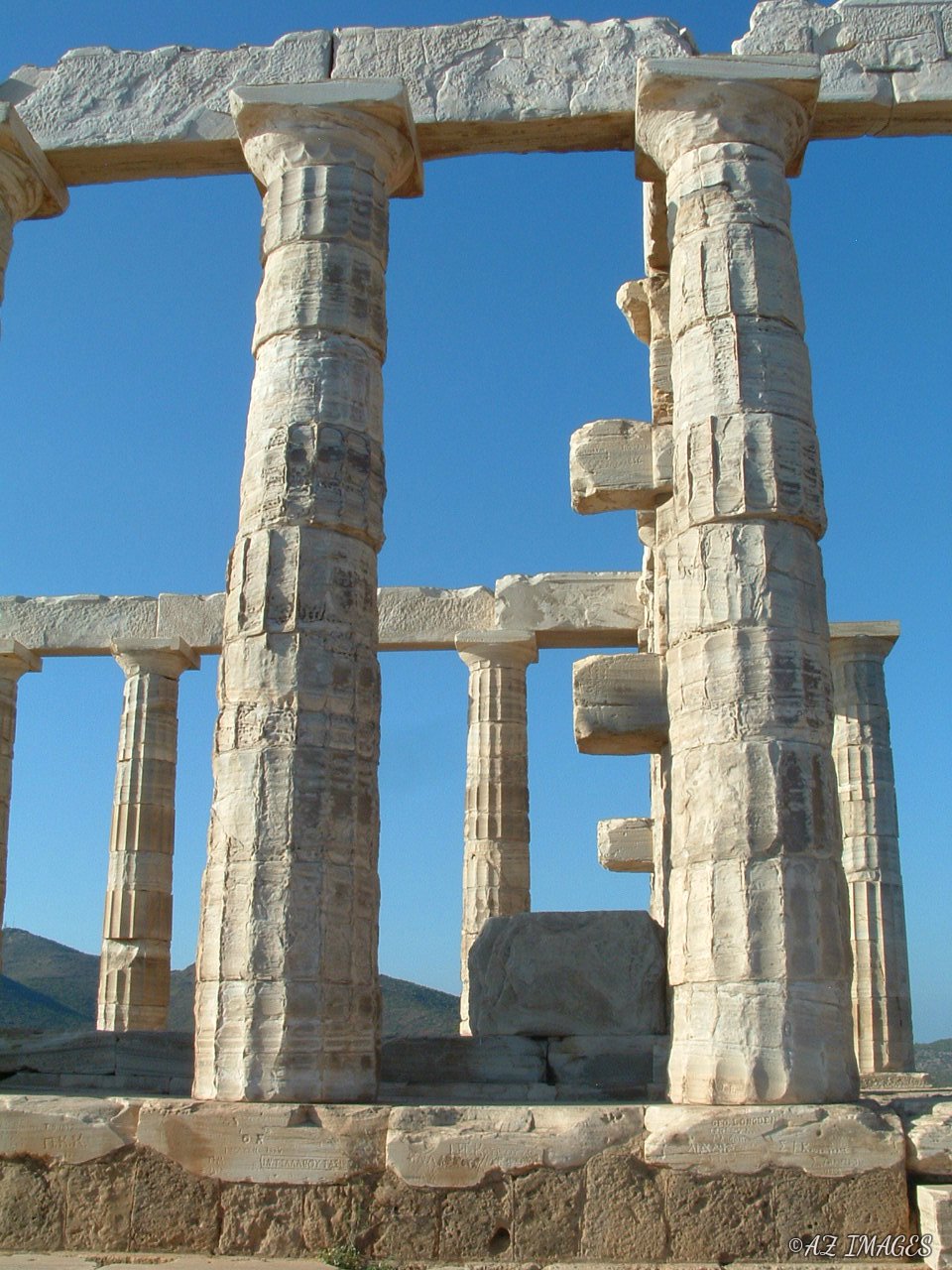
The Doric style innovative columns.
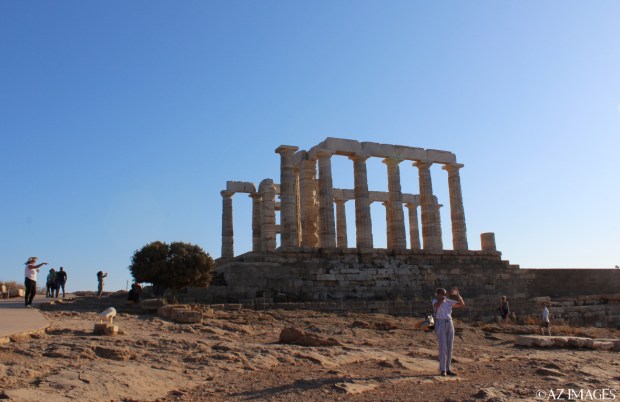
Next to the temple is the lesser known Temple of Athena.
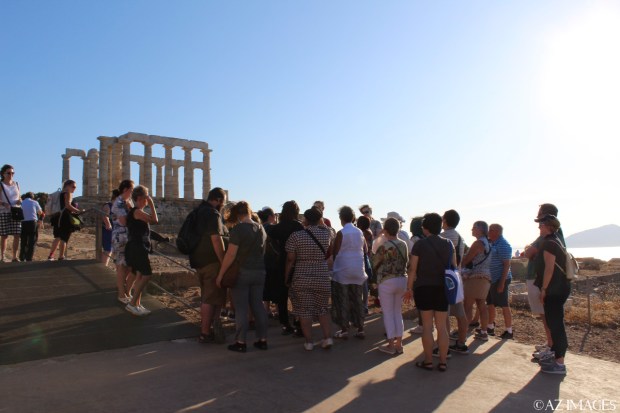
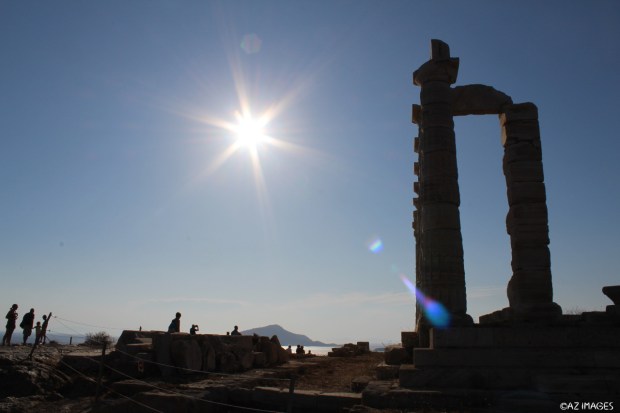
Let it flare!

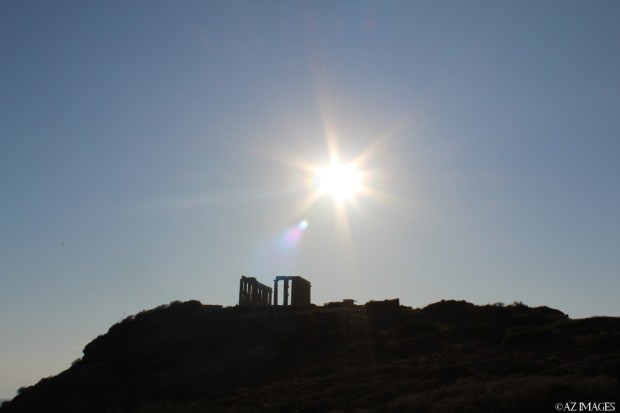
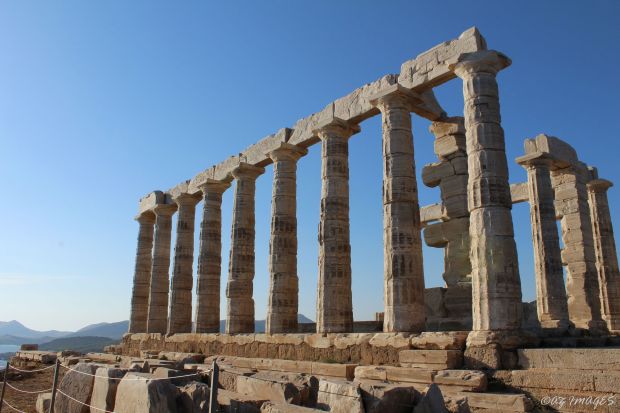
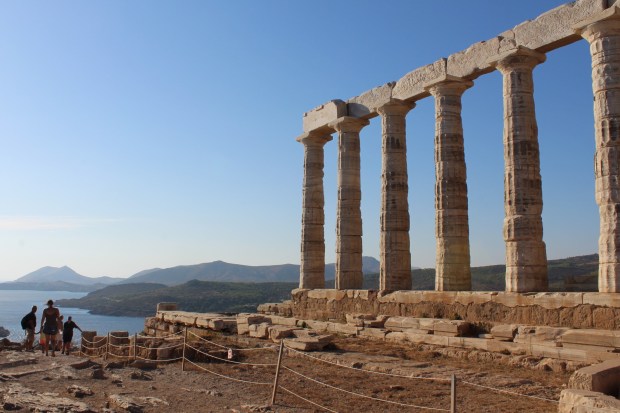
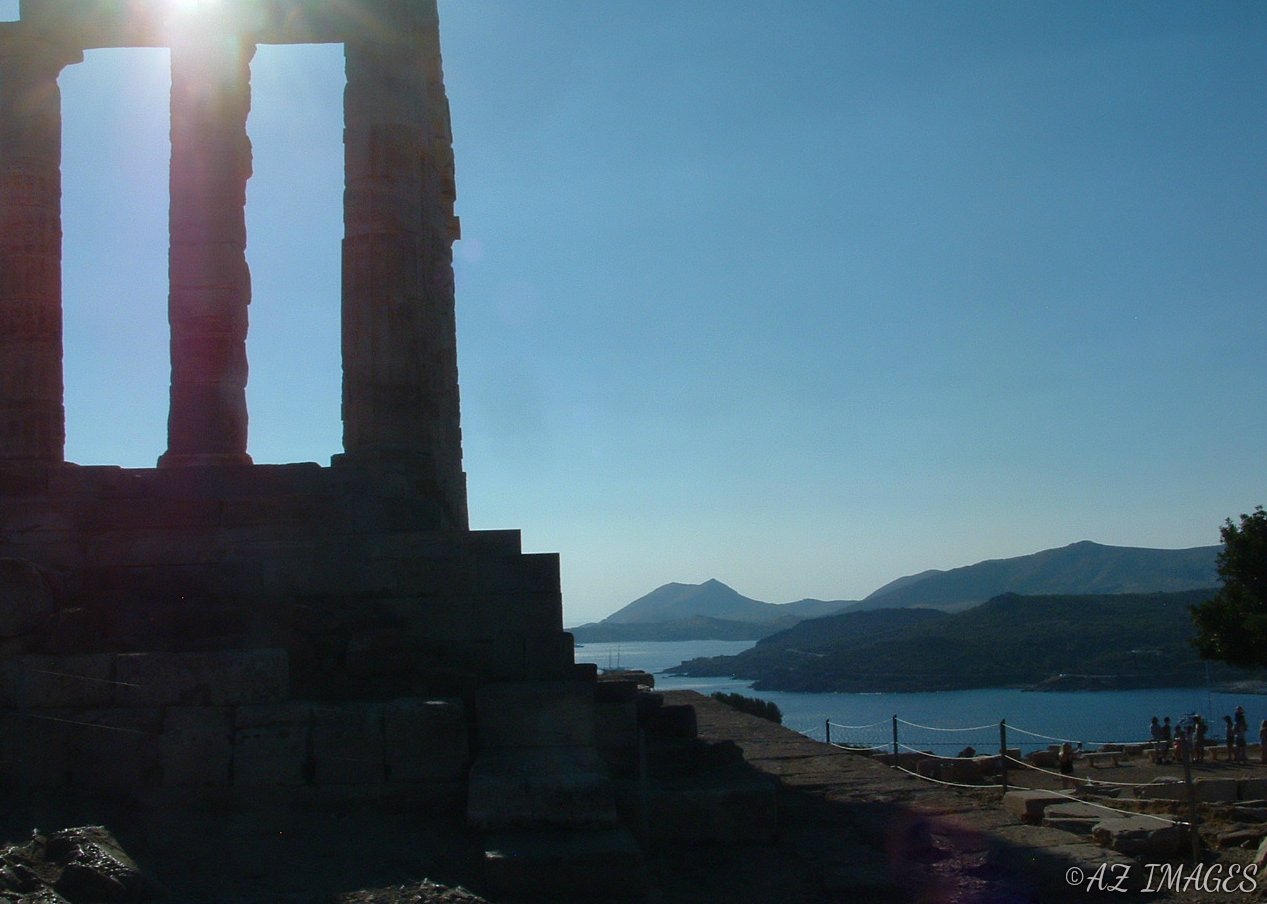
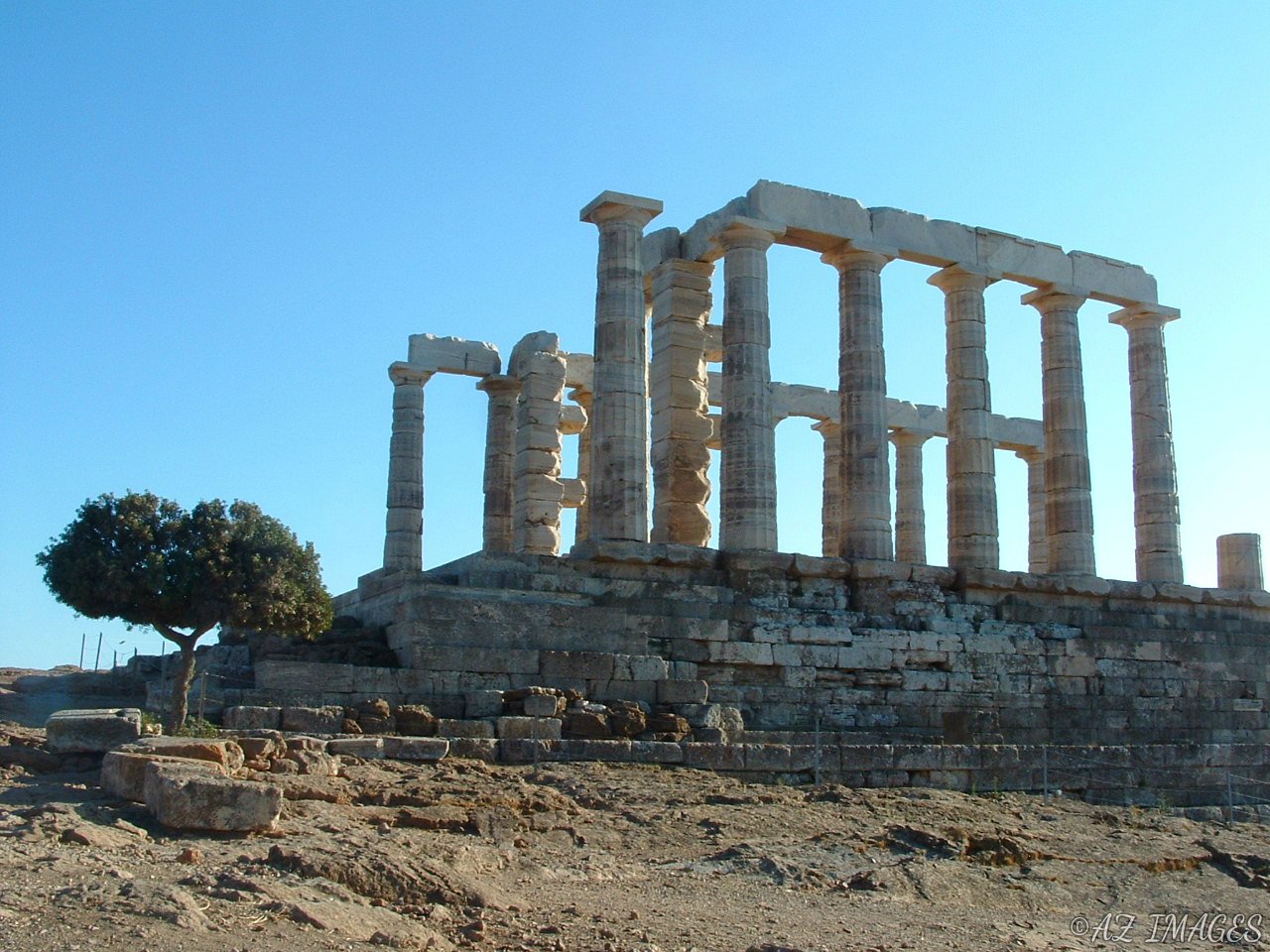
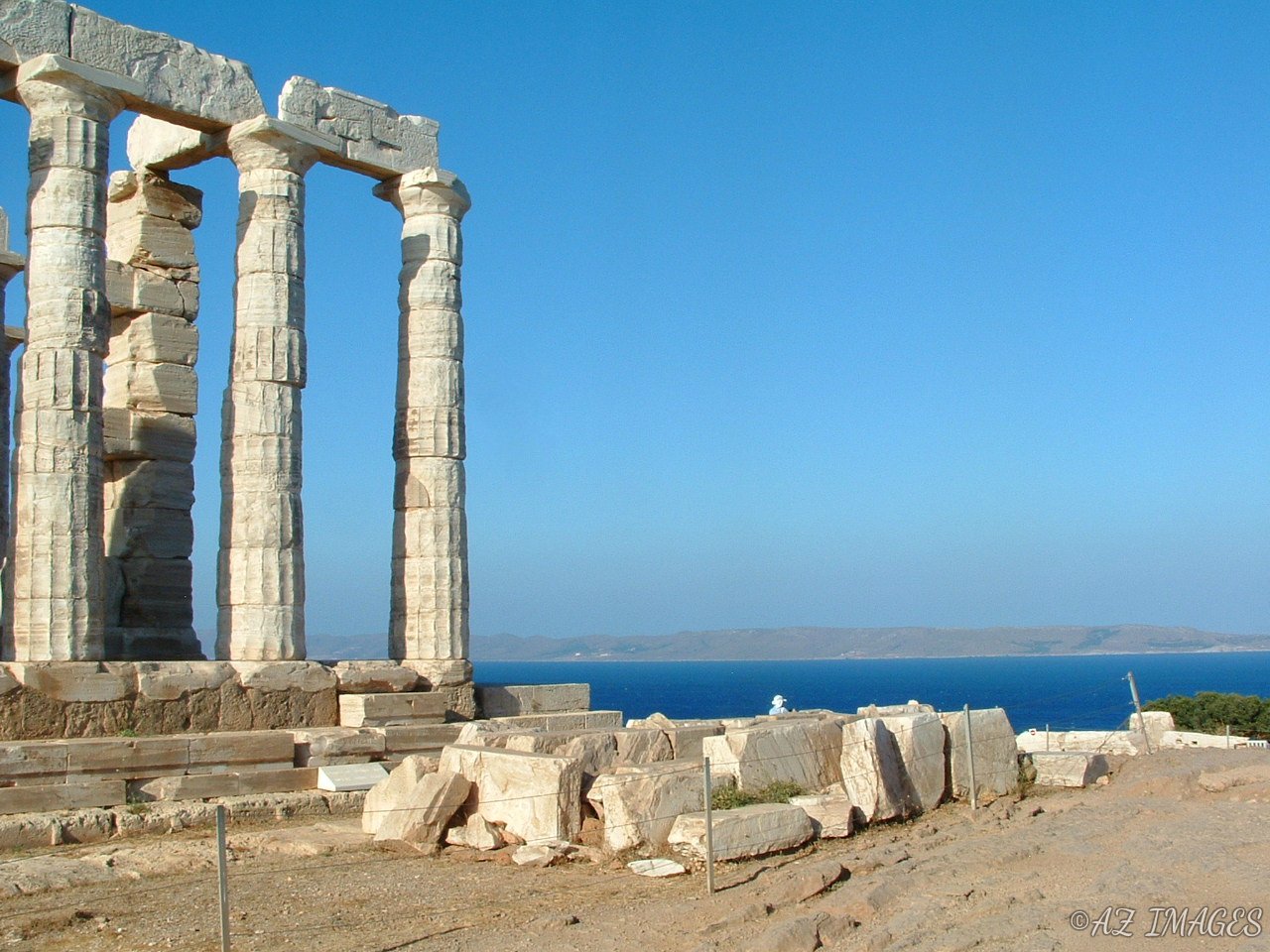
The Temple of Poseidon is located at the southernmost point of the Athenian peninsula at Cape Sounio. It is an hour and a half away from Athens’ center. The long drive there is gorgeous and worth it. The temple is dedicated to Poseidon the Greek God of the sea. It was rebuilt by order of Pericles in the 5th century B.C. over an older temple from the Archaic period. This site has been continually inhabited since prehistoric times.
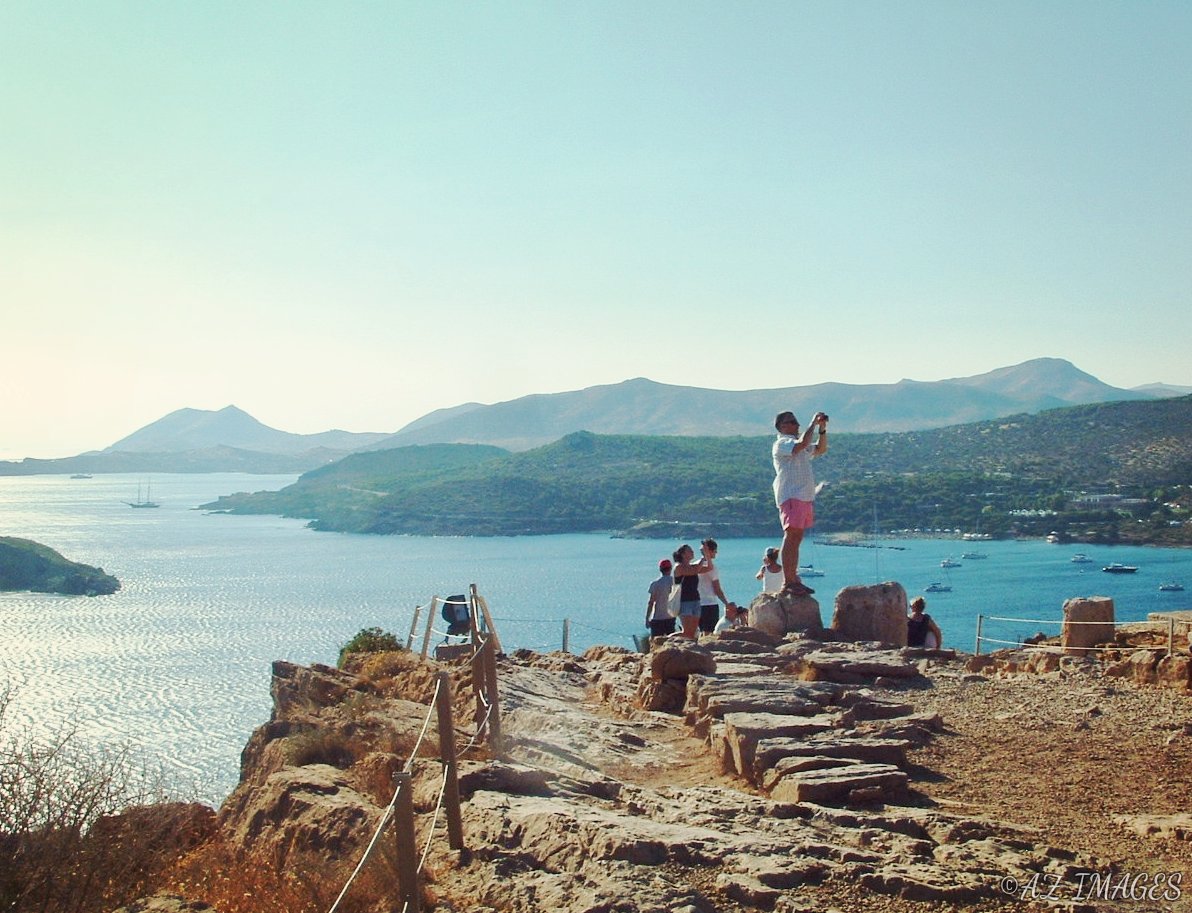
This is my second time at the Temple of Poseidon in Sounio. I can’t get enough of the temple and views here. I couldn’t stop taking pictures. The task of organizing them was a bit of a chore, but I finally got around to publishing them. I have more of the pictures of the views of the ocean that I will be posting soon.
For more information about the temple and 3D view of how it used to look in ancient times head on over to this site: http://www.ancientathens3d.com/sounio-history/

 My Creative Wayz