travel

Lake Stymfalia/Λιμνη Στυμφαλια

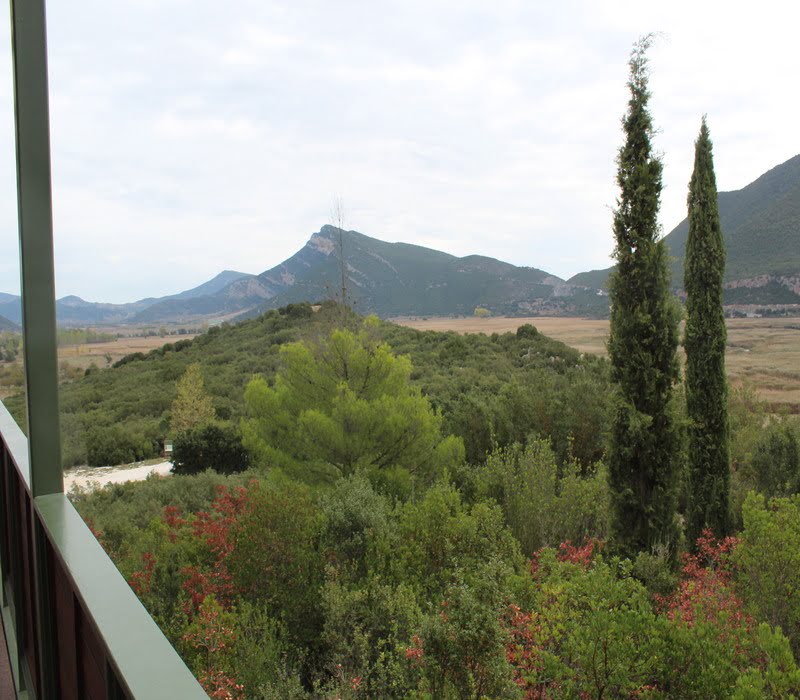
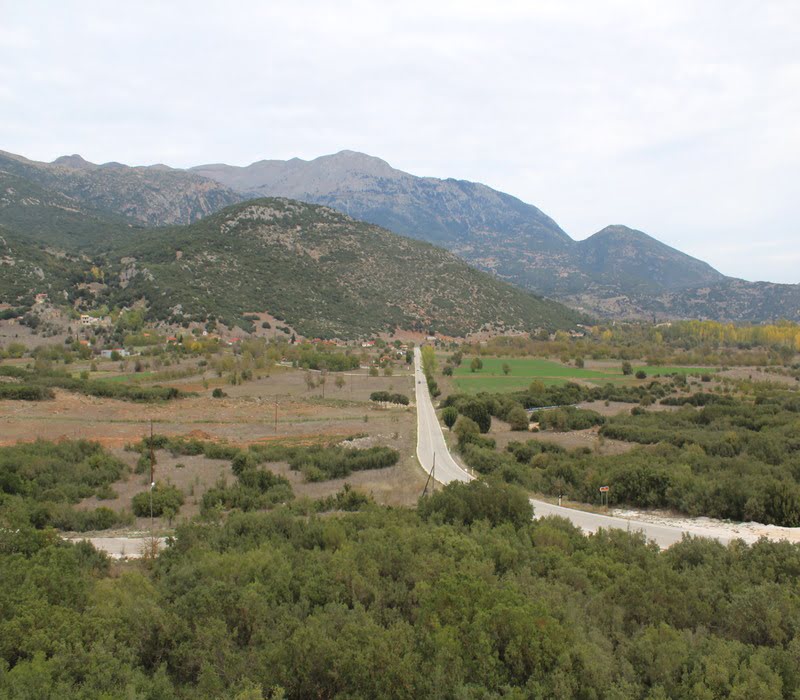
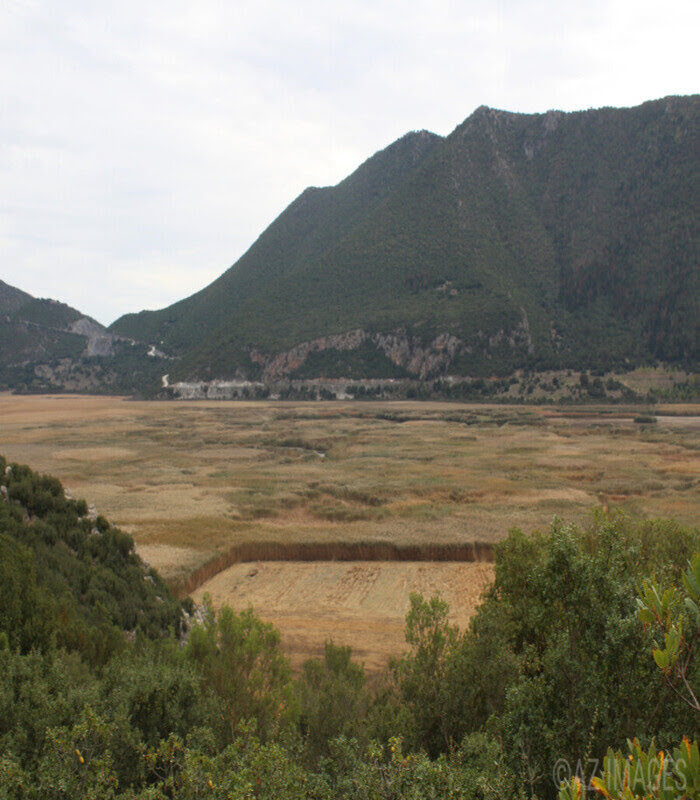
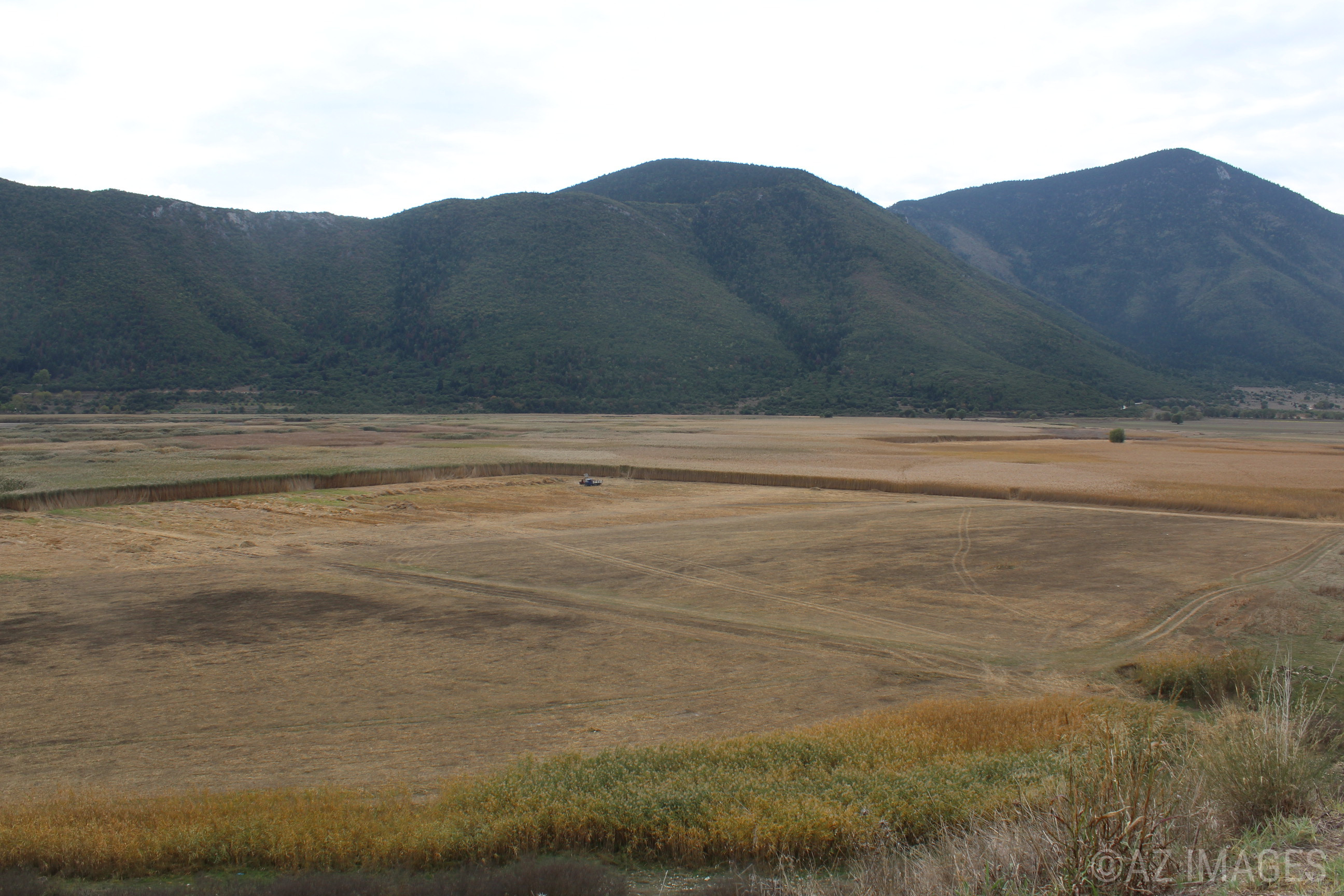
Lake Stymfalia is located in the rugged mountainous region of Corinth. The name of the lake is named after the ancient Arcadian town of Stymfalos that was built at the edge of the lake. The area has been declared a protected habitat by the pan-European Natura 2000 network, as it is a resting and breeding station for many species of migratory birds.

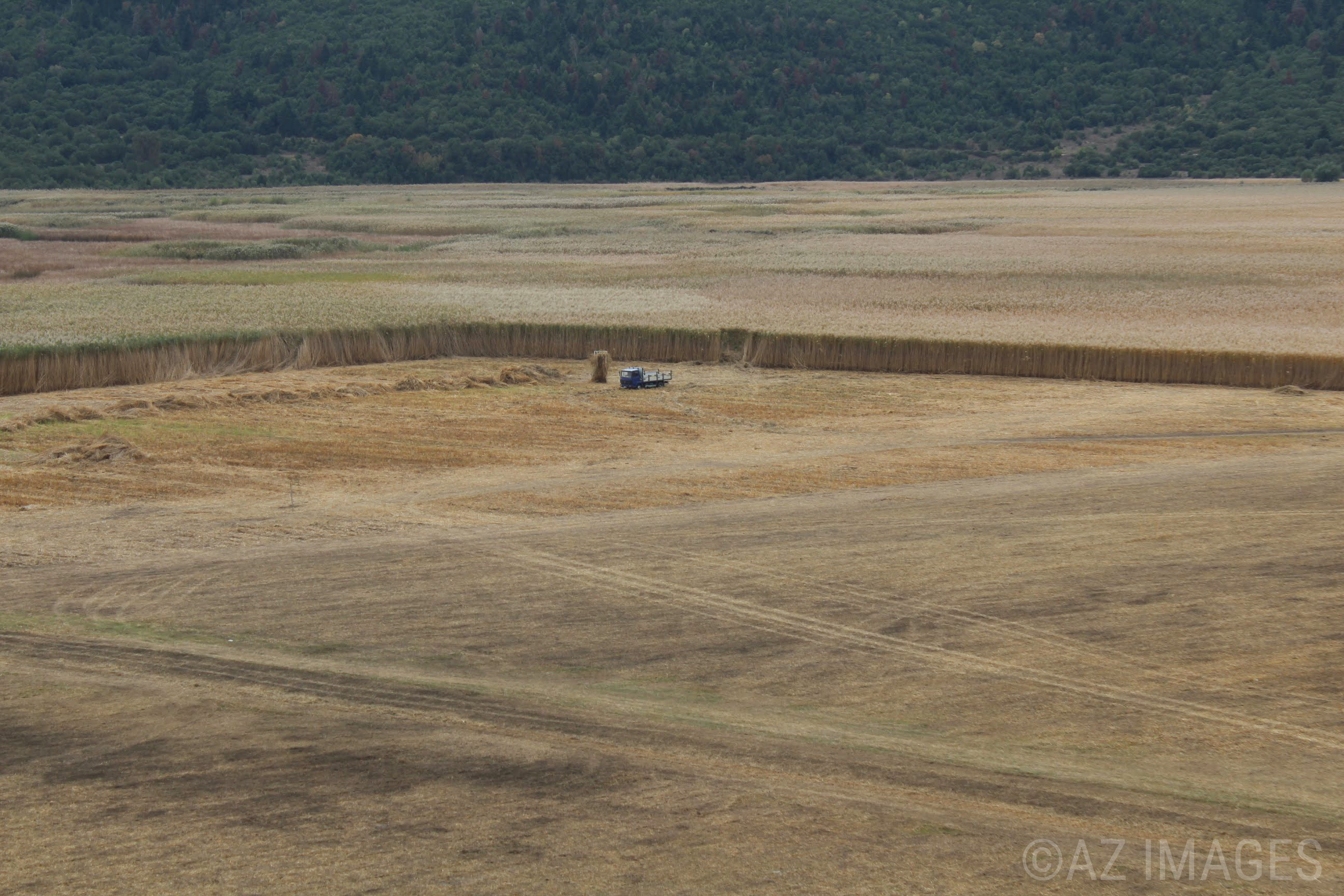
The lake contains water mostly in the winter and about half a meter in the fall. However, when I went this fall there wasn’t any water. It was a very dry year for Greece, with many regions dealing with drought conditions.

According to Greek mythology Lake Stymfalia was the site where Heracles arrived for his 6th labour. Heracles was tasked to fight the Stymphalid birds. These were man-eating birds with bronze beaks, claws and wings. They hid in the thick vegetation, and terrorized the nearby inhabitants, and their livestock. With the help of the goddess Athena, with their bows and arrows they were able to defeat them.

Η λίμνη Στυμφαλία βρίσκεται στην απόκρημνη ορεινή περιοχή της Κορίνθου. Το όνομα της λίμνης πήρε το όνομά της από την αρχαία αρκαδική πόλη της Στύμφαλου που ήταν χτισμένη στην άκρη της λίμνης. Η περιοχή έχει κηρυχθεί προστατευόμενος βιότοπος από το πανευρωπαϊκό δίκτυο Natura 2000, καθώς αποτελεί σταθμό ανάπαυσης και αναπαραγωγής πολλών ειδών αποδημητικών πτηνών.

Η λίμνη περιέχει νερό κυρίως το χειμώνα και περίπου μισό μέτρο το φθινόπωρο. Ωστόσο, όταν πήγα αυτό το φθινόπωρο, δεν υπήρχε νερό. Ήταν μια πολύ ξηρή χρονιά για την Ελλάδα, με πολλές περιοχές να αντιμετωπίζουν συνθήκες ξηρασίας.

Σύμφωνα με την ελληνική μυθολογία, η λίμνη Στυμφαλία ήταν ο τόπος όπου έφτασε ο Ηρακλής για τον έκτο κατά σειρά άθλου του. Ο Ηρακλής ανέλαβε να πολεμήσει τα πουλιά της Στυμφαλίδας. Αυτά ήταν ανθρωποφάγα πουλιά με χάλκινα ράμφη, νύχια και φτερά. Κρύφτηκαν στην πυκνή βλάστηση και τρομοκρατούσαν τους γύρω κατοίκους και τα ζώα τους. Με τη βοήθεια της θεάς Αθηνάς, με τα τόξα και τα βέλη τους κατάφεραν να τους νικήσουν.
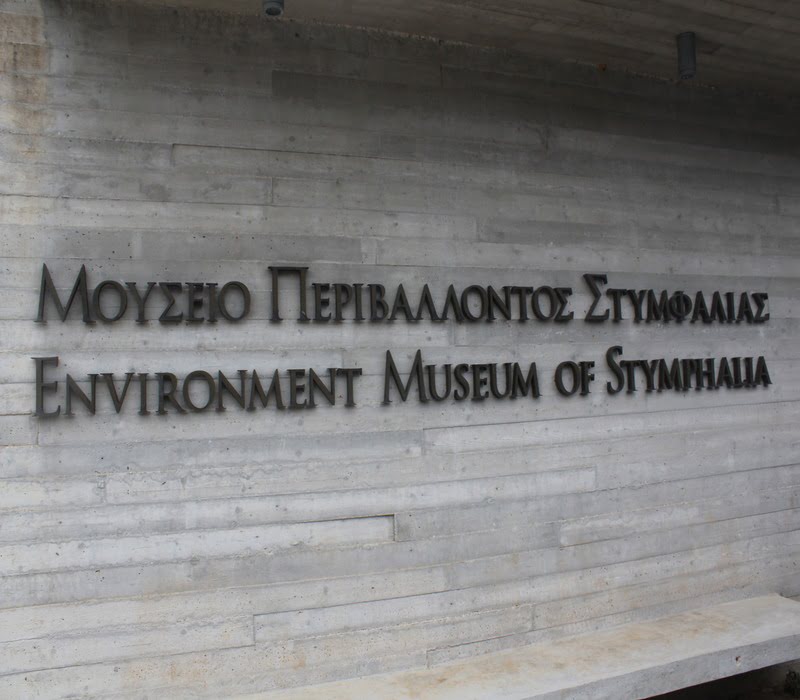
The Environment Museum of Stymfalia

A presentation on how the lakes in the region were formed.
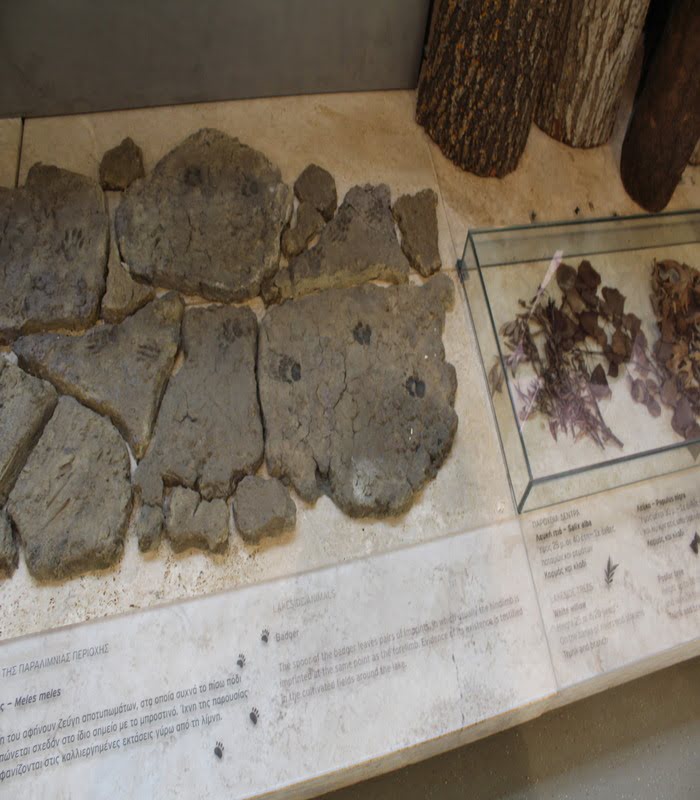
Ancient bird foot prints
An aquarium with fish swimming inside.
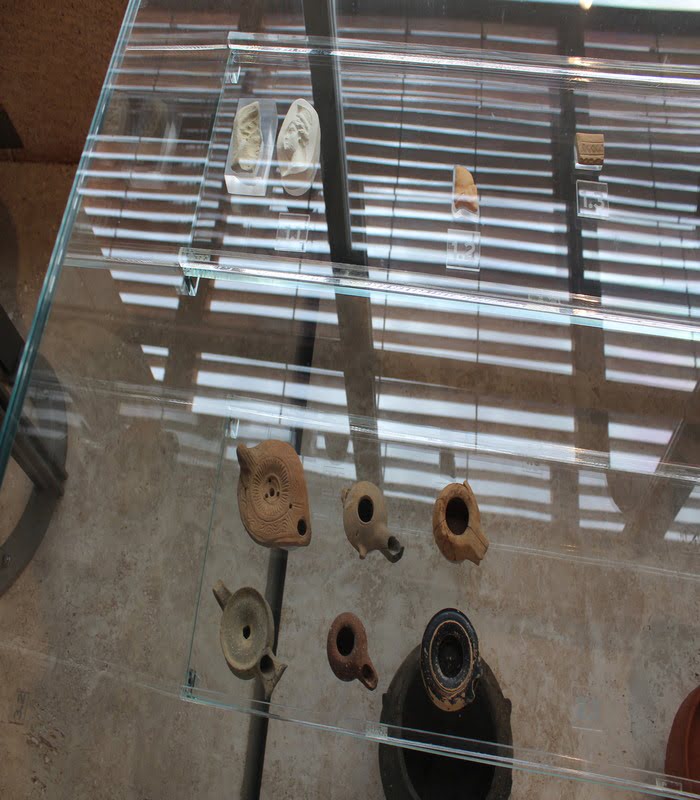
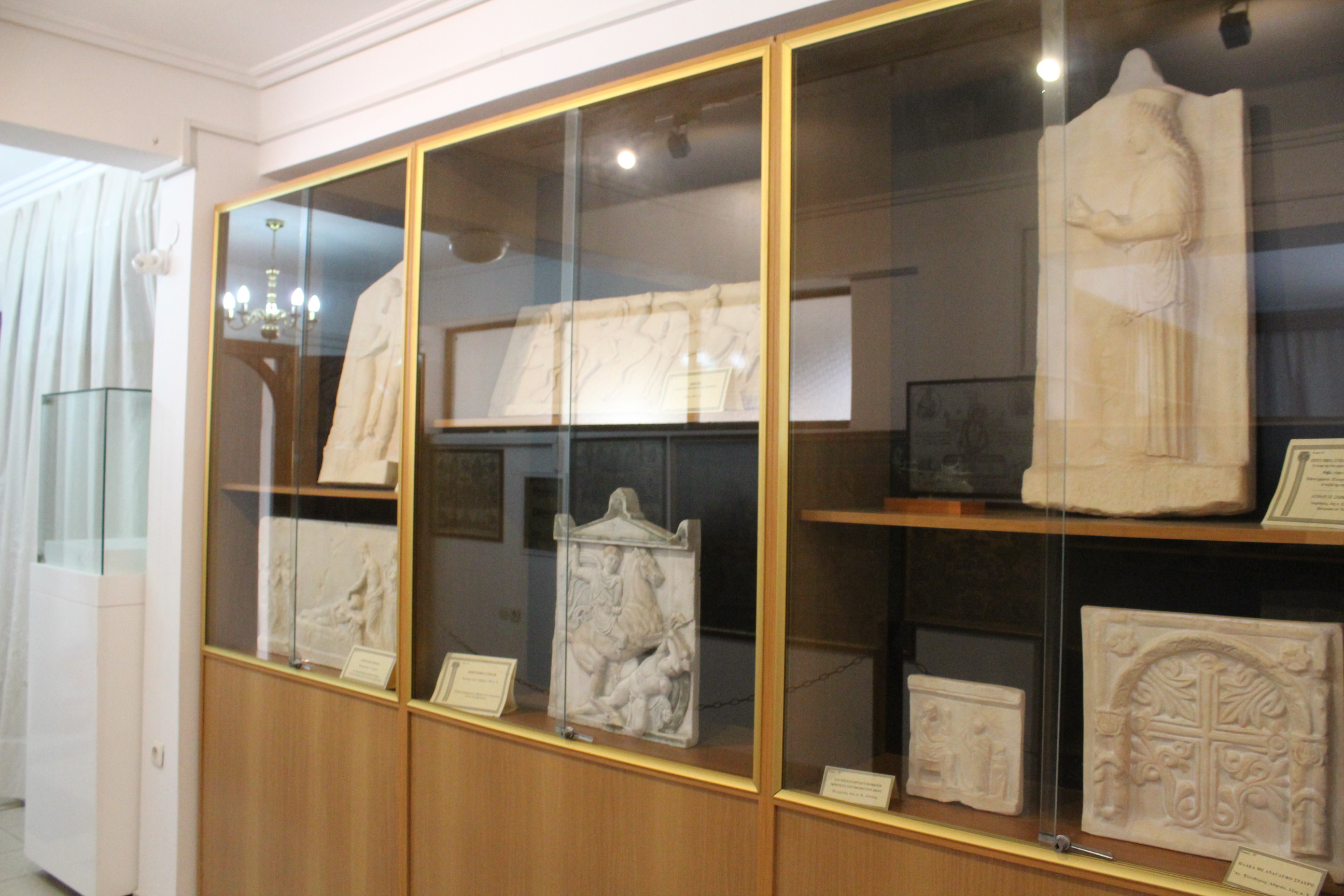
Ancient artifacts discovered in the area.
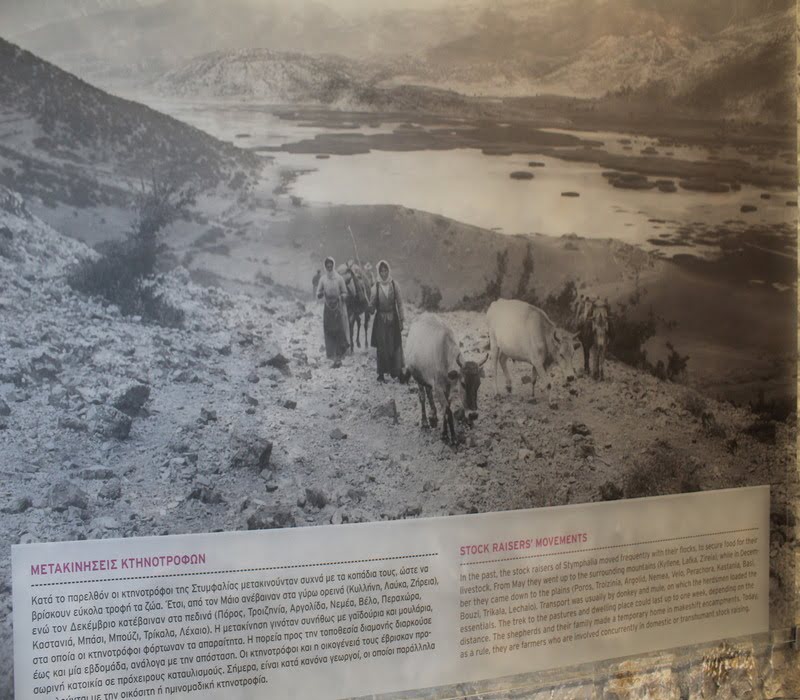
Sheep herders from earlier in the last century flocking sheep near the lake behind them.
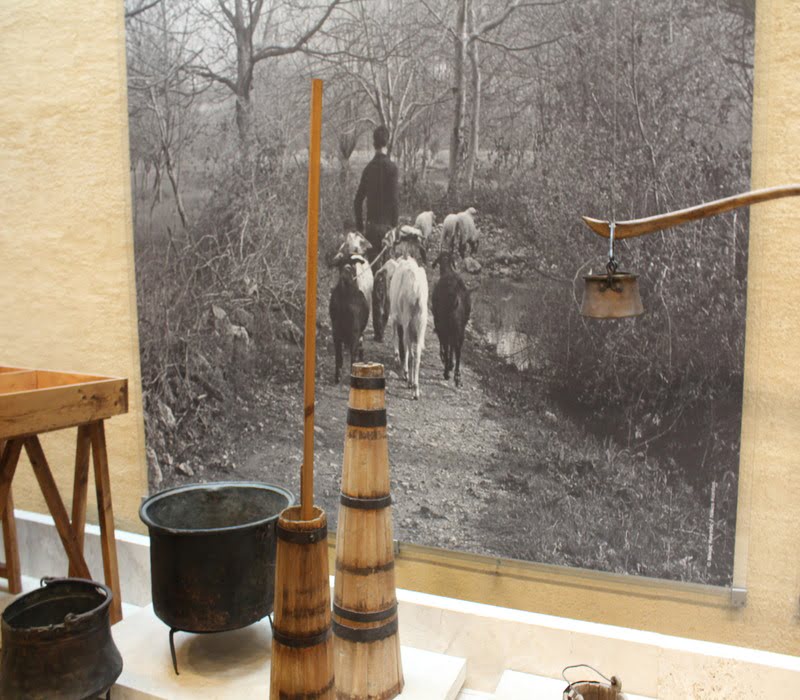
The cloak, shoes and bells of a sheep herdsman.

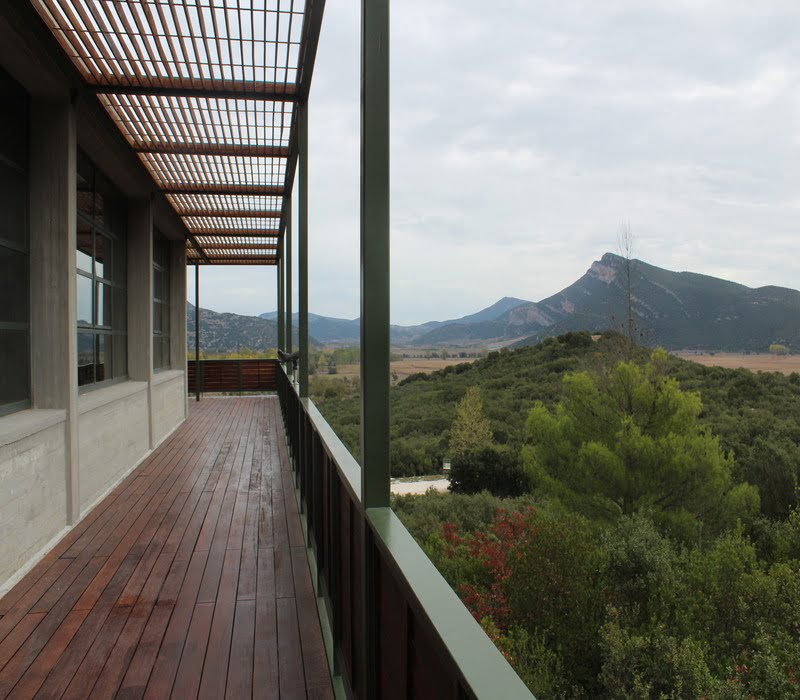
The environment museum is located in the mountainous side of Corinth. The museum aims to exhibit the human interdependence with nature. The exhibits include how the nearby Lake Stymfalia was created over time. The main objectives of the museum are to bring ecological awareness to the public, and the preservation of knowledge about the traditional technology of the region, such as bee keeping, the harvesting of wheat, sheep herding, and fishing.

Just a few feet away from the museum is the Lake Stymfalia which has mythological connections which I will be discussing in the next post.

Το μουσείο περιβάλλοντος βρίσκεται στην ορεινή πλευρά της Κορίνθου. Το μουσείο στοχεύει να παρουσιάσει την αλληλεξάρτηση του ανθρώπου με τη φύση. Τα εκθέματα περιλαμβάνουν πώς δημιουργήθηκε η κοντινή λίμνη Στυμφαλίας με την πάροδο του χρόνου. Κύριοι στόχοι του μουσείου είναι η οικολογική ευαισθητοποίηση του κοινού και η διατήρηση της γνώσης για την παραδοσιακή τεχνολογία της περιοχής, όπως η μελισσοκομία, η συγκομιδή σιταριού, η βοσκή προβάτων και το ψάρεμα.

Μόλις λίγα μέτρα μακριά από το μουσείο βρίσκεται η λίμνη Στυμφαλία που έχει μυθολογικές συνδέσεις για τις οποίες θα αναφερθώ σε επόμενη ανάρτηση.

Volcanic Rocks/Ηφαιστειογενή Βράχια

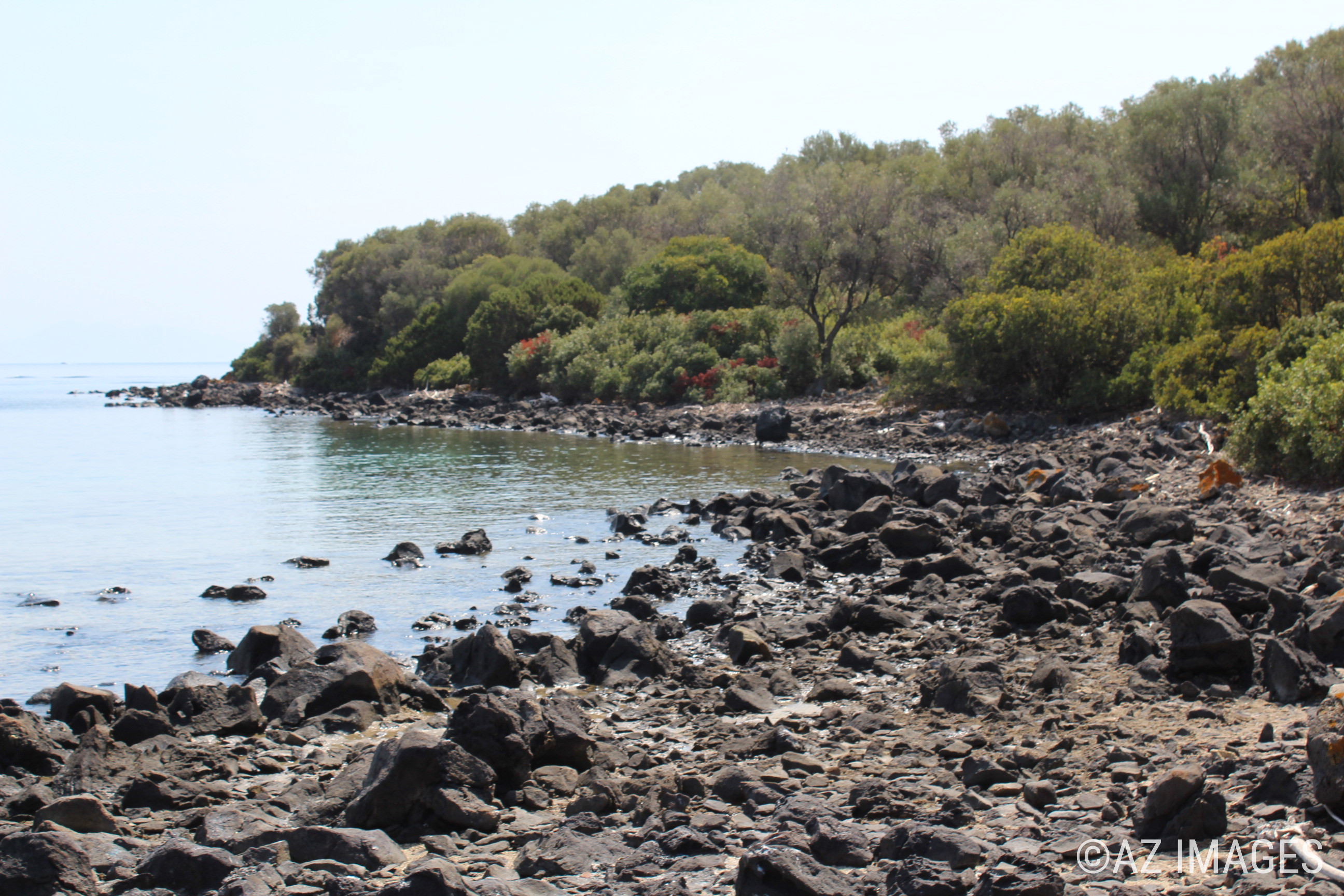
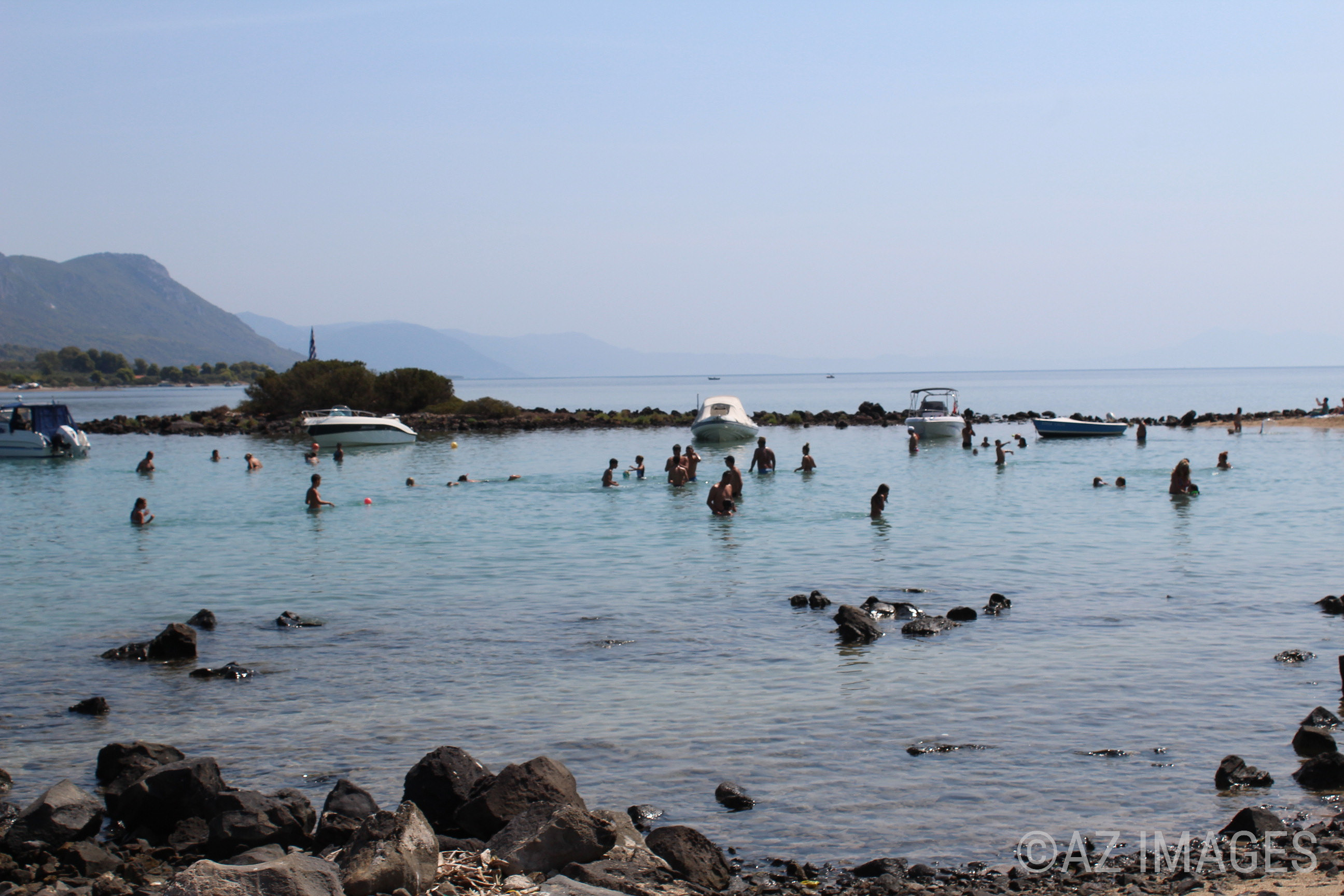
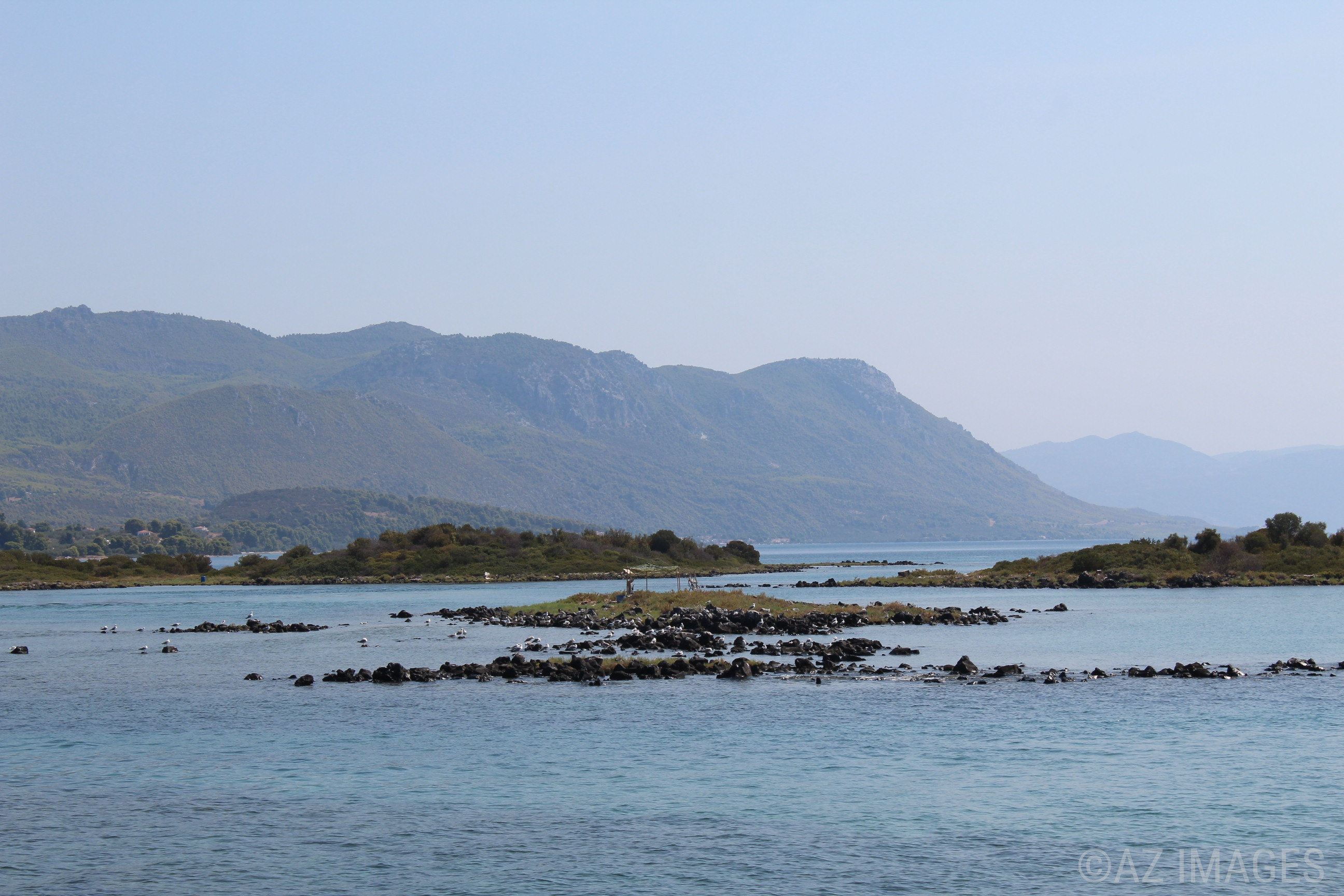
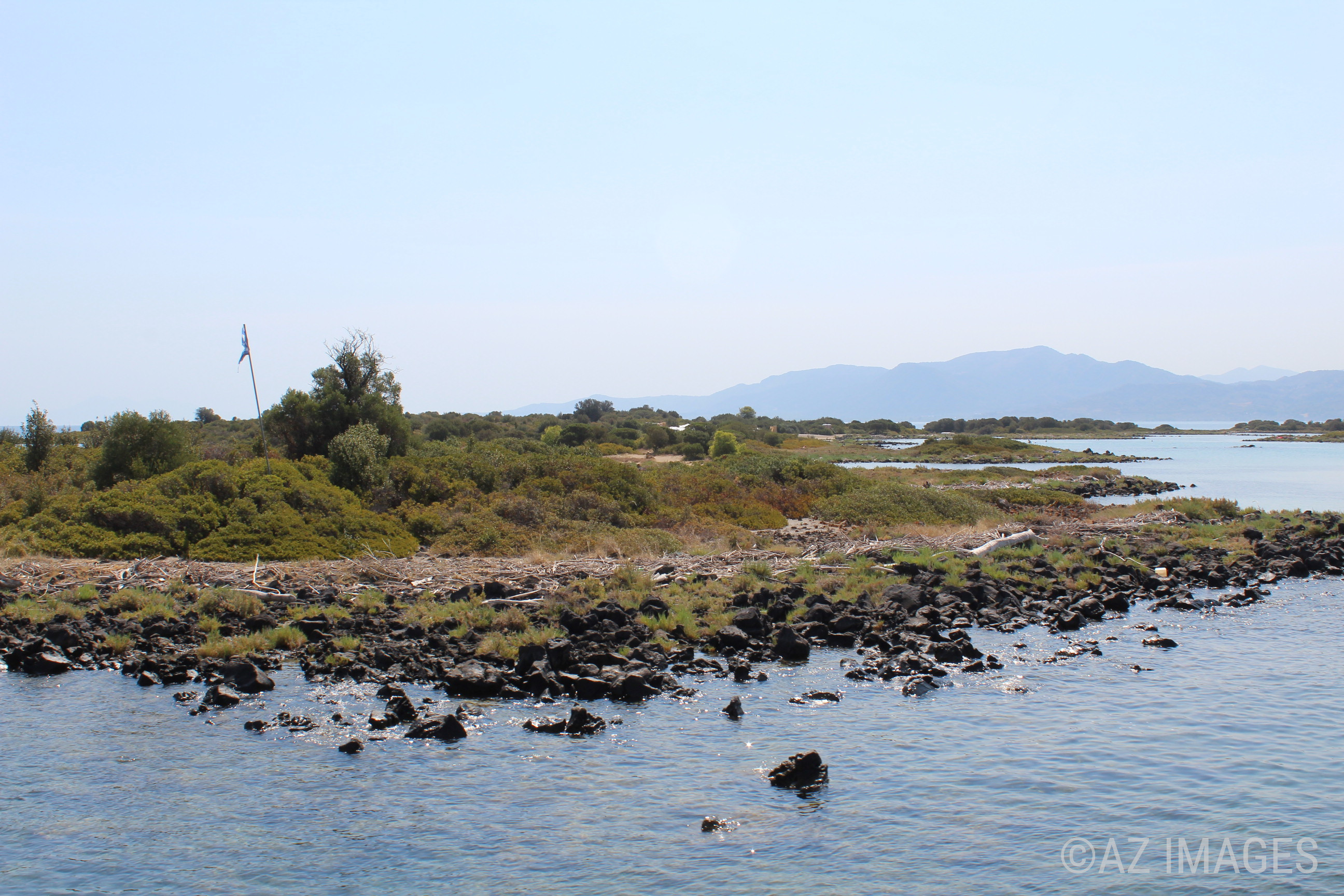
These islands in Lichadonisia are the result of volcanic activity. Some parts of the beaches are covered in black volcanic rock. Some of the islands were submerged during a great earthquake in 426 BC.

The whole beach was not like this. It was just one side. Very cool to see this, especially anyone who is a geology and or volcanology enthusiast.

Αυτά τα νησιά είναι αποτέλεσμα ηφαιστειακής δραστηριότητας. Ορισμένα σημεία των παραλιών στα Λιχαδονήσια είναι καλυμμένα με μαύρα ηφαιστειογενή Βράχια. Μερικά από τα νησιά βυθίστηκαν κατά τη διάρκεια ενός μεγάλου σεισμού το 426 π.Χ.

Όλη η παραλία δεν ήταν έτσι, ηταν μόνο η μία πλευρά. Πολύ ωραίο να το δεις αυτό, ειδικά όποιος είναι λάτρης της γεωλογίας η και ηφαιστειολογίας.

Lichadonisia pt2/Λιχαδονήσια Μέρος 2ος

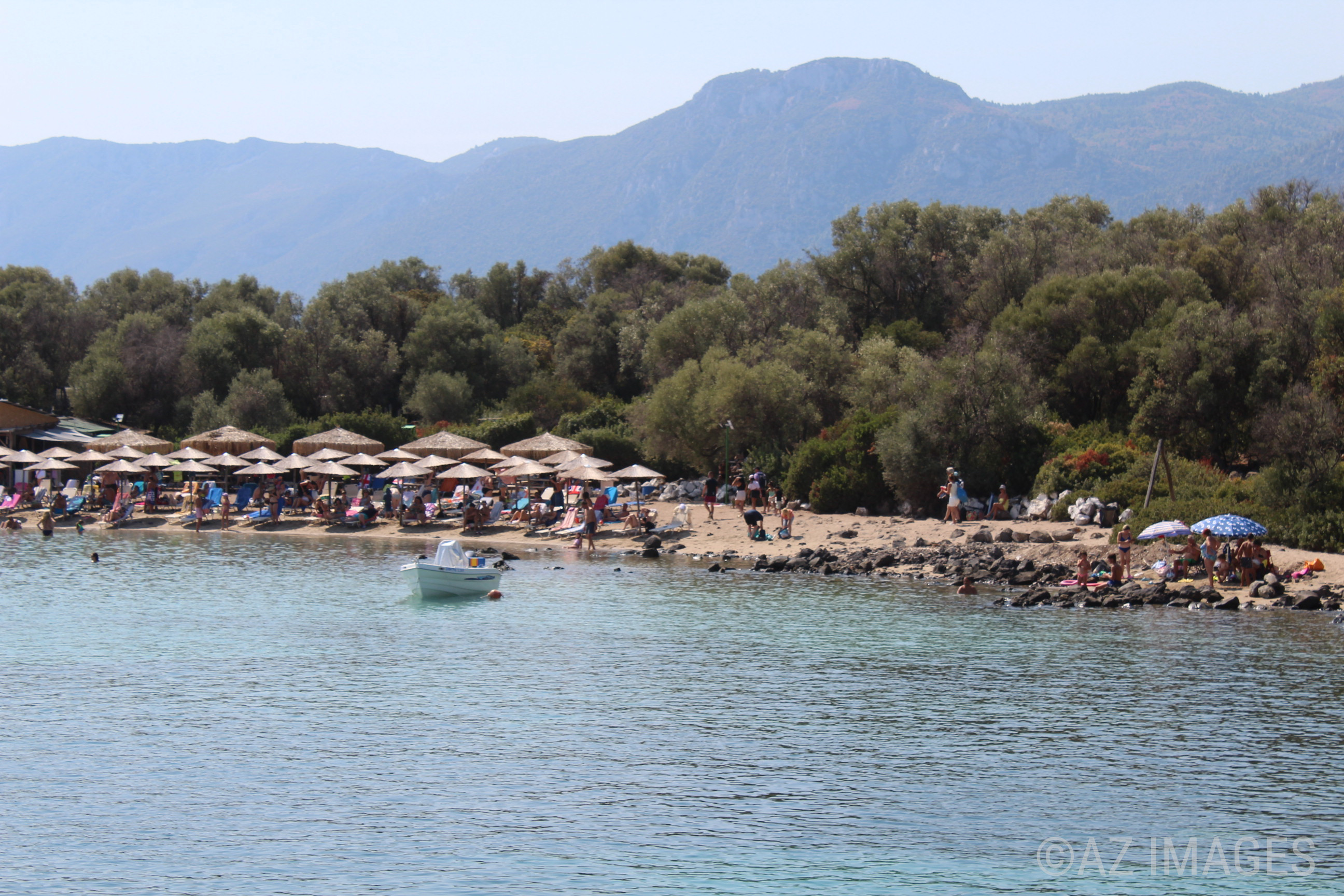
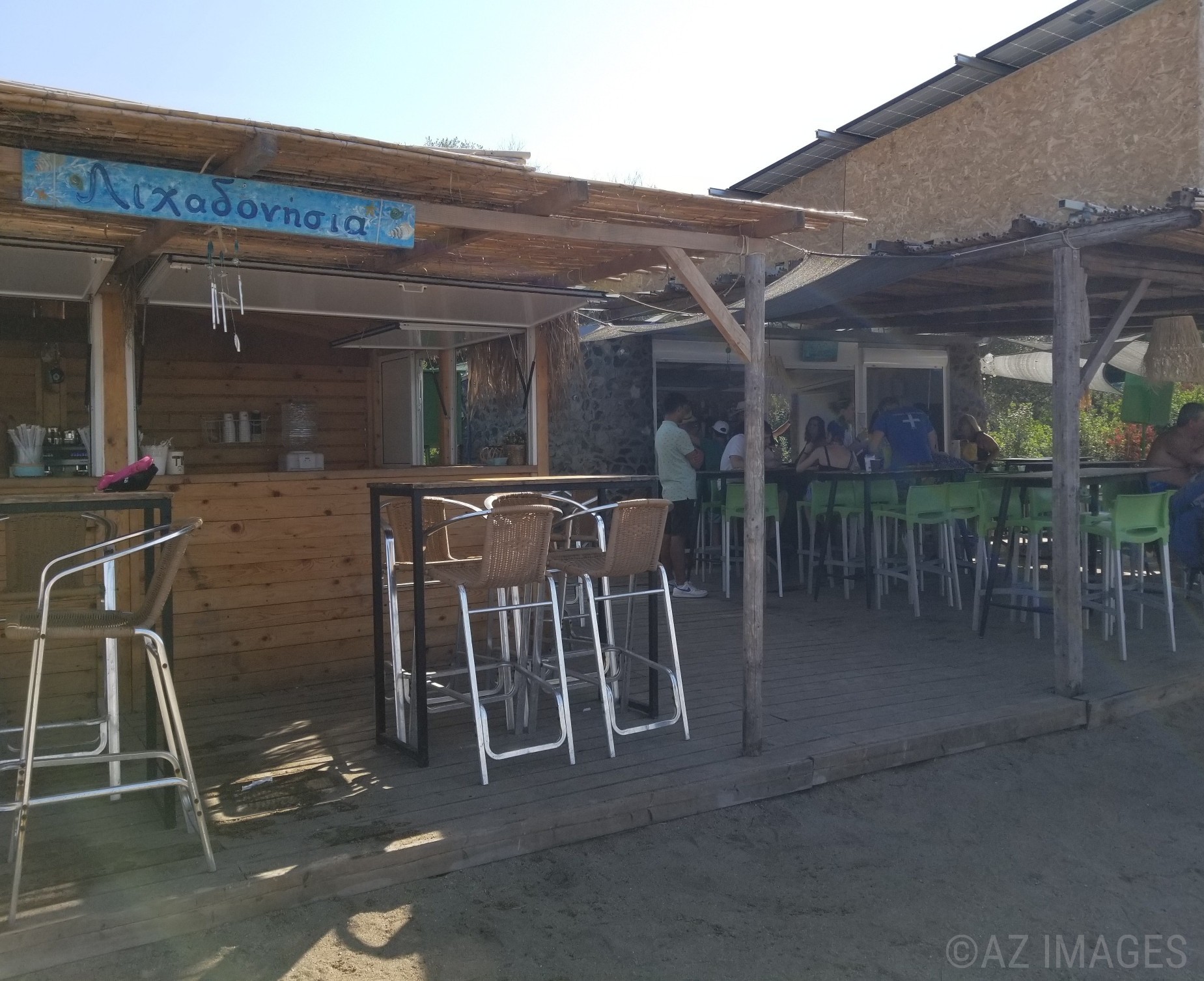
A beach bar and eatery

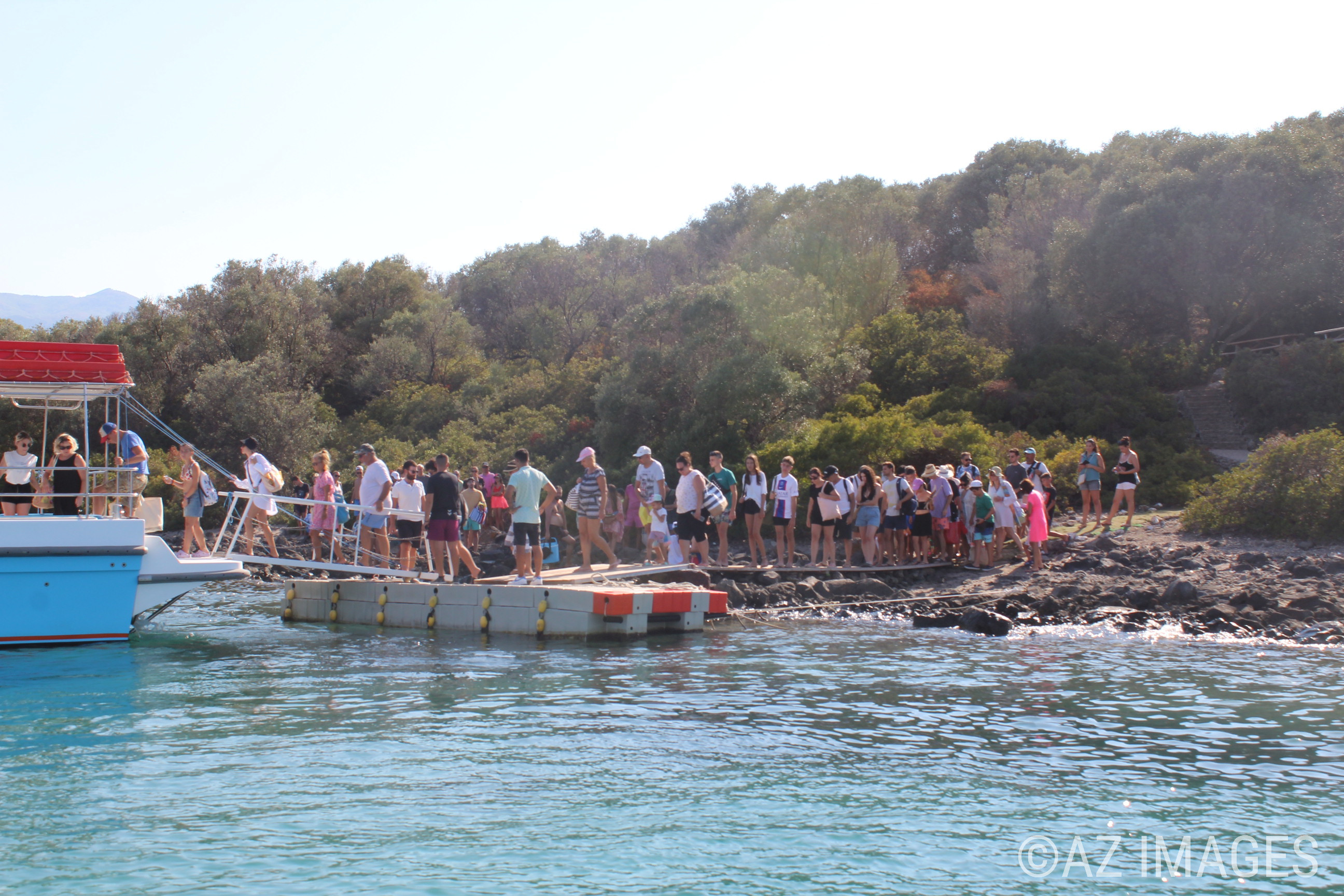
All aboard! The departure of the last visitors.

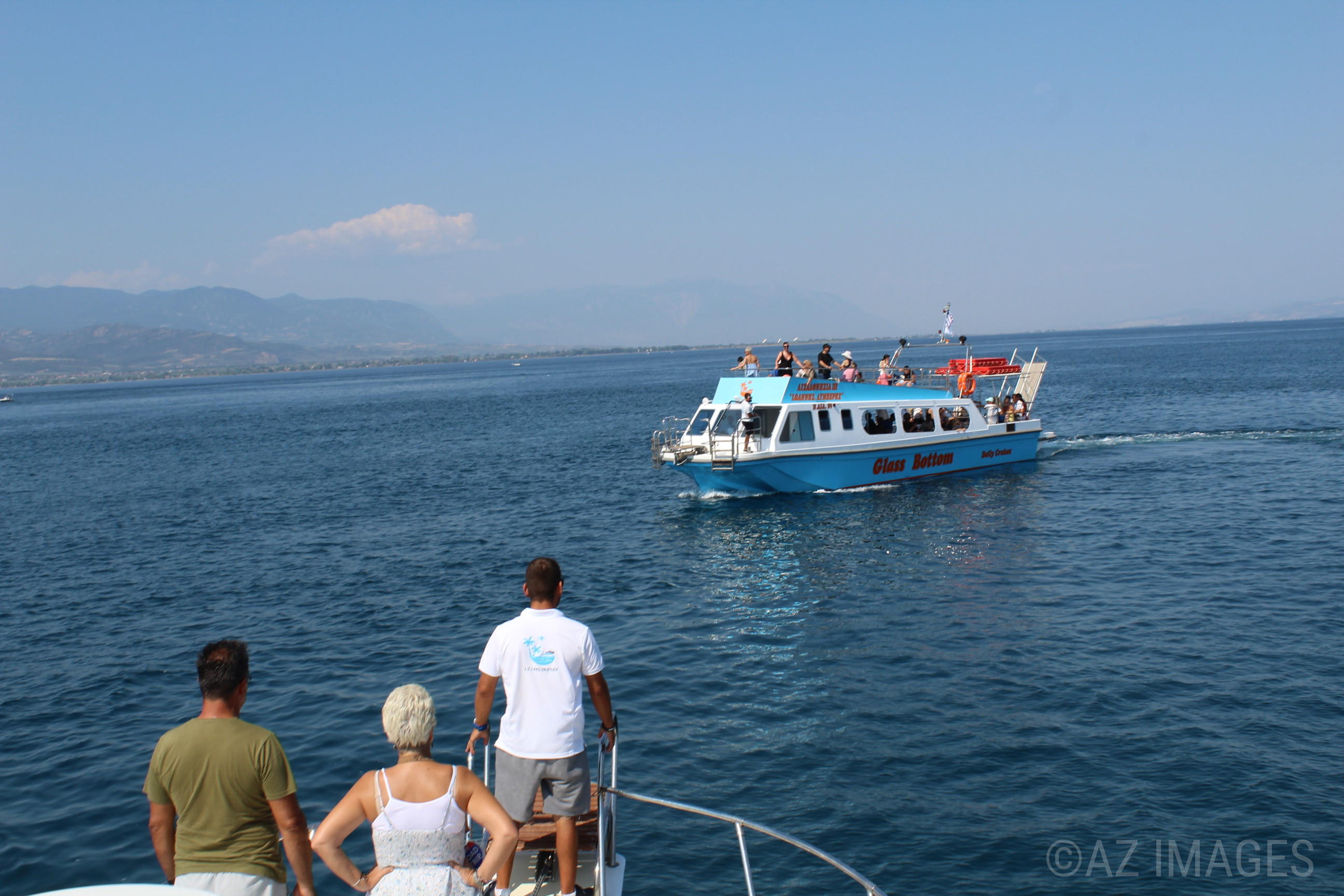
A race between the two cruise boats. We won!

The name of the location ‘Lichadonisia’- pronounced (lee-ha-don-isia) is derived from Greek mythology. Lichas was the servant of Heracles (Hercules) who brought a poisoned lion-skinned garment from Deianira (Heracles’ wife) to Heracles. Deianira was trying to kill Heracles as she was jealous of his new love interest Iole. As as a punishment Heracles threw Lichas into the sea where Lichadonisa is located.

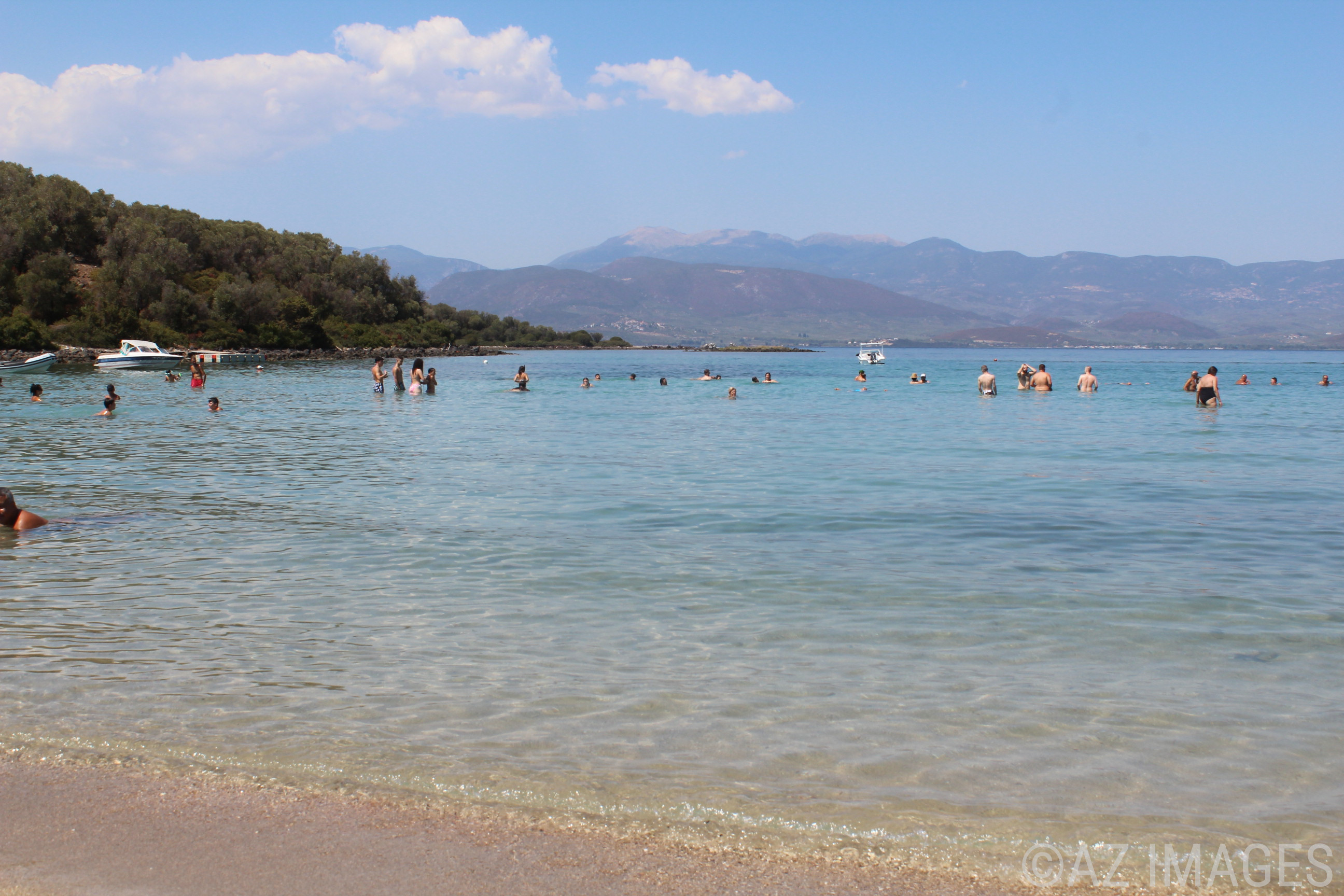
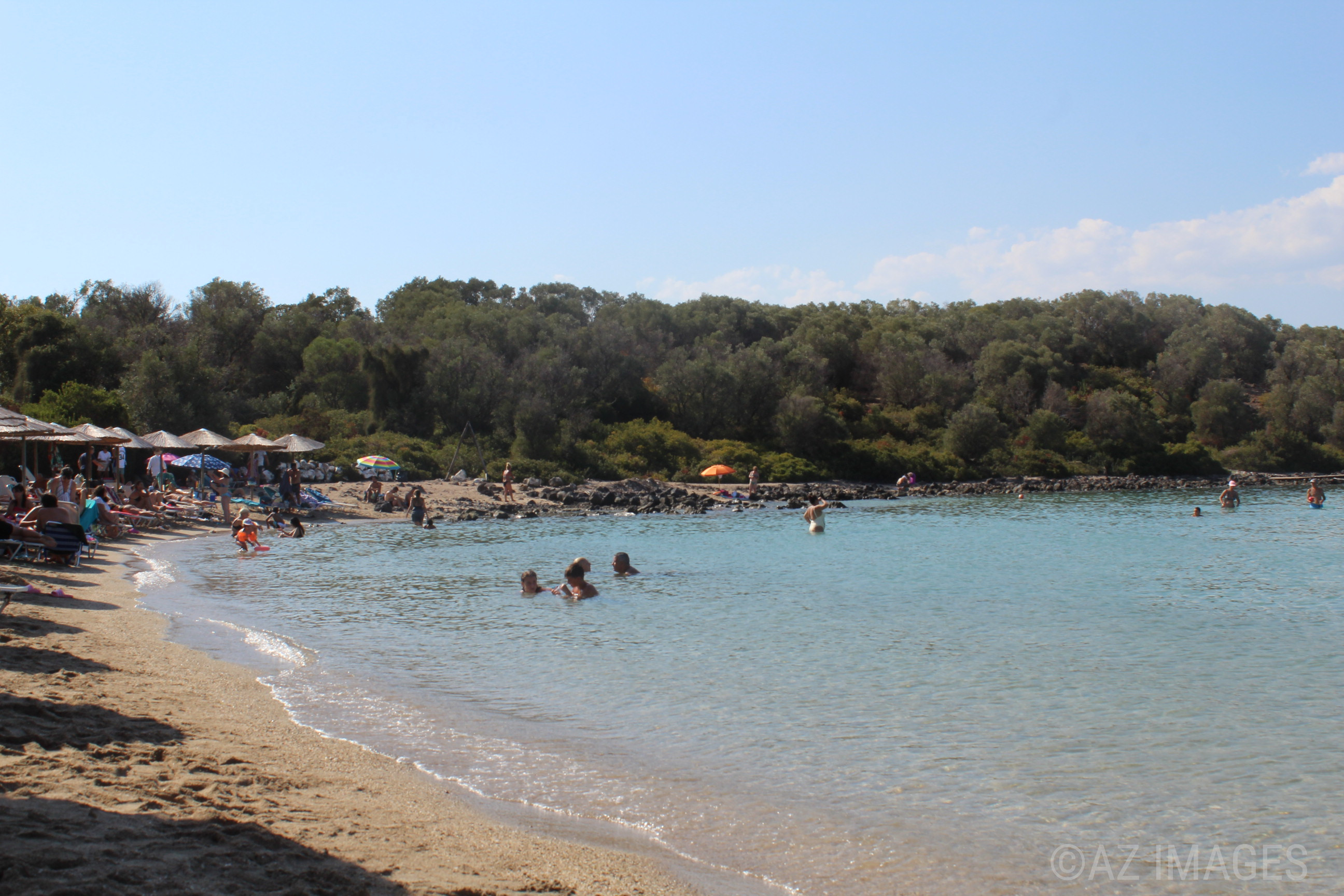
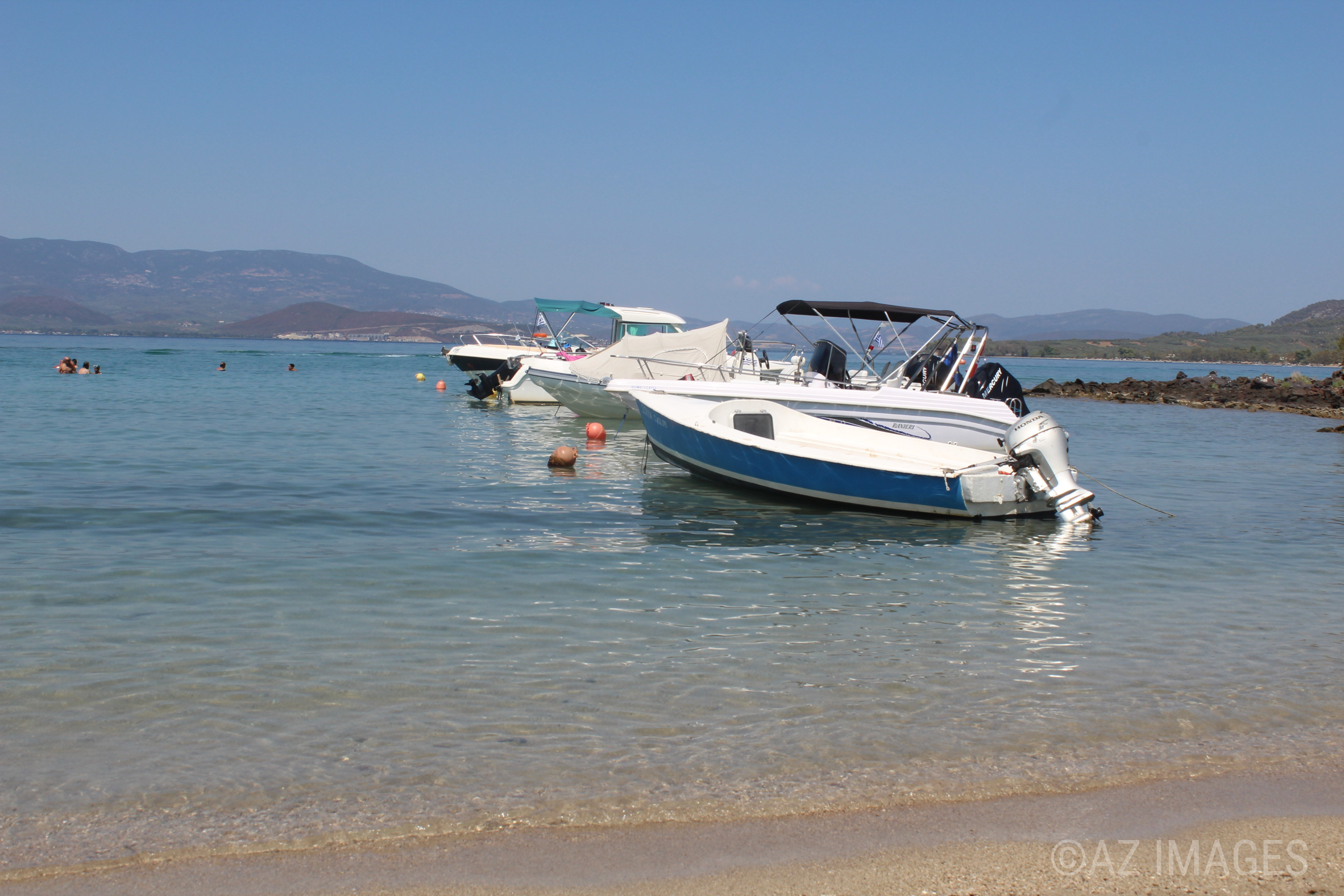
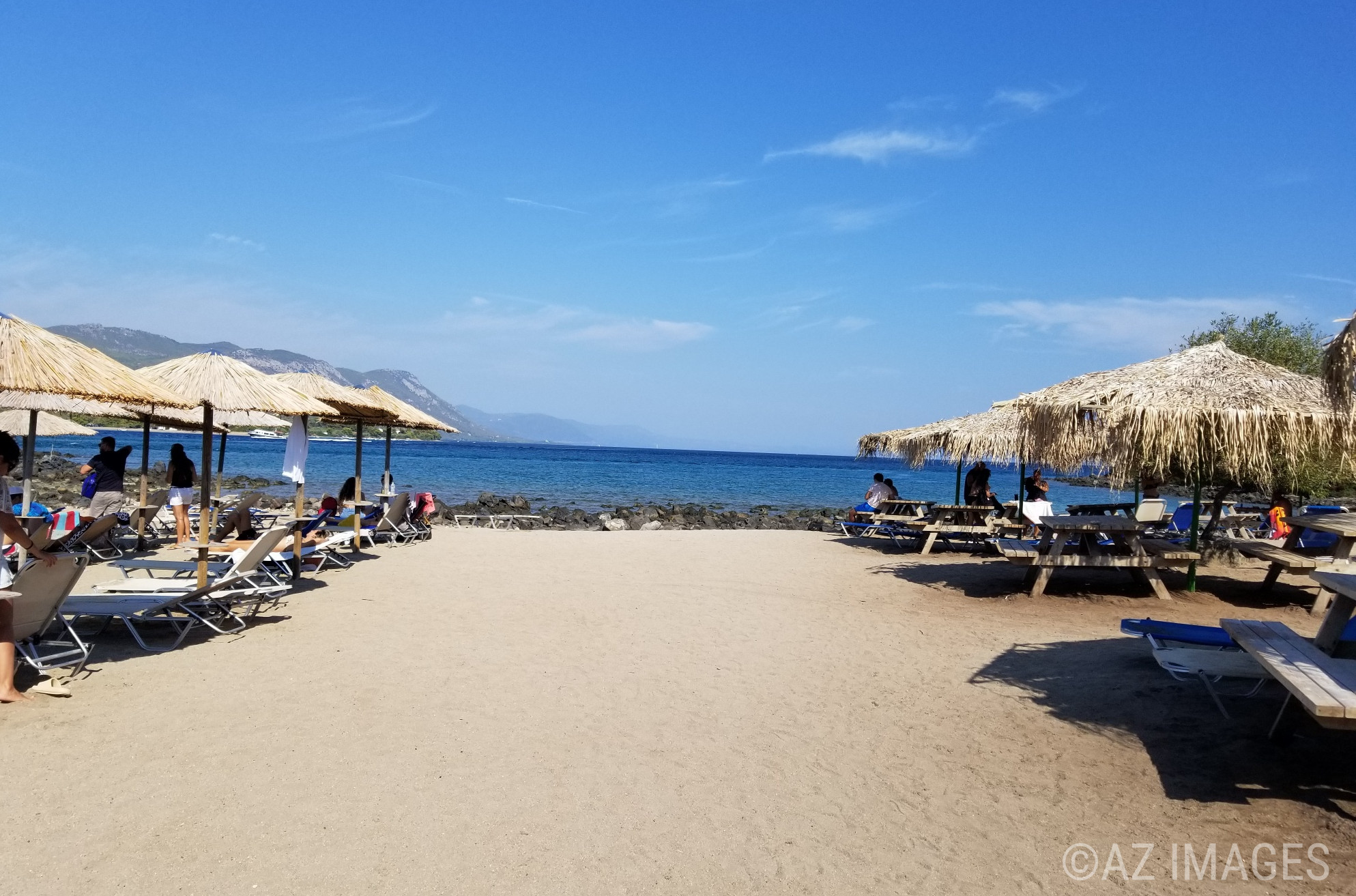
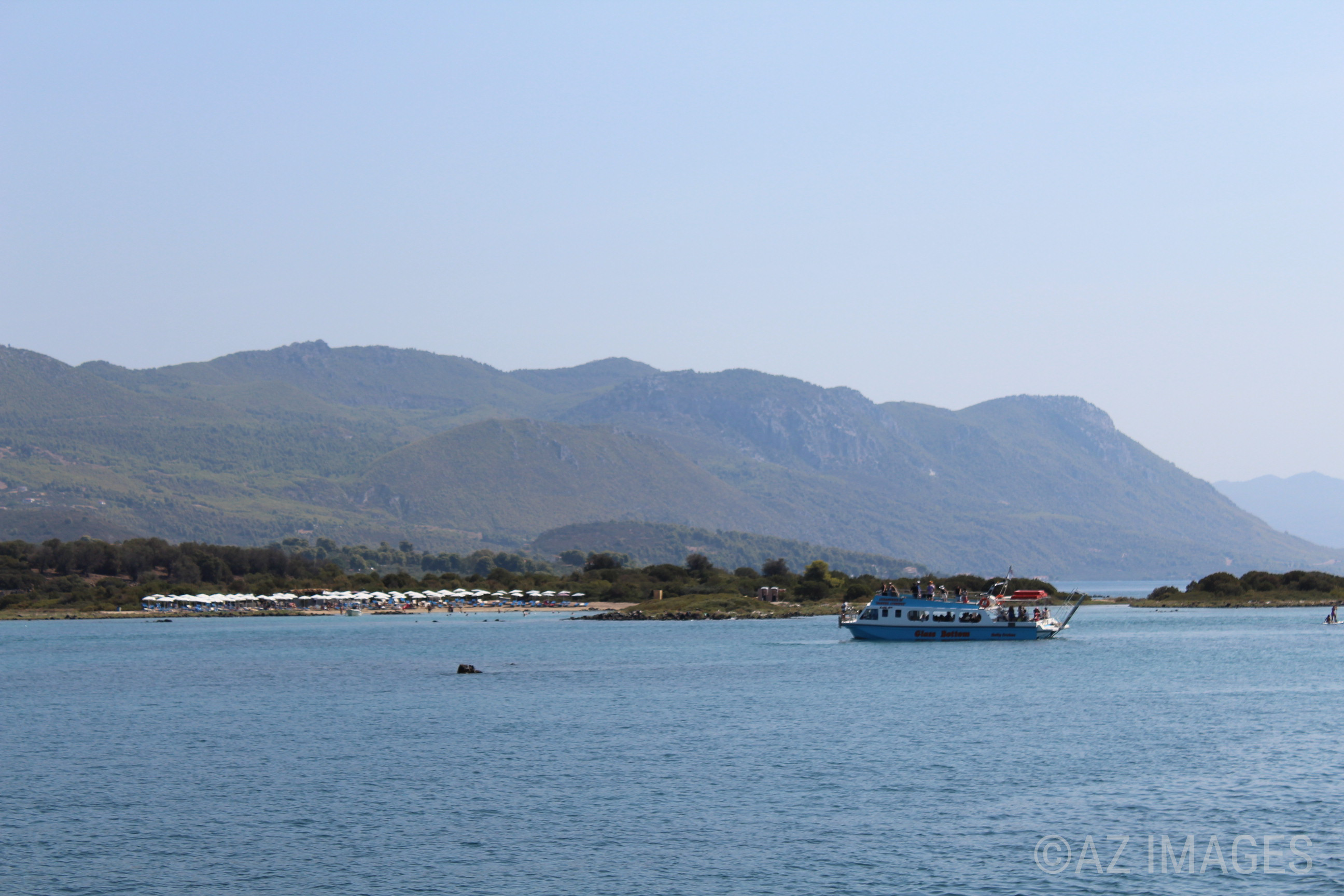
The location consists of seven islands and islets. There is a shipwreck from the 1940’s and I saw some seals splashing around. The biggest island, Manolia has a beautiful beach and is visited by many tourists in the summer. The waters are clear and shallow and there is a beach bar and small sandwich shop. Overall, the cruise was a lot of fun, I enjoyed my time there, even though it was a full beach.

Το όνομα της τοποθεσίας «Λιχαδονήσια» προέρχεται από την ελληνική μυθολογία. Ο Λίχας ήταν ο υπηρέτης του Ηρακλή που έφερε στον Ηρακλή ένα δηλητηριασμένο χιτώνα απο δέρμα λιονταριού από τη Δηιάνειρα (σύζυγος του Ηρακλή). Η Δηιάνειρα προσπαθούσε να σκοτώσει τον Ηρακλή καθώς ζήλευε το νέο του έρωτα Ιόλη. Ως τιμωρία ο Ηρακλής πέταξε τον Λίχα στη θάλασσα όπου βρίσκονται τα Λιχαδόνησα.

Η τοποθεσία αποτελείται από επτά νησιά και βραχονησίδες. Υπάρχει ένα ναυάγιο από τη δεκαετία του 1940 και είδα μερικές φώκιες να πιτσιλίζουν τριγύρω. Το μεγαλύτερο νησί, η Μανωλιά, έχει μια όμορφη παραλία και το επισκέπτονται πολλοί τουρίστες το καλοκαίρι. Τα νερά είναι καθαρά και ρηχά και υπάρχει και ενα μπιτς μπαρ που σερβίρει φαγητό. Η κρουαζιέρα ήταν πολύ διασκεδαστική, απόλαυσα τον χρόνο μου εκεί, παρόλο που ήταν μια γεμάτη παραλία.

Lichadonisia Pt1/Λιχαδονήσια

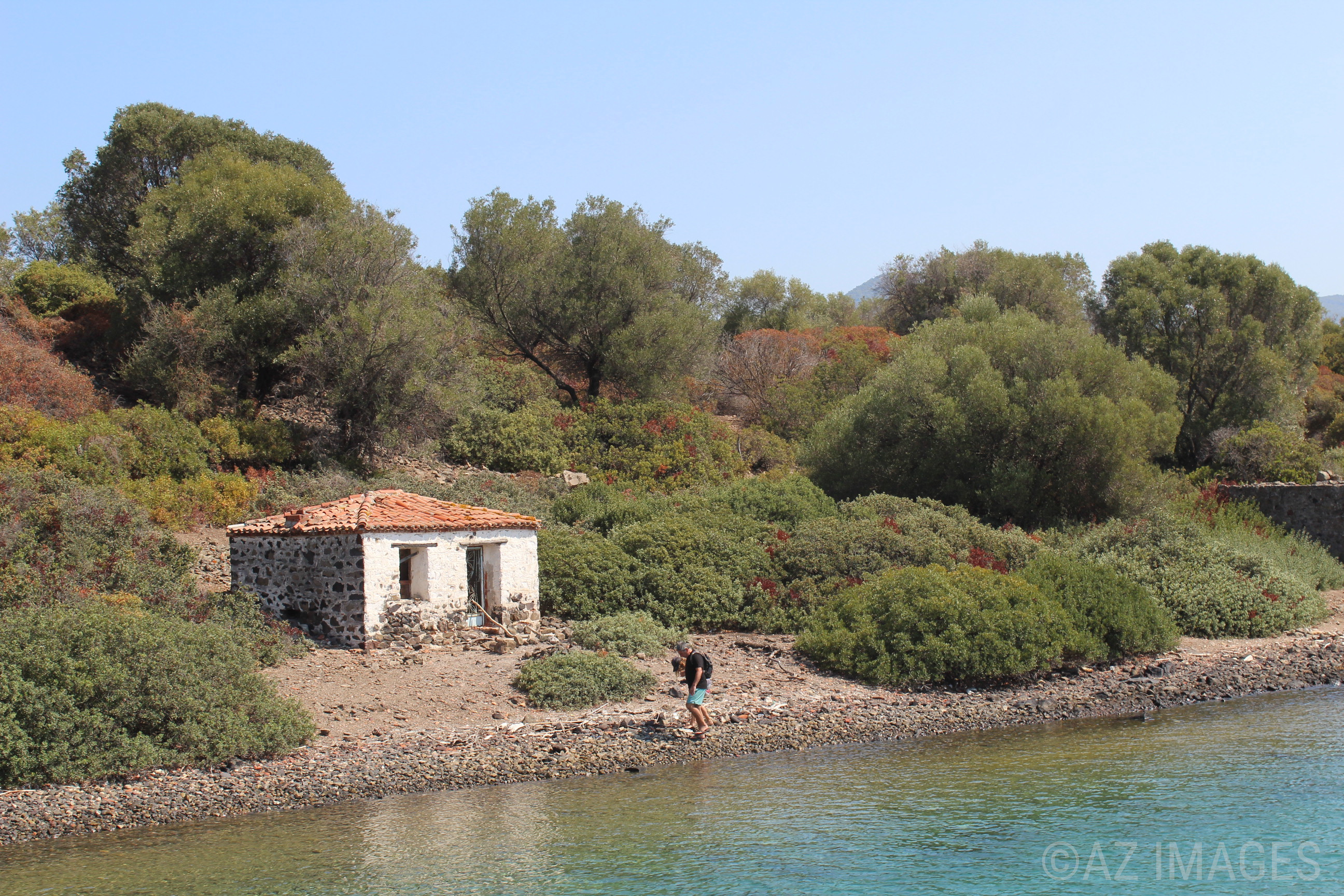
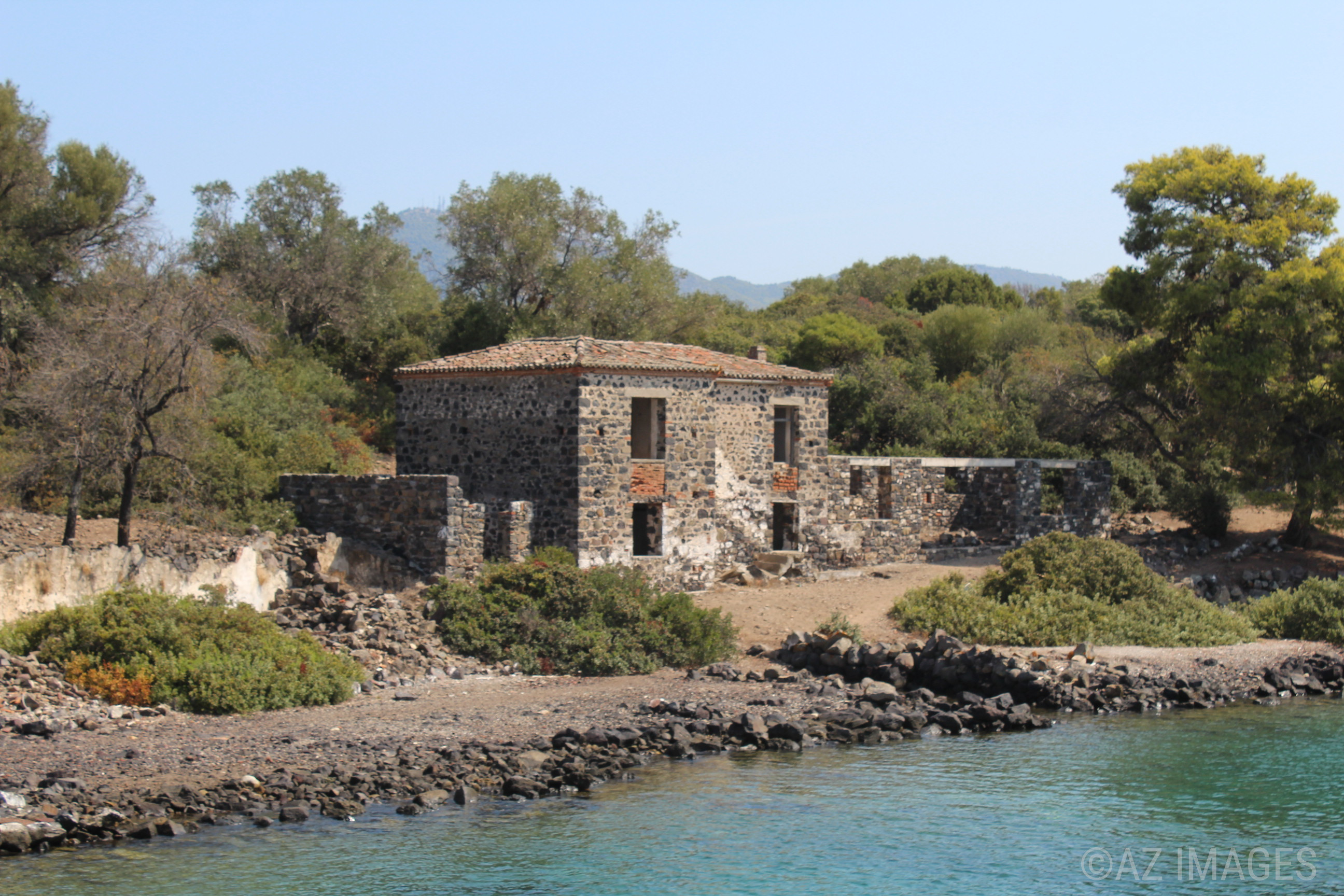
An abandoned home on one of the islands.

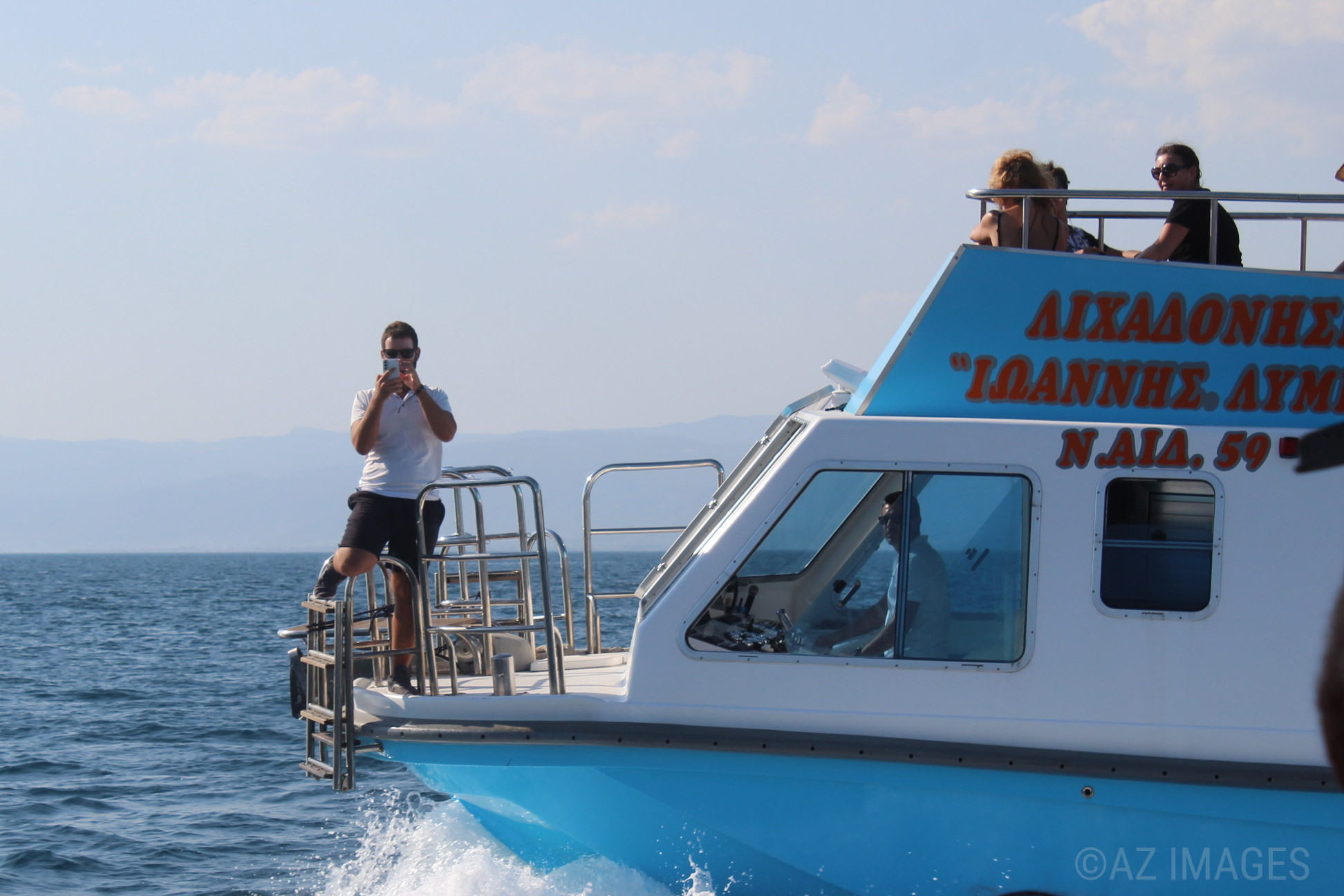
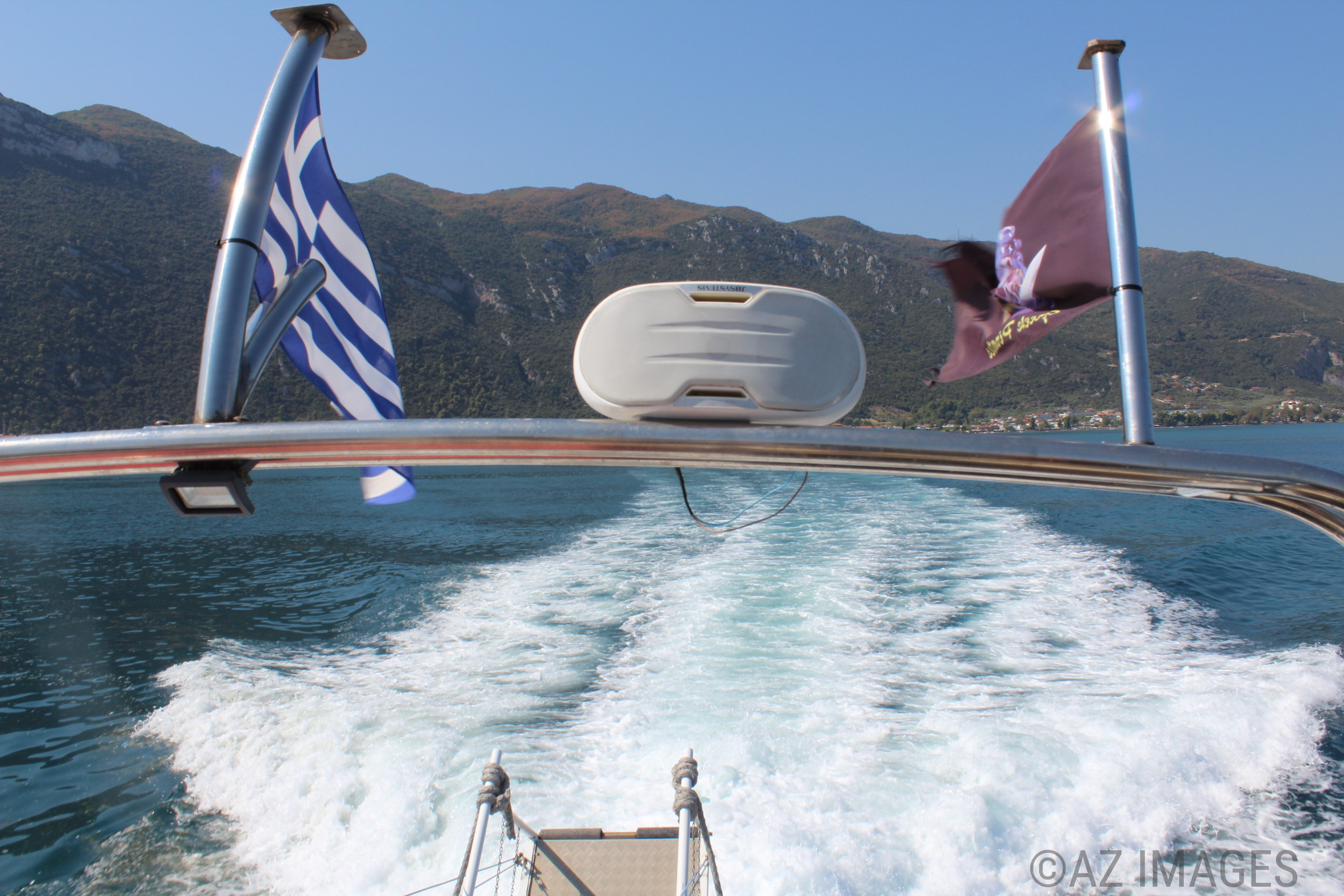
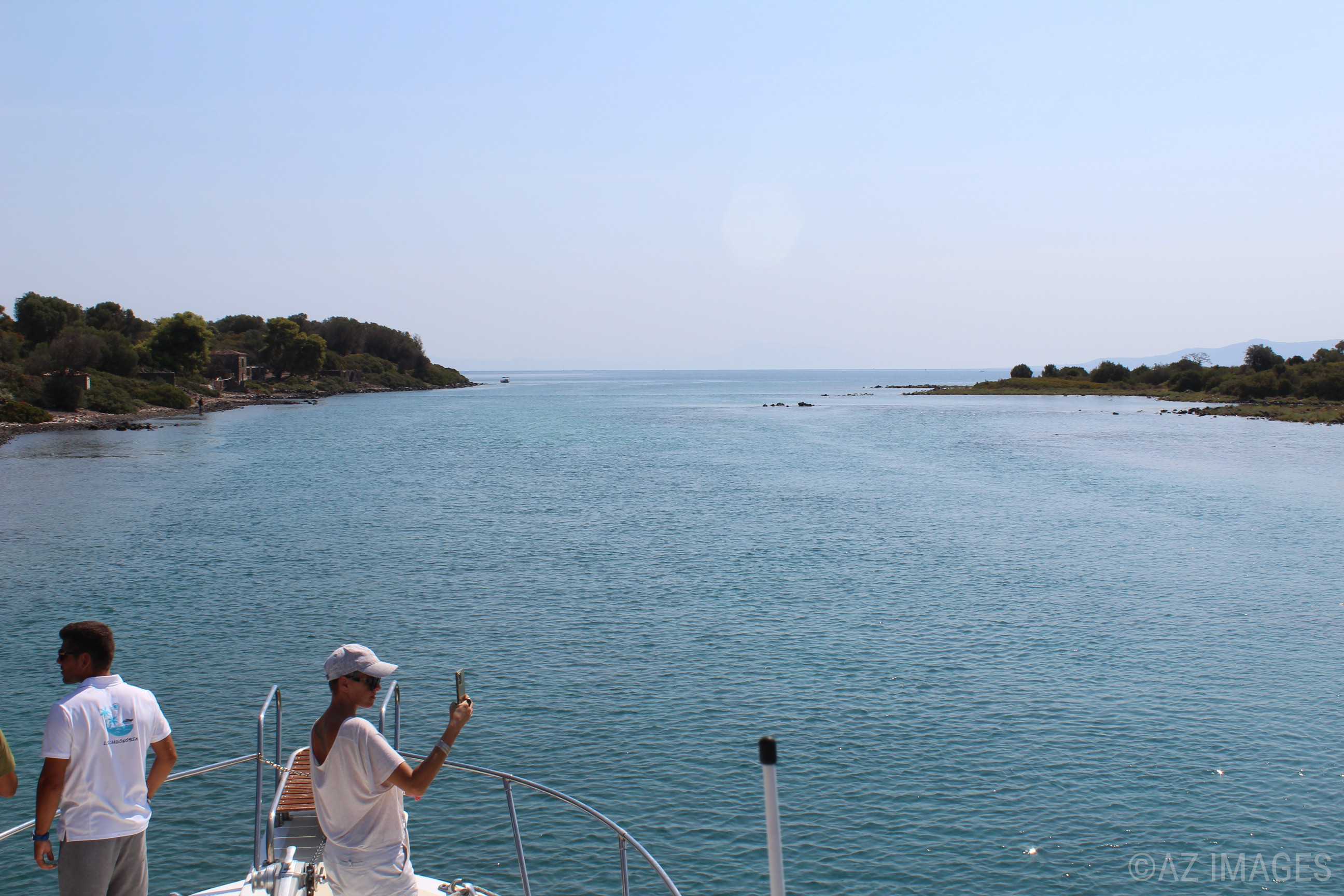
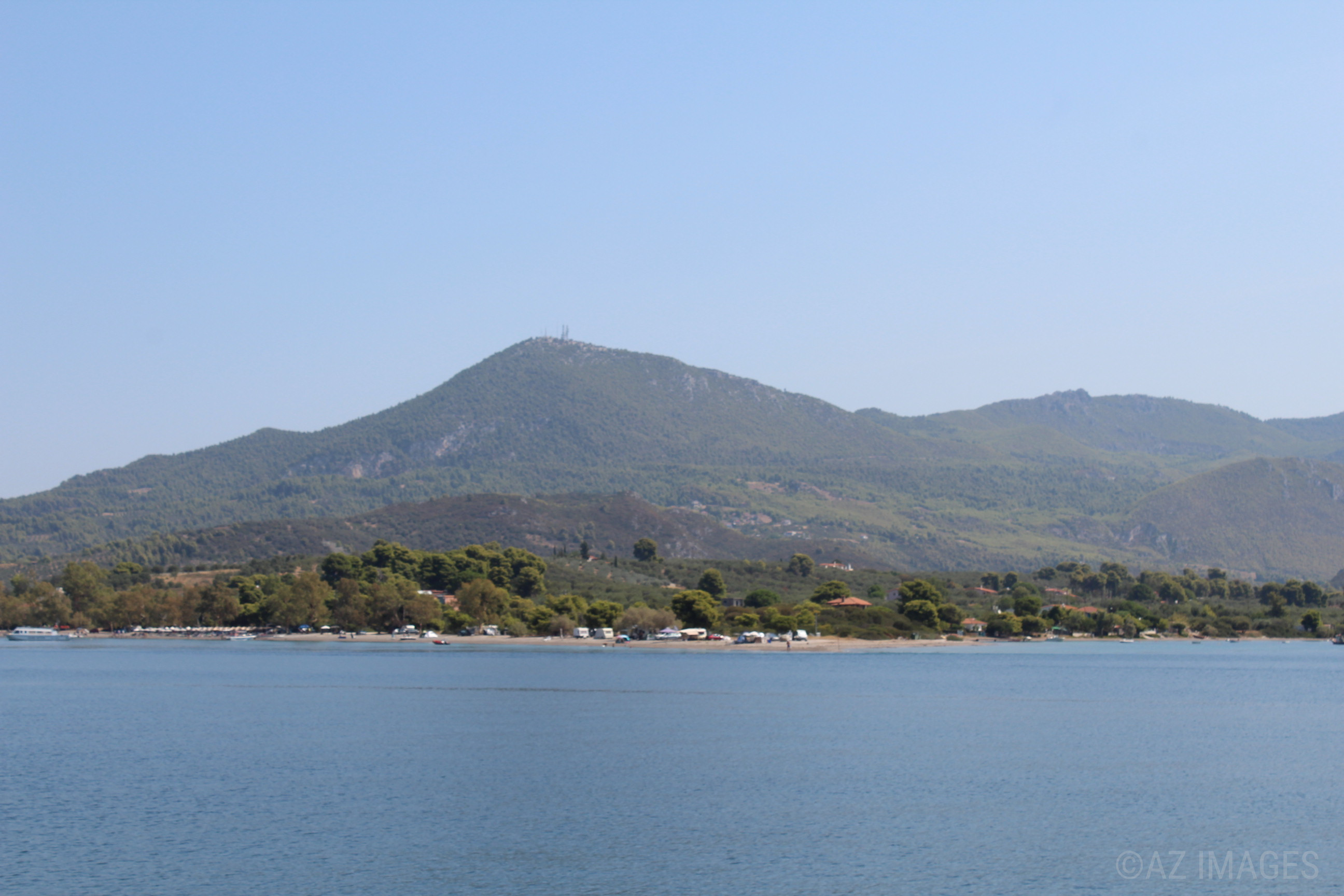
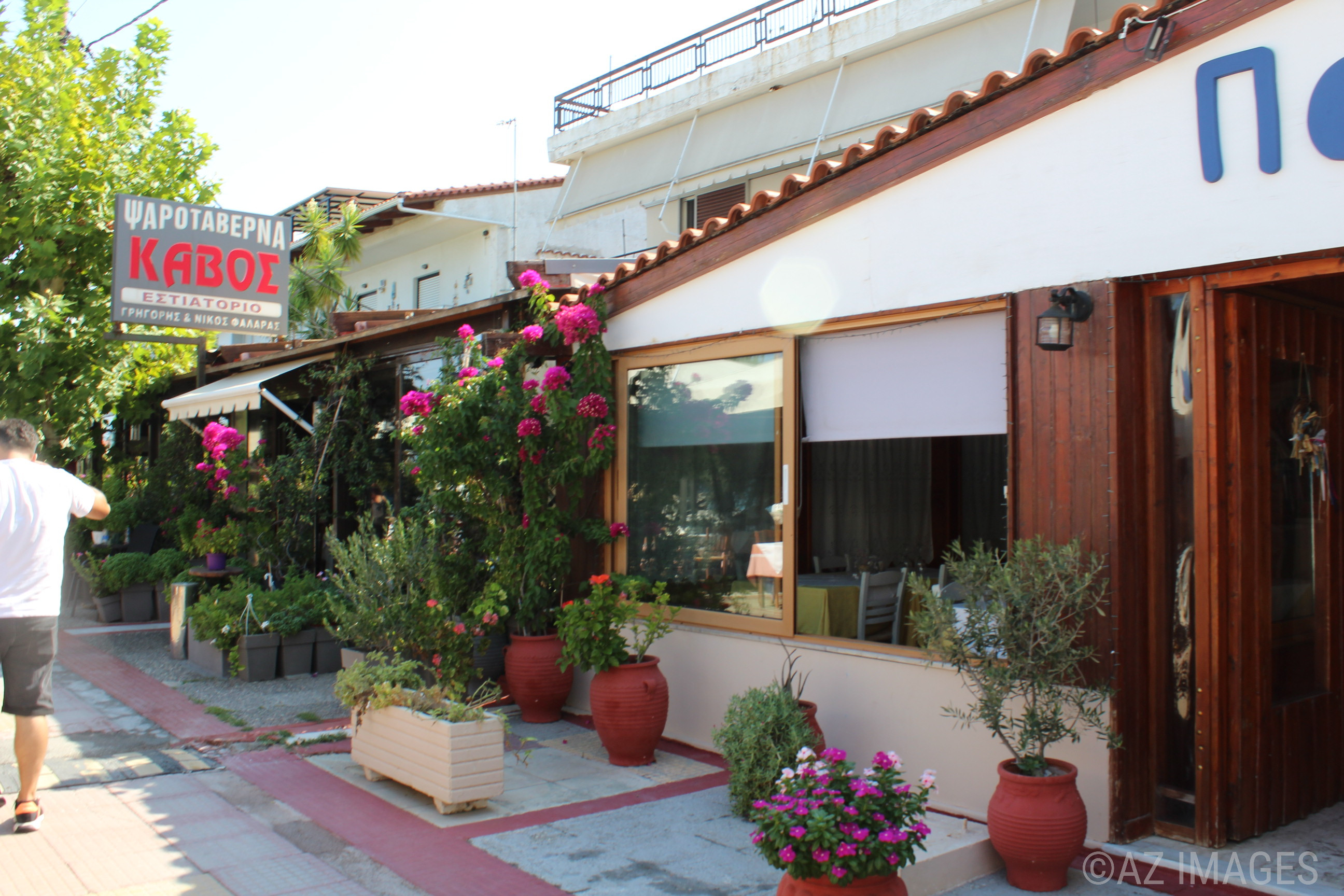
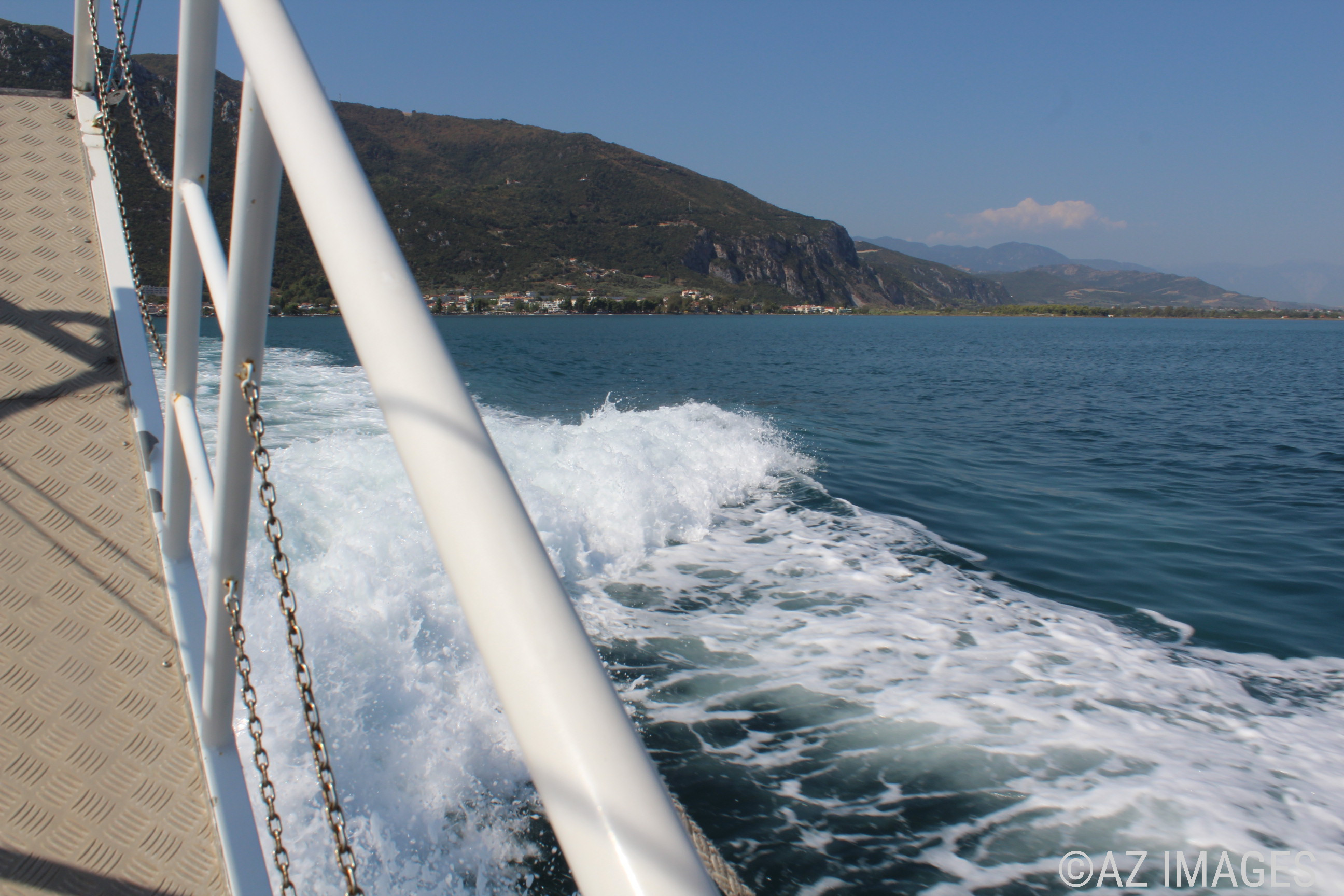
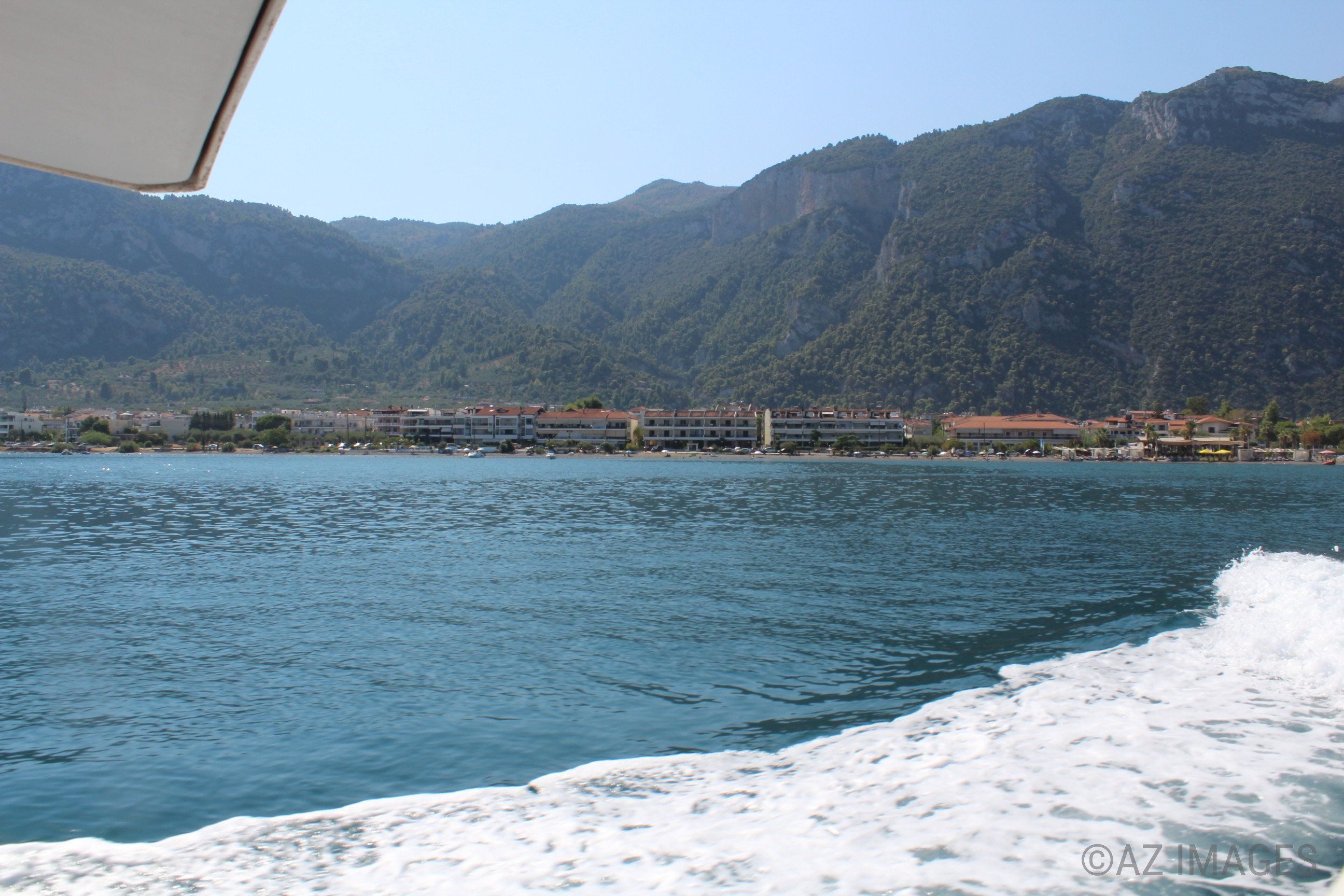
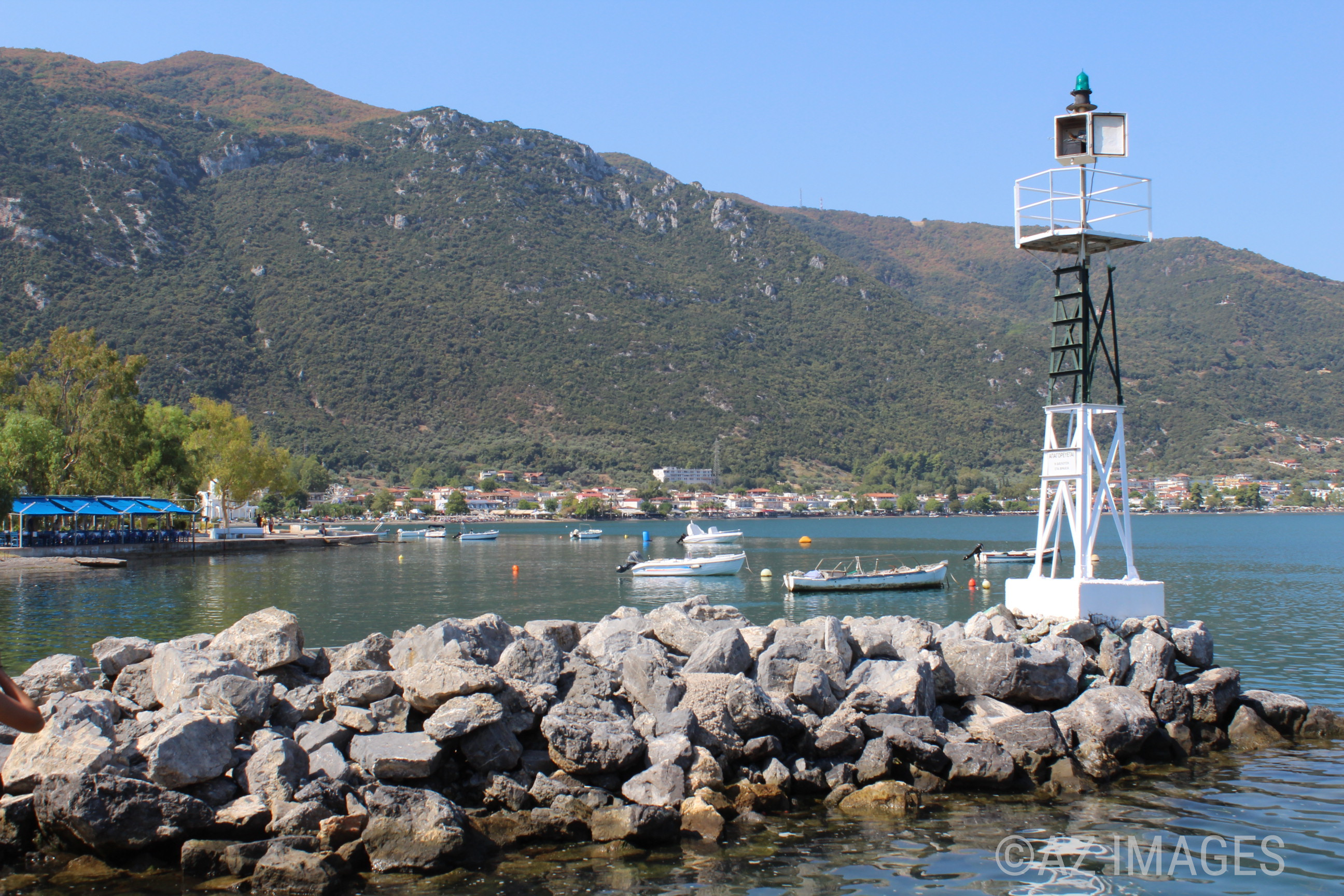
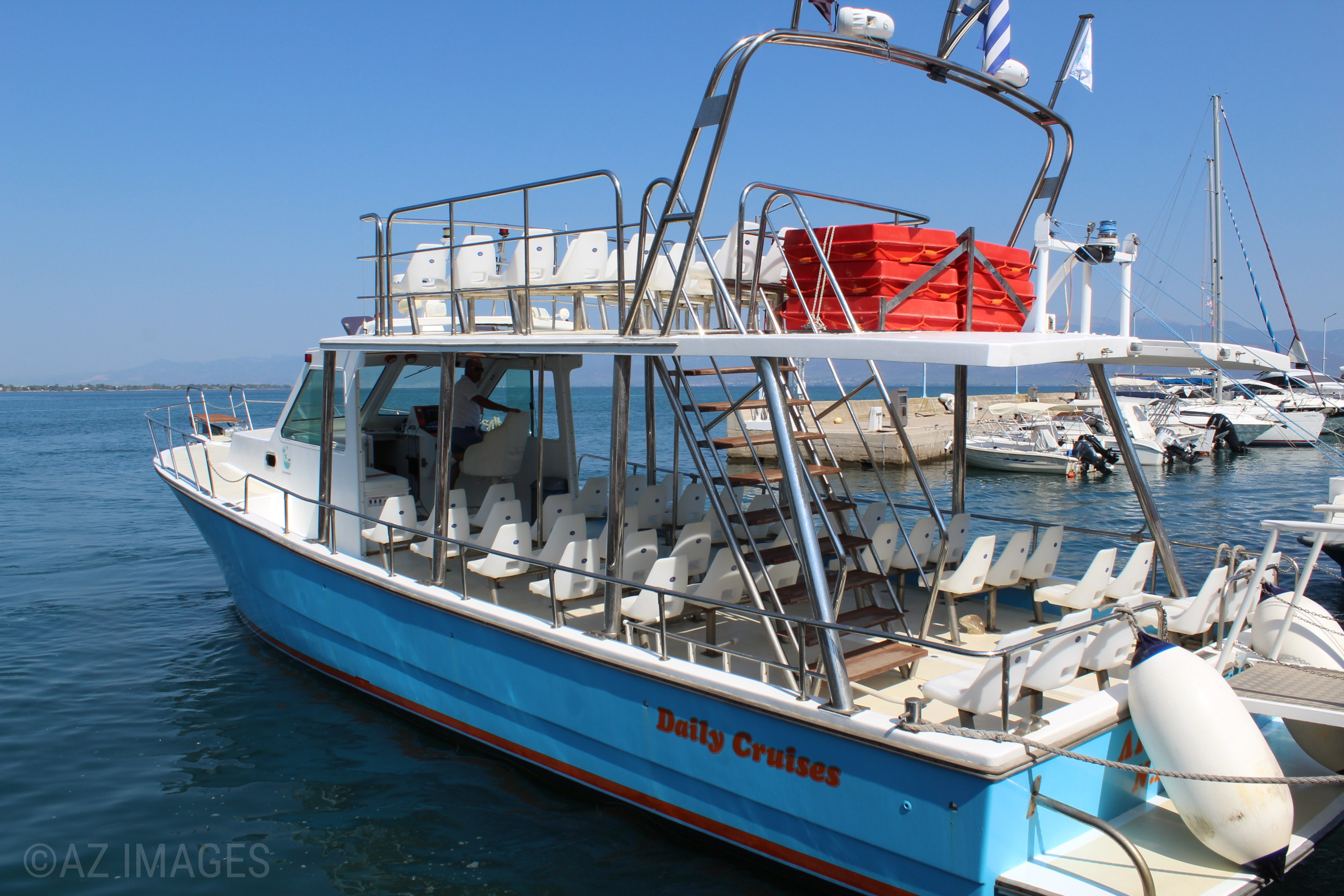
From the small port in the town of Kamena Vourla we take the cruise boat for an hour long cruise around the Lichadonisia islands. They are small deserted islands in the North of Evia island. Known as the ‘Caribbean’ of Greece.

Lichadonisia is covered with wild olive trees, pine trees and bushes and was formerly inhabited mainly by fishermen. In 1928, the islands had 70 inhabitants, and their main source of income was fishing. Most of fishermen left in the 1960s, as they were too remote and needed the comforts of the modern era. In the 1981 census there were only five people left living on the islands.

Από το λιμανάκι της πόλης των Καμένων Βούρλων παίρνουμε το κρουαζιερόπλοιο για μια ώρα κρουαζιέρα στα Λιχαδονήσια. Είναι μικρά ερημικά νησιά στα βόρεια της Εύβοιας. Γνωστή ως η «Καραϊβική» της Ελλάδας.

Τα Λιχαδονήσια καλύπτονται από αγριελιές, πεύκα και θάμνους και παλαιότερα κατοικούνταν κυρίως από ψαράδες. Το 1928 τα νησιά είχαν 70 κατοίκους και η κύρια πηγή εισοδήματός τους ήταν η αλιεία. Οι περισσότεροι ψαράδες έφυγαν τη δεκαετία του 1960, καθώς ήταν πολύ απομακρυσμένοι και χρειάζονταν τις ανέσεις της σύγχρονης εποχής. Στην απογραφή του 1981 είχαν μείνει μόνο πέντε άνθρωποι που ζούσαν στα νησιά.

Kamena Vourla/Καμένα Βούρλα

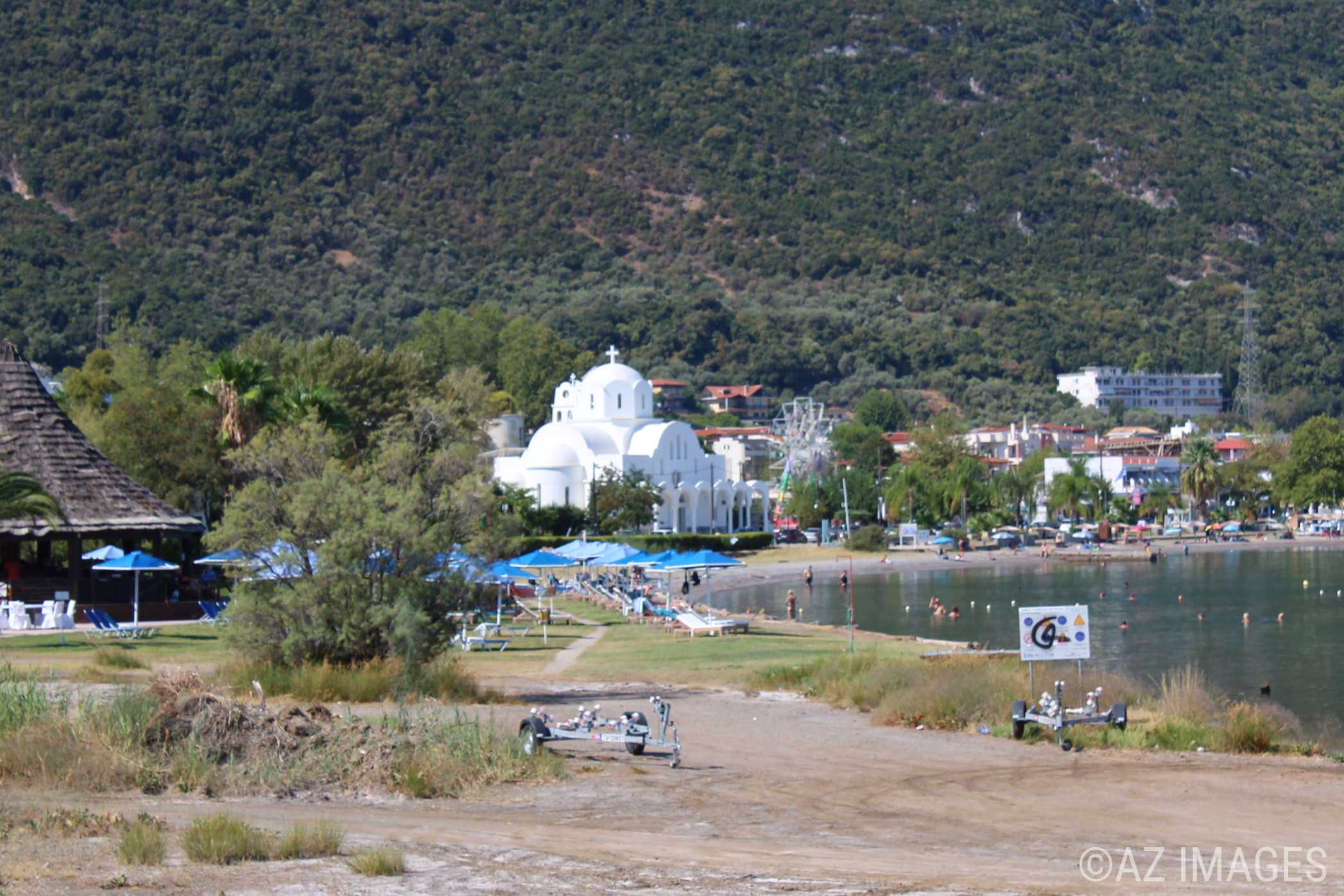
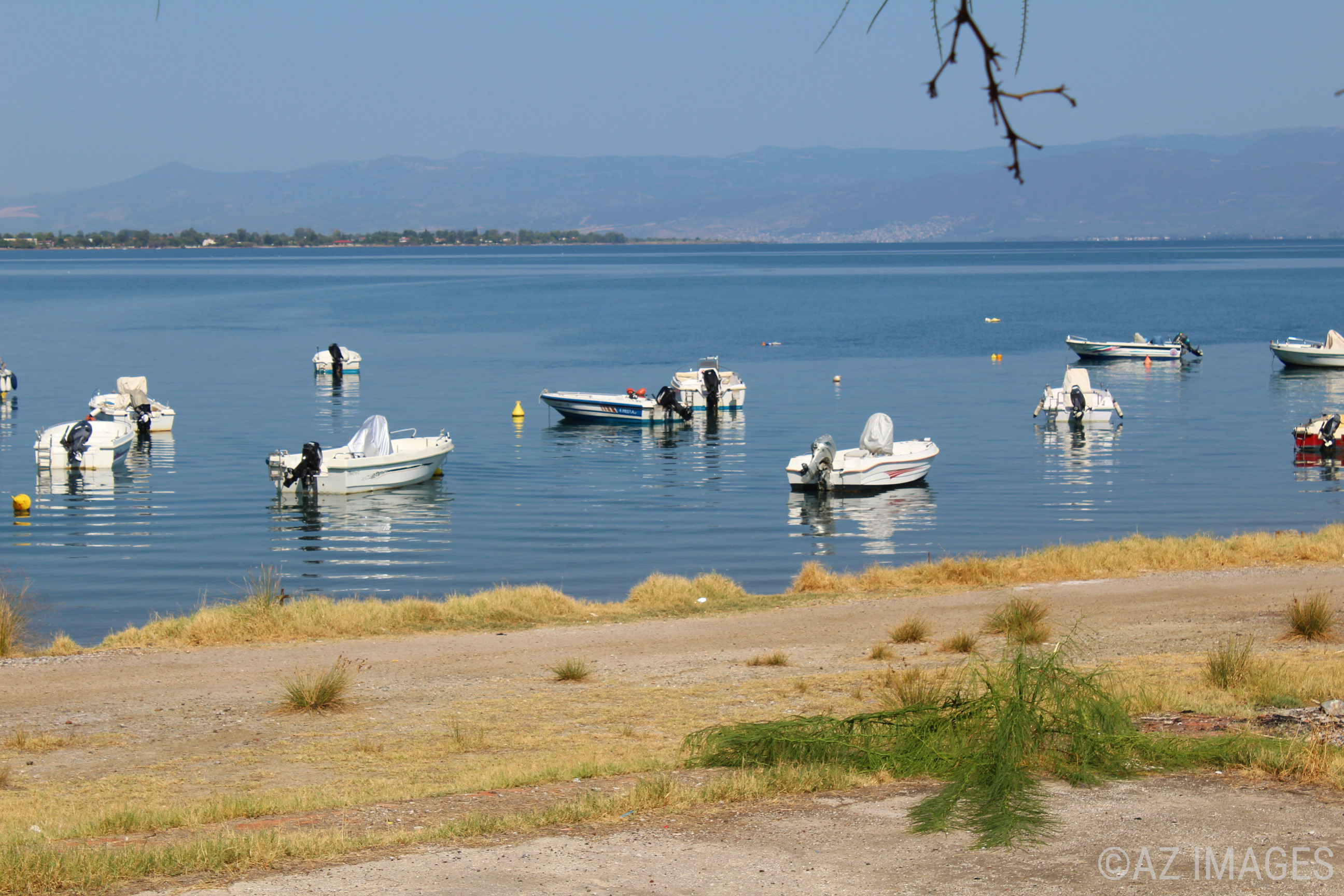
The town of Kamena Vourla (Burnt Rushes) is located in the municipality of Phthiotis in Central Greece. It has a with a population of about 2, 742 people. The name is a bit of a mystery, one plausable story is that when the Turks raided the land the locals hid in the rushes (the Juncaceae plants) and that’s is how they were saved.

In the 1920’s the area became famous for its therapeutic hots springs due to a high oncentration of the chemical radon in the water. There is a monastery from the 11th century dedictated to Iera Moni Metamorfoseos tou Sotiros eight km away on a road heading uphill. Located 24 km west of the town is a historical monument to the Battle of Thermopylae with a seal of Leonidas, King of Sparta, located not far from the mountain village Karya.

So, it’s a little tourist attraction for the older crowd, nothing fancy. It was just a stop where we could get to the cruise boat on our way to the our destination. Our destination being the- little known for many Greeks and tourists a like- at least that I know of, the Lichadonisia islands.

Η πόλη των Καμένων Βούρλων βρίσκεται στο δήμο Φθιώτιδας στη Στερεά Ελλάδα. Έχει πληθυσμό περίπου 2.742 κατοίκους. Το όνομα είναι λίγο μυστήριο, μια αληθοφανής ιστορία είναι ότι όταν οι Τούρκοι έκαναν επιδρομές στη γη, οι ντόπιοι κρύφτηκαν στα βούρλα (τα φυτά Juncaceae) και έτσι σώθηκαν.
Στη δεκαετία του 1920 η περιοχή έγινε διάσημη για τις ιαματικές πηγές της λόγω της υψηλής συγκέντρωσης του χημικού ραδονίου στο νερό. Υπάρχει ένα μοναστήρι του 11ου αιώνα αφιερωμένο στην Ιερά Μονή Μεταμορφώσεως του Σωτήρος οκτώ χιλιόμετρα μακριά σε έναν δρόμο που κατευθύνεται ανηφορικά. Σε απόσταση 24 χιλιομέτρων δυτικά της πόλης βρίσκεται ένα ιστορικό μνημείο της Μάχης των Θερμοπυλών με σφραγίδα του Λεωνίδα, Βασιλιά της Σπάρτης, που δεν απέχει πολύ από το ορεινό χωριό Καρυά.
Έτσι, είναι ένα μικρό τουριστικό αξιοθέατο για τους μεγαλύτερους σε ηλικία πλήθος, τίποτα φανταχτερό. Ήταν απλώς μια στάση όπου μπορούσαμε να φτάσουμε στο κρουαζιερόπλοιο στο δρόμο μας προς τον προορισμό μας. Ο προορισμός μας είναι τα Λιχαδονήσια – ελάχιστα γνωστός για πολλούς Έλληνες και τουρίστες.

Nafpaktos/ΝΑΥΠΑΚΤΟΣ Pt2

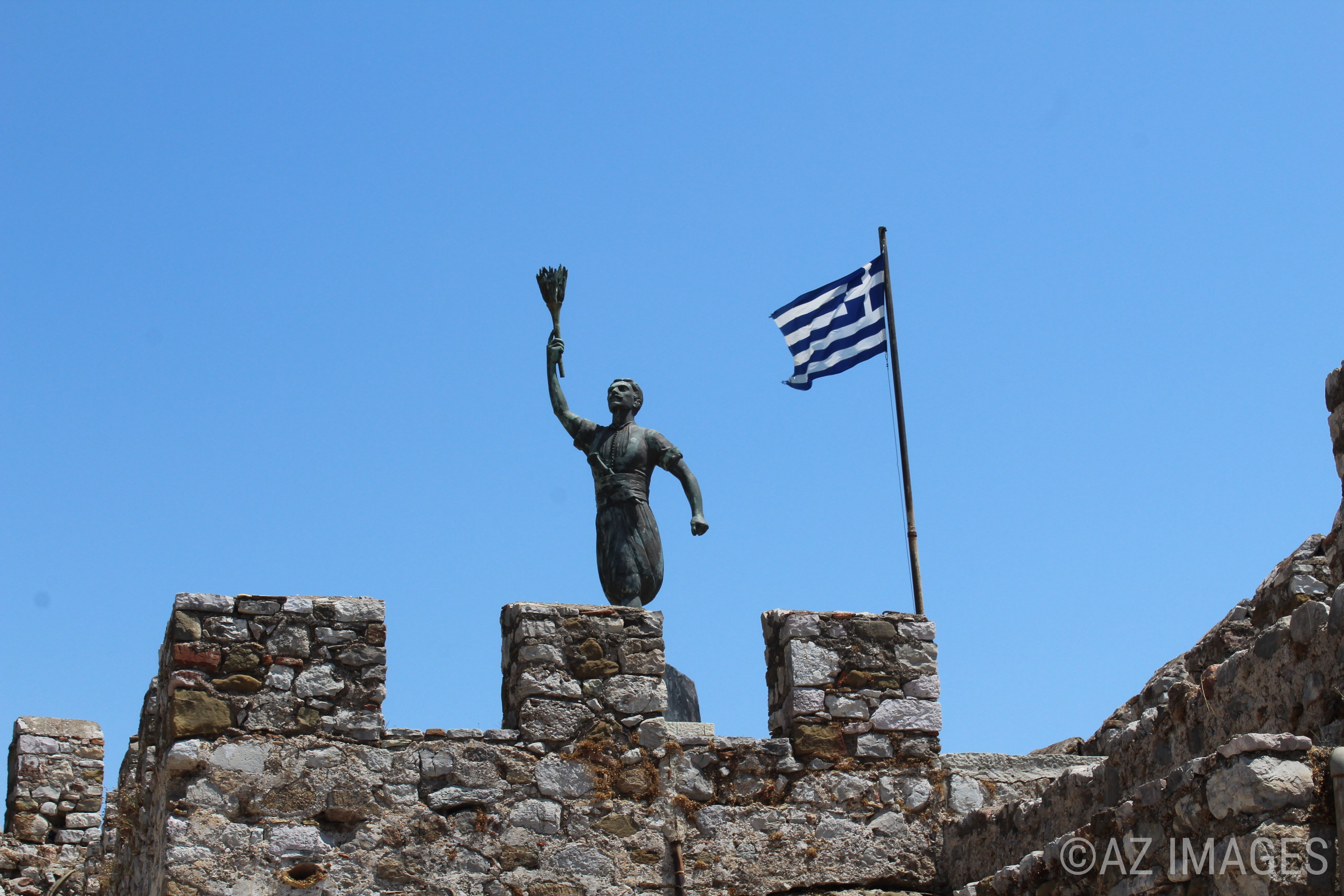
The statue of Giorgos Anemogiannis

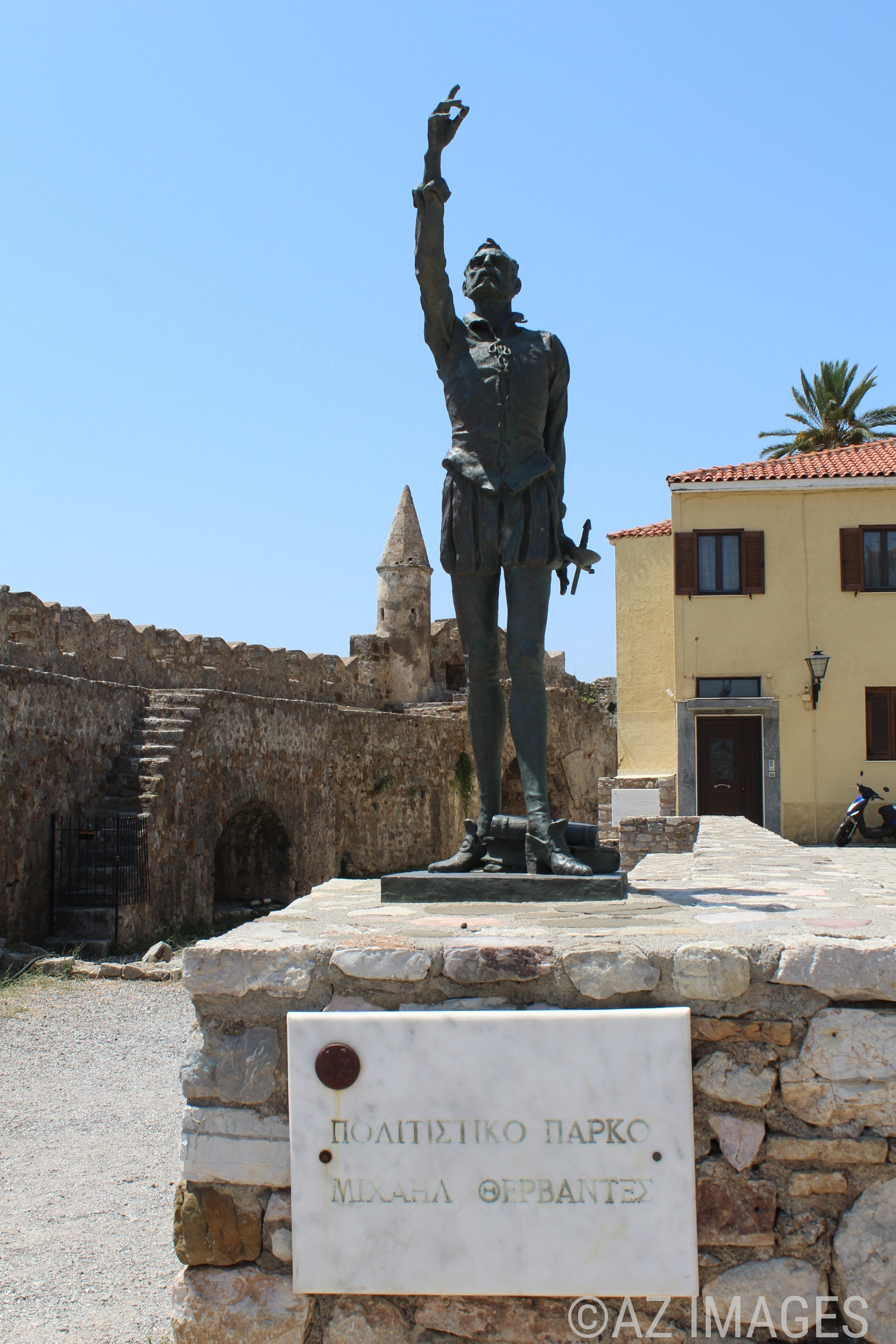
Statue of Miguel Cervantes

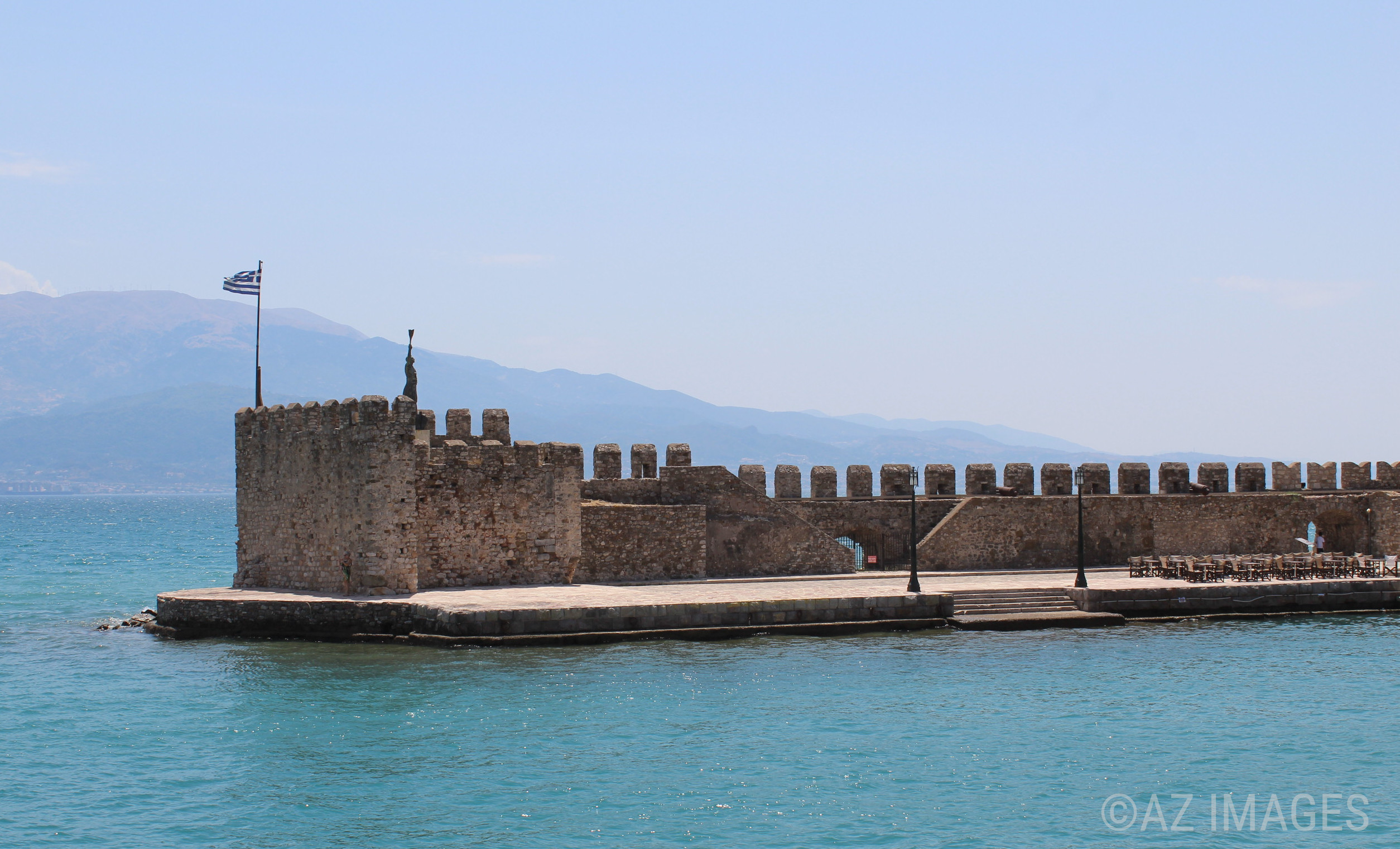
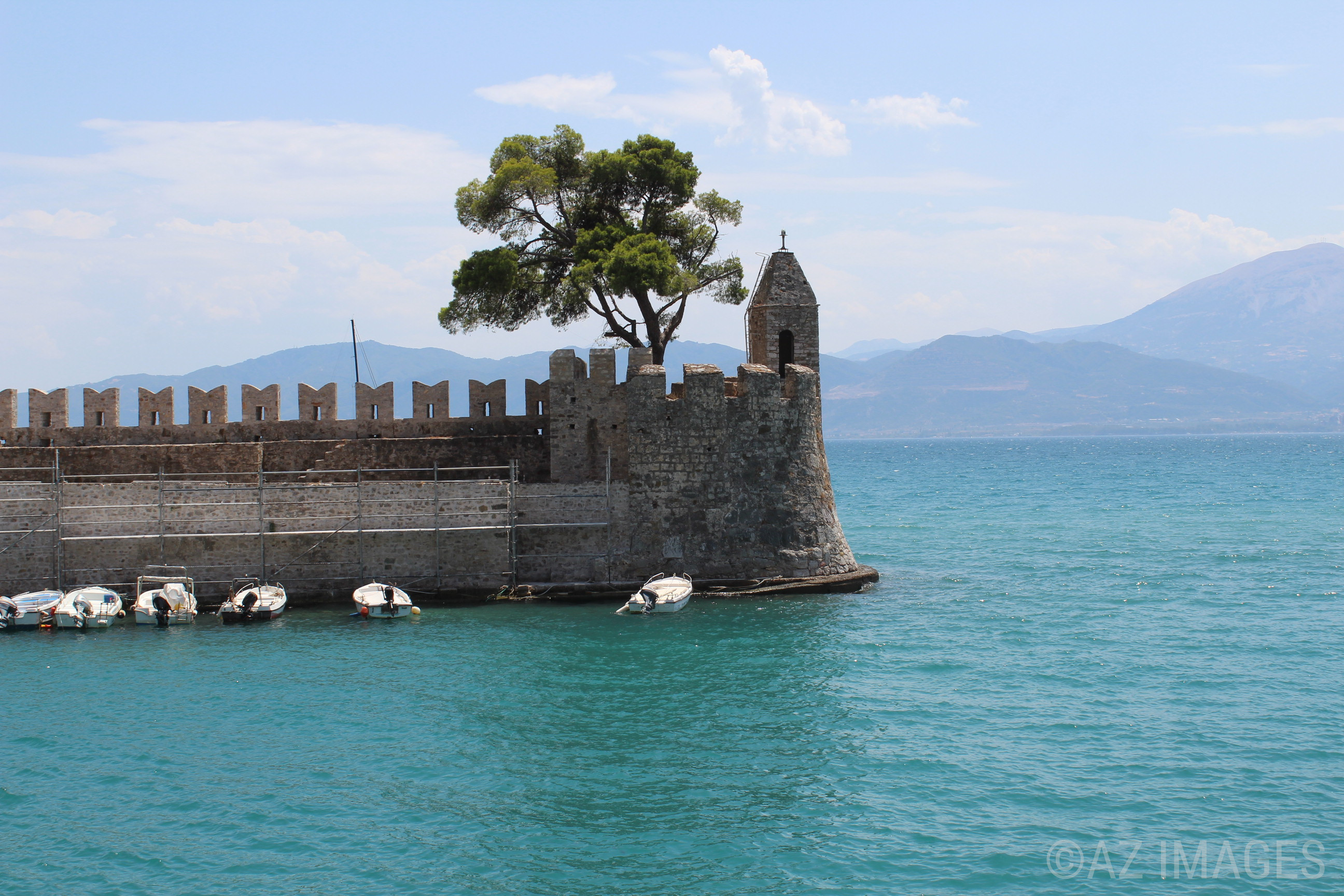
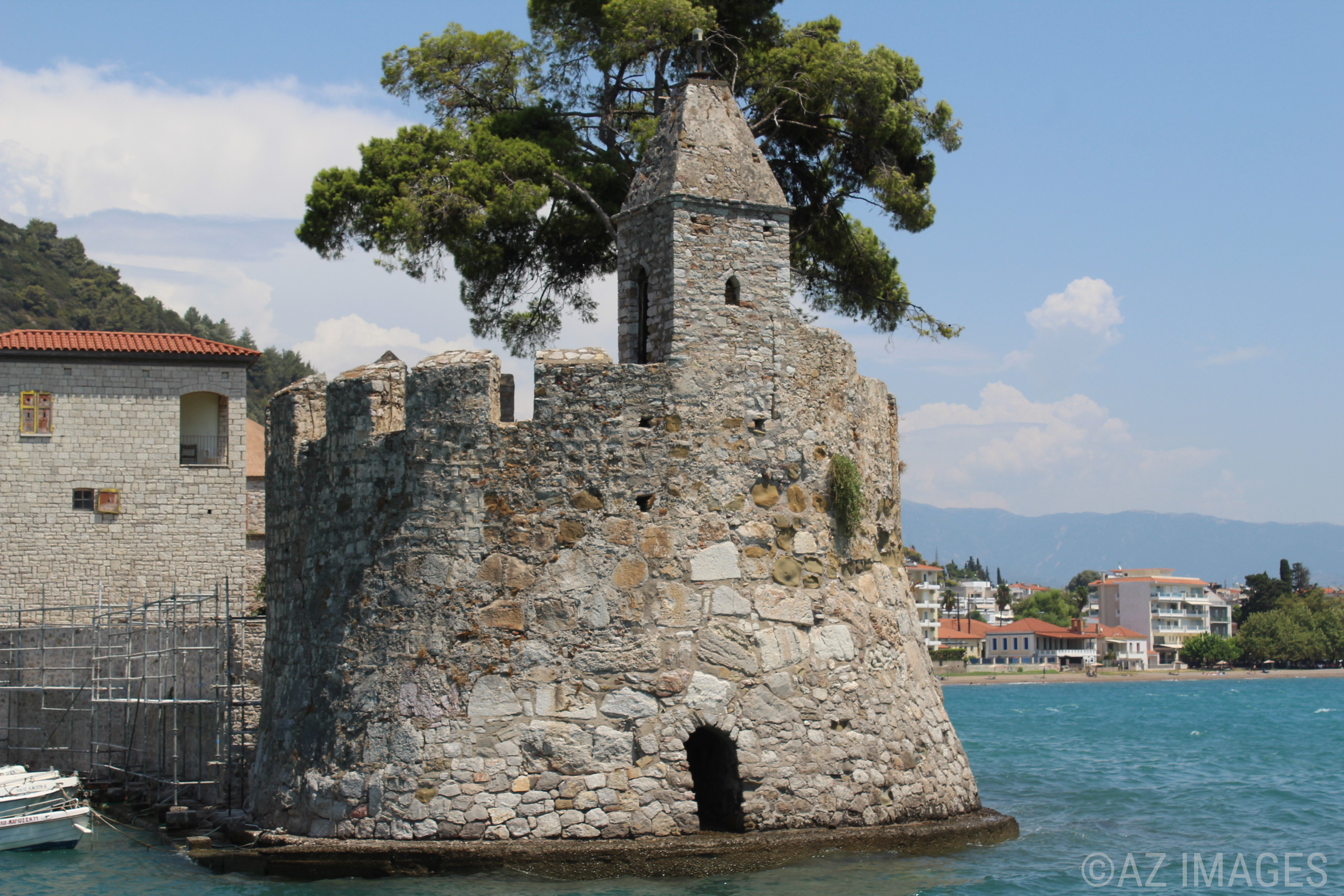
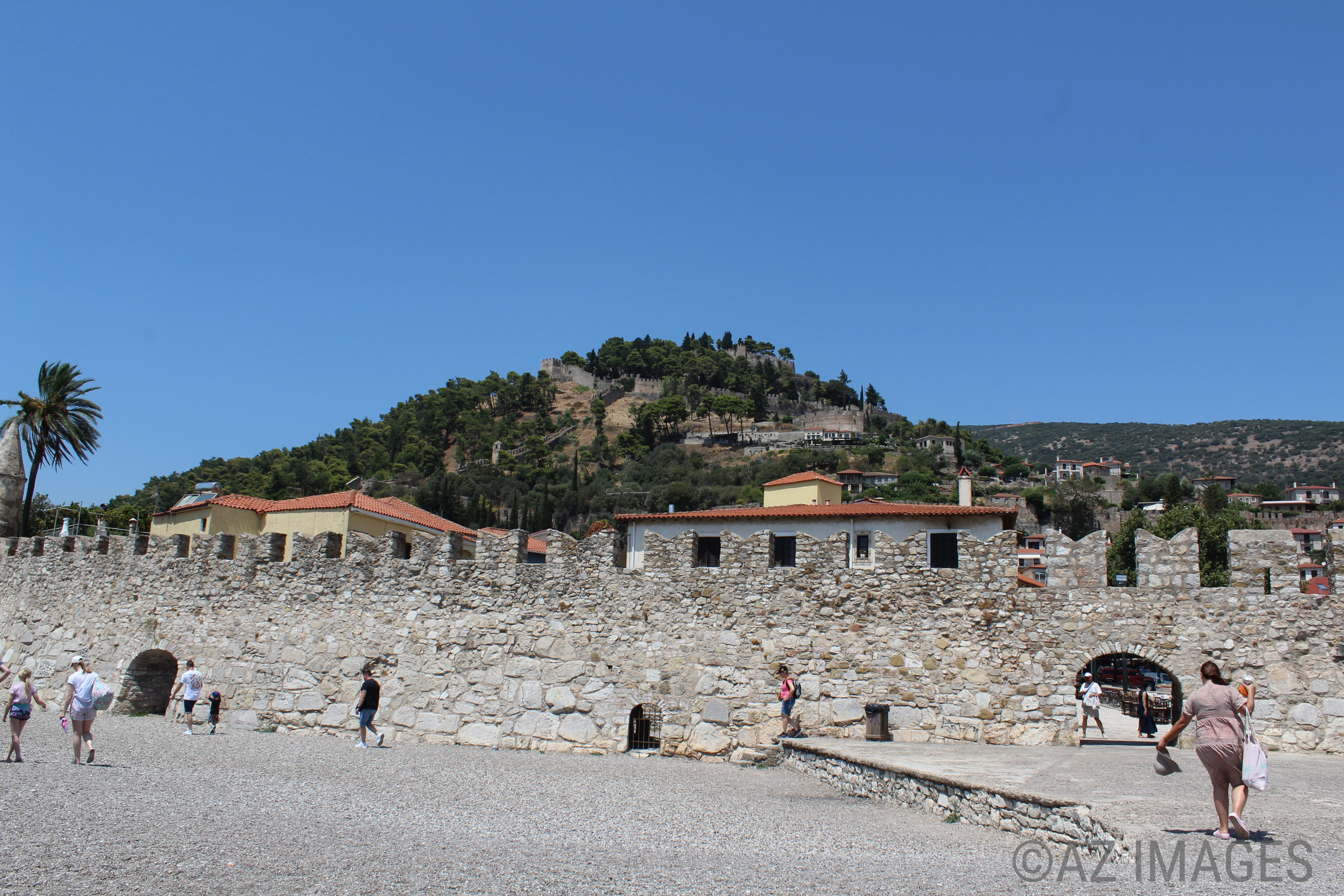
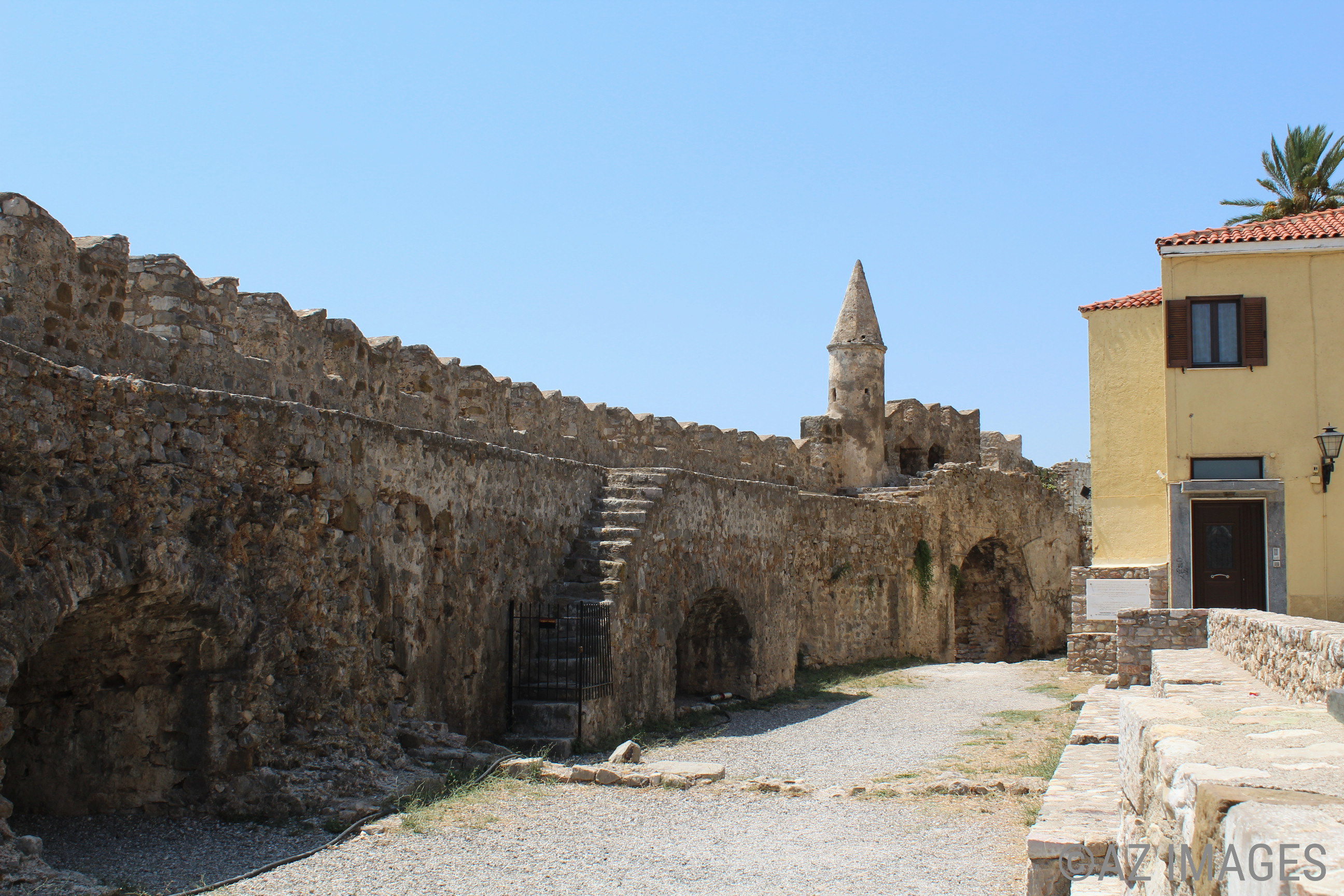
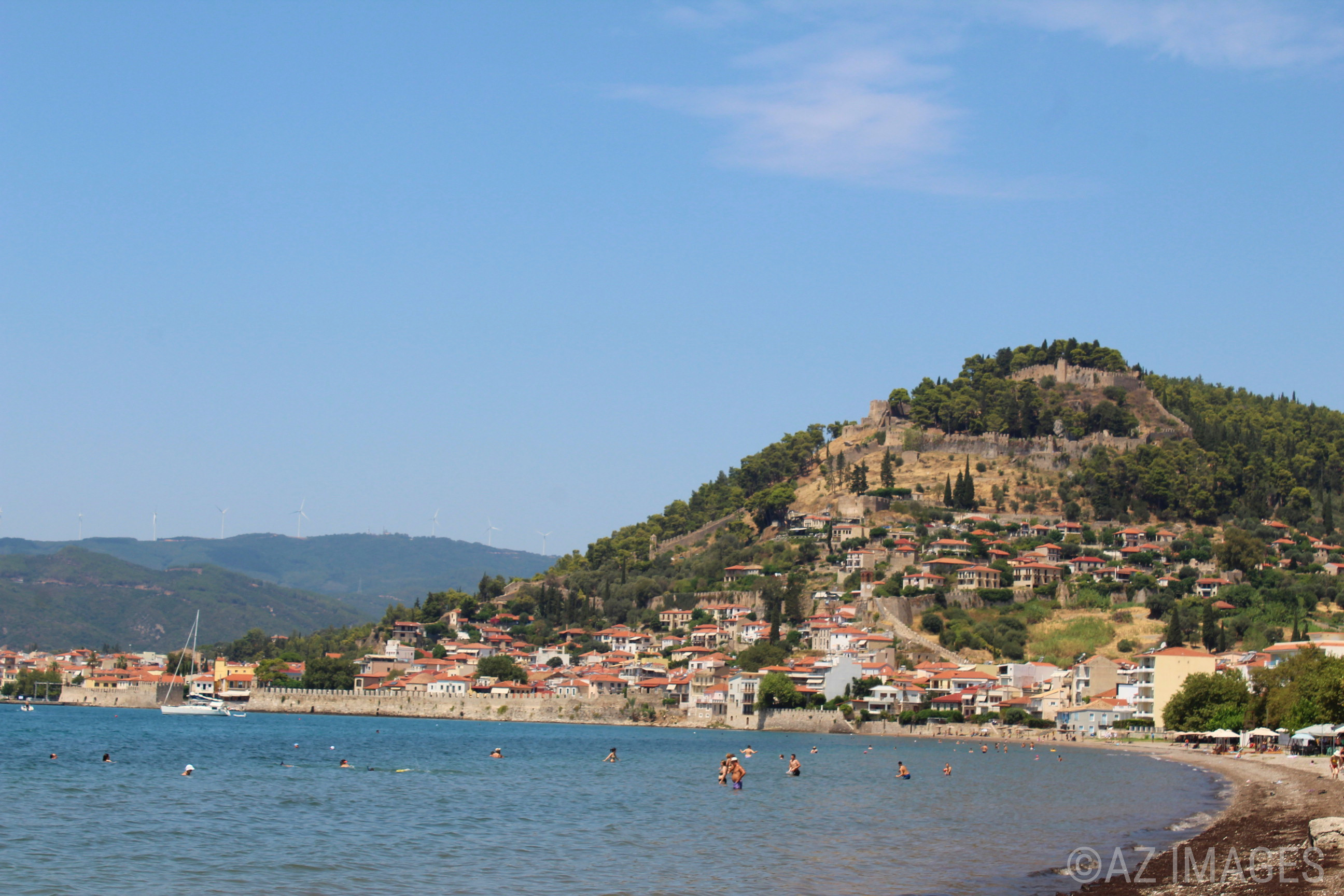
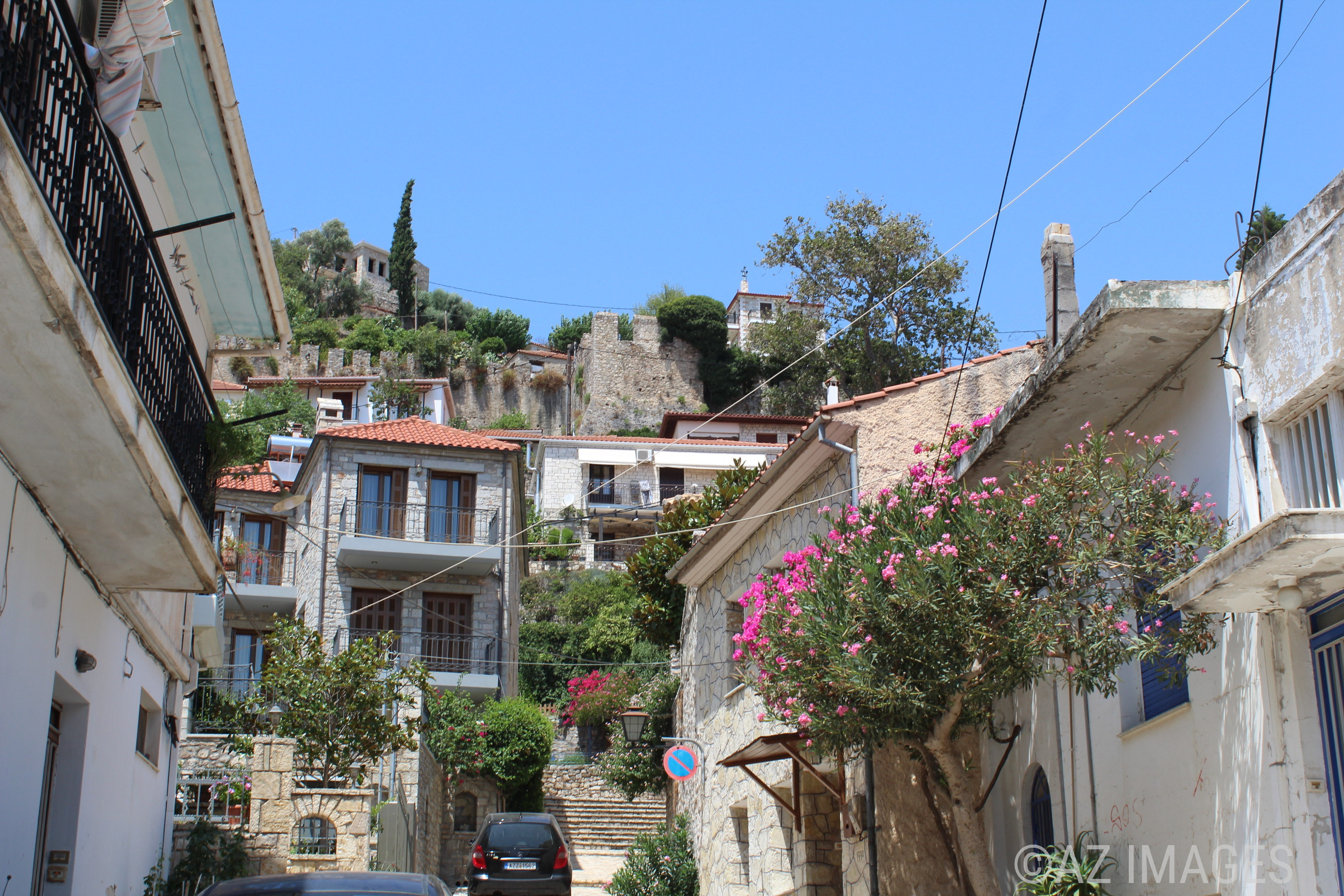
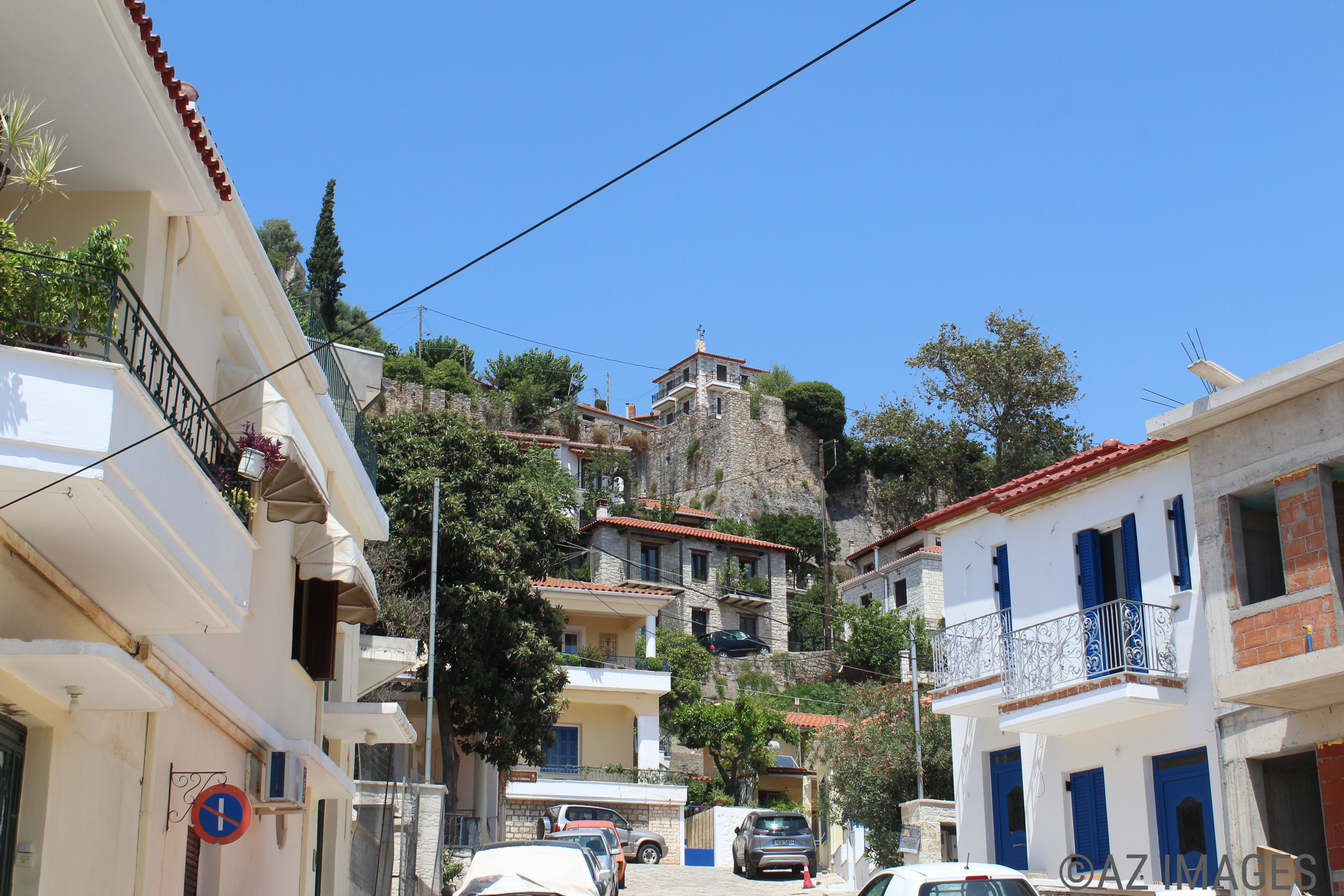
The picturesque town of Nafpaktos has a Venetian fortress on top of the hill overlooking the town. In the 16th Century it was an Ottoman naval station. In 1571, the ‘Holy League’, the Catholic powers of southern Europe (Italy and Spain) fought a naval battle against the Ottomans at Lepanto (Nafpaktos) where they were victorious over the Ottomans.

One of the participants in the naval battle was Spanish novelist Miguel de Cervantes, who wrote the famous book ‘Don Quixote’ has a statue dedicated to him here. He fought in the naval battle and lost his arm. He said that this time of his life was his most significant.

Also, there is a statue of Greek national hero of the war of independence against the Ottomans, Giorgos Anemogiannis. He is depicted carrying a torch as he tried to set fire to the Turkish fleet.

Η γραφική πόλη της Ναυπάκτου έχει ένα ενετικό φρούριο στην κορυφή του λόφου με θέα στην πόλη. Τον 16ο αιώνα ήταν οθωμανικό ναυτικό σταθμό. Το 1571, ο «Ιερός Σύνδεσμος»(Holy League), οι καθολικές δυνάμεις της νότιας Ευρώπης (Ιταλία και Ισπανία) έδωσαν μάχη εναντίον των Οθωμανών στο Λέπαντο (Ναύπακτος), όπου κέρδισαν τους Οθωμανούς. Ένας από τους συμμετέχοντες στη ναυμαχία ήταν ο Ισπανός μυθιστοριογράφος Μιγκέλ ντε Θερβάντες, ο οποίος έγραψε το διάσημο βιβλίο “Ο Δον Κιχώτης’. Eχει ένα άγαλμα αφιερωμένο σε αυτόν εδώ. Πολέμησε στη ναυμαχία και έχασε το χέρι του. Είπε ότι αυτή η περίοδος της ζωής του ήταν η πιο σημαντική του. Επίσης, υπάρχει άγαλμα του Έλληνα εθνικού ήρωα του πολέμου της ανεξαρτησίας κατά των Οθωμανών, Γιώργου Ανεμογιάννη. Απεικονίζεται να κρατά μια δάδα καθώς προσπαθούσε να βάλει φωτιά στον Tουρκικό στόλο.

Nafpaktos/ΝΑΥΠΑΚΤΟΣ Pt.1

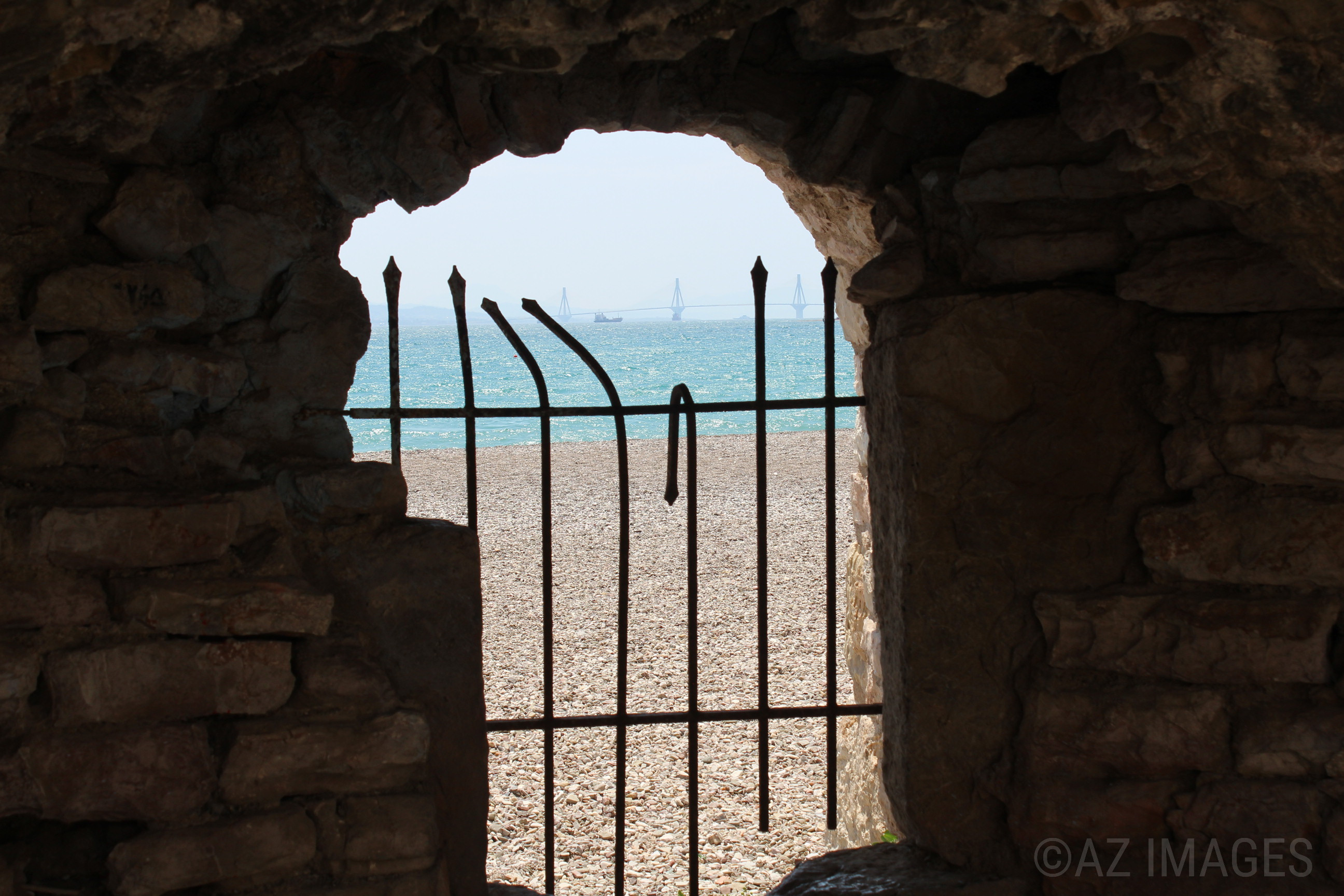
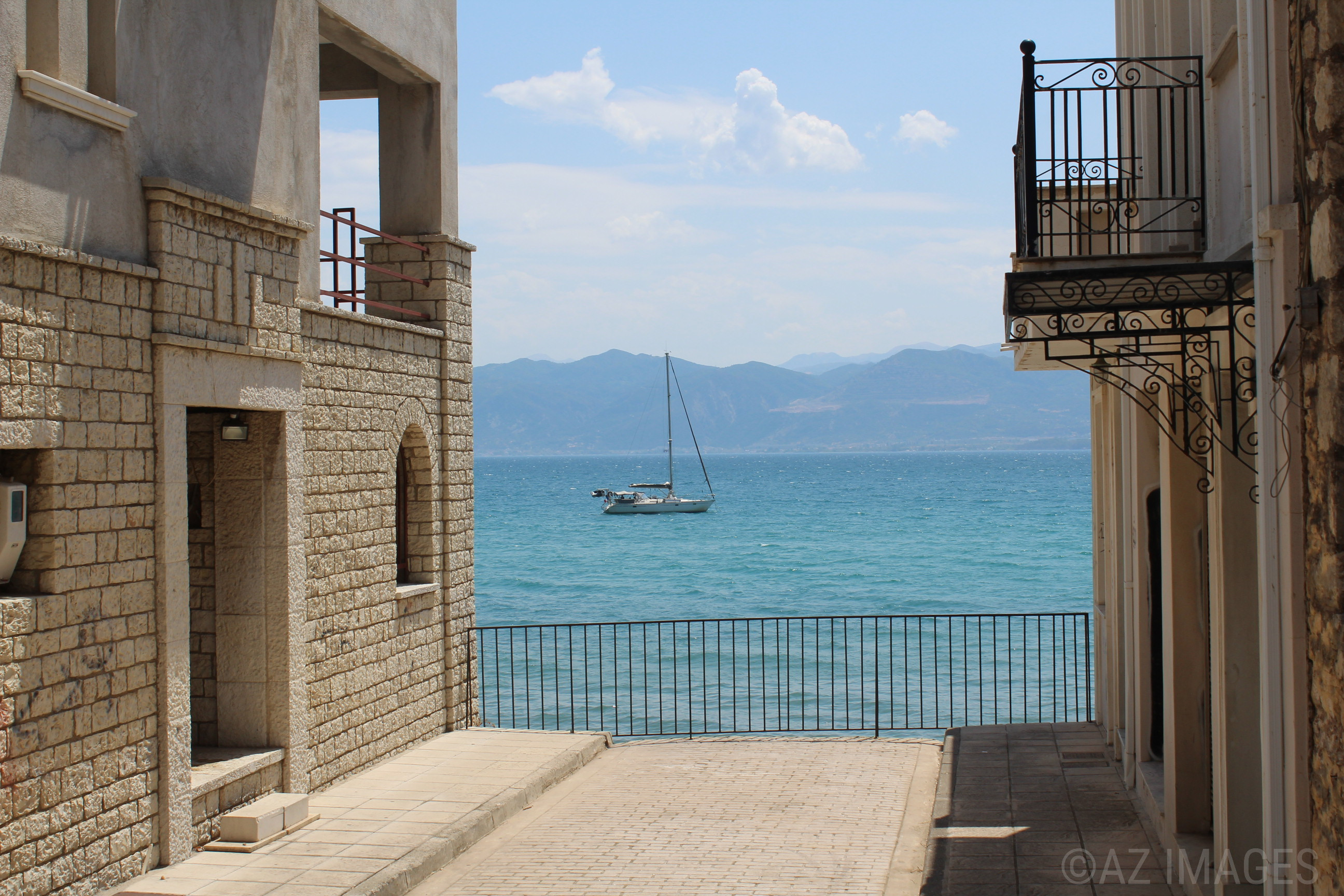
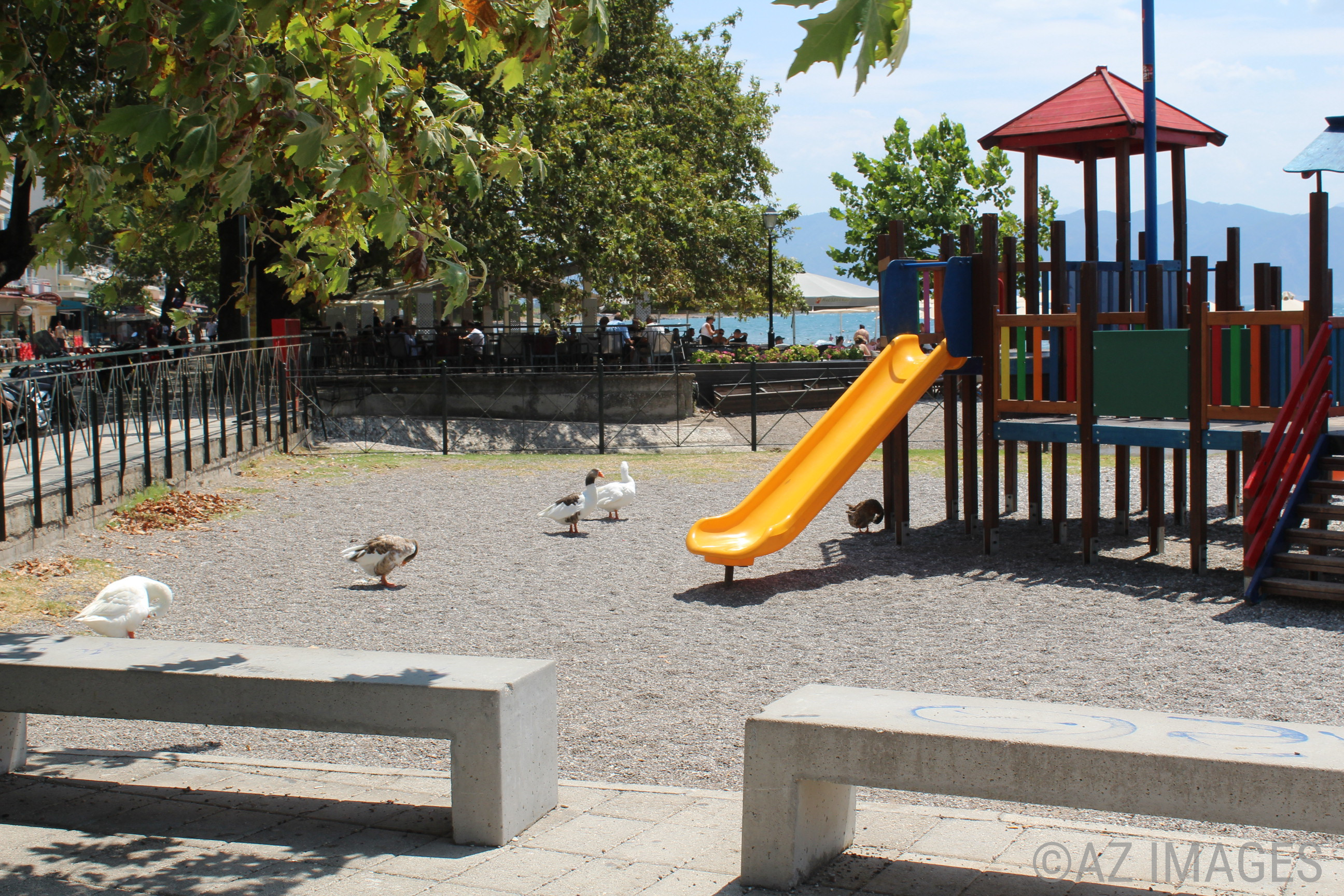
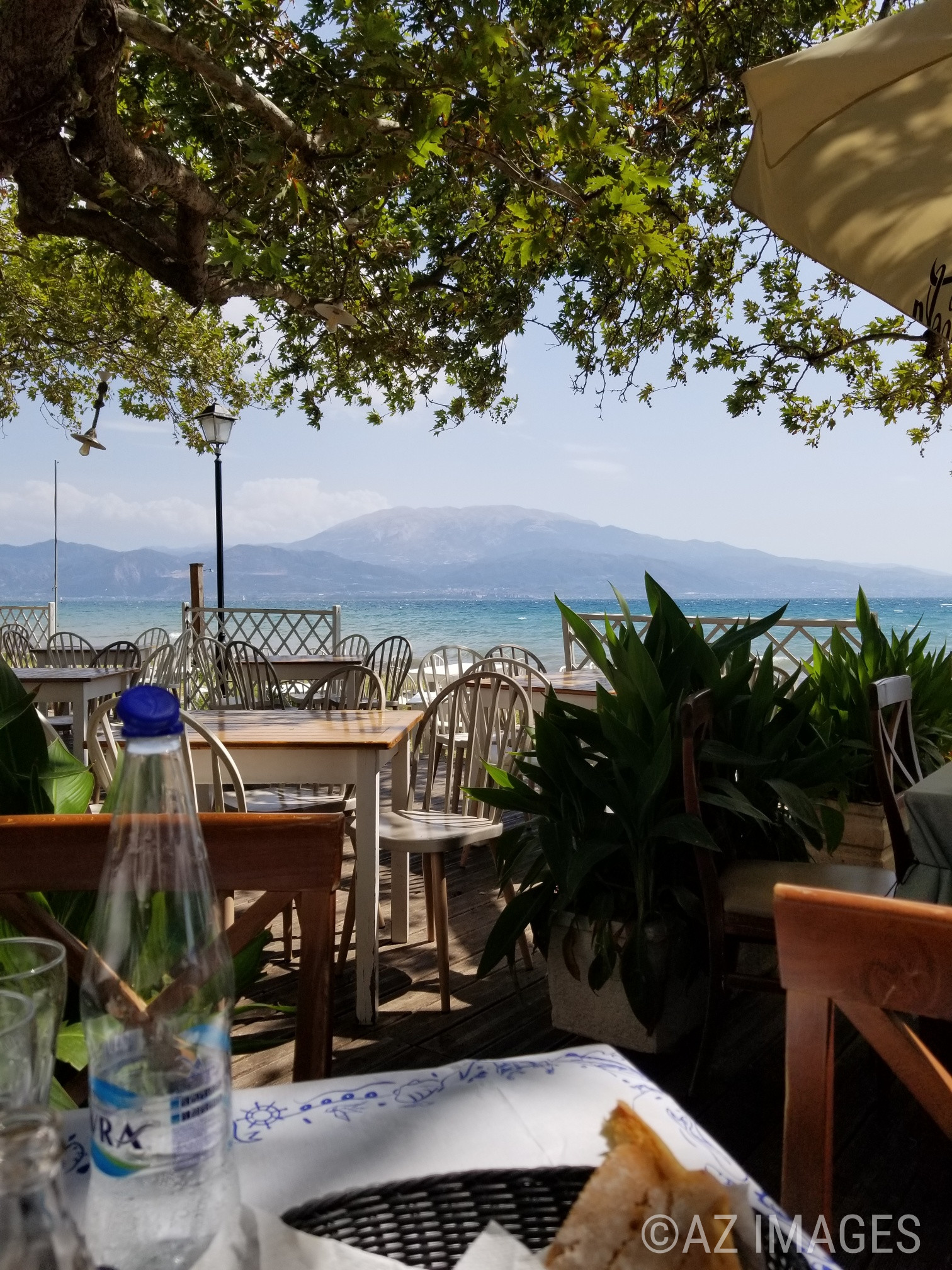
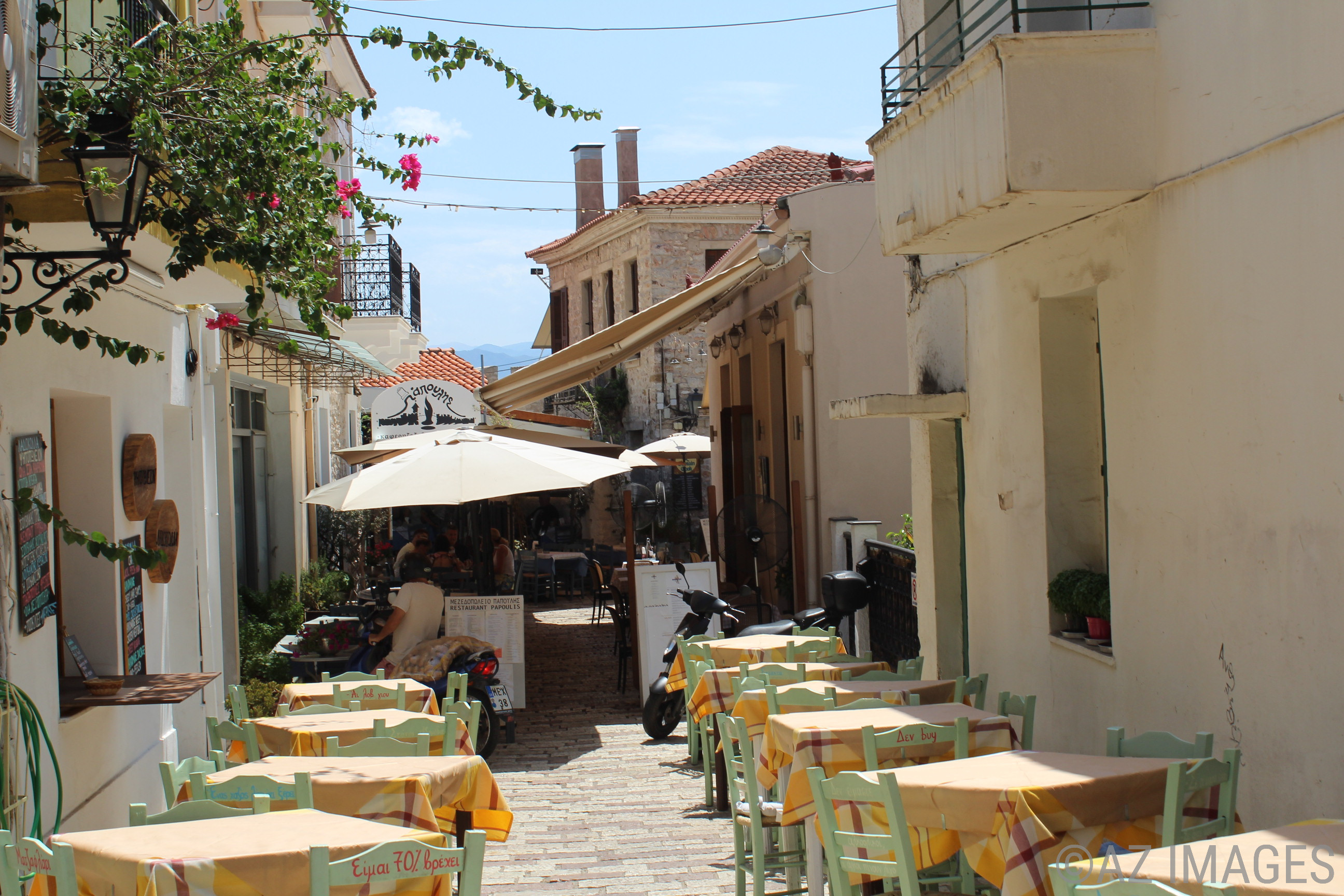
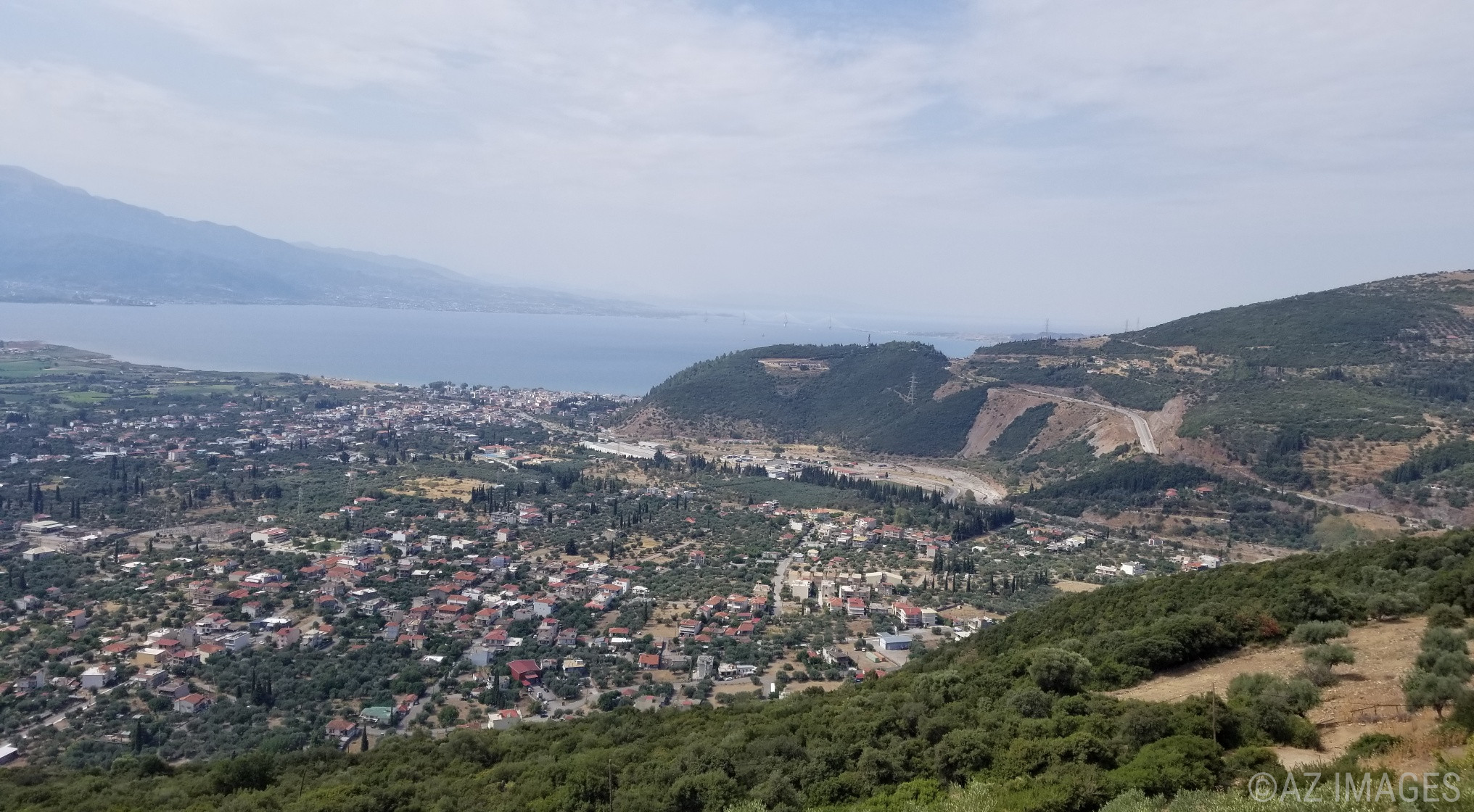
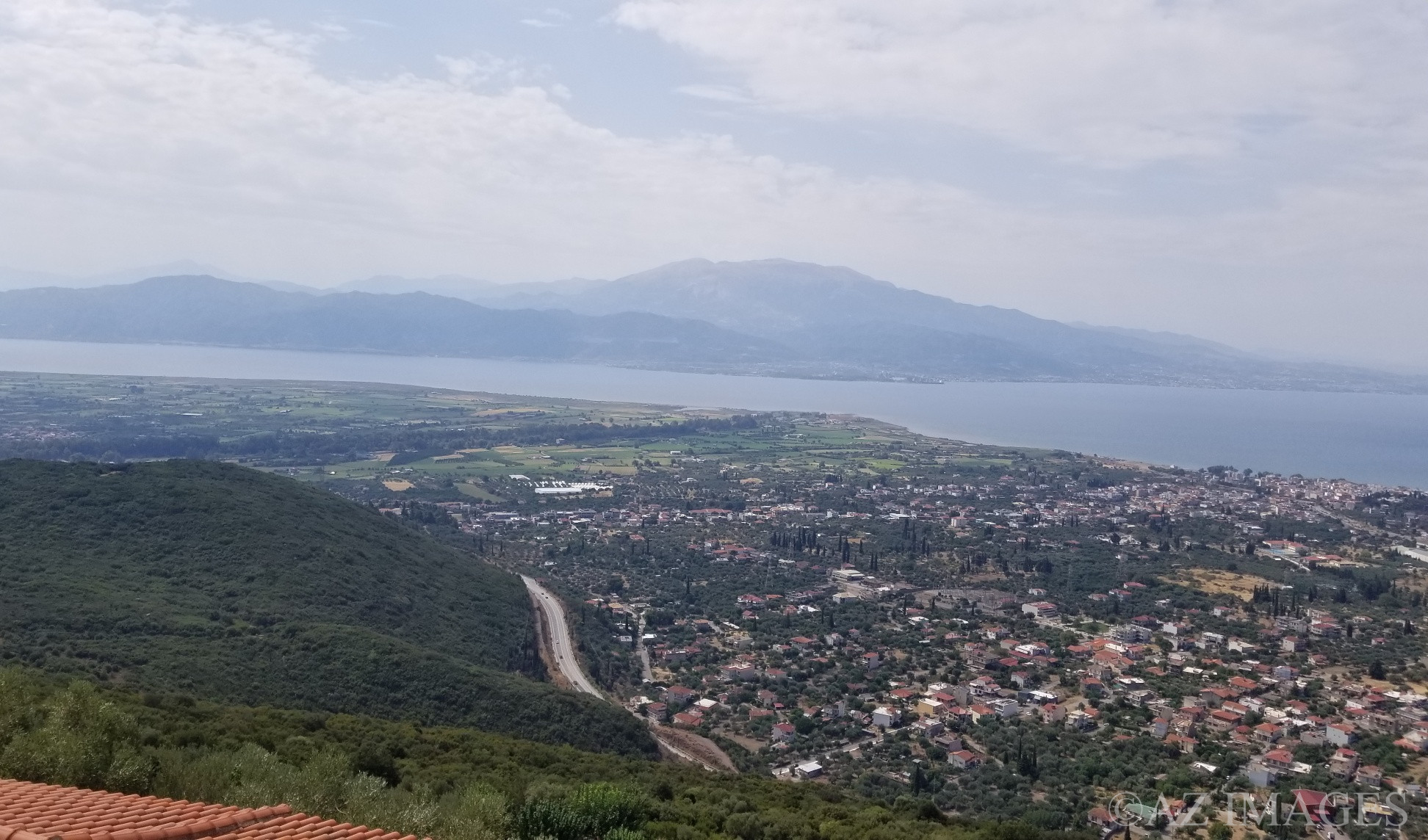
The beautiful small town of Nafpaktos is located between the Rio antirio bridge and the Gulf of Corinth in the West of Greece. It is a medieval town with a long history. There are many cafes and tavernas lined up on the shore as well as a Venetian castle and port.

In ancient Greece the Dorians settled in the town, and they built ships here. Hence the name ‘Nau’paktos in Greek; ‘Nau’ (pronounced Navf) relates to ships. The English language has borrowed the ‘nau’ and English speakers use the word ‘nautical’ when relating to sea navigation and ships.

Η πανέμορφη μικρή πόλη της Ναυπάκτου βρίσκεται ανάμεσα στη γέφυρα του Ρίου αντιρίου και στον Κορινθιακό κόλπο στη Δυτική Ελλάδα. Είναι μια μεσαιωνική πόλη με μεγάλη ιστορία. Υπάρχουν πολλές καφετέριες και ταβέρνες παρατεταγμένες στην ακτή καθώς και ένα ενετικό κάστρο και λιμάνι.

Στην αρχαία Ελλάδα εγκαταστάθηκαν στην πόλη οι Δωριείς και έχτισαν πλοία εδώ. Εξ ου και το όνομα «Ναύπακτος» στα ελληνικά. Το «Nau» (προφέρεται Navf) σχετίζεται με πλοία. Η αγγλική γλώσσα έχει δανειστεί το «nau» και οι αγγλόφωνοι χρησιμοποιούν τη λέξη «nautical» όταν σχετίζονται με τη θαλάσσια ναυσιπλοΐα και τα πλοία.

Metamorphosis Sotiros/Μεταμόρφωση Σωτήρος

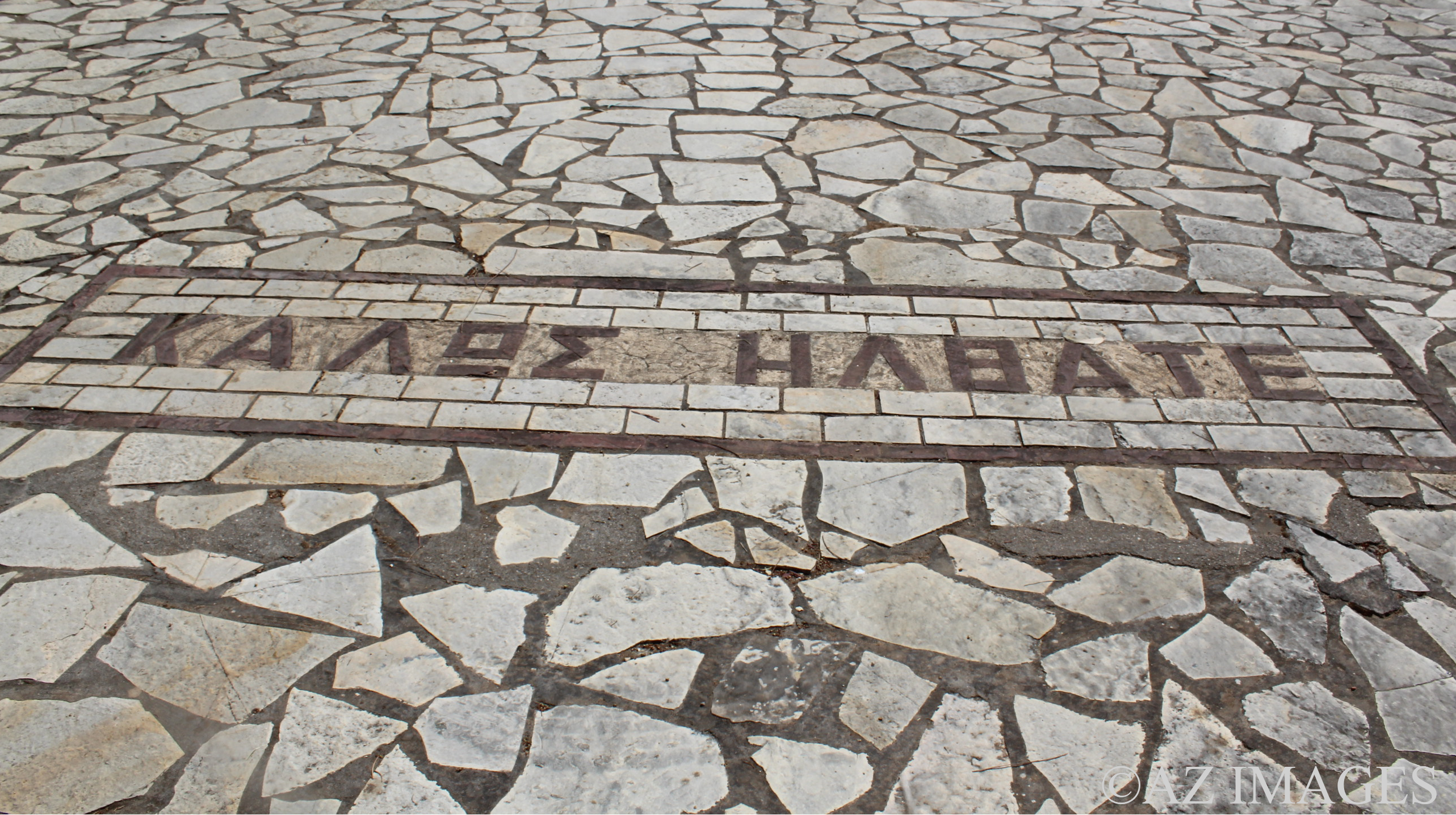
‘Welcome’ Kalos Earthatai

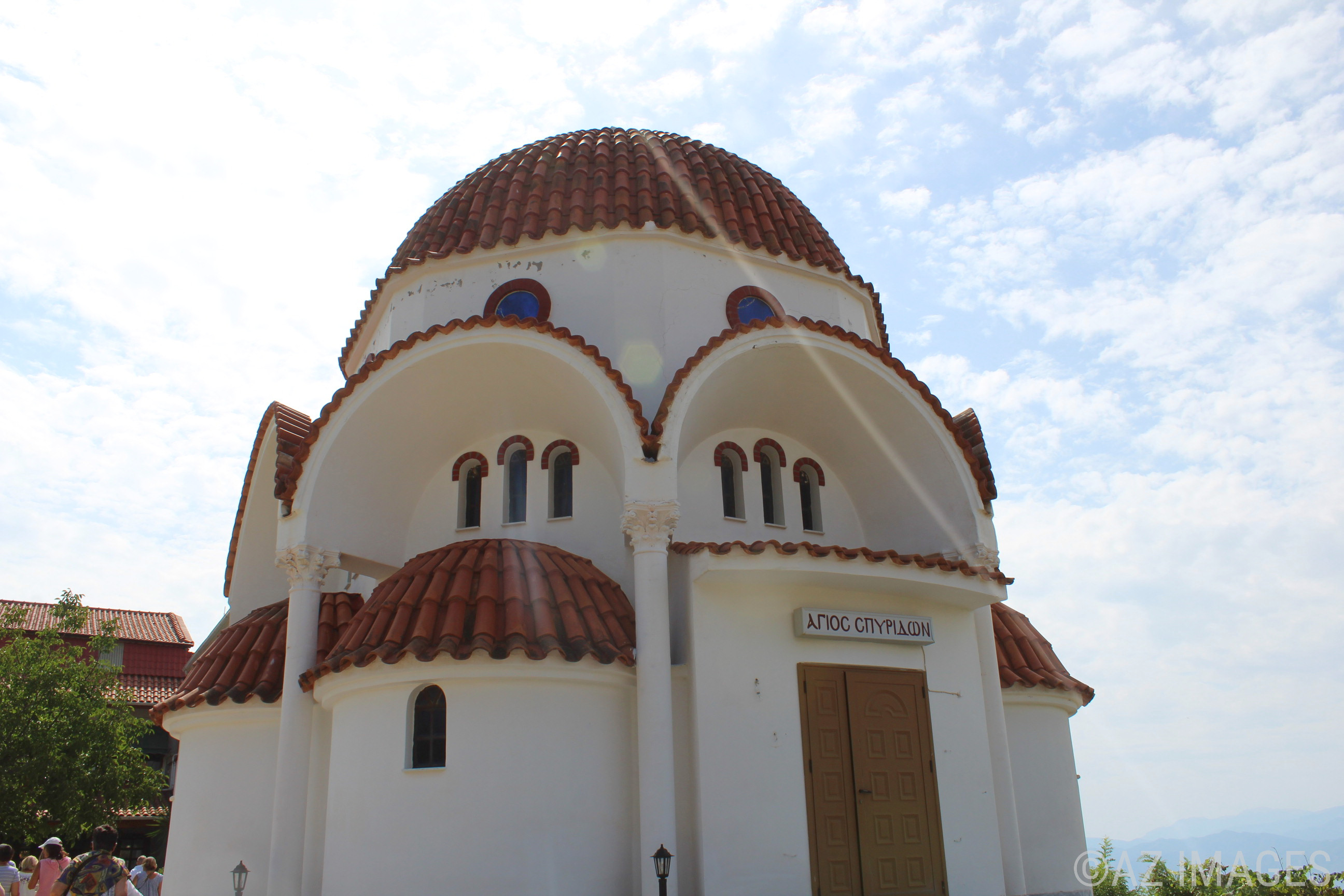
The church of Agios Spiridon.

An icon of St. George from 1899

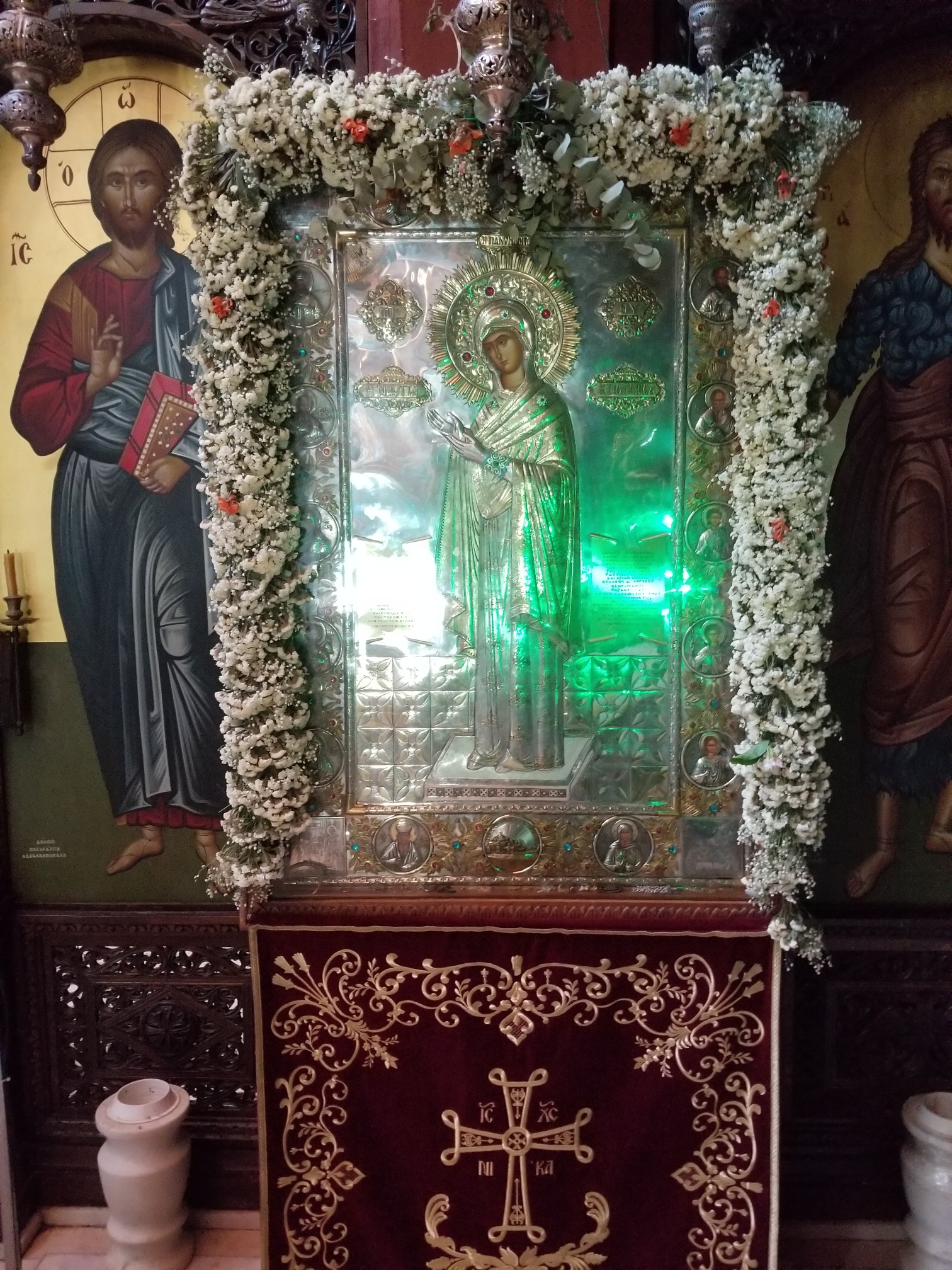
The basement of the monastery which contains church relics.

This tiny metallic cross has engravings of the different phases in Jesus’ life.

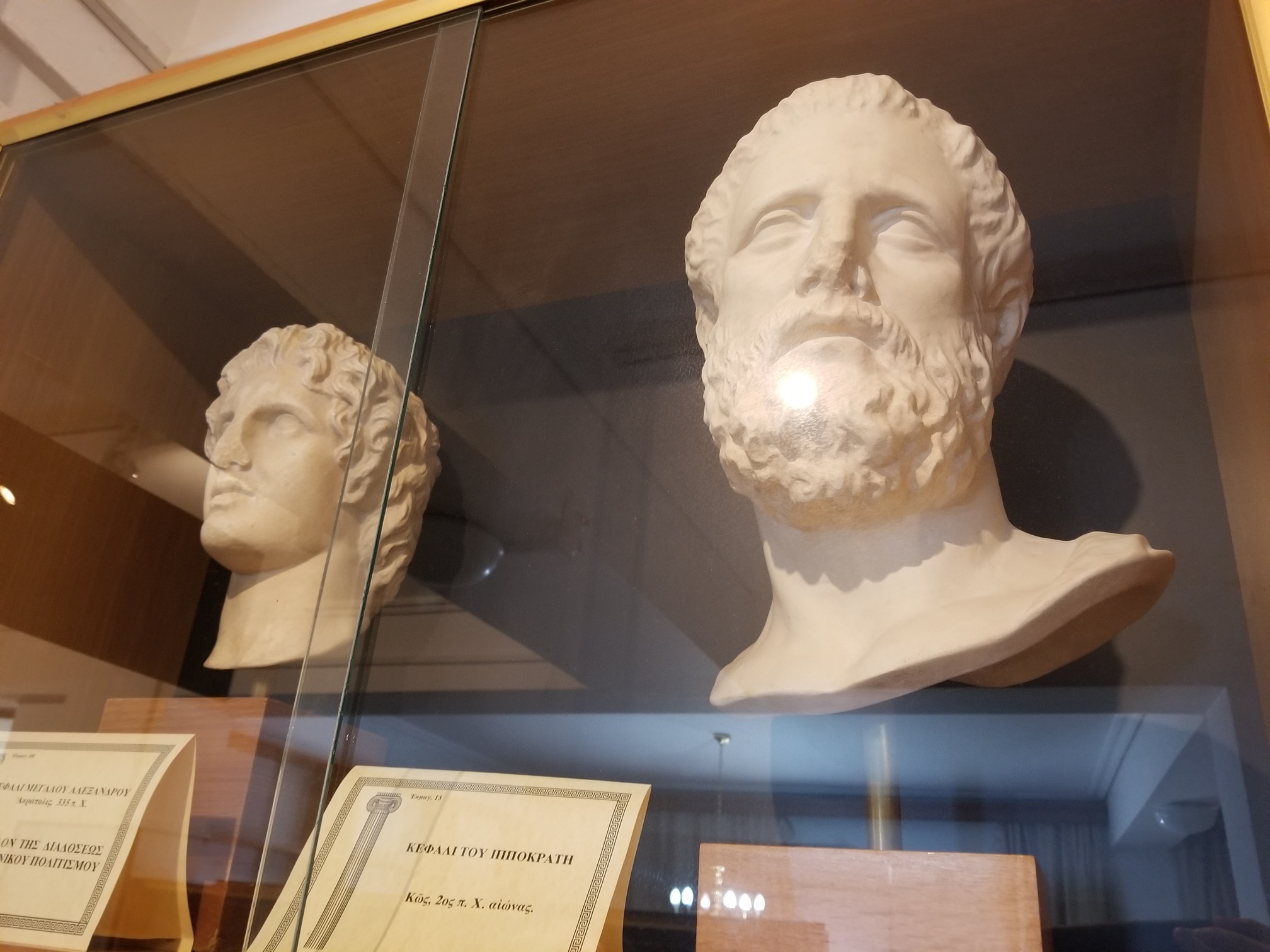
Copies of ancient Greek busts.

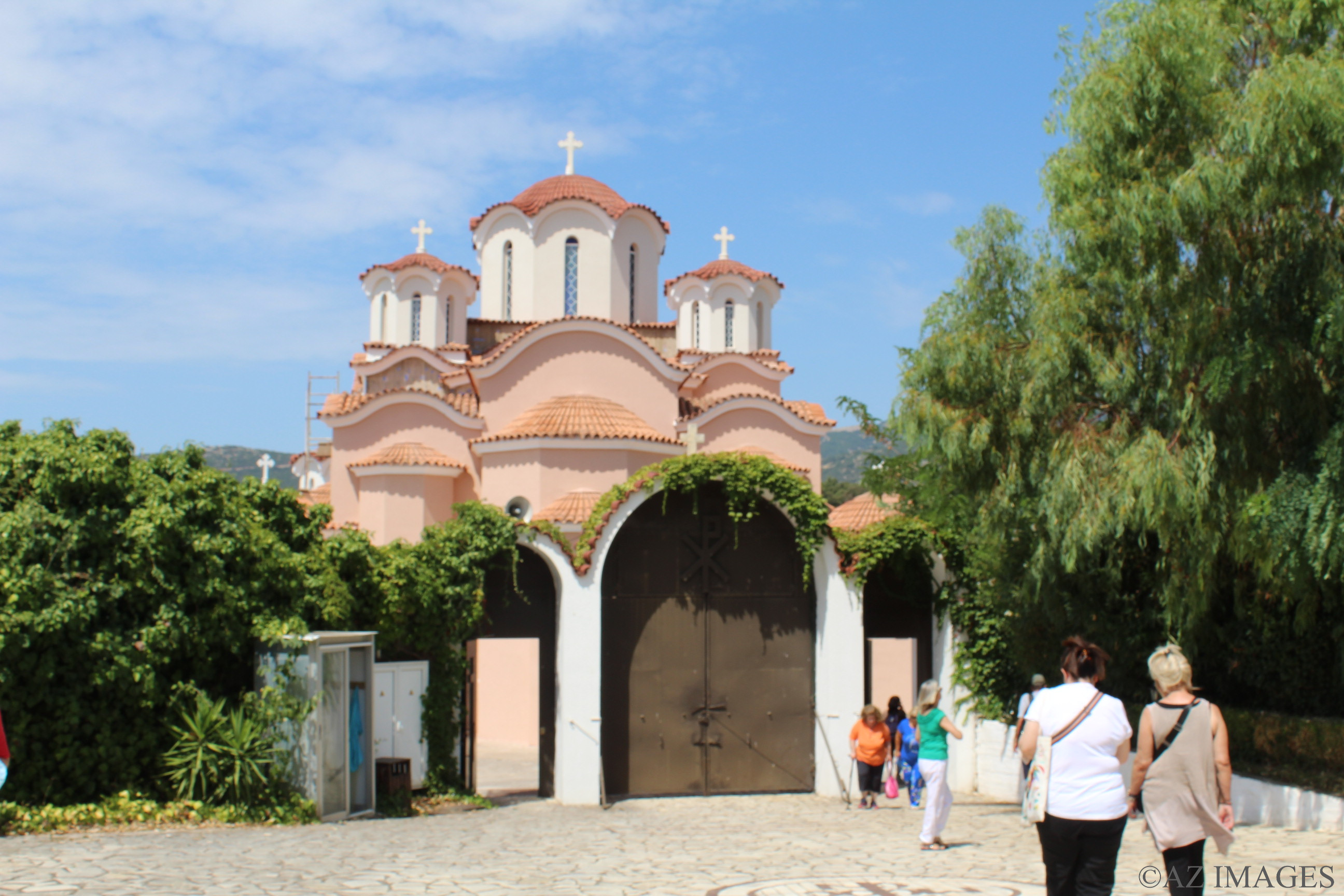
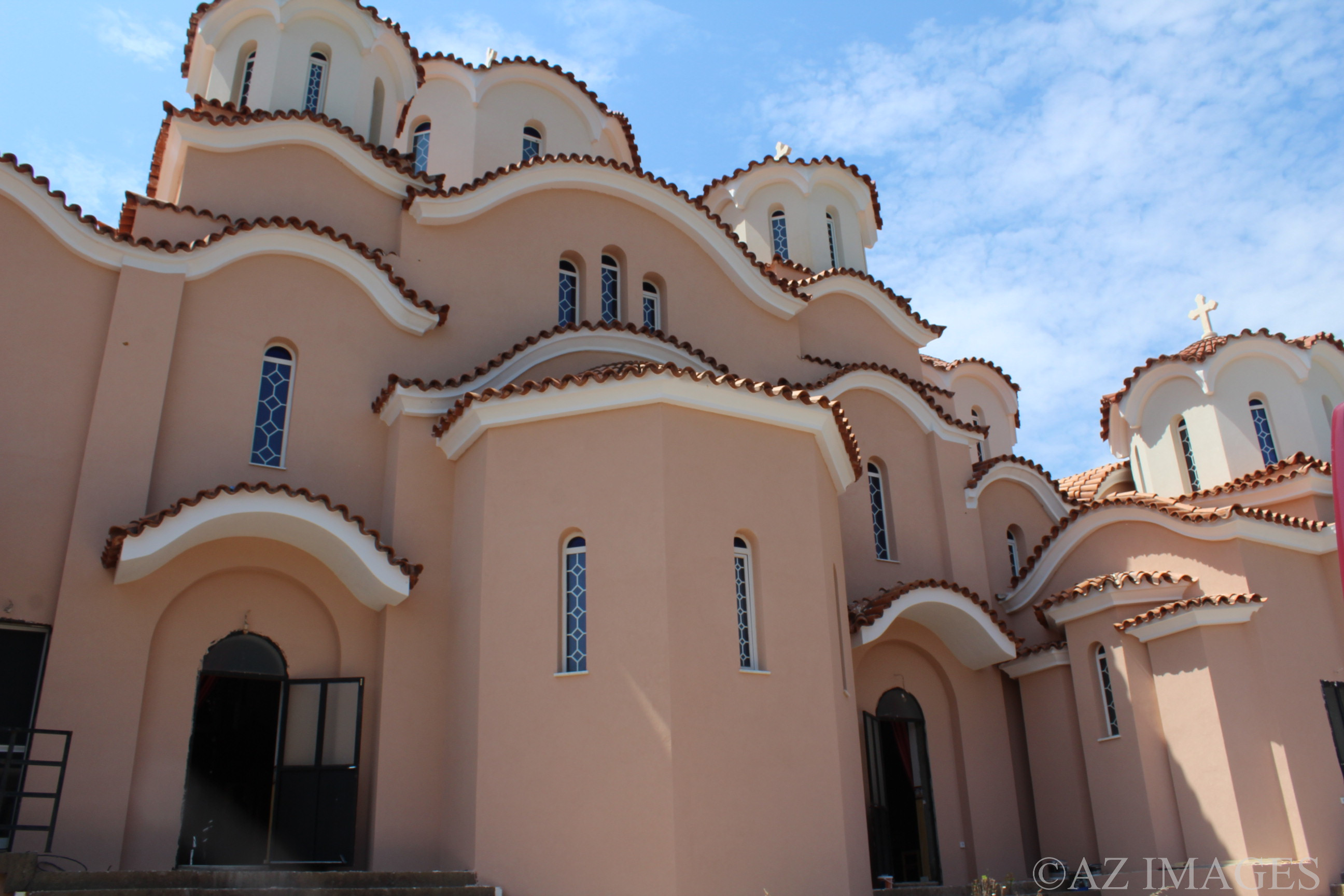
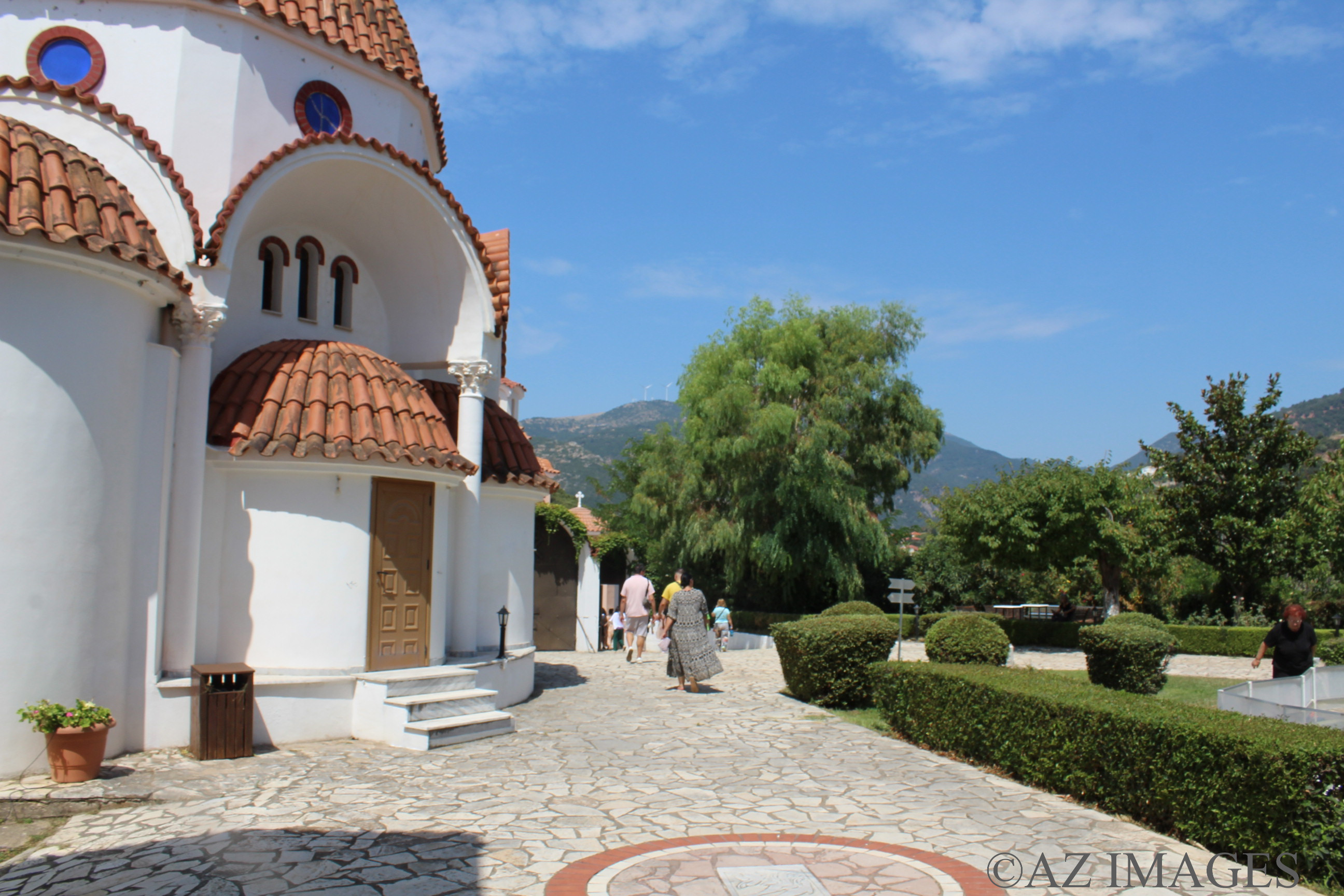
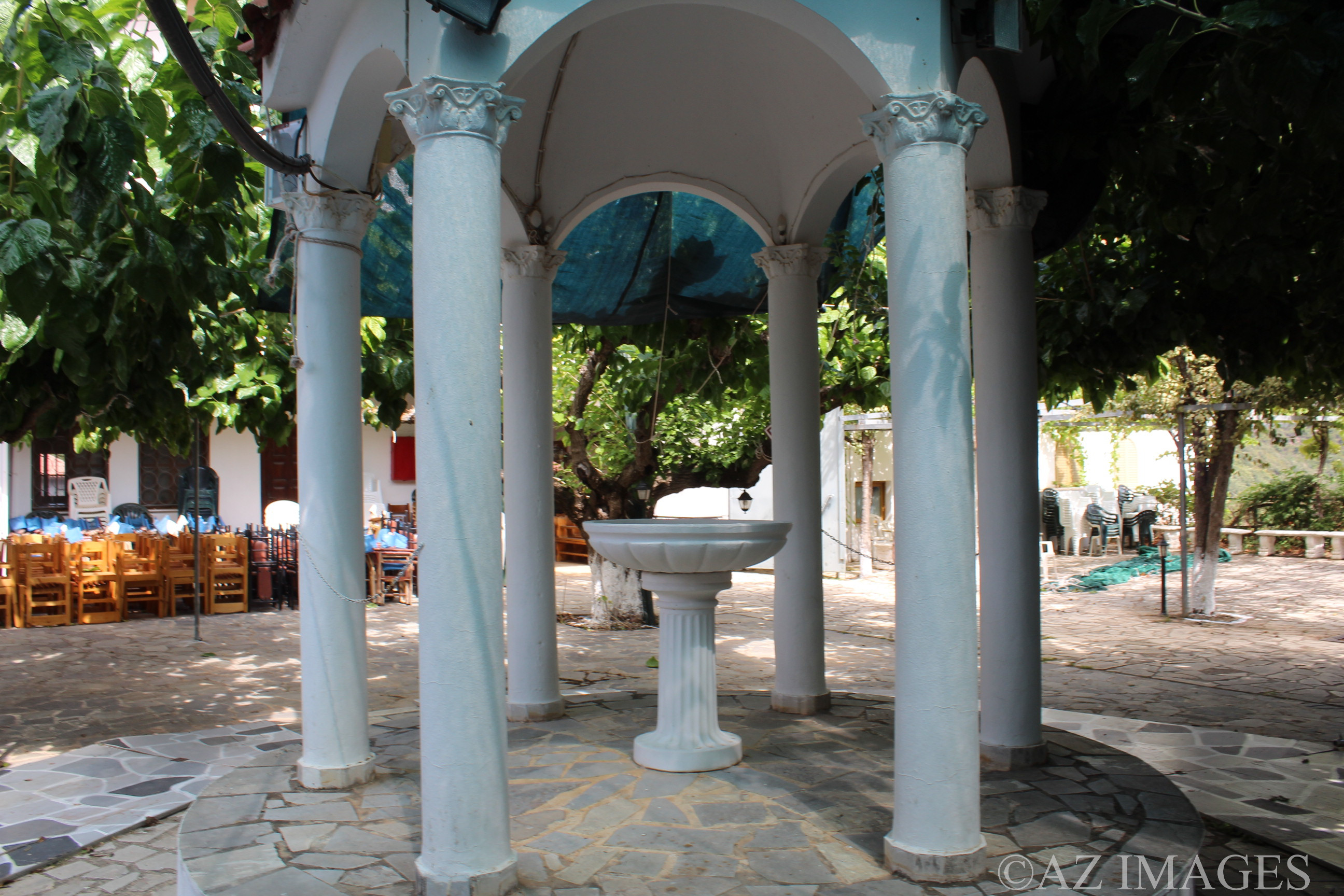
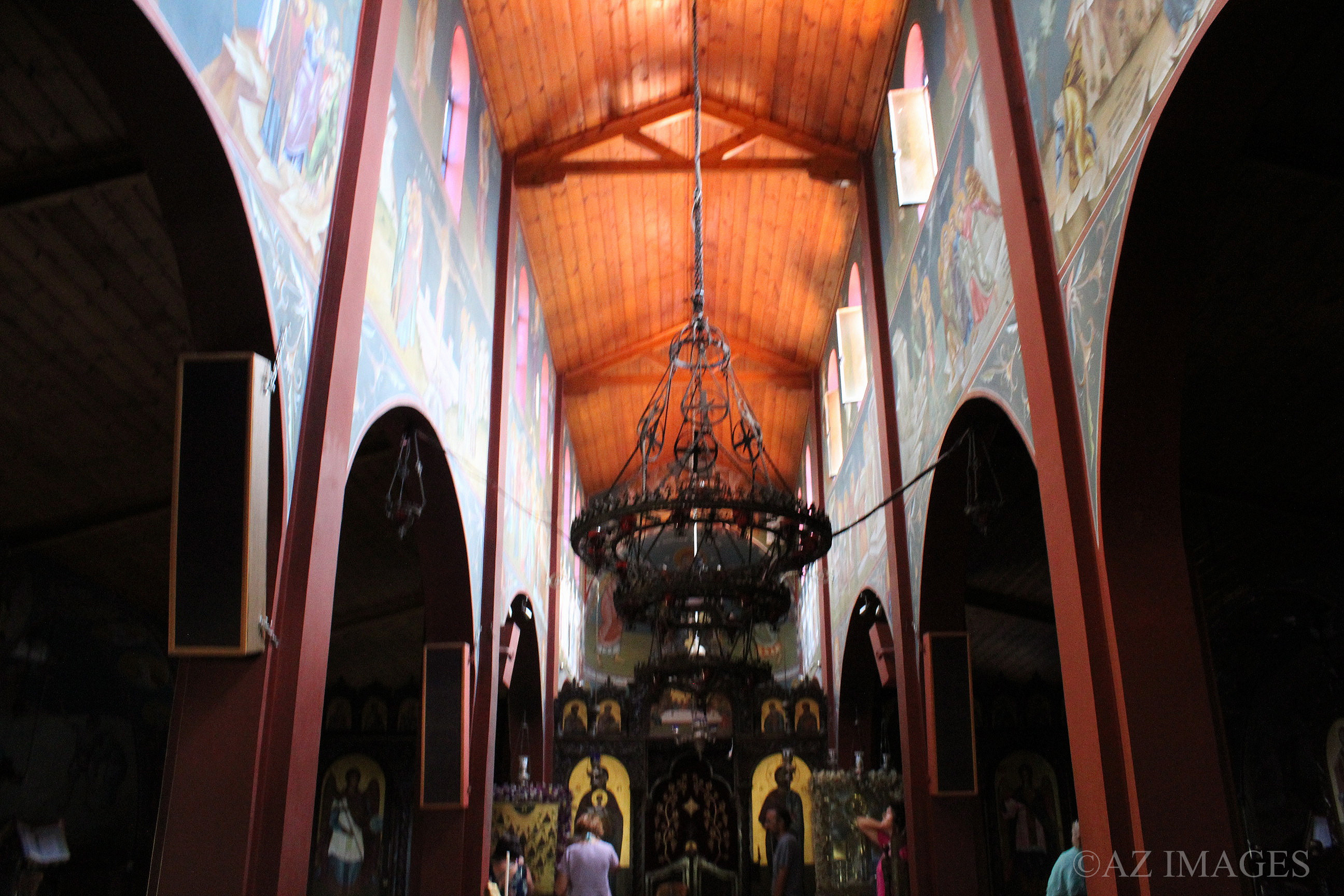
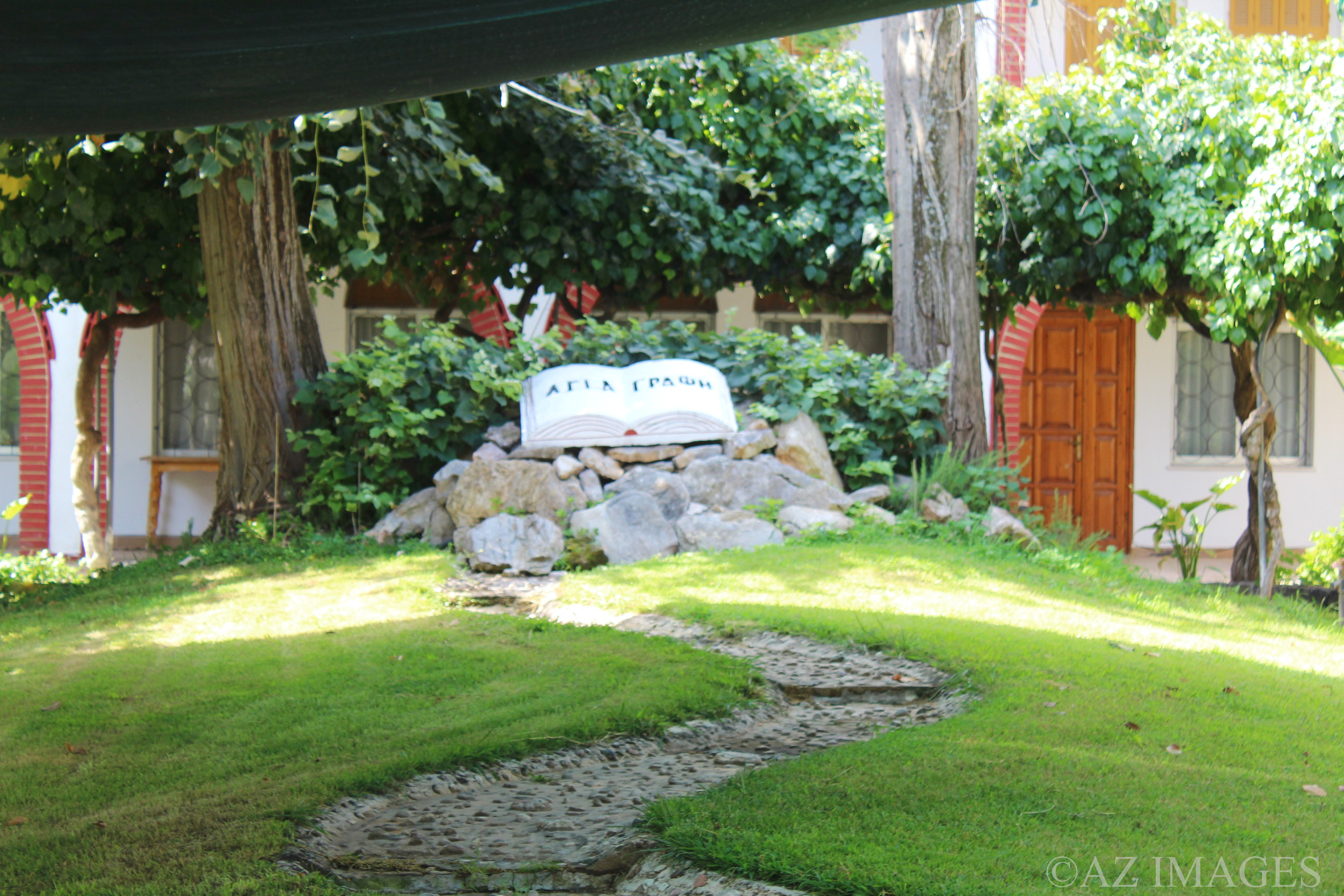
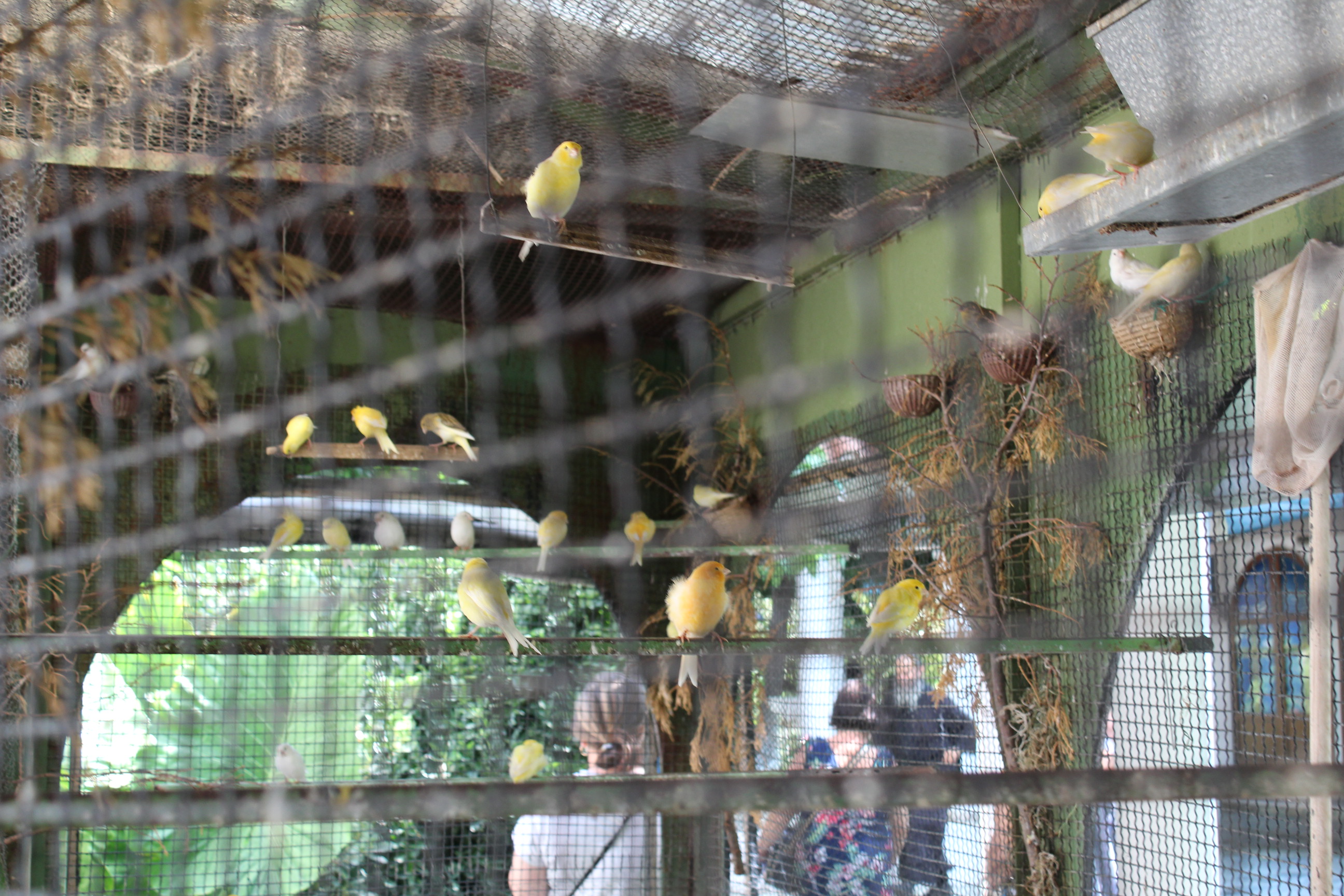
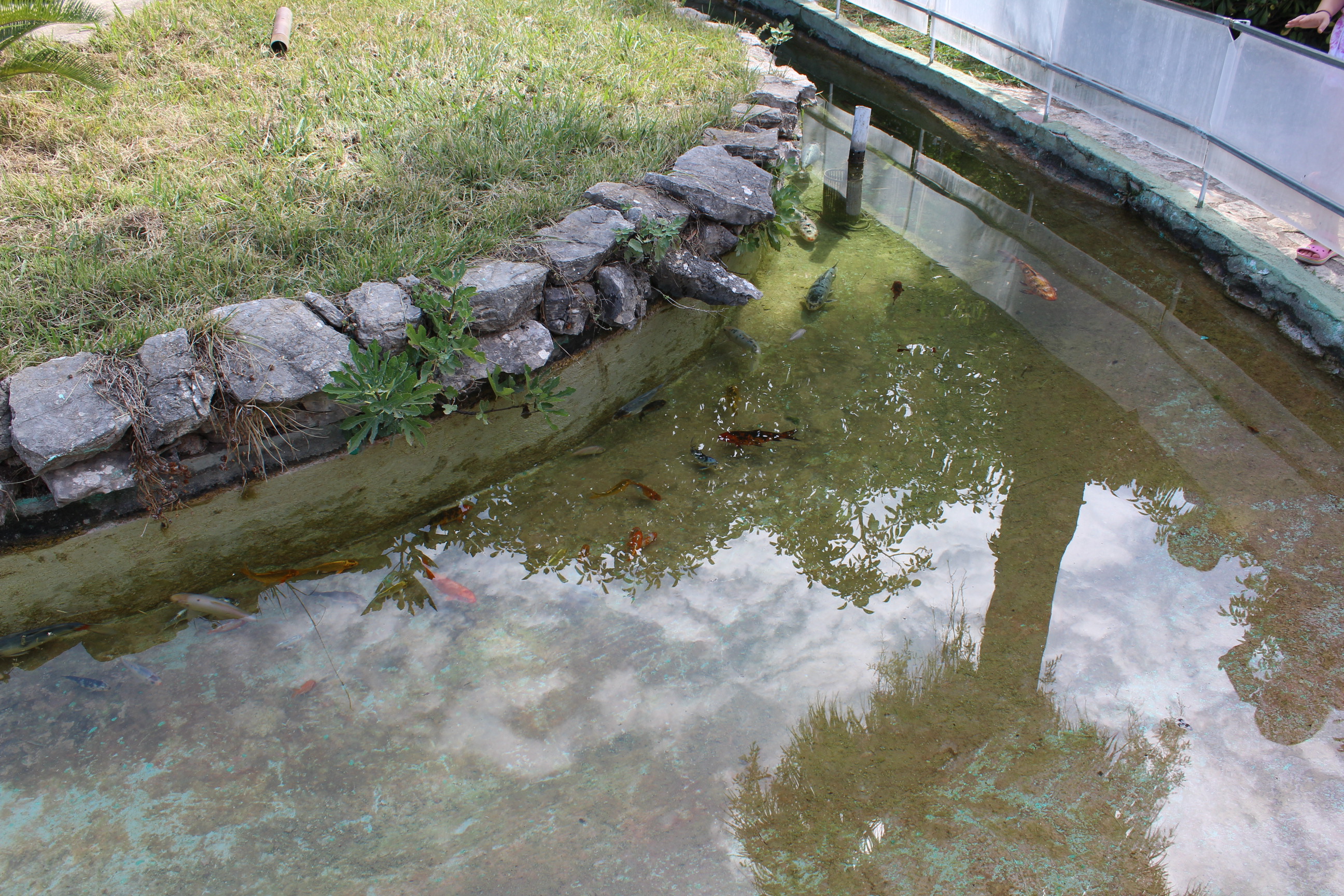
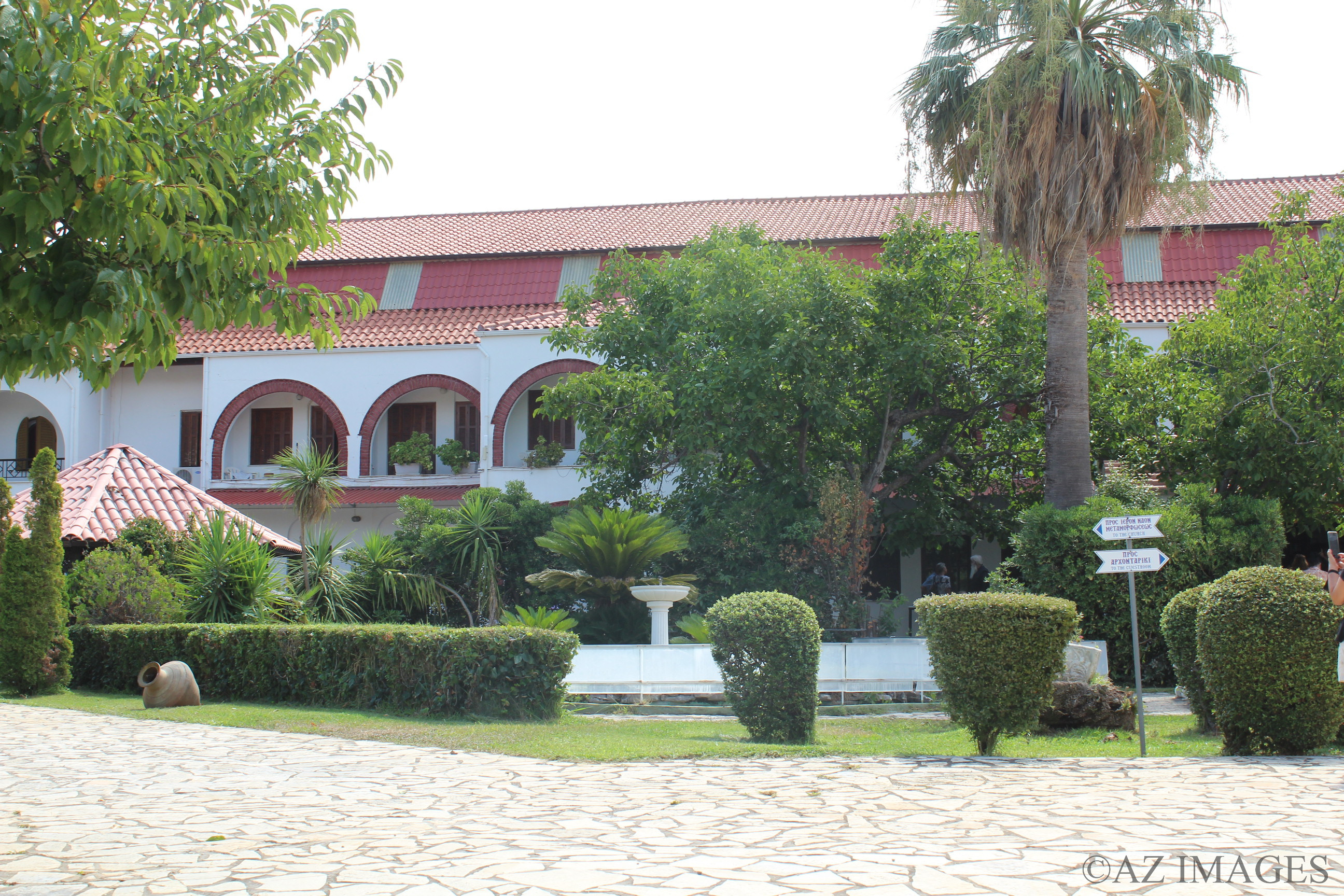
The Holy Monastery of Metamorphosis Sotiros is located on a hill overlooking the picturesque town of Naupaktos in the west of Greece. It is a relatively new monastery that was founded in 1977. The monastery is home to monks, one of which gave us a tour of the monastery. There is a huge conference room, a big library in the basement with books donated by the people, as well as ancient artifacts some replicated and others authentic. There is a beautiful courtyard with birds, and a fish pond and lots of green foliage. There is a smaller church on site called ‘Agios Spridon’. The monks are known for their philanthropic work and do not sell anything on the site aside from their locally made honey.

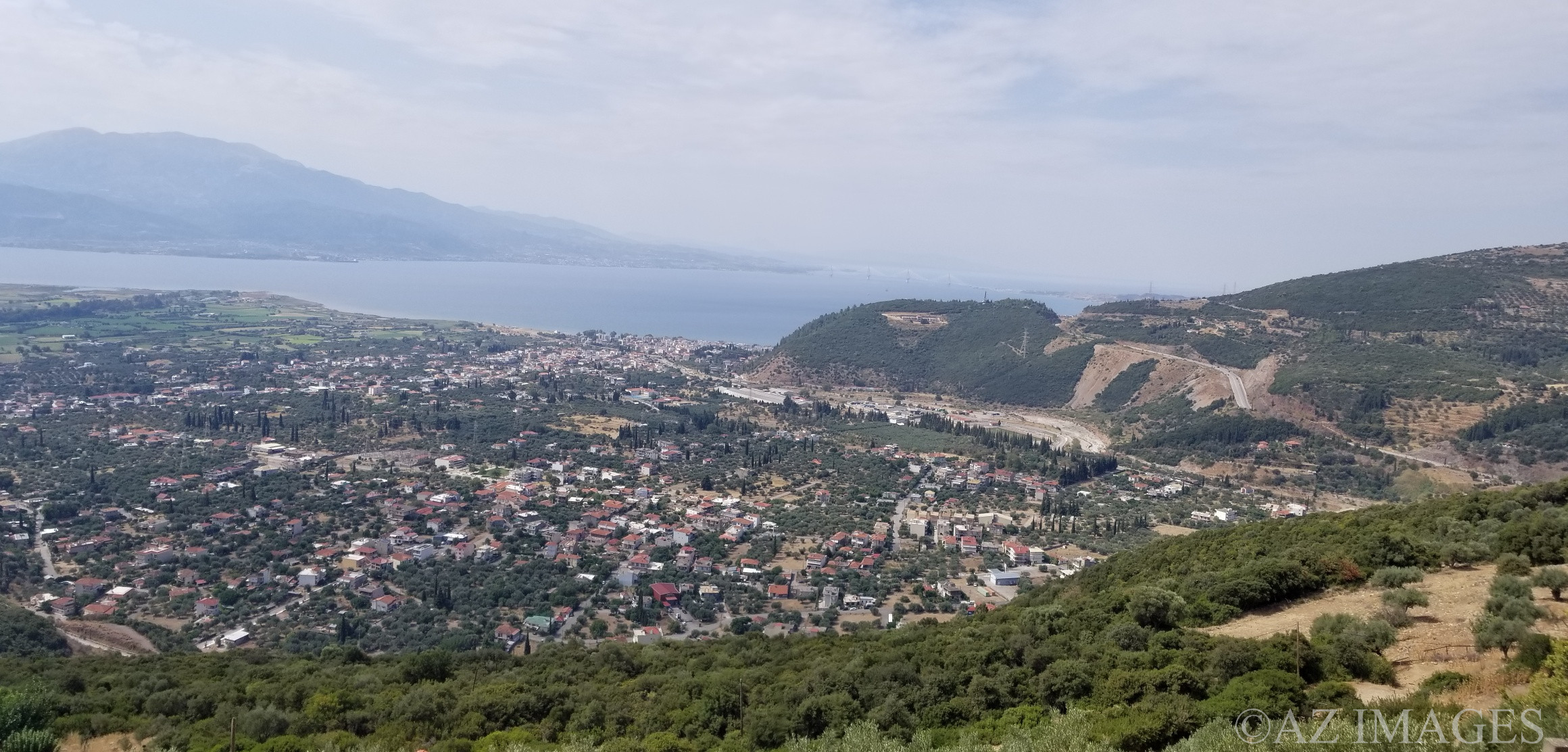
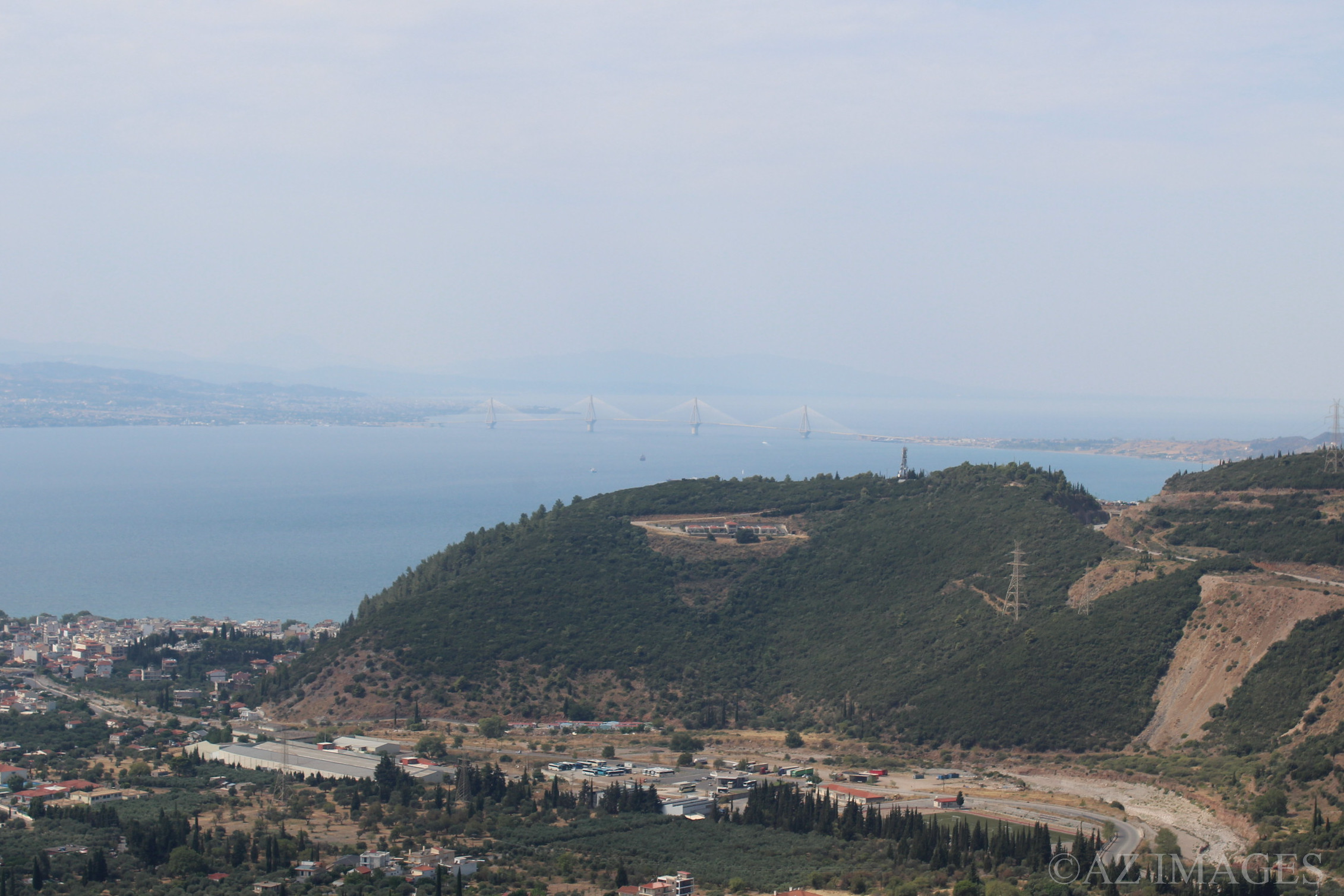
The views from the monastery are incredible. The whole town of Naupaktos can be seen from above as well as the Rio-antirio bridge.

The monastery celebrated its name day yesterday on the 6th of August.

Η Ιερά Μονήι της Μεταμόρφωσης Σωτήρος βρίσκεται σε ένα λόφο με θέα τη γραφική πόλη της Ναυπάκτου στη δυτική Ελλάδα. Είναι ένα σχετικά νέο μοναστήρι που ιδρύθηκε το 1977. Το μοναστήρι φιλοξενεί μοναχούς, ένας από τους οποίους μας ξεναγήθηκε στο μοναστήρι. Υπάρχει μια τεράστια αίθουσα συνεδριάσεων, μια μεγάλη βιβλιοθήκη στο υπόγειο με βιβλία που δώρισε ο κόσμος, καθώς και αρχαία αντικείμενα, άλλα αναπαραγόμενα και άλλα αυθεντικά. Υπάρχει μια όμορφη αυλή με πουλιά, μια λιμνούλα με ψάρια και πολλά πράσινα φυλλώματα. Υπάρχει μια μικρότερη εκκλησία στο χώρο που ονομάζεται ‘Άγιος Σπρίδων’. Οι μοναχοί είναι γνωστοί για το φιλανθρωπικό τους έργο και δεν πουλάνε τίποτα στην τοποθεσία εκτός από το τοπικό μέλι τους.

Η θέα από το μοναστήρι είναι απίστευτη. Από ψηλά φαίνεται όλη η πόλη της Ναυπάκτου καθώς και η γέφυρα Ρίου-αντίρριου.

Η Ιερά Μονή γιόρτασε την ονομαστική της εορτή χθες στις 6 Αυγούστου.