Photography

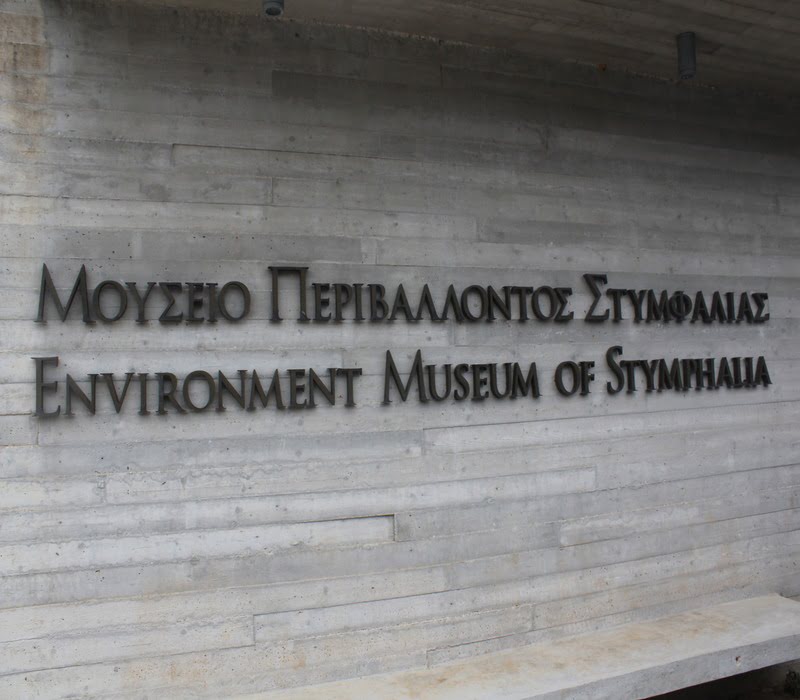
The Environment Museum of Stymfalia

A presentation on how the lakes in the region were formed.
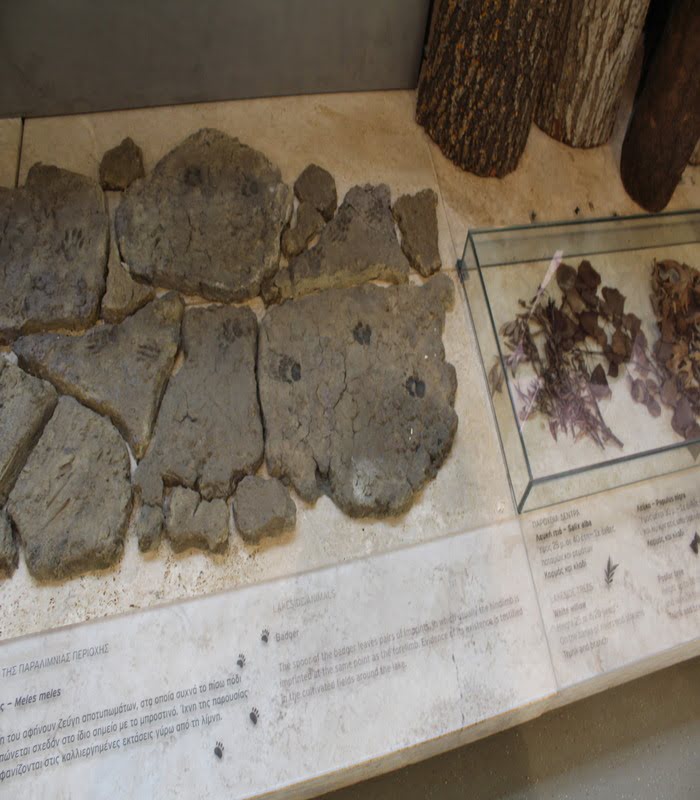
Ancient bird foot prints
An aquarium with fish swimming inside.
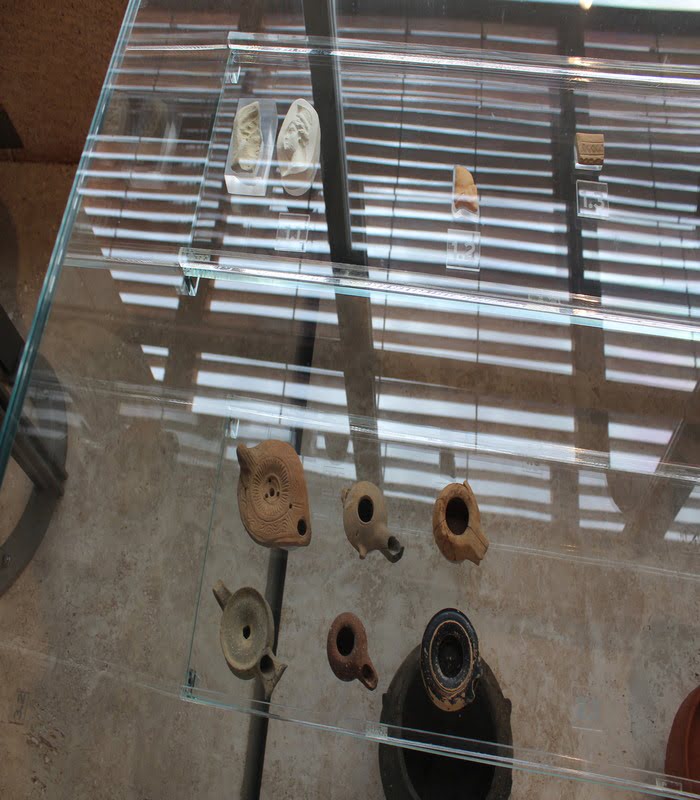
Ancient artifacts discovered in the area.
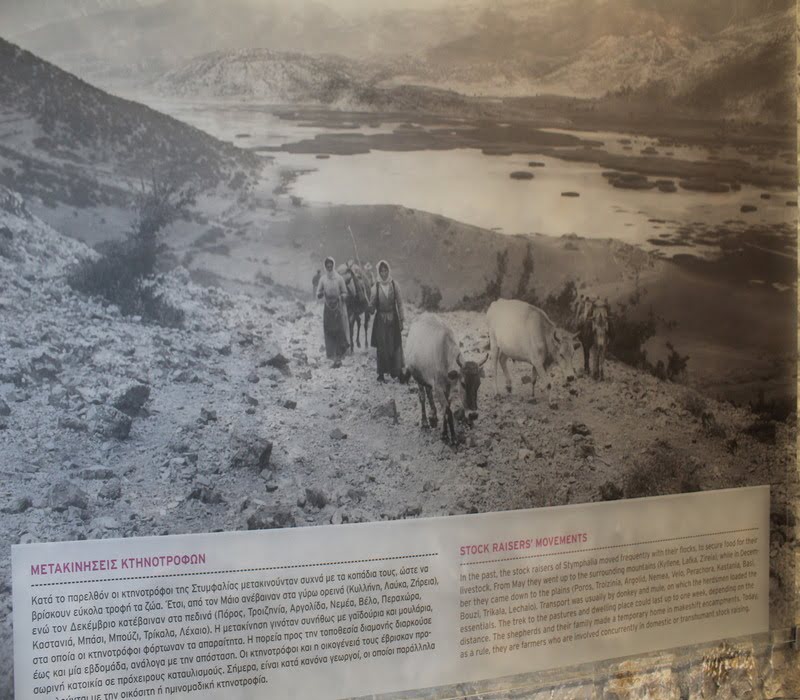
Sheep herders from earlier in the last century flocking sheep near the lake behind them.
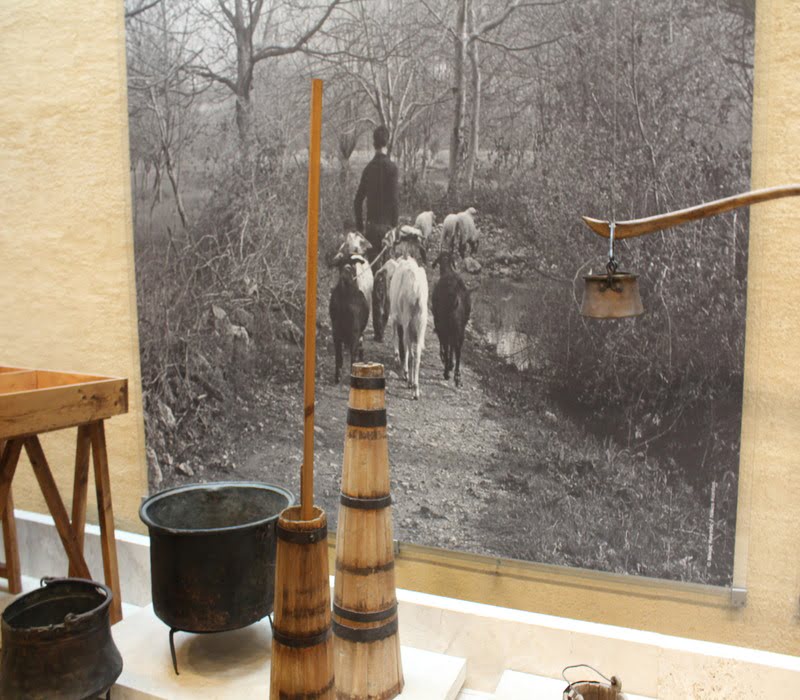
The cloak, shoes and bells of a sheep herdsman.

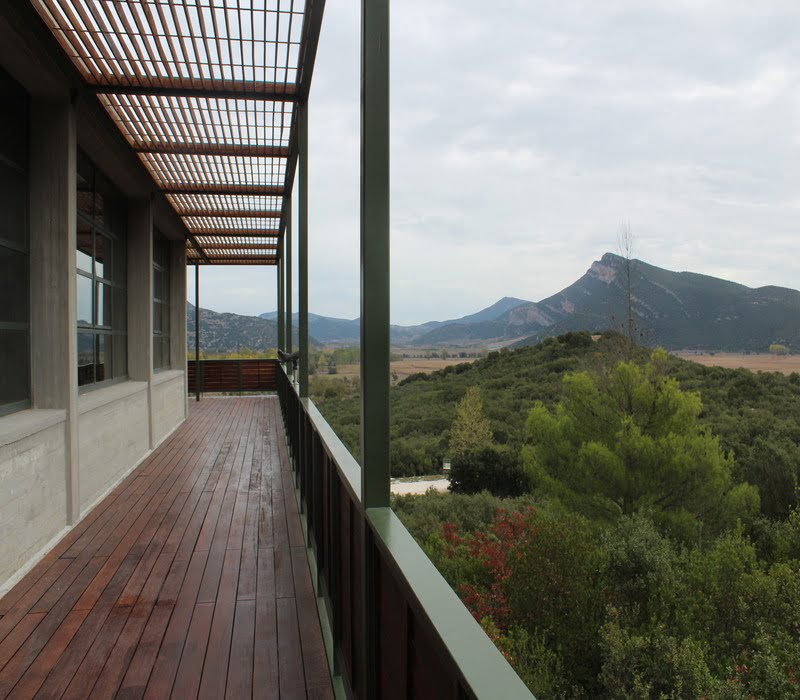
The environment museum is located in the mountainous side of Corinth. The museum aims to exhibit the human interdependence with nature. The exhibits include how the nearby Lake Stymfalia was created over time. The main objectives of the museum are to bring ecological awareness to the public, and the preservation of knowledge about the traditional technology of the region, such as bee keeping, the harvesting of wheat, sheep herding, and fishing.

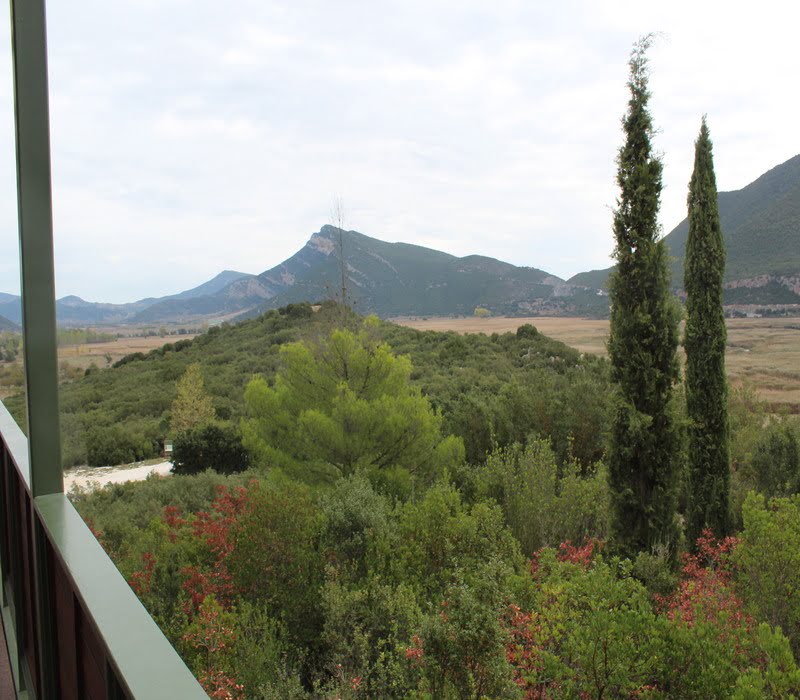
Just a few feet away from the museum is the Lake Stymfalia which has mythological connections which I will be discussing in the next post.

Το μουσείο περιβάλλοντος βρίσκεται στην ορεινή πλευρά της Κορίνθου. Το μουσείο στοχεύει να παρουσιάσει την αλληλεξάρτηση του ανθρώπου με τη φύση. Τα εκθέματα περιλαμβάνουν πώς δημιουργήθηκε η κοντινή λίμνη Στυμφαλίας με την πάροδο του χρόνου. Κύριοι στόχοι του μουσείου είναι η οικολογική ευαισθητοποίηση του κοινού και η διατήρηση της γνώσης για την παραδοσιακή τεχνολογία της περιοχής, όπως η μελισσοκομία, η συγκομιδή σιταριού, η βοσκή προβάτων και το ψάρεμα.

Μόλις λίγα μέτρα μακριά από το μουσείο βρίσκεται η λίμνη Στυμφαλία που έχει μυθολογικές συνδέσεις για τις οποίες θα αναφερθώ σε επόμενη ανάρτηση.
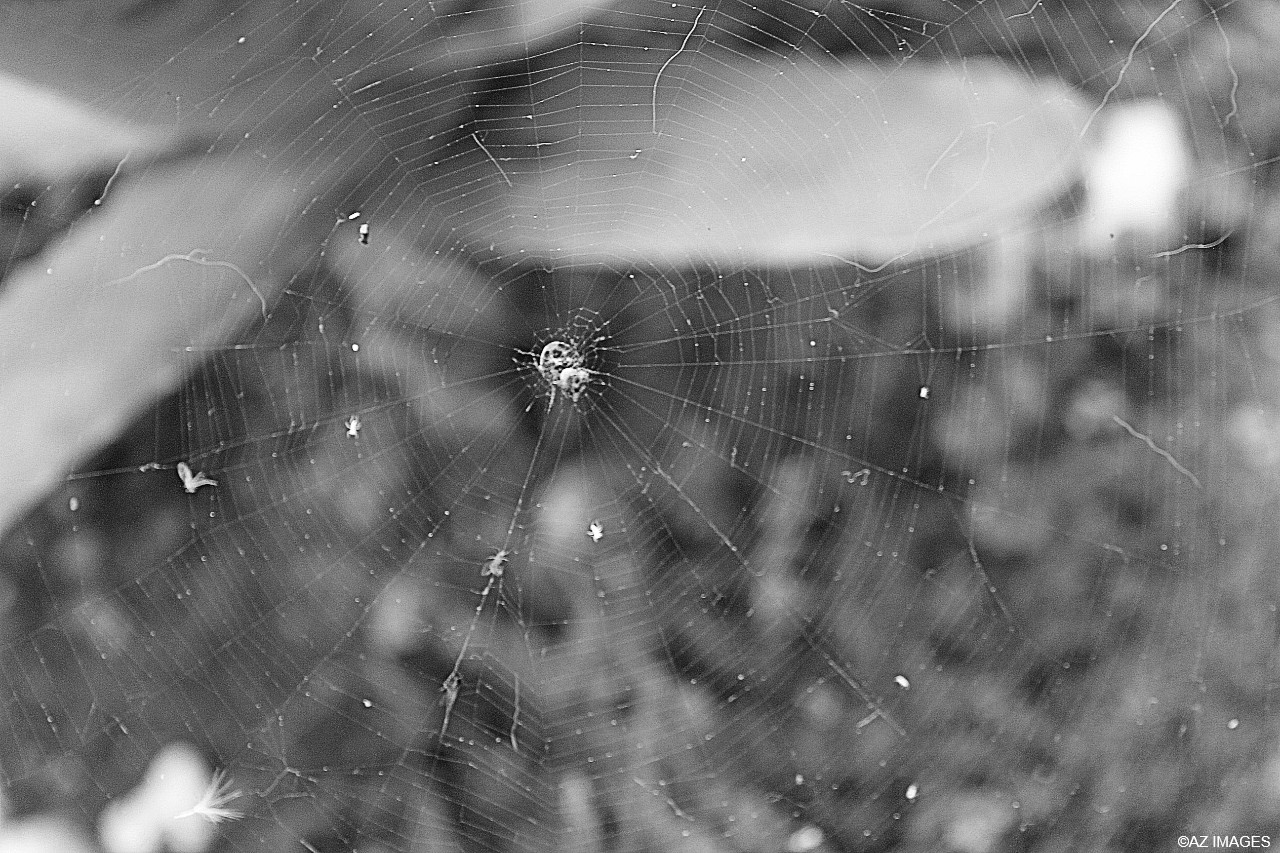
Spiderweb/Αραχνια

‘The artist is a receptacle for emotions that come from all over the place: from the sky, from the earth, from a scrap of paper, from a passing shape, from a spider’s web.

«Ο καλλιτέχνης είναι ένα δοχείο για συναισθήματα που έρχονται από παντού: από τον ουρανό, από τη γη, από ένα κομμάτι χαρτί, από ένα περαστικό σχήμα, από έναν ιστό αράχνης». -Pablo Picasso

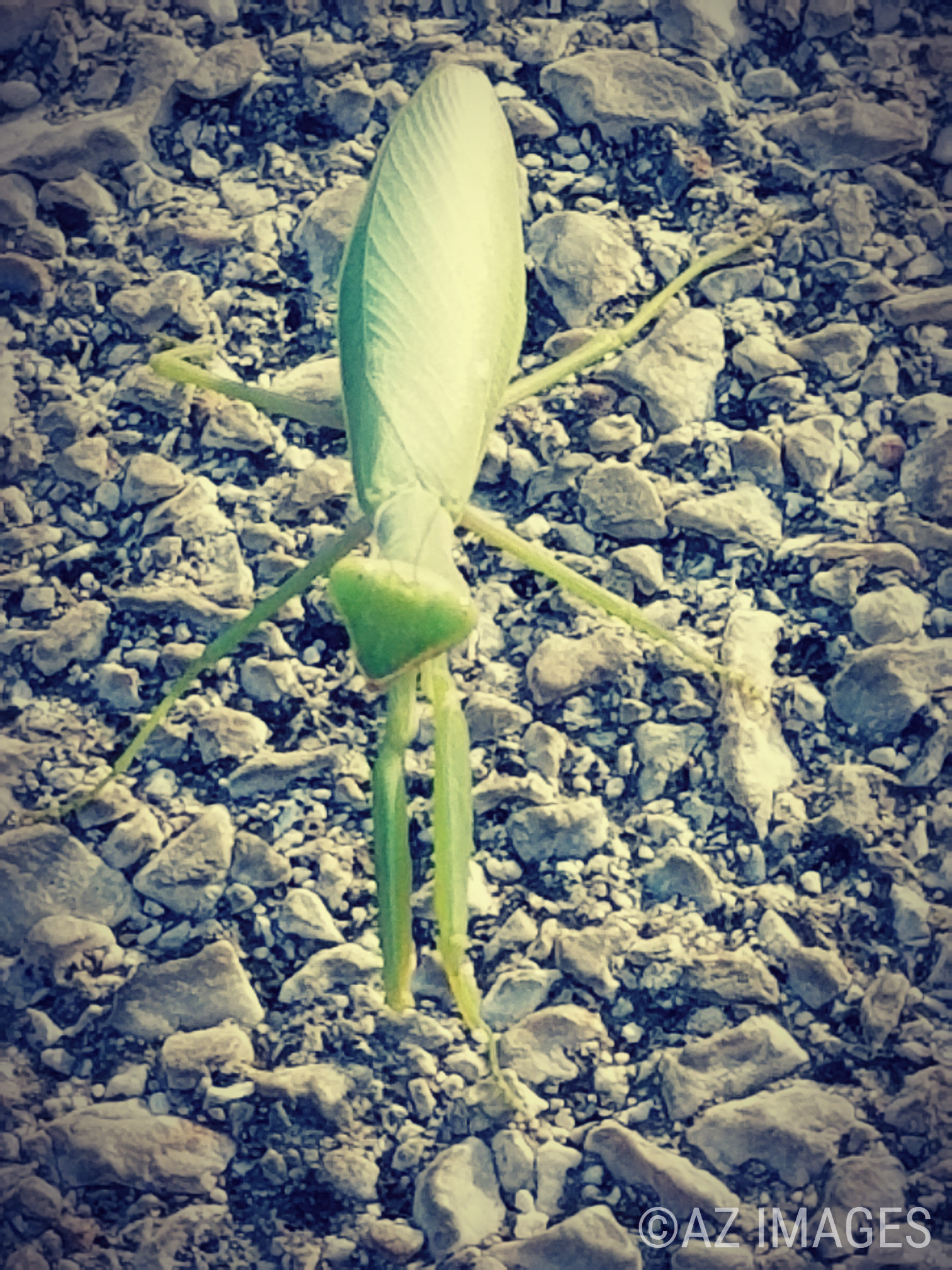
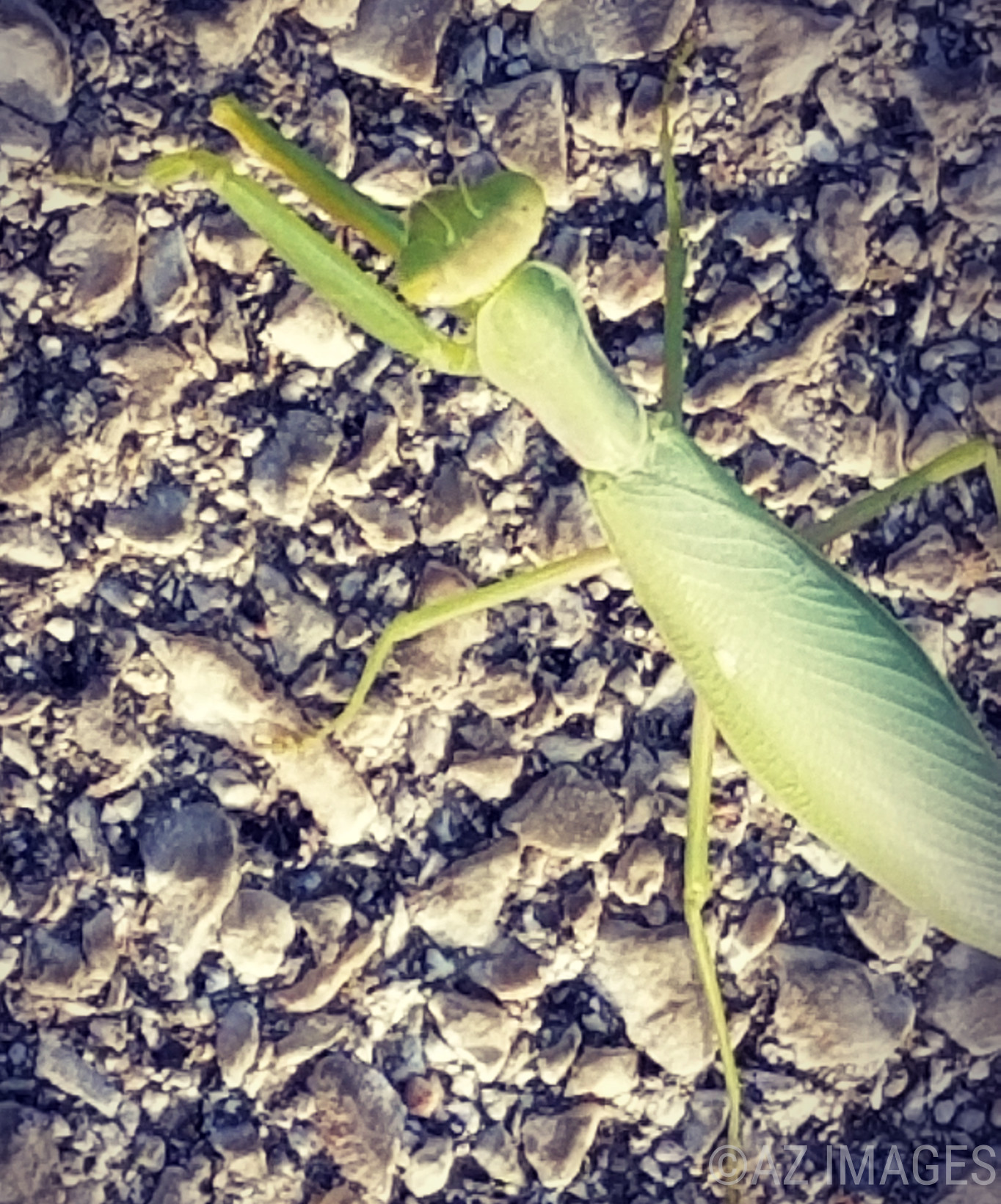
Praying Mantis/Το Αλογάκι της Παναγίας

The praying mantis insect is a common insect in Greece, but I have never come across one until now. They are given this name due to the prayer position of its front legs. The word ‘mantis’ means prophet in Greek. In Greek the insect is called ‘horse of the Virgin Mary’, because the shape of the face is similar to that of a horse and it is praying to the Virgin Mary.

The insect is symbolic of patience and wisdom and is linked to the goddess Athena. The ancient Greeks believed that the presence of the praying mantis was a good omen for the harvest and favor of the gods.

Το Αλογάκι της Παναγίας είναι ενα κοινό έντομο στην Ελλάδα, αλλά δεν το έχω συναντήσει ποτέ μέχρι τώρα. Τους δίνεται αυτό το όνομα λόγω της θέσης προσευχής των μπροστινών ποδιών του. Η λέξη «μάντης» στα ελληνικά σημαίνει προφήτης. Στα ελληνικά το έντομο ονομάζεται «άλογο της Παναγίας», γιατί το σχήμα του προσώπου μοιάζει με αυτό του αλόγου και προσεύχεται στην Παναγία.

Το έντομο είναι σύμβολο της υπομονής και της σοφίας και συνδέεται με τη θεά Αθηνά. Οι αρχαίοι Έλληνες πίστευαν ότι η παρουσία του μαντί που προσεύχεται ήταν καλός οιωνός για τη σοδειά και ότι αν συναντούσες ένα είχες την εύνοια των θεών.

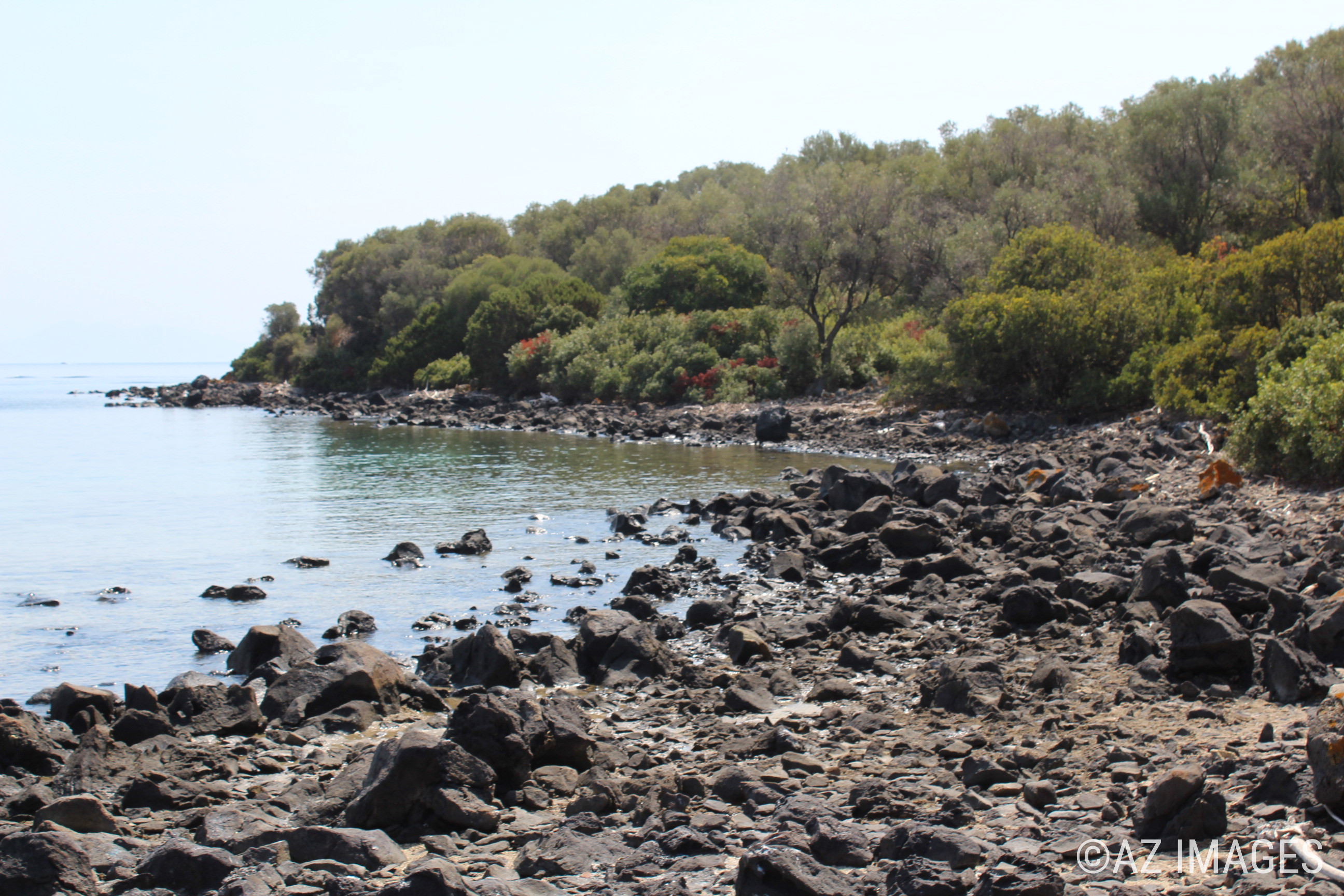
Volcanic Rocks/Ηφαιστειογενή Βράχια

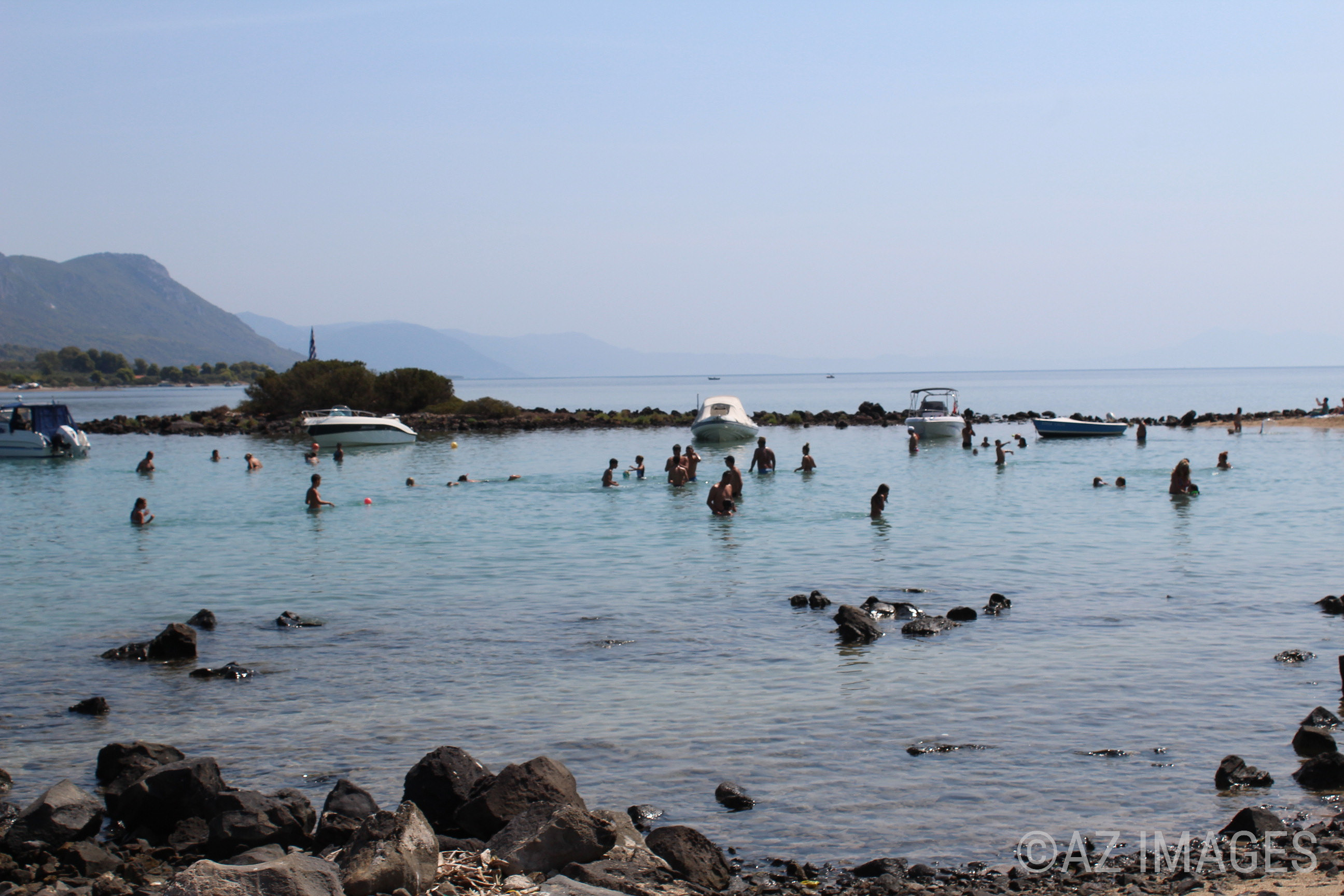
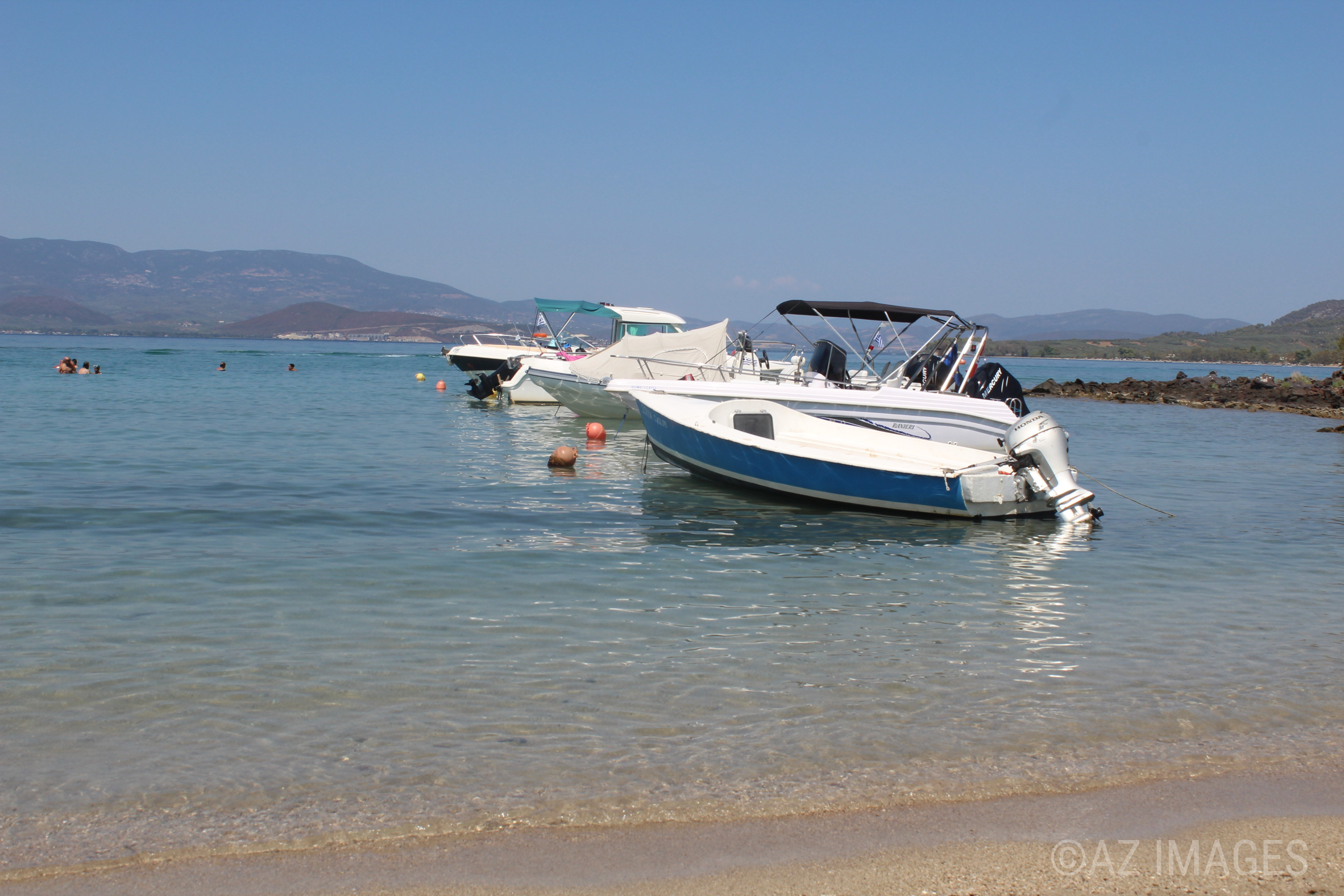
These islands in Lichadonisia are the result of volcanic activity. Some parts of the beaches are covered in black volcanic rock. Some of the islands were submerged during a great earthquake in 426 BC.

The whole beach was not like this. It was just one side. Very cool to see this, especially anyone who is a geology and or volcanology enthusiast.

Αυτά τα νησιά είναι αποτέλεσμα ηφαιστειακής δραστηριότητας. Ορισμένα σημεία των παραλιών στα Λιχαδονήσια είναι καλυμμένα με μαύρα ηφαιστειογενή Βράχια. Μερικά από τα νησιά βυθίστηκαν κατά τη διάρκεια ενός μεγάλου σεισμού το 426 π.Χ.

Όλη η παραλία δεν ήταν έτσι, ηταν μόνο η μία πλευρά. Πολύ ωραίο να το δεις αυτό, ειδικά όποιος είναι λάτρης της γεωλογίας η και ηφαιστειολογίας.

Lichadonisia pt2/Λιχαδονήσια Μέρος 2ος

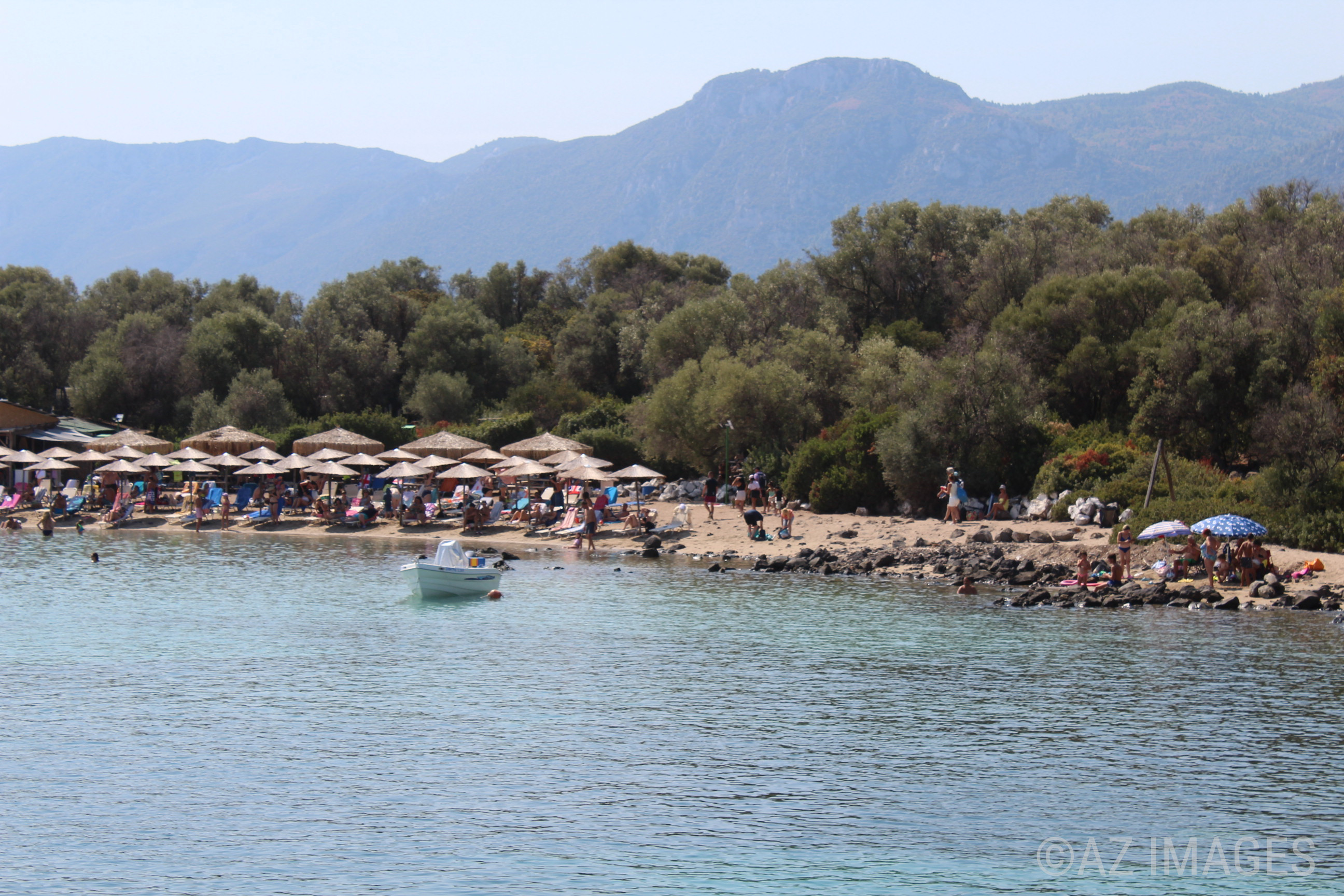
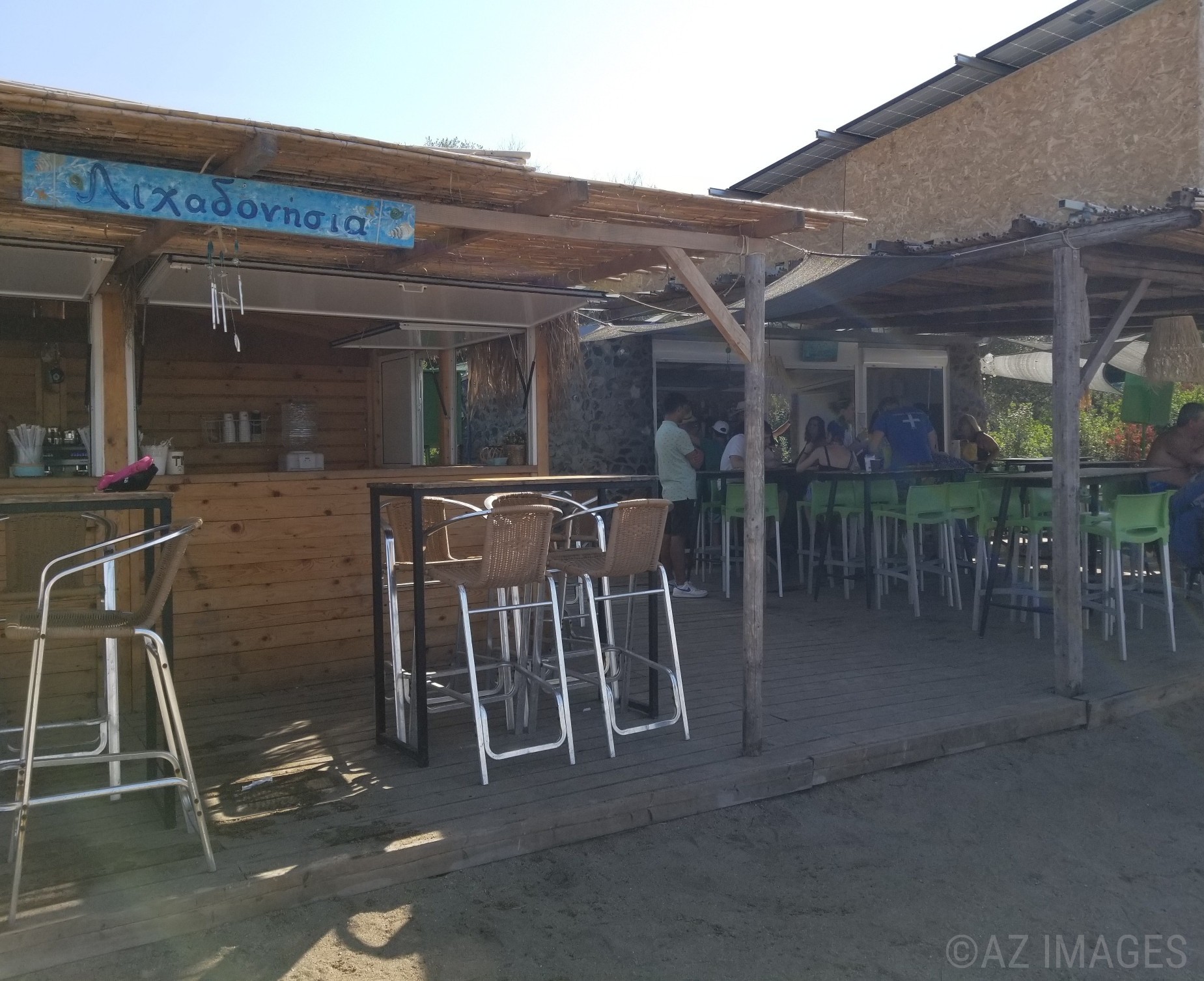
A beach bar and eatery

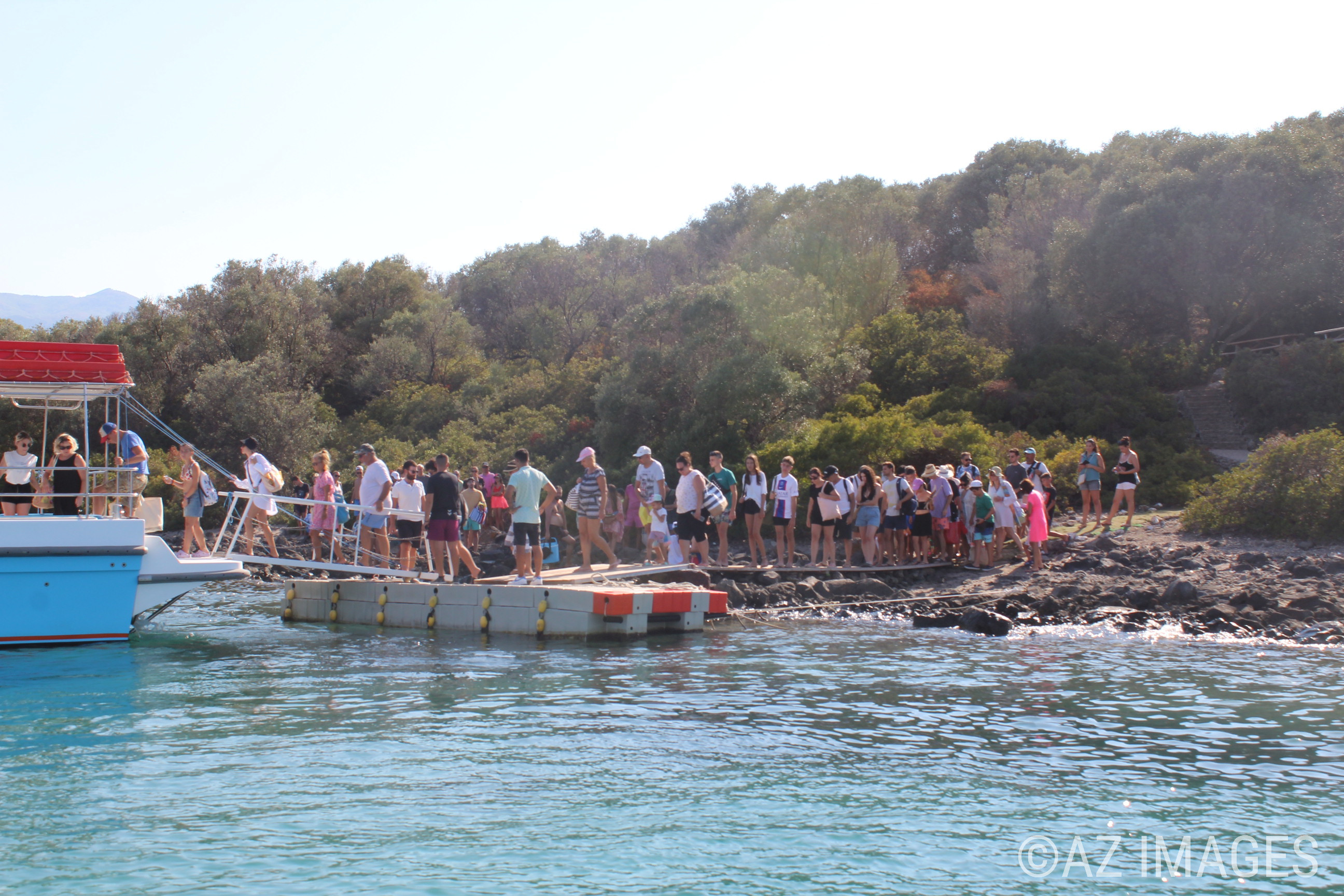
All aboard! The departure of the last visitors.

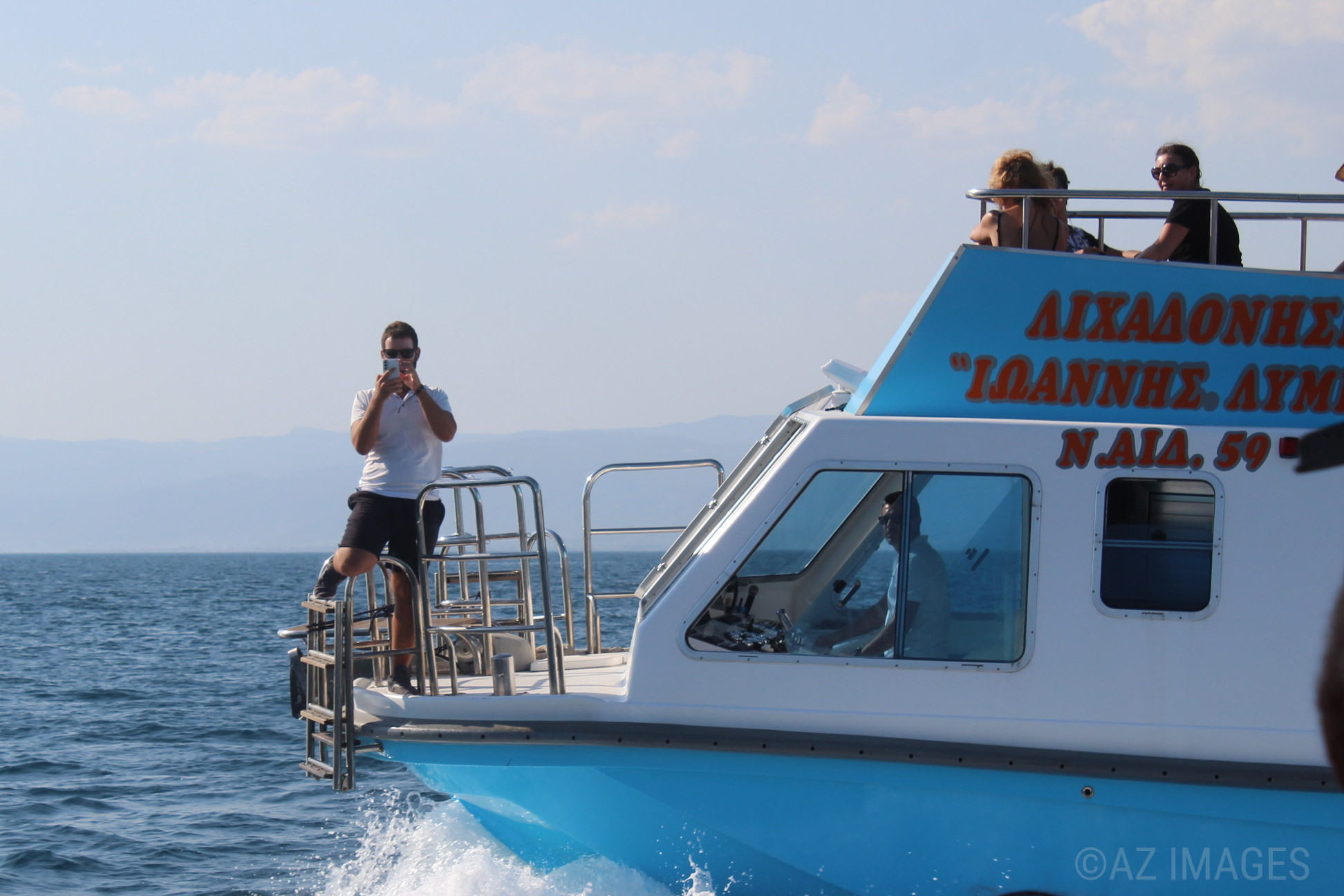
A race between the two cruise boats. We won!

The name of the location ‘Lichadonisia’- pronounced (lee-ha-don-isia) is derived from Greek mythology. Lichas was the servant of Heracles (Hercules) who brought a poisoned lion-skinned garment from Deianira (Heracles’ wife) to Heracles. Deianira was trying to kill Heracles as she was jealous of his new love interest Iole. As as a punishment Heracles threw Lichas into the sea where Lichadonisa is located.

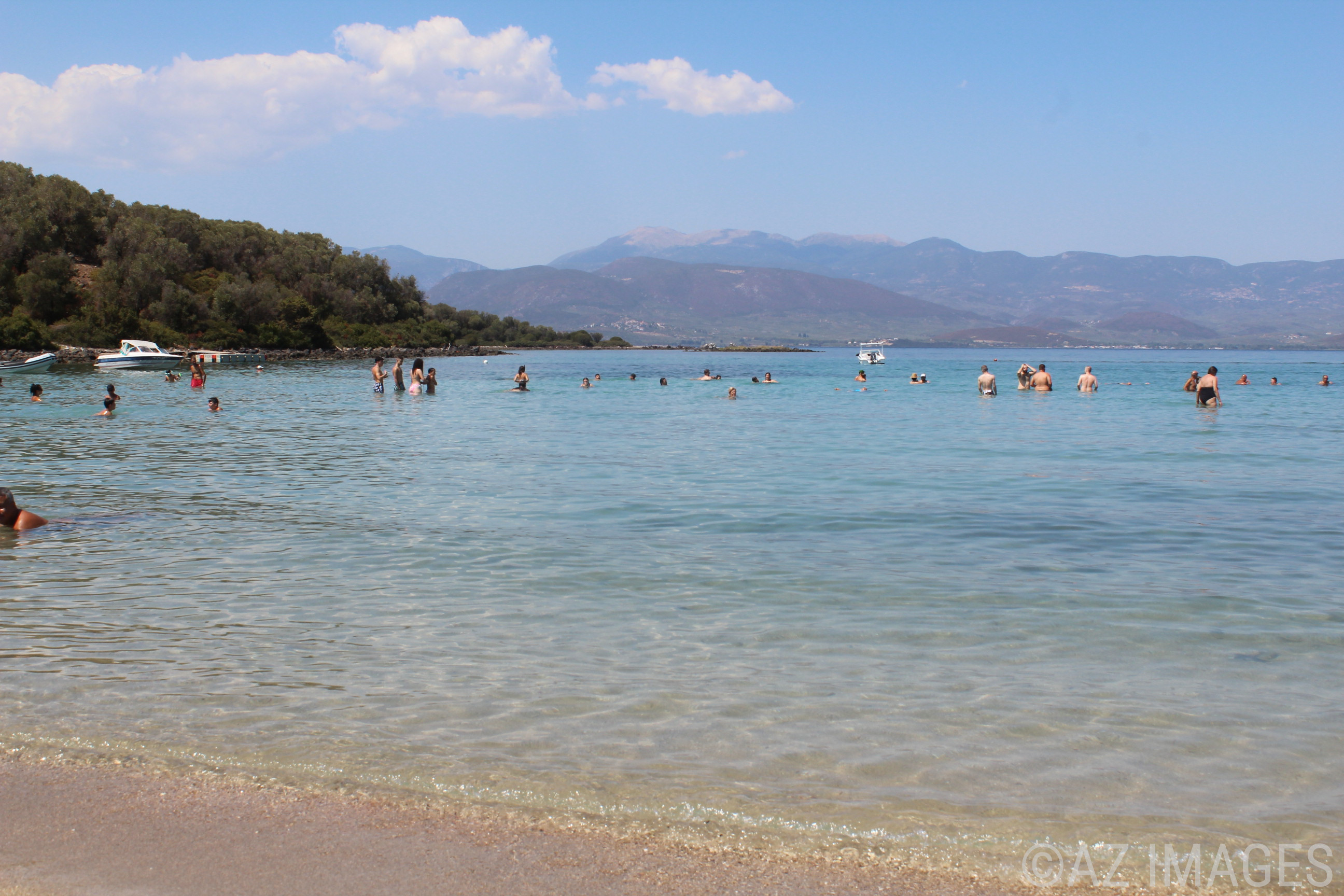
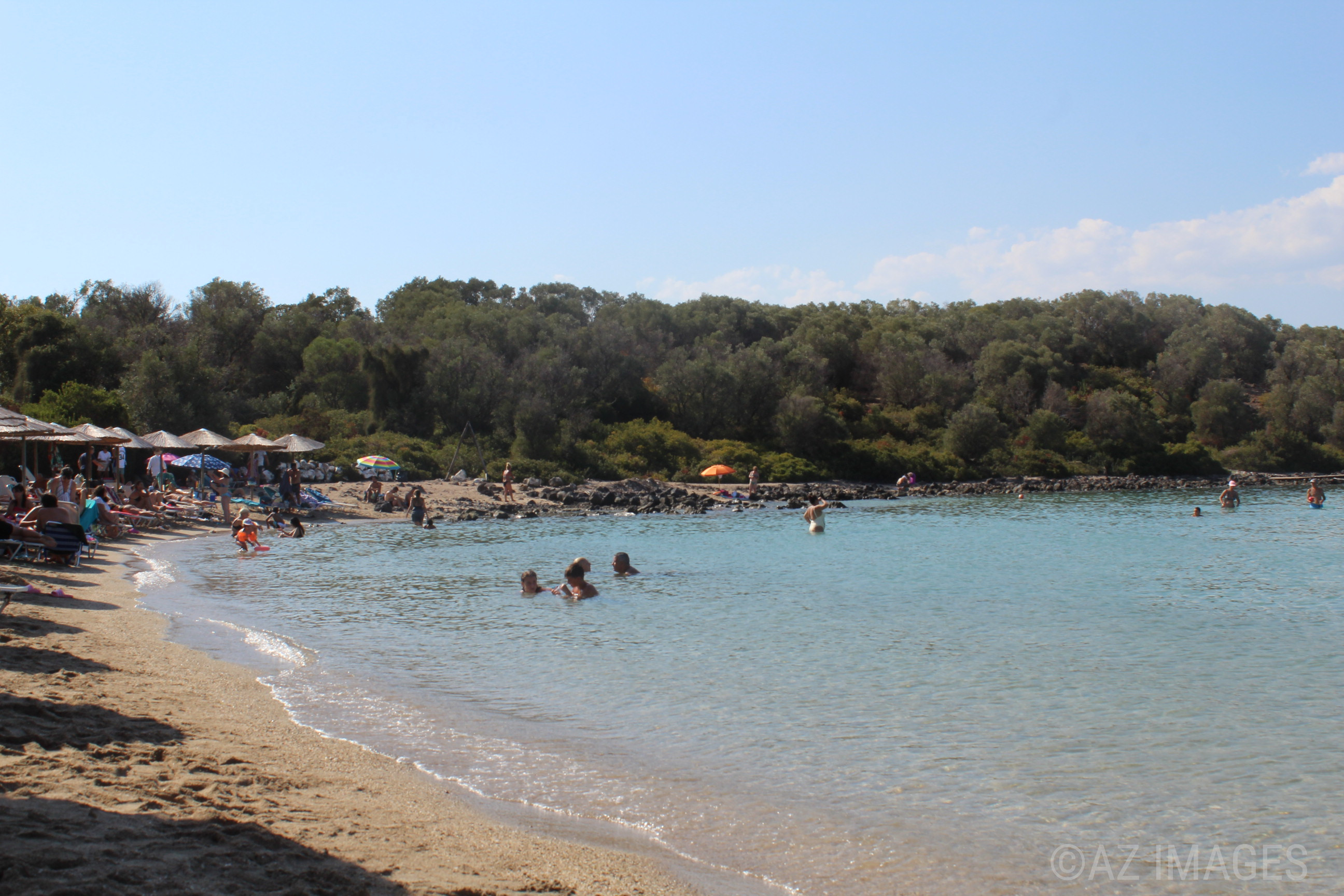
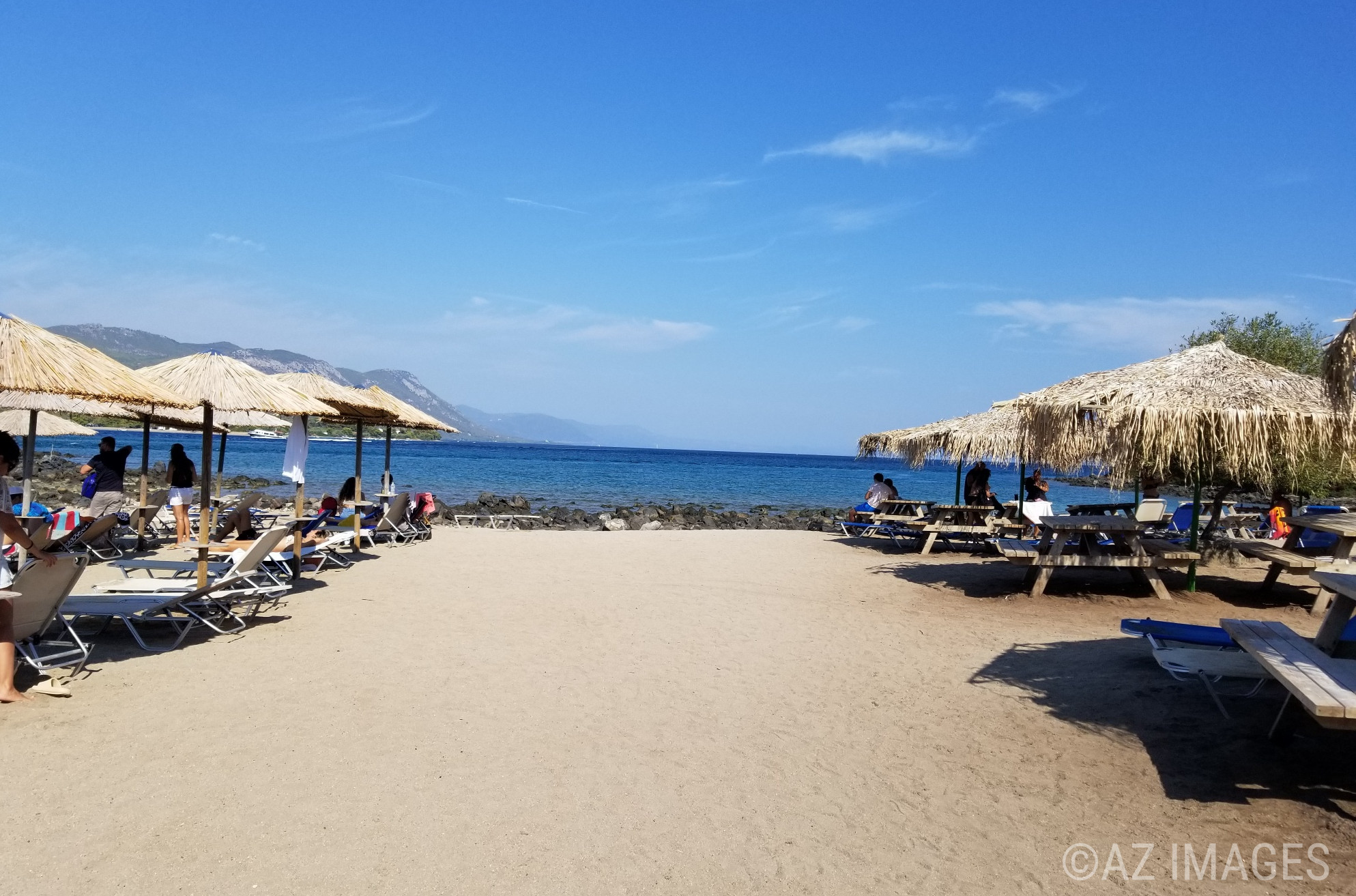
The location consists of seven islands and islets. There is a shipwreck from the 1940’s and I saw some seals splashing around. The biggest island, Manolia has a beautiful beach and is visited by many tourists in the summer. The waters are clear and shallow and there is a beach bar and small sandwich shop. Overall, the cruise was a lot of fun, I enjoyed my time there, even though it was a full beach.

Το όνομα της τοποθεσίας «Λιχαδονήσια» προέρχεται από την ελληνική μυθολογία. Ο Λίχας ήταν ο υπηρέτης του Ηρακλή που έφερε στον Ηρακλή ένα δηλητηριασμένο χιτώνα απο δέρμα λιονταριού από τη Δηιάνειρα (σύζυγος του Ηρακλή). Η Δηιάνειρα προσπαθούσε να σκοτώσει τον Ηρακλή καθώς ζήλευε το νέο του έρωτα Ιόλη. Ως τιμωρία ο Ηρακλής πέταξε τον Λίχα στη θάλασσα όπου βρίσκονται τα Λιχαδόνησα.

Η τοποθεσία αποτελείται από επτά νησιά και βραχονησίδες. Υπάρχει ένα ναυάγιο από τη δεκαετία του 1940 και είδα μερικές φώκιες να πιτσιλίζουν τριγύρω. Το μεγαλύτερο νησί, η Μανωλιά, έχει μια όμορφη παραλία και το επισκέπτονται πολλοί τουρίστες το καλοκαίρι. Τα νερά είναι καθαρά και ρηχά και υπάρχει και ενα μπιτς μπαρ που σερβίρει φαγητό. Η κρουαζιέρα ήταν πολύ διασκεδαστική, απόλαυσα τον χρόνο μου εκεί, παρόλο που ήταν μια γεμάτη παραλία.