“The real world is where the monsters are.”
― Rick Riordan, The Lightning Thief
“There are no heroes…in life, the monsters win.”
― George R. R. Martin
“The real world is where the monsters are.”
― Rick Riordan, The Lightning Thief
“There are no heroes…in life, the monsters win.”
― George R. R. Martin
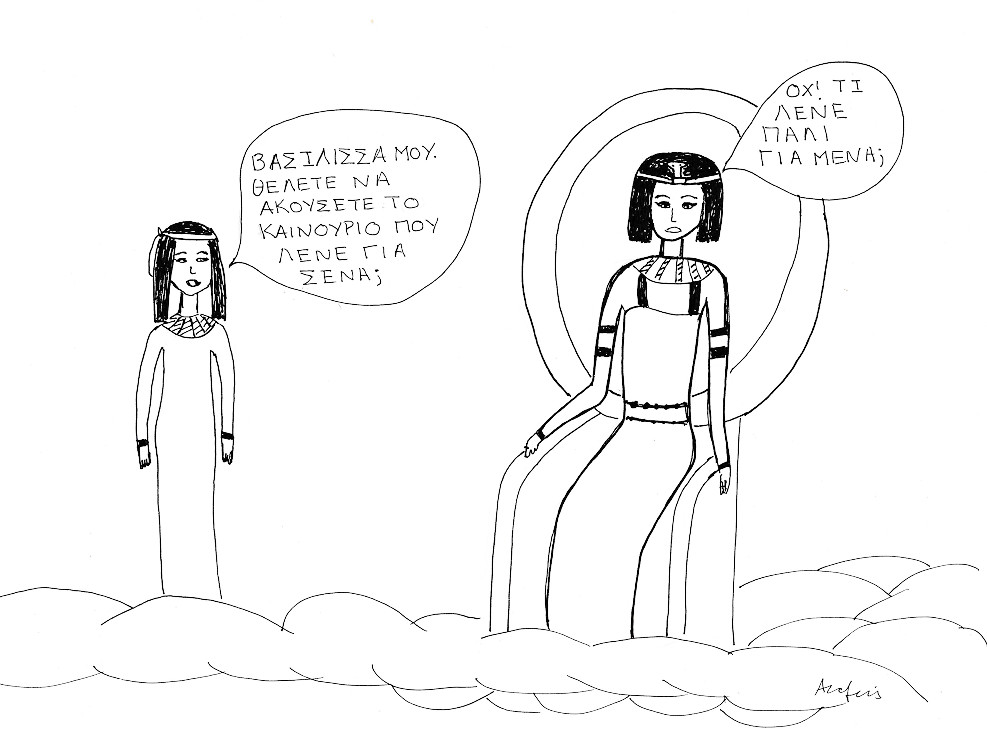
Servant: “My Queen have you heard the latest that is being said about you?”
Queen Cleopatra: “Uggh. What are they saying again?”
Queen Cleopatra. Queen of Egypt as well as the Queen of Divisiveness.
For over a hundred years Hollywood has made countless films about Queen Cleopatra. All of them were played by a caucasian actress. They were light-skinned and dark-haired women. Everyone had grown accustomed to that. Then, recently the streaming service, Netflix in their historical docu-series ‘African Queens’ cast a black woman to play the Queen. This has created a lot of controversy, and uproar from a lot of people of different ethnicities..
I think that it is well-established that Queen Cleopatra was a Greek woman who was descendant of the Ptolomies. She was a product of the Hellenistic Empire, built by Alexander the Great. Cleopatra’s ancestor Ptolomy I Soter was Alexander’s classmate in Macedonia, as well as one of his generals. Egypt was placed in Ptolomies’ hands after the death of Alexander the Great. Also, it is well documented that Macedonians were very particular about their bloodline, even in Greece. Alexander was half-Macedonian and half-Epirote. Both were/are Greek states, yet he was insulted for not being ‘pure- blooded’ by people in his father’s court. The Ptolomies would have carried this mentality with their bloodline and as a result were very inbred. Hec, Queen Cleopatra even married her teenage brother!
The casting of Queen Cleopatra was never controversial in the past, so why is it now? In recent years if the actress is causcasian it’s ‘white washing’ if she is black it is ‘black-washing’ or Afrocentrism.
In my opinion Queen Cleopatra has reached near mythological proportions, and that is one of the problems Many people want her as part of their culture. People have their own fantasies and ideas about her. They have their fantasies of how she may have looked and behaved. However, with so many depictions of her in statues and coins and commentary about her by ancient sources, she should not be a such a great mystery, nor should their be doubts about how she looked or what her ethnicity was.
To solve the casting issue, it seems that the best, and most logical solution would be to cast a Greek actress. But, I have heard very few people even admit to this-if any! Which begs the question as to why Hollywood and many western journalists are so dismissive of modern Greeks, as well as Egyptians? Why do they have this cultural bias? Who and what is to blame for this? Is it their arrogance? Jealousy? Is it a result of the brainwashing from ‘Anglophilic Hollywood?? What is it?? Why are people -both black and white- trying to erase our rich culture and history?
For a long time I have been all too aware of this erasure, bigotry and dismissiveness of my people. Take a look at any channel with the subject of Greeks and Greece and then read the comment section. Or go on reddit-even worse.. There is so much slander and hatred towards my people by certain people from certain countries. We all know who they are. They believe that we have been ‘breeded out’ due to the many invaders that reached the shores of Greece. These are the type of people who don’t believe that neither modern Greeks or modern Egyptians are the genetic continuation of their ancestors. These claims are erroneous as well as racist, and downright dangerous! There have been many DNA tests done, and the results are conclusive, and unanimous.
These are our ancestors! Deal with it!
There have been many films made about Greek history and mythology, but there has never been a strong and loud debate about why Greeks don’t get cast in these roles. Unfortunately, the Greek lobby abroard isn’t strong. There are no famous Greeks. The few that have some sort of notoriety are too ‘white-washed’, or ‘Anglicized’ that even non-Greeks make fun and them. This is extremely problematic. We are not a large group so every voice counts. I feel that a person without passion for their culture, and person who is far removed from their cultural identiy is a very tragic person. As you are empty and souless without a culturaly identiy.
So, the problem is both the white-washing as well as the black-washing of these two mediterranean peoples. Both the Egyptians and Greeks have a rich and extensive history. Their is a mutual respect and admiration for each other. I am grateful that people are finally having this discussion all over social media platforms like YouTube, The ‘documentary’ was bad as it erases Greek culture and history, but it was good because more people have become aware of the problem and more people have learned the truth about Queen Cleopatra. That she was indeed an intelligent, crafty, strong, strategic Greek-Macedonian woman who was much, much more than her romances. She built armies, defied Rome and went to war against Rome. She made Egypt more independent by trading with regions outside of the Roman empire. And for those reasons she deserves all the admiration and the respect of a true Queen. 🙂

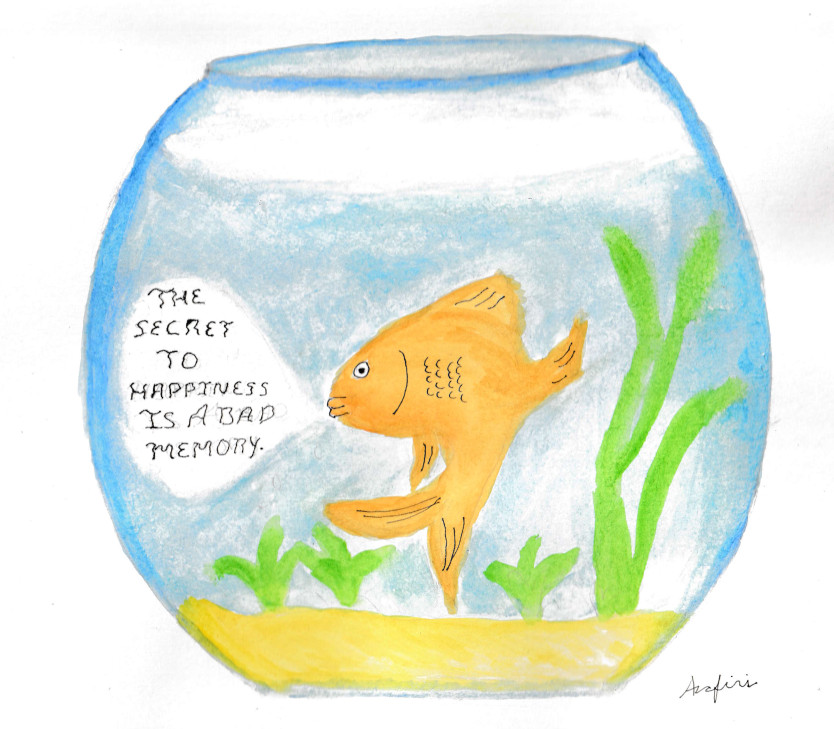
The Goldfish Guru is a happy fish. Due to his bad memory he forgets that his daily routine consists of swimming in a tiny glass bowl day after day.
If there was a technology that could erase people’s bad memories would that make people happier?
Is it the bad memories or their current difficult situation that are making people unhappy? Or both?
If it is the bad memories that caused the person to be unhappy in their present situation, can the erasure of the bad memories improve the present situation?
So many question, and so few answers…
“One of the keys to happiness is a bad memory.”-Rita Mae Brown
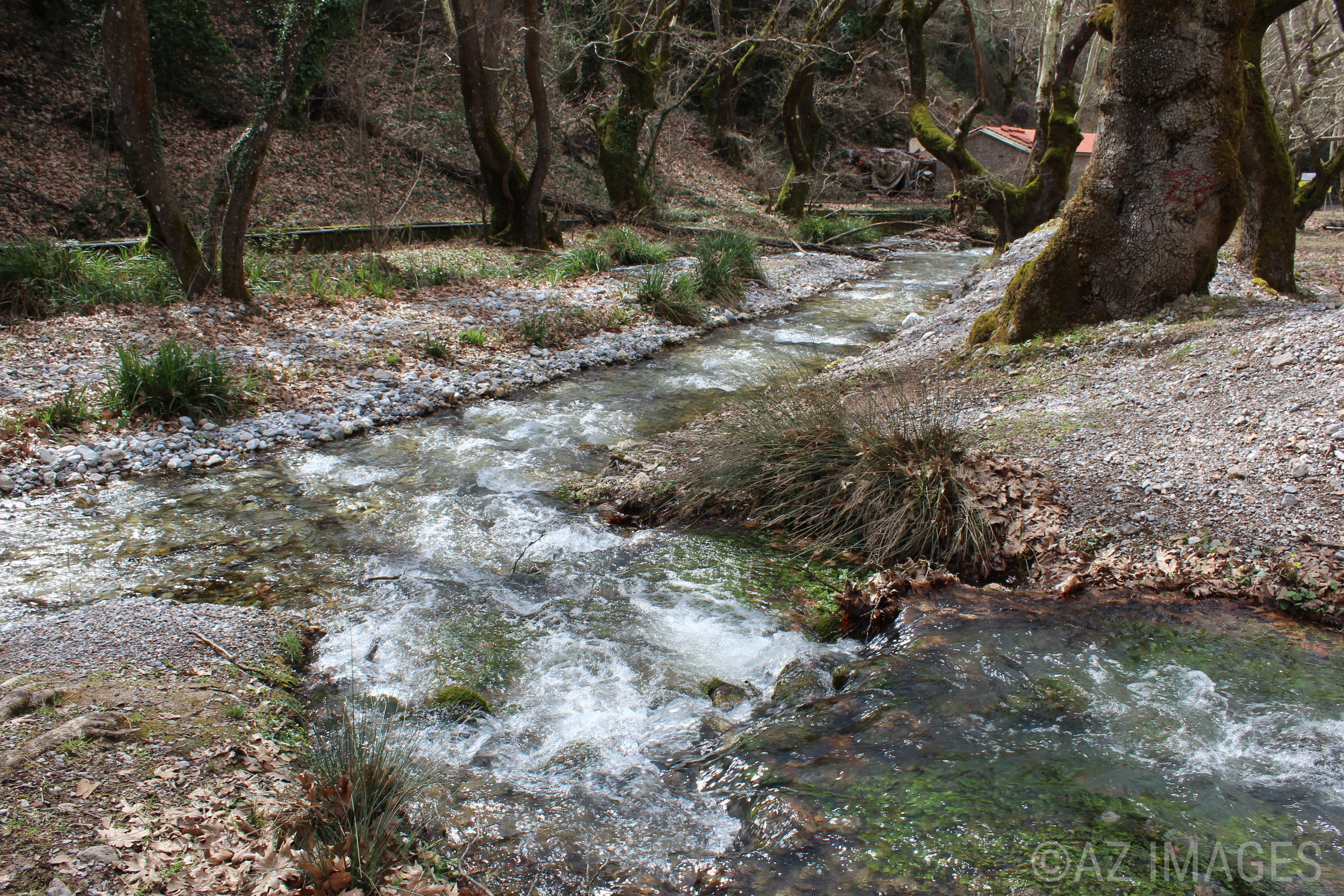
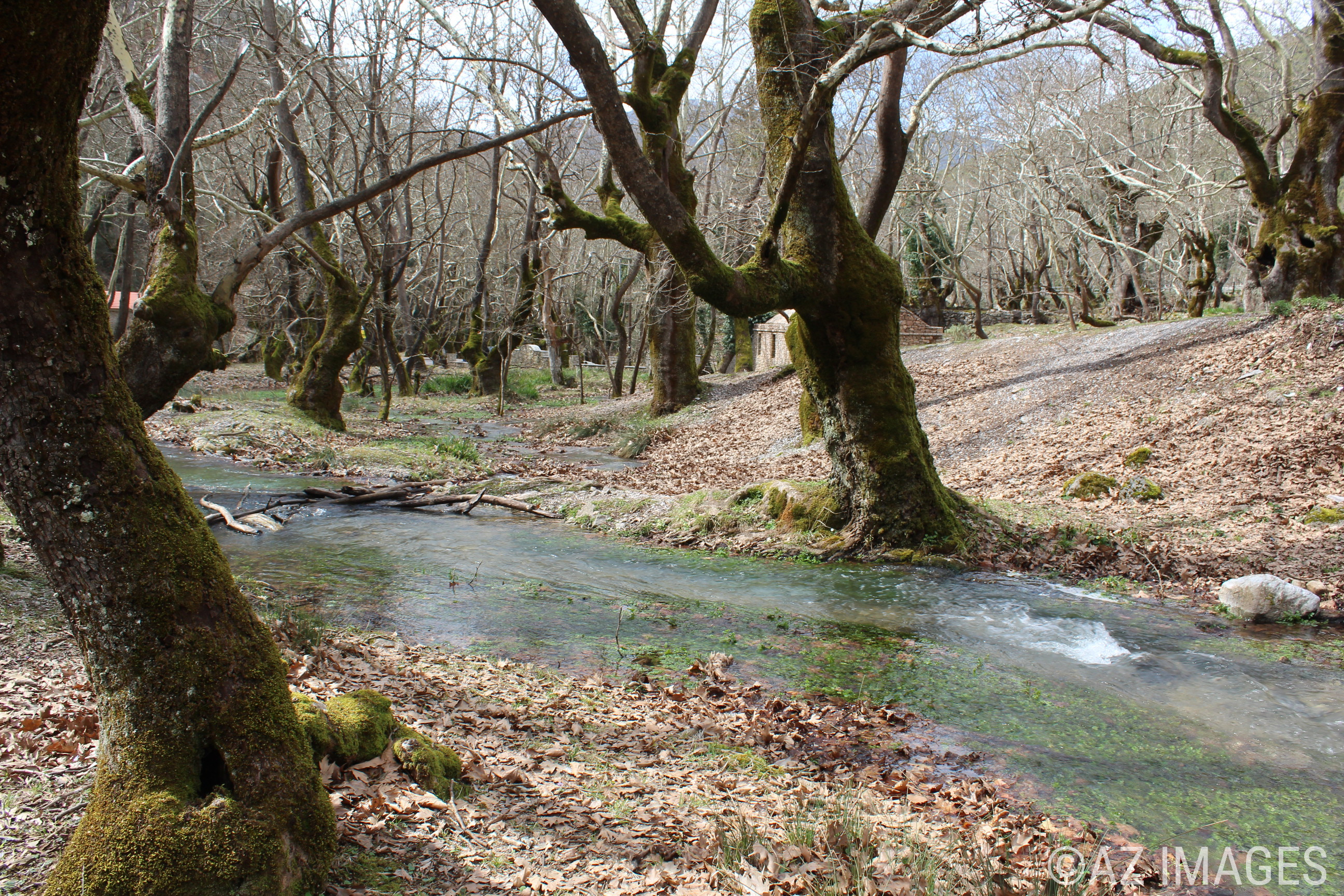
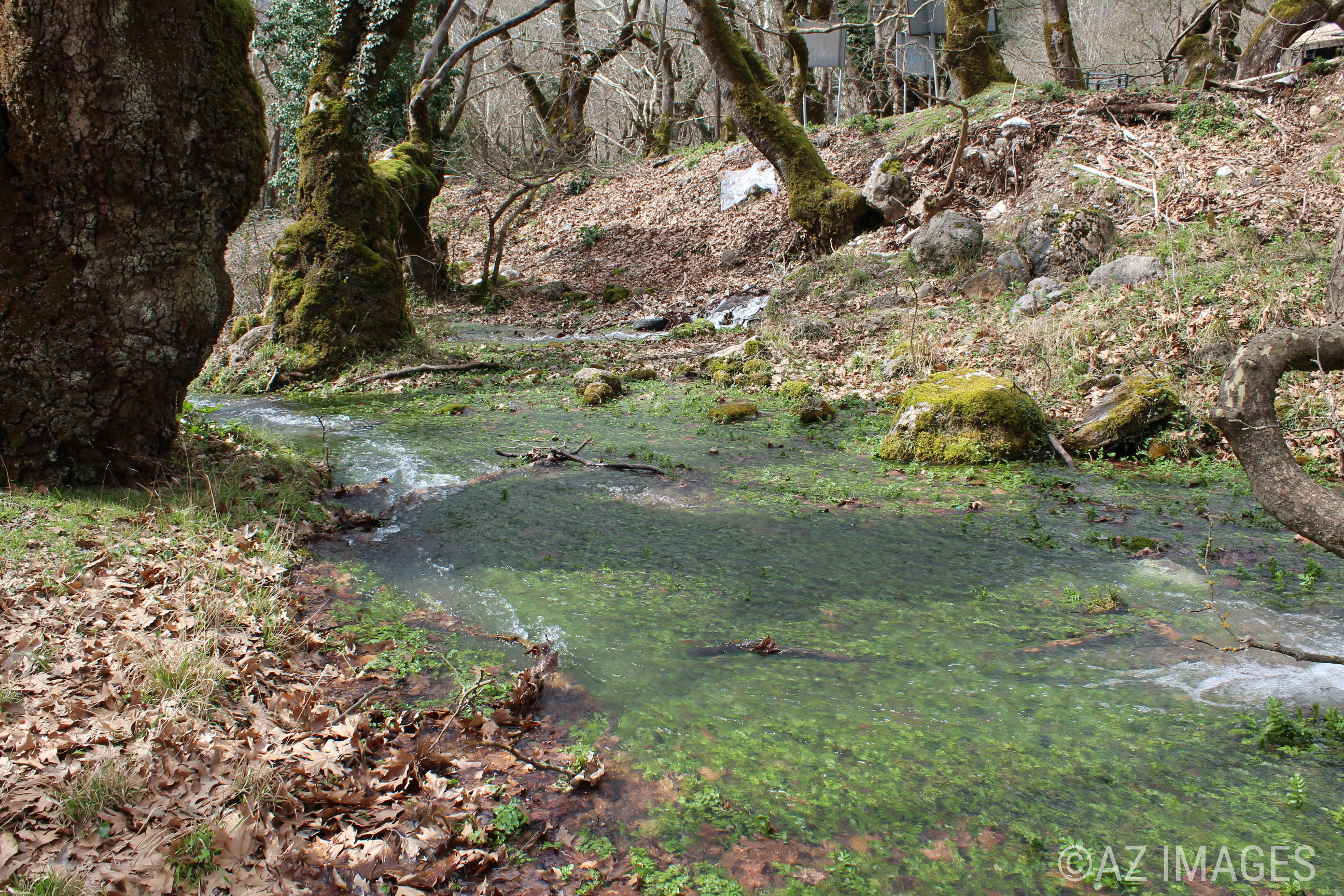
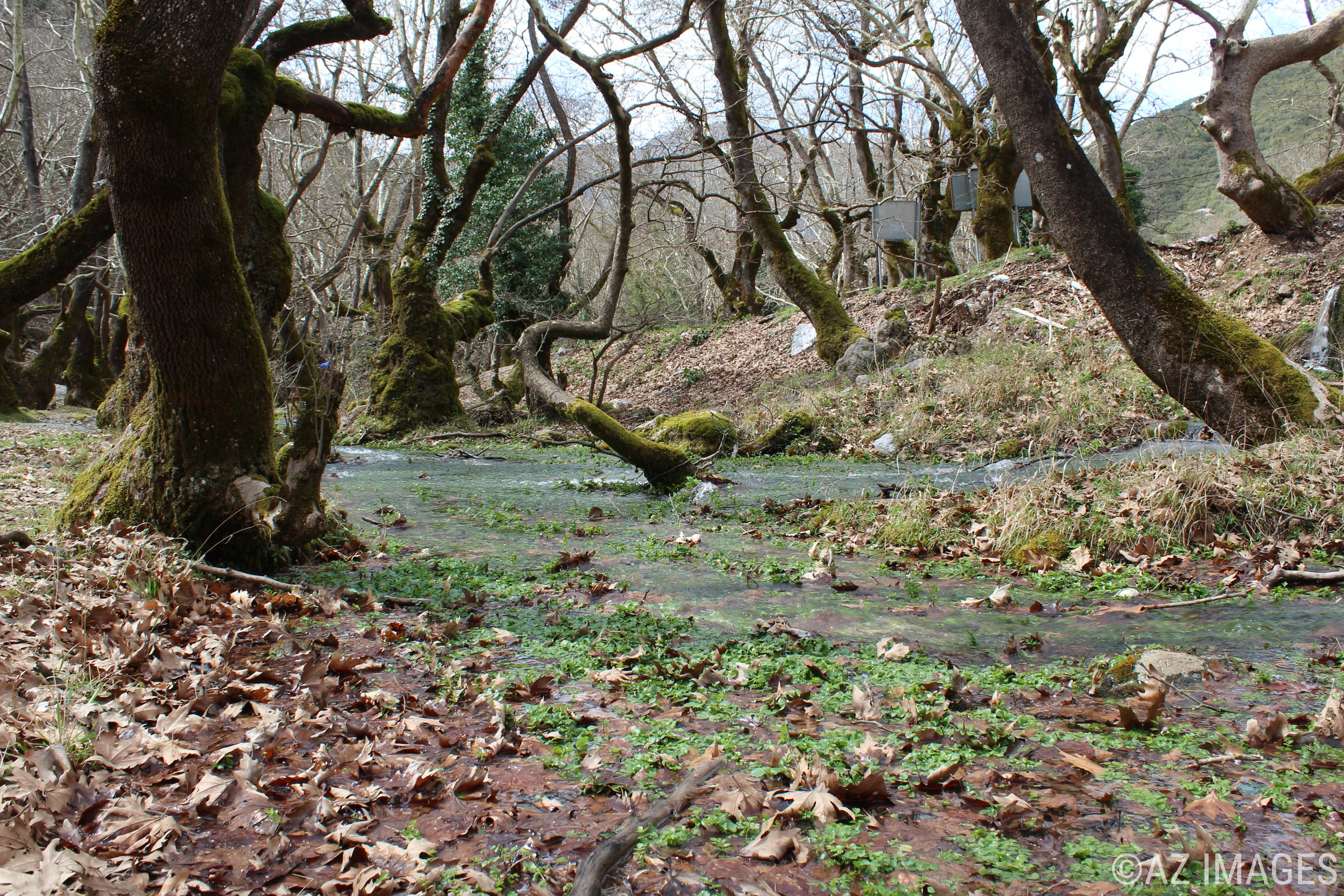
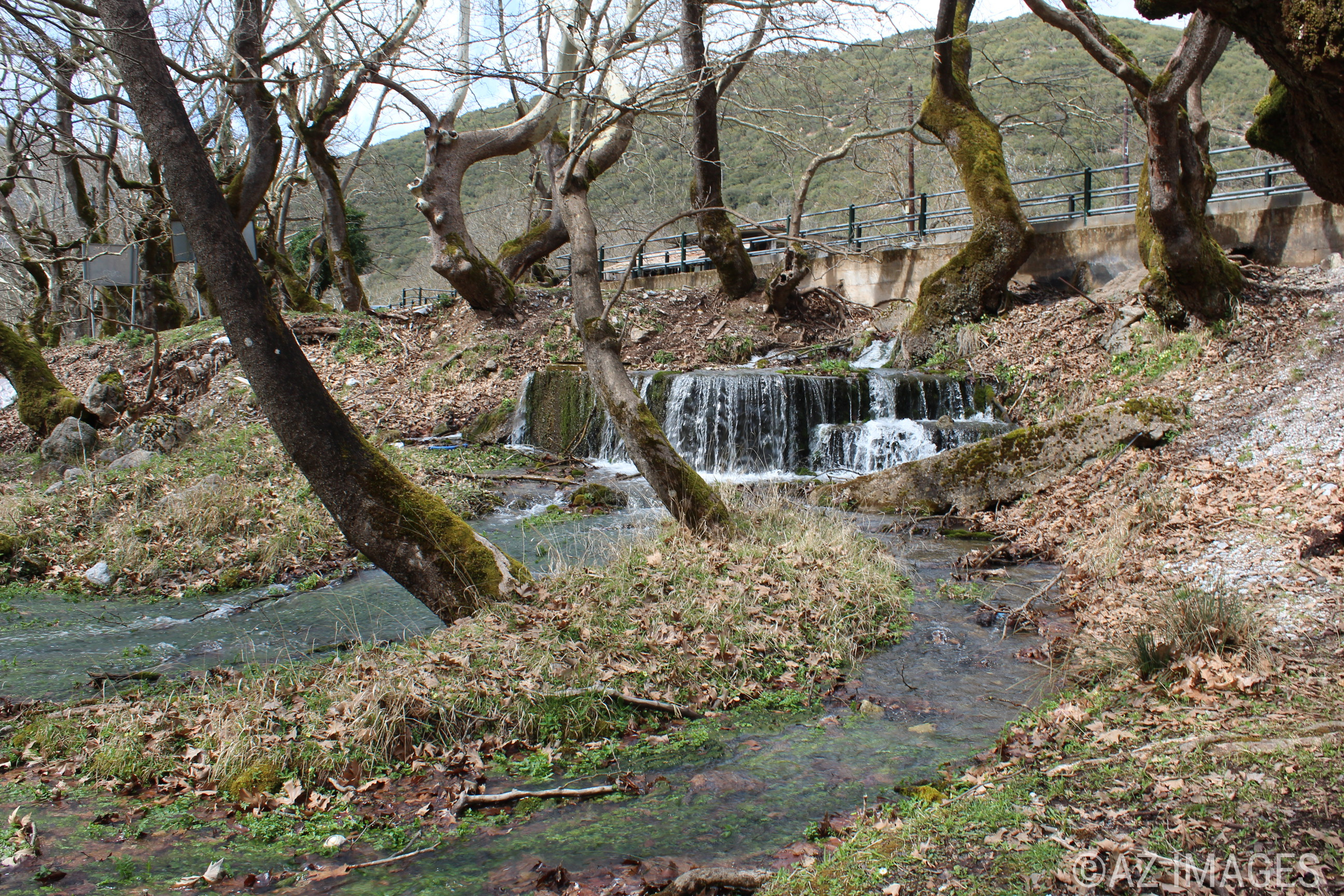
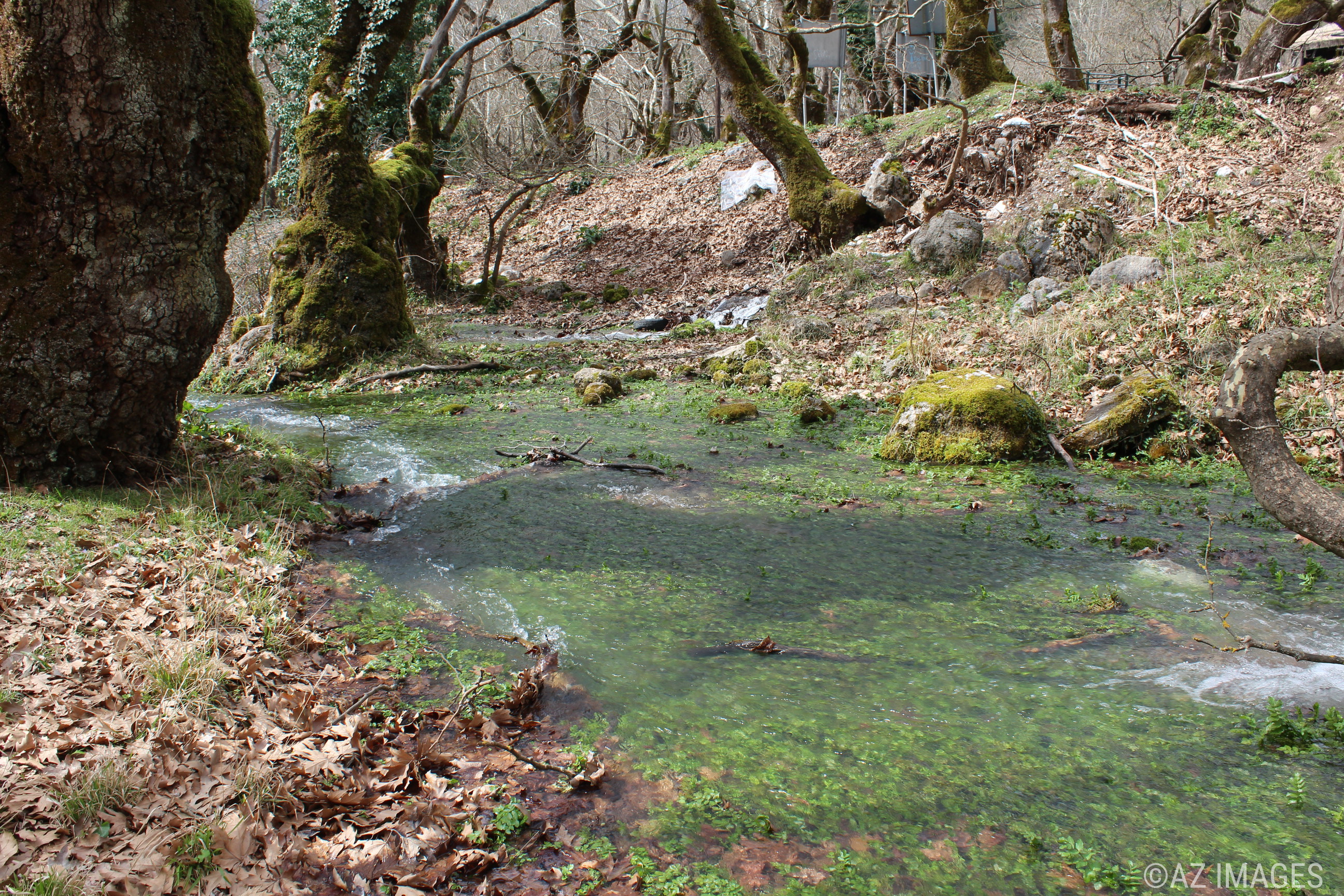
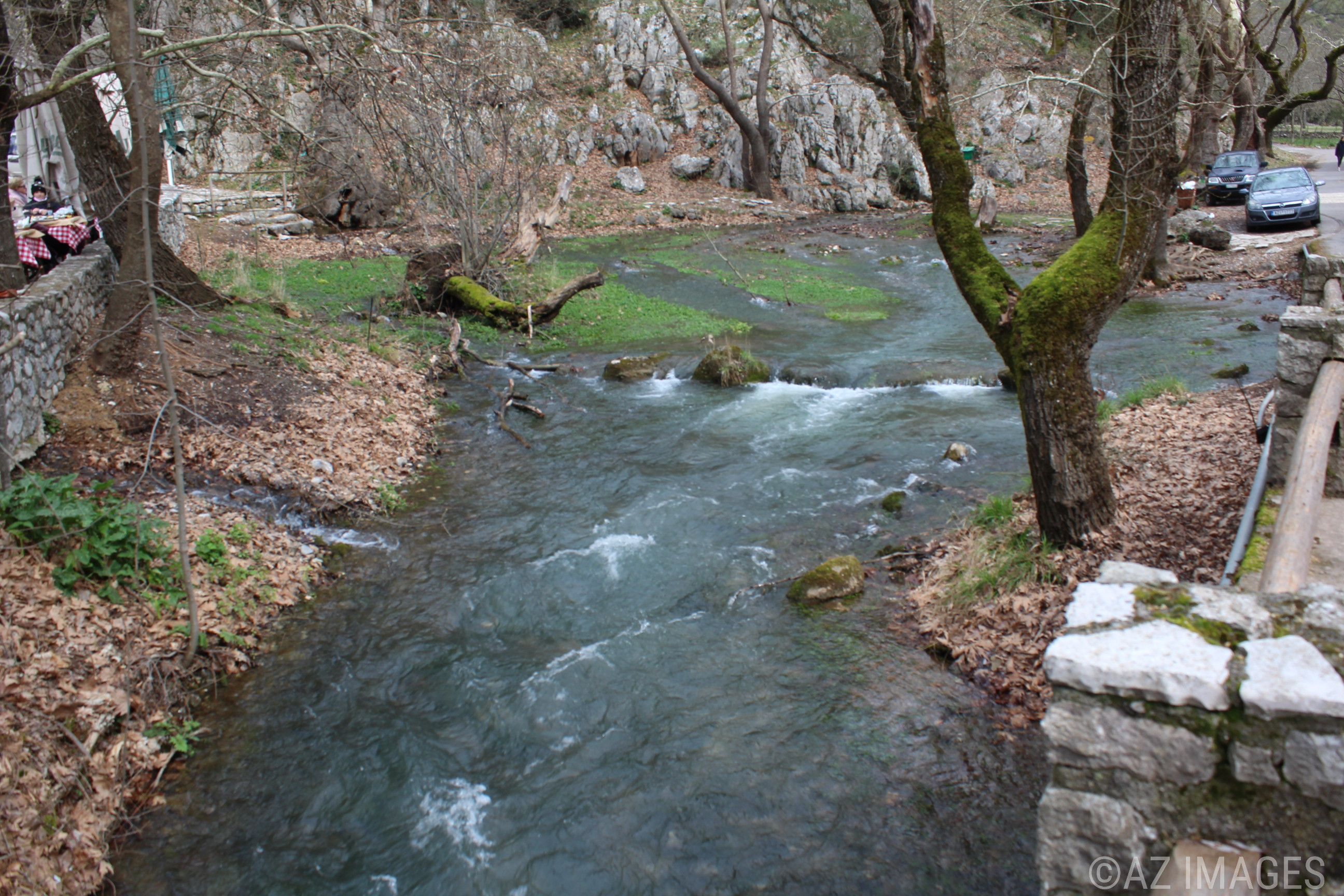
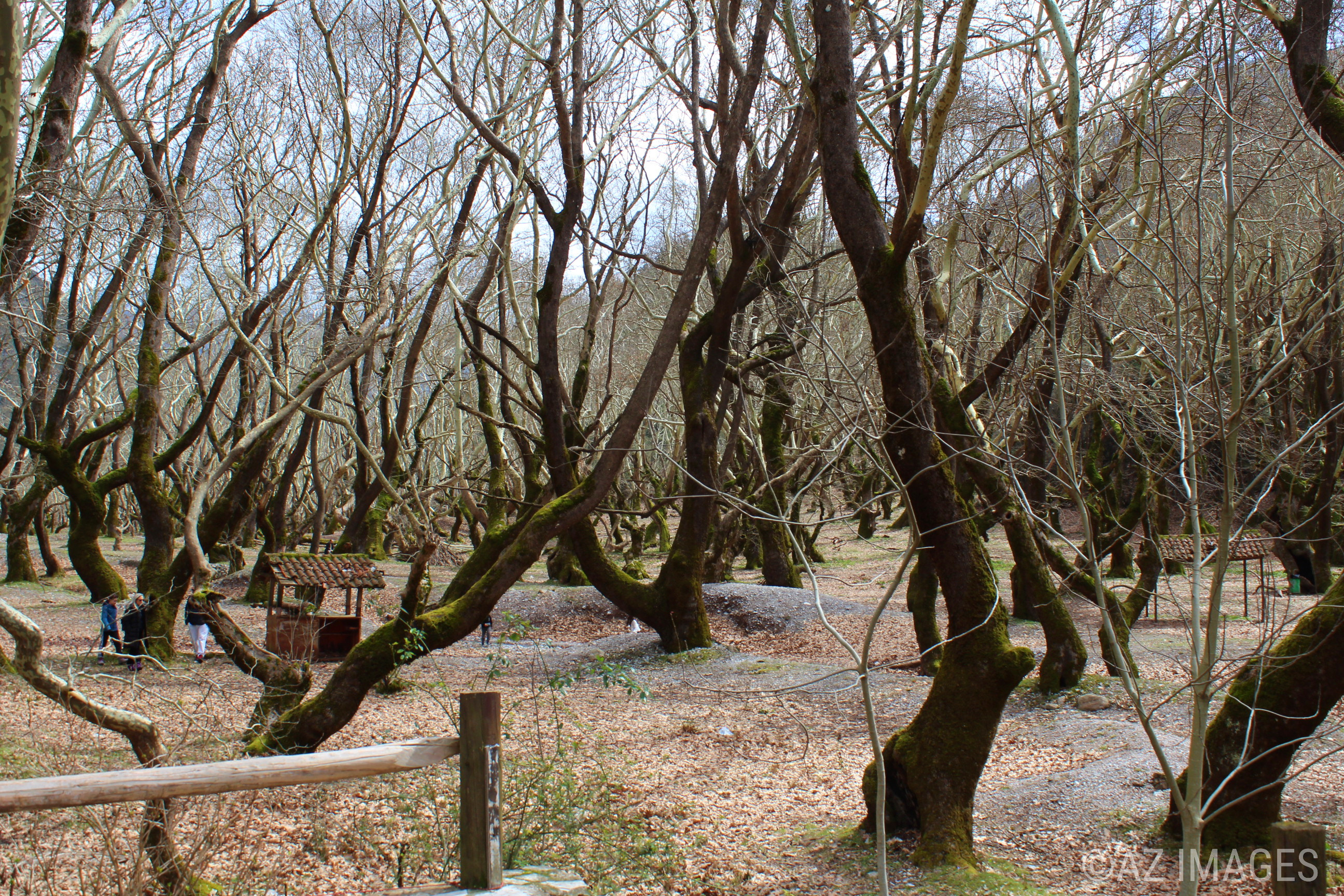
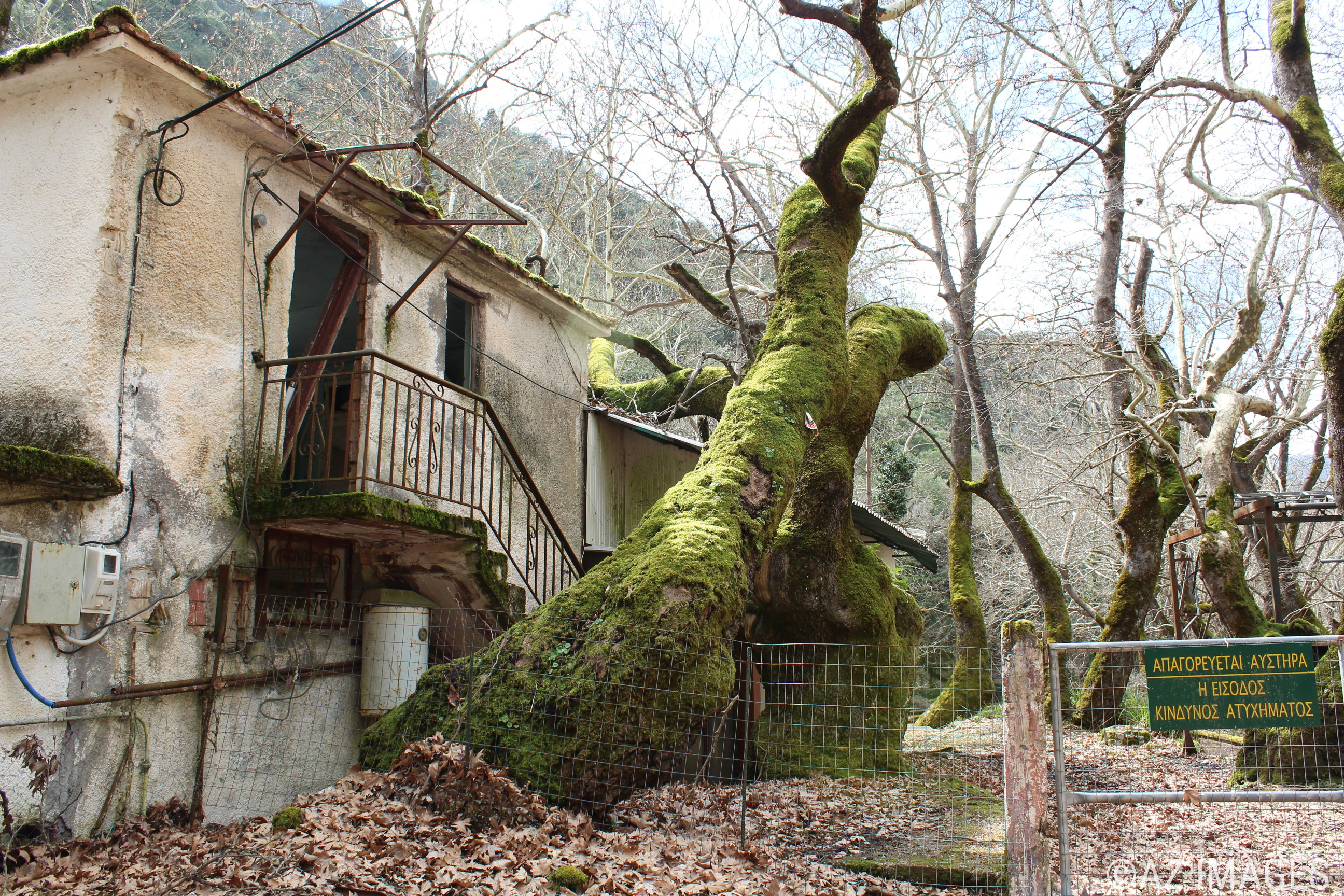
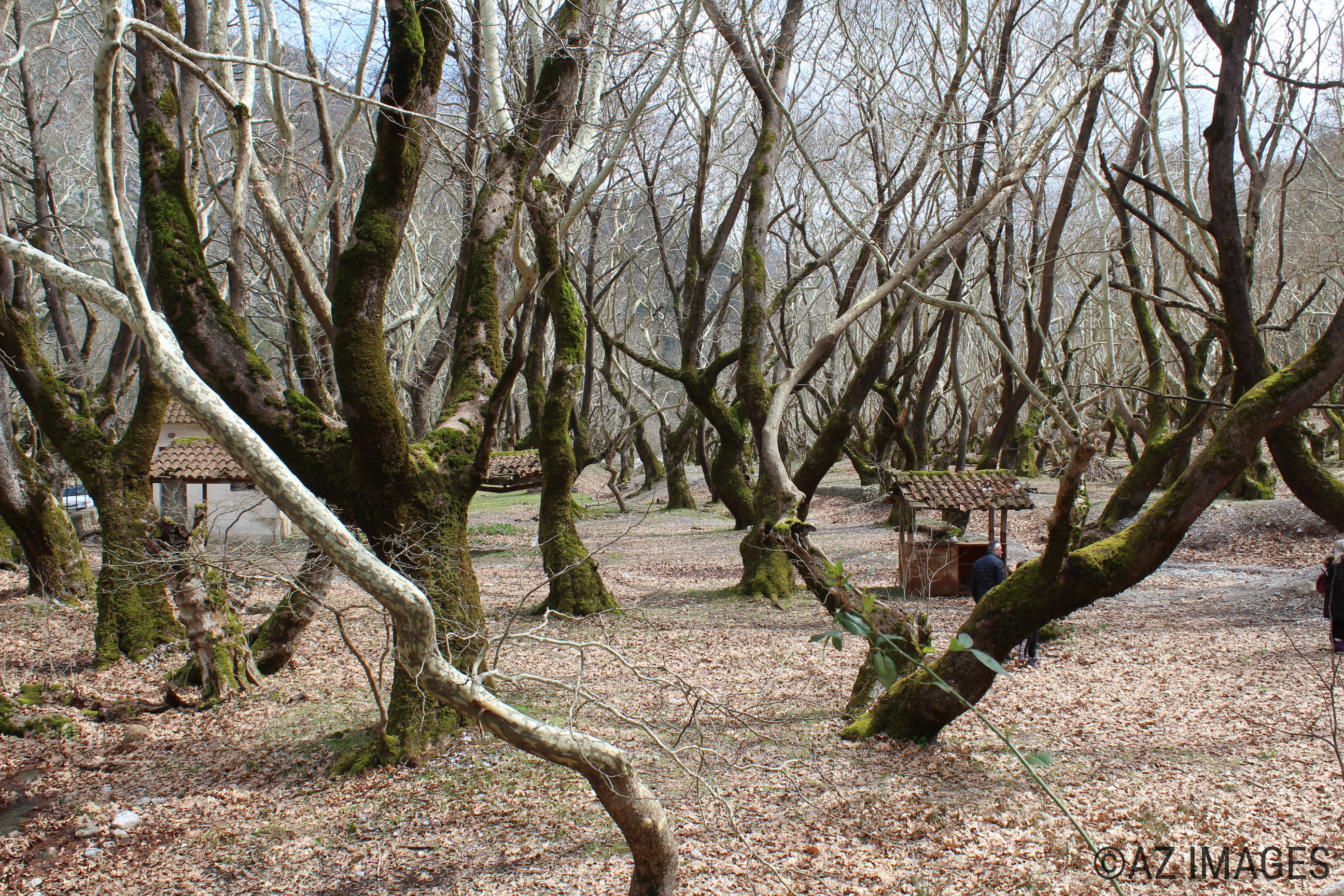
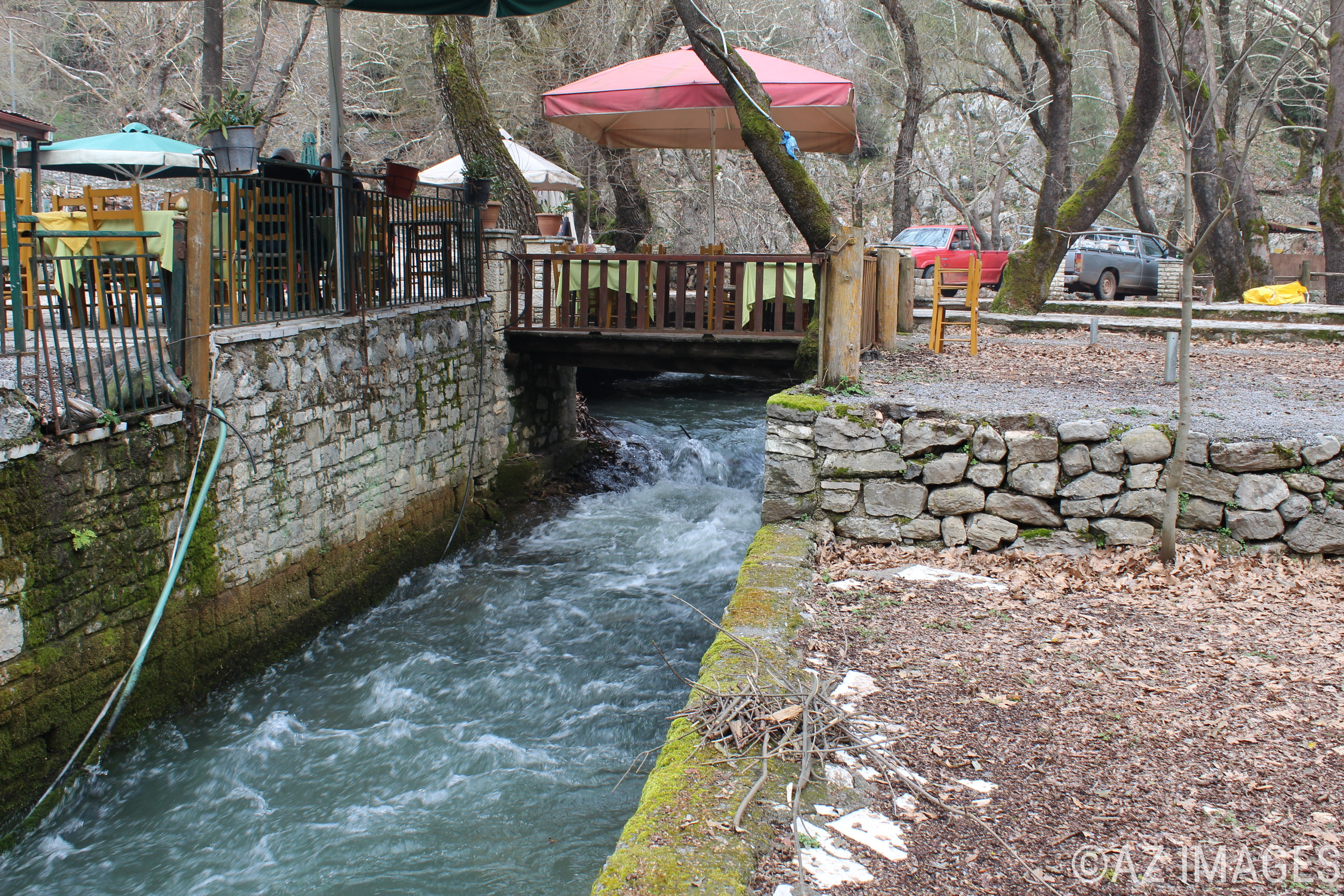
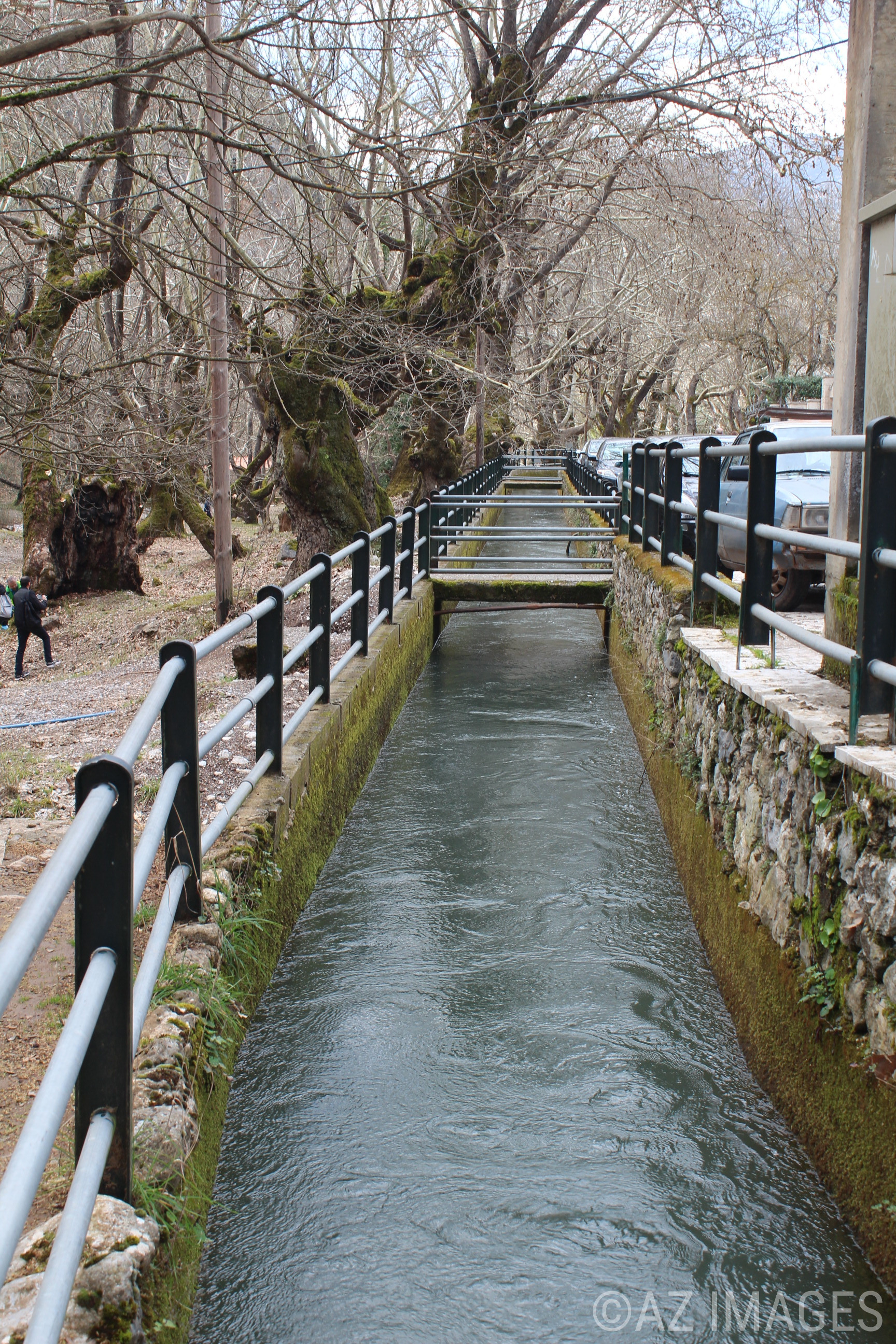
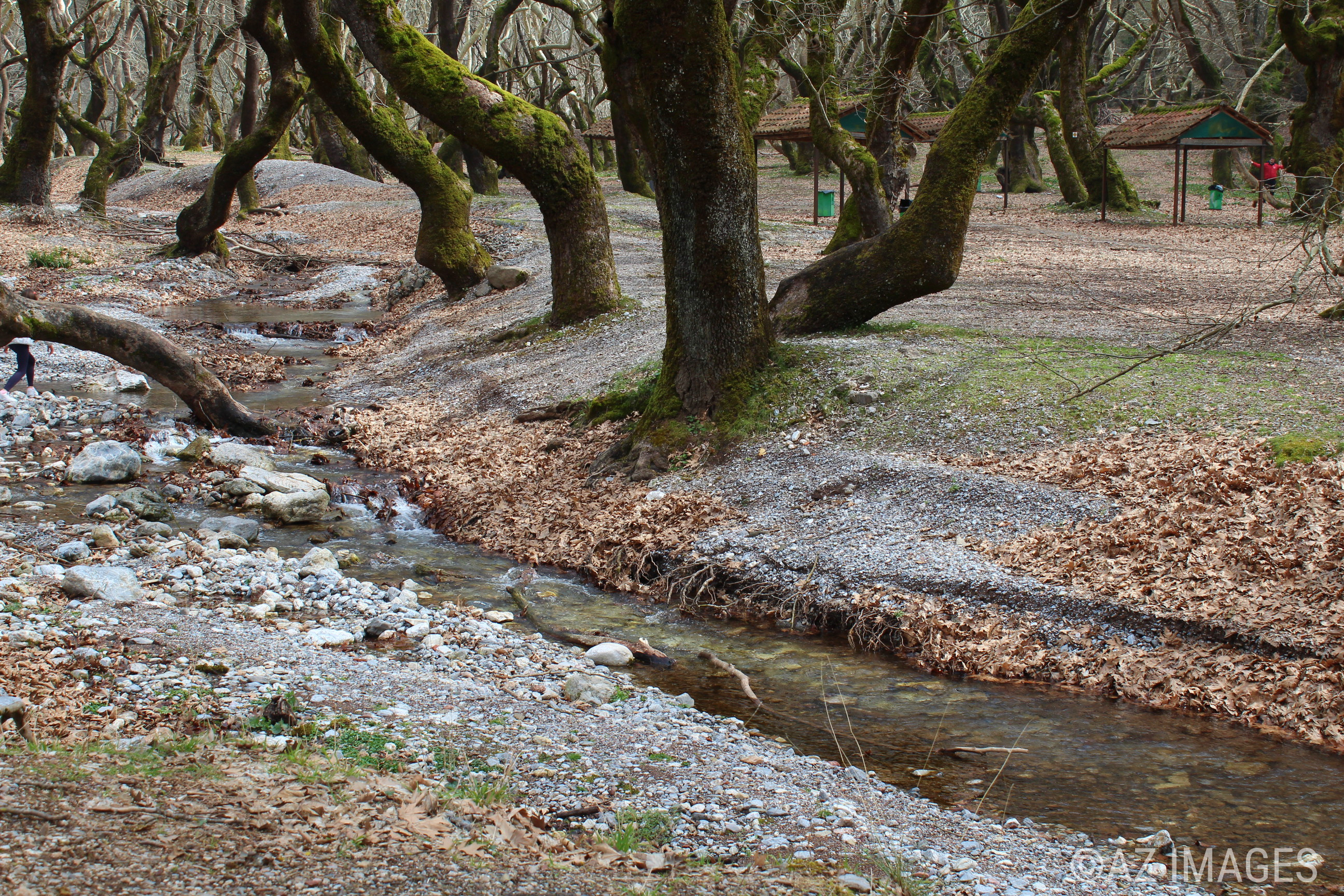
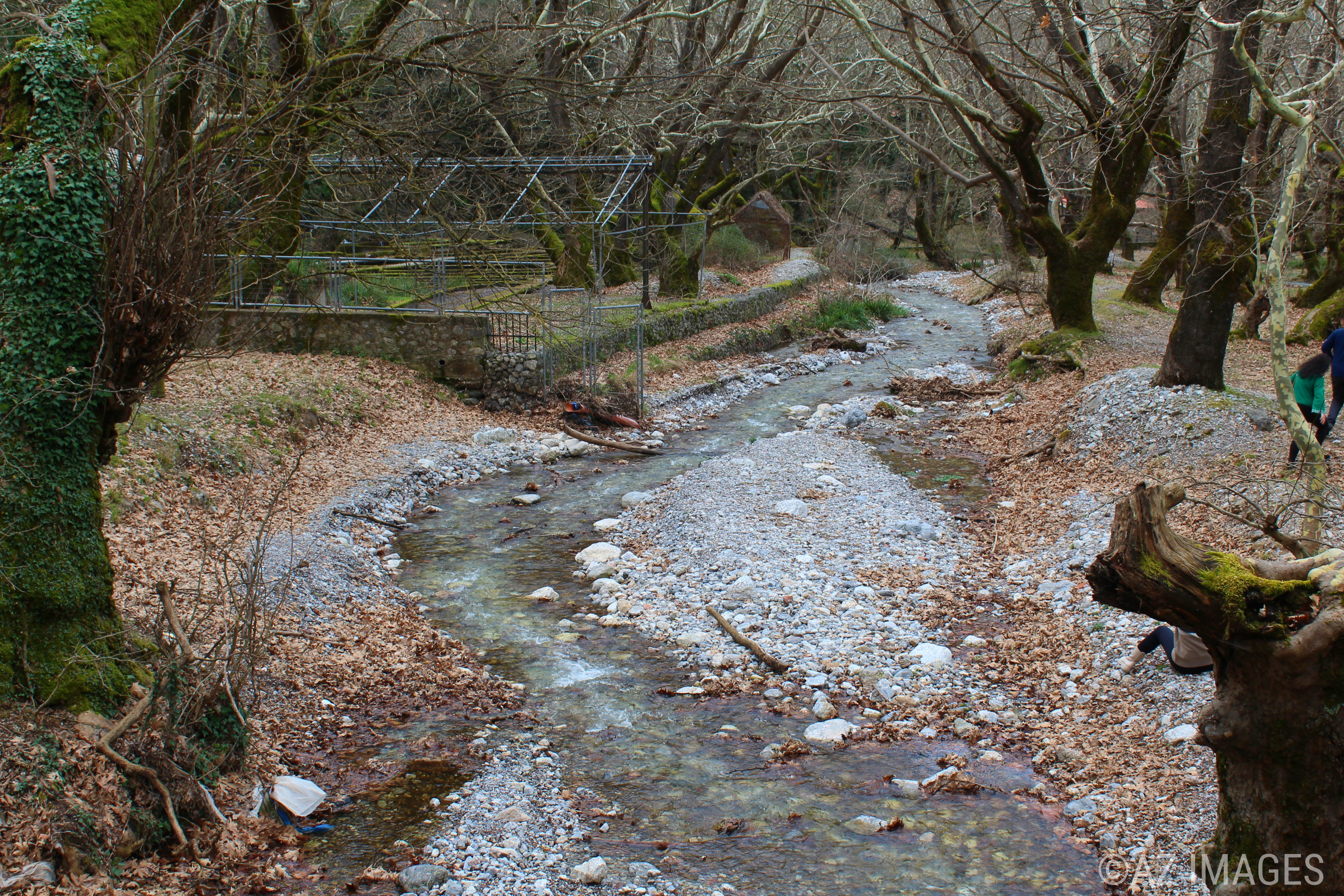
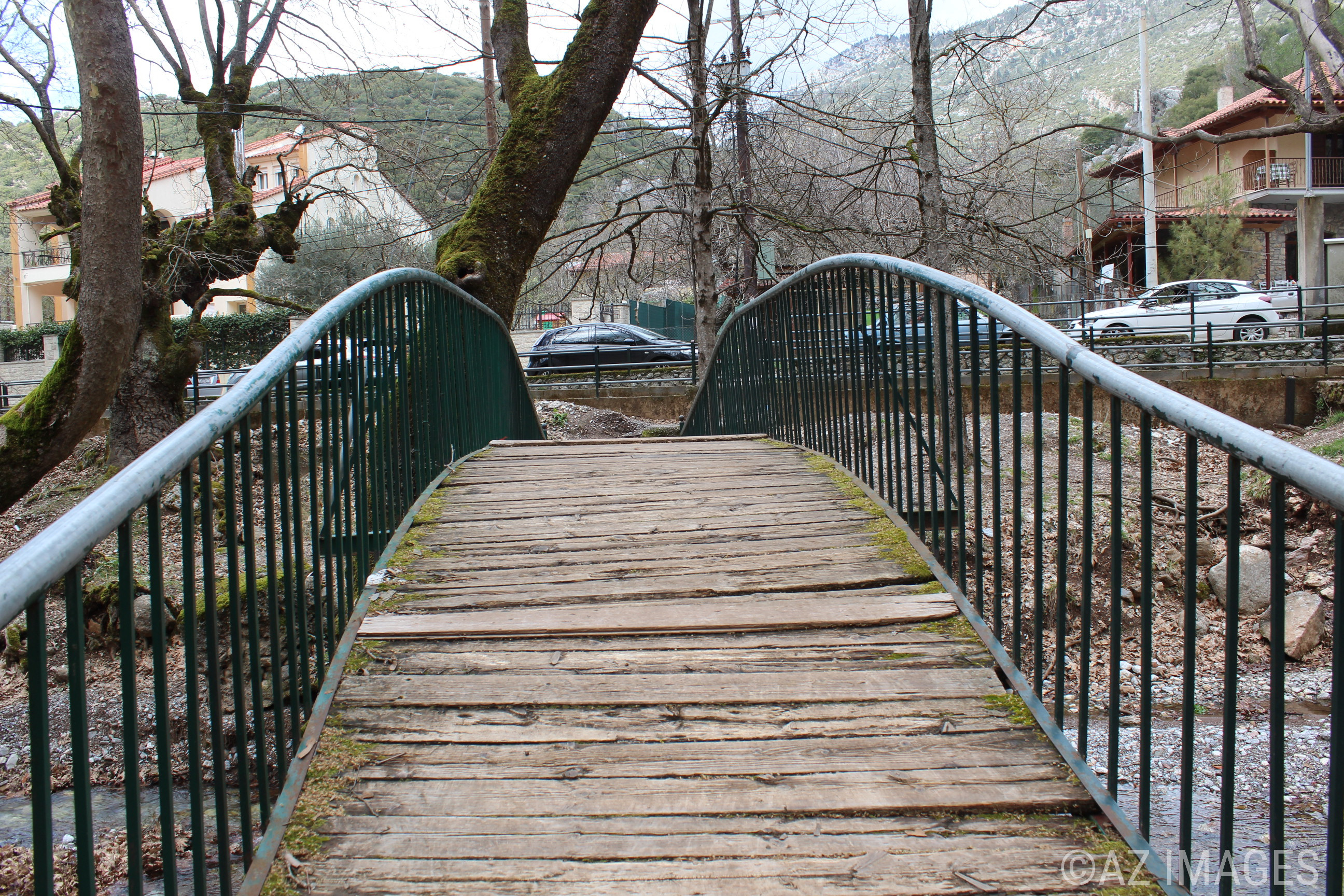
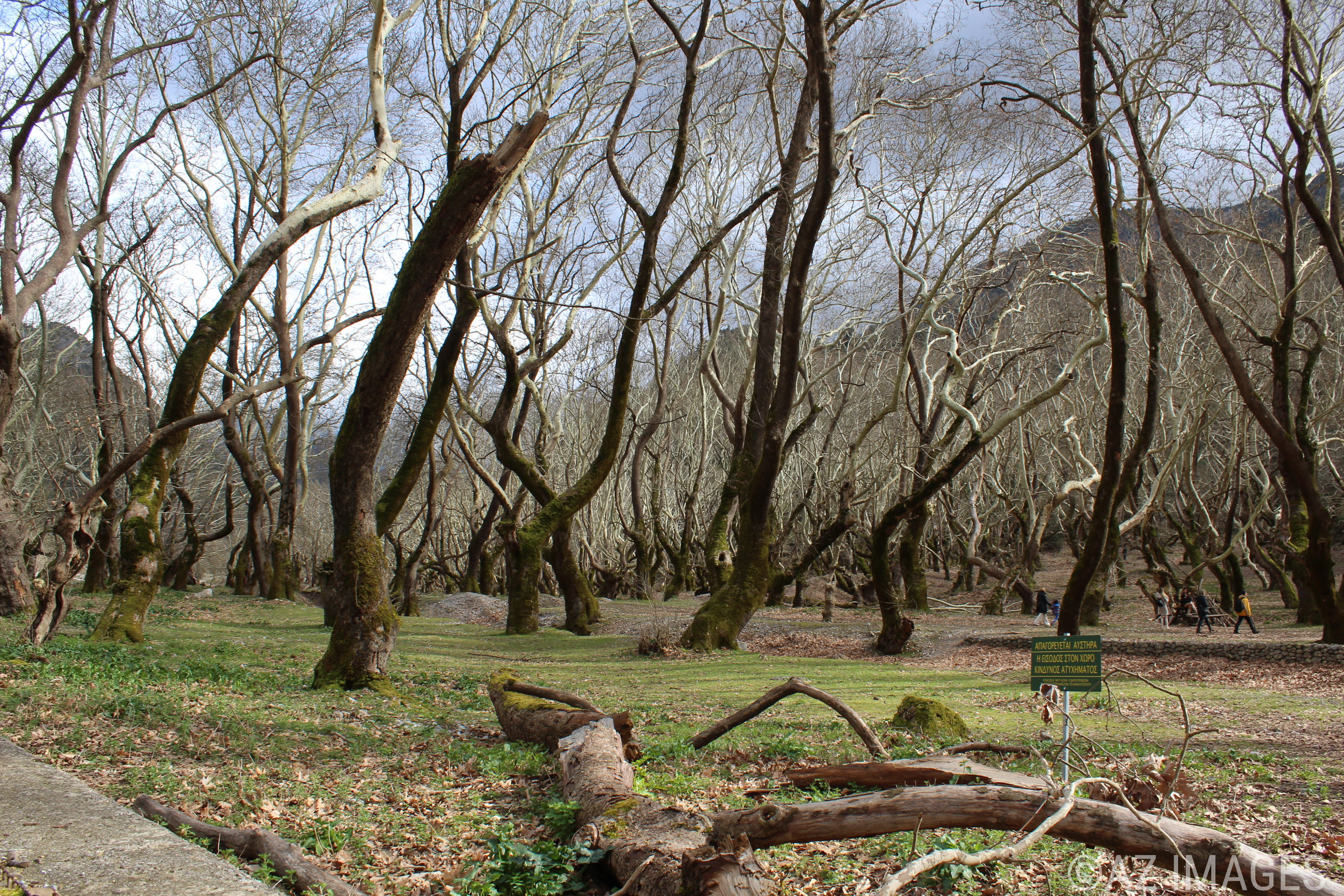
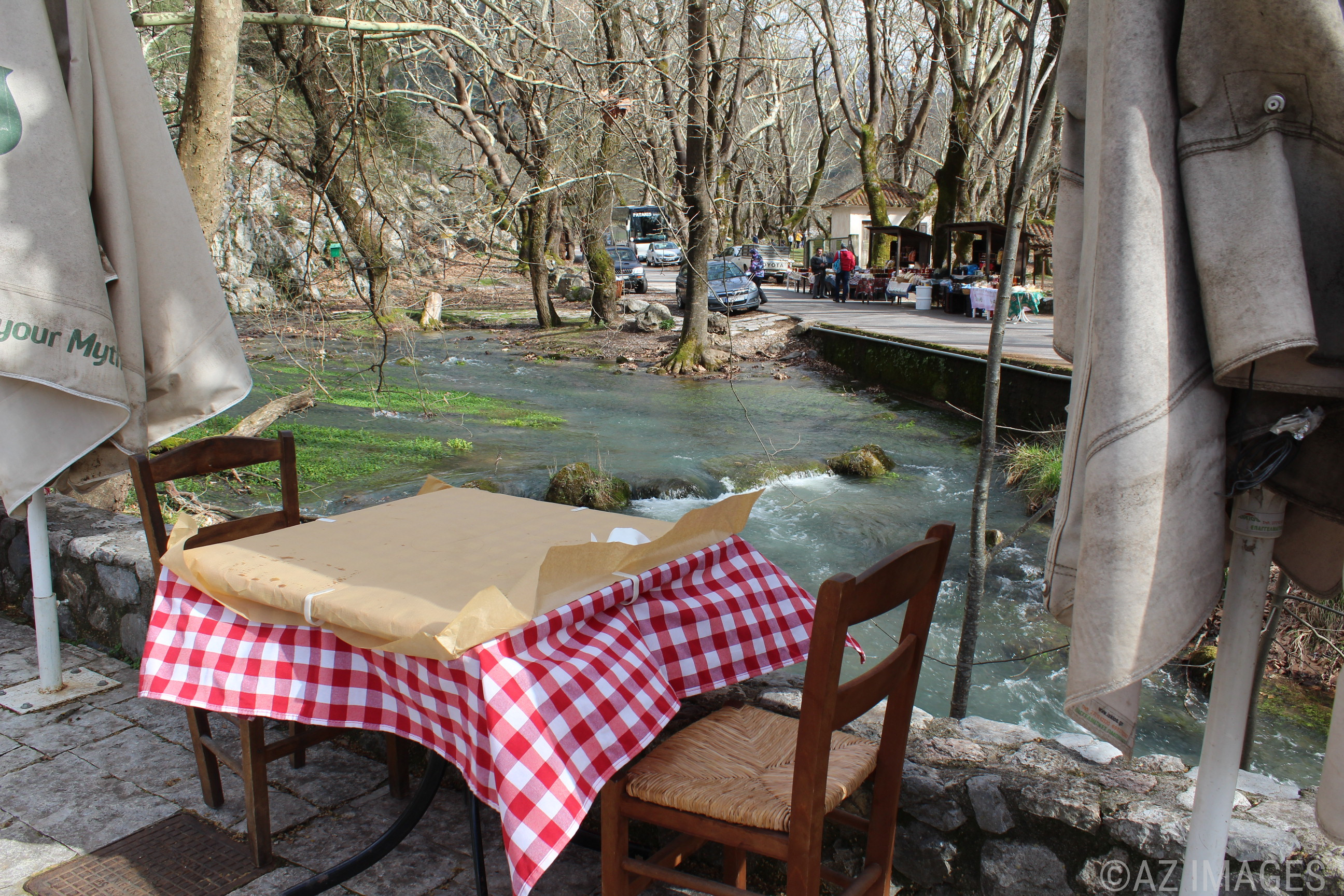

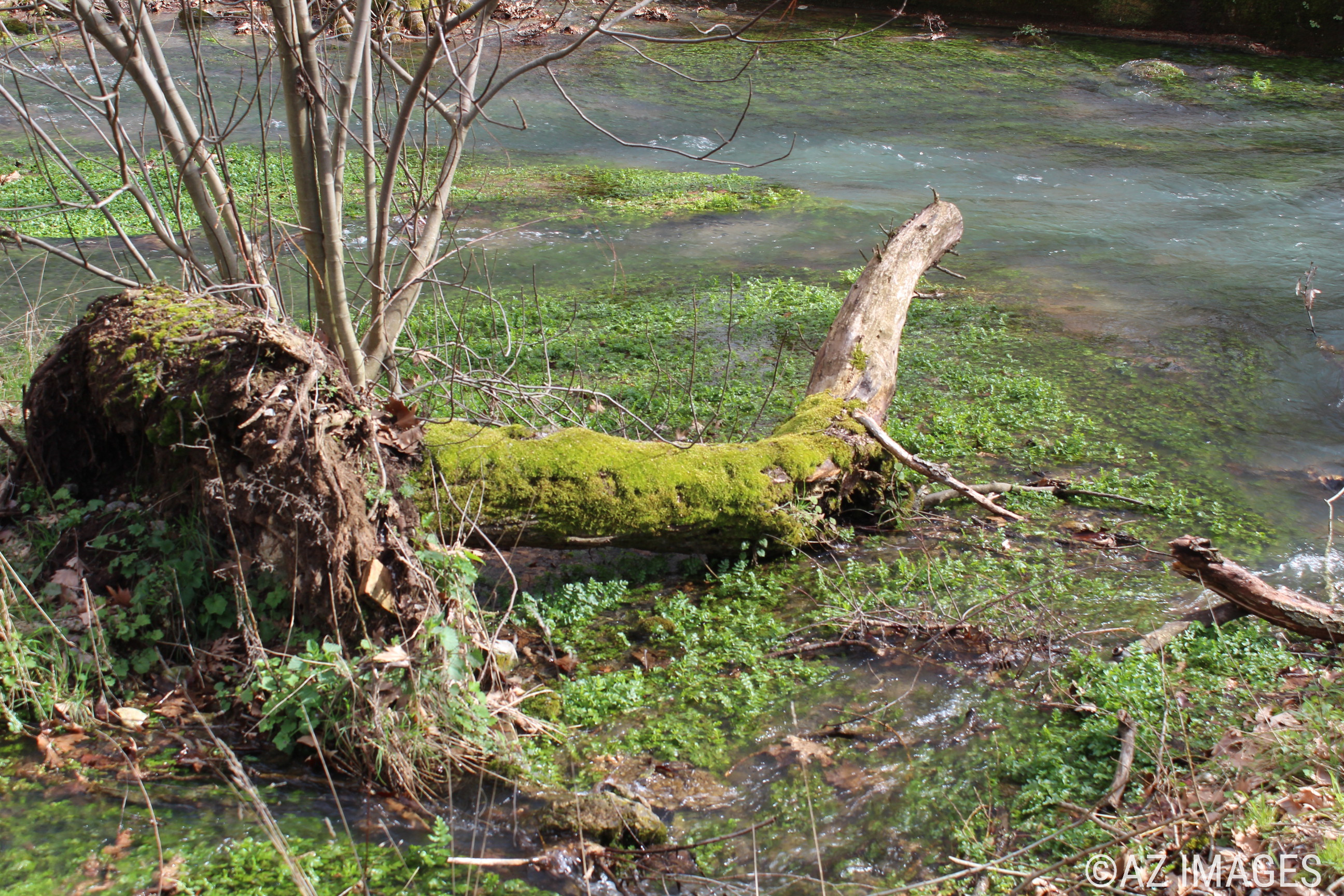
Planetero is a village with tavernas and enchanting sycamore trees. It is located 25 km from the town of Kalavrita in the Peloponnese. There are many bodies of water. Little waterfalls and crystal-clear streams, cascade through the forest. The trees-the most unusual I’ve ever seen-are oddly shaped. It is a great place to visit anytime of the year for the day.
The area is know for its fishfarming. The tavernas are popular for their fresh trout. Ancient Greek traveller Pausanias travelled here in 160 B.C to listen to the “toothless fish”; the local trout were reputed to chirp! I didn’t hear any trouts chirping, but I did come across a lot of plant life and animals as you will see from my photographs in the next posts.
Το Πλανητέρο είναι ένα χωριό με ταβέρνες και μαγευτικές πλατάνια. Βρίσκεται 25 χλμ από την πόλη των Καλαβρύτων της Πελοποννήσου. Υπάρχουν πολλά υδάτινα σώματα. Μικροί καταρράκτες και πεντακάθαρα ρυάκια, διασχίζουν το δάσος. Τα δέντρα – τα πιο ασυνήθιστα που έχω δει ποτέ – έχουν παράξενα σχήματα. Είναι ένα εξαιρετικό μέρος για να επισκεφθείτε οποιαδήποτε στιγμή του χρόνου για την ημέρα
Η περιοχή είναι γνωστή για την ιχθυοκαλλιέργεια. Οι ταβέρνες είναι δημοφιλείς για τη φρέσκια πέστροφα. Ο αρχαίος Έλληνας περιηγητής Παυσανίας ταξίδεψε εδώ το 160 π.Χ. για να ακούσει τα “άδοντια ψάρια”· οι ντόπιες πέστροφες φημολογούνταν ότι κελαηδούν! Δεν άκουσα καμία πέστροφα να κελαηδάει, αλλά είδα πολλά φυτά και ζώα όπως θα δείτε από τις φωτογραφίες μου στις επόμενες αναρτήσεις.
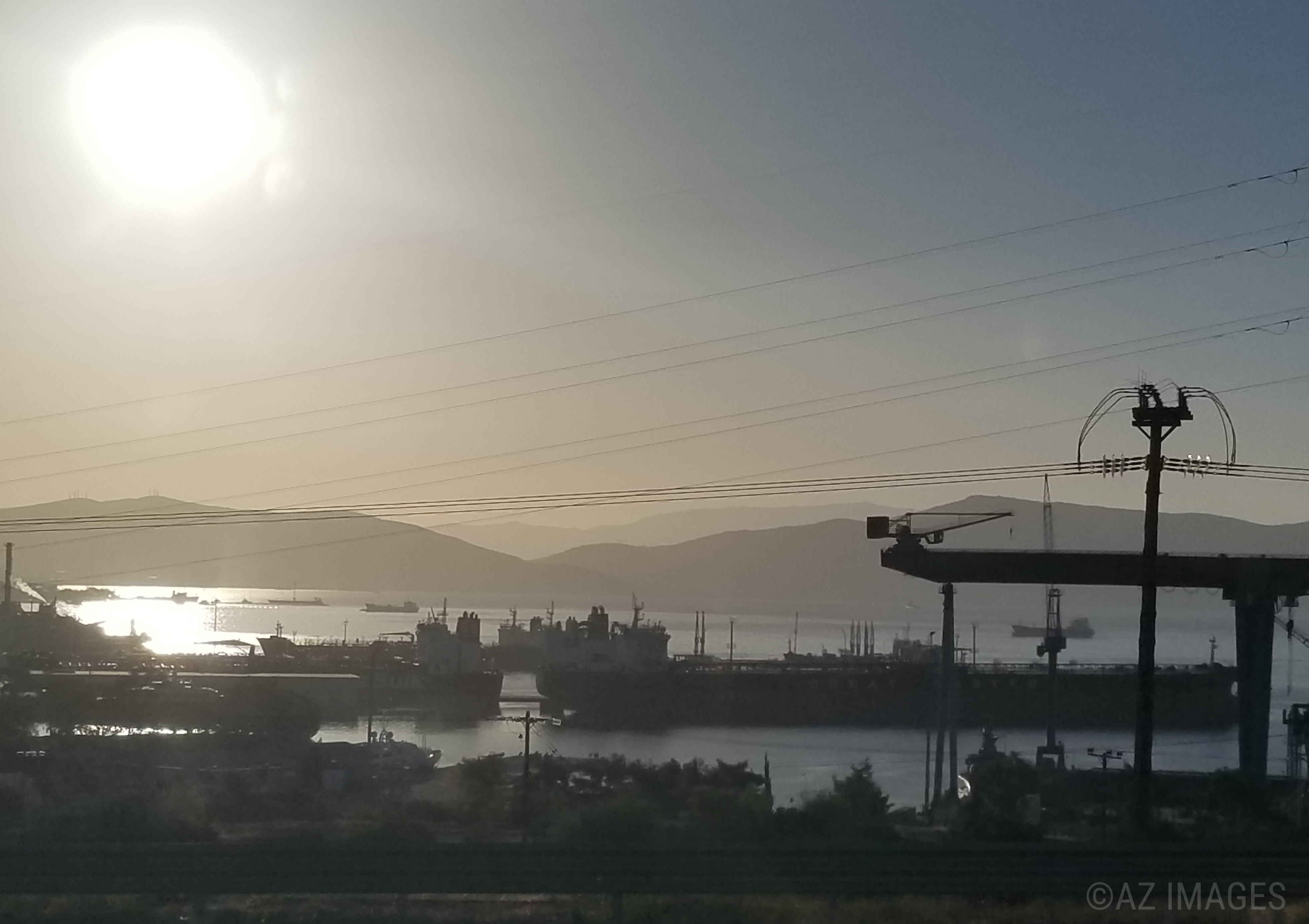
Eleusina has been chosen as the ‘Cultural Capital of Europe’ for 2023.
It is an industrial city 23 km West of Athens. It was founded in the 2nd millennium BC. In ancient times it was considered to be one of the most prominent sanctuaries of the ancient world.
The city is most famous for its Eleusinian Mysteries. The Eleusinian Mysteries were mystical rituals that took place every September. The followers would pray to the goddess Demeter (goddess of agriculture, and her daughter Persephone) for a rich harvest. During the Mysteries, a large procession of worshippers departed from Athens and followed the Iera Odos (‘Holy Road’), covering a distance of 30 km to Eleusina by foot.
Η Ελευσίνα επιλέχθηκε ως «Πολιτιστική Πρωτεύουσα της Ευρώπης» για το 2023. Είναι μια βιομηχανική πόλη 23 χλμ δυτικά της Αθήνας. Ιδρύθηκε τη 2η χιλιετία π.Χ. Στην αρχαιότητα θεωρούνταν ένα από τα σημαντικότερα ιερά του αρχαίου κόσμου. Η πόλη φημίζεται περισσότερο για τα Ελευσίνια Μυστήρια της. Τα Ελευσίνια Μυστήρια ήταν μυστικιστικές τελετουργίες που γίνονταν κάθε Σεπτέμβριο. Οι οπαδοί προσεύχονταν στη θεά Δήμητρα (θεά της γεωργίας και την κόρη της Περσεφόνη) για μια πλούσια σοδειά. Κατά τη διάρκεια των Μυστηρίων, μεγάλη πομπή πιστών αναχώρησε από την Αθήνα και ακολούθησε την Ιερά Οδό, διανύοντας με τα πόδια απόσταση 30 χιλιομέτρων από την Ελευσίνα.
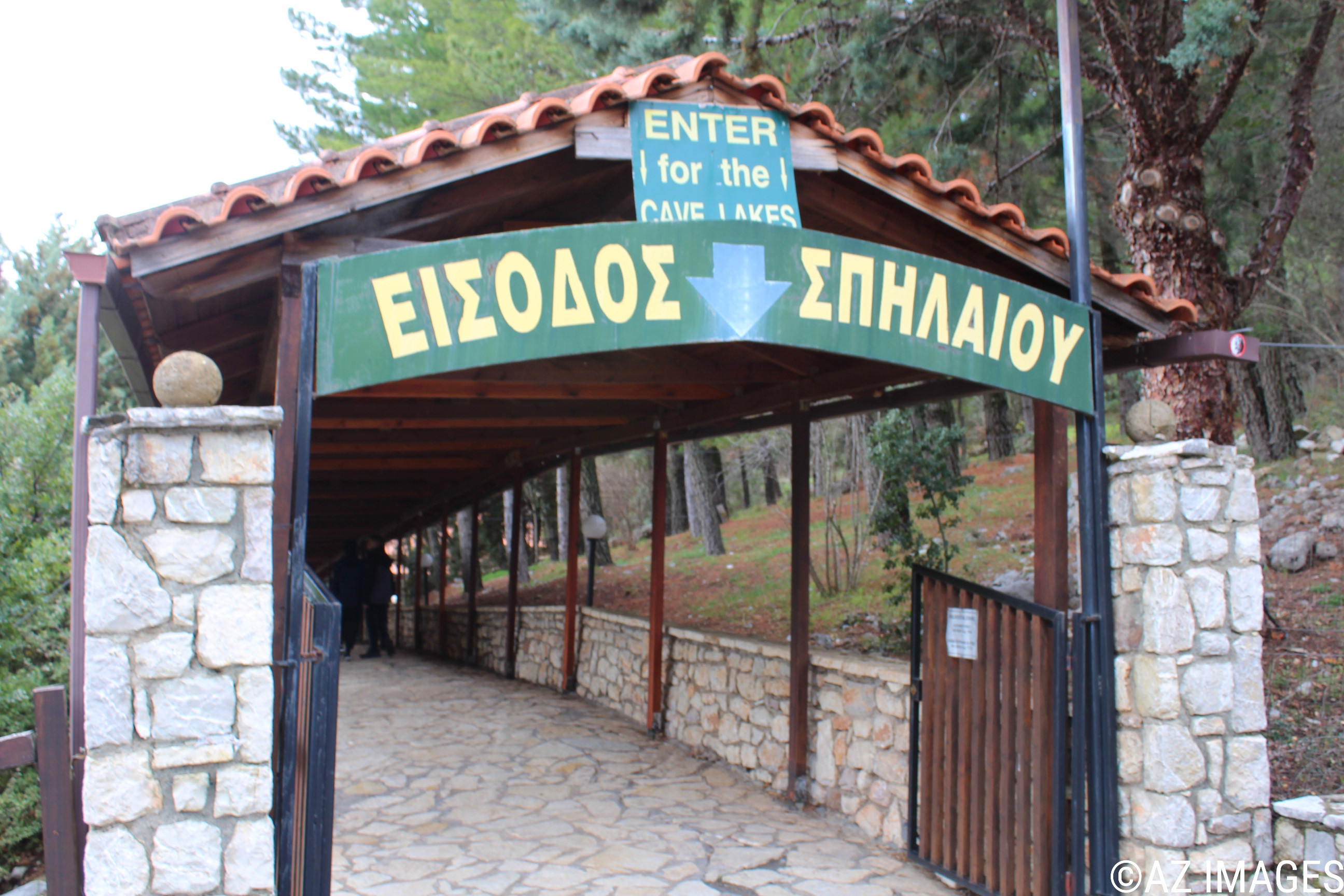

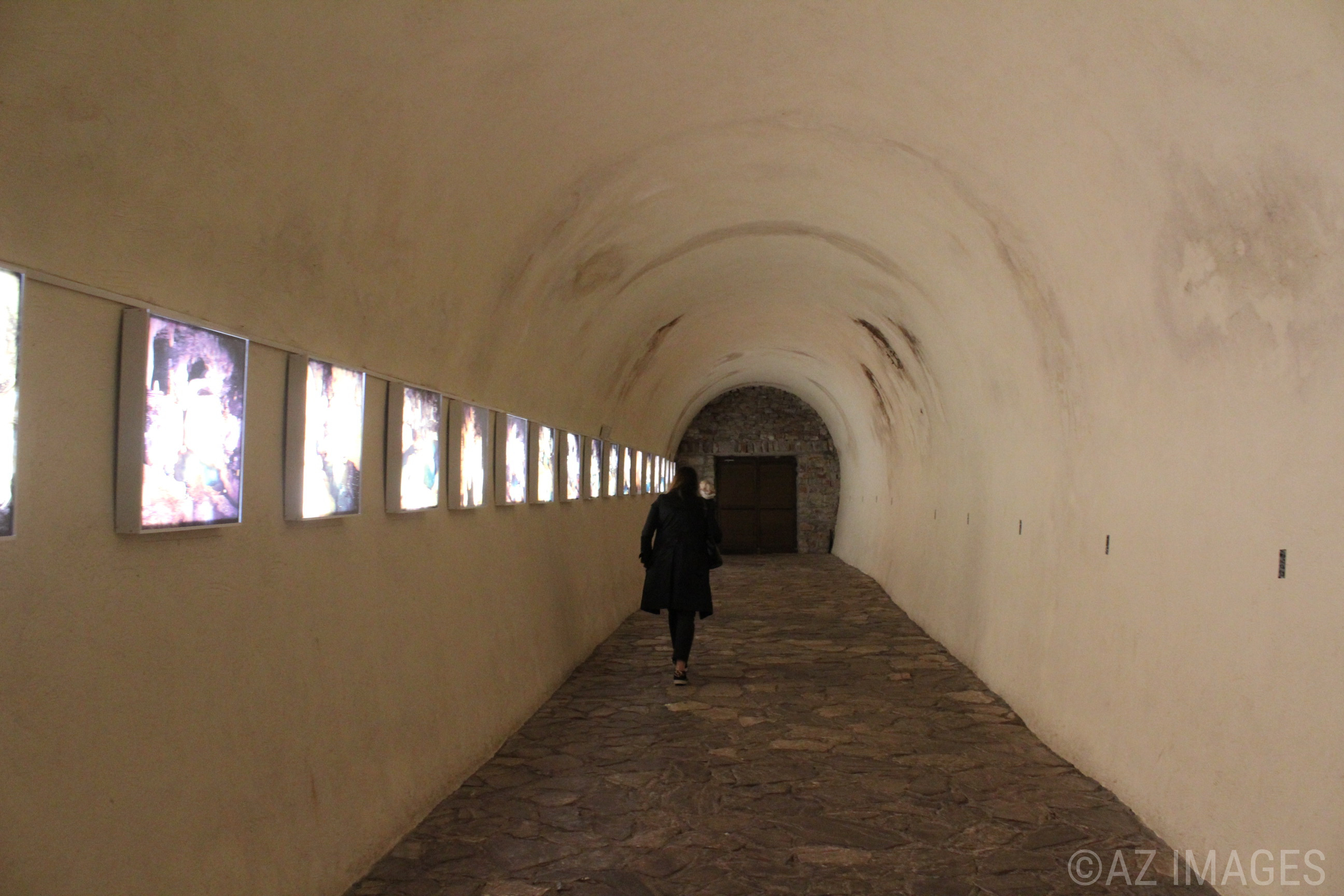
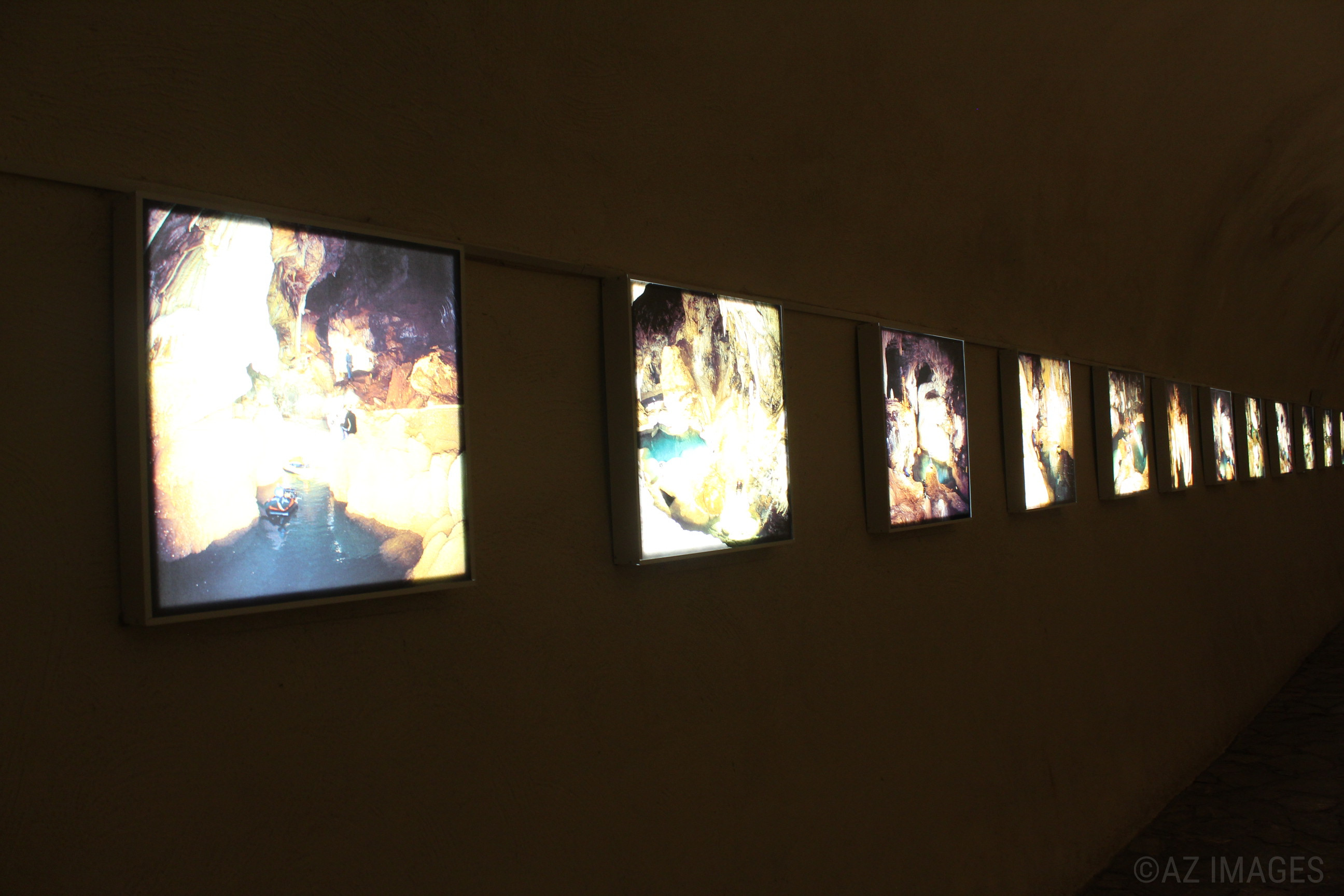

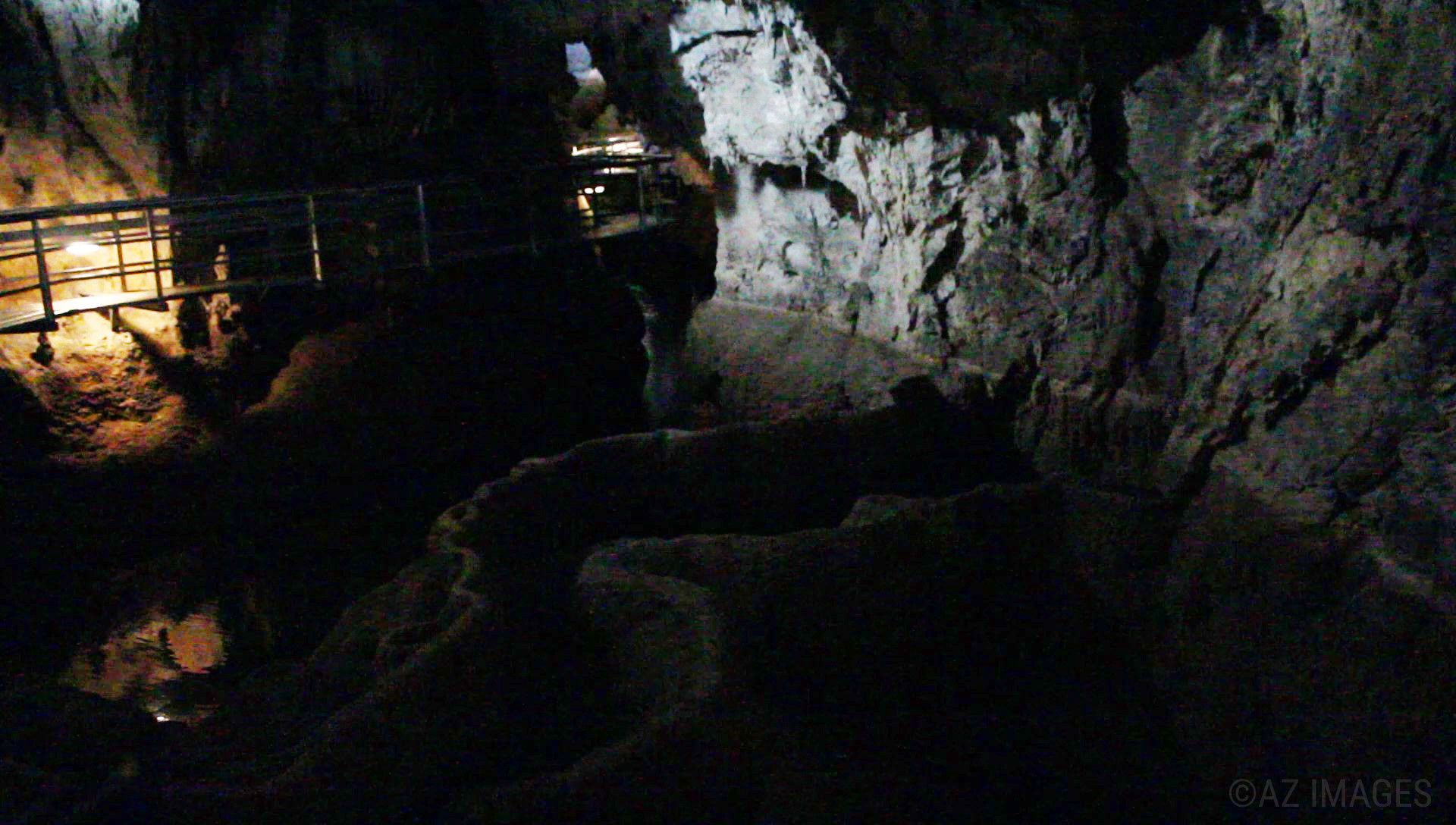
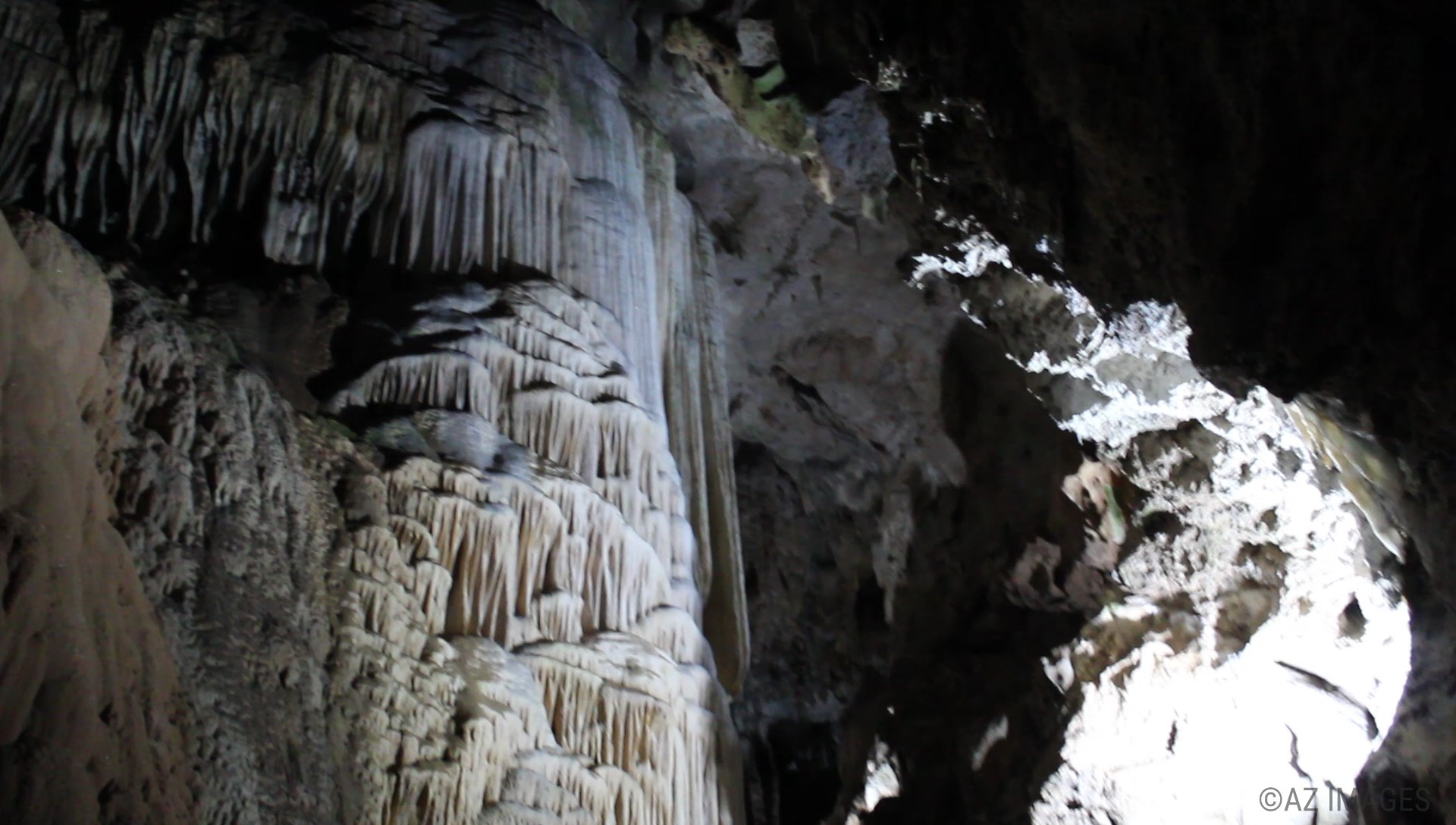
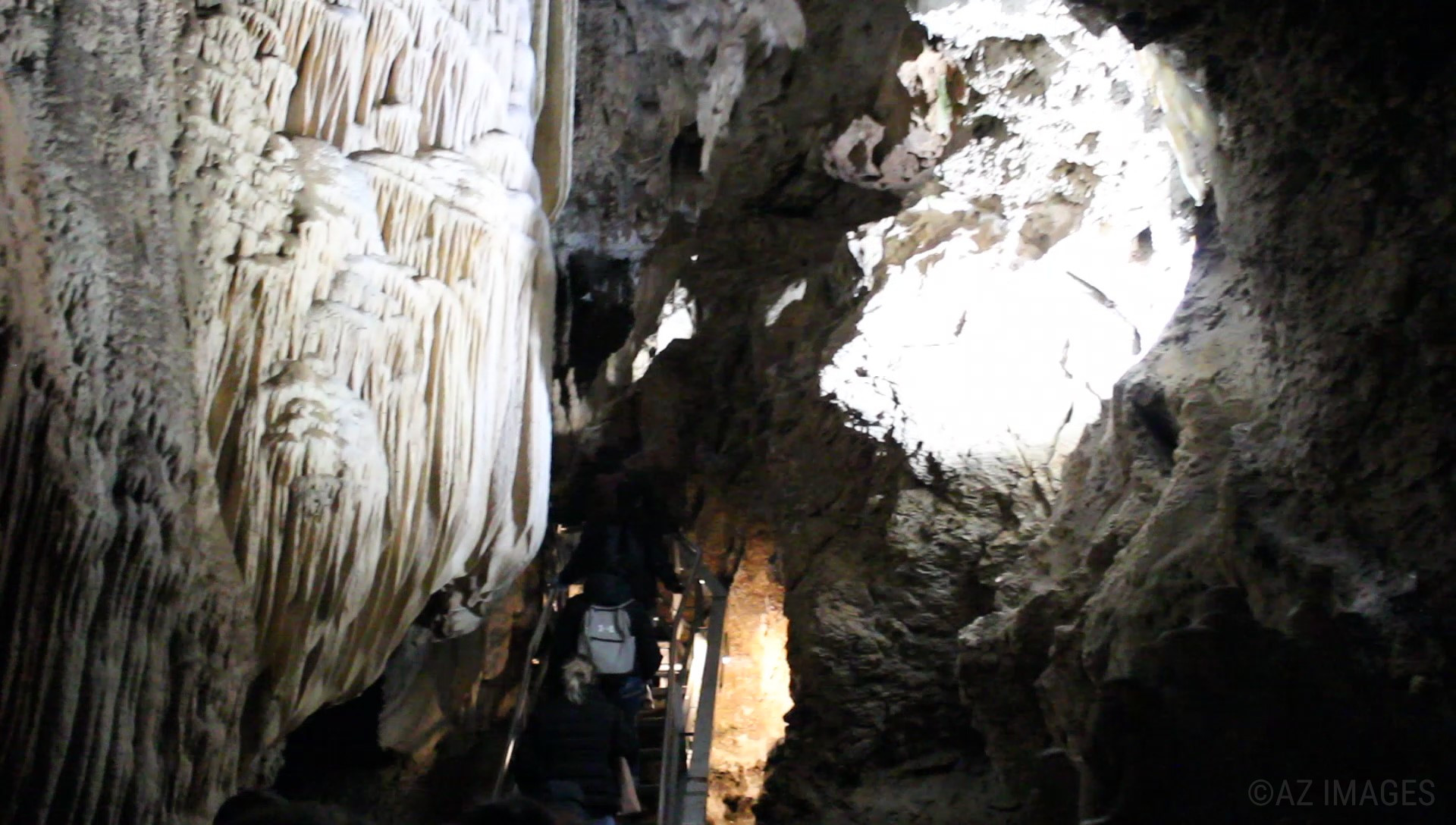
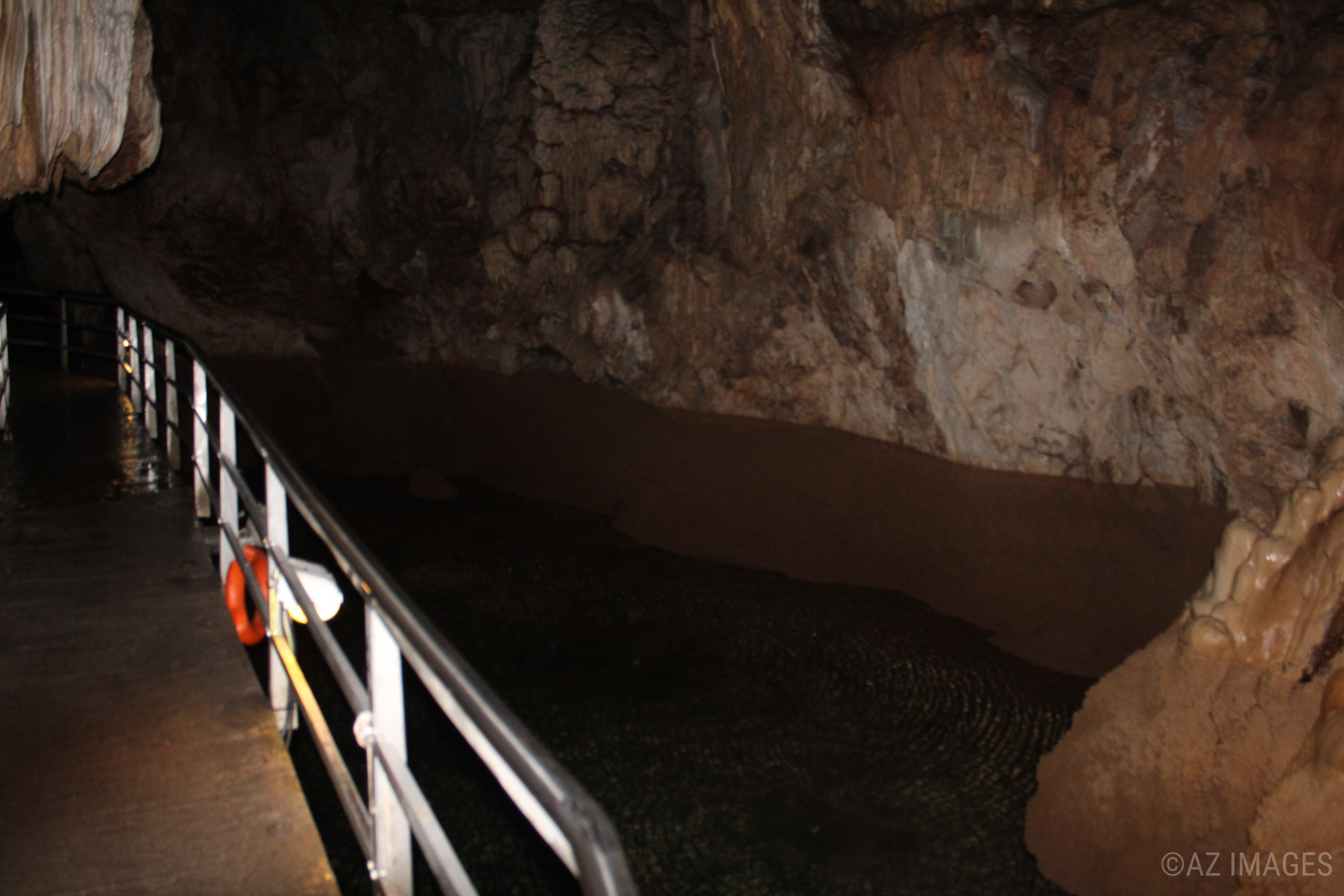
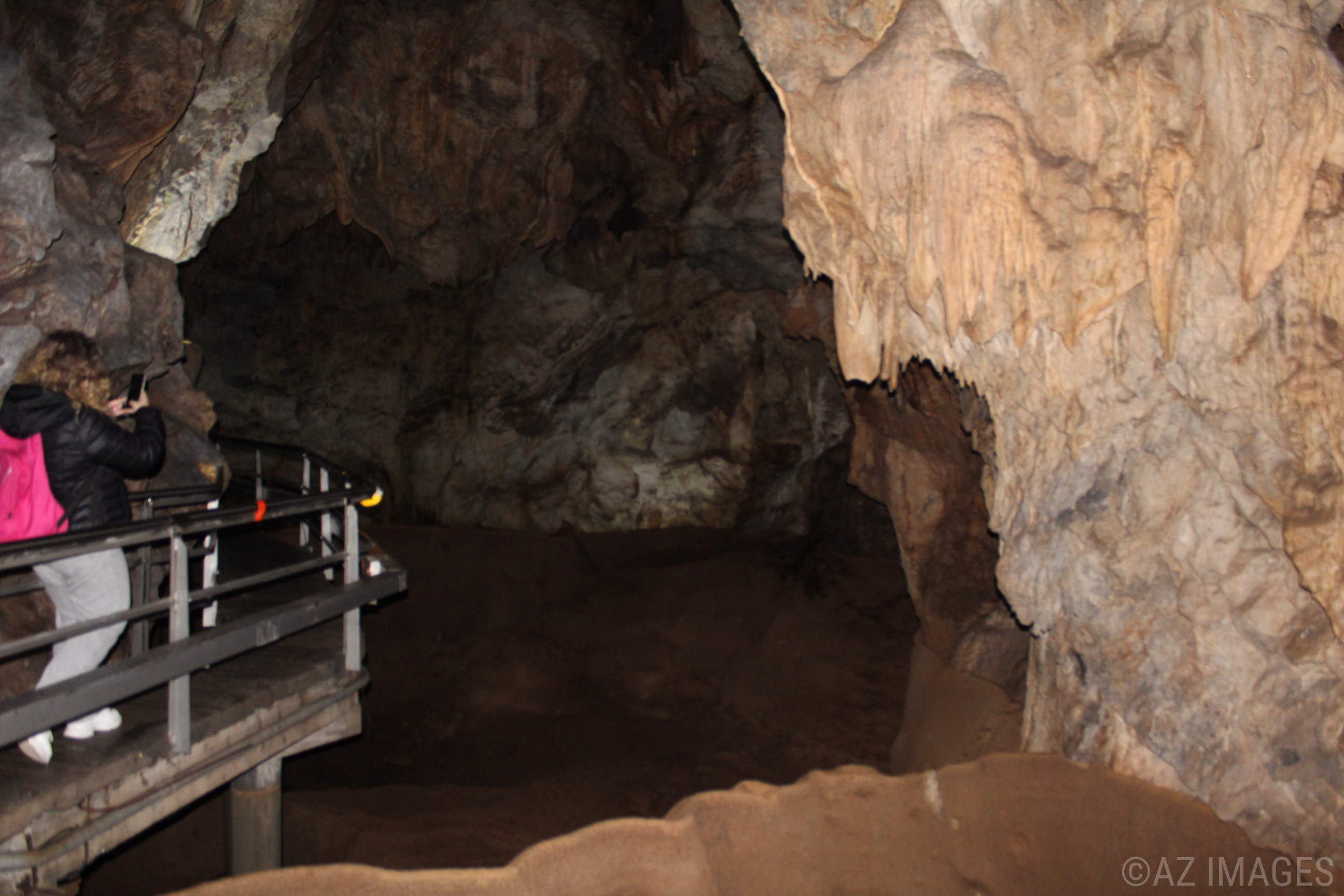
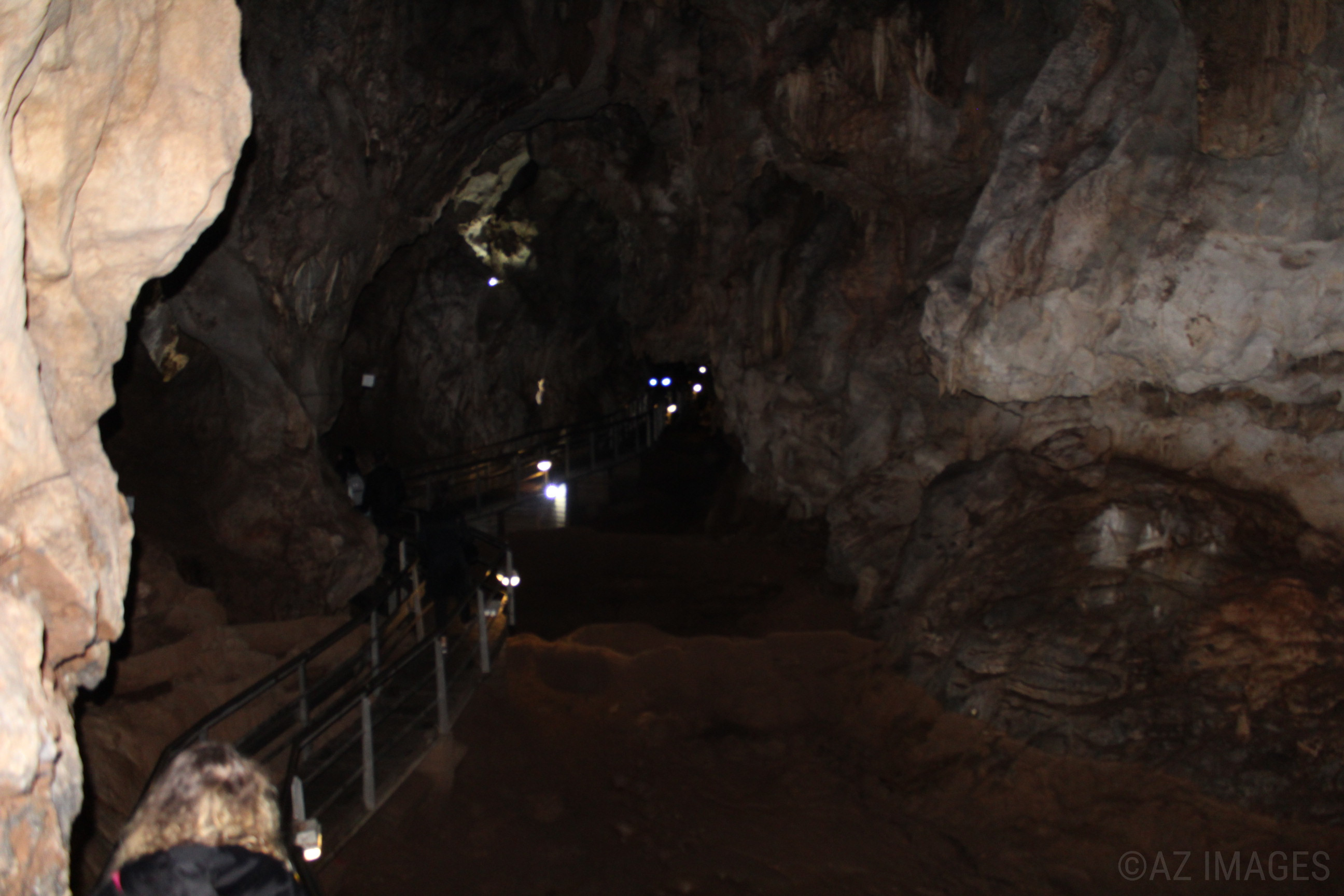
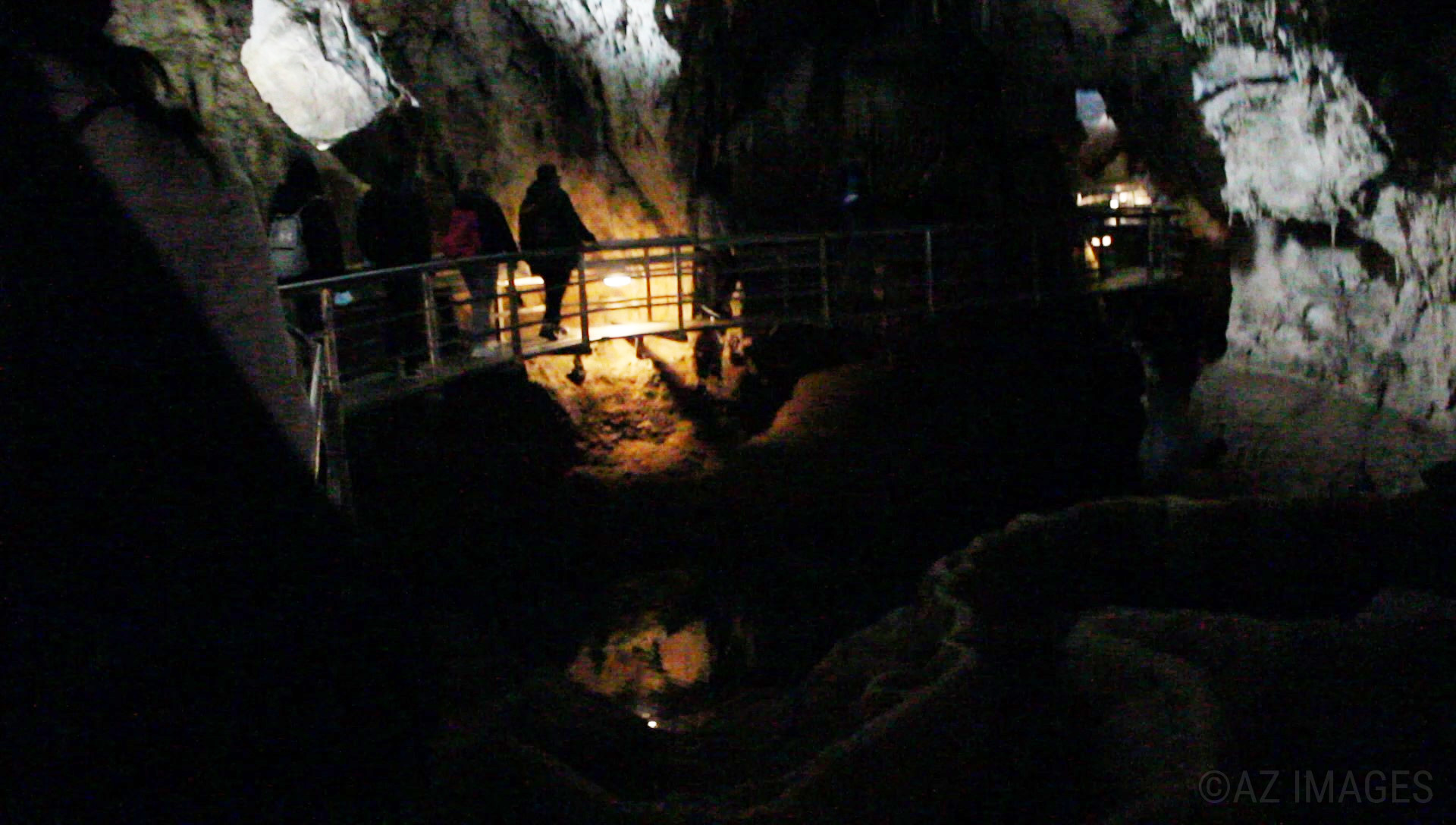

The ‘Cave Lakes’ is located in Kastria Achaea, Kalavrita, Greece. This was my first time visiting a cave as big as this one. It an other worldly, and incredible experience.
There is a legend connected to this cave. One of them from Greek traveler and geographer-Pausanias’ ‘Arcadika’, the daughters of the King of Tiryns Proetus, Lysippe, Iphinoe and Iphianassa found refuge in the cave called ‘Lussi. It is said that they were driven to madness as a punishment for offending Hera, by saying that their palace was more beautiful than Hera’s temple. Another version of the myth states that they were punished for not participating in the Dionysian rituals.
During exacvations, bones of young girls have been found. But, it is not certain if the bones belong to the girls in the legend. Many burials were found inside and outside of the cave from the Neolithic, Early Helladic, Late Middle Helladic and the Late Helladic III periods.
In 1965, I. Melentis, Professor of Palaeontology, discovered fossil bones of deer and hippopotami. He believed that the cave had been used as shelter for the hippopotami in the course of the dry periods. The bones were dated to the Middle Pleistocene (500,000-200,000 years before present) and are kept in the Palaeontological Museum of the University of Athens.
Το “Σπήλαιο των Λιμνών” βρίσκεται στην Καστριά Αχαιών Καλβρύτων, Ελλάδα. Αυτή ήταν η πρώτη μου φορά που επισκέφτηκα μια σπηλιά. Είναι μια άλλη κοσμική και εκπληκτική εμπειρία.
Υπάρχει ένας θρύλος που συνδέεται με αυτό το σπήλαιο. Μία από αυτές από την «Αρκάδικα» του Έλληνα περιηγητή και γεωγράφου-Παυσανία, οι κόρες του βασιλιά της Τίρυνθας Προίτου, της Λυσίππης, της Ιφινόης και της Ιφιάνασσας βρήκε καταφύγιο στη σπηλιά που ονομάζεται «Λούση». Λέγεται ότι οδηγήθηκαν στην τρέλα ως τιμωρία επειδή προσέβαλαν την Ήρα, λέγοντας ότι το παλάτι τους ήταν πιο όμορφο από το ναό της Ήρας. Μια άλλη εκδοχή του μύθου αναφέρει ότι τιμωρήθηκαν επειδή δεν συμμετείχαν στις διονυσιακές τελετουργίες.
Κατά τις ανασκαφές έχουν βρεθεί οστά νεαρών κοριτσιών. Όμως, δεν είναι σίγουρο αν τα κόκαλα ανήκουν στα κορίτσια του μύθου. Πολλές ταφές βρέθηκαν εντός και εκτός του σπηλαίου από τη Νεολιθική, την Πρωτοελλαδική, την Υστερομεσοελλαδική και την Υστεροελλαδική ΙΙΙ περίοδο.
Το 1965 ο καθηγητής Παλαιοντολογίας Ι. Μελέντης ανακάλυψε απολιθώματα ελαφιών και ιπποπόταμων. Πίστευε ότι το σπήλαιο είχε χρησιμοποιηθεί ως καταφύγιο για τους ιπποποτάμους κατά τη διάρκεια των ξηρών περιόδων. Τα οστά χρονολογήθηκαν στο Μέσο Πλειστόκαινο (500.000-200.000 χρόνια πριν από σήμερα) και φυλάσσονται στο Παλαιοντολογικό Μουσείο του Πανεπιστημίου Αθηνών.
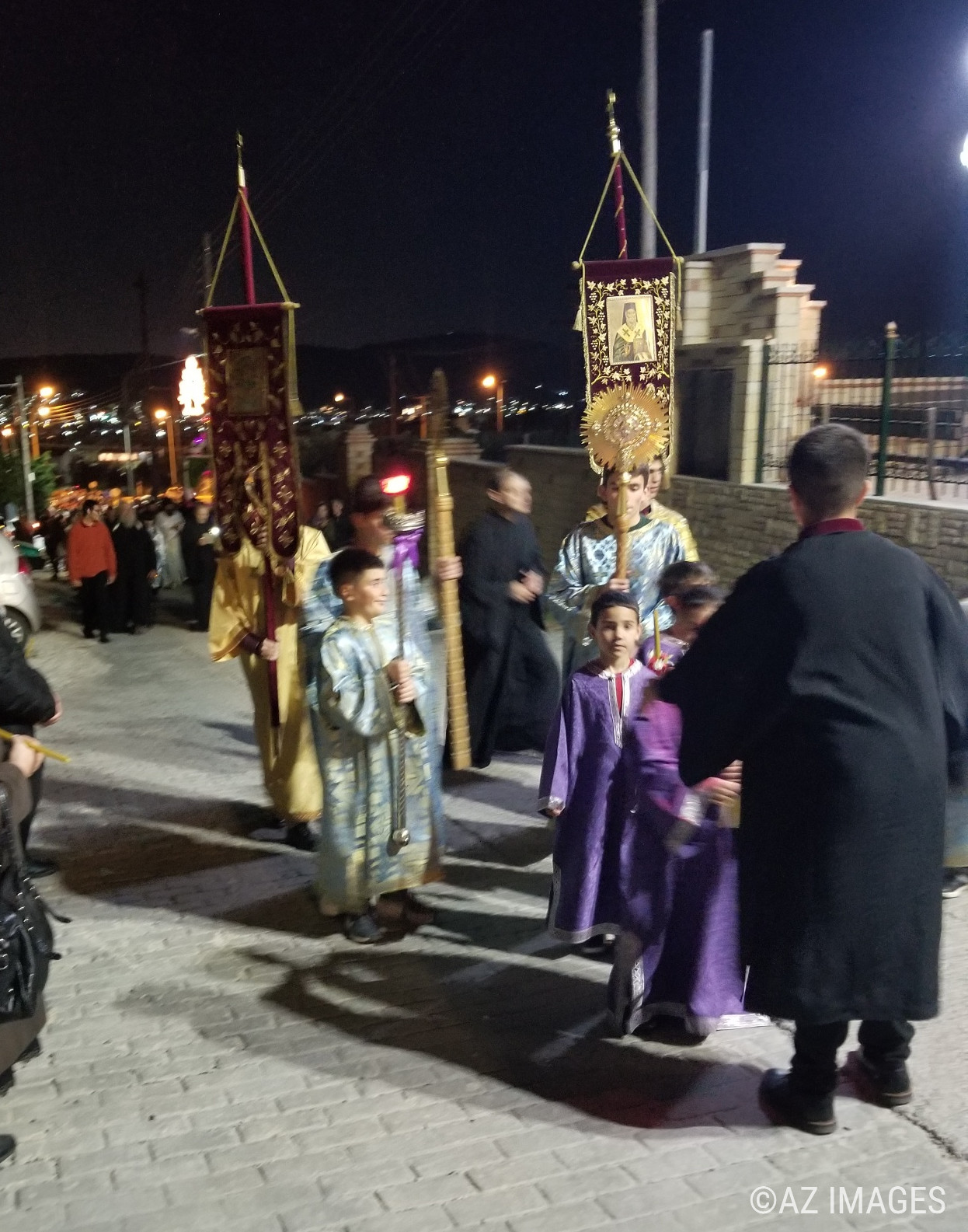


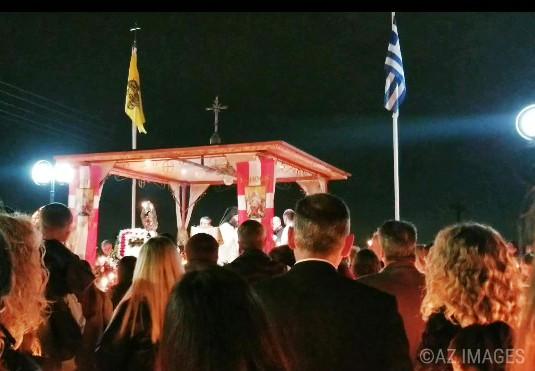

The Holy week of Easter is the most important time of the year for Greek Orthodox Christians. It’s is a week full of frenzied preparations. From the long church services, to the dying of the eggs, to the baking of the ‘koulouria'(cookies) and ‘tsoureki’ (sweet bread), and then the grande finale- Friday and Saturdays’ church ceremonies. Then Easter sunday, of course, with the great feast which many who have followed the strict forty day fast look so forward to. A lamb on a spit is usually devoured by Greeks.
Greek Orthodox Easter takes place a week after the Catholic Easter. This is because they use different calenders. The Orthodox church uses the Julian, and the Catholic the Gregorian.
The photographs are from a chruch in Athens from last Friday night’s ‘Epitafio’ ceremony, and Saturday night’s ‘Anastasi’ ceremony.
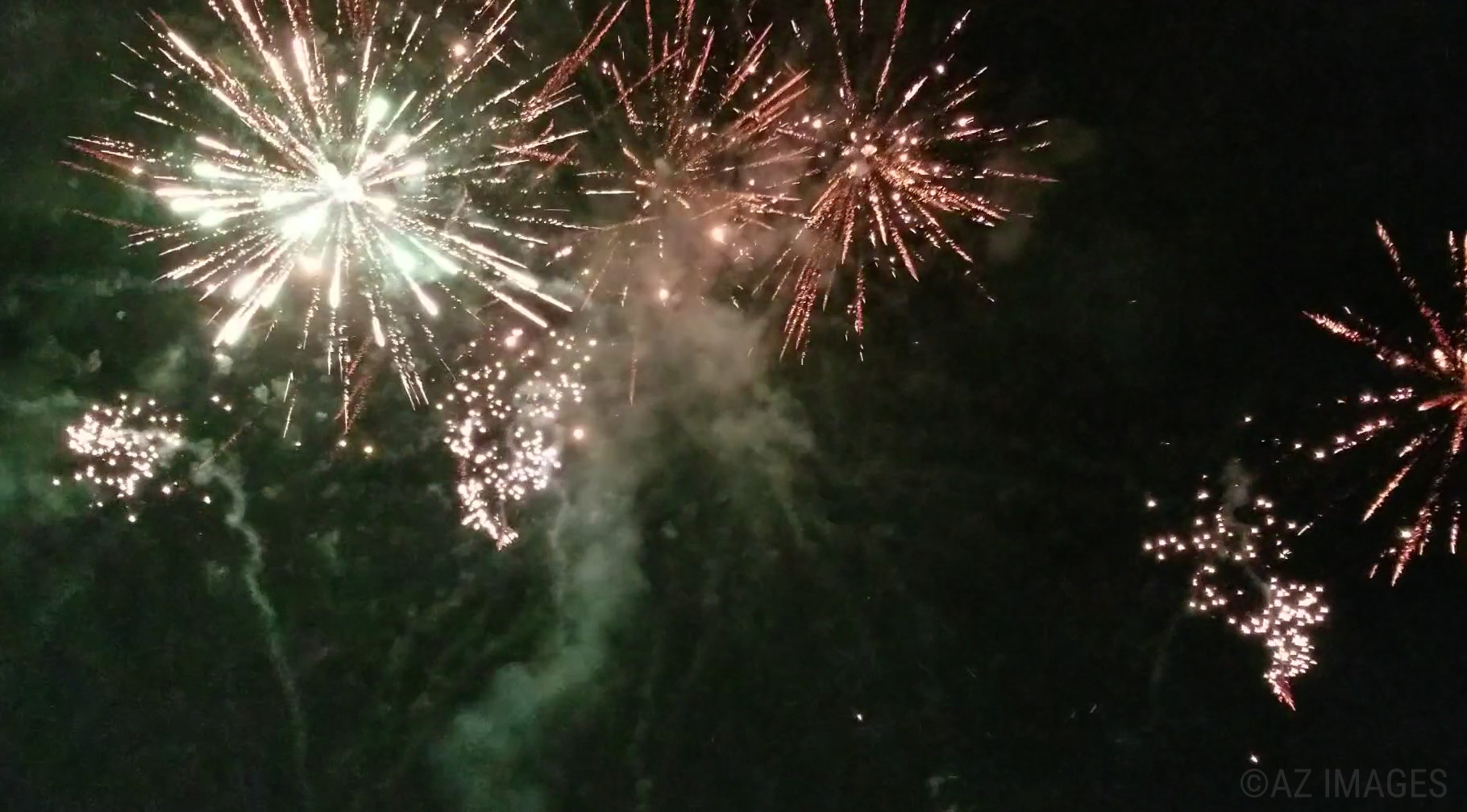
Friday night symbolizes Jesus’ burial and Saturday night symbolizes His resurrection and then the lighting of everyones candles from the Holy Flame in Jerusalem. Then at midnight after the priest says ‘Christ has Risen’ there is a big fireworks display.
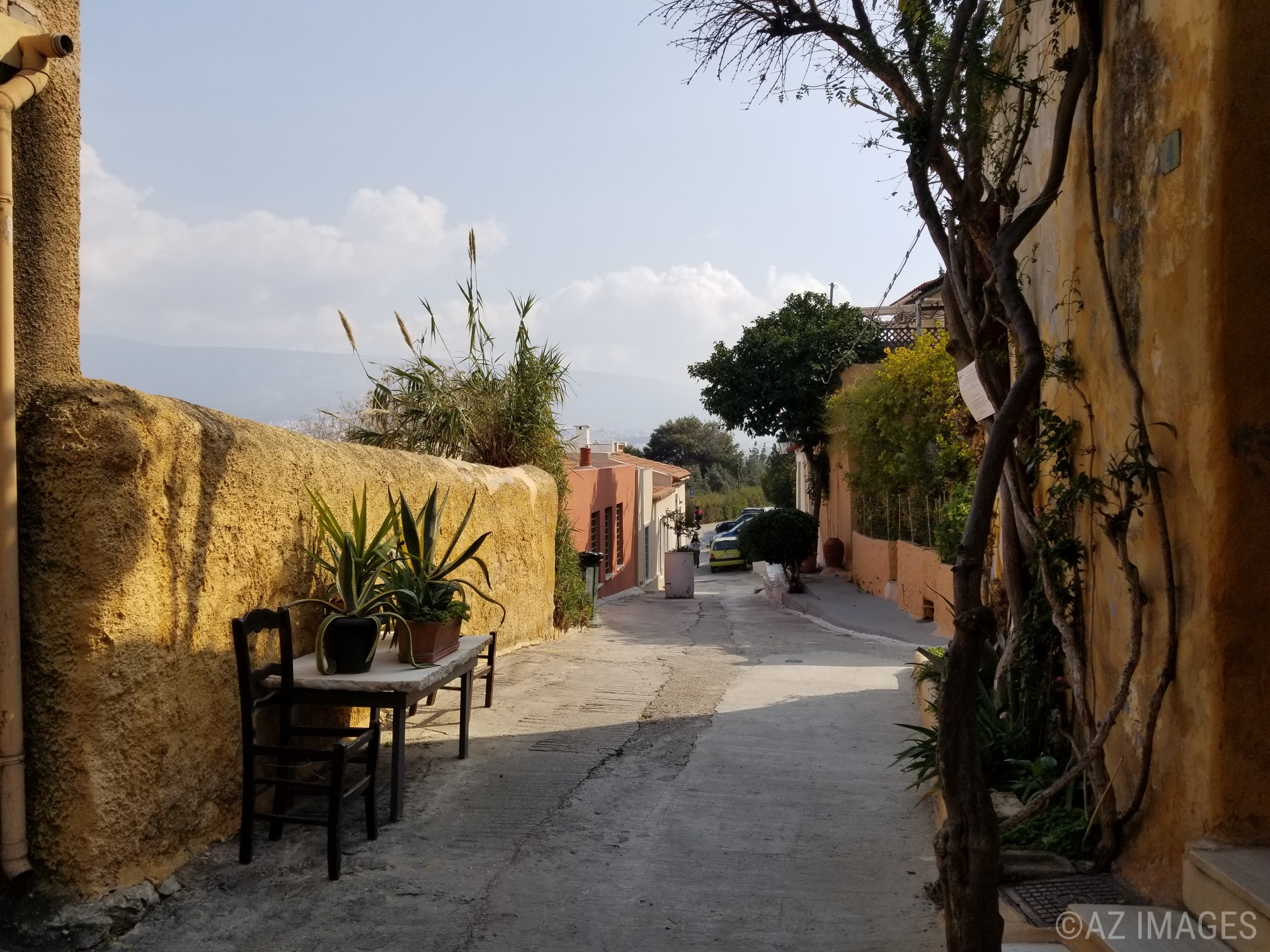
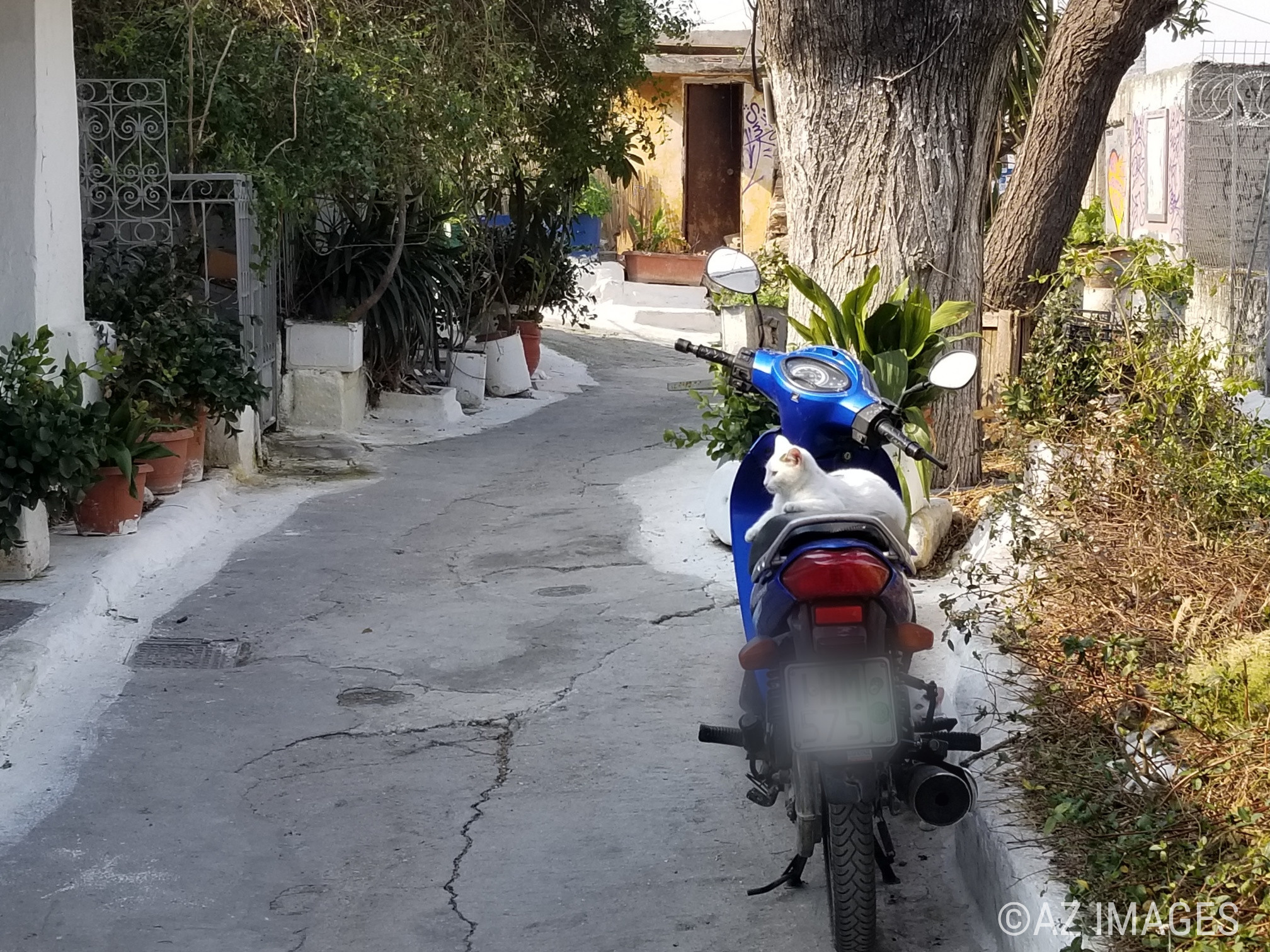


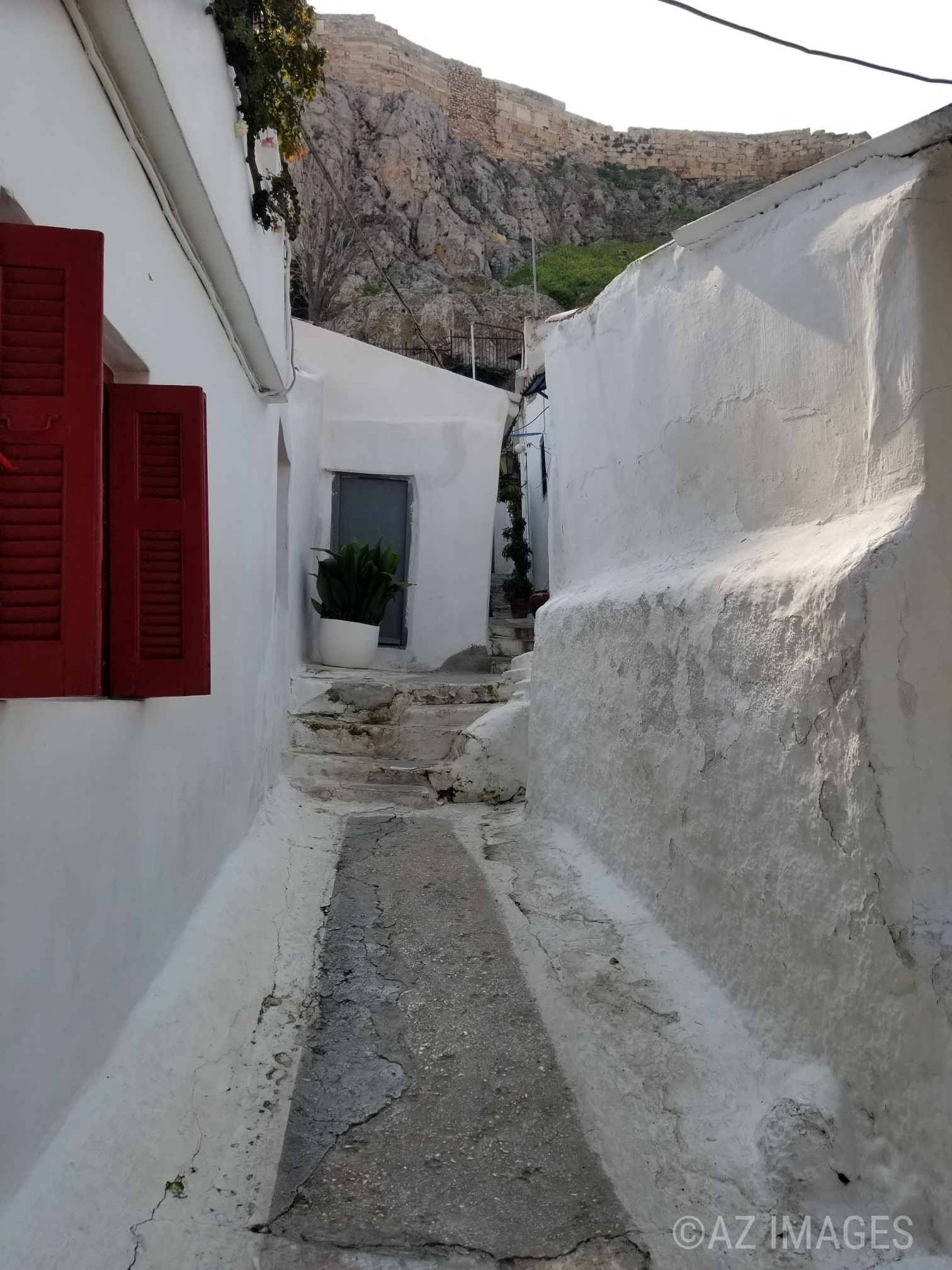
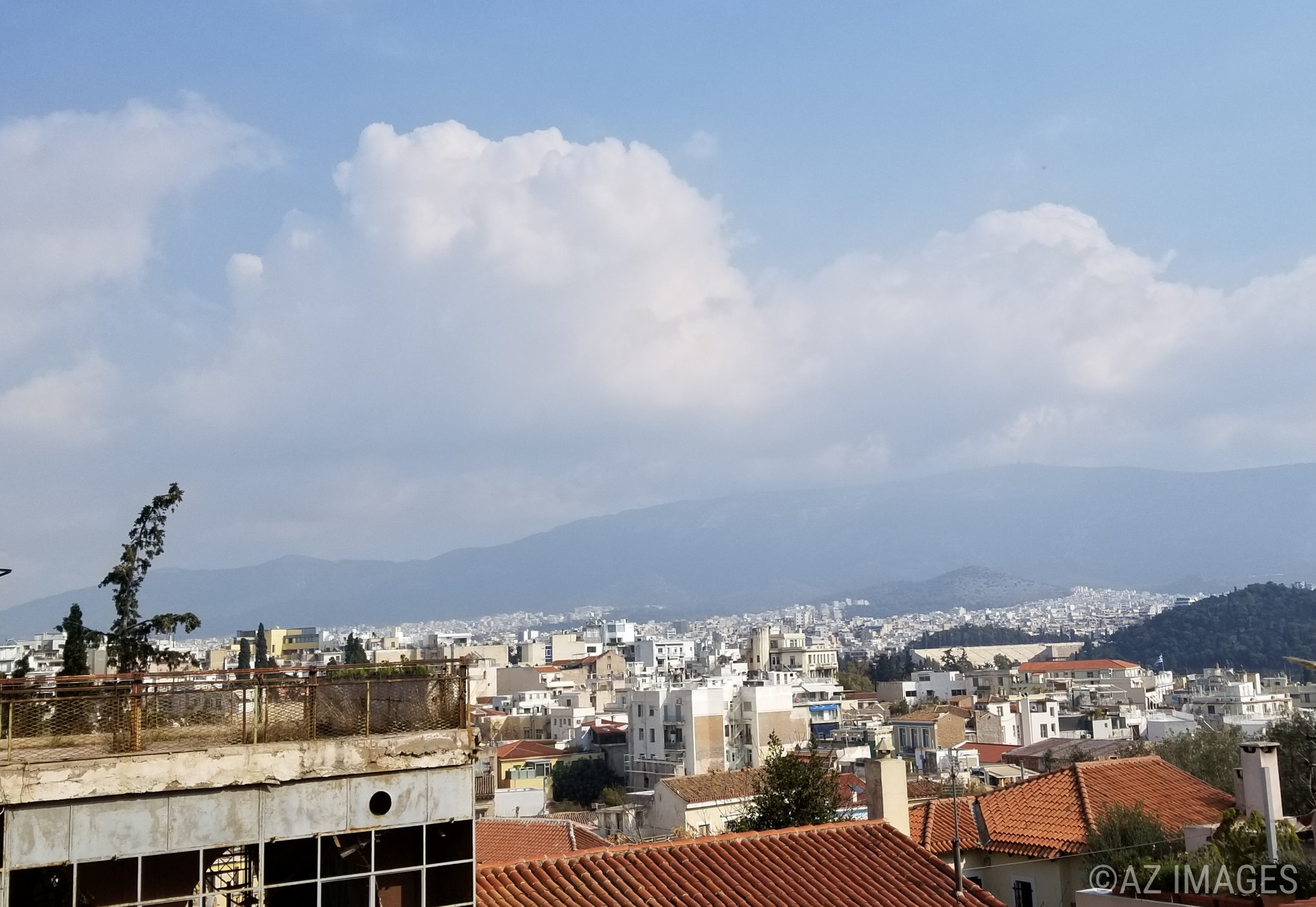
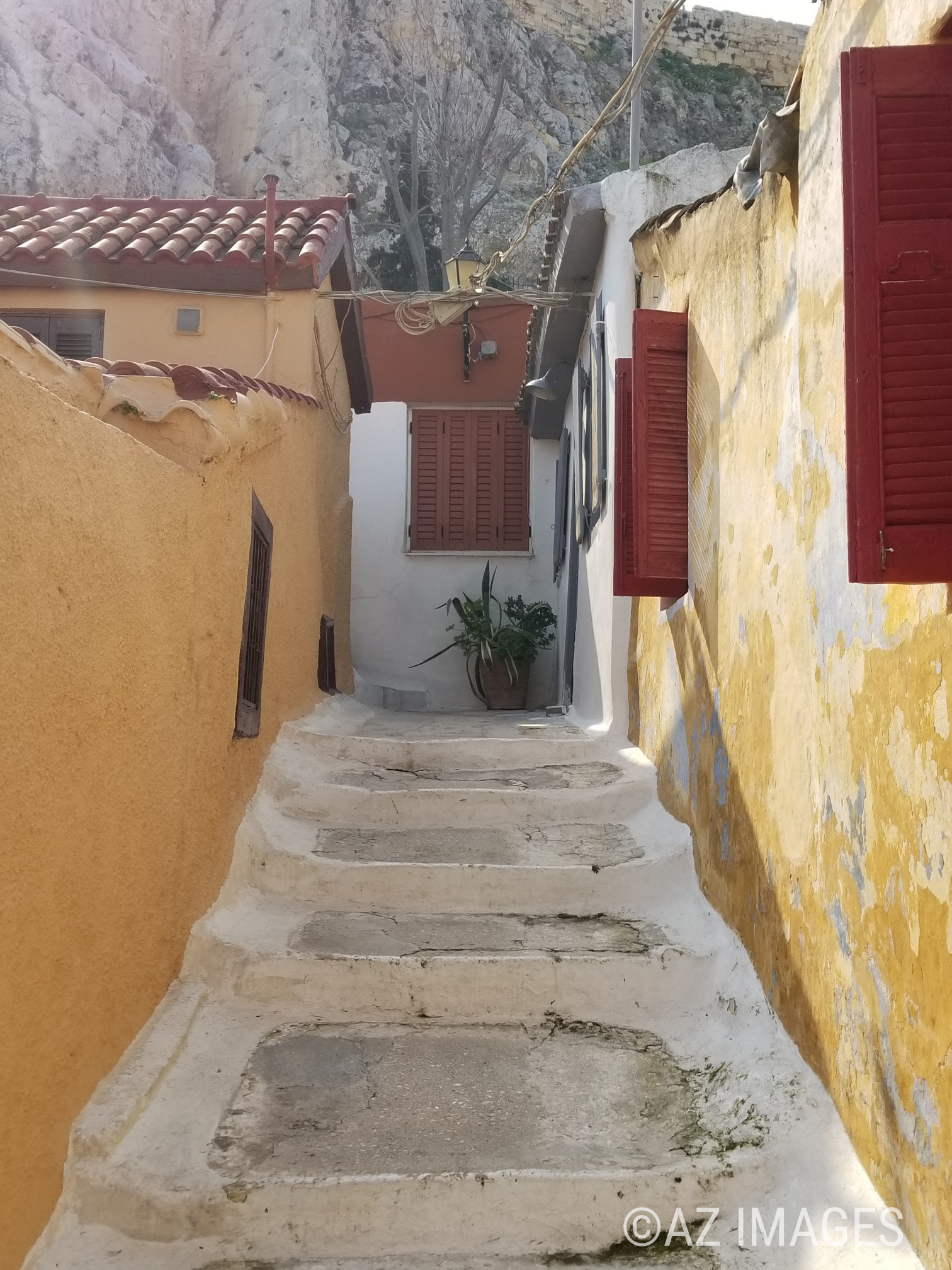
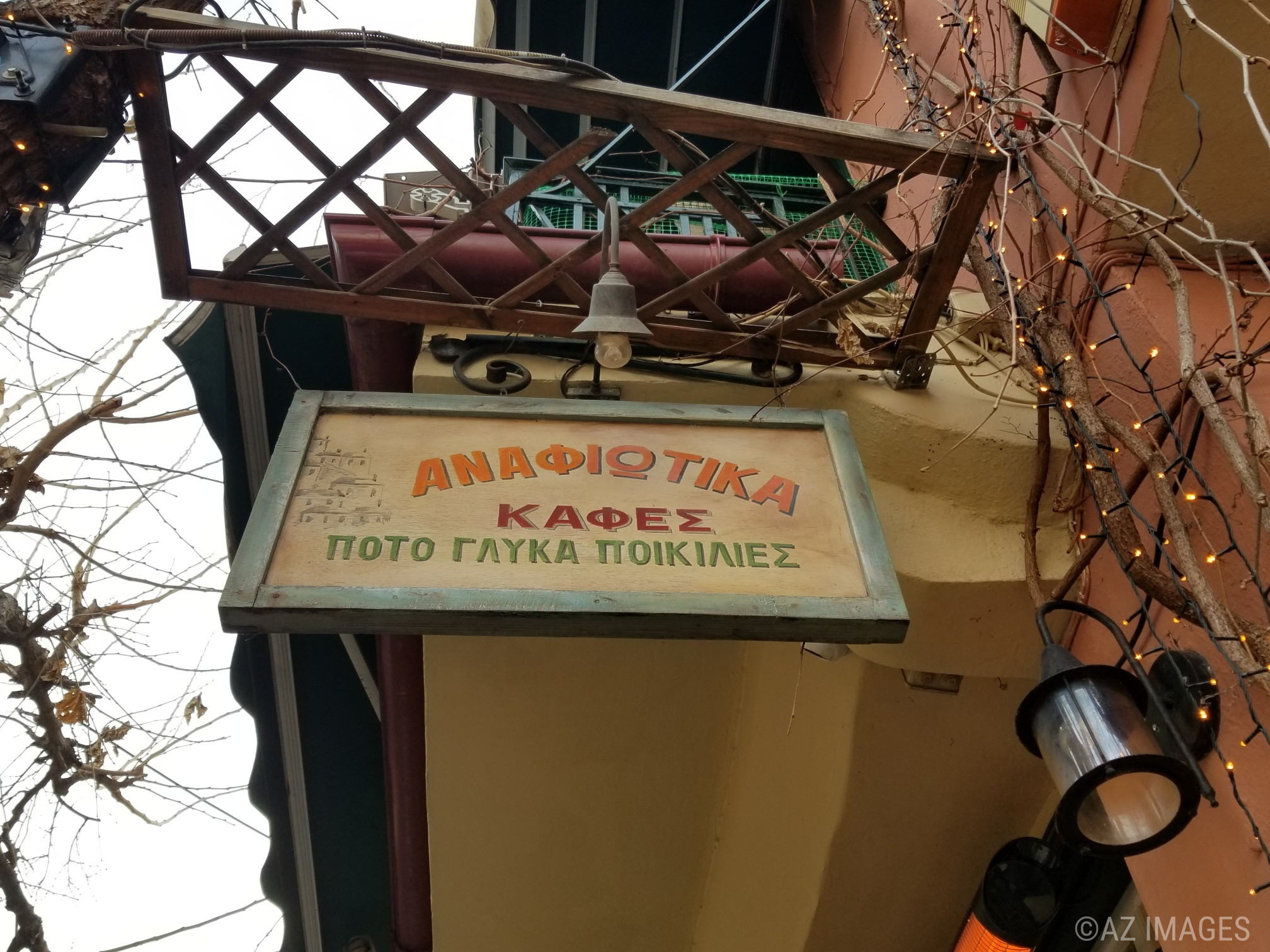
Anafiotika is a unique, and beautiful neighborhood on the northeast side of the Acropolis hill. The architectural style of the homes are similar to the ones in the Cycladic islands in Greece. This is due to the fact that in the 19th century, constructions workers were brought in from the Cycladic island of Anafi by King Otto to renovate the kings’ palace in Athens. Their building skills were renowned and very much in demand. The workers built the small-cubed homes and named their new neighbourhood ‘Anafi’ after their beloved island.
The Anafiotika homes were built illegaly and still are illegal, so none of them can be passed down to family members. This is why many have been abandoned. Some have been demolished in the 1930’s due to archaeological excavations. Today, there are only forty-five houses left in the neighbourhood.
The neighbourhood definitely has an ‘island feel’ to it. There were a lot less tourists here as there are so many things to and see in and around the area of the Acropolis that it is easy to neglect this part of the hill. However, it is well-worth the visit.
Τα Αναφιώτικα είναι μια μοναδική και όμορφη γειτονιά στη βορειοανατολική πλευρά του λόφου της Ακρόπολης. Το αρχιτεκτονικό στυλ των σπιτιών είναι παρόμοιο με αυτό των Κυκλάδων στην Ελλάδα. Αυτό οφείλεται στο γεγονός ότι τον 19ο αιώνα, εργάτες οικοδομής προσήλθαν από το κυκλαδίτικο νησί Ανάφη από τον βασιλιά Όθωνα για να ανακαινίσουν το παλάτι των βασιλέων στην Αθήνα. Οι κατασκευαστικές τους ικανότητες ήταν γνωστές και με μεγάλη ζήτηση. Οι εργάτες έχτισαν τα σπίτια σε μικρούς κύβους και ονόμασαν τη νέα τους γειτονιά «Ανάφη» από το αγαπημένο τους νησί.
Τα Αναφιώτικα σπίτια χτίστηκαν παράνομα και εξακολουθούν να είναι παράνομα, οπότε κανένα από αυτά δεν μπορεί να περάσει στα μέλη της οικογένειας. Αυτός είναι ο λόγος που πολλοί έχουν εγκαταλειφθεί. Ορισμένα έχουν κατεδαφιστεί τη δεκαετία του 1930 λόγω αρχαιολογικών ανασκαφών. Σήμερα, έχουν απομείνει μόνο σαράντα πέντε σπίτια στη γειτονιά.
Η γειτονιά έχει σίγουρα μια «νησιωτική αίσθηση». Υπήρχαν πολύ λιγότεροι τουρίστες εδώ, καθώς υπάρχουν τόσα πολλά πράγματα για να δείτε και να δείτε μέσα και γύρω από την περιοχή της Ακρόπολης που είναι εύκολο να παραμελήσετε αυτό το μέρος του λόφου. Ωστόσο, αξίζει μια επίσκεψη.
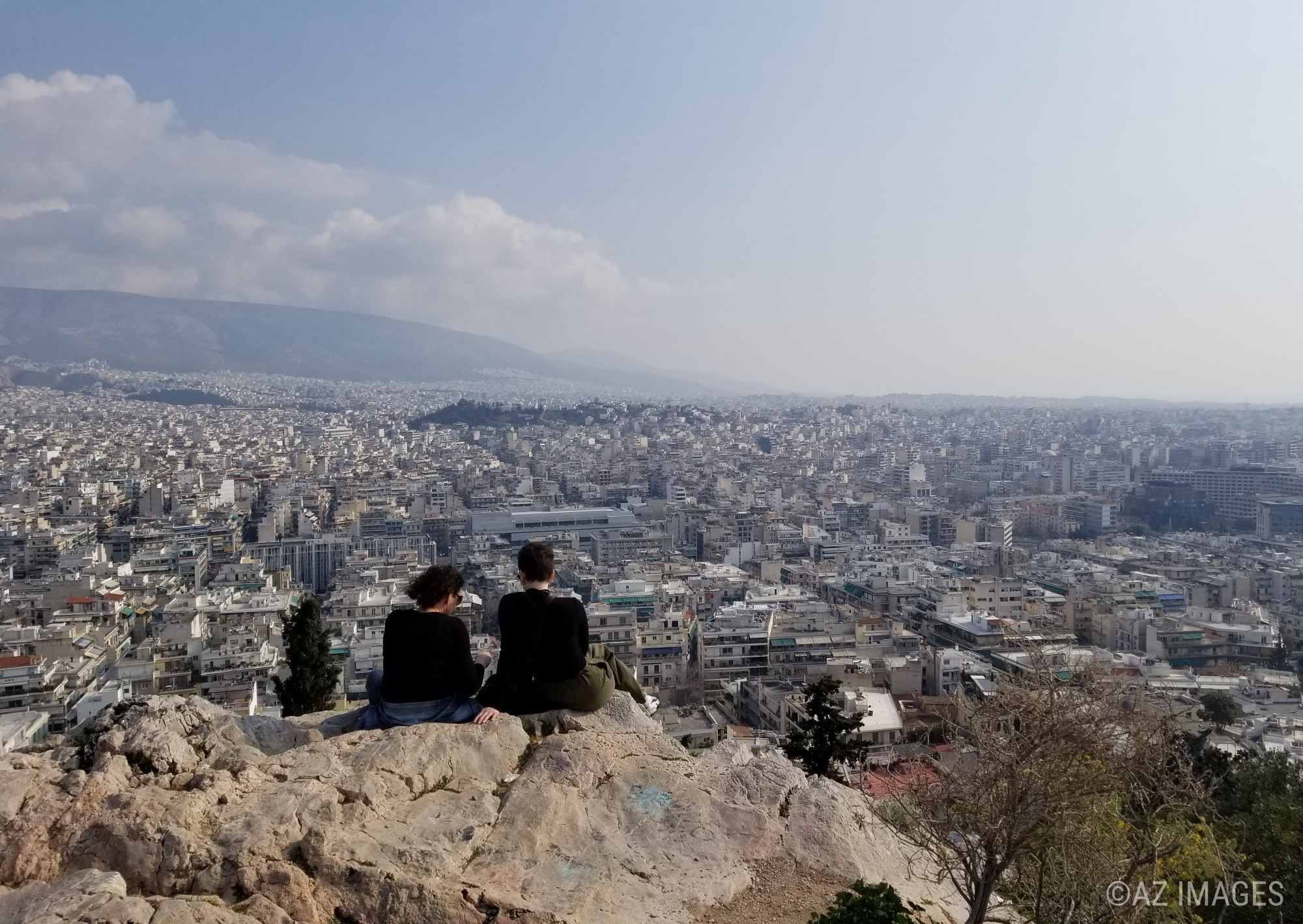
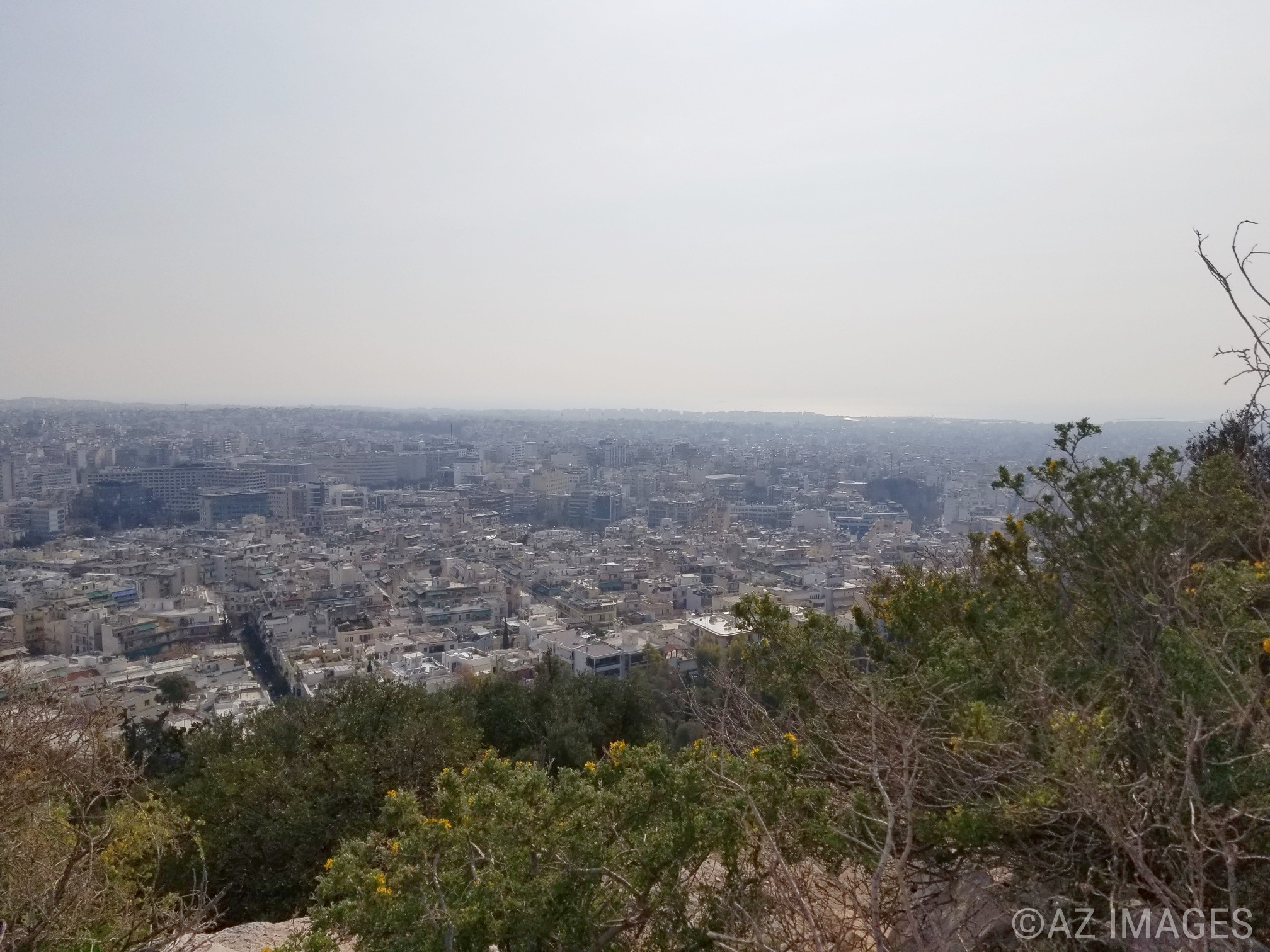
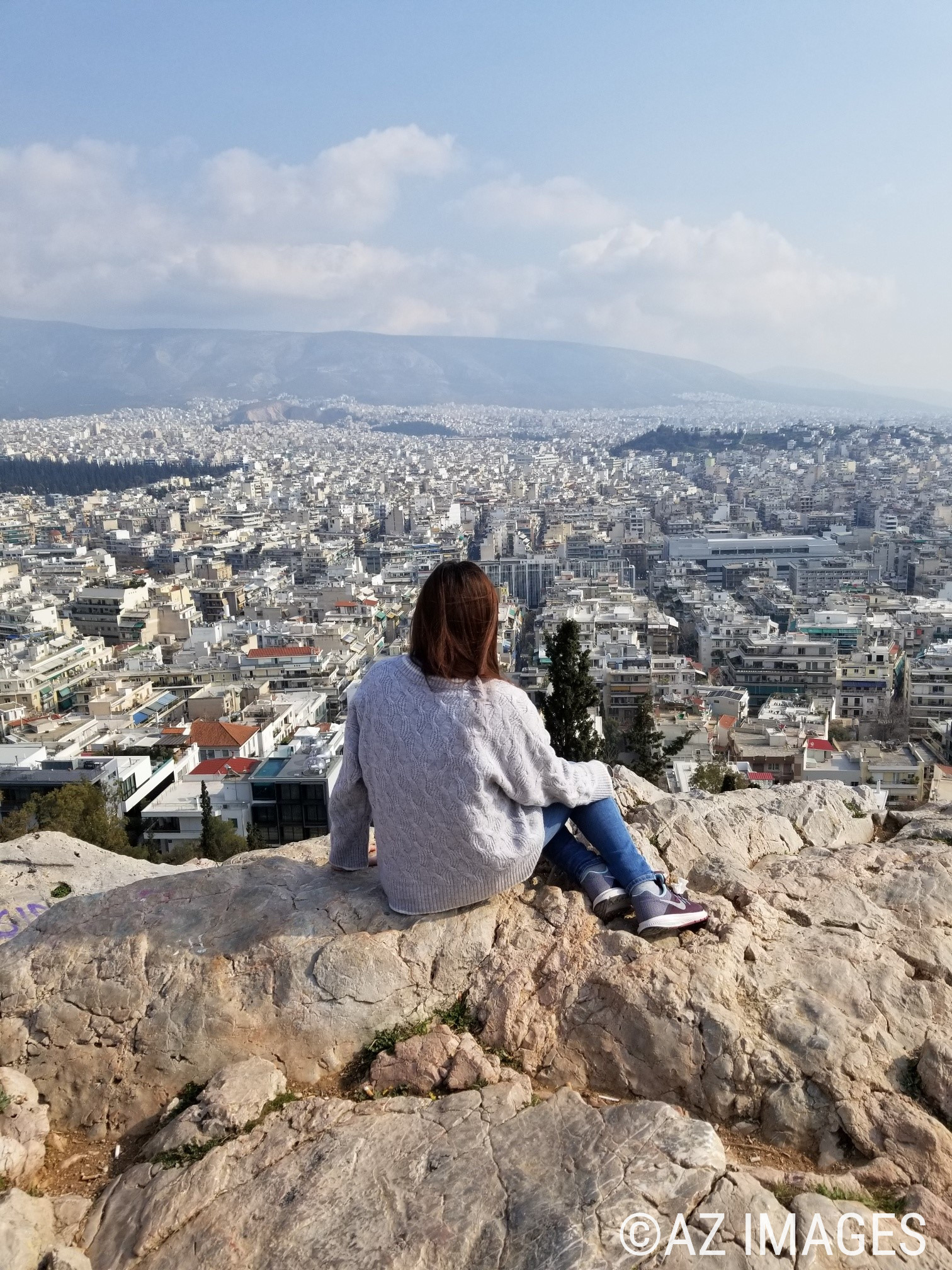
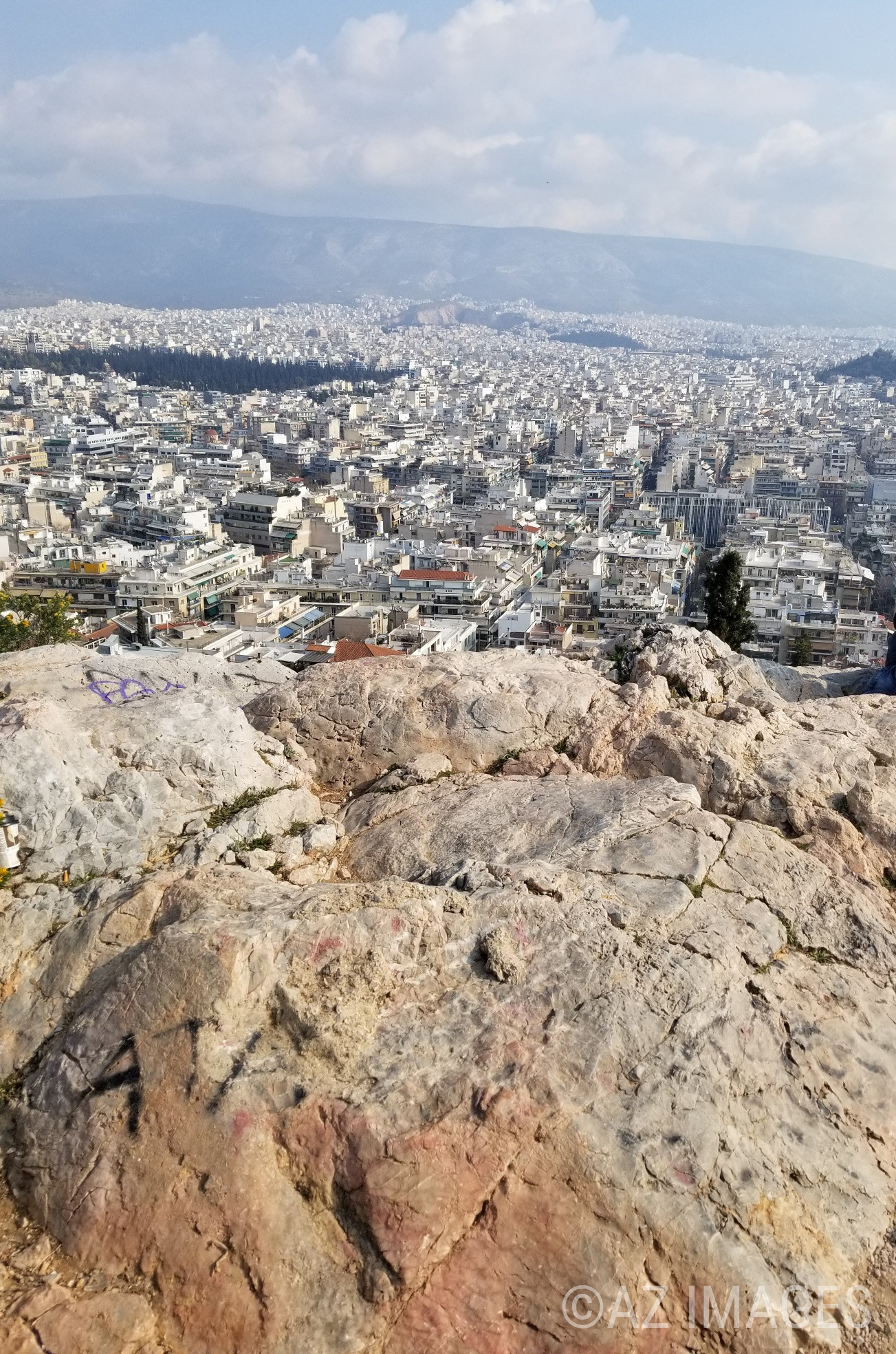
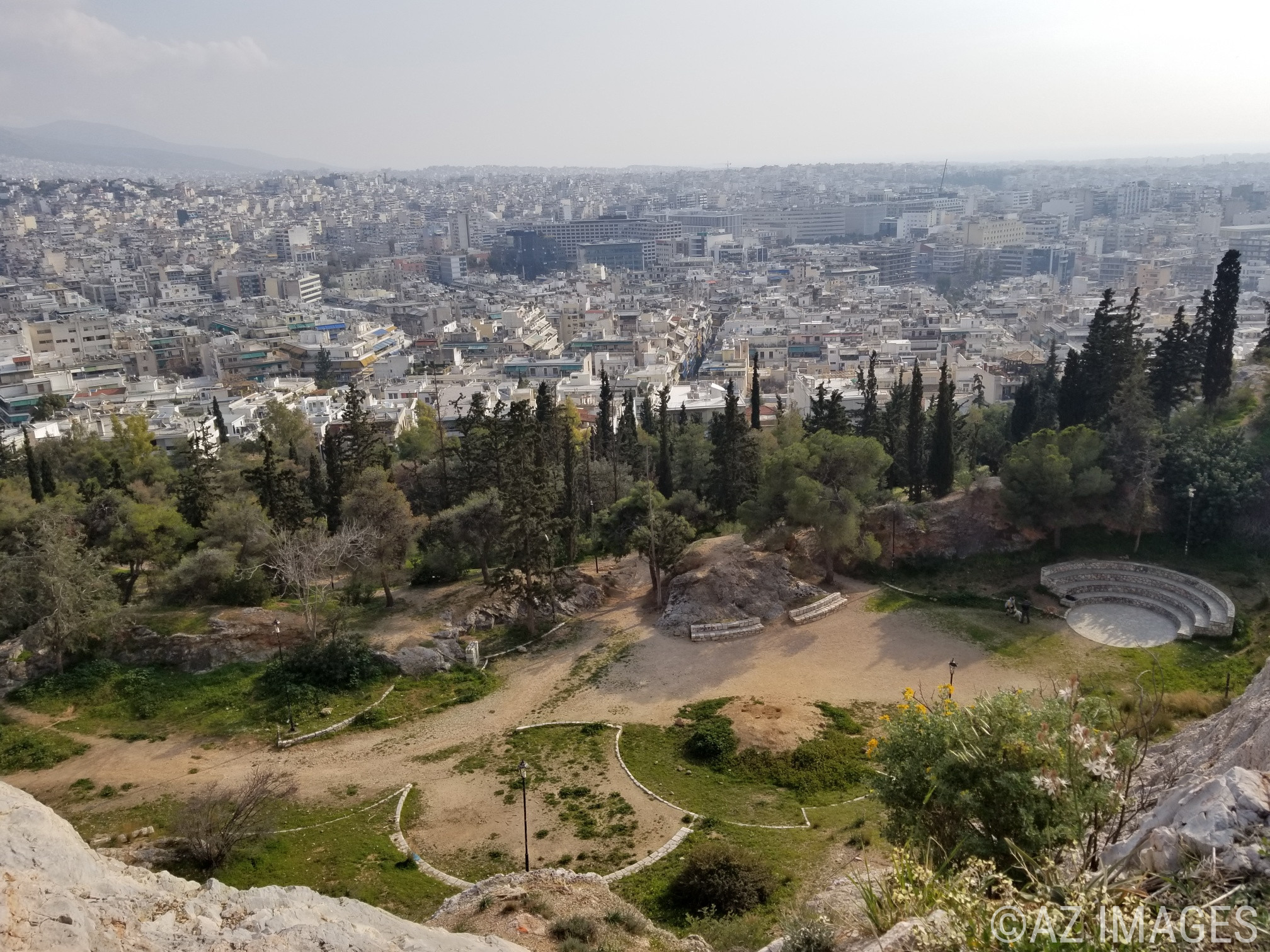
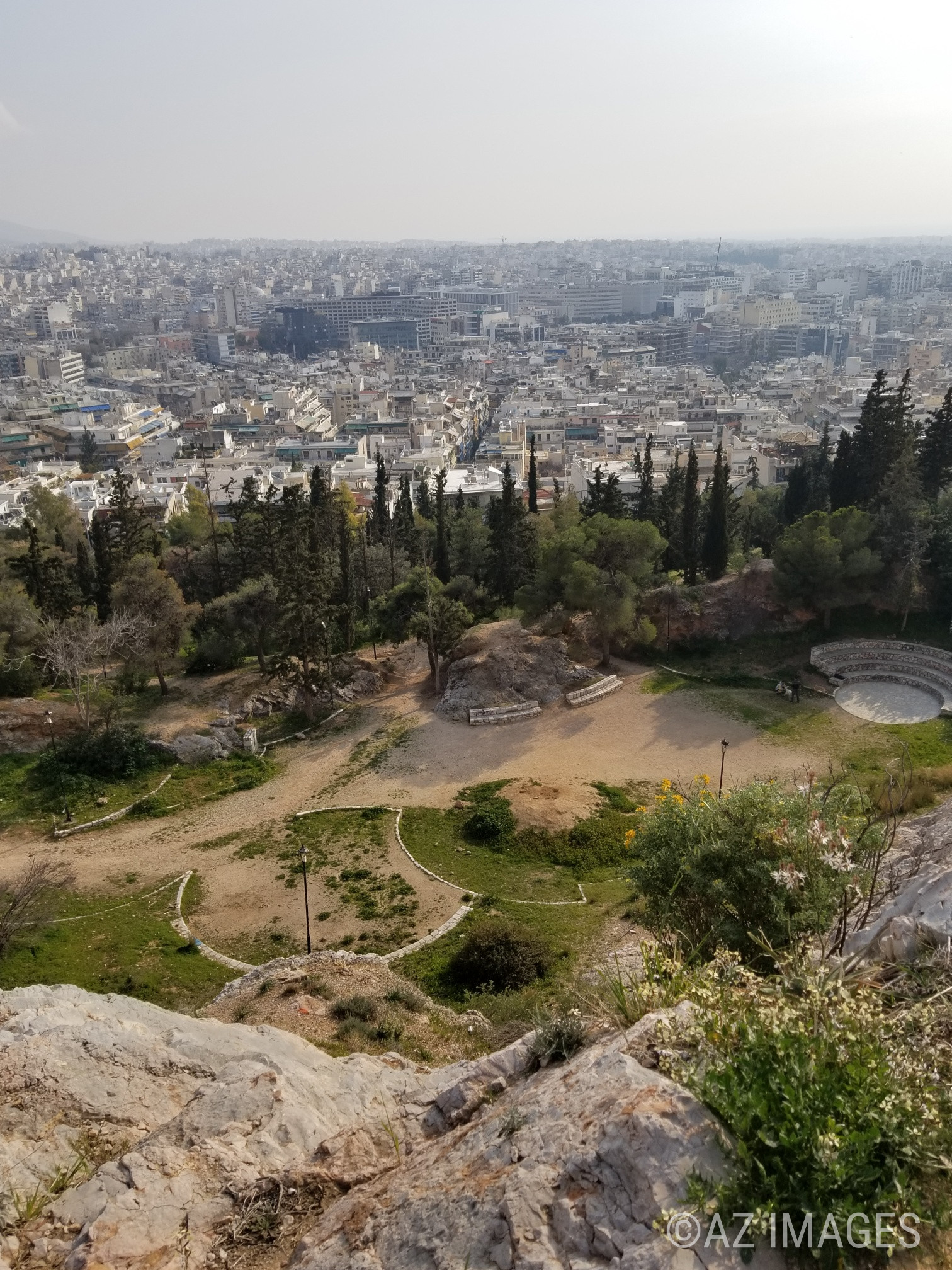
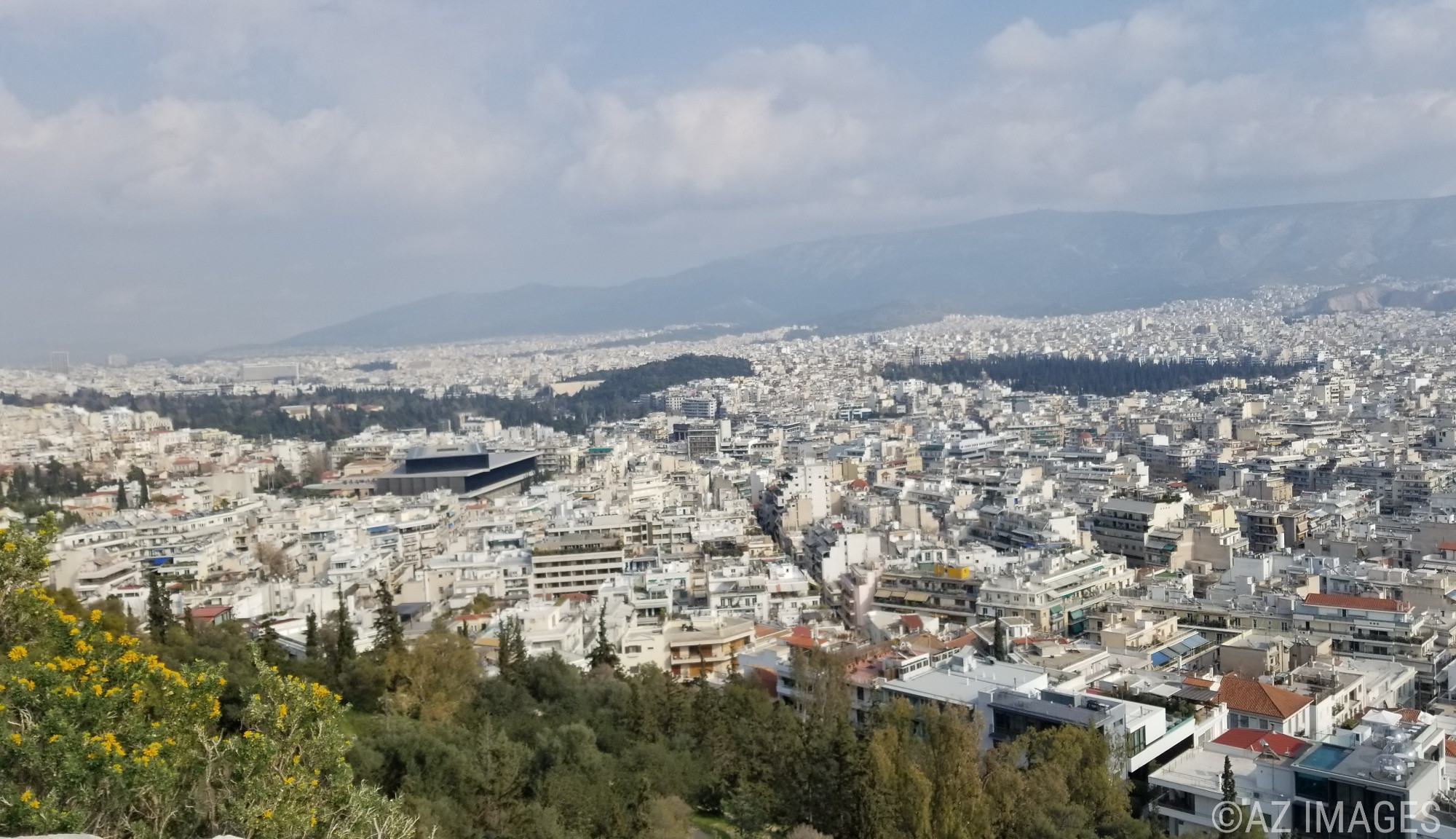
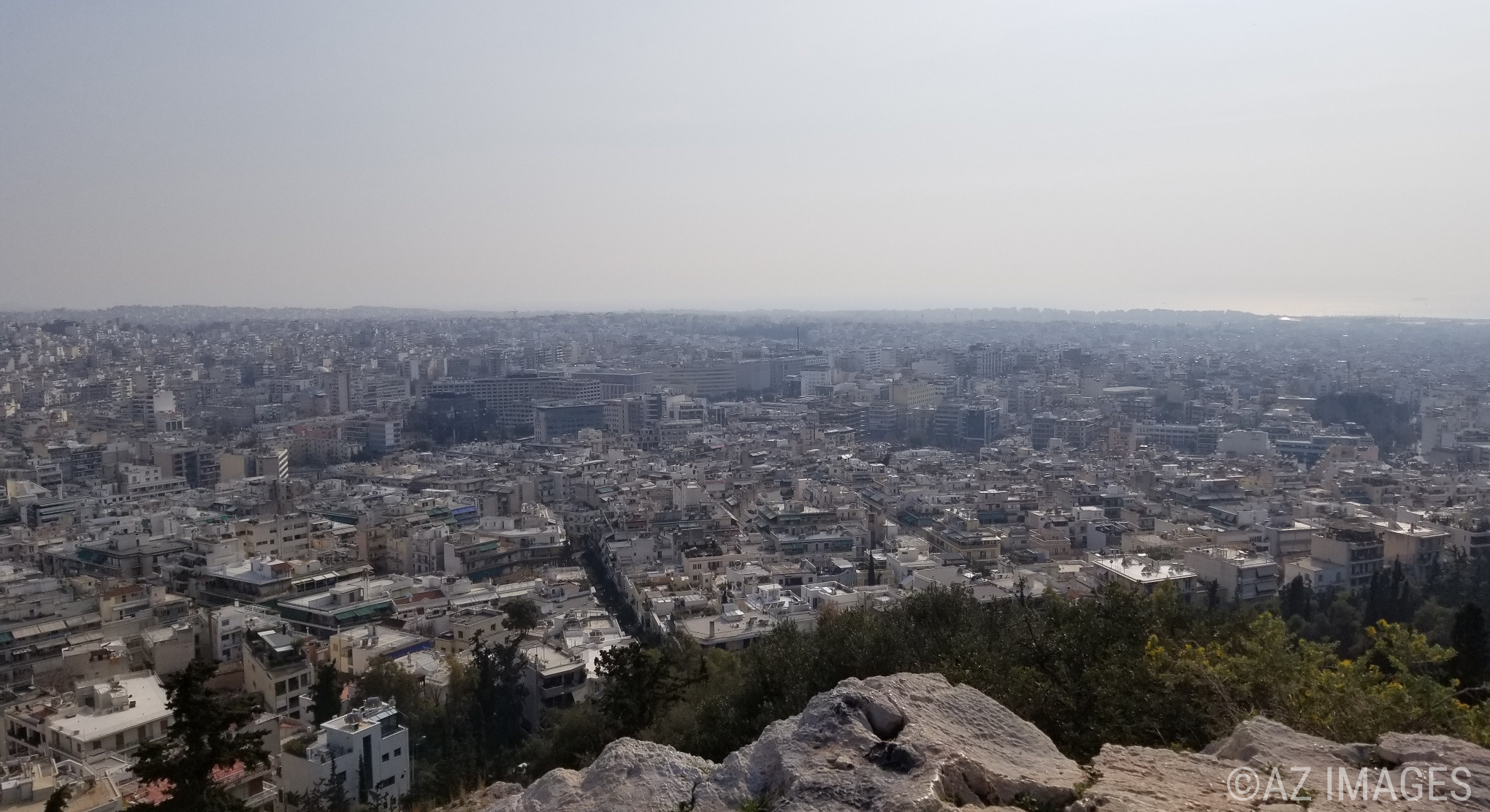
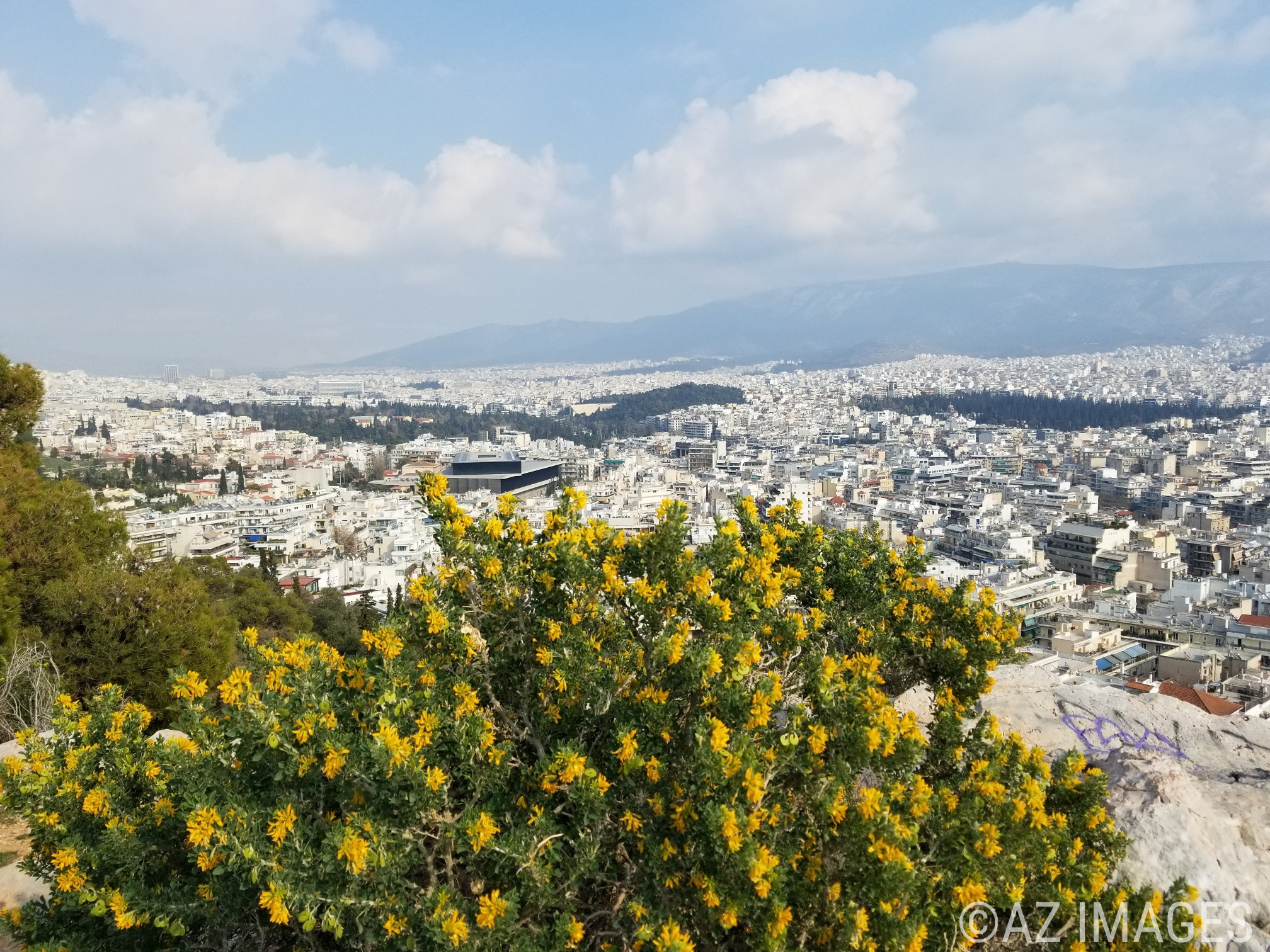
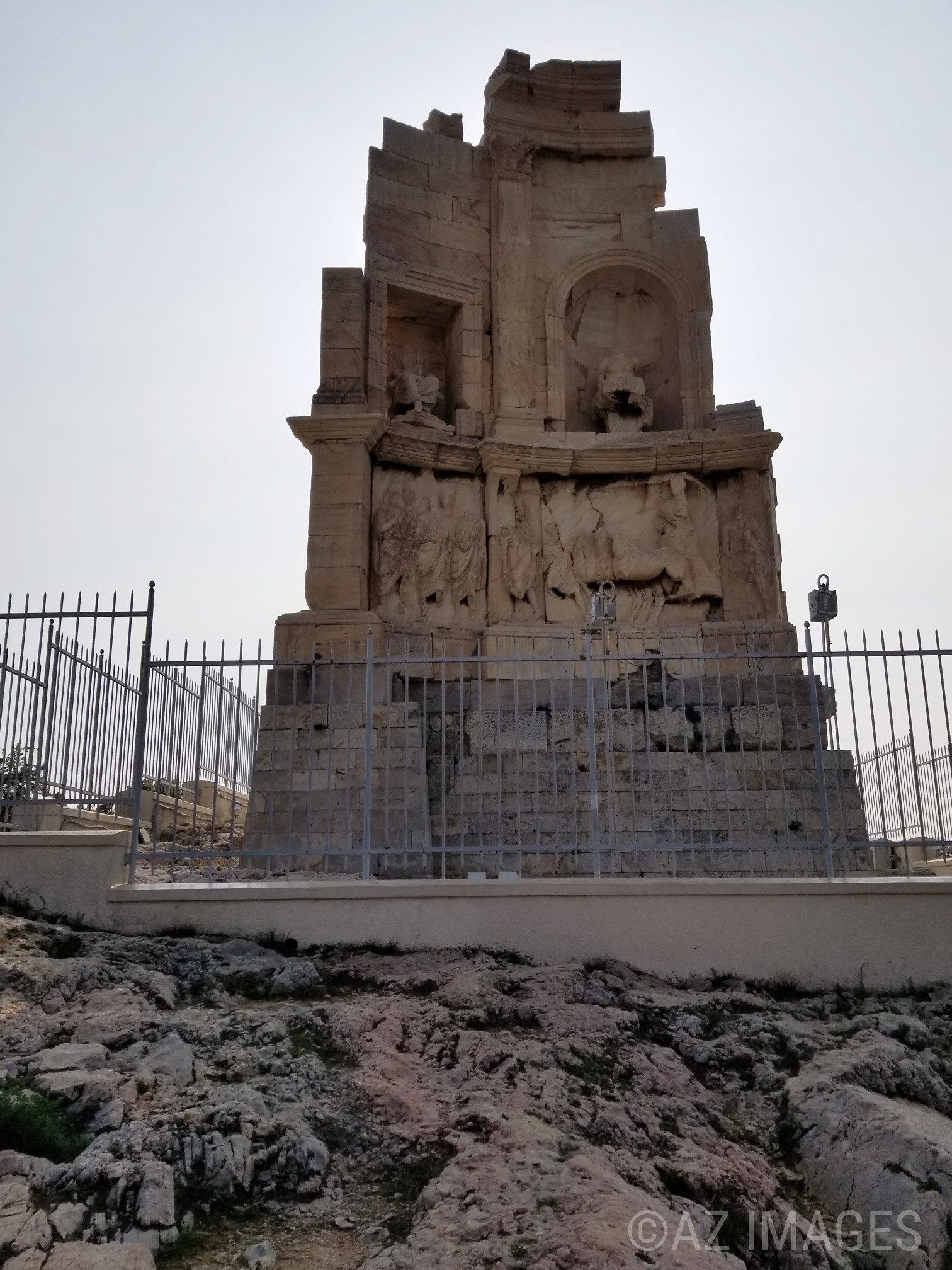
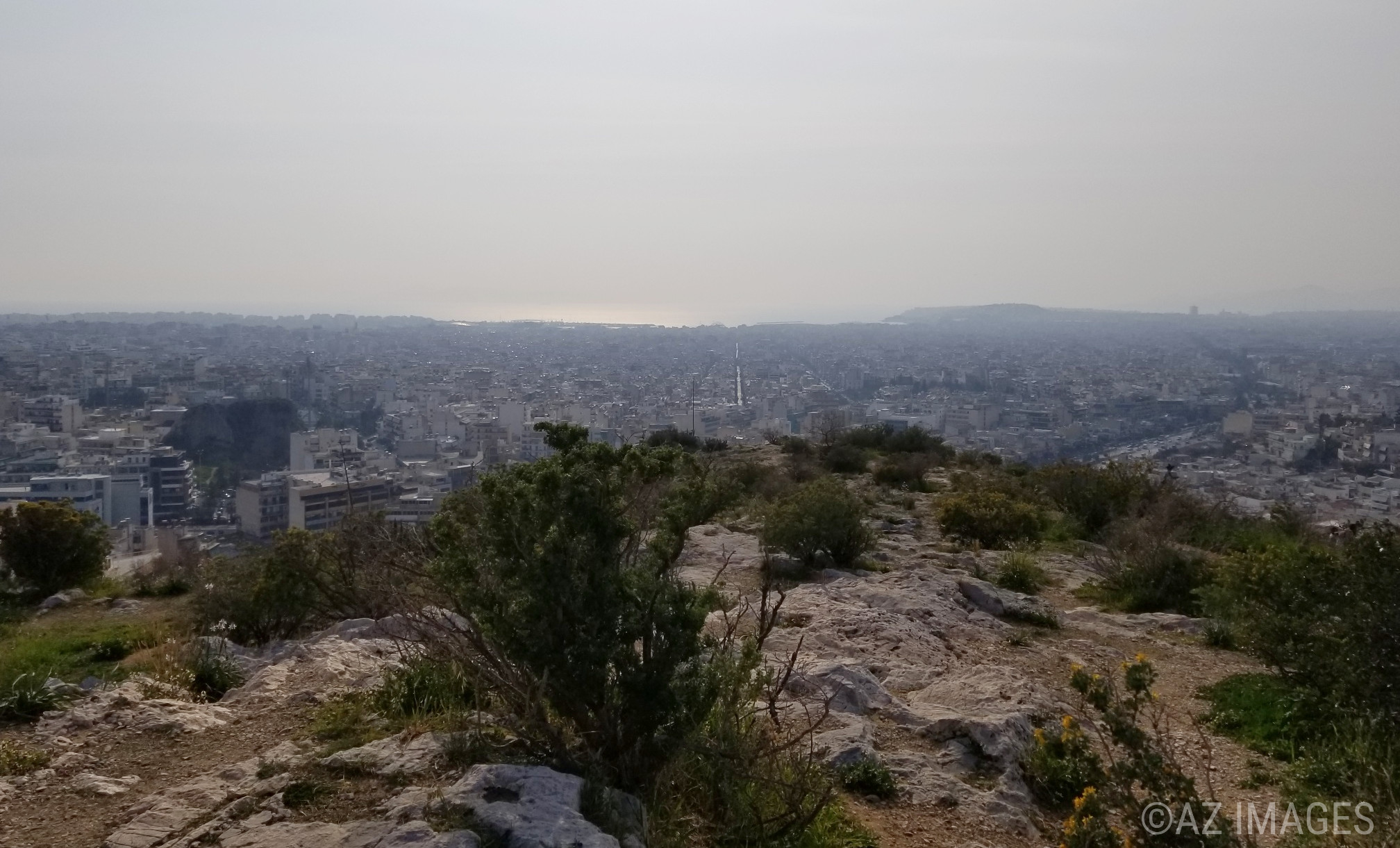
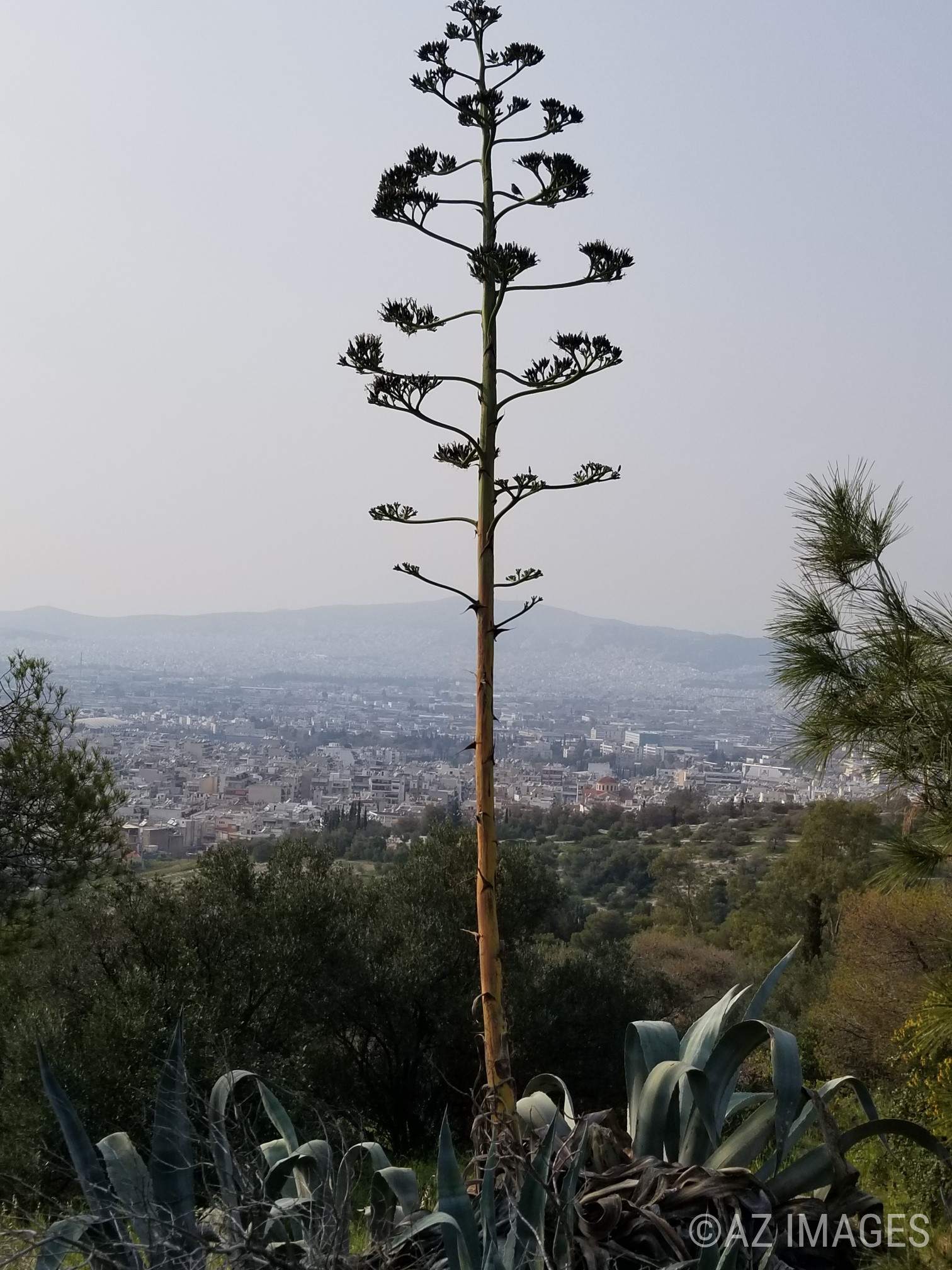
This was my first time hiking up Philiopappos hill in Athens. It’s odd that this was my first time up there as I have been to the nearby sites many times.
The hill is located at the south west of the Acropolis. In 115 AD, a monument dedicated to the exiled Roman Prince Gaius Julius Antichus Philopappos of Commagene (a region in ancient Armenia) was erected on top of the hill. After his exile, Philopappos was settled in Athens, became an Athenian citizen and held religious and civil offices. Philopappos Hill is also called the Hill of Muses because it is home to a sanctuary dedicated to the 6th-century BC poet and prophet and mystical seer, Musaios. According to Greek geographer Pausanias the poet is buried there at the site of the monument. The park covers an area of 700 square km and the highest point of the hill reaches an elevation of 147 meters.
It is a bit of a hike up, but once at the top the incredible scenery of Athens and Piraeus is very rewarding. It’s best to visit during the day. There are a lot less people, and it’s less dangerous.
The pictures capture the calm before the storm, as these photographs were taken in the month of February. Just four days before the tragic train accident in Northern Greece that left the whole country in mourning throughout the month of March. The month ofMarch was filled with angry protests over the train accident.
Αυτή ήταν η πρώτη μου φορά που ανέβαινα στον λόφο του Φιλοπάππου στην Αθήνα. Είναι περίεργο που αυτή ήταν η πρώτη μου φορά εκεί, καθώς έχω πάει πολλές φορές στις κοντινές τοποθεσίες.
Ο λόφος βρίσκεται στα νοτιοδυτικά της Ακρόπολης. Το 115 μ.Χ., ένα μνημείο αφιερωμένο στον εξόριστο Ρωμαίο πρίγκιπα Γάιο Ιούλιο Αντίχο Φιλοπάππο της Κομμαγηνής (περιοχή στην αρχαία Αρμενία) ανεγέρθηκε στην κορυφή του λόφου. Μετά την εξορία του, ο Φιλοπάππος εγκαταστάθηκε στην Αθήνα, έγινε Αθηναίος πολίτης και κατείχε θρησκευτικά και πολιτικά αξιώματα.
Ο λόφος του Φιλοπάππου ονομάζεται επίσης Λόφος των Μουσών επειδή φιλοξενεί ένα ιερό αφιερωμένο στον ποιητή και προφήτη και μυστικιστή μάντη του 6ου αιώνα π.Χ., Μουσάιο. Σύμφωνα με τον Έλληνα γεωγράφο Παυσανία, ο ποιητής είναι θαμμένος εκεί στη θέση του μνημείου. Το πάρκο καλύπτει μια έκταση 700 τετραγωνικών χιλιομέτρων και το υψηλότερο σημείο του λόφου φτάνει σε υψόμετρο 147 μέτρων.
Είναι λίγο πεζοπορία, αλλά μια φορά στην κορυφή το απίστευτο τοπίο της Αθήνας και του Πειραιά είναι πολύ ικανοποιητικό. Είναι καλύτερο να το επισκεφτείτε κατά τη διάρκεια της ημέρας. Υπάρχουν πολύ λιγότεροι άνθρωποι και είναι λιγότερο επικίνδυνο.
Οι φωτογραφίες αποτυπώνουν την ηρεμία πριν από την καταιγίδα, καθώς αυτές οι φωτογραφίες τραβήχτηκαν τον Φεβρουάριο. Τέσσερις μόλις ημέρες πριν από το τραγικό σιδηροδρομικό δυστύχημα στη Βόρεια Ελλάδα που άφησε στο πένθος όλη τη χώρα όλο τον Μάρτιο. Ο μήνας Μάρτιος ήταν γεμάτος οργισμένες διαμαρτυρίες για το σιδηροδρομικό δυστύχημα.
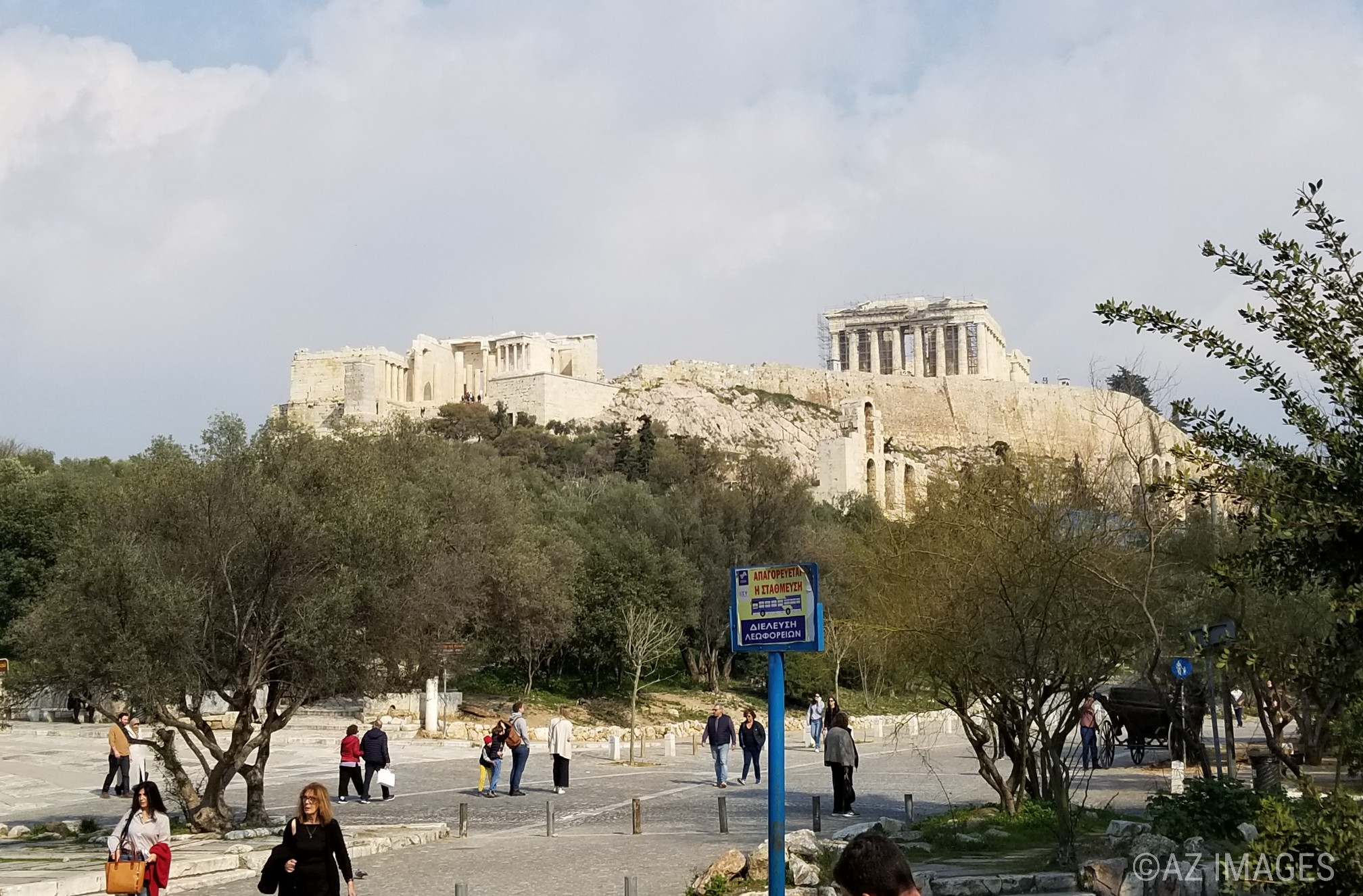
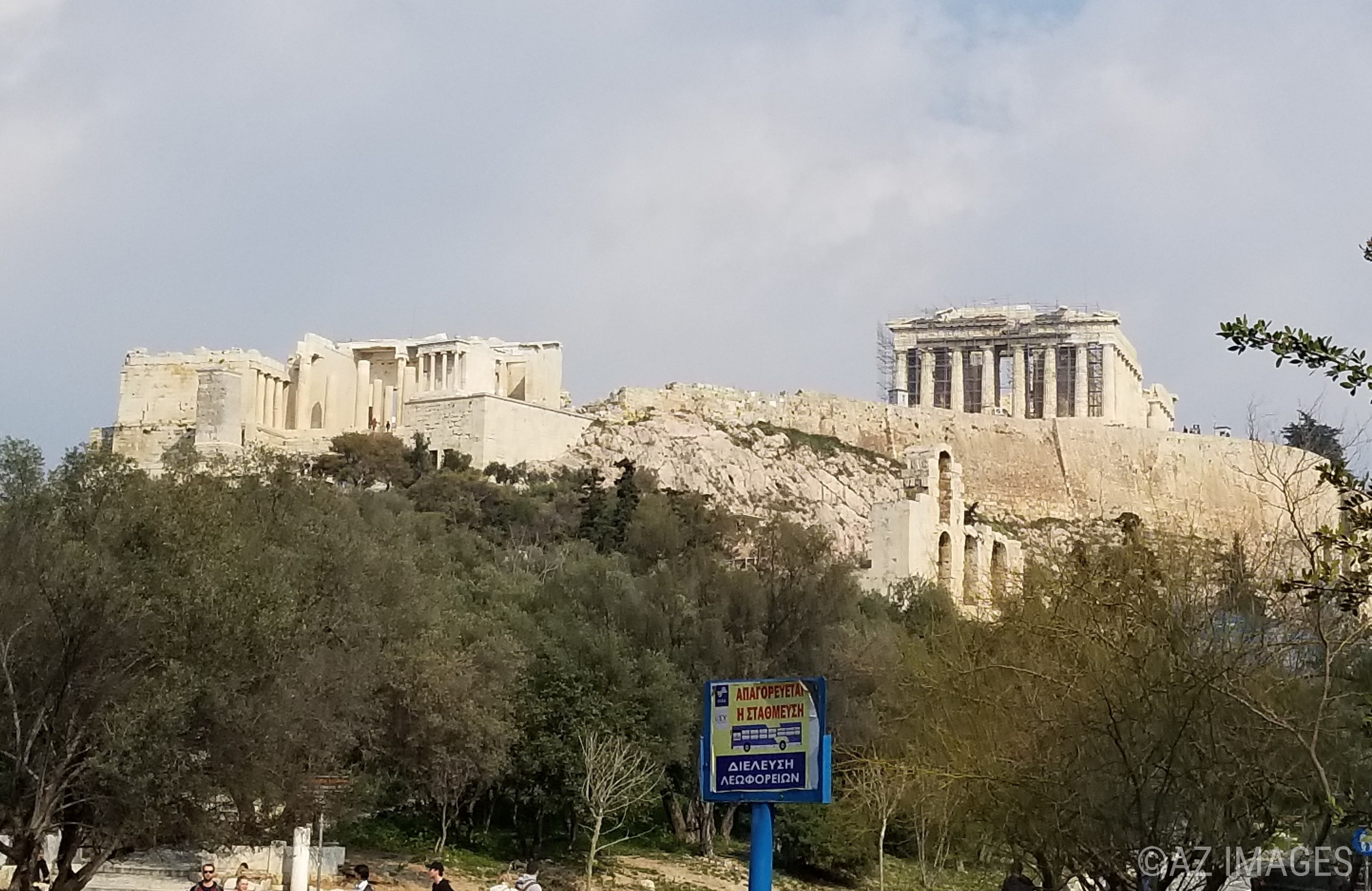
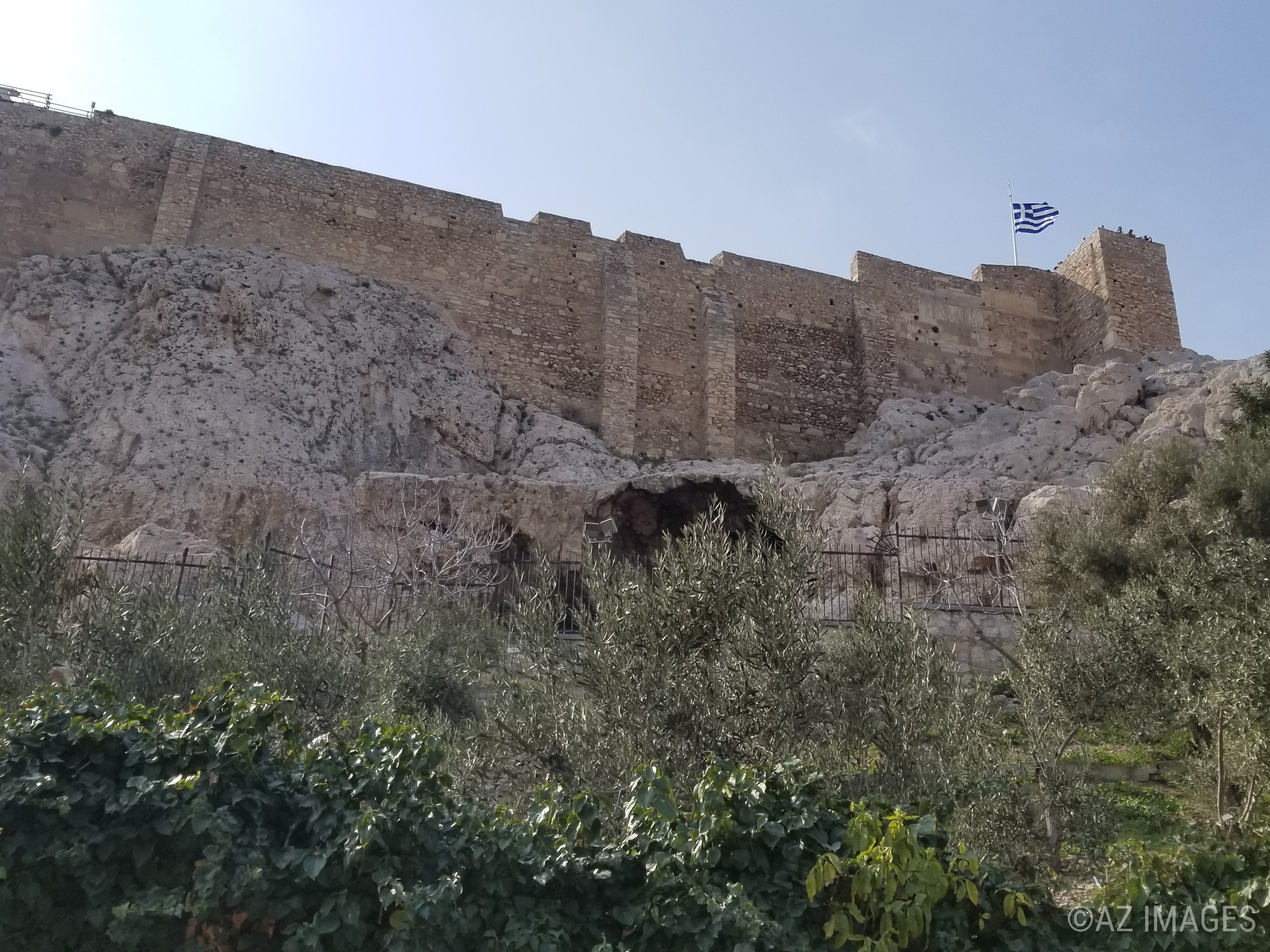
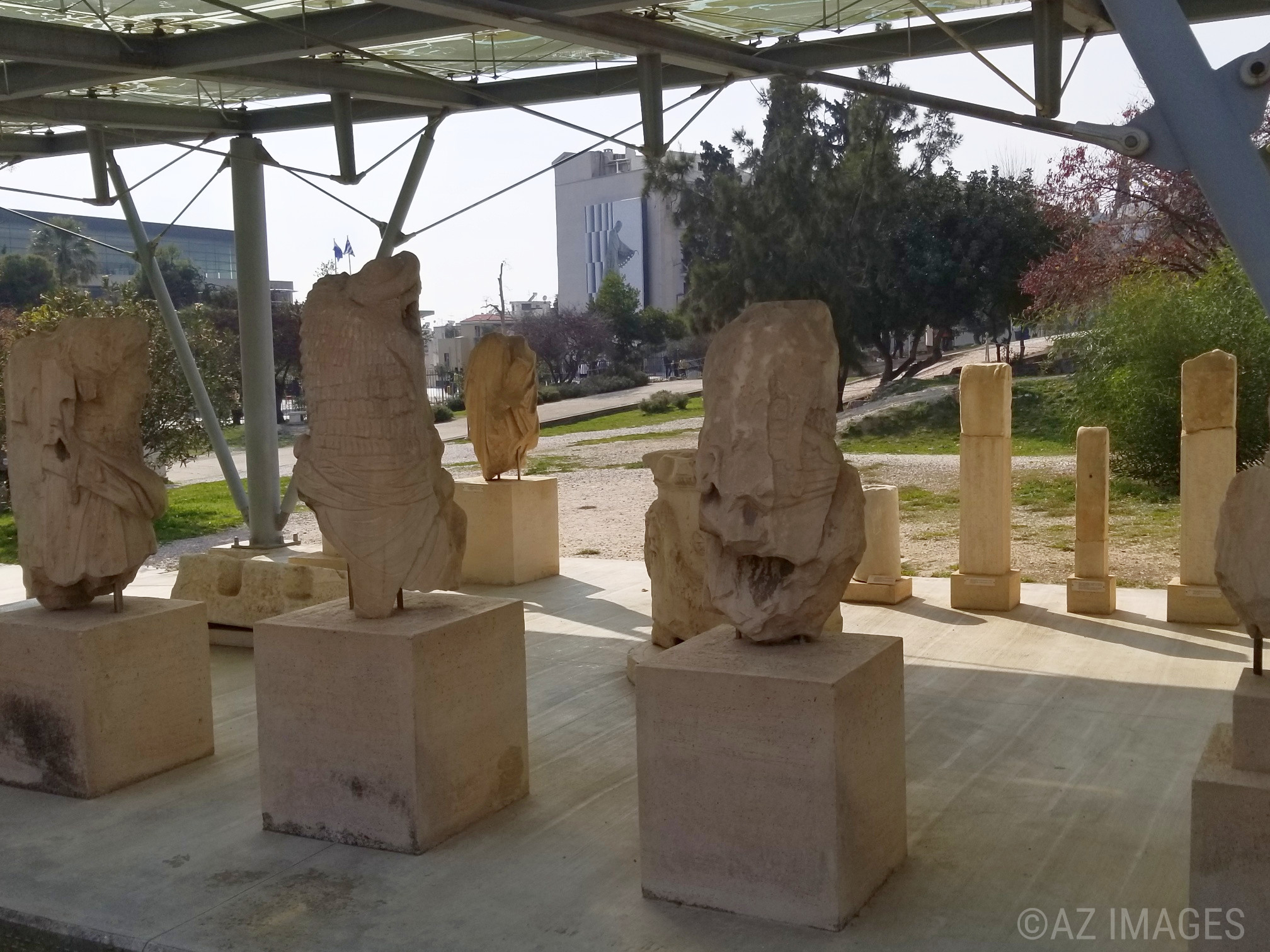
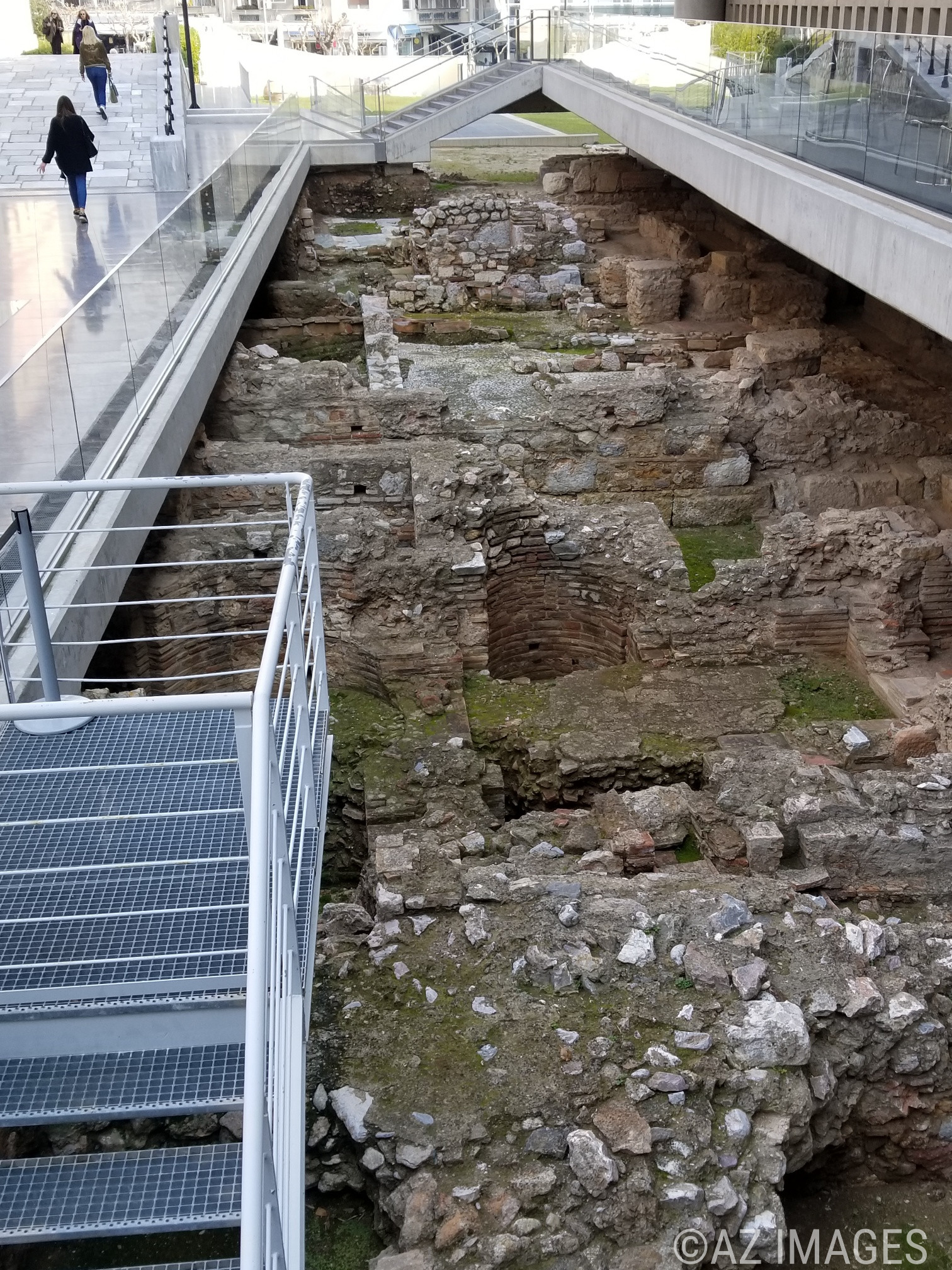
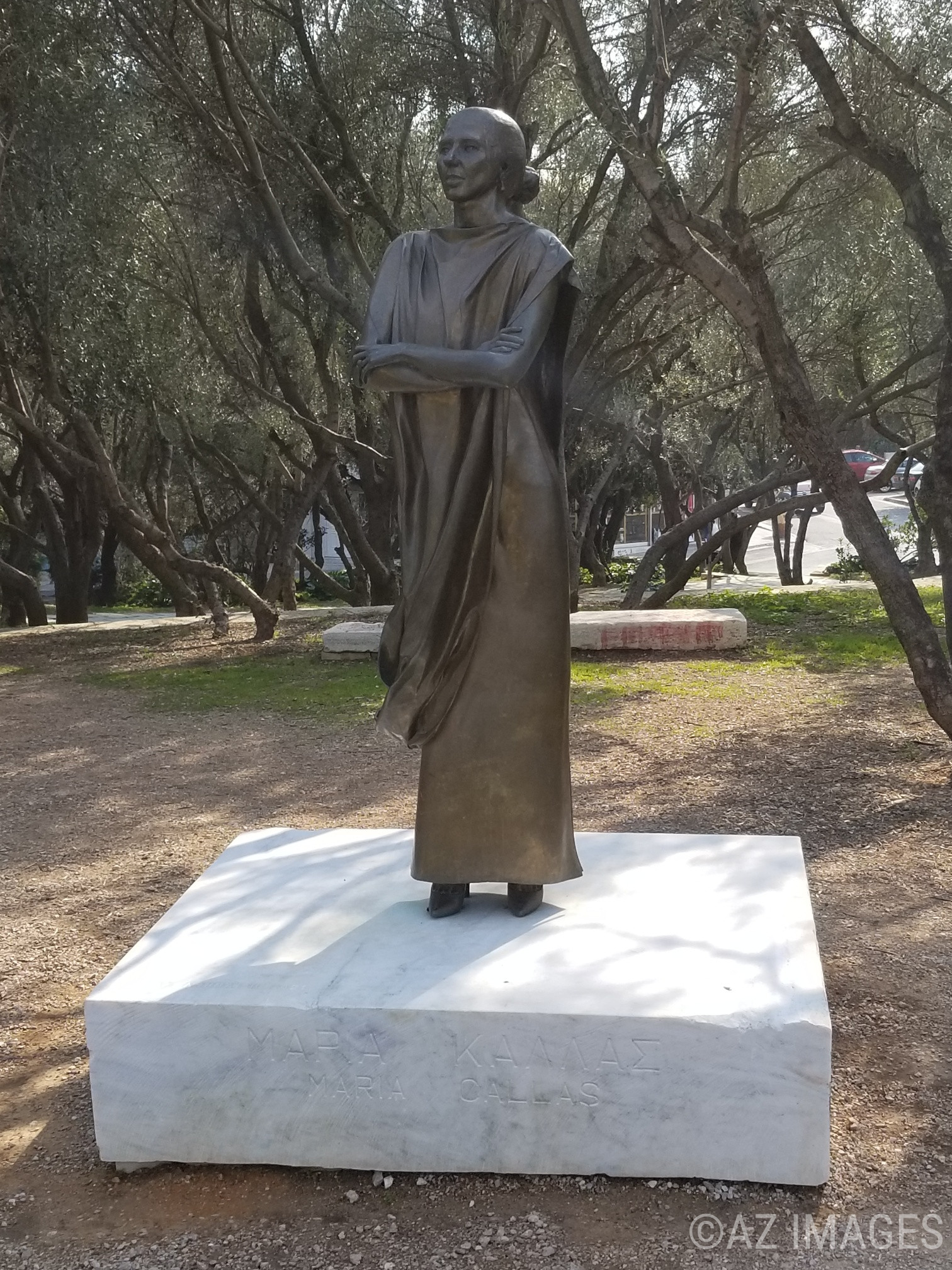
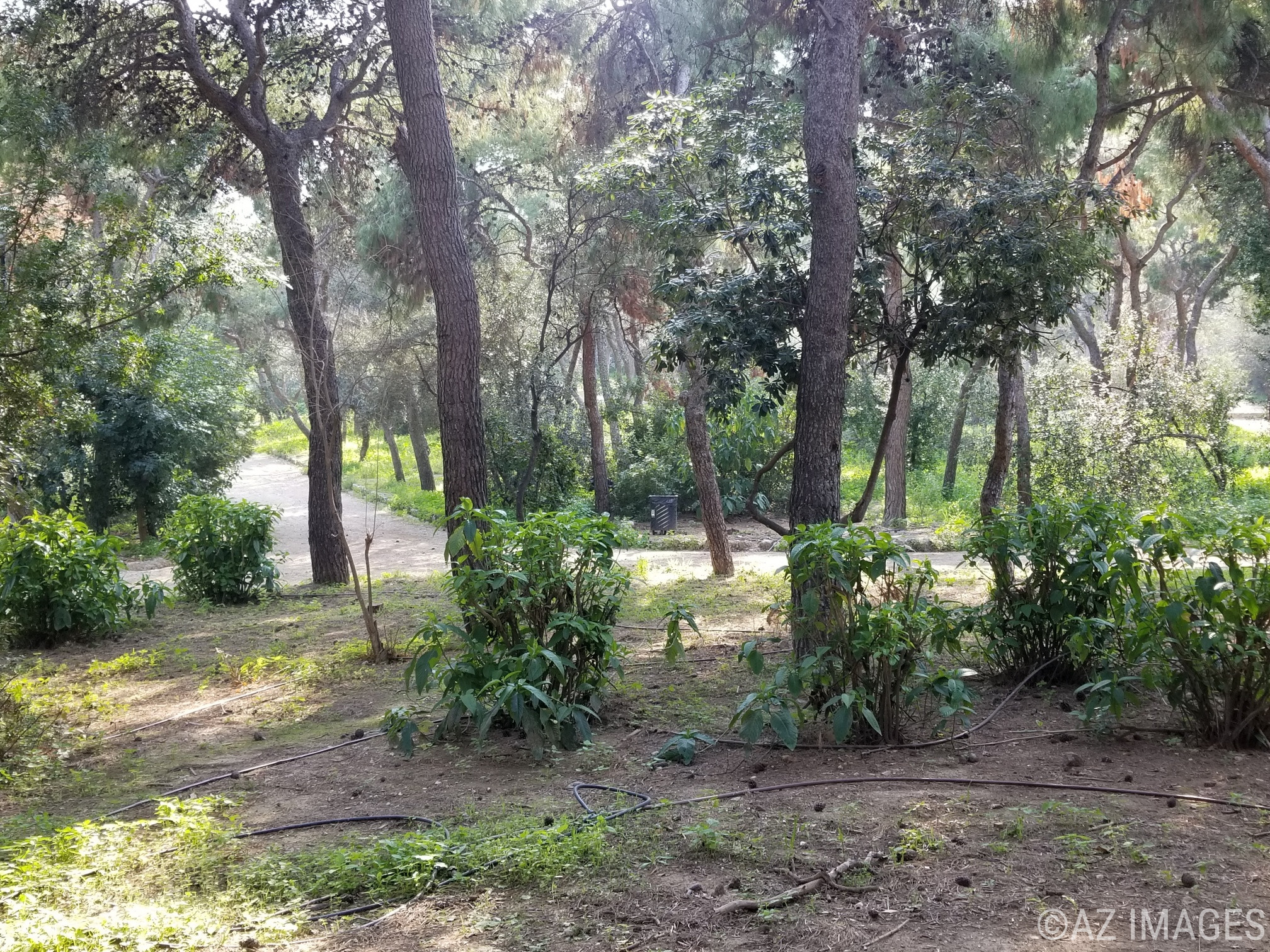
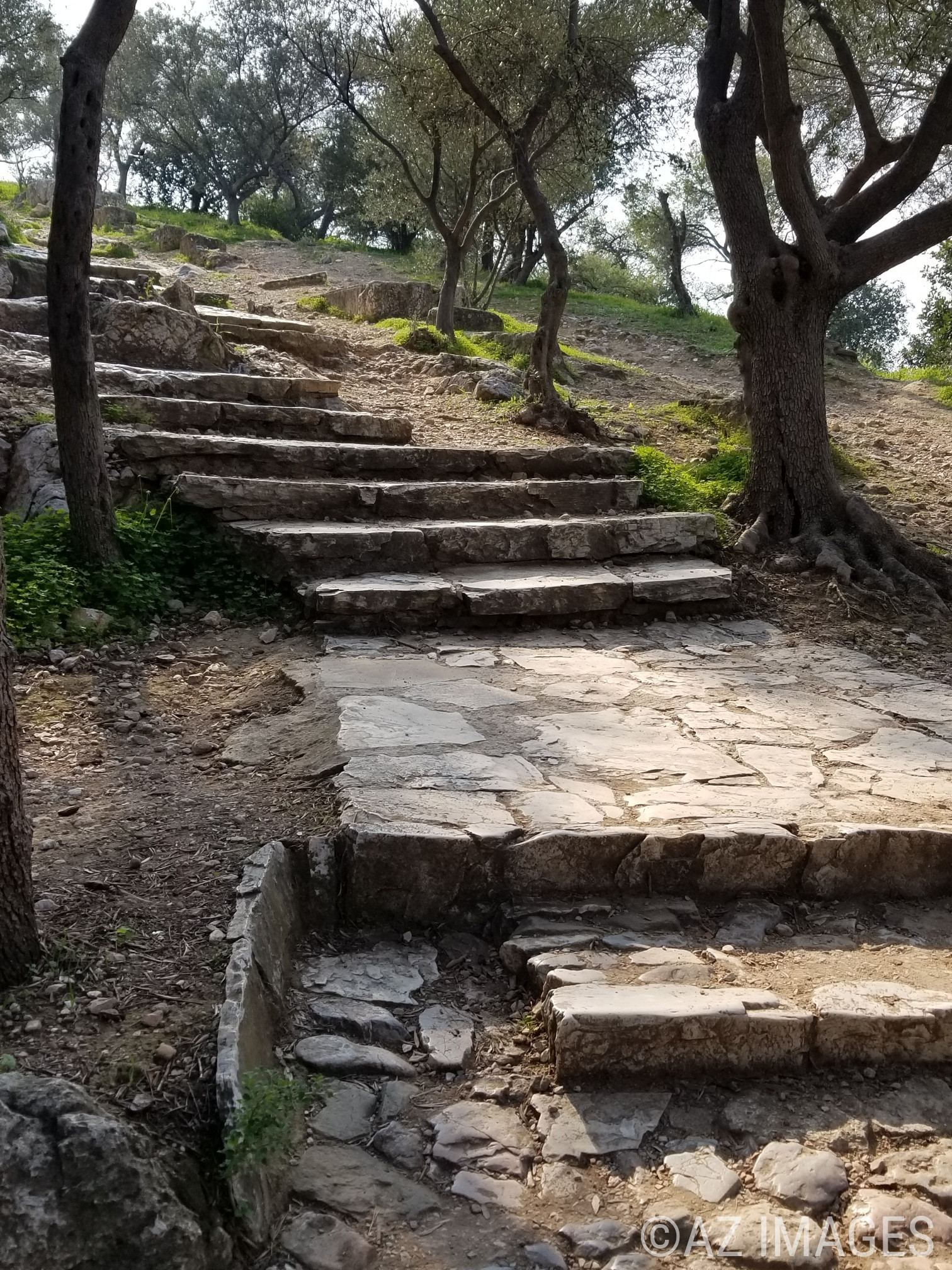

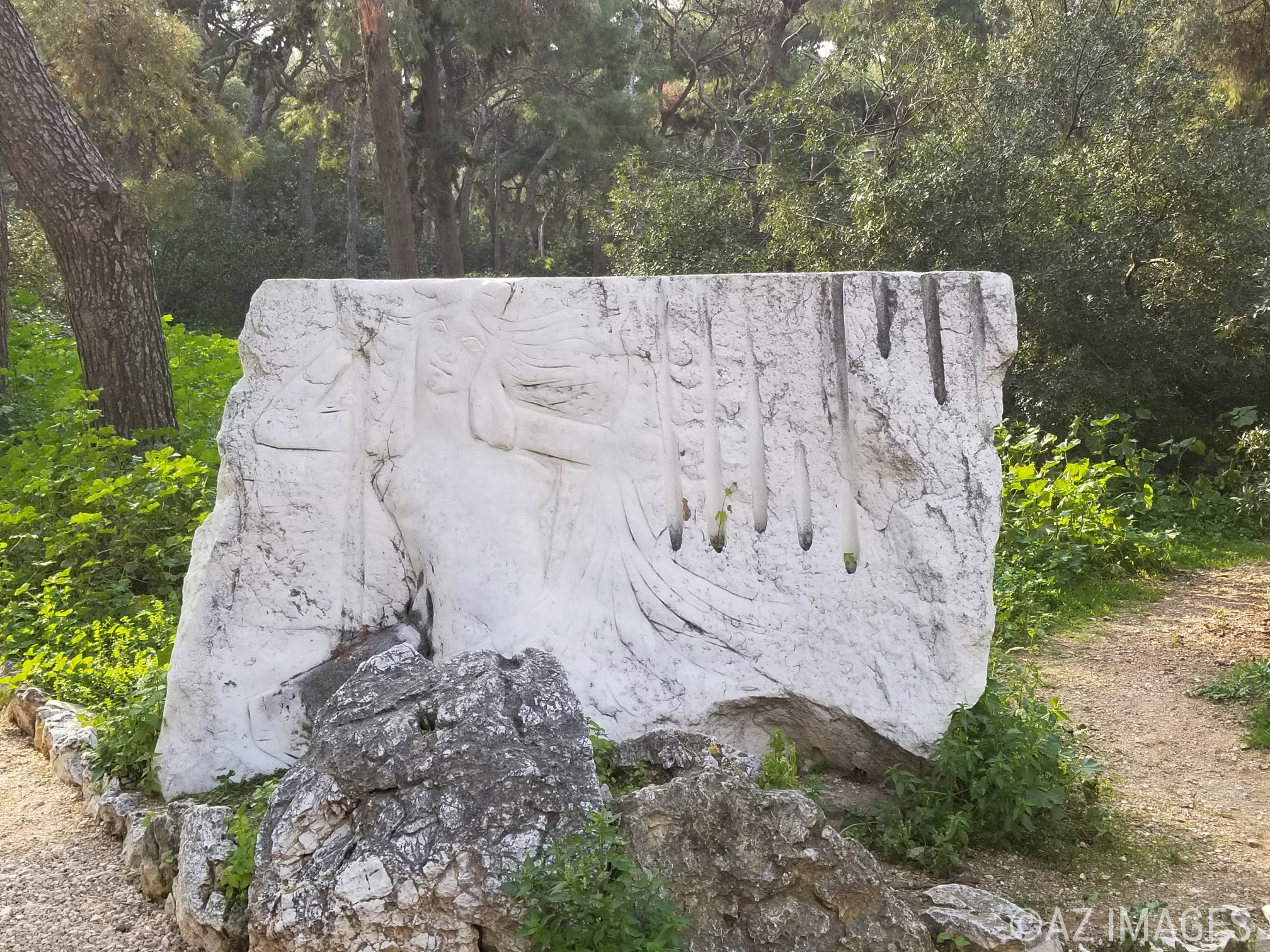

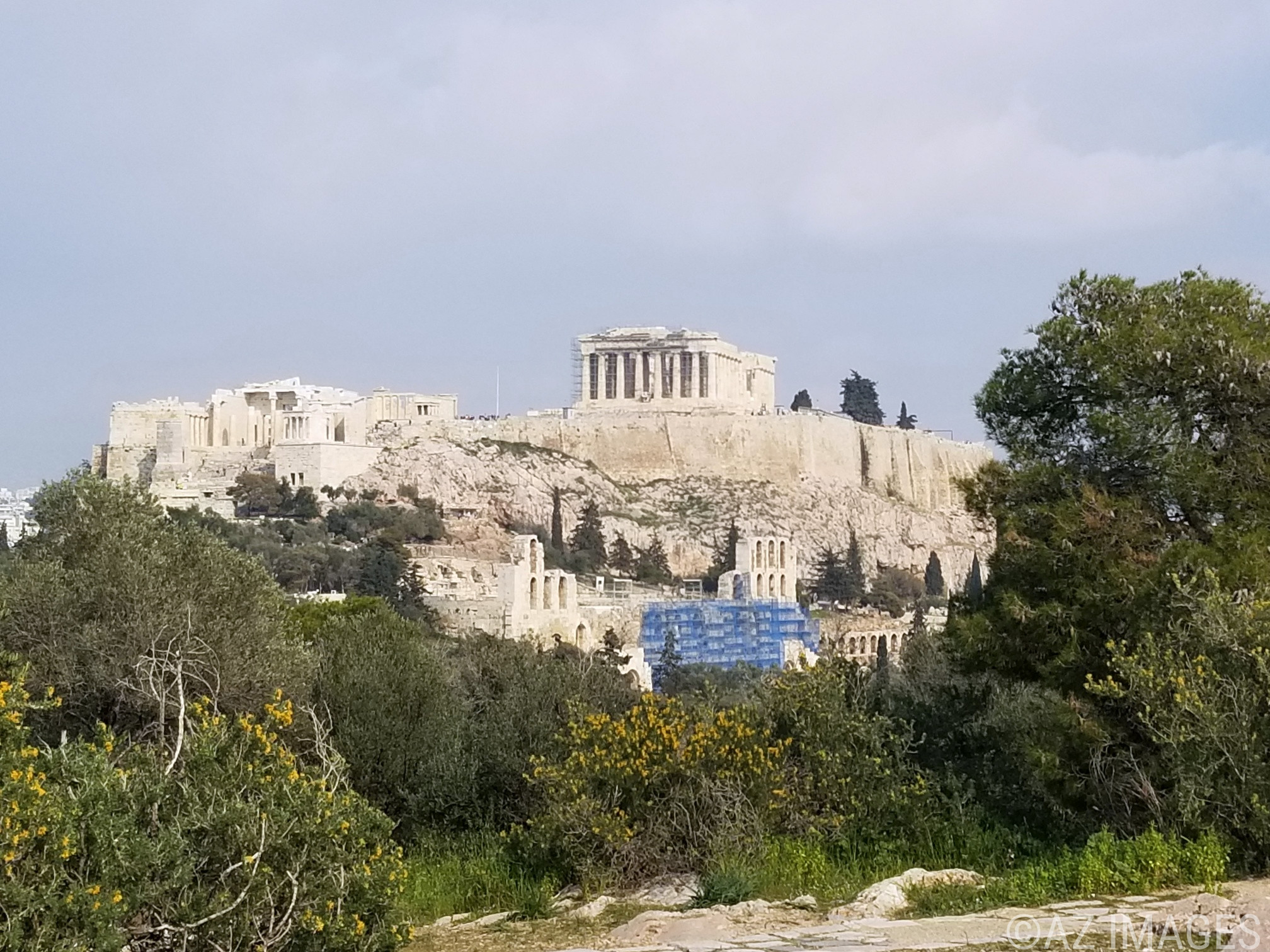
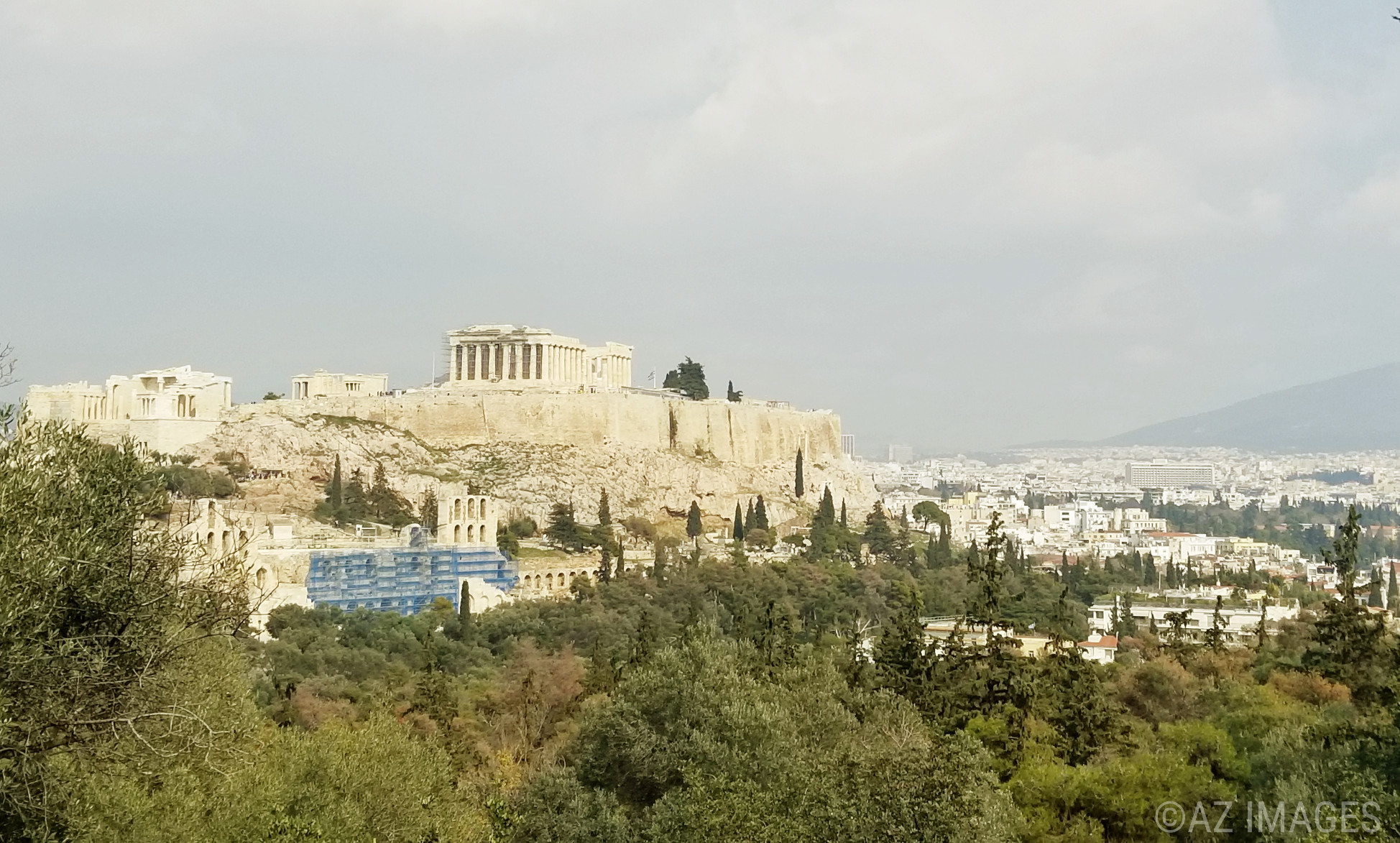
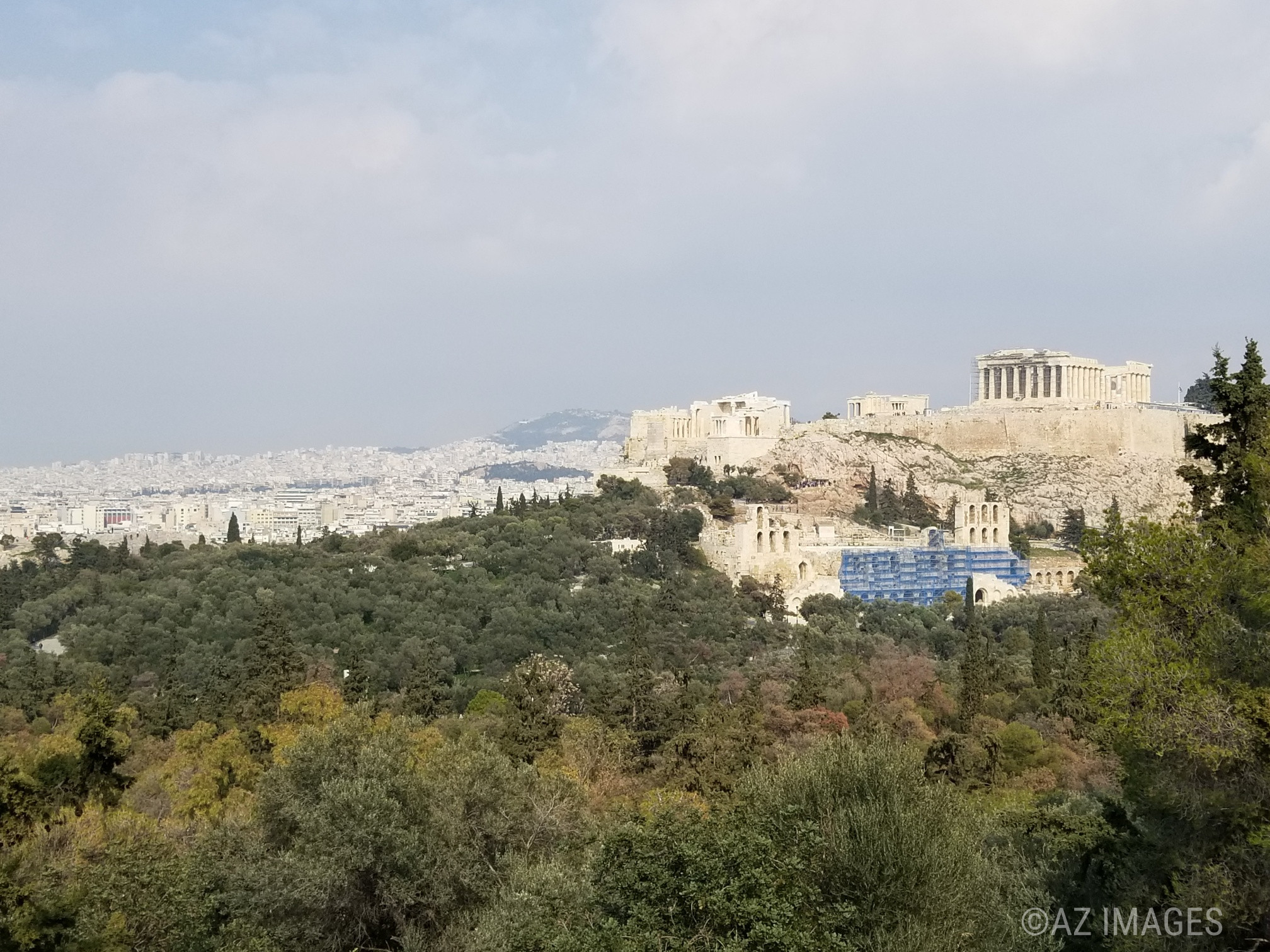
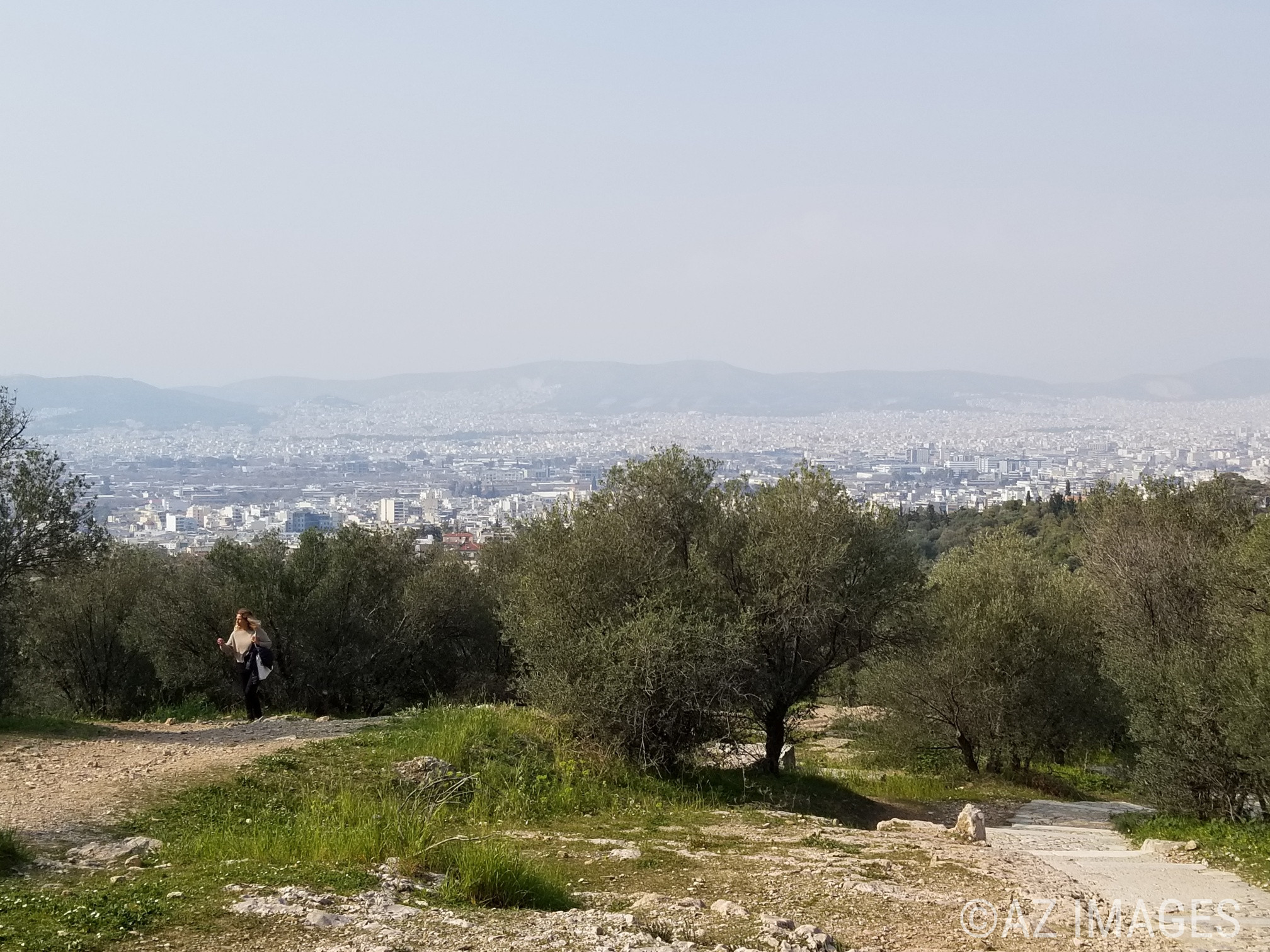

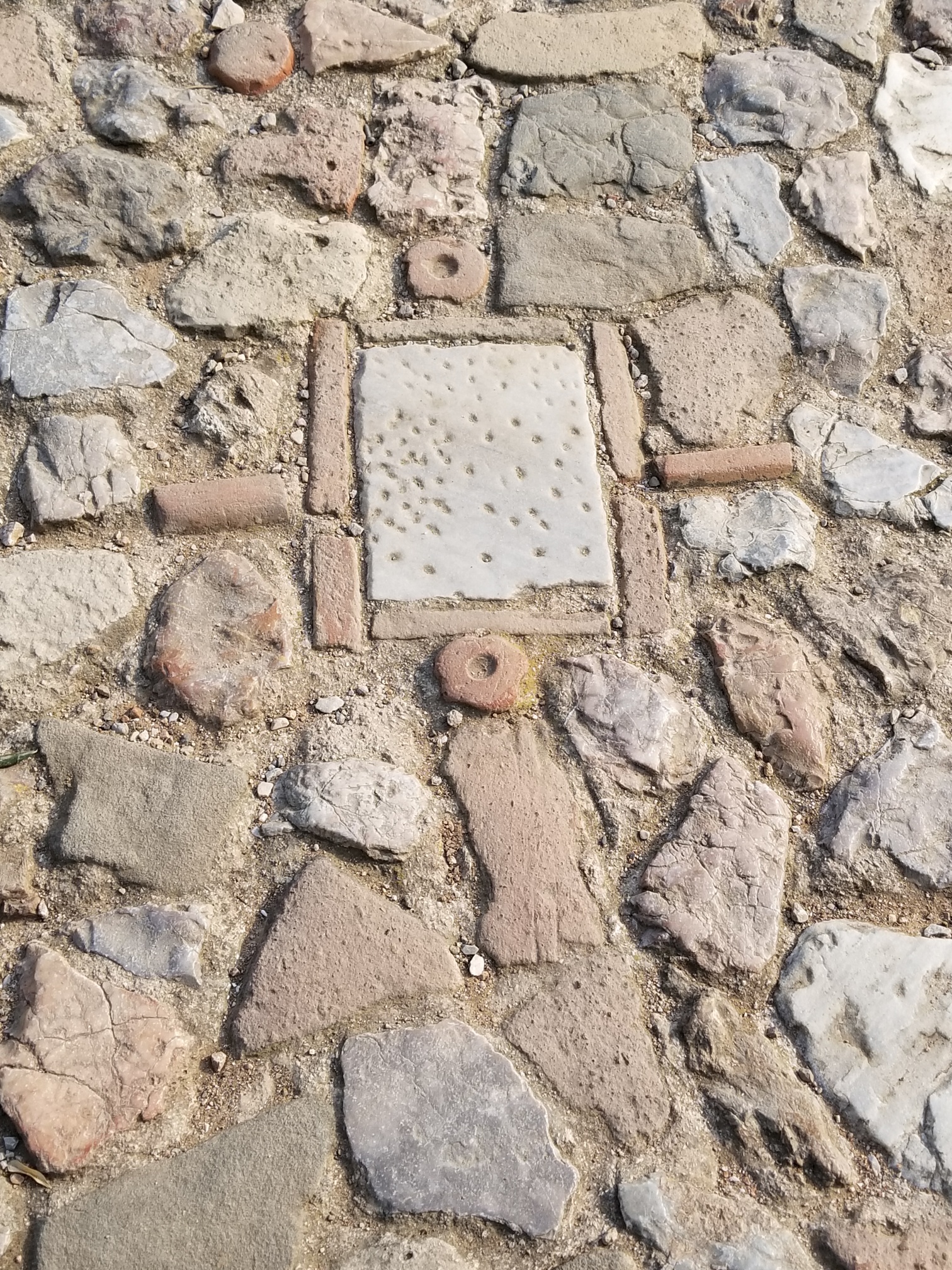
On the way up the Philopappos Hill on a semi-cloudy day in February in Athens.
Dionysos Areopagitou road, near the Acropolis station, is the most beautiful and historically significant road in Athens. It is about 830 meters with so much to see and explore. The Acropolis museum and Parthenon temple can all be found on the cobble stone street.
The street was named in 1884. It was named after the Athenian parliament member Dionysos, who along with his wife were one of the first to convert to Chritianity after Apostole Paul visited Athens in the year 50 A.D. He was Bishop of the city of Athens and was canonized after his martyrdom, by fire, during the reign of Domitian. He is the patron saint of the city and patron of the judiciary and his memory is celebrated on October 3rd.
Then there is a hike up to the Philopappos Hill which offers exquiste views of the city as well as the Acropolis.
 My Creative Wayz