The site of Aesculapius at Epidaurus in Peloponnese was the most important healing center in the ancient Greek and Roman world. The site’s beautiful nature and the therapeutic springs attracted many people from afar and were thought be helpful in healing the patients of their ailments. There were many temples that were considered masterpieces and where medicine was practiced. One of the temples was dedicated to Artemis, the goddess of the hunt, and another was dedicated to Aesclipius, the Greek god of medicine. The temples since that time have been devastated by many earthquakes and invaders so like Ancient Olympia there are only a few columns still standing. However, the ancient Epidaurus theatre just a few feet away and is in great condition, so it is still a great place to visit. I would have love to have seen how it was originally it must have been an incredible place to visit.
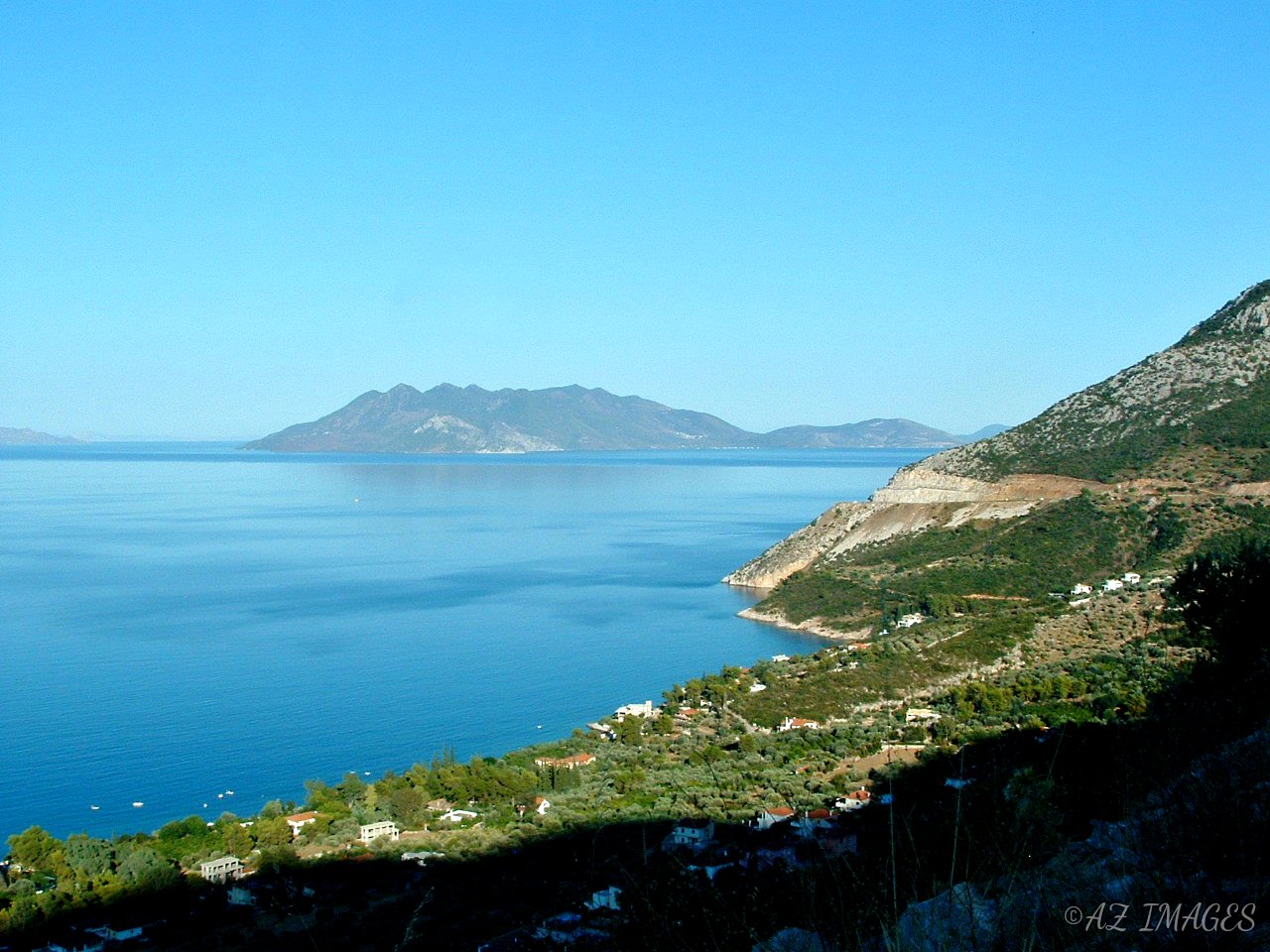
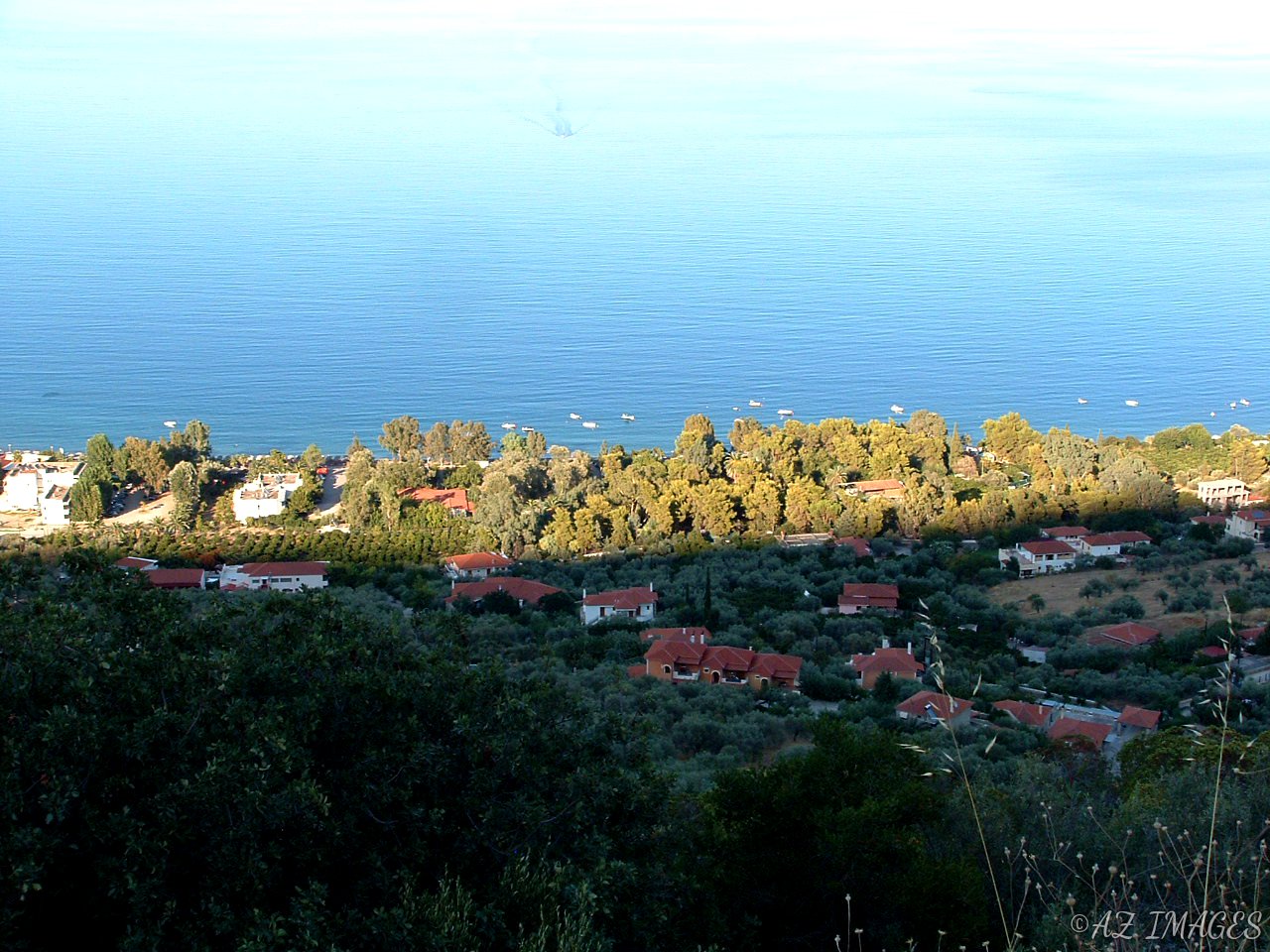
Serene Landscape/Γαληνιο Τοπιο
The Magic of Epidaurus/Η Μαγεια της Επιδαυρου
It was my first time at Epidaurus theatre, and I was awe-struck by this massive theatre that seats up to 13,000 people. It was built in 350 B.C by Polykleitos and it was dedicated to Asclepius the god of healing and t is the best preserved ancient theatre in Greece. It’s in an isolated region of the country side of Argolid for good reason. This place was a sanctuary for the sick from all over who arrived here to get closer to nature and to be healed by the natural surroundings. They stayed at the nearby temples just few metres from the theatre where they could exercise, relax and consult the priests. The reason for the theatre being here was because it was thought that the sick people would be healed by watching the tragedies as it would be a very cathartic and therapeutic experience for them. Also, the theatre is famous for its great acoustics and many tourists like to stand in the middle of the stage and clap or talk loud. The noise can be heard all the up to the last row of seats. Ancient theatre is still performed here and many famous actors and actresses have performed at this sacred spot.
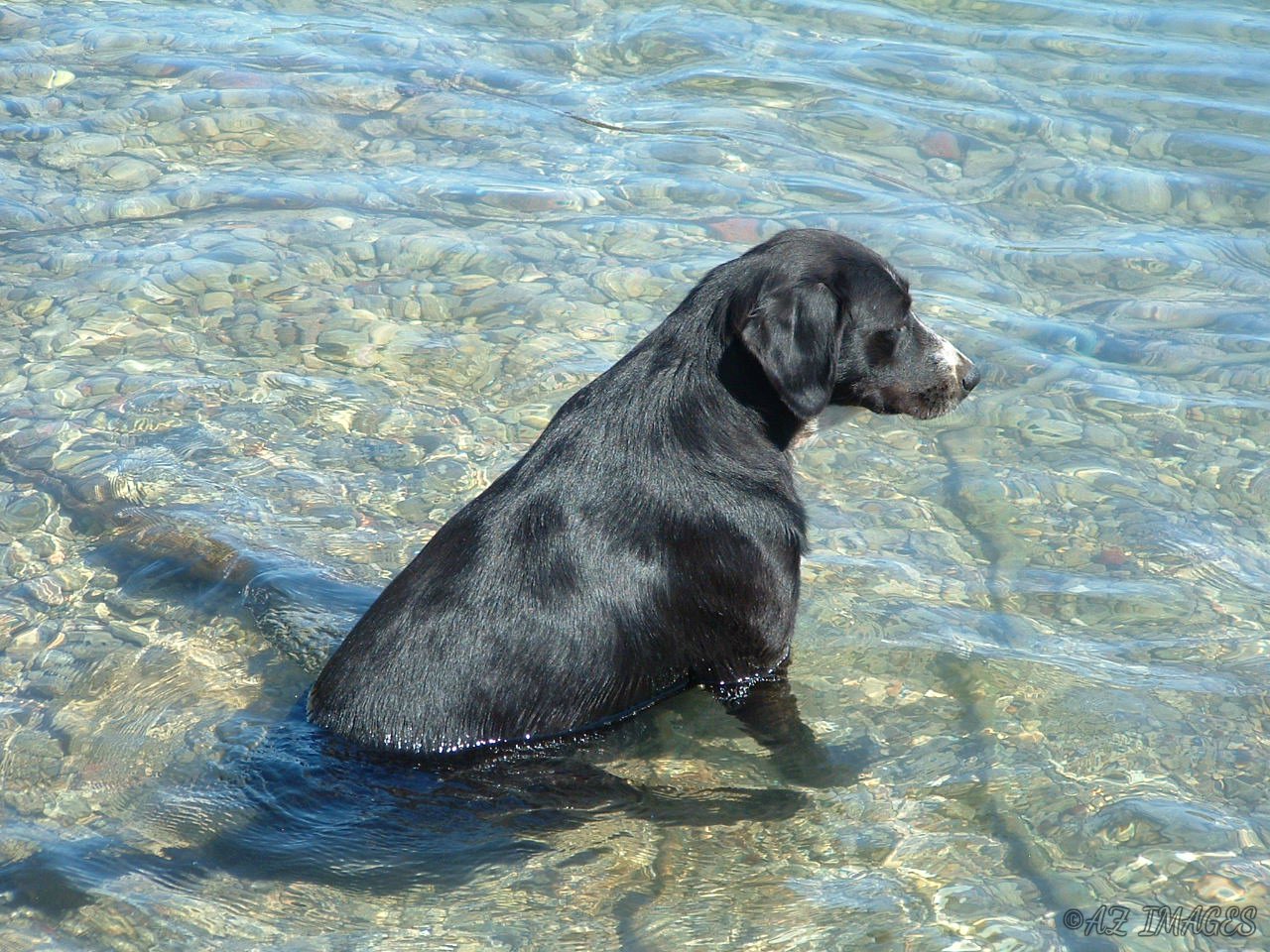
Cooling Off/ Δροσιζομαι
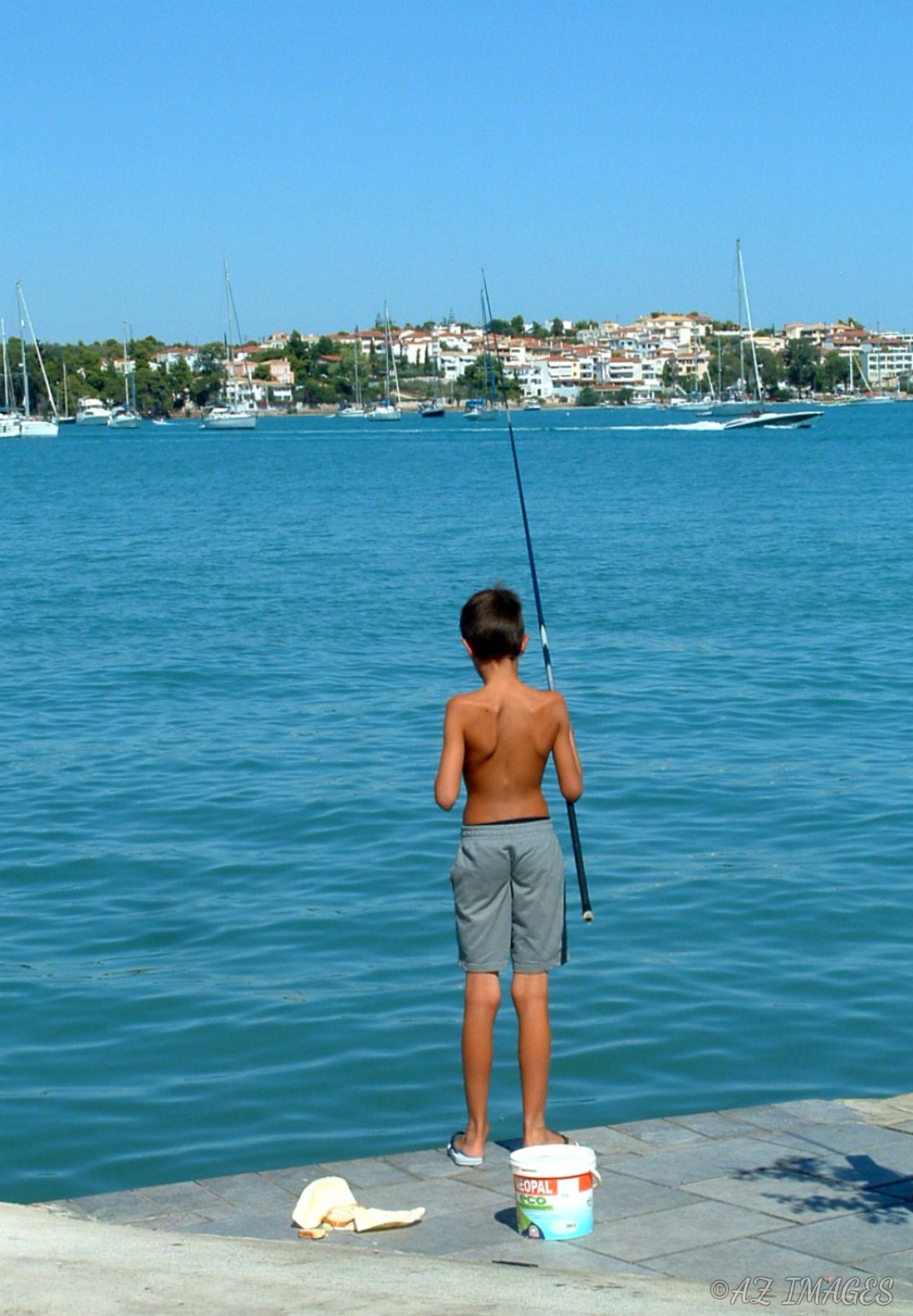
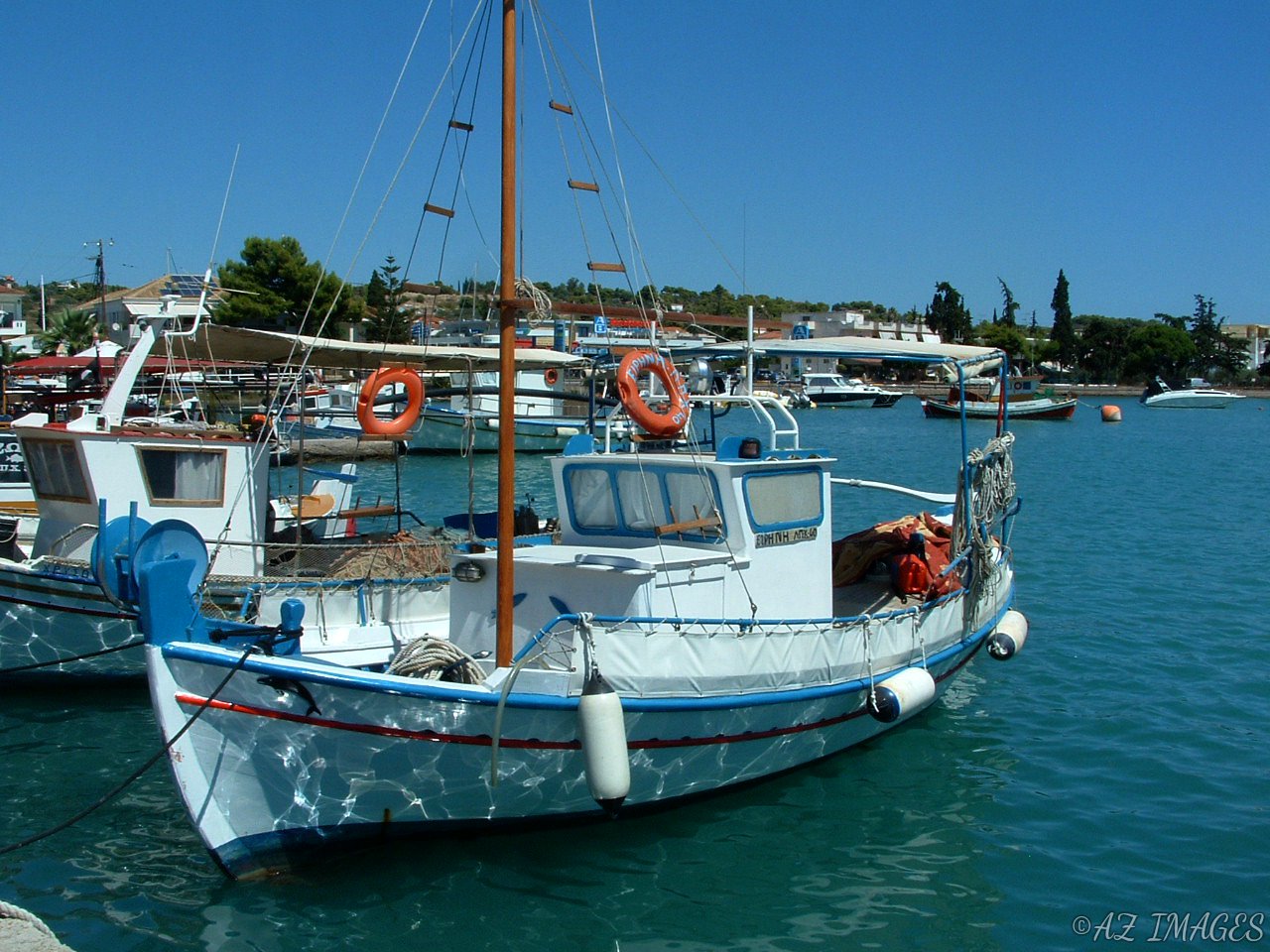
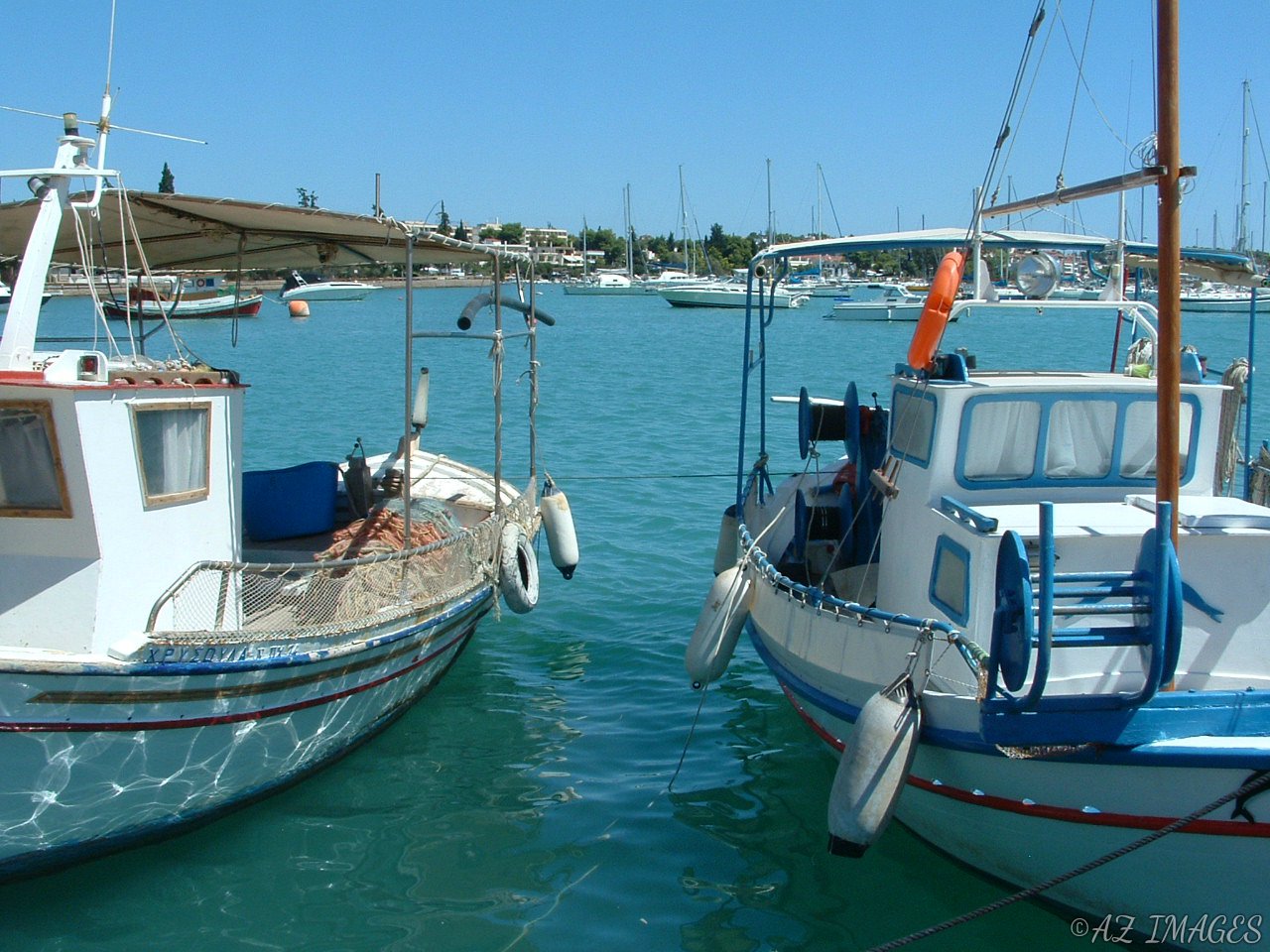
Gone Fishing/Έφυγε Για Ψάρεμα
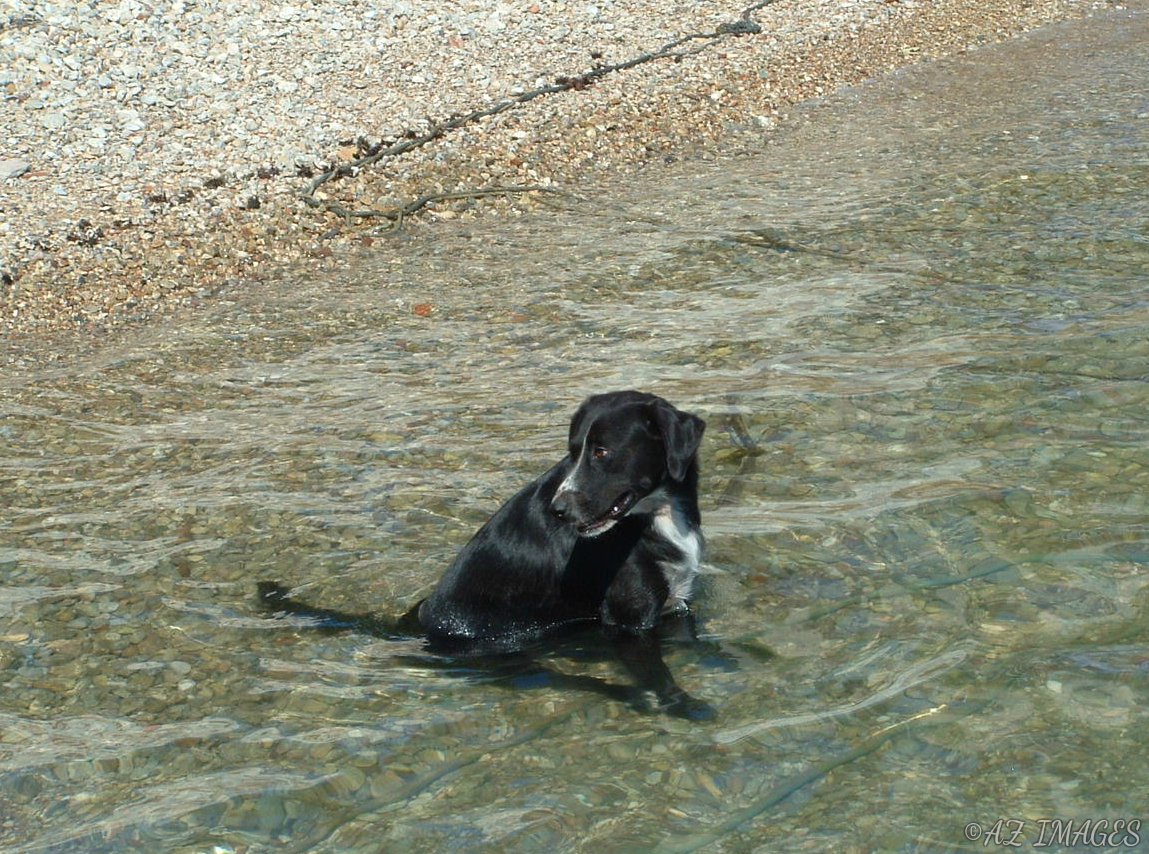
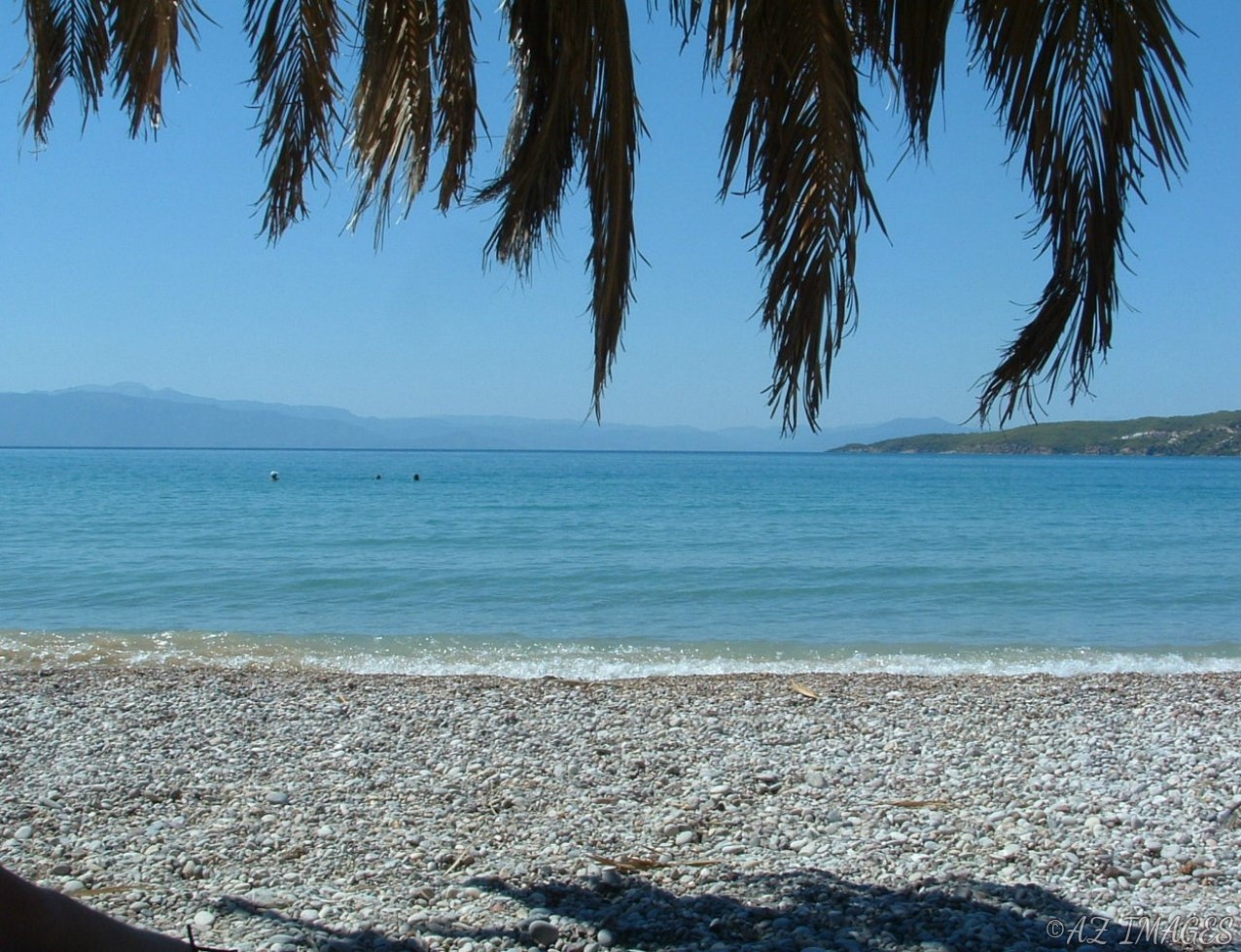
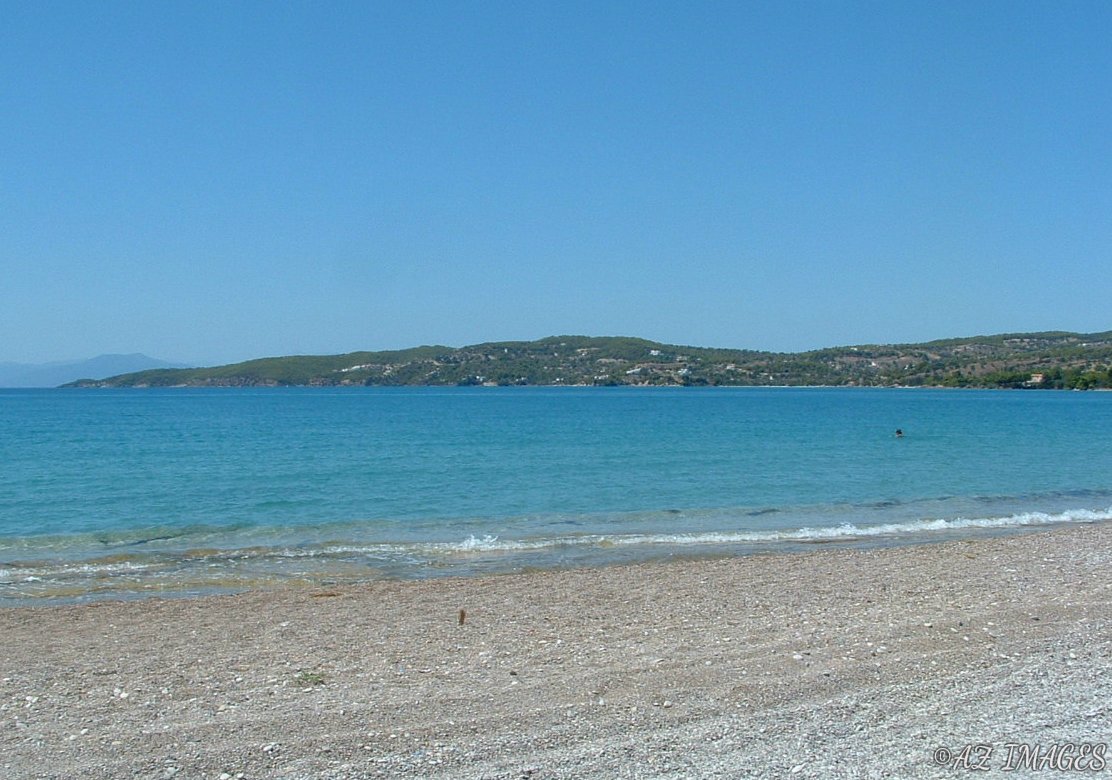
By The Beach/Διπλα στην Παραλια
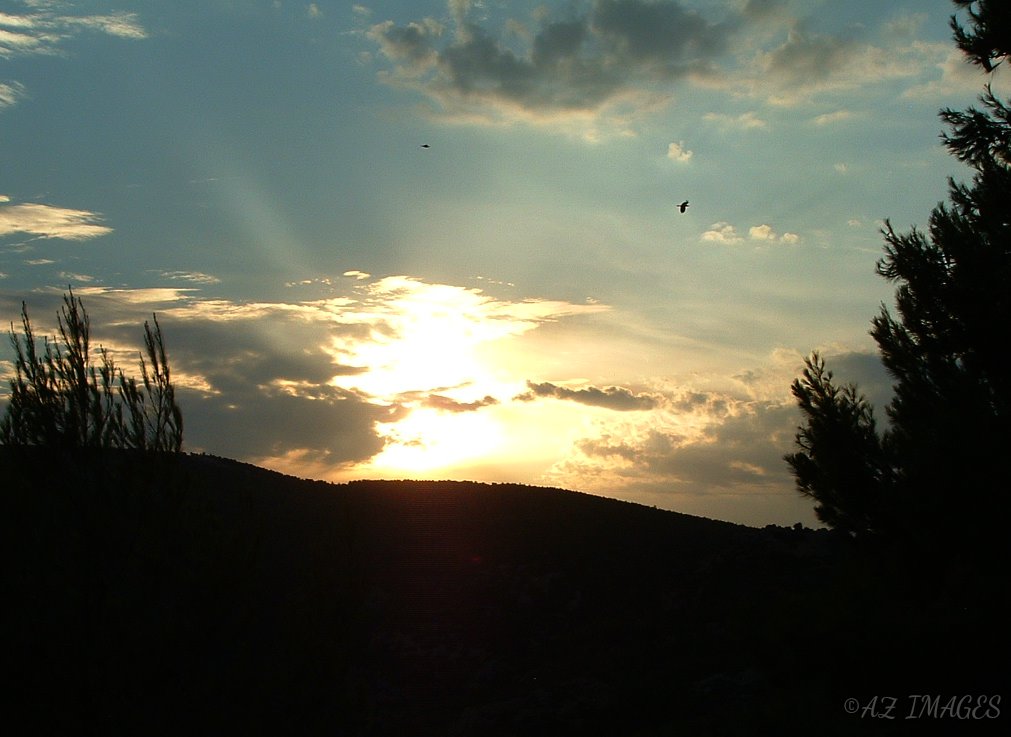
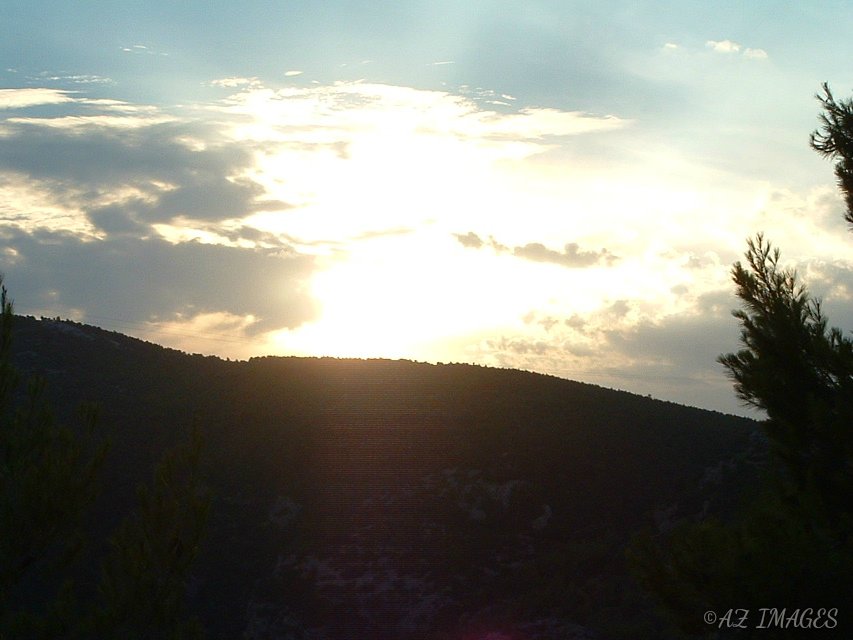
Find The Sunset/Βρειτε Το Ηλιοβασιλεμα
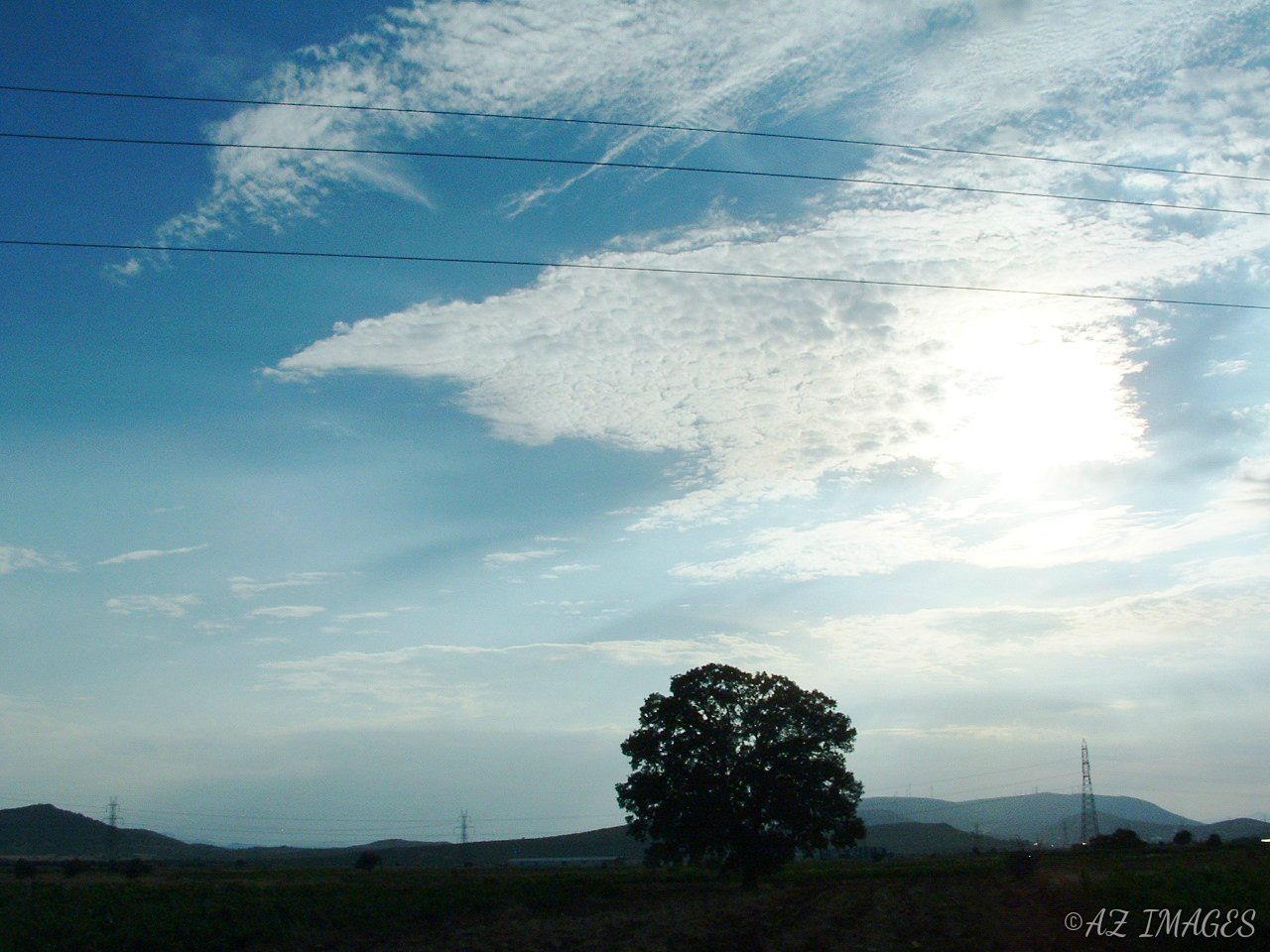
Big Sky/Tεραστιο Oυρανο
“The artist is a receptacle for emotions that come from all over the place: from the sky, from the earth, from a scrap of paper, from a passing shape, from a spider’s web.”- Pablo Picasso
“Ο καλλιτέχνης είναι ένα δοχείο για τα συναισθήματα που έρχονται από όλη τη χώρα: από τον ουρανό, από τη γη, από ένα κομμάτι χαρτιού, από ένα περαστικό σχήμα, από ιστό αράχνης.”-Πάμπλο Πικάσο
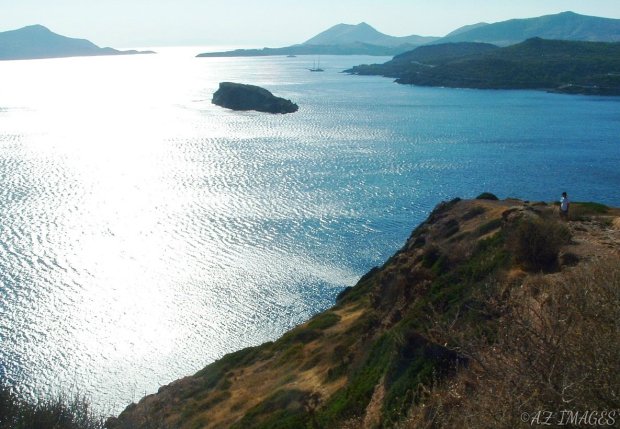
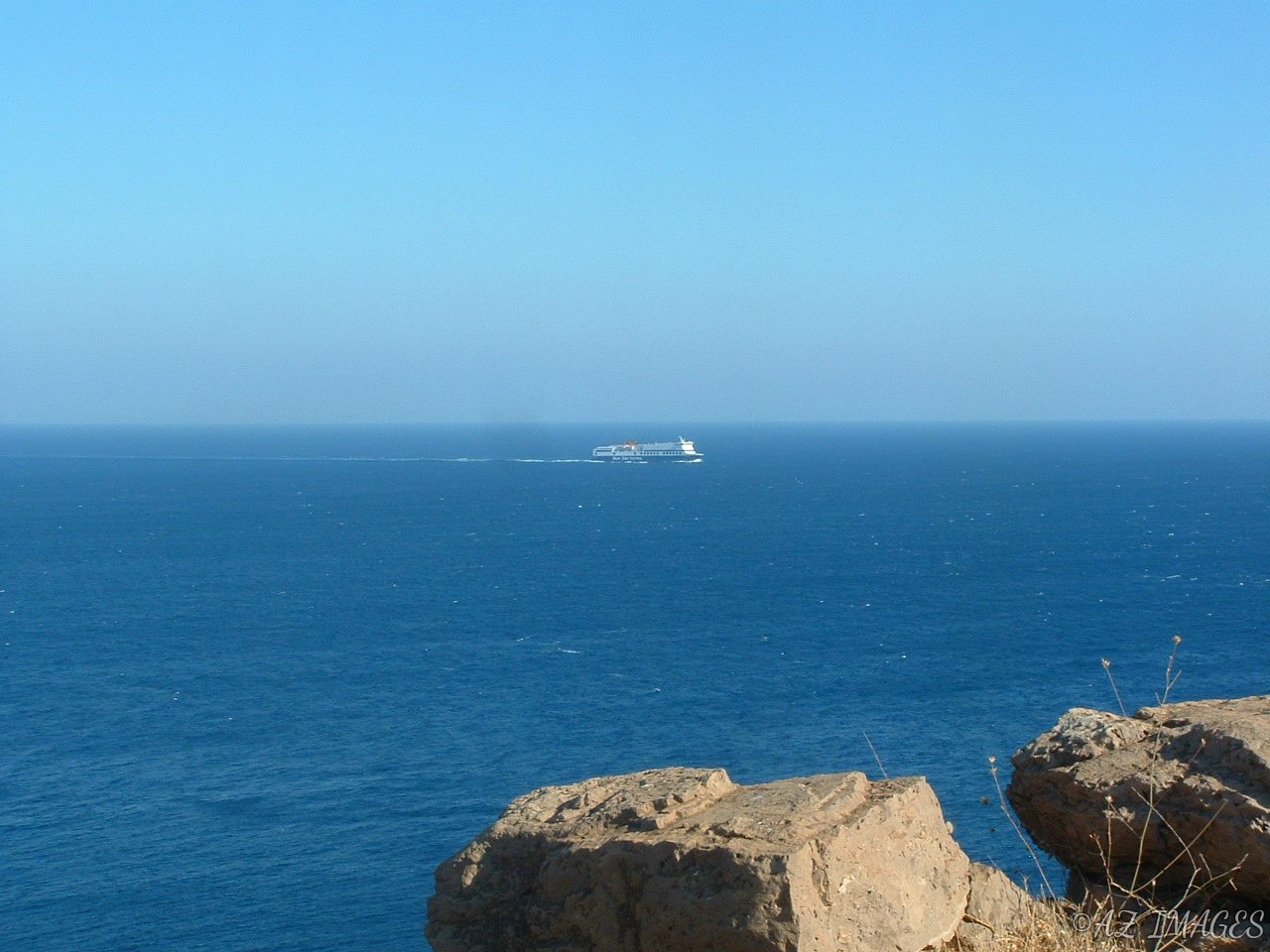
Endless Blue/ΑΠΕΡΑΝΤΟ ΓΑΛΑΖΙΟ
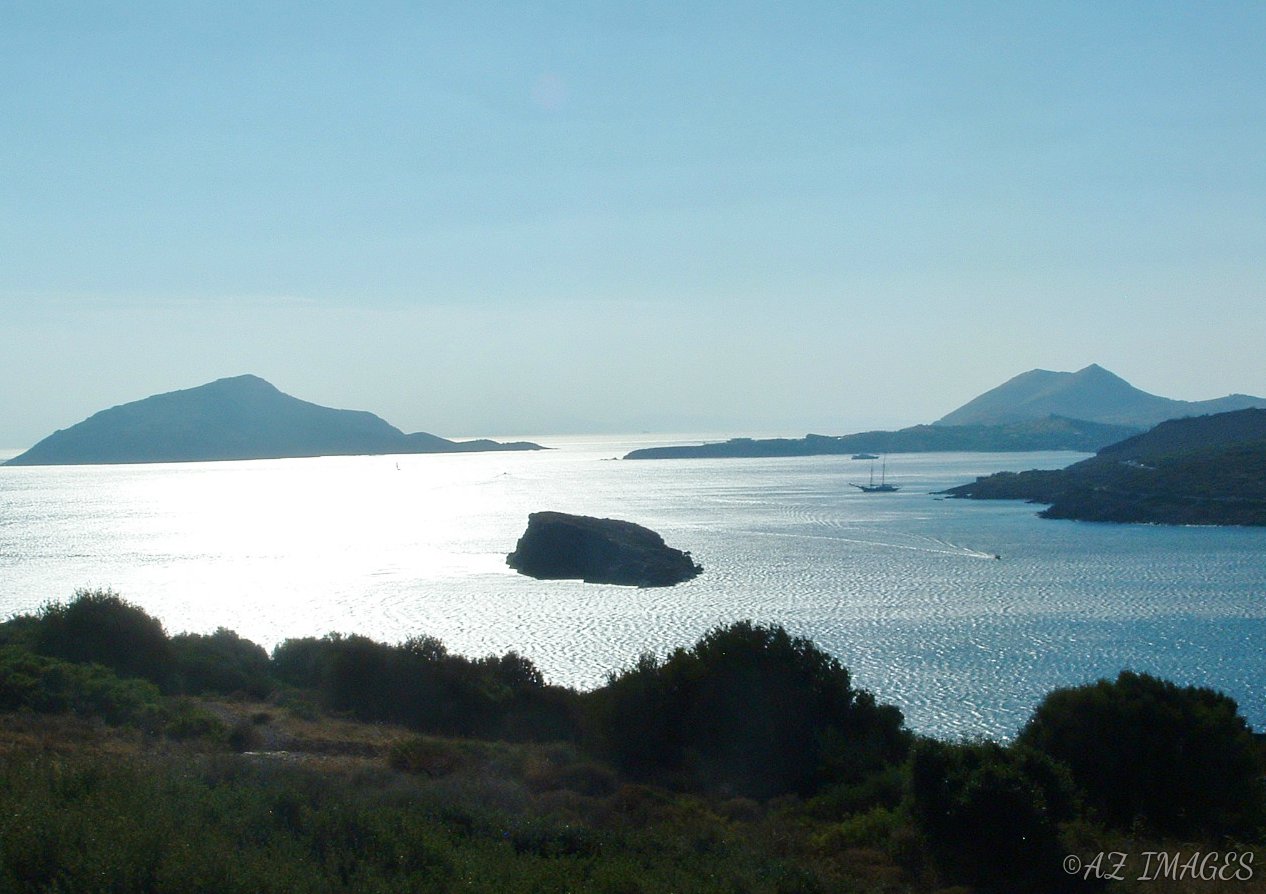
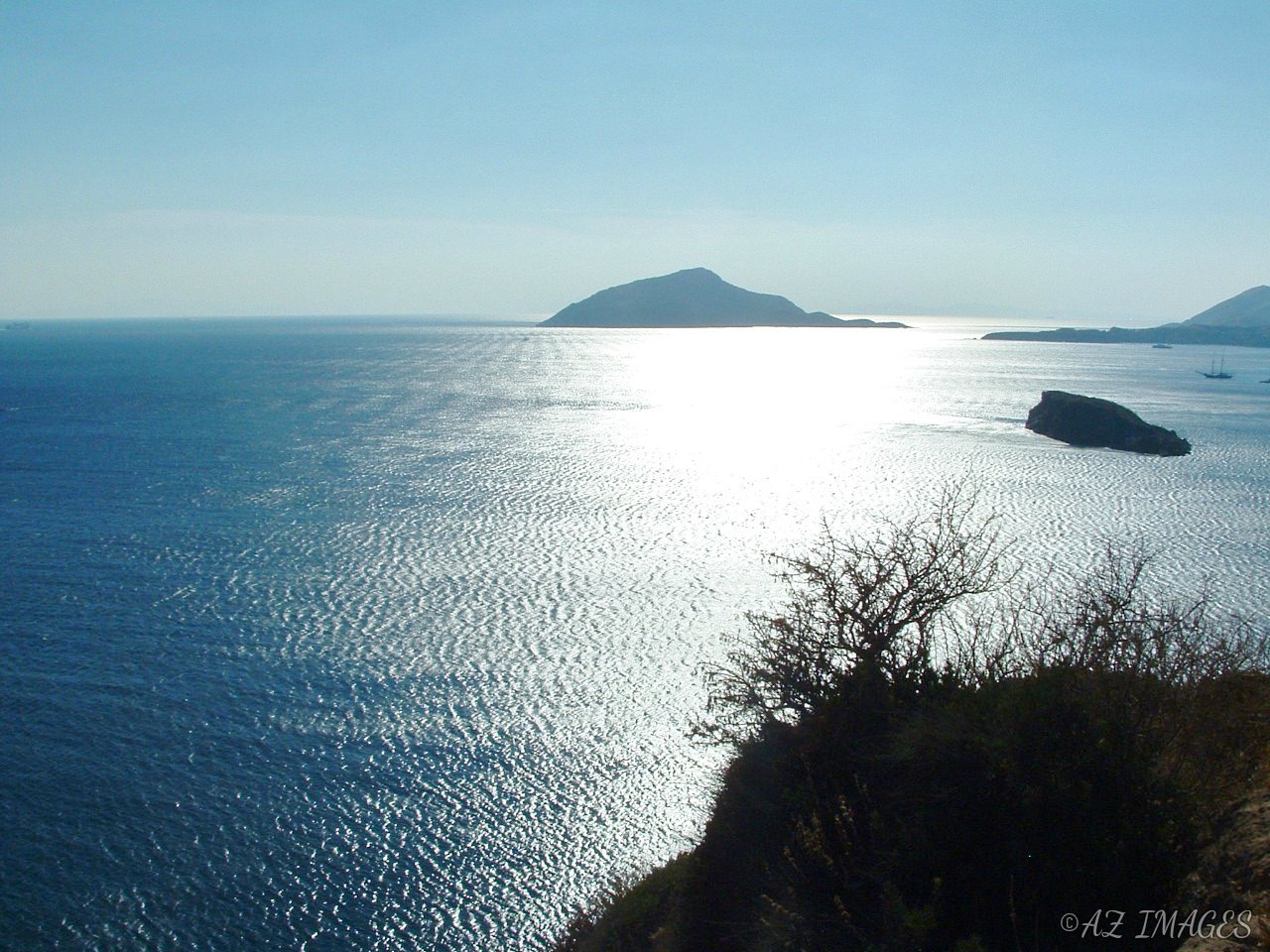
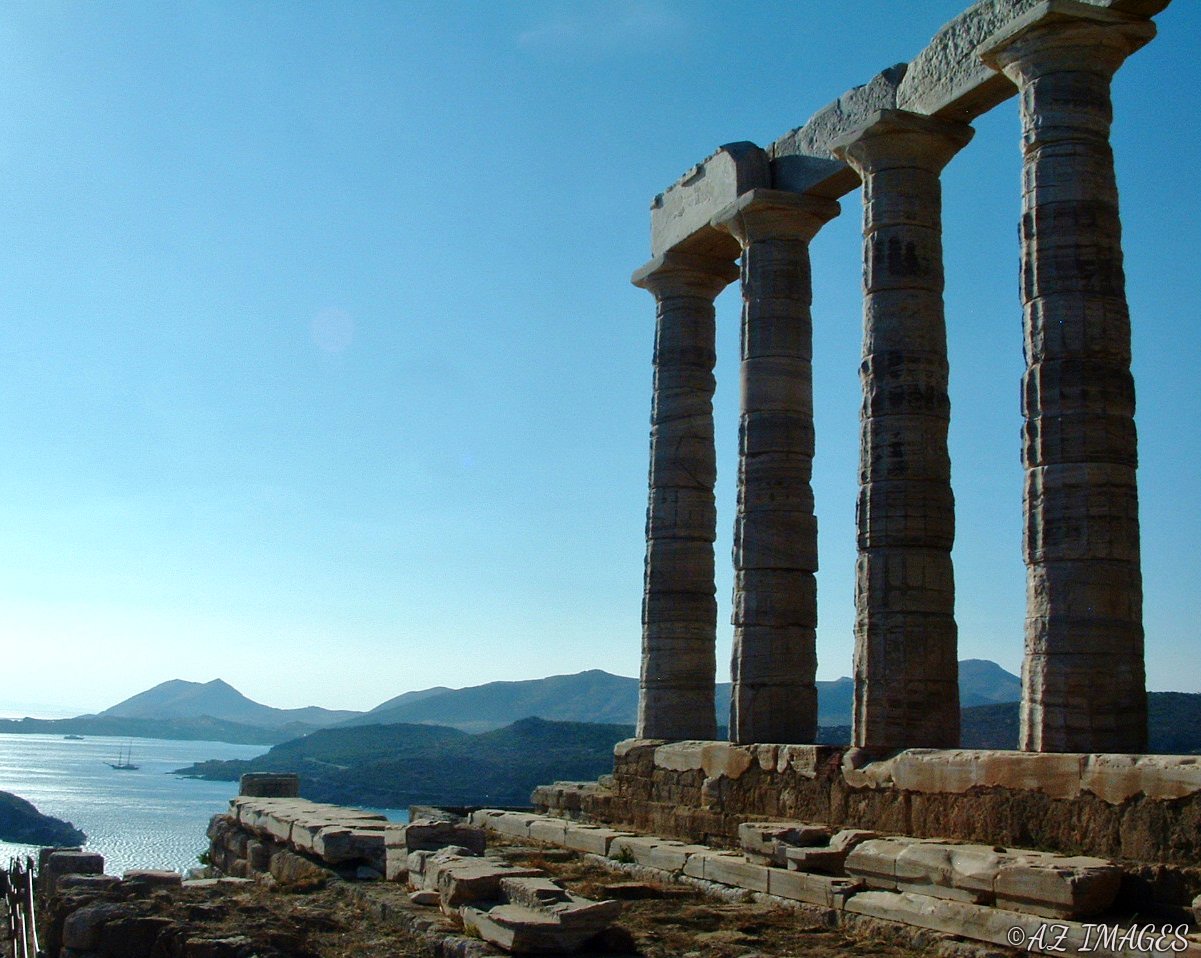
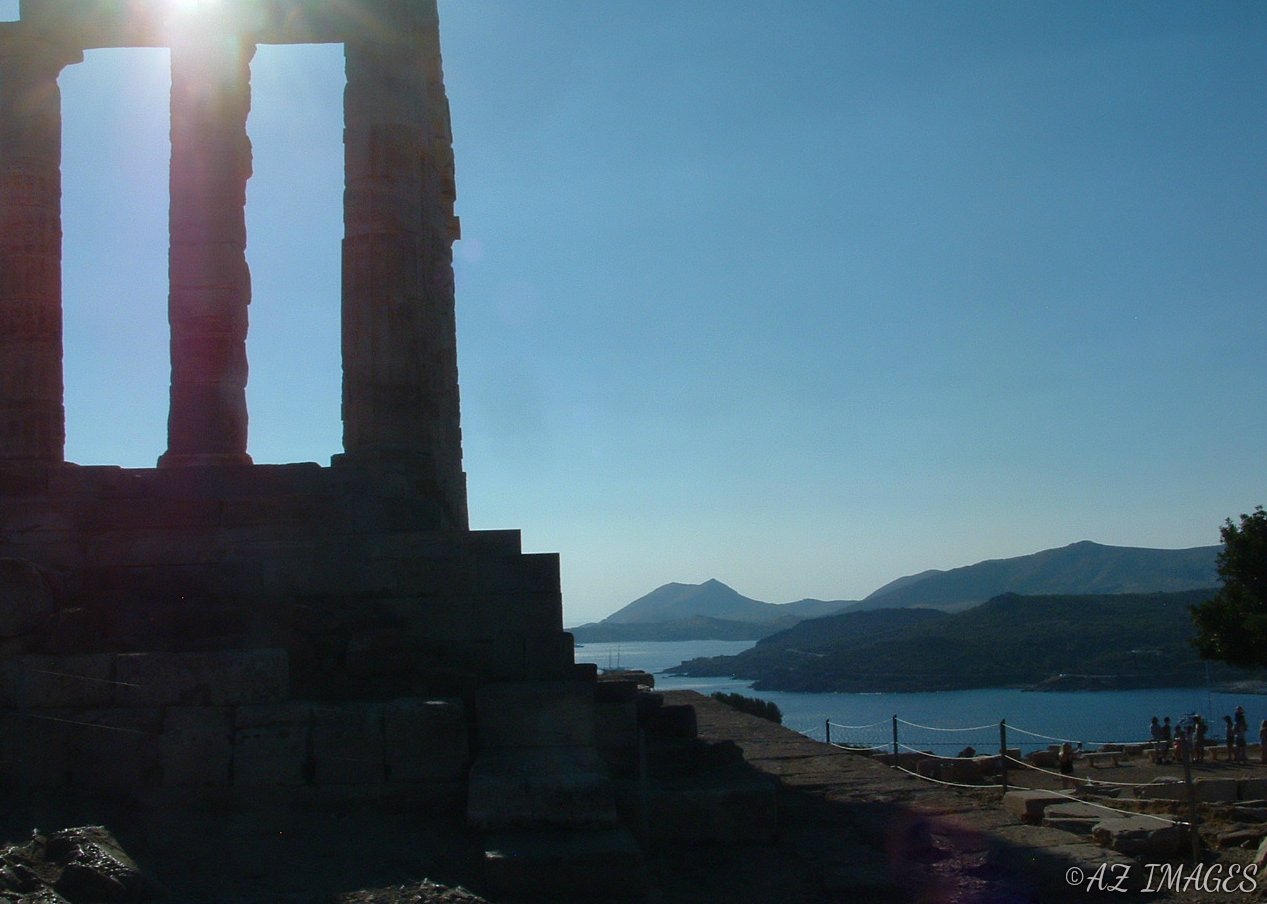
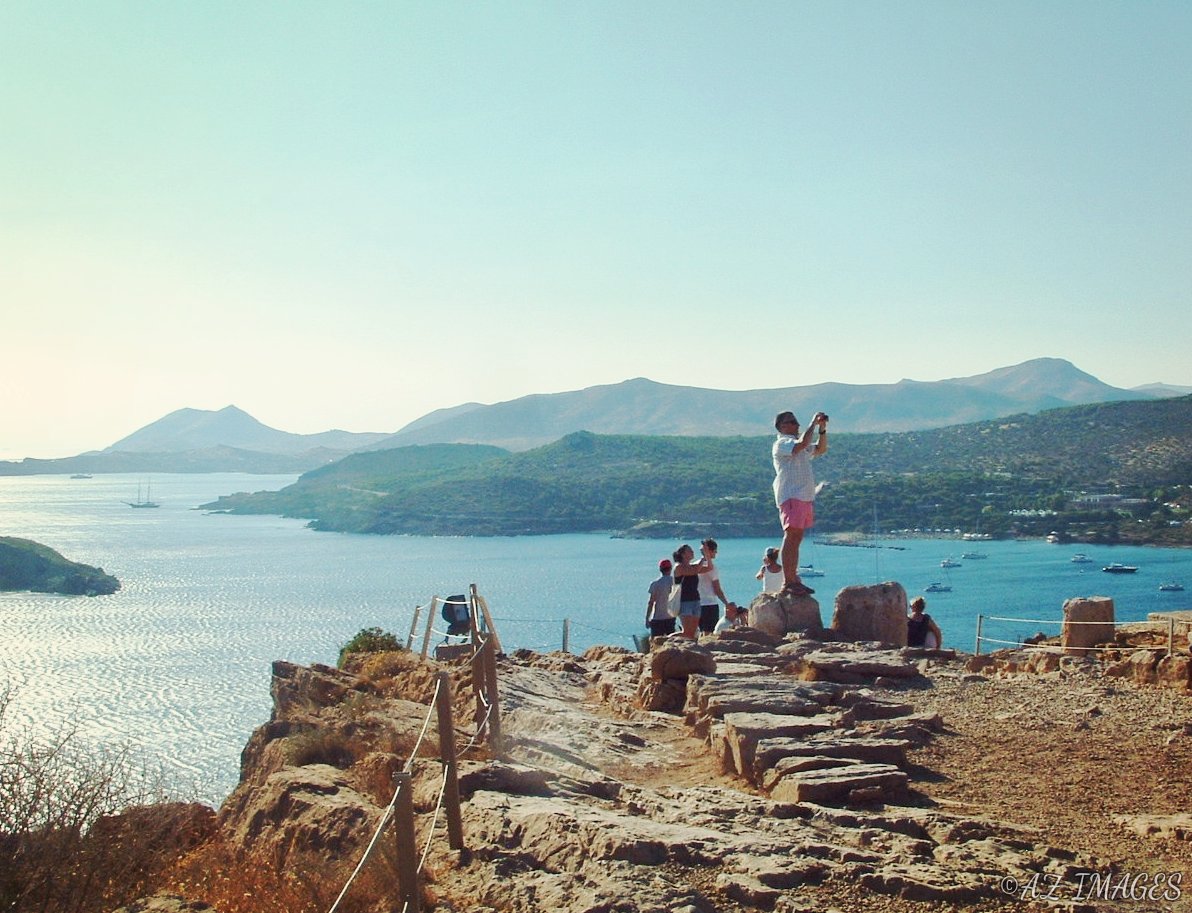
A beautiful and unforgettable view of the sea from Cape Sounio located southeast of Athens. According to myth, King Aegeus of Athens leapt off the cliffs and to his death in the sea below after wrongfully assumimg that his son was killed by the minotaur on the island of Crete. The Aegean sea was thereafter named in his honour.
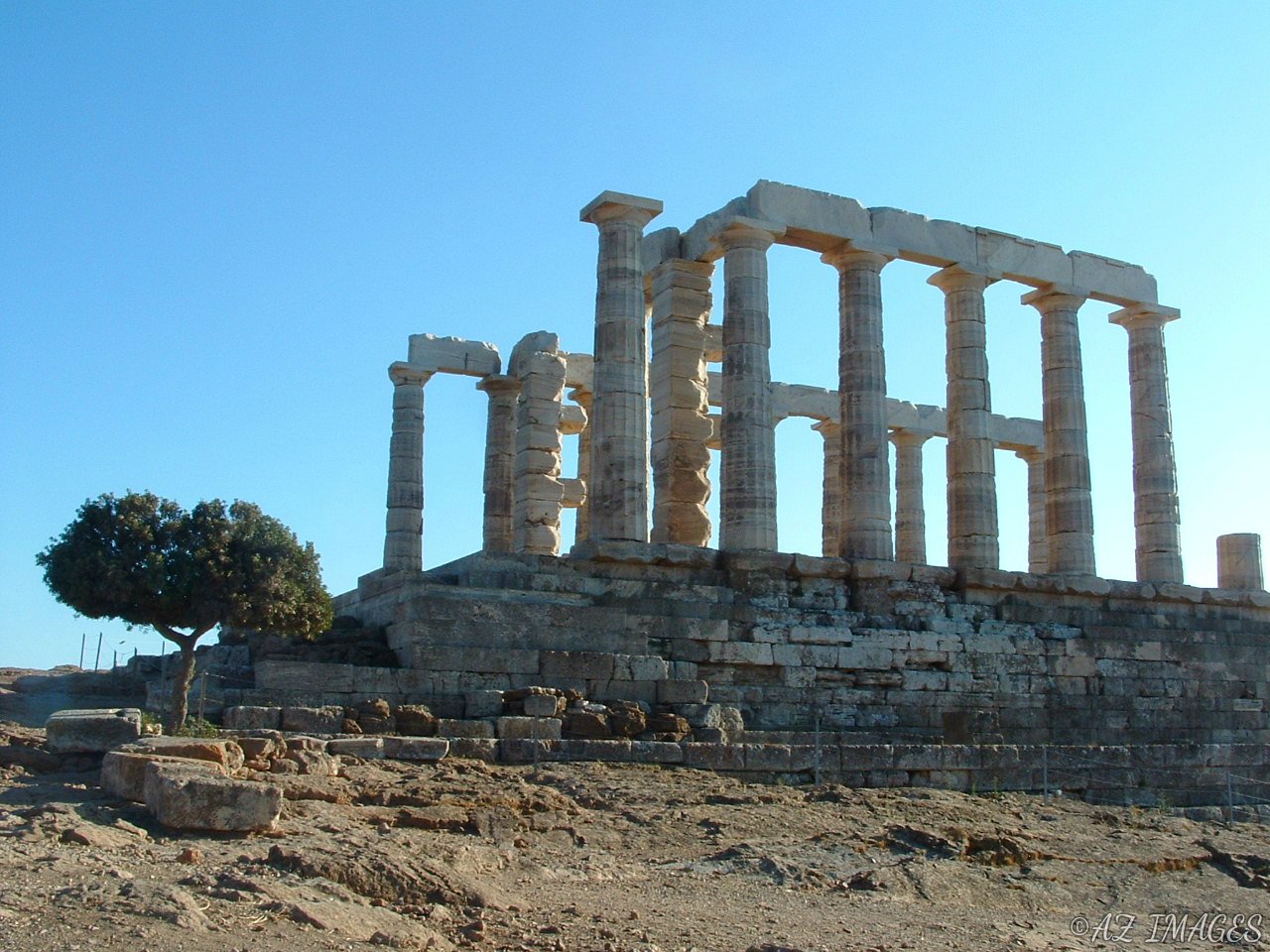
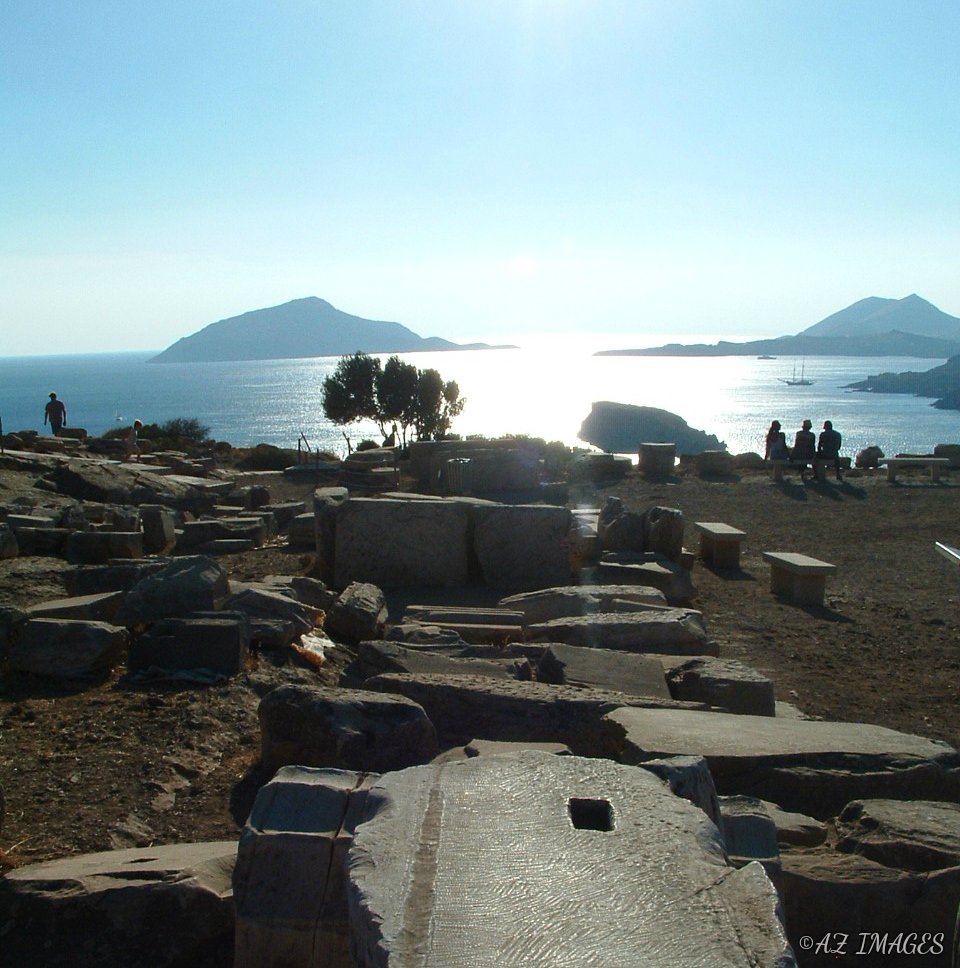
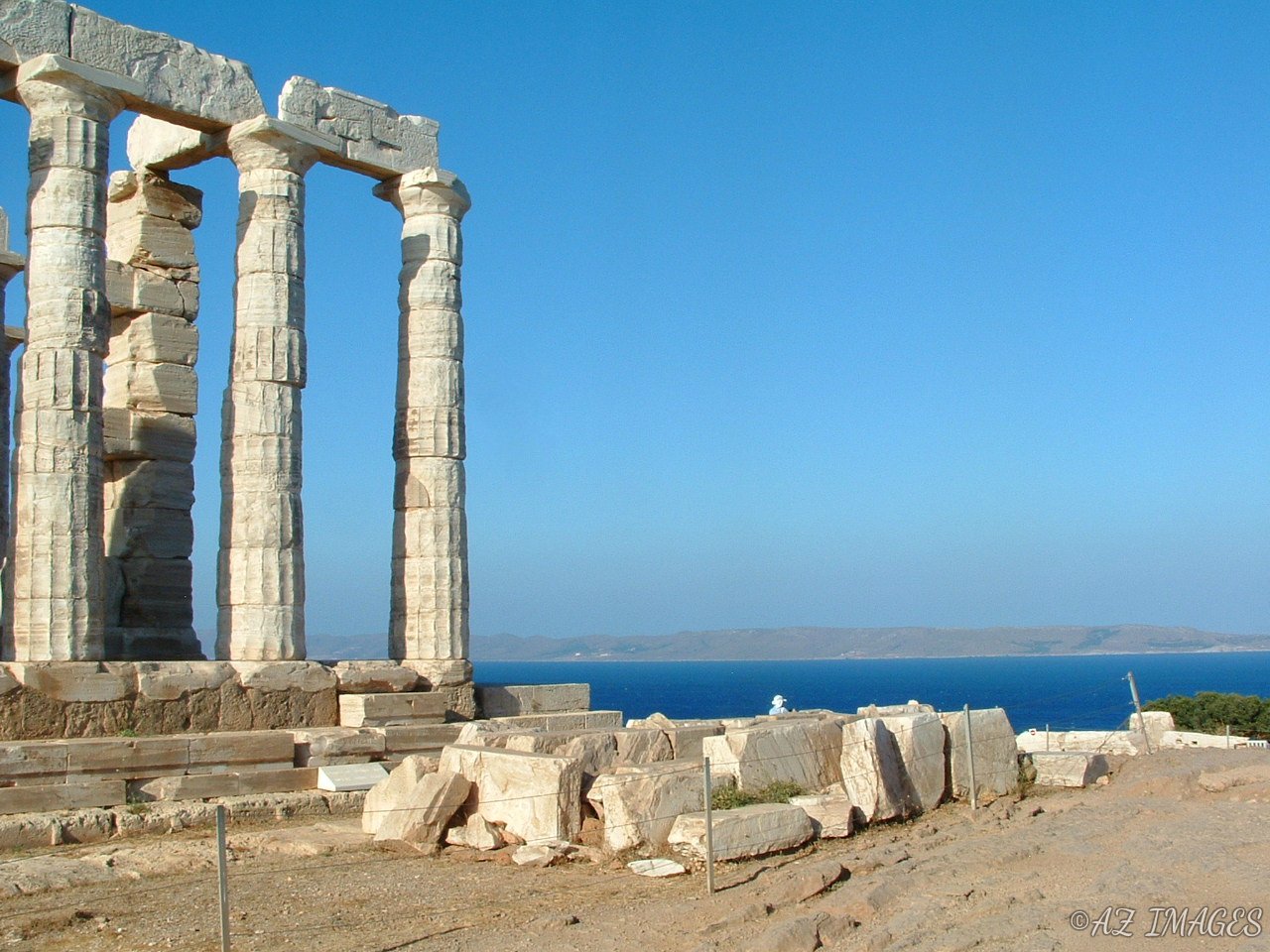
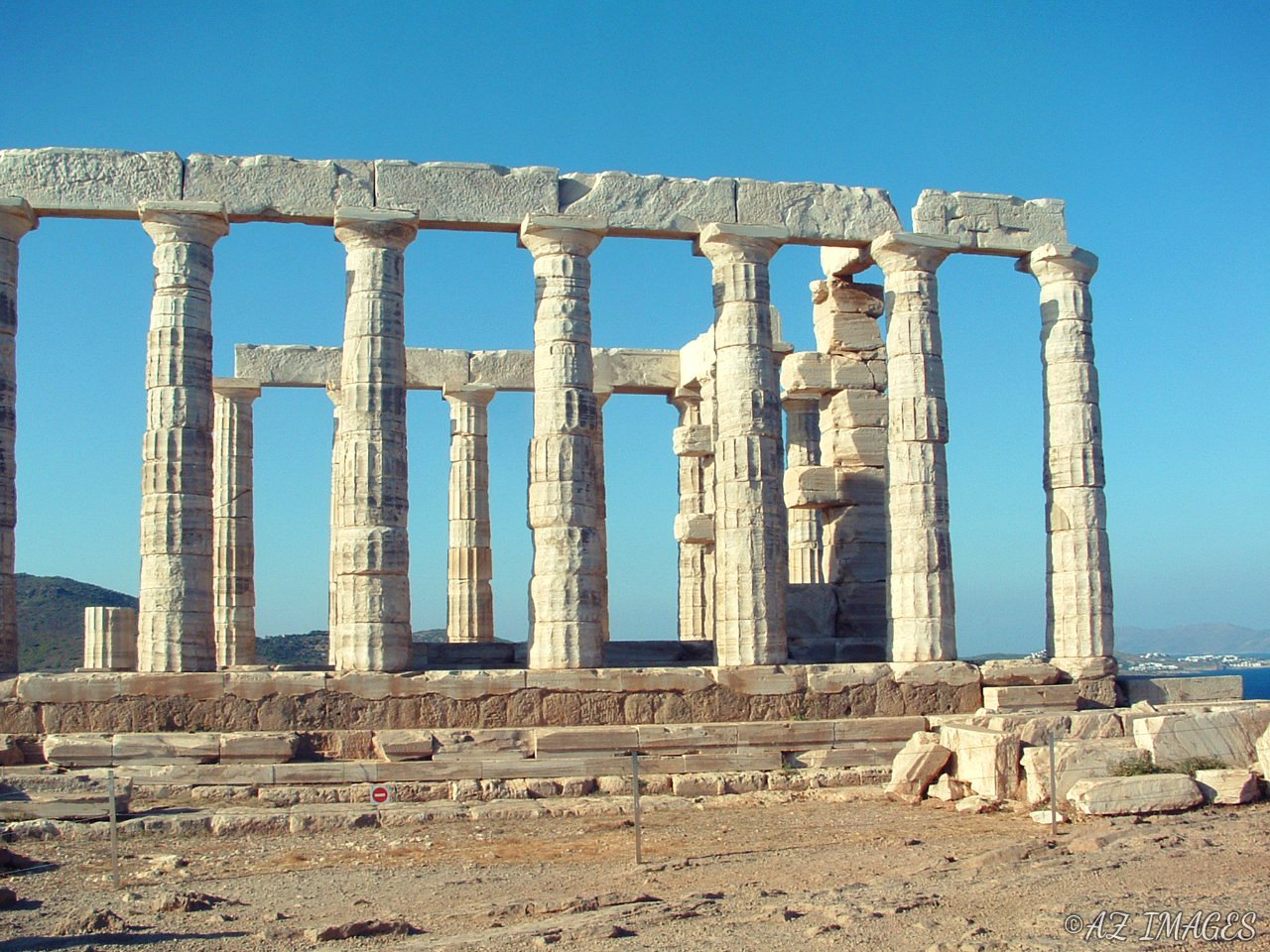
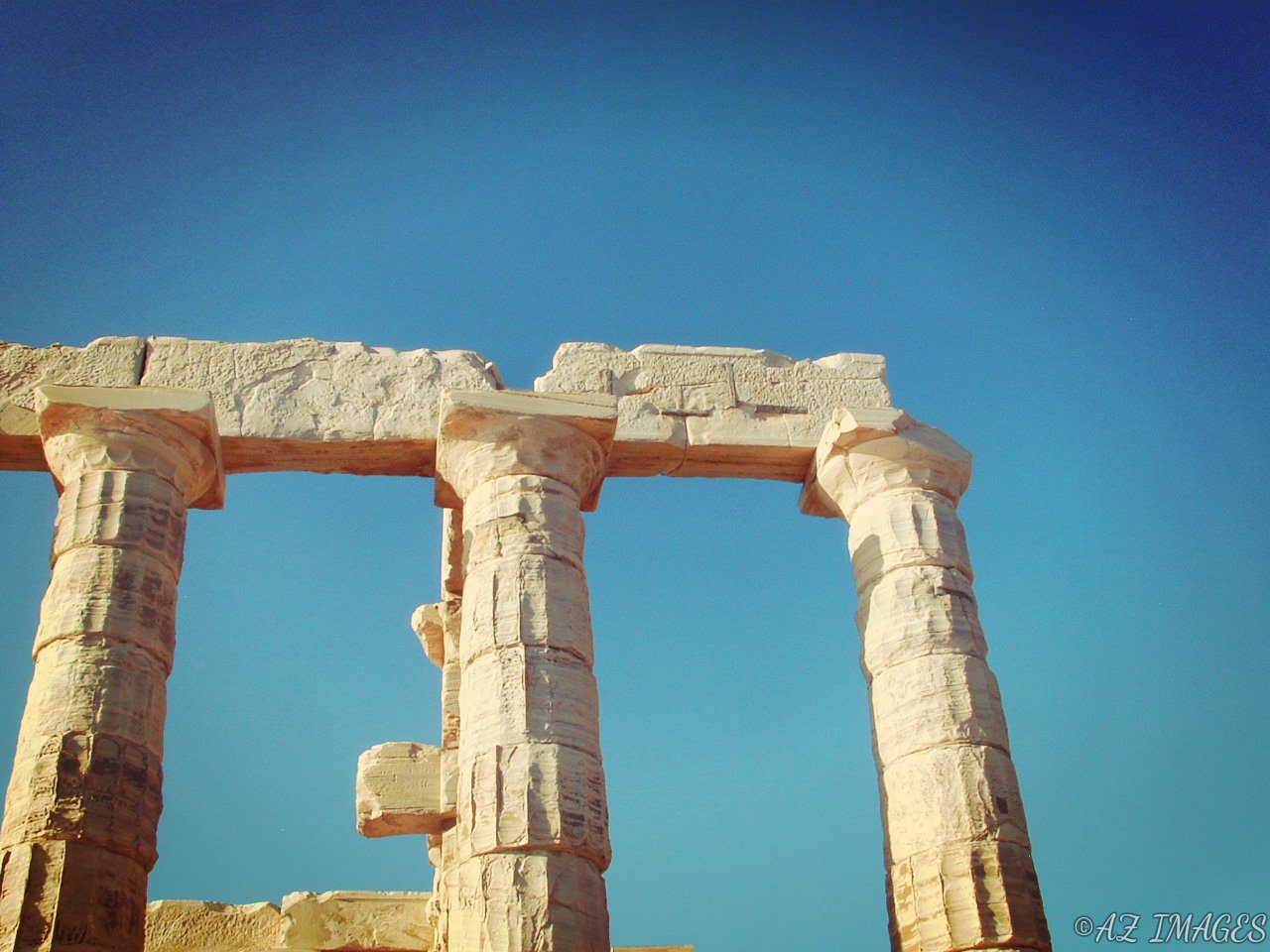
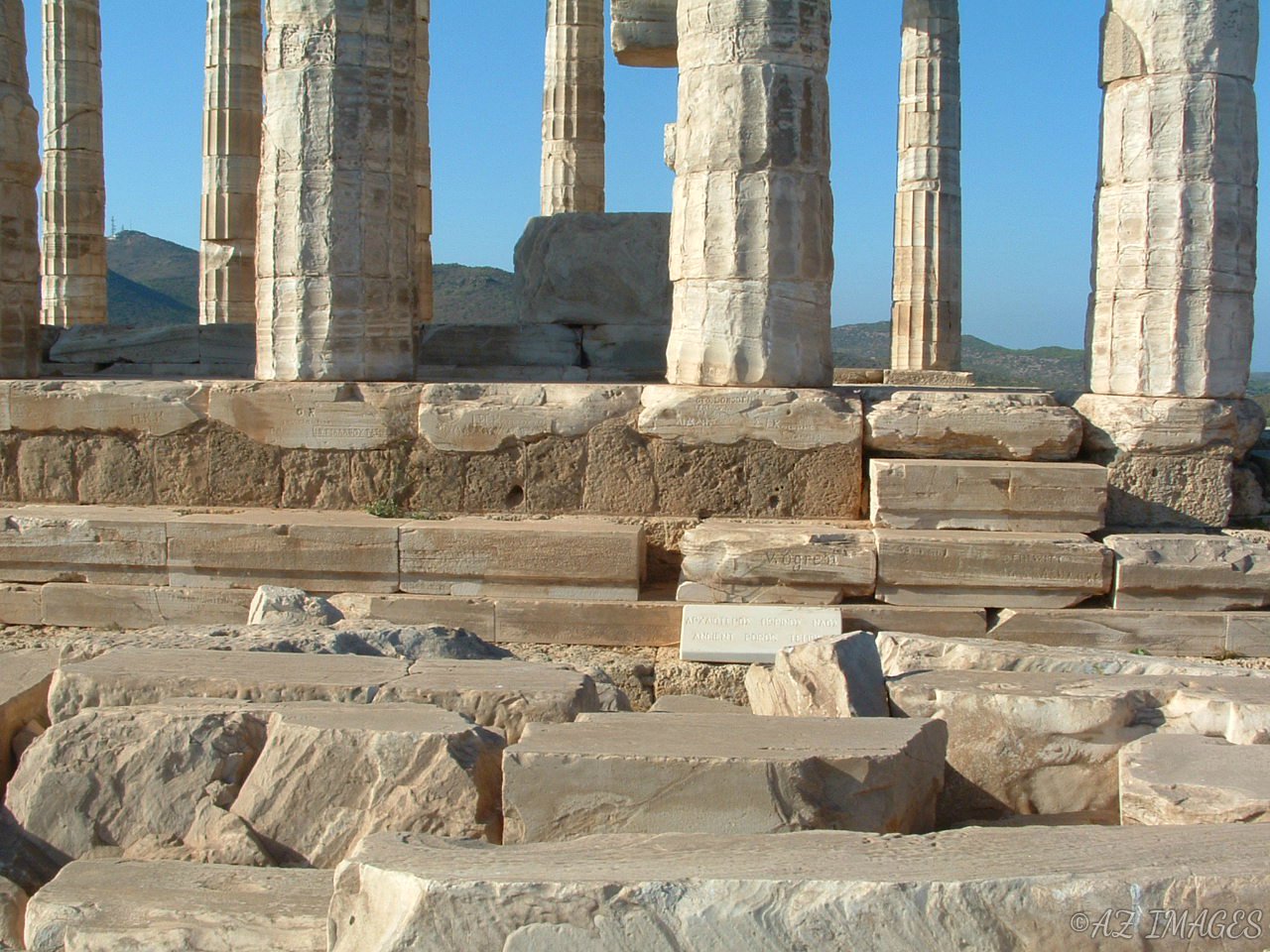
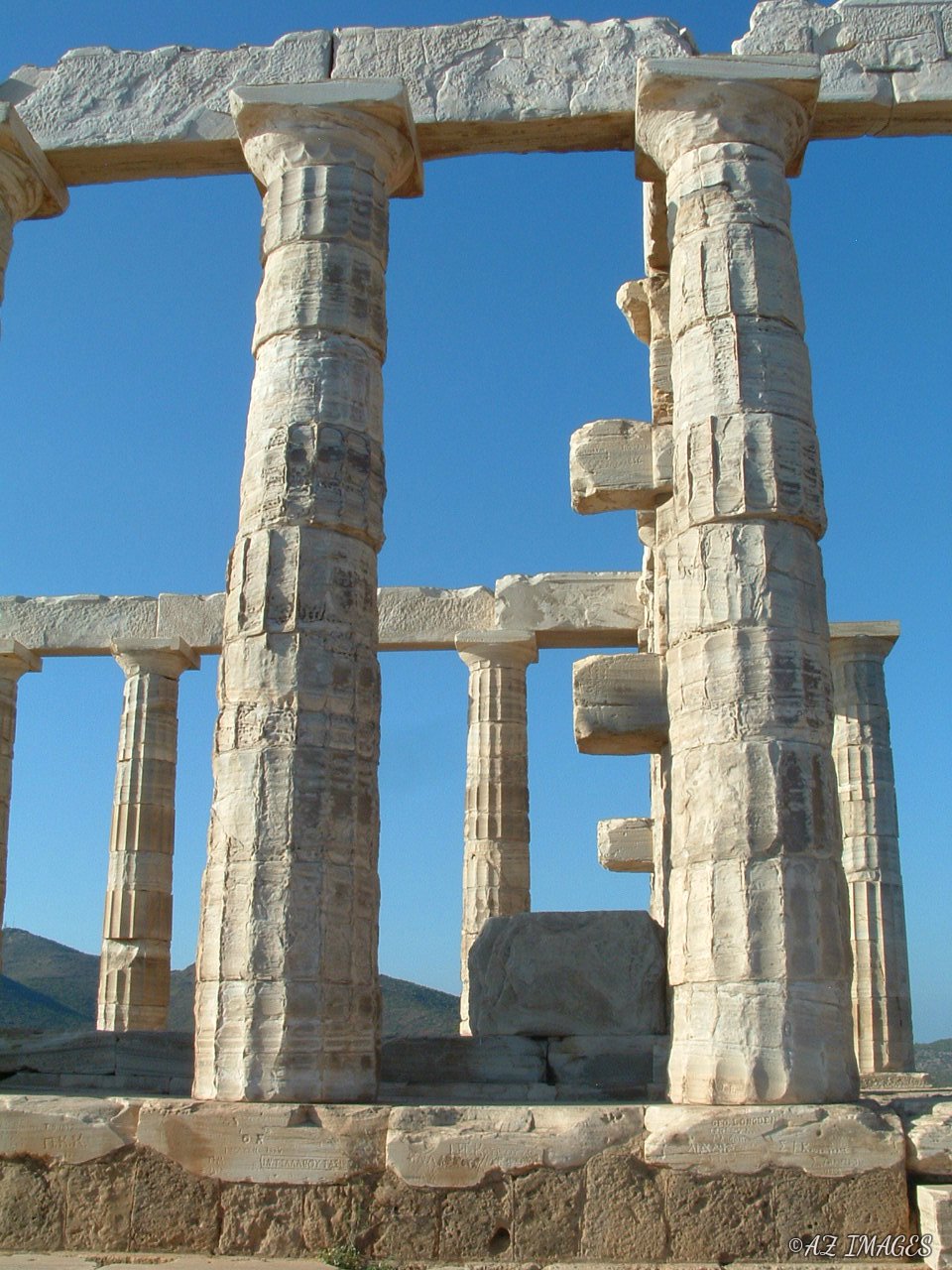
The Temple of Poseidon/Ο Ναος του Ποσειδωνα

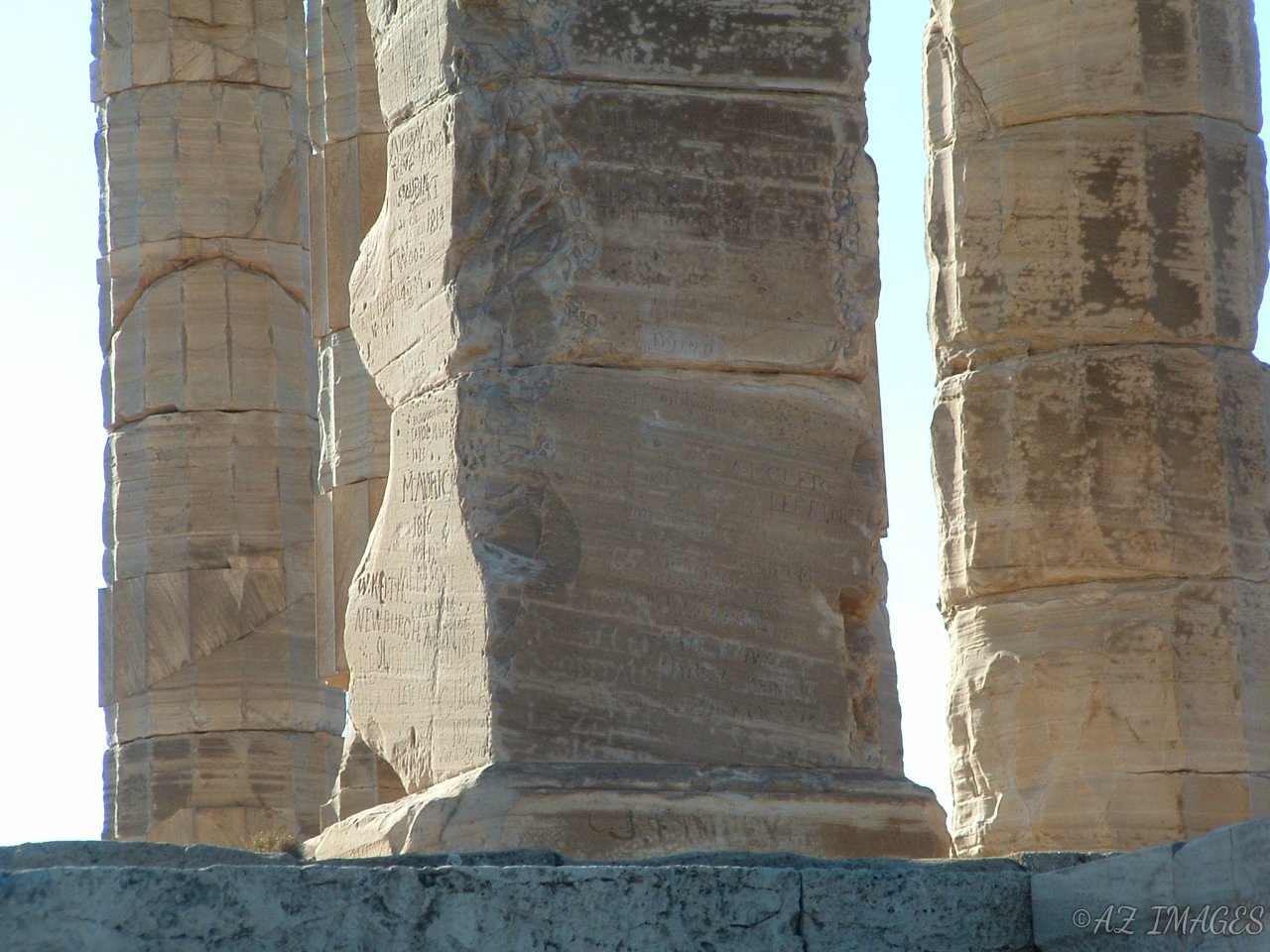
There is a lot of graffiti from over a century ago. If you zoom in you at the top you can see Lord Byron’s’ name.
The temple of Poseidon at Cape Sounio is a beautiful spot at the southern tip of Attica. It has one the greatest views of the sea I have seen in Greece. It is no wonder then that it was such a significant strategic point for the ancient Athenians who, from this point, could control the sea passage to the Aegean sea and Piraeus and Lavrion Peninsula. Poseidon, the God of the sea, protected the ships in the Mediterranean. Seafarers would come to the temple and make animal sacrifices or give gifts in exchange for a safe sea voyage.