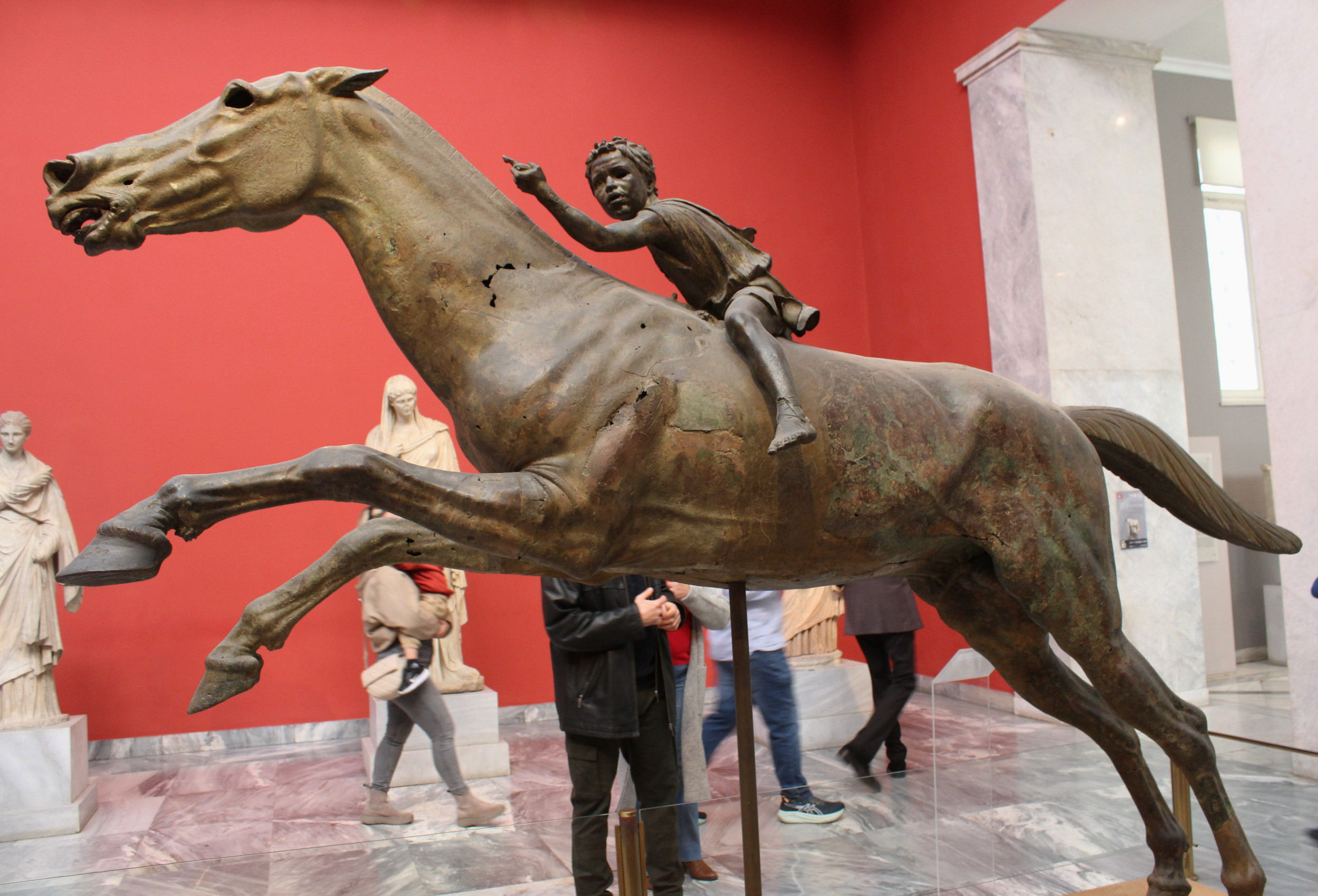
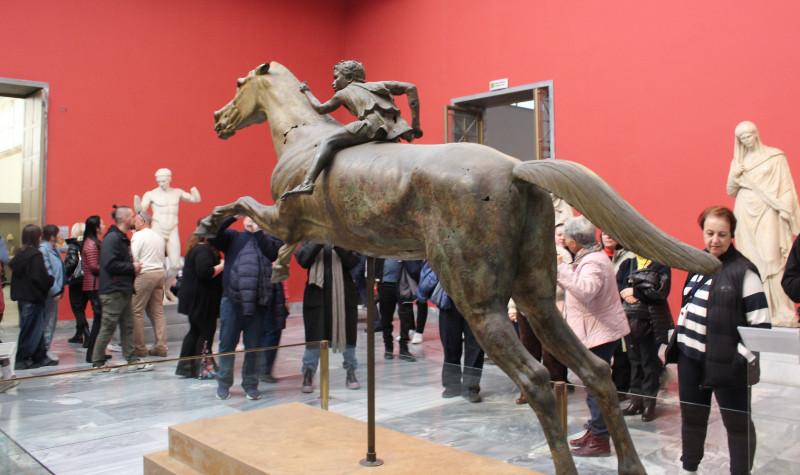
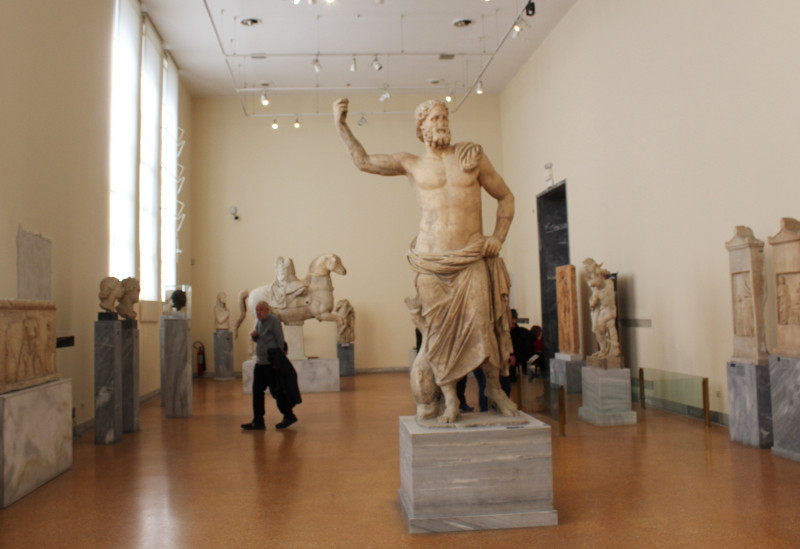
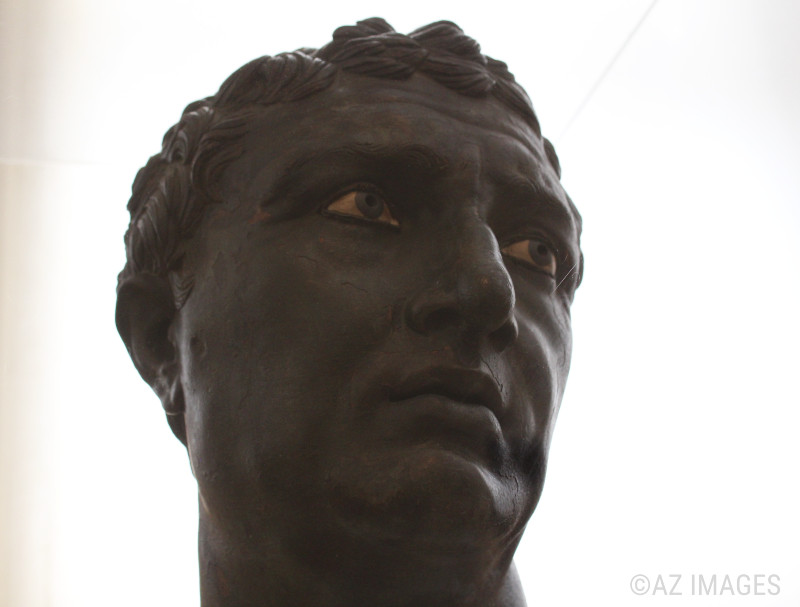
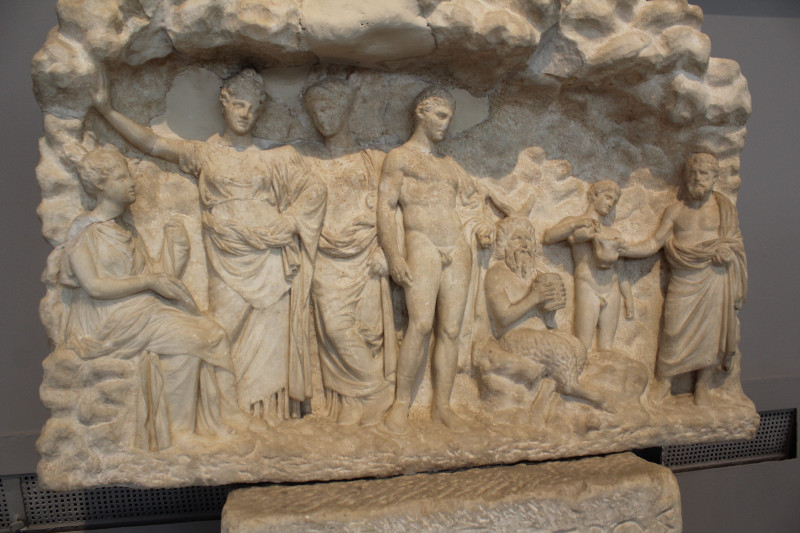
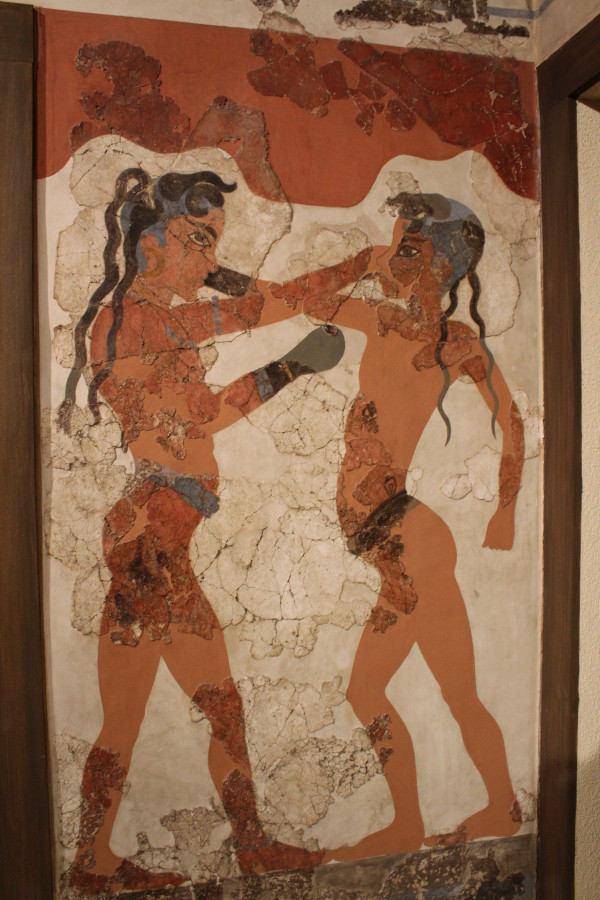
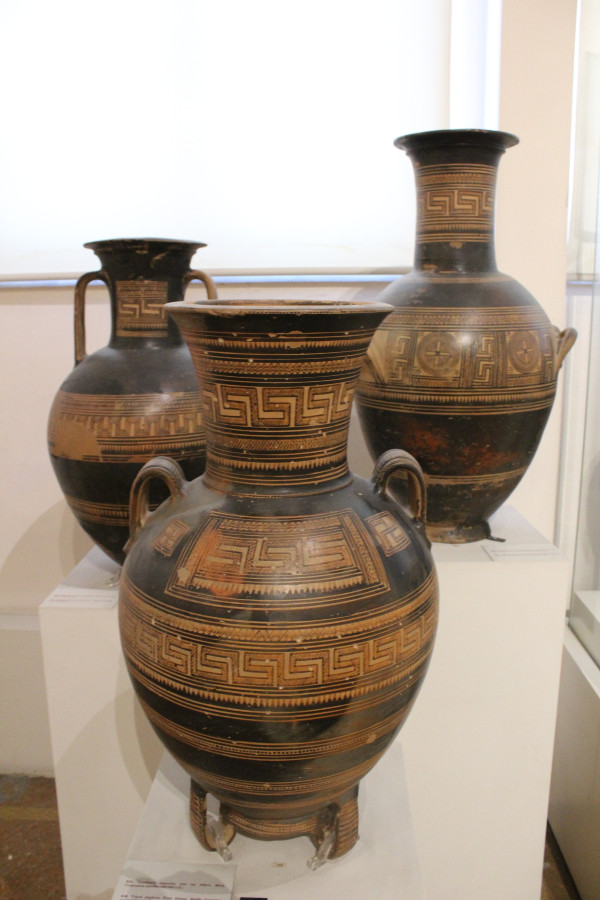
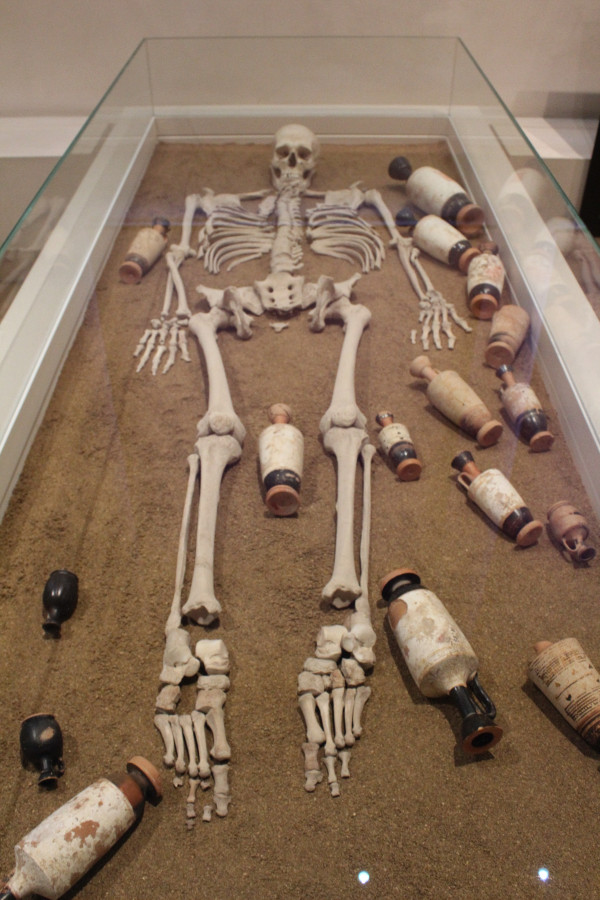
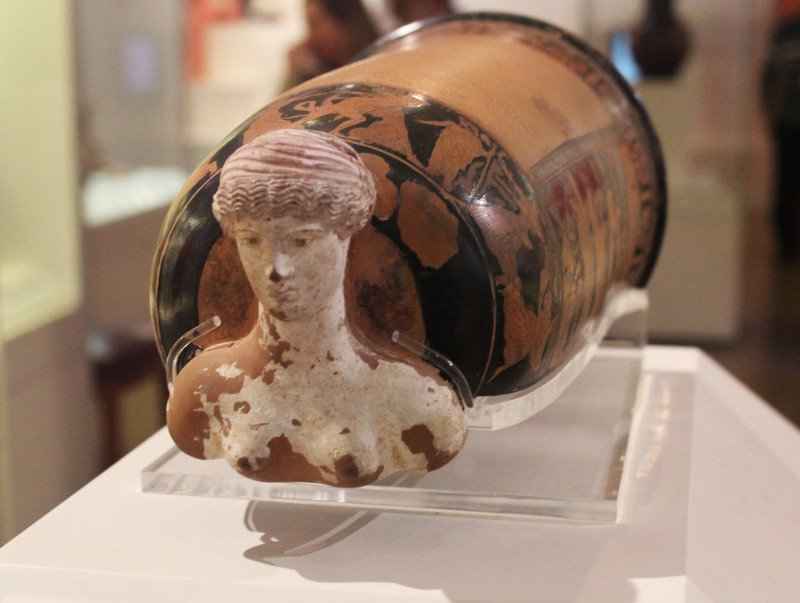
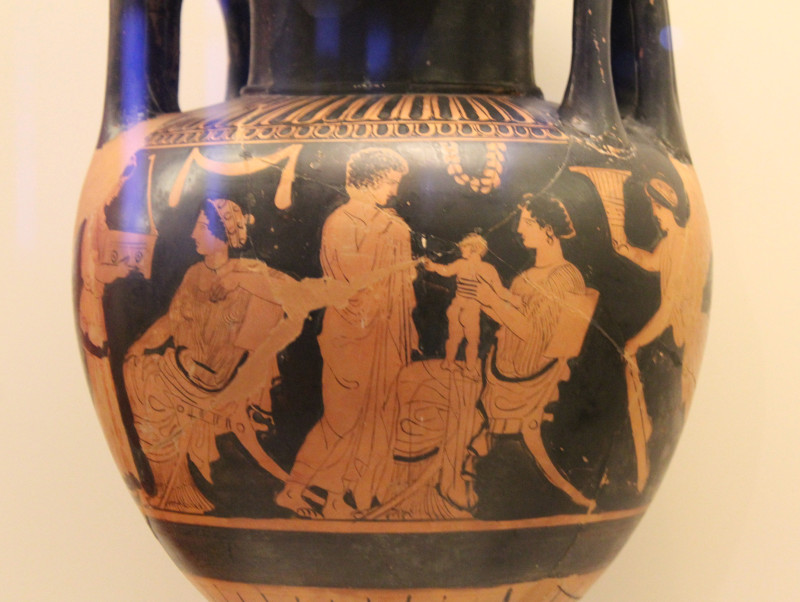
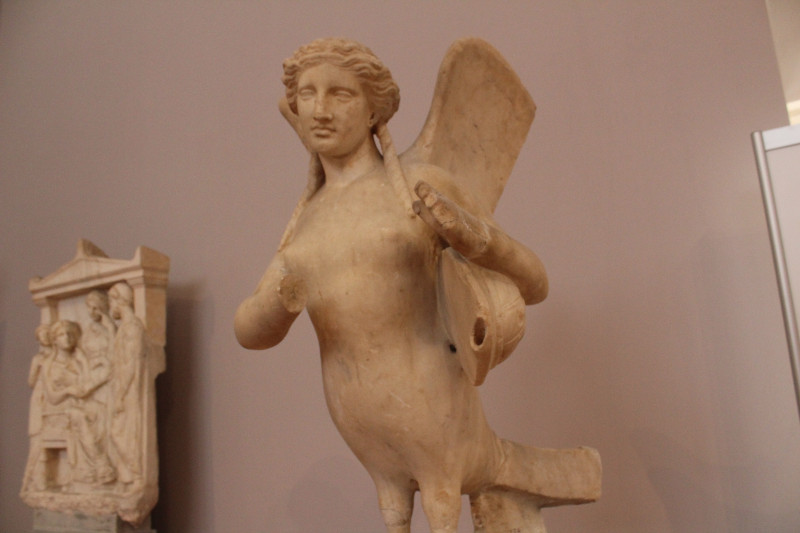
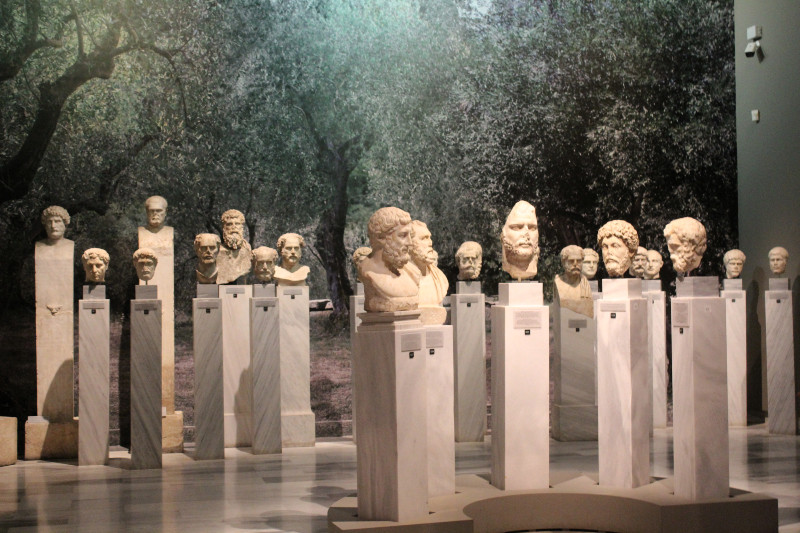
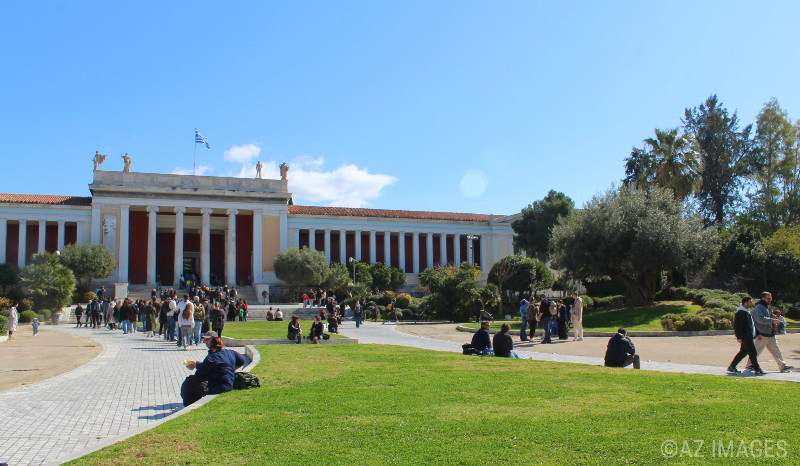
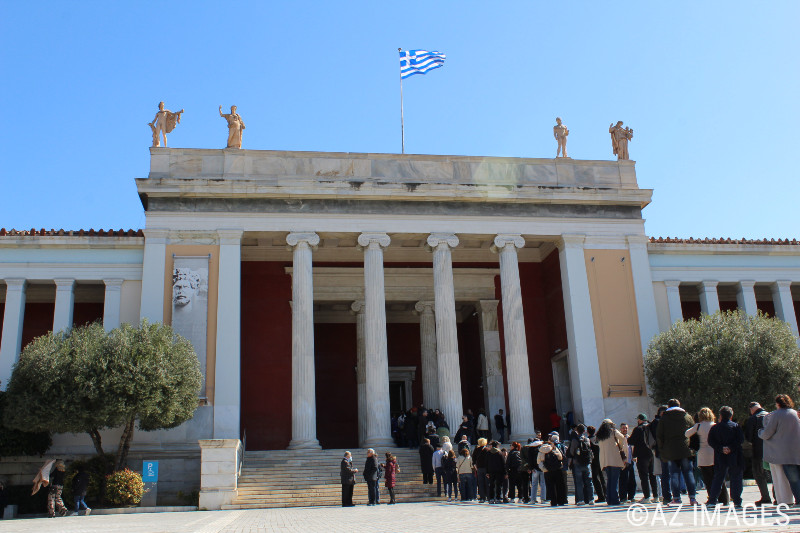
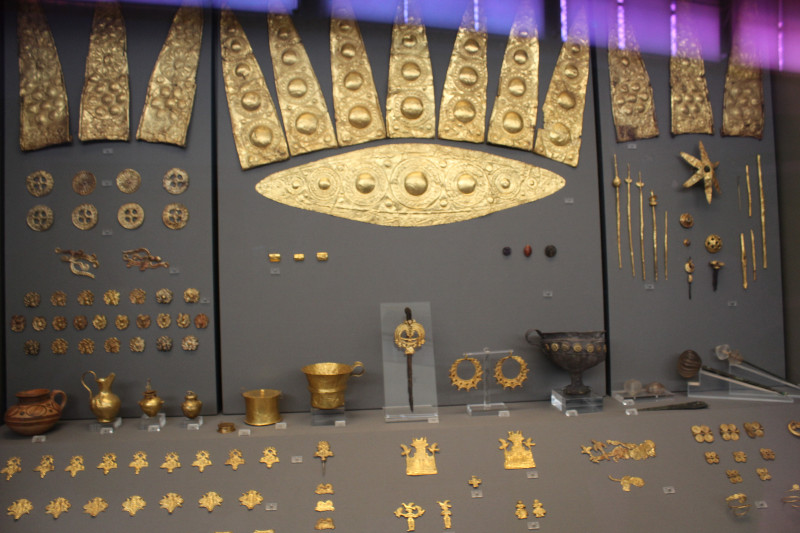
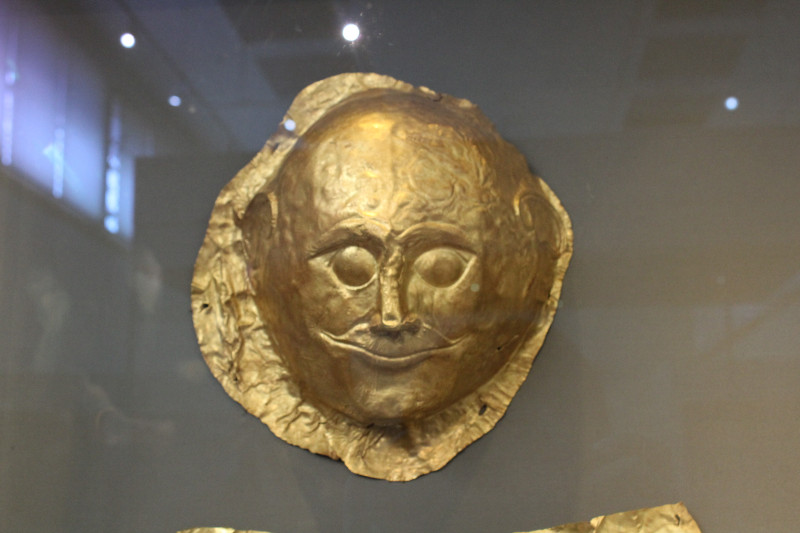
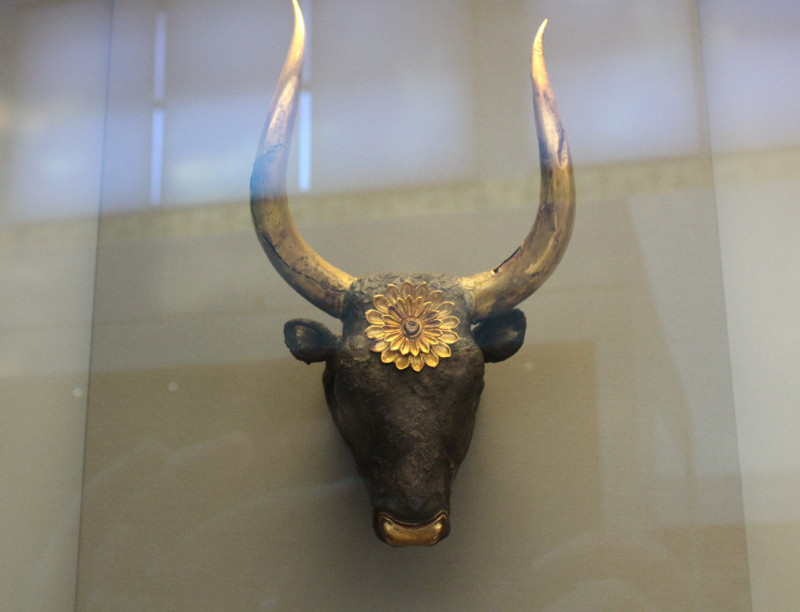
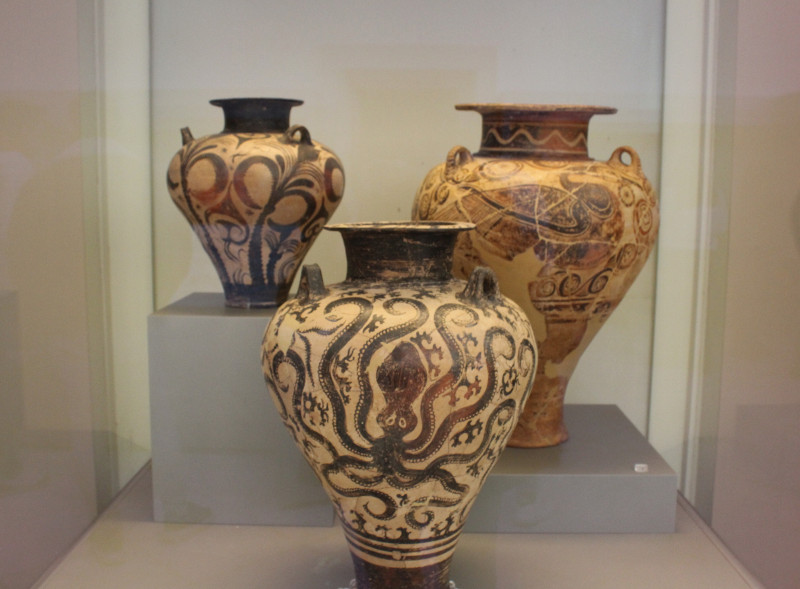
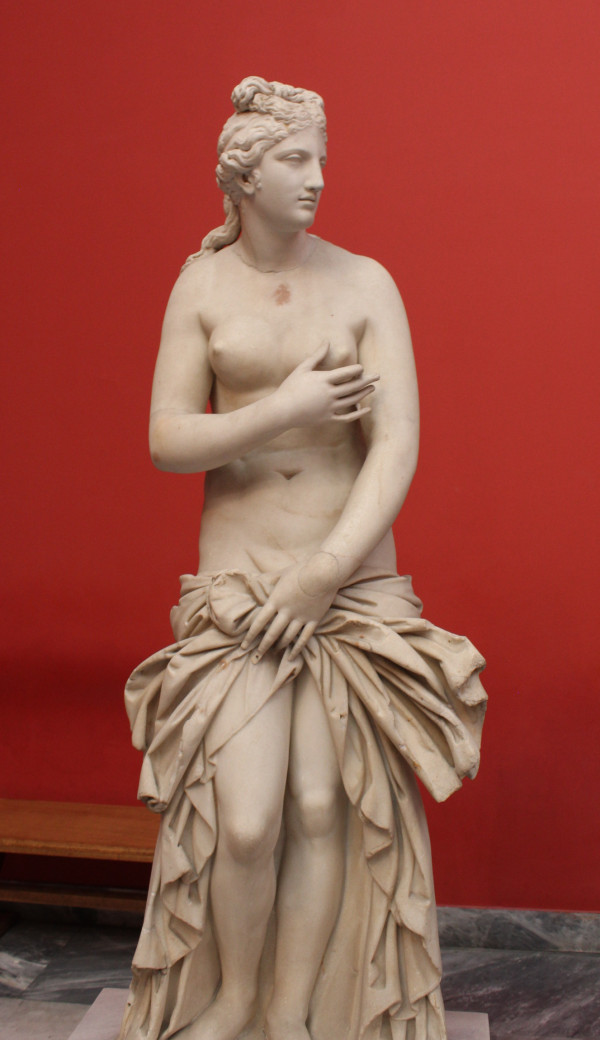
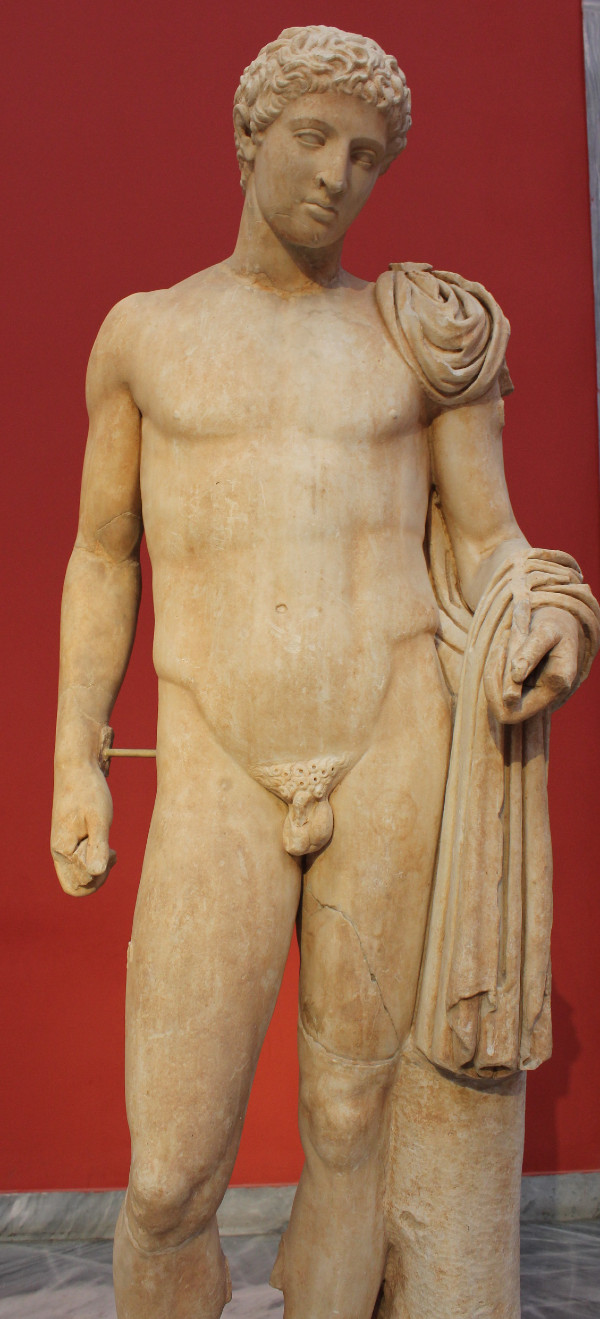
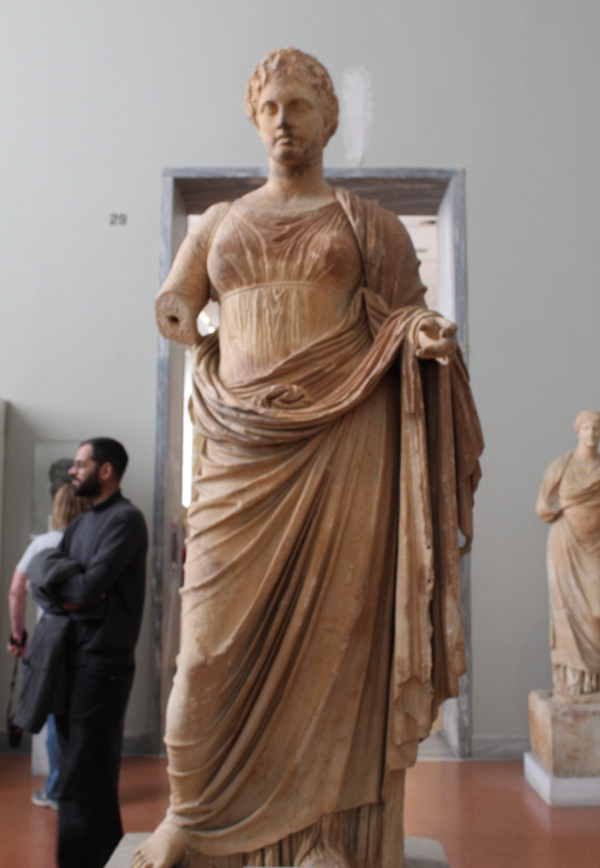
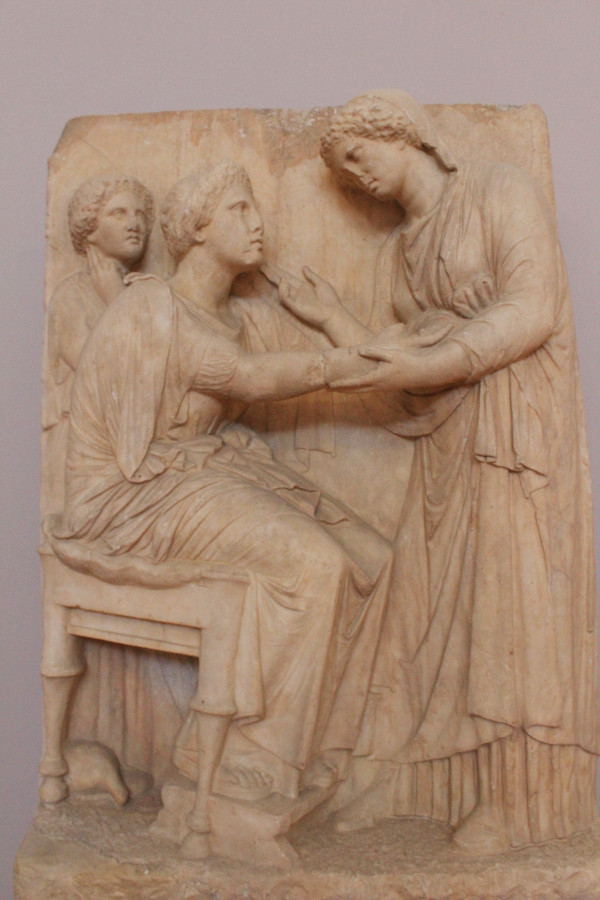
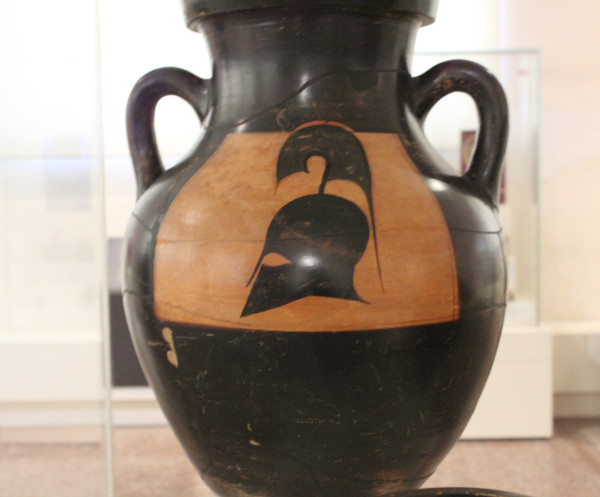
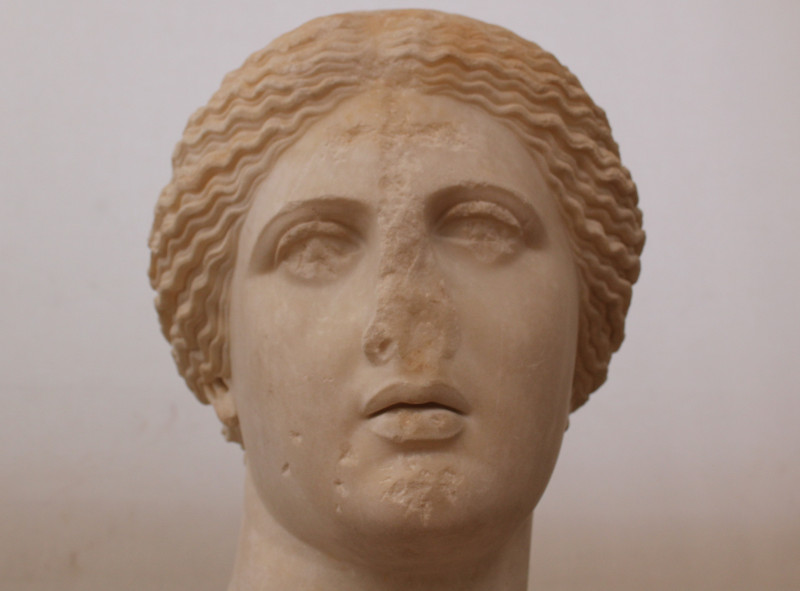
The archaeological musuem of Athens has every artifact from Greece that you can think of..that is if you know your Greek history. Artifacts from the neolithic era, the Mycenaean ear. classical Athens and so on fill the museum to the brim. The artifacts are over 11.000 and they are housed in a neoclassical building that was built from 1866-1889.
It’s the largest museum in Greece and one of the most important in the world.
However, the museum is outdated and in dire need of renovations. There are plans currently in the works and when everything has been approved the renovations could begin later this year or next year. This is why I paid a visit after many years. Who knows how long the renovations will take. But, it will be worth the hassel because these artifacts deserve a better home.
Το αρχαιολογικό μουσείο της Αθήνας διαθέτει κάθε είδους τεχνούργημα από την Ελλάδα που μπορείτε να σκεφτείτε… αν γνωρίζετε την ελληνική ιστορία. Τεχνουργήματα από τη νεολιθική εποχή, τα μυκηναϊκά χρόνια, την κλασική Αθήνα και ούτω καθεξής γεμίζουν το μουσείο μέχρι το τέρμα. Τα αντικείμενα είναι πάνω από 11.000 και στεγάζονται σε ένα νεοκλασικό κτίριο που χτίστηκε από το 1866 έως το 1889.
Είναι το μεγαλύτερο μουσείο στην Ελλάδα και ένα από τα σημαντικότερα στον κόσμο.
Ωστόσο, το μουσείο είναι ξεπερασμένο και έχει άμεση ανάγκη από ανακαινίσεις. Υπάρχουν σχέδια που βρίσκονται σε εξέλιξη και όταν όλα εγκριθούν, οι ανακαινίσεις θα μπορούσαν να ξεκινήσουν αργότερα φέτος ή του χρόνου. Γι’ αυτό το λόγο το επισκέφτηκα μετά από πολλά χρόνια. Ποιος ξέρει πόσο καιρό θα διαρκέσουν οι ανακαινίσεις. Αλλά, θα αξίζει τον κόπο, γιατί αυτά τα αντικείμενα αξίζουν ένα καλύτερο σπίτι.
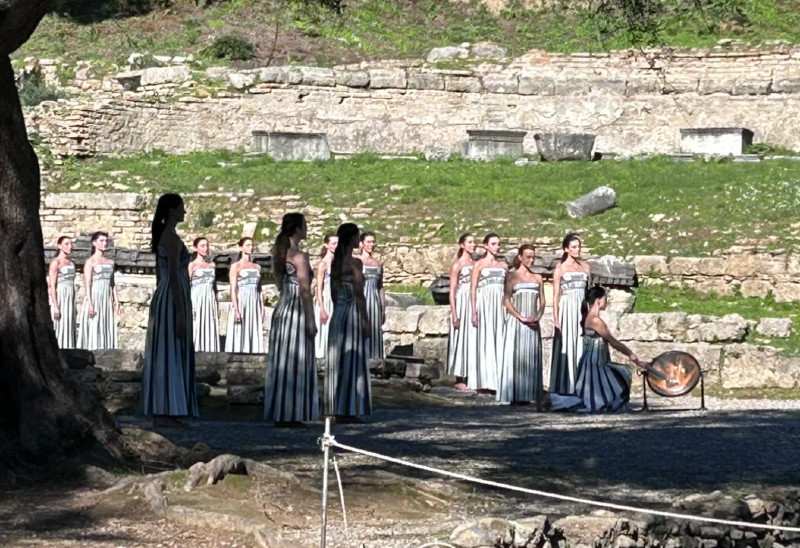

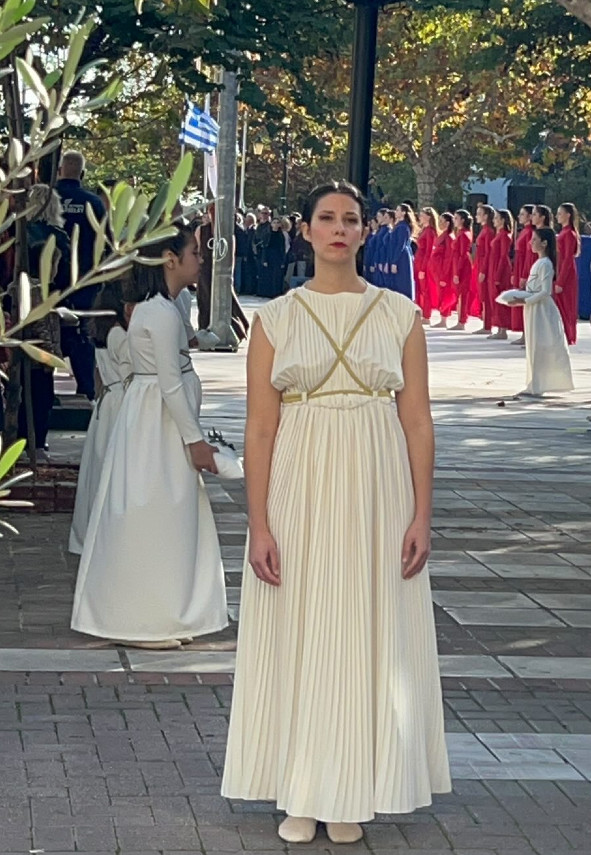
The lighting of the flame ceremony took place on Monday due to fears of stormy weather as we are expected to get drenched this week. However, on Wednesday the gods intervened and the weather was pleasant and sunny. The remainder of the ceremony which included speeches from Greek and foreign officials took place indoors at the museum in Ancient Olympia.
The flame will travel all over Greece and then arrive in Athens and then it will be passed on to Italy at the Panathinako stadium on December 4th. The town of Cortino in Milano will be hosting the winter Olympics from the 6th to 22nd of February 2026.
Η τελετή αφής της φλόγας πραγματοποιήθηκε τη Δευτέρα λόγω φόβων για θυελλώδη καιρό, καθώς αναμένουμε ισχυρές καταιγίδες αυτή την εβδομάδαα. Ωστόσο, την Τετάρτη οι θεοί παρενέβησαν και ο καιρός ήταν ευχάριστος και ηλιόλουστος. Το υπόλοιπο της τελετής, που περιελάμβανε ομιλίες Ελλήνων και ξένων αξιωματούχων, έλαβε χώρα στο εσωτερικό του μουσείου της Αρχαίας Ολυμπίας.
Η φλόγα θα ταξιδέψει σε όλη την Ελλάδα και στη συνέχεια θα φτάσει στην Αθήνα και στη συνέχεια θα μεταφερθεί στην Ιταλία στο Παναθηναϊκό στάδιο στις 4 Δεκεμβρίου. Η πόλη Κορτίνο στο Μιλάνο θα φιλοξενήσει τους Χειμερινούς Ολυμπιακούς Αγώνες από τις 6 έως τις 22 Φεβρουαρίου 2026.
This video is incredible. It’s a 3D simulation of ancient Athens. I always wished that I had a time machine so that I could go back to that time in history and see how everything looked. Now I don’t need one 🙂


Ένα νεαρό αγόρι
Ιππεύει το αγαπημένο άλογο του
Στις πεδιάδες του Πέλλα
Θέλει να δραπετεύσει σε μακρινές χώρες
Τίποτα δεν μπορεί να τον κρατήσει εδώ
Χωρίς σύνορα, χωρίς φόβο στην καρδιά του
‘Ενας βασιλιάς, ένα λιοντάρι της δυναστείας του Αργεαδών
Μια ζωή φανταστικών κατορθώσεων και αγριότητας
Έλληνας ήρωας
Από την Αίγυπτο προς την Ινδία θα ανοίξει το δρόμο
Δυο χιλιετίες αργότερα και εξακολουθούν να μιλούν το όνομά του
Για είκοσι πέντε χρόνια οι Αθηναίοι αναζητούν ένα μέρος
Για τον θρυλικό τους ήρωα
«Αν δεν τιμάς τους ήρωες σας οι ξένοι θα τους πάρουν»
θα έπρεπε να είχε πει ένας σοφός
Τα πλούτη, τον πολιτισμό και την ιστορία πολλών χιλιετιών κλεμμένα
Η κλοπή δεν είναι χειρονομία θαυμασμού
Είναι φθόνος και αδιαφορία για τον ιδιοκτήτη
Στο κρεβάτι του θανάτου πρόβλεψε ότι
Στο απώτερο μέλλον
Θα αγωνιστούν για το όνομά του,
Την κληρονομιά του,
Και το εγκαταλελειμμένο βασίλειό του
Είναι οι κατακτητές που γεμίζουν τις σελίδες
Των βιβλίων ιστορίας
Ανεξάρτητα από τα ελαττώματά τους
Στο νέο κόσμο στρώνουν το χαλιά για τους χυδαίους
Τιμούν τα ονόματα που θα εξασθενίσουν
Πριν από την τελευταία τους πνοή
Ψευδο-ημίθεοι
Απομίμηση μιας βασιλεία
Όμως Ο Αλέξανδρος Ο Μεγάς
Γιος του Φιλίππου Β΄ και της Ολυμπιάδας
Ο ήλιος της Βεργίνας από την Ελληνική Μακεδονία
Αιώνια θα ζήσει.
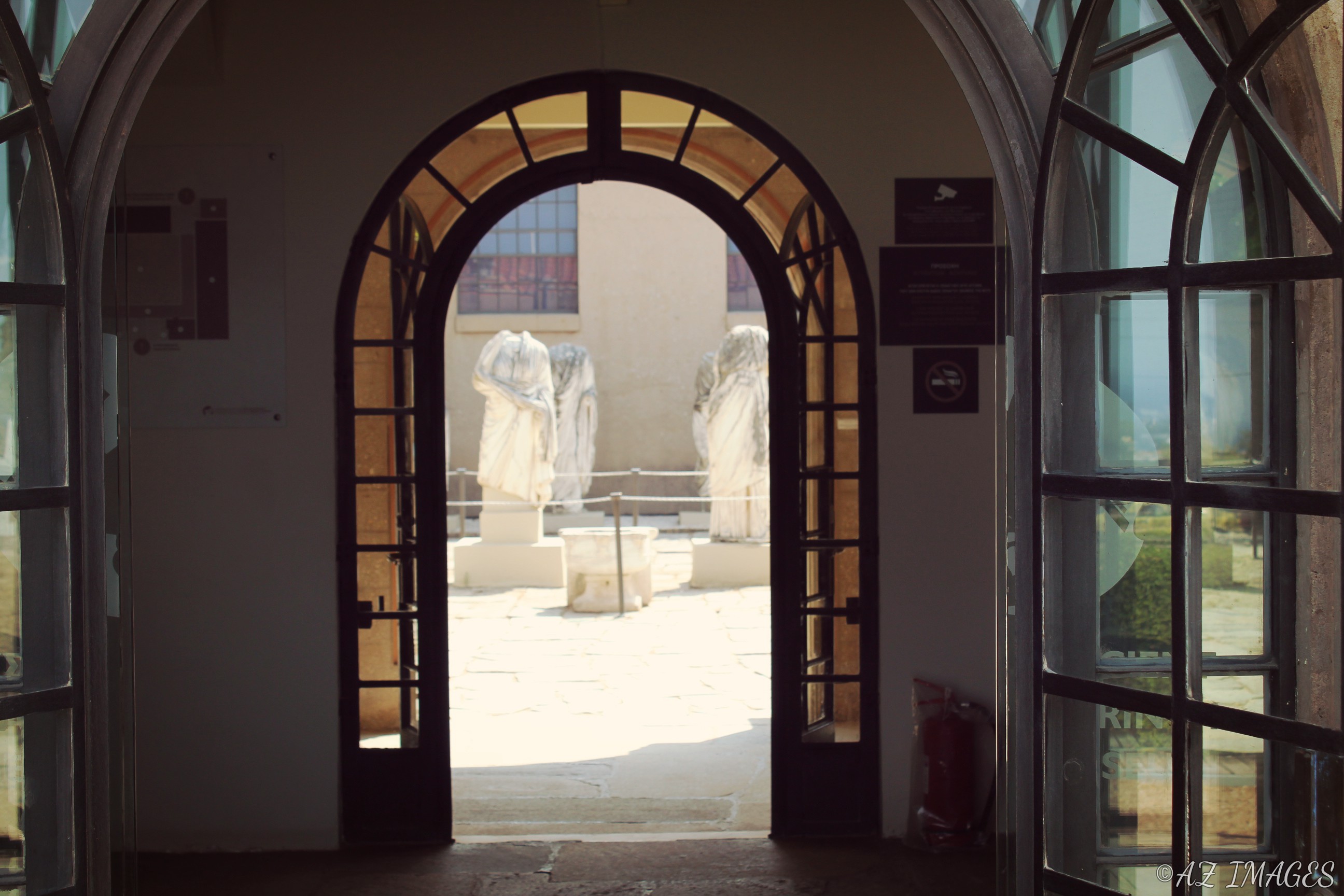
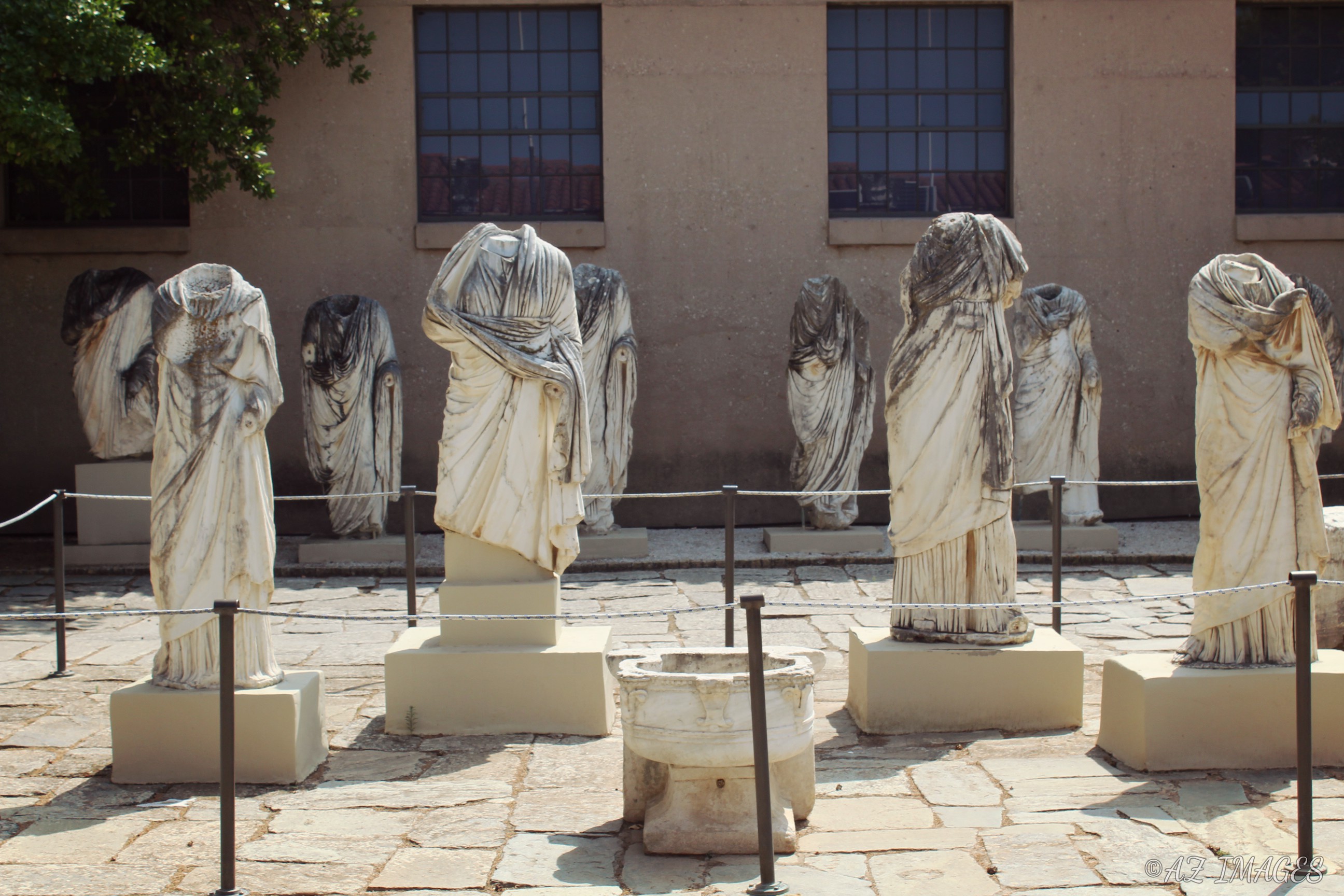
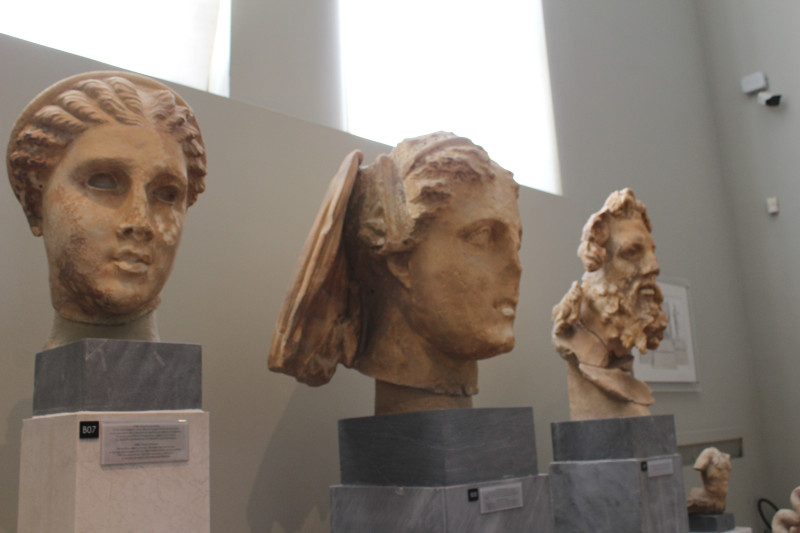
I wonder where all of the heads went?
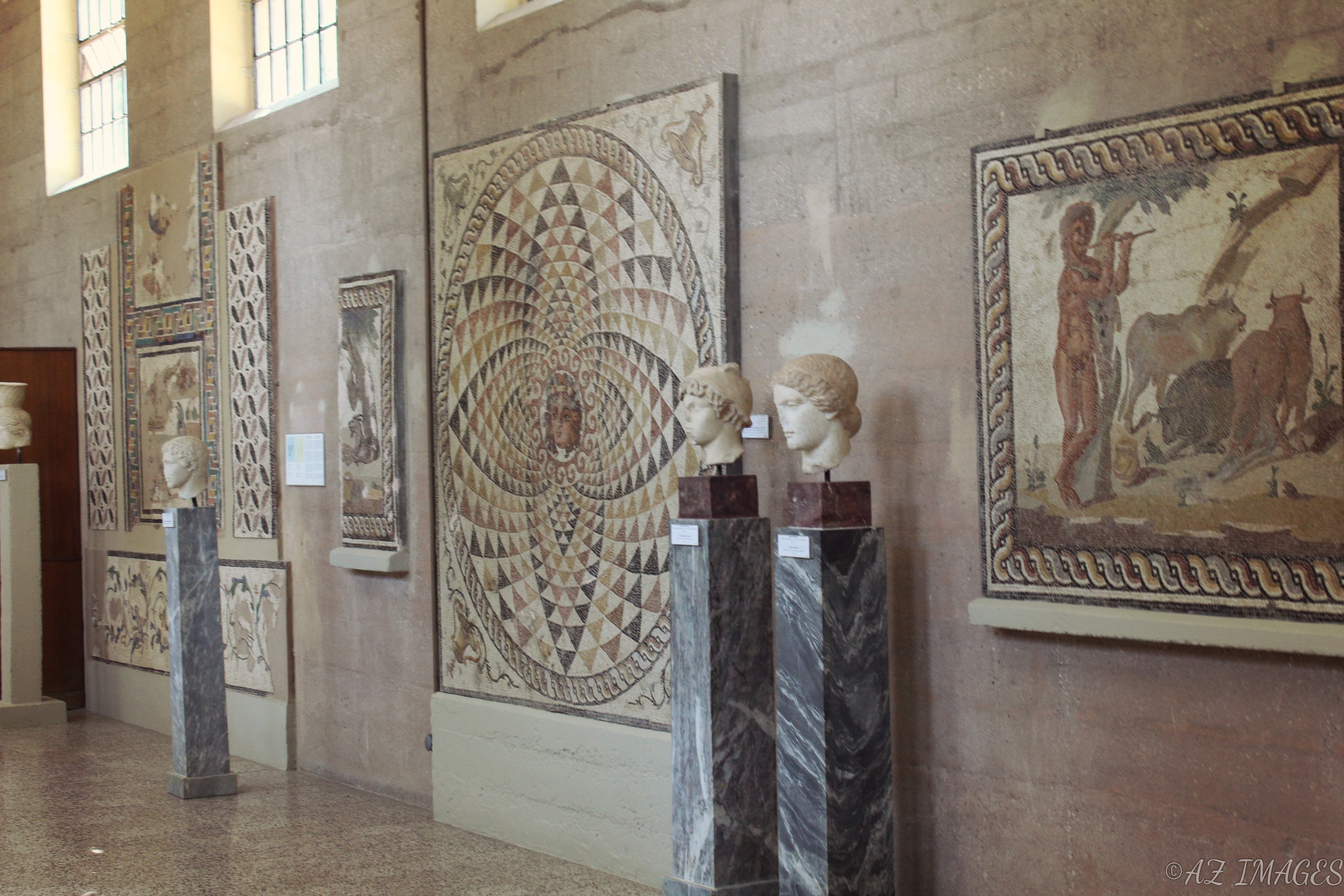
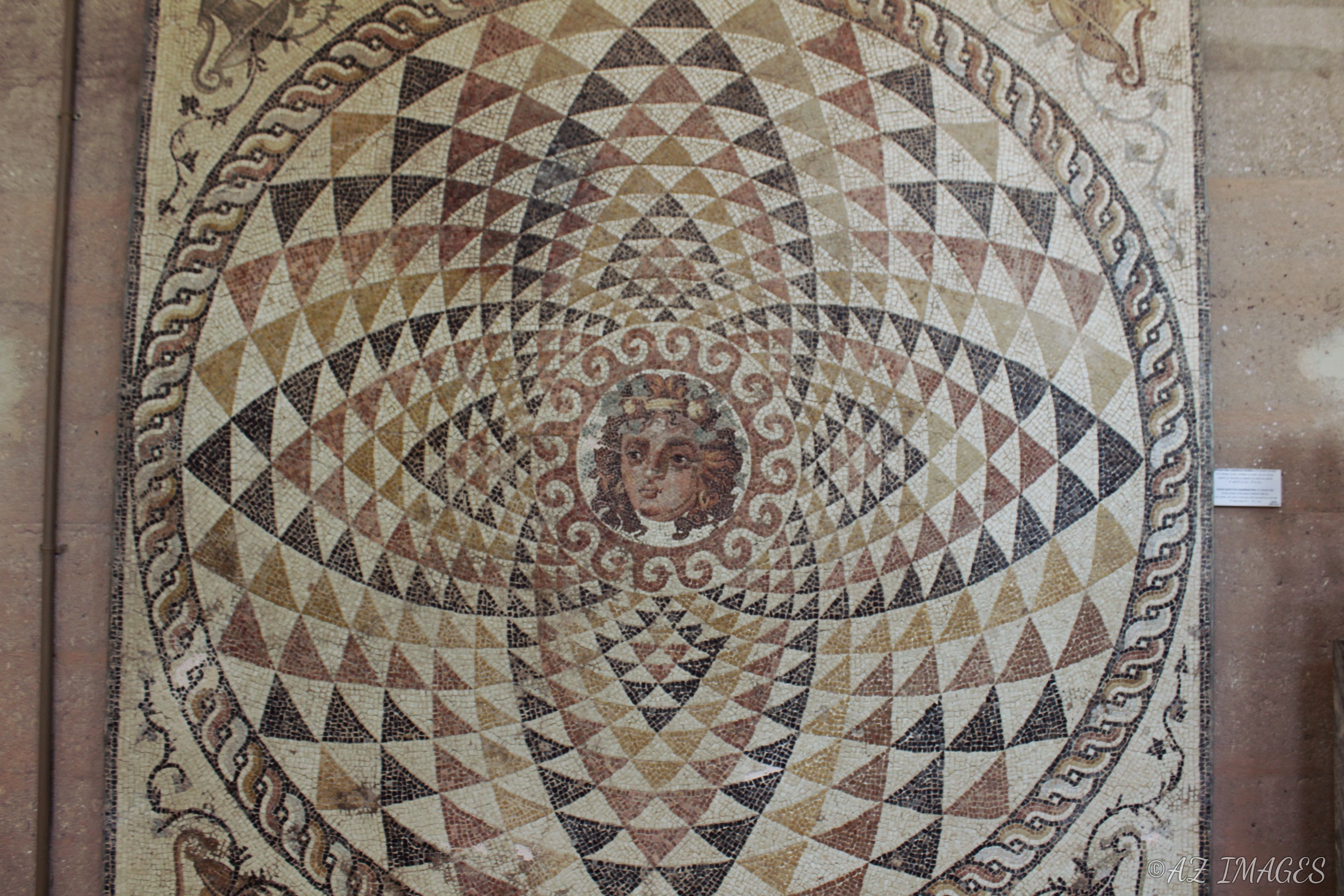
Mosaic floor from a Roman villa. Looks like an optical illusion.
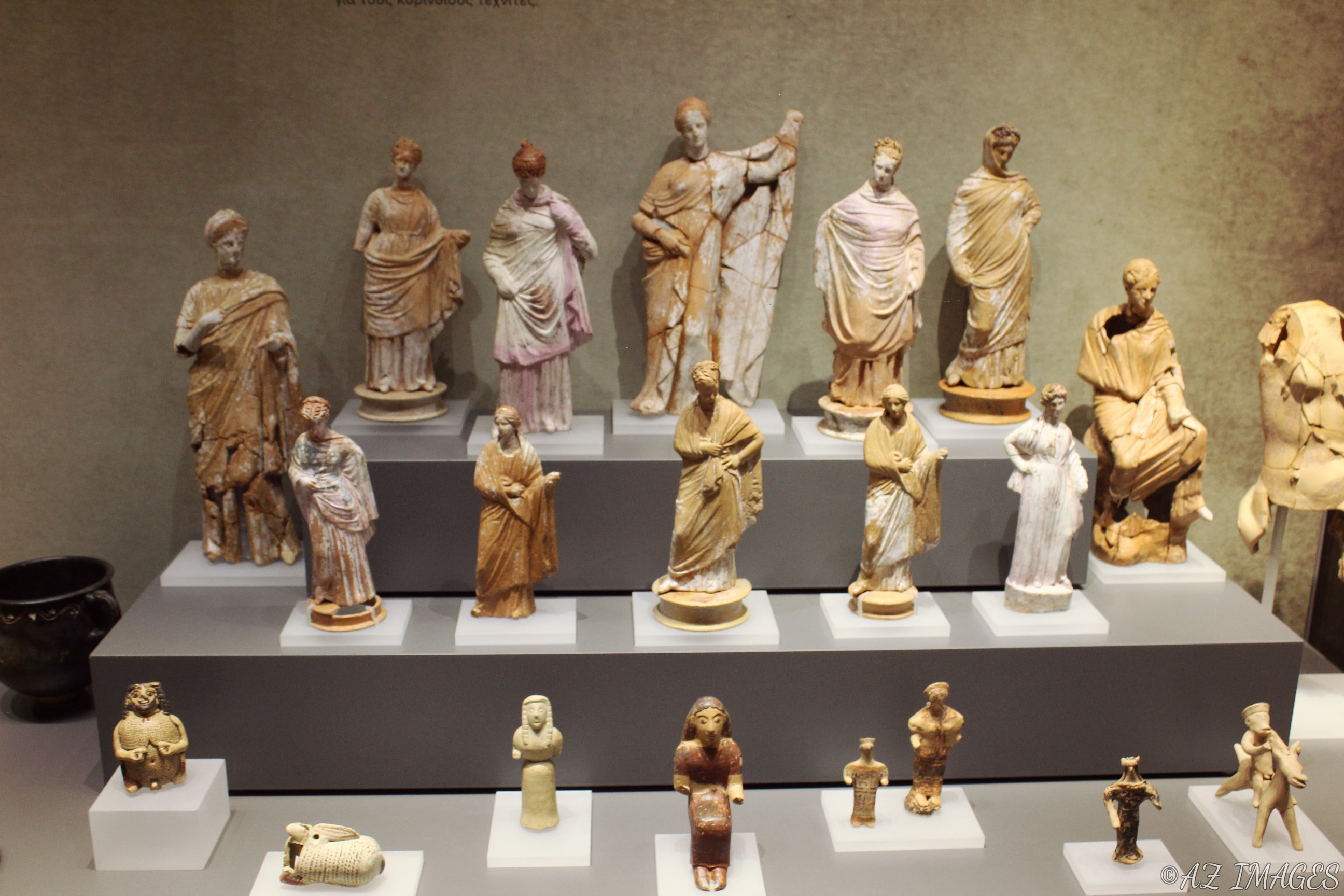
Miniature statues of deities.

An ancient mirror.
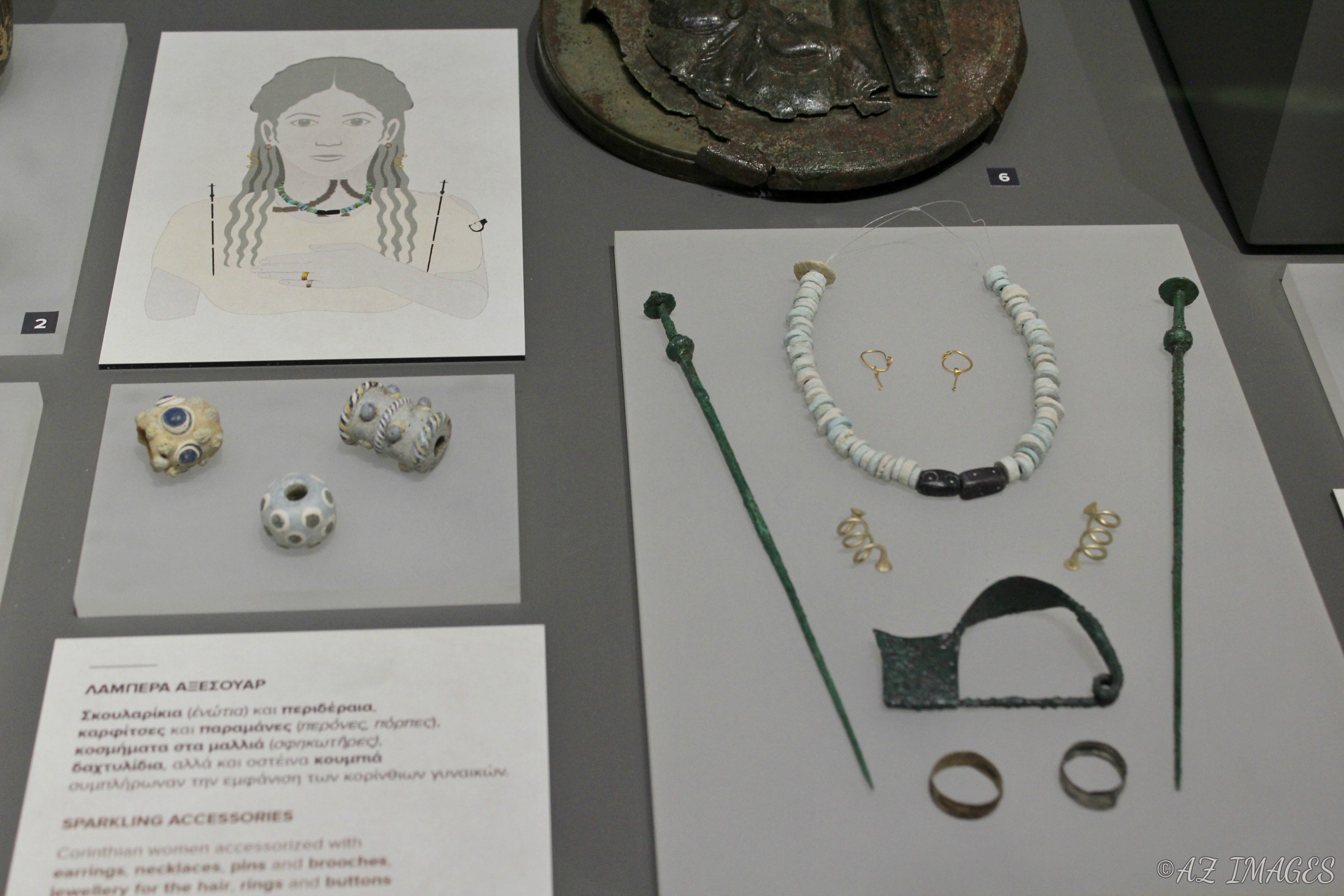
Ancient accessories that can pass as modern ones.
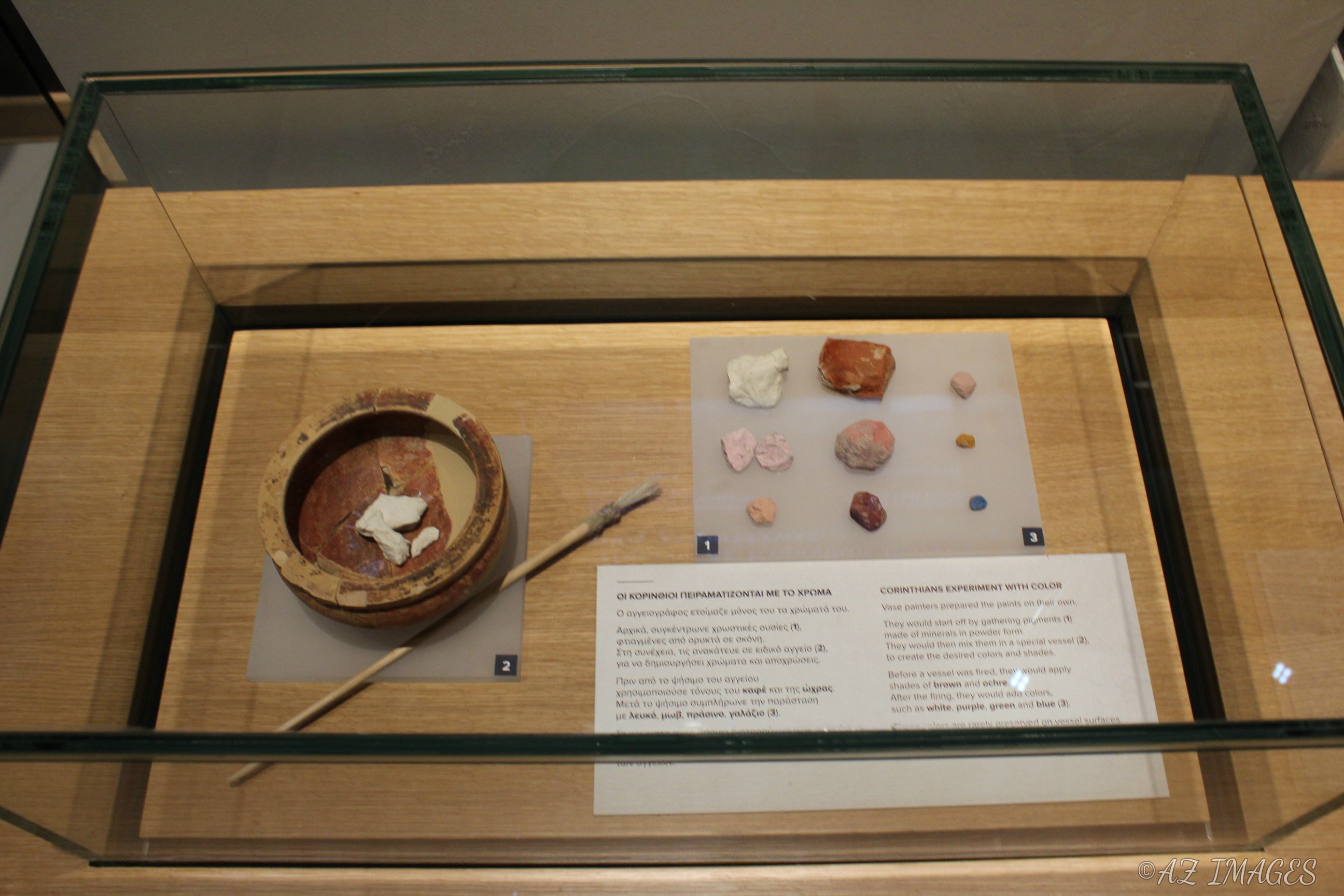
Experiments with colours.
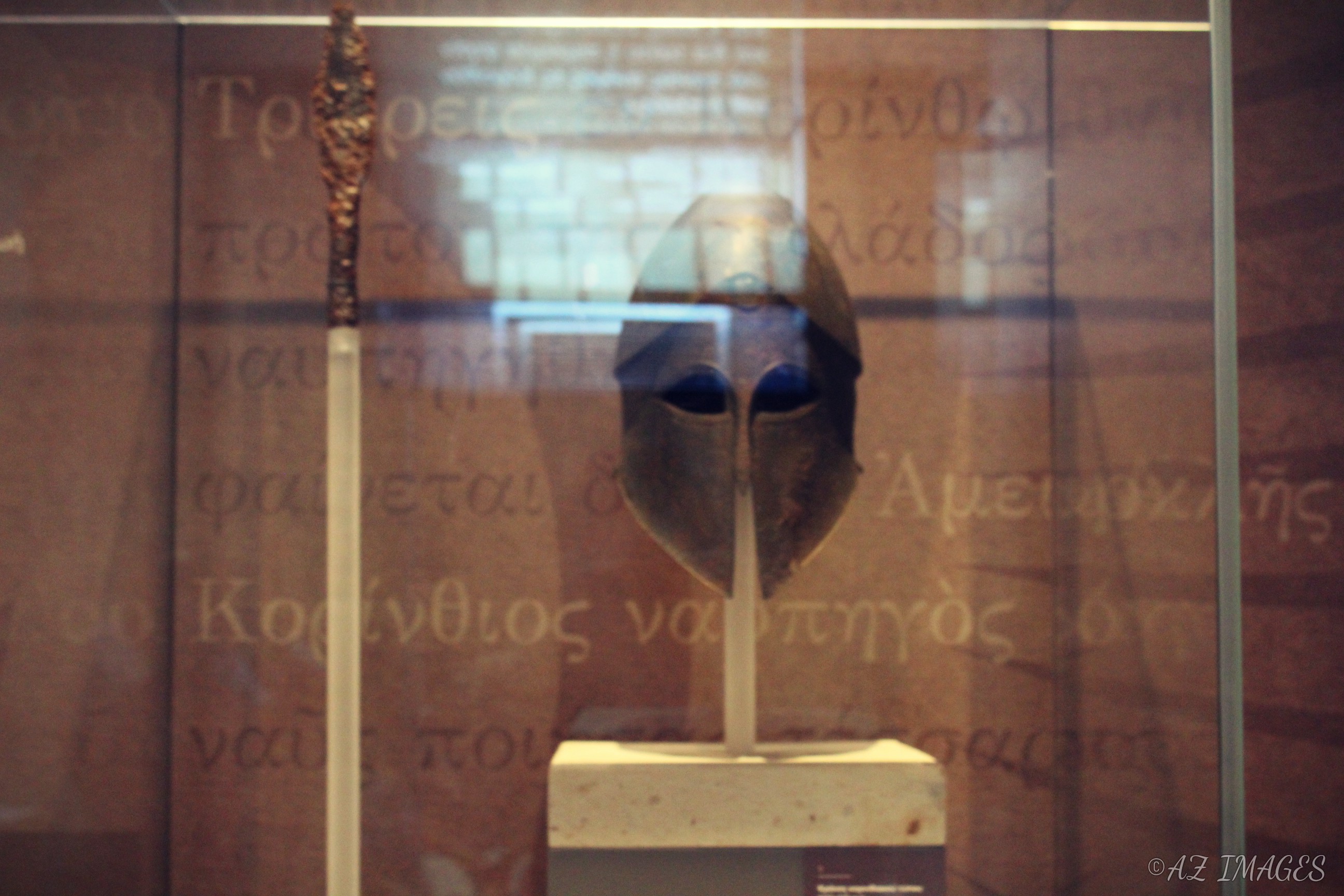
Corinthian soldiers’ helmet and spear.
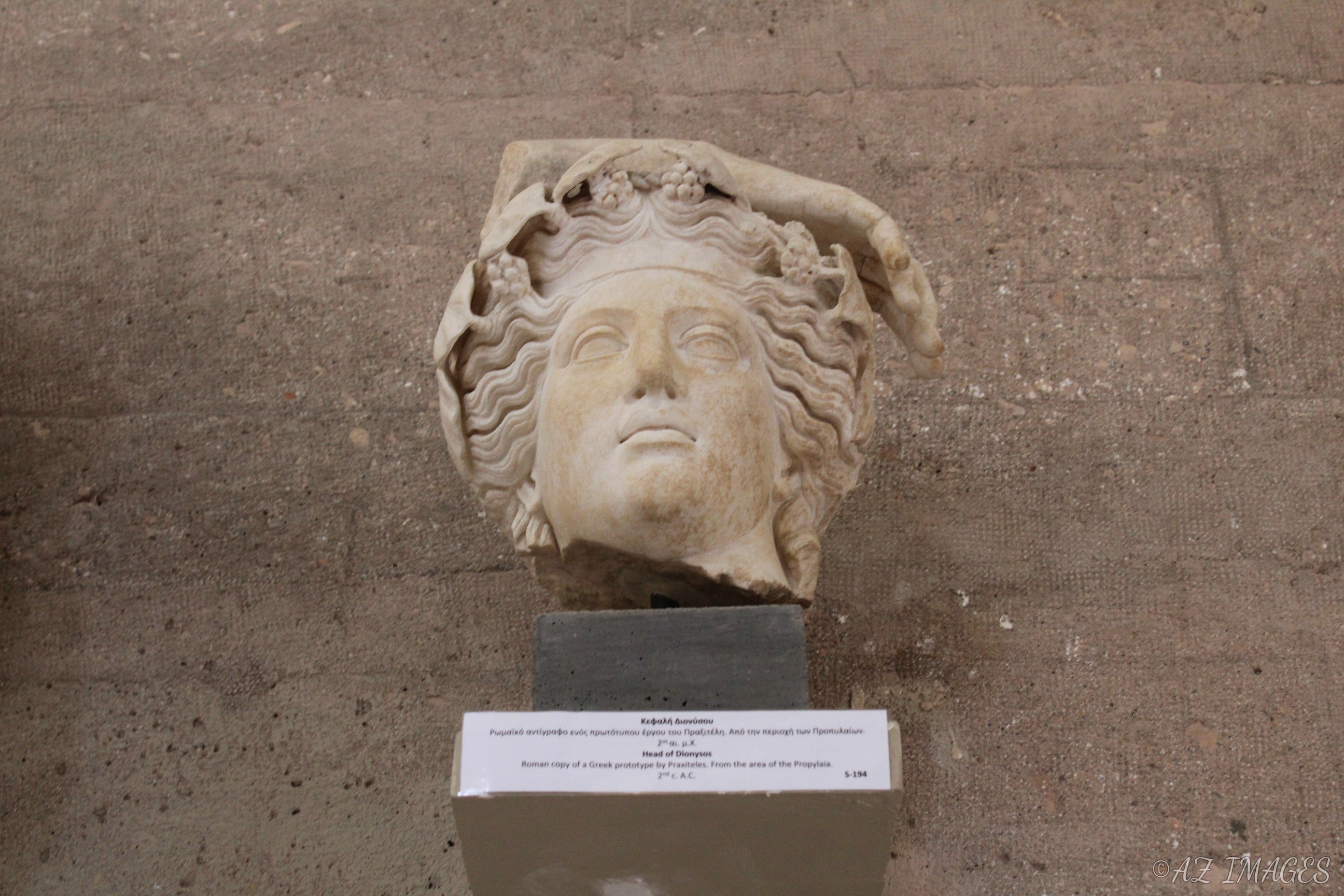
Head of Dionysos. Greek God of wine and revelry.
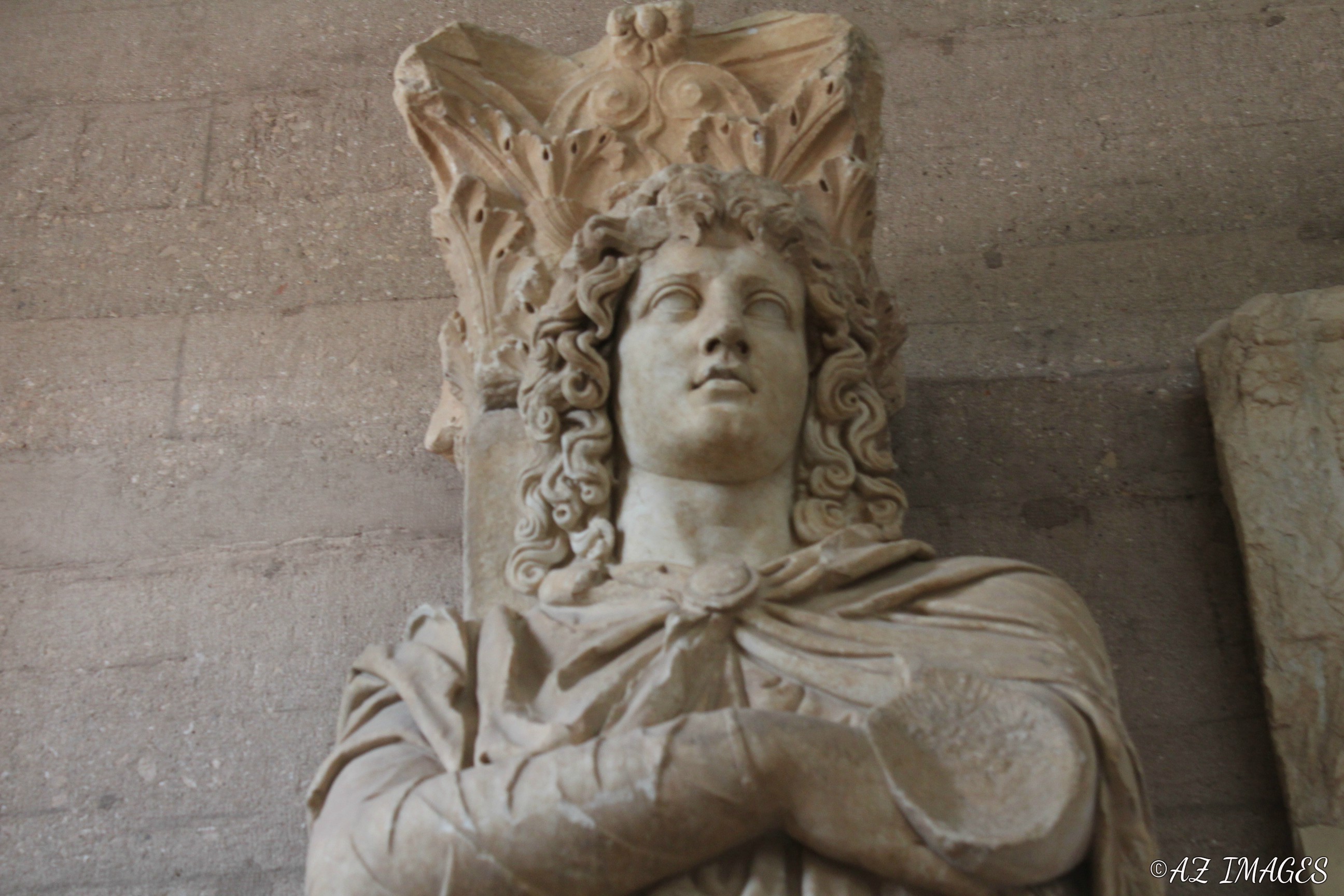
A Roman statue
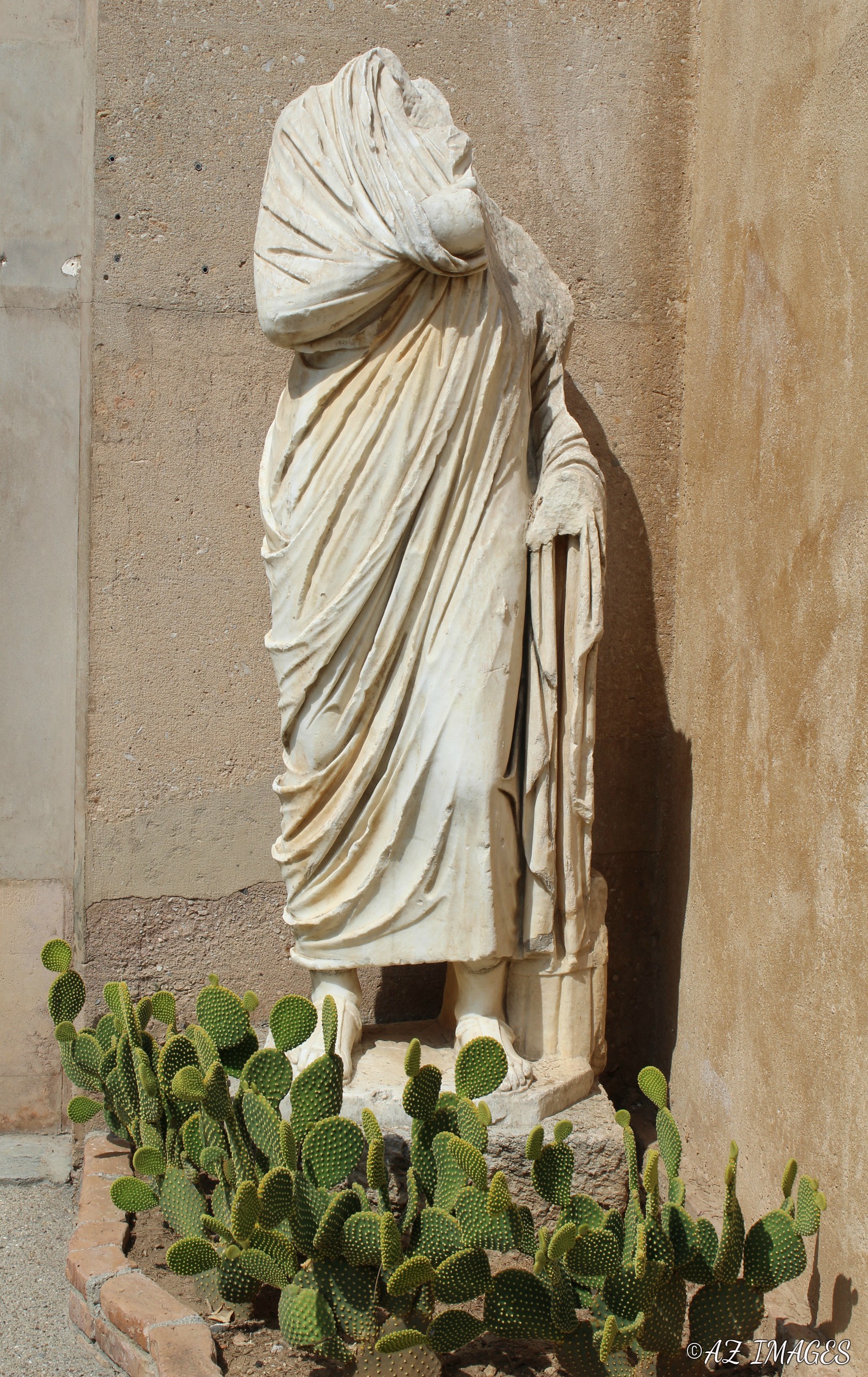
Great garden idea! Love the cacti.
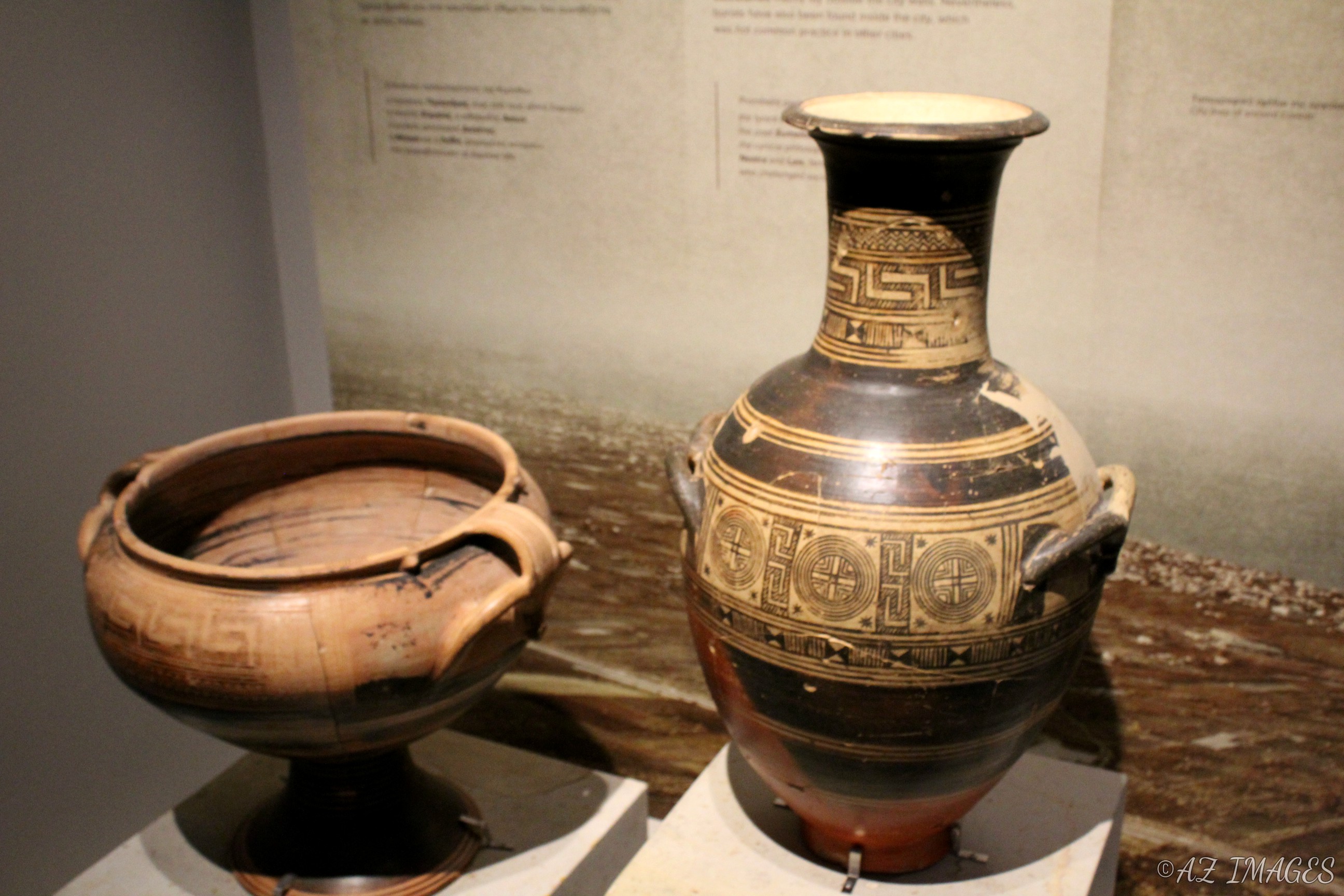
Beautiful Corinthian pots. I wish I had the big one in my home 😉

Another head of Dionysus
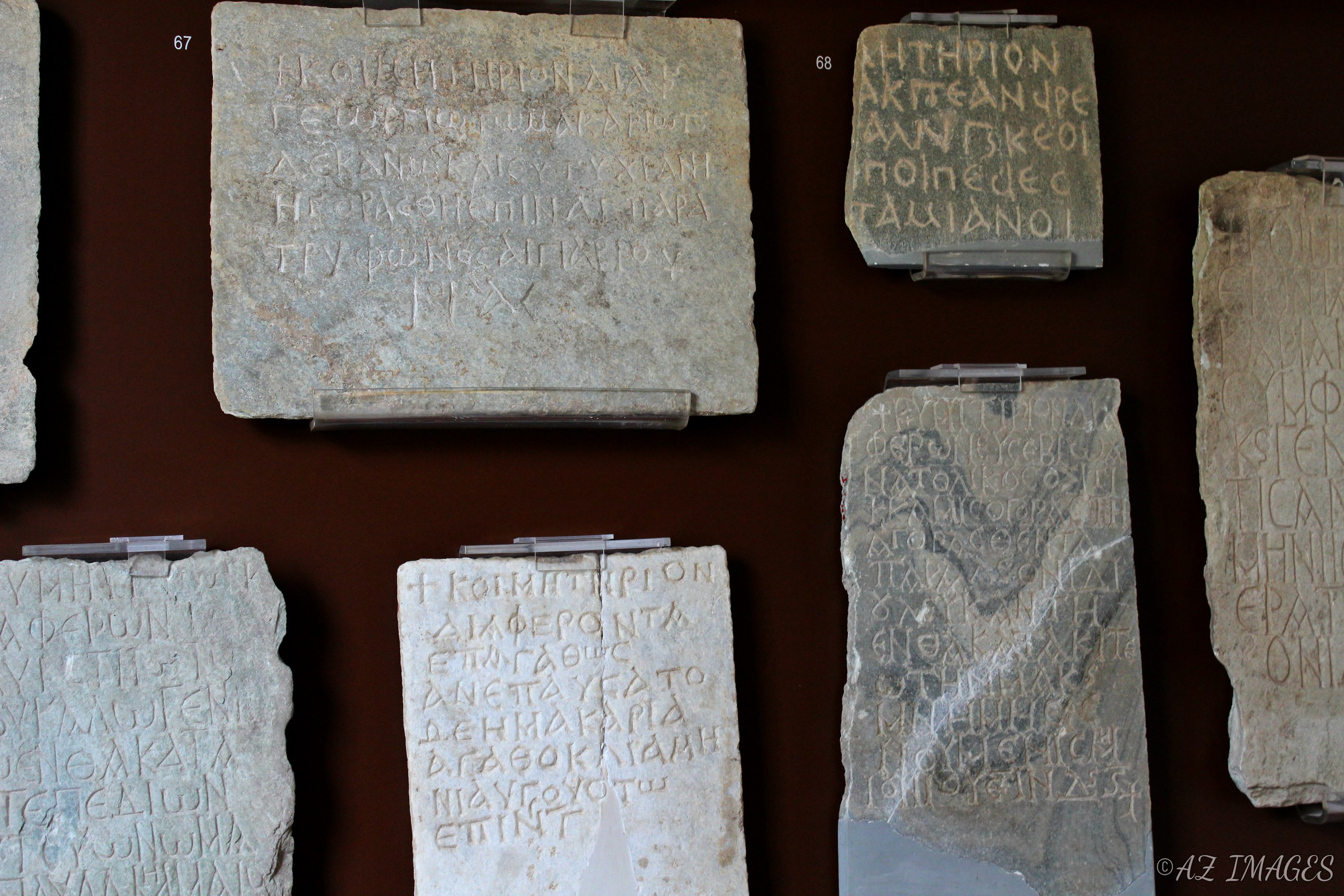
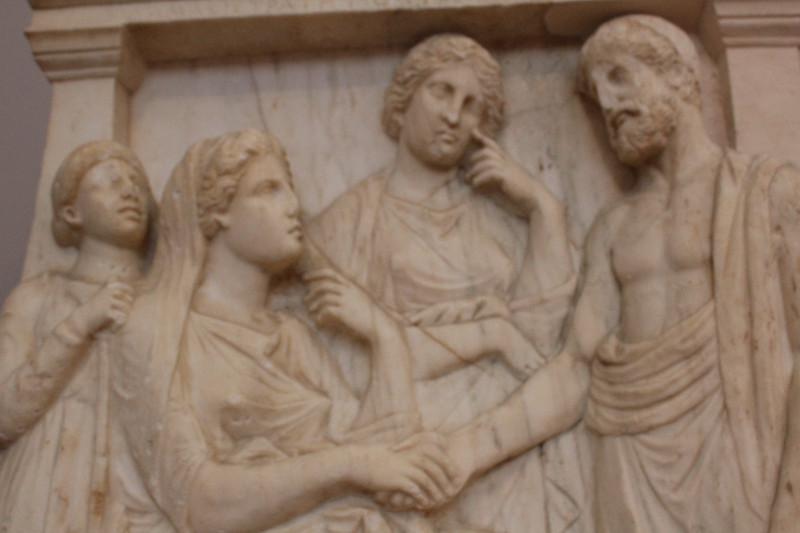
Ancient Greek Gravestones
A few photographs from the museum in Ancient Corinth. I got too excited, so I took so many photos that it was hard to sort them out afterwards. I just don’t want to forget everything that I have seen, as being in a museum can sometimes be overwhelming.
Μερικές φωτογραφίες από το μουσείο της Αρχαίας Κορίνθου. Ενθούσιαστηκα πολύ, και εβγαλα πολλέs φωτογραφίες και ηταν δυσκολο να τις τακτοποιησω μετα. Απλά δεν θέλω να ξεχασω ολα οσα εχω δει , γιατι μερικες φορες οταν πηγαινεις σε μουσείο η επμειρία μπορει να είναι συντριπτικός.
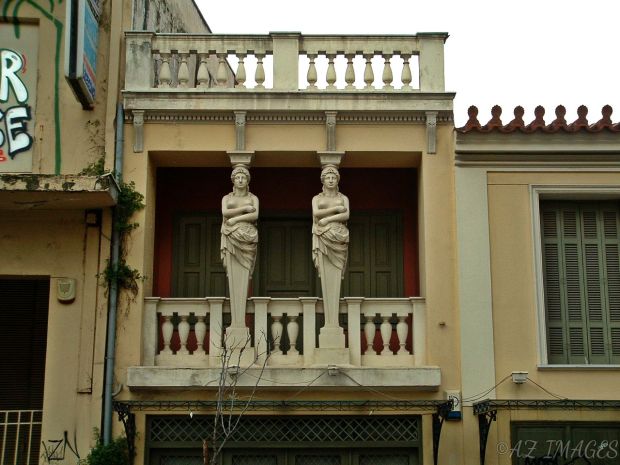
A historical building located in downtown Athens with Karyatides as the decor
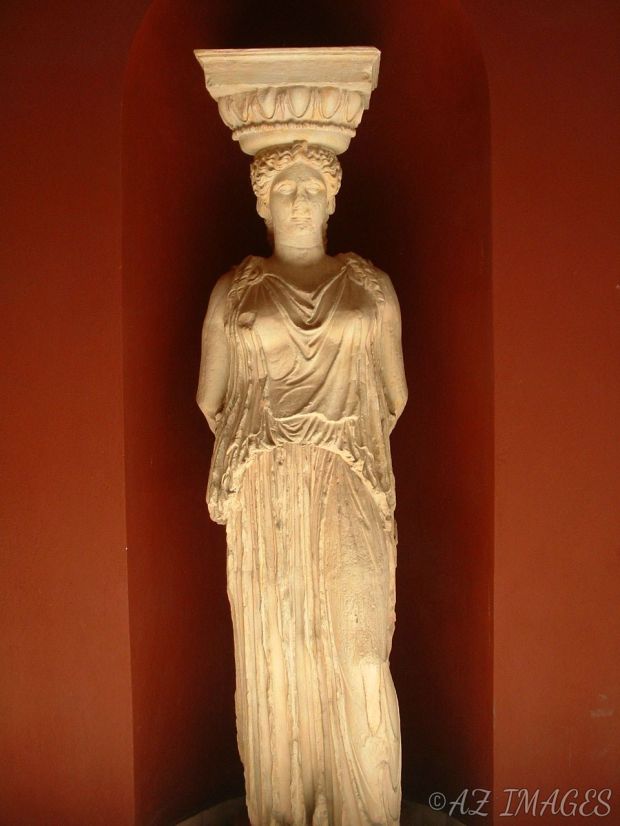
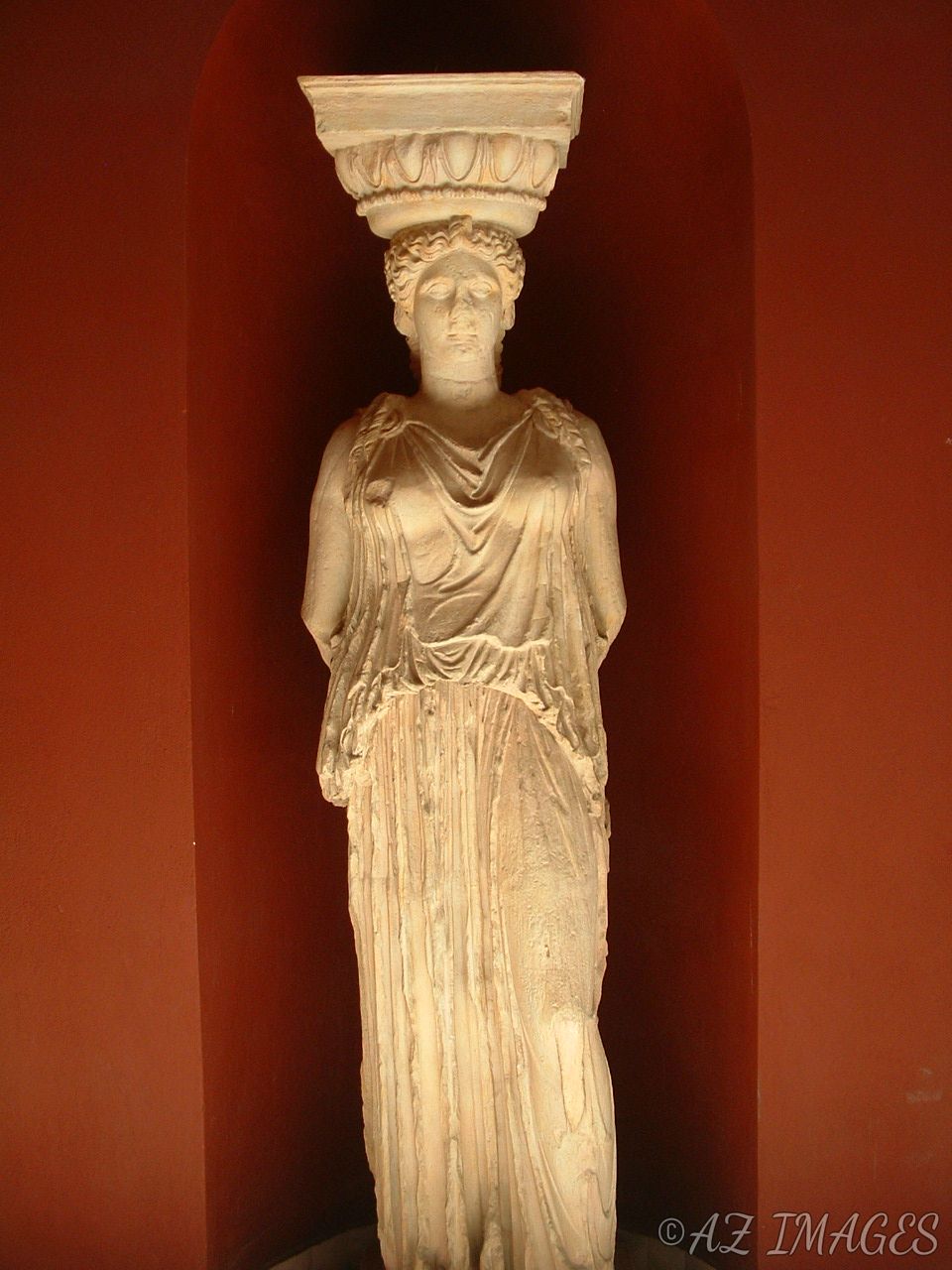
A copy of Karyatid outside of at a museum in Athens
The word Karyatides comes from the ancient Greek word ‘Kariates’ which means daughter. The daughters are said to have come a town outside of Sparta called ‘Karyes’. It is believed that they were very strong maidens who danced together in a circle with baskets on their heads. These women influenced Greek architecture and even the architecture beyond Greece.
Last year, all of Greece have been abuzz with the excavations of the large burial mound at Amphipolis in the region of Macedonia. some of the things that have been discovered include a large mosaic depicting the abduction of Persephone have been found and recently skeletons have been found. Whether the skeletons are that of Alexander the Great or one of his generals remain to be seen. In the second chamber be Karyatids were found that appeared to be guard at the entrance to the tomb chamber. The discovery of the Karyatides had every Greek talking about these mysterious women. What is the story behind them? Why are they everywhere? There are five of them at the Erechtheum at the Acropolis, the sixth one is in the British museum in London. In 525 B.C there used to be Karyatides at a temple in Delphi with ionic style clothing. We can find them a many national banks in Western Europe as well.


It was my first time at Epidaurus theatre, and I was awe-struck by this massive theatre that seats up to 13,000 people. It was built in 350 B.C by Polykleitos and it was dedicated to Asclepius the god of healing and t is the best preserved ancient theatre in Greece. It’s in an isolated region of the country side of Argolid for good reason. This place was a sanctuary for the sick from all over who arrived here to get closer to nature and to be healed by the natural surroundings. They stayed at the nearby temples just few metres from the theatre where they could exercise, relax and consult the priests. The reason for the theatre being here was because it was thought that the sick people would be healed by watching the tragedies as it would be a very cathartic and therapeutic experience for them. Also, the theatre is famous for its great acoustics and many tourists like to stand in the middle of the stage and clap or talk loud. The noise can be heard all the up to the last row of seats. Ancient theatre is still performed here and many famous actors and actresses have performed at this sacred spot.
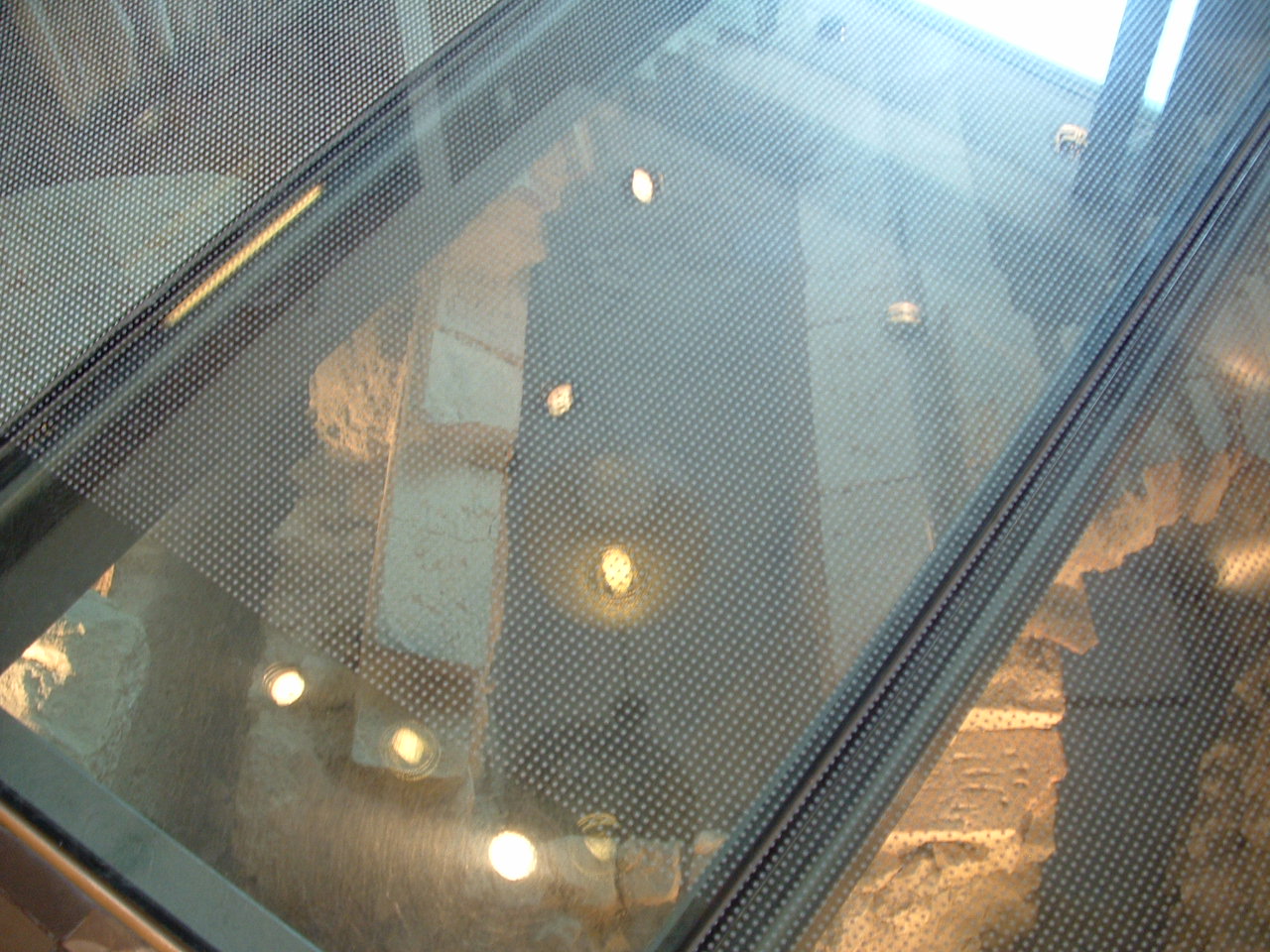
Entrance at Zara
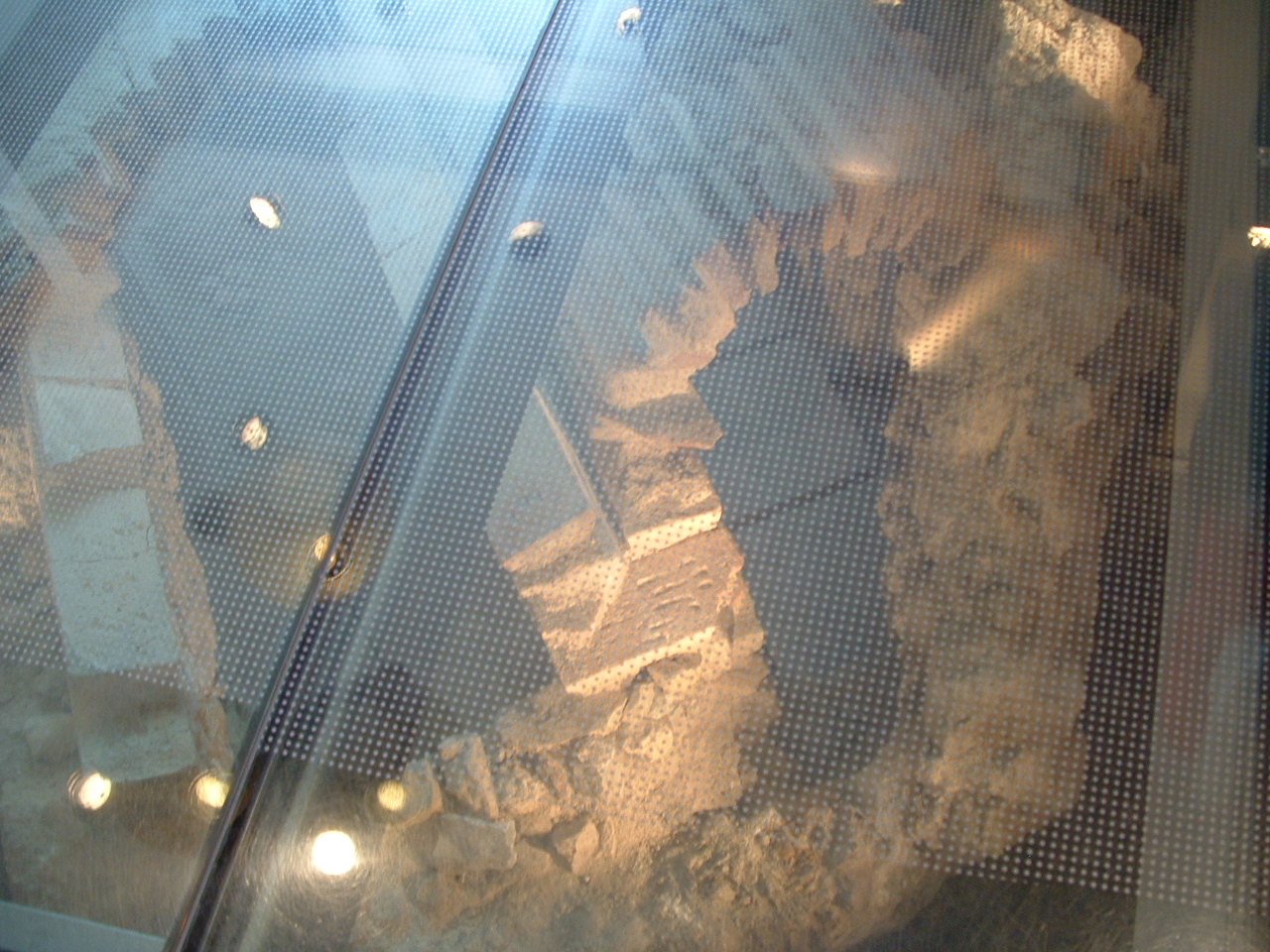
Ancient Stone Structure
The ancient city of Athens is littered with ruins. The famous of all ruins, the Acropolis, is the most visible of all. But, there are buildings underneath our feet that many people do not know are there. Although I know that the ruins are everywhere, especially in the downtown area, I was pleasantly surprised when I saw some ruins at the entrance of the clothing store Zara at Panepistimiou Street. At the entrance and underneath a large sheet of plexiglass is what appears to be a stone archway of a home or some other structure. I didn’t notice it when I walked in but when I walked out I saw it and I took some photographs.
Η αρχαία πόλη της Αθήνας είναι γεμάτη με ερείπια. Το διάσημο από όλα τα ερείπια, την Ακρόπολη, είναι το πιο ορατό από όλους. Αλλά, υπάρχουν κτίρια κάτω από τα πόδια μας, ότι πολλοί άνθρωποι δεν γνωρίζουν ότι υπάρχουν. Αν και ξέρω ότι τα ερείπια είναι παντού, ειδικά στο κέντρο της πόλης, εξεπλάγην ευχάριστα όταν είδα κάποια ερείπια στην είσοδο του καταστήματος ενδυμάτων Zara στην οδό Πανεπιστημίου. Στην είσοδο και κάτω από ένα μεγάλο φύλλο του πλεξιγκλάς είναι αυτό που φαίνεται να είναι μια πέτρινη καμάρα ενός σπιτιού ή κάποια άλλη δομή. Εγώ δεν το προσέξει αυτό, όταν μπήκα μέσα, αλλά όταν μπήκα έξω το είδα και πήρα μερικές φωτογραφίες.
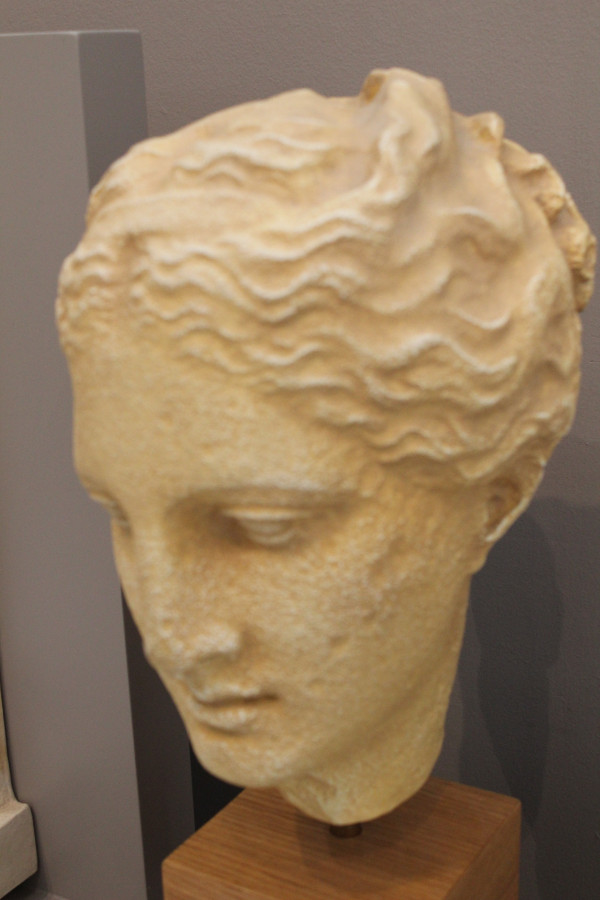
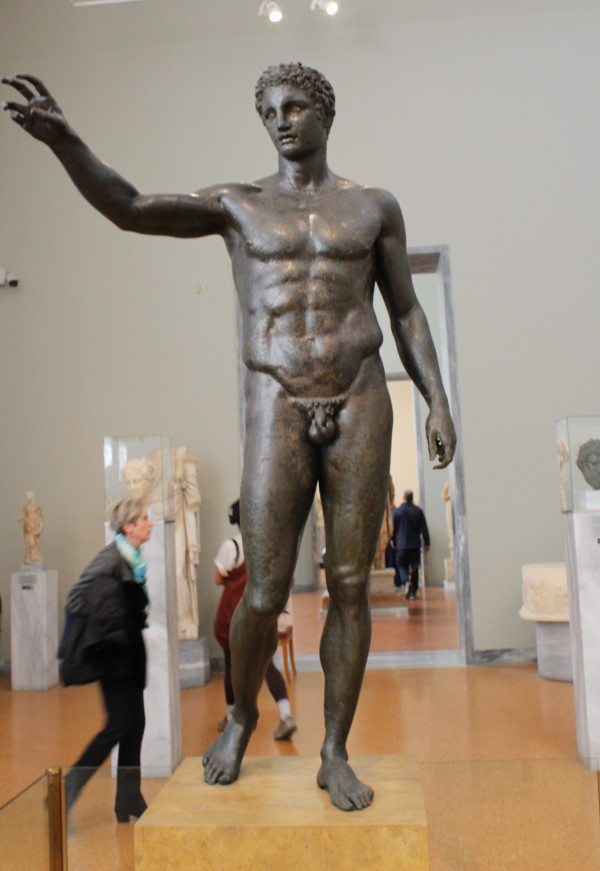
One of my favourite things to take pictures of are statues. Both Gods and mortals have been the subjects of the talented ancient sculptors. These artisans with their skilled and caring hands have captured the beauty of the Gods and Goddesses and the burdens of the mortals. Skilled hands that have carved such realistic eyes that seem as though they are looking right at you. Skilled hands that have carved such realistic mouths that seem like they could speak to you. During their two thousand-year existence these statues have seen it all. If only those statues could speak. If they could what would they say?
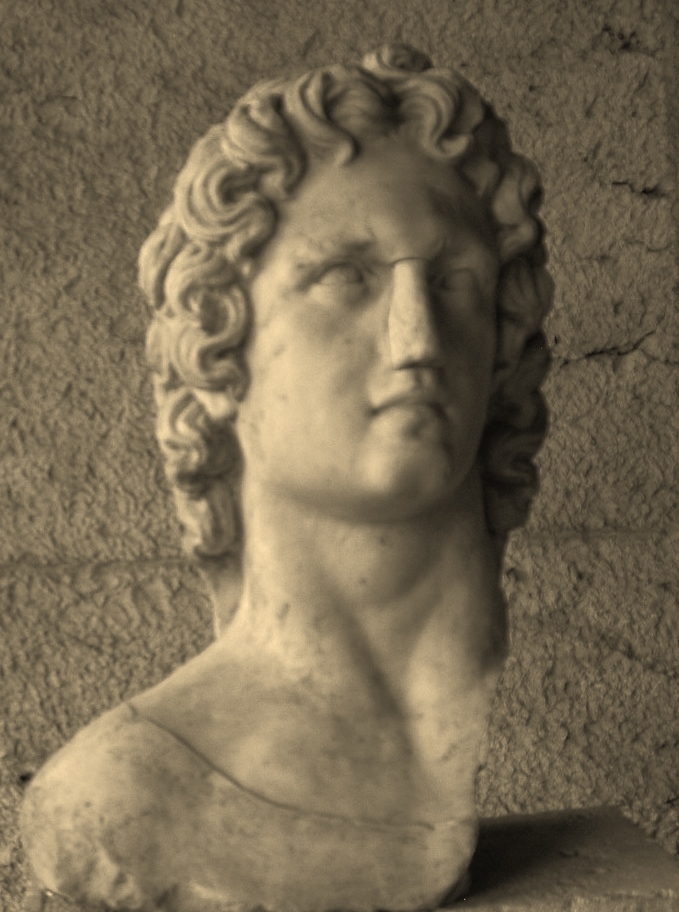
Helios In The Shade
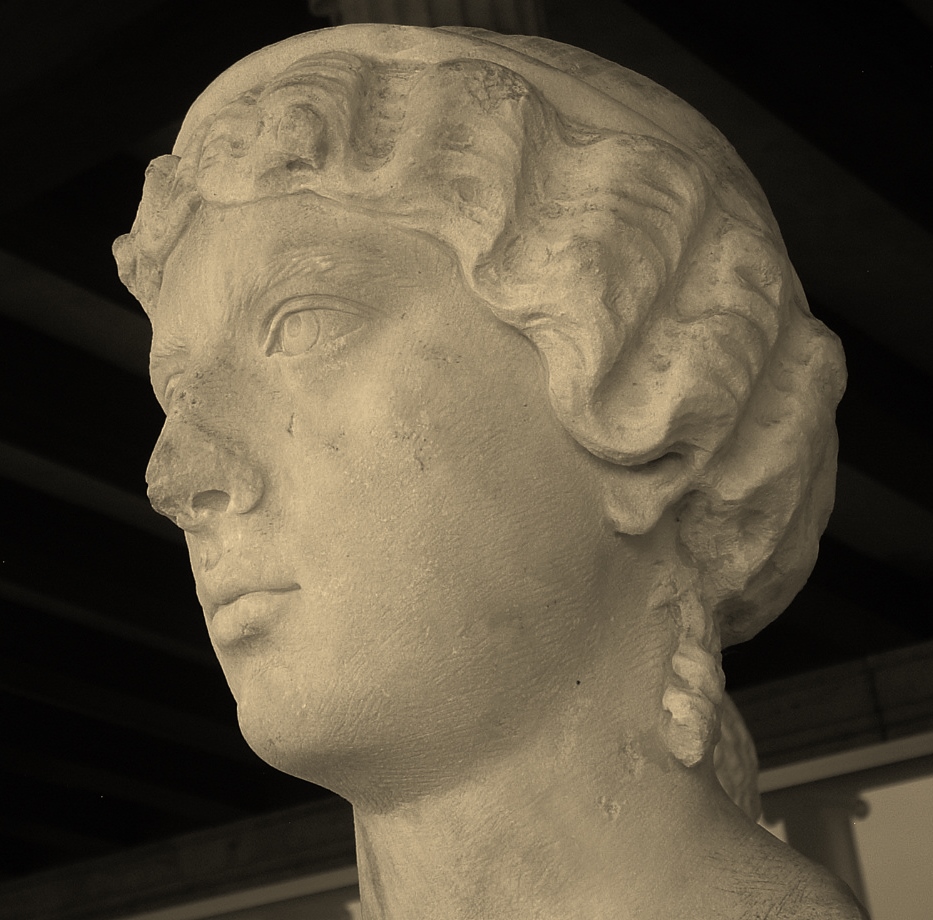
The Mortal Womans’ Gaze