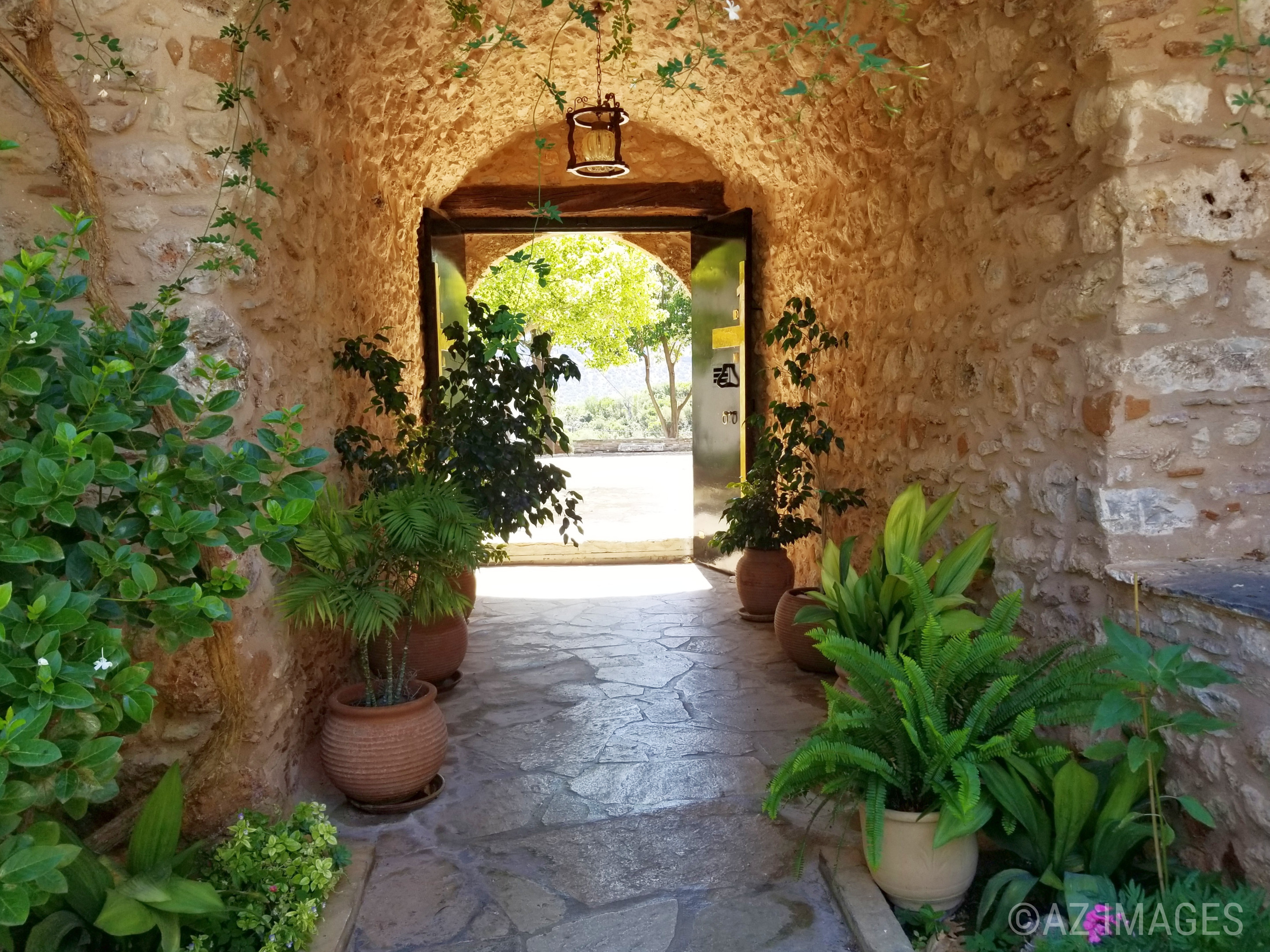
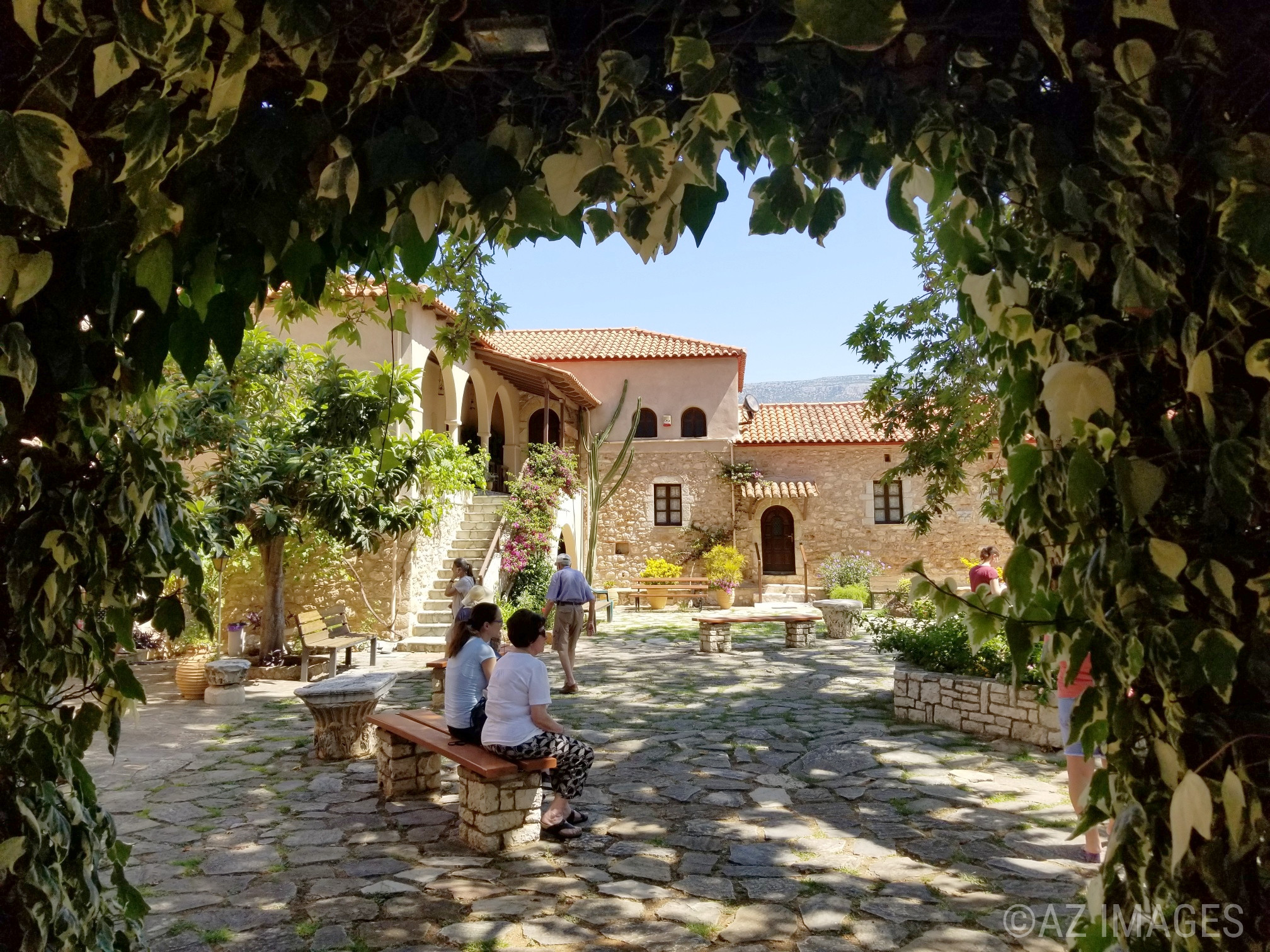
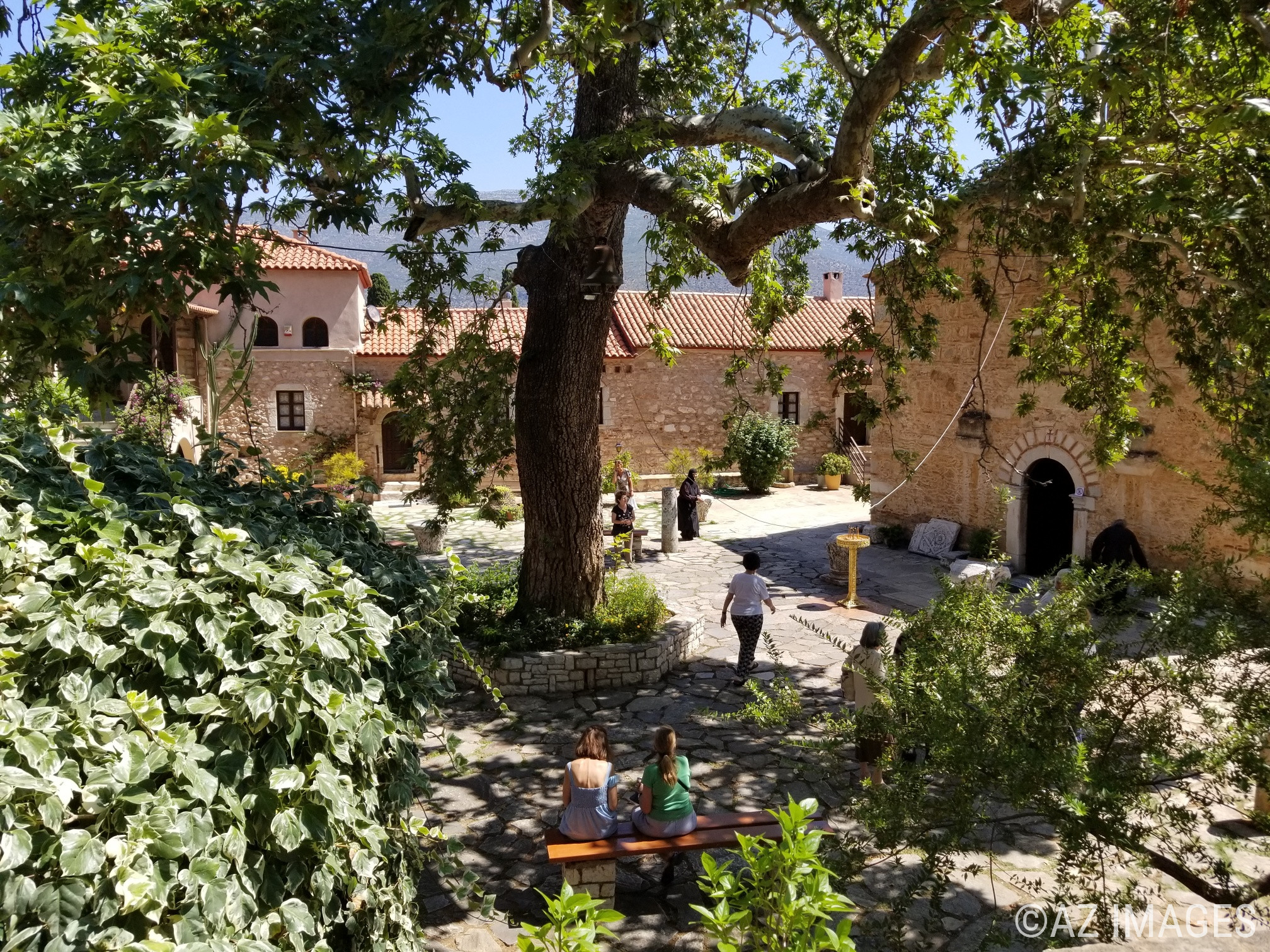

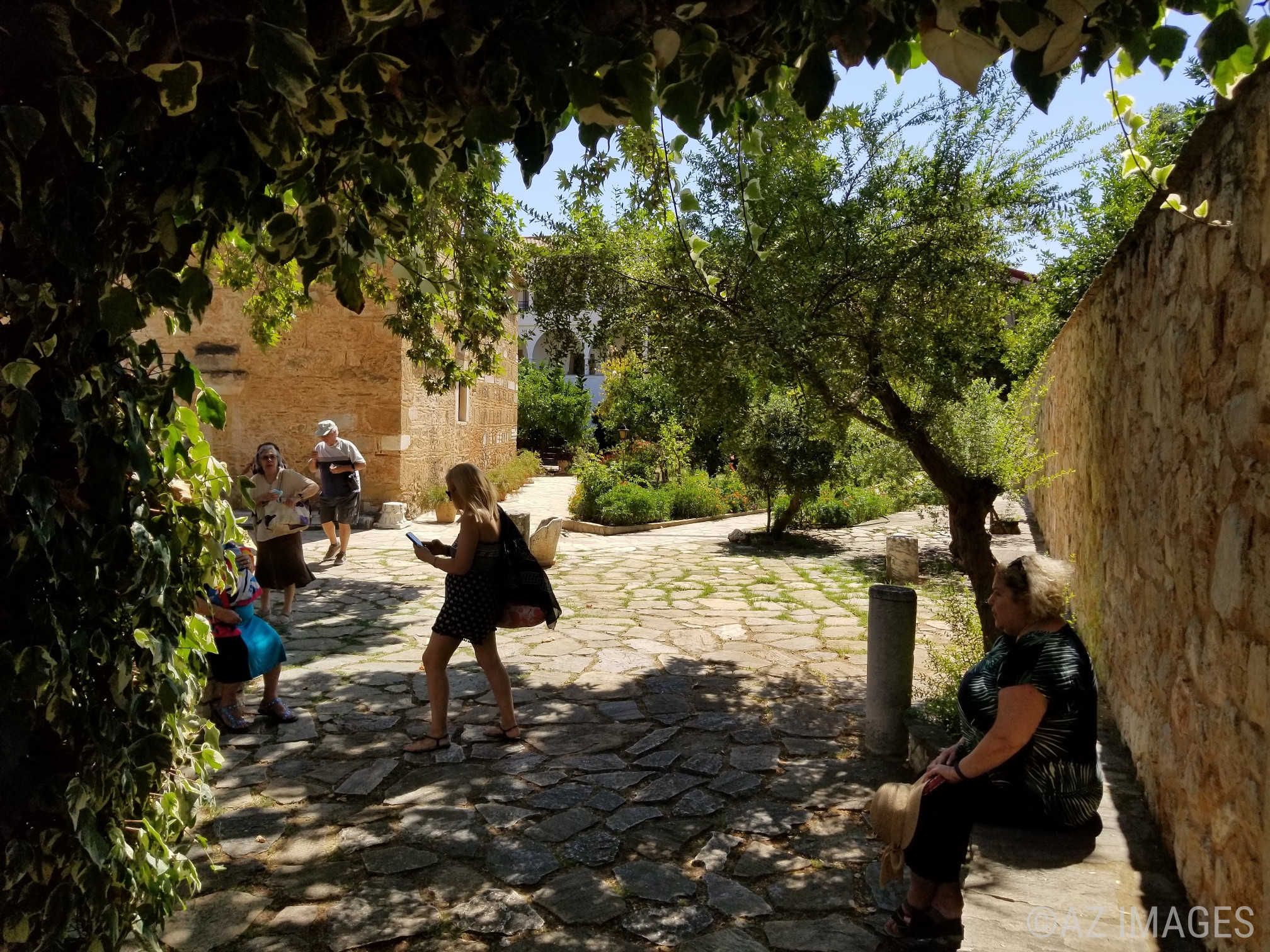
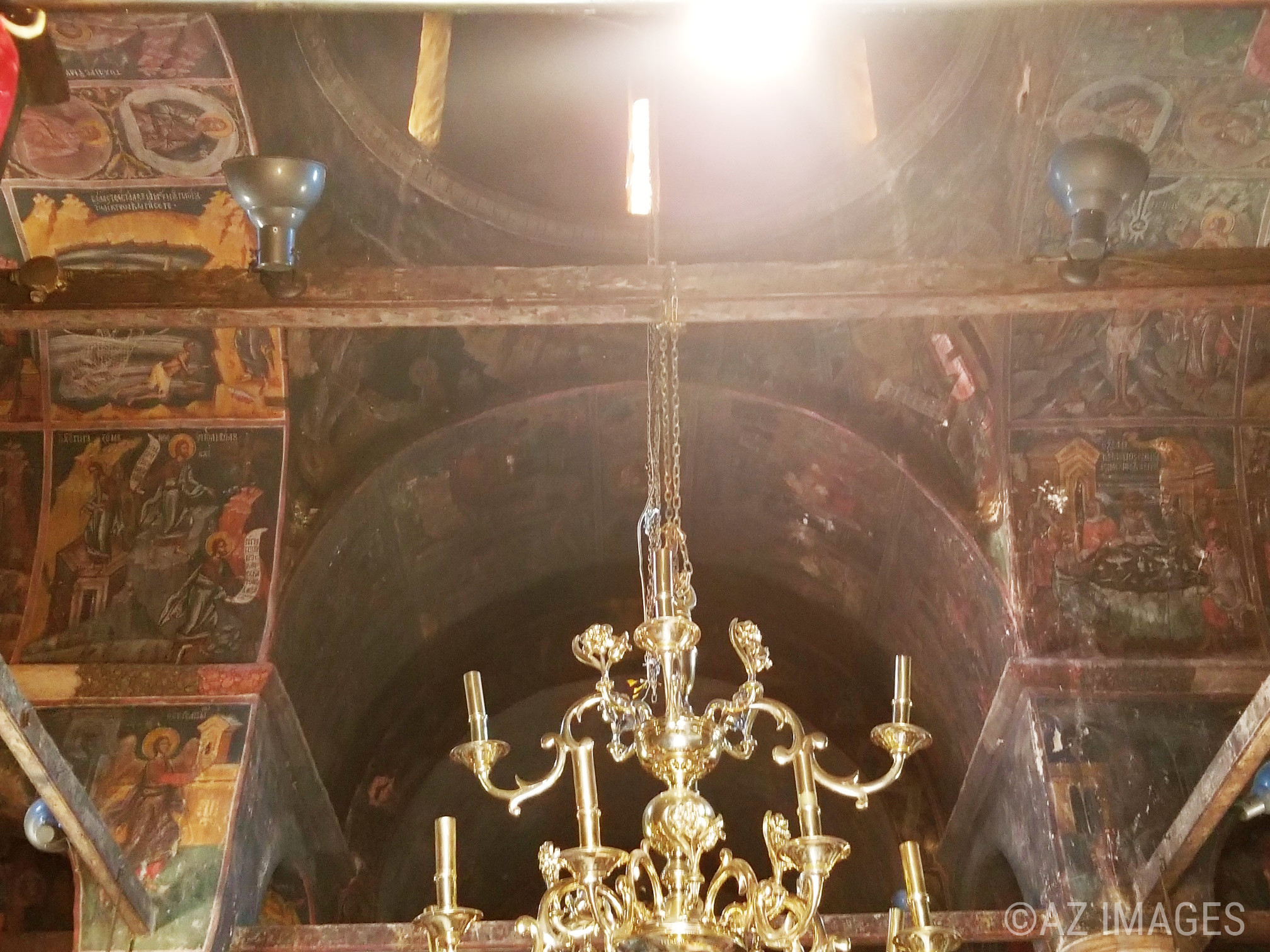
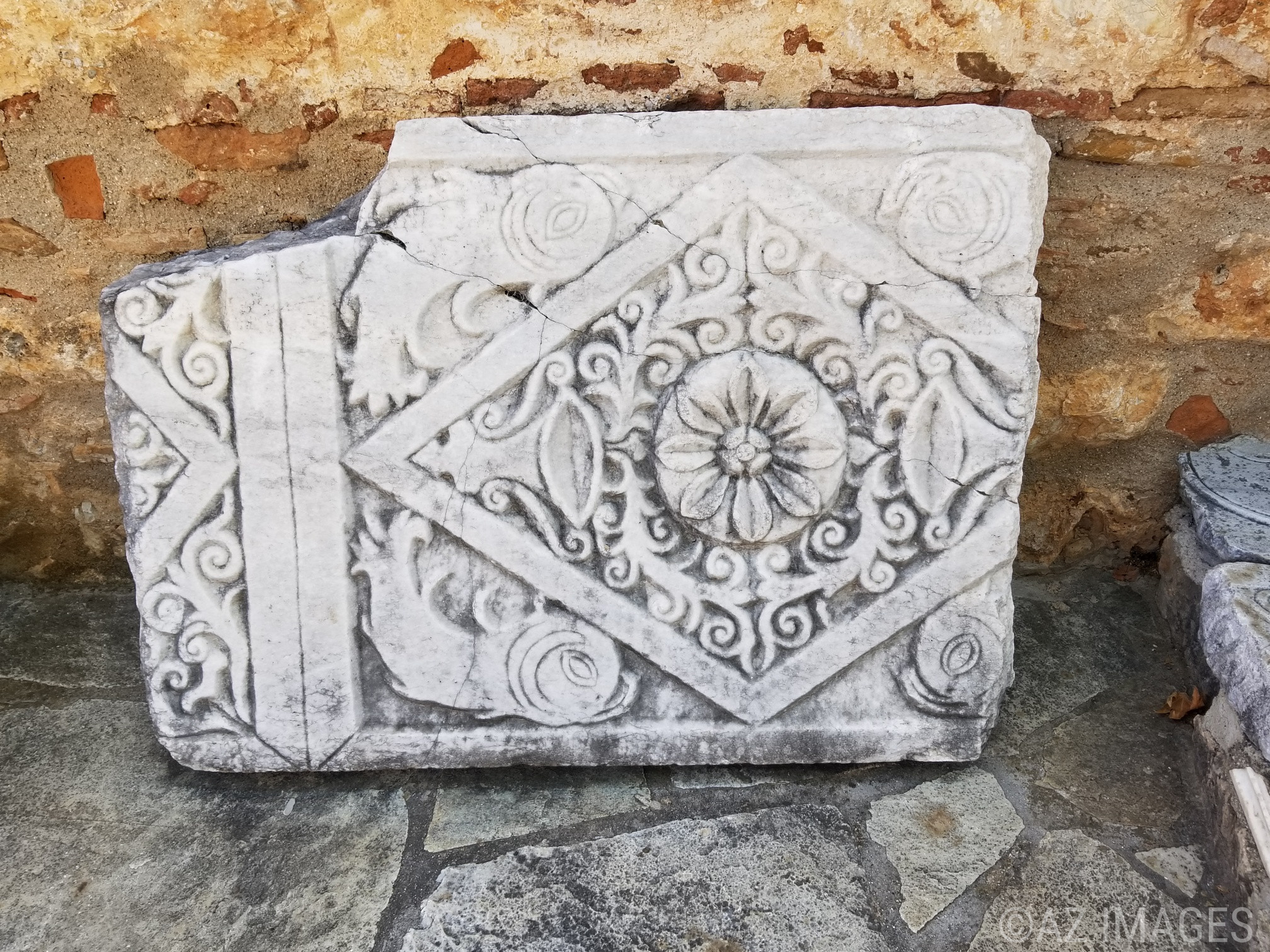
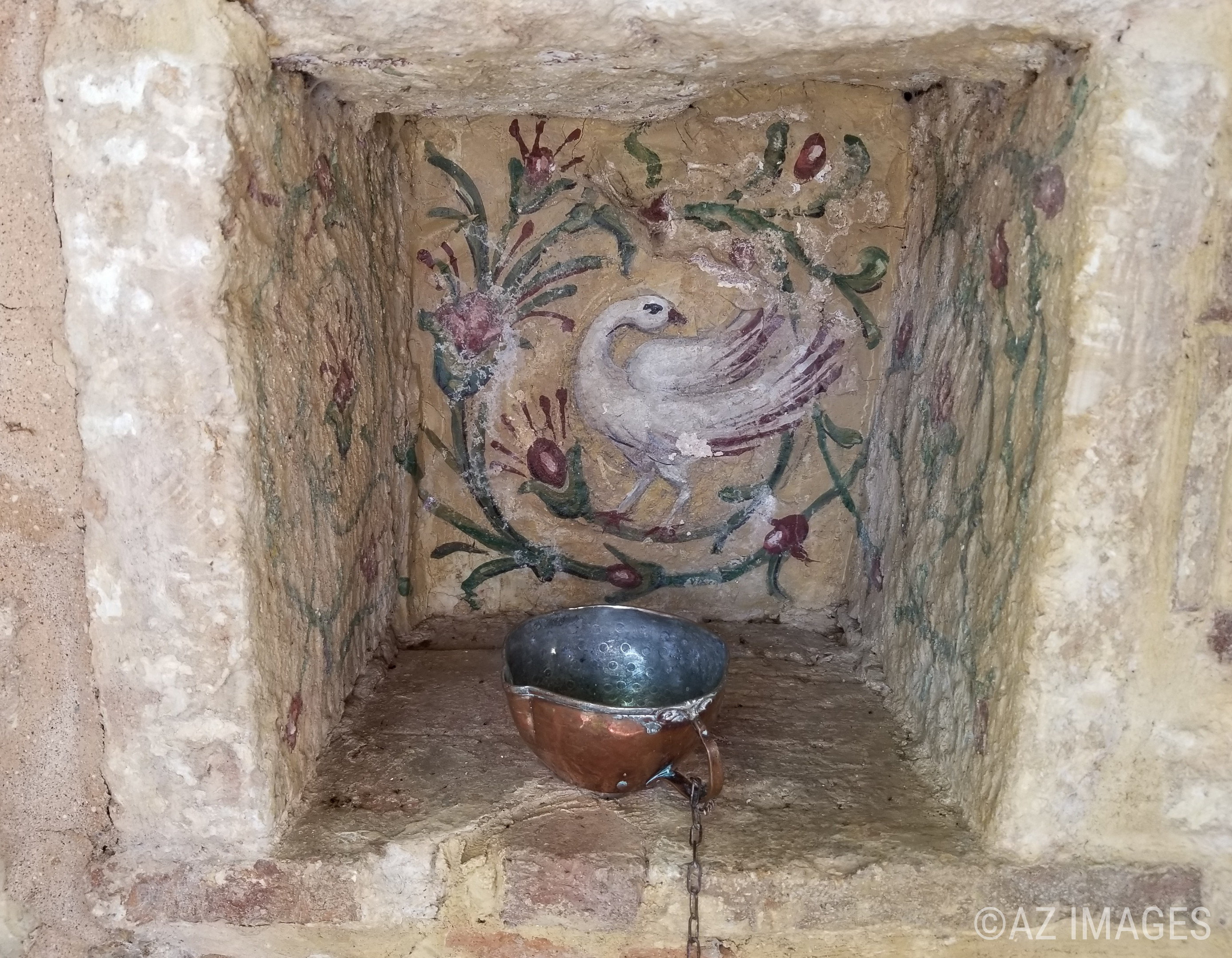
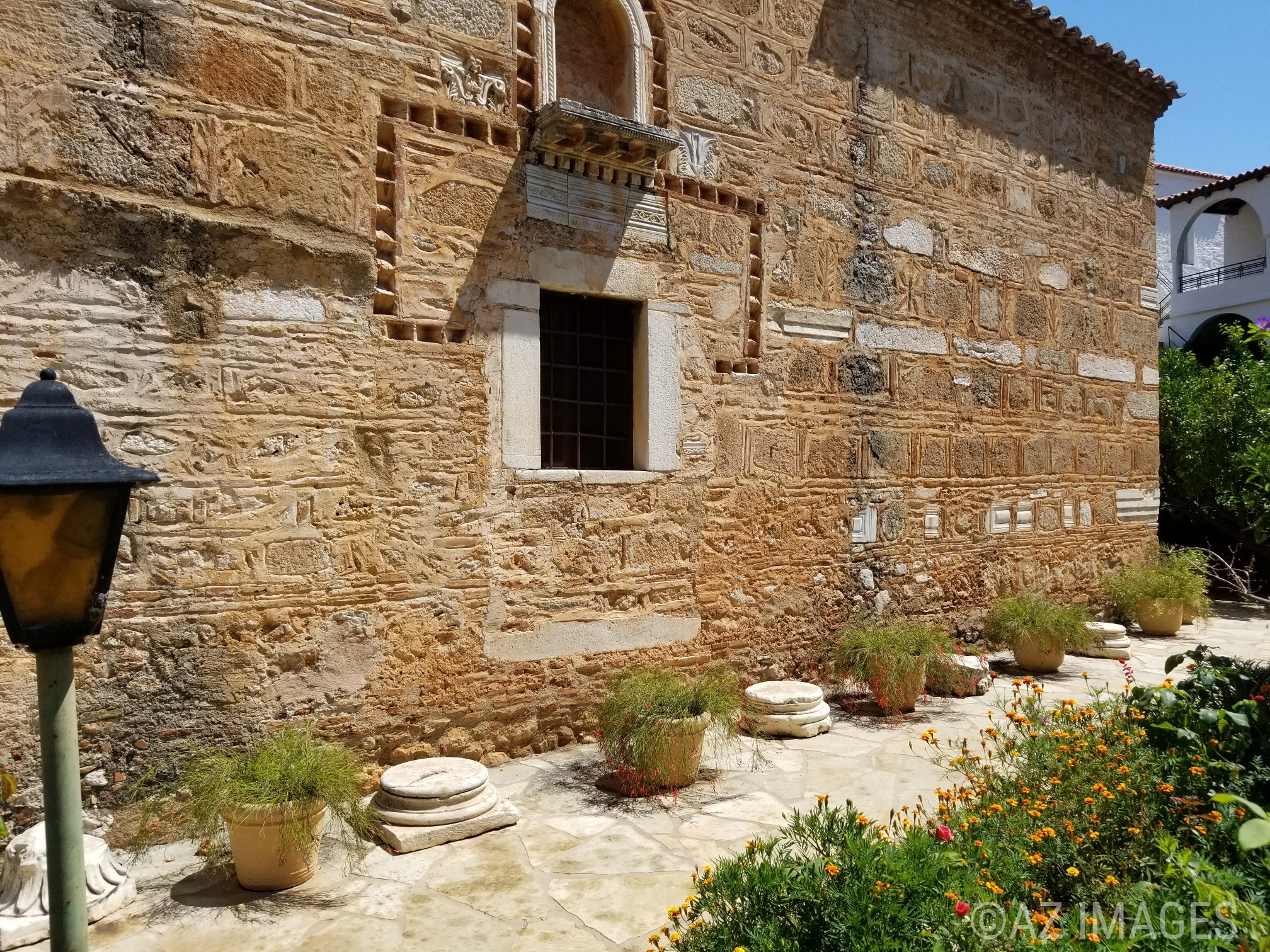
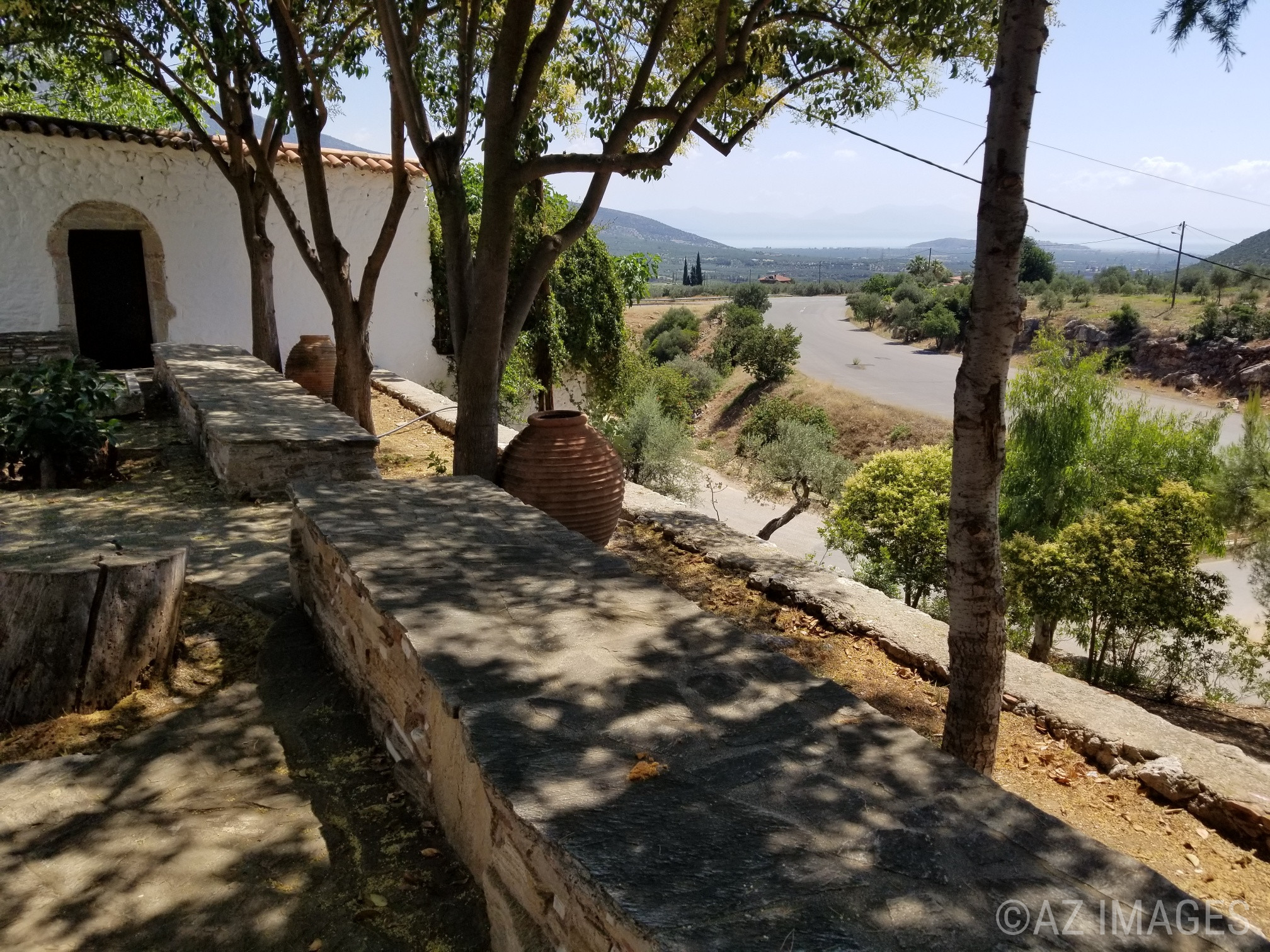
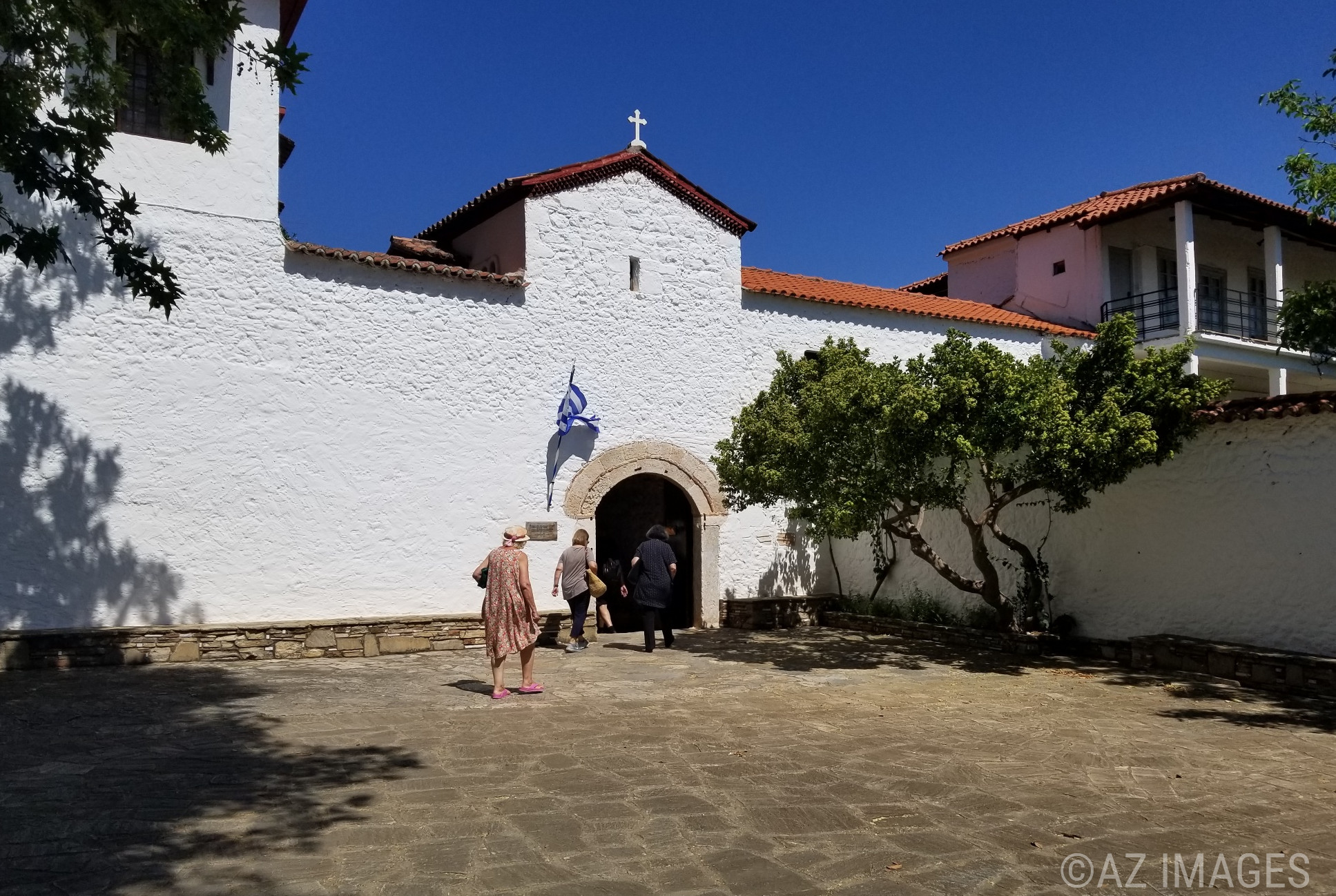
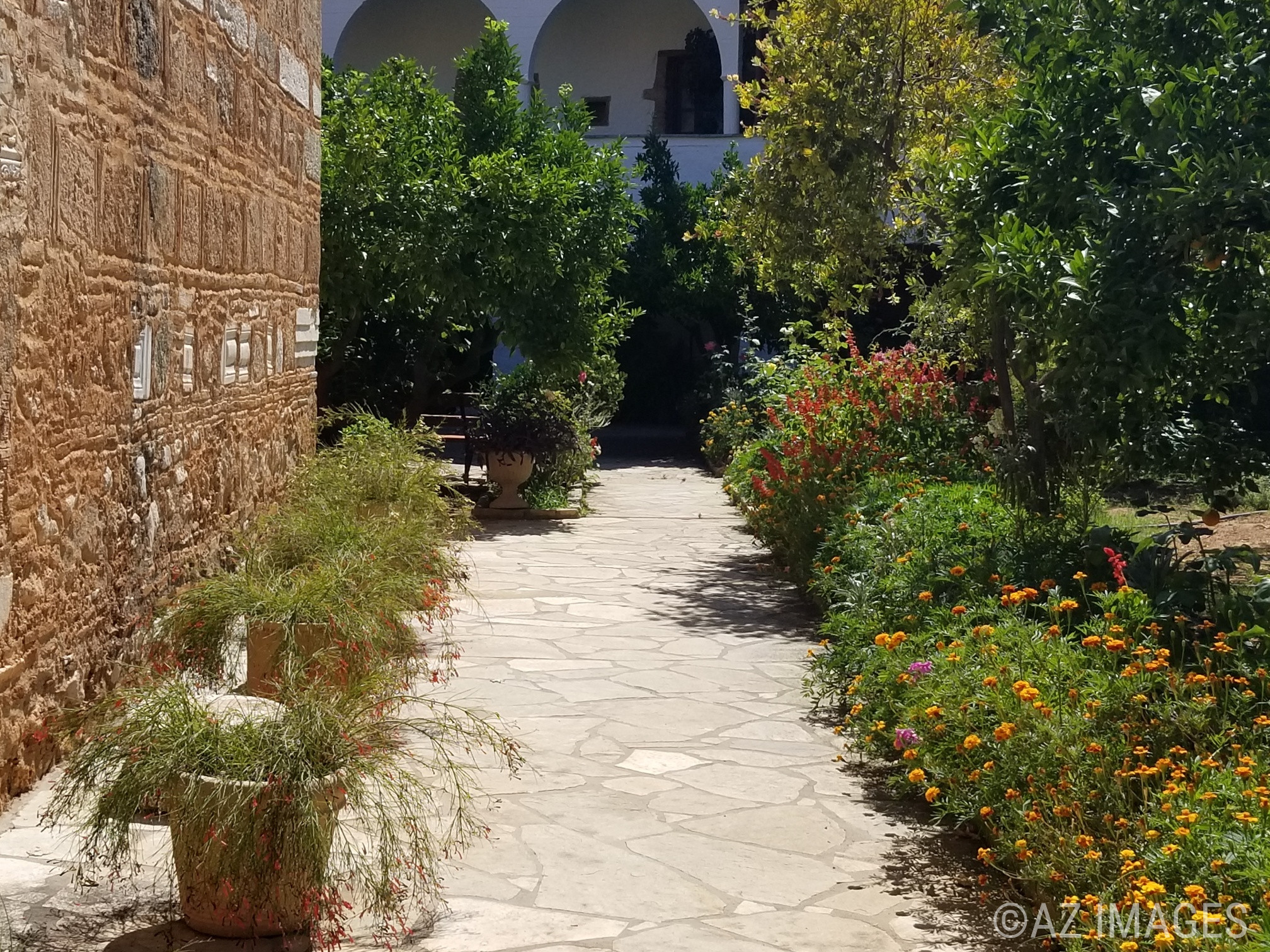

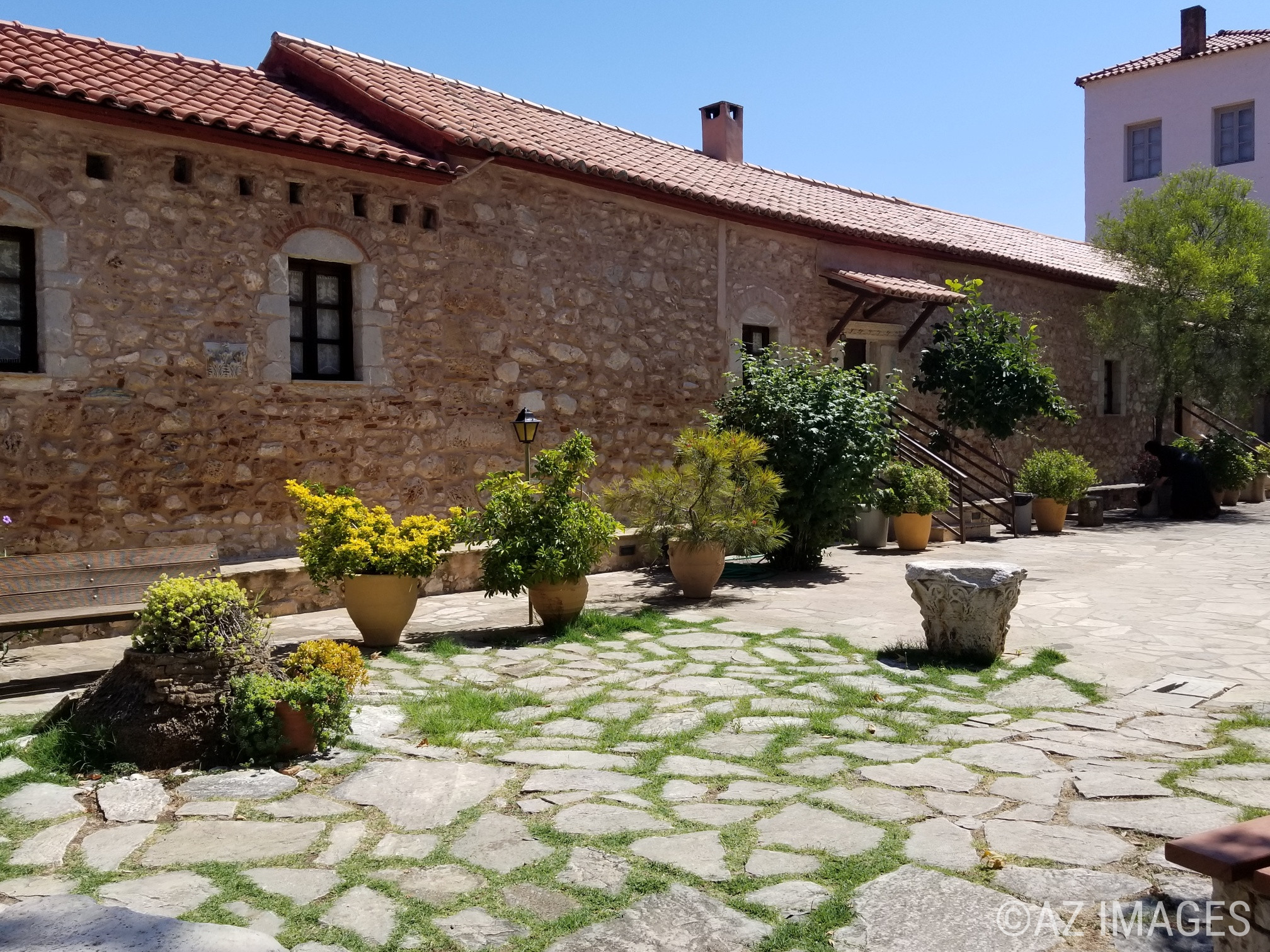
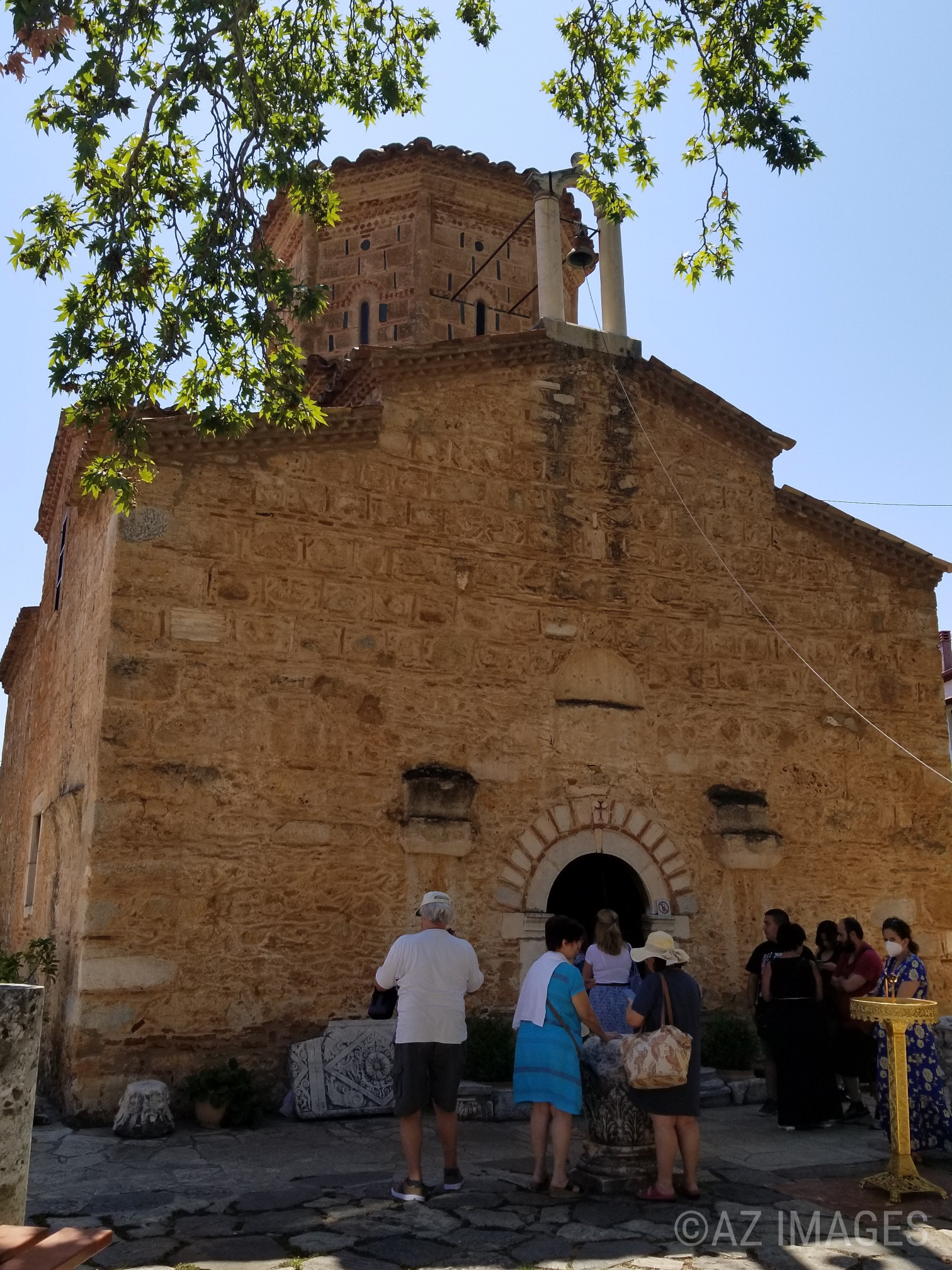
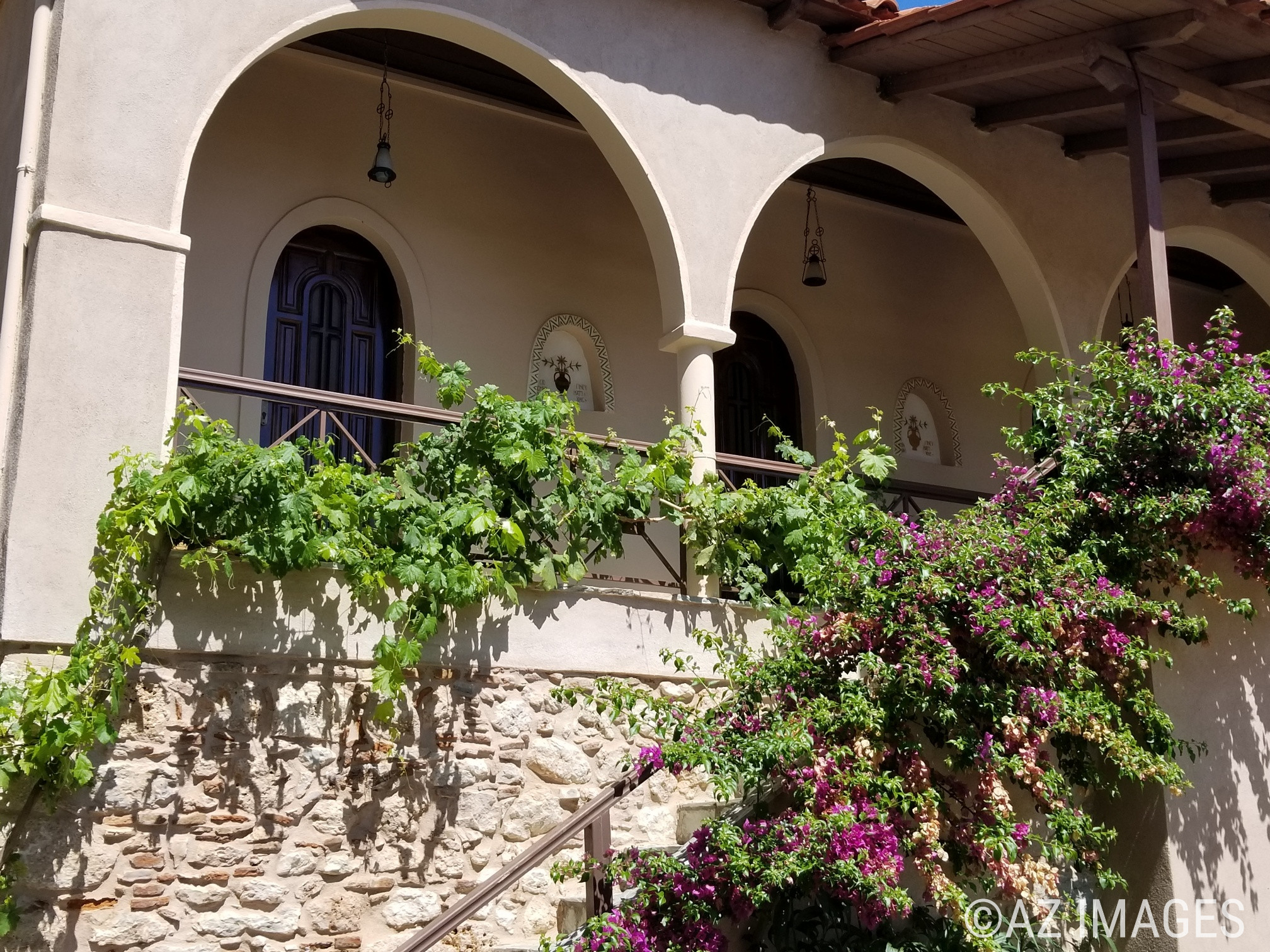

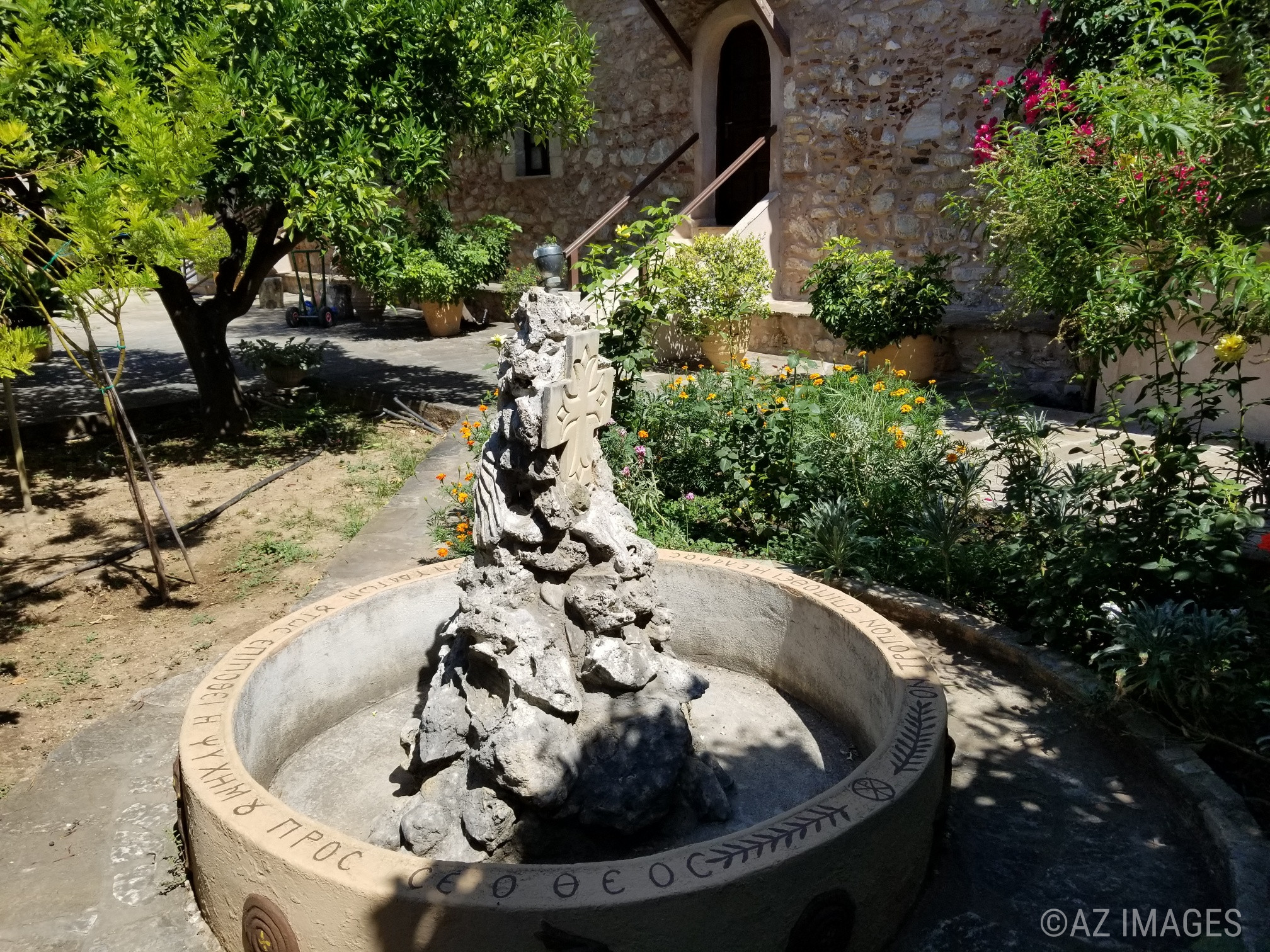
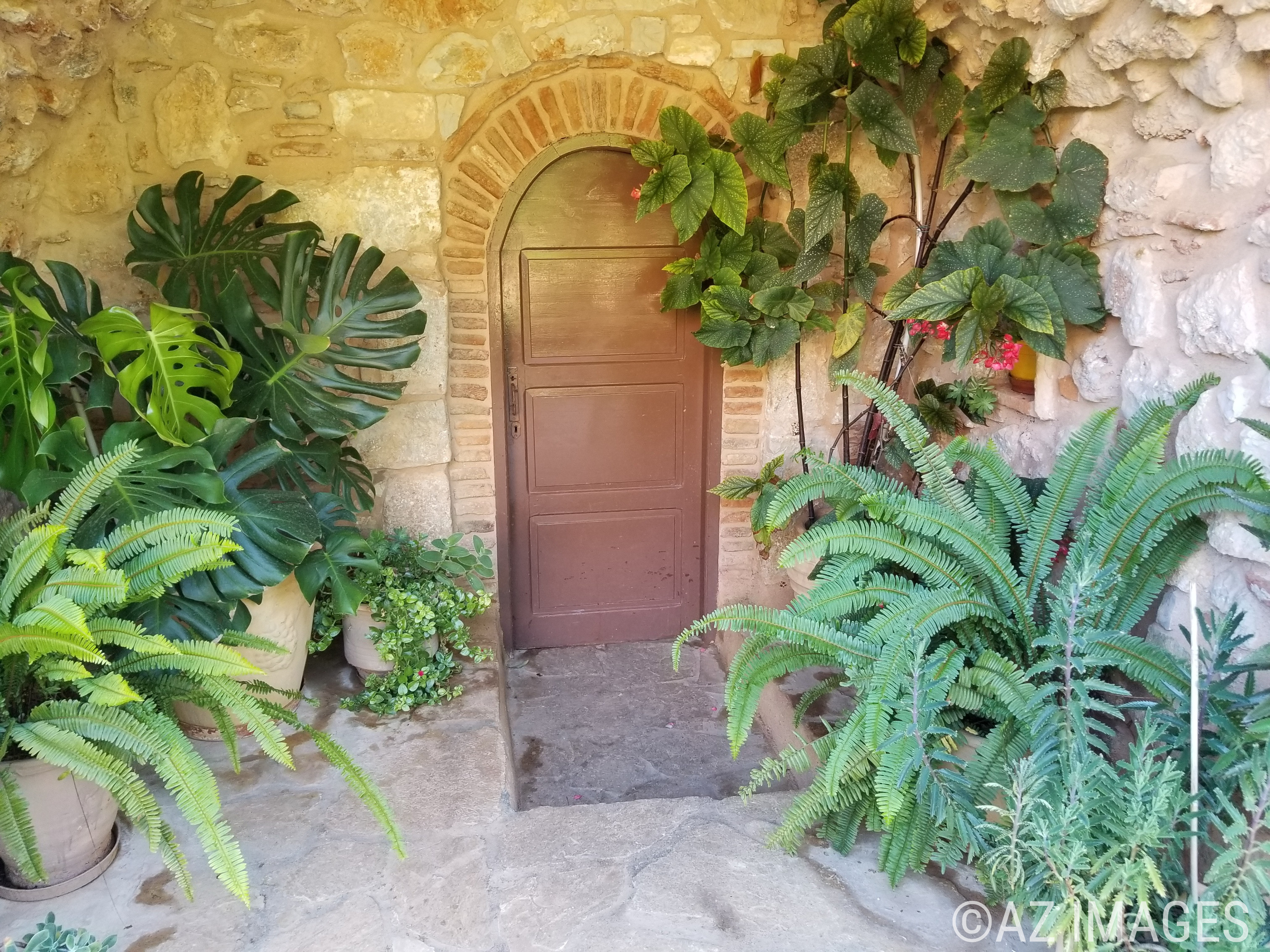
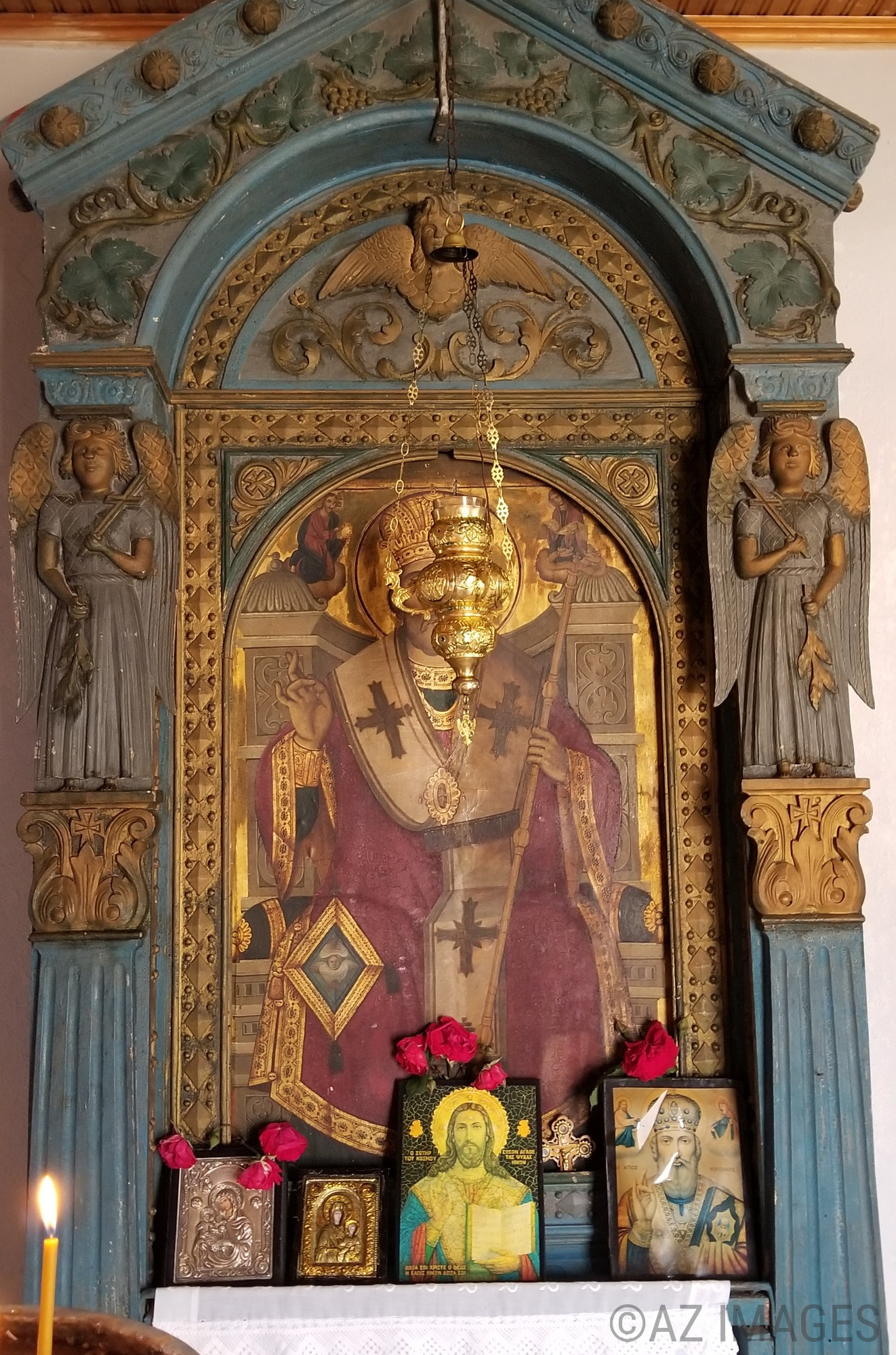
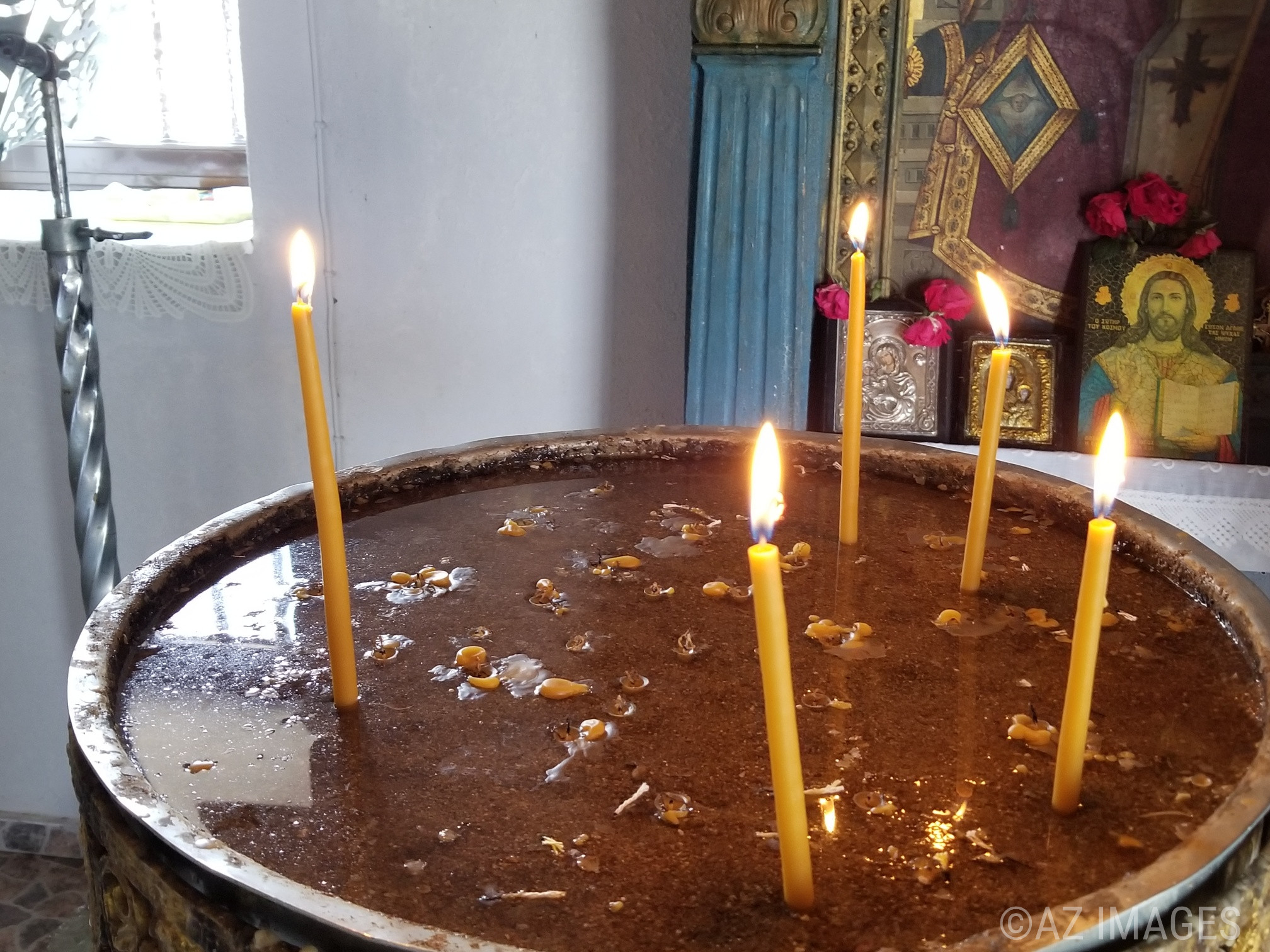
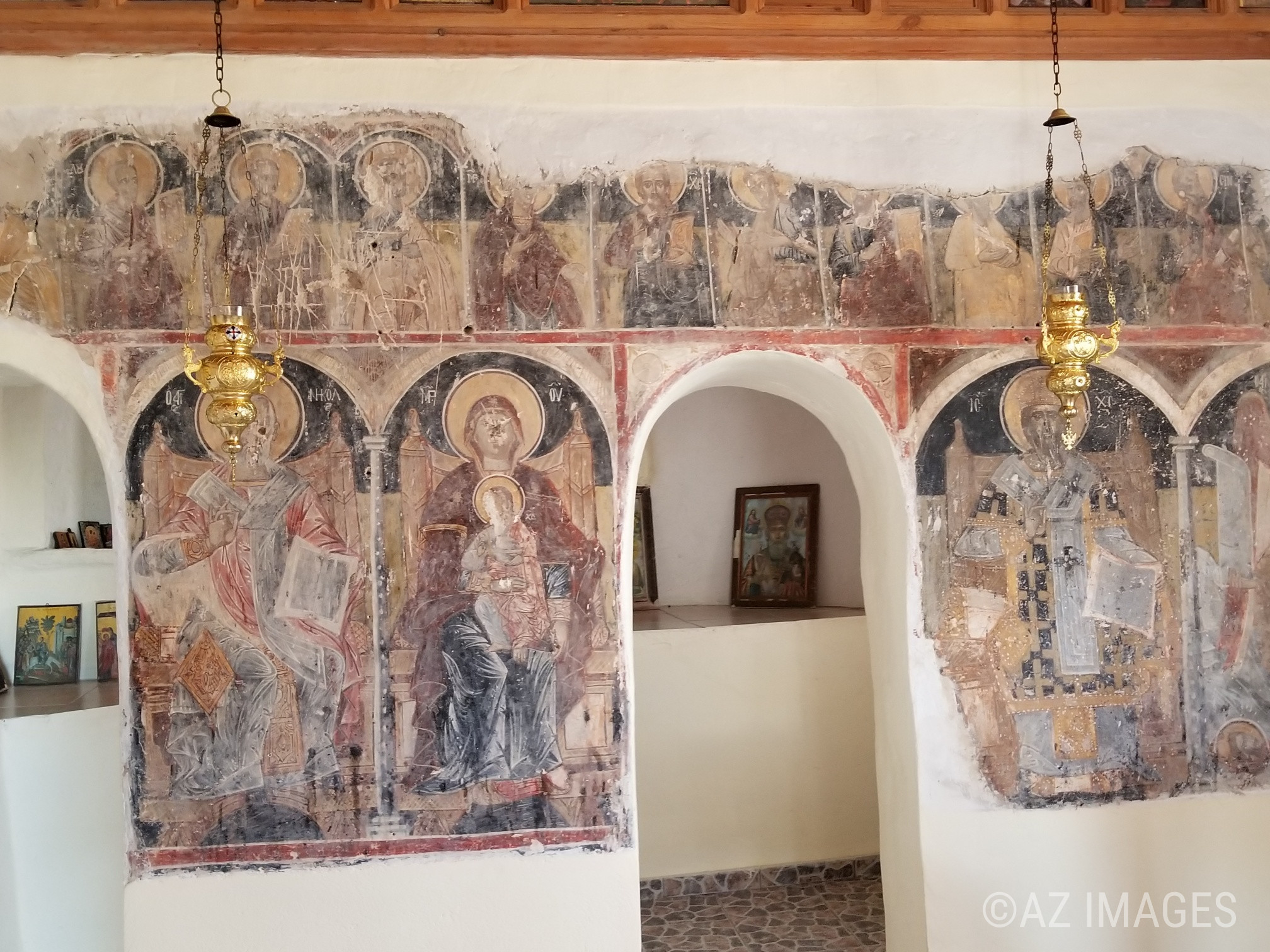
Loukous Monastery is located in Arcadia, and it is 4 km before Astros beach. It is open and friendly to the public. The nuns were the friendliest I had every come across at a monastery- including the elderly priest. The nuns were eager to discuss the history of the monastery to the guests and they gave us Holy Water. I packet a long skirt, but I didn’t need to change as I was wearing shorts. I was never told to change or given ‘the look’.
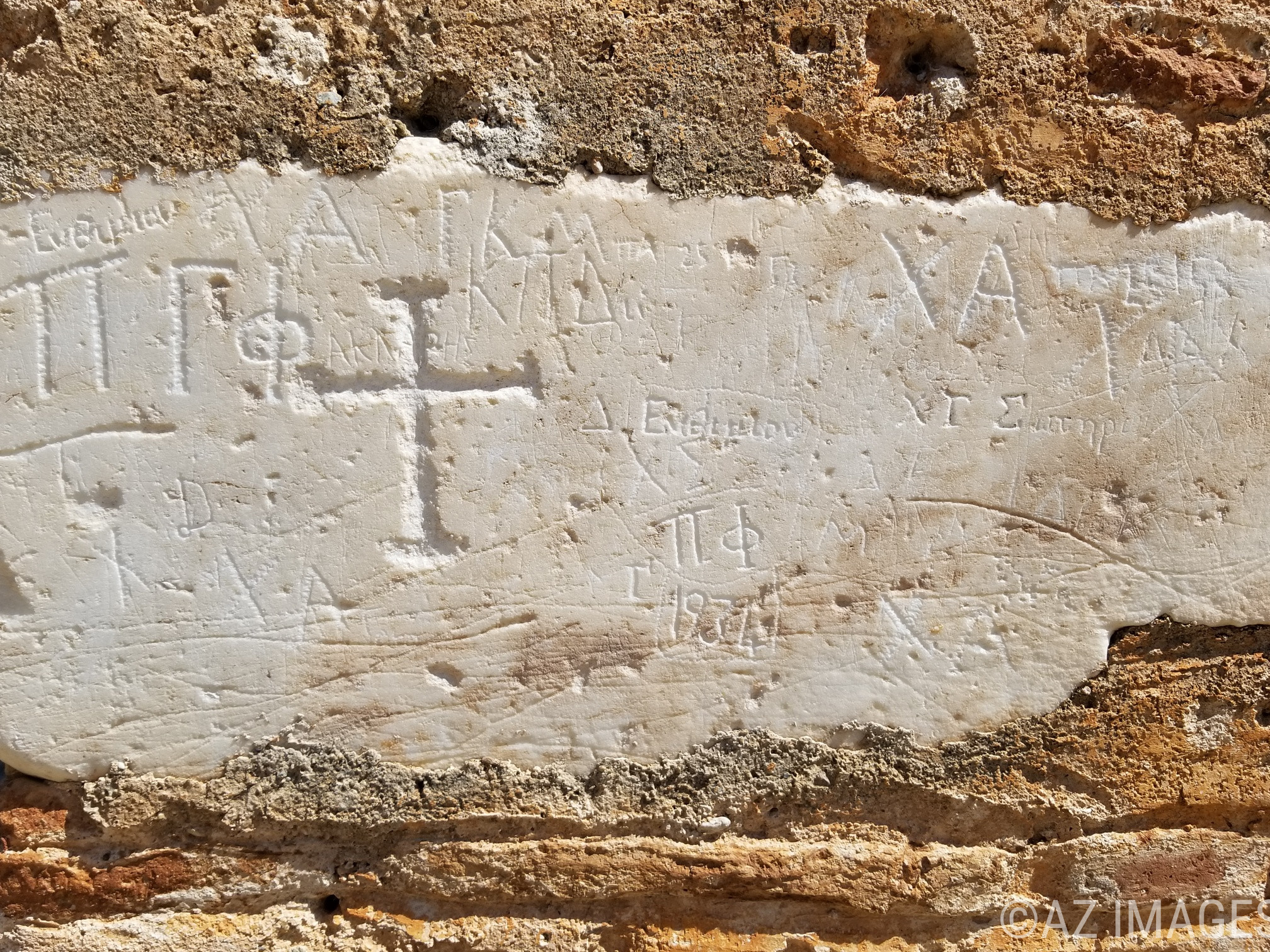
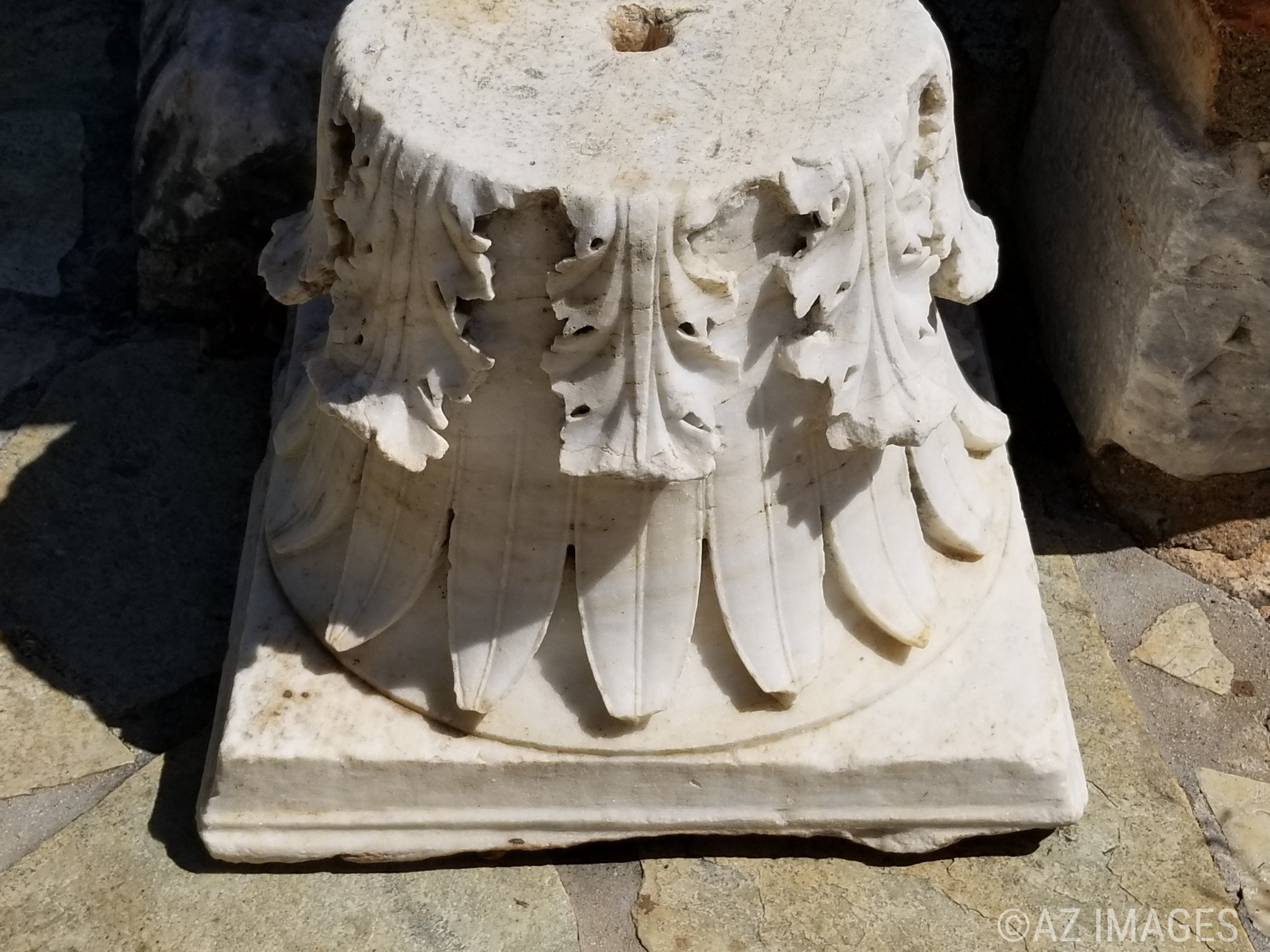
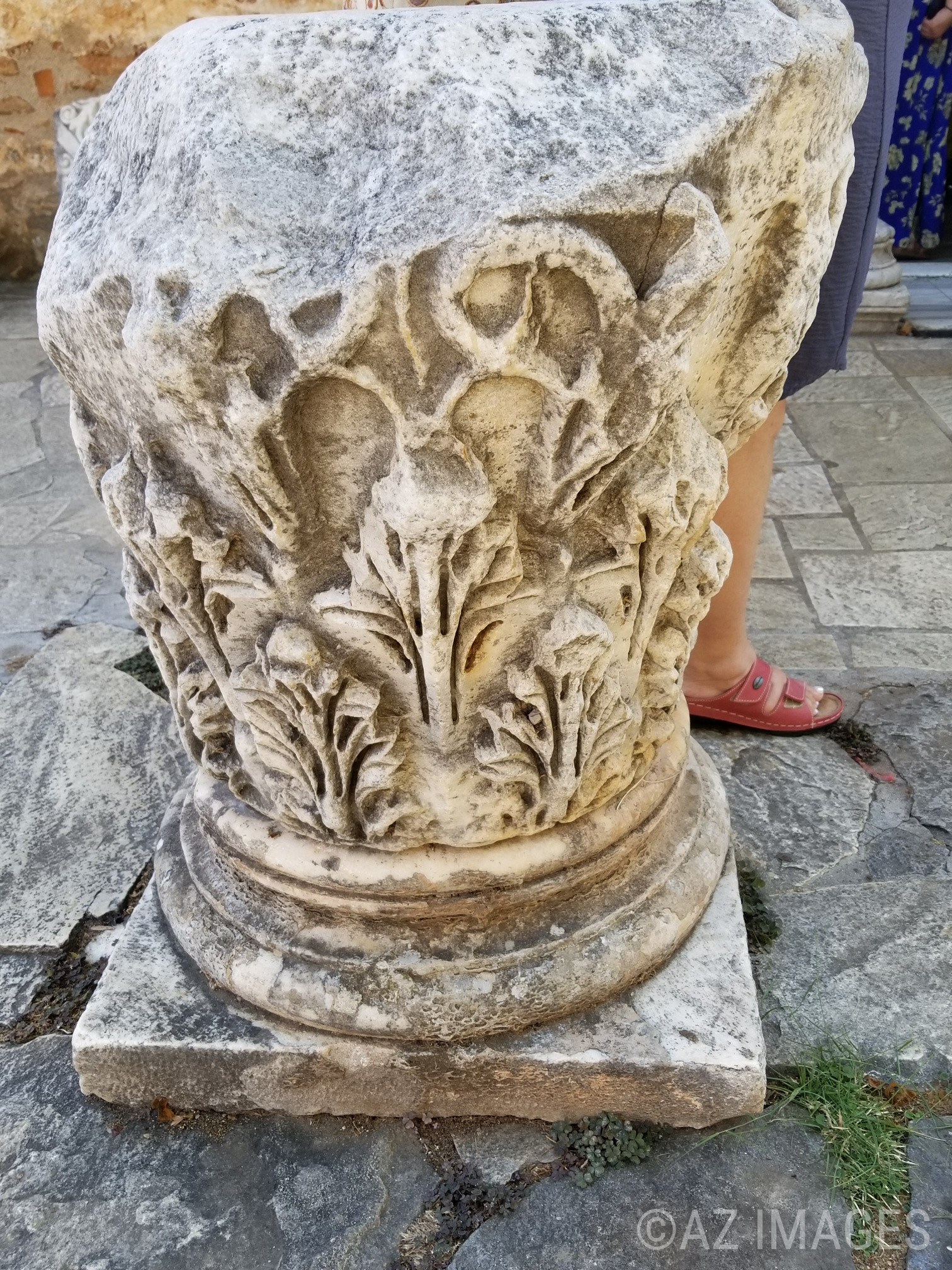
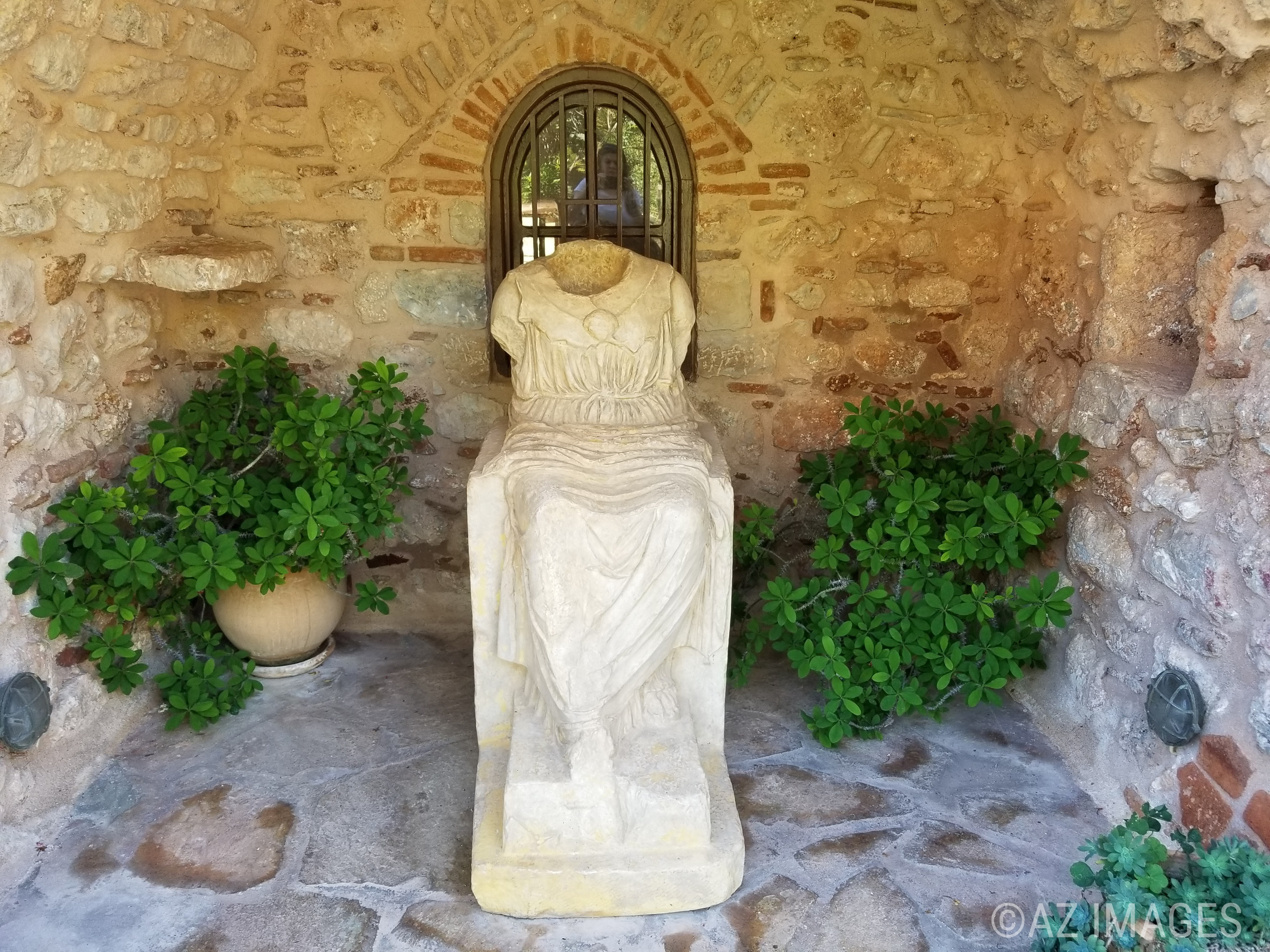
The name ‘Loukous’ derives from the Latin word ‘Lucus’ which means ‘sacred grove’. During the Roman era, Herod of Atticus had a villa here where he would host symposiums. There are still artefacts from that era here, like coloumns, statues and other artwork.
Η Μονή Λουκούς βρίσκεται στην Αρκαδία και απέχει 4 χλμ πριν από την παραλία του Άστρους. Είναι ανοιχτό και φιλικό προς το κοινό. Οι καλόγριες ήταν οι πιο φιλικές που είχα συναντήσει σε ένα μοναστήρι – συμπεριλαμβανομένου του ηλικιωμένου ιερέα. Οι μοναχές ανυπομονούσαν να συζητήσουν την ιστορία του μοναστηριού στους καλεσμένους και μας έδωσαν Αγίασμα.
Το όνομα «Λούκους» προέρχεται από τη λατινική λέξη «Lucus» που σημαίνει «ιερό άλσος». Κατά τη ρωμαϊκή εποχή, ο Ηρώδης του Αττικού είχε μια έπαυλη εδώ όπου φιλοξενούσε συμπόσια. Υπάρχουν ακόμα αντικείμενα από εκείνη την εποχή εδώ, όπως κολώνες, αγάλματα και άλλα έργα τέχνης.

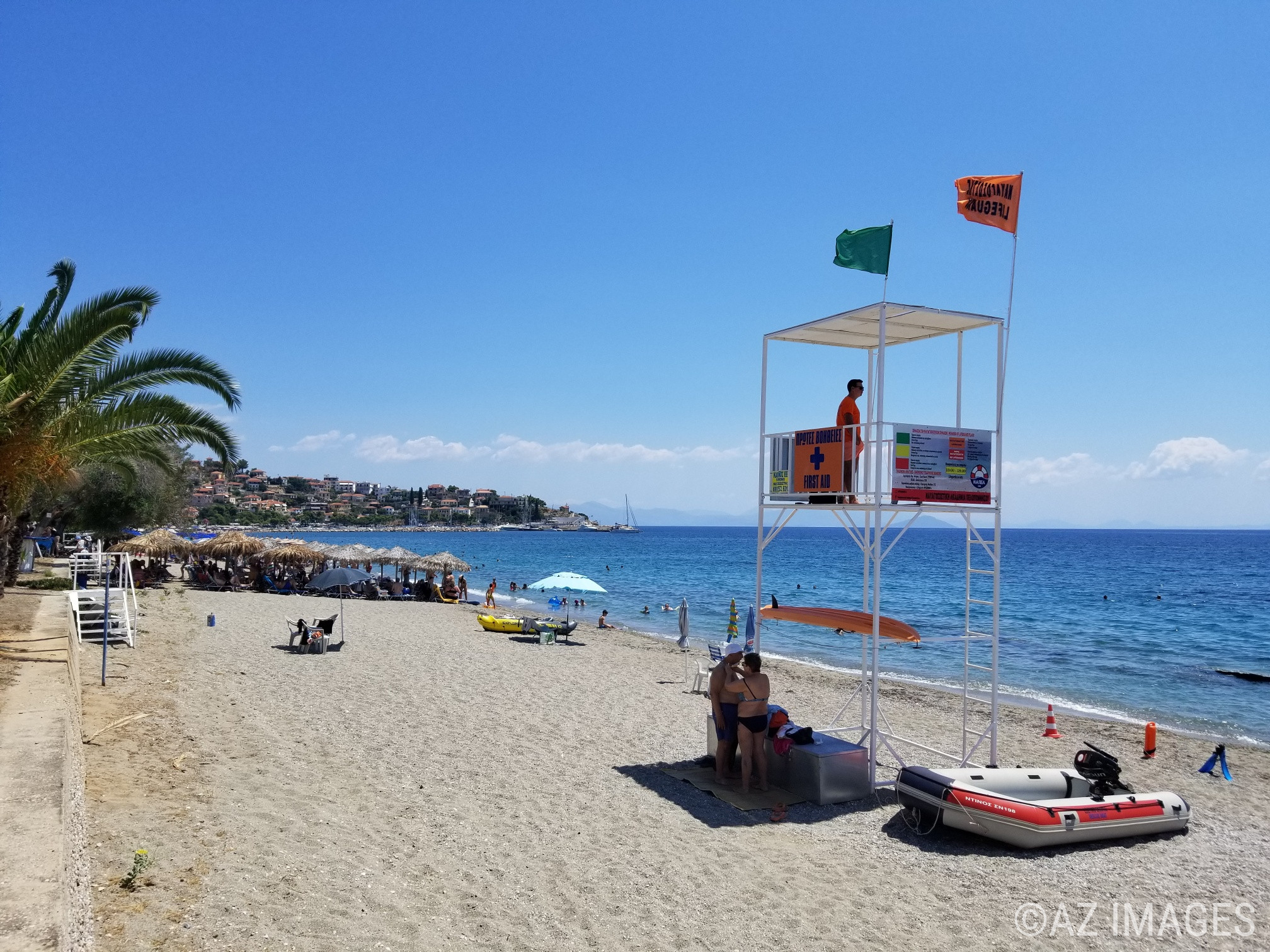


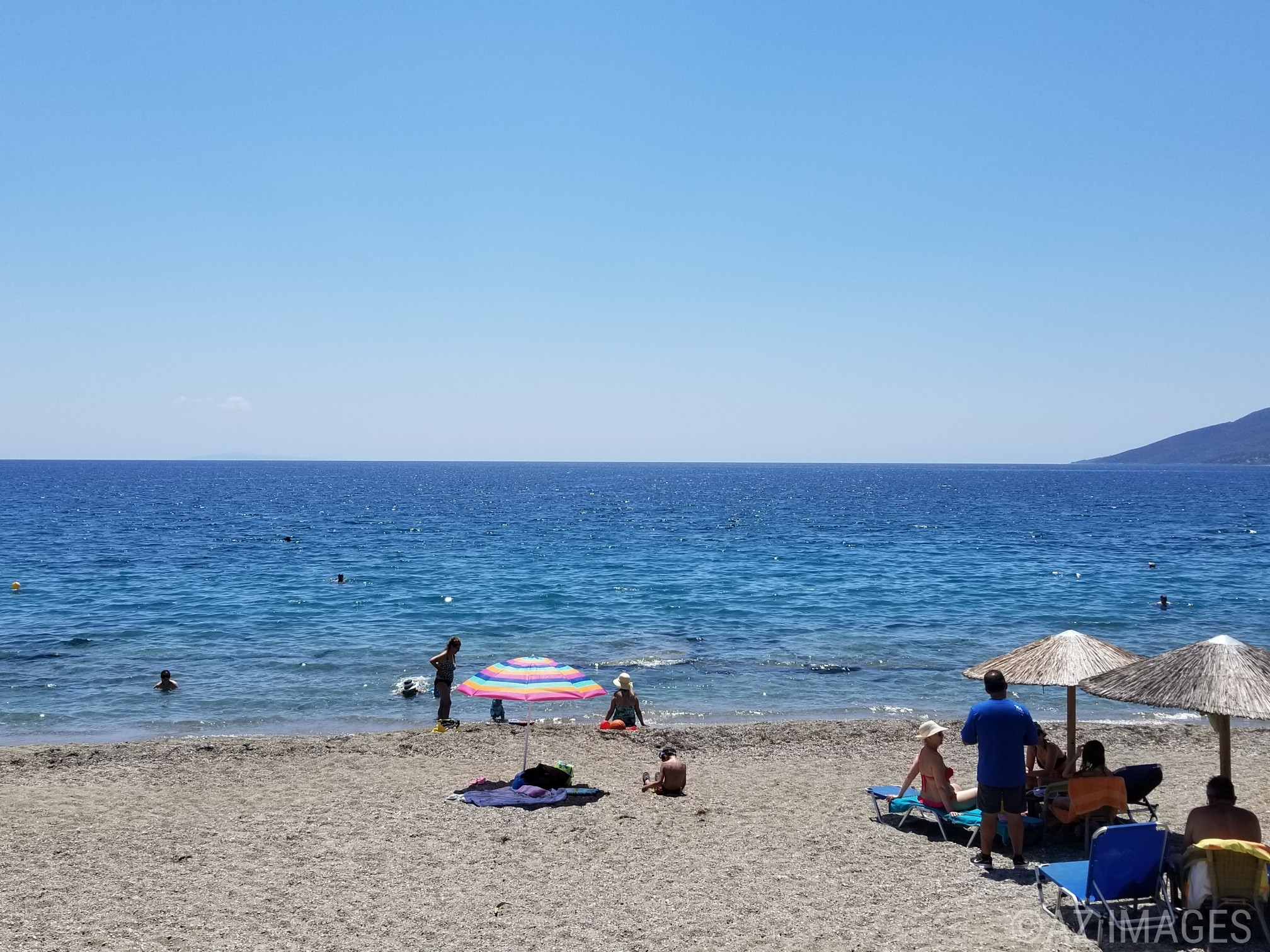
Astros beach in Kinouria, Arcadia It has a 14 km long coast line, a nice sandy beach, clean waters and tavernas.
I payed a visit right before the major heatwaves and catastrophic fires in July.
Παραλία Άστρους Κυνουρίας Αρκαδίας Διαθέτει ακτογραμμή μήκους 14 χιλιομέτρων, ωραία αμμουδιά, καθαρά νερά και ταβέρνες. Έκανα μια επίσκεψη ακριβώς πριν από τους μεγάλους καύσωνες και τις καταστροφικές πυρκαγιές τον Ιούλιο.
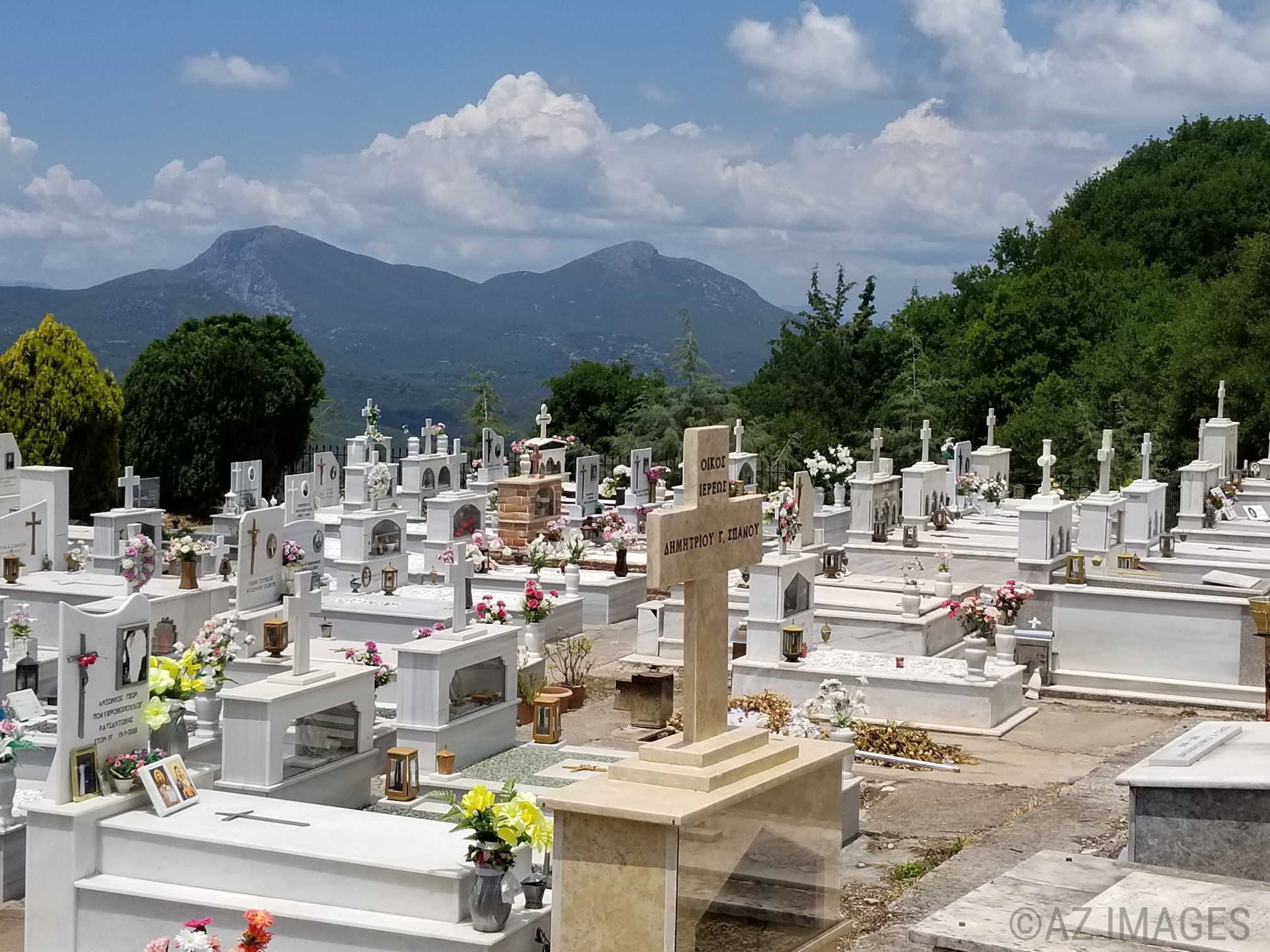
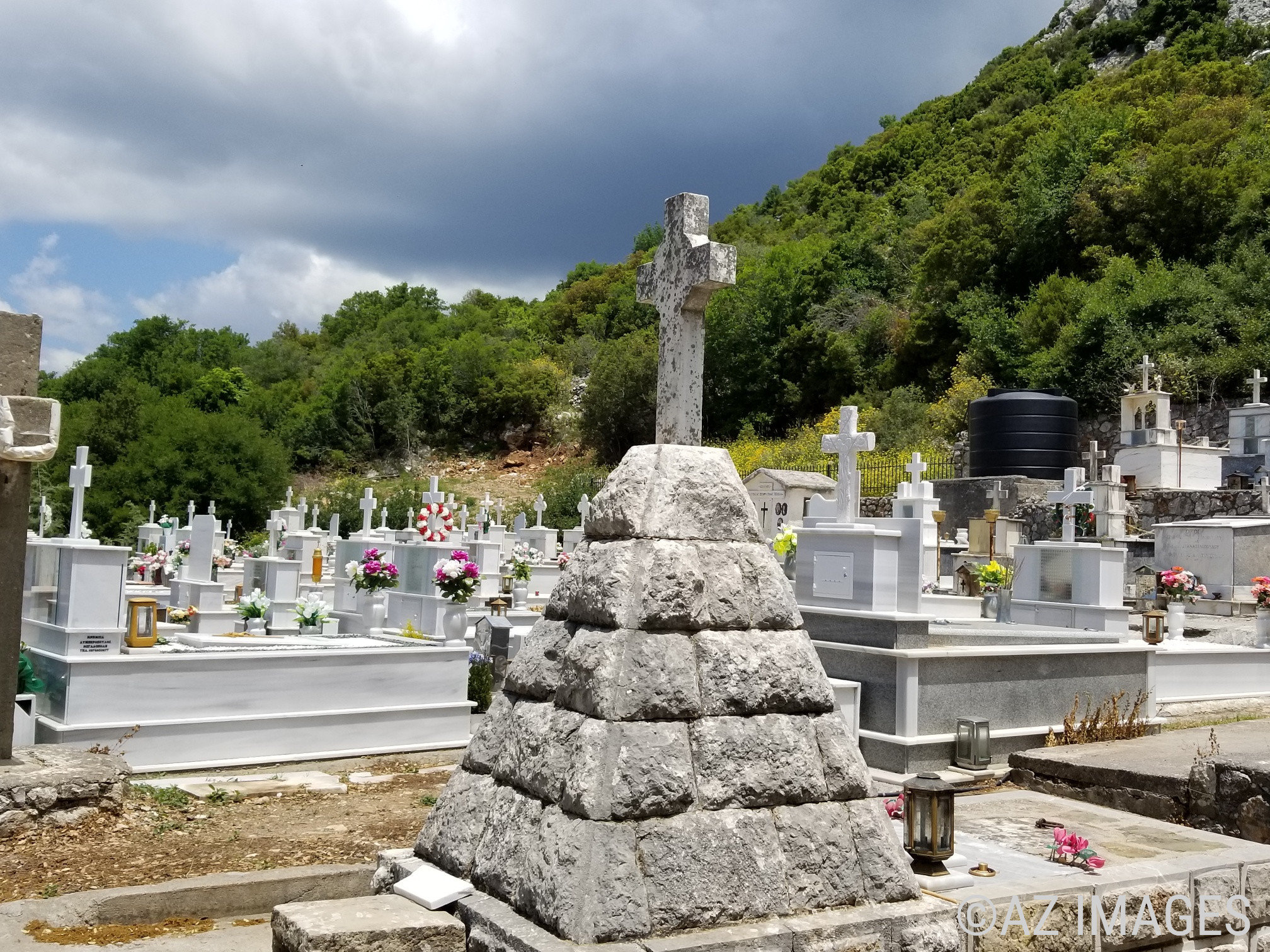
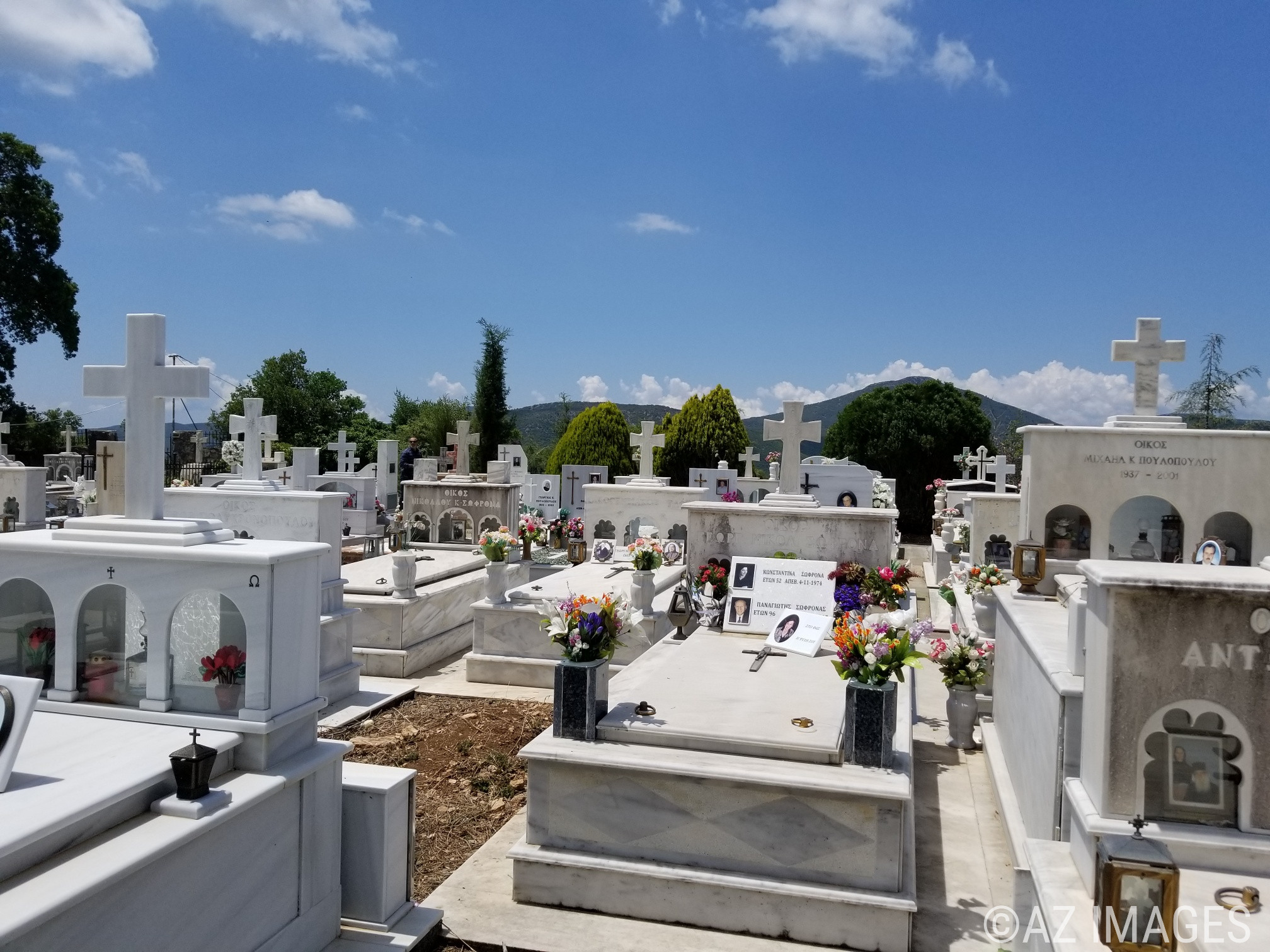
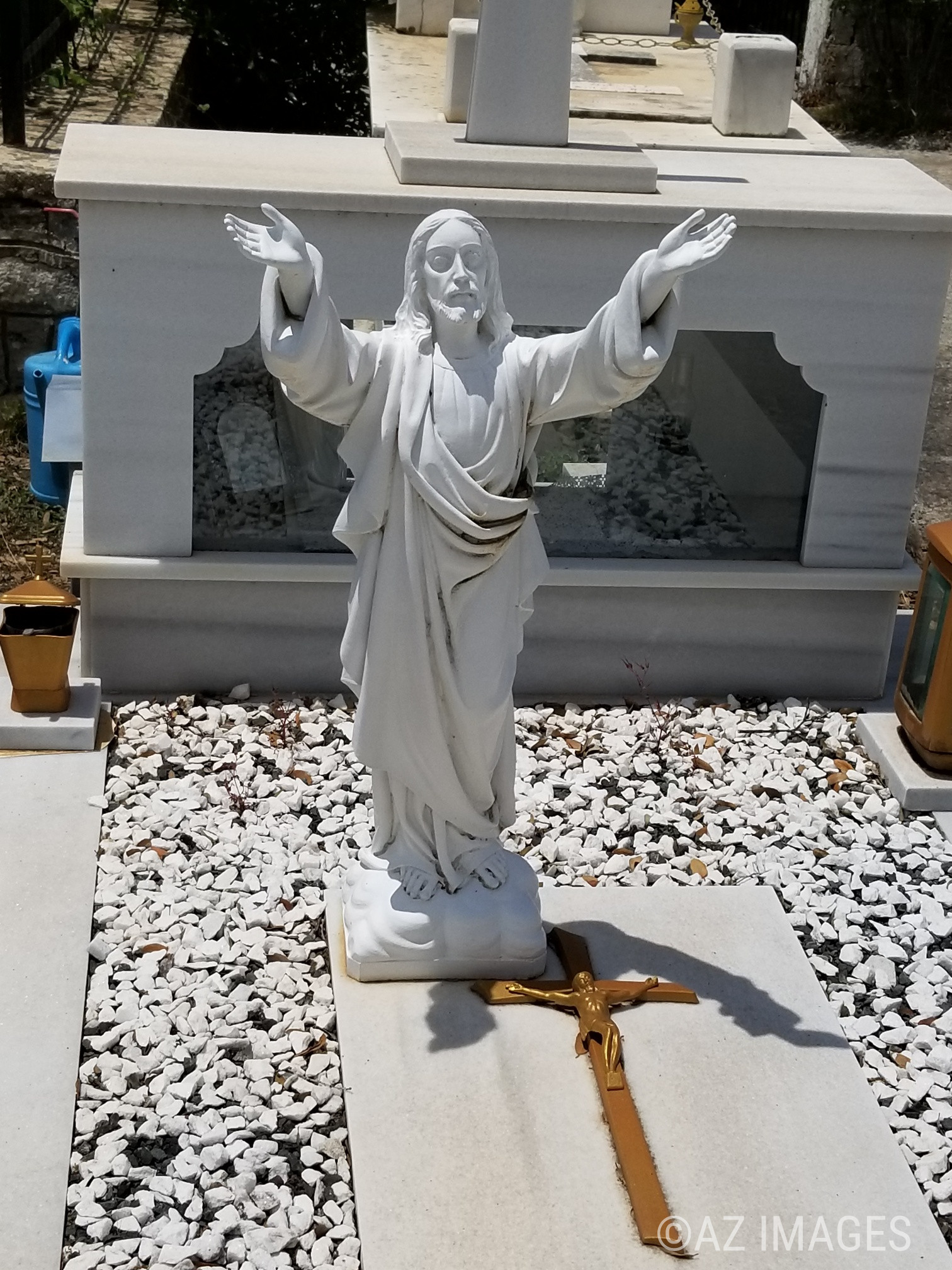
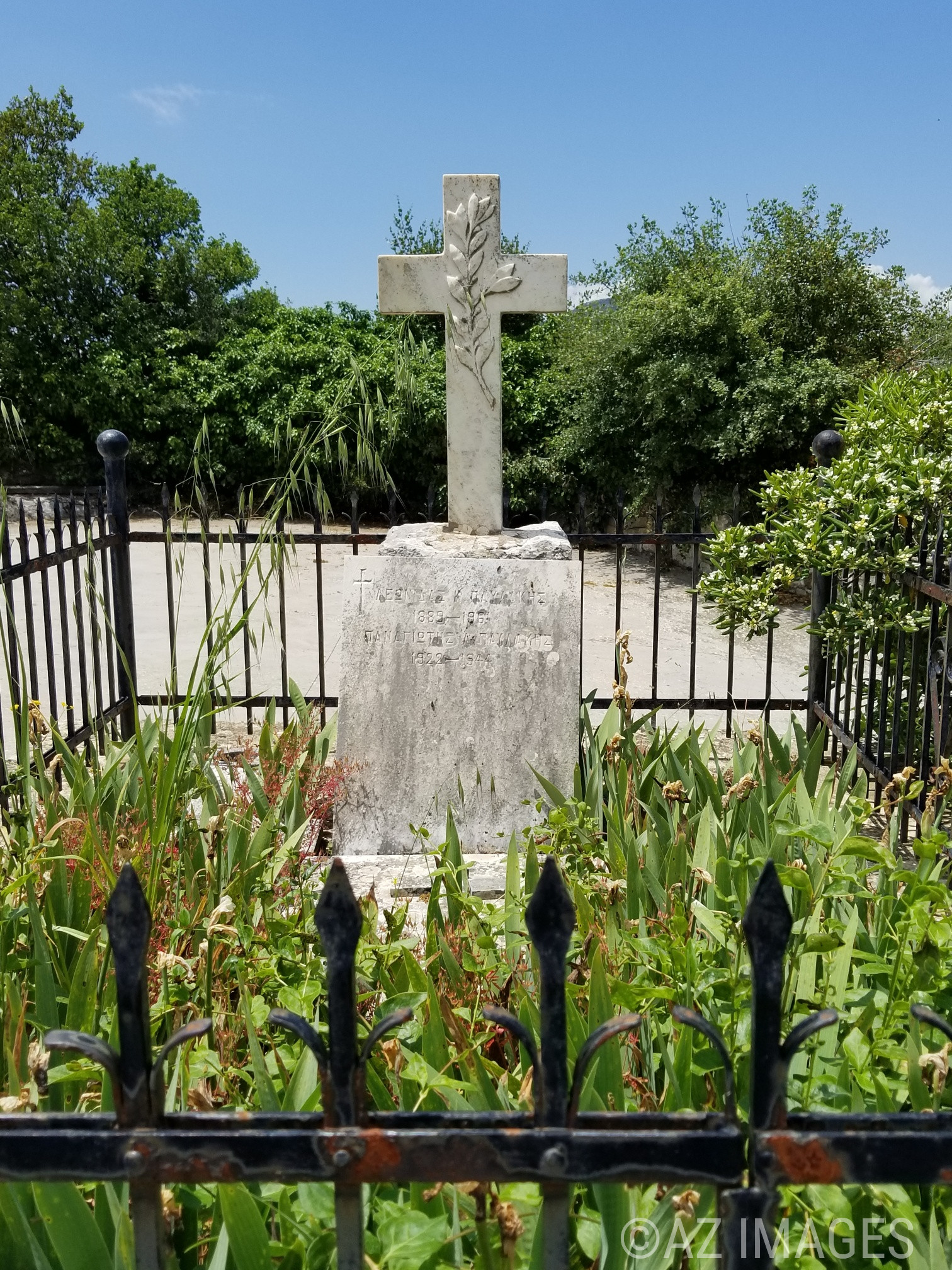

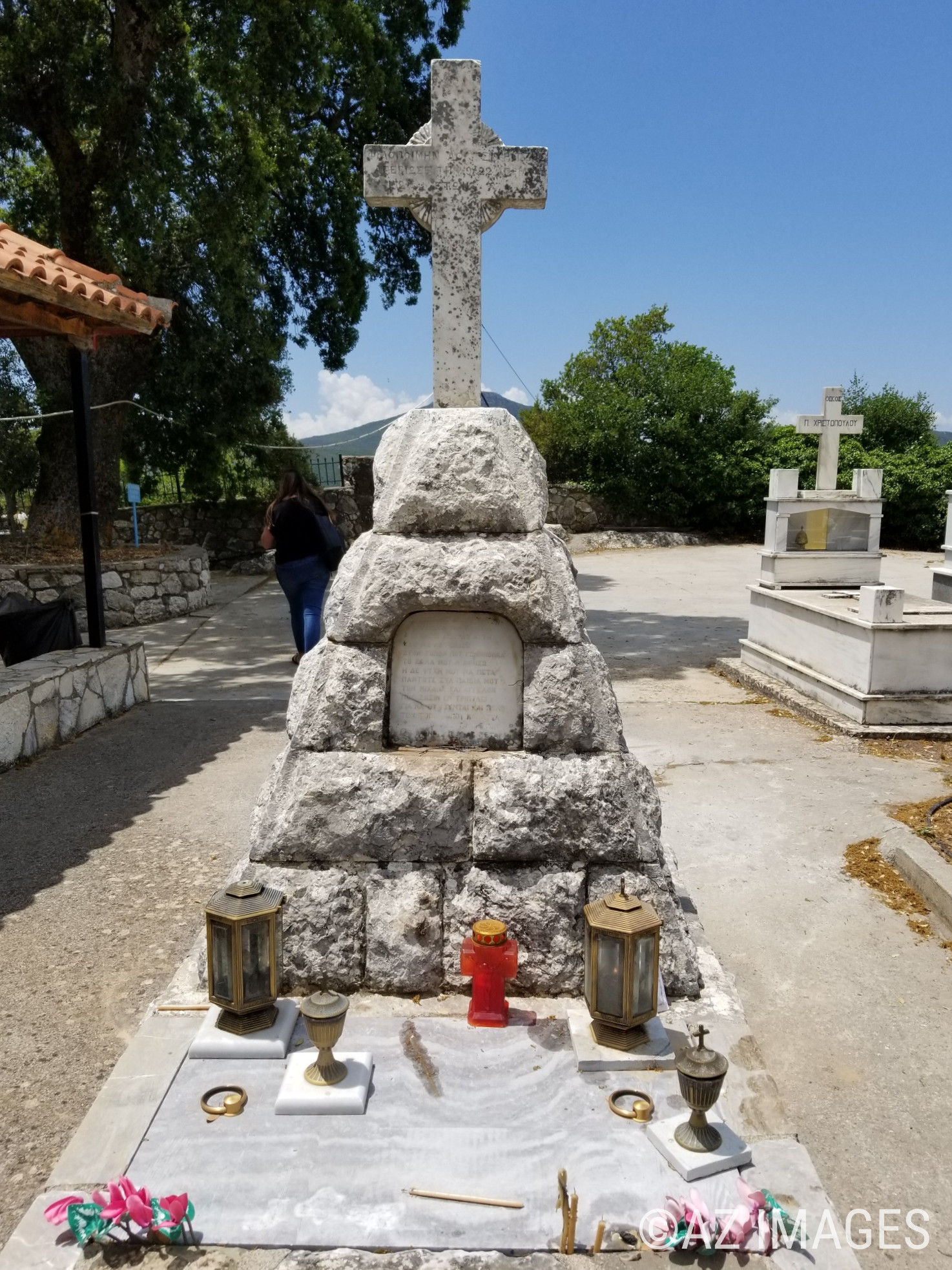
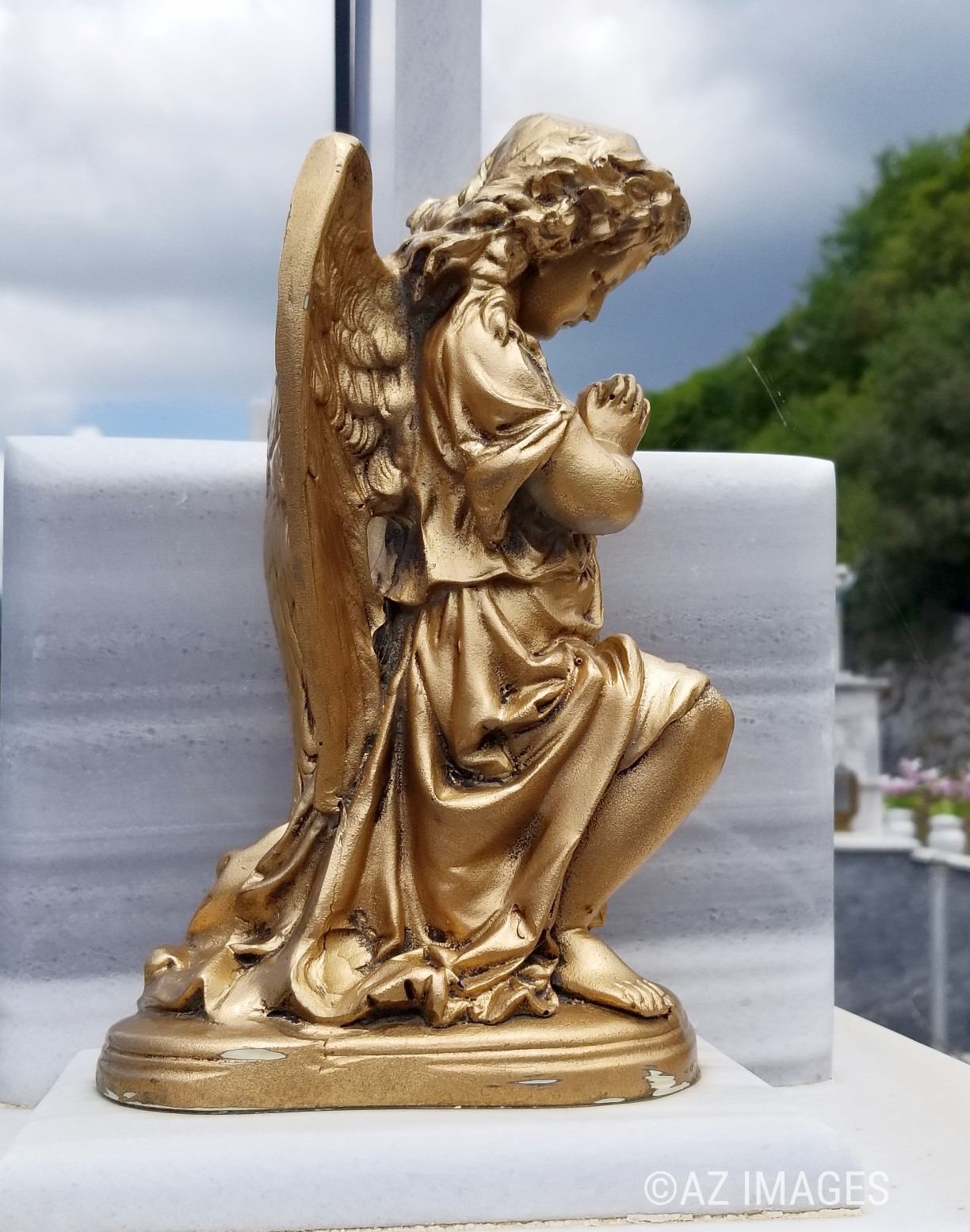
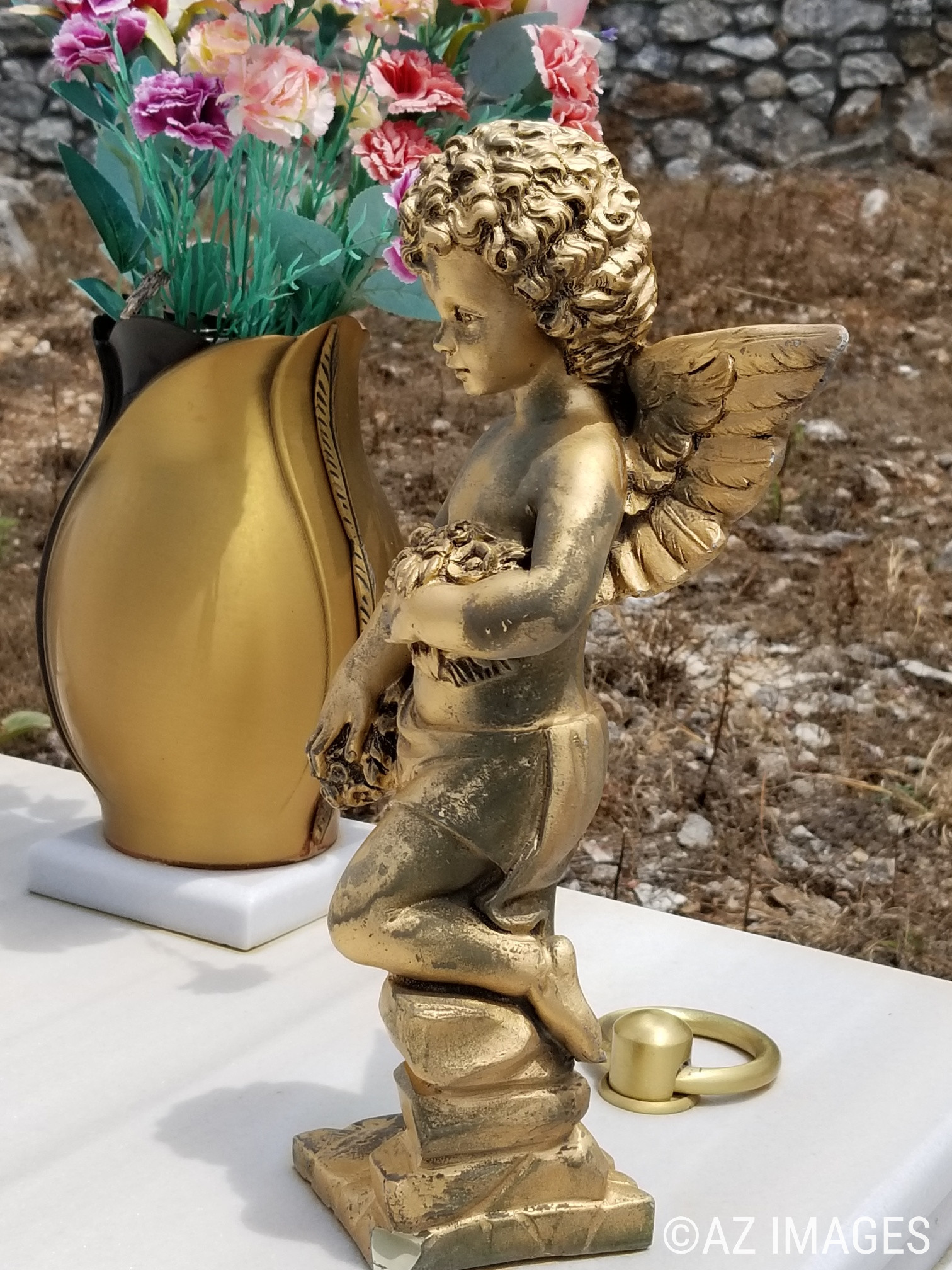
‘Don’t die old, die empty. That’s the goal of life. Go to the cemetery and disappoint the graveyard.‘-Myles Munroe
“Where is the graveyard of dead gods? What lingering mourner waters their mounds? There was a time when Jupiter was the king of the gods, and any man who doubted his puissance was ipso facto a barbarian and an ignoramus. But where in all the world is there a man who worships Jupiter today? And who of Huitzilopochtli? In one year – and it is no more than five hundred years ago – 50,000 youths and maidens were slain in sacrifice to him. Today, if he is remembered at all, it is only by some vagrant savage in the depths of the Mexican forest. Huitzilopochtli, like many other gods, had no human father; his mother was a virtuous widow; he was born of an apparently innocent flirtation that she carried out with the sun.…
…They were gods of the highest standing and dignity-gods of civilized peoples-worshiped and believed in by millions. All were omnipotent, omniscient and immortal.“
H.L. Mencken, A Mencken Chrestomathy
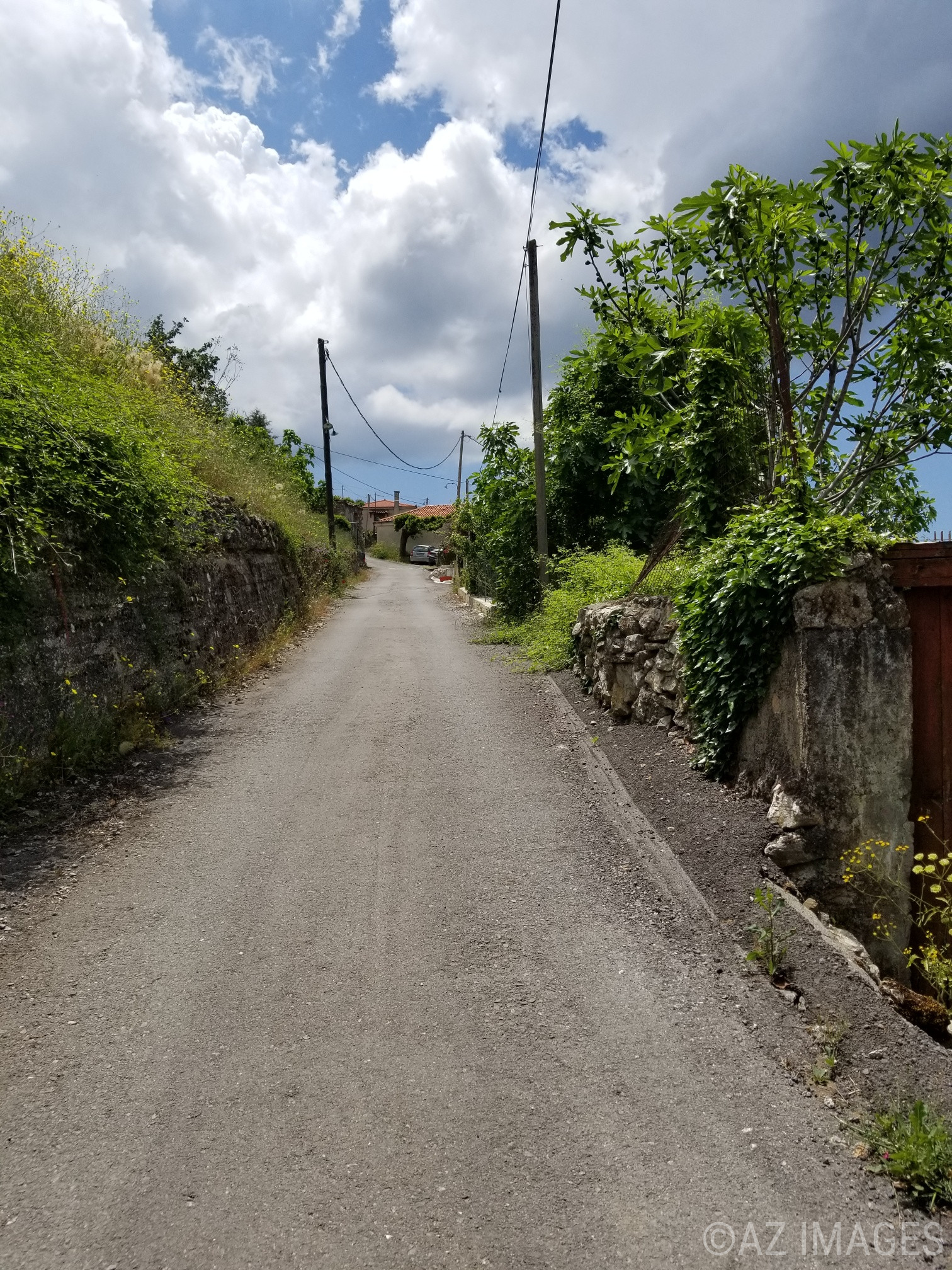
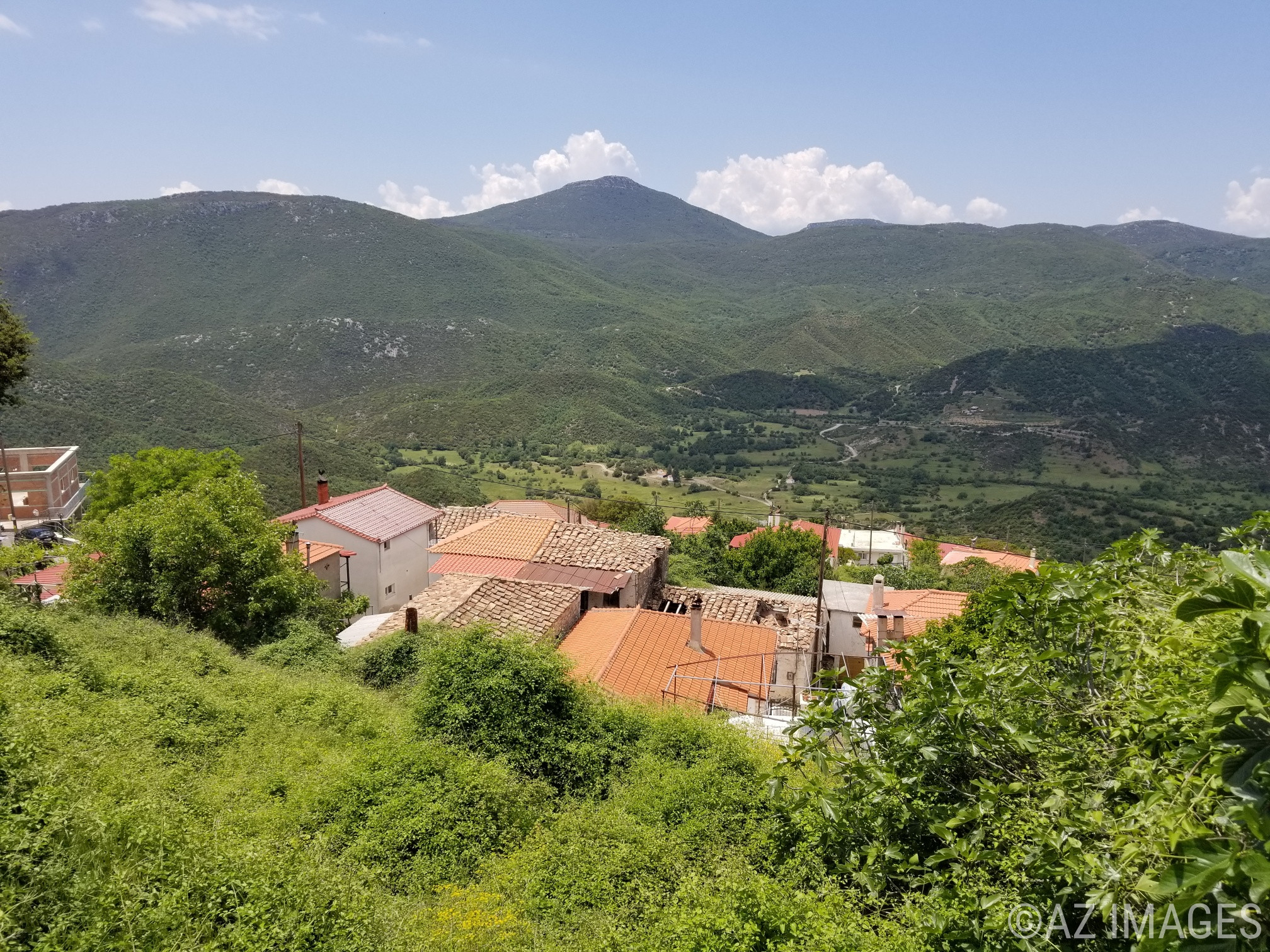
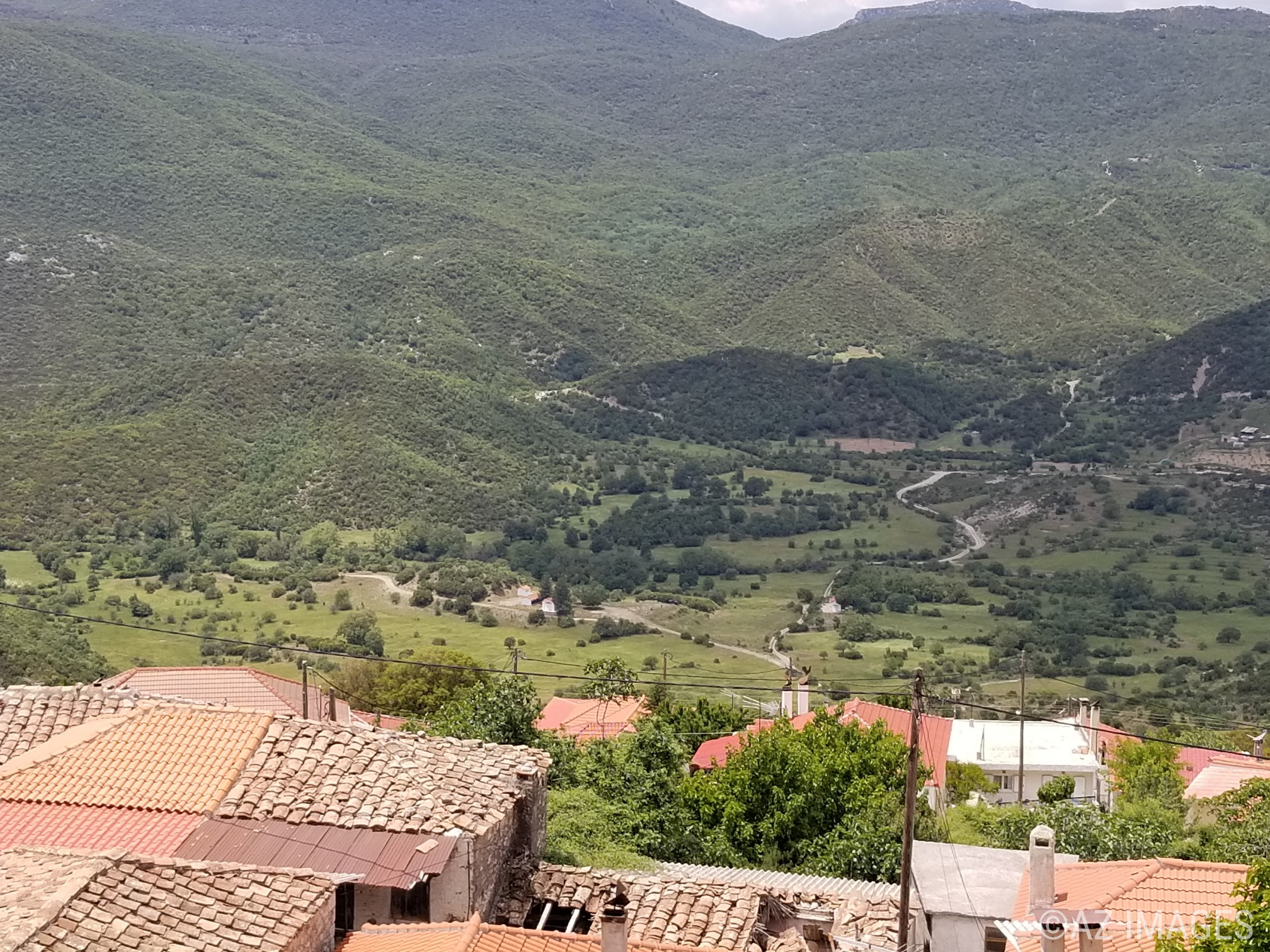

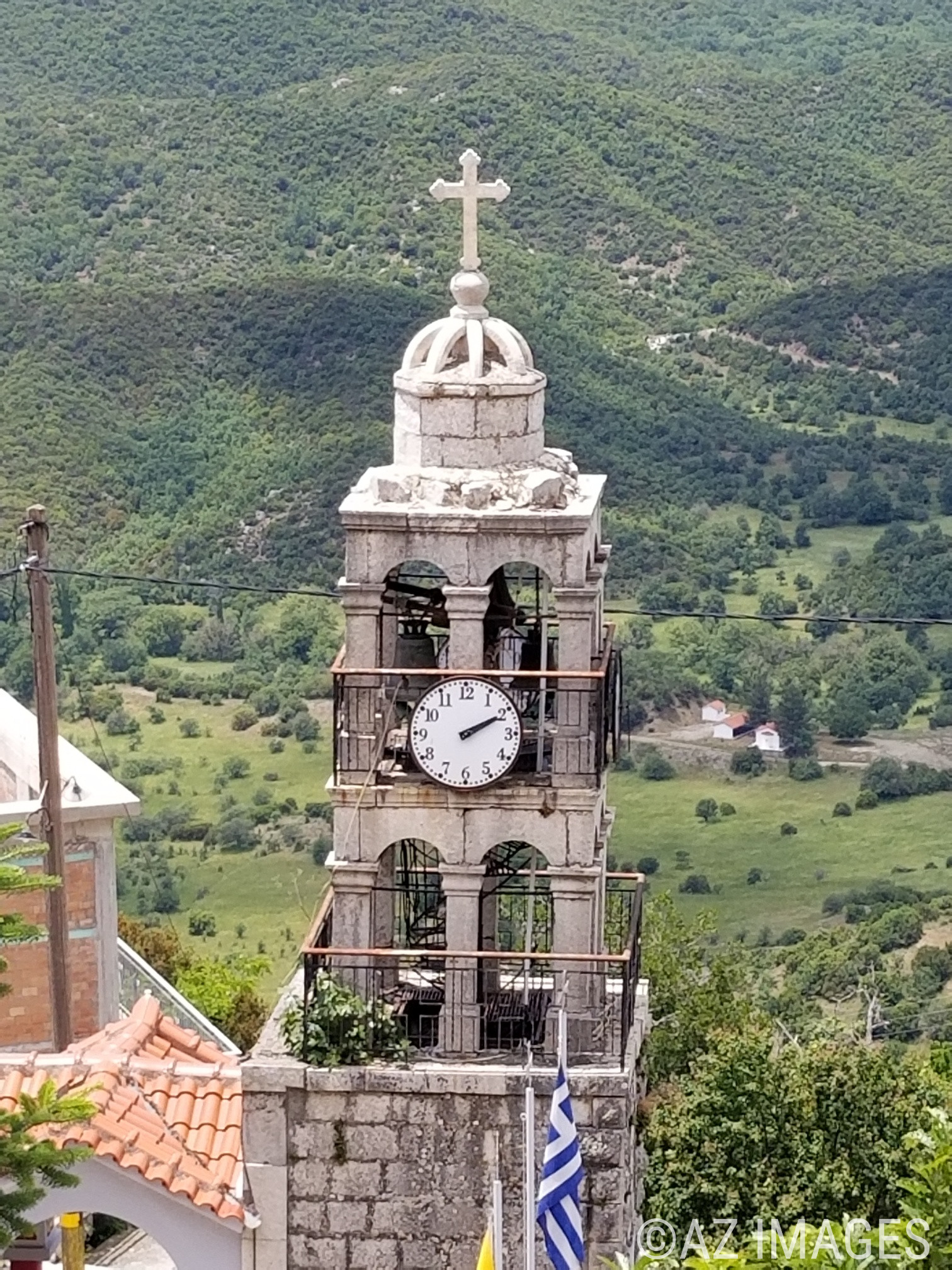
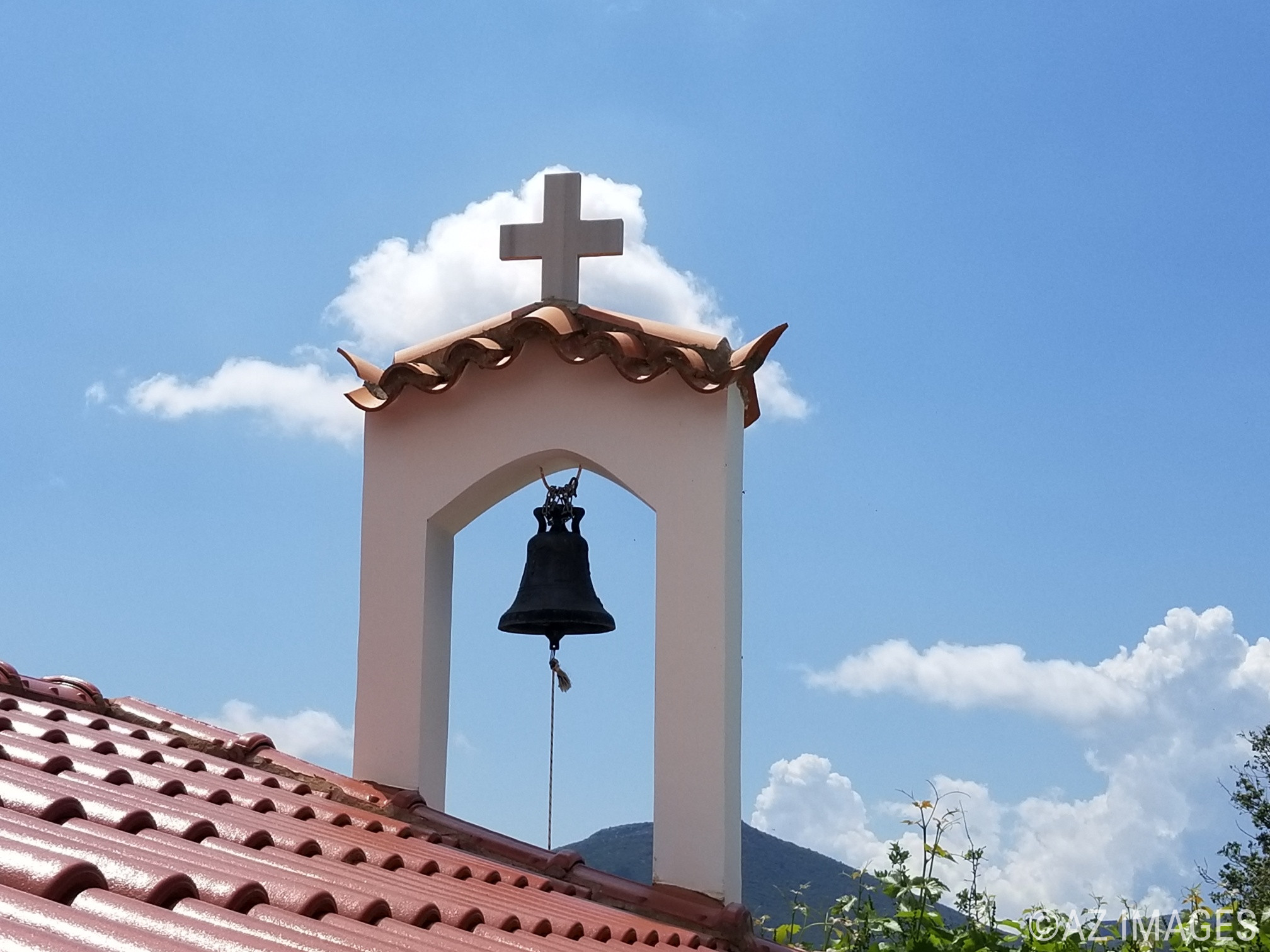
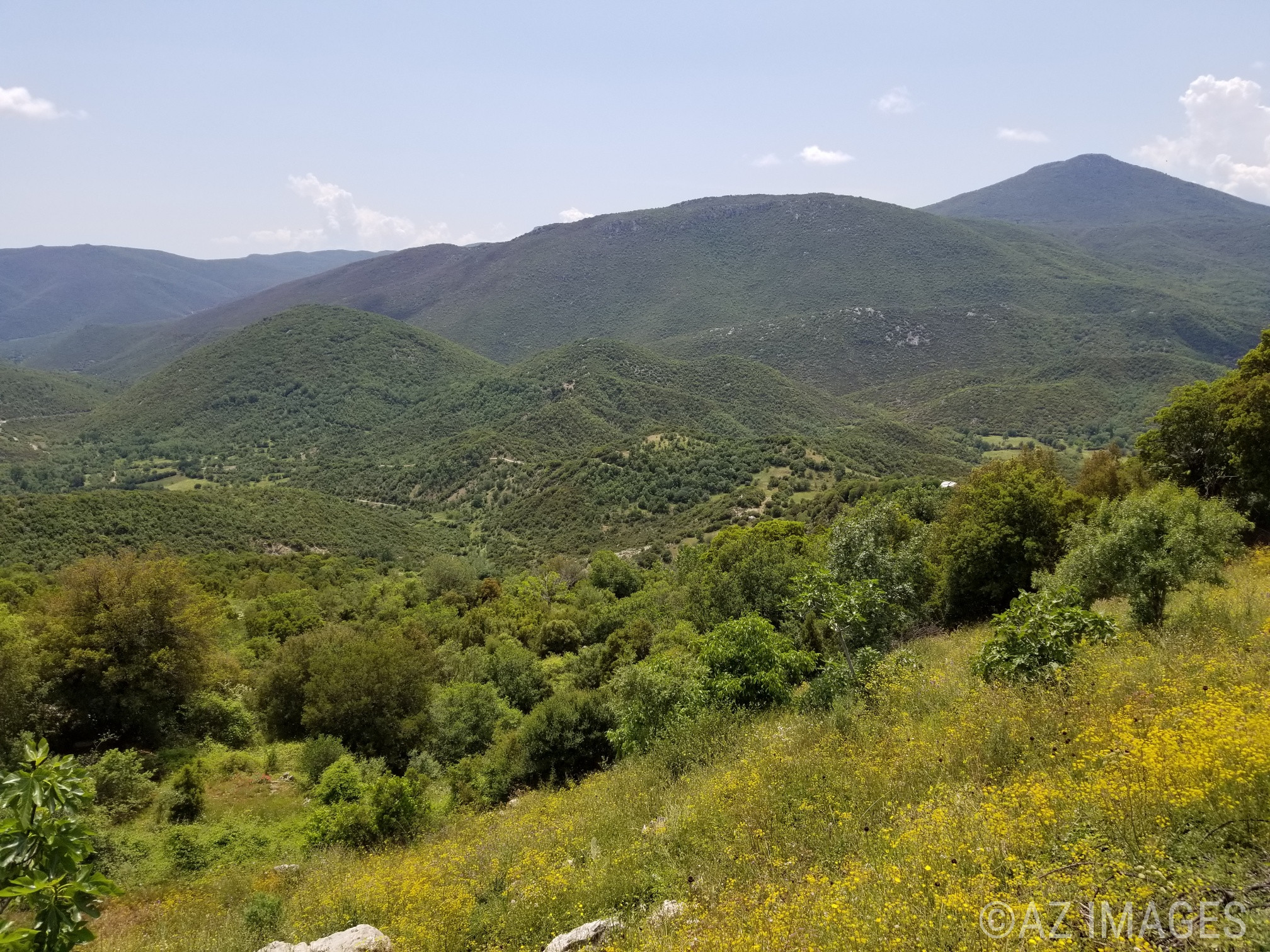
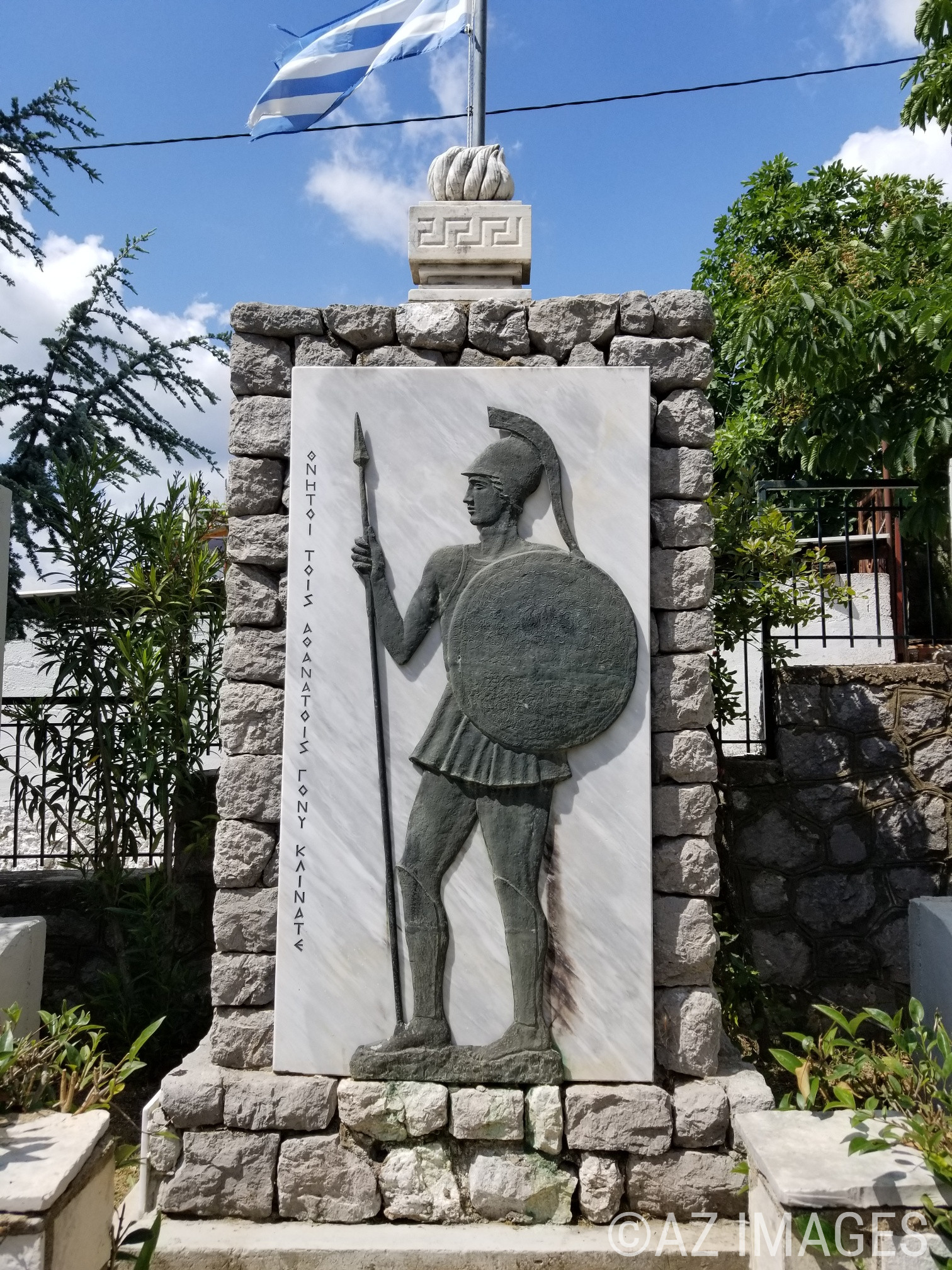
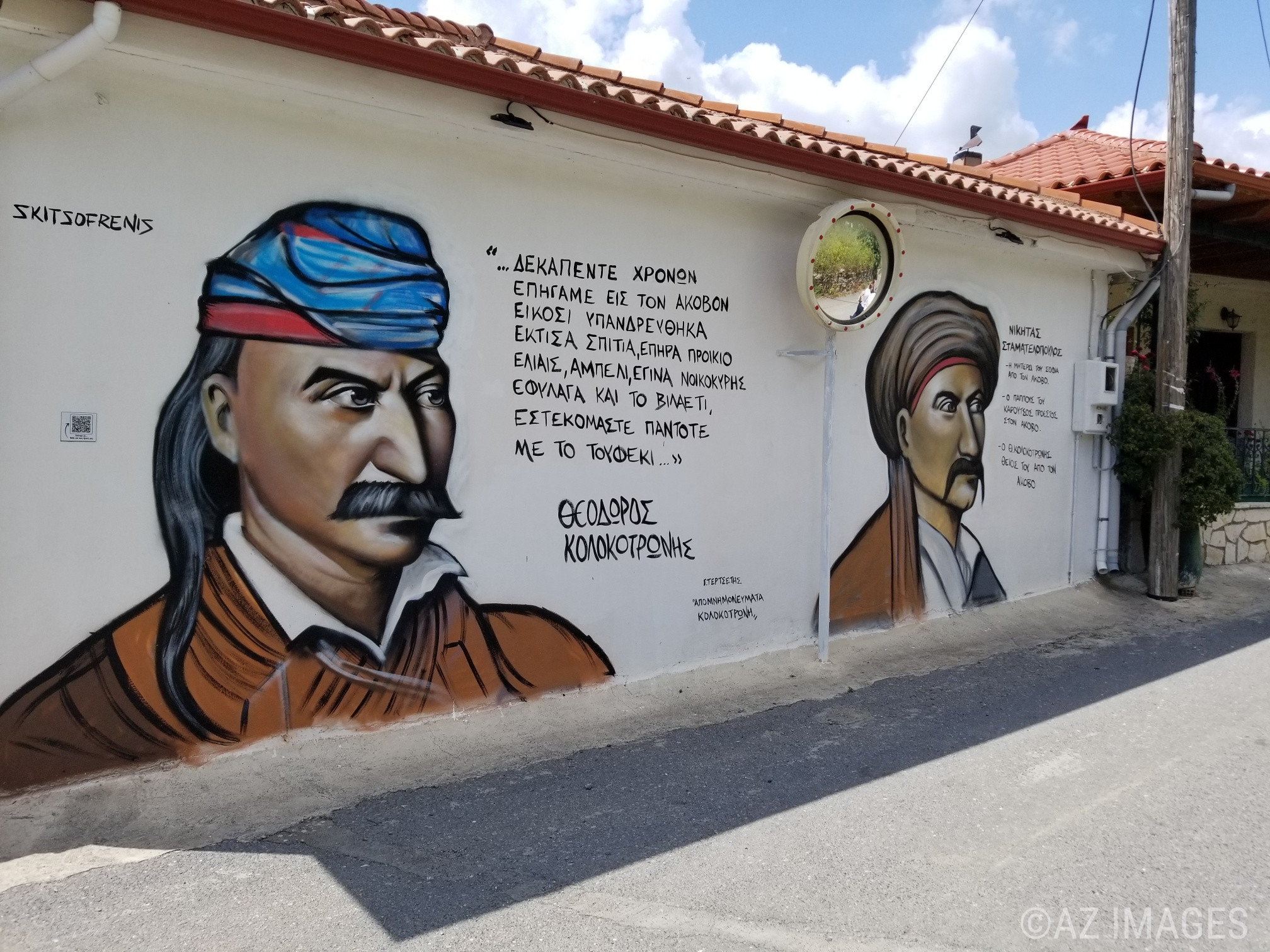
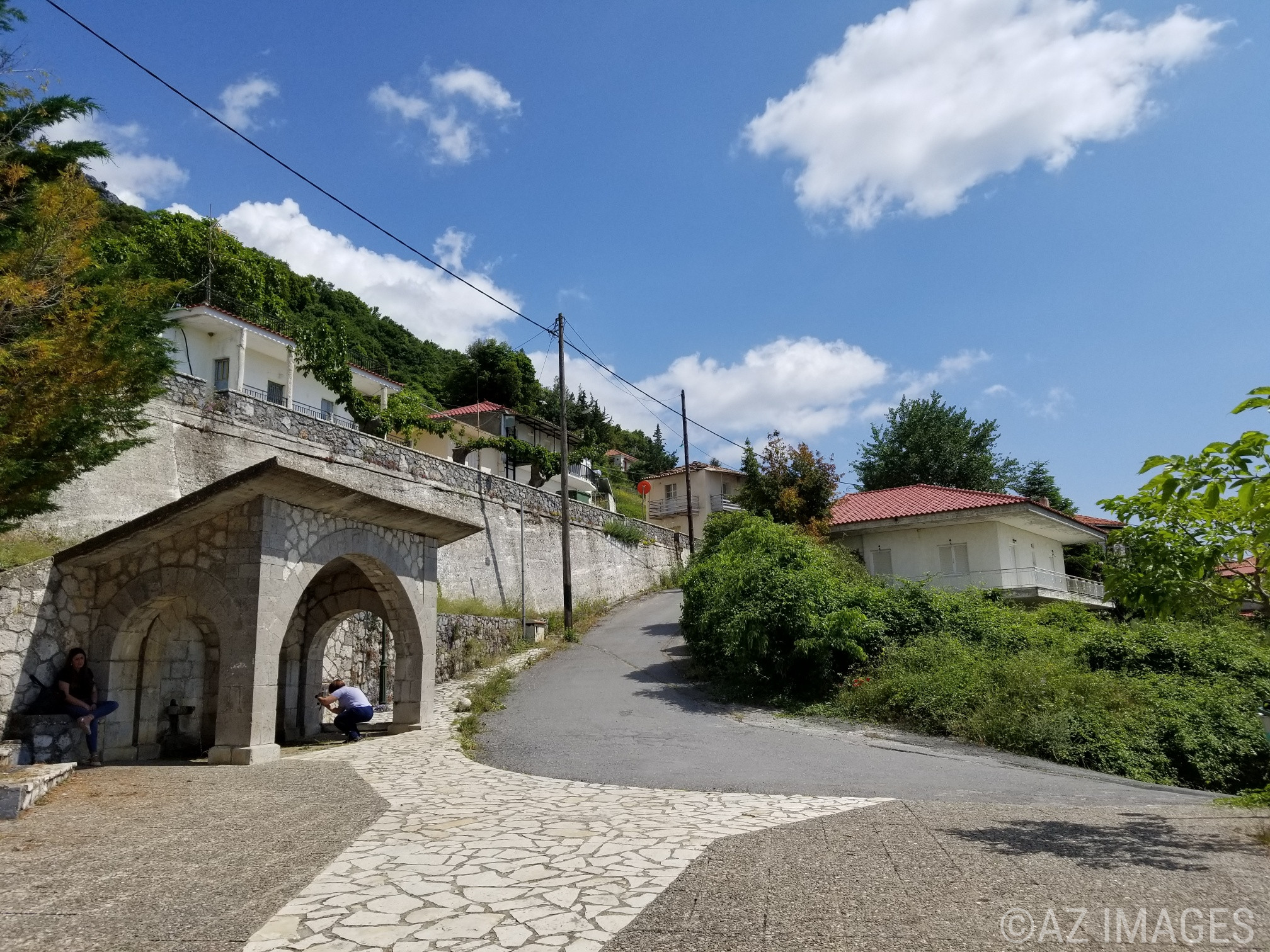
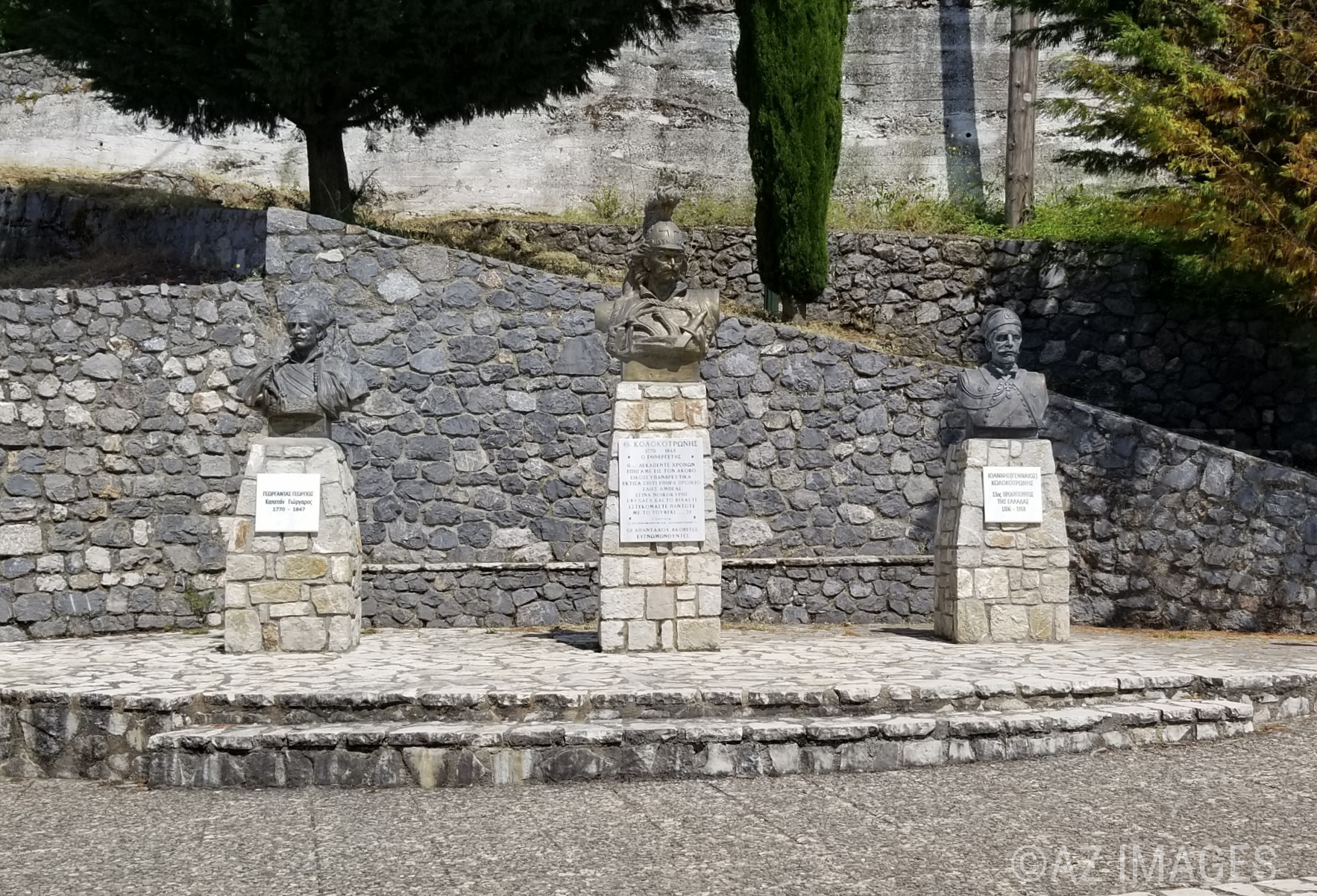

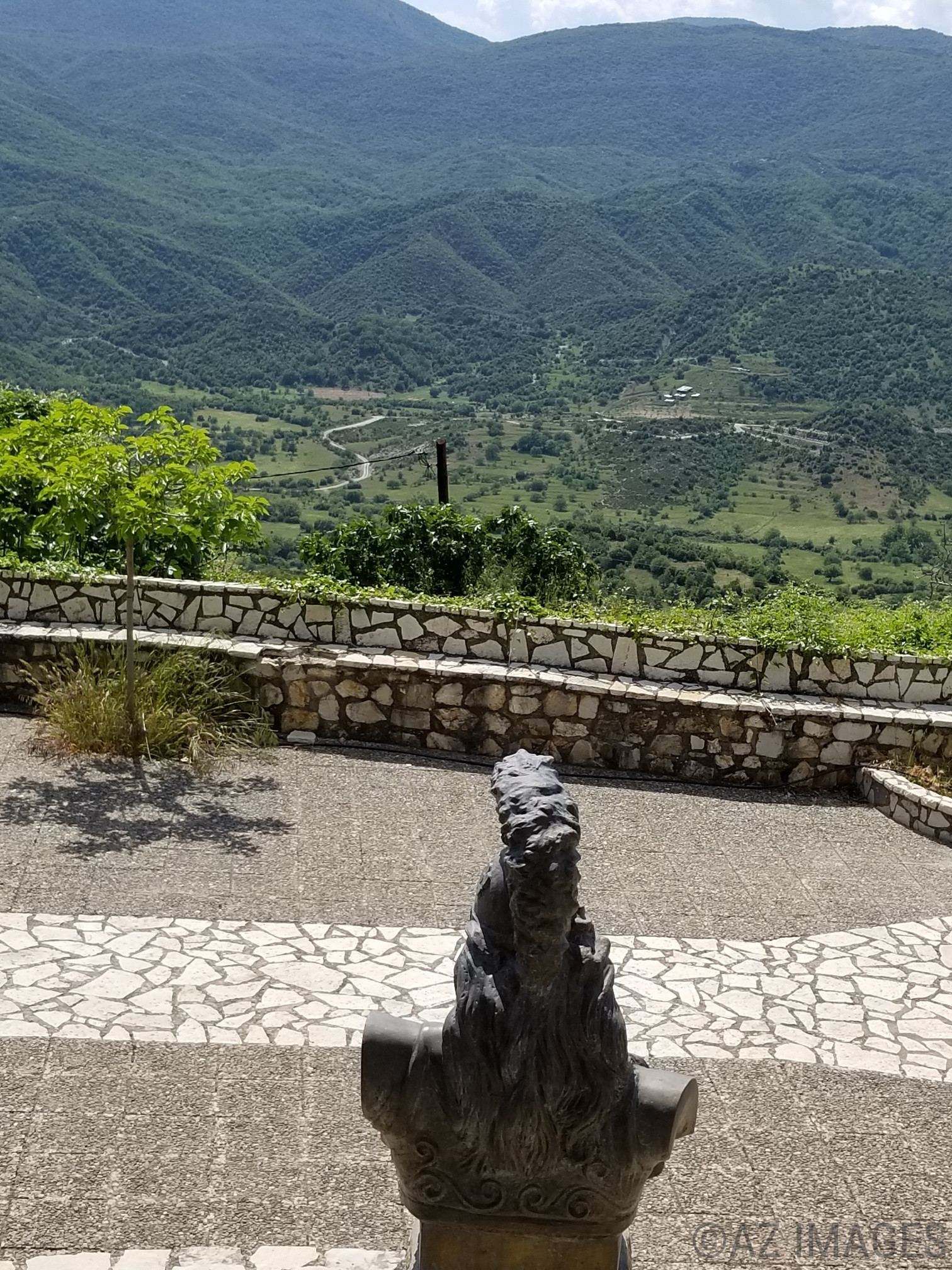
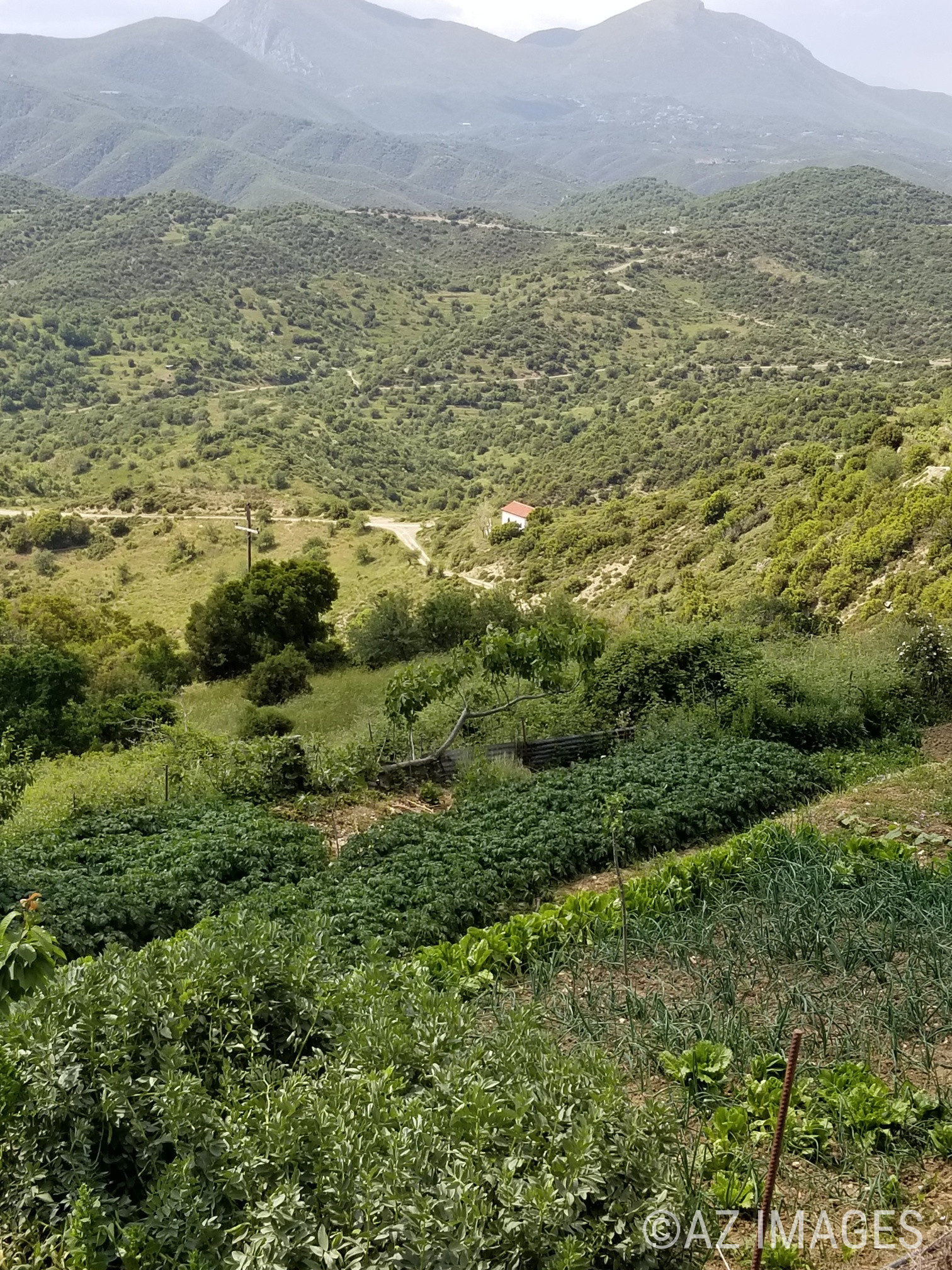
The scenic village of Akovos in Arcadia, Peloponnese is a village seeped in history. The mountains are breathtaking and offer a great escape from the city life.

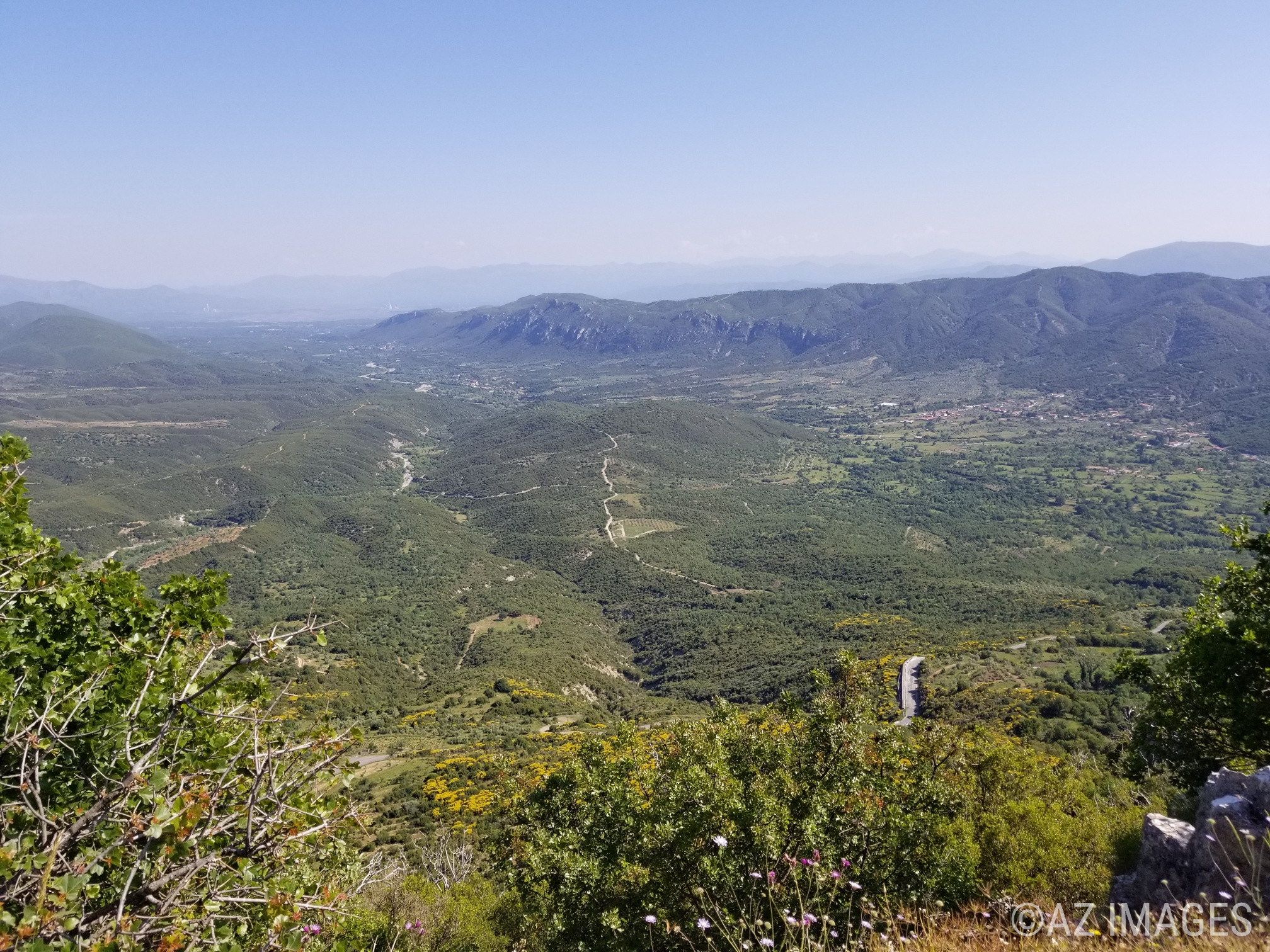
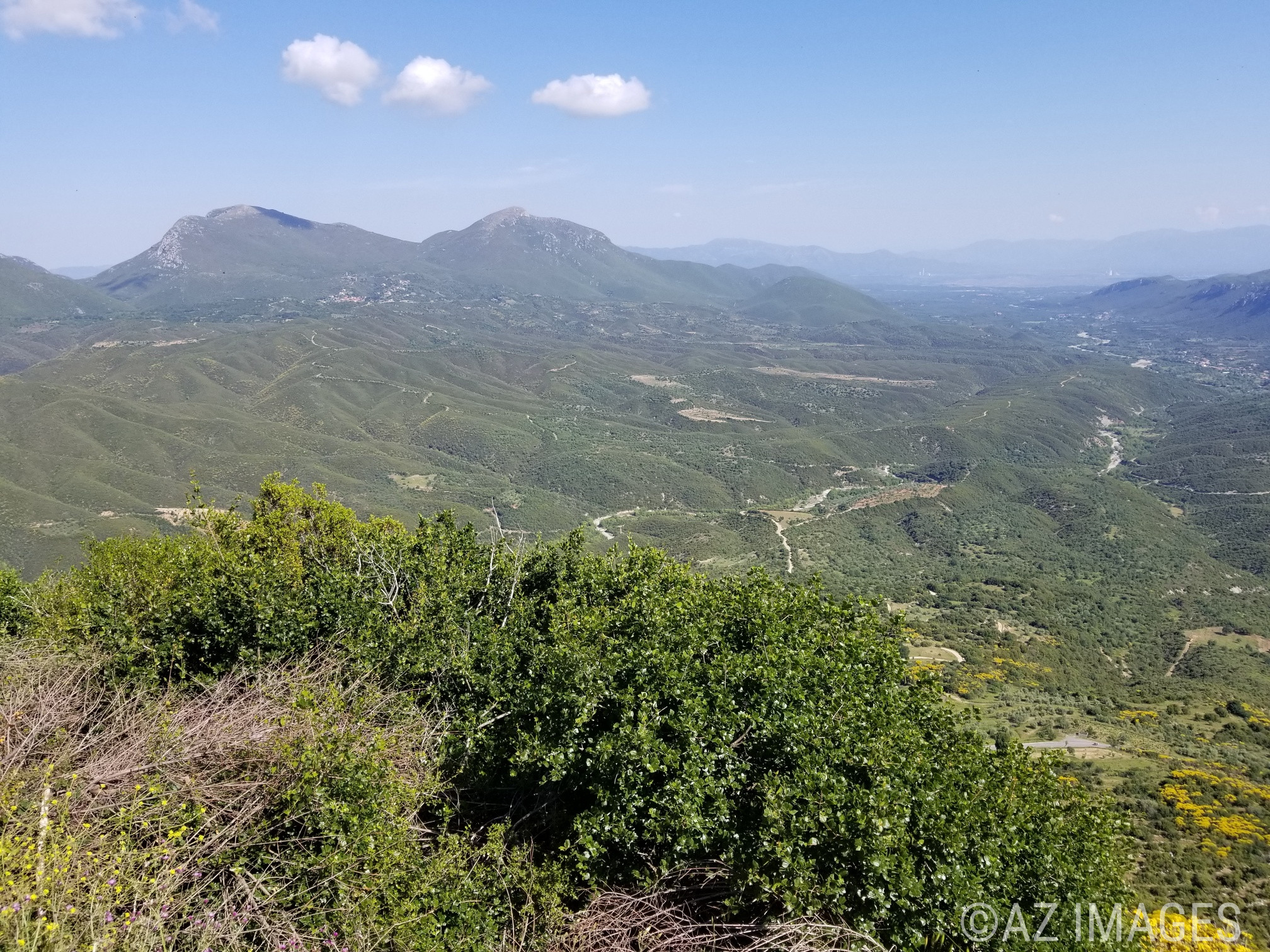

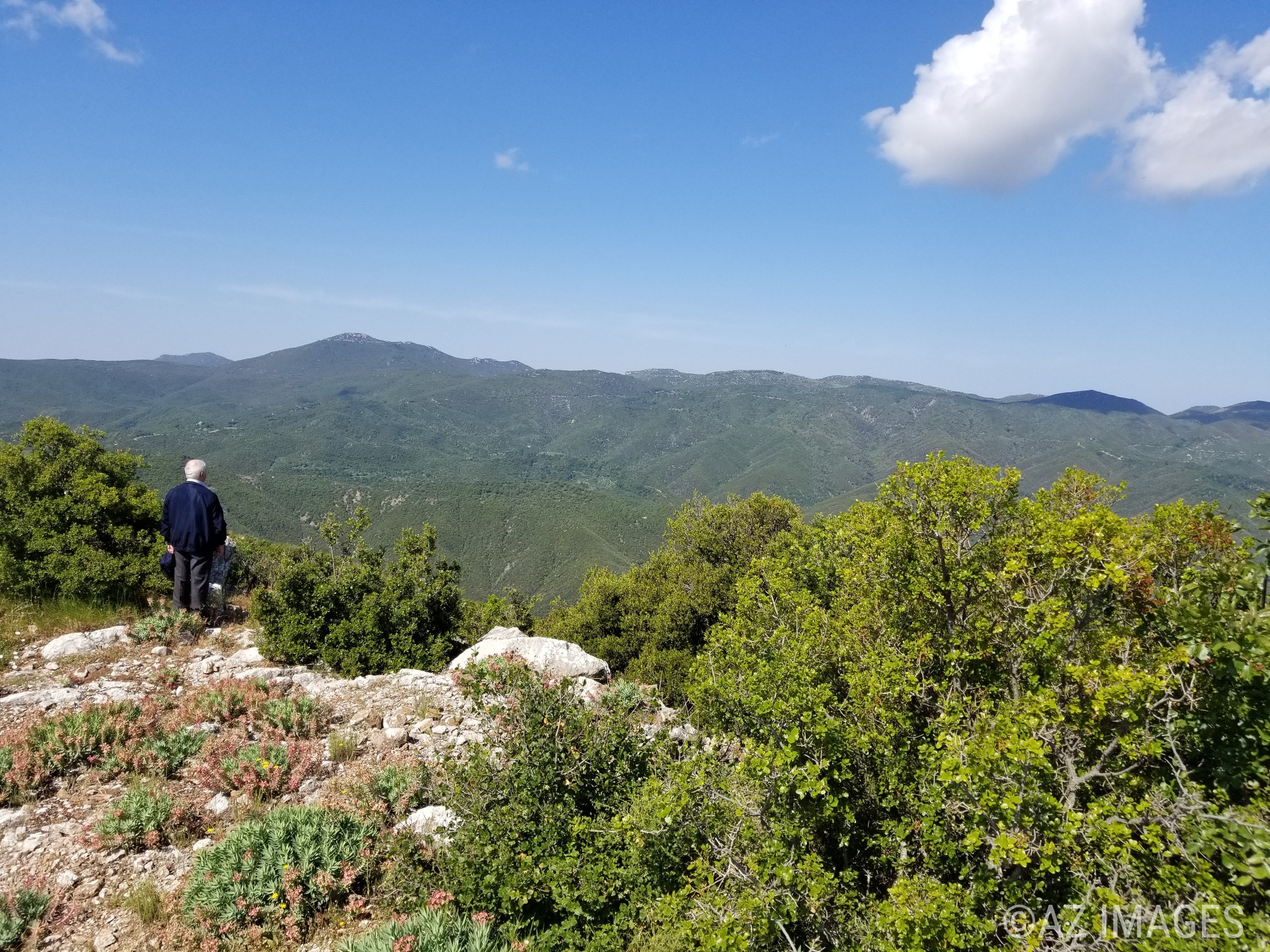
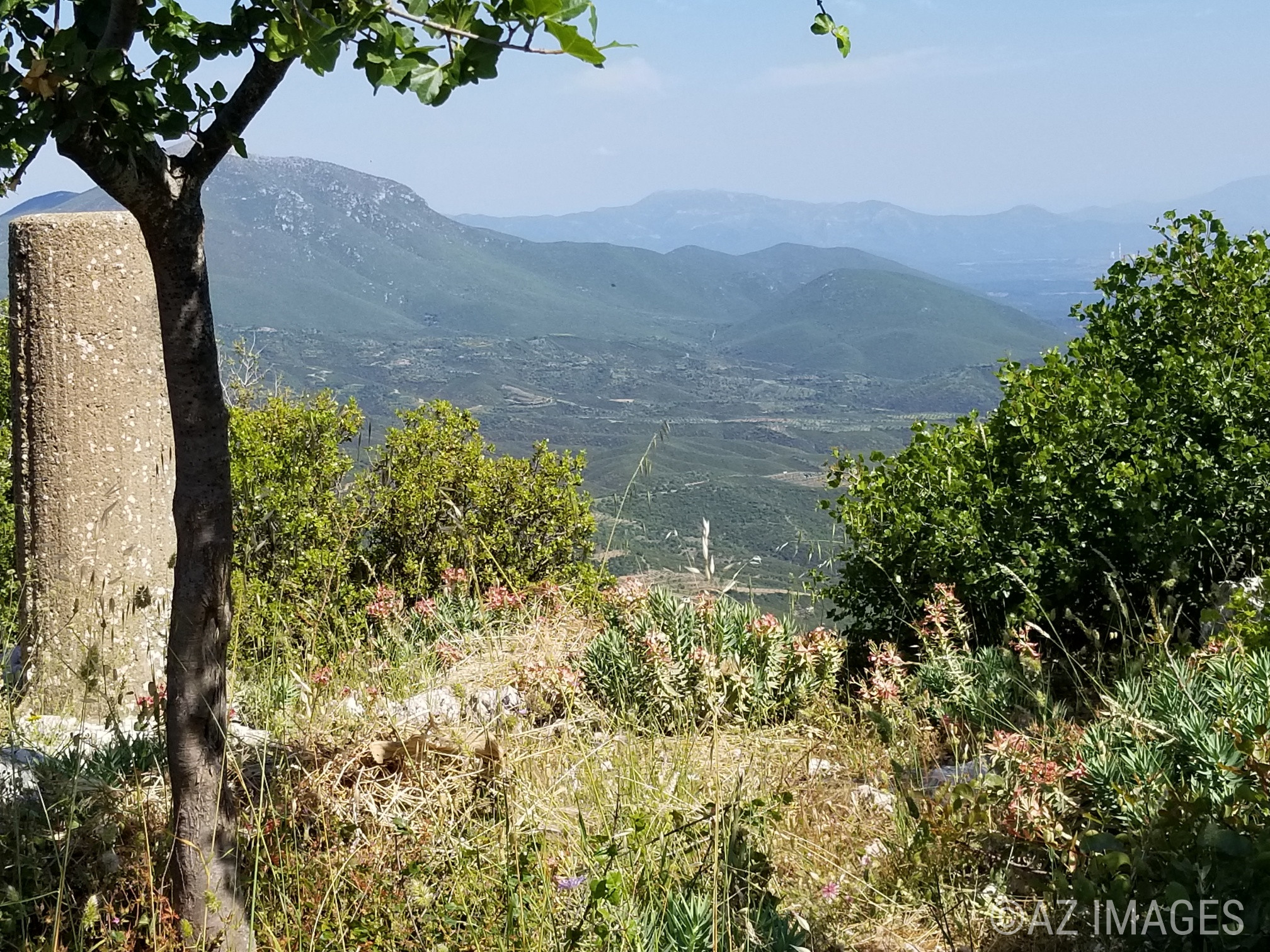
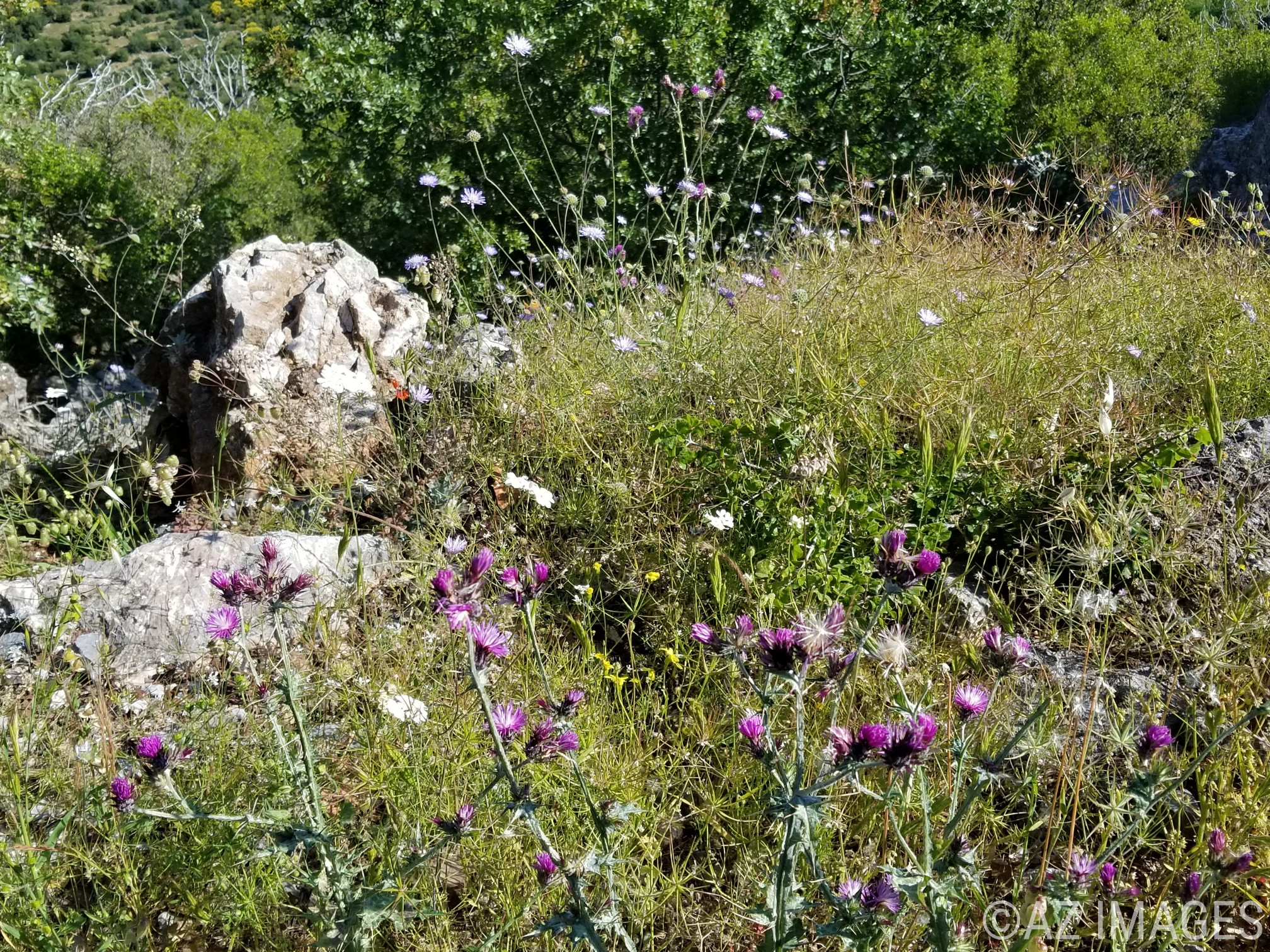
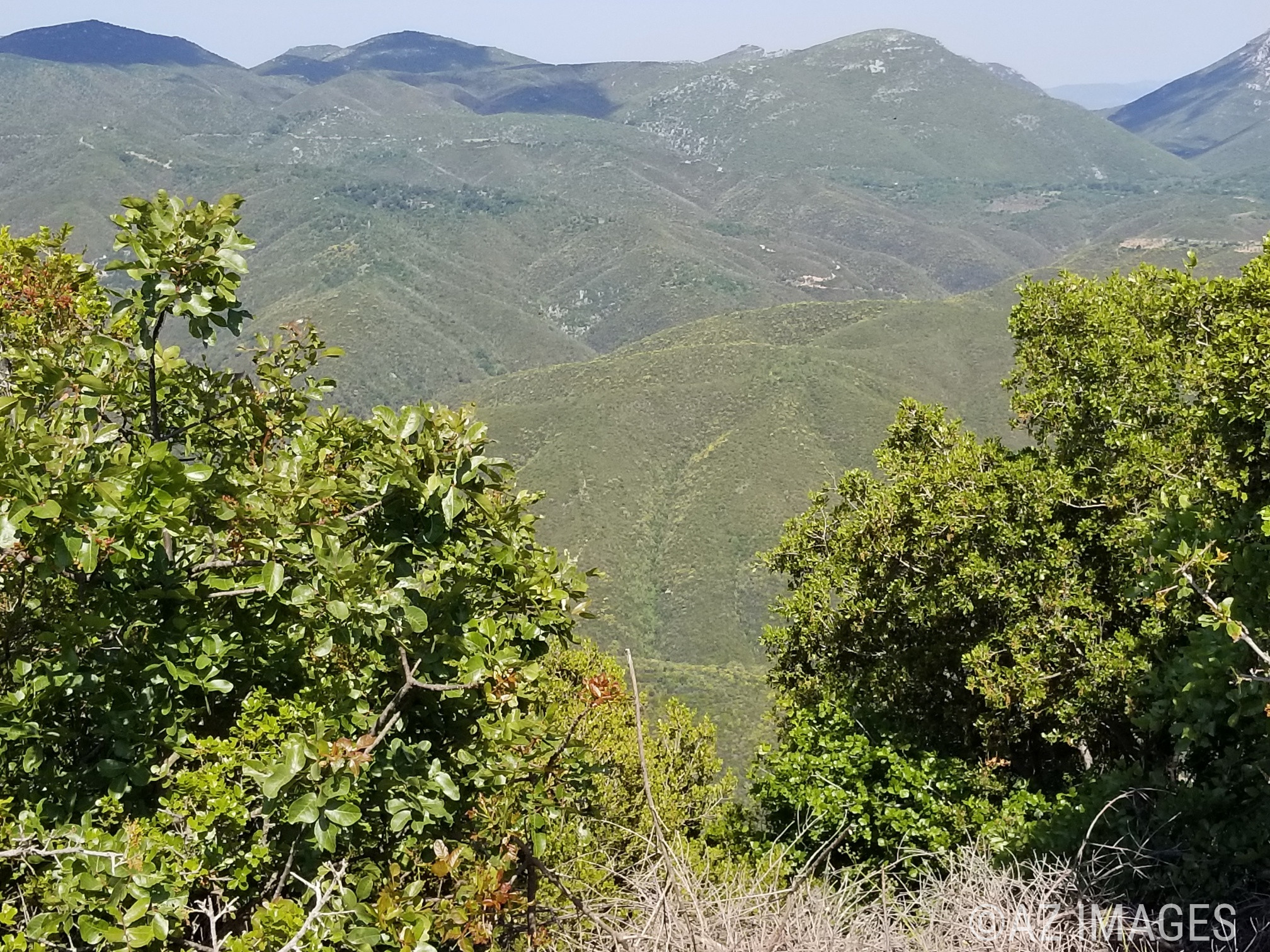
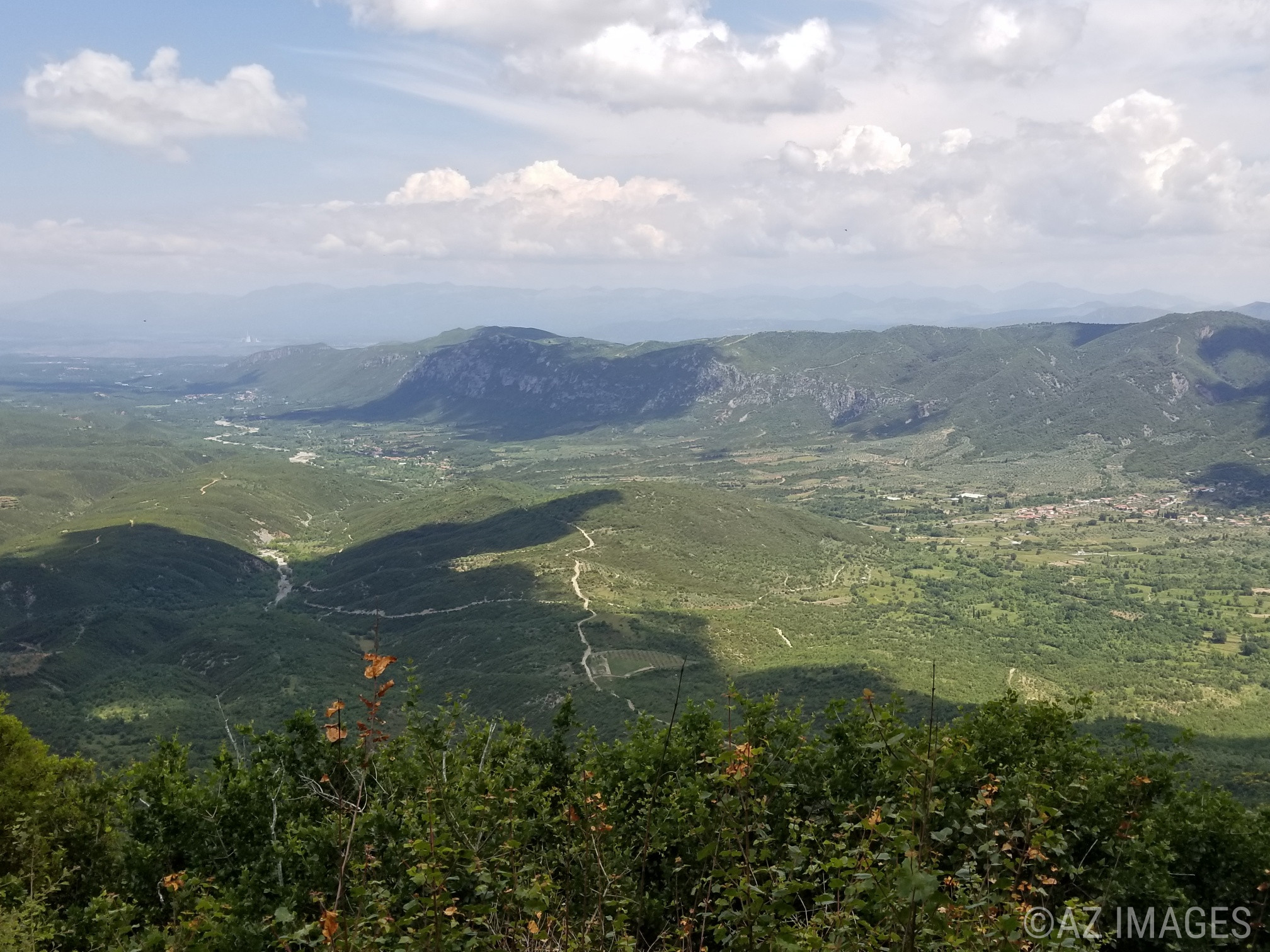
Et in Arcadia Ego
‘Even in Arcadia, there I am’.- Nicolas Poussin
“Going to the mountains is like going home” – John Muir
“When everything feels like an uphill struggle, think of the view from the top” – Unknown
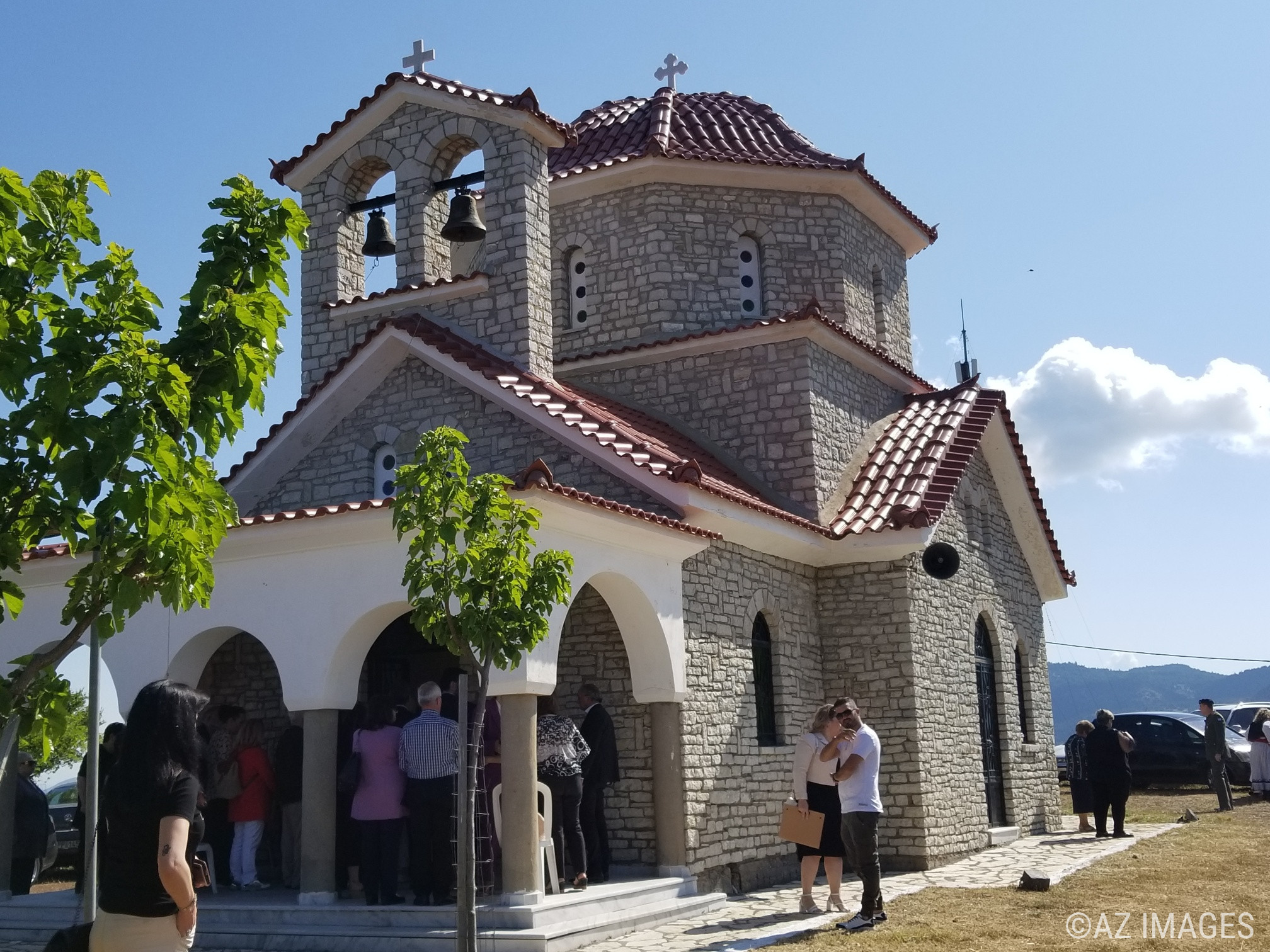
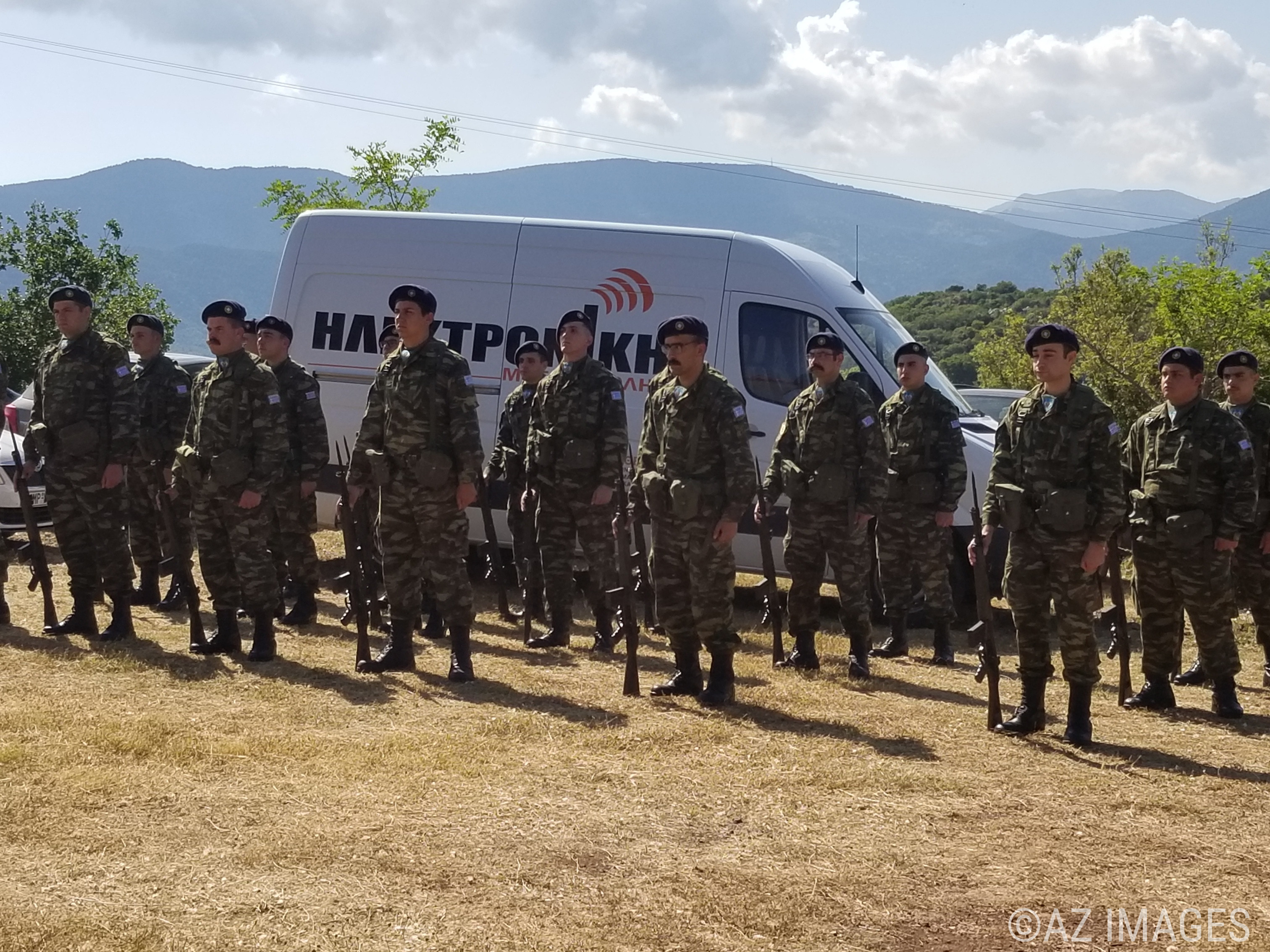
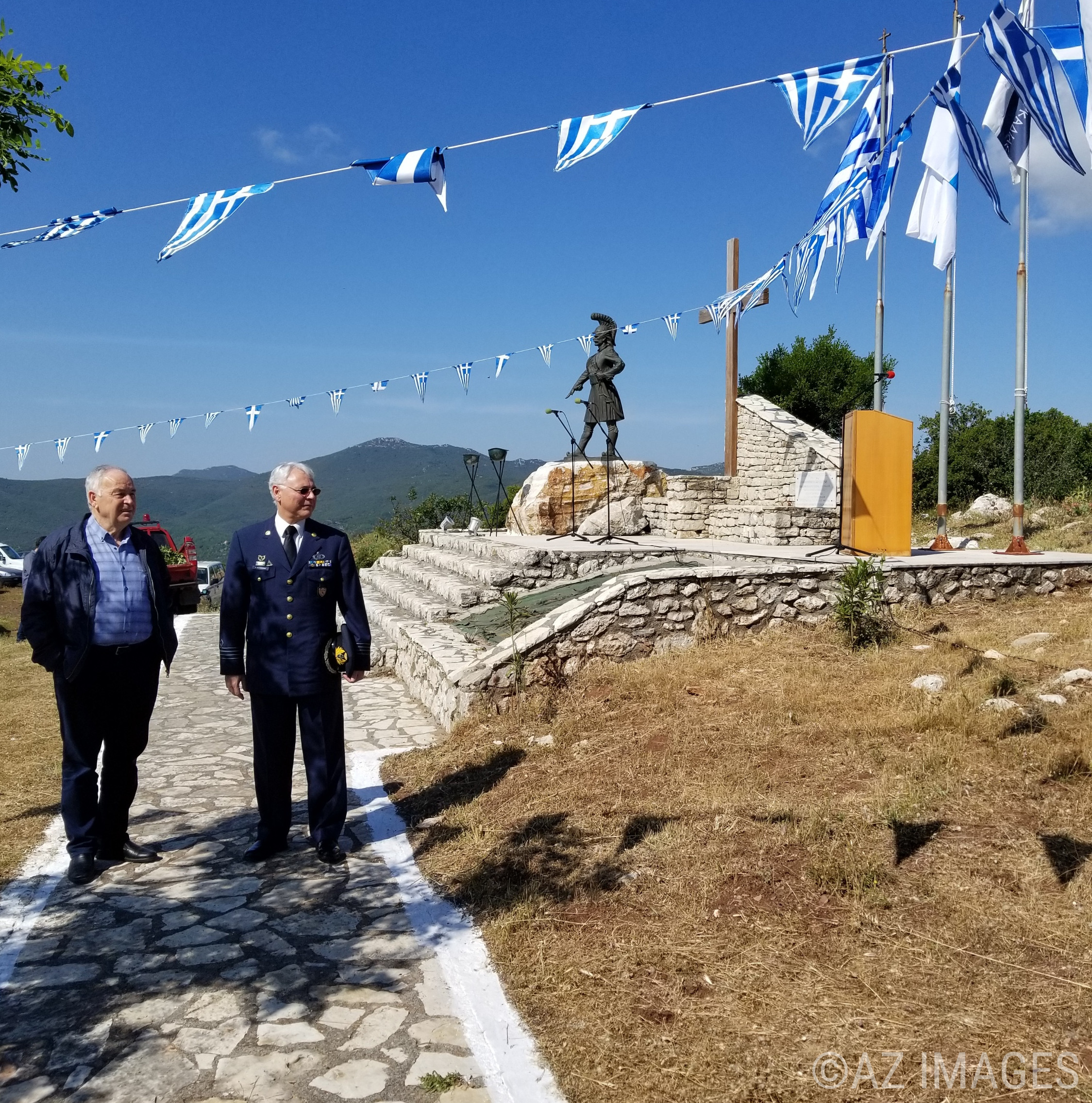
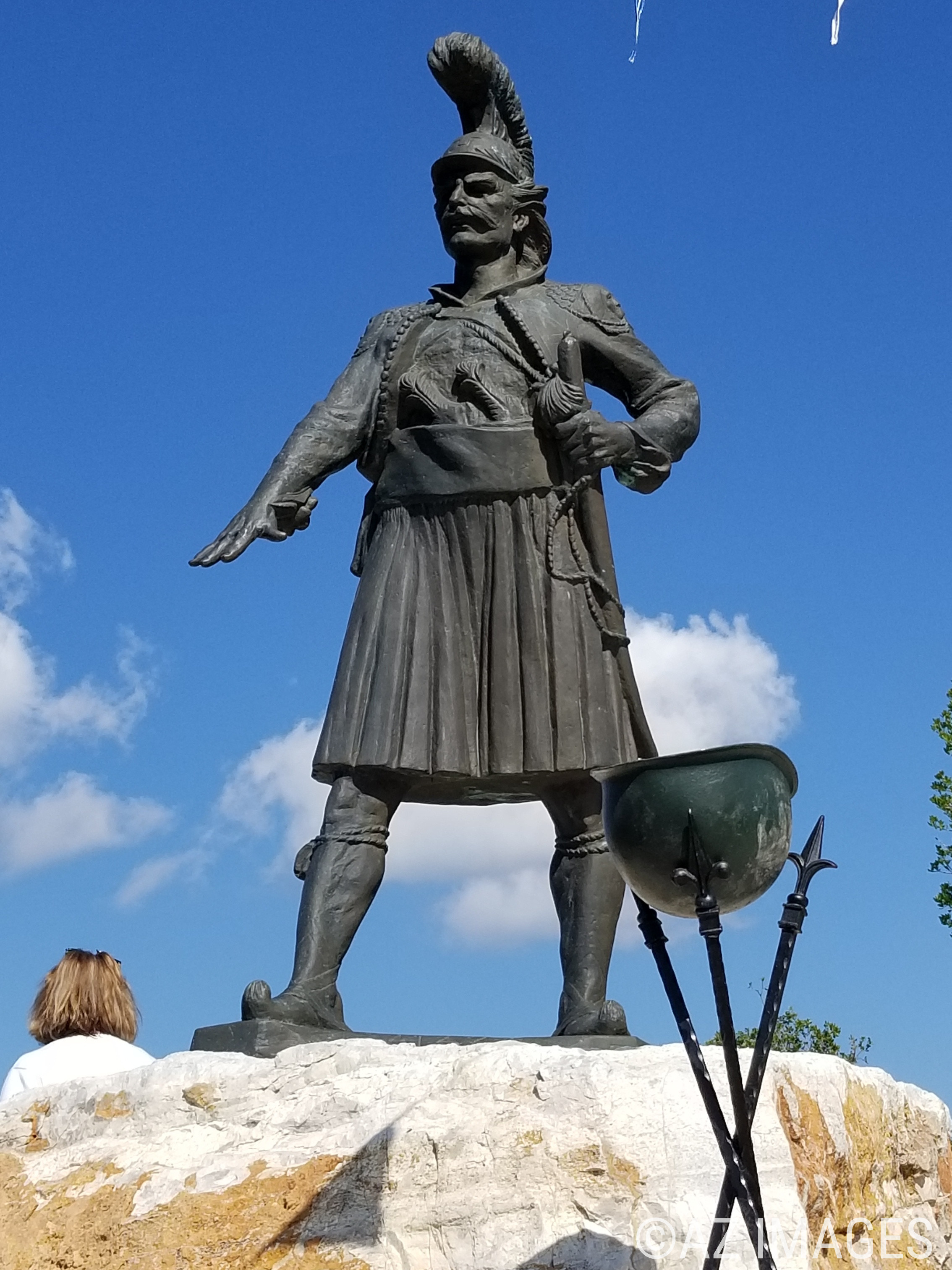
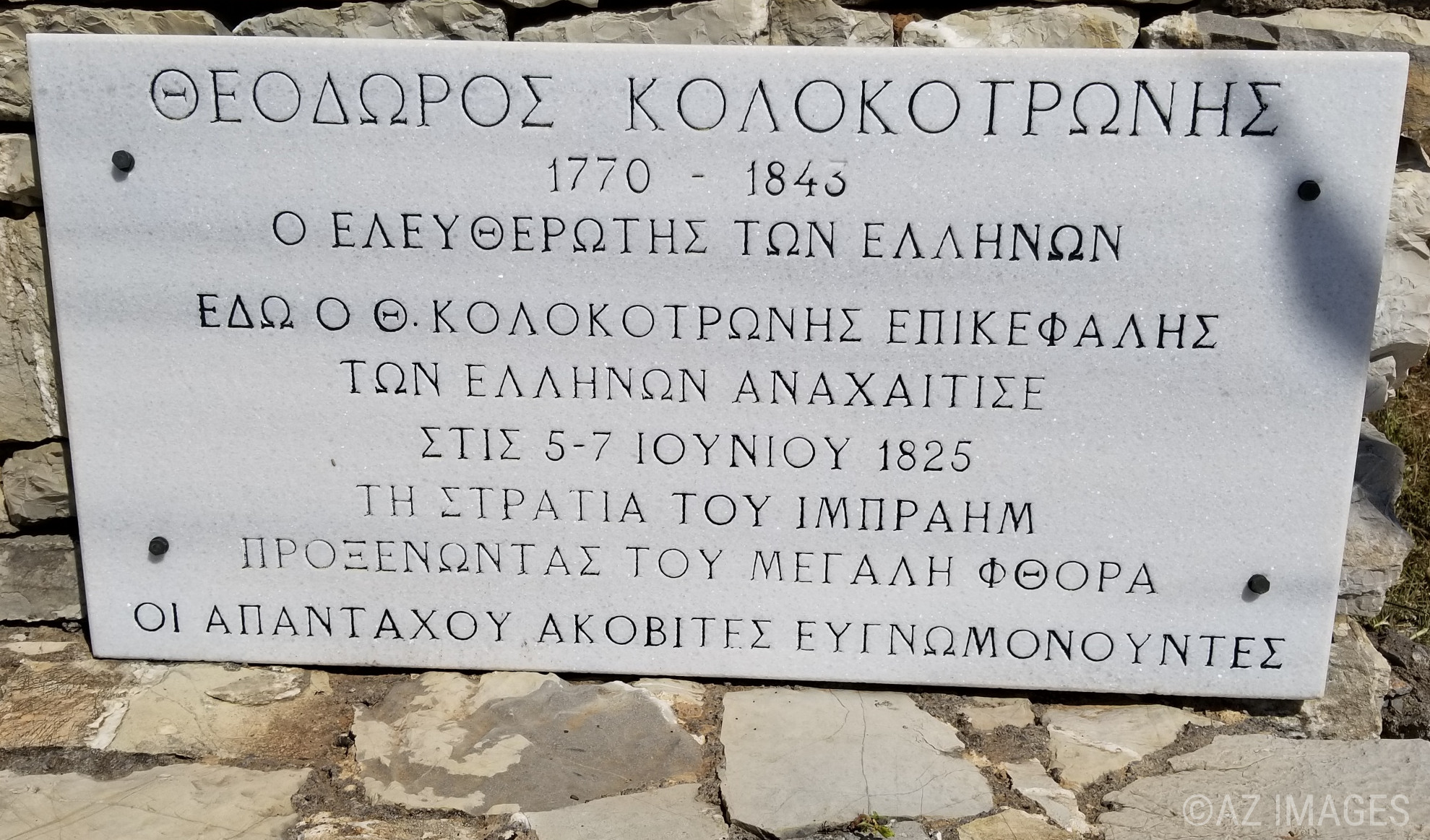
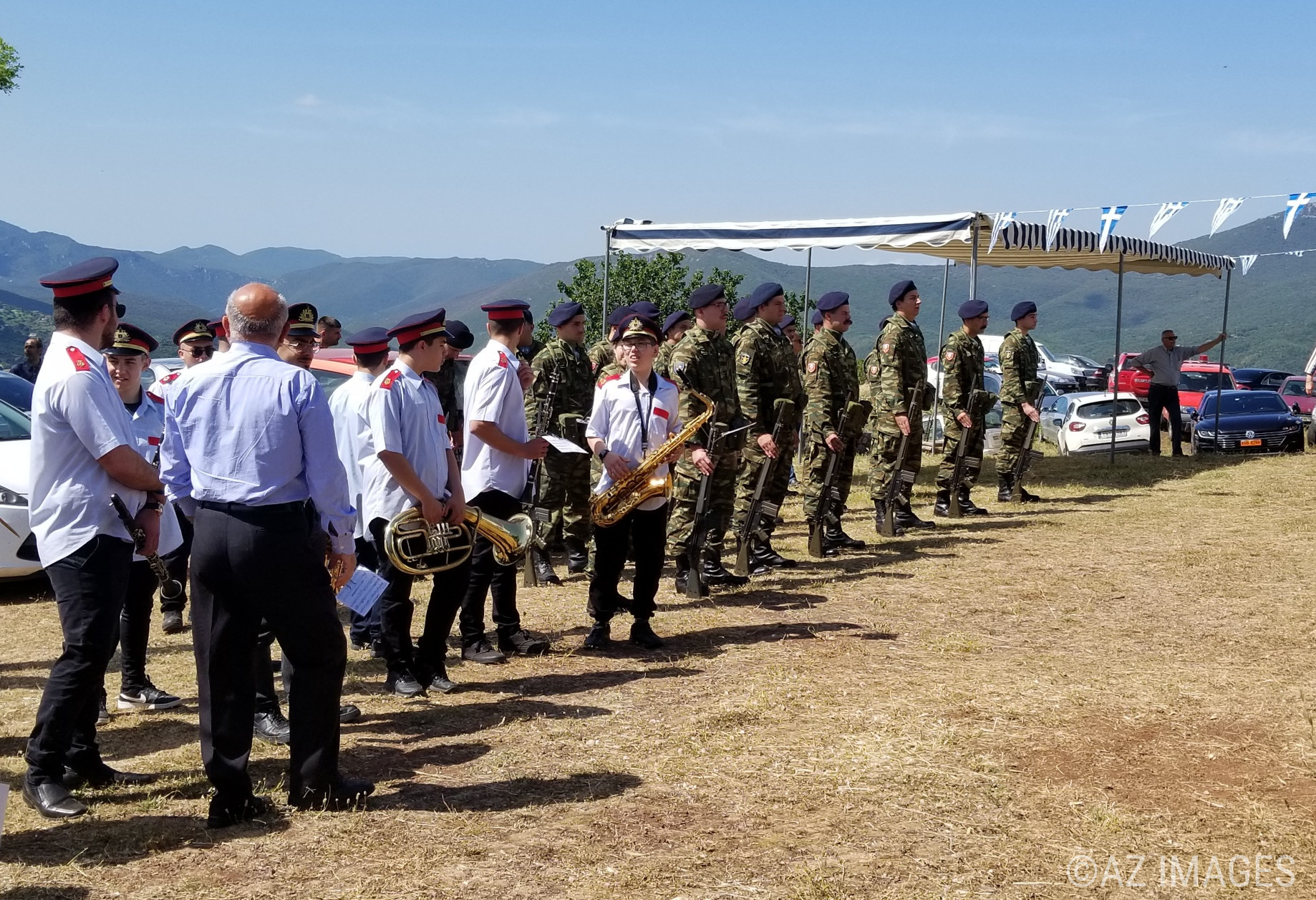
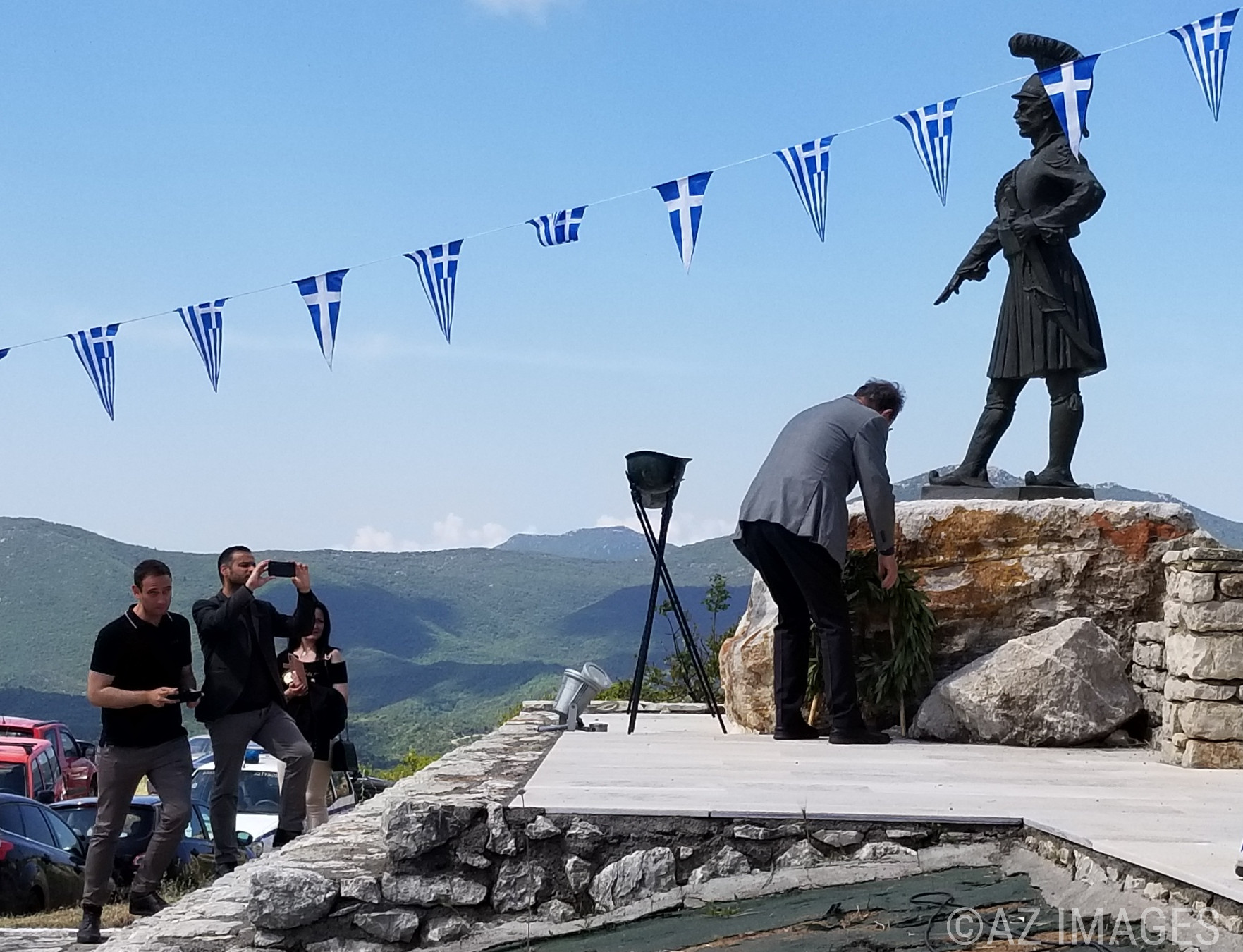

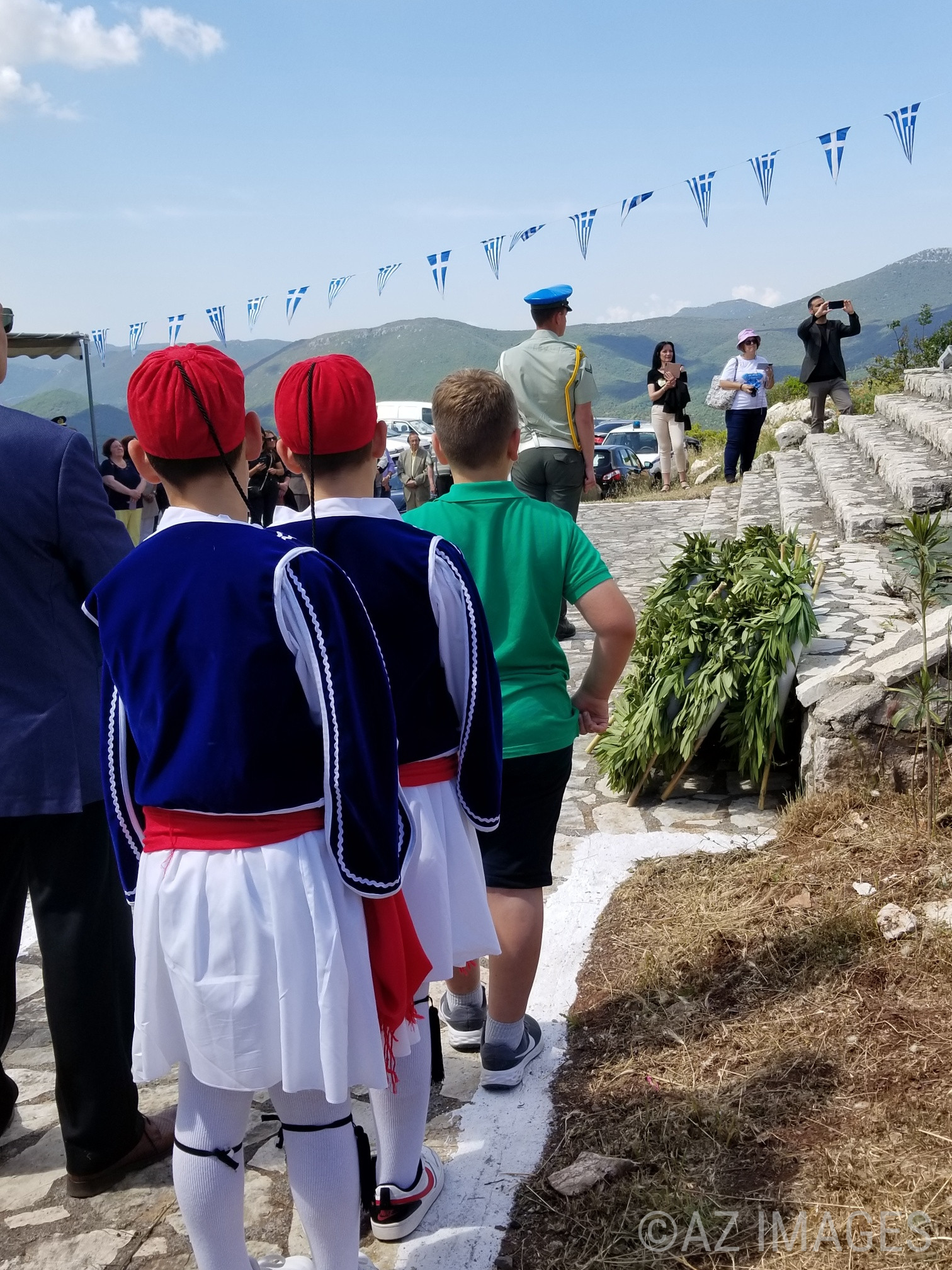


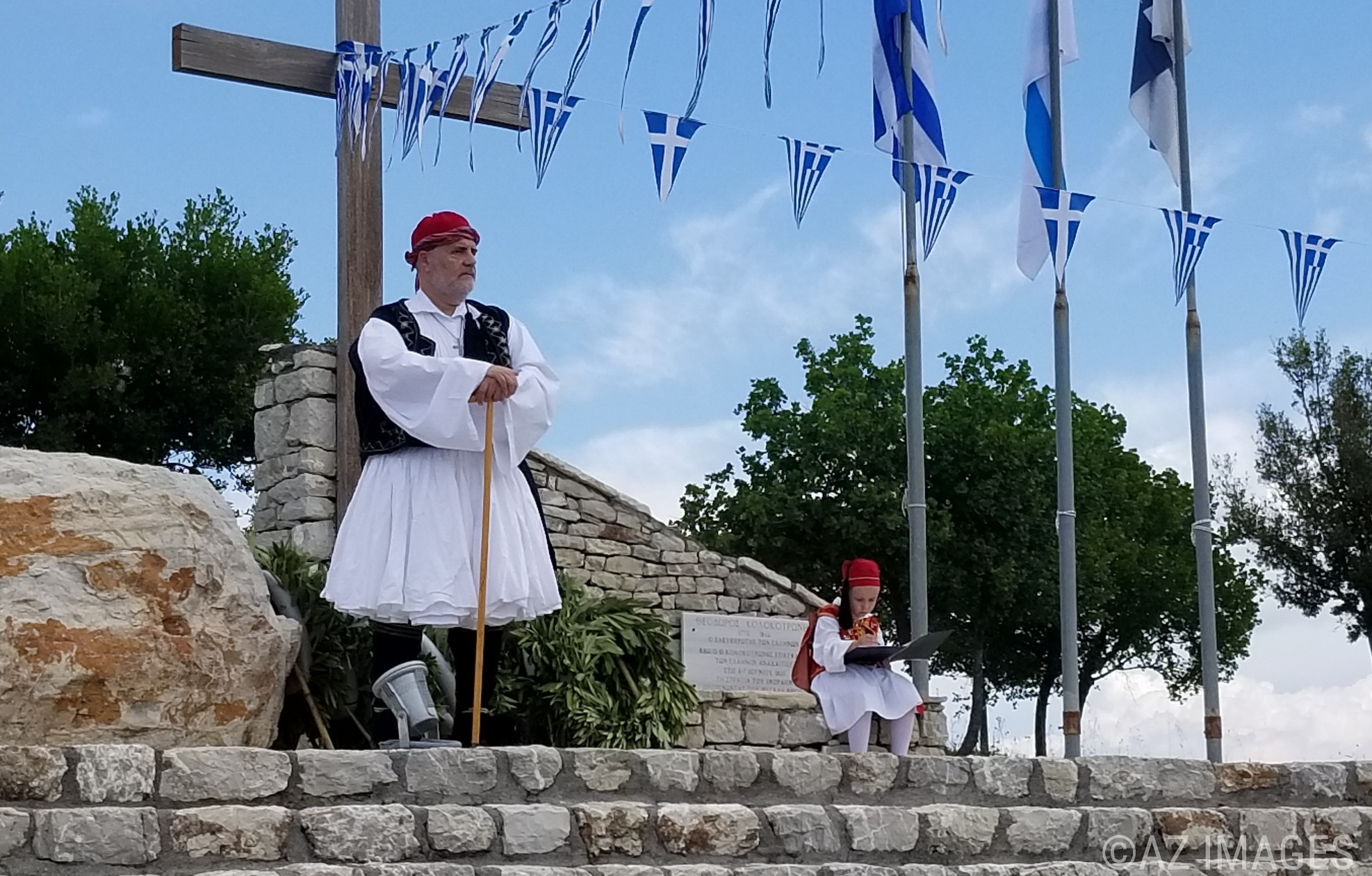
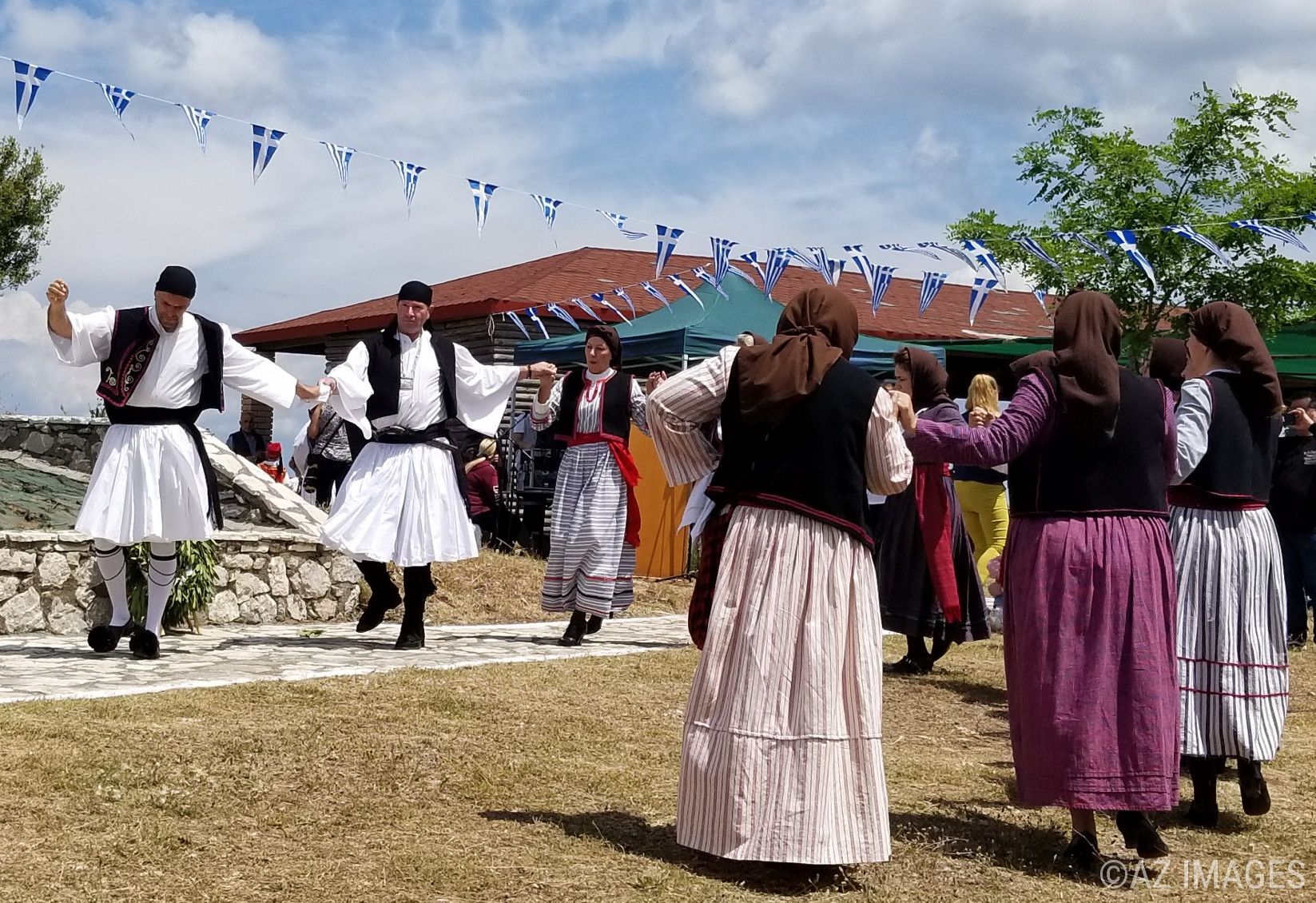

Every year on the 4th of June the Church of Agia Paraskevi in Arcadia commemorates the Battle of Drabala. The Battle took place on June 5th -7 in 1825 in the nearby mountains of Drabala. It was a battle against the Ottoman forces of Ibrahim and the Greek army lead by Theodoros Kolokotronis. It was one of the harshest and deadliest of the battles for independence in Greece.
The commemortion or doxology begins with a church service. Followed by the laying of wreaths by politicians. Then a small theatrical story telling of the events. And then a traditional Greek dance by Arcadian dancers.
My father is from the nearby village of Akovos and he would go to this event every year. Since he is not here with us today, I decided to go after many years in his honour. I think it would have made him very proud.
Κάθε χρόνο στις 4 Ιουνίου ο Ιερός Ναός της Αγίας Παρασκευής Αρκαδίας τιμά την μνήμη των στρατιώτων στη Μάχη της Δράμπαλας. Η Μάχη έγινε στις 5 -7 Ιουνίου 1825 στα βουνά της Ντράμπαλα. Ήταν μια μάχη εναντίον των Οθωμανικών δυνάμεων του Ιμπραήμ και του Ελληνικού στρατού με επικεφαλής τον Θεόδωρο Κολοκοτρώνη. Ήταν μια από τις πιο σκληρές και θανατηφόρες μάχες για την ανεξαρτησία στην Ελλάδα.
Πρώτα γίνεται μνημόσυνο και δοξολογία κατά τη διάρκεια των εκκλησιαστικών ακολουθιών. Επειτα τη κατάθεση στεφάνων από πολιτικούς. Στη συνέχεια μια μικρή θεατρική αφήγηση των γεγονότων. Και μετά παραδοσιακός ελληνικός χορός από Αρκάδες χορευτές.
Ο πατέρας μου καταγόταν από το κοντινό χωριό του Άκοβου, και πήγαινε κάθε χρόνο σε αυτή την εκδήλωση. Επειδή δεν είναι εδώ μαζί μας σήμερα, αποφάσισα να πάω μετά από πολλά χρόνια προς τιμήν του. Νομίζω ότι θα τον έκανε πολύ περήφανο.
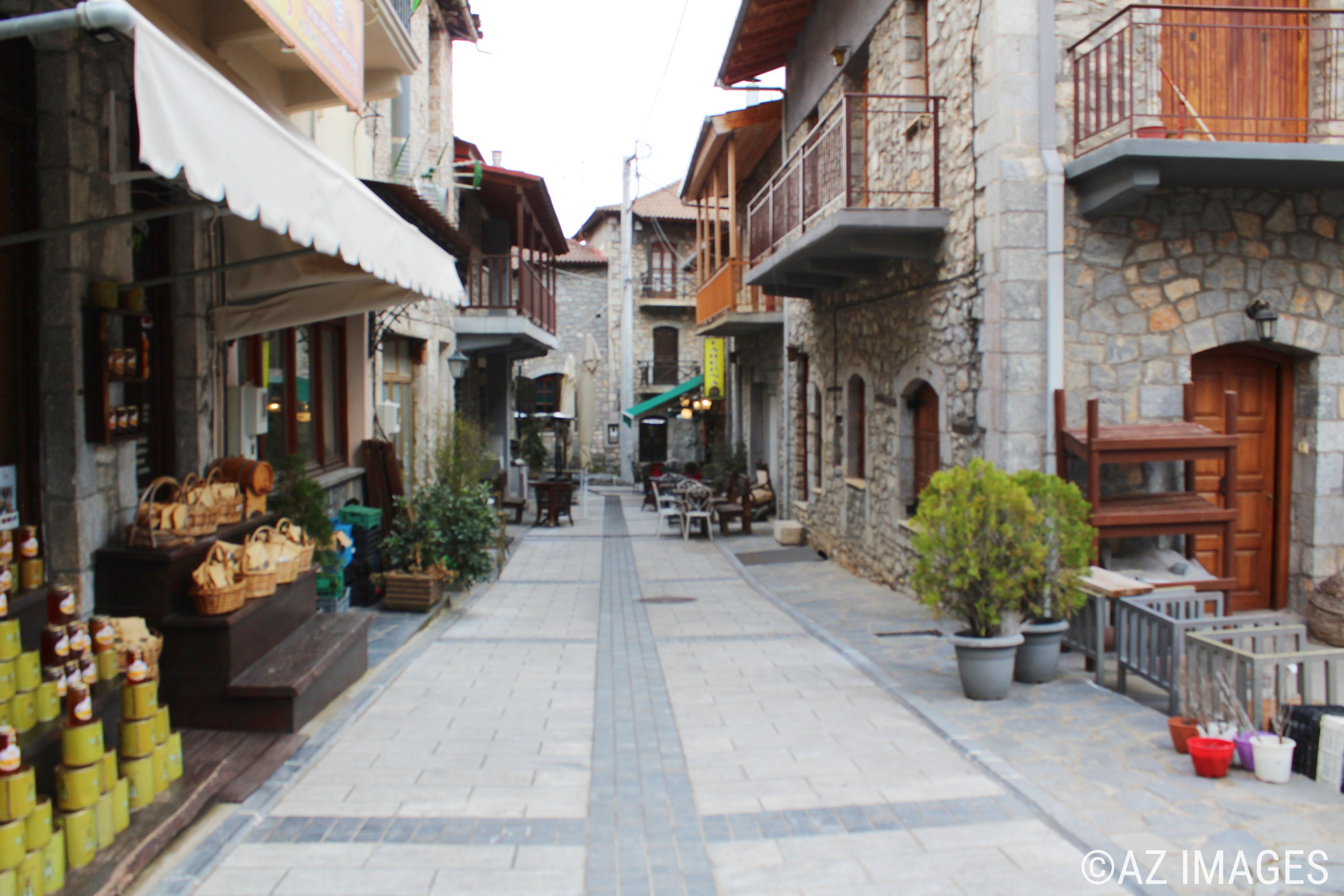
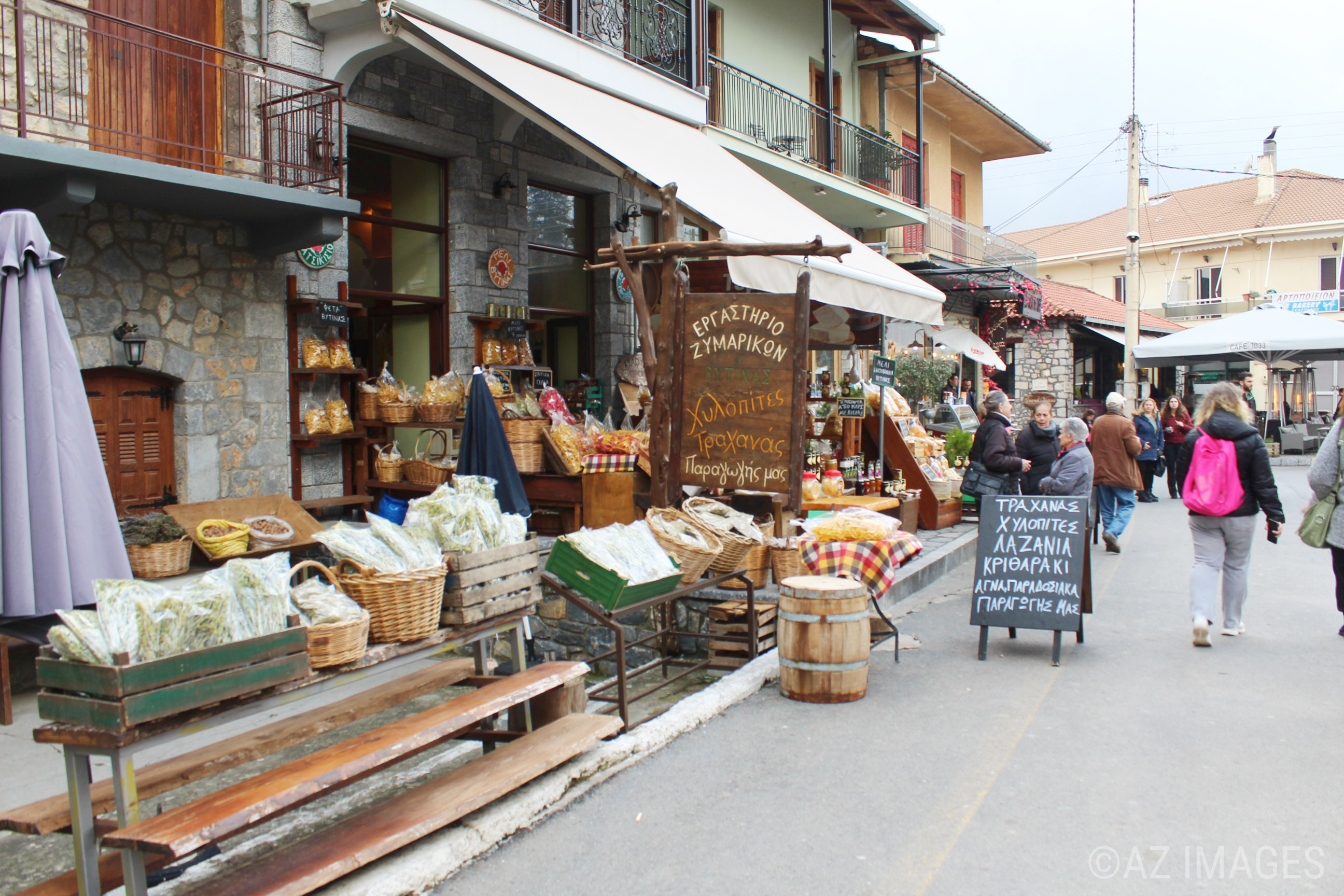
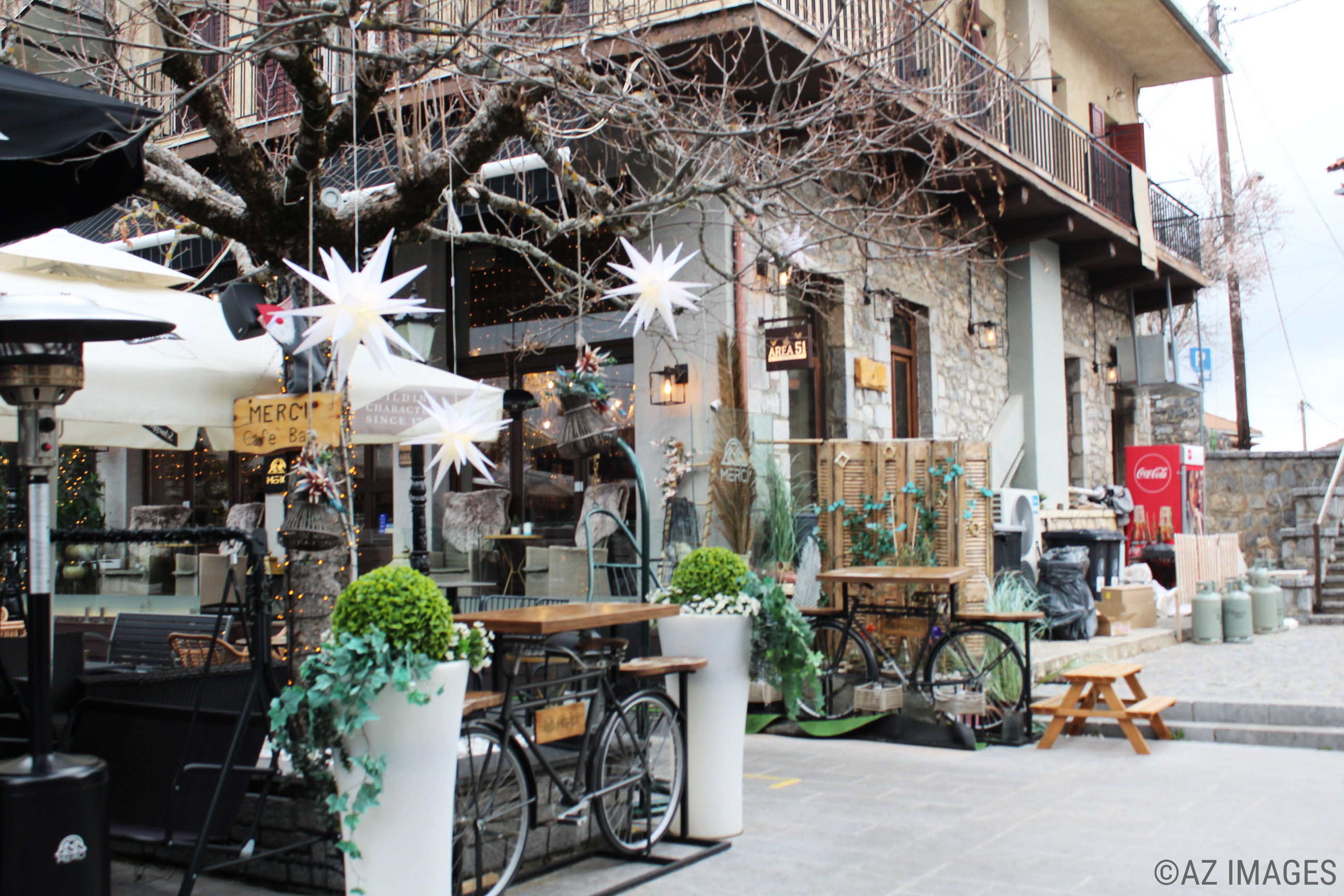
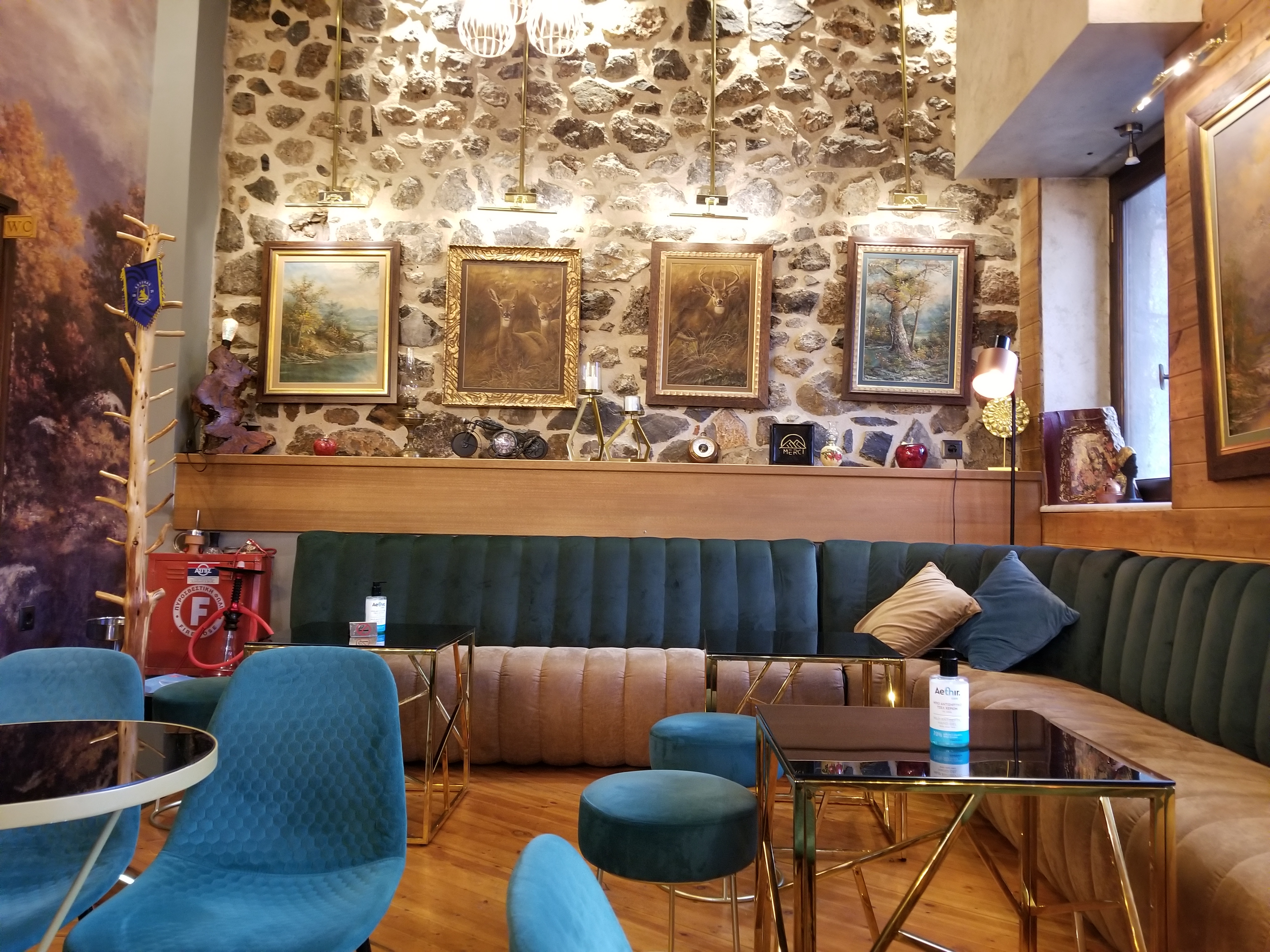
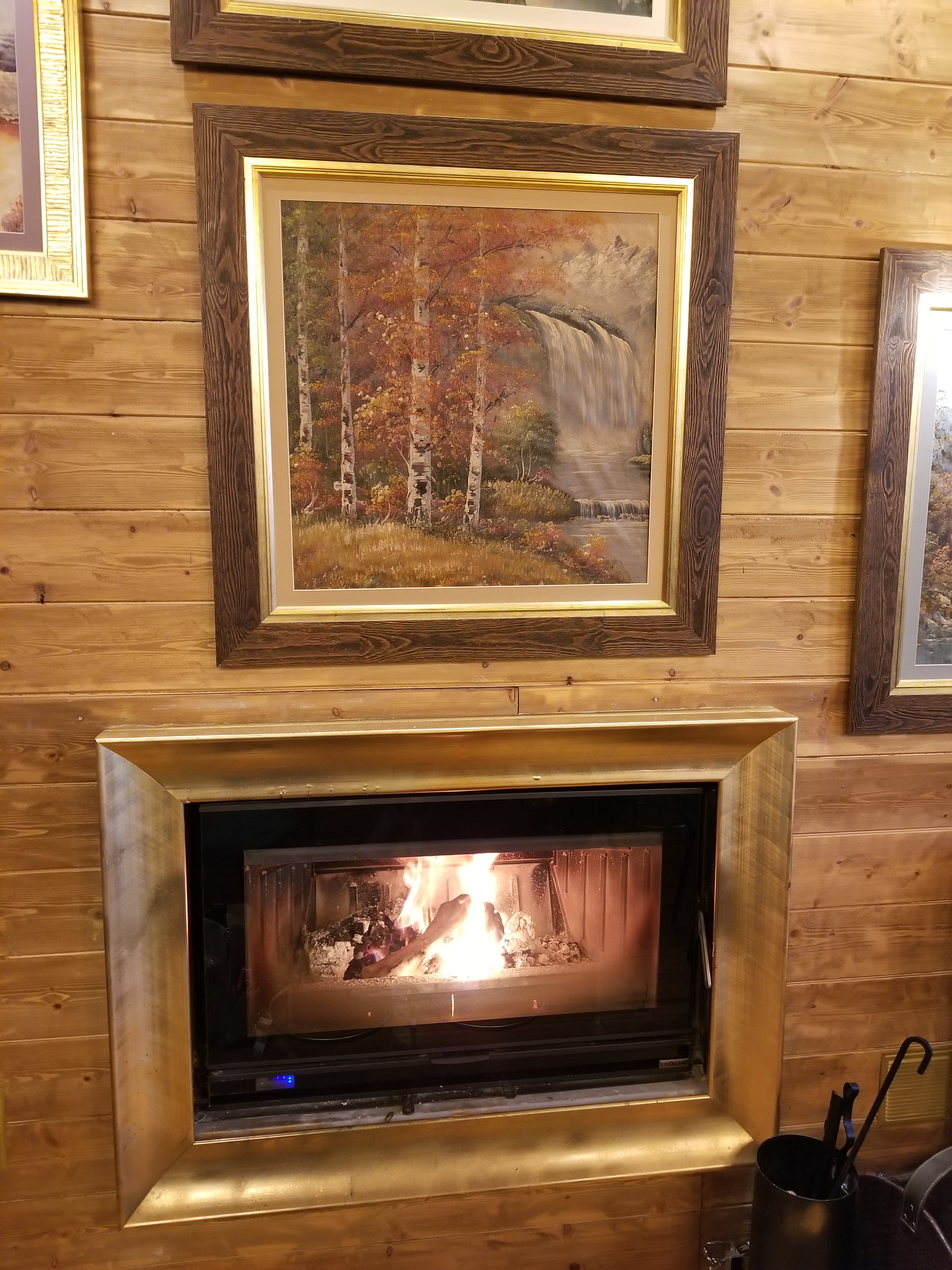
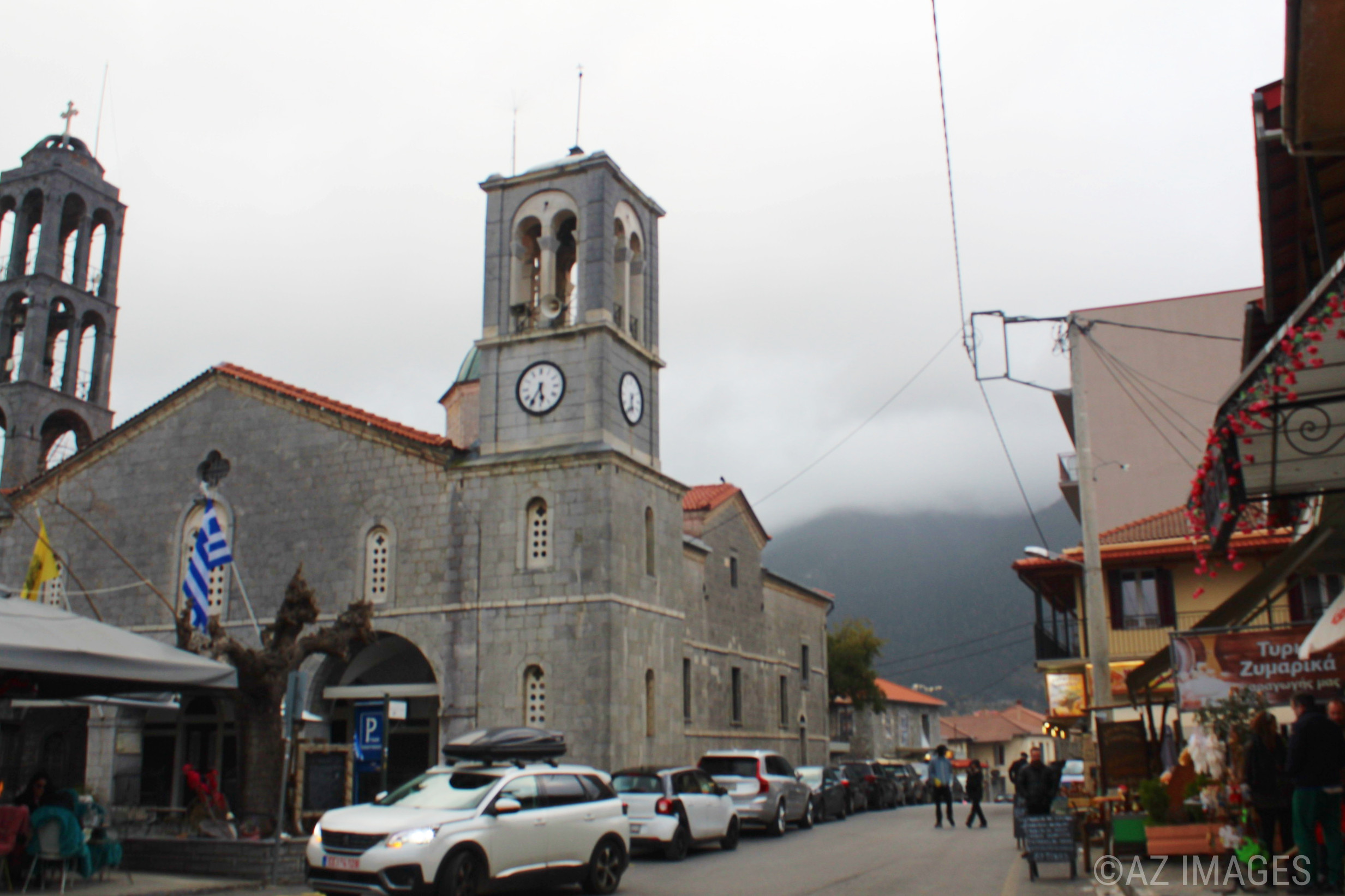
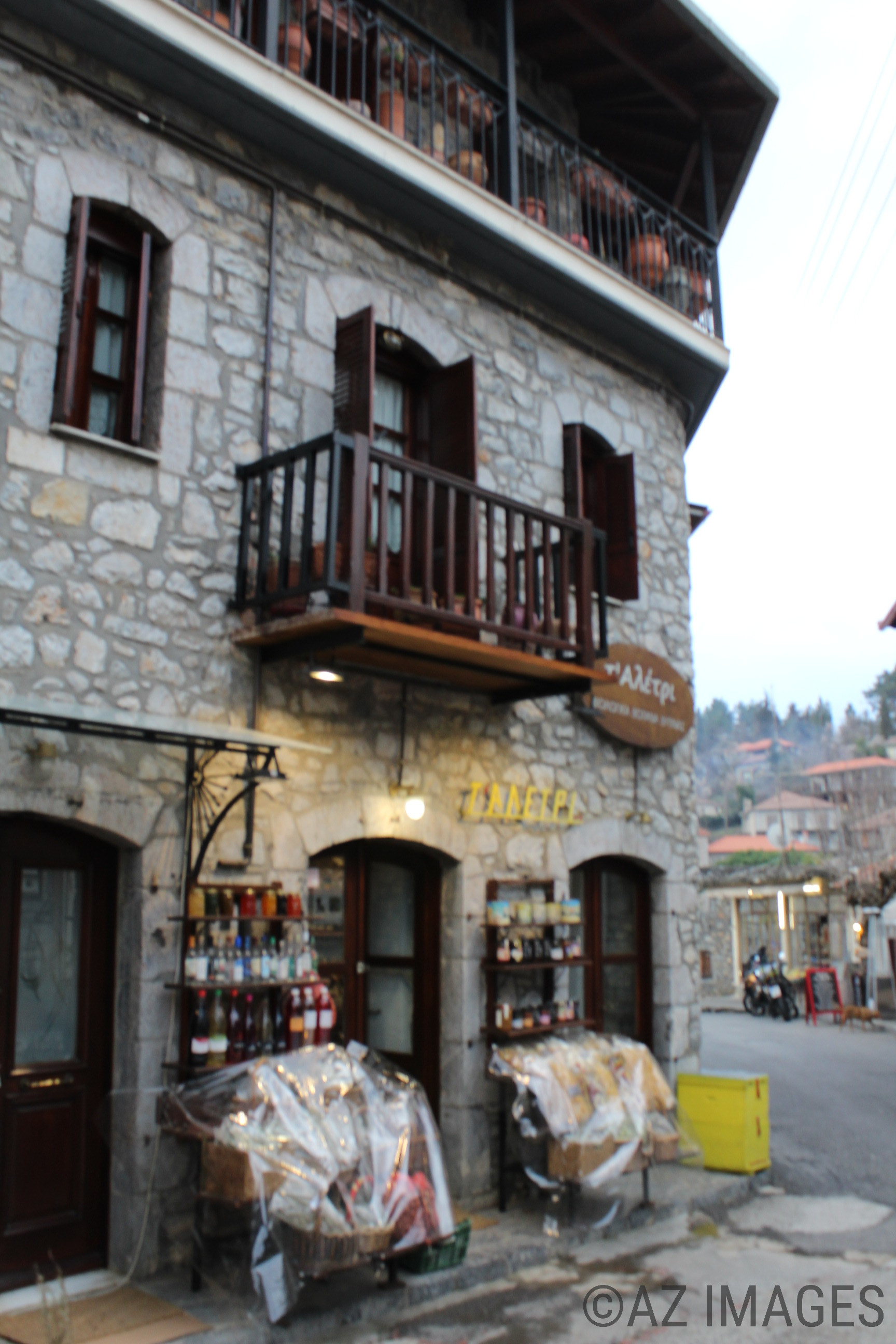
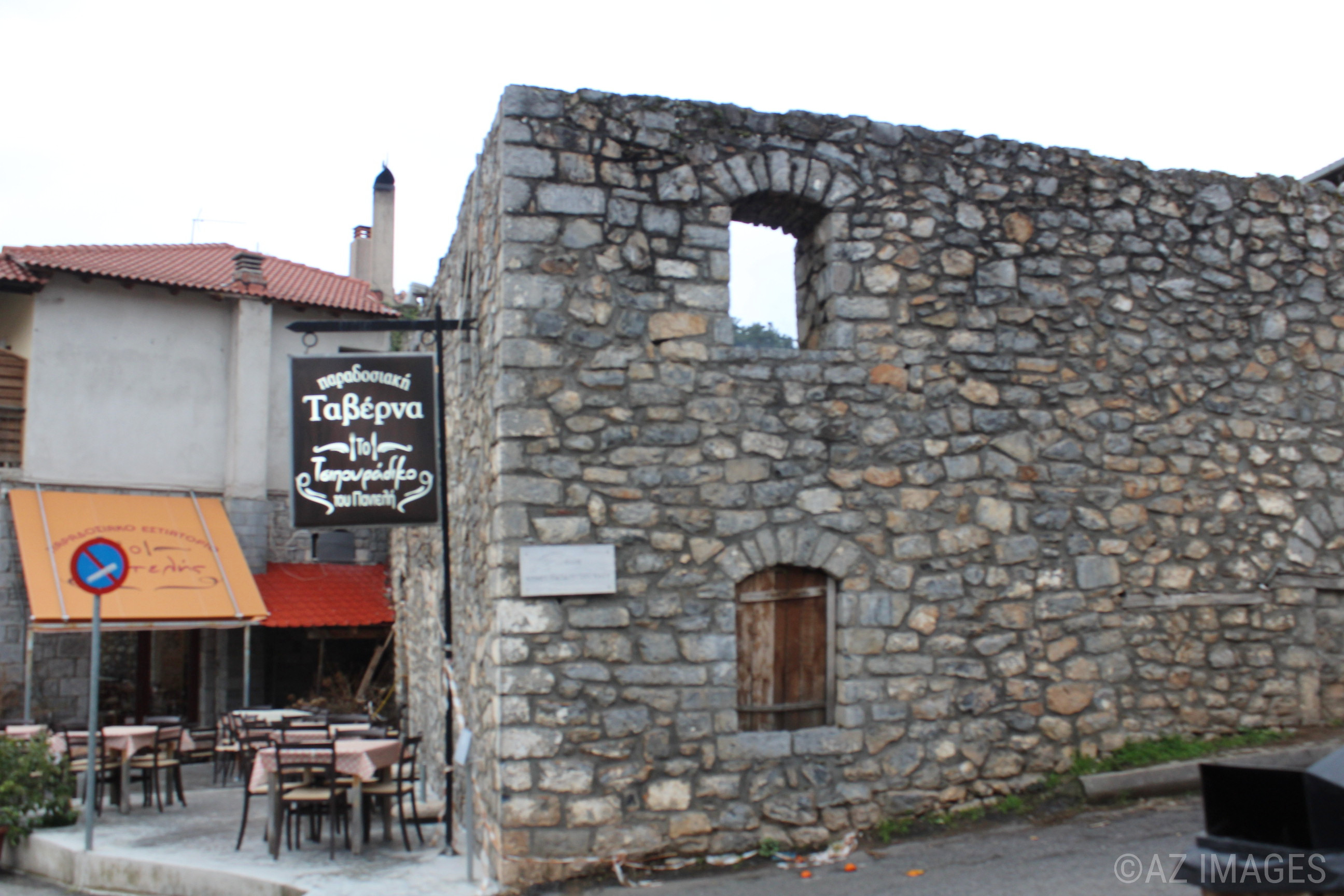
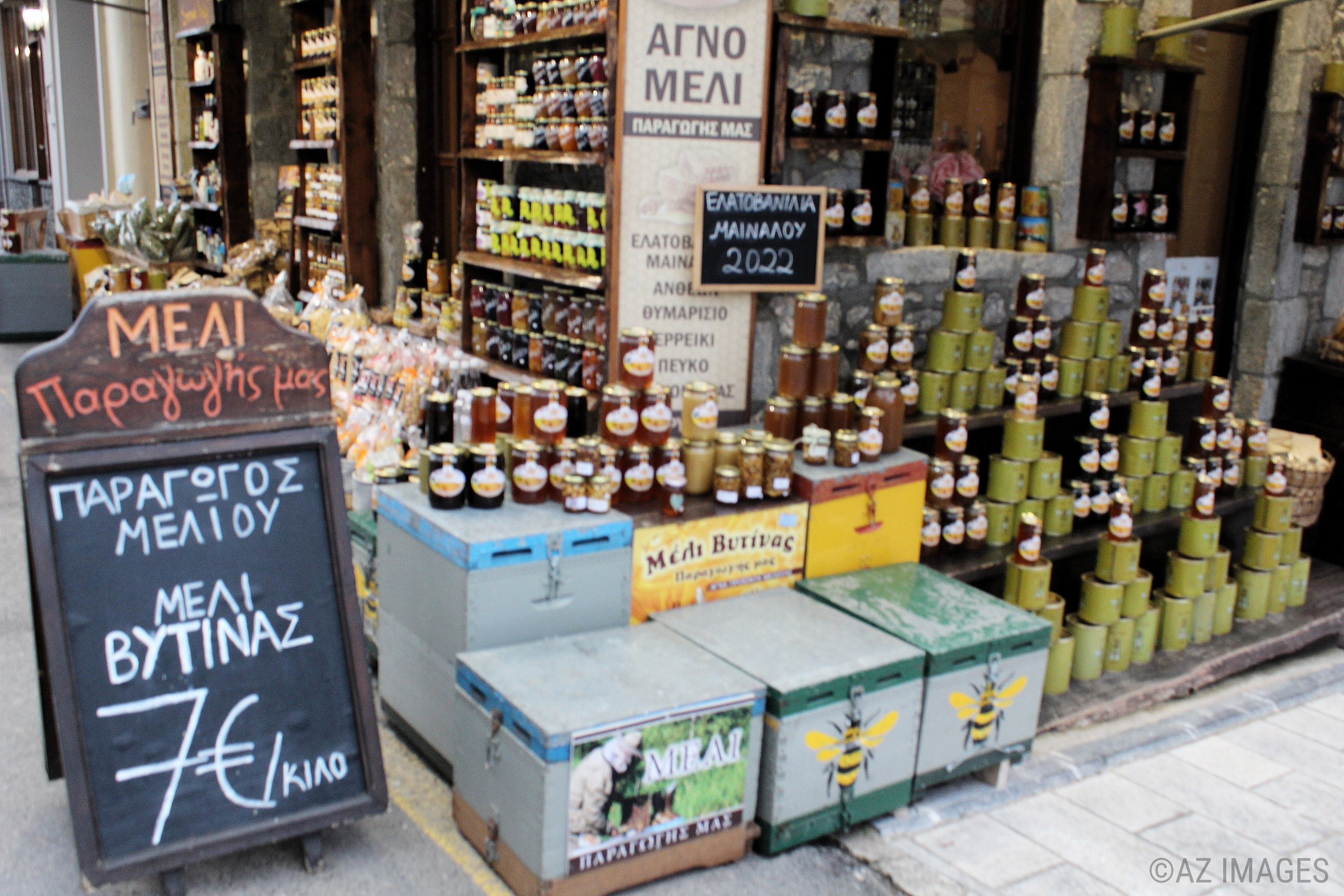
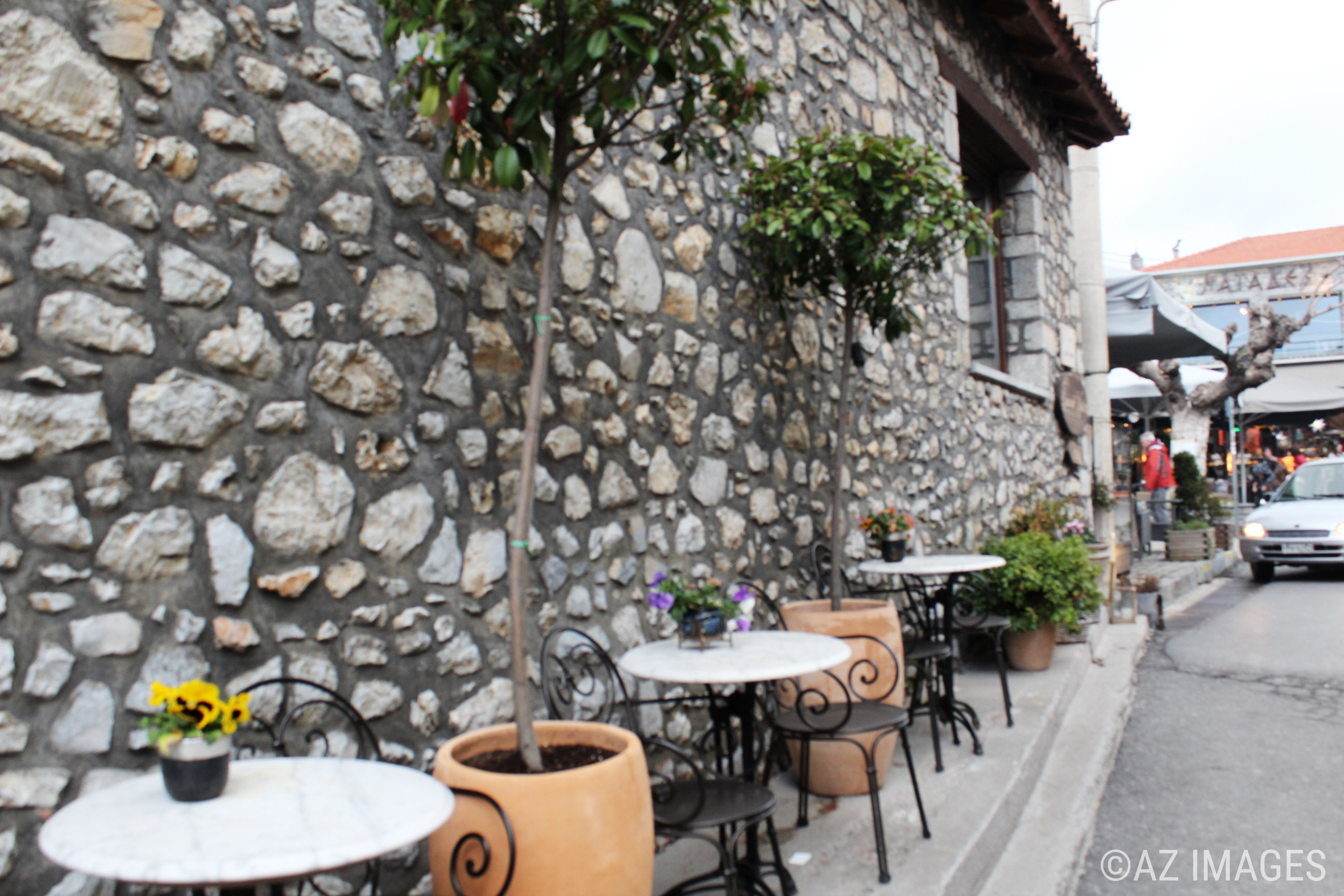

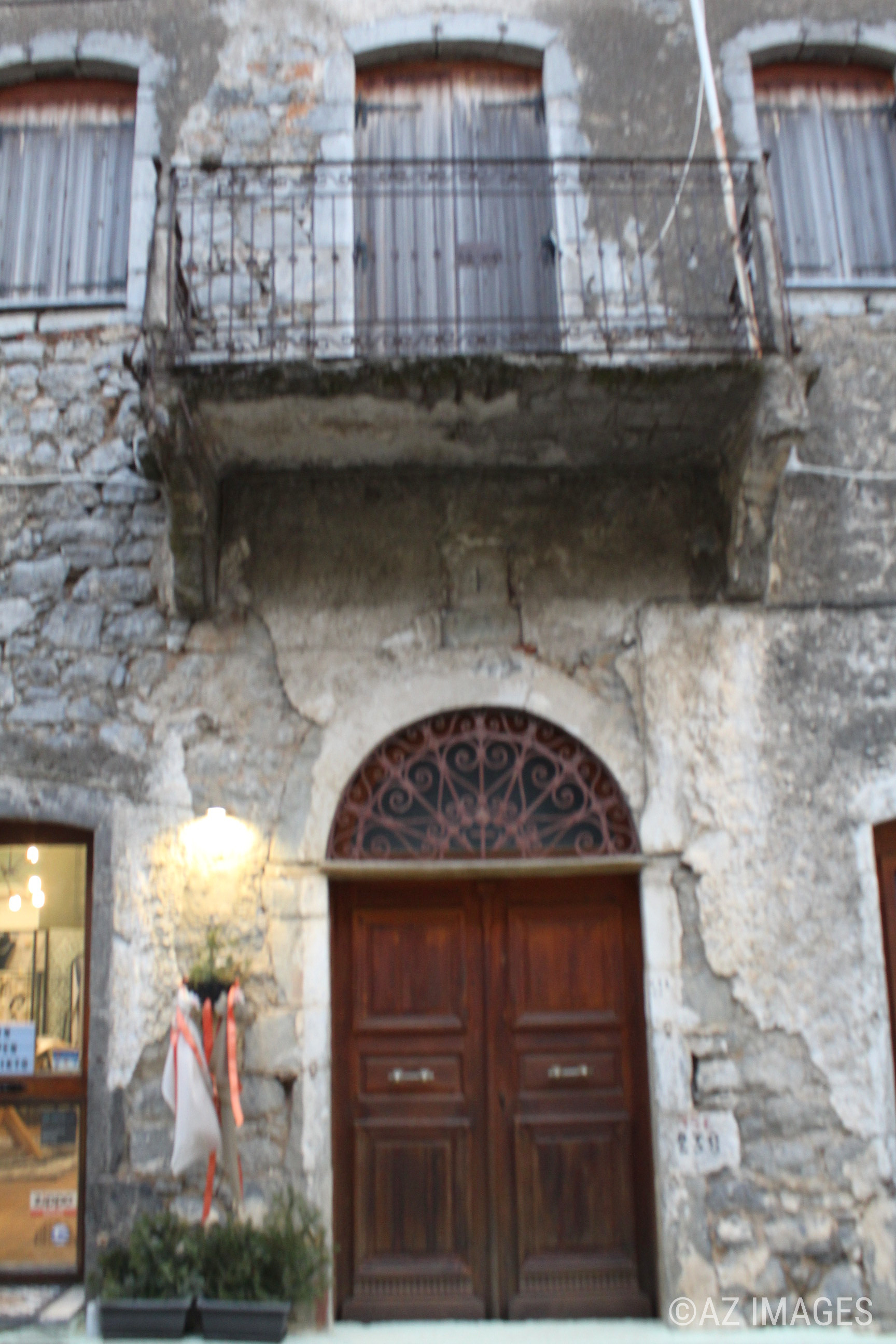
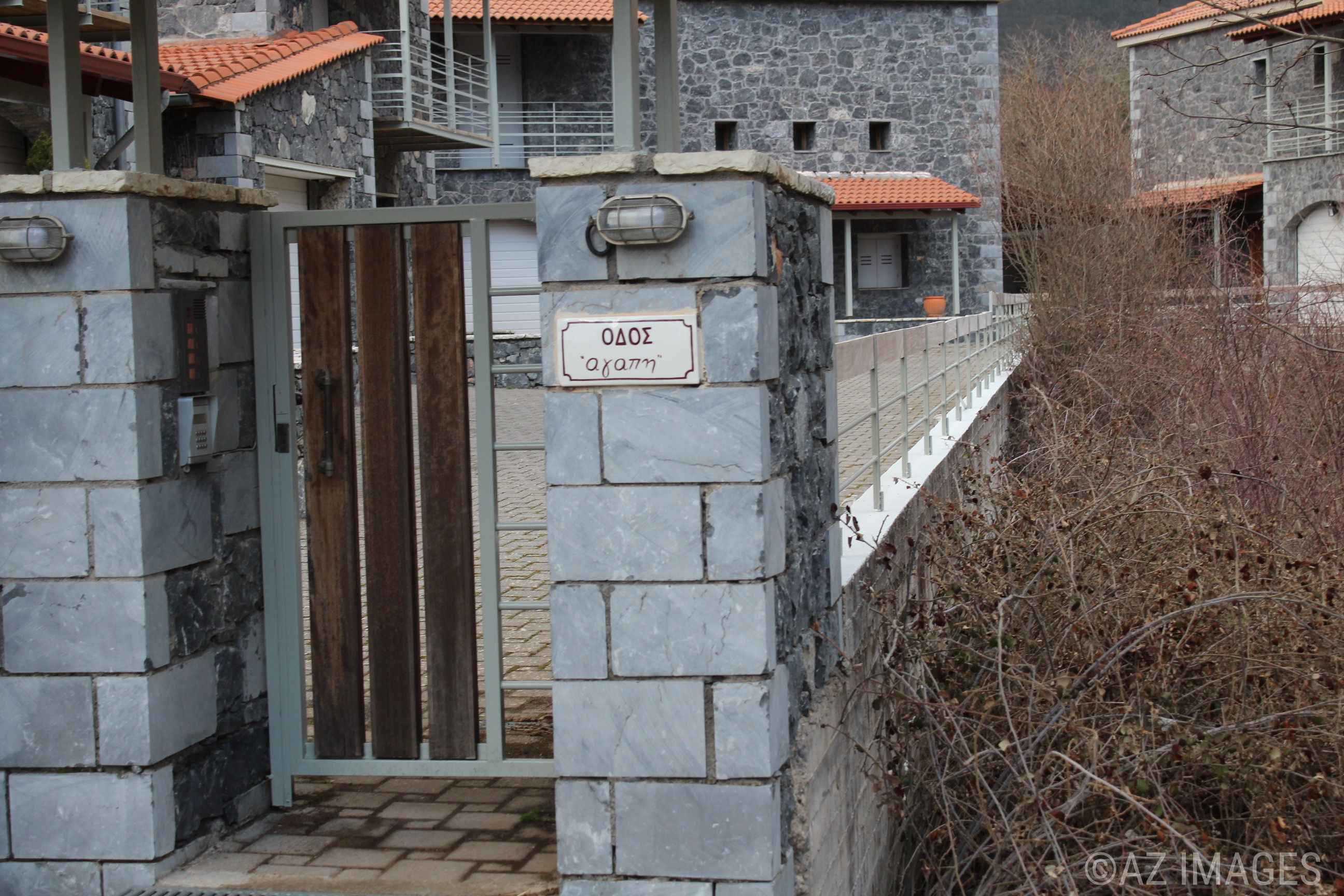
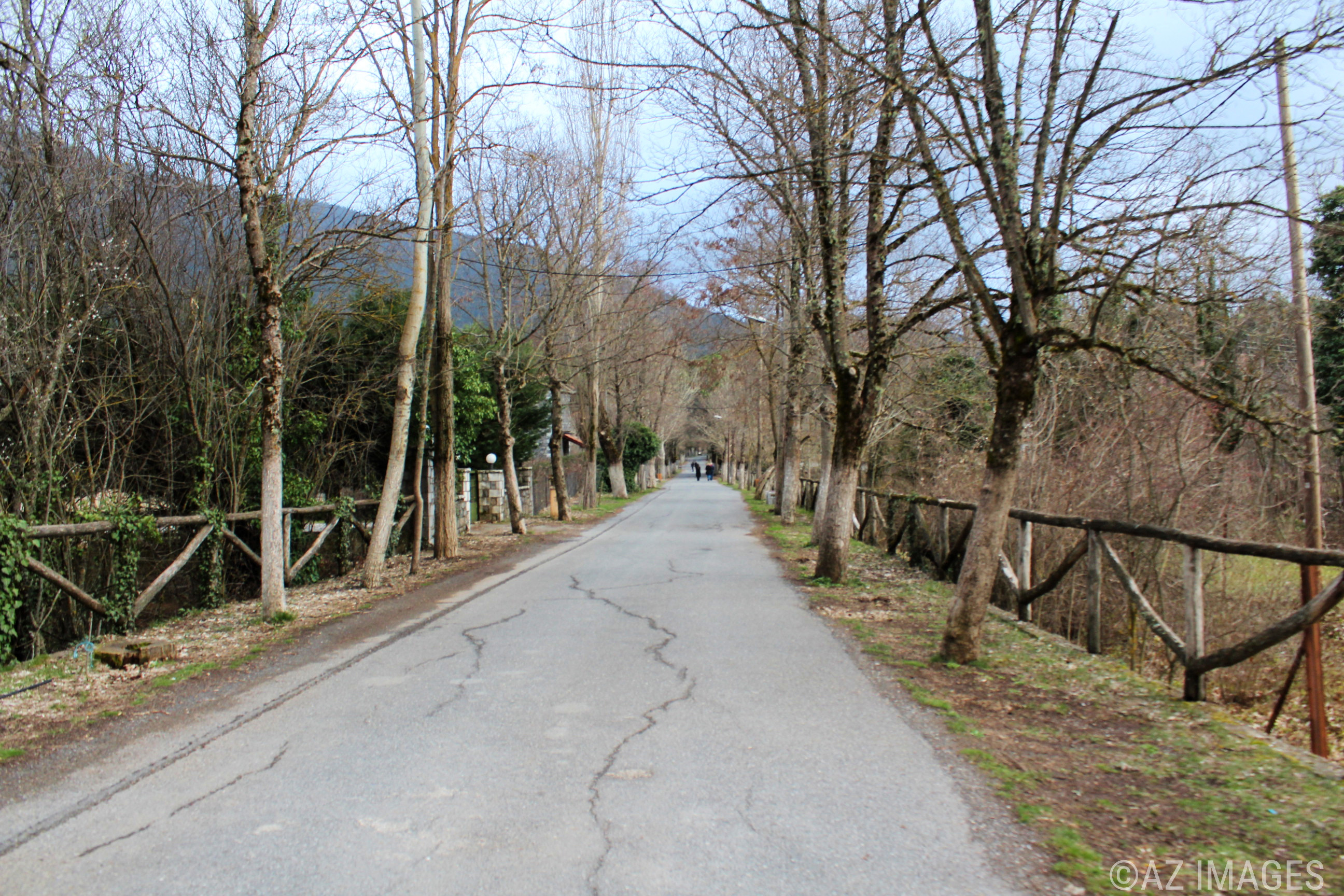
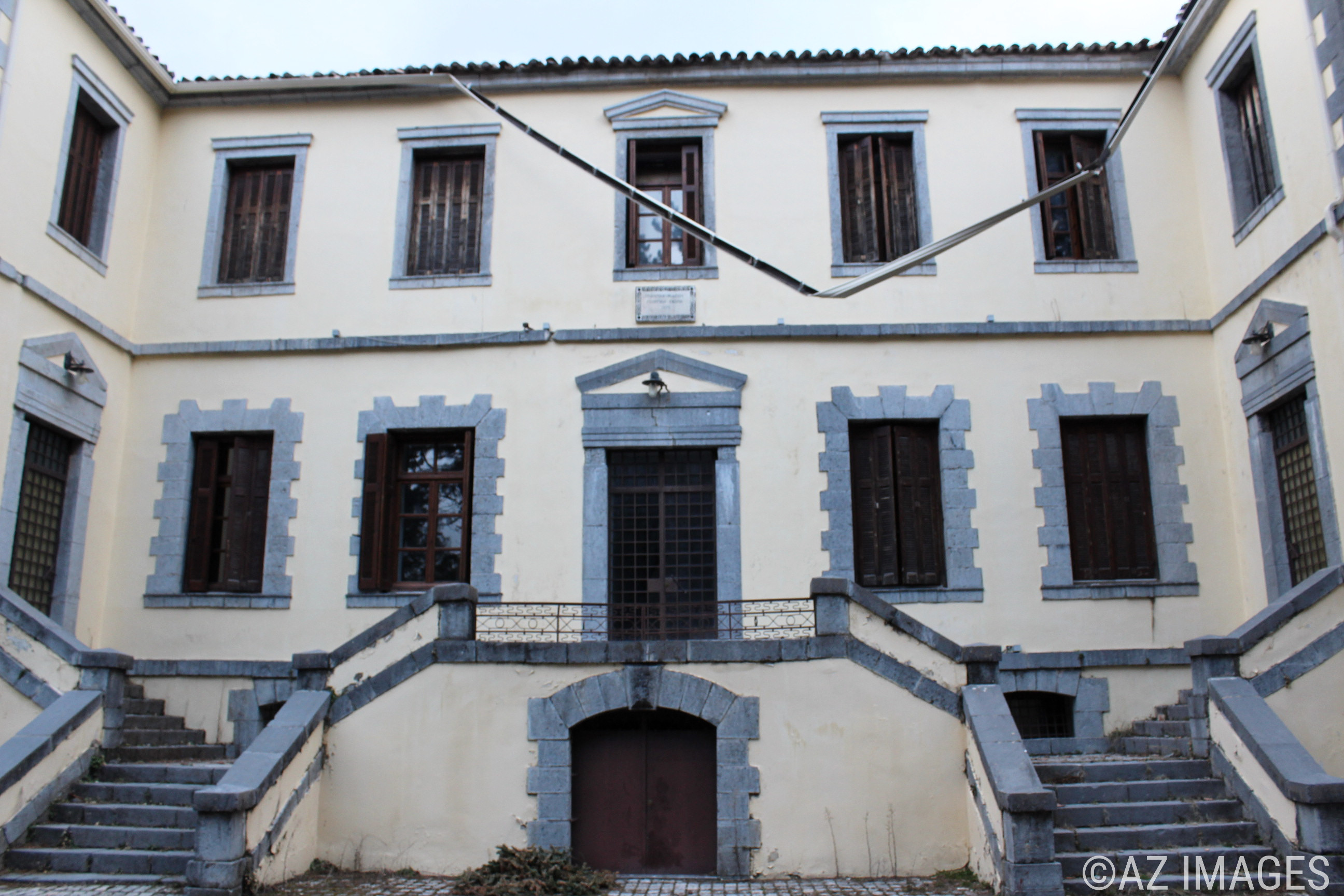
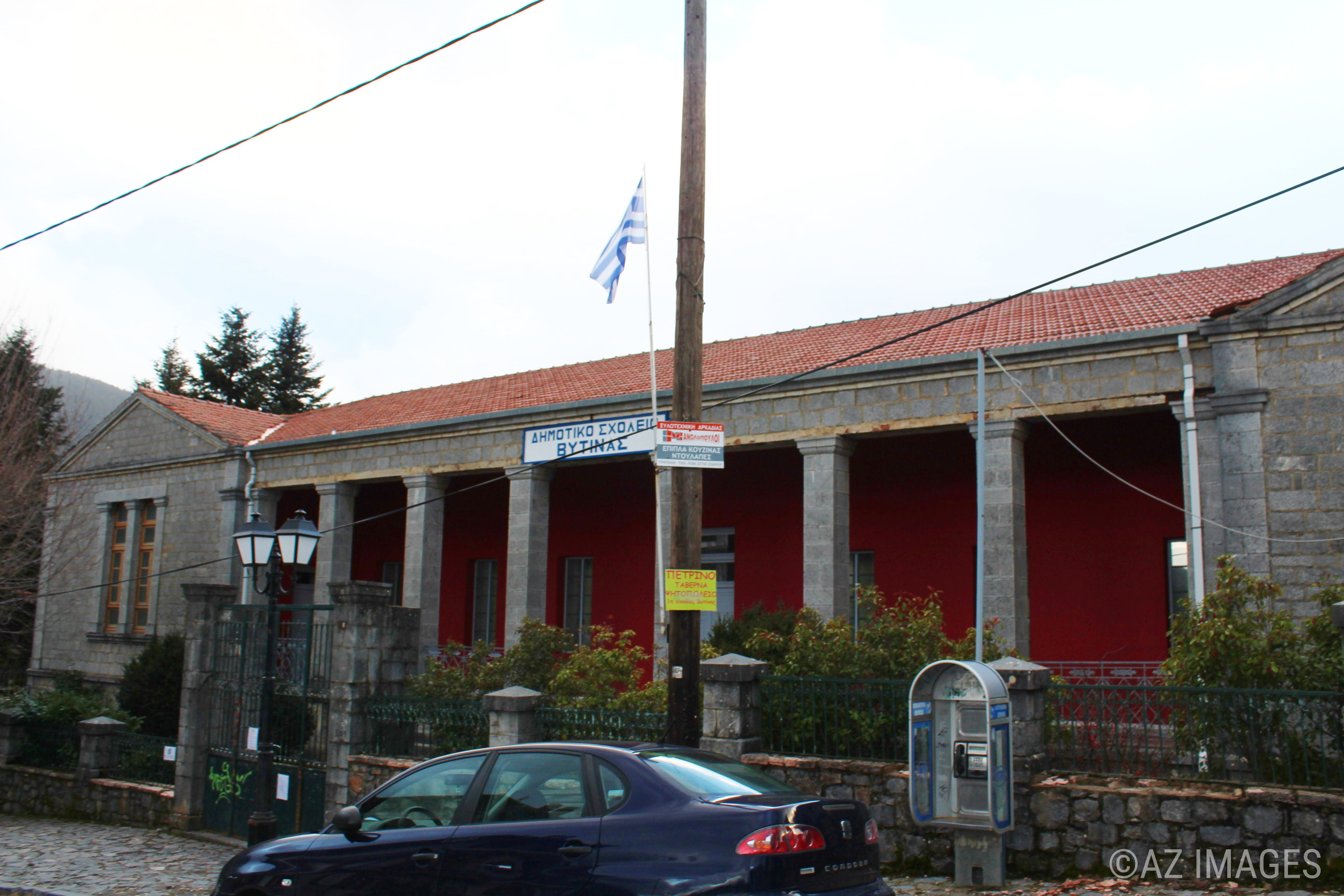
The mountain village of Vitina attracts the most tourists in the county of Arcadia, in the Peloponnese. It is a beautiful village with medieval-looking buildings, and nicely decorated shops. It is at a height of 1.033 meters, on the Mainalo mountain. and it has almost 700 inhabitants.
The village of Vitina played a big role in the Greek Revolution in 1821. It was the central supply point for the revolutionaires, and as a result was burnt down seven times by the Ottomans.
The pine, fir and chestnut trees surround the mountainous area. It is a great place to visit anytime of year for the fresh air and nature.
Το ορεινό χωριό Βυτίνα προσελκύει τους περισσότερους τουρίστες στον νομό Αρκαδίας, στην Πελοπόννησο. Είναι ένα όμορφο χωριό με μεσαιωνικά κτίρια και όμορφα διακοσμημένα καταστήματα. Βρίσκεται σε υψόμετρο 1.033 μέτρων, στο όρος Μαίναλο. και έχει σχεδόν 700 κατοίκους.
Το χωριό Βυτίνα έπαιξε μεγάλο ρόλο στην Ελληνική Επανάσταση του 1821. Ήταν το κεντρικό σημείο ανεφοδιασμού των επαναστατών, με αποτέλεσμα να καεί επτά φορές από τους Οθωμανούς.
Τα πεύκα, έλατα και καστανιές περιβάλλουν την ορεινή περιοχή. Είναι ένα εξαιρετικό μέρος για να επισκεφθείτε οποιαδήποτε στιγμή του χρόνου για τον καθαρό αέρα και τη φύση.


A little sample of village life in rural Greece. It’s so quiet, peaceful with fresh, clean mountain air.It’s worlds away from a city like Athens.
Ένα μικρό δείγμα της ζωής του χωριού στην αγροτική Ελλάδα. Τόσο ήσυχα, γαλήνια, με φρέσκο καθαρό αέρα. Είναι κόσμους μακριά από μια πόλη όπως η Αθήνα.
“Reunion with the mother is a siren call haunting our imagination. Once there was bliss, and now there is struggle. Dim memories of life before the traumatic separation of birth may be the source of Arcadian fantasies of a lost golden age.”– Camille Paglia
“Et in Arcadia Ego”
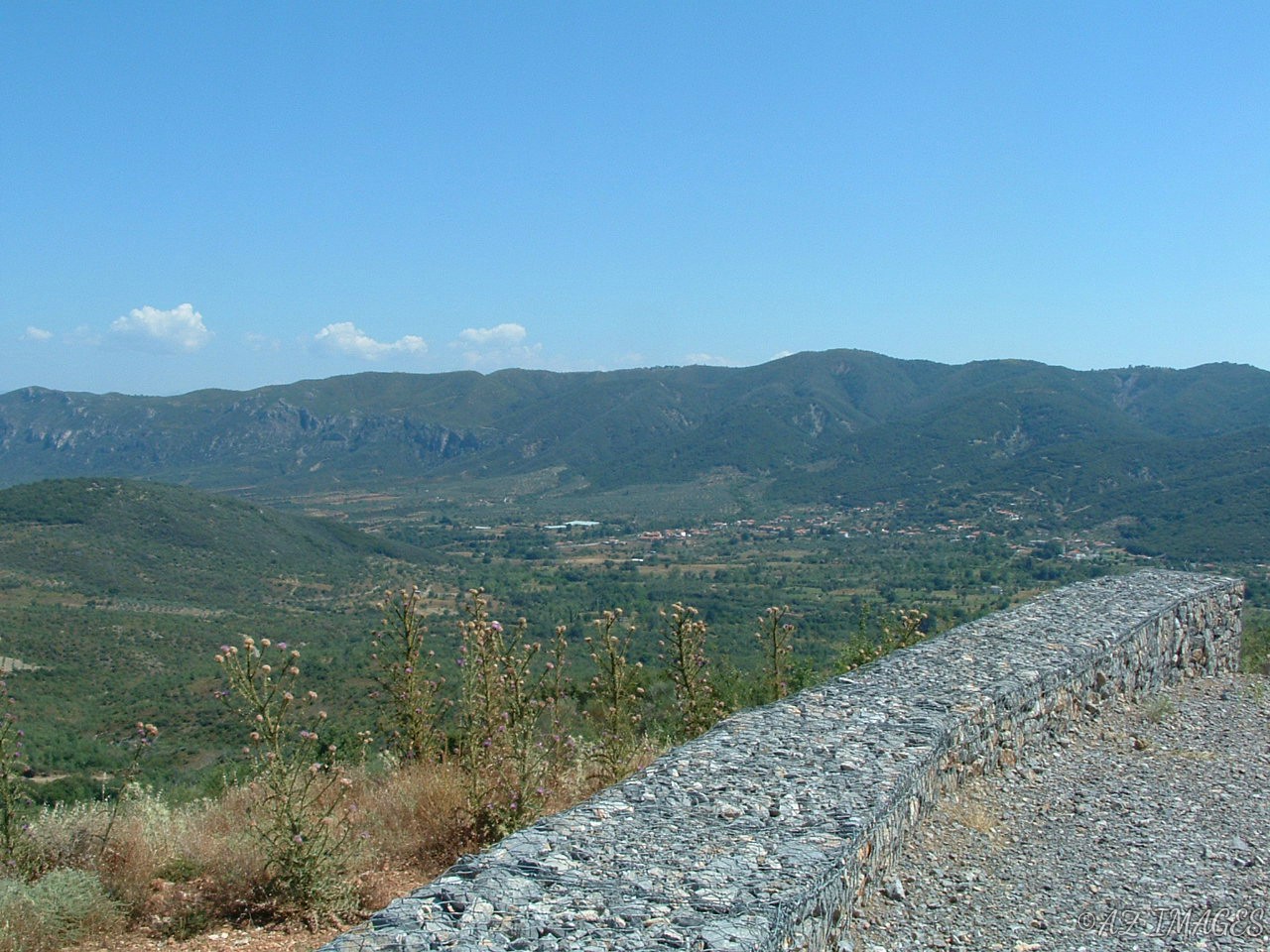
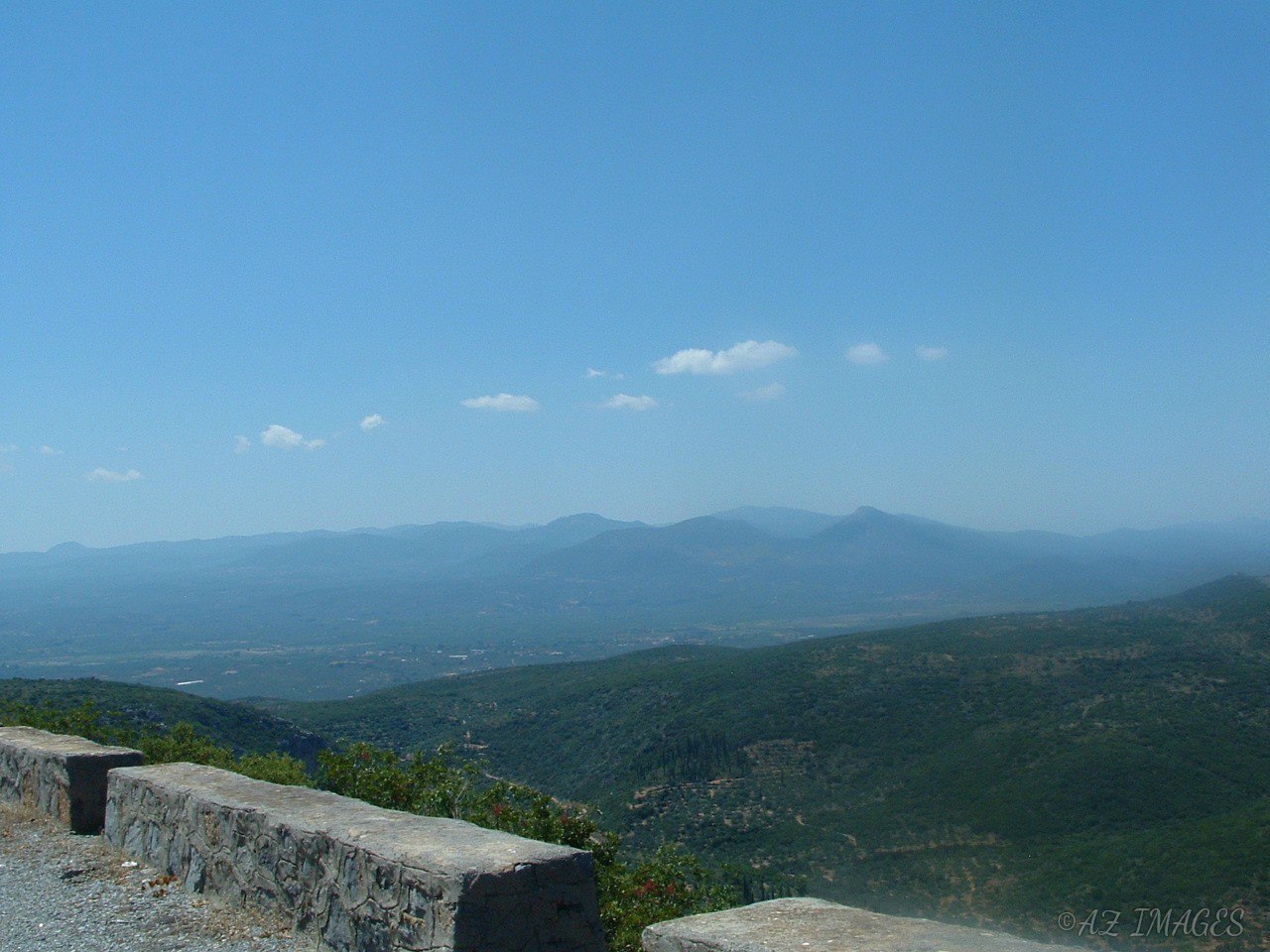
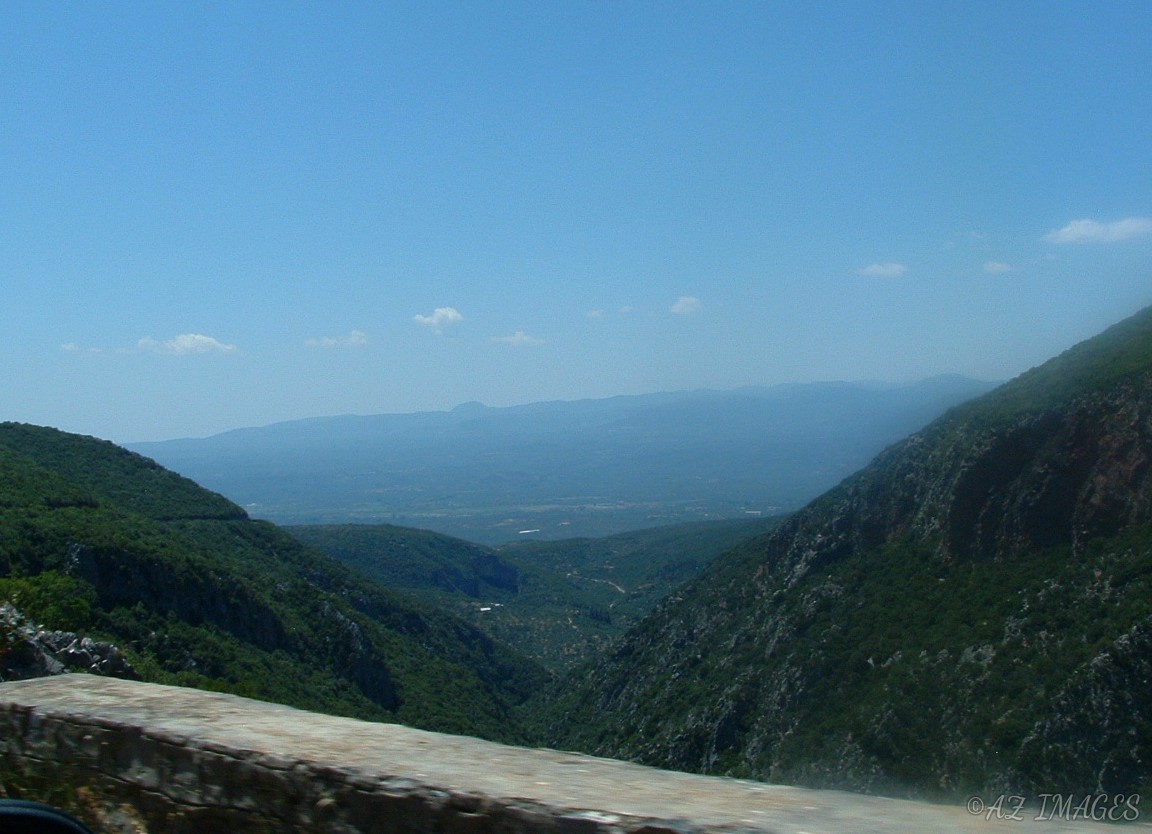
A few scenic photographs of the beautiful mountains in Arcadia, Greece.
 My Creative Wayz