Architecture

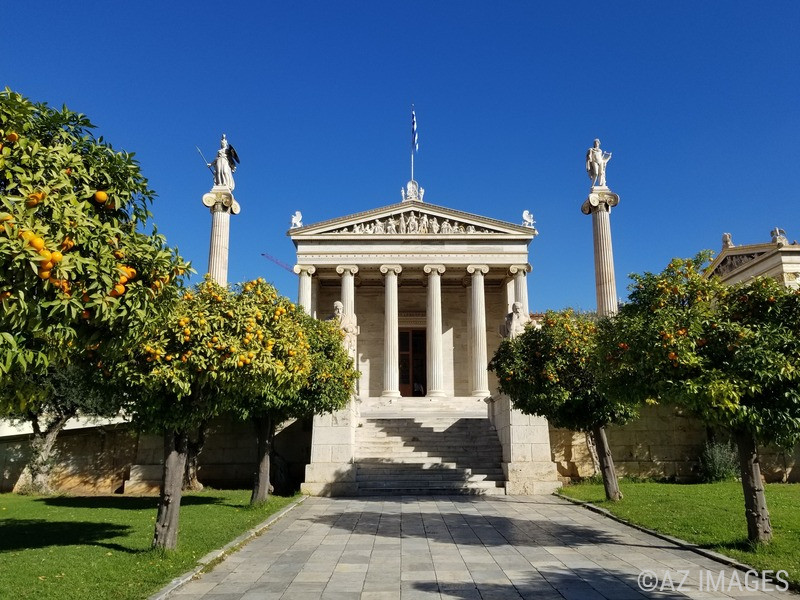
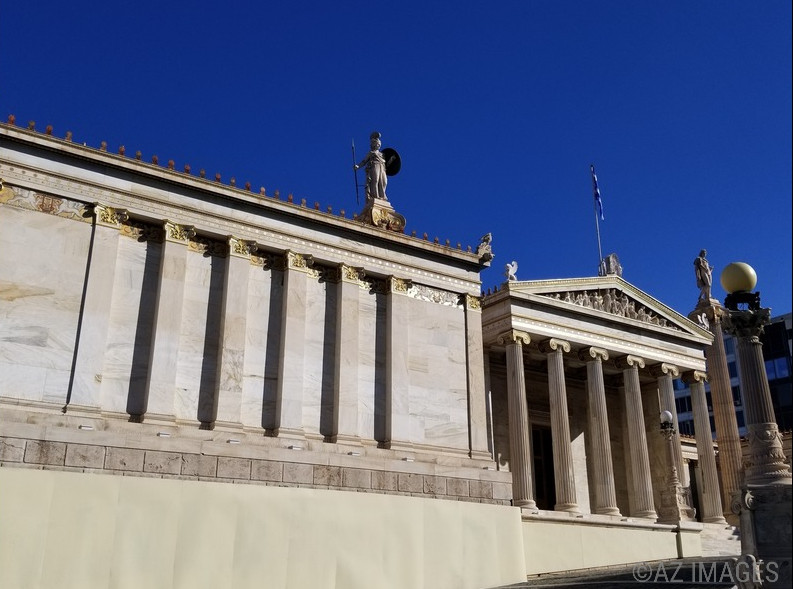
National library of Greece/Εθνική Βιβλιοθήκη της Ελλάδος,

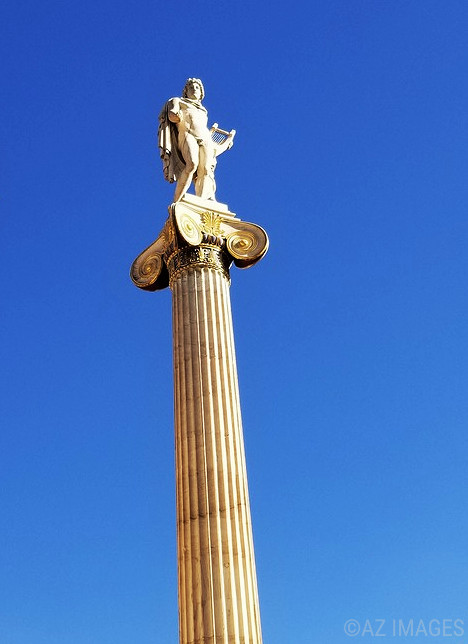
The statue of the philosopher Plato.

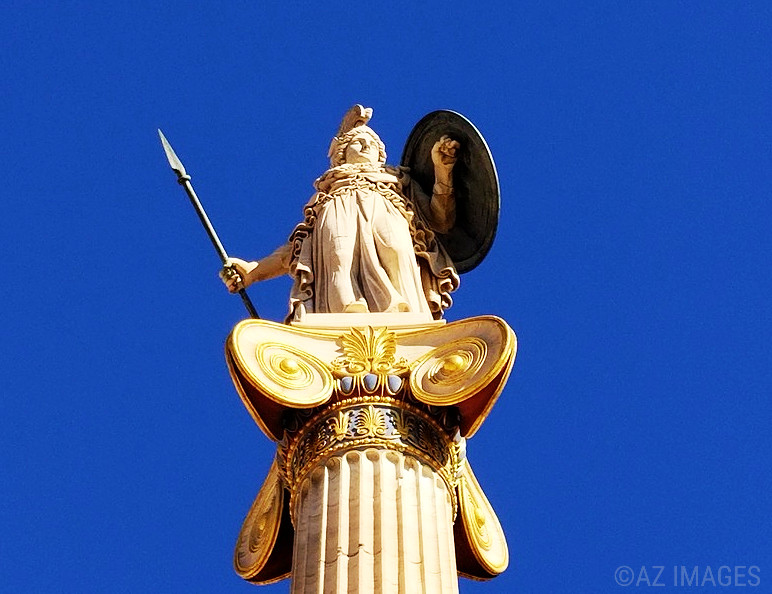
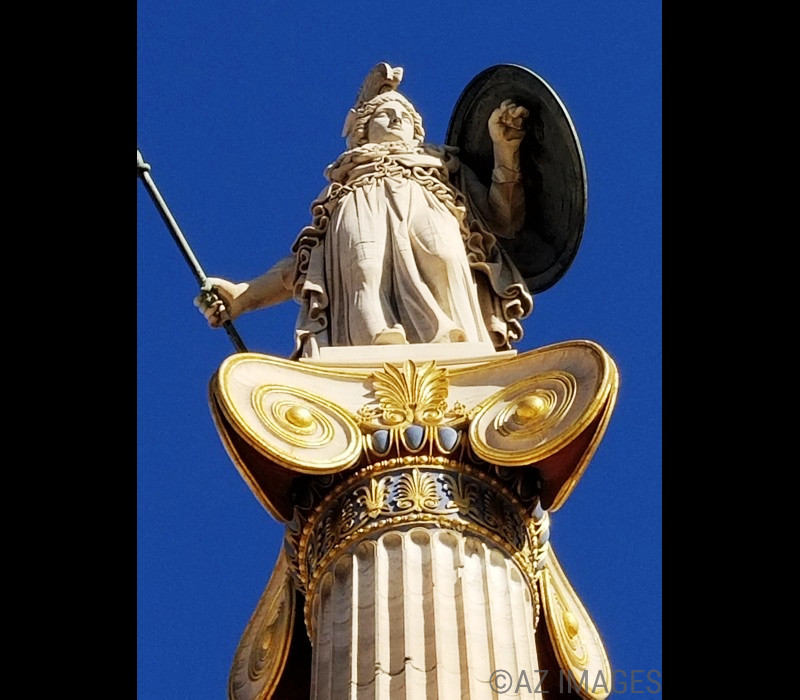
The statue of the goddess Athena.

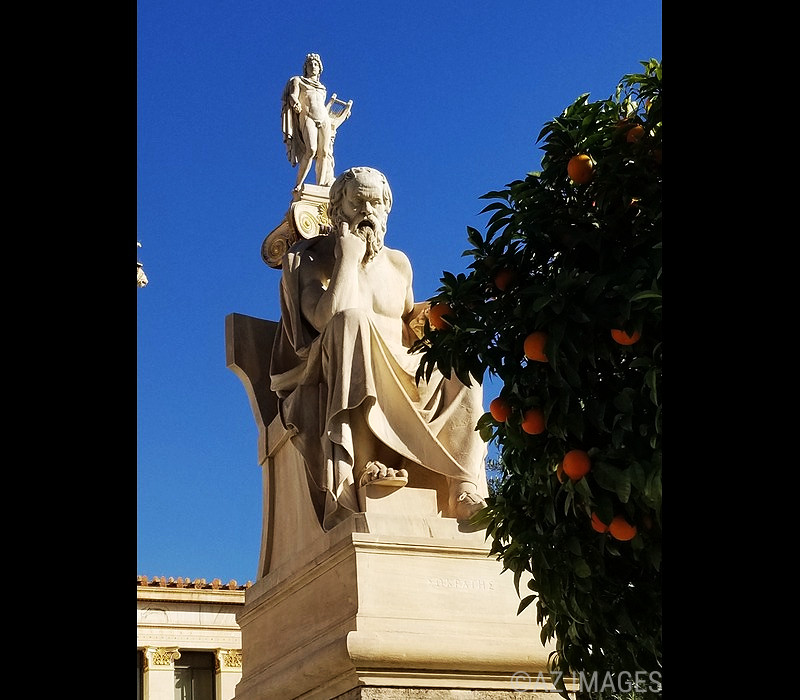
The statue of the philosopher Socrates.

The statue of the legendary musician, poet and prophet Orpheus.

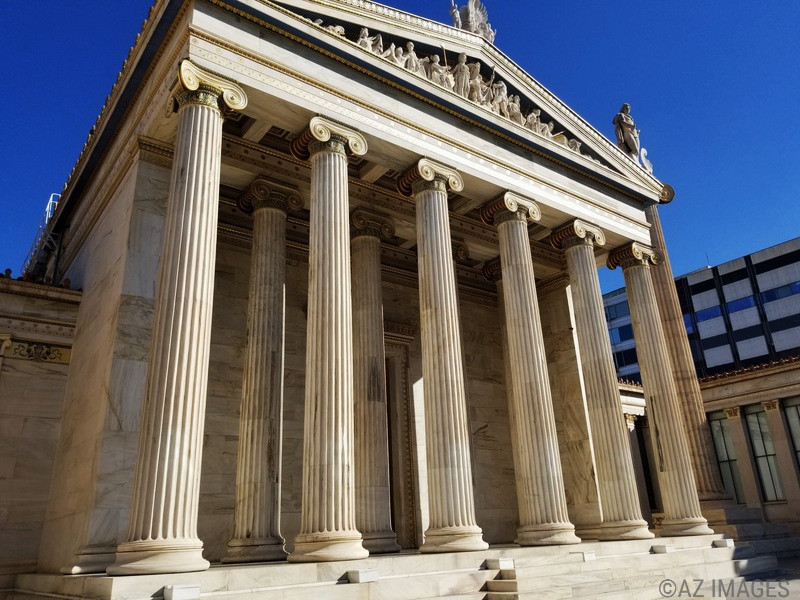
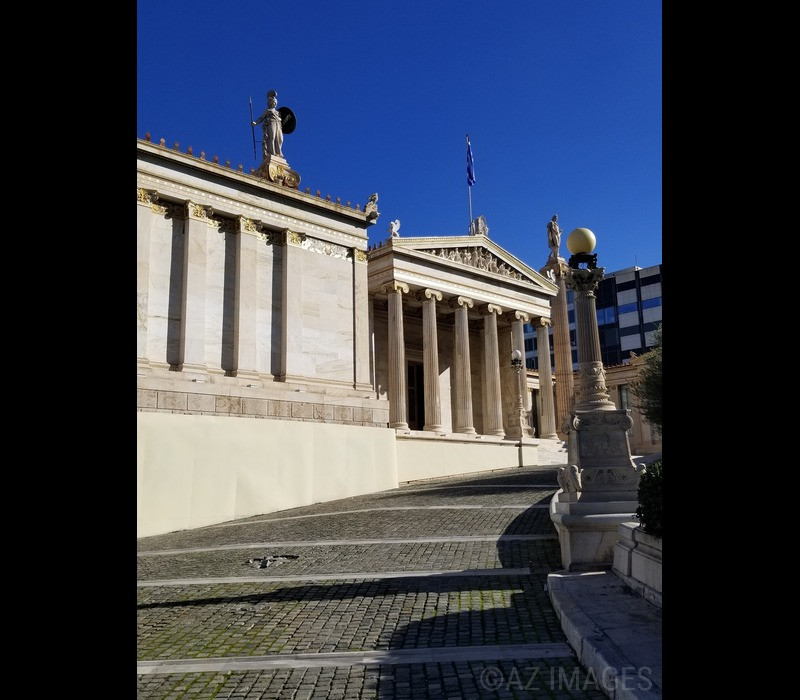
The National Library of Greece is a beautiful neo-classical building that is located on Panepistimiou Street in the downtown area of Athens. It was founded in 1832 by Ioannis Kapodistrias, a distinguised Greek statesman. A philhellene named Johann Jacob Mayer came up with the idea for the library. He had crusaded for Greece’s independence along with Lord Byron.

The building was financed by Vallianos brothers from the Ionian island of Kefalonia. It was designed by Baron Theophil von Hansen and its construction supervised by Ernst Ziller.

In 2018, the library was relocated due to the lack of space and demands for new technology. The bulk of the library is housed in the new 22,000-square meter building at the Stavros Niarchos Foundation Cultural Center on the Phaleron Bay South of Athens.

Η Εθνική Βιβλιοθήκη της Ελλάδος είναι ένα όμορφο νεοκλασικό κτίριο που βρίσκεται στην οδό Πανεπιστημίου στο κέντρο της Αθήνας. Ιδρύθηκε το 1832 από τον Ιωάννη Καποδίστρια. Ένας φιλέλληνας ονόματι Johann Jacob Mayer είχε την ιδέα για τη βιβλιοθήκη. Είχε σταυροφορήσει για την ανεξαρτησία της Ελλάδας μαζί με τον Λόρδο Βύρωνα.

Το κτίριο χρηματοδοτήθηκε από τους αδελφούς Βαλλιάνου από τη Κεφαλονιά. Σχεδιάστηκε από τον βαρόνο Theophil von Hansen και την κατασκευή του επιμελήθηκε ο Ernst Ziller.

Το 2018, η βιβλιοθήκη μεταφέρθηκε λόγω έλλειψης χώρου και απαιτήσεων για νέα τεχνολογία. Το μεγαλύτερο μέρος της βιβλιοθήκης στεγάζεται στο νέο κτίριο 22.000 τετραγωνικών μέτρων στο Κέντρο Πολιτισμού Ίδρυμα Σταύρος Νιάρχος στον κόλπο Φαλήρου νότια της Αθήνας.
Old & New/Παλιο και Καινουριο

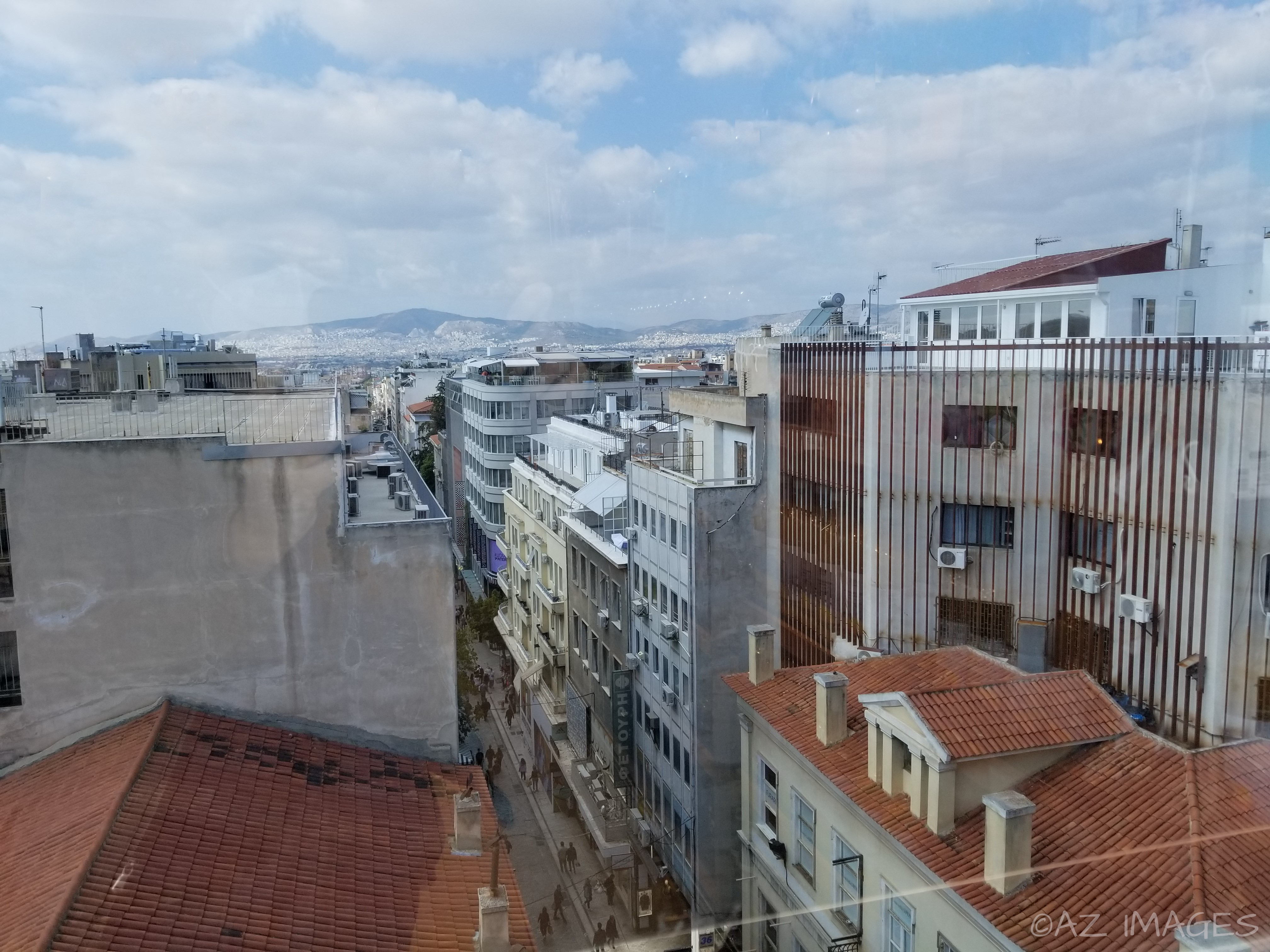
A view of Athens from a shop downtown.

Η θέα της Αθήνας από ένα μαγαζί στο κέντρο της πόλης.

An interesting contrast between classical building and some modern ones.

Μια ενδιαφέρουσα αντίθεση μεταξύ του κλασικού κτιρίου και ορισμένων σύγχρονων.

The Remains/Τα Ερείπια

aghios nikolaos2st nikolaosAghios Nikolaos1

insidechurch2

Below the church.

insidechurch

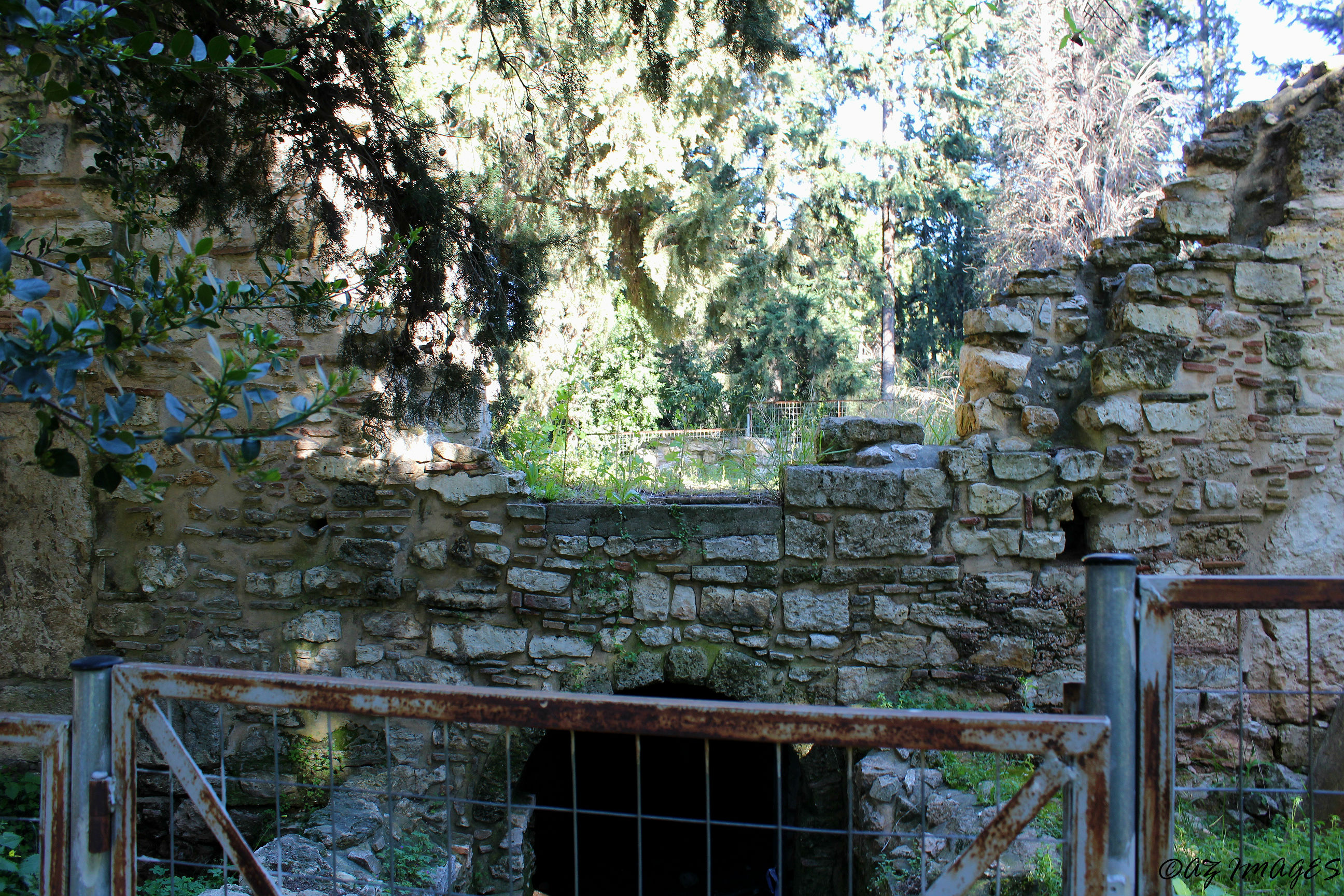
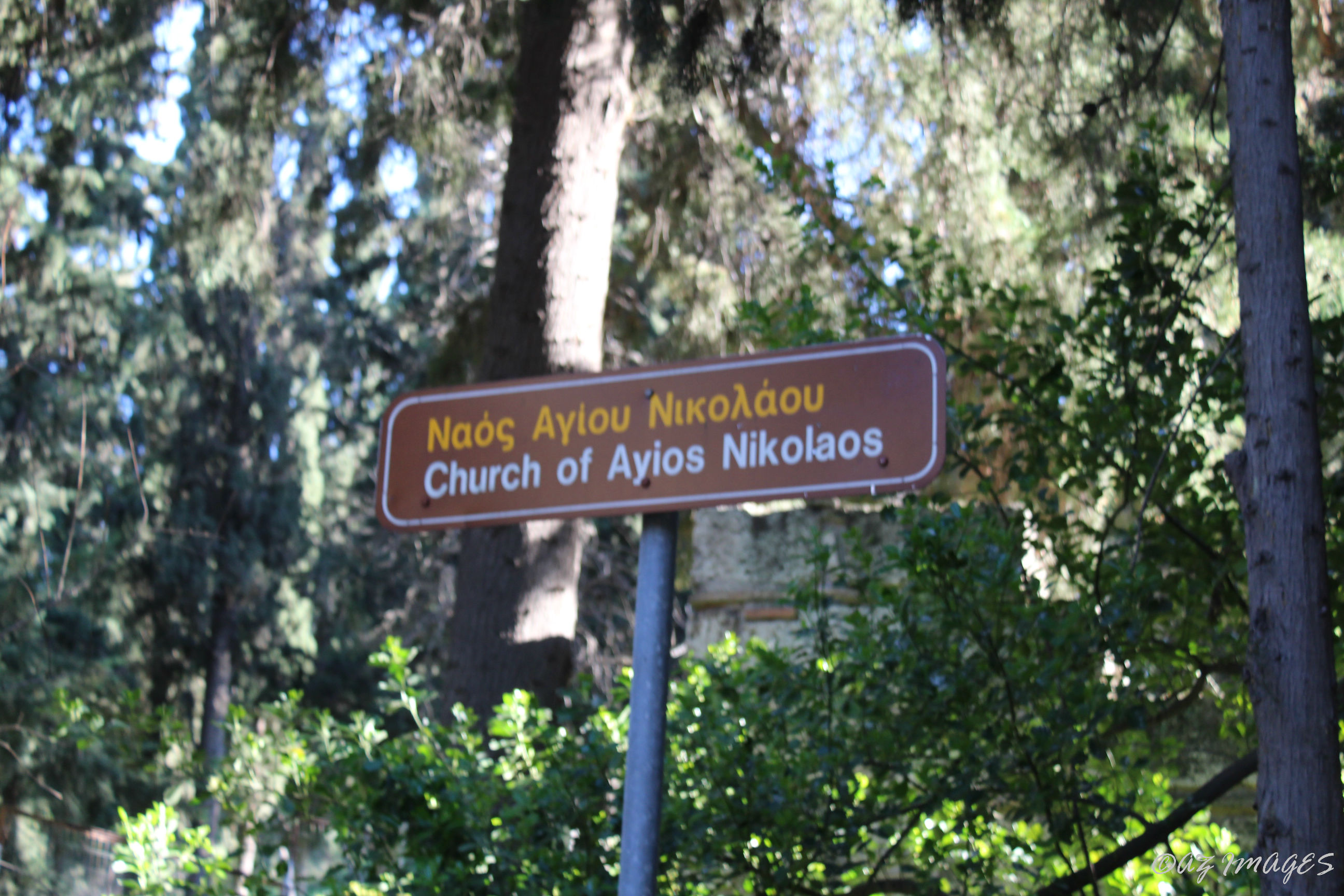
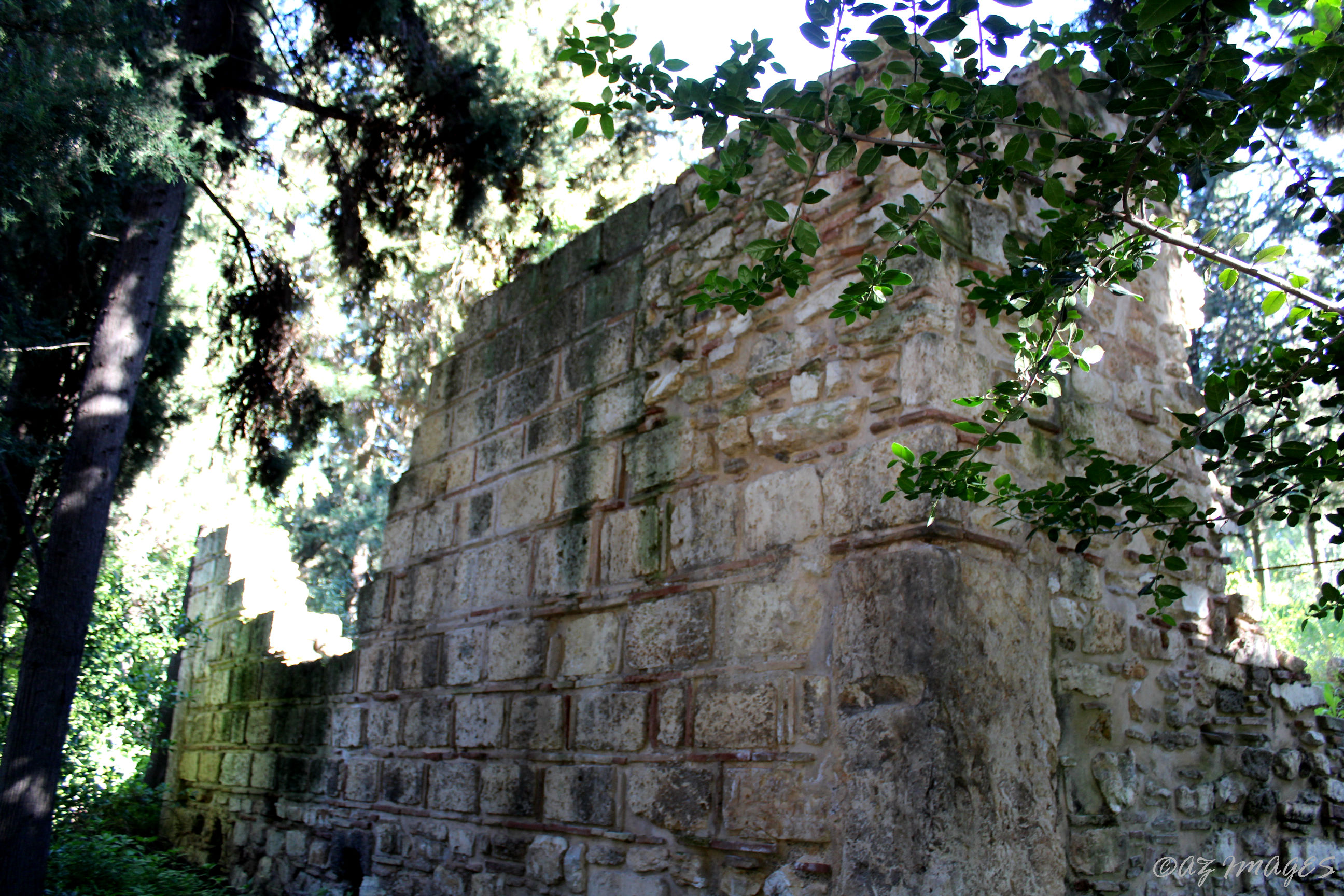
After exploring a near by park in Athens I came across the ruins of the church of St. Nikolaos. I haven’t been able to find much information about it. I assume it was built in Byzantine times. It is not very common to come across the ruins of a church in Greece so I found it this to be very intriguing.

Μετά την εξερεύνηση ενός κοντινού πάρκου στην Αθήνα, βρήκα τα ερείπια της εκκλησίας του Αγίου Νικολάου. Δεν κατάφερα να βρω πολλές πληροφορίες γι ‘αυτό. Υποθέτω ότι χτίστηκε στα βυζαντινά χρόνια. Δεν είναι πολύ συνηθισμένο να βρίσκω τα ερείπια μιας εκκλησίας στην Ελλάδα, γι ‘αυτό βρήκα αυτή την ανακάλυψη τοσο ενδιαφέρουσα.

Beautiful Balconies/όμορφα μπαλκόνια

pinkbalconytext.jpgposhbalconytext.jpgbalconiestext.jpg alley2text.jpg whitehousetext.jpg whitebalconytext.jpg ellasbalconytext.jpgoldbalconytext.jpg

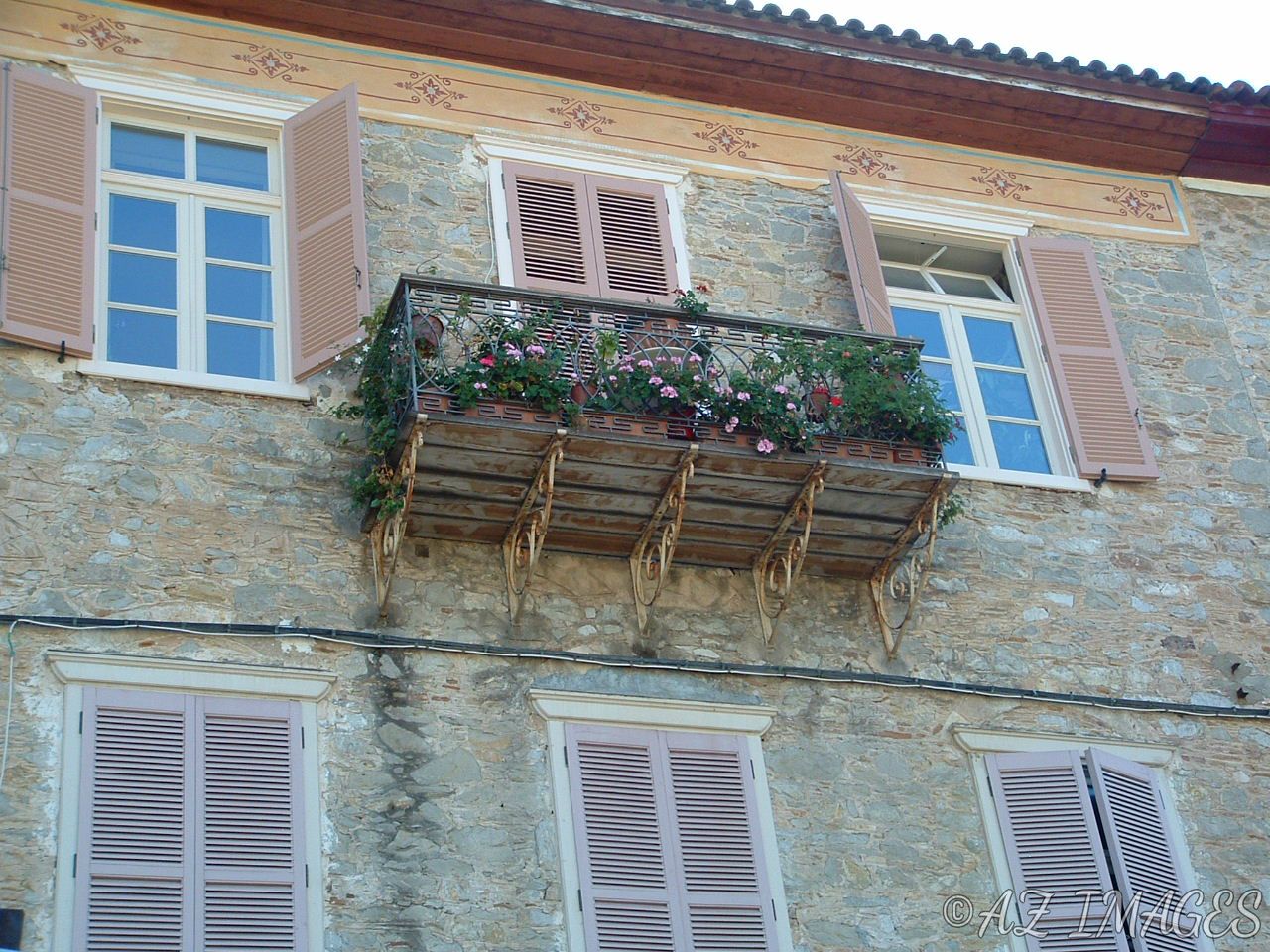
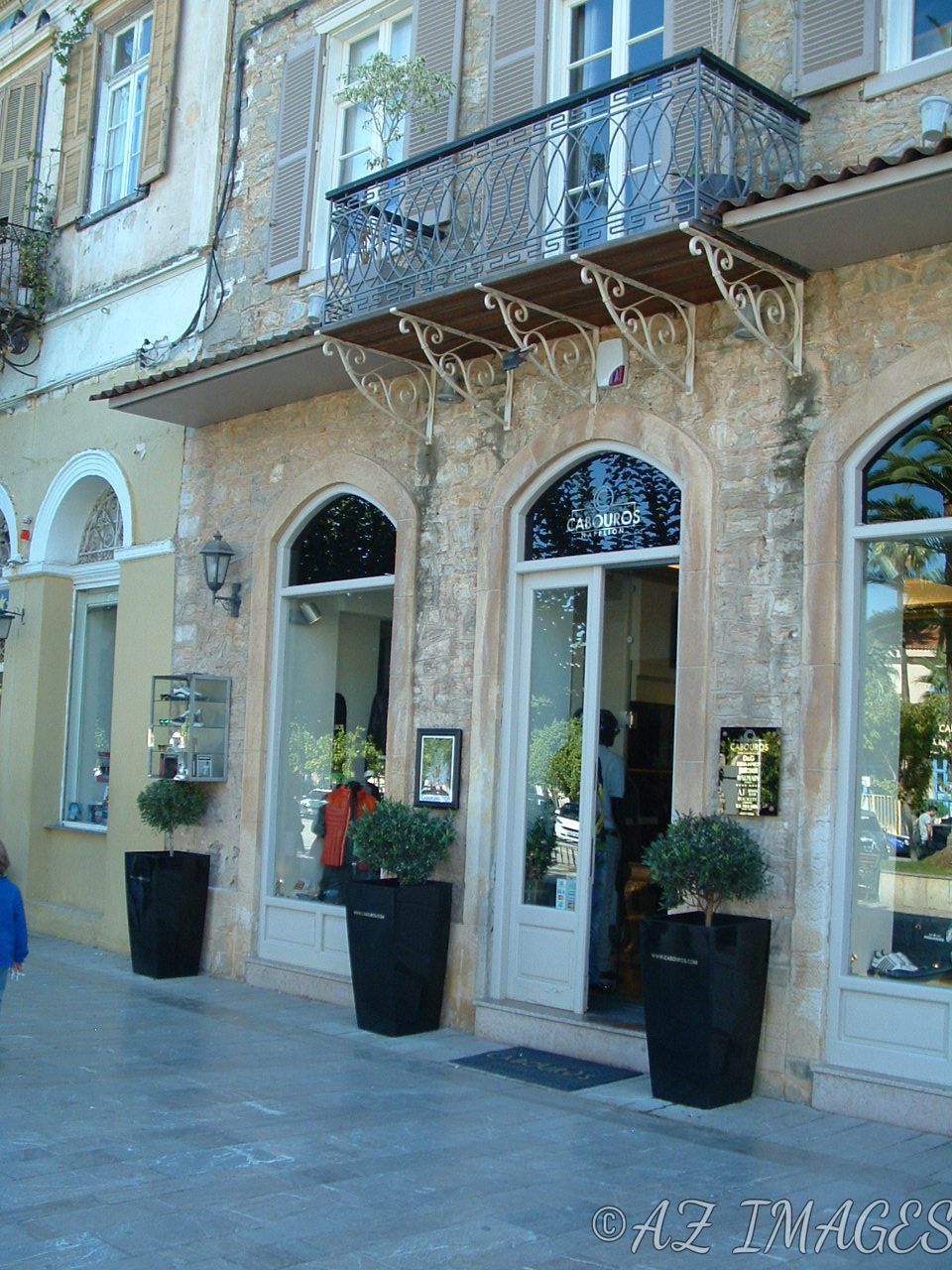
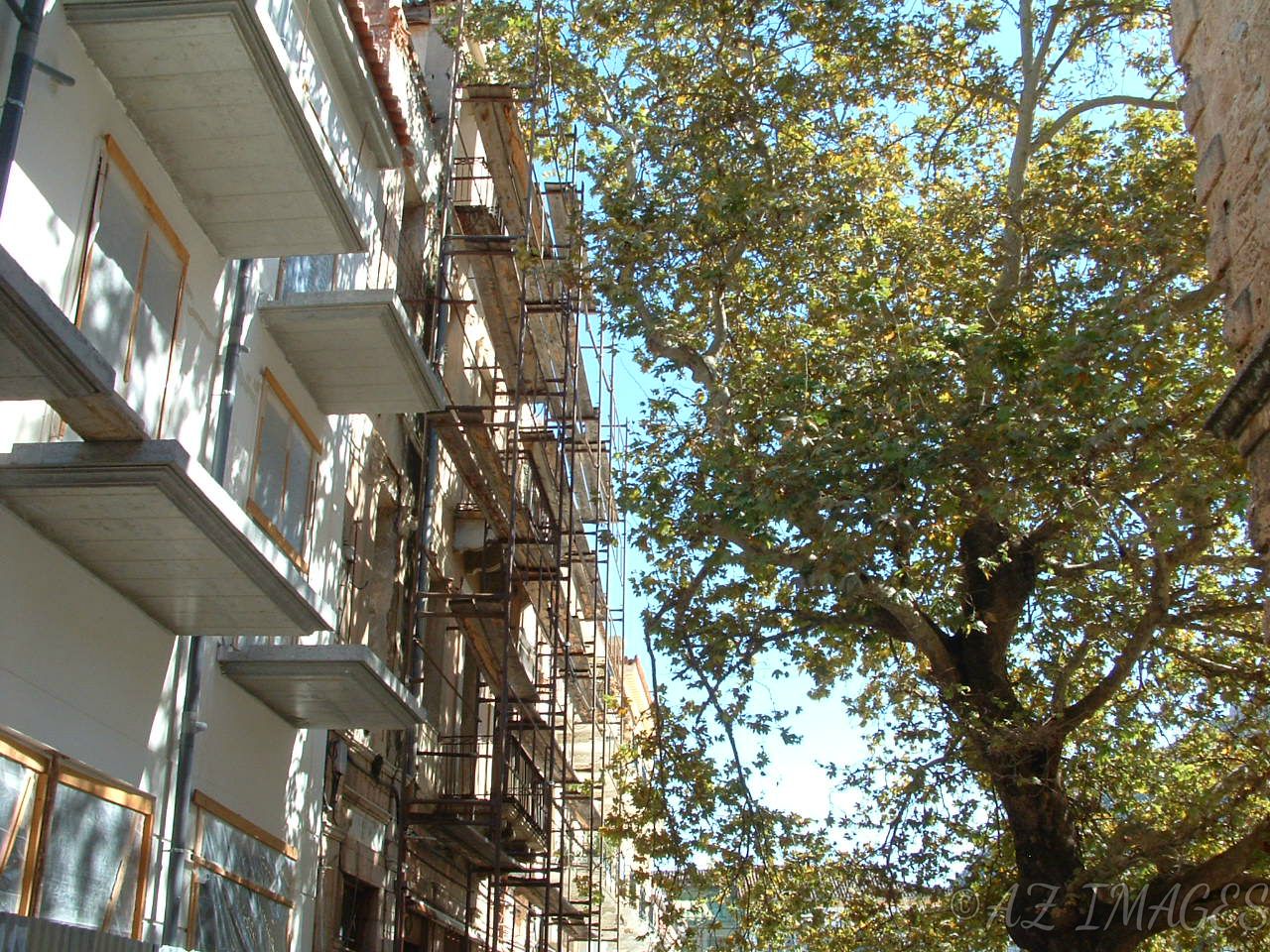
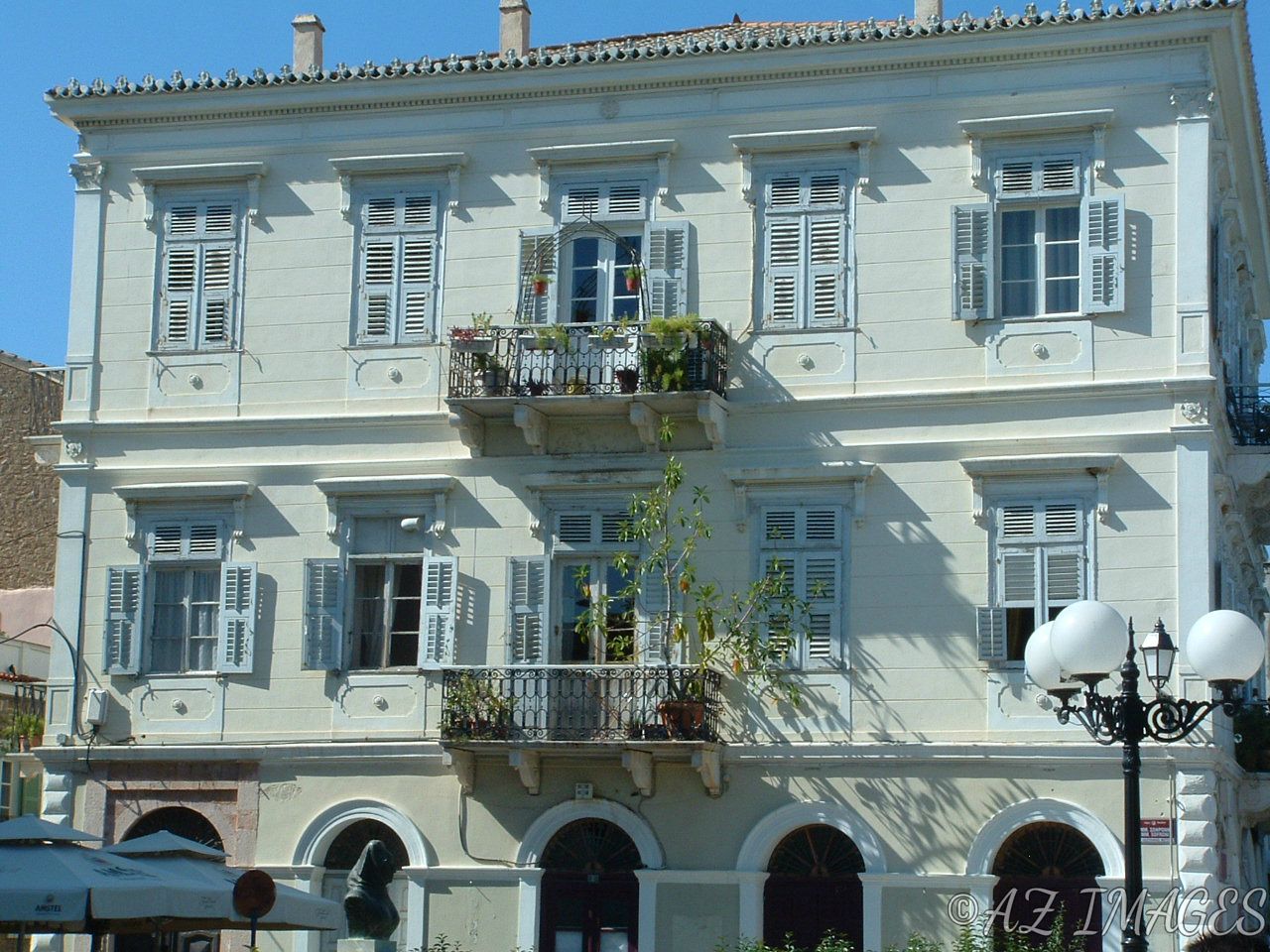
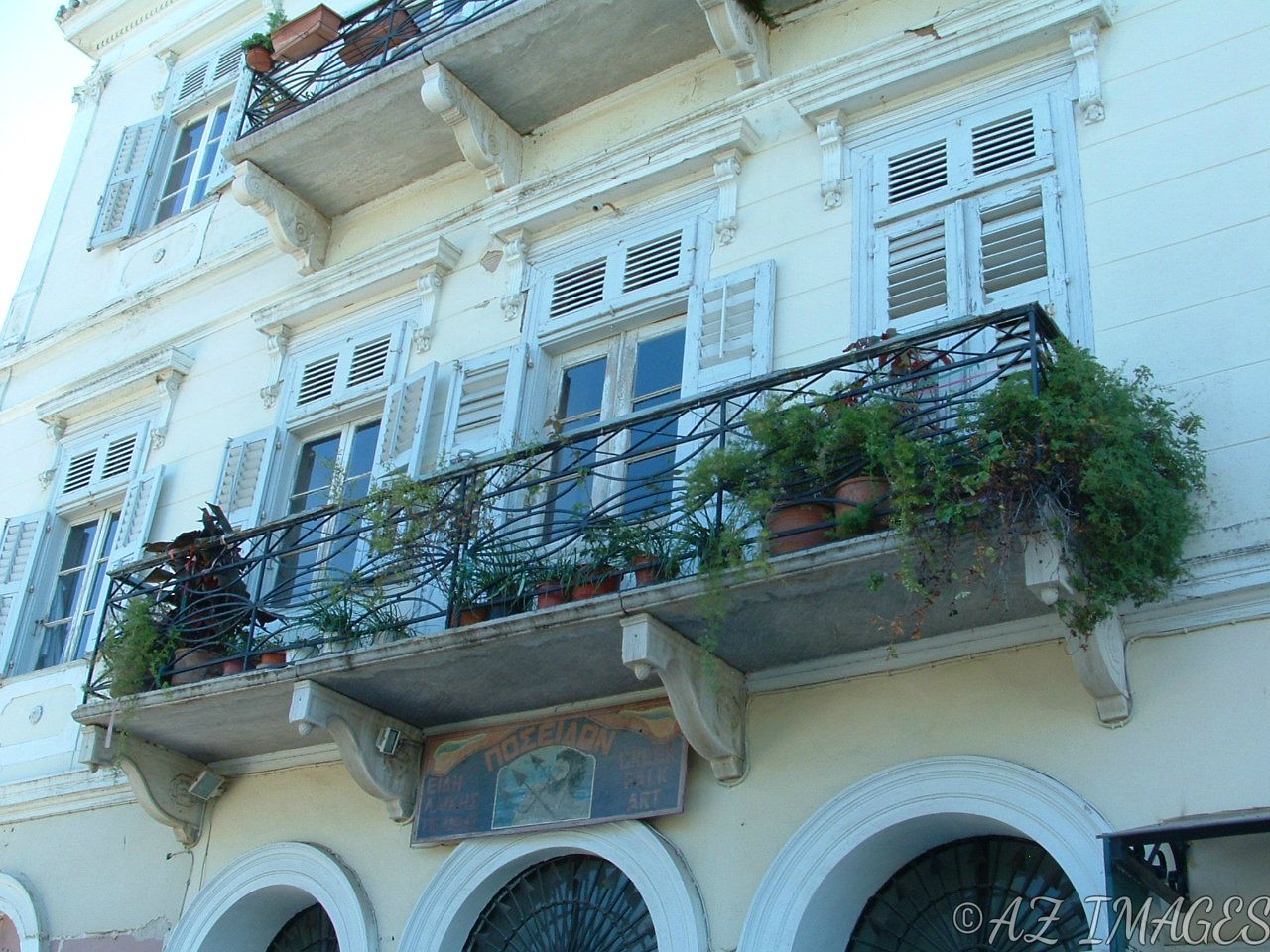
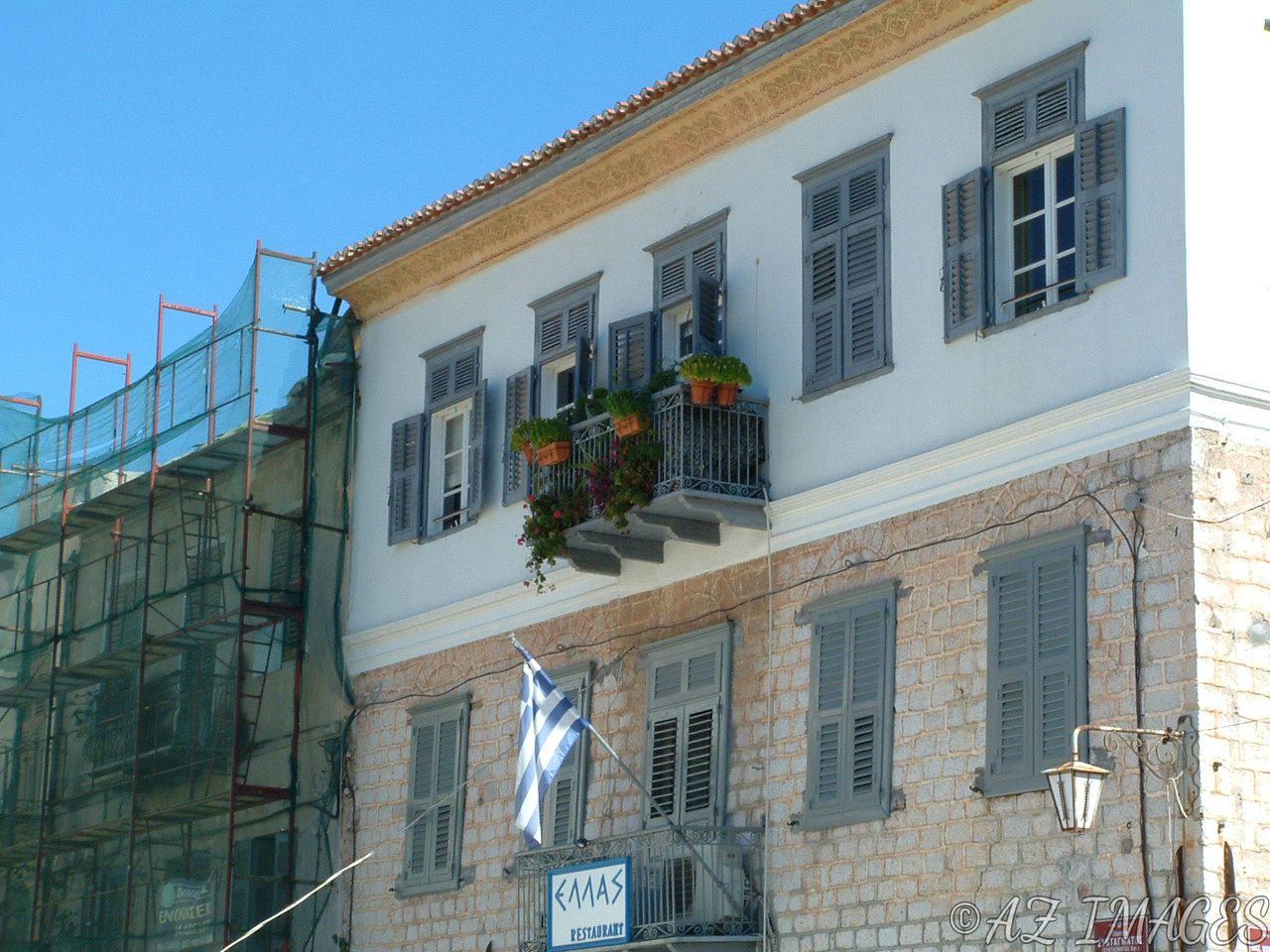
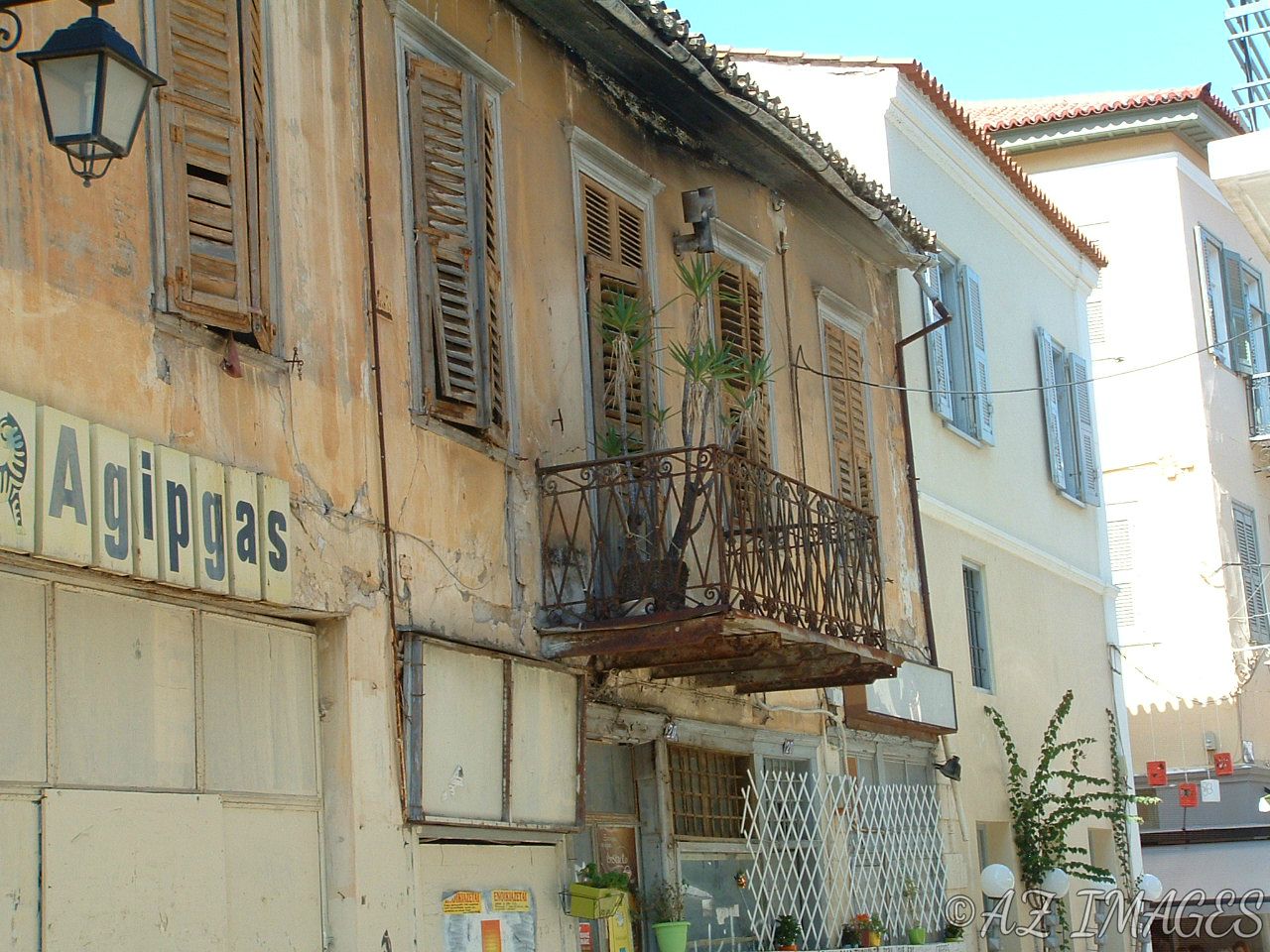
Photographs that I took of the  beautiful Venetian and Neoclassical style buildings in the small town of Nafplio, Greece. Many of the buildings are getting a ‘facelift’ as you can see in the photographs, and it was nice to see some work being done on them, instead of letting the buildings fall into disrepair.

View From A Fortress

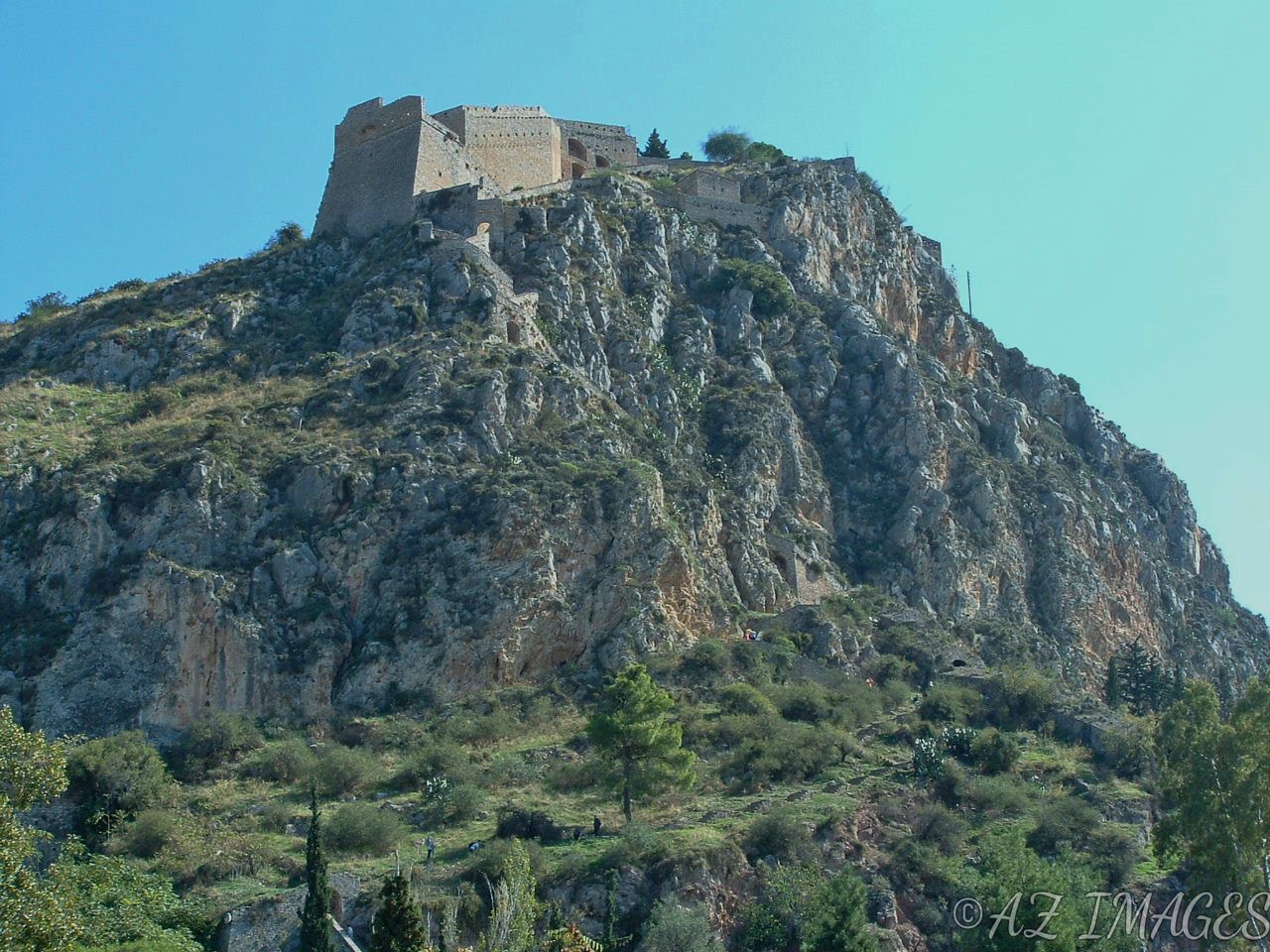
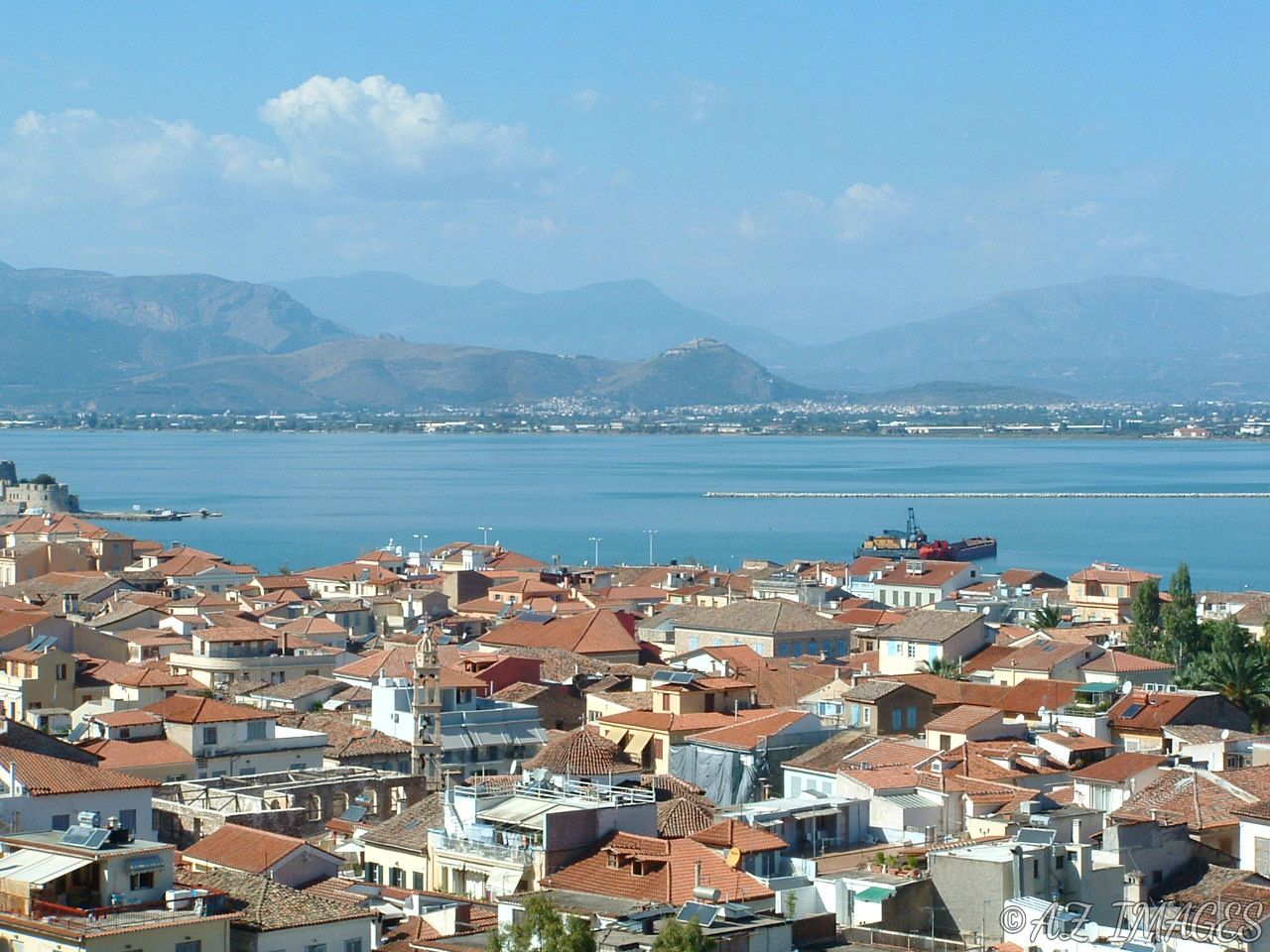
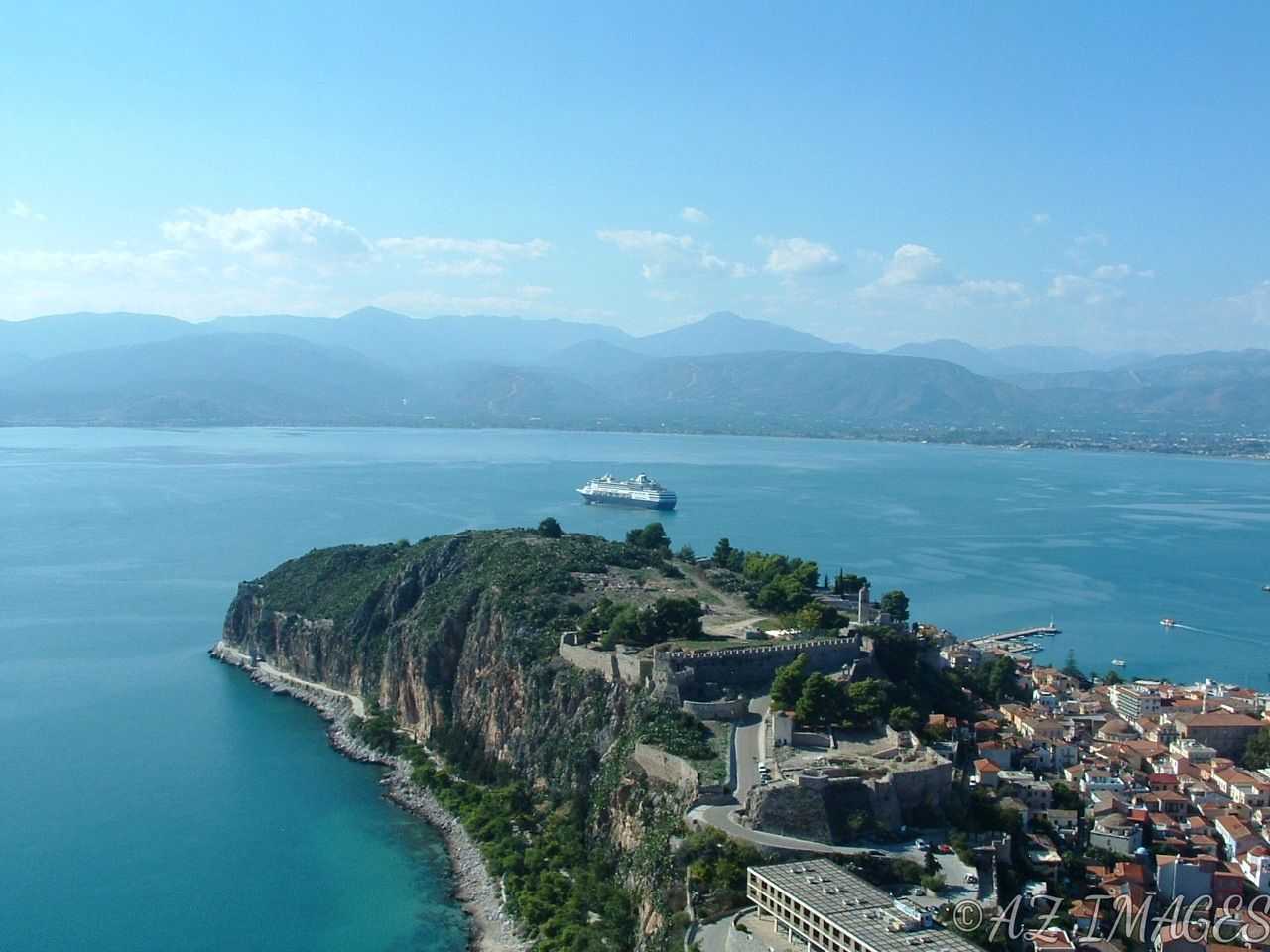
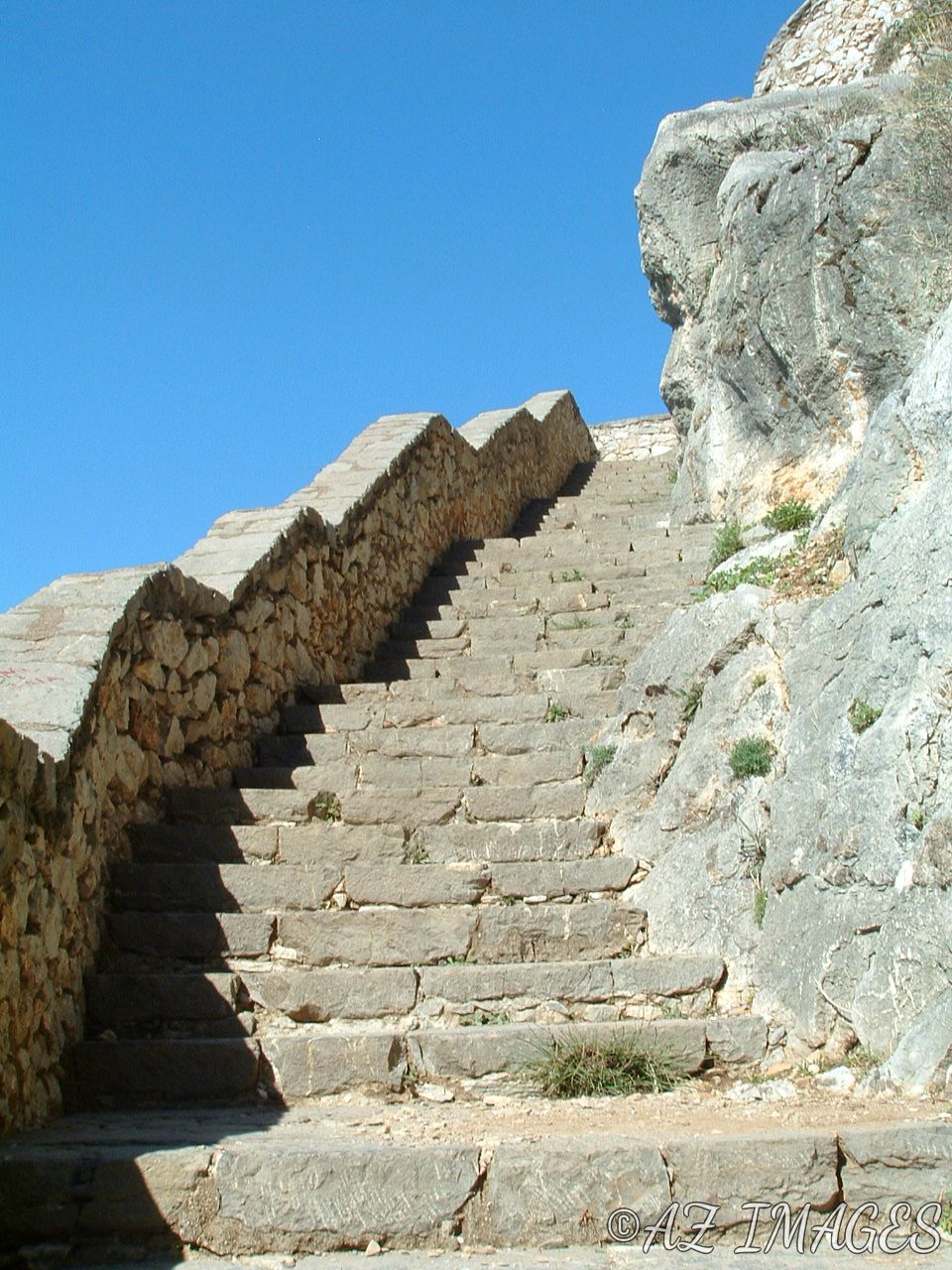
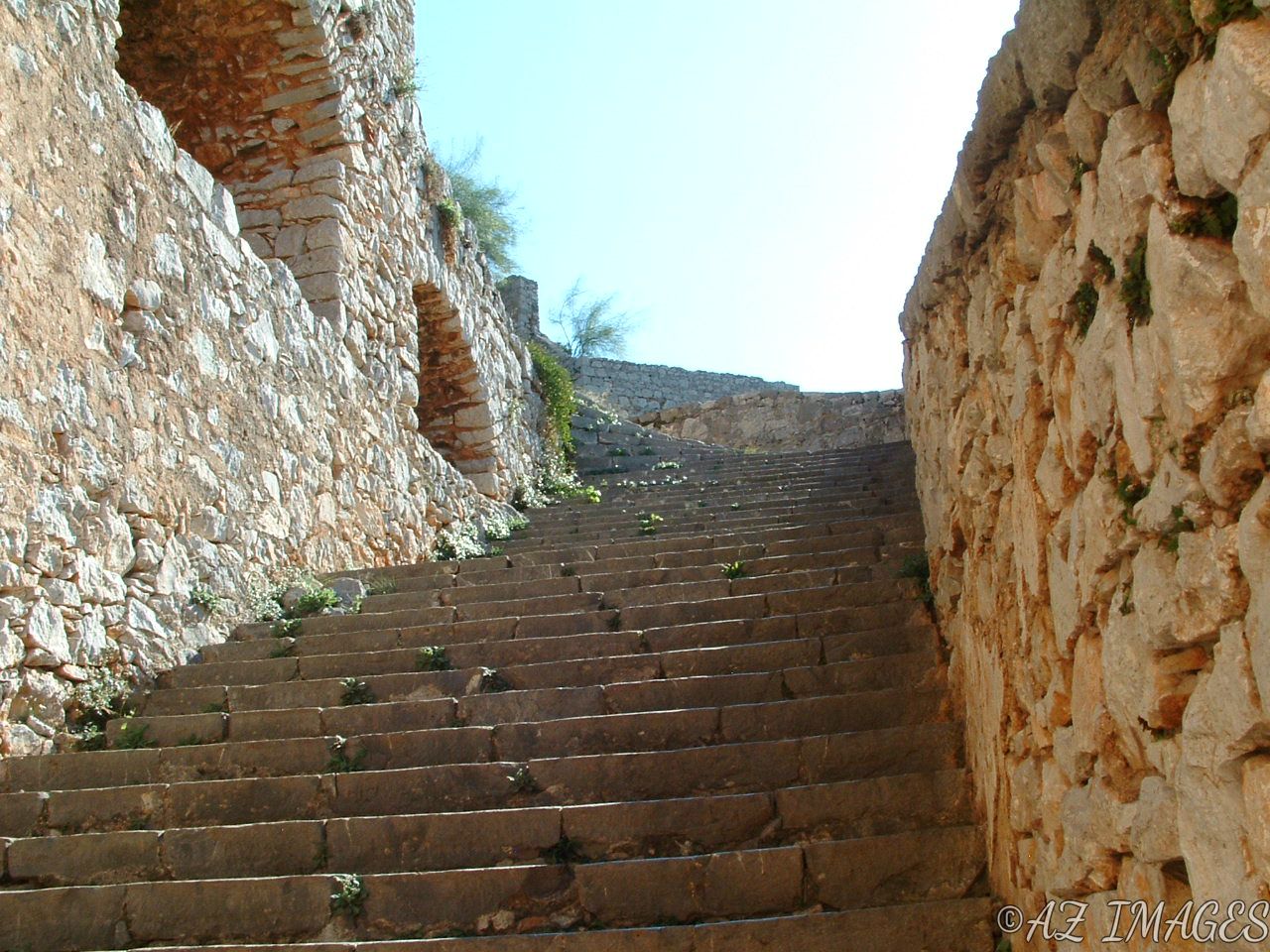
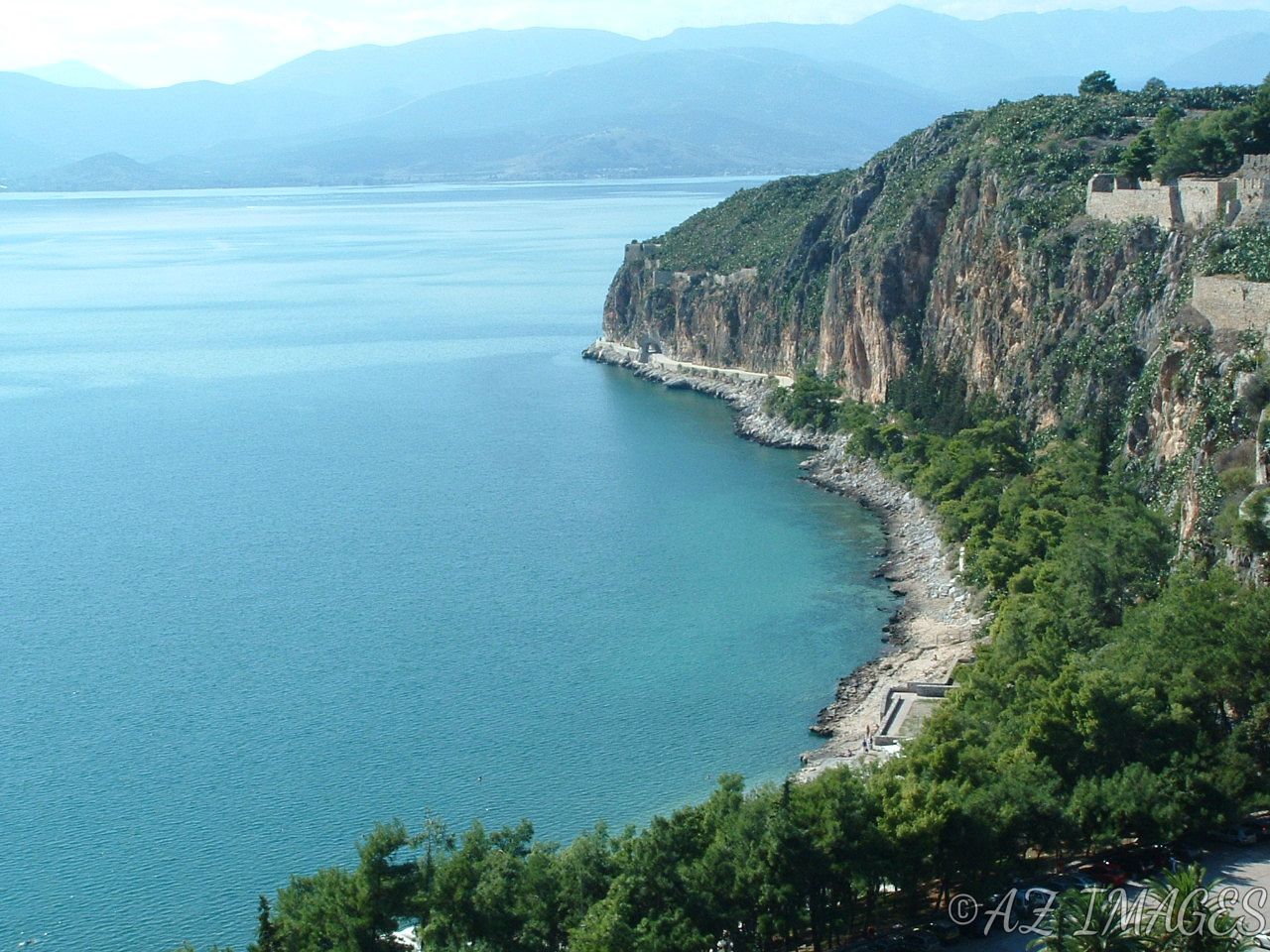
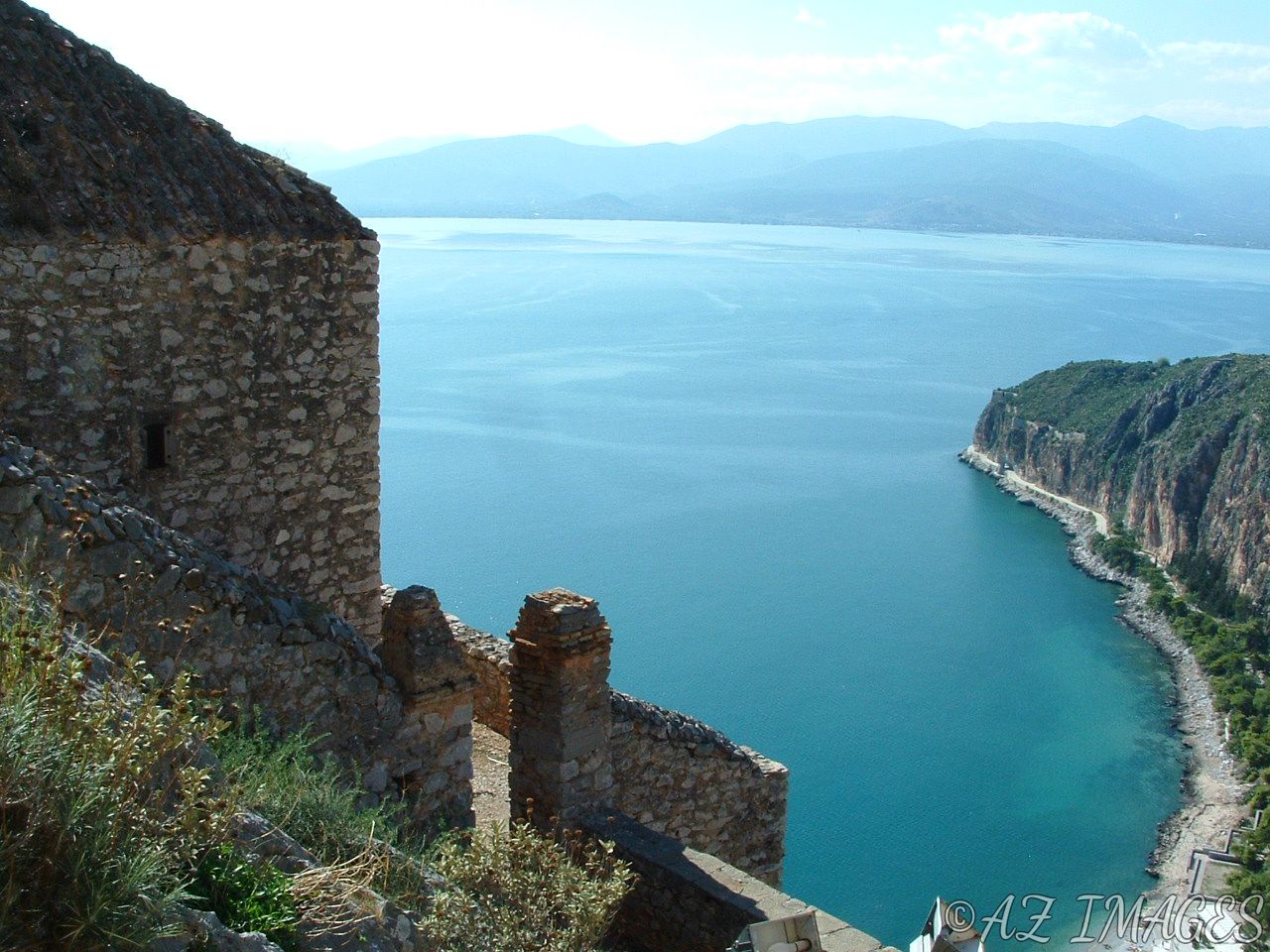
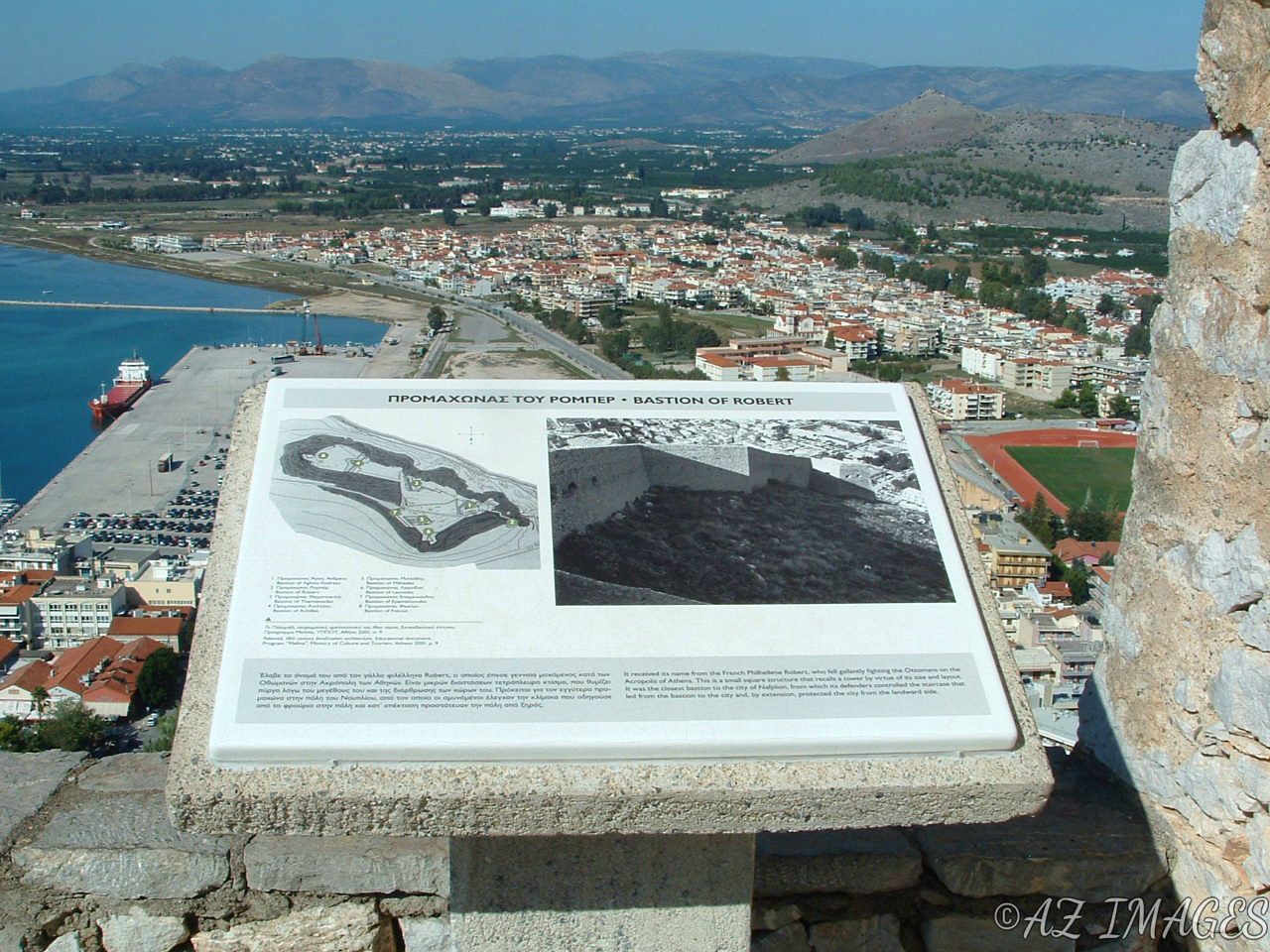
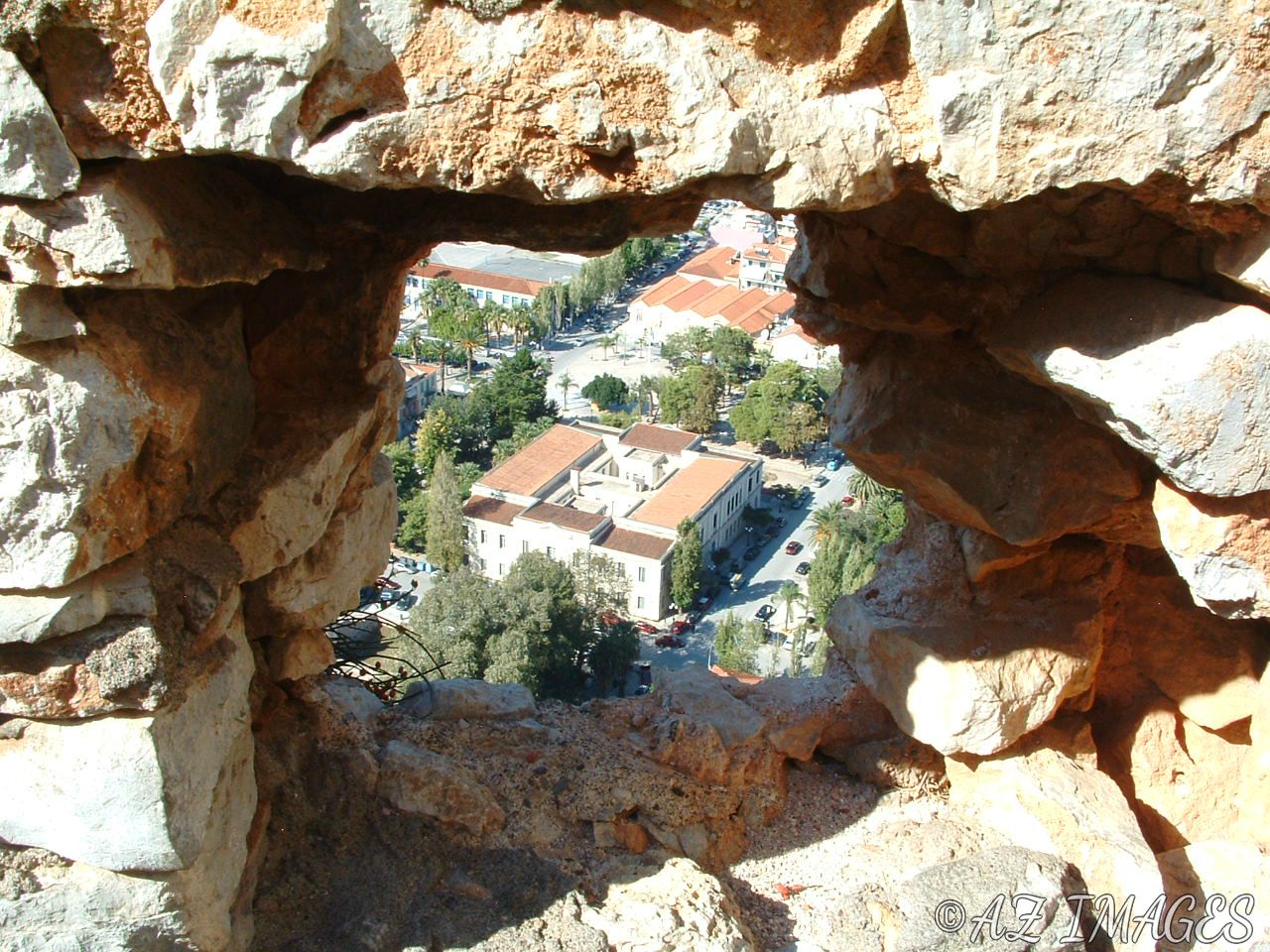
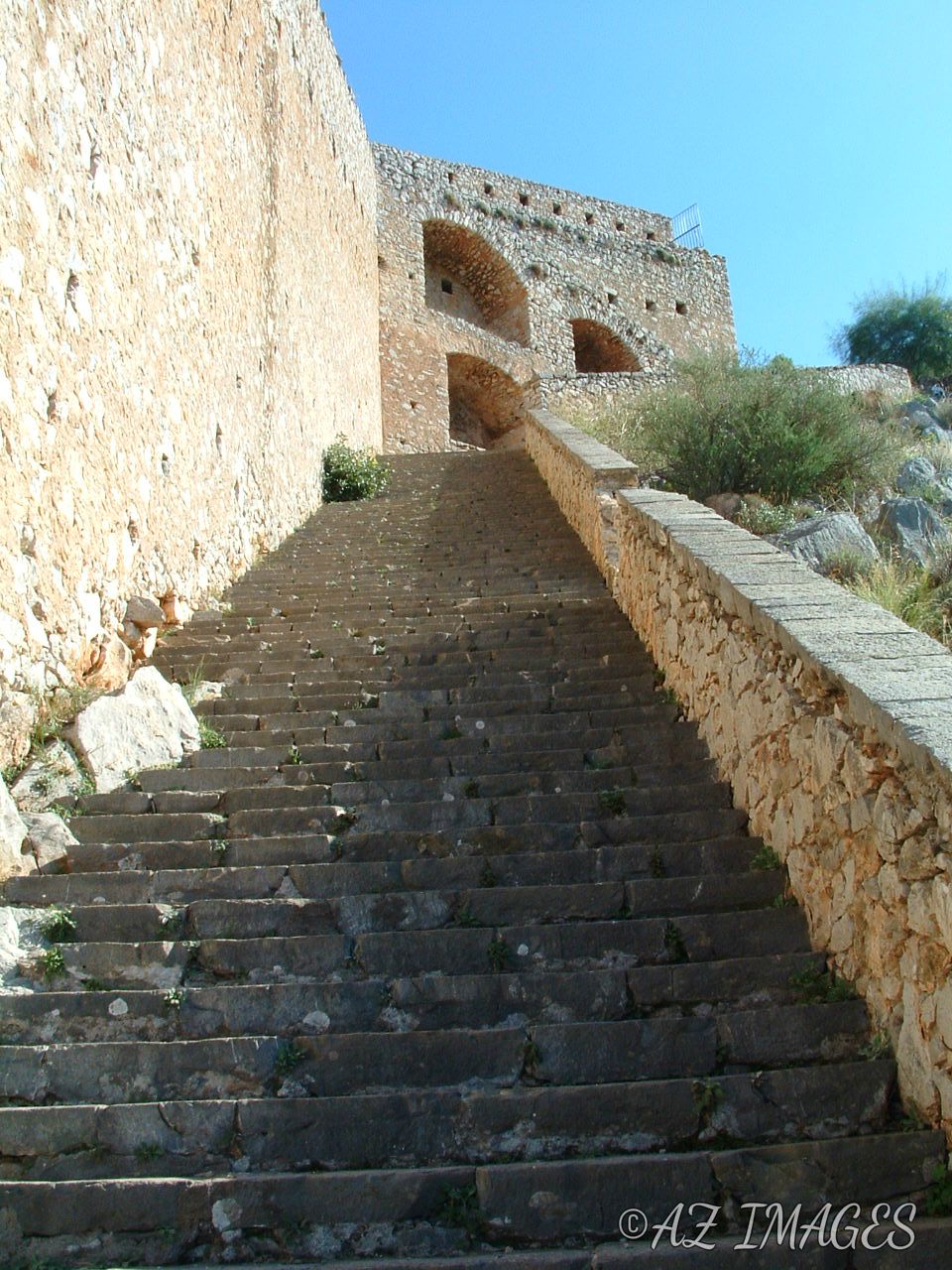
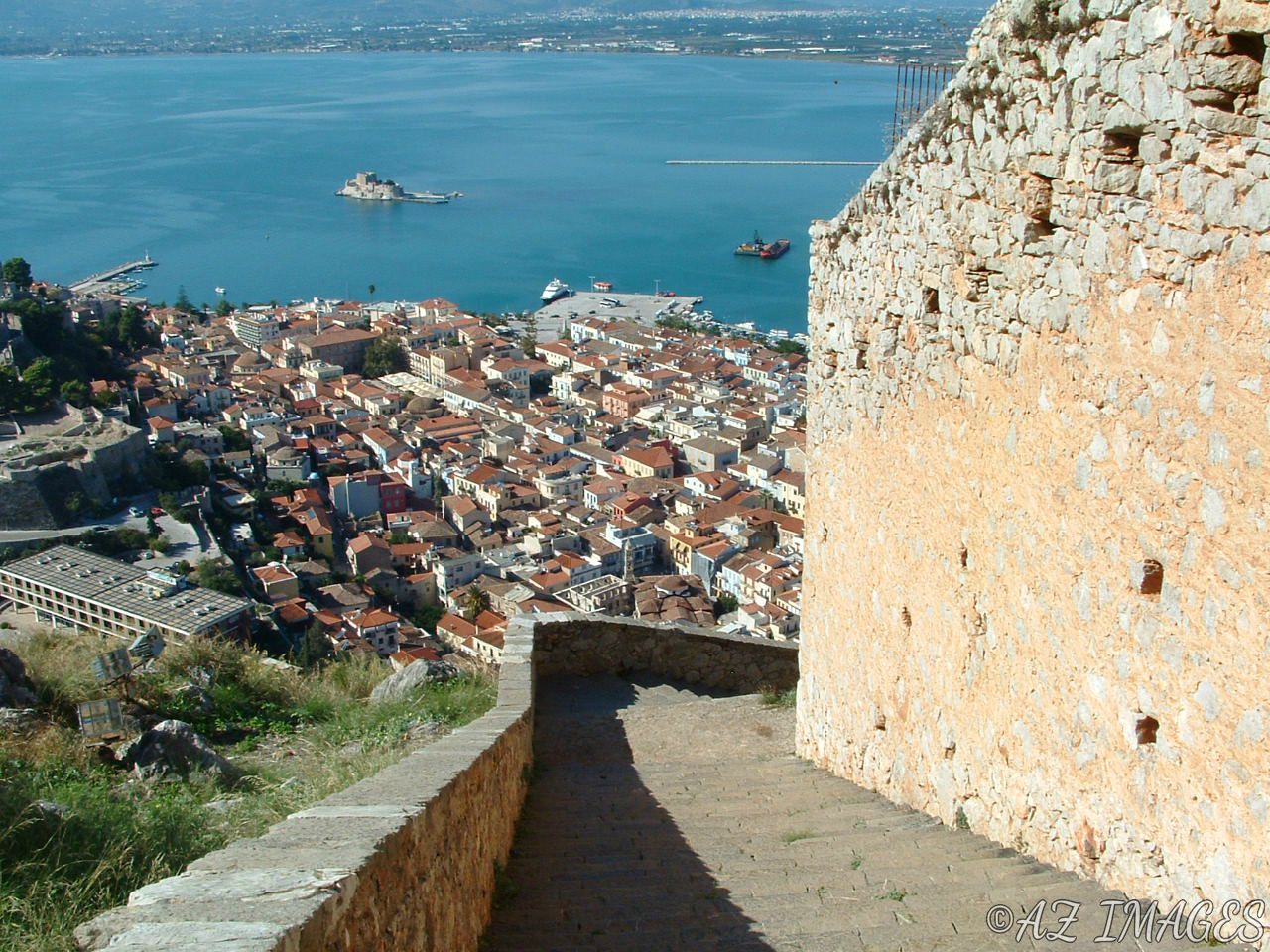
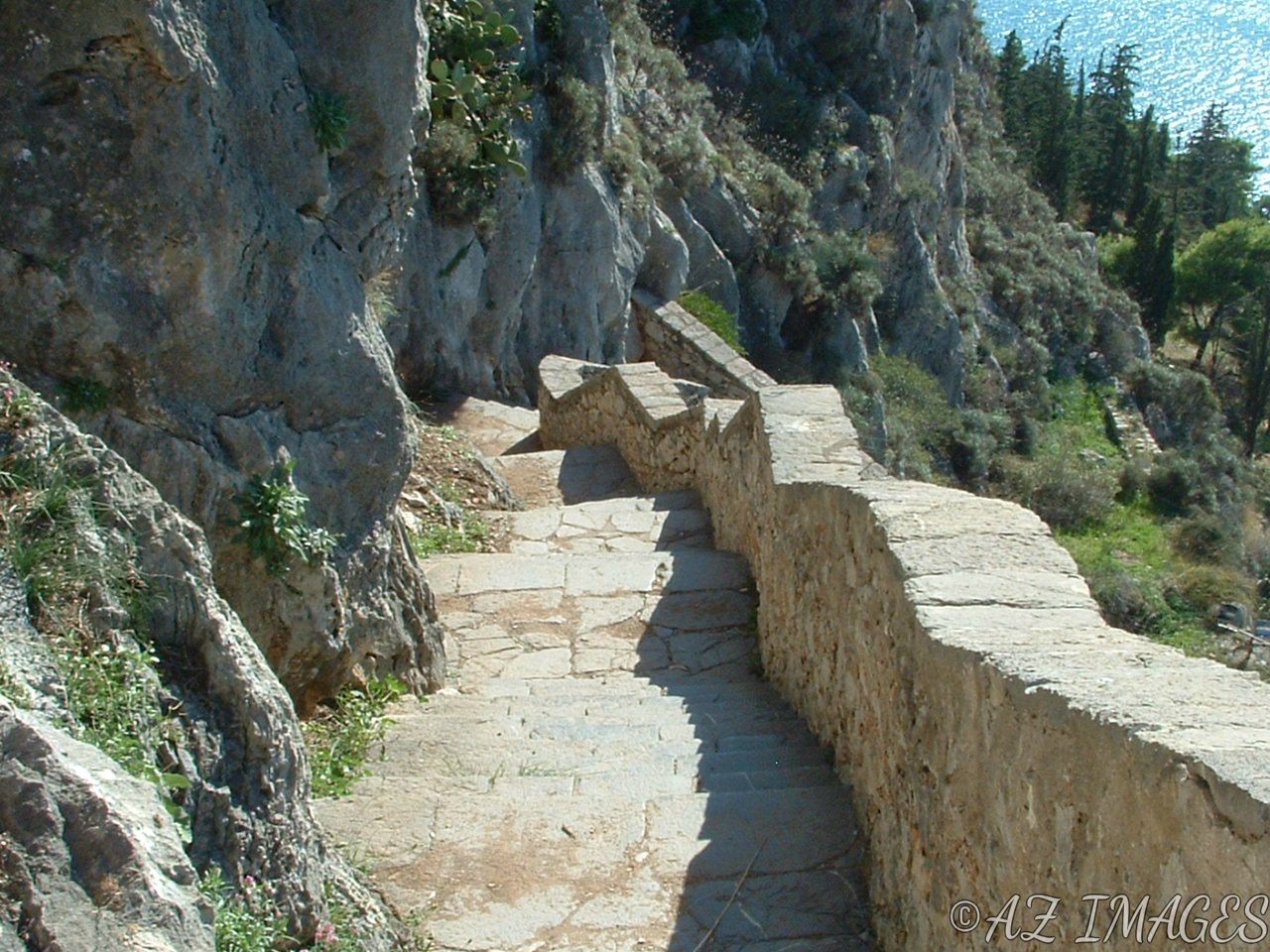
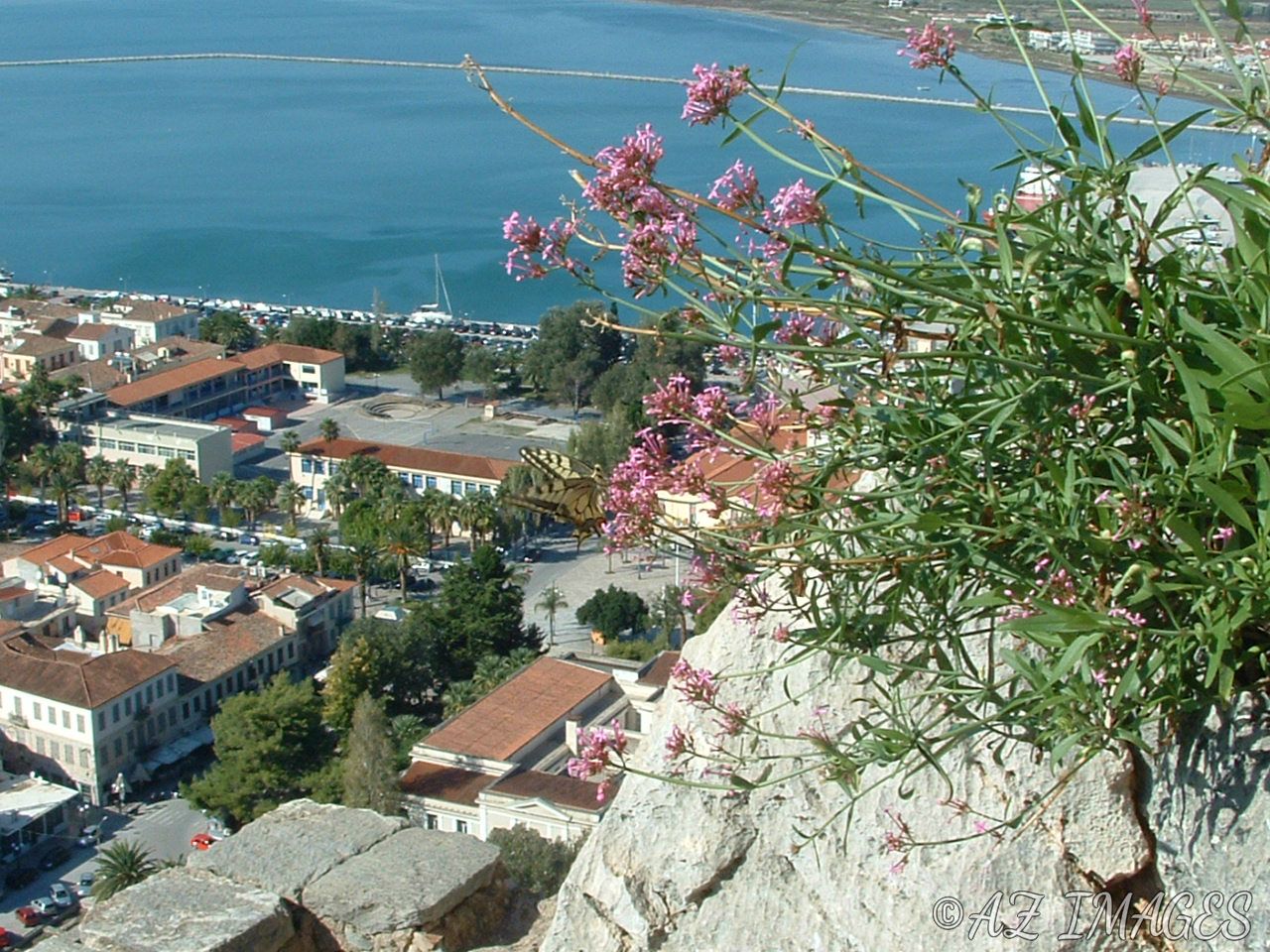
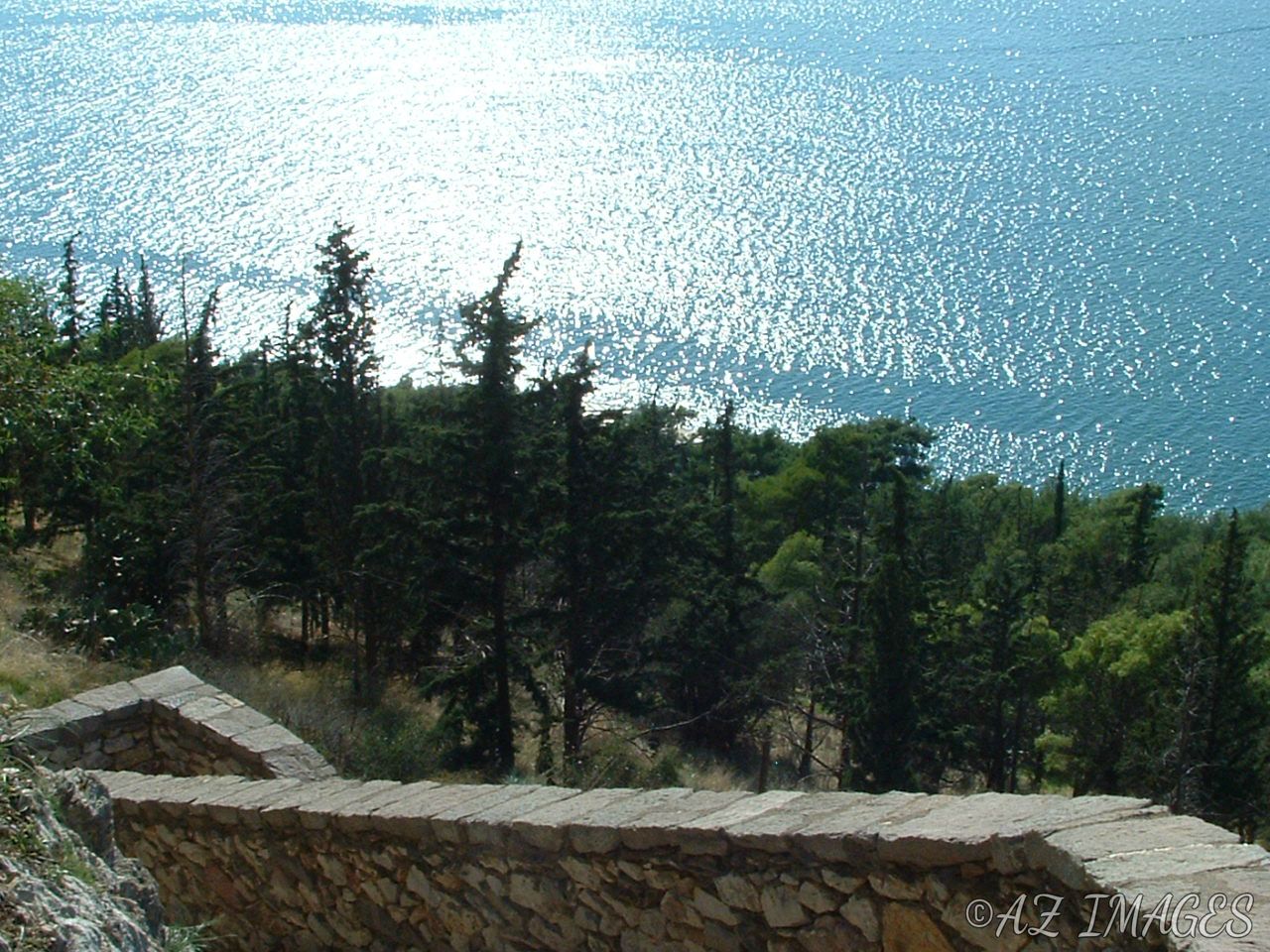
Last weekend, I visited the small town of Nafplio which is located in the Eastern Peloponnese, it’s not a far drive from Athens which is why many Athenians like to head here for the weekend. I have been to Nafplio many years ago, but I don’t remember too much.  This time I decided that I was going to take it in more and spend more time exploring and even walk up those 999 steps that lead to the fortress of Palamidi. The climb up was a difficult one for me because I’m not an athlete. However,  the view was breathtaking and it was worthwhile  even though it took me three days to recover. My poor legs 😦

Palamidi Fortress

Palamidi fortress & its 999 steps.

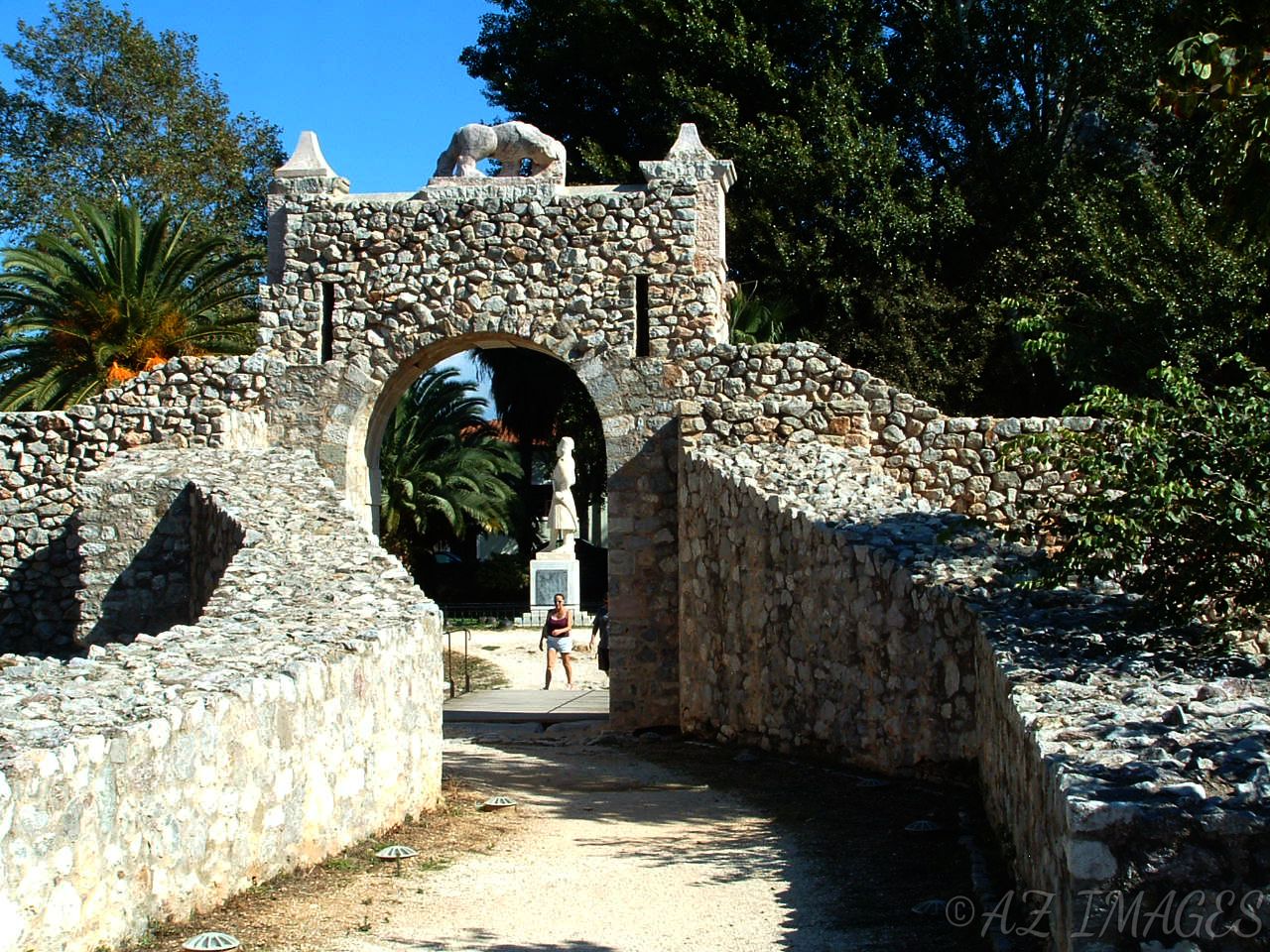
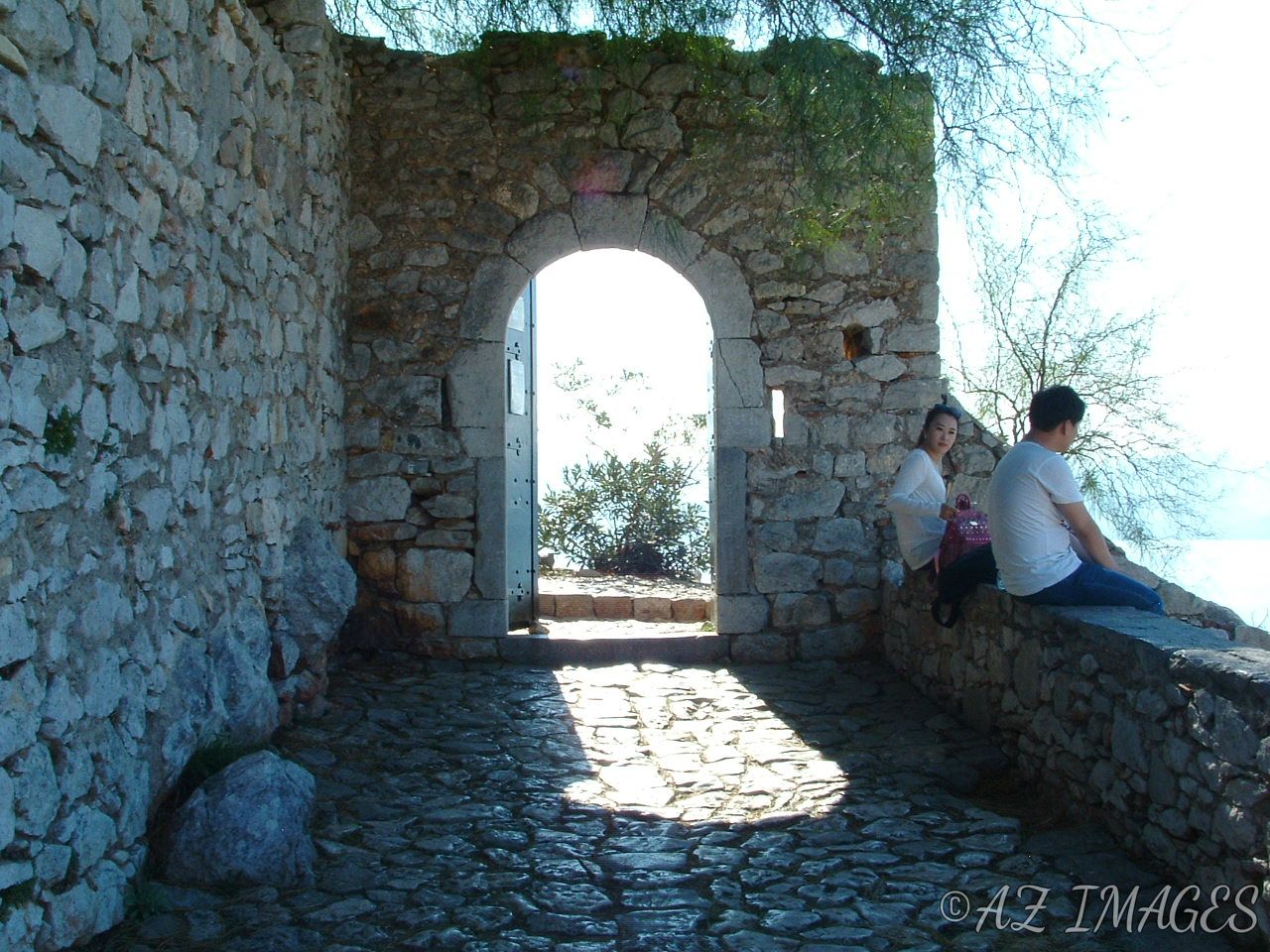
Entrance to the Palamidi fortress

Entrance to the Palamidi fortress

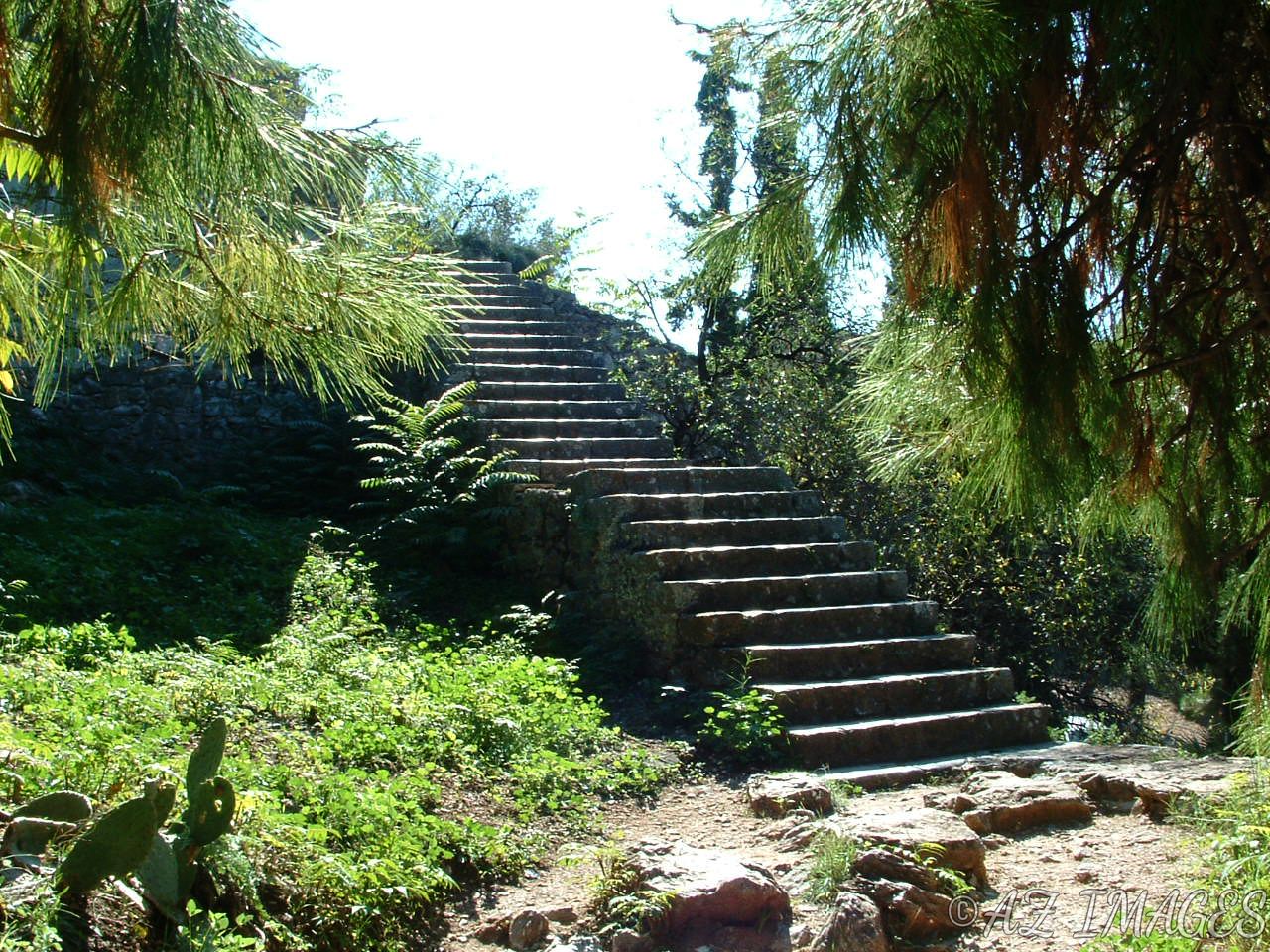
Steps that look like Machu Picchu

Steps that look like Machu Picchu

viewtoptext.jpg

Beautiful view of Nafplio on the way up..

seafortext.jpg

In the distance the ‘Bourtzi fortress’ on an islet.

seatoptext.jpg

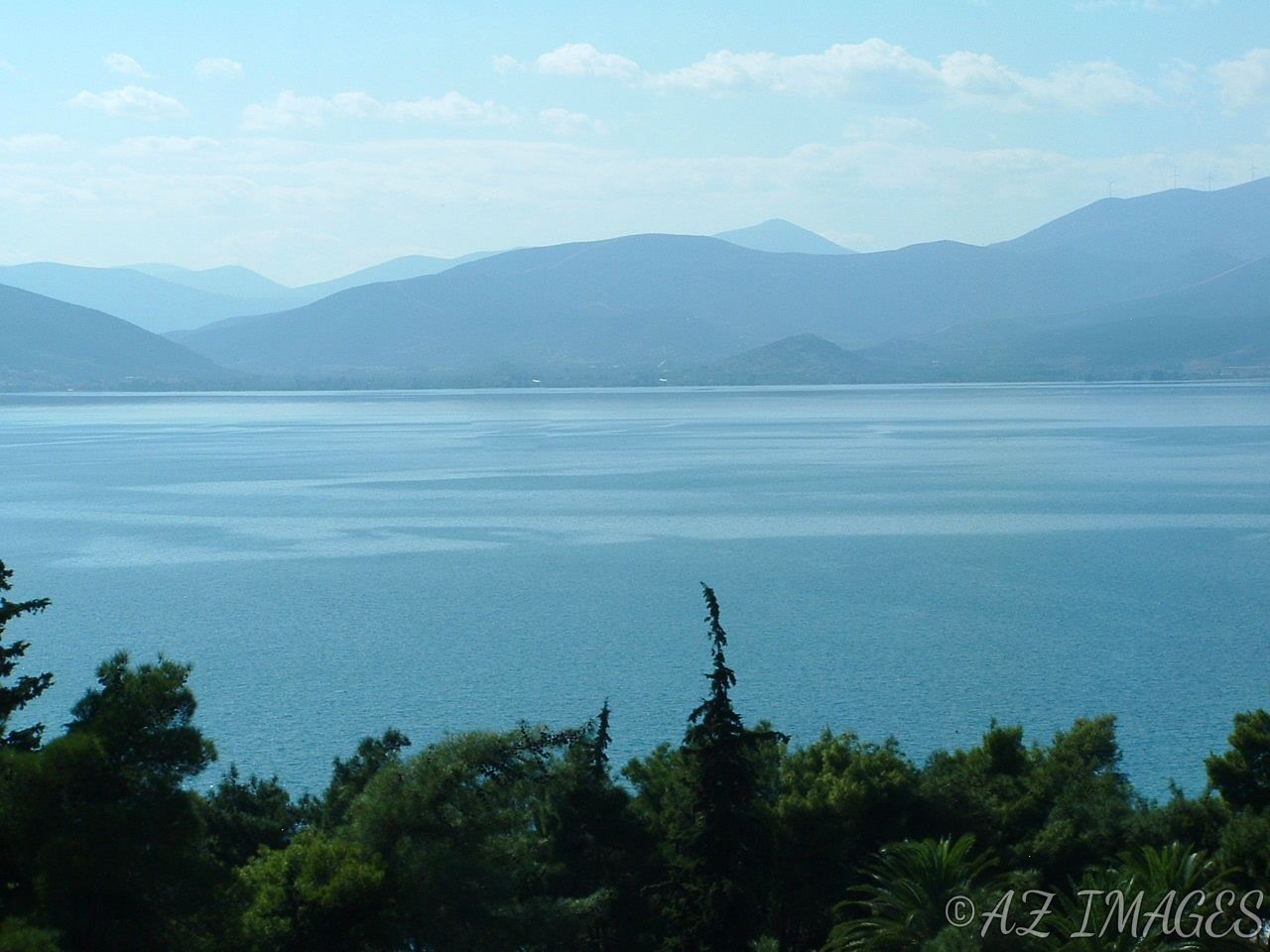
..and the sea is beautiful too.

shipatseatext.jpg

A cruise (?) ship in the distance.

stepstext2.jpg

Steps..

steps3text.jpg

and more steps.

seascapetext.jpg

But, it’s worth it!

seascapetex2t

plaquetext.jpg

holeinwall.jpg

prisontext.jpg

A cell where prisoners were held.

The last steps to the fortress

The last steps to the fortress

entrancesitetext.jpg

At the top at last. And on the other side of the door is the archaeological site of the fortress.

stepsdowntext.jpg

999 steps, but this time I’m going down.

stairsdowntext.jpg

butterflytext.jpg

The butterfly was a good sign.

treesseatext.jpg

The Tower of the Winds /Ο πύργος των ανέμων

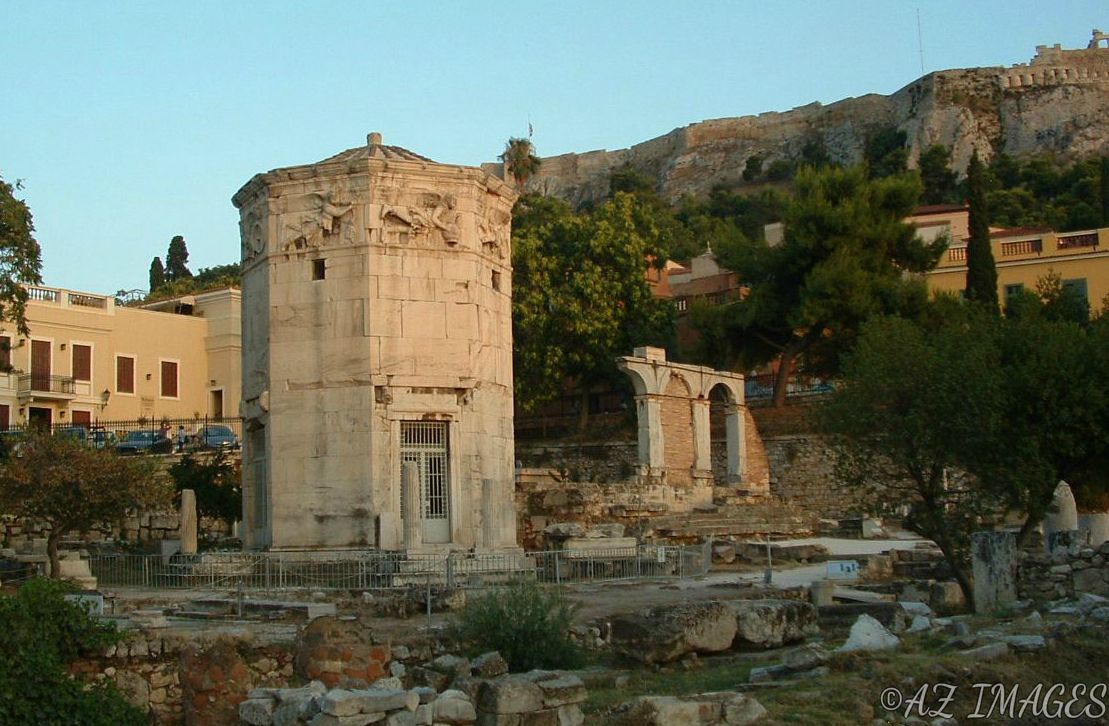
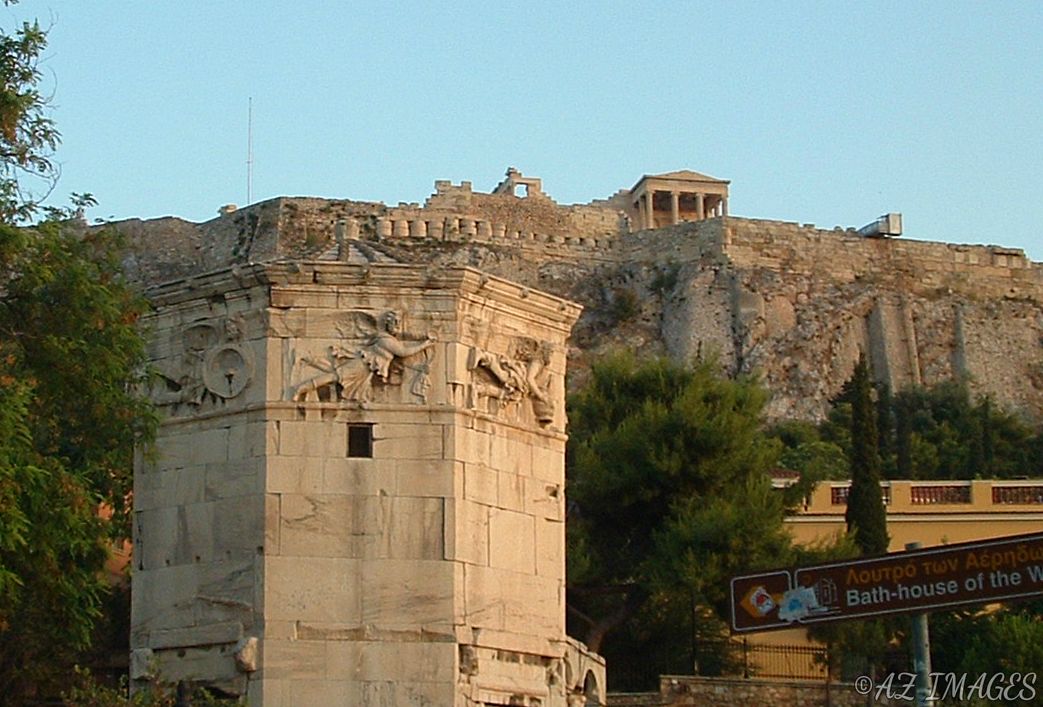
The Wind Tower

The Wind TowerThe tower of the winds or the ‘Horologion (timepiece) of  Andronikos of Kyrrhos’ was built by Macedonian Astronomer Andronikos in 50 B.C.  There are eight figures carved out on each side,  and each figure represents the eight different wind gods. The North wind is ‘Boreas’, the Northeast ‘Kaikias’, the Southeast ‘Apeliotes’, the East is ‘Eurus’, the South is ‘Notus’, the Southwest is ‘Livas’, the West is ‘Zephyros’, and the Northwest is ‘Skiron’. The octagonal structure has a sundial on the outside and a water clock on the inside.  In ancient times, there was a bronze statue of Triton holding a rod in his hand. Triton is a Greek god and messenger of the sea, and he is the son of Poseidon and Amphitrite – the god and goddess of the sea.  Triton would move in different directions from the wind. This is where the idea for weather vanes came from. The tower  had various uses over time and is one of the best preserved structures in the area.

Ο πύργος των ανέμων ή το «Ωρολόγιον (ρολόι) του Ανδρόνικου του Kyrrhos» χτίστηκε από τον Μακεδονικό αστρονόμο Ανδρόνικο το 50 π.Χ. Υπάρχουν οκτώ στοιχεία σε κάθε πλευρά, και κάθε εικόνα αντιπροσωπεύει τις οκτώ διαφορετικούς θεούς του ανέμου. Ο Βοριάς είναι ο ‘Βορέας’, ο Βορειοανατολικά ο ‘Καικίας’, η Νοτιοανατολική ο ‘Apeliotes’, η Ανατολή είναι ο ‘Εύρος’, ο Νότος, η ΝΔ είναι ο Λίβας, η Δύση είναι ο ‘Ζέφυρος’ και η Βορειοδυτικά είναι ο ‘Σκίρων’. Η οκταγωνική δομή έχει ένα ηλιακό ρολόι στο εξωτερικό και ένα ρολόι ύδατος στο εσωτερικό. Στην αρχαιότητα, υπήρχε ενα χάλκινο άγαλμα του Τρίτωνα κρατώντας μια ράβδο στο χέρι του. Ο Τρίτωνας είναι ένας Έλληνας θεός και ο αγγελιοφόρος της θάλασσας, και είναι ο γιος του Ποσειδώνα και Ἀμφιτρίτη- το θεό και θεά της θάλασσας. Ο Τρίτωνας  κινούταν σε διαφορετικές κατευθύνσεις από τον άνεμο. Η σύγχρονη πτερύγια καιρού προήλθε από αυτή την ιδέα. Ο πύργος είχε διάφορες χρήσεις με τη πάροδο του χρόνου και είναι ένα από τα καλύτερα διατηρημένα κτίσματα στην περιοχή.
View of Acropolis/Θéa της Aκρόπολης

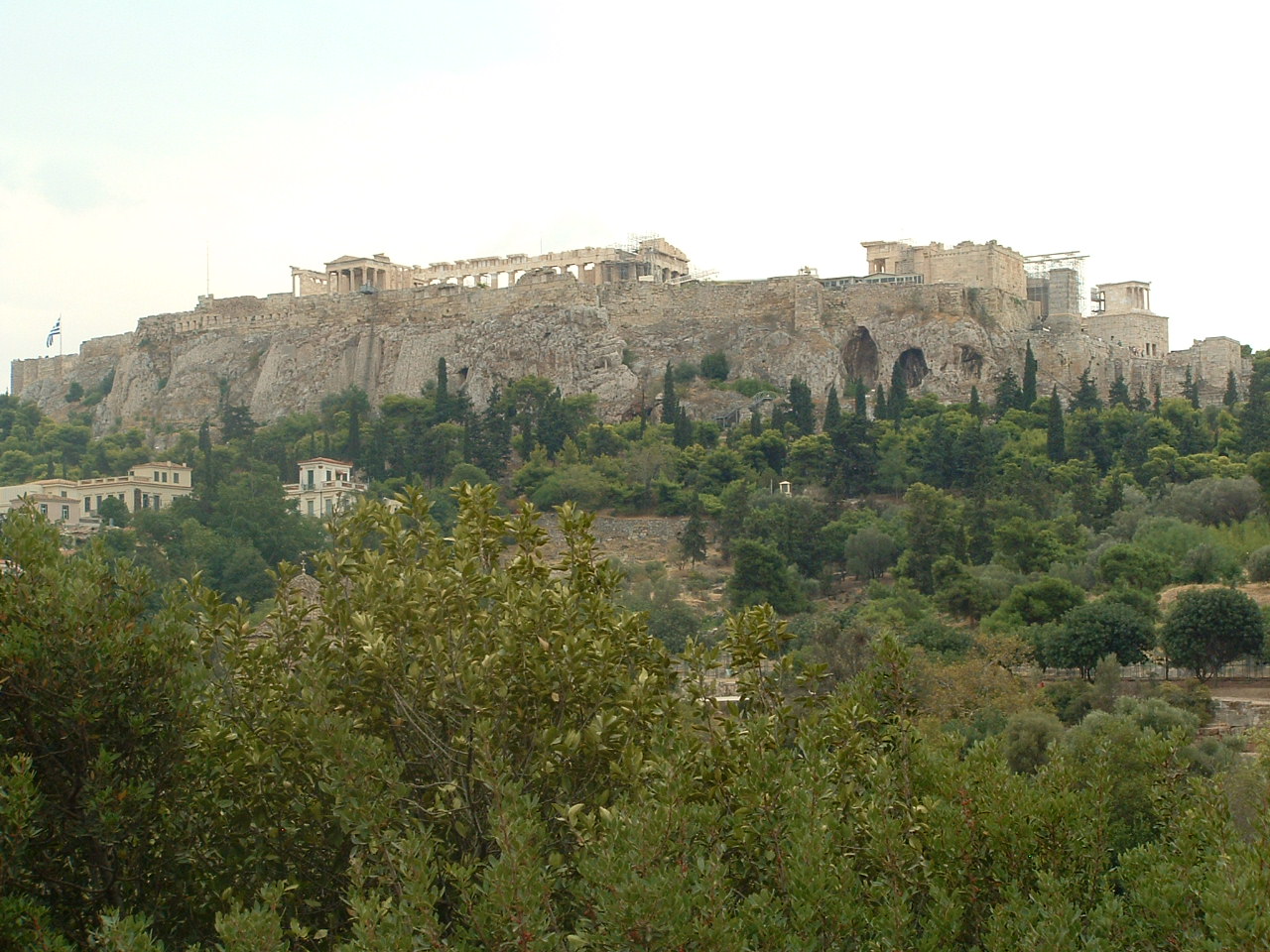
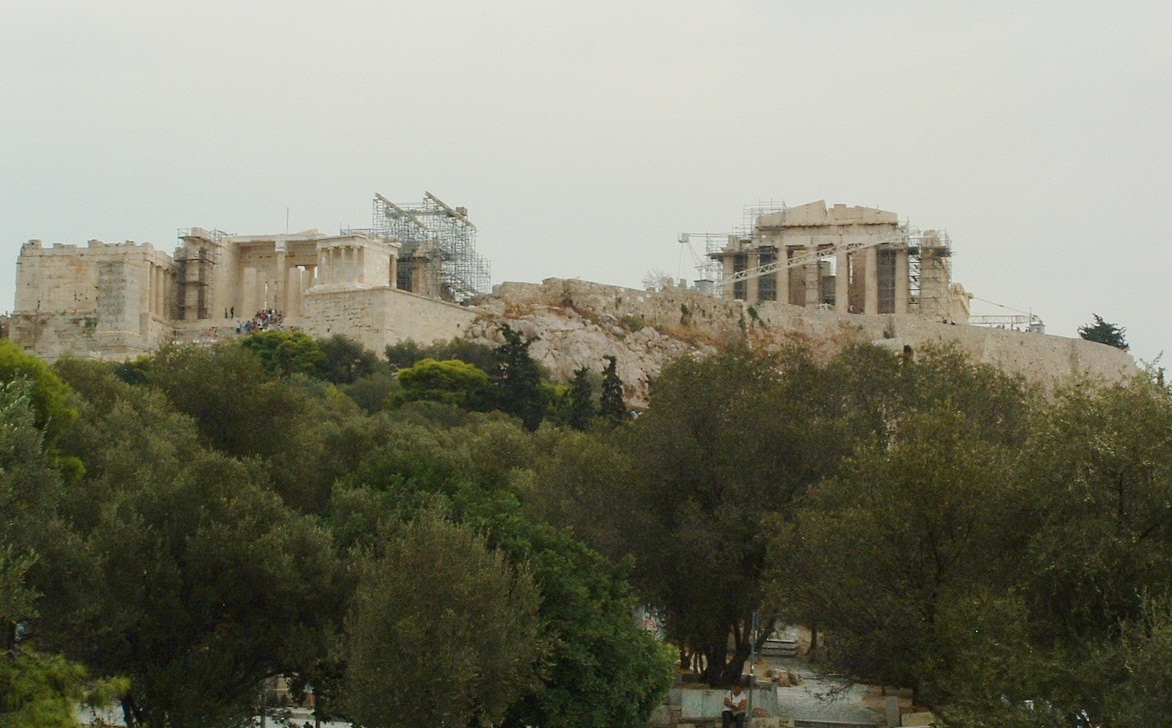
View of the Acropolis from the Agora below

The Acropolis from Below

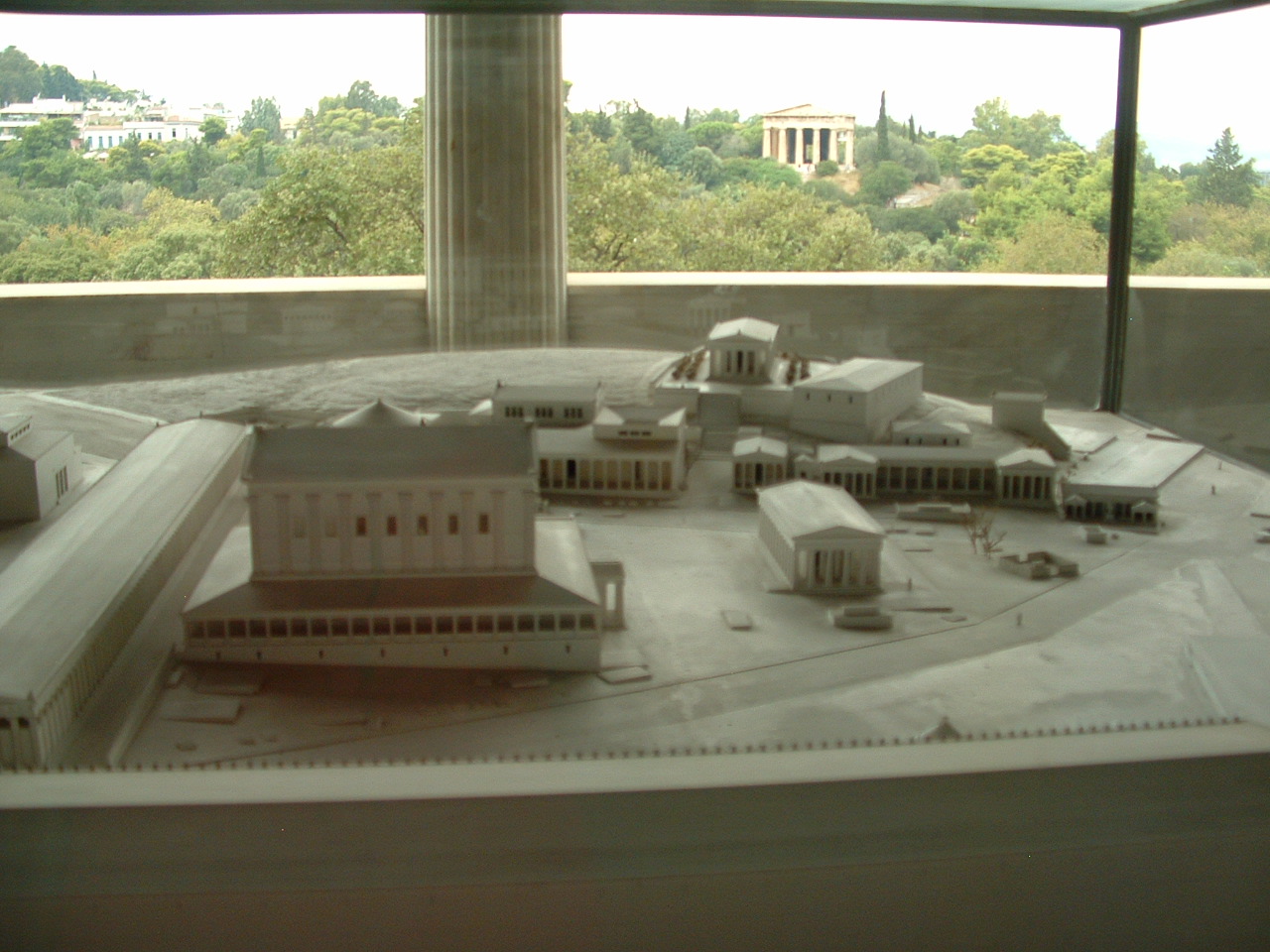
A model of how the Acropolis looked like in ancient times.

A model of the ancient city

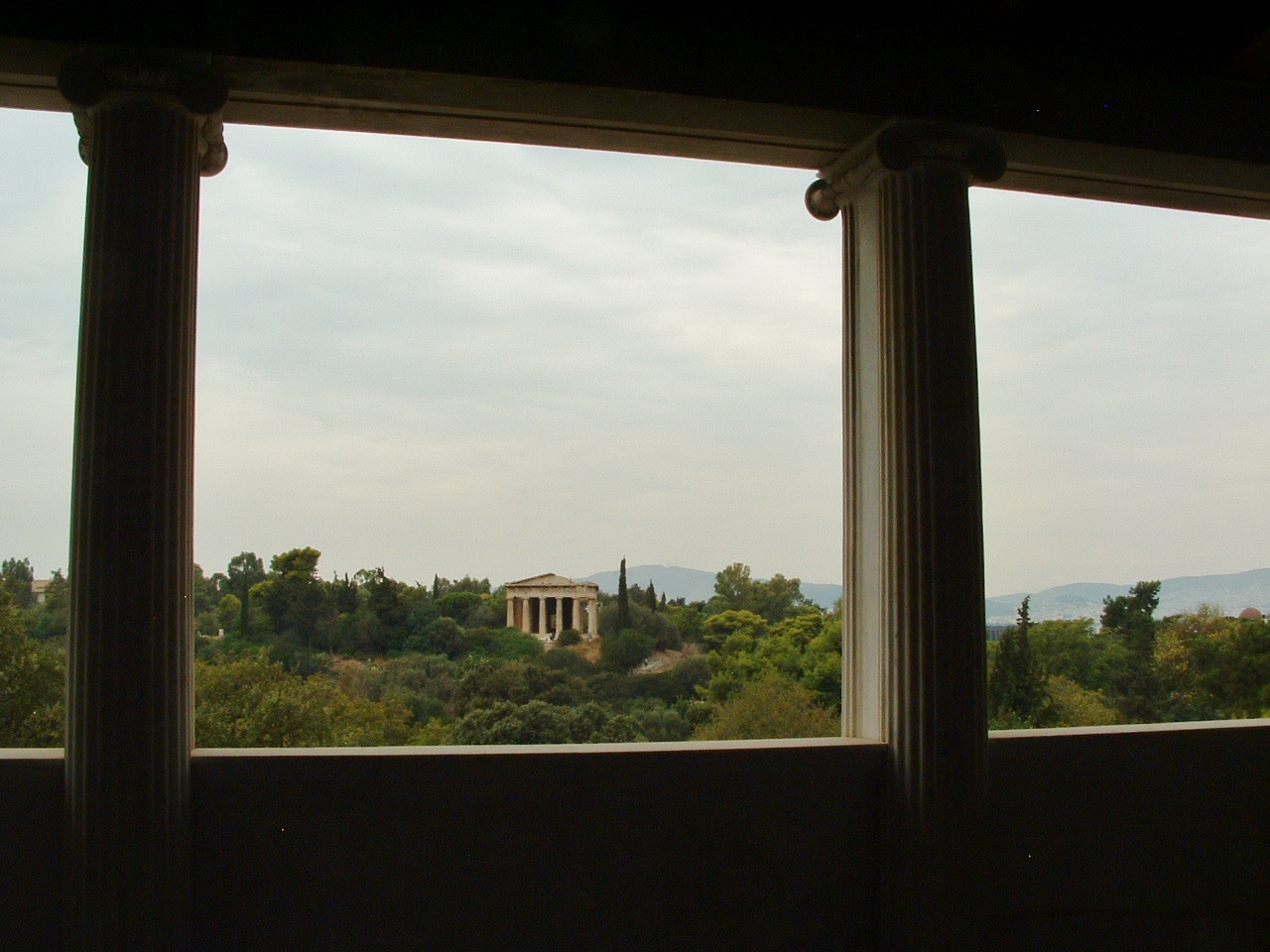
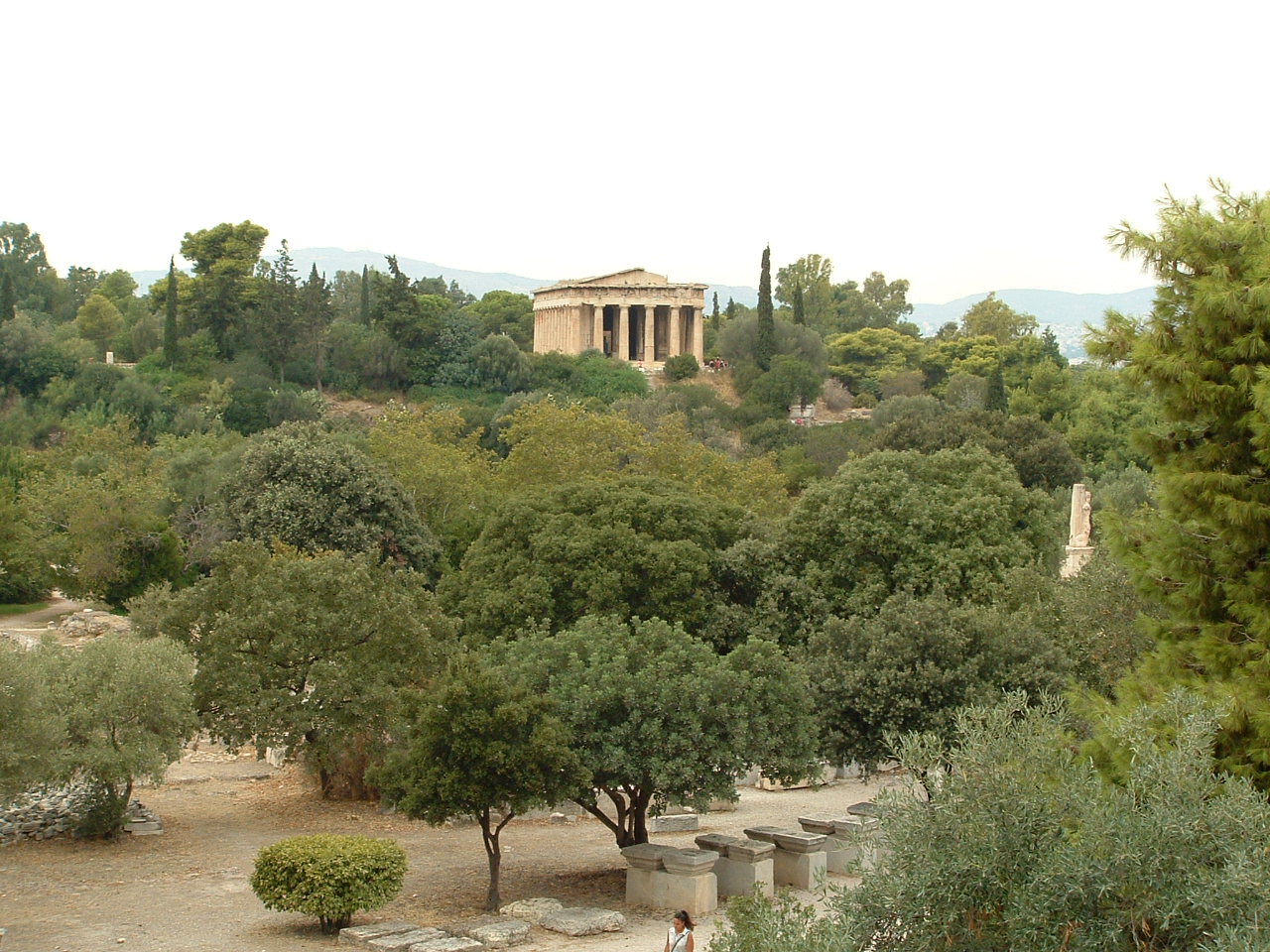
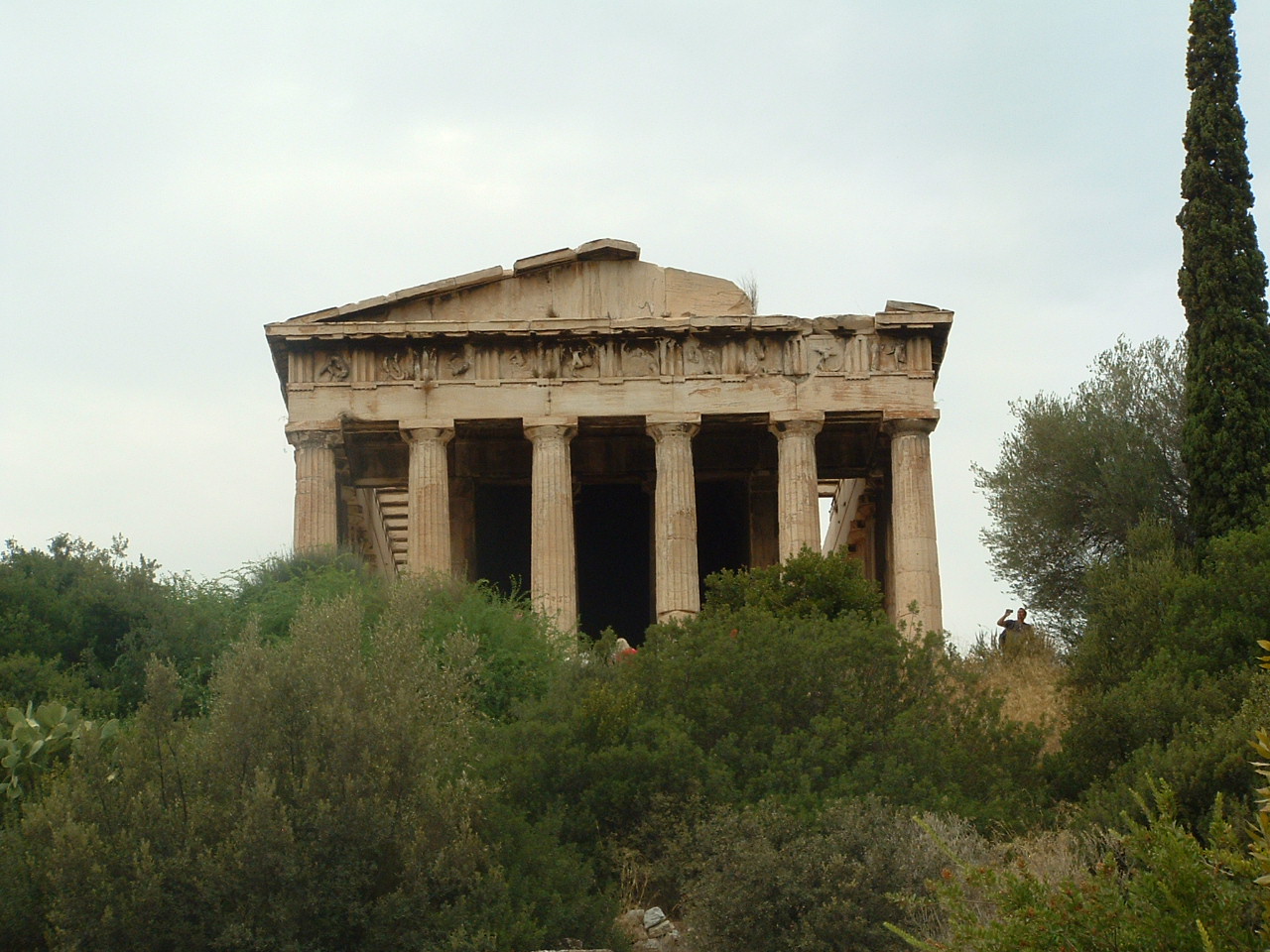
View of the Temple Of Hephaestus within the Agora

“A great city, whose image dwells in the memory of man, is the type of some great idea. Rome  represents conquest; faith hovers over the towers of Jerusalem; and Athens embodies  the pre-eminent quality of the antique world, Art.” Benjamin Disraeli


Temple of Hephaestus/Ο Ναός του Ηφαίστου

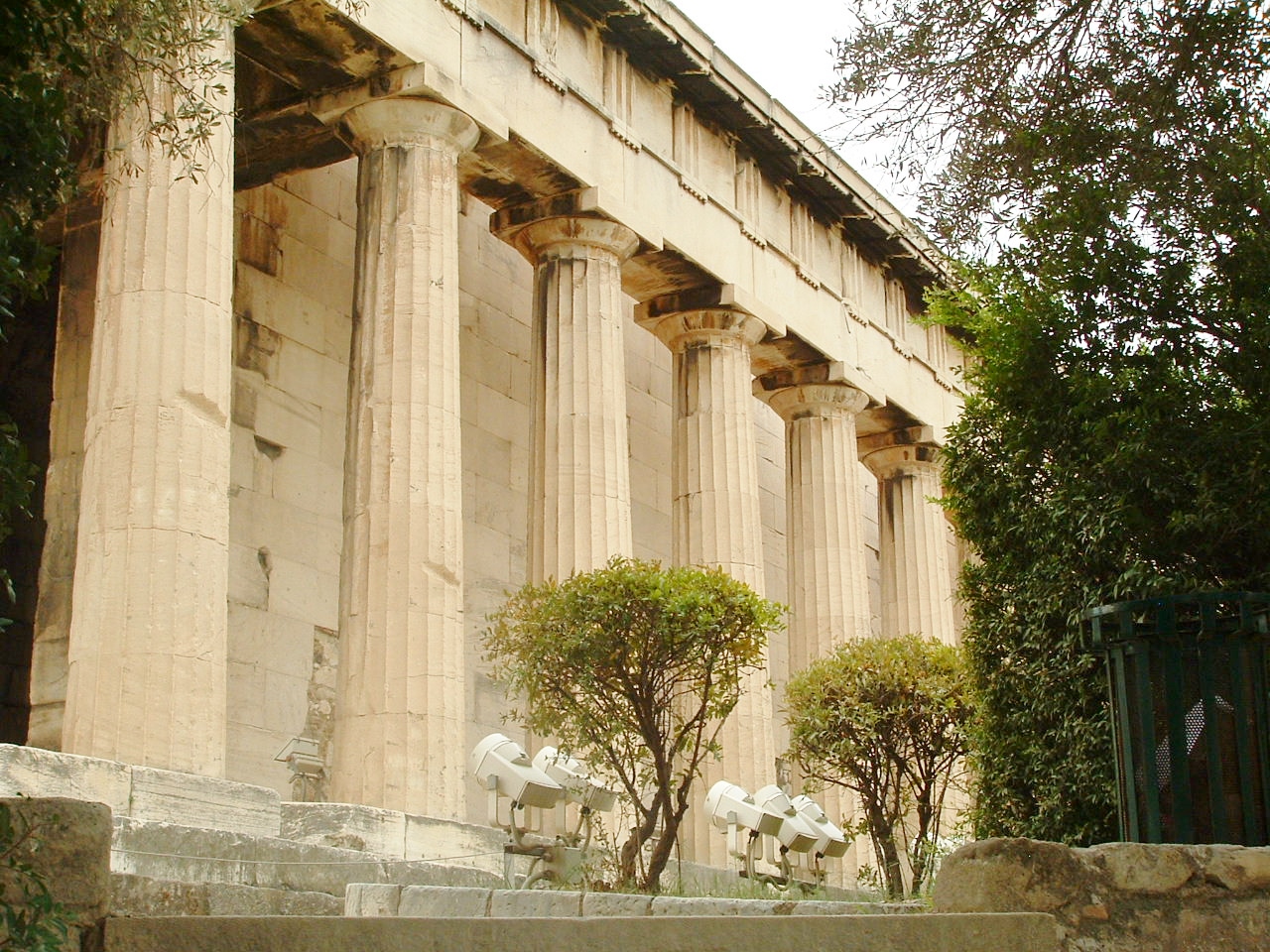
After years of living in Athens I paid my first and overdue visit to the ancient Agora.  For the past few weeks I felt drawn to the Temple  of Hephaestus. The temple is located  just below the Acropolis in the ancient Agora (market place). Hephaestus is the God of blacksmiths, craftsmen, artisans, sculptors, metals, fire and volcanoes.  The temple is the best preserved ancient temple in all of Greece. Upon visiting the temple I was awe-struck by its beauty and energy.  Even though I don’t work with metals I do get crafty, I am good with my hands. What a coincidence that I would feel a pull to visit this place!

The temple with the Agora below

The temple with the Agora below

View of the temple from the front with its Doric columns

The west side of the temple facing Thiseio

DSCF2167

Not a bad-looking temple for a God who was considered the ugliest God of all, and who was crippled by Zeus!I walked for hours that day and the next I could barely walk. I felt crippled just like Hephaestus!

Old Parliament Building/Παλιά Βουλή

This slideshow requires JavaScript.

Last Saturday I ventured downtown to get a few art supplies at an art and hobby store. As I was walking down Stadiou St. I noticed the old parliament building. In  the  past I  have stood in front of it to take pictures of the statue of Greek General Theodoros Kolokotronis who is depicted riding a horse . I had never been inside the building, but that day something came over me and I decided to follow the group of people that were heading into the building. There was no entrance fee or anything and I was free to wander everywhere.  The building was built in 1875 with plans by French architect Francois Boulanger and with foundations that were layed by Queen Amalia of Bavarian origin. After the Greek war of independence Greece had a monarchy for a short time that began in the late 19th century.The building has ceased to be used as a parliament building in 1932. The current parliament building is located at Syntagma square.

The parliament building is now the National Historical Museum. When I walked in I was awe-struck by the amount of historical artifacts that are displayed in the old building, from the conquest of Constantinople by the Ottoman Turks in 1453 to the Second World War.  Also, there are costumes and works of art from drawings to paintings and statues from different time periods and many weapons that were used during the many wars that Greece participated in.