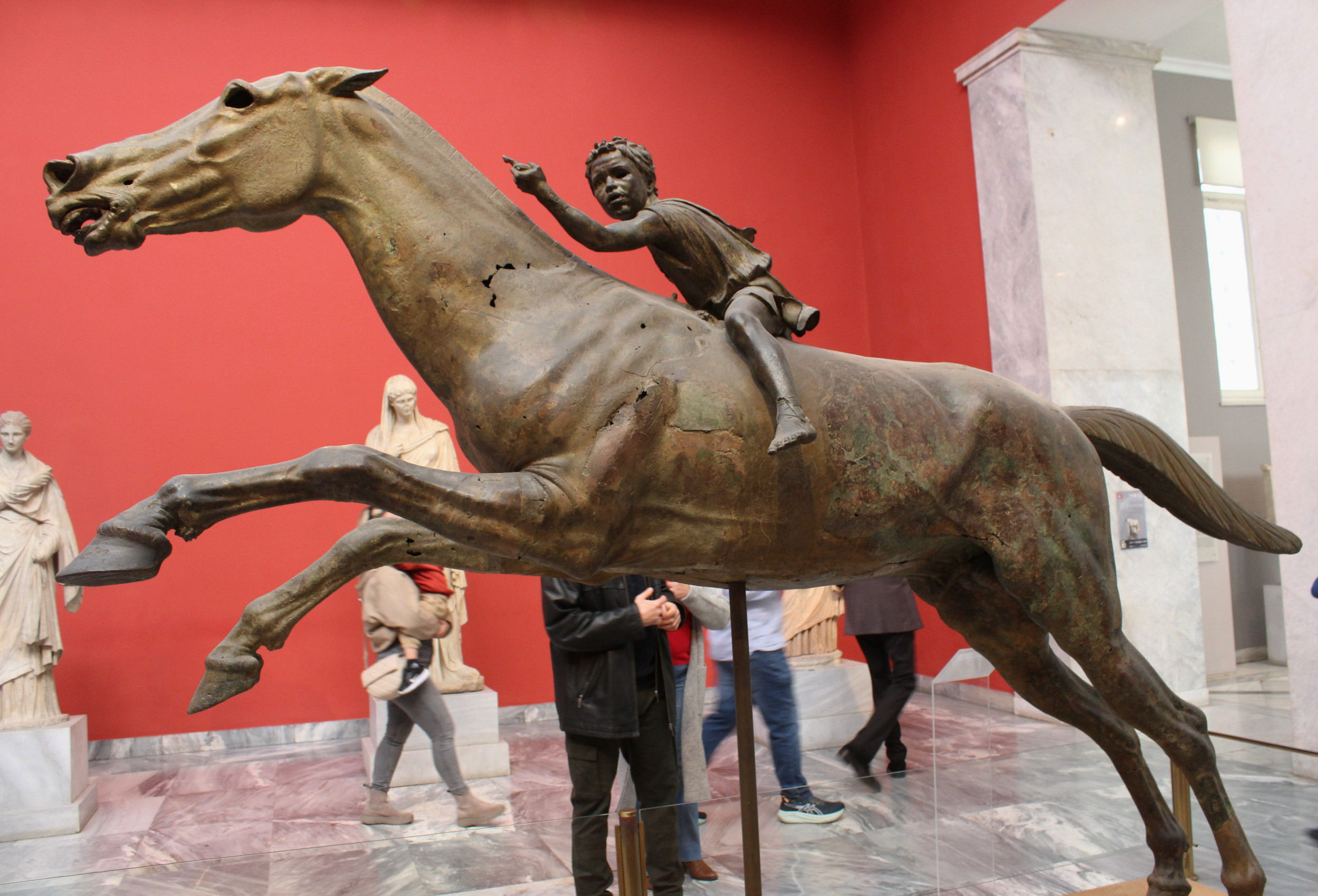
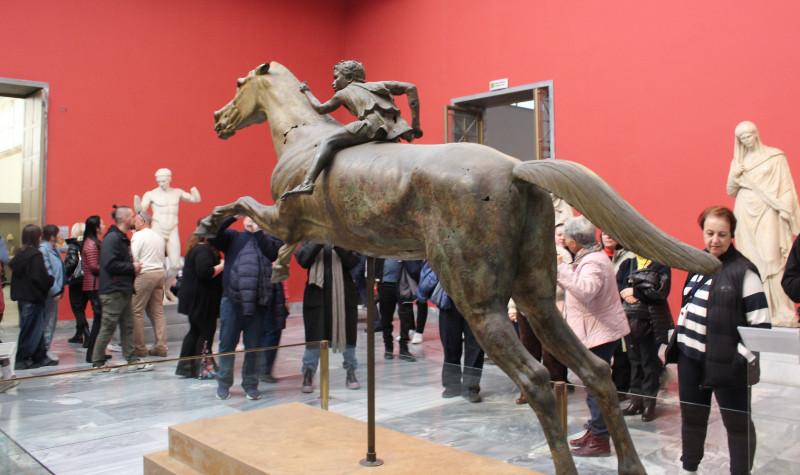
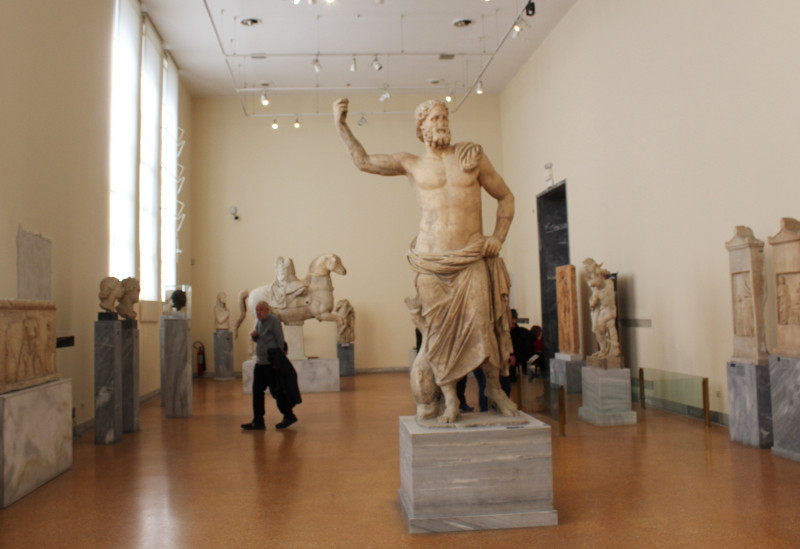
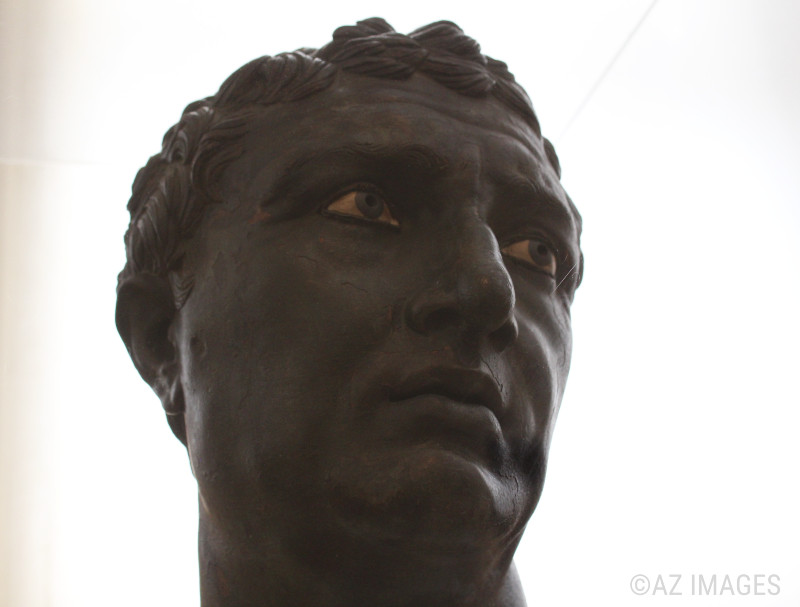
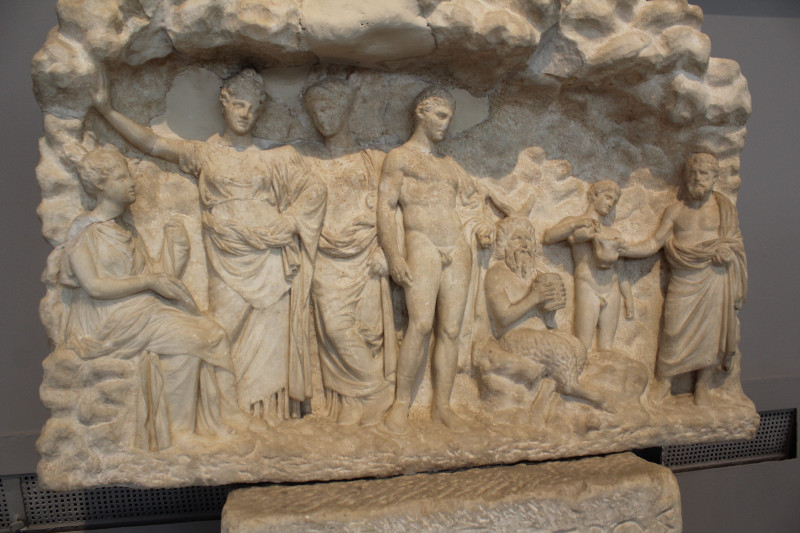
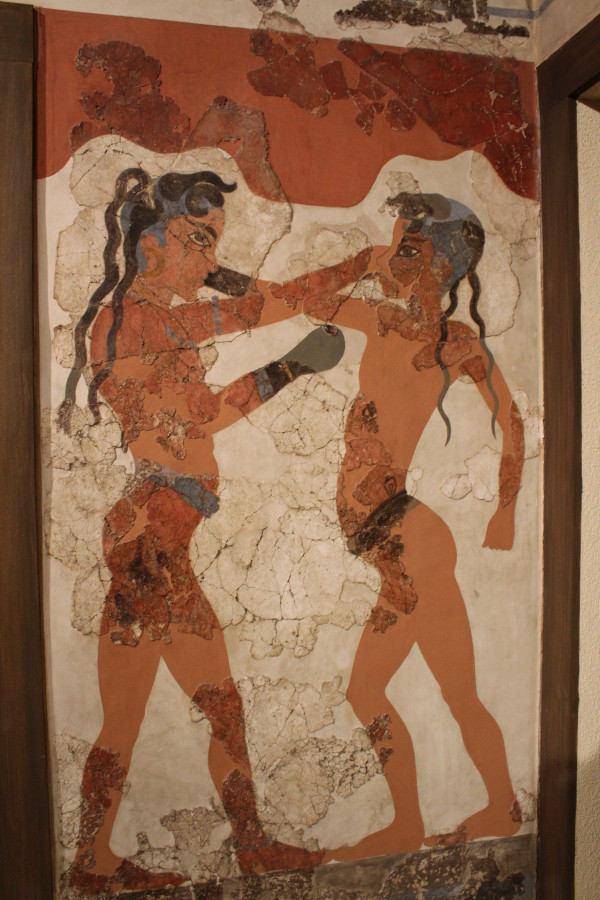
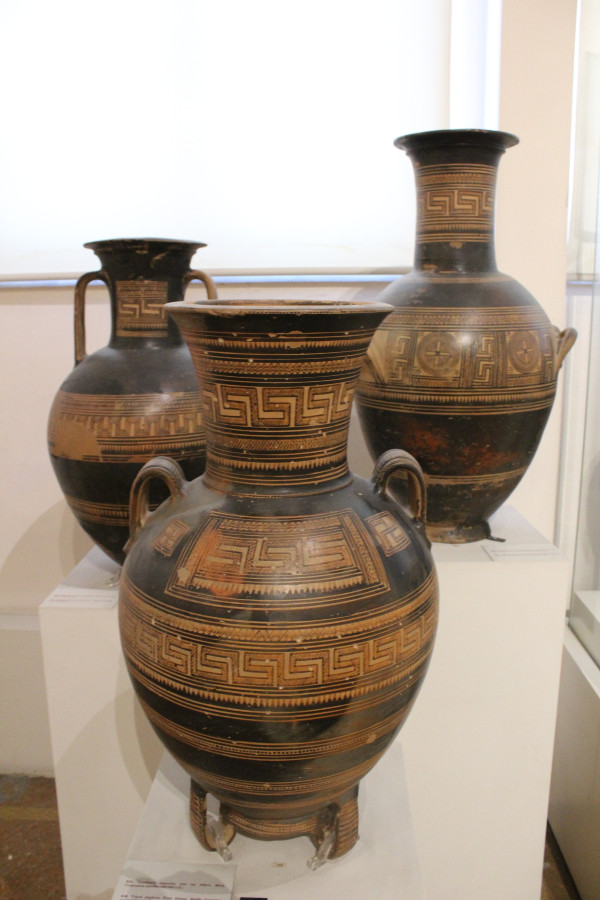
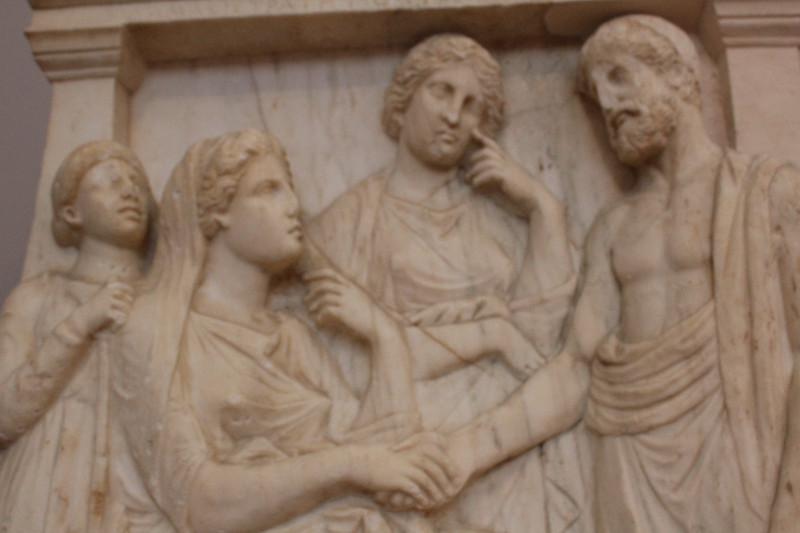
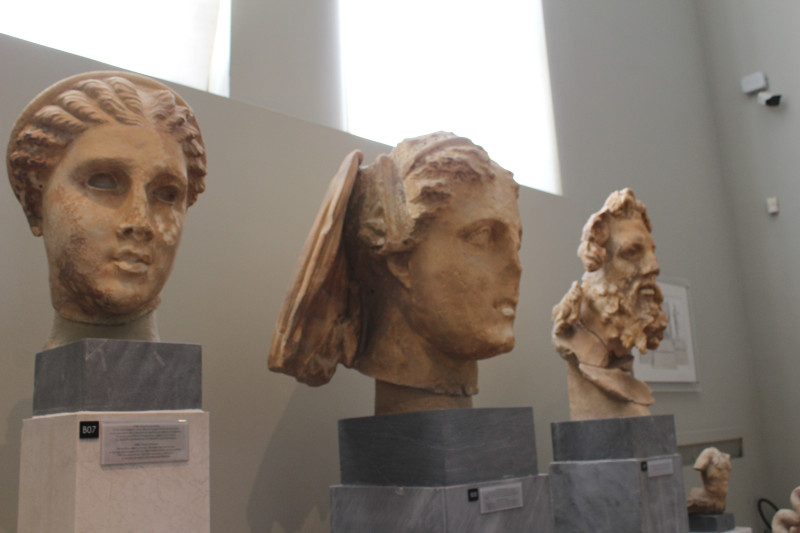
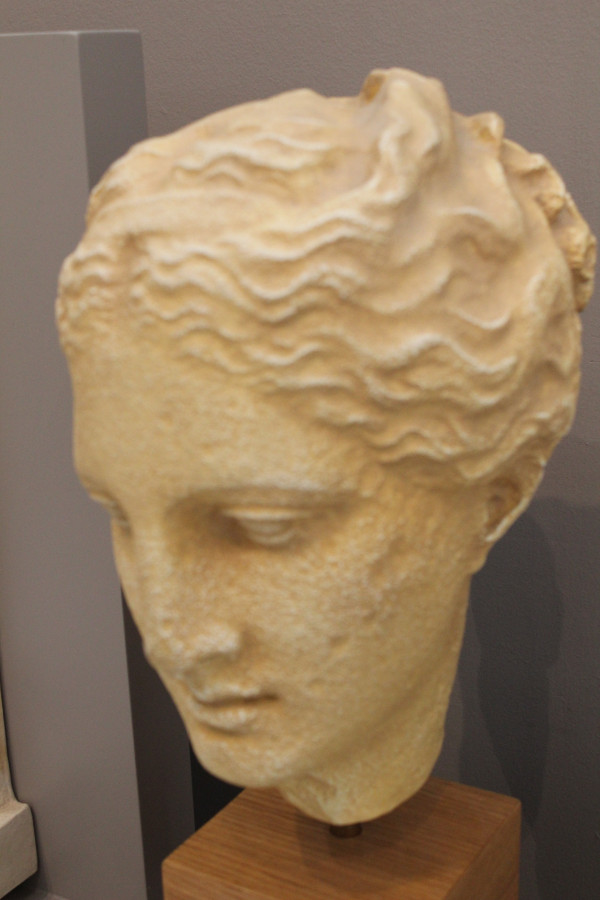
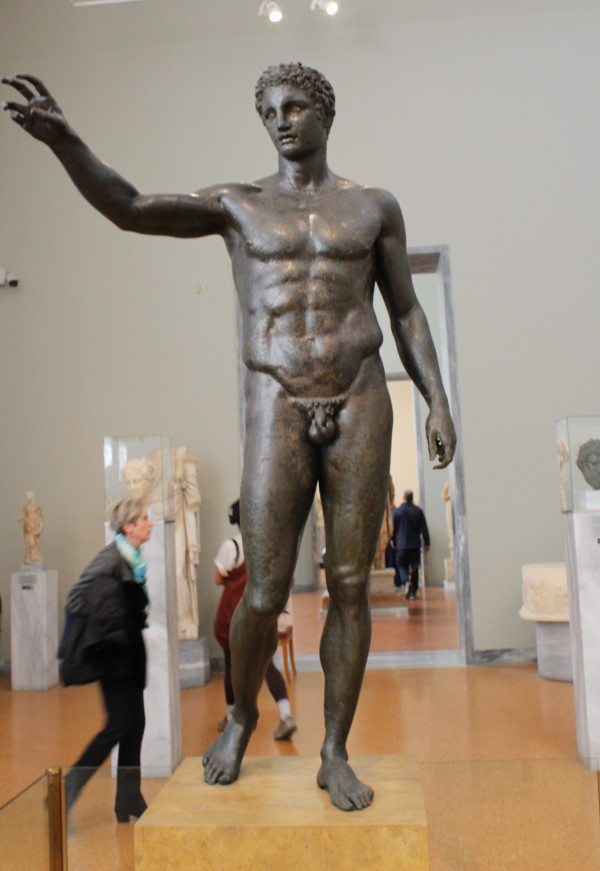
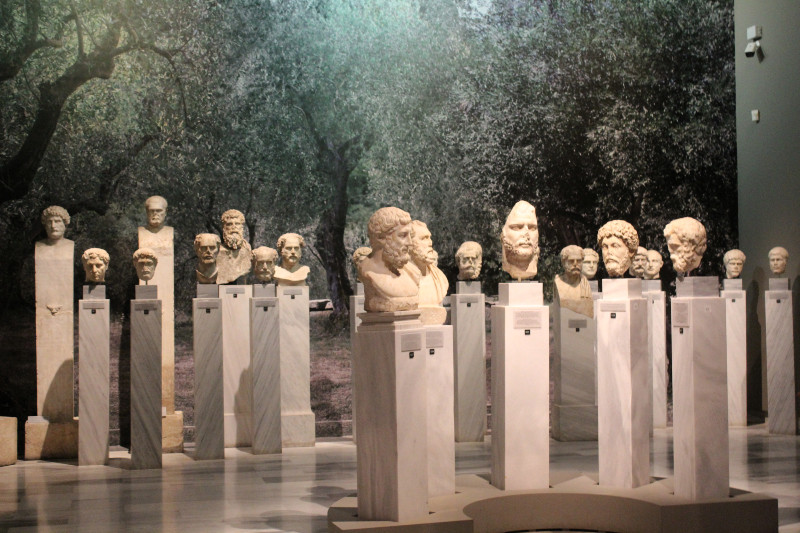
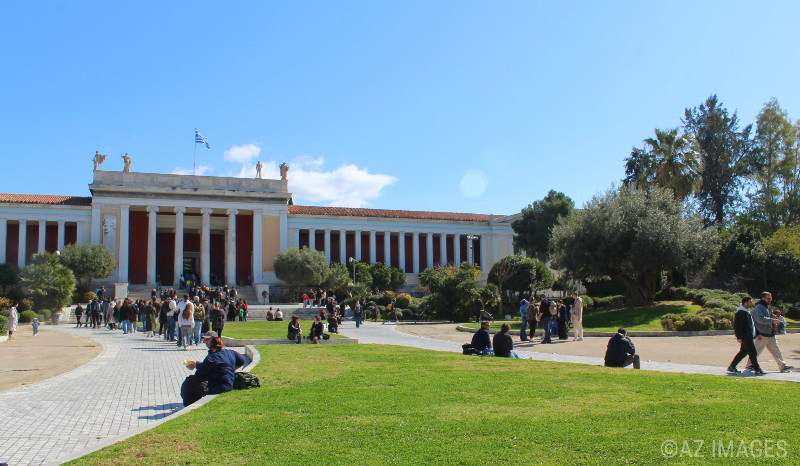
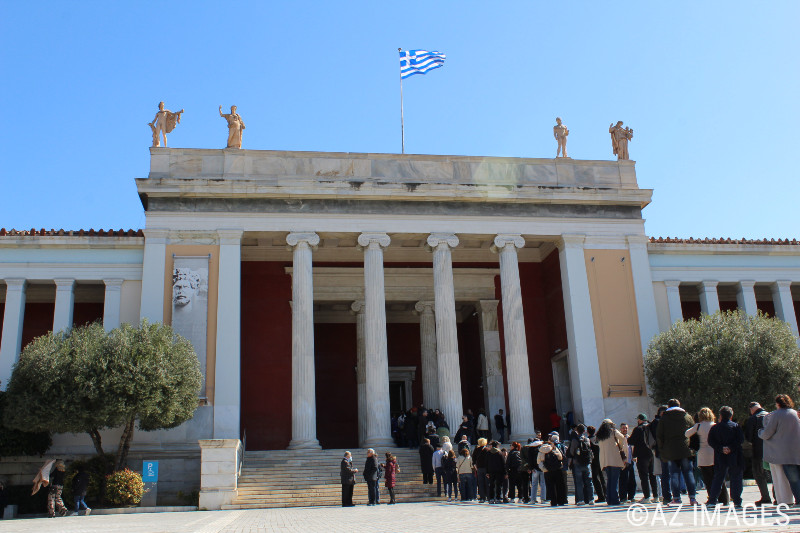
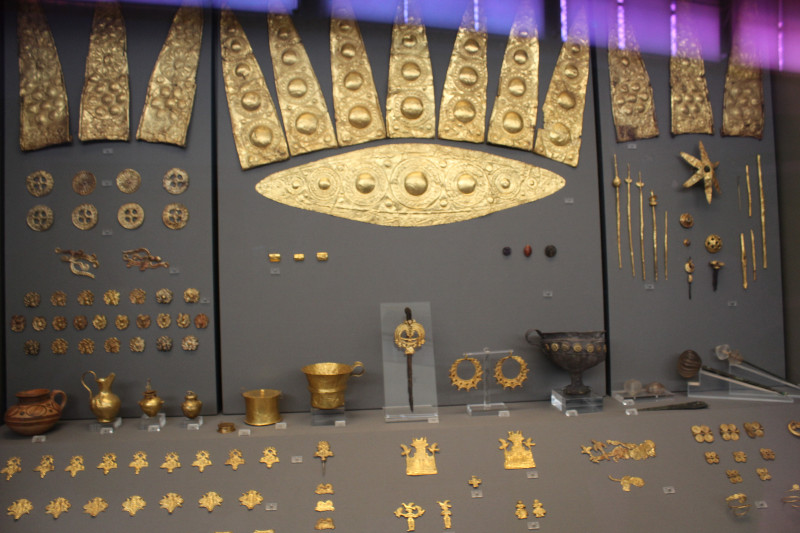
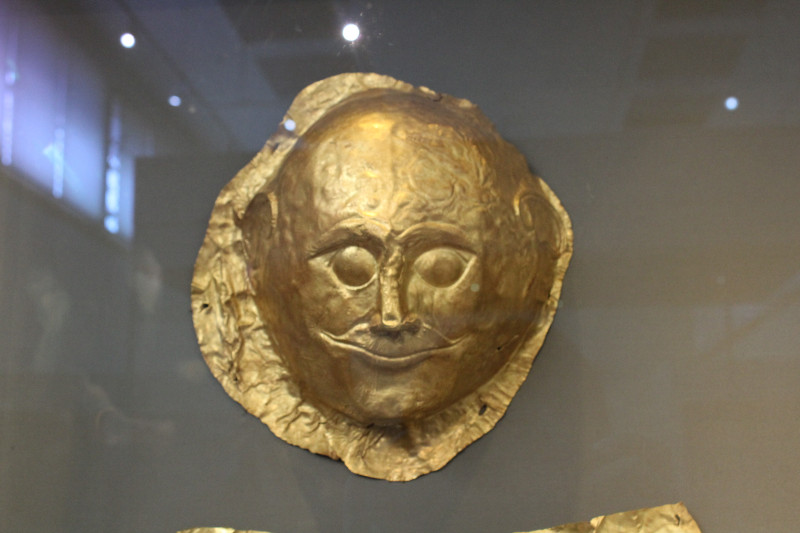
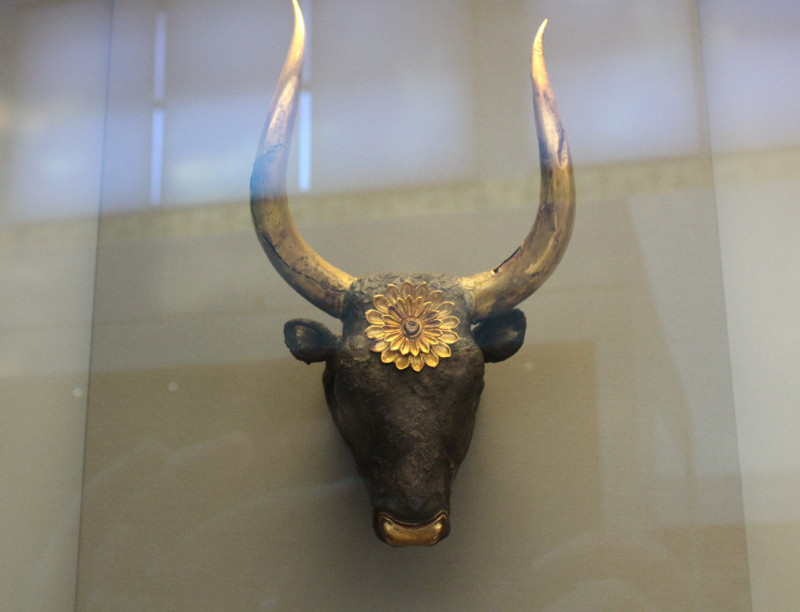
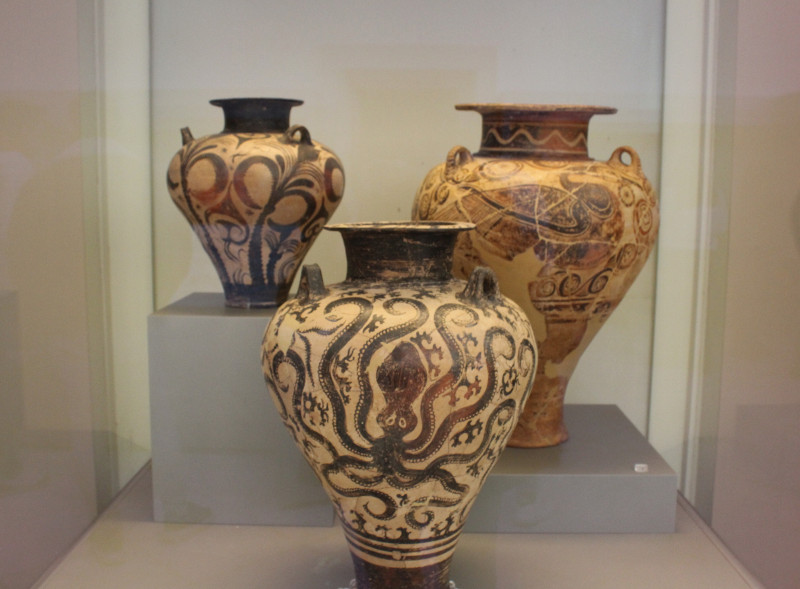
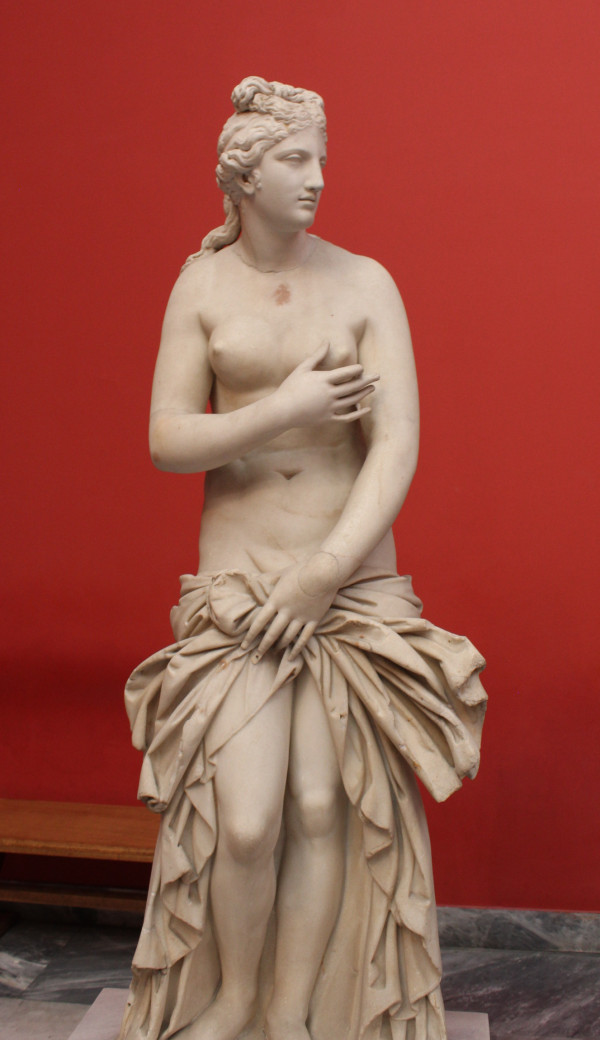
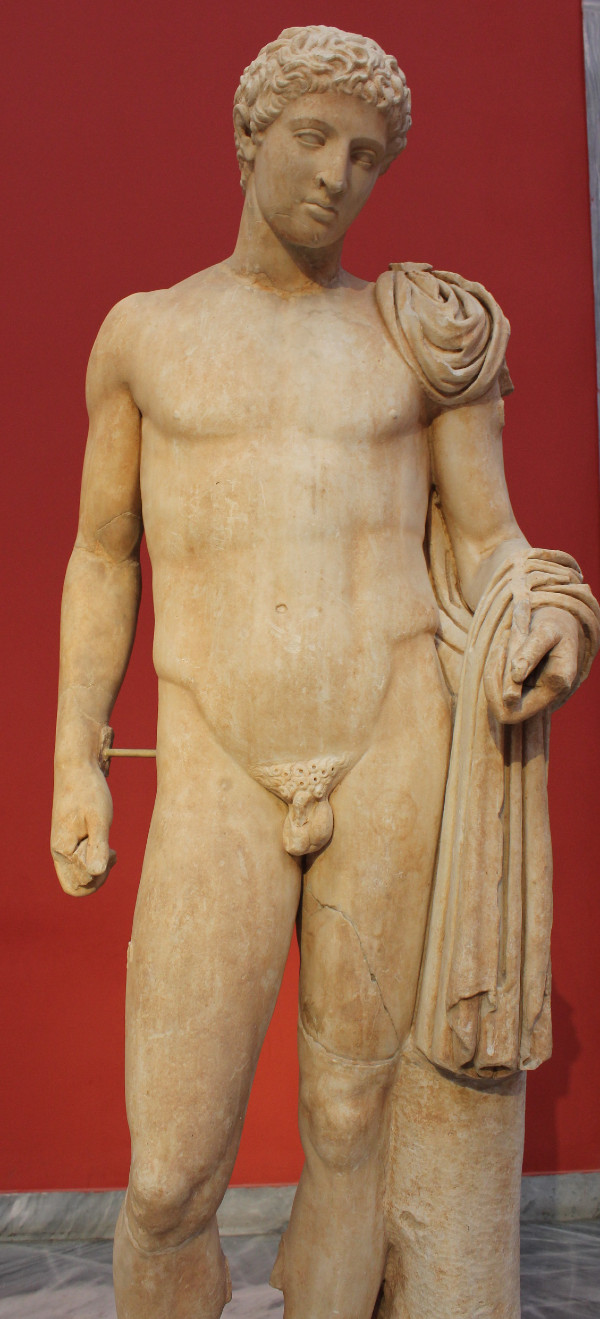
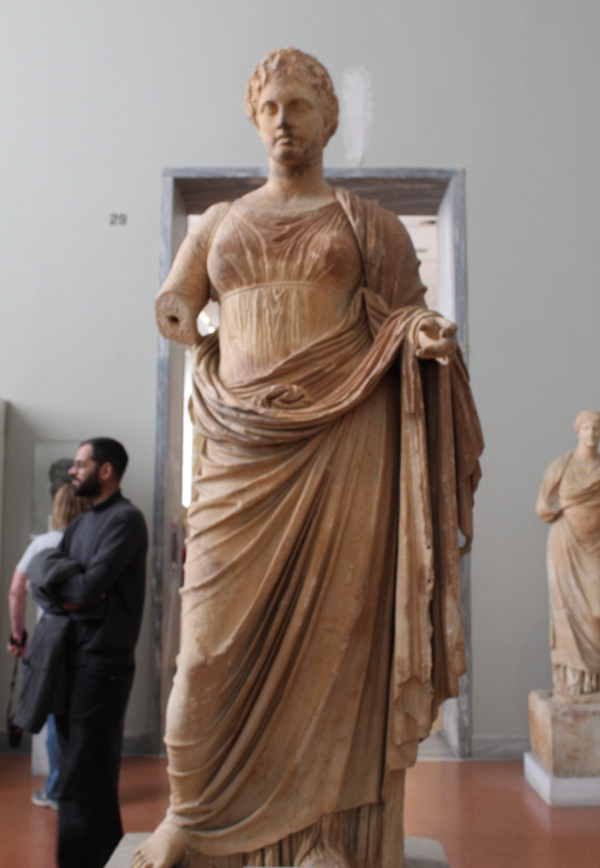
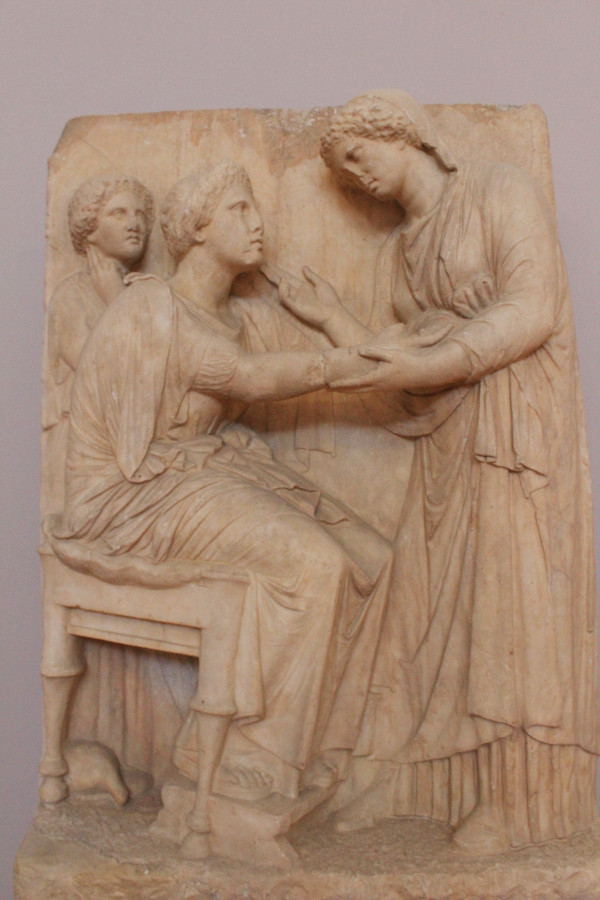
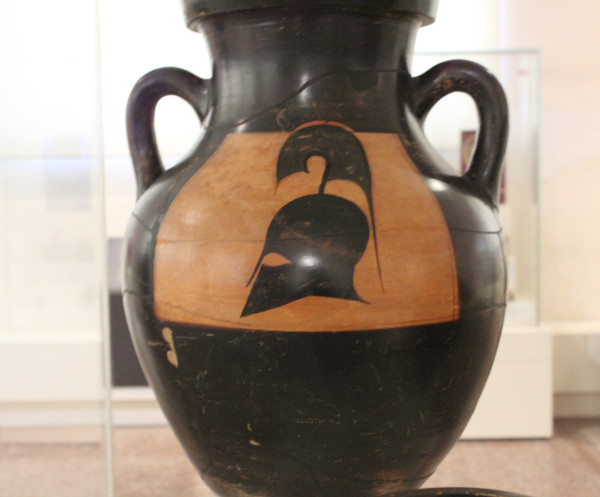
The archaeological musuem of Athens has every artifact from Greece that you can think of..that is if you know your Greek history. Artifacts from the neolithic era, the Mycenaean ear. classical Athens and so on fill the museum to the brim. The artifacts are over 11.000 and they are housed in a neoclassical building that was built from 1866-1889.
It’s the largest museum in Greece and one of the most important in the world.
However, the museum is outdated and in dire need of renovations. There are plans currently in the works and when everything has been approved the renovations could begin later this year or next year. This is why I paid a visit after many years. Who knows how long the renovations will take. But, it will be worth the hassel because these artifacts deserve a better home.
Το αρχαιολογικό μουσείο της Αθήνας διαθέτει κάθε είδους τεχνούργημα από την Ελλάδα που μπορείτε να σκεφτείτε… αν γνωρίζετε την ελληνική ιστορία. Τεχνουργήματα από τη νεολιθική εποχή, τα μυκηναϊκά χρόνια, την κλασική Αθήνα και ούτω καθεξής γεμίζουν το μουσείο μέχρι το τέρμα. Τα αντικείμενα είναι πάνω από 11.000 και στεγάζονται σε ένα νεοκλασικό κτίριο που χτίστηκε από το 1866 έως το 1889.
Είναι το μεγαλύτερο μουσείο στην Ελλάδα και ένα από τα σημαντικότερα στον κόσμο.
Ωστόσο, το μουσείο είναι ξεπερασμένο και έχει άμεση ανάγκη από ανακαινίσεις. Υπάρχουν σχέδια που βρίσκονται σε εξέλιξη και όταν όλα εγκριθούν, οι ανακαινίσεις θα μπορούσαν να ξεκινήσουν αργότερα φέτος ή του χρόνου. Γι’ αυτό το λόγο το επισκέφτηκα μετά από πολλά χρόνια. Ποιος ξέρει πόσο καιρό θα διαρκέσουν οι ανακαινίσεις. Αλλά, θα αξίζει τον κόπο, γιατί αυτά τα αντικείμενα αξίζουν ένα καλύτερο σπίτι.
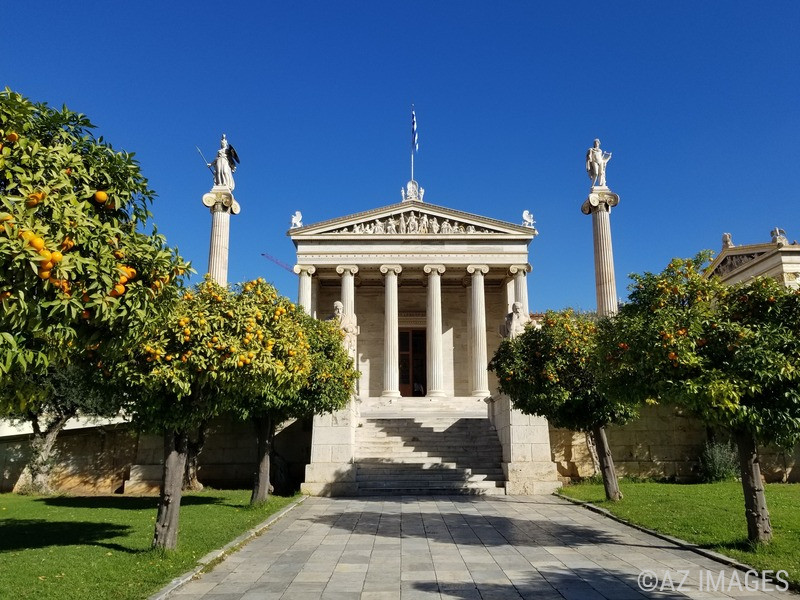
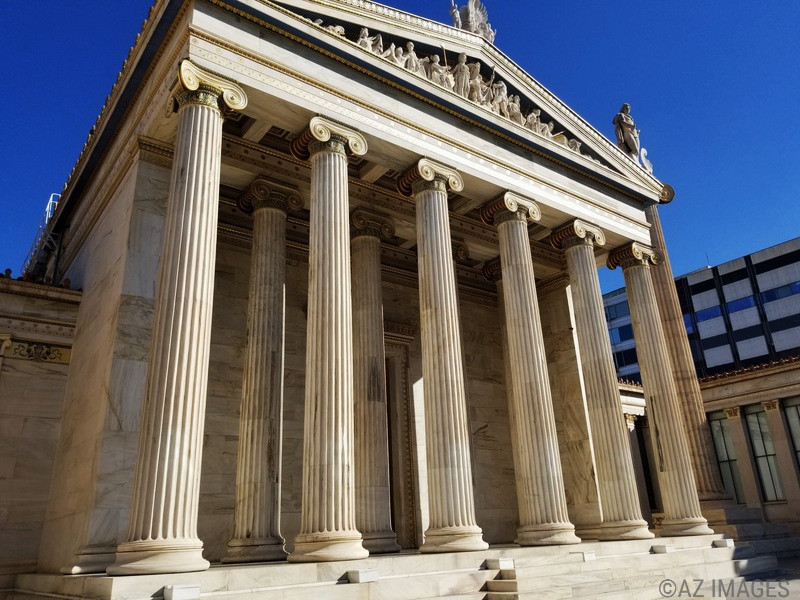

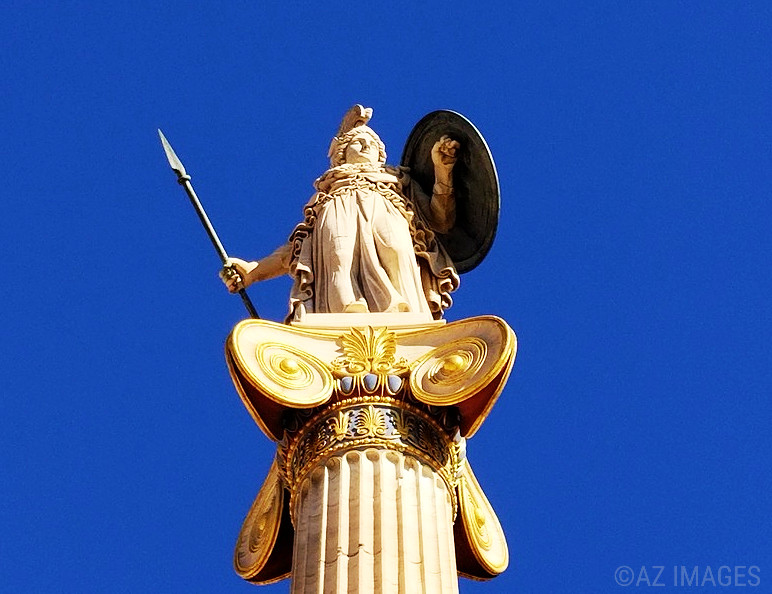


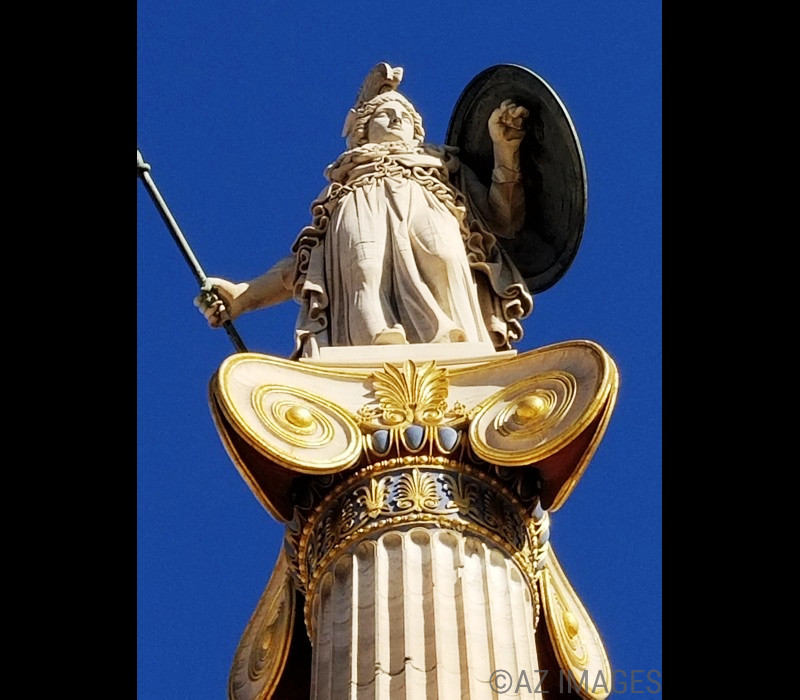
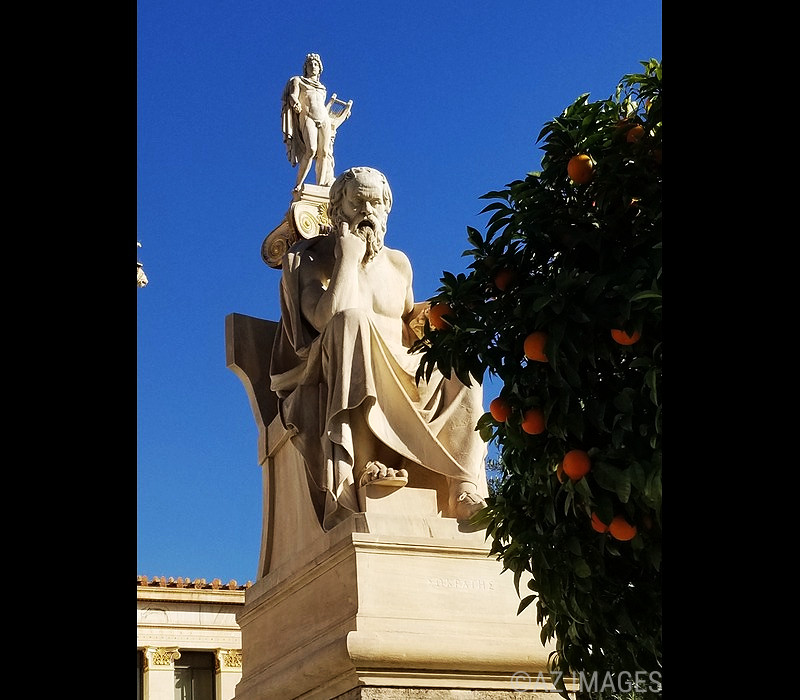
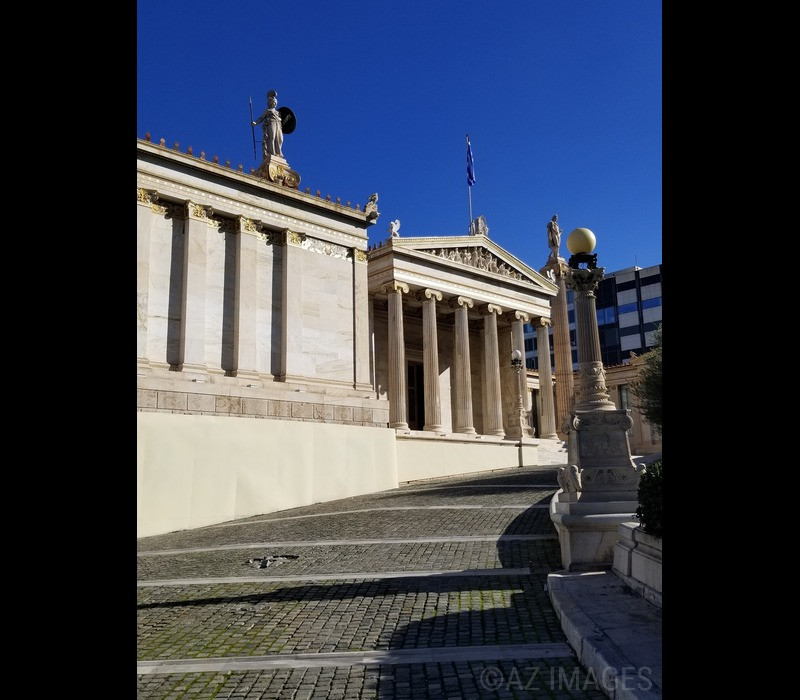
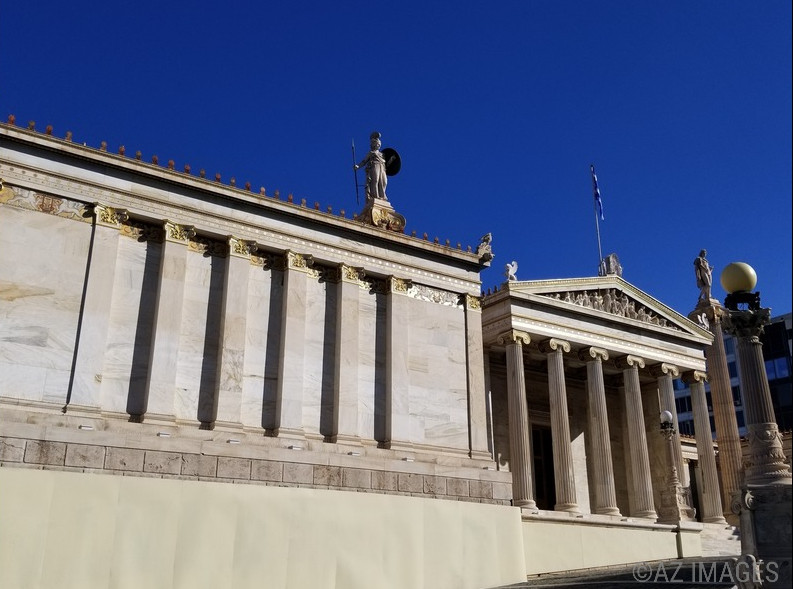
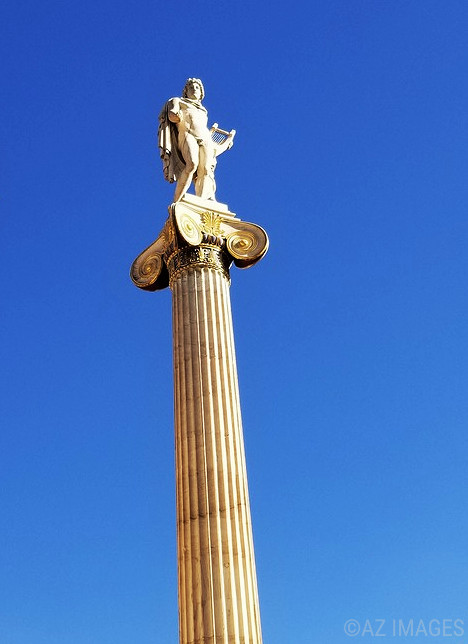
The National Library of Greece is a beautiful neo-classical building that is located on Panepistimiou Street in the downtown area of Athens. It was founded in 1832 by Ioannis Kapodistrias, a distinguised Greek statesman. A philhellene named Johann Jacob Mayer came up with the idea for the library. He had crusaded for Greece’s independence along with Lord Byron.
The building was financed by Vallianos brothers from the Ionian island of Kefalonia. It was designed by Baron Theophil von Hansen and its construction supervised by Ernst Ziller.
In 2018, the library was relocated due to the lack of space and demands for new technology. The bulk of the library is housed in the new 22,000-square meter building at the Stavros Niarchos Foundation Cultural Center on the Phaleron Bay South of Athens.
Η Εθνική Βιβλιοθήκη της Ελλάδος είναι ένα όμορφο νεοκλασικό κτίριο που βρίσκεται στην οδό Πανεπιστημίου στο κέντρο της Αθήνας. Ιδρύθηκε το 1832 από τον Ιωάννη Καποδίστρια. Ένας φιλέλληνας ονόματι Johann Jacob Mayer είχε την ιδέα για τη βιβλιοθήκη. Είχε σταυροφορήσει για την ανεξαρτησία της Ελλάδας μαζί με τον Λόρδο Βύρωνα.
Το κτίριο χρηματοδοτήθηκε από τους αδελφούς Βαλλιάνου από τη Κεφαλονιά. Σχεδιάστηκε από τον βαρόνο Theophil von Hansen και την κατασκευή του επιμελήθηκε ο Ernst Ziller.
Το 2018, η βιβλιοθήκη μεταφέρθηκε λόγω έλλειψης χώρου και απαιτήσεων για νέα τεχνολογία. Το μεγαλύτερο μέρος της βιβλιοθήκης στεγάζεται στο νέο κτίριο 22.000 τετραγωνικών μέτρων στο Κέντρο Πολιτισμού Ίδρυμα Σταύρος Νιάρχος στον κόλπο Φαλήρου νότια της Αθήνας.
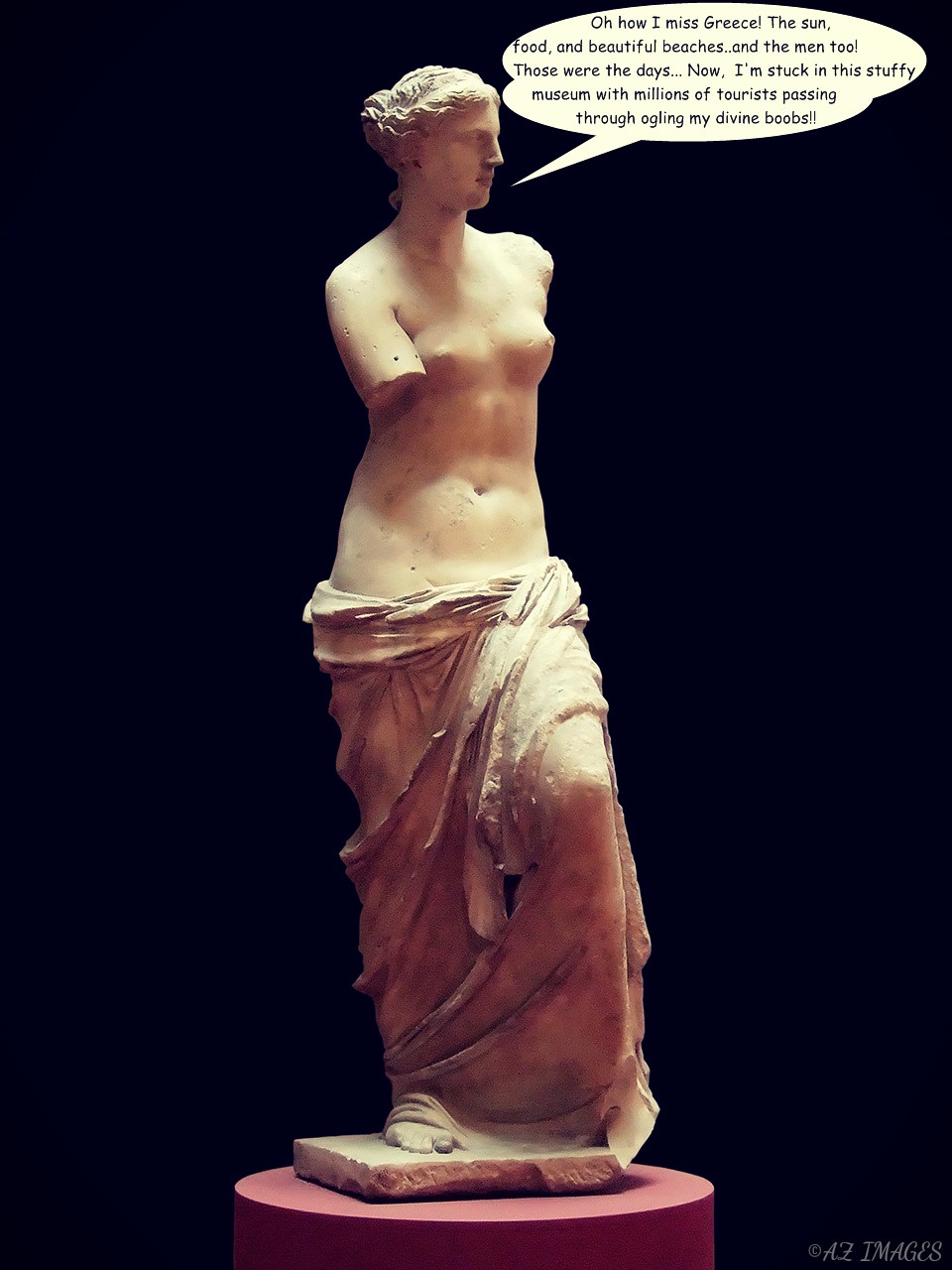
The ‘Venus de Milo’ at Louvre Museum in France was discovered in 1820 on the Greek island of Milos.
I know, if Aphrodite spoke she would not be speaking in English, or French for that matter. But, I’m sure she would picked up a few foreign words here and there from all those years of being at the Louvre and listening to the tourists speak.
The strange thing about this post is that at the time that I came up with the idea I didn’t know that there is an actual campaign in Greece, specifically by the residents of the island of Milos, to bring the statue back to the island. So weird! Maybe it’s a sign that it will return? It doesn’t seem to likely since it has been at the Louvre for such a long time. But, if it does happen it would be an extraordinary event to see the removal and return of the statue however you may feel about it.
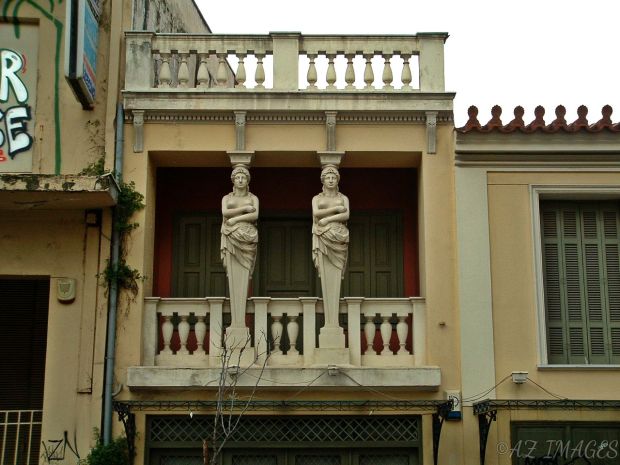
A historical building located in downtown Athens with Karyatides as the decor
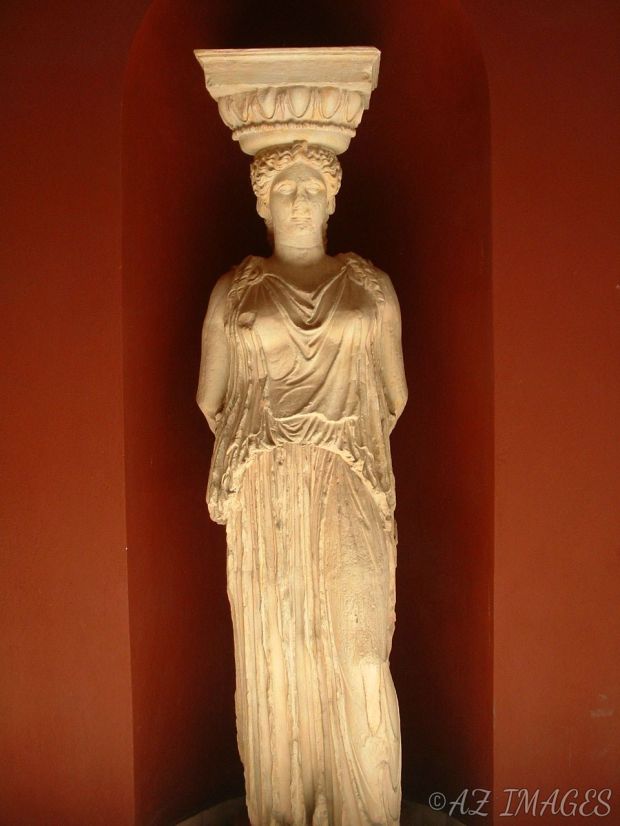
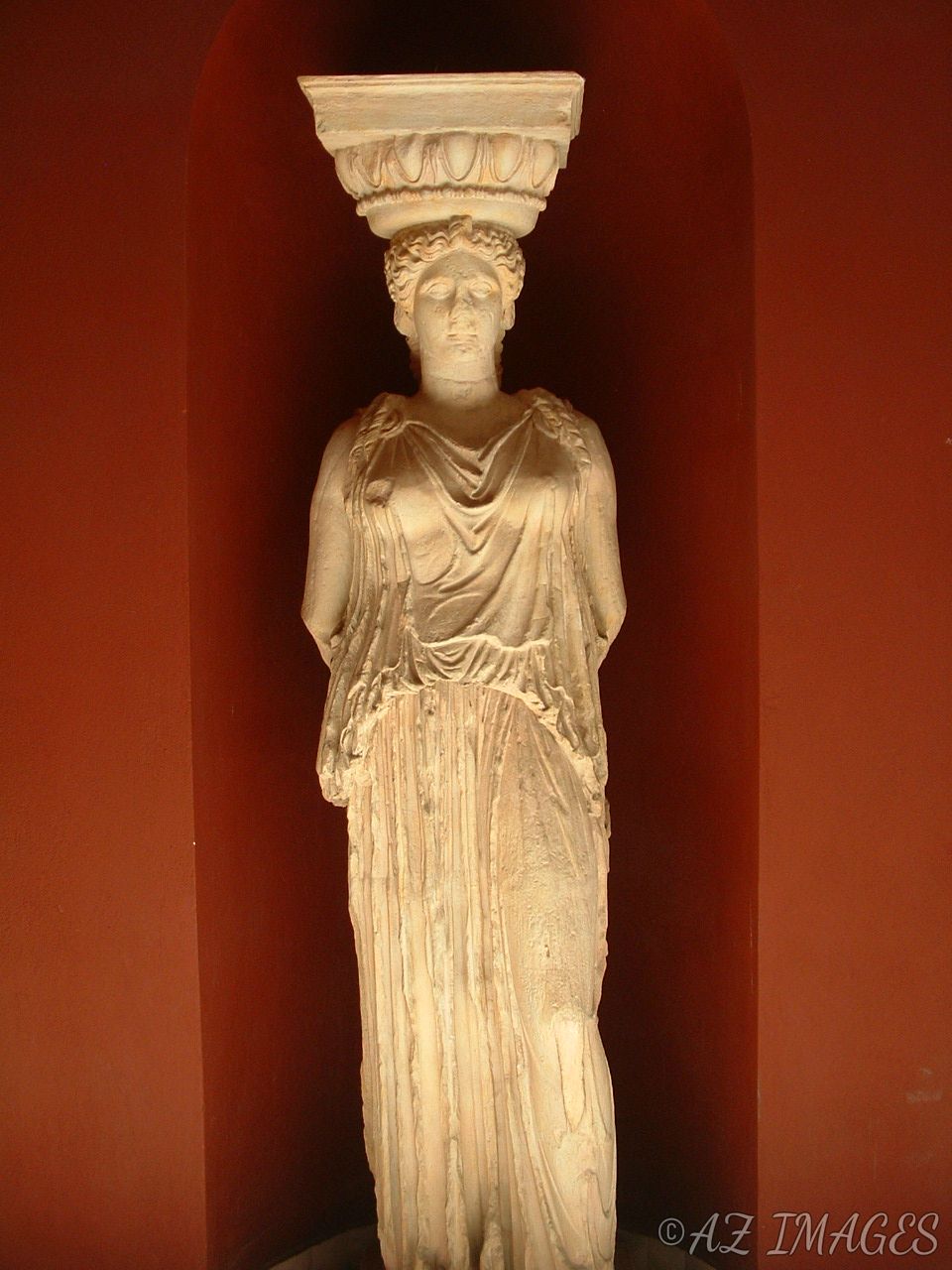
A copy of Karyatid outside of at a museum in Athens
The word Karyatides comes from the ancient Greek word ‘Kariates’ which means daughter. The daughters are said to have come a town outside of Sparta called ‘Karyes’. It is believed that they were very strong maidens who danced together in a circle with baskets on their heads. These women influenced Greek architecture and even the architecture beyond Greece.
Last year, all of Greece have been abuzz with the excavations of the large burial mound at Amphipolis in the region of Macedonia. some of the things that have been discovered include a large mosaic depicting the abduction of Persephone have been found and recently skeletons have been found. Whether the skeletons are that of Alexander the Great or one of his generals remain to be seen. In the second chamber be Karyatids were found that appeared to be guard at the entrance to the tomb chamber. The discovery of the Karyatides had every Greek talking about these mysterious women. What is the story behind them? Why are they everywhere? There are five of them at the Erechtheum at the Acropolis, the sixth one is in the British museum in London. In 525 B.C there used to be Karyatides at a temple in Delphi with ionic style clothing. We can find them a many national banks in Western Europe as well.

Digital collage photograph
The original version of the above photograph didn’t appeal to me very much. I took the photograph at a souvenir shop in Athens. The colours were off due to the lighting from the store and the street. But, instead of deleting it I decided to make into a digital collage photograph. I made the handmade collage background, and then layered the photograph over it.
The result I think was much better 🙂
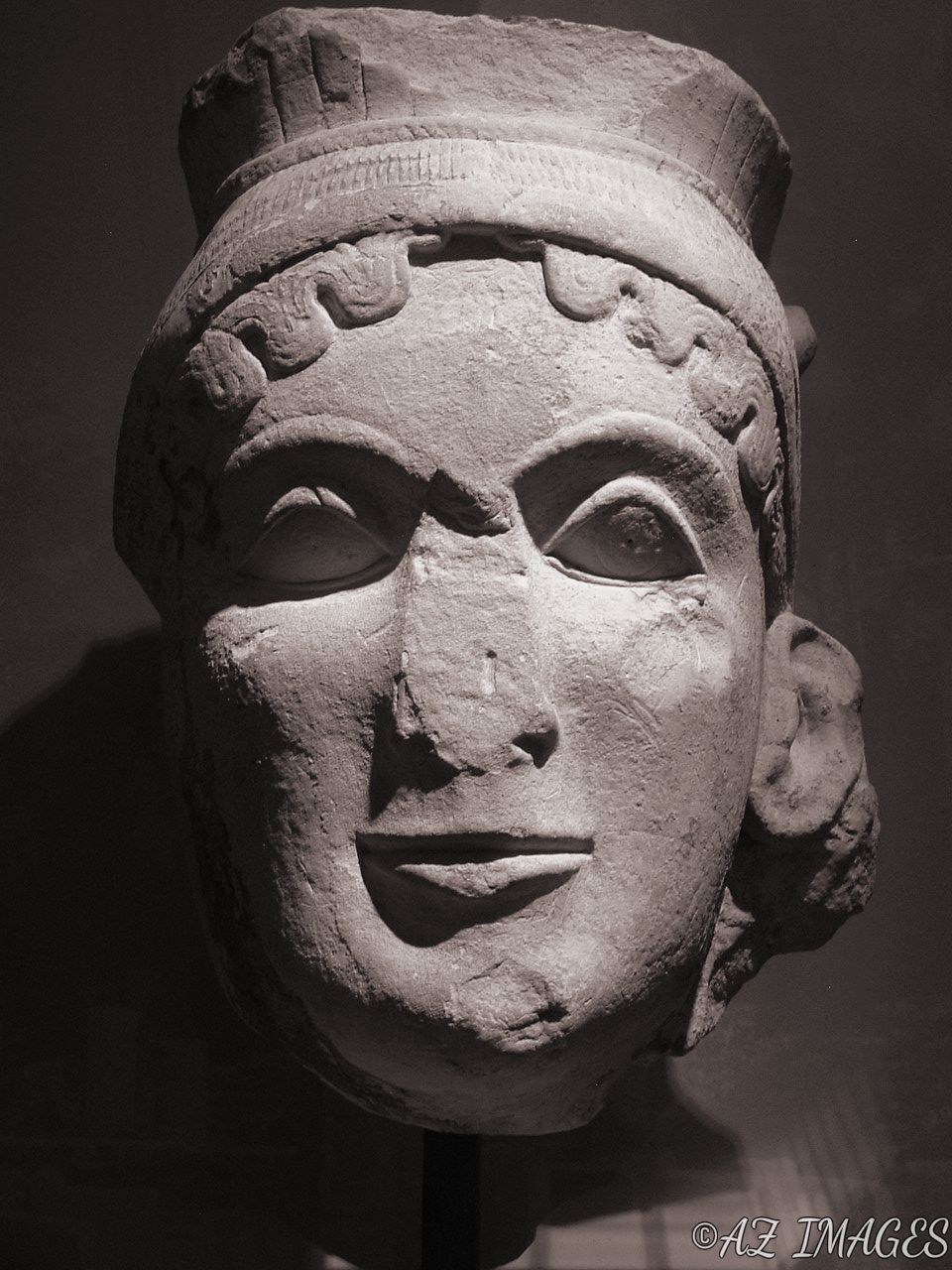
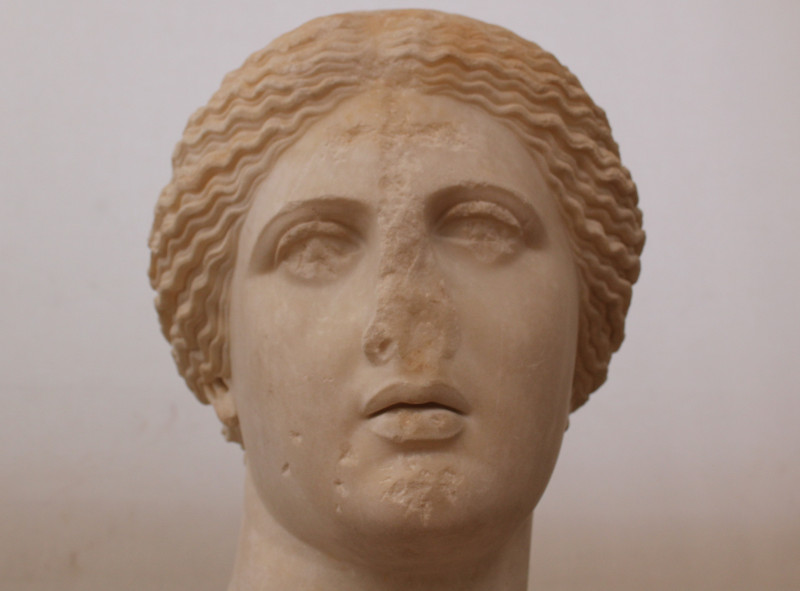
A Colossal female head made of lime stone. Possibly the Goddess Hera.
This was my second visit to the Archaeological Museum of Olympia in Greece. This year, I had some cousins that were working there and they, with their observant eyes and knowledge. were able to point out some things that I did not notice on my first visit.
One of the things that I didn’t notice on my first visit was a snake that is coming out of Hera’s head in the photograph below.
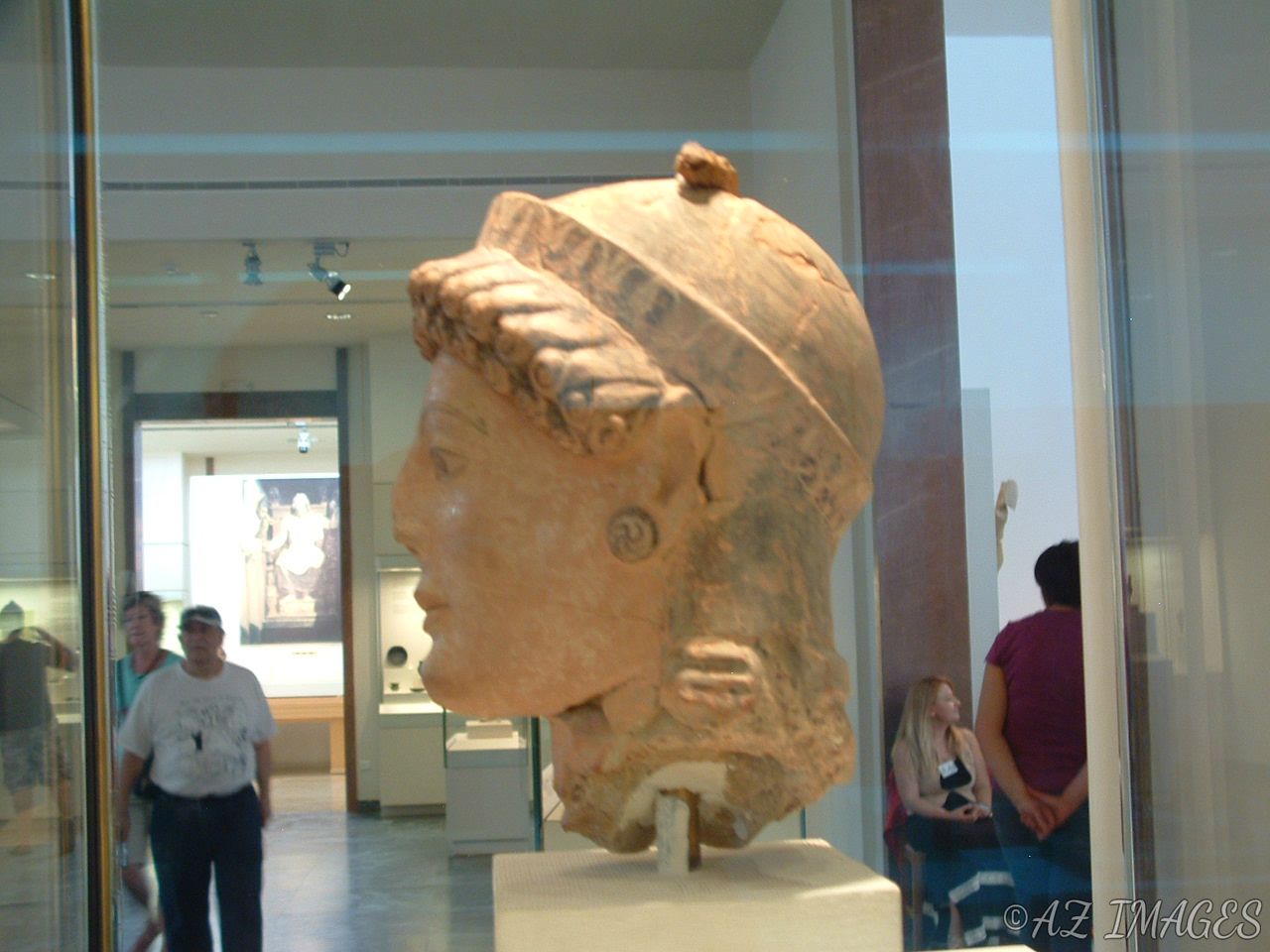
Snake coming out of the Goddess Hera’s Head. Yuck I hate snakes!
I was suprised to discover a heart shape on the upper right side of this sculpture of a bull. It was prominent Greek aristocrat Herod of Atticus who had this statue of a bull made in honour of his Roman wife Aspasia Regilla. He even built the theatre ‘Odeon of Atticus’, which is next to the Parthenon, in memory of her. This man really loved his wife! So much so that he even had a little heart drawn on the upper right side. Who knew people drew hearts back then too?
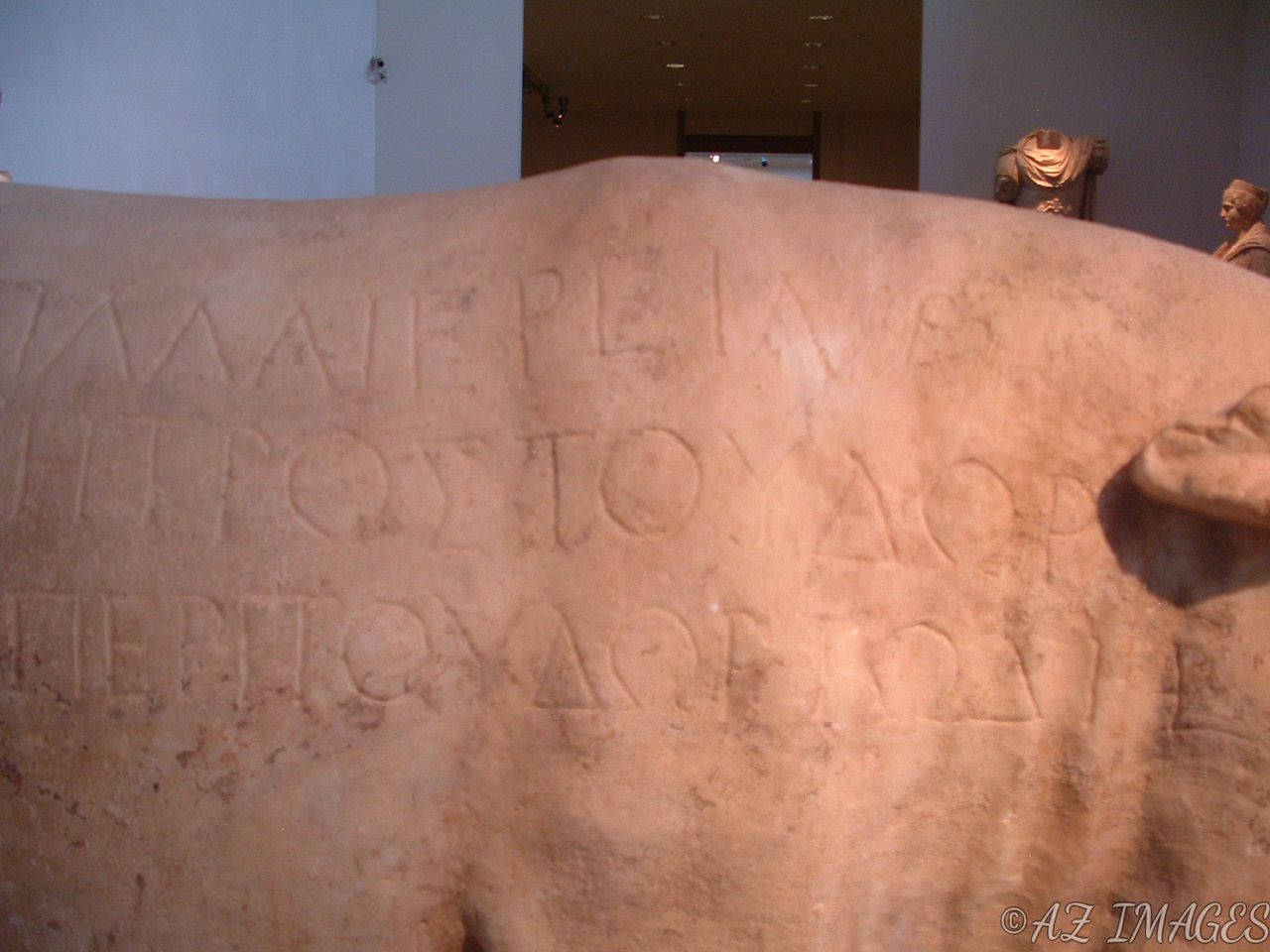
The inscription reads, ‘Regilla priestess of Demeter offers the water and appendices to Zeus’.
Aspasia hung around Olympia a lot and was even the only woman to be officially a spectator at the games. Only men were allowed to take part and be spectators at the games. Yes, my ancestors were very misogynistic. Also, bulls were used as sacrifices for Zeus at his temple in Olympia.

The Bull was a gift for Aspasia Regilla the wife of Herod
The is the very famous statue of Hermes by Greek Sculptor Praxiteles from Athens. This is the only authentic statue that has been saved from Praxiteles. It was found in the temple of Hera in Olympia in 1877 and it dates back to 343 A.D. Hermes (messenger of the Gods) is holding baby Dionysos (God of wine) who is crying trying to grab something while crying. Hermes (when he had his arm) most likely had some grapes in his hand. There are some very skilful techniques in this statue, from the left he looks sad, from the right happy and from the front he looks calm.
 I didn’t know that Praxiteles wasn’t happy with his masterpiece, and that is why the back of the marble statue has not been polished. Artists are such perfectionists!

Front and back view of Hermes. The front is polished the back is not.
This is the breast-plate of Roman emperor Marcus Aurelius. Marcus had an affinity towards Greece. He wrote his famous philosophical book called ‘The Meditations’ in Greek. To show his love for Greece he had carved on his breast-plate the Goddess Athena (with the owl and serpent on each side of her representing wisdom) standing on top of the Etruscan she-wolf who is nursing the twins Romulus and Remus. The twins are central characters in the origin mythology of Rome. The fact that the Goddess Athena is depicted as standing over the twins means that Marcus believed that Athens was superior to Rome. We can see that Athena is being crowned as well.

Breast-plate of Roman Emperor Marcus Aurelius.
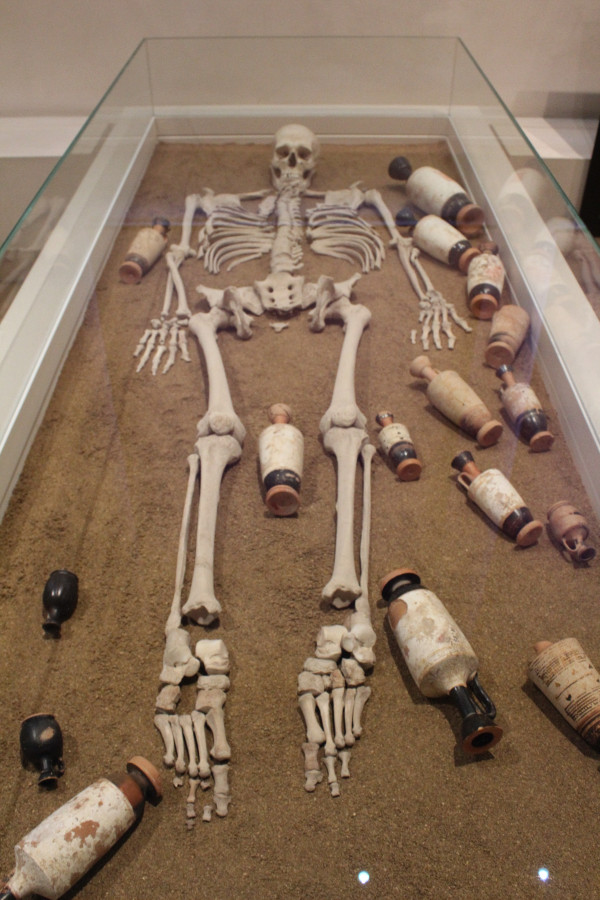
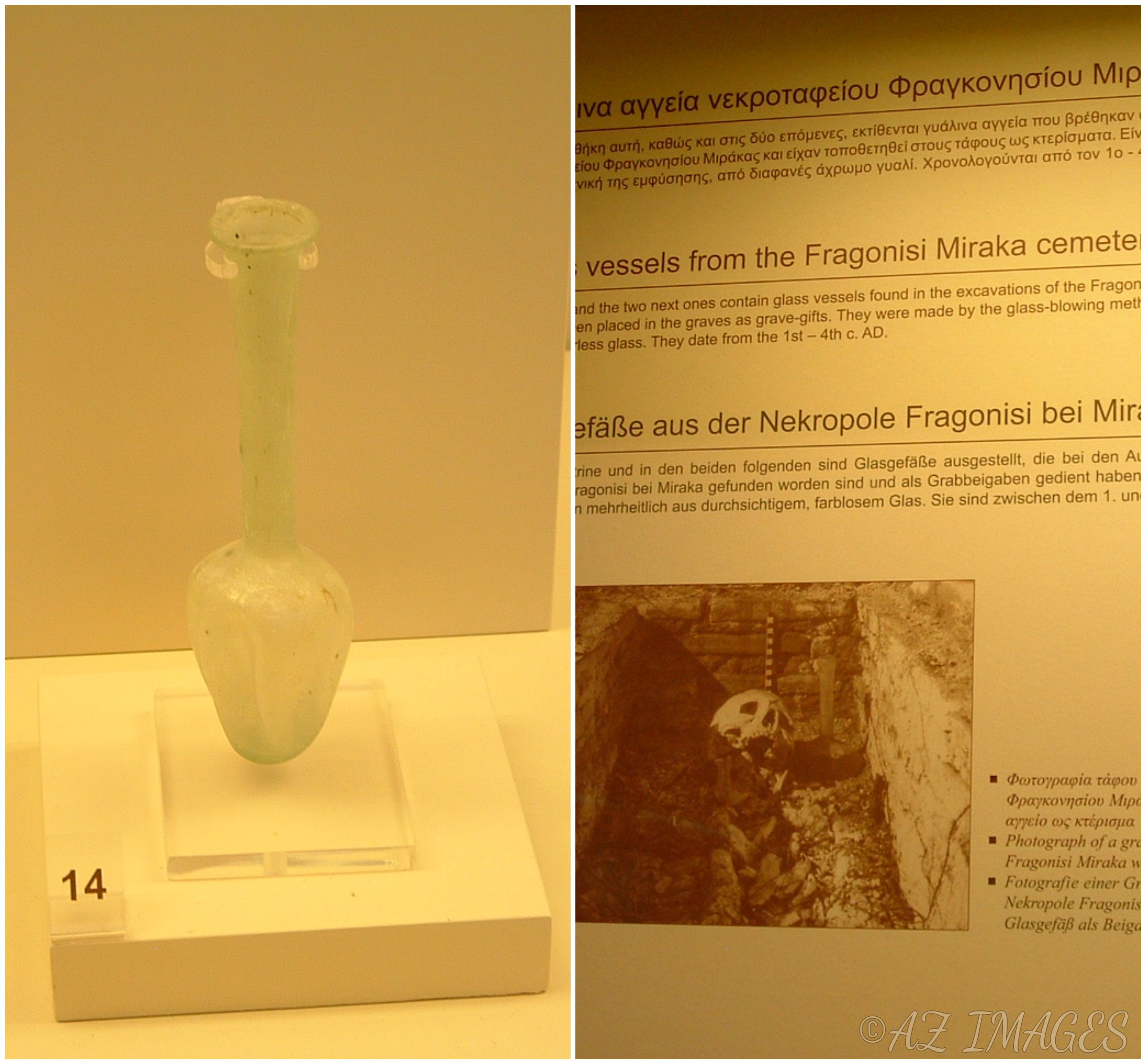
I wasn’t aware of the history of tear bottles. These tear bottles were found in a cemetery in a grave in Miraka cemetery. The ancient mourners of the deceased would collect their tears in the glass bottles and place them in the graves to show their respect and grief. This tradition dates back to ancient Persia, Biblical times, Rome and it made a come back in the Victoria era.
 One of my favourite statues at the museum. The statue of Apollo in the west pediment of the temple of Zeus which was built in 472 and 456 BC. The temple was built by sculptor Phidias at Olympia. The temple housed the 13 m (43 ft) high statue of Zeus-one of the 7 wonders of the ancient world.
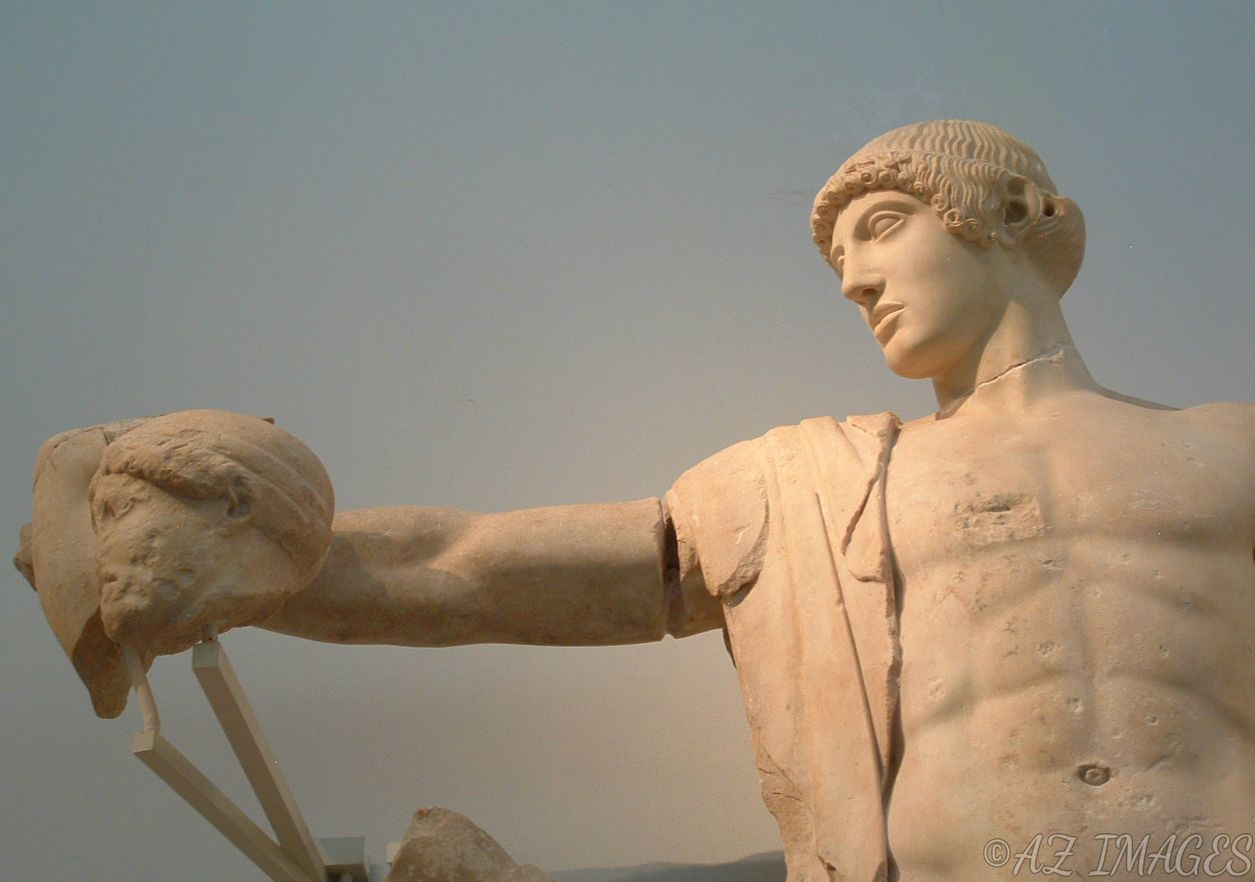
The God Apollo
This old man is not on a cell phone, he is in deep thought, because he is ‘the Seer’.
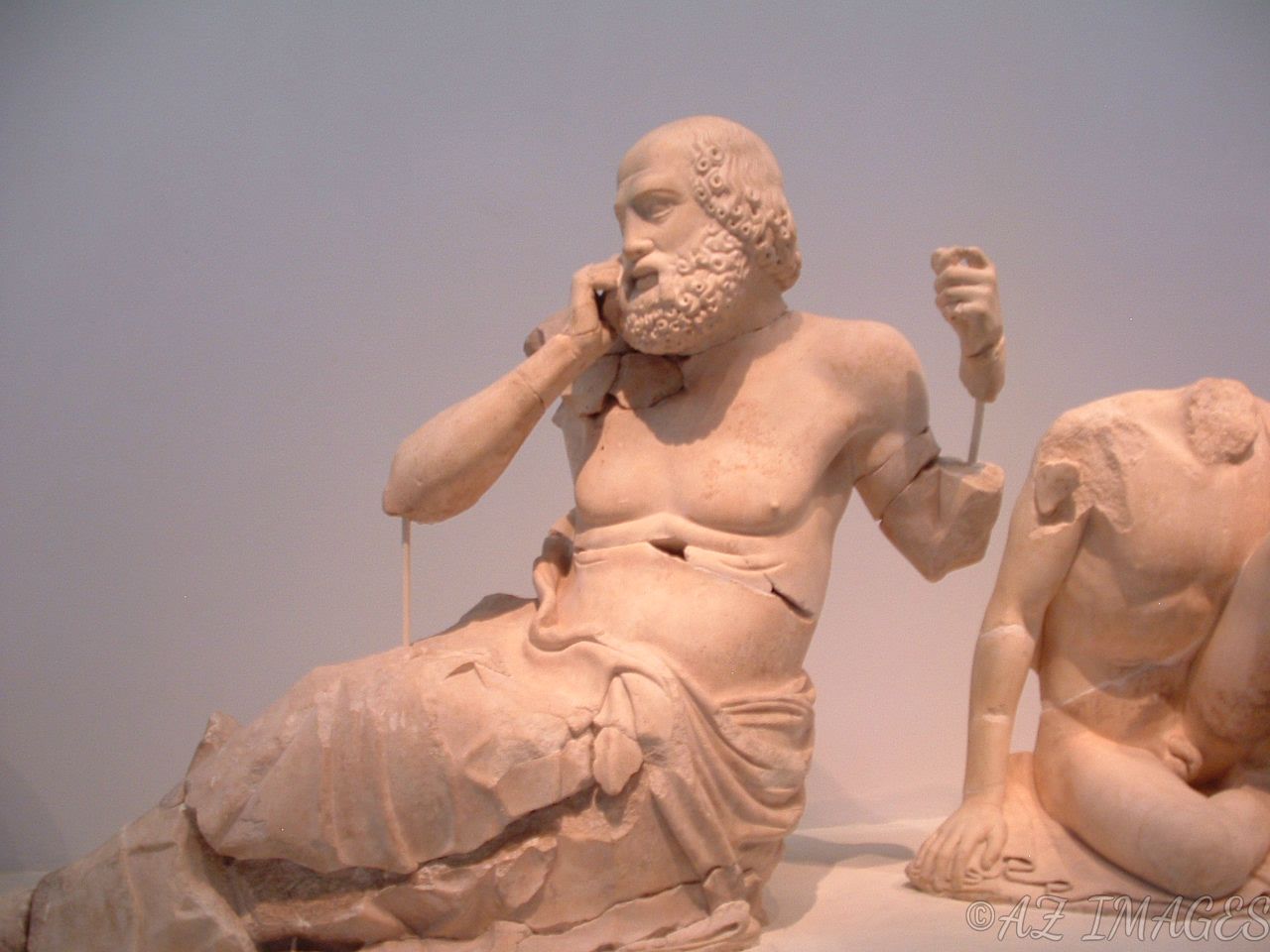
The Seer from the West Pediment of the Temple of Zeus.
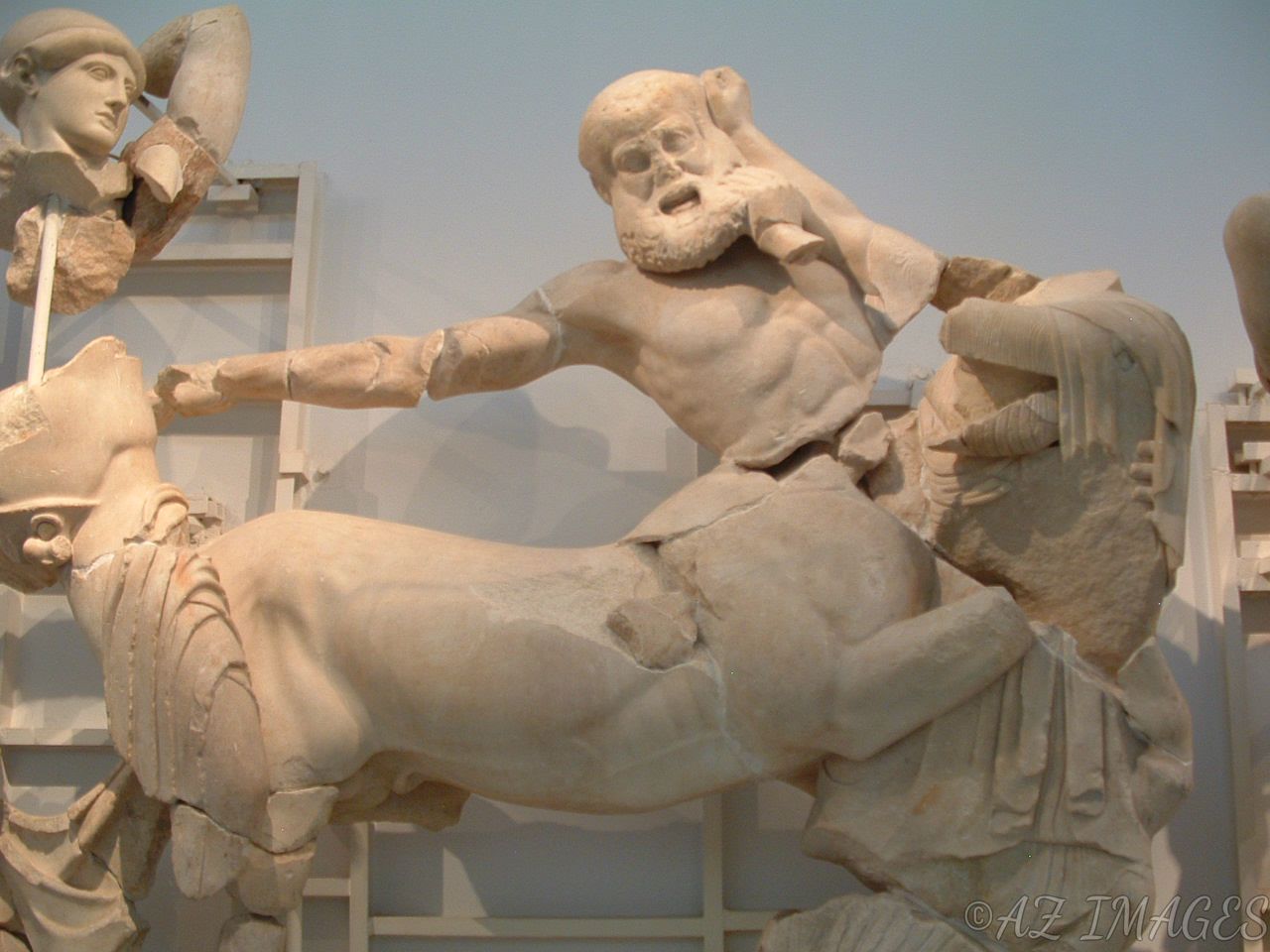
The Centaur in a battle from The West Pediment of the Temple of Zeus.
Notice the veins on the hands-now that’s impressive.
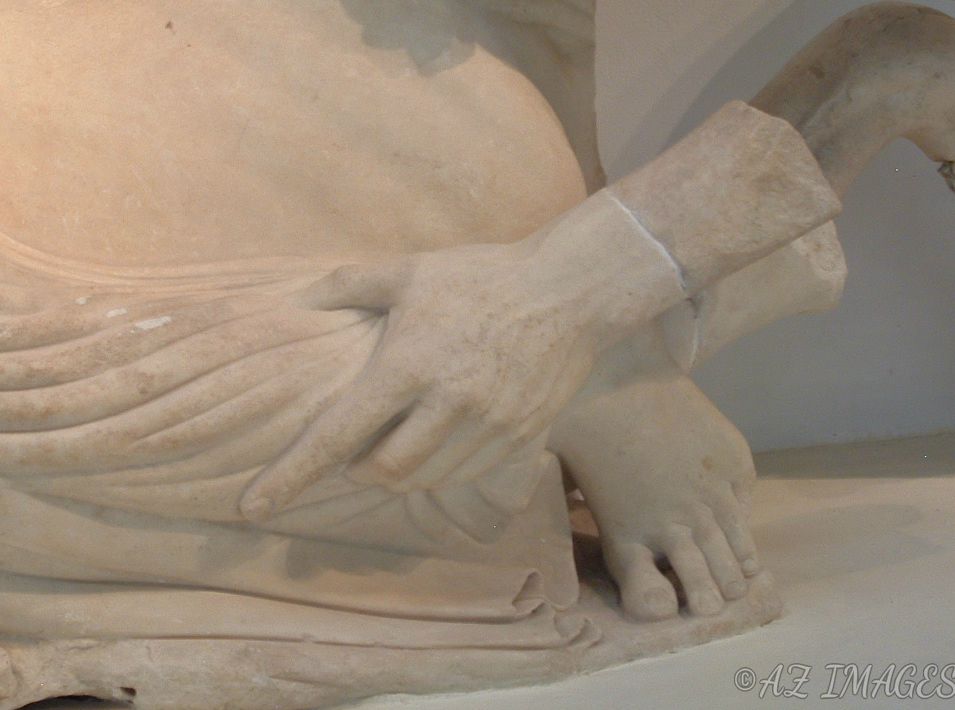
Details of a hand.
Sculptor Phidias’ work shop was as big as the temple of Zeus. It had to be the same size as the temple since the statue was so tall.
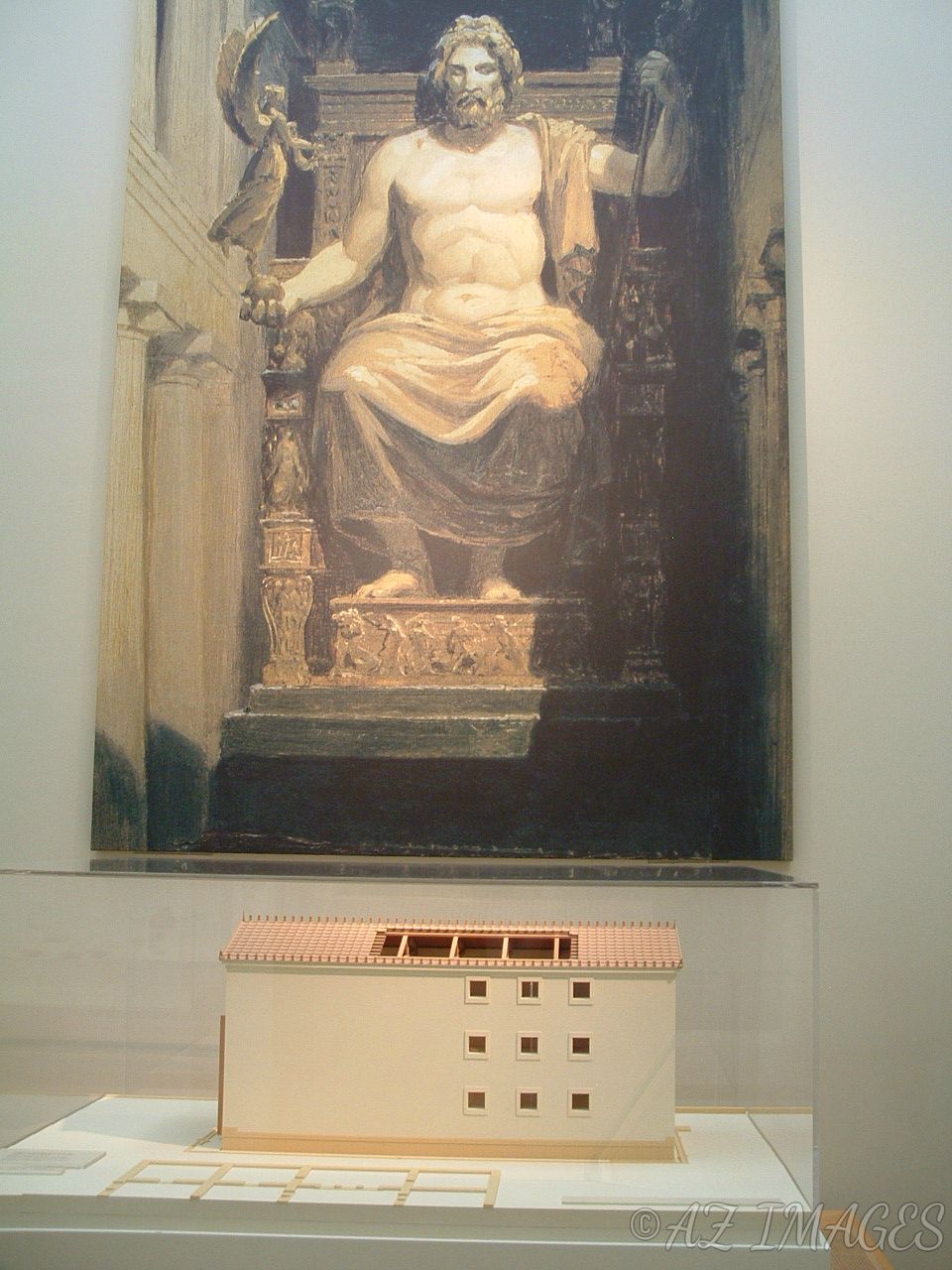
A painting of the statue of Zeus and Phidias’ workshop
There are more ‘secrets’ in the museum, but I can only put so much in a blog post. I find that some the tour guides are more knowledgable than other tour guides and some like to divulge more information than others.
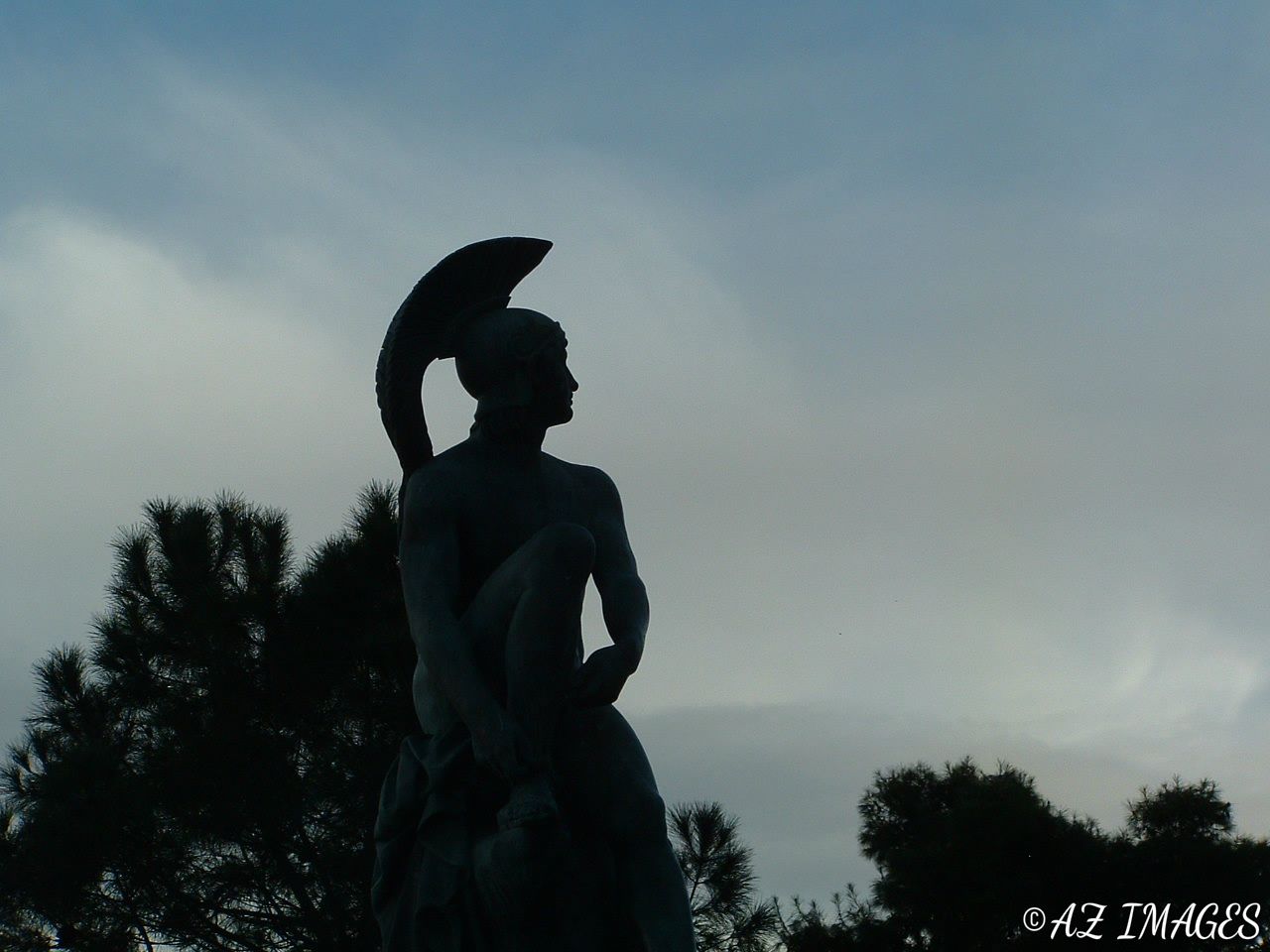
A statue of a Greek soldier staring at the Acropolis from below.
“All that is gold does not glitter,
Not all those who wander are lost;
The old that is strong does not wither,
Deep roots are not reached by the frost
From the ashes a fire shall be woken,
A light from the shadows shall spring;
Renewed shall be blade that was broken,
The crownless again shall be king.”
–J.R.R. Tolkien
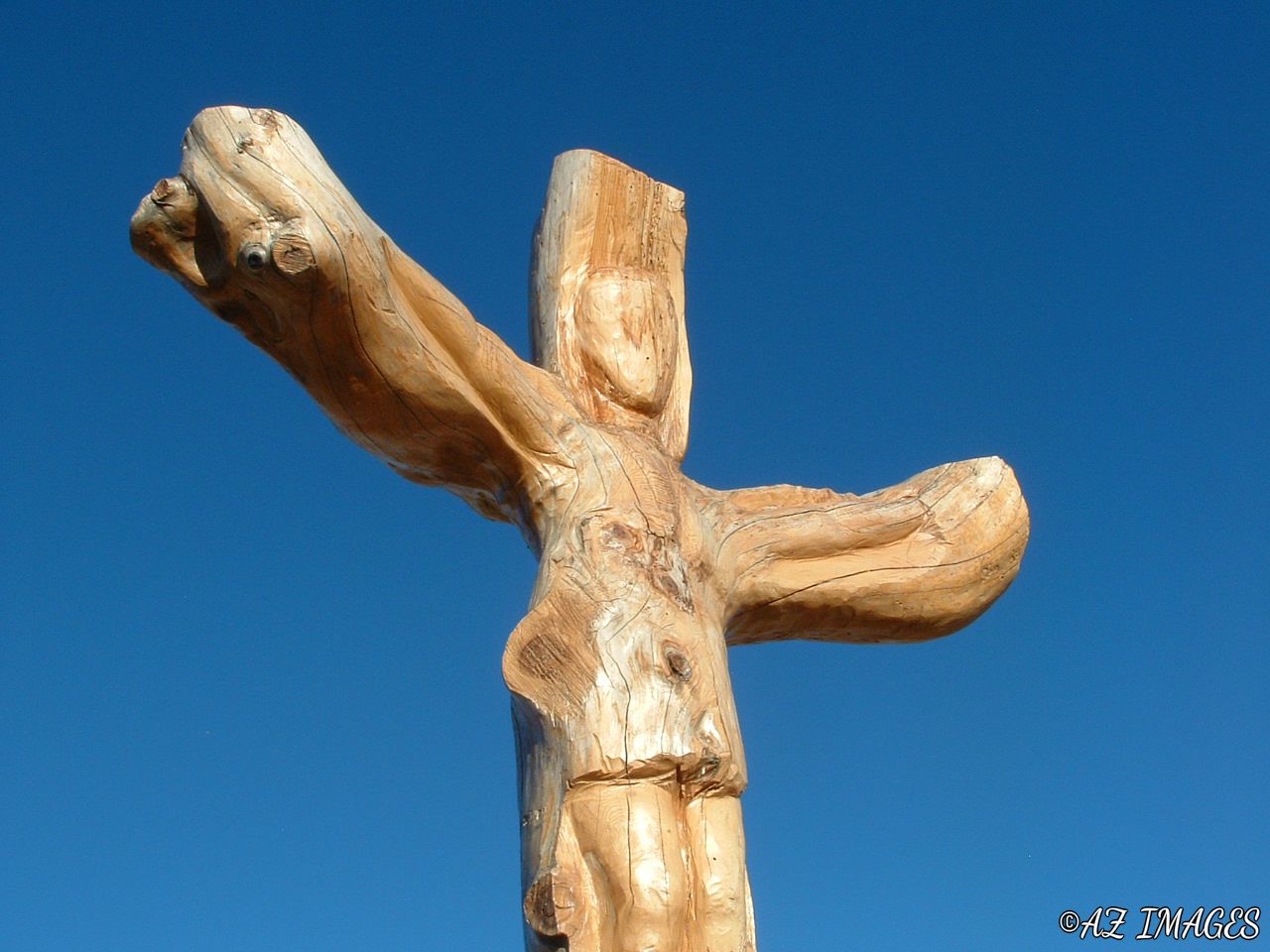
The Cross of the Martyr
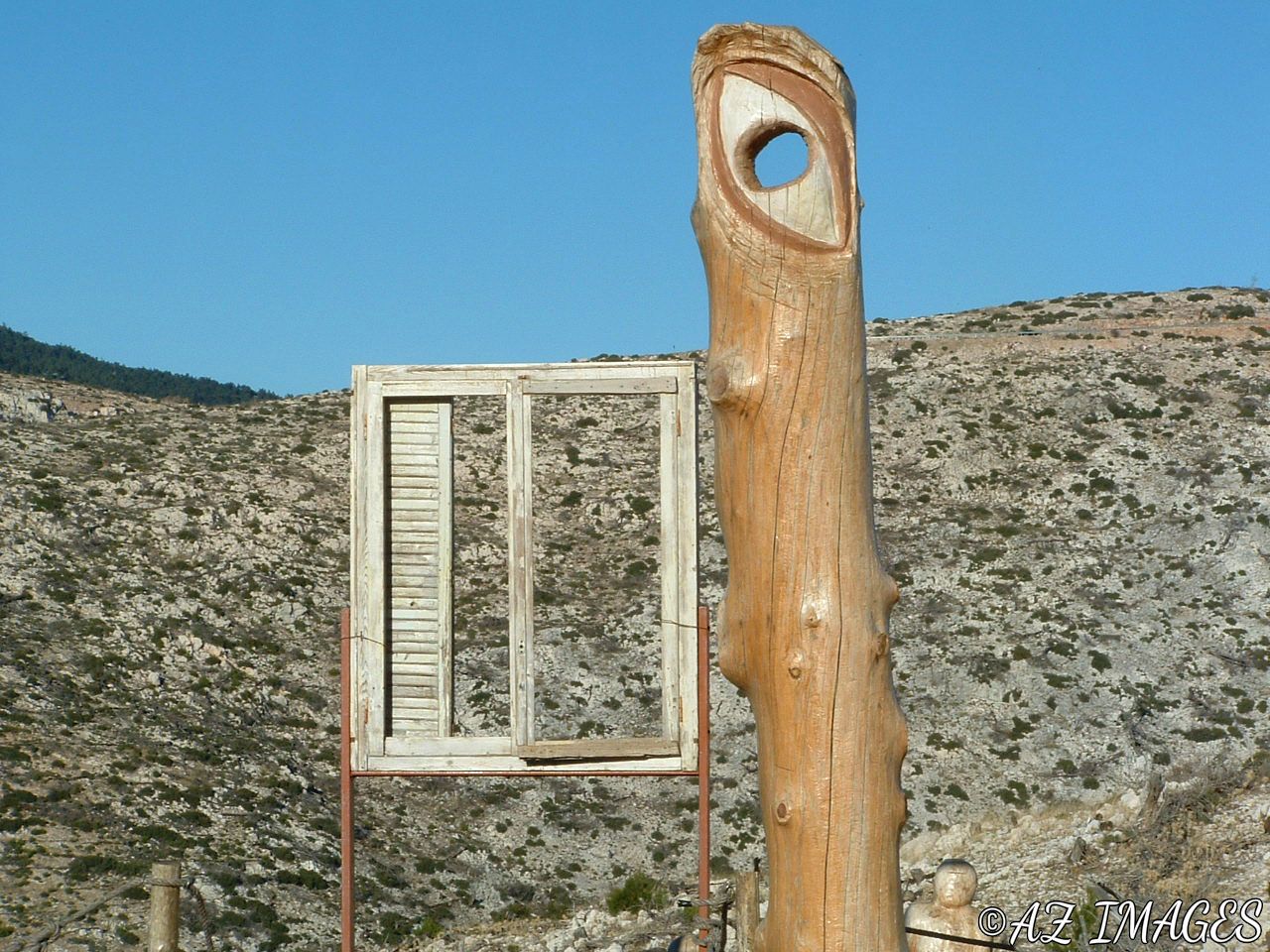
Window of hope/Eye of the soul
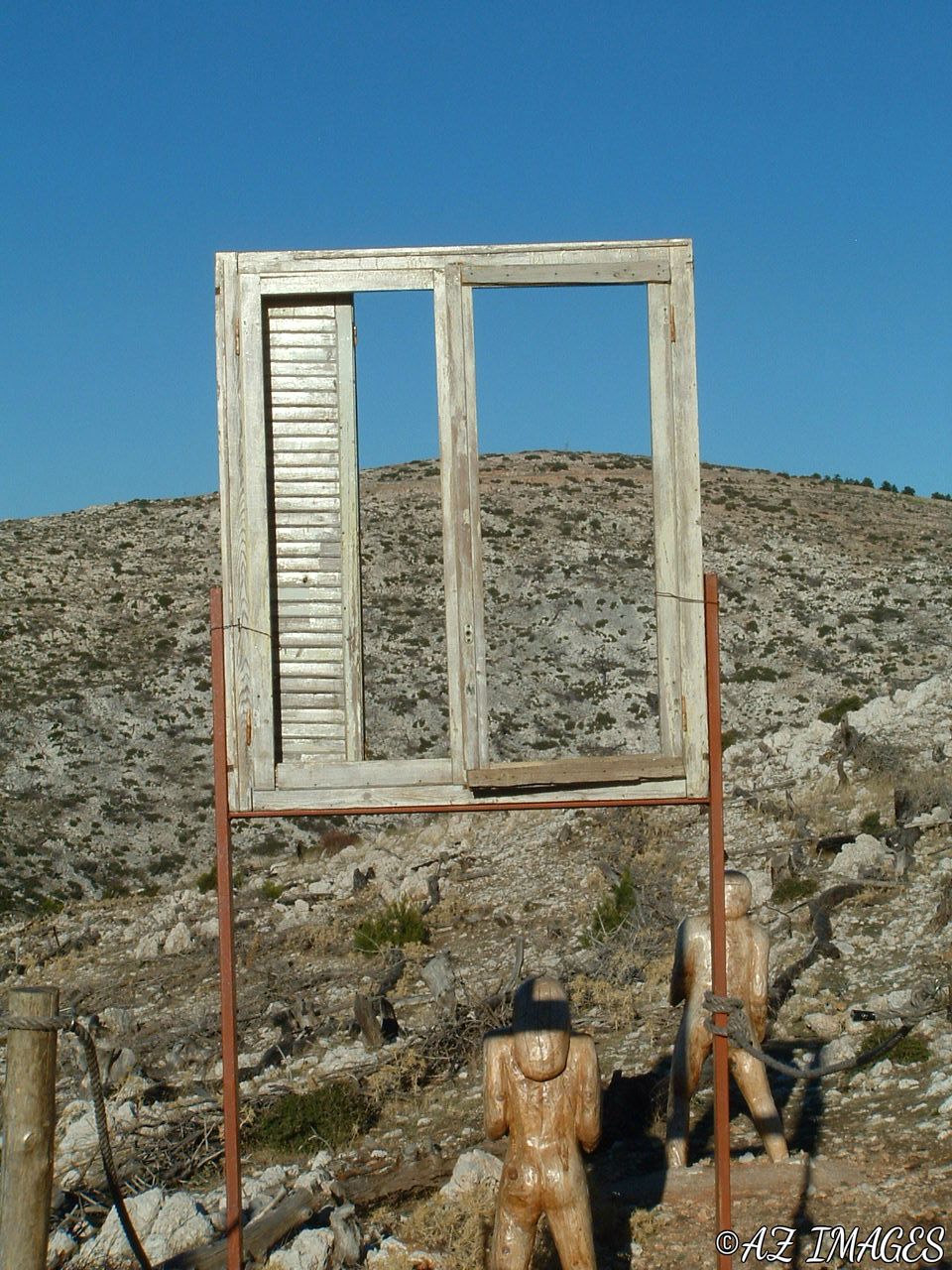
The Window of Hope
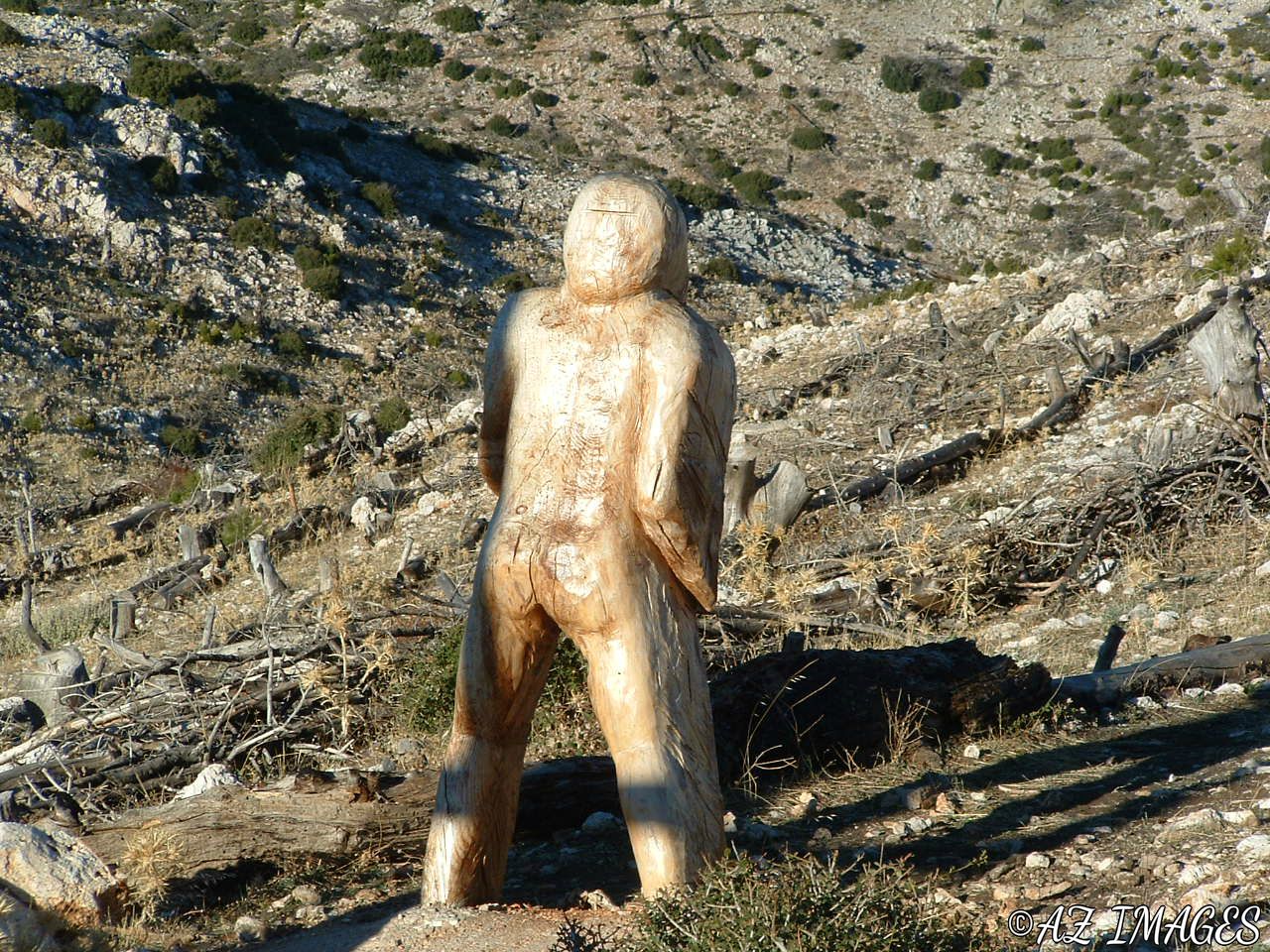
Redemption
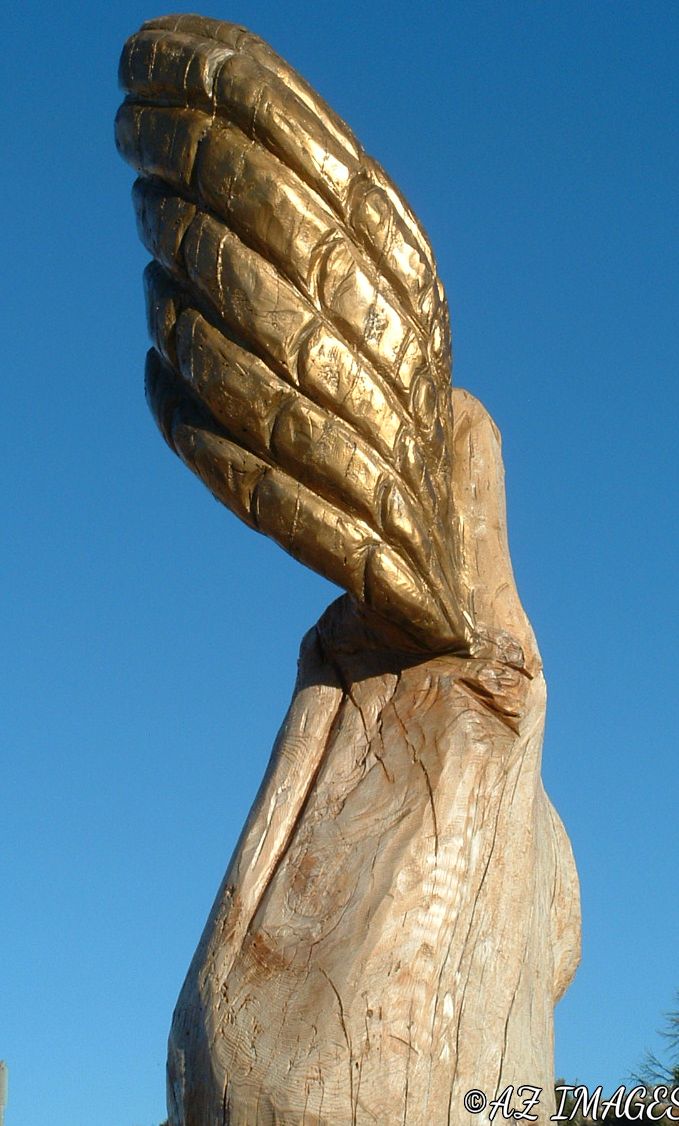
‘The Wing-symbolizes freedom’
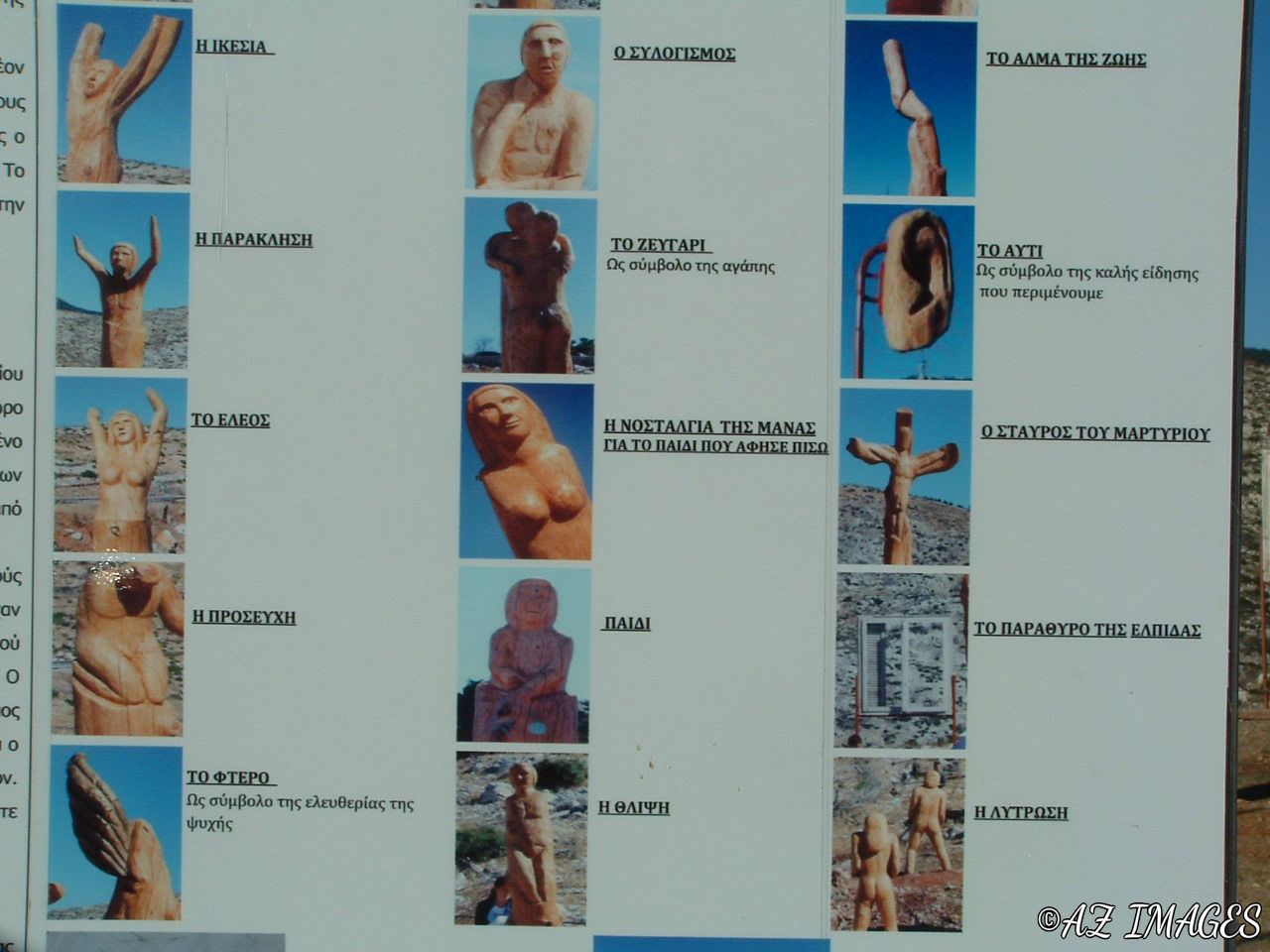
Display of scultures and their meaning
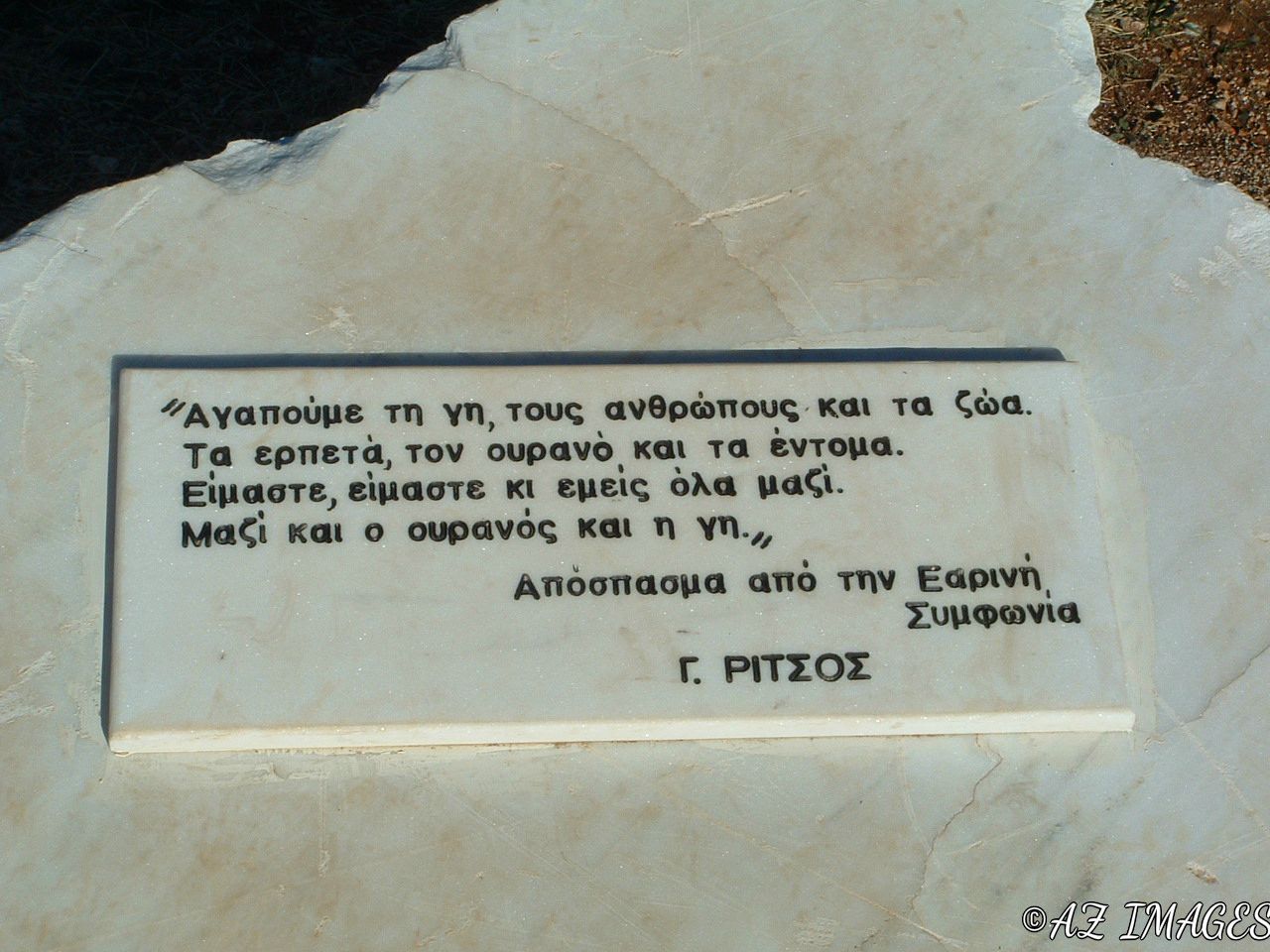
A Poem by famous Greek poet Giannis Ritsos who was a patient at the sanatorium
In my previous blog post I talked about the Sanatoruim which is located outside of Athens on the mountain of Parnitha. Across the road from the abandoned building is a small park with wooden sculptures. The wooden sculptures were created by sculptor Spirdon Dasiotis in 2012. The sculptures are an homage to the people who passed through the doors of the building when it was operating as a Sanatorium for tuberculosis patients.
‘We love the earth, , people, the animals. The reptiles, the sky, and the insects. We are, we are and all of us together. Together and the sky and earth.” Giannis Ritsos
Στο προηγούμενο αρθρο μου έγραψα για το σανατόριο στο βουνό της Πάρνηθας. Απέναντι από το εγκαταλελειμμένο κτίριο είναι ένα μικρό πάρκο με ξύλινα γλυπτά που δημιουργήθηκαν από τον γλύπτη Σπυριδων Ντασιωτης το 2012. Τα γλυπτά είναι ένας φόρος τιμής προς τους ανθρώπους που πέρασαν μέσα από τις πόρτες του κτιρίου, όταν λειτουργούσε ως σανατόριο για τους ασθενείς της φυματίωσης.
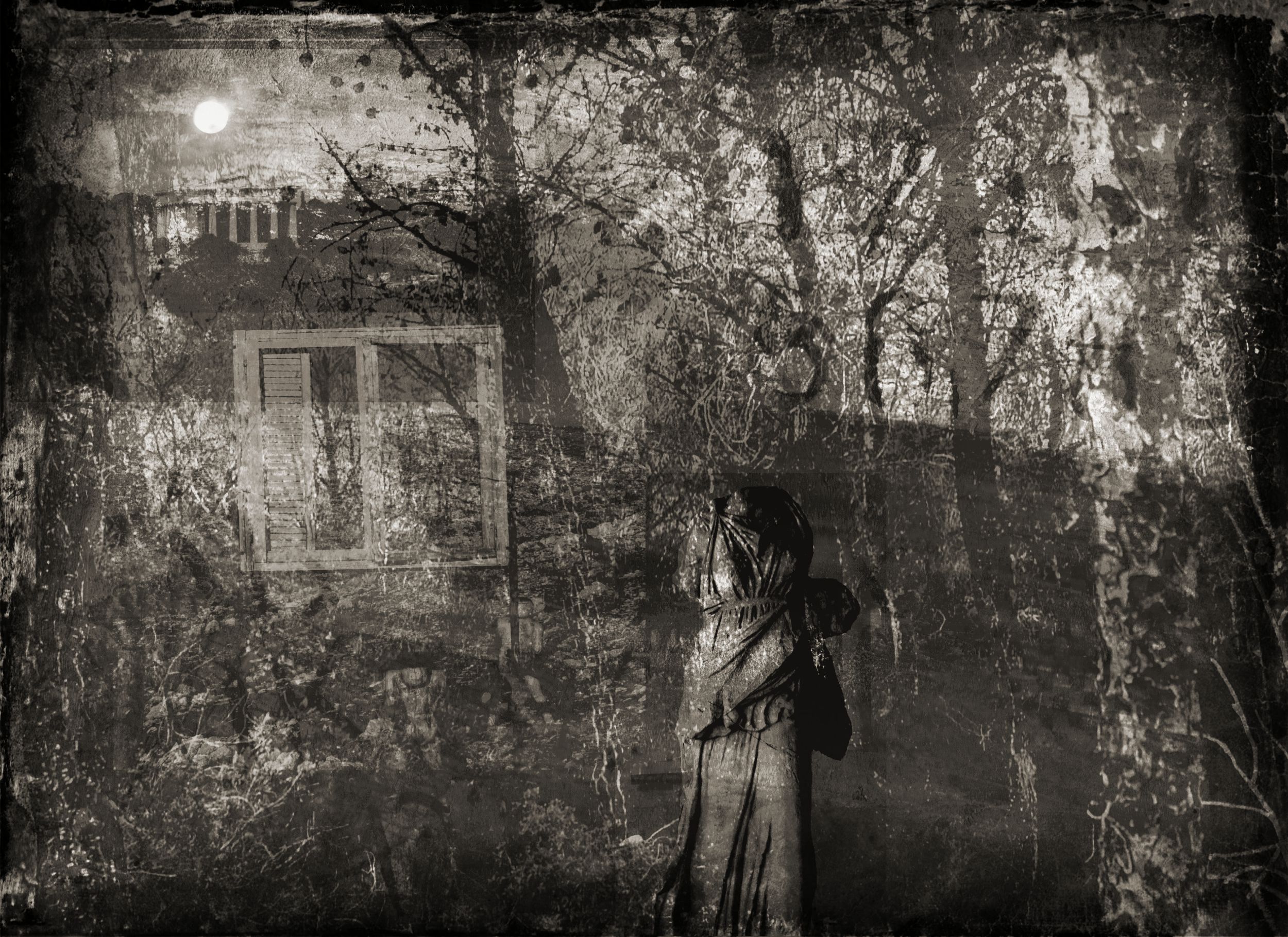
‘A Window To The Soul’ digital collage by Angela Zafiris
This digital collage contains layers of photographs that I have taken of the Supermoon, a temple, a headless statue, a window and trees. I made the collage background scanned it and then I layered all of the images. I have made a black and white version and the original colourful one is below.
Αυτό το ψηφιακό κολάζ περιέχει στρώματα από φωτογραφίες που τράβηξα με τo Supermoon, ένα αρχαίο ναό, ένα ακέφαλο άγαλμα, ένα παράθυρο και δέντρα. Σάρωσα το κολάζ φόντο, και στη συνέχεια έβαλα όλες τις εικόνες. Έχω κάνει μια ασπρόμαυρη εκδοχή και το αρχικό πολύχρωμο είναι κάτω.
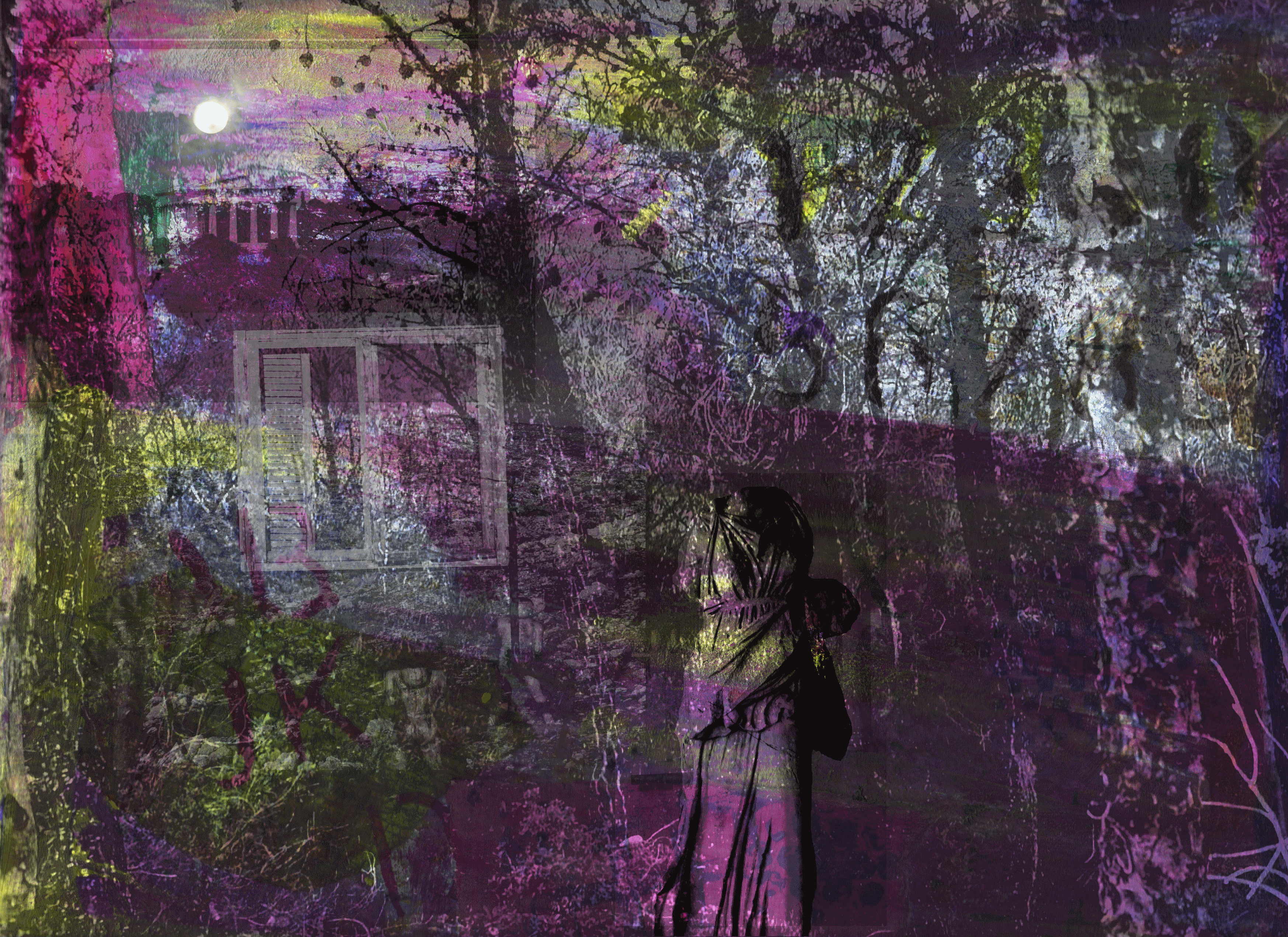
‘A Window To The Soul’ digital collage by Angela Zafiris