Christianity

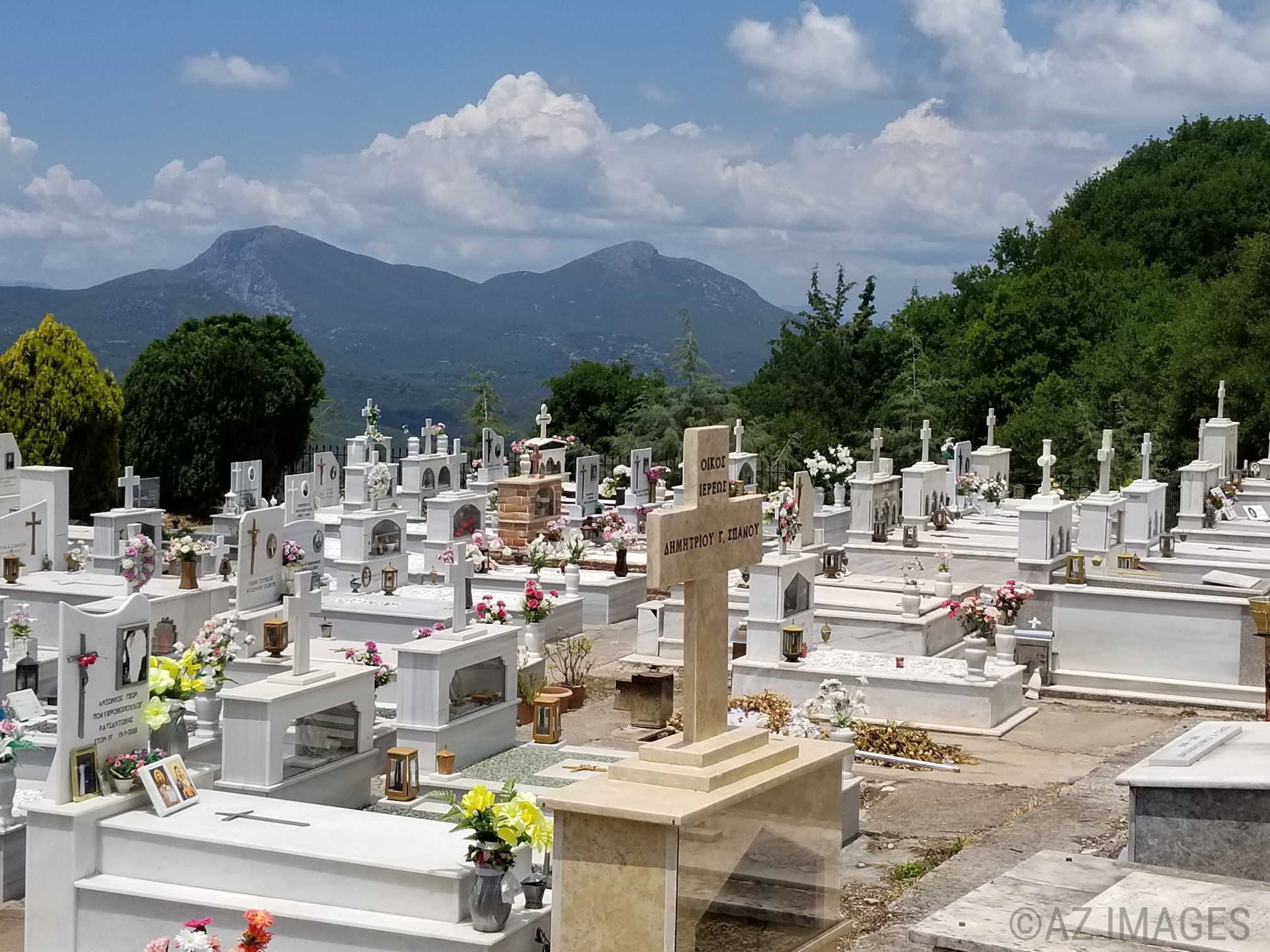
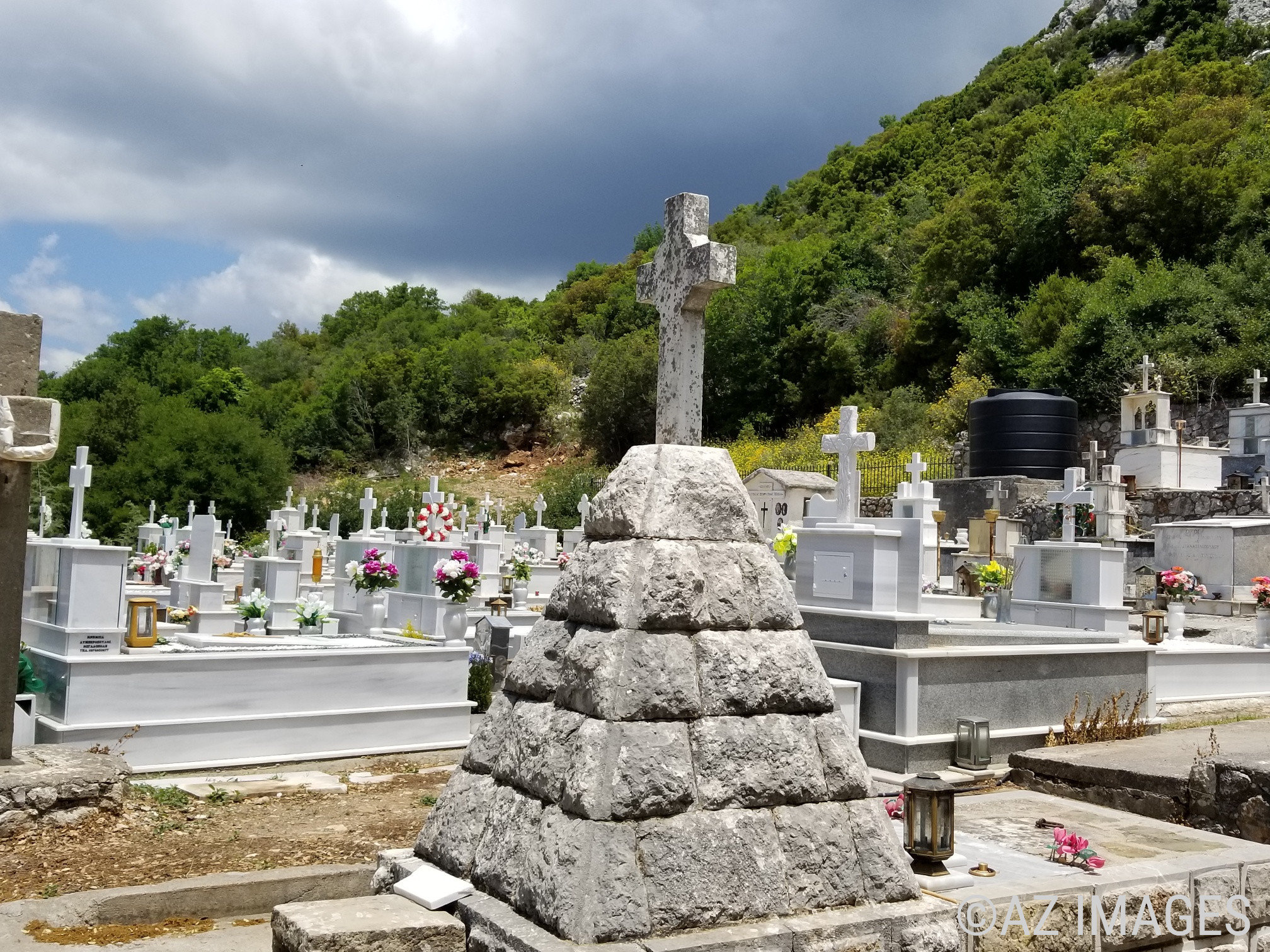
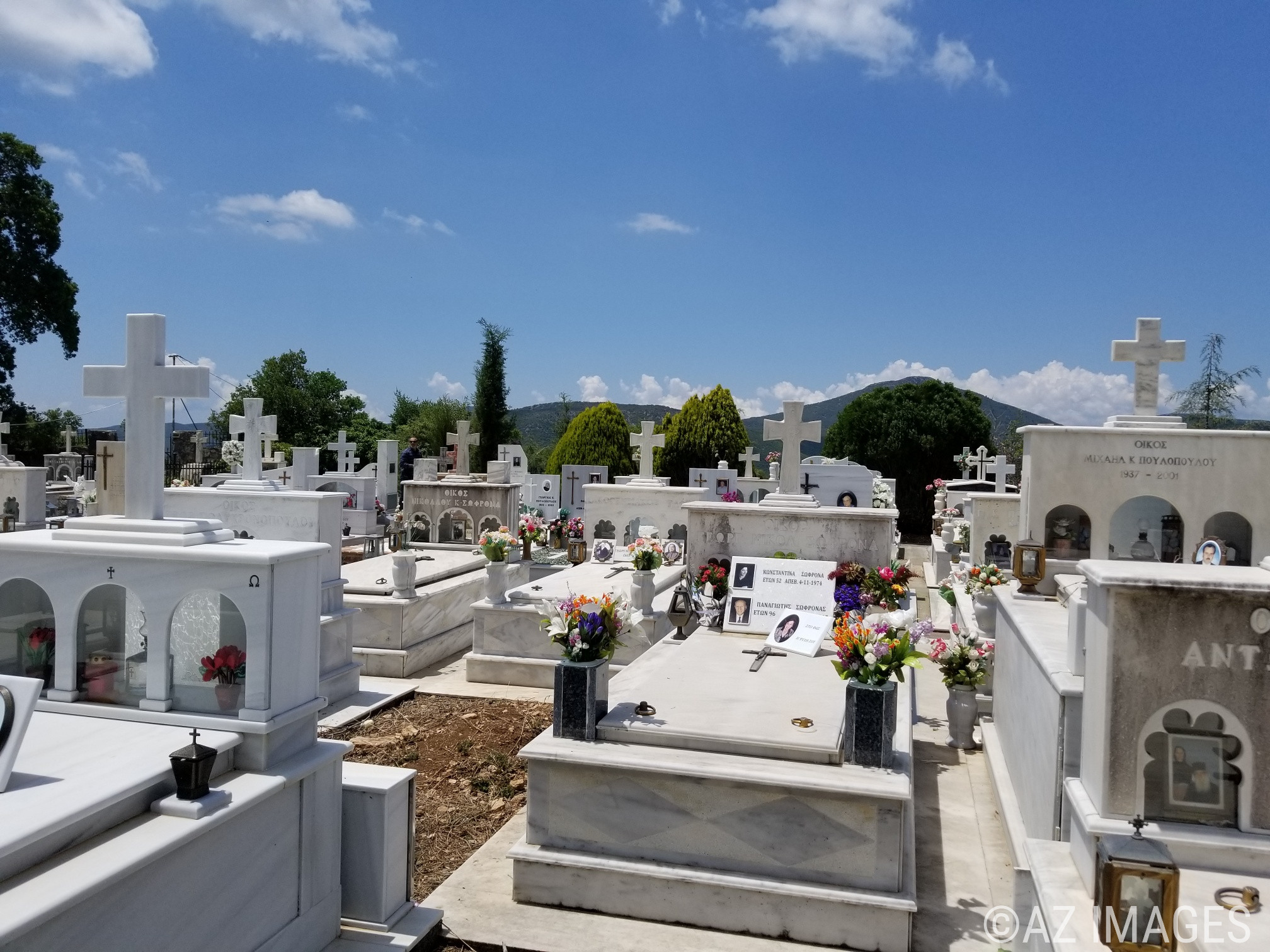
Village Cemetery

Don’t die old, die empty. That’s the goal of life. Go to the cemetery and disappoint the graveyard.‘-Myles Munroe

“Where is the graveyard of dead gods? What lingering mourner waters their mounds? There was a time when Jupiter was the king of the gods, and any man who doubted his puissance was ipso facto a barbarian and an ignoramus. But where in all the world is there a man who worships Jupiter today? And who of Huitzilopochtli? In one year – and it is no more than five hundred years ago – 50,000 youths and maidens were slain in sacrifice to him. Today, if he is remembered at all, it is only by some vagrant savage in the depths of the Mexican forest. Huitzilopochtli, like many other gods, had no human father; his mother was a virtuous widow; he was born of an apparently innocent flirtation that she carried out with the sun.

They were gods of the highest standing and dignity-gods of civilized peoples-worshiped and believed in by millions. All were omnipotent, omniscient and immortal.

H.L. Mencken, A Mencken Chrestomathy
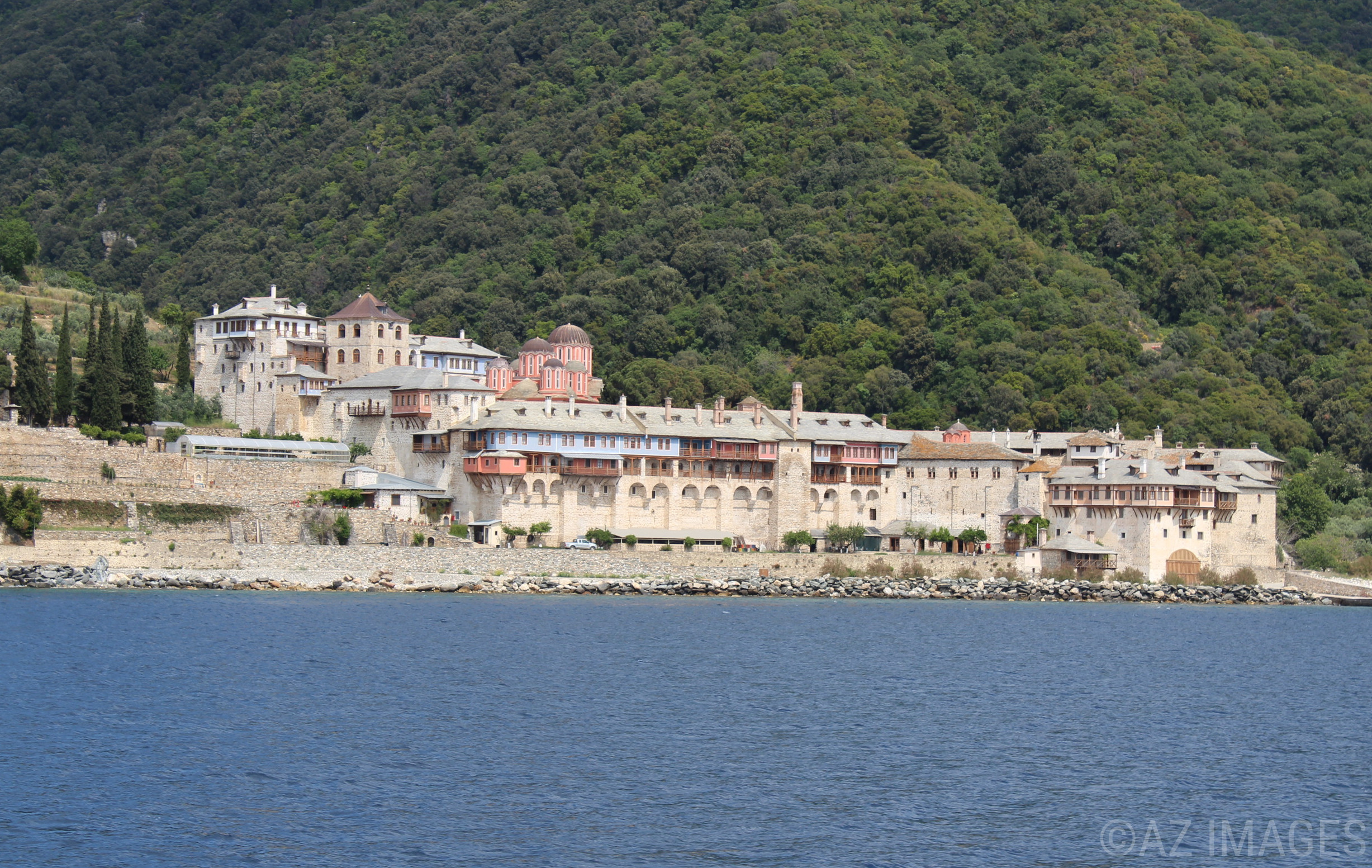
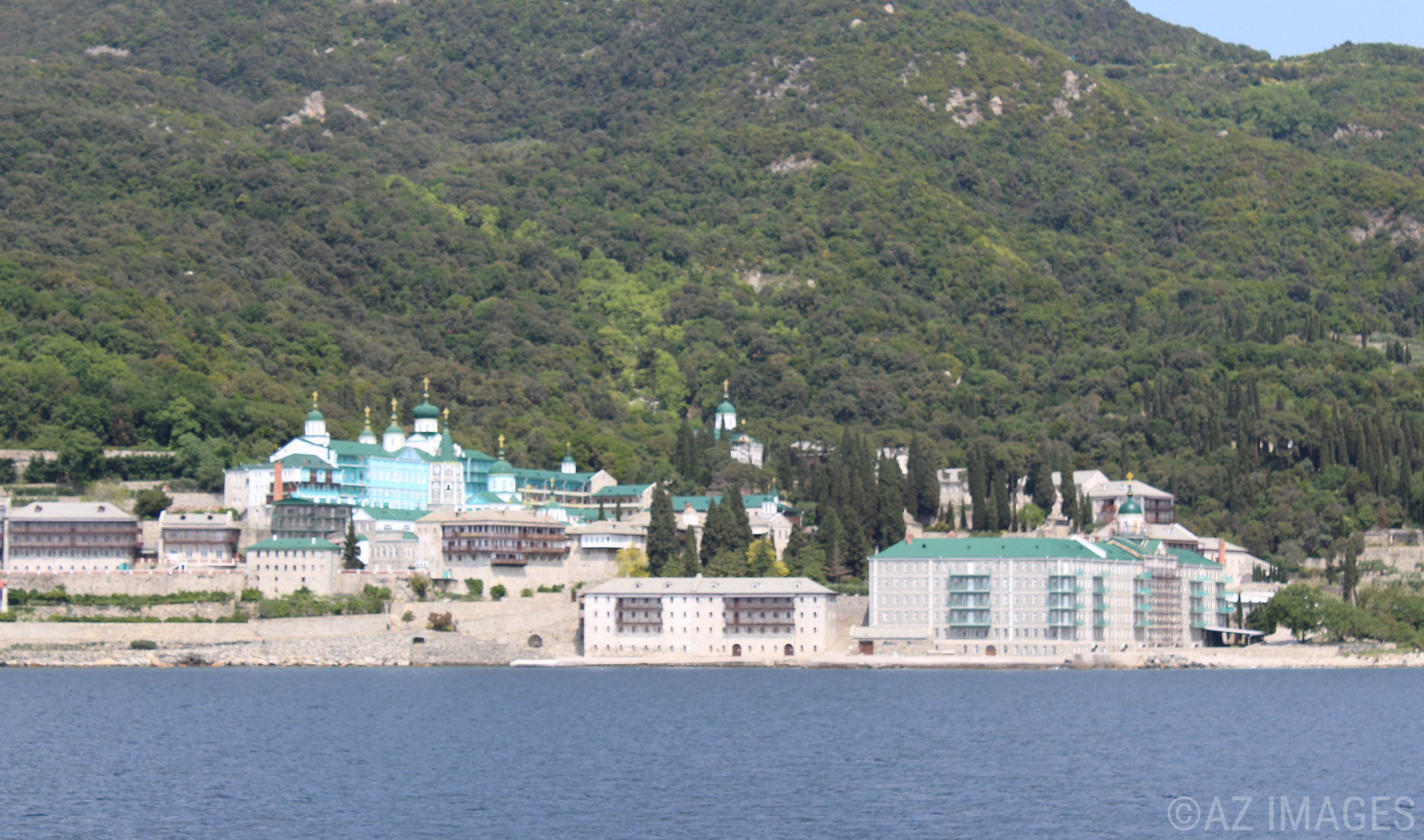
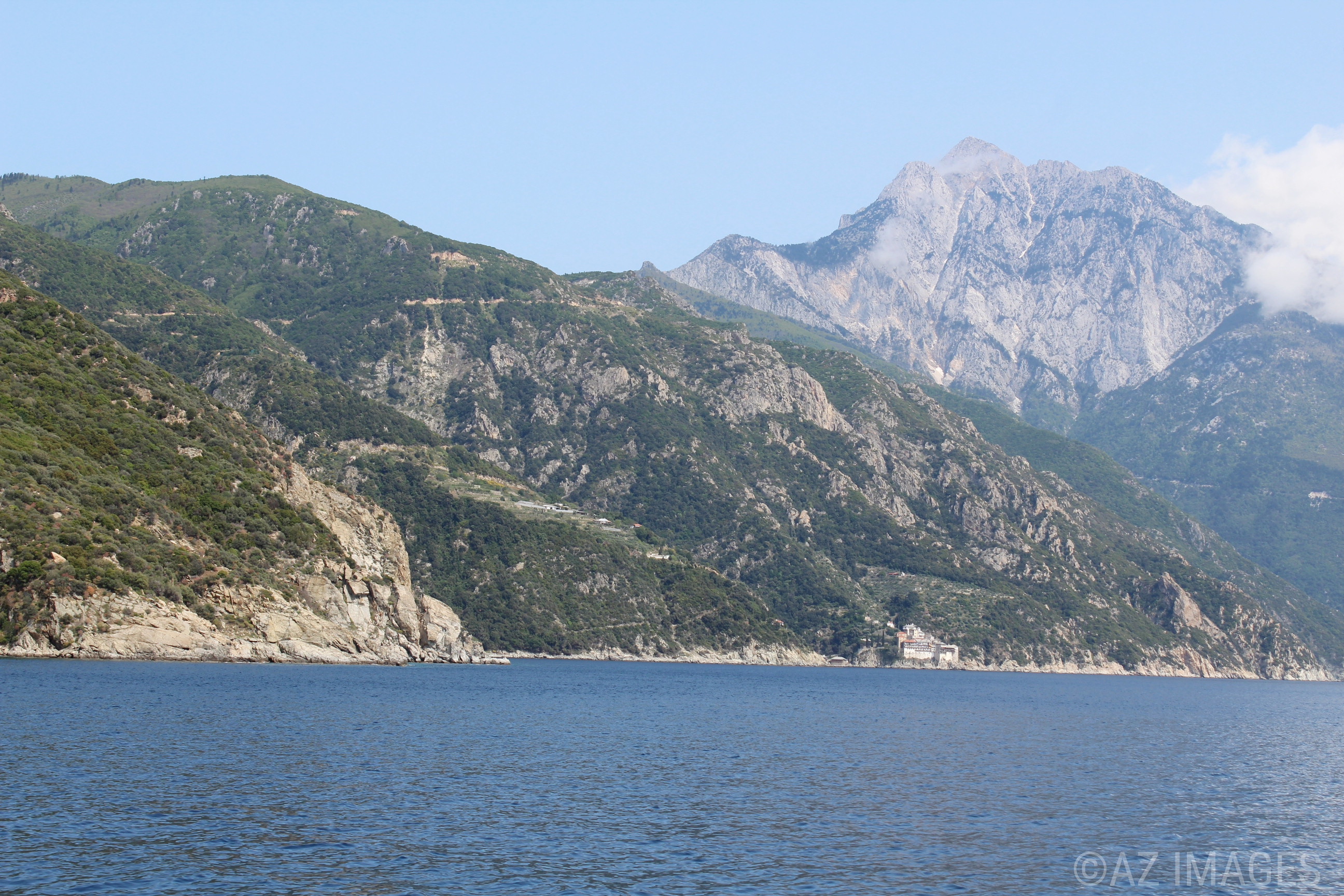
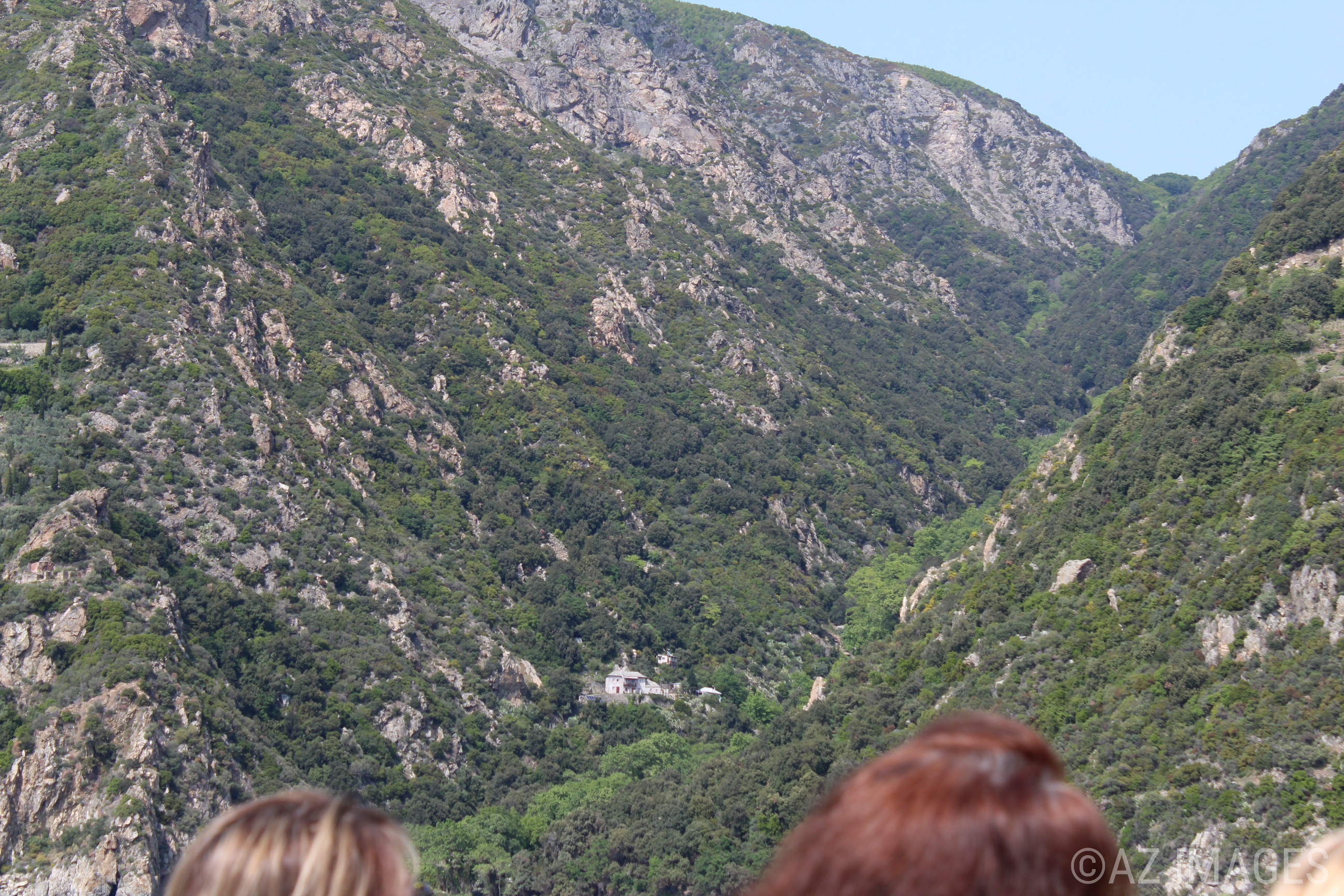
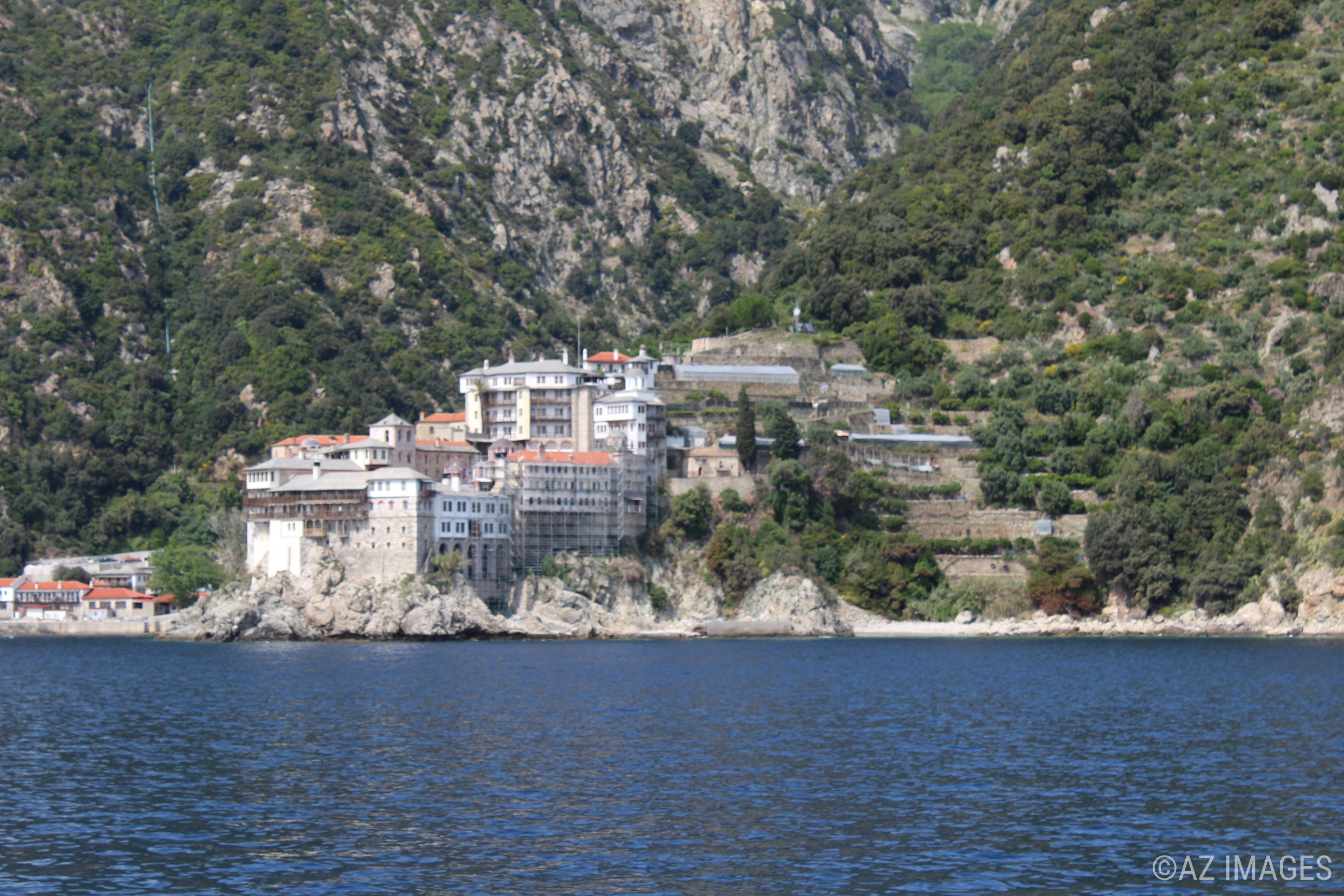
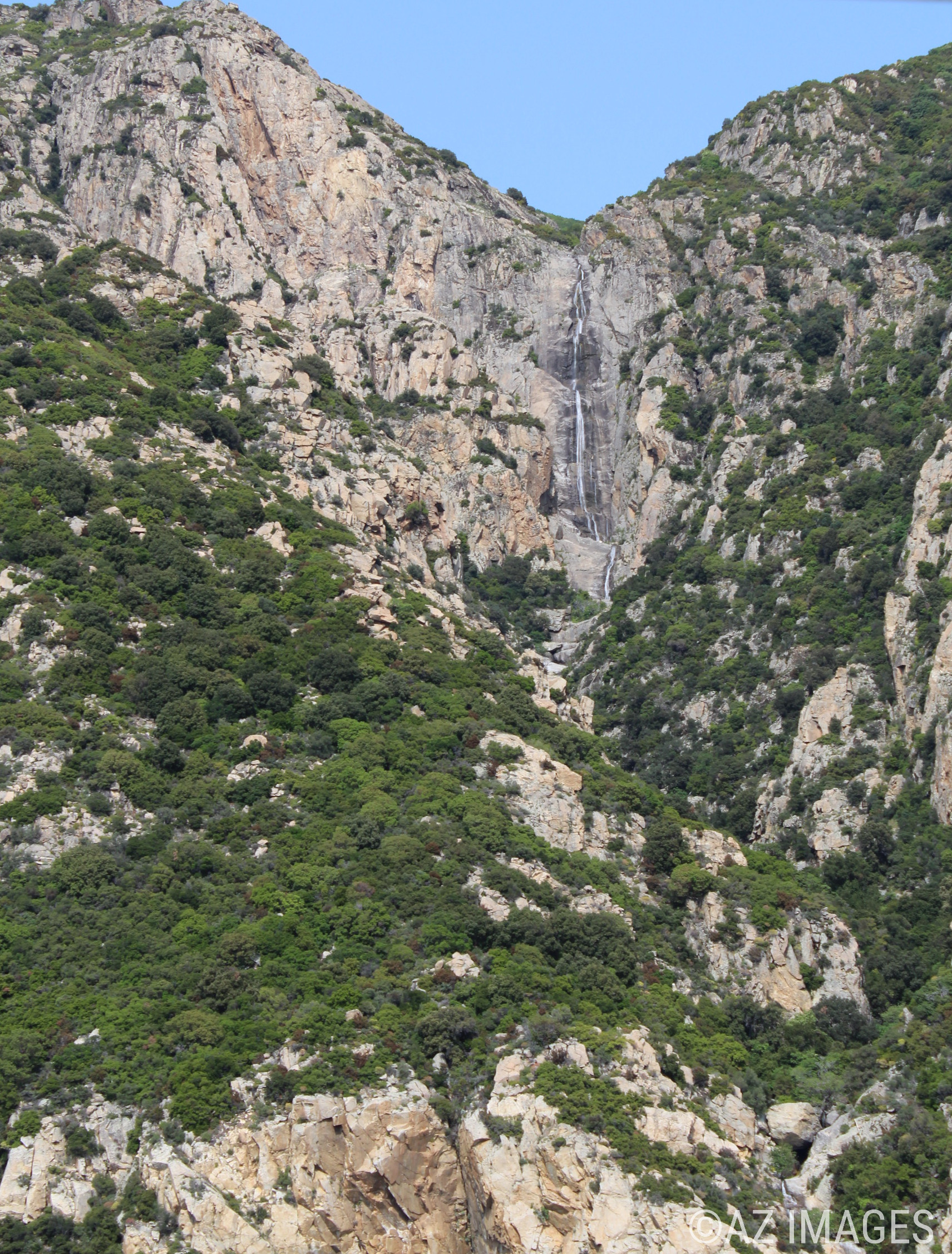
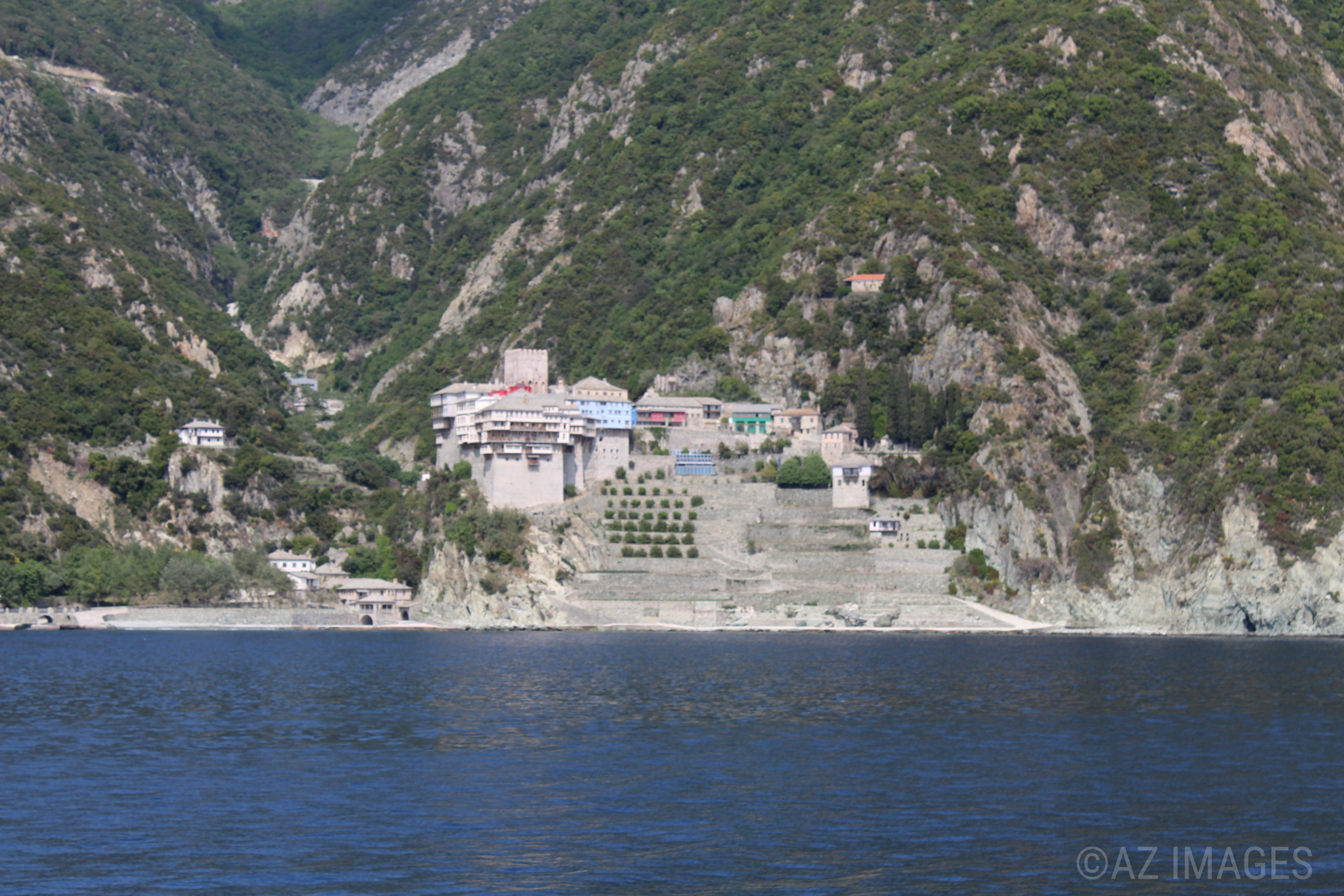
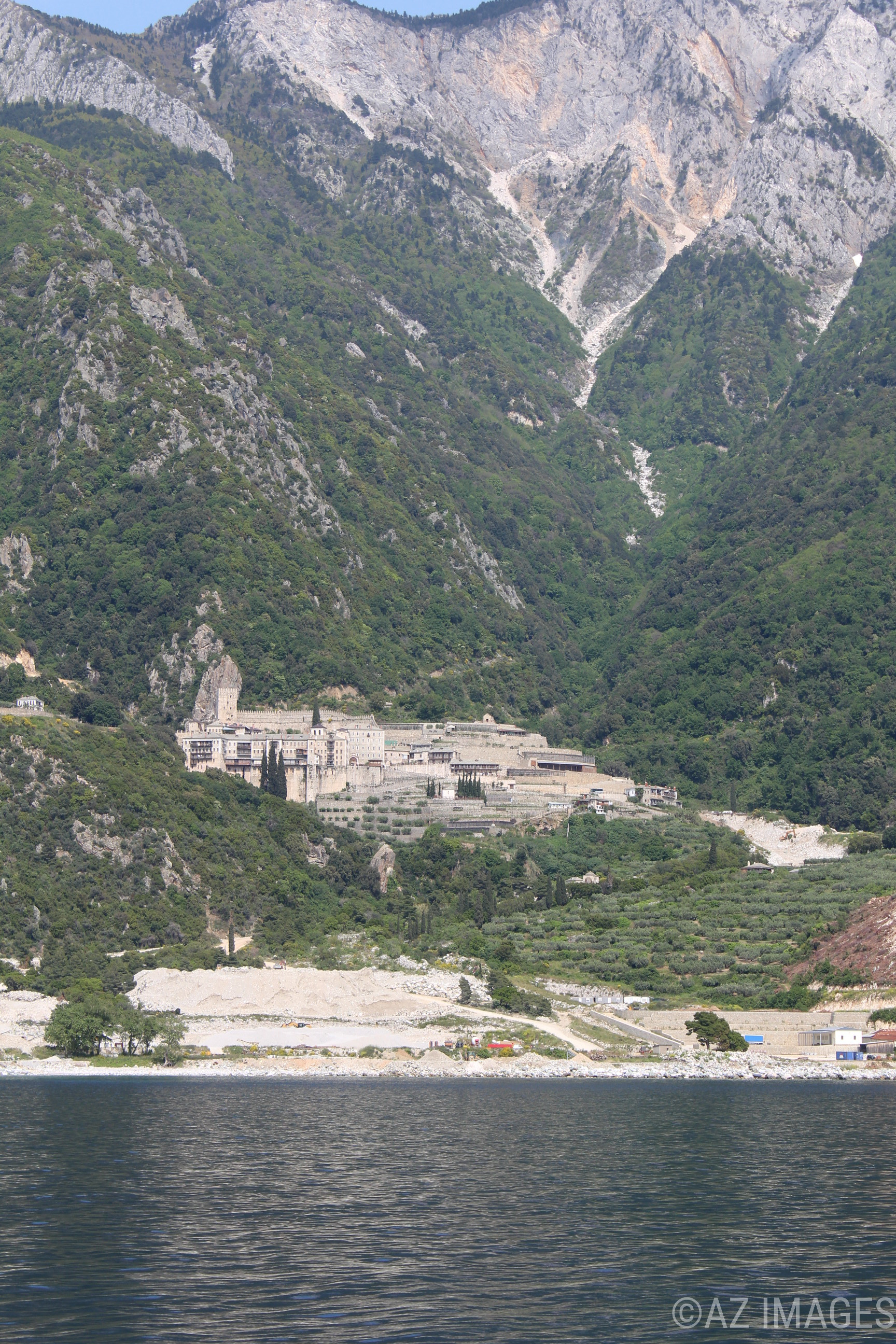
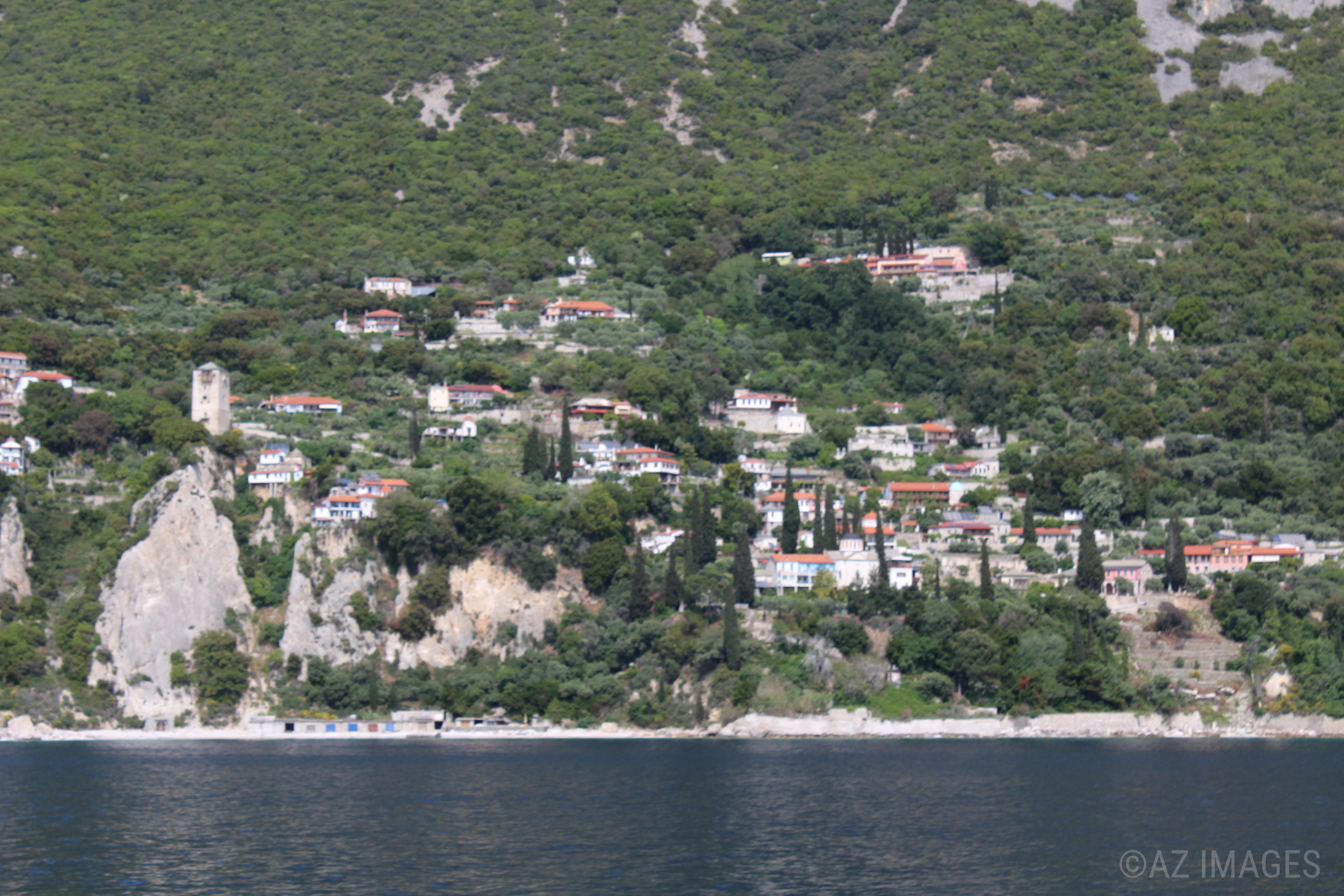
Mt. Athos Cruise Pt.2

The Russian Orthodox monasteries were built in the late 19th Century.

Mount Athos, also called the Holy Mountain, is located in the easternmost section of the larger Chalkidiki peninsula in central Macedonia. It is the center for Eastern Orthodox Monasticism. It has a spot on UNESCO’s World Heritage list for its beautiful nature as much of Mount Athos is covered with mixed broadleaf deciduous and evergreen forests. Also, for the impressive architecuture of the monasteries.

Mount Athos, has a wide influence in the Orthodox world, as it has been a spiritual center for many centuries. It influences an extensive areas from the Balkans to Russia, from Arizona, USA to England, Finland and Africa.

The Holy Mountain has the largest collection of Greek manuscripts in the world. The largest collection of portable icons in the world. The largest collection of Ottoman documents outside Turkey. The largest collection of Russian documents outside of Russia, and the largest collection of Romanian documents outside of Romania etc..

Το Άγιο Όρος, βρίσκεται στο ανατολικότερο τμήμα της ευρύτερης χερσονήσου της Χαλκιδικής στην κεντρική Μακεδονία. Είναι το κέντρο του Ανατολικού Ορθόδοξου Μοναχισμού. Έχει μια θέση στον κατάλογο της Παγκόσμιας Κληρονομιάς της UNESCO για την όμορφη φύση του, καθώς μεγάλο μέρος του Αγίου Όρους καλύπτεται από μικτά πλατύφυλλα φυλλοβόλα και αειθαλή δάση. Επίσης, για την εντυπωσιακή αρχιτεκτονική των μοναστηριών.

Το Άγιο Όρος έχει ευρεία επιρροή στον ορθόδοξο κόσμο, καθώς υπήρξε πνευματικό κέντρο για πολλούς αιώνες. Επηρεάζει εκτεταμένες περιοχές από τα Βαλκάνια μέχρι τη Ρωσία, από την Αριζόνα των ΗΠΑ μέχρι την Αγγλία, τη Φινλανδία και την Αφρική.

Το Άγιο Όρος έχει τη μεγαλύτερη συλλογή ελληνικών χειρογράφων στον κόσμο. Η μεγαλύτερη συλλογή φορητών εικονιδίων στον κόσμο. Η μεγαλύτερη συλλογή οθωμανικών εγγράφων εκτός Τουρκίας. Η μεγαλύτερη συλλογή ρωσικών εγγράφων εκτός Ρωσίας και η μεγαλύτερη συλλογή ρουμανικών εγγράφων εκτός Ρουμανίας κ.λπ.

Happy Easter! Καλο Πασχα!

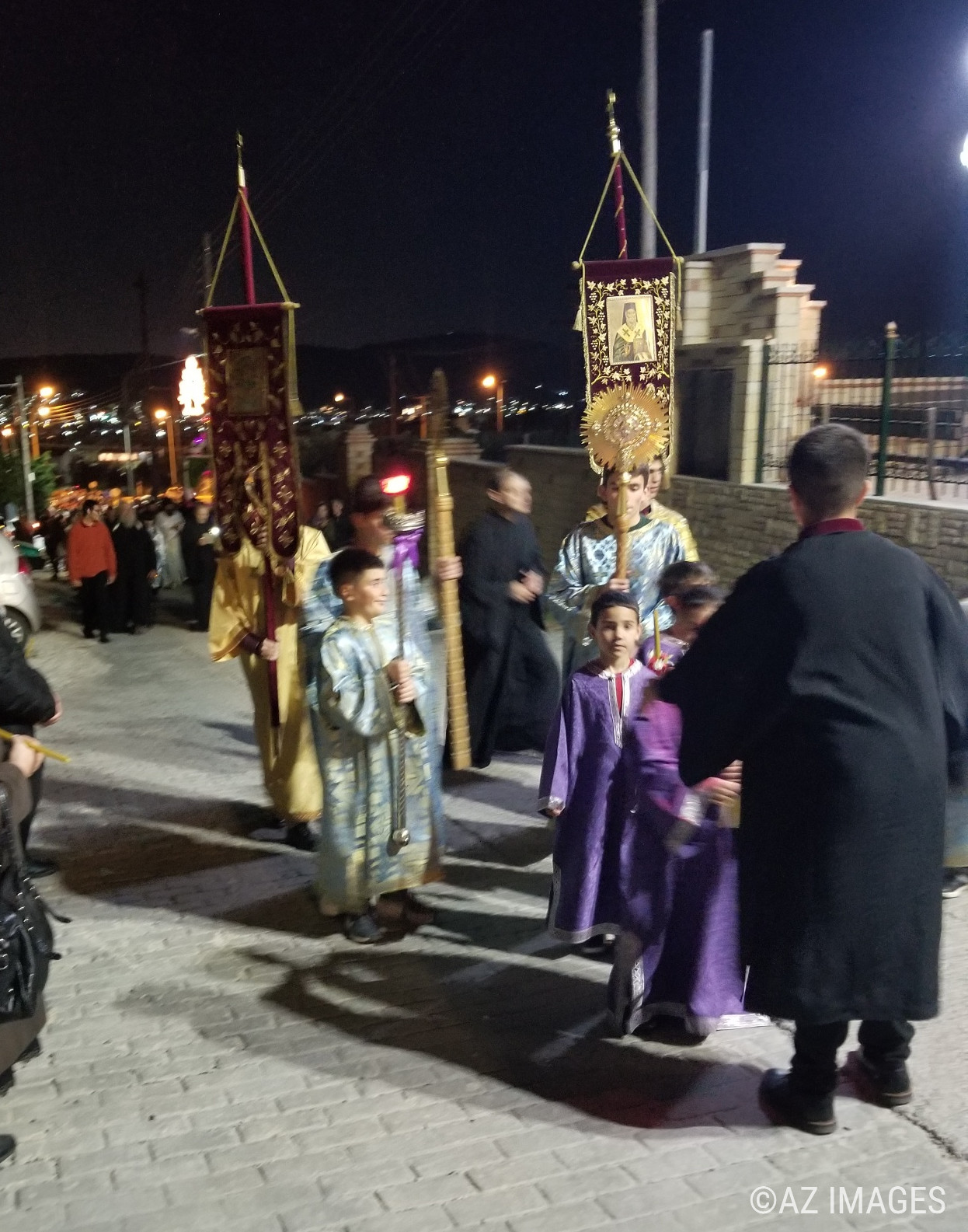
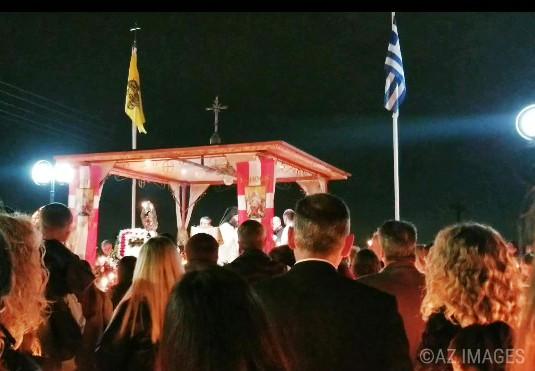
Fridays’ Epitafio ceremony. The church ladies spend the whole night decorating it with flowers.

After a long walk the Epitafio enters the church. Everyone pays their respects by walking underneath it.

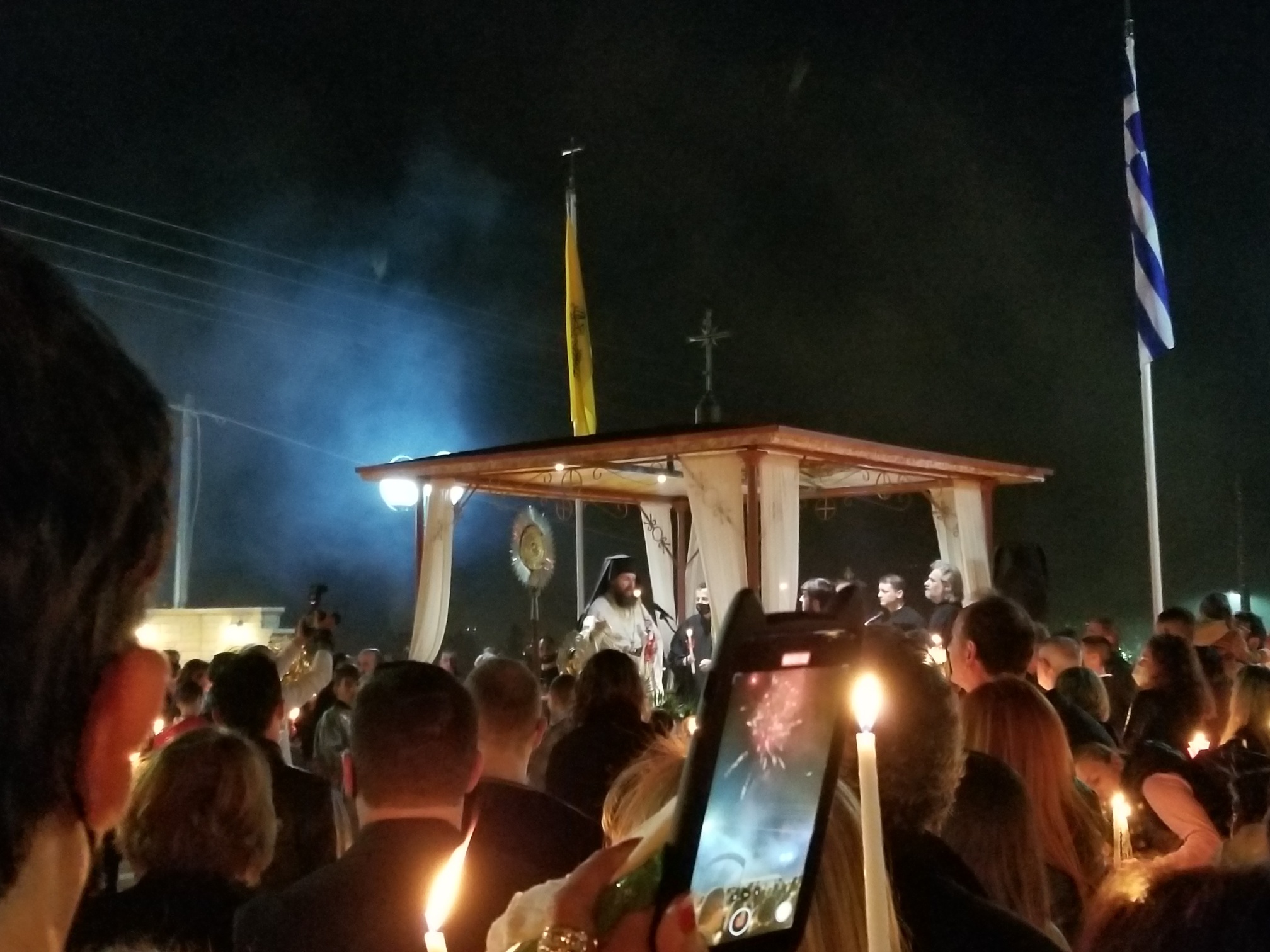
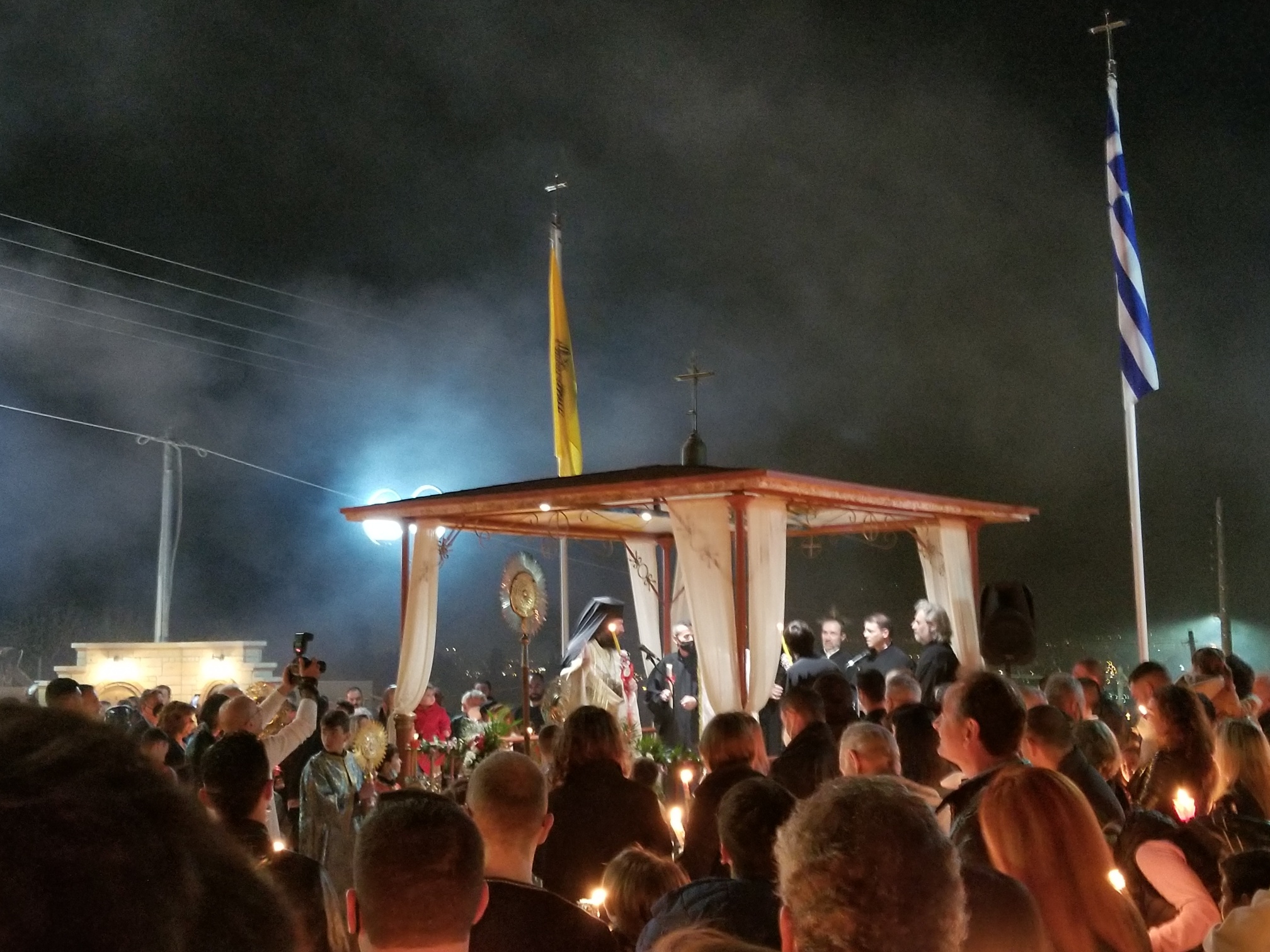
Saturday night’s Resurrection ceremony.
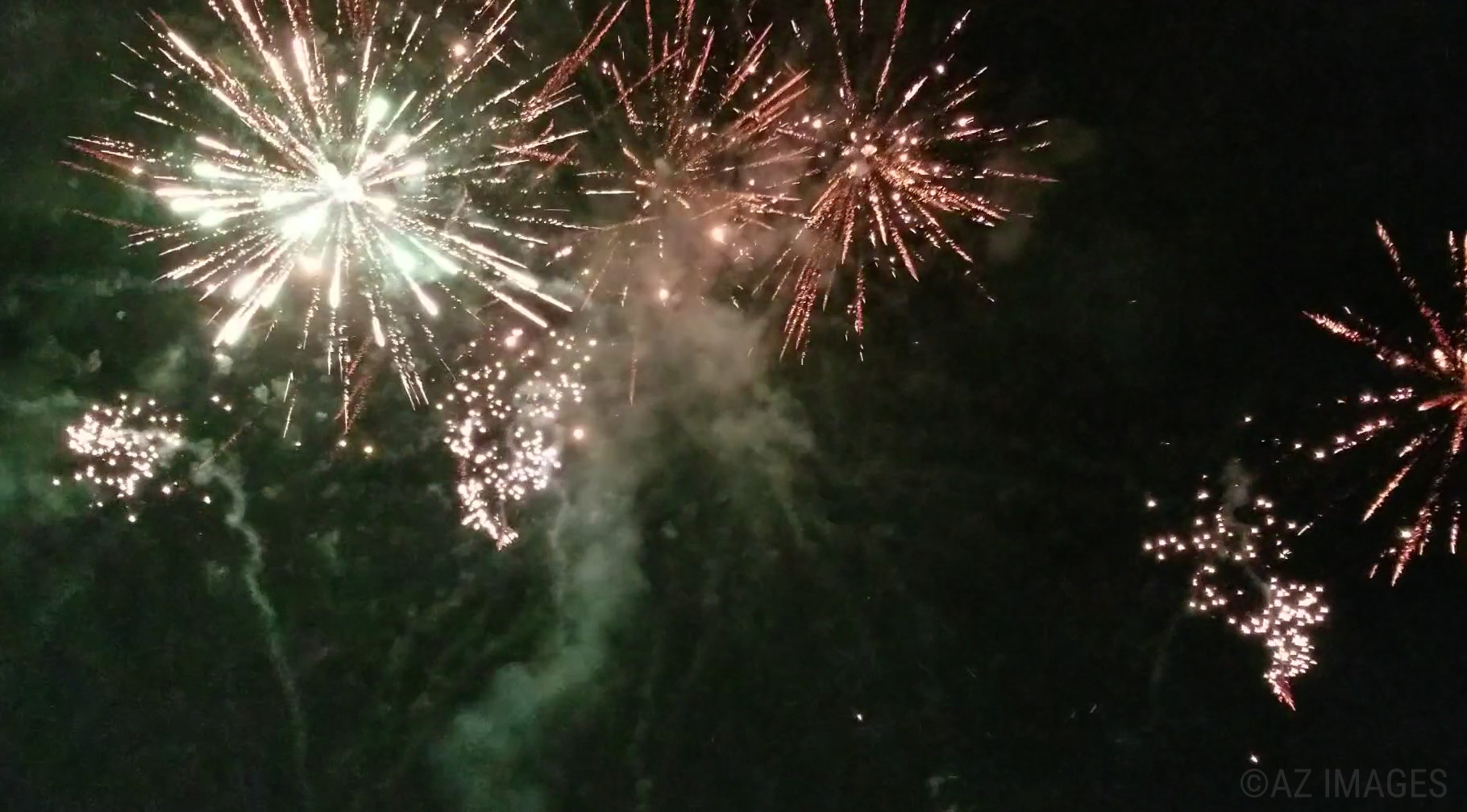
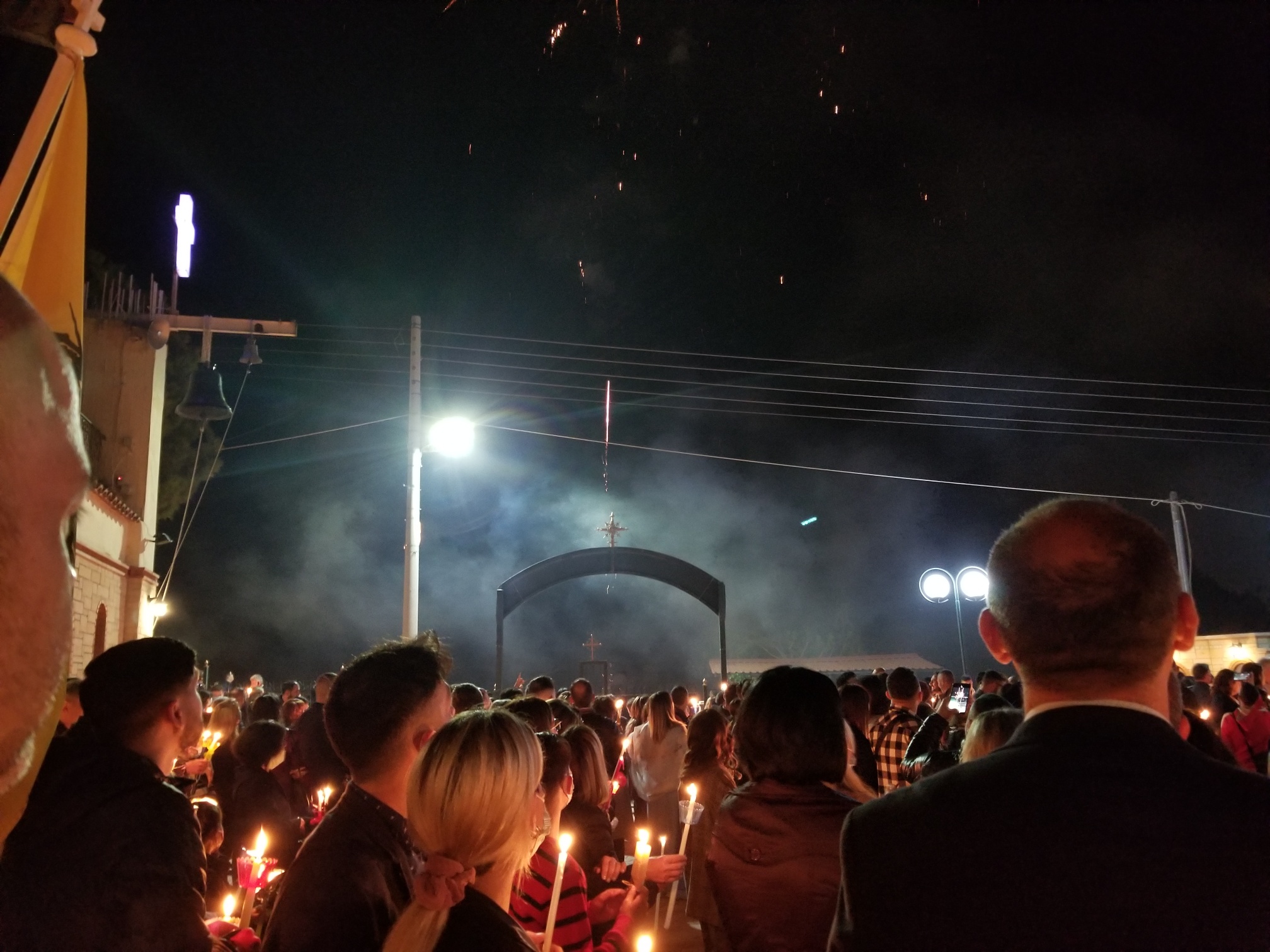
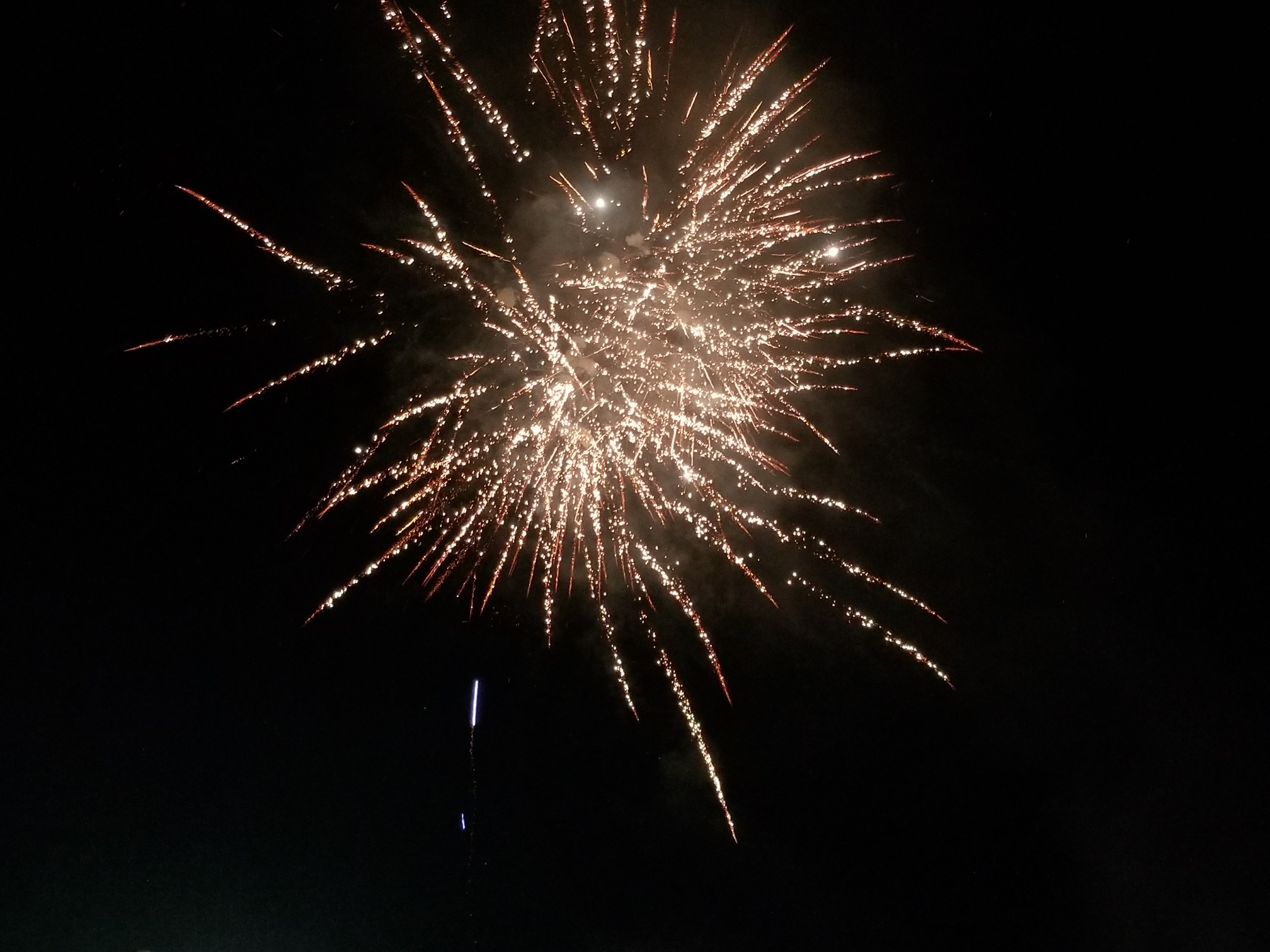
The fireworks display on Saturday night. Christ has risen!

The Holy week of Easter is the most important time of the year for Greek Orthodox Christians. It’s is a week full of frenzied preparations. From the long church services, to the dying of the eggs, to the baking of the ‘koulouria'(cookies) and ‘tsoureki’ (sweet bread), and then the grande finale- Friday and Saturdays’ church ceremonies. Then Easter sunday, of course, with the great feast which many who have followed the strict forty day fast look so forward to. A lamb on a spit is usually devoured by Greeks.

Greek Orthodox Easter takes place a week after the Catholic Easter. This is because they use different calenders. The Orthodox church uses the Julian, and the Catholic the Gregorian.

The photographs are from a chruch in Athens from last Friday night’s ‘Epitafio’ ceremony, and Saturday night’s ‘Anastasi’ ceremony.

Friday night symbolizes Jesus’ burial and Saturday night symbolizes His resurrection and then the lighting of everyones candles from the Holy Flame in Jerusalem. Then at midnight after the priest says ‘Christ has Risen’ there is a big fireworks display.

ΚΑΛΟ ΠΑΣΧΑ!/Happy Easter!

Happyeaster!

Happy Easter to all Orthodox Christians. We celebrate Easter a week after the Catholic Easter. Greeks couldn’t move about this year, so they couldn’t leave for their villages to celebrate Easter as they would do every year.  This year, so they celebrated in Athens and the whole city is smoky and it smells like bbq! 🙂

“The reappearance of the light is the same as the survival of the soul.” Victor Hugo

“Blessed are those who have not seen and have yet believed.” John 20:29

“The Easter egg symbolizes our ability to break out of the hardened, protective shell we’ve surrounded ourselves with…”-Siobhan Shaw

The Honourable Gifts/Τα Τιμια Δωρα

Ta timia dora1

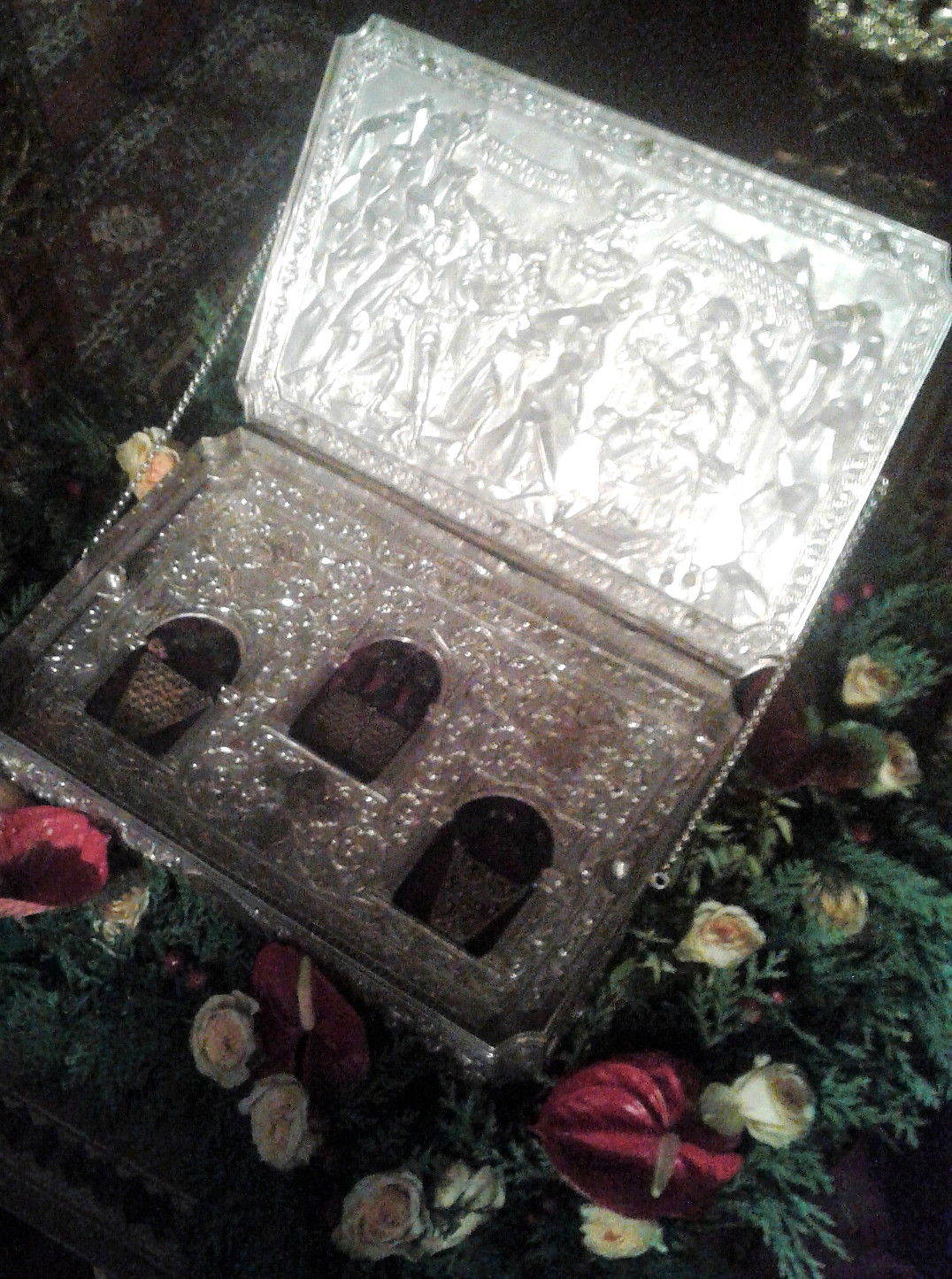
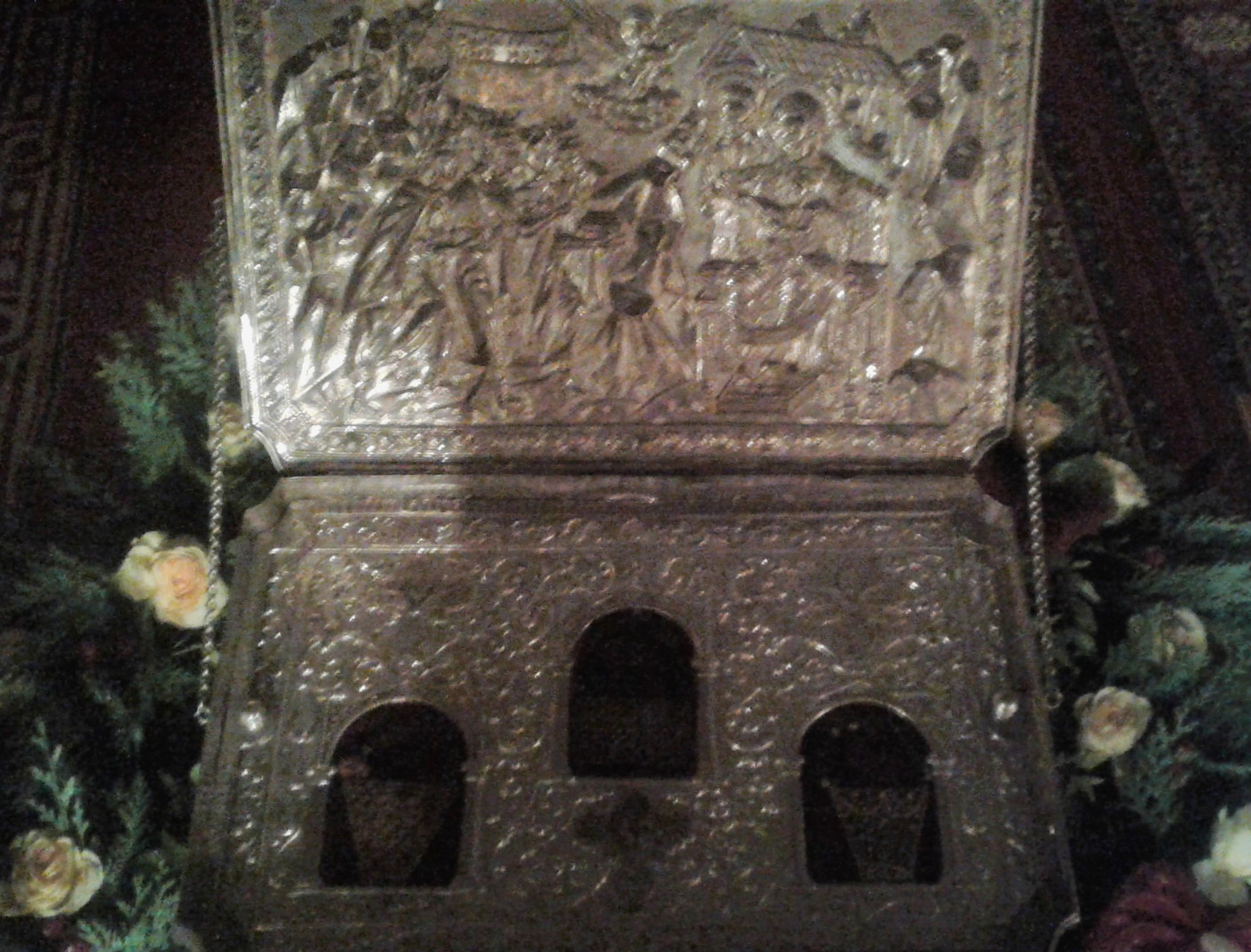
The gold has a lot of intricate detail. The incense are the little balls that look like olives above the gold.

timia dora 3.jpg


The popular telling of the story of the Three kings, also called wise men or magi is that they came from the east bearing their precious gifts for the young Jesus. The gifts were Frankincense, Myrrh and Gold. The Frankincense symbolizes prayer, Myrrh symbolizes suffering and gold symbolizes virtue.

Many don’t know that the gifts still exist and are kept in a vault at the monastery of St Paulos at Mount Athos in Greece. In a rare move the “Timia Dora’ or ‘Honourable Gifts’ as the Orthodox Christians call them, were brought to western Athens to the church of St. Nektarios so that everyone can see them up close. They will be displayed in the church from the 27th until the 31st of this month.

The story of how the ‘Honurable Gifts’ made their way to the Holy Mountain (Mt. Athos) is a perilous one.  It is said that The Virgin Mary gave up many relics to the church in Jerusalem where they remained until the year 400 A.D.  That year the Byzantine Emperor Arcadius relocated the relics to the city of Constantinople to bless and protect the people and to promote the city. The gifts remained there until the city fell to the Franks in 1204 A.D.  There after, for safety reasons, they were taken to the town of Nikaia in Northwestern Asia Minor, the temporary capitol of Byzantium. The gifts would remain there for 60 years. After the crusaders retreated the relics returned to Constantinople until the city fell to the Turks in 1453 A.D.

After the fall of the city, a Christian woman named Mara Brankovic who was the daughter of the King of Serbia and who was married to the Ottoman Sultan Murat II, brought the relics to Mount Athos.  At the port she handed over the relics to the monks as as she was not allowed to enter as only men are allowed and only with written permission.


The Prophecy/Η Προφητεία

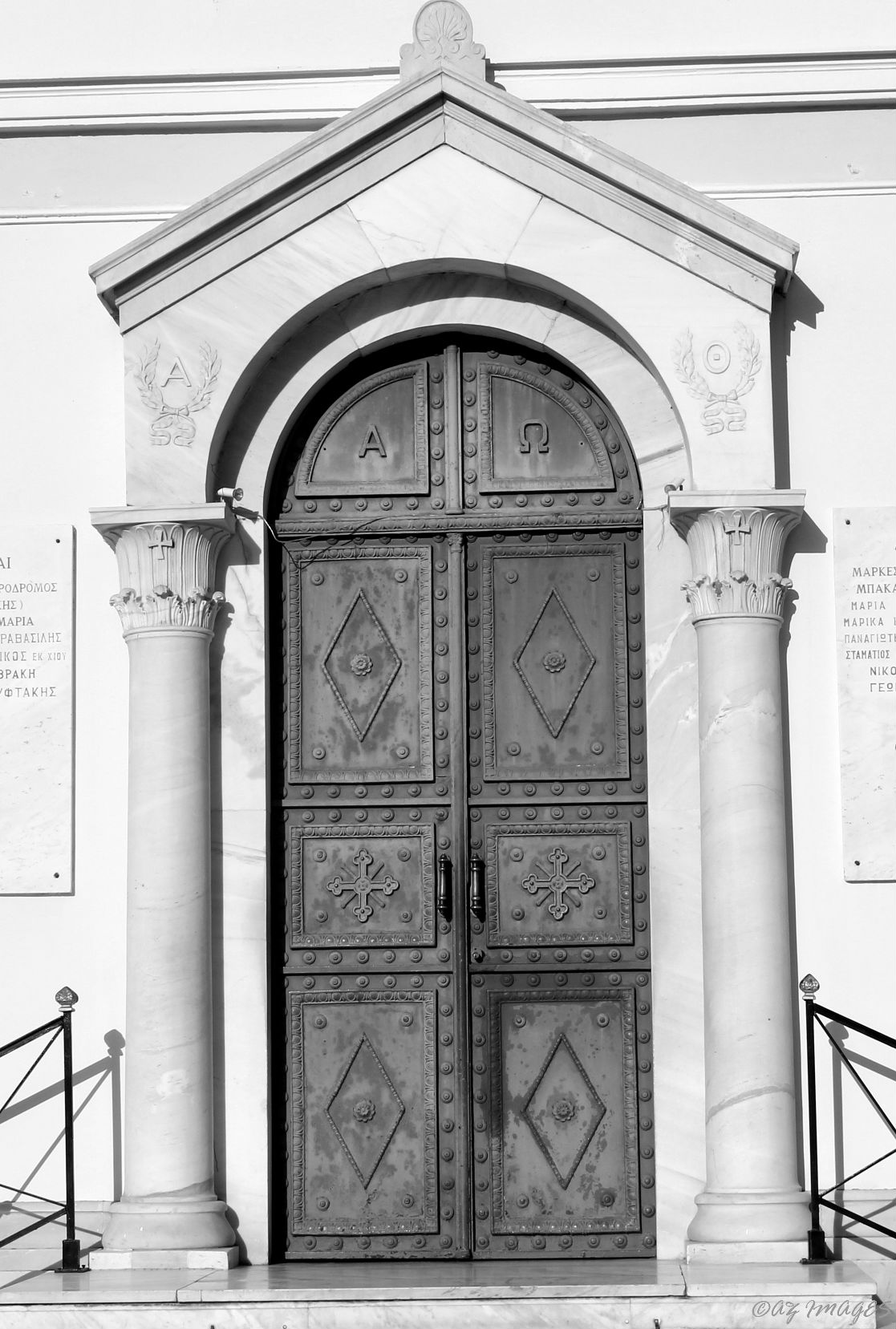
churchdoorbw

We lay in our doom      

In the toxic fumes

In the final days of Noah

Rain to floods

Fire and brimstone

The end is neigh

But they’re riding high

So they don’t care

They say we will all be done

When the anger comes

When our hearts turn cold

The children will be bold

Anger will reign

Like the many pestilences it will spread

In the dark times we will all wish that we were dead.

Βρισκόμαστε στην καταστροφή μας

Μέσα στους τοξικούς καπνούς

Τις τελευταίες μέρες του Νώε                                                                             

Και η βροχή γίνεται πλημμύρα                                                                            

Μόνο πυρκαγιά και θειάφι

Το τέλος είναι κοντά

Ο τυχερός δεν τον νοιάζει                                                                                 

Λένε ότι όλοι θα τελειώσουμε

Όταν έρθει ο θυμός

Όταν οι καρδιές μας ψυχρανθούν

Τα παιδιά θα είναι τολμηρά

Ο θυμός θα βασιλεύει

Όπως και τις πολλές επιδημίες θα εξαπλωθεί

Στους σκοτεινούς χρόνους θα θέλουμε όλοι να είμαστε νεκροί.

*So glad to be feeling better after 2 weeks of the flu 🙂

*I have always been fascinated by end times prophecies. They are universal and reflect the times we are living in.

The Remains/Τα Ερείπια

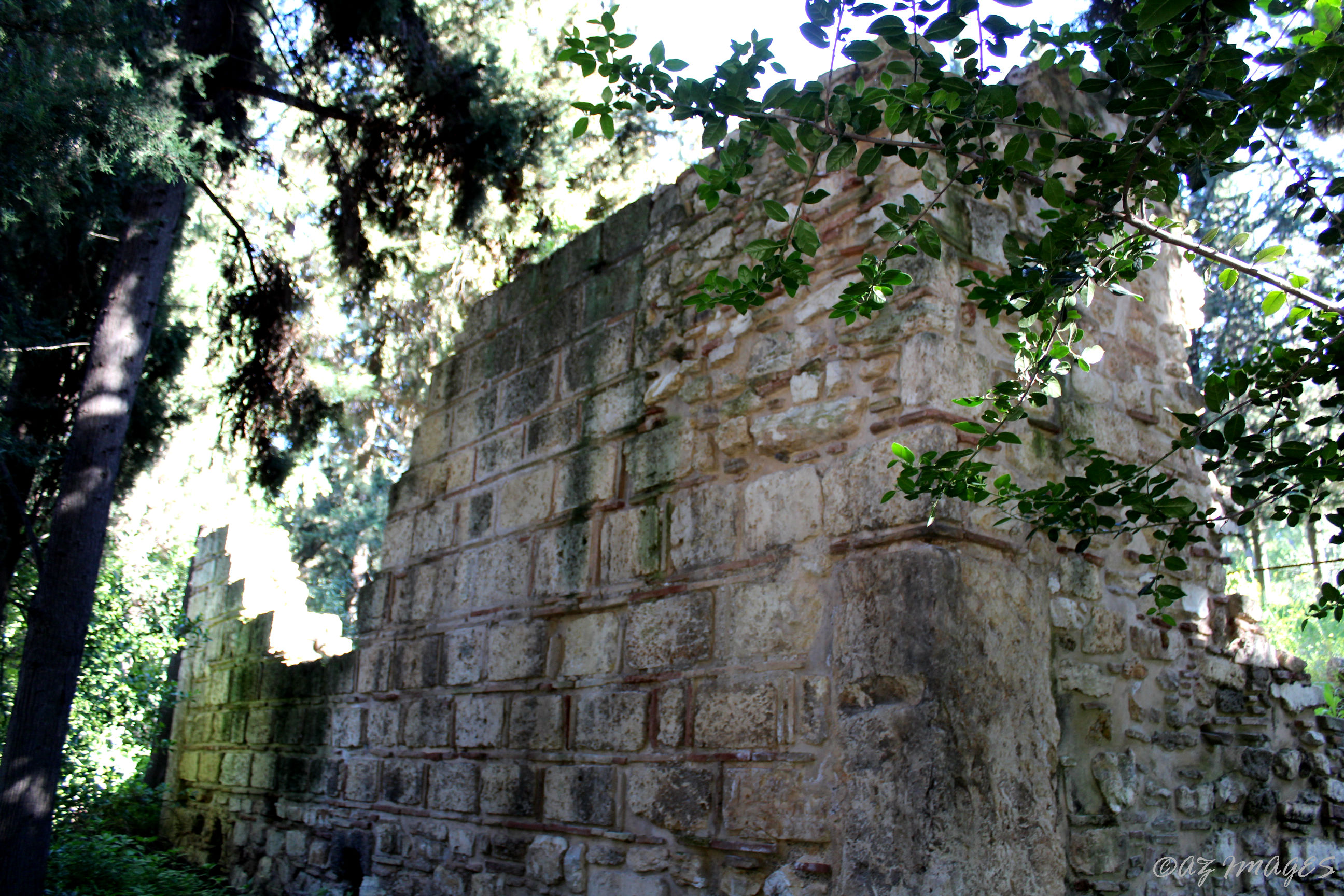
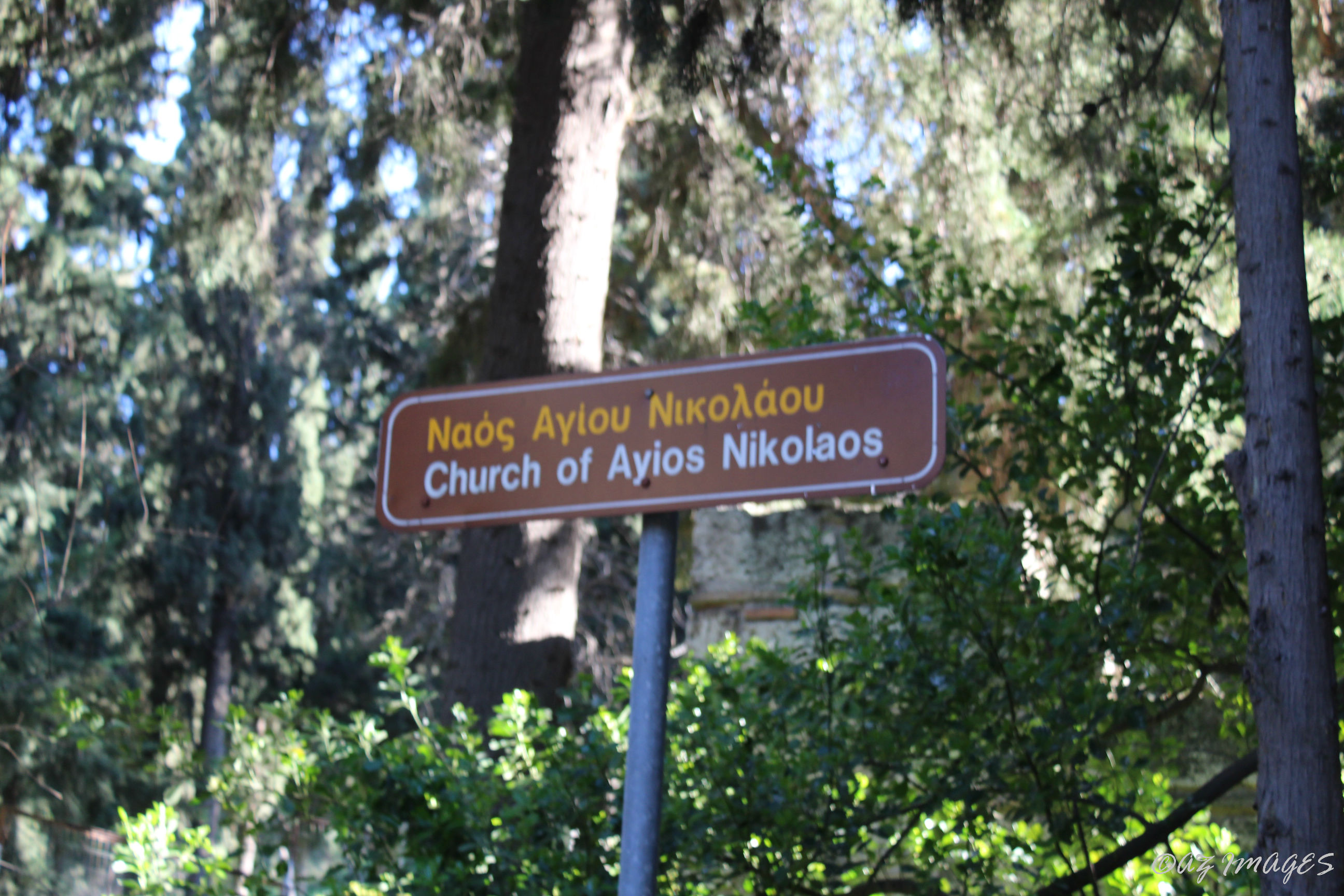
aghios nikolaos2st nikolaosAghios Nikolaos1

insidechurch2

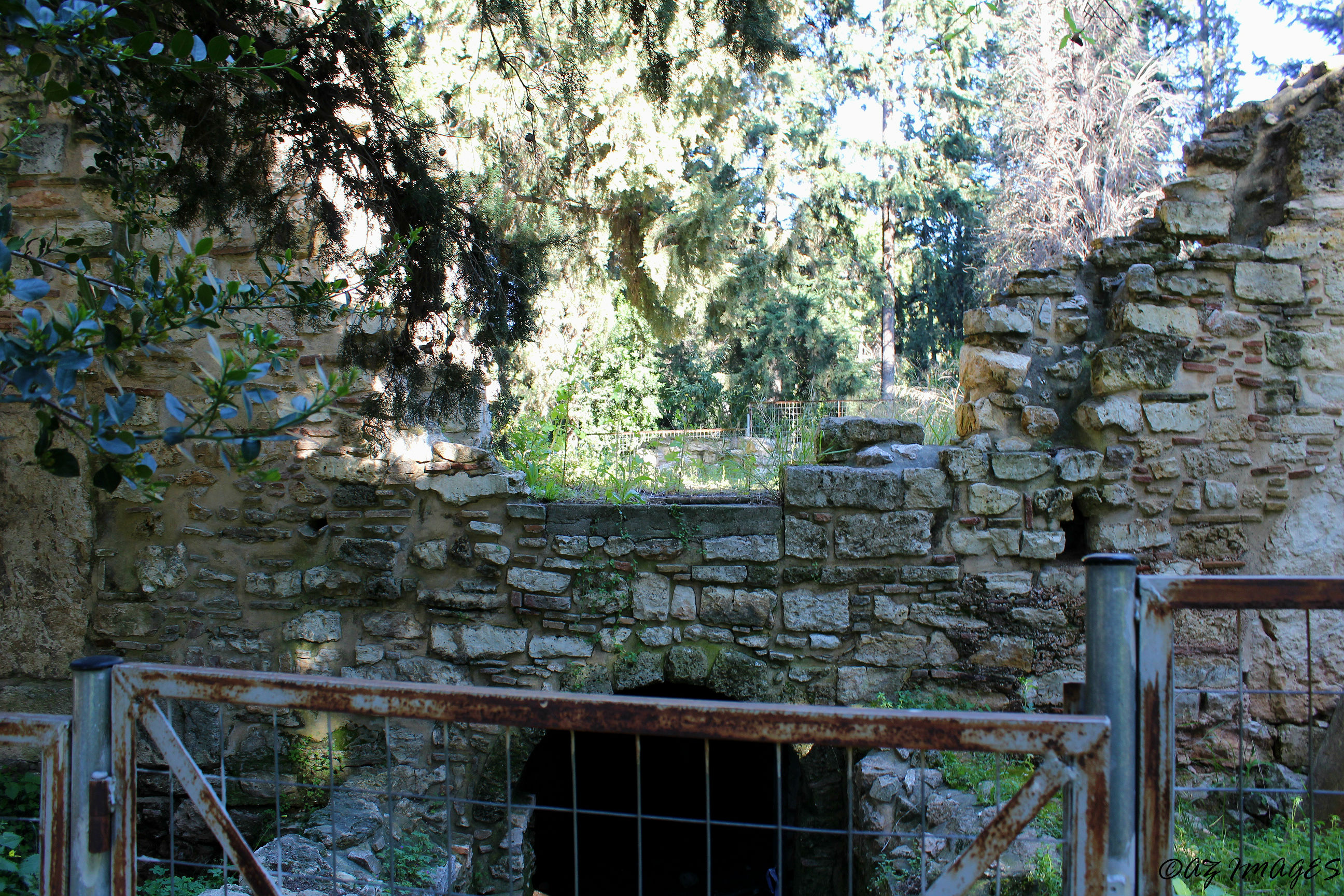
Below the church.

insidechurch

After exploring a near by park in Athens I came across the ruins of the church of St. Nikolaos. I haven’t been able to find much information about it. I assume it was built in Byzantine times. It is not very common to come across the ruins of a church in Greece so I found it this to be very intriguing.

Μετά την εξερεύνηση ενός κοντινού πάρκου στην Αθήνα, βρήκα τα ερείπια της εκκλησίας του Αγίου Νικολάου. Δεν κατάφερα να βρω πολλές πληροφορίες γι ‘αυτό. Υποθέτω ότι χτίστηκε στα βυζαντινά χρόνια. Δεν είναι πολύ συνηθισμένο να βρίσκω τα ερείπια μιας εκκλησίας στην Ελλάδα, γι ‘αυτό βρήκα αυτή την ανακάλυψη τοσο ενδιαφέρουσα.

Happy Easter!/ Καλο Πασχα!

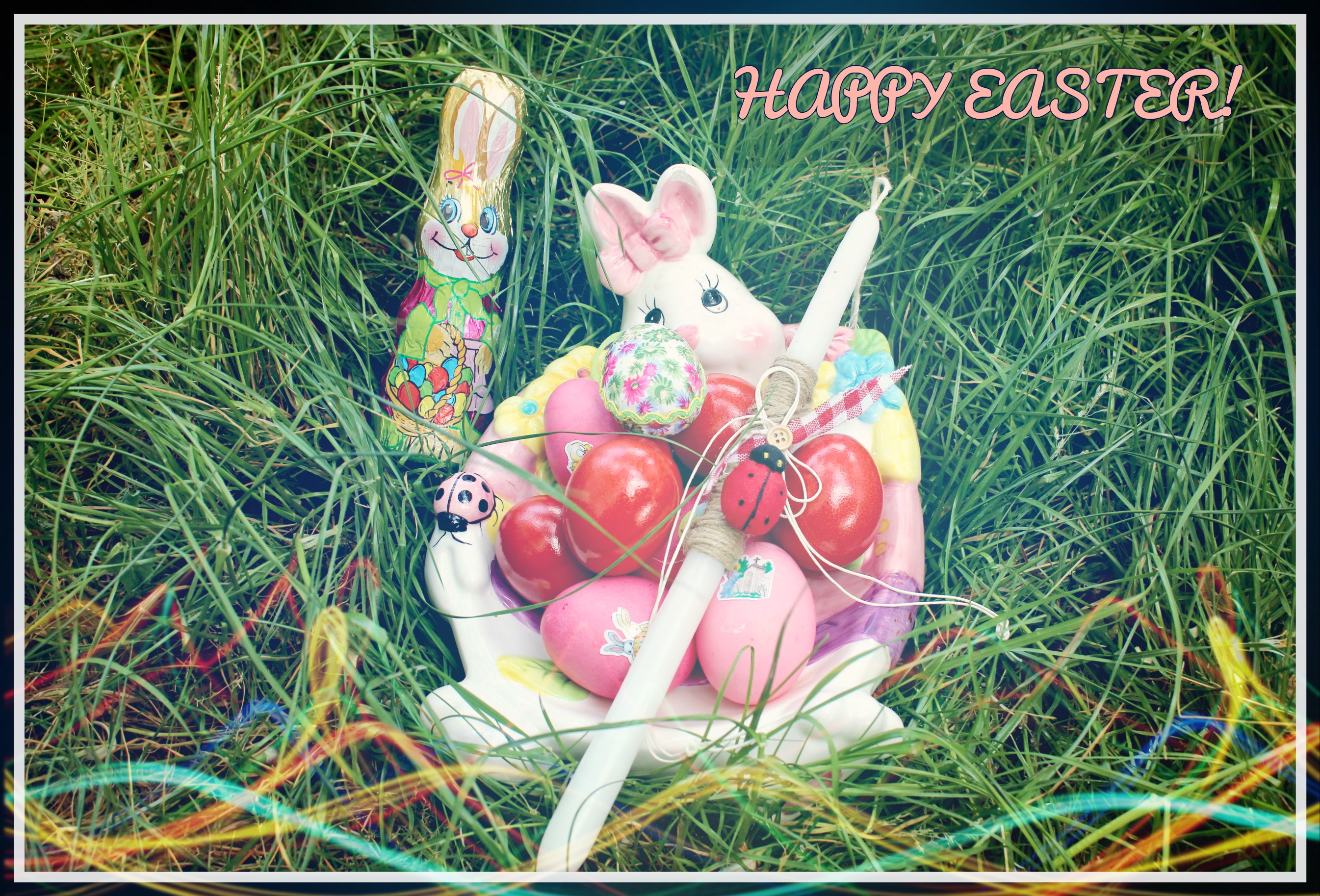
Easter greeting card

The Orthodox Christians celebrate Easter a week after the Catholic Easter. It depends on the calendar; in the past their respective Easters were celebrated on the same week.

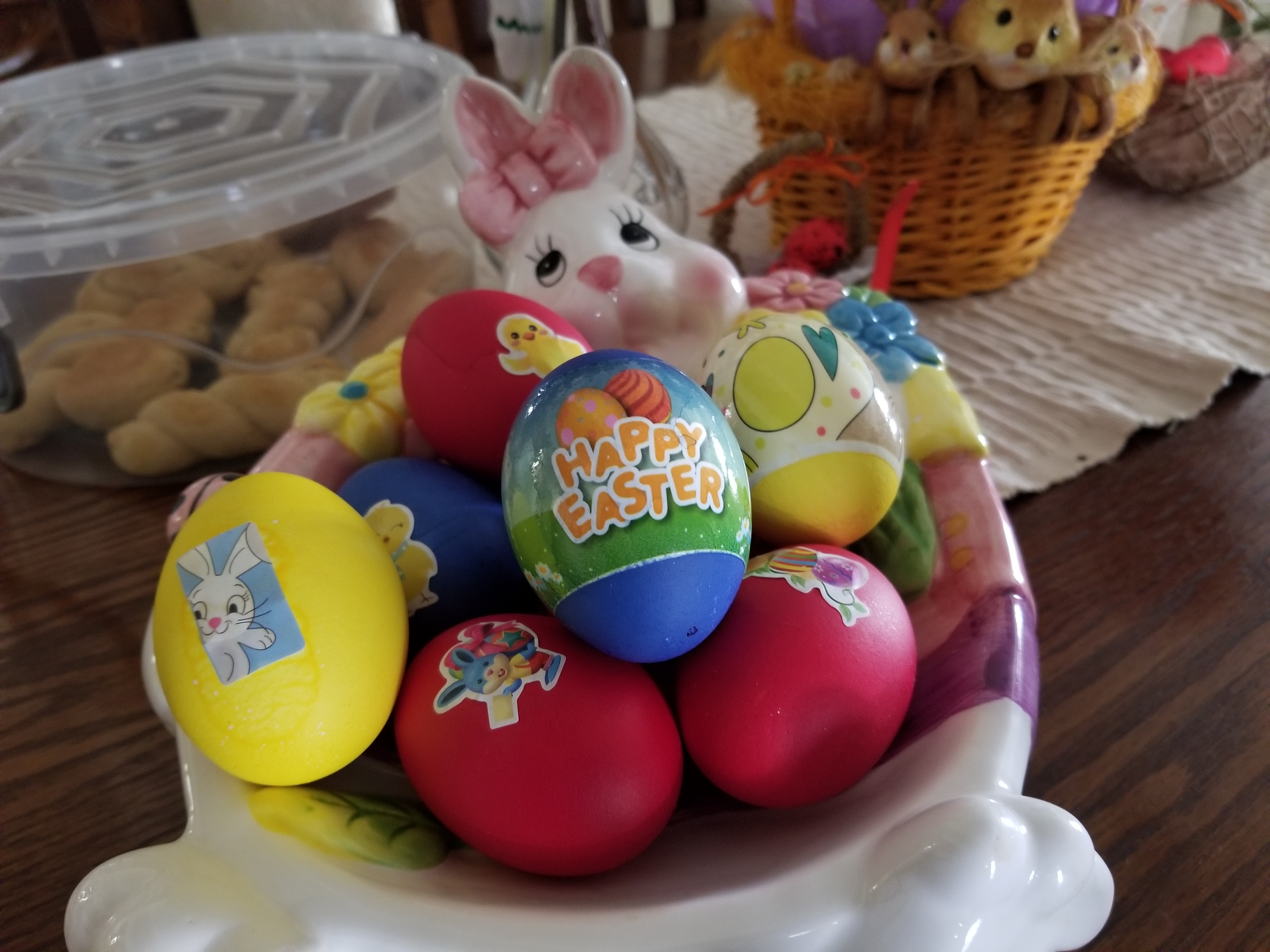
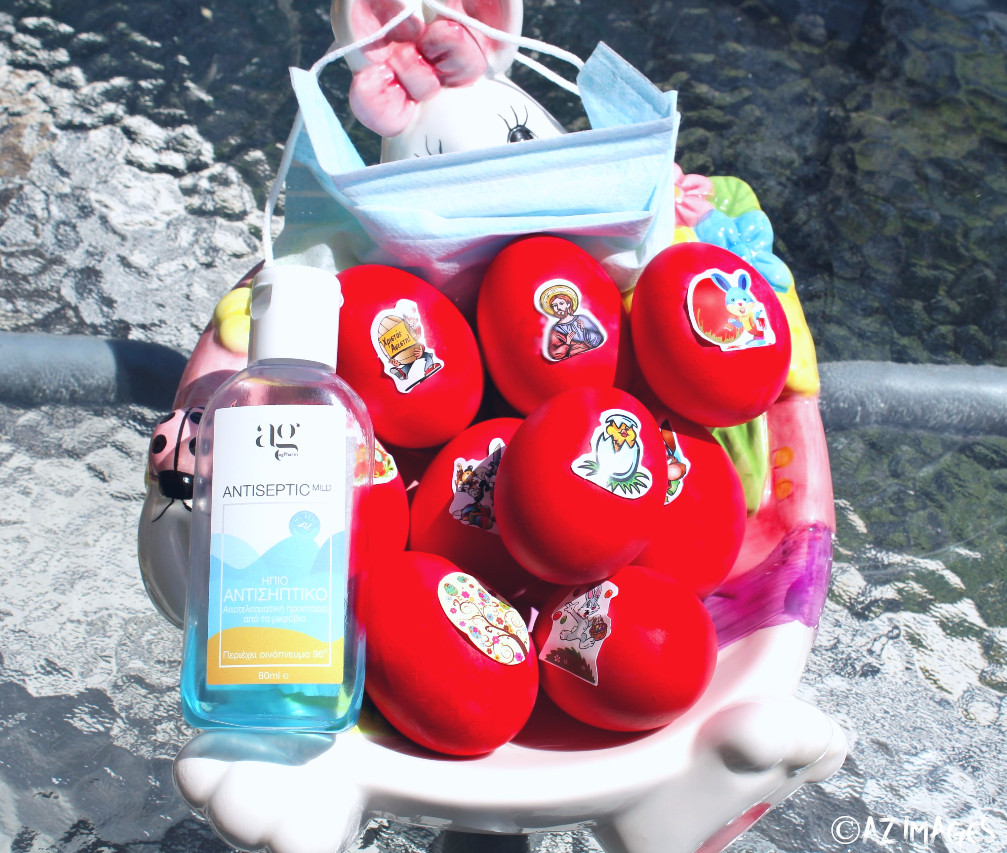
On Thursday before Easter Sunday, some eggs are dyed red and they  represent the blood that was spilled by Jesus on the cross. The large white candle is called a ‘labada’, and they can be decorated with toys and ribbons. It is brought to church on Saturday night to receive the holy light. After the ceremony there are fireworks and people kiss each other on the cheek and they say ‘Christos Anesti’ meaning ‘Christ has risen’. The lit ‘labada’  is then brought home and before entering the home, the sign of the cross is made three times with the flame from the candle at the front door.

On Easter Sunday most Greeks will spit a lamb and visitors will greet the host and random people on the street by saying ‘Christos Anesti’, Christ has risen. the person will reply by saying ‘Alithos o Kyrios’ which means ‘it is true he has risen’.

For those who observed the 40 day lent, which is strict like a vegan diet, Easter Sunday is a day to eat, drink and be merry..until you fall into a coma!