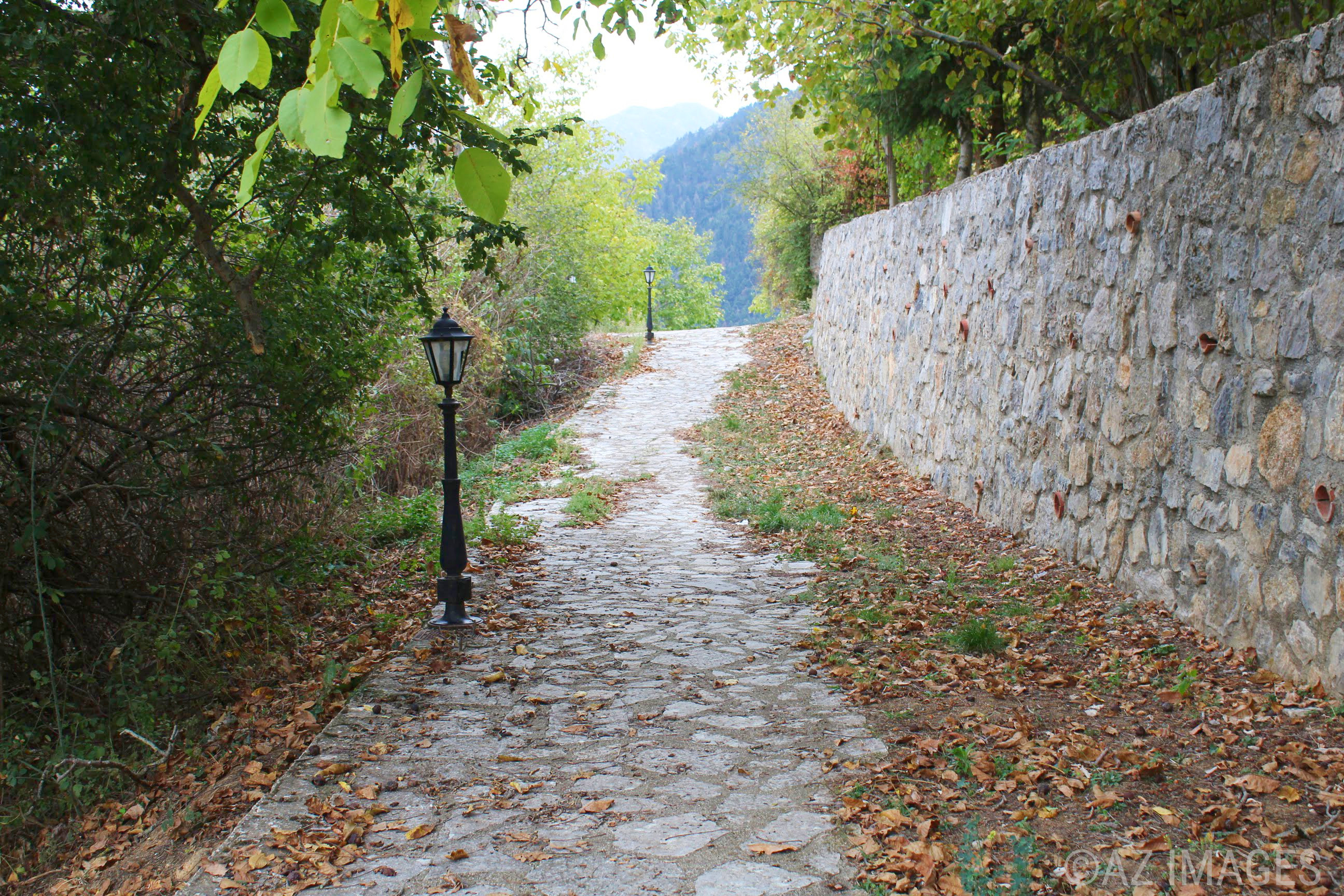
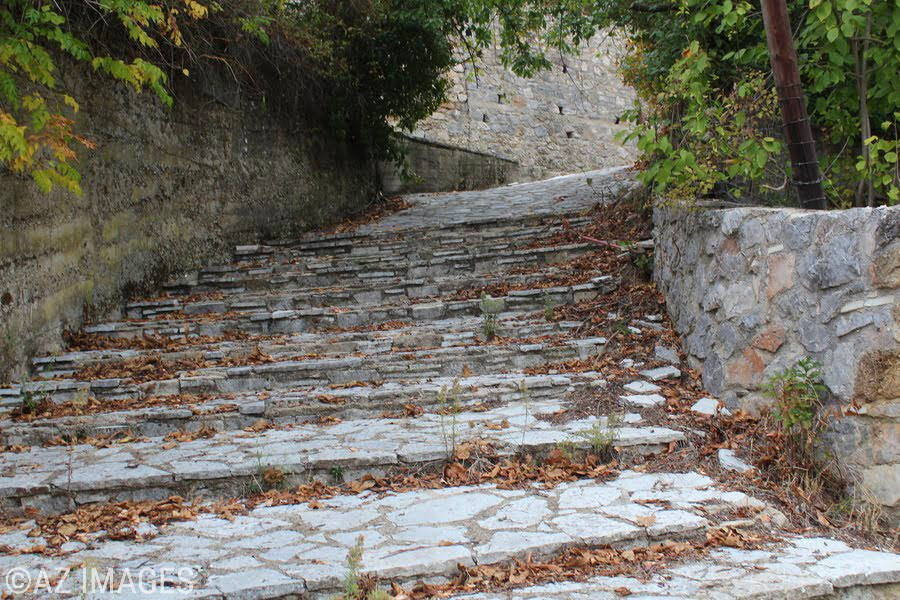
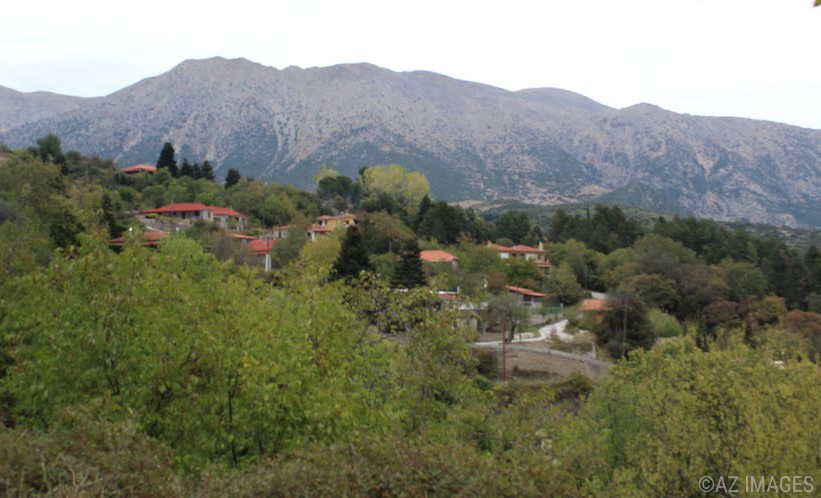
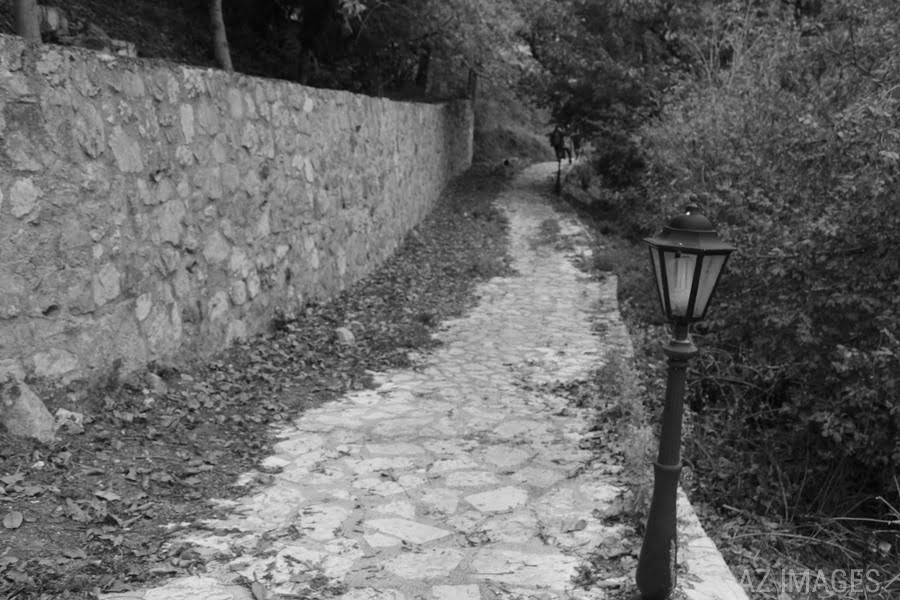
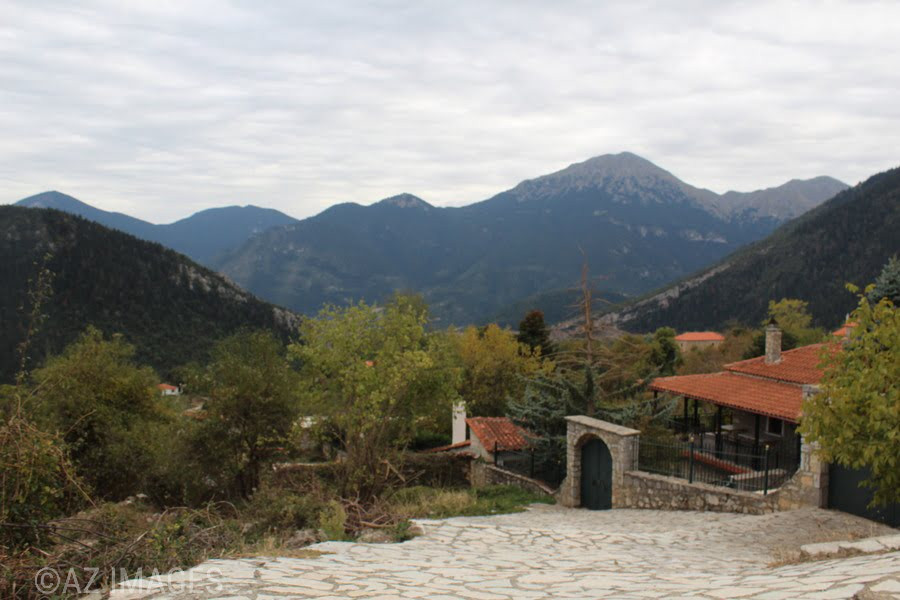
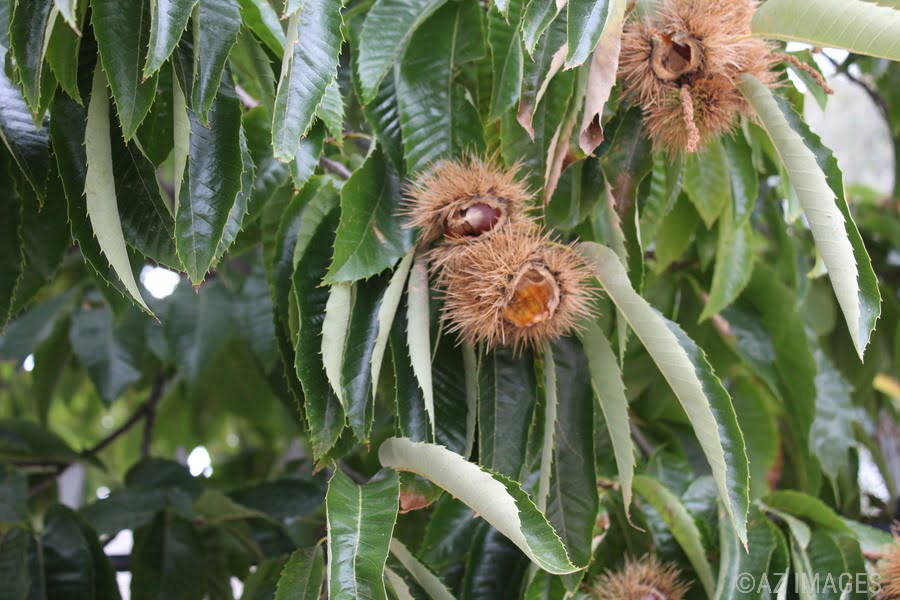
Kastania is a village in Stymfalia in Corinth in the Peloponnese. The little stone cobbled streets and homes take you back in time. Rose bushes and giant cabbages grow in the gardens of the homes. Chestnut trees line the roads in the village, which is most likely the reason the villag was named ‘Kastania’ means chestnut in Greek.
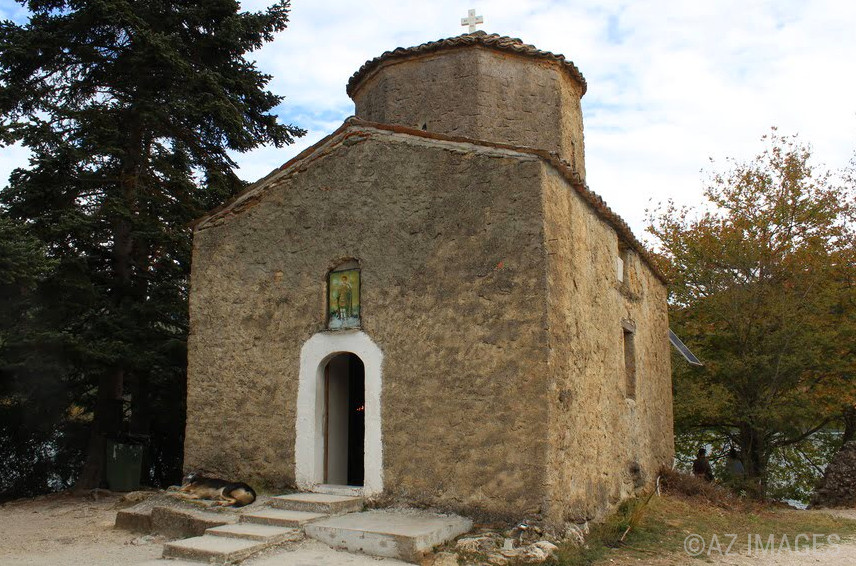
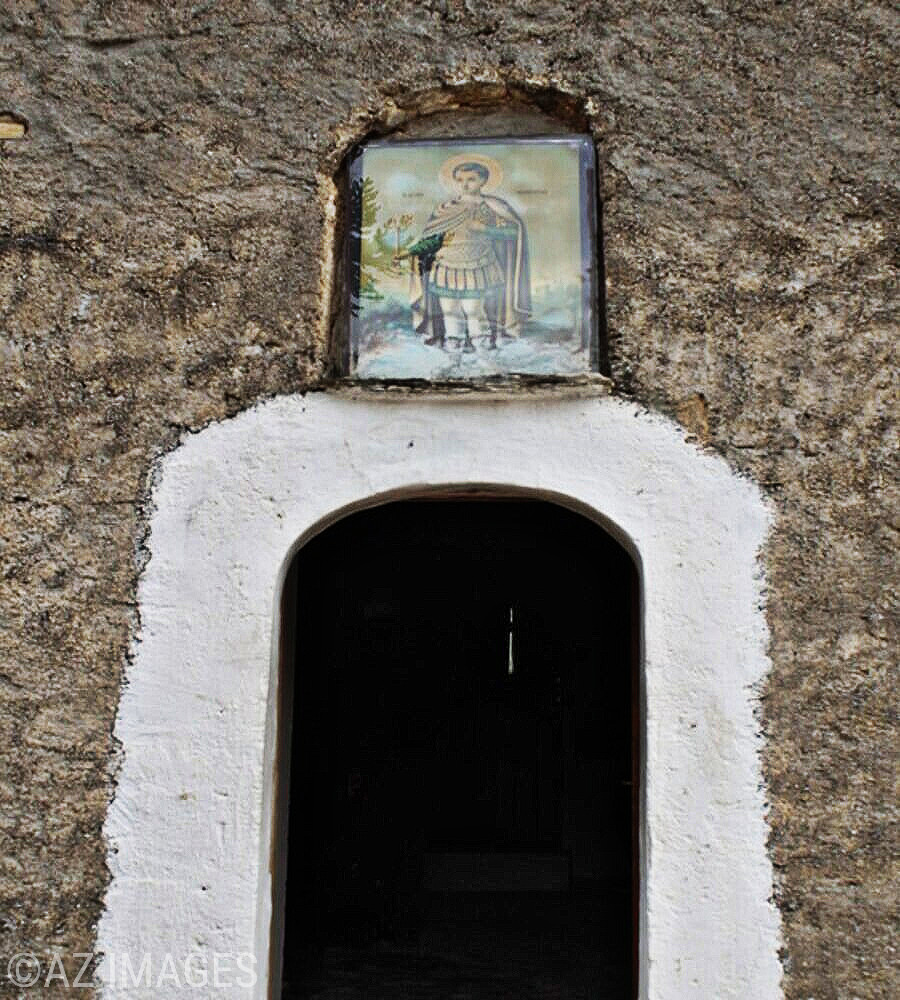
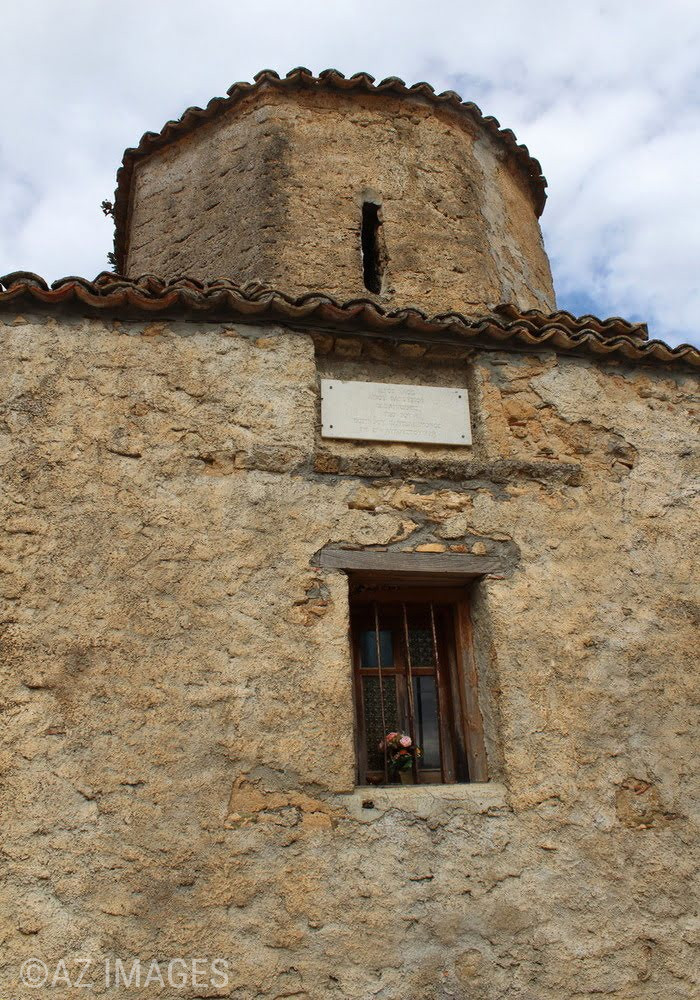
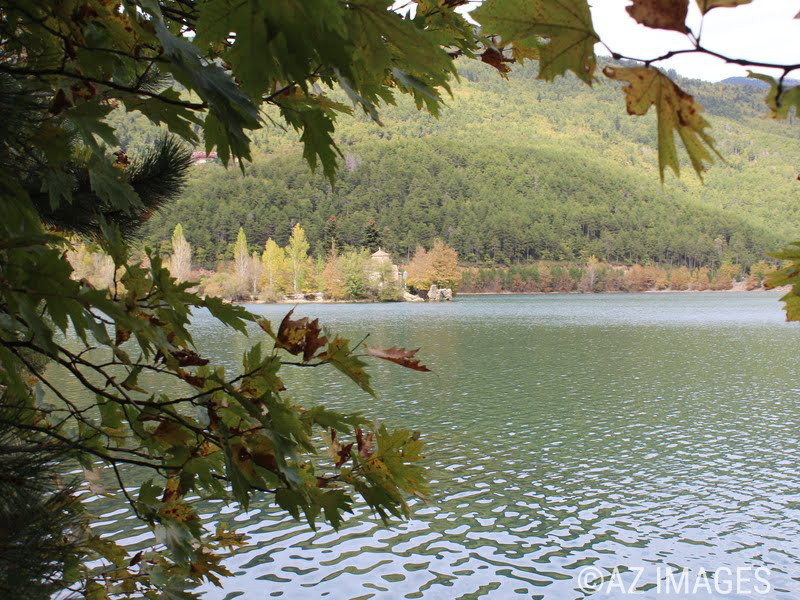
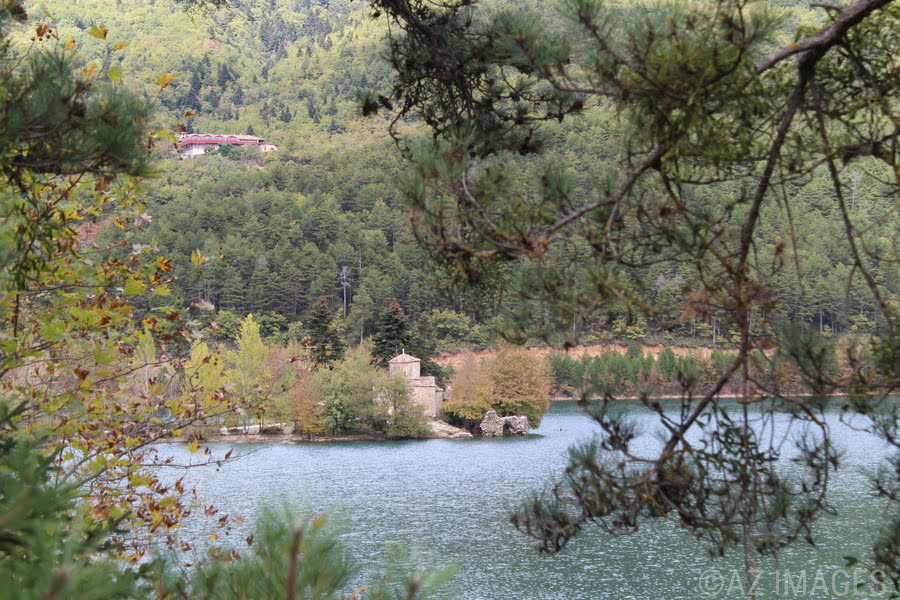
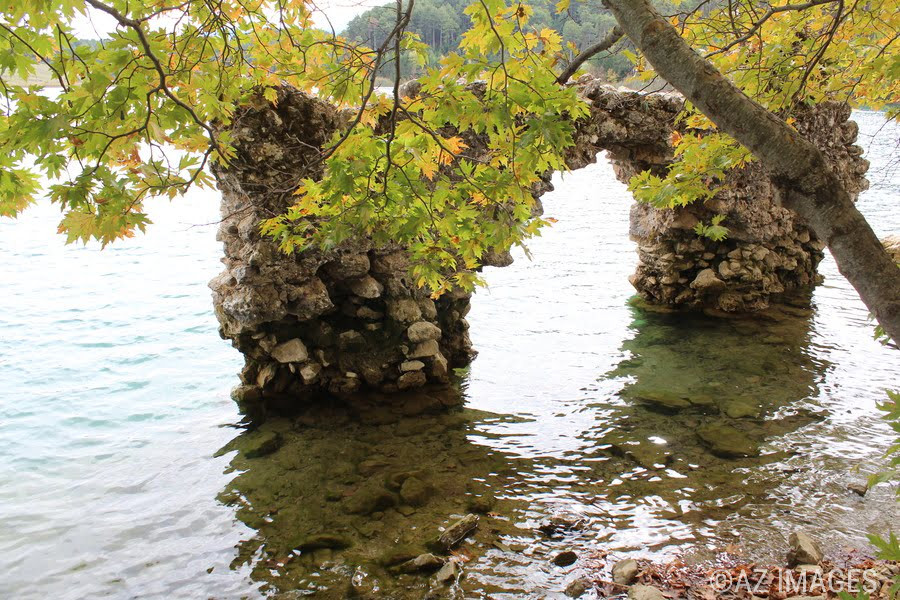
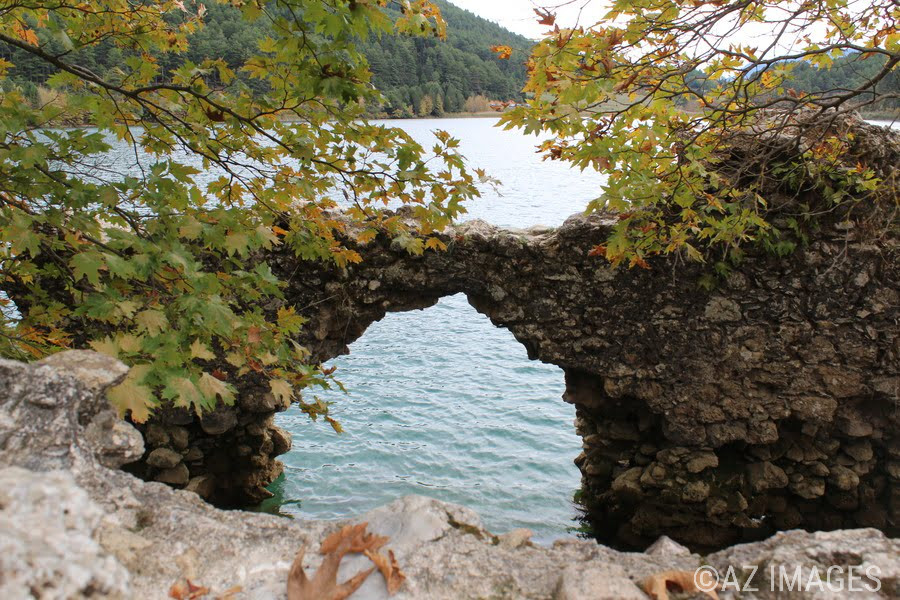
In the middle of Lake Doxa is the small church dedicated to Saint Phanourios. There is a land bridge that leads to the church.
Saint Phanouris (the newly manifest, the revealer) is a Christian martyr. From his iconography he is believed to have been a soldier from the 16th century. He is from the island of Rhodes. In his icongraphy he is holding a candle, symbolic of his patronage as a finder of lost objects. The saint was tortured and slain by the Turks after their occupation of Rhodes.
He is recognized by both the Eastern Orthodox church and Catholic church. He is commemorated on the 27th of August. On this day Greek women will bake a dessert called a Fanouropita, but is also baked on other days. It is a lenten cake baked in commemoration of the saint, and for hopes to find lost objects.
Στη μέση της λίμνης Δόξας βρίσκεται το εκκλησάκι αφιερωμένο στον Άγιο Φανούριο. Υπάρχει μια χερσαία γέφυρα που οδηγεί στην εκκλησία.
Ο Άγιος Φανούρης (ο νεοφανής, ο αποκαλυπτής) είναι χριστιανός μάρτυρας. Από την αγιογραφία του πιστεύεται ότι ήταν στρατιώτης του 16ου αιώνα. Είναι από το νησί της Ρόδου. Στην αγιογραφία του κρατά ένα κερί, συμβολικό της κηδεμονίας του ως ανιχνευτή χαμένων αντικειμένων. Ο άγιος βασανίστηκε και σκοτώθηκε από τους Τούρκους μετά την κατάληψη της Ρόδου.
Αναγνωρίζεται τόσο από την Ανατολική Ορθόδοξη Εκκλησία όσο και από την Καθολική Εκκλησία. Η μνήμη του τιμάται στις 27 Αυγούστου. Την ημέρα αυτή οι Ελληνίδες θα ψήνουν ένα γλυκό που λέγεται Φανουρόπιτα, αλλά ψήνεται και άλλες μέρες. Είναι ένα νηστίσιμο κέικ που ψήνεται στη μνήμη του αγίου, και για τις ελπίδες να βρεθούν χαμένα αντικείμενα.
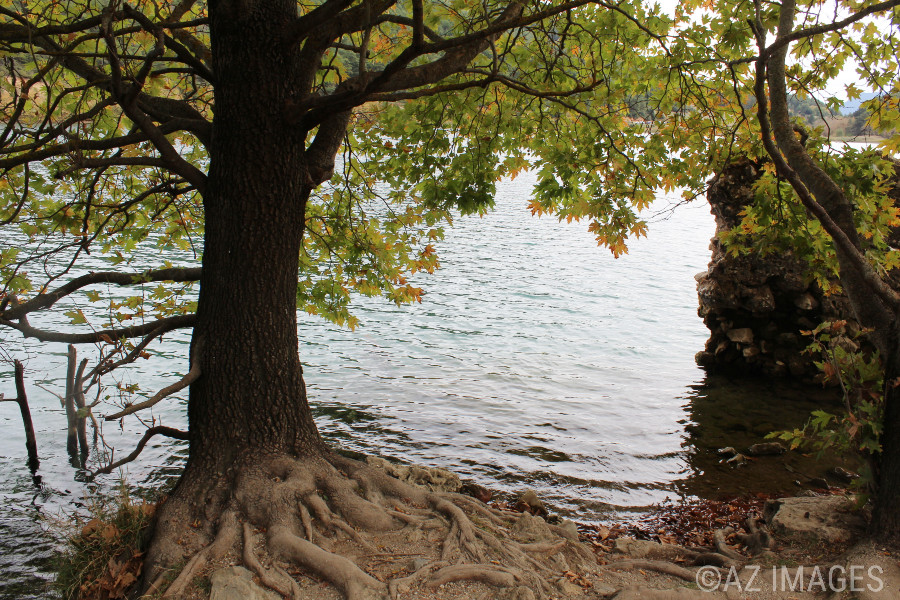
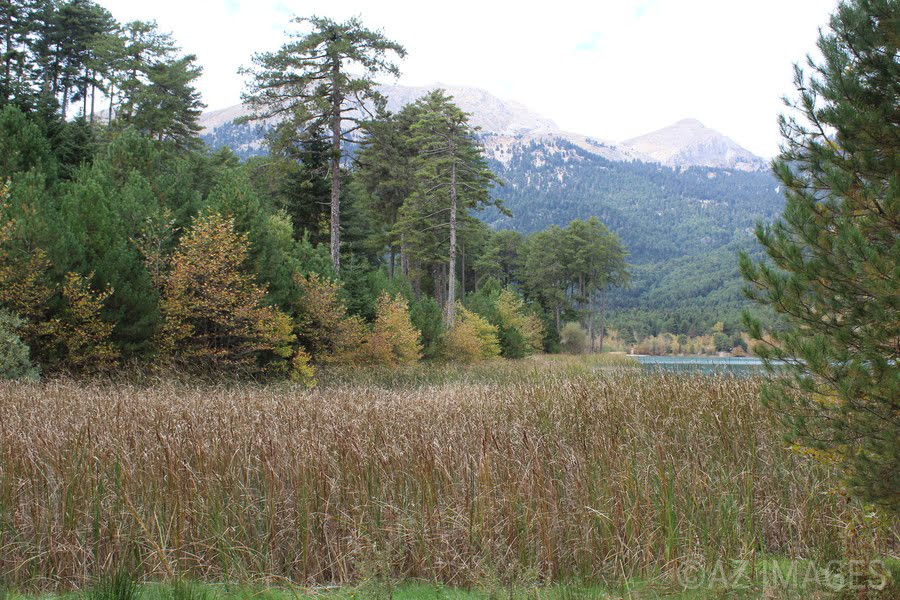
Lake Doxa is a stunning and breathtaking artificial lake in the area of Feneos, Corinth. It is about two hours away from Athens and is at an elevation of 900m.
The construction of the lake was completed in the 1990’s with the creation of a 225-meter-long dam in the bed of the Doxa stream, which was intended to cover the irrigation needs of the Feneos valley. Until then, the waters of the stream merged with the waters of the Olvios river and very often flooded the basin of the Feneos plain, destroying the crops of the producers.
Η λίμνη Δόξα είναι μια εκπληκτική και συναρπαστική τεχνητή λίμνη στην περιοχή του Φενεού Κορινθίας. Απέχει περίπου δύο ώρες από την Αθήνα και βρίσκεται σε υψόμετρο 900μ.
Η κατασκευή της λίμνης ολοκληρώθηκε τη δεκαετία του 1990 με τη δημιουργία φράγματος μήκους 225 μέτρων στην κοίτη του ρέματος Δόξας, που προοριζόταν να καλύψει τις αρδευτικές ανάγκες της κοιλάδας του Φενεού. Μέχρι τότε τα νερά του ρέματος ενώθηκαν με τα νερά του ποταμού Όλβιου και πολύ συχνά πλημμύριζαν τη λεκάνη της πεδιάδας του Φενεού, καταστρέφοντας τις καλλιέργειες των παραγωγών.
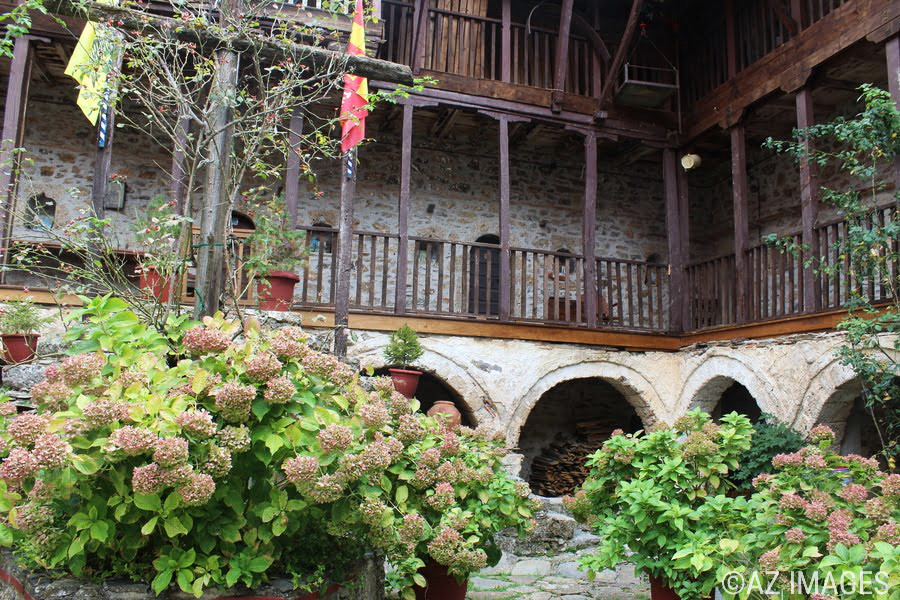
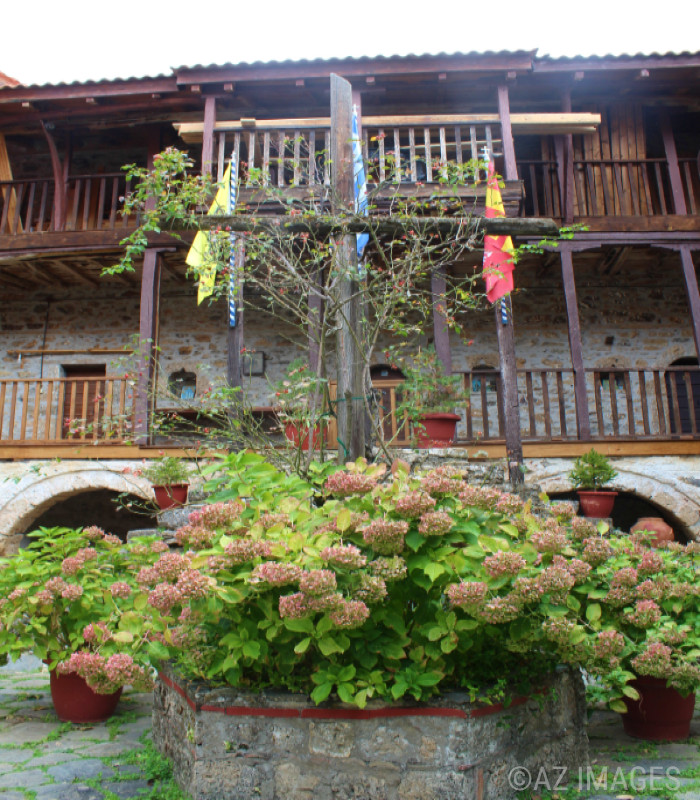
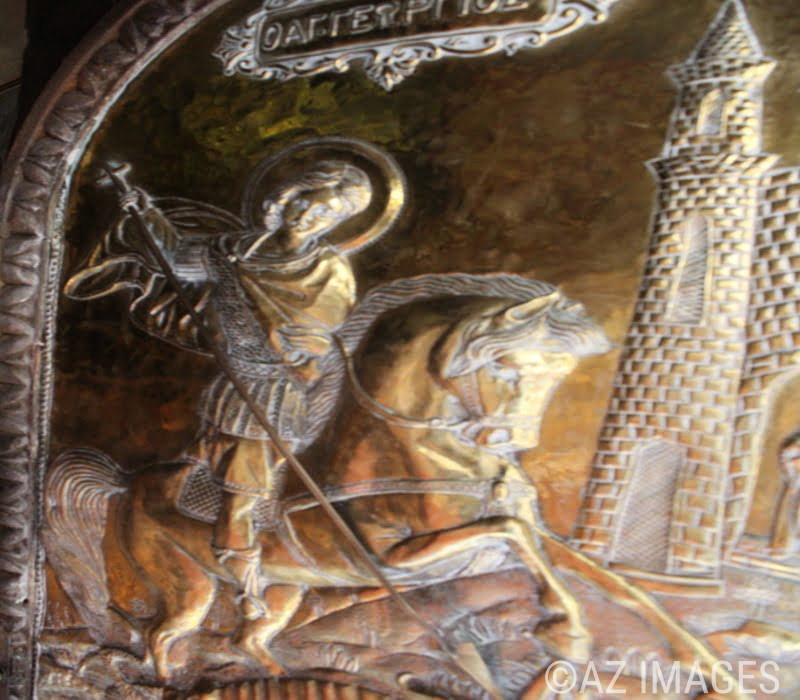
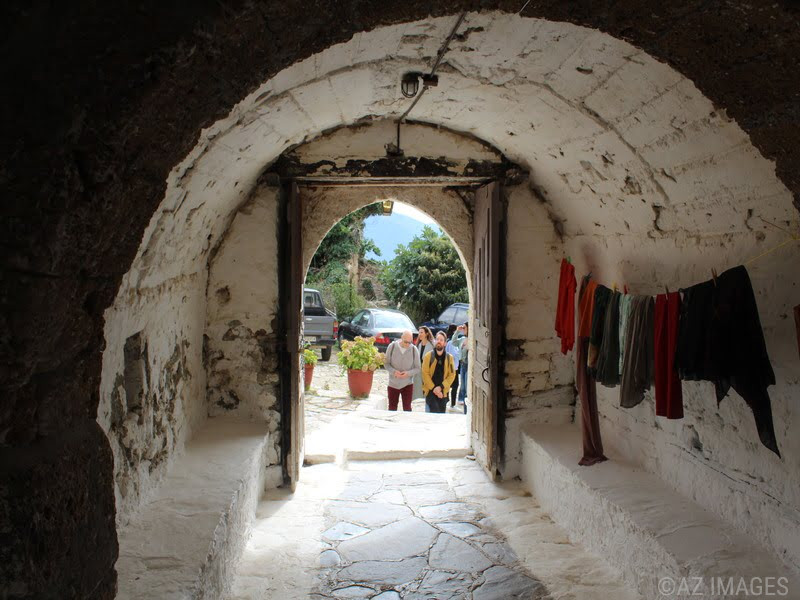
Located in an area nicknamed, ‘The Corinthian Switzerland’, is the men’s monastery of St. George Feneou. The monsatery was built in 1693 at a height of 1500m. The original monastery was destroyed due to severe flooding from the lake in the 17th century. The monastery offers a beautiful view of the stunning Lake Doxa below.
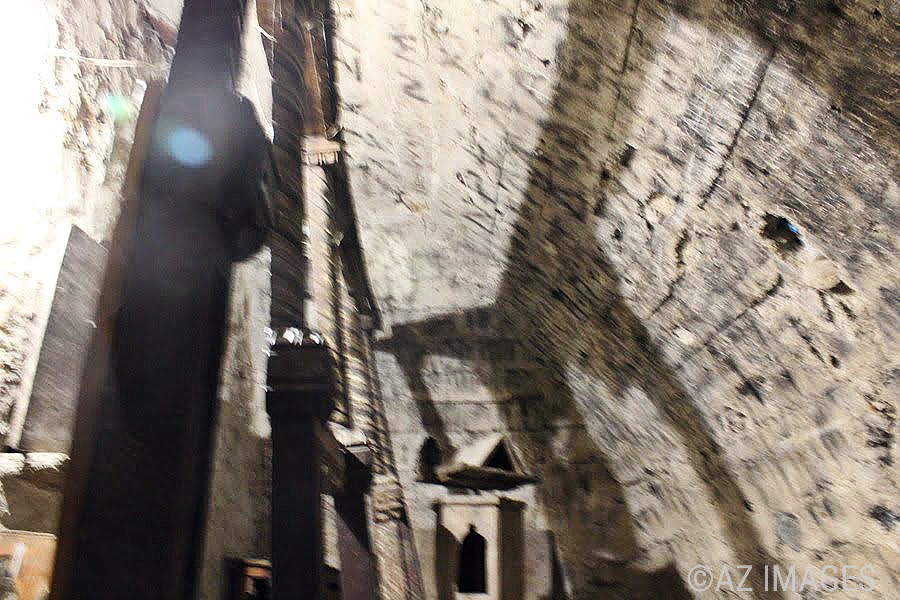
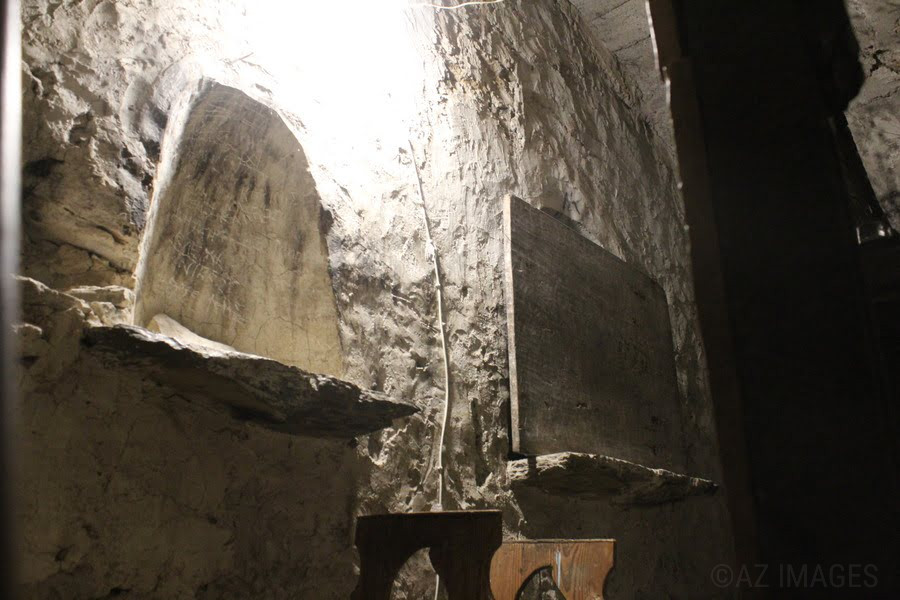
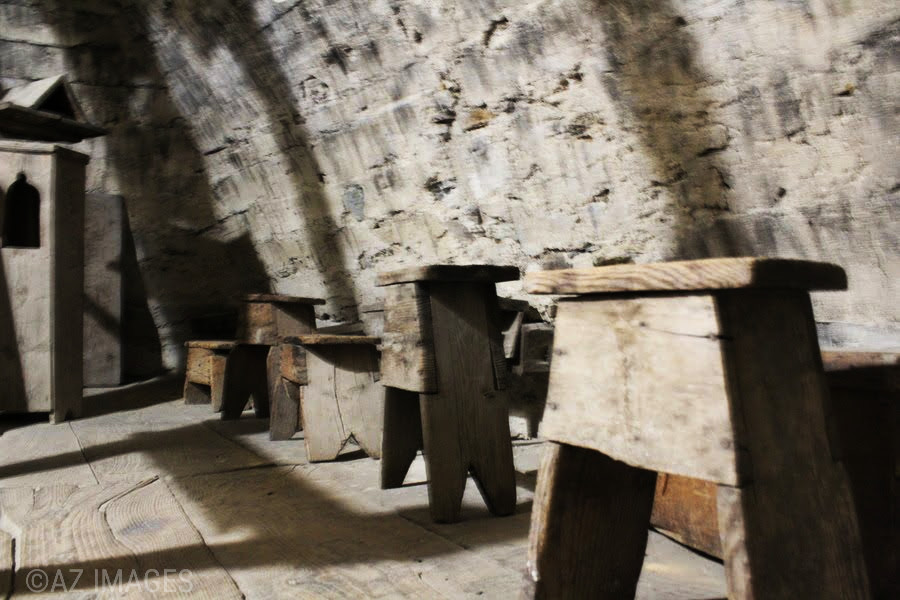
A special feature in the monastery is a hidden school from the Ottoman era when Greek children were not allowed to get an education. You can see the etchings on the stone wall and the little benches for the children.
During the Greek revolutionary war of 1821 military leaders would meet here from Corinth and Arcadia to discuss their plans for war.
Το ανδρικό μοναστήρι του Αγίου Γεωργίου Φενεού βρίσκεται σε μια περιοχή με το παρατσούκλι «Η Κορινθιακή Ελβετία». Το μοναστήρι χτίστηκε το 1693 σε ύψος 1500μ. Το αρχικό μοναστήρι καταστράφηκε λόγω ισχυρών πλημμυρών από τη λίμνη τον 17ο αιώνα.
Το μοναστήρι προσφέρει όμορφη θέα στην εκπληκτική λίμνη Δόξα από κάτω. Ιδιαίτερο χαρακτηριστικό στο μοναστήρι είναι ένα κρυφό σχολείο από την Οθωμανική εποχή που δεν επιτρεπόταν στα ελληνόπουλα να μορφωθούν. Μπορείτε να δείτε τα χαρακτικά στον πέτρινο τοίχο και τα παγκάκια για τα παιδιά.
Κατά τη διάρκεια του ελληνικού επαναστατικού πολέμου του 1821, στρατιωτικοί ηγέτες θα συναντιόντουσαν εδώ από την Κόρινθο και την Αρκαδία για να συζητήσουν τα σχέδιά τους για πόλεμο.
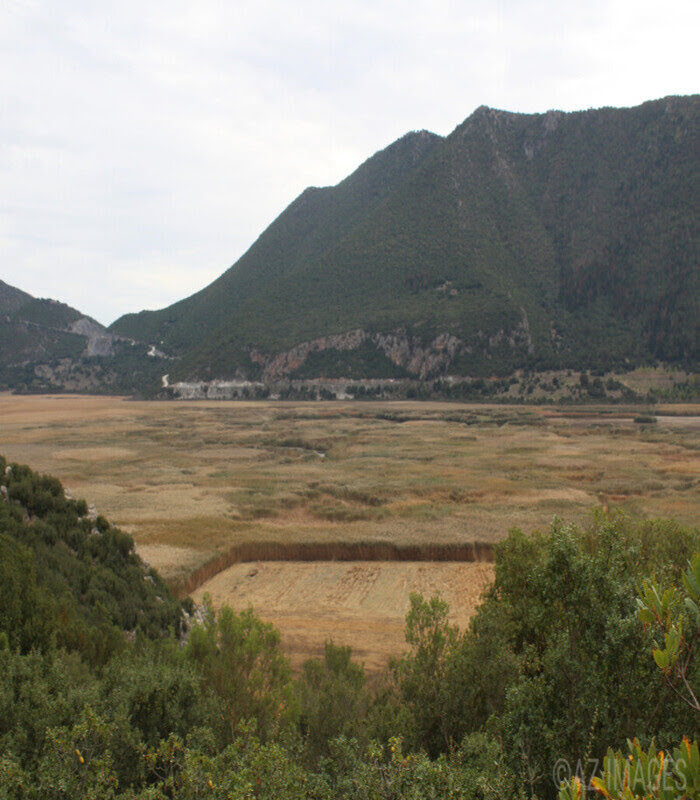
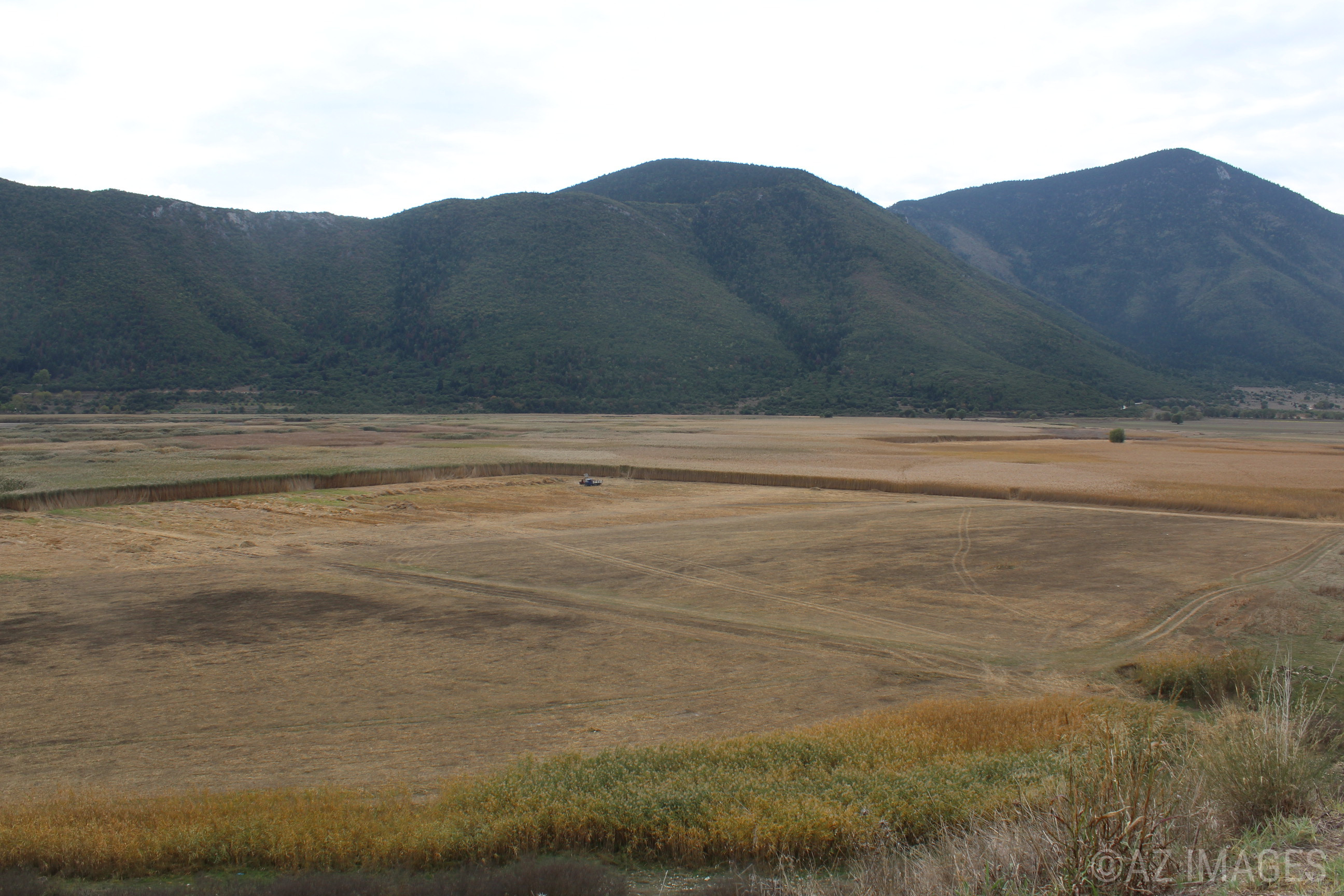
Lake Stymfalia is located in the rugged mountainous region of Corinth. The name of the lake is named after the ancient Arcadian town of Stymfalos that was built at the edge of the lake. The area has been declared a protected habitat by the pan-European Natura 2000 network, as it is a resting and breeding station for many species of migratory birds.
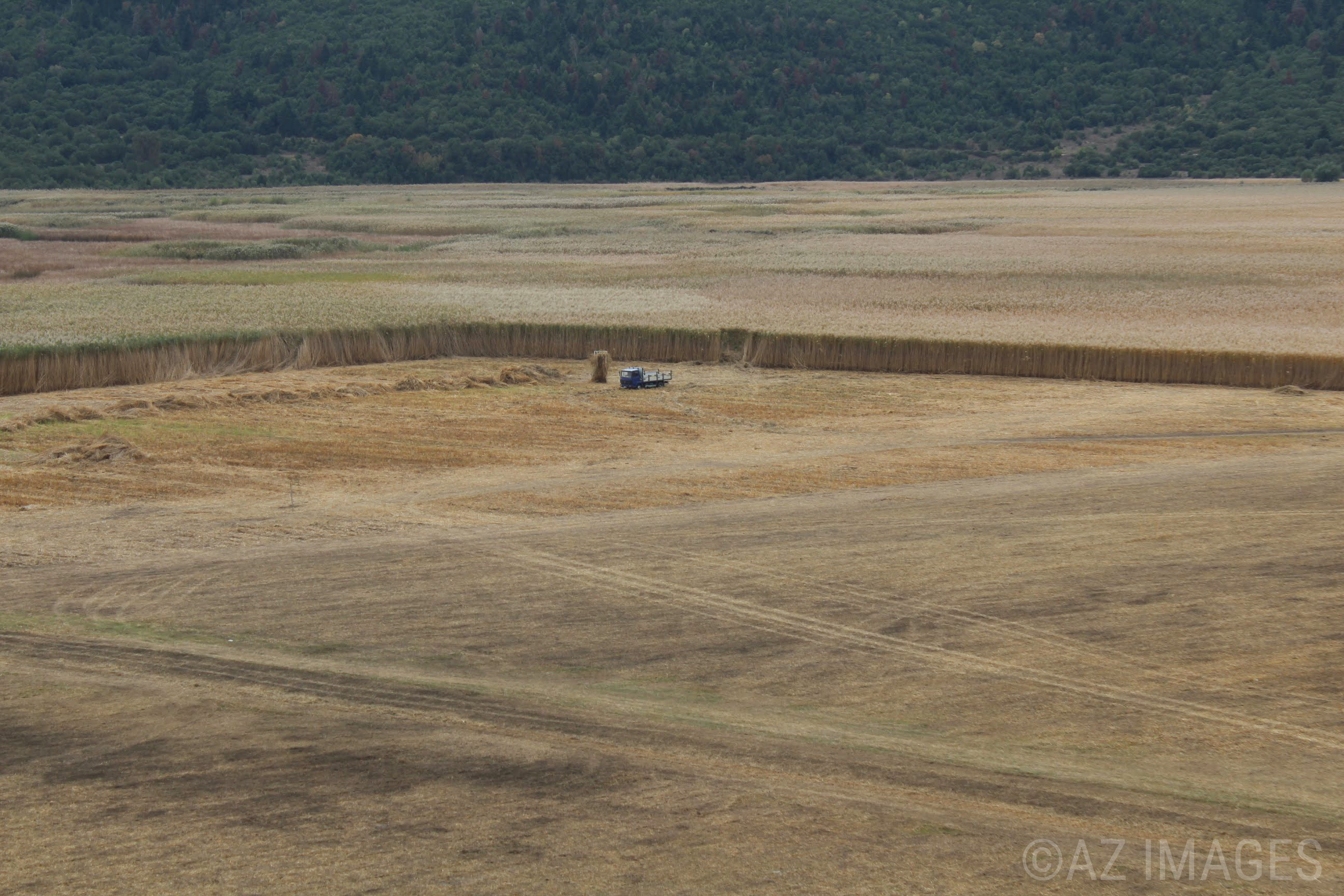
The lake contains water mostly in the winter and about half a meter in the fall. However, when I went this fall there wasn’t any water. It was a very dry year for Greece, with many regions dealing with drought conditions.
According to Greek mythology Lake Stymfalia was the site where Heracles arrived for his 6th labour. Heracles was tasked to fight the Stymphalid birds. These were man-eating birds with bronze beaks, claws and wings. They hid in the thick vegetation, and terrorized the nearby inhabitants, and their livestock. With the help of the goddess Athena, with their bows and arrows they were able to defeat them.
Η λίμνη Στυμφαλία βρίσκεται στην απόκρημνη ορεινή περιοχή της Κορίνθου. Το όνομα της λίμνης πήρε το όνομά της από την αρχαία αρκαδική πόλη της Στύμφαλου που ήταν χτισμένη στην άκρη της λίμνης. Η περιοχή έχει κηρυχθεί προστατευόμενος βιότοπος από το πανευρωπαϊκό δίκτυο Natura 2000, καθώς αποτελεί σταθμό ανάπαυσης και αναπαραγωγής πολλών ειδών αποδημητικών πτηνών.
Η λίμνη περιέχει νερό κυρίως το χειμώνα και περίπου μισό μέτρο το φθινόπωρο. Ωστόσο, όταν πήγα αυτό το φθινόπωρο, δεν υπήρχε νερό. Ήταν μια πολύ ξηρή χρονιά για την Ελλάδα, με πολλές περιοχές να αντιμετωπίζουν συνθήκες ξηρασίας.
Σύμφωνα με την ελληνική μυθολογία, η λίμνη Στυμφαλία ήταν ο τόπος όπου έφτασε ο Ηρακλής για τον έκτο κατά σειρά άθλου του. Ο Ηρακλής ανέλαβε να πολεμήσει τα πουλιά της Στυμφαλίδας. Αυτά ήταν ανθρωποφάγα πουλιά με χάλκινα ράμφη, νύχια και φτερά. Κρύφτηκαν στην πυκνή βλάστηση και τρομοκρατούσαν τους γύρω κατοίκους και τα ζώα τους. Με τη βοήθεια της θεάς Αθηνάς, με τα τόξα και τα βέλη τους κατάφεραν να τους νικήσουν.
A presentation on how the lakes in the region were formed.
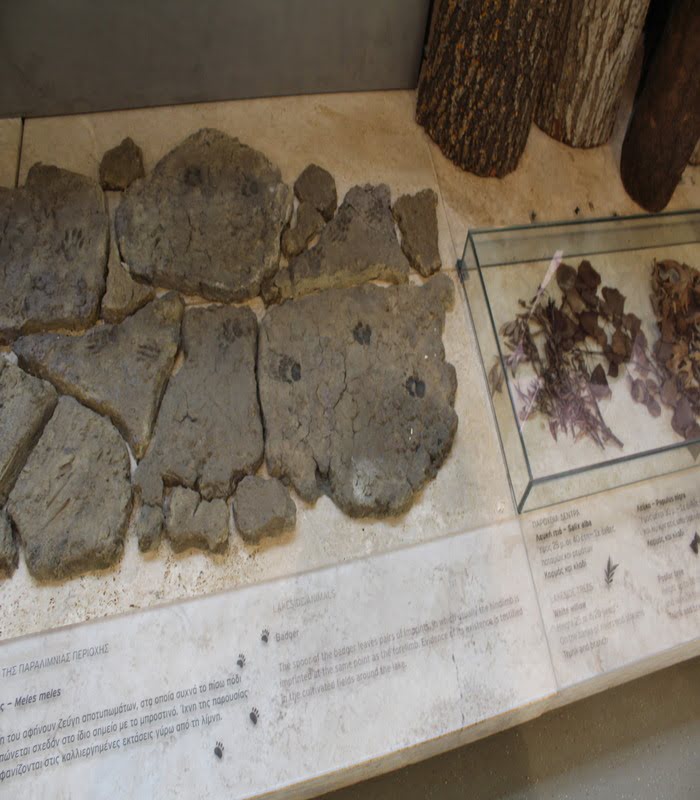
Ancient bird foot prints
An aquarium with fish swimming inside.
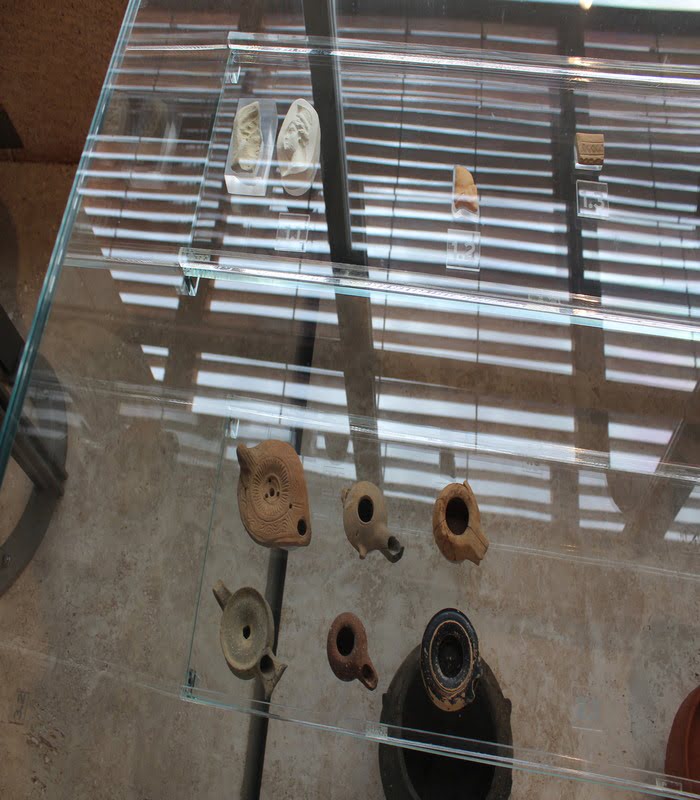
Ancient artifacts discovered in the area.
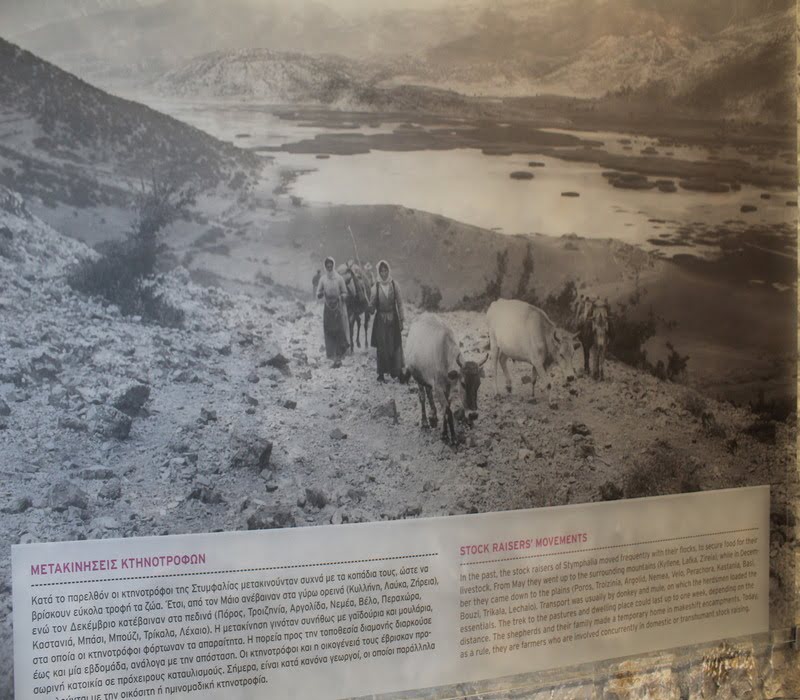
Sheep herders from earlier in the last century flocking sheep near the lake behind them.
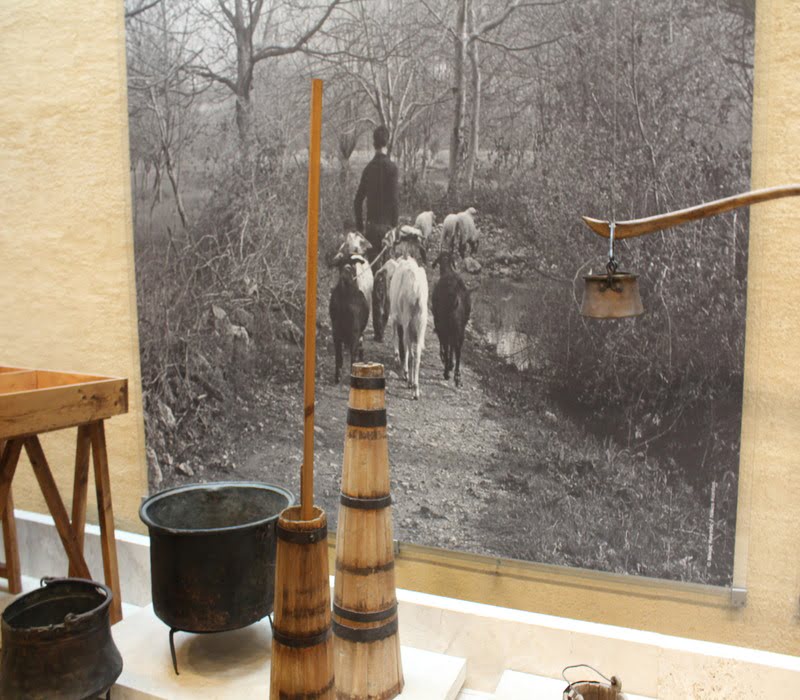
The cloak, shoes and bells of a sheep herdsman.
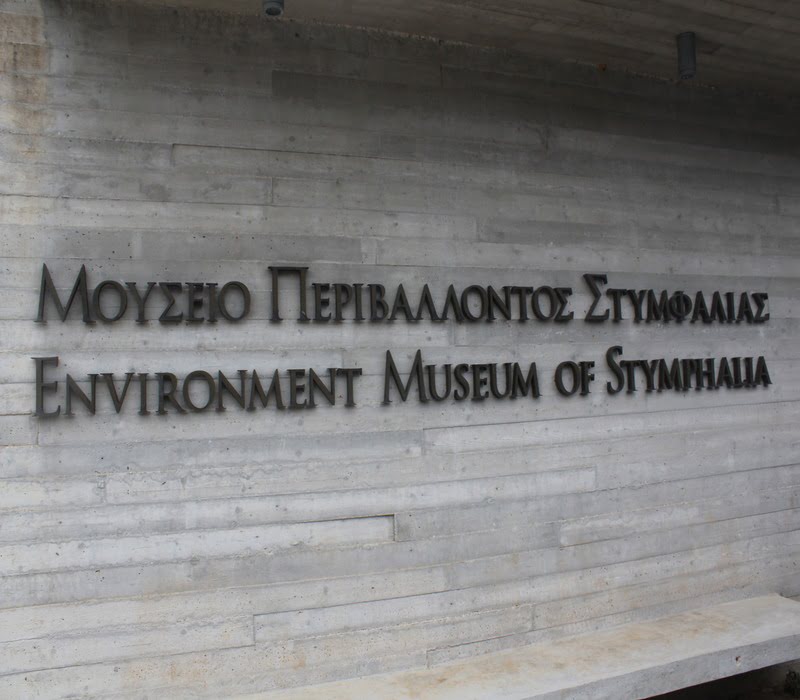
The environment museum is located in the mountainous side of Corinth. The museum aims to exhibit the human interdependence with nature. The exhibits include how the nearby Lake Stymfalia was created over time. The main objectives of the museum are to bring ecological awareness to the public, and the preservation of knowledge about the traditional technology of the region, such as bee keeping, the harvesting of wheat, sheep herding, and fishing.
Just a few feet away from the museum is the Lake Stymfalia which has mythological connections which I will be discussing in the next post.
Το μουσείο περιβάλλοντος βρίσκεται στην ορεινή πλευρά της Κορίνθου. Το μουσείο στοχεύει να παρουσιάσει την αλληλεξάρτηση του ανθρώπου με τη φύση. Τα εκθέματα περιλαμβάνουν πώς δημιουργήθηκε η κοντινή λίμνη Στυμφαλίας με την πάροδο του χρόνου. Κύριοι στόχοι του μουσείου είναι η οικολογική ευαισθητοποίηση του κοινού και η διατήρηση της γνώσης για την παραδοσιακή τεχνολογία της περιοχής, όπως η μελισσοκομία, η συγκομιδή σιταριού, η βοσκή προβάτων και το ψάρεμα.
Μόλις λίγα μέτρα μακριά από το μουσείο βρίσκεται η λίμνη Στυμφαλία που έχει μυθολογικές συνδέσεις για τις οποίες θα αναφερθώ σε επόμενη ανάρτηση.
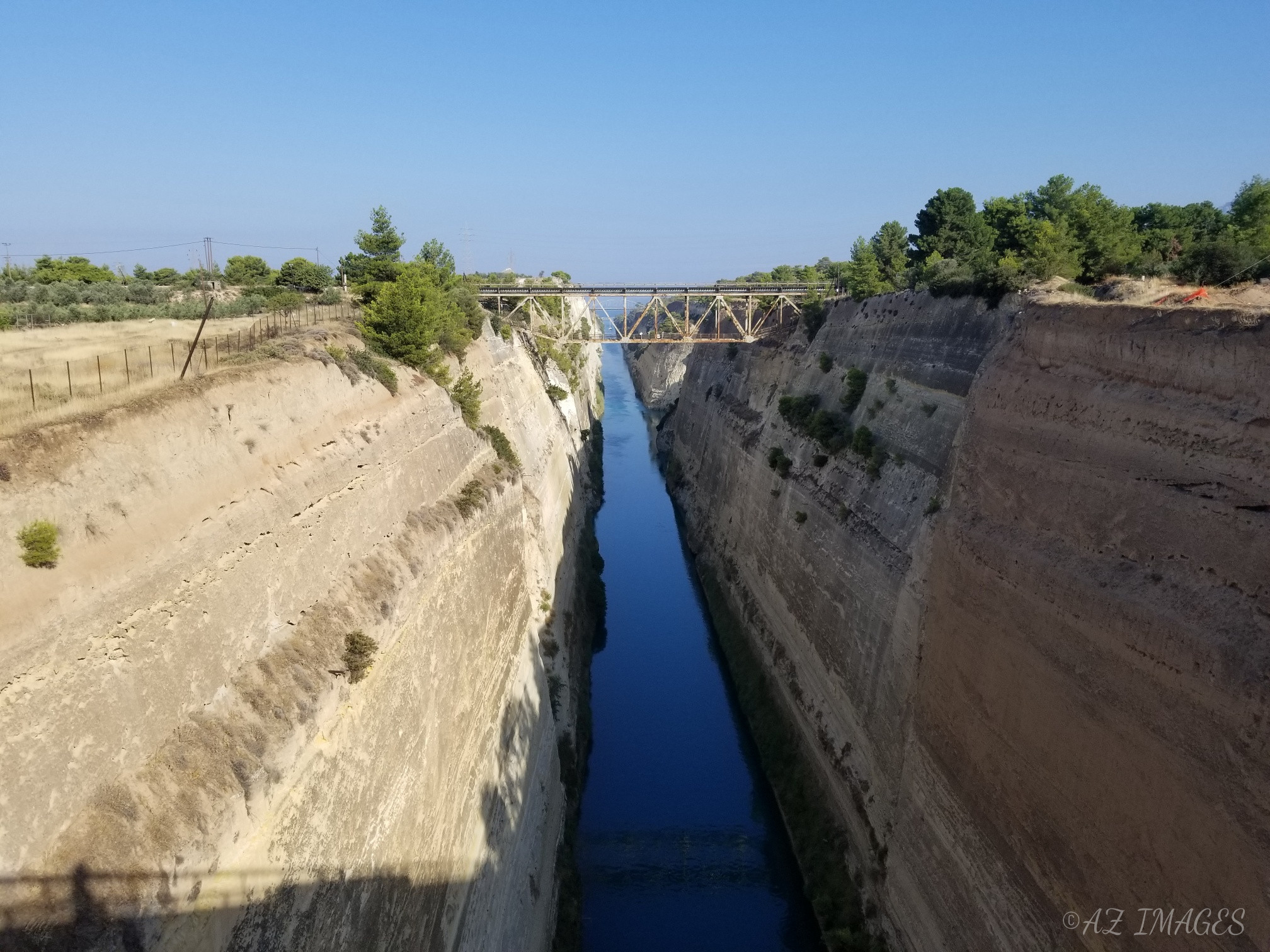
The Corinth Canal is a popular pitt stop for travellers either on their way to Athens from the Peloponnese or vice versa. I have passed by the canal many times during my short trips to the Peloponnese, and it never ceases to amaze me. It is an increadible feat of engineering that was only an idea in classical times.
There were many attempts by different rulers in antiquity to dig the canal, but they all failed. Then, in the 19th Century the vision was revived and then Greek prime minister Ioannis Kapodistrias hired a French company to begin construction on the canal. However, the French company went bankrupt, and the project was handed over to a Greek company. The canal was completed in 1893 on the 25th of July.
The narrow passage way means that large vessels cannot pass through. The canal closed in the beginning of 2021 due to landslides, and in will re-open in 2023.
Η Διώρυγα της Κορίνθου είναι μια δημοφιλής στάση για τους ταξιδιώτες είτε στο δρόμο τους προς την Αθήνα από την Πελοπόννησο είτε αντίστροφα. Έχω περάσει πολλές φορές από το κανάλι στα σύντομα ταξίδια μου στην Πελοπόννησο και δεν σταματά να με εκπλήσσει. Είναι ένα απίστευτο κατόρθωμα της μηχανικής που ήταν μόνο μια ιδέα στην κλασική εποχή.
Έγιναν πολλές προσπάθειες από διαφορετικούς ηγεμόνες στην αρχαιότητα να σκάψουν το κανάλι, αλλά όλες απέτυχαν. Στη συνέχεια, τον 19ο αιώνα το όραμα αναβίωσε και τότε ο Έλληνας πρωθυπουργός Ιωάννης Καποδίστριας προσέλαβε μια γαλλική εταιρεία για να ξεκινήσει την κατασκευή του καναλιού. Ωστόσο, η γαλλική εταιρεία χρεοκόπησε, και το έργο παραδόθηκε σε ελληνική εταιρεία. Το κανάλι ολοκληρώθηκε το 1893 στις 25 Ιουλίου.
Η στενή δίοδος σημαίνει ότι δεν μπορούν να περάσουν μεγάλα σκάφη. Το κανάλι έκλεισε στις αρχές του 2021 λόγω κατολισθήσεων και θα ανοίξει ξανά το 2023.
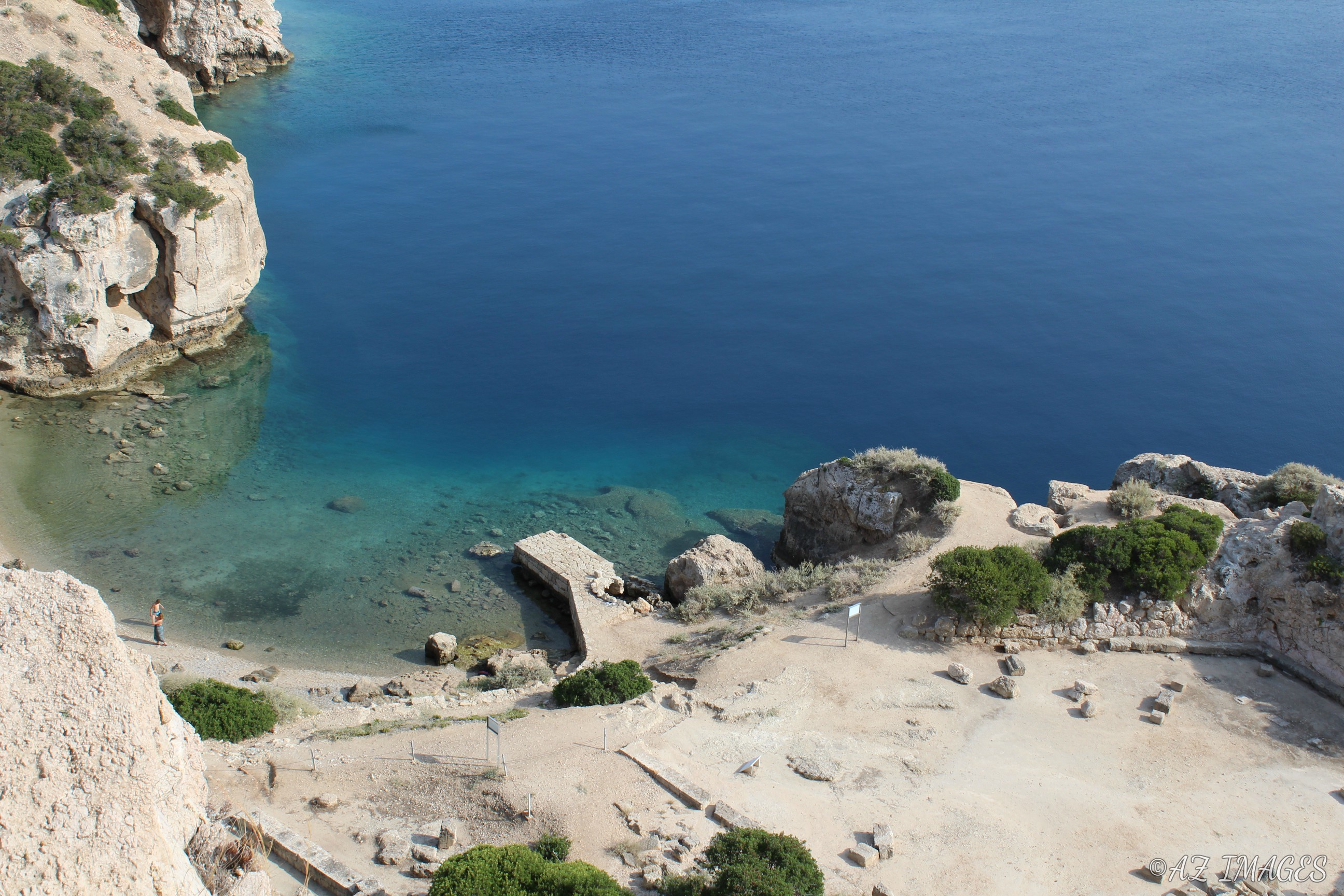
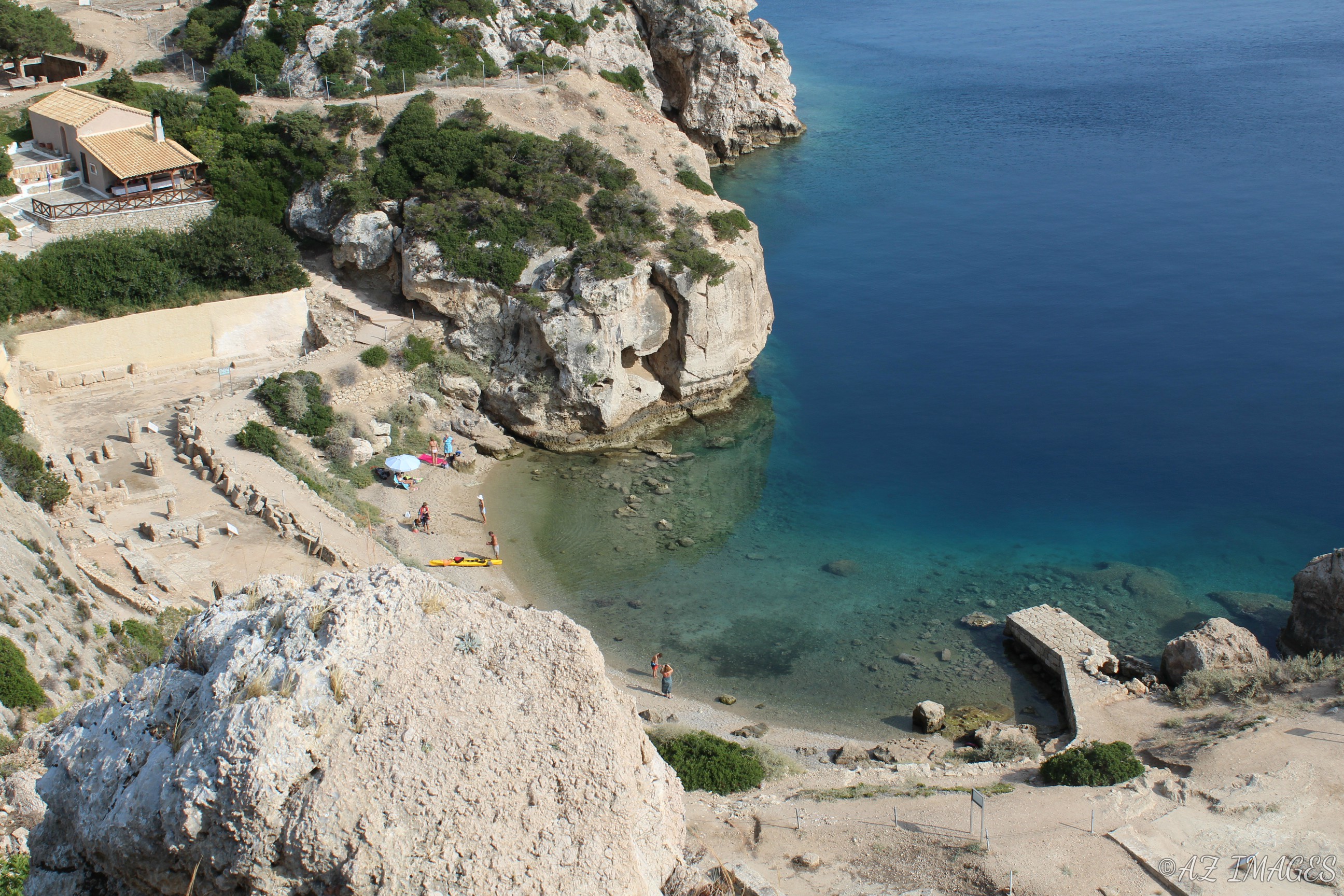
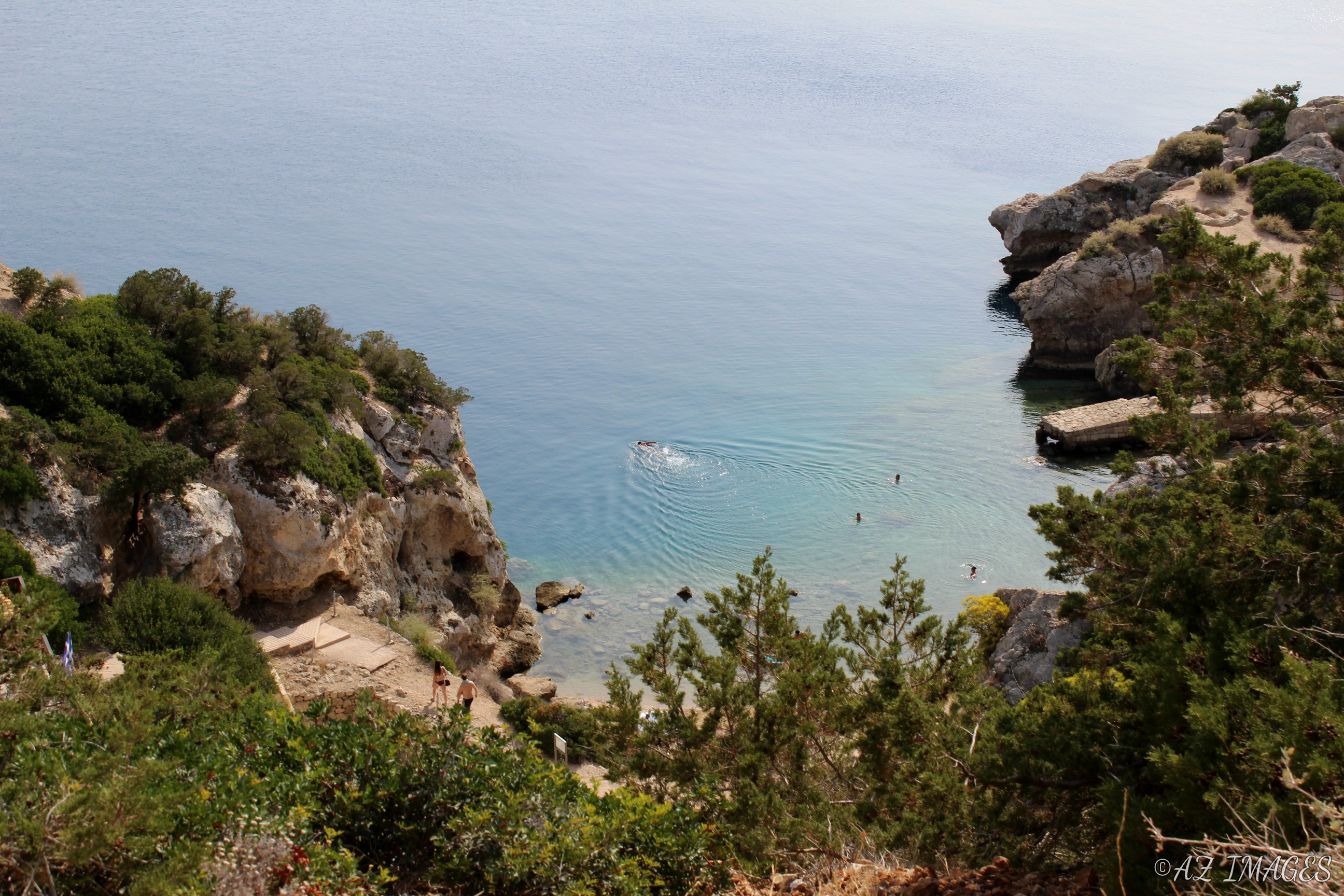
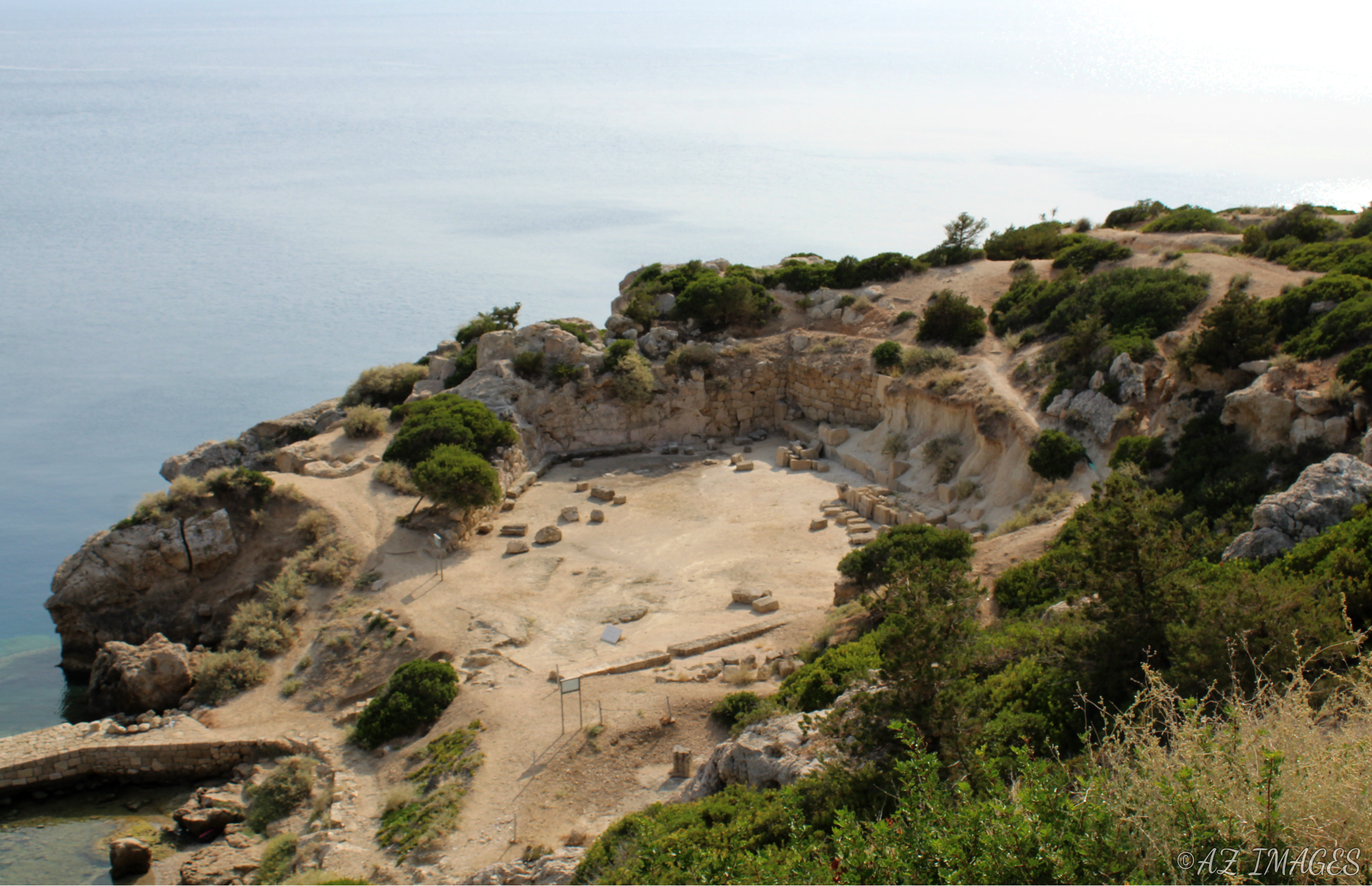
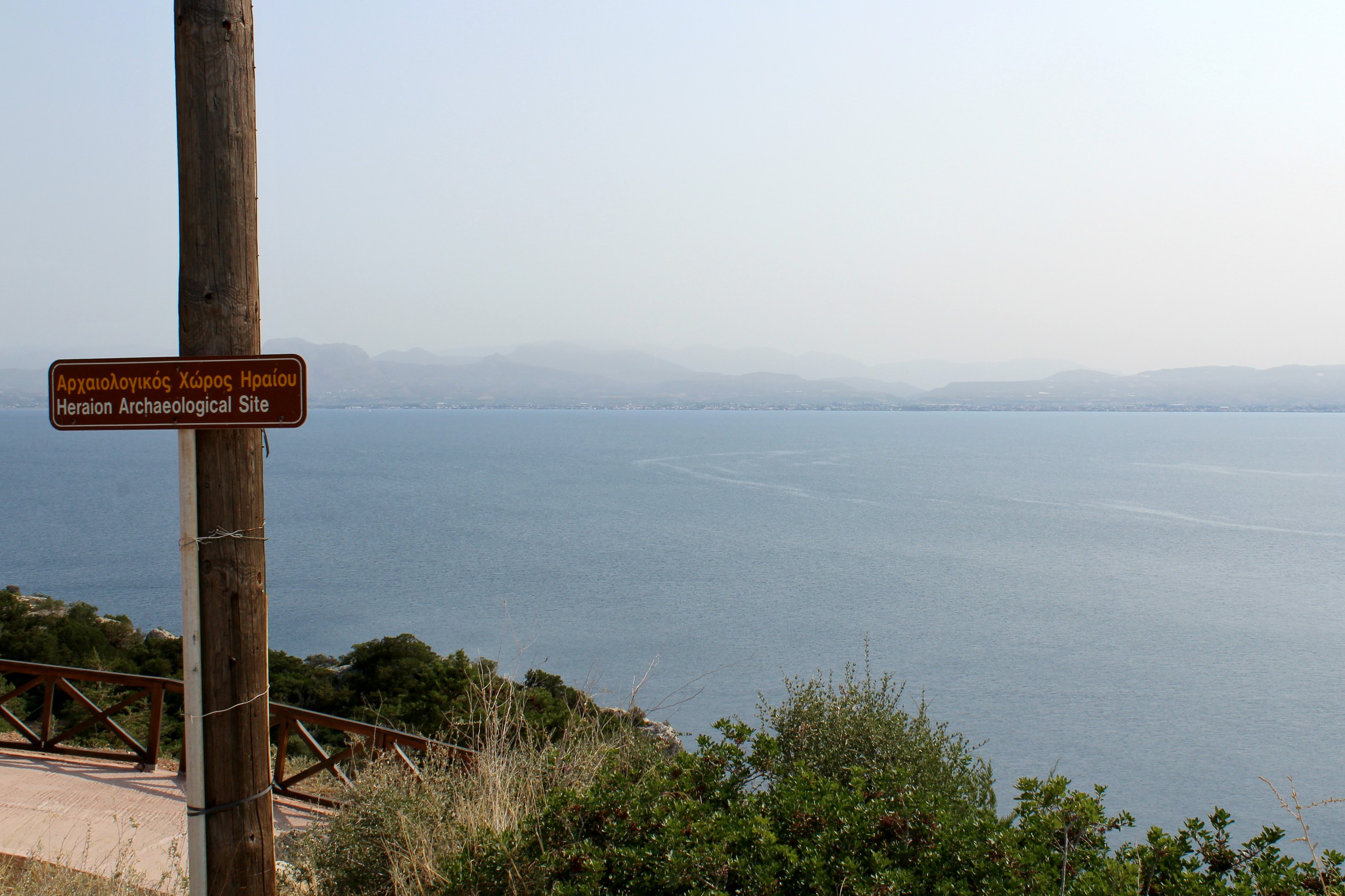
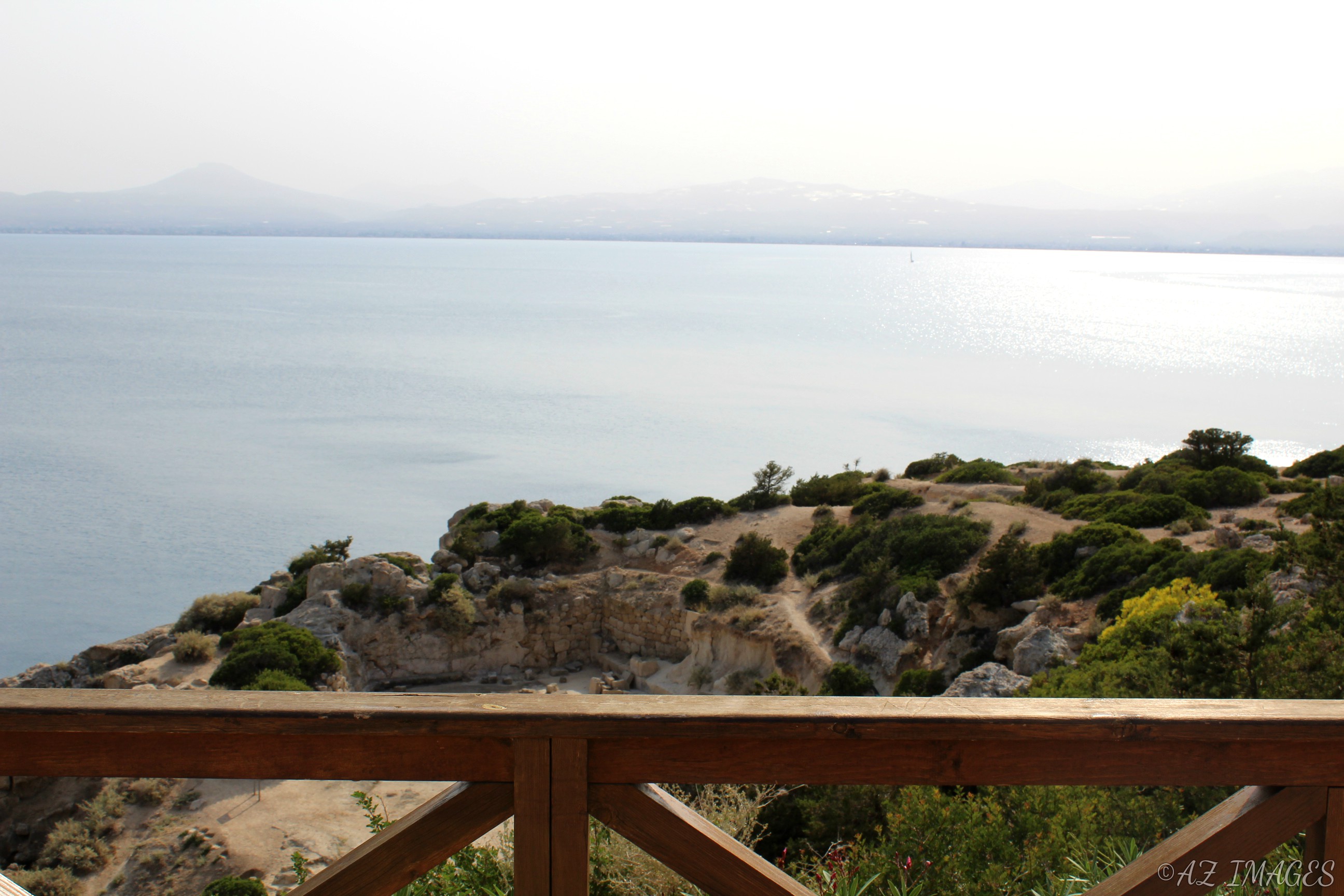
The ruins of the sanctuary of Hera Akraia Limenia, is located at a beautiful cove with a magestic view of the gulf of Corinth. ‘Akraia’ means ‘great height’ and ‘Limenia’ means ‘of the harbour’. Akraia was also the name of the naiad or water nymph associated with Hera. The site had an L shaped stoa, temple, hearth and sacred pool where visitors would cleanse themselves before entering the temple. There was a dining area that was exclusive to the wealthy. Sailors would stop by the harbour to come on the harbour to pray, give offerings and make sacrifices to the goddess for their safe travels.
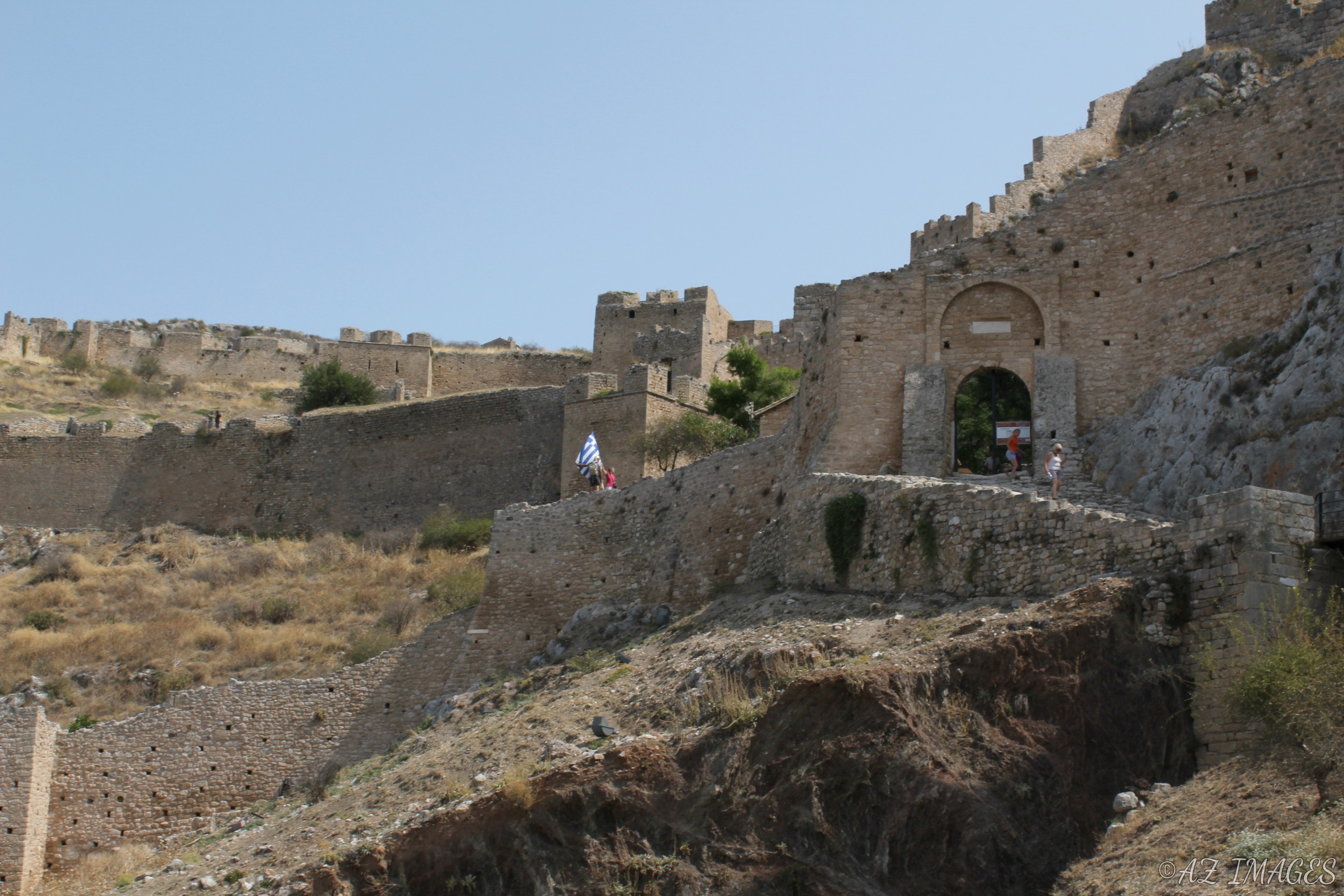
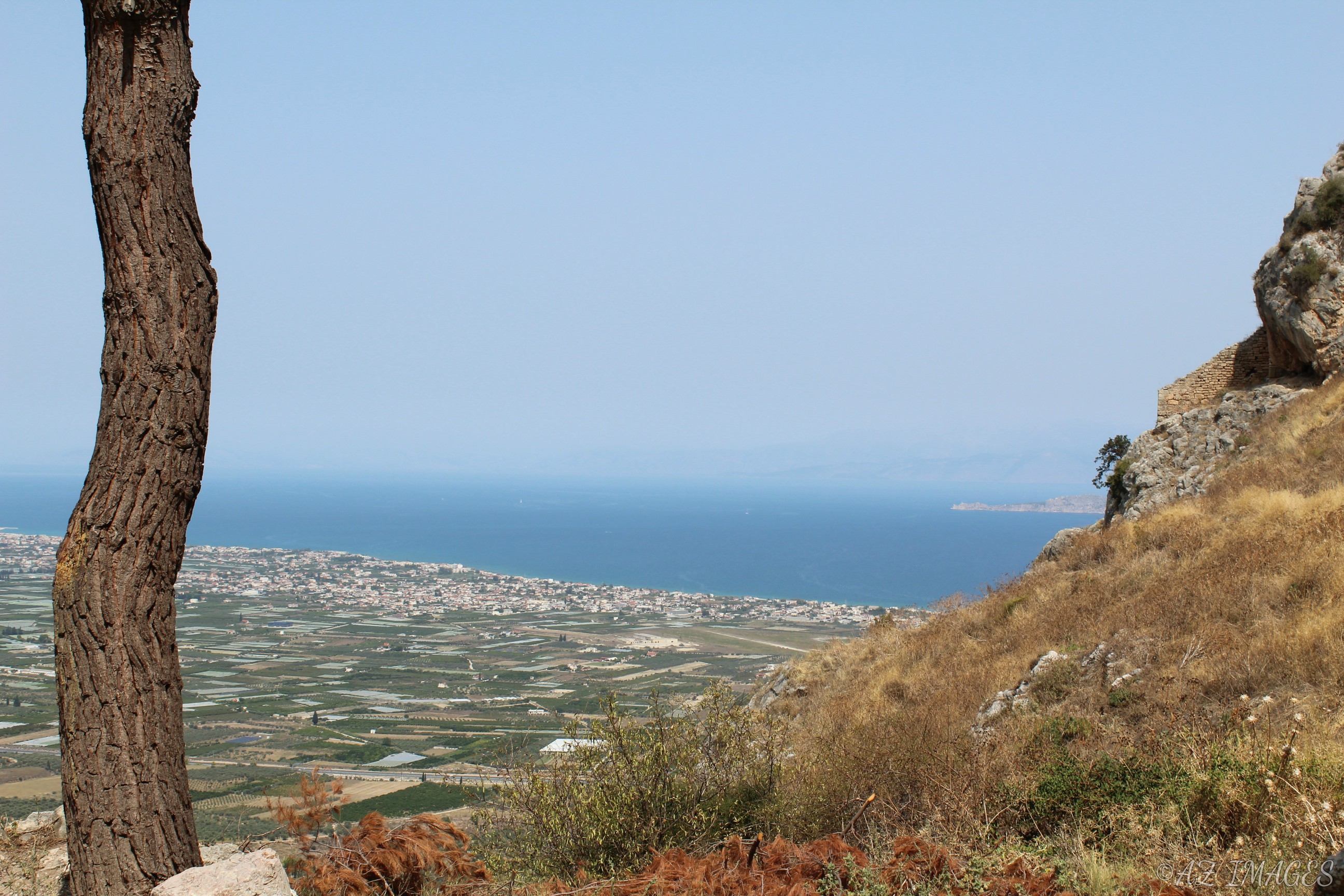
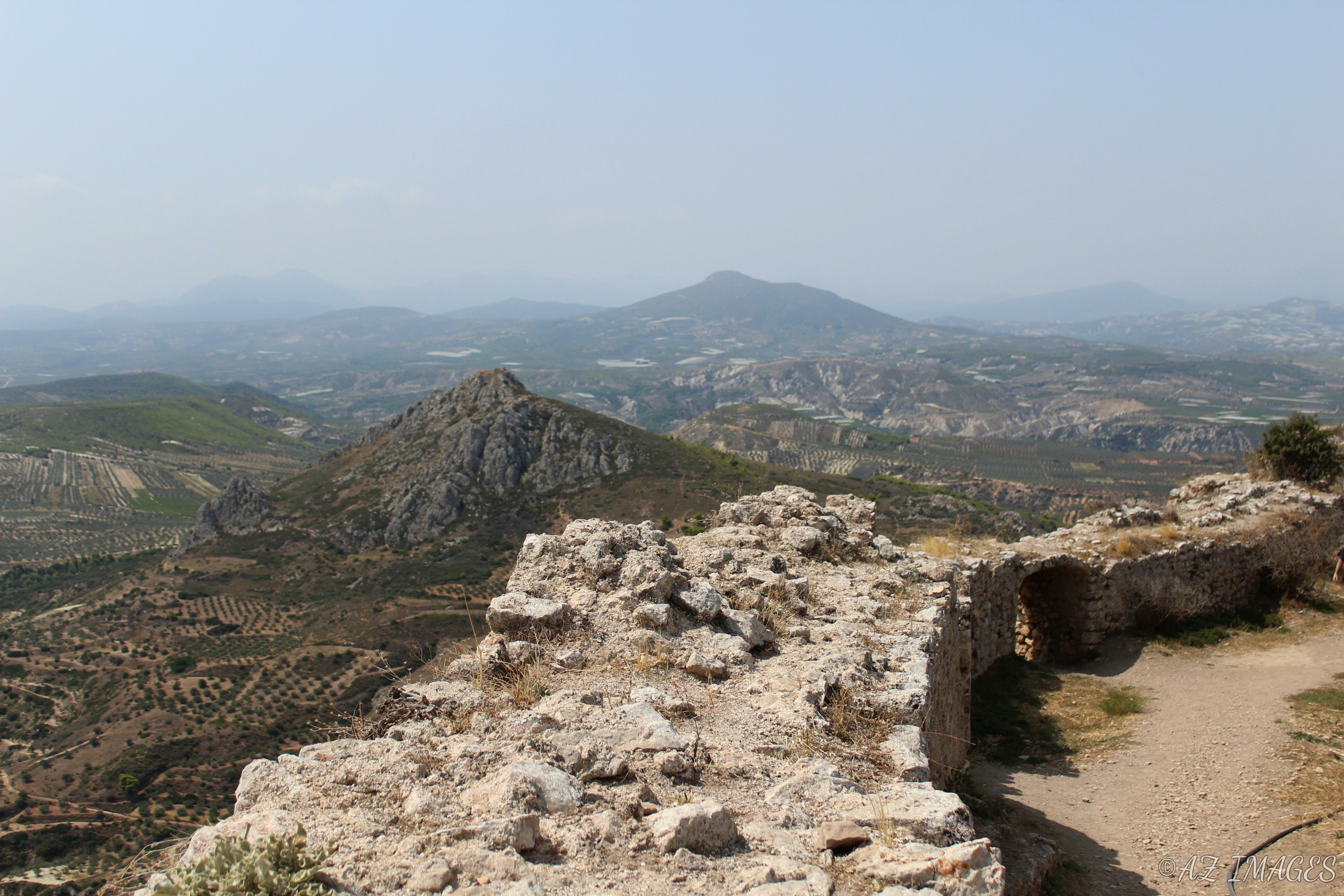
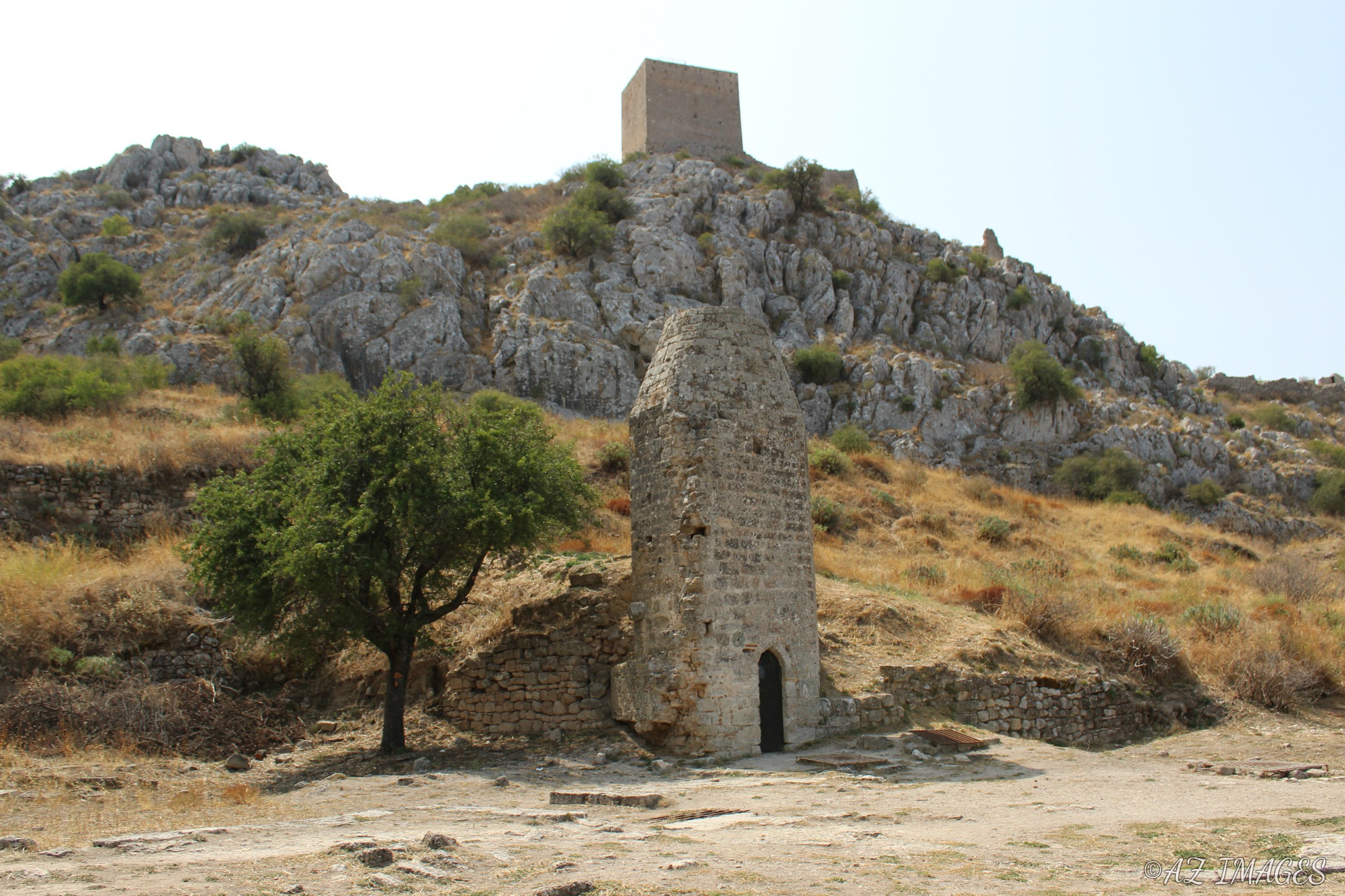
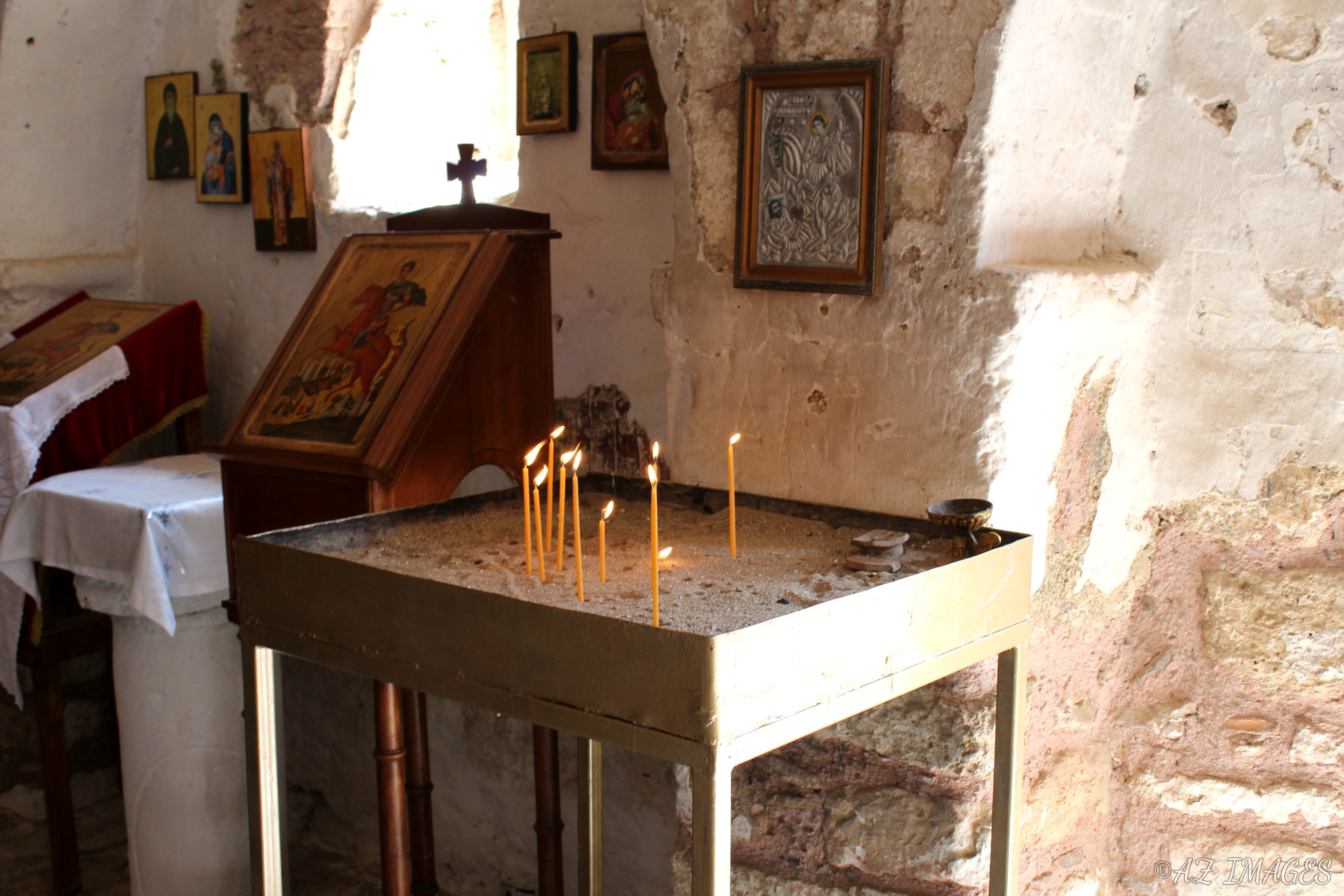
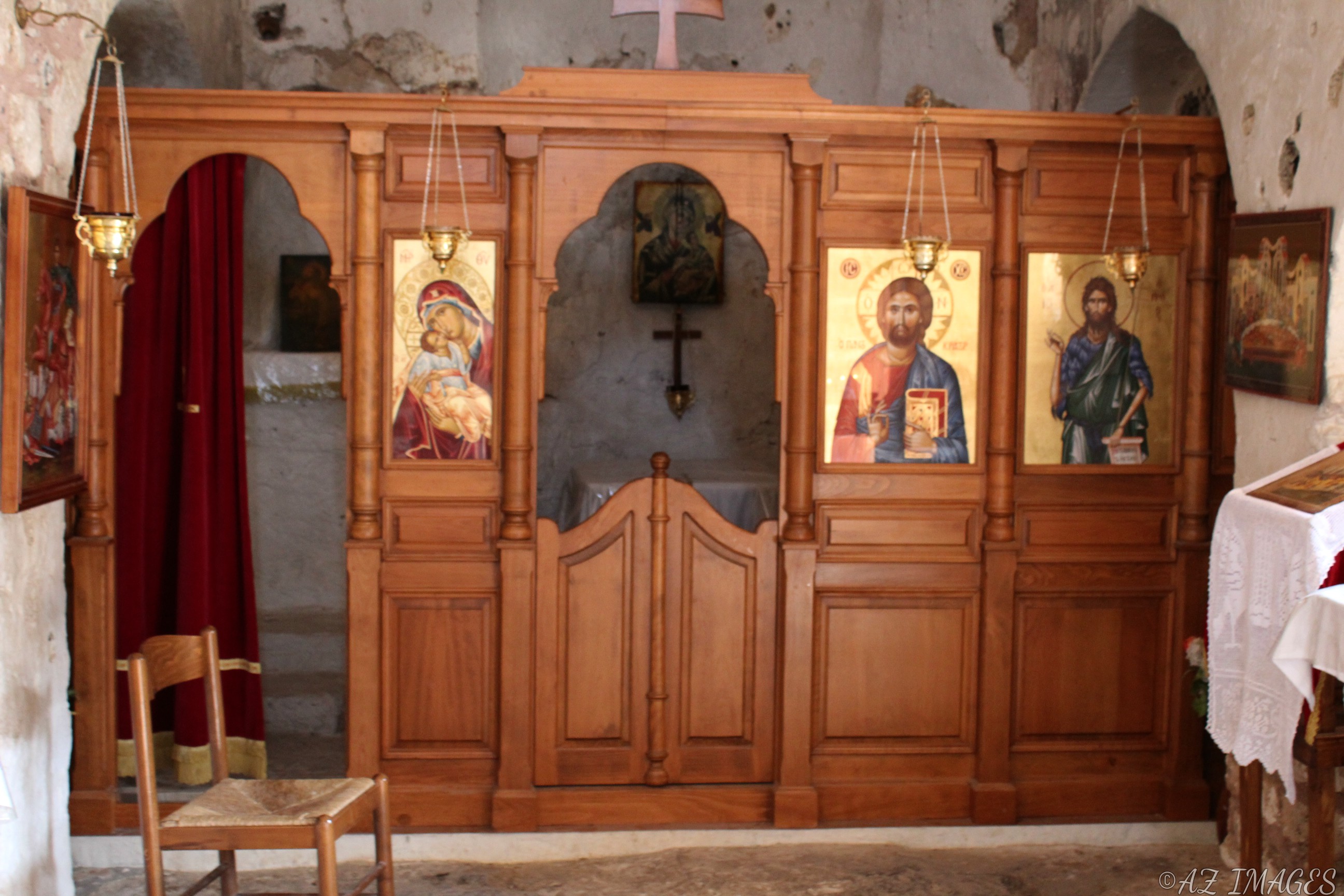
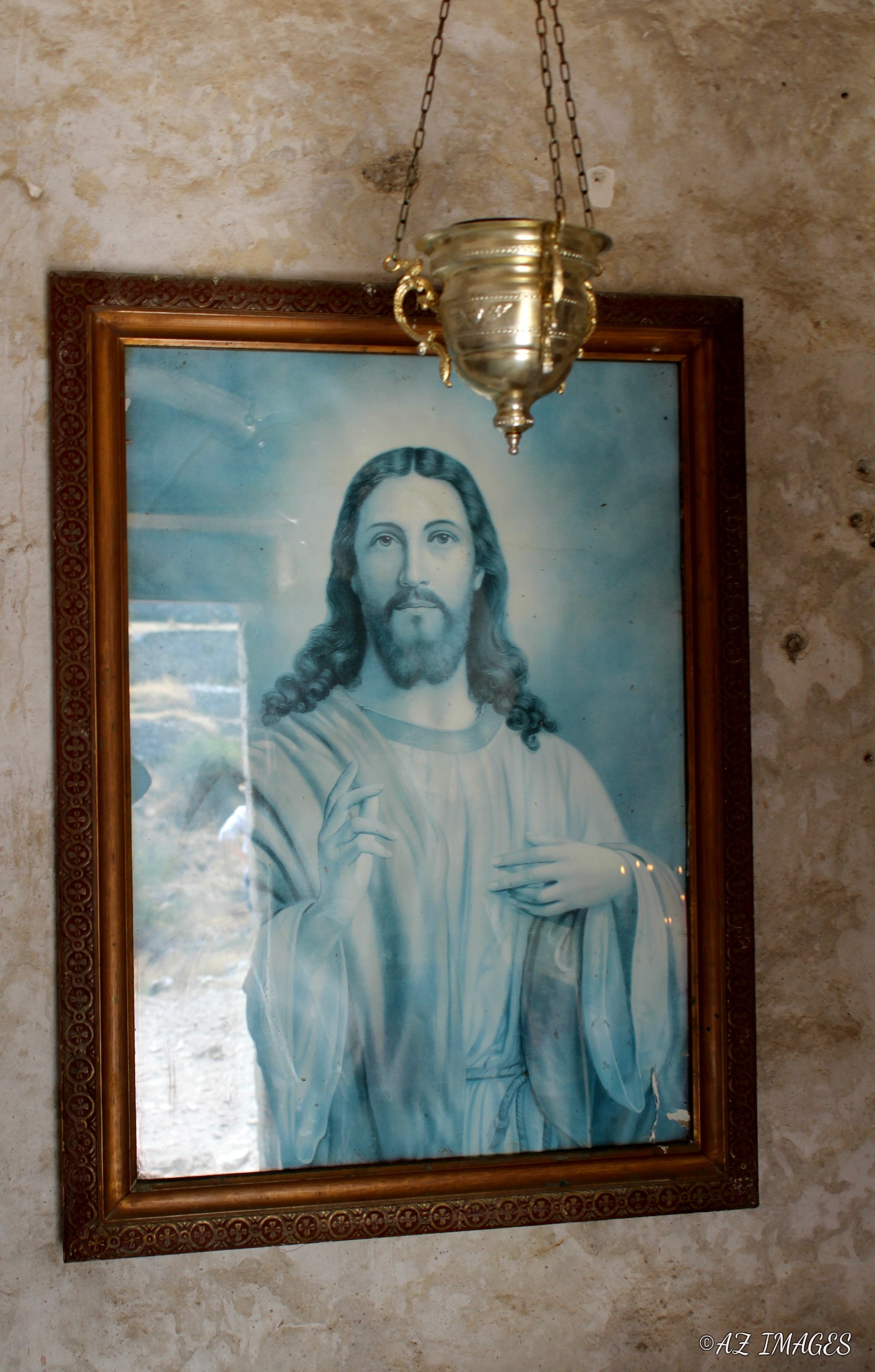
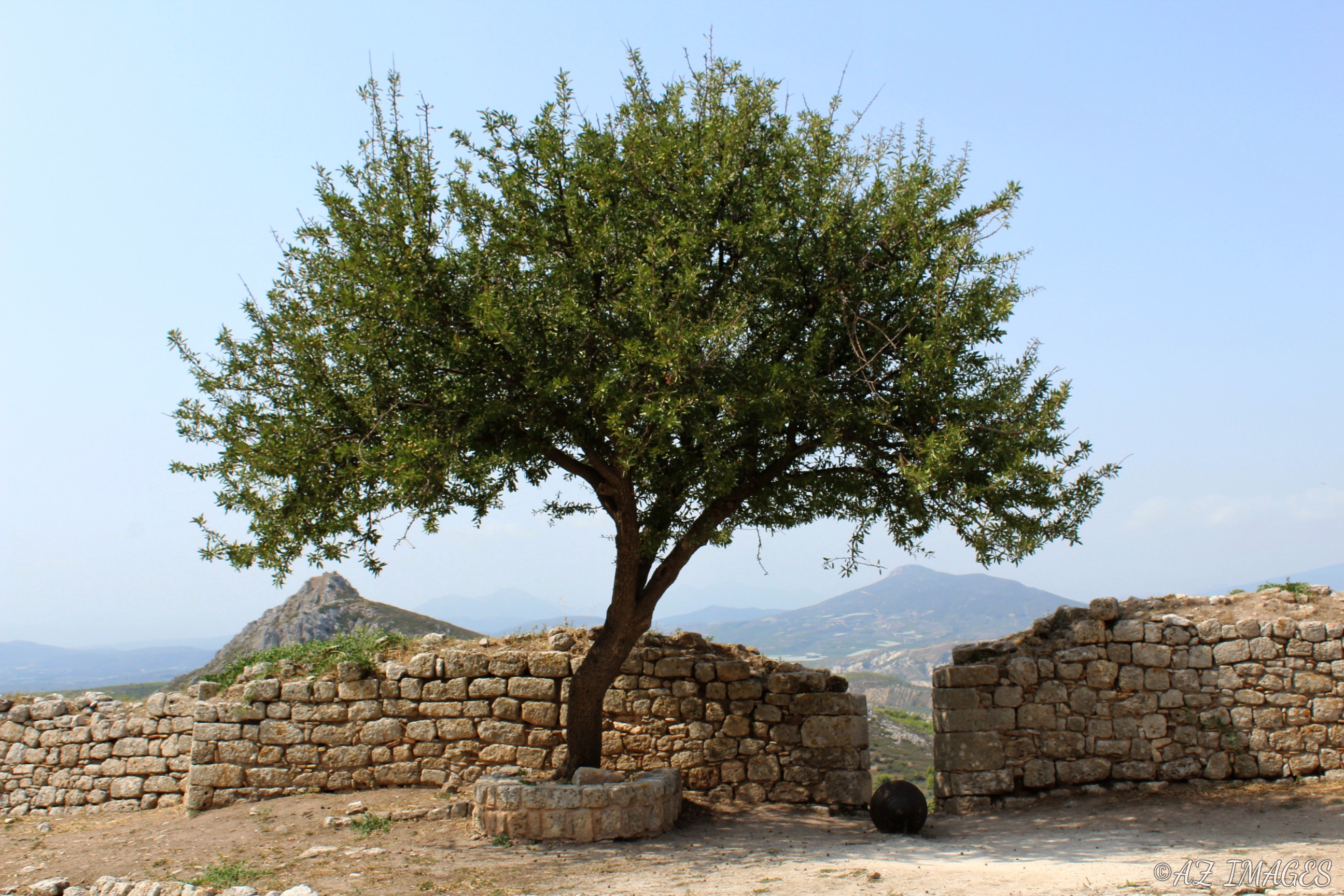
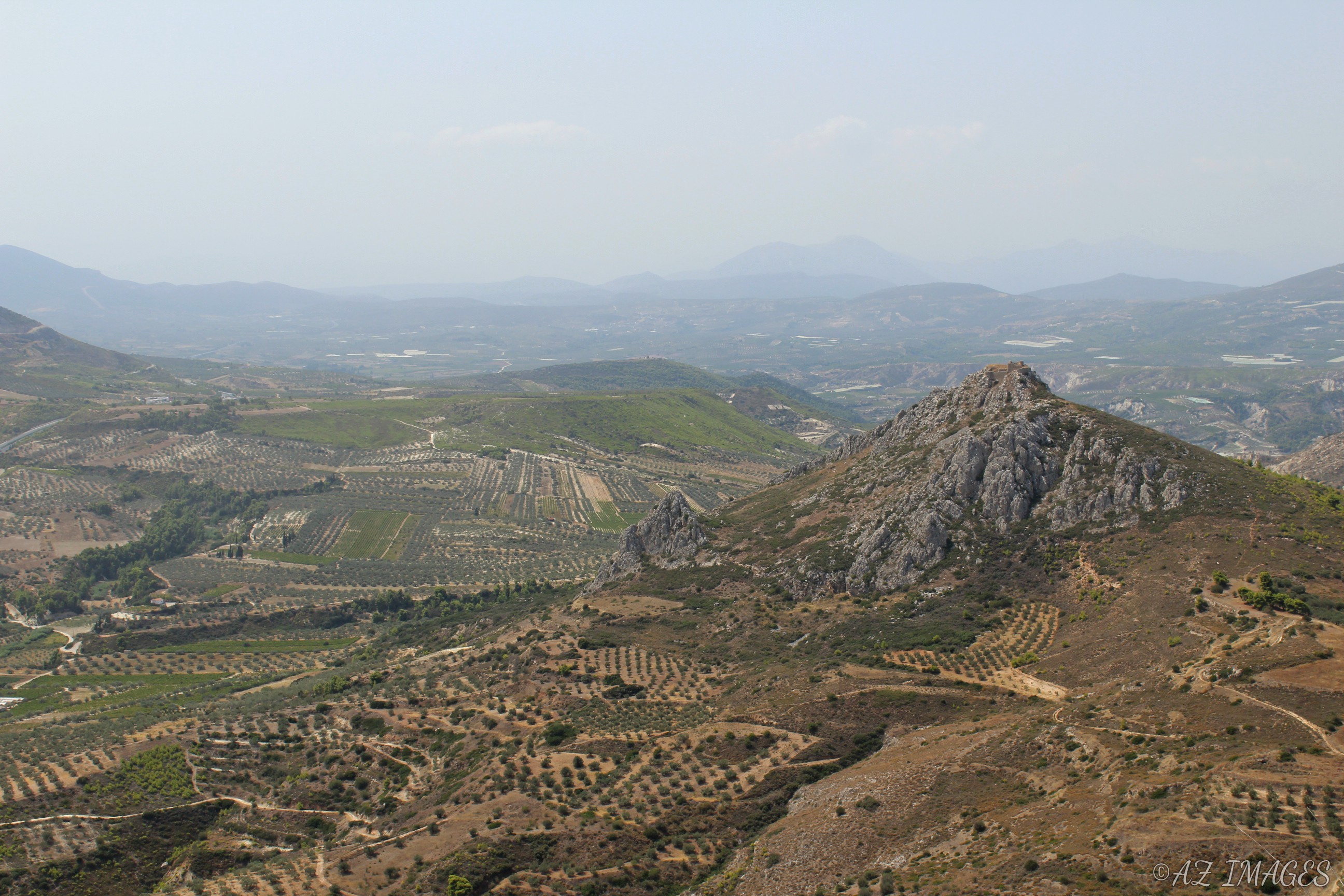
Akrokorinthos is a cliff that is 575 meters in height with a fort and medieval settlement situated on top. It is a bit of a climb up to the top but the climb is well worth it, as beautiful panoramic views of the Corinthian valley are revealed. This mountain top fort is located at a strategic location in Corinth. The fort over looks land and sea and one can see why so many invaders such as the Romans, Ottomans, and Venetians took control over the site. In the 17th century, when the Ottomans had control over the site, Christians and Muslims lived together. There were churches and mosques at the site as well. The people felt safe on the site as they could defend themselves more easily against pirates that entered from sea nearby.


















 My Creative Wayz