Pareidolia/Παρειδωλία

My photograph of a wicked storm in Athens a while ago. In the distance I see a figure formed from the dark clouds.

“Pareidolia is a phenomenon wherein people perceive likenesses on random images—such as faces, animals, or objects on clouds and rock formations.”…The word derives from the Greek words pará, beside or alongside, and eídos, image or shape….”-Psychology today

Η φωτογραφία μου από μια τρελή καταιγίδα στην Αθήνα πριν από λίγο καιρό. Στο βάθος βλέπω μια φιγούρα που σχηματίζεται από τα σκοτεινά σύννεφα.

Η παρειδωλία είναι ένα ψυχολογικό φαινόμενο κατά το οποίο το άτομο αντιλαμβάνεται μια αναγνωρίσιμη μορφή στο πλαίσιο ενός ασαφούς και τυχαίου ερεθίσματος.

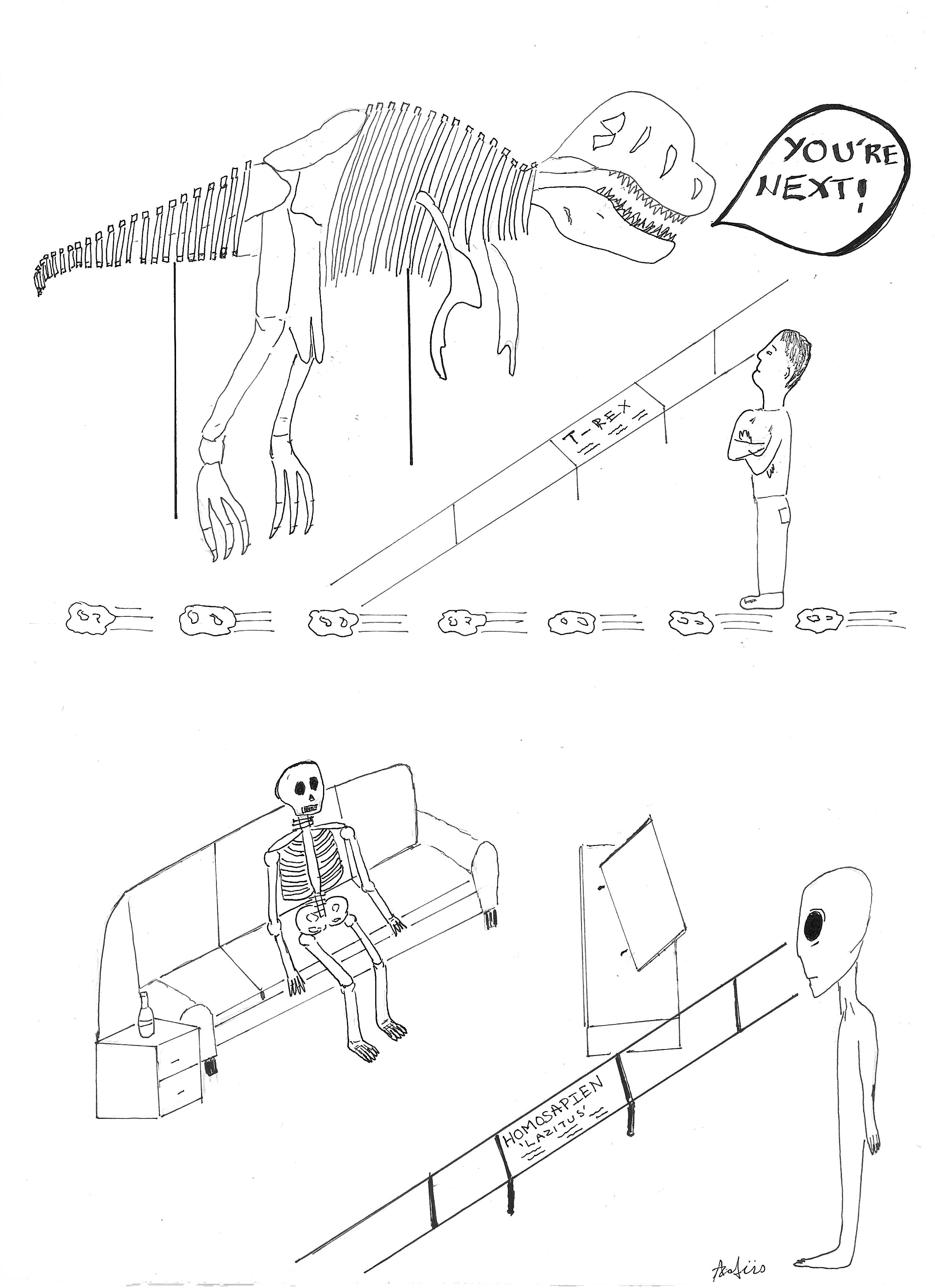
Survival of the…

Survival of the…” illustration by Angela Zafiris

Survival of the fittest? Strongest? Craziest? Most deluded? Resilient? Most fortunate?

What does it take to survive in these uncertain times?

The survival of the fittest is the ageless law of nature, but the fittest are rarely the strong. The fittest are those endowed with the qualifications for adaptation, the ability to accept the inevitable and conform to the unavoidable, to harmonize with existing or changing conditions.|”-Dave Smalley

Old Parliament/Παλαιά Βουλή

A black and white image of the neoclassical old parliament building in Athens, which is located on Stadiou Street. It is now the National History Museum, which I have photographed in the past.

The poster in the background reads ‘Cyprus 74 I will not forget’. In 1974 the Turks invaded the island of Cyprus and till this day occupies the northern tip of the island.

Ασπρόμαυρη εικόνα του νεοκλασικού παλιού κοινοβουλίου στην Αθήνα, το οποίο βρίσκεται στην οδό Σταδίου. Τώρα είναι το Εθνικό Ιστορικό Μουσείο, το οποιο έχω φωτογραφίσει στο παρελθόν.

Η αφίσα στο βάθος γράφει «Κύπρος 74 Δεν ξεχνώ». Το 1974 οι Τούρκοι εισέβαλαν στο νησί της Κύπρου και μέχρι σήμερα καταλαμβάνει το βόρειο άκρο του νησιού.

For more info: http://kypros.org/Occupied_Cyprus/cyprus1974/villages_towns.htm

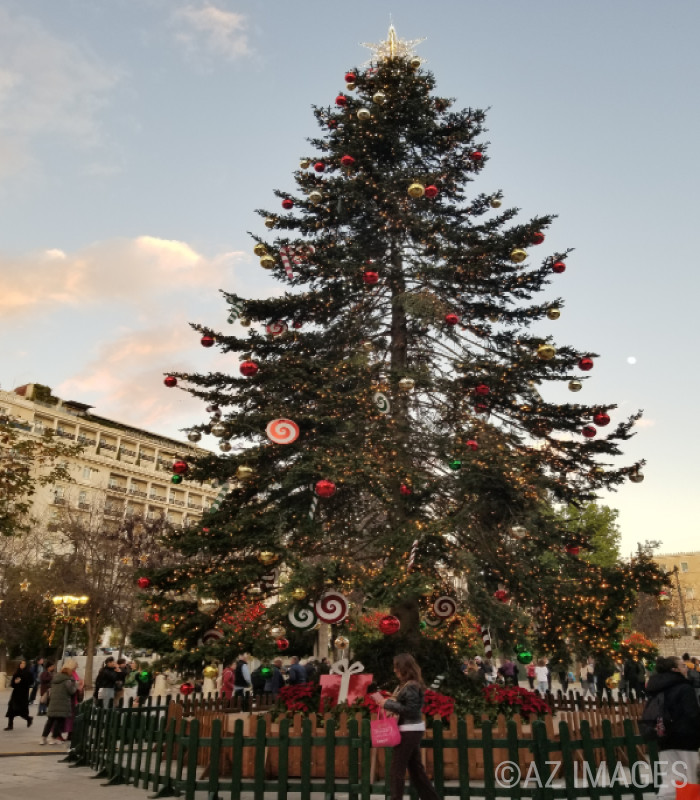
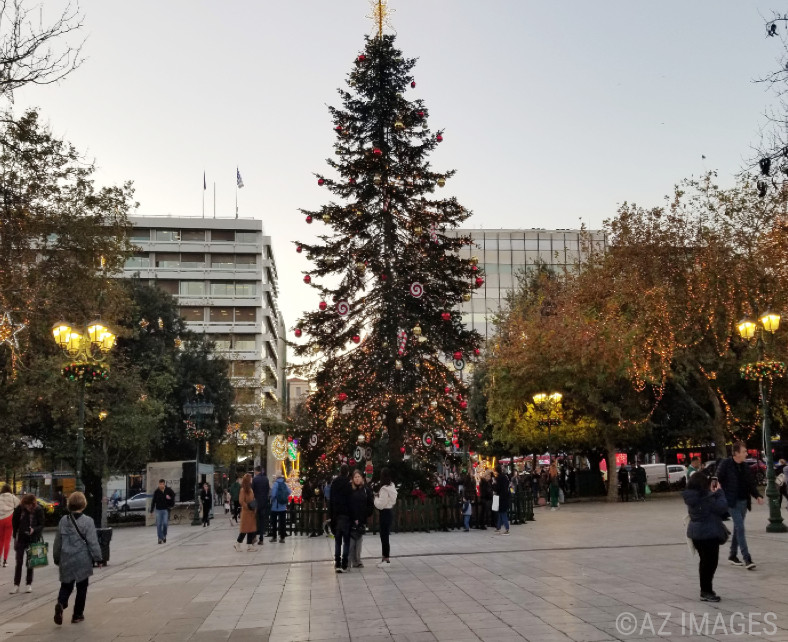
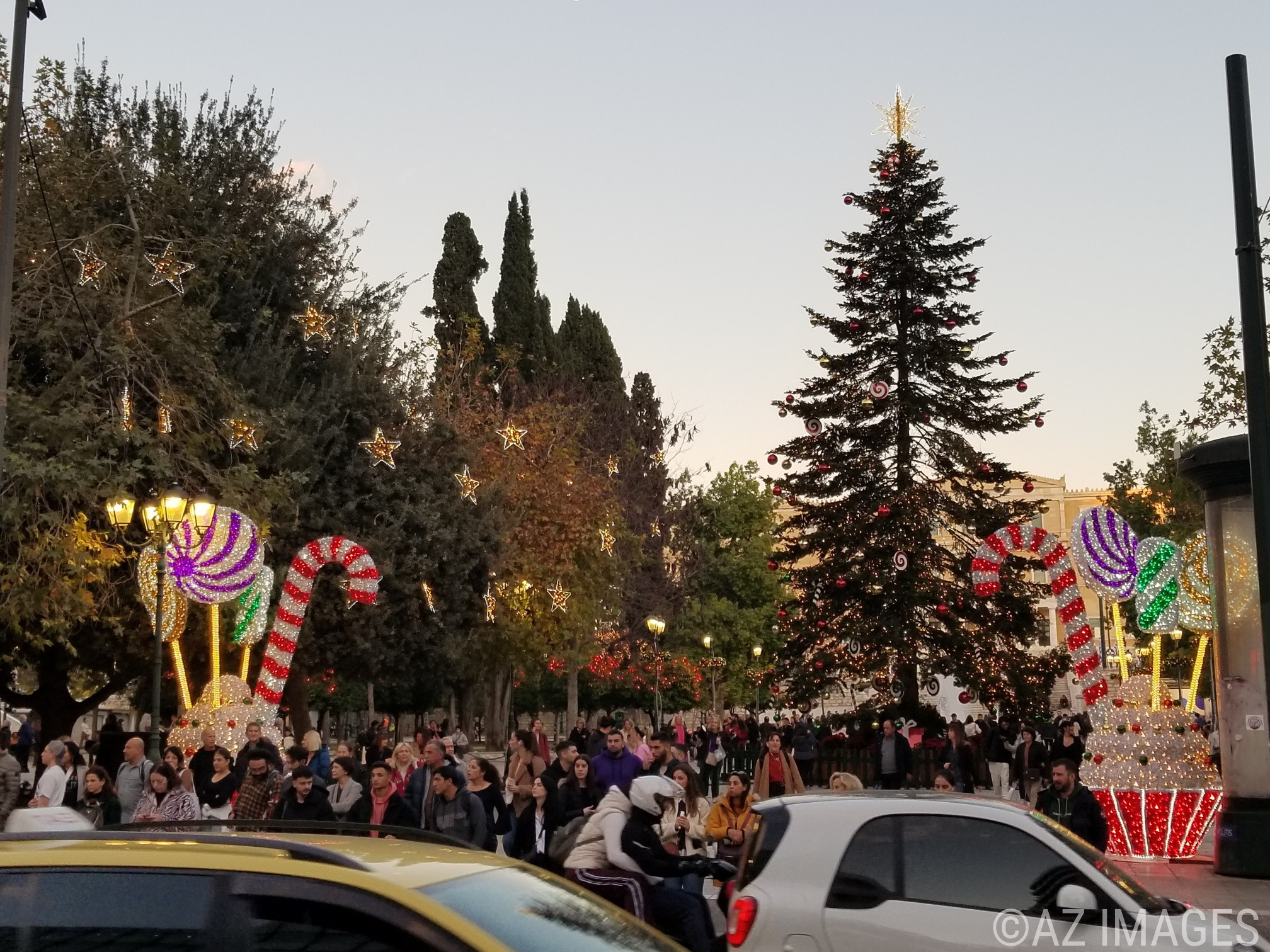
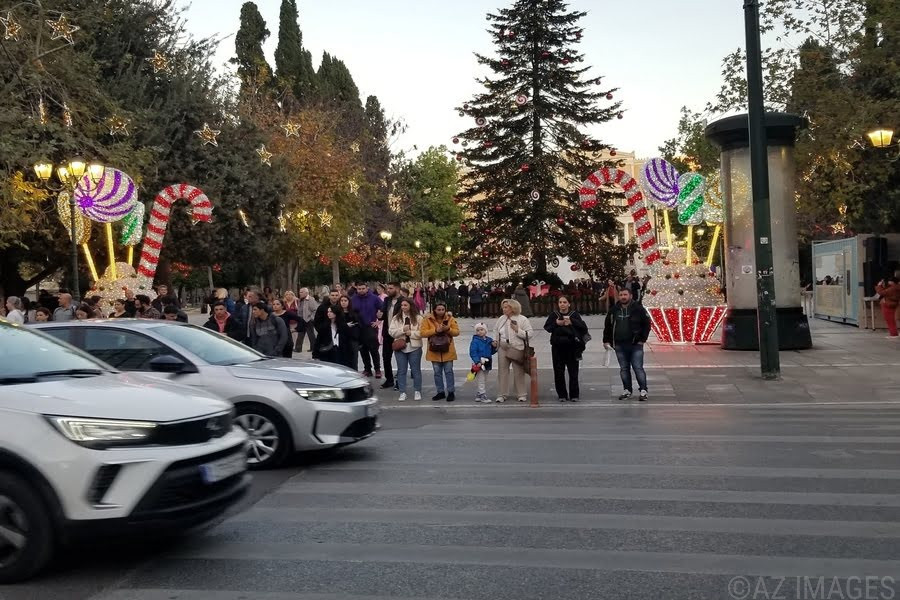
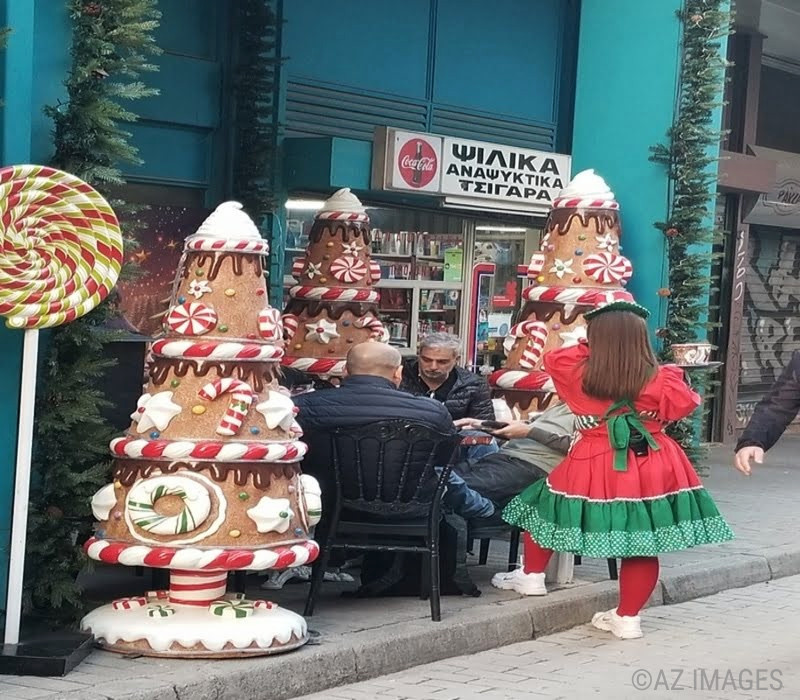
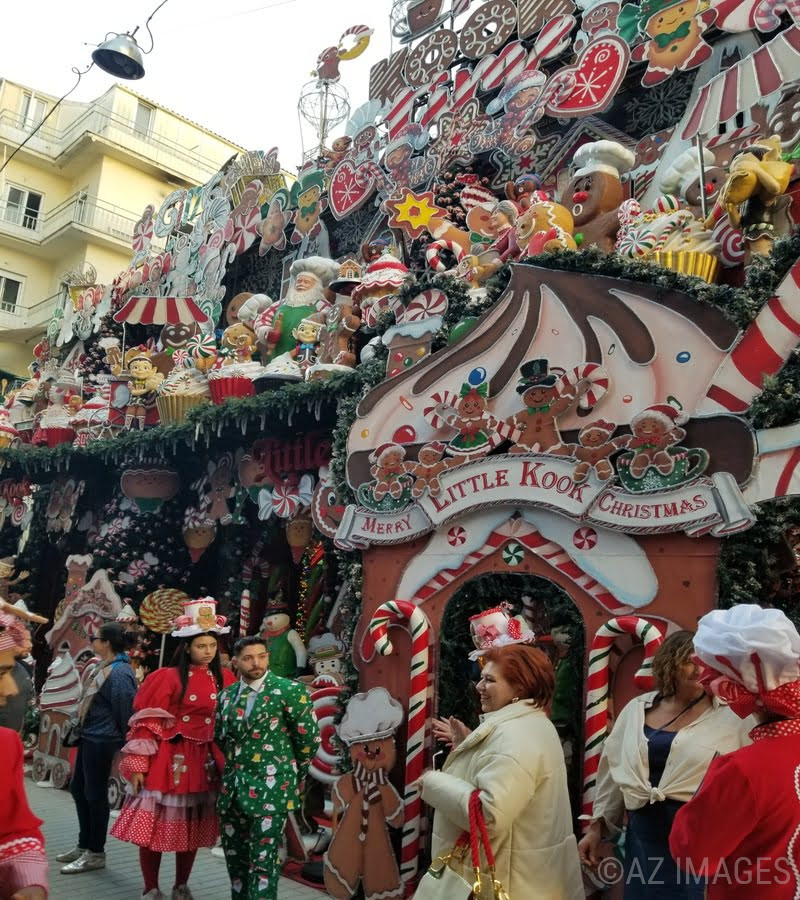
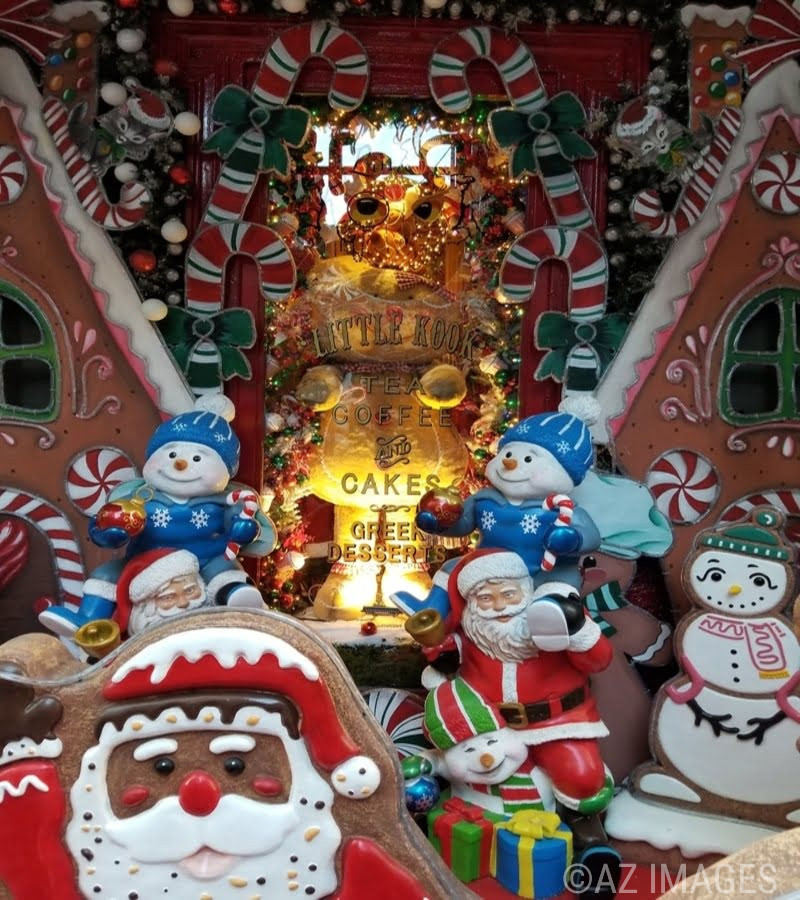
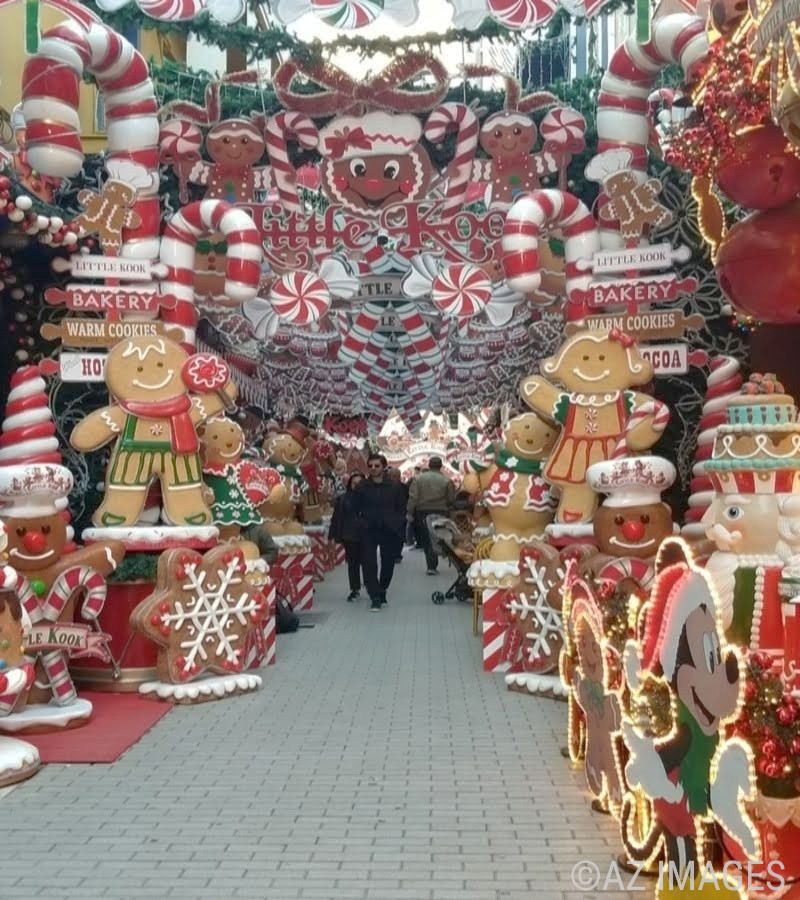
Merry Christmas! Καλα Χριστουγεννα!

It is my heart-warmed and world-embracing Christmas hope and aspiration that all of us, the high, the low, the rich, the poor, the admired, the despised, the loved, the hated, the civilized, the savage (every man and brother of us all throughout the whole earth), may eventually be gathered together in a heaven of everlasting rest and peace and bliss, except the inventor of the telephone.” Mark Twain

«Είναι η θερμή και κοσμοαγκαλιασμένη ελπίδα και φιλοδοξία των Χριστουγέννων μου όλοι, οι υψηλοί, οι χαμηλοί, οι πλούσιοι, οι φτωχοί, οι θαυμαστές, οι περιφρονημένοι, οι αγαπημένοι, οι μισητοί, οι πολιτισμένοι, οι άγριοι ( κάθε άνθρωπος και αδελφός όλων μας σε ολόκληρη τη γη), μπορεί τελικά να συγκεντρωθεί μαζί σε έναν ουρανό αιώνιας ανάπαυσης, ειρήνης και ευδαιμονίας, εκτός από τον εφευρέτη του τηλεφώνου.”- Mark Twain

Kastania Village

Chestnut tree.

Kastania is a village in Stymfalia in Corinth in the Peloponnese. The little stone cobbled streets and homes take you back in time. Rose bushes and giant cabbages grow in the gardens of the homes. Chestnut trees line the roads in the village, which is most likely the reason the villag was named ‘Kastania’ means chestnut in Greek.

Saint Phanourios/Άγιος Φανούριος,

In the middle of Lake Doxa is the small church dedicated to Saint Phanourios. There is a land bridge that leads to the church.

Saint Phanouris (the newly manifest, the revealer) is a Christian martyr. From his iconography he is believed to have been a soldier from the 16th century. He is from the island of Rhodes. In his icongraphy he is holding a candle, symbolic of his patronage as a finder of lost objects. The saint was tortured and slain by the Turks after their occupation of Rhodes.

He is recognized by both the Eastern Orthodox church and Catholic church. He is commemorated on the 27th of August. On this day Greek women will bake a dessert called a Fanouropita, but is also baked on other days. It is a lenten cake baked in commemoration of the saint, and for hopes to find lost objects.

Στη μέση της λίμνης Δόξας βρίσκεται το εκκλησάκι αφιερωμένο στον Άγιο Φανούριο. Υπάρχει μια χερσαία γέφυρα που οδηγεί στην εκκλησία.

Ο Άγιος Φανούρης (ο νεοφανής, ο αποκαλυπτής) είναι χριστιανός μάρτυρας. Από την αγιογραφία του πιστεύεται ότι ήταν στρατιώτης του 16ου αιώνα. Είναι από το νησί της Ρόδου. Στην αγιογραφία του κρατά ένα κερί, συμβολικό της κηδεμονίας του ως ανιχνευτή χαμένων αντικειμένων. Ο άγιος βασανίστηκε και σκοτώθηκε από τους Τούρκους μετά την κατάληψη της Ρόδου.

Αναγνωρίζεται τόσο από την Ανατολική Ορθόδοξη Εκκλησία όσο και από την Καθολική Εκκλησία. Η μνήμη του τιμάται στις 27 Αυγούστου. Την ημέρα αυτή οι Ελληνίδες θα ψήνουν ένα γλυκό που λέγεται Φανουρόπιτα, αλλά ψήνεται και άλλες μέρες. Είναι ένα νηστίσιμο κέικ που ψήνεται στη μνήμη του αγίου, και για τις ελπίδες να βρεθούν χαμένα αντικείμενα.

Lake Doxa/Λιμνη Δοξα Pt.2

Lake Doxa in Corinthos is a popular tourist attraction. Many Greeks come here to camp and go horse backriding or do water sports. The scenery is majestic. and there is a land bridge leading to the church of Saint Phanourios. On the path leading to the church there are many local vendors that sell everything from honey to artisan jewelry and many other treats to keep your belly full.

Η λίμνη Δόξα στην Κόρινθο είναι ένα δημοφιλές τουριστικό αξιοθέατο. Πολλοί Έλληνες έρχονται εδώ για να κατασκηνώσουν και να κάνουν ιππασία ή να κάνουν θαλάσσια σπορ. Το τοπίο είναι μαγευτικό. και υπάρχει χερσαία γέφυρα που οδηγεί στην εκκλησία του Αγίου Φανουρίου. Στο μονοπάτι που οδηγεί στην εκκλησία υπάρχουν πολλοί ντόπιοι πωλητές που πουλάνε από μέλι μέχρι χειροποίητα κοσμήματα και πολλές άλλες λιχουδιές για να κρατήσετε την κοιλιά σας γεμάτη.