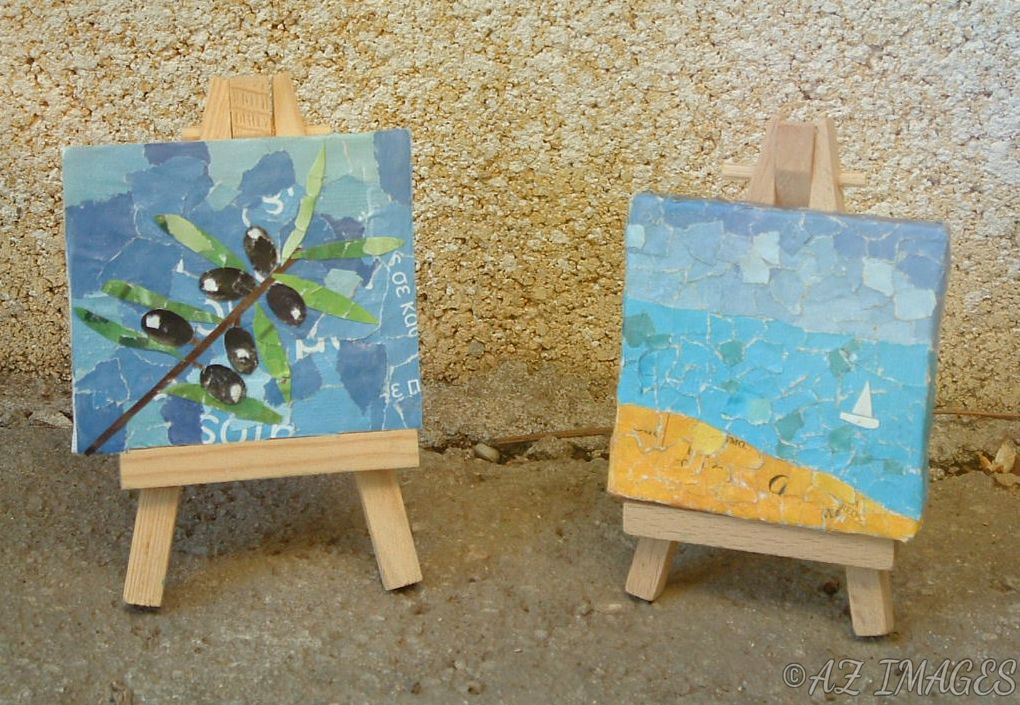
Tiny artworks made from torn bits and pieces of paper from magazines. A beach scene on the left and an olive branch on the right.
Tiny artworks made from torn bits and pieces of paper from magazines. A beach scene on the left and an olive branch on the right.
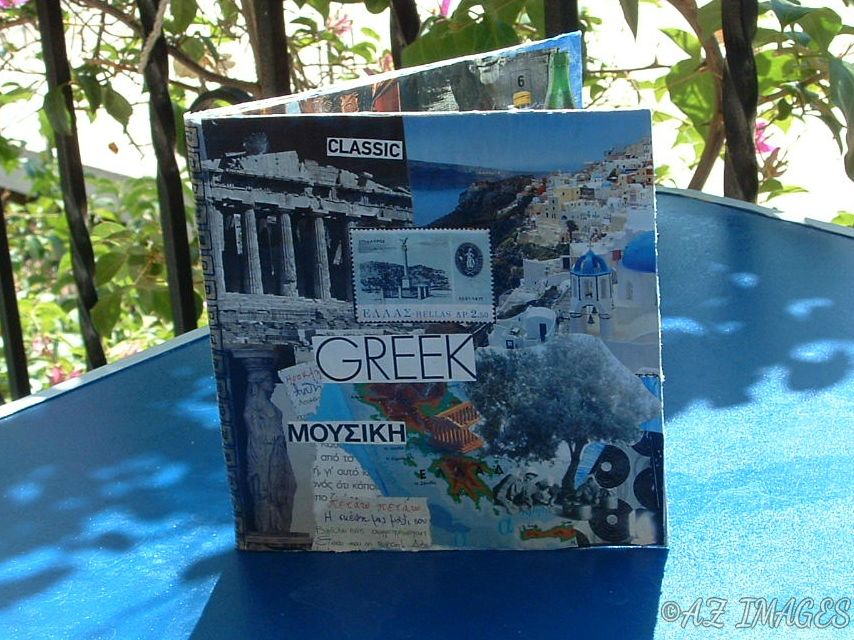

I made a mix tape of old Greek songs for a friend of mine who came to Greece this past summer. I had nowhere to put the Cd, so I thought I’d make my cd sleeve using the templates from this site : http://www.autostraddle.com/now-what-how-to-make-a-cd-sleeve-for-your-superfly-mixtape/
Yes, it was a little too hot to do this sort of thing, but I think that it was worth it and my friend was very happy to receive this gift 😉
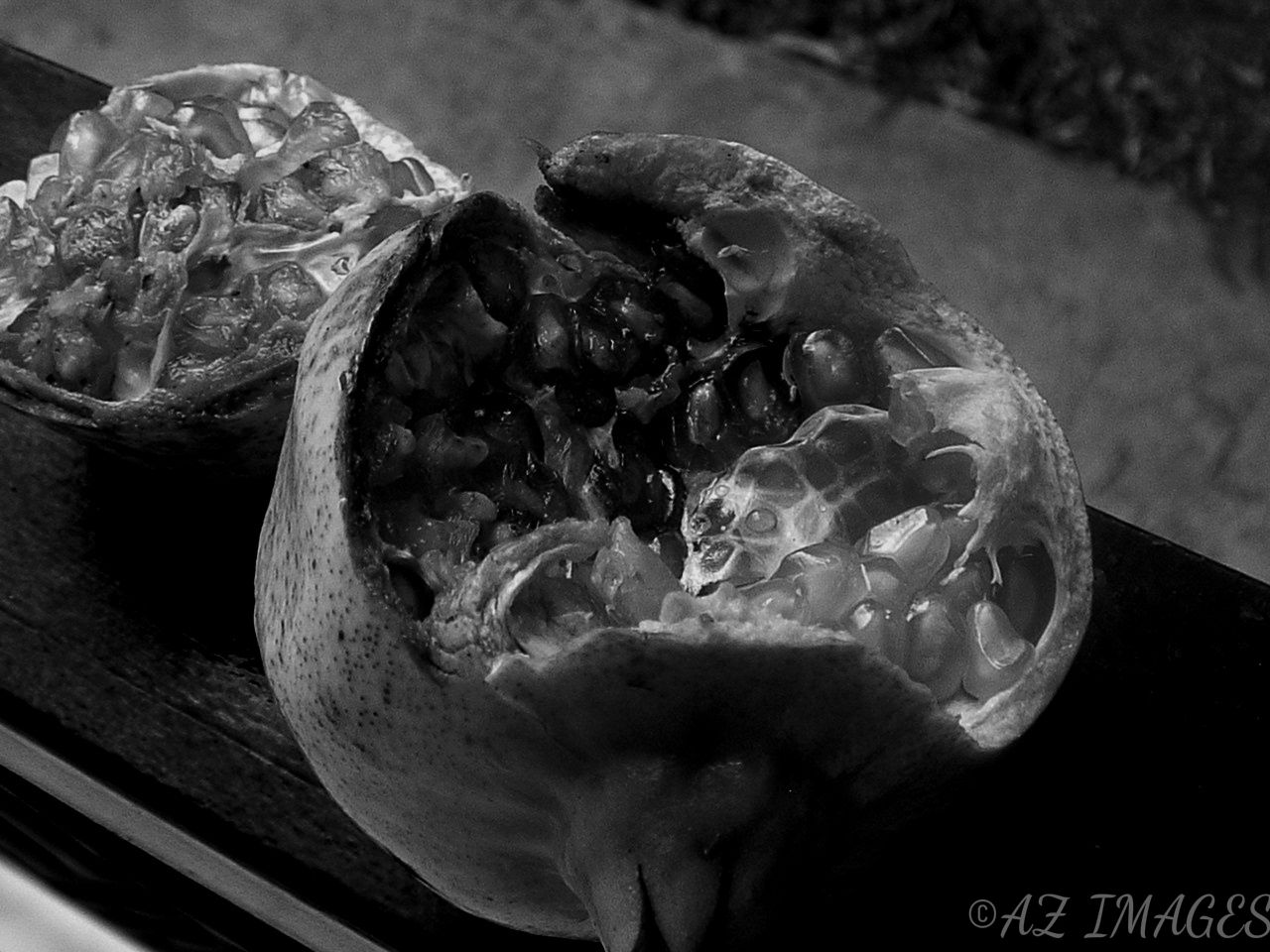

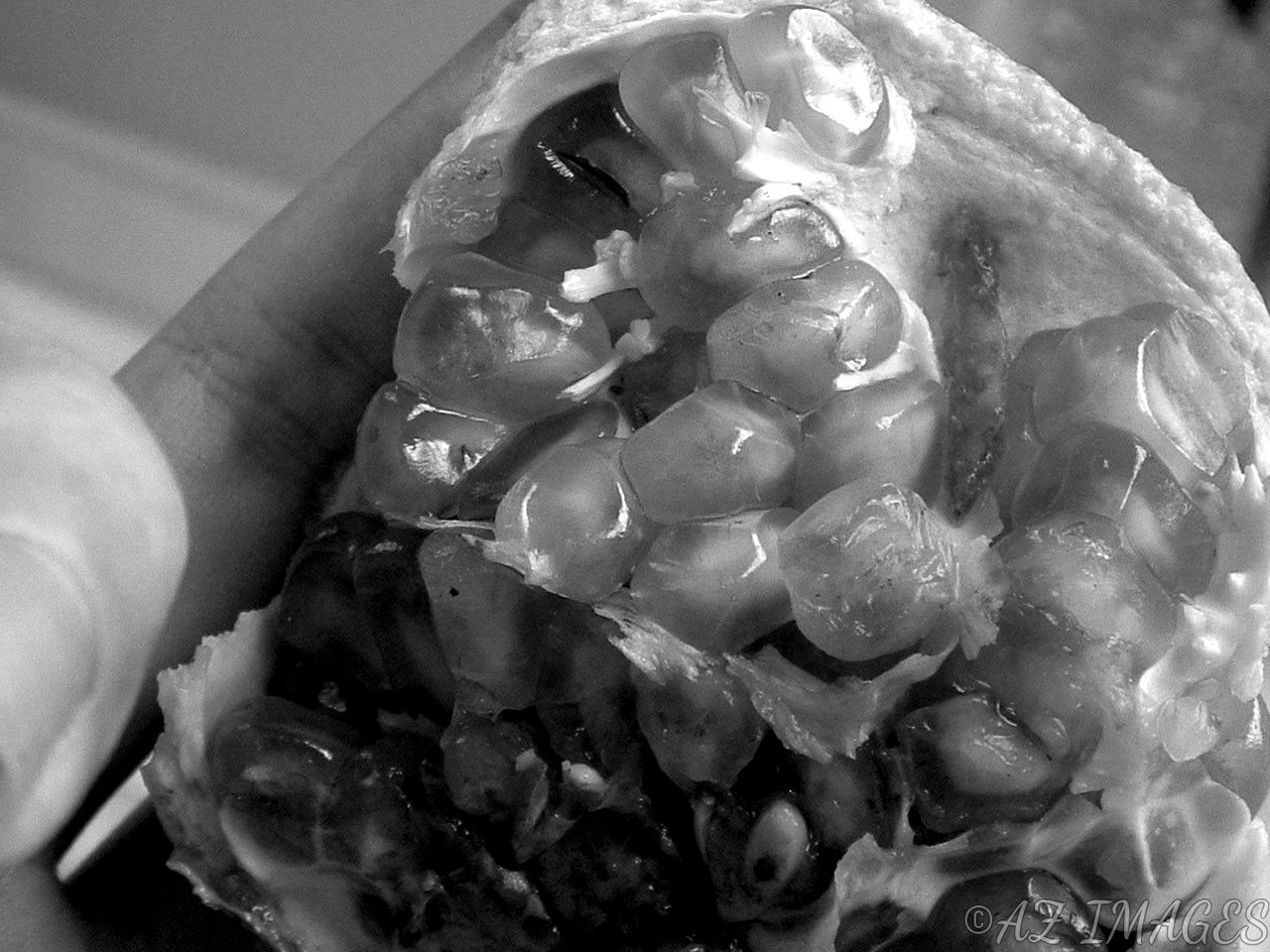
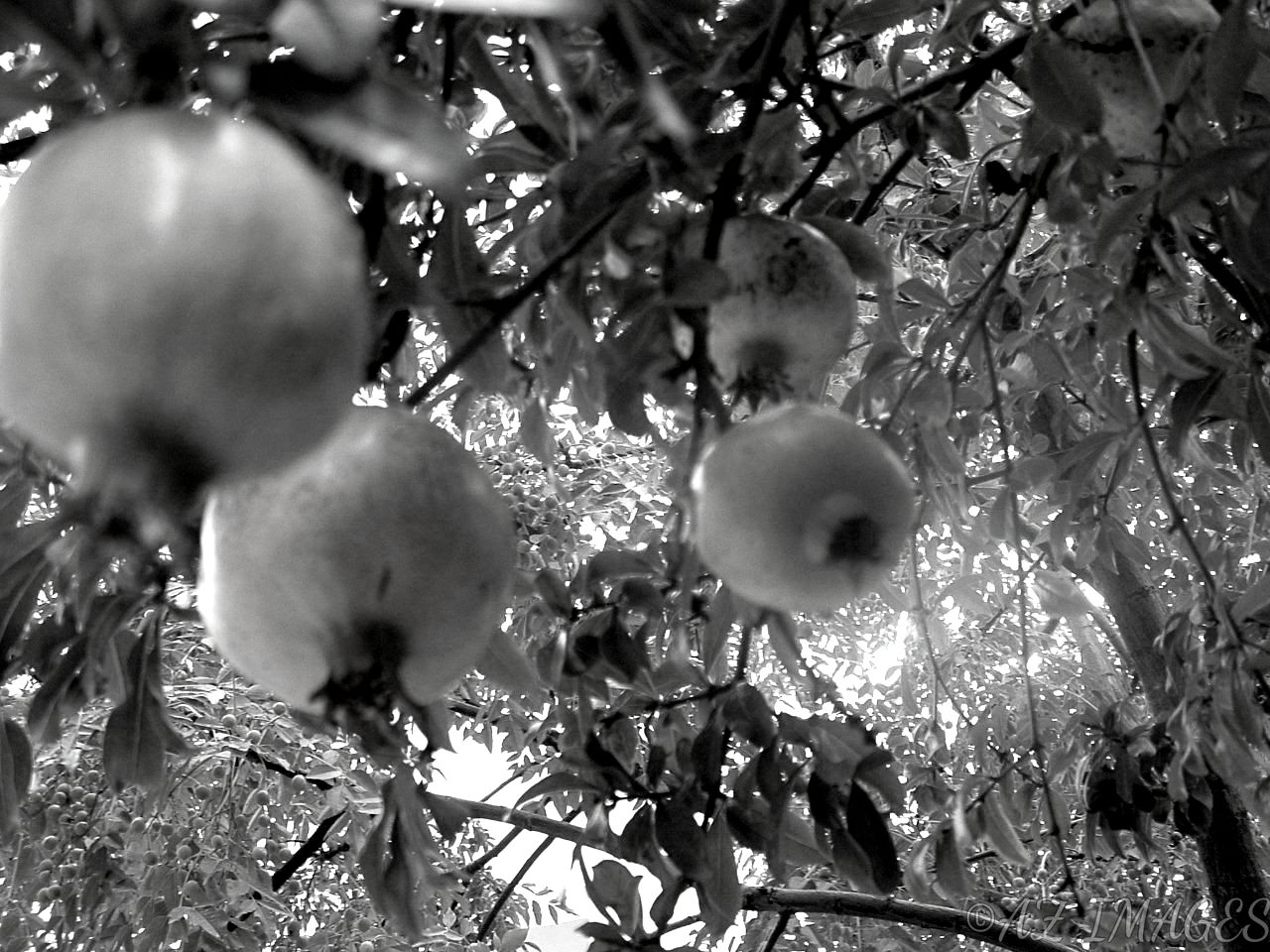


Digital collage photograph
The original version of the above photograph didn’t appeal to me very much. I took the photograph at a souvenir shop in Athens. The colours were off due to the lighting from the store and the street. But, instead of deleting it I decided to make into a digital collage photograph. I made the handmade collage background, and then layered the photograph over it.
The result I think was much better 🙂

The thing that I love about digital collages is that you can take a very boring picture of say .. leaves and make it more interesting and different. All you have to do is make a collage background. My collage background is composed of bits of magazines images, and text from books. I used tissue paper to add some texture in the collage. The collage is scanned on the computer and then layered with the image ( in my case the boring leaves) using any kind of photo shop programme. I use Paint.net for the layering because it is free and it doesn’t give me a headache. ; )
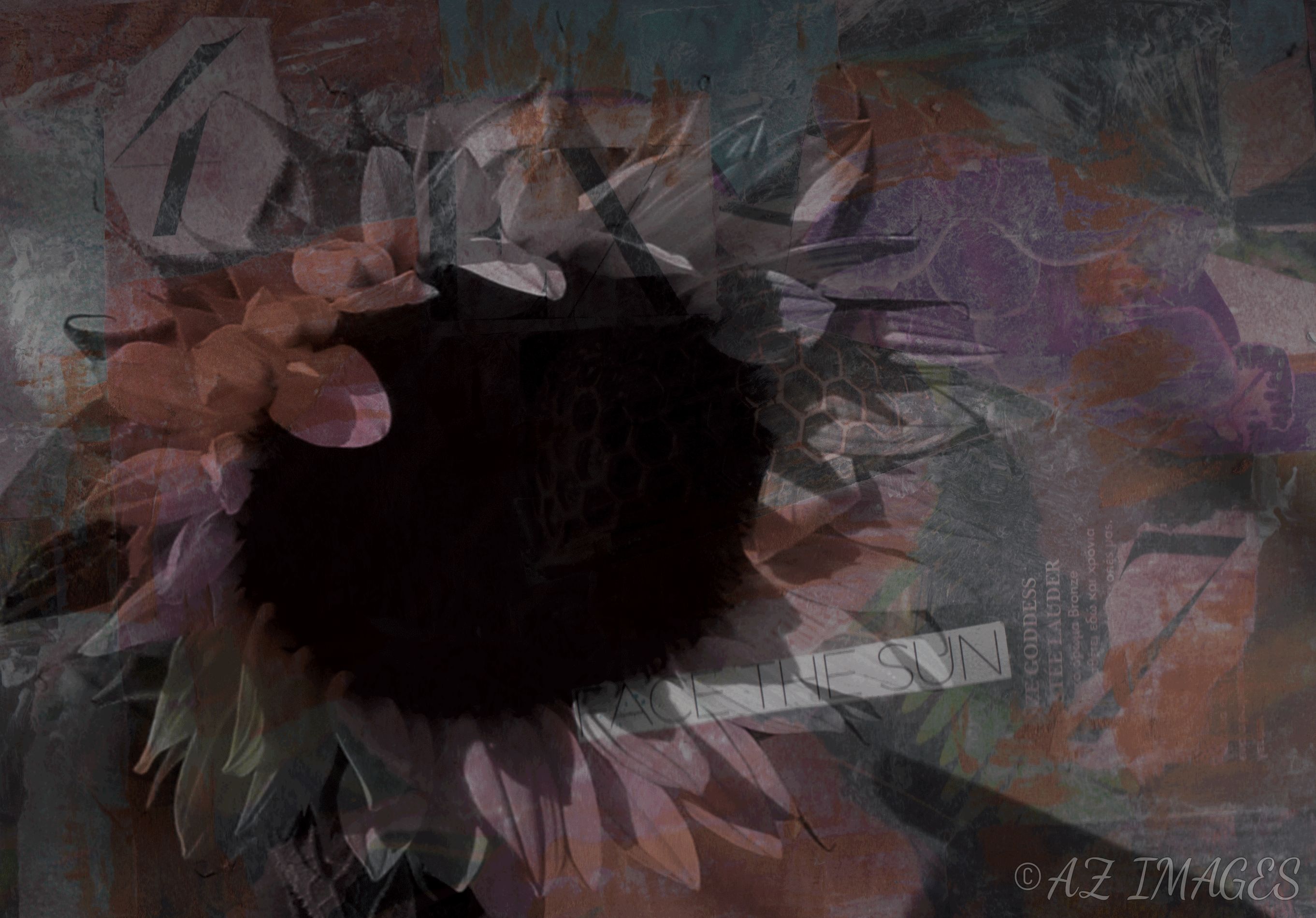
Digital collage photo layering in colour.

Digital collage photo in black and white
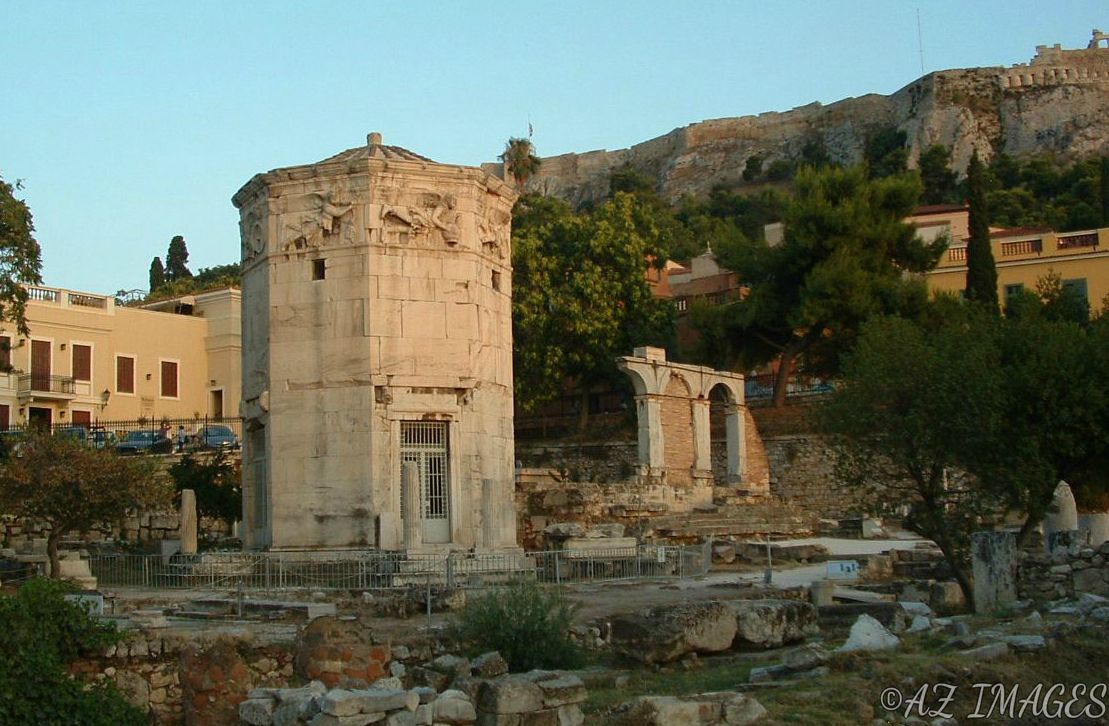
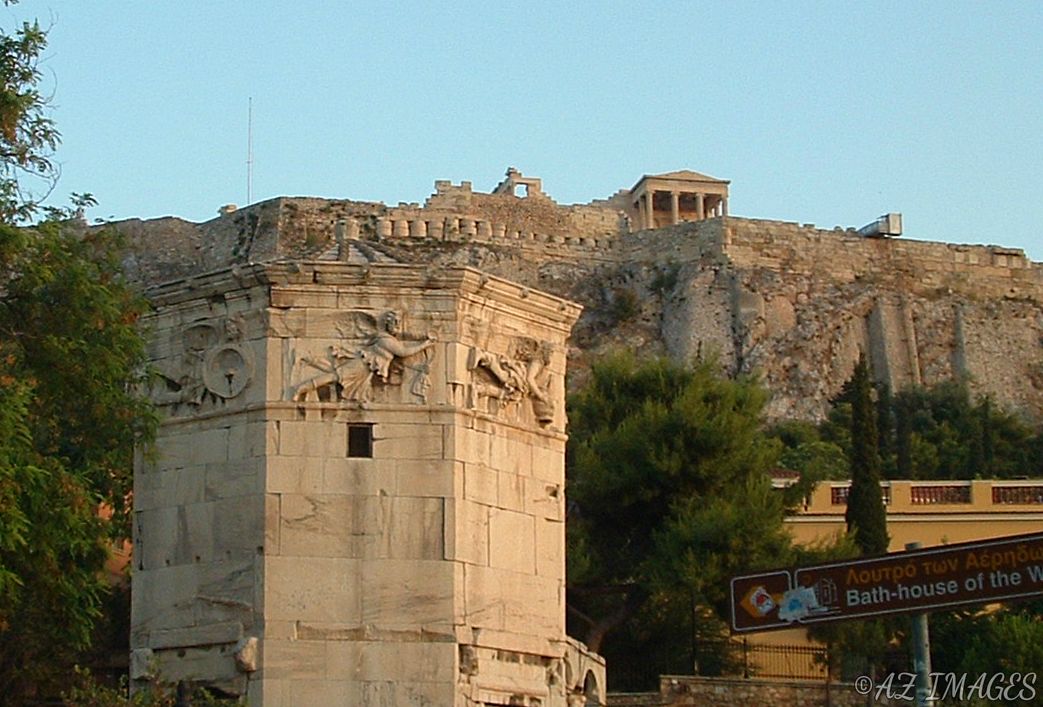 The tower of the winds or the ‘Horologion (timepiece) of Andronikos of Kyrrhos’ was built by Macedonian Astronomer Andronikos in 50 B.C. There are eight figures carved out on each side, and each figure represents the eight different wind gods. The North wind is ‘Boreas’, the Northeast ‘Kaikias’, the Southeast ‘Apeliotes’, the East is ‘Eurus’, the South is ‘Notus’, the Southwest is ‘Livas’, the West is ‘Zephyros’, and the Northwest is ‘Skiron’. The octagonal structure has a sundial on the outside and a water clock on the inside. In ancient times, there was a bronze statue of Triton holding a rod in his hand. Triton is a Greek god and messenger of the sea, and he is the son of Poseidon and Amphitrite – the god and goddess of the sea. Triton would move in different directions from the wind. This is where the idea for weather vanes came from. The tower had various uses over time and is one of the best preserved structures in the area.
Ο πύργος των ανέμων ή το «Ωρολόγιον (ρολόι) του Ανδρόνικου του Kyrrhos» χτίστηκε από τον Μακεδονικό αστρονόμο Ανδρόνικο το 50 π.Χ. Υπάρχουν οκτώ στοιχεία σε κάθε πλευρά, και κάθε εικόνα αντιπροσωπεύει τις οκτώ διαφορετικούς θεούς του ανέμου. Ο Βοριάς είναι ο ‘Βορέας’, ο Βορειοανατολικά ο ‘Καικίας’, η Νοτιοανατολική ο ‘Apeliotes’, η Ανατολή είναι ο ‘Εύρος’, ο Νότος, η ΝΔ είναι ο Λίβας, η Δύση είναι ο ‘Ζέφυρος’ και η Βορειοδυτικά είναι ο ‘Σκίρων’. Η οκταγωνική δομή έχει ένα ηλιακό ρολόι στο εξωτερικό και ένα ρολόι ύδατος στο εσωτερικό. Στην αρχαιότητα, υπήρχε ενα χάλκινο άγαλμα του Τρίτωνα κρατώντας μια ράβδο στο χέρι του. Ο Τρίτωνας είναι ένας Έλληνας θεός και ο αγγελιοφόρος της θάλασσας, και είναι ο γιος του Ποσειδώνα και Ἀμφιτρίτη- το θεό και θεά της θάλασσας. Ο Τρίτωνας κινούταν σε διαφορετικές κατευθύνσεις από τον άνεμο. Η σύγχρονη πτερύγια καιρού προήλθε από αυτή την ιδέα. Ο πύργος είχε διάφορες χρήσεις με τη πάροδο του χρόνου και είναι ένα από τα καλύτερα διατηρημένα κτίσματα στην περιοχή.


Eery hour and on the hour the changing of the guard takes place in front of the Greek parliament building. The soldiers are called two names ‘Tsoliades’ and ‘Evzones’ meaning ‘well-belted’. The Evzones are selected for the height, eventhough when I was there the guy in the middle seemed kind of short for an Evzone (eh no offense). They are the presidential guards and it is an honour to be selected. It’s not an easy task as these soldiers have to endure a lot from the blinding sun and heat in the summer and cold and the rain in the winter. There are many people who try to grab their attention as they cannot sneeze or scratch their noses while on guard. The day that I went it was extremely hot and I felt really bad for them. But, it’s just an hour and their well-trained so it is probably not so bad for them.
Κάθε ώρα και ακριβως πανω στην ώρα η Προεδρικη φρουρά αλλαζει μπροστά από το Ελληνικού κοινοβουλίου. Οι στρατιώτες εχουν δύο ονόματα «Τσολιάδες» και «Ευζώνων» που σημαινει “εὖ”+”ζώνη“. Οι Εύζωνες επιλέγονται για το ύψος, αν και όταν ήμουν εκεί ο τύπος στη μέση φάνηκε λιγο κοντος για να ειναι Εύζωνας (ε χωρίς παρεξήγηση). Αυτοί είναι οι προεδρικοι φρουροι και είναι τιμή να επιλέγονται. Δεν είναι εύκολο καθήκον καθώς οι στρατιώτες πρέπει αντέξουν πολλά. Aπό το εκτυφλωτικό ήλιο και ζέστη του καλοκαιριού και το κρύο και βροχή του χειμώνα. Υπάρχουν πολλοί άνθρωποι που προσπαθούν να τους τραβήξουν την προσοχή, καθώς δεν μπορούν να κουνηθουνε η να αντιδρασουνε καπως . Η μέρα που πήγα στο Συνταγμα εκανε πολυ ζεστη και αισθάνθηκα πολύ άσχημα για αυτούς. Αλλά, ξερω οτι ειναι καλά εκπαιδευμένοι και γι ‘αυτό δεν πρεπει να είναι τόσο δυσκολο για αυτούς.
For more info. on this subject visit: http://www.athensinfoguide.com/wtsevzones.htm
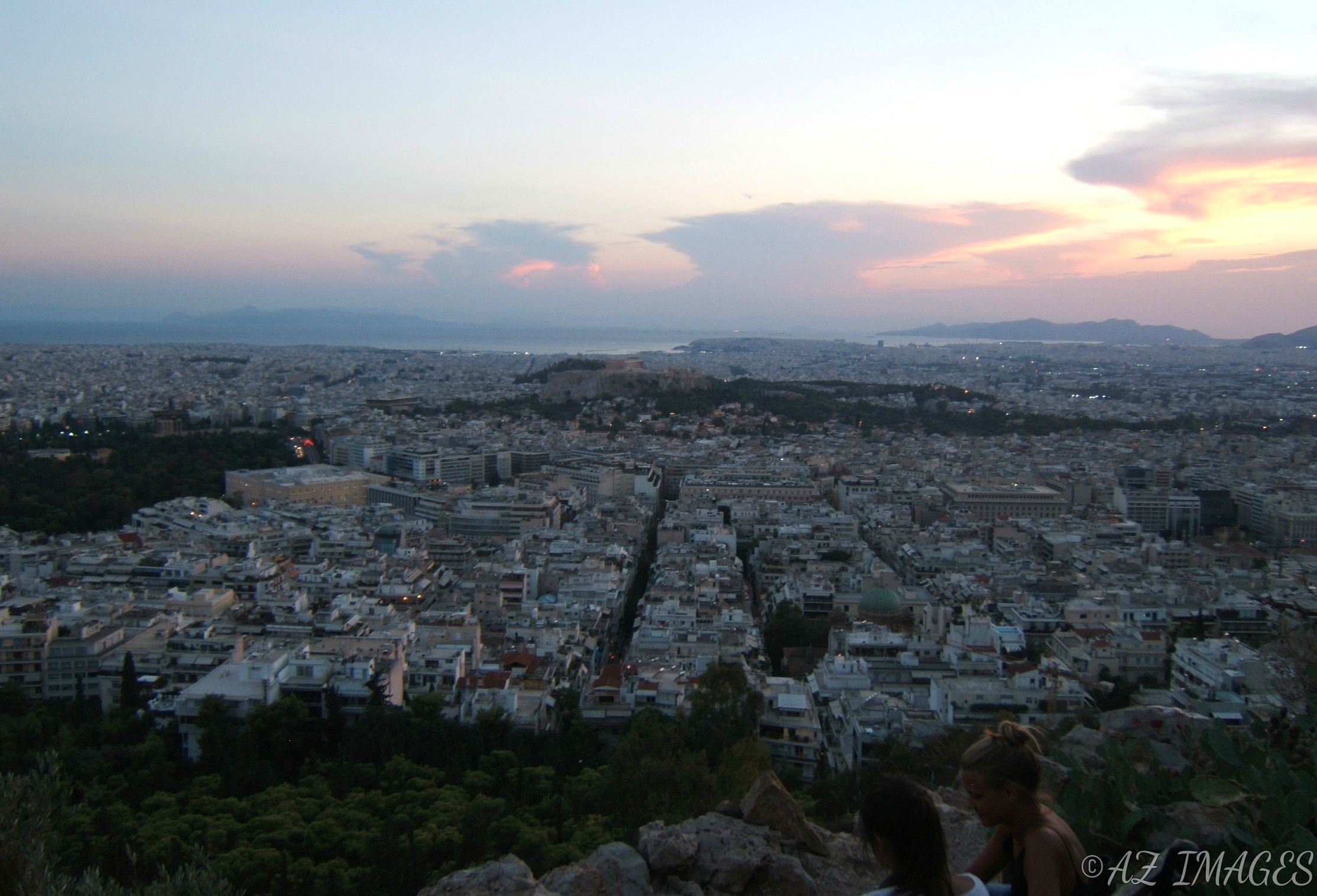

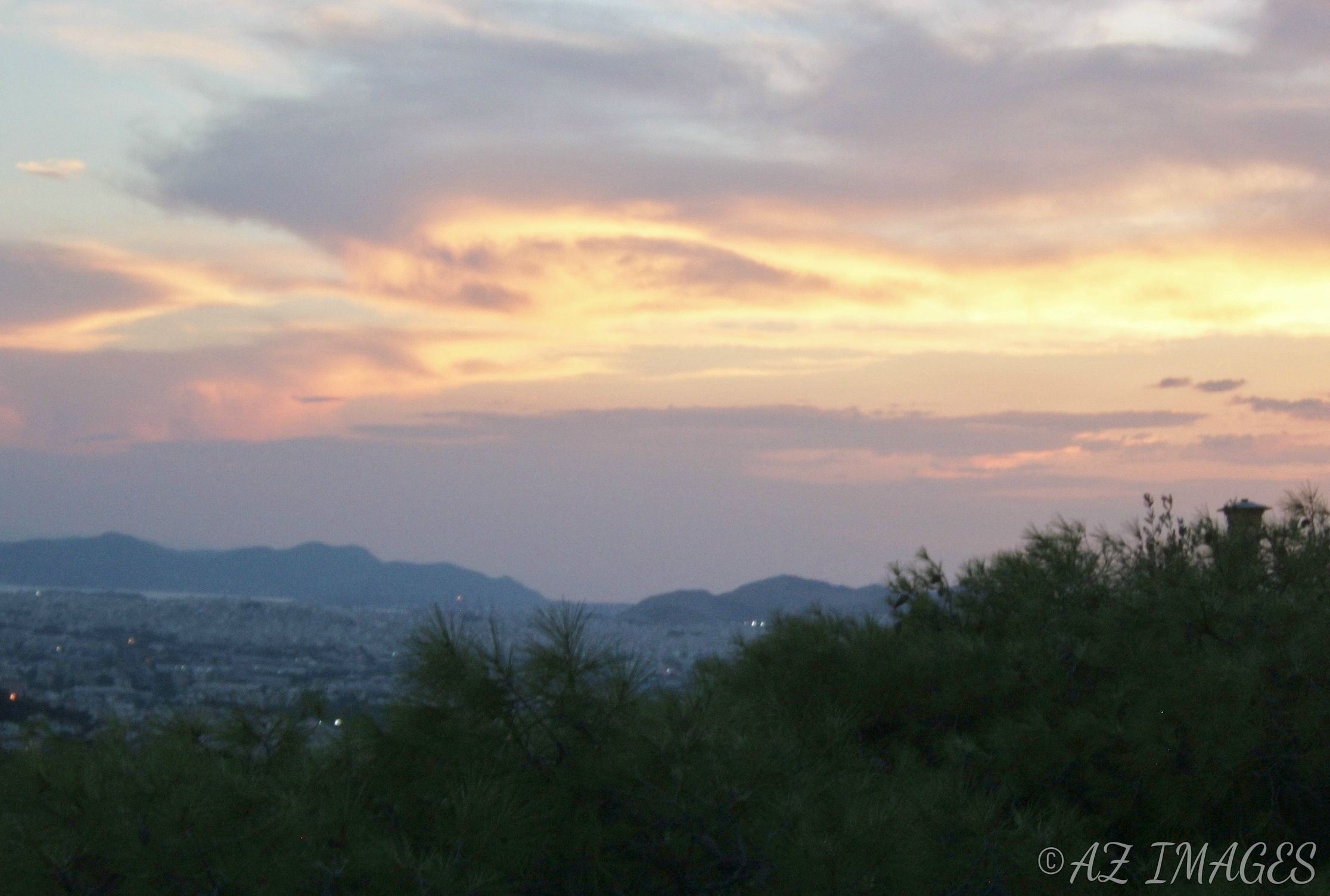
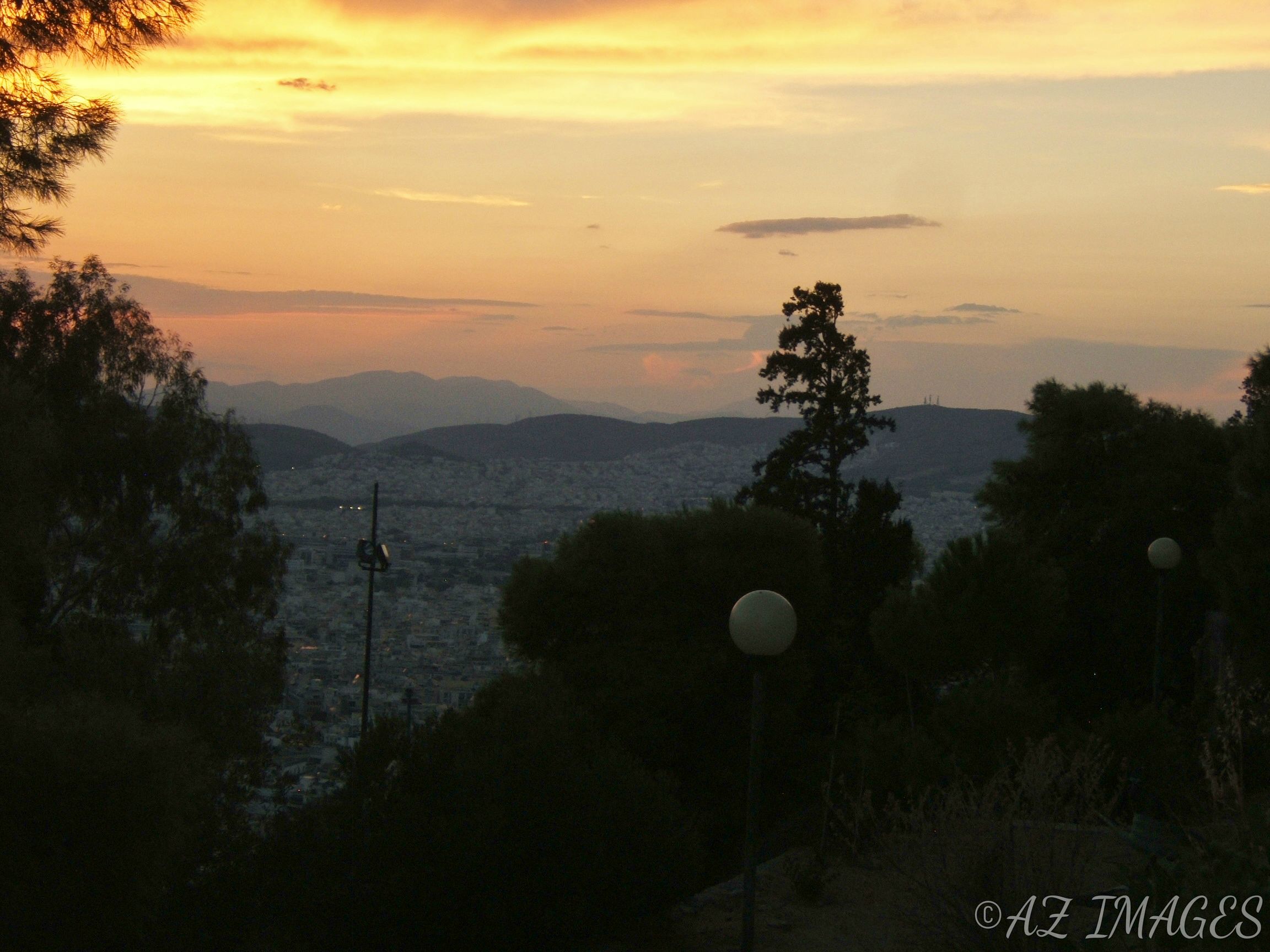
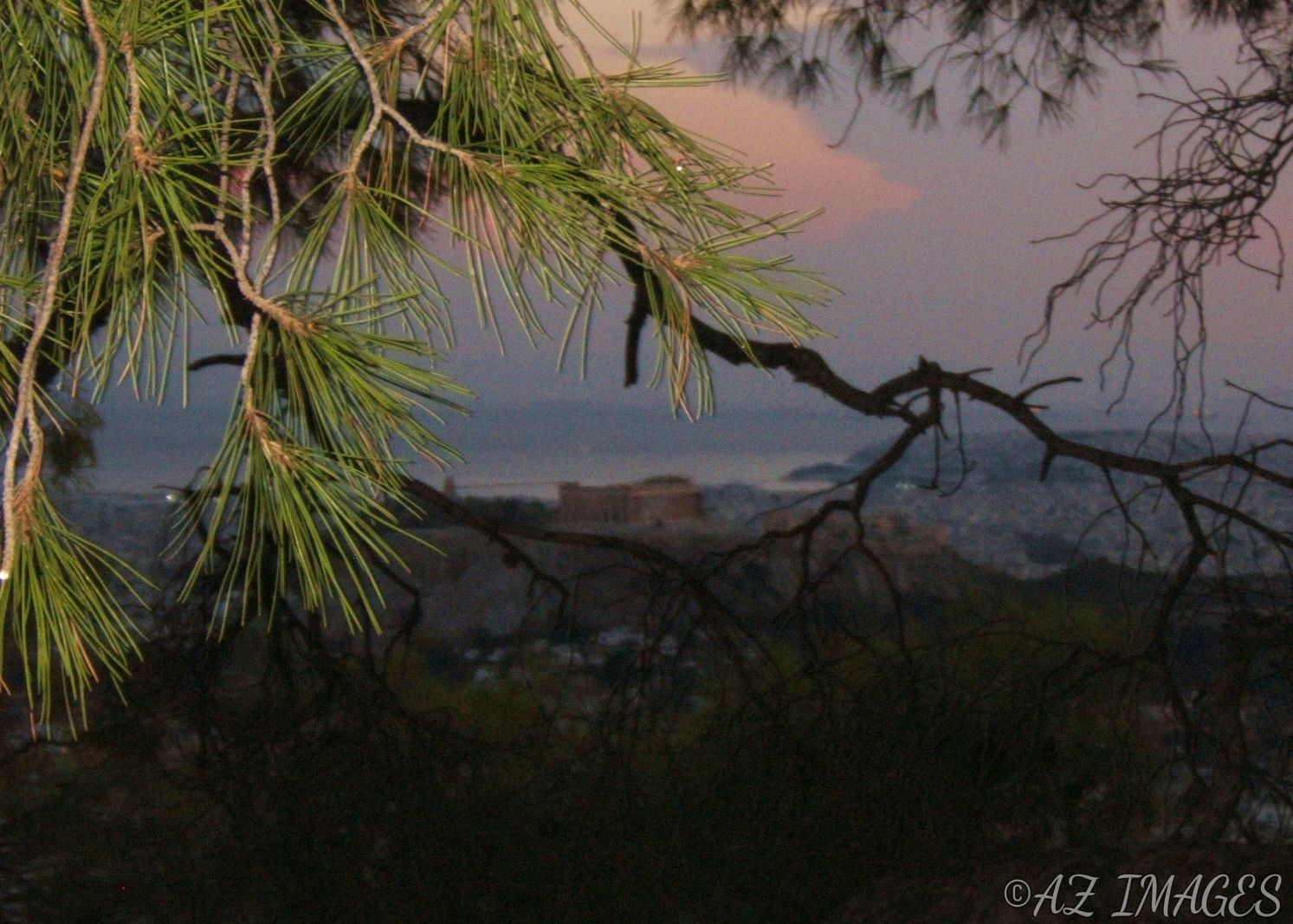

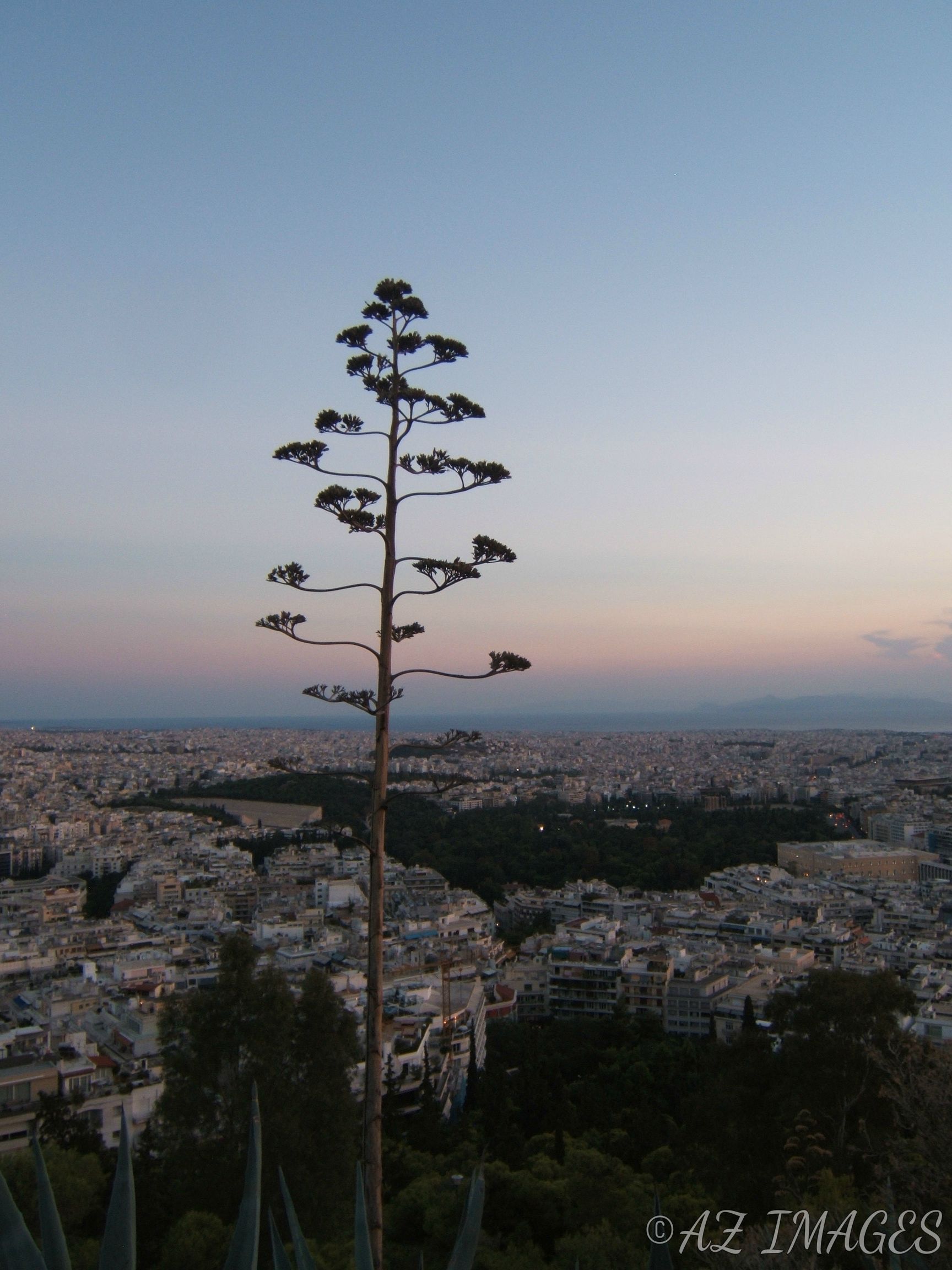
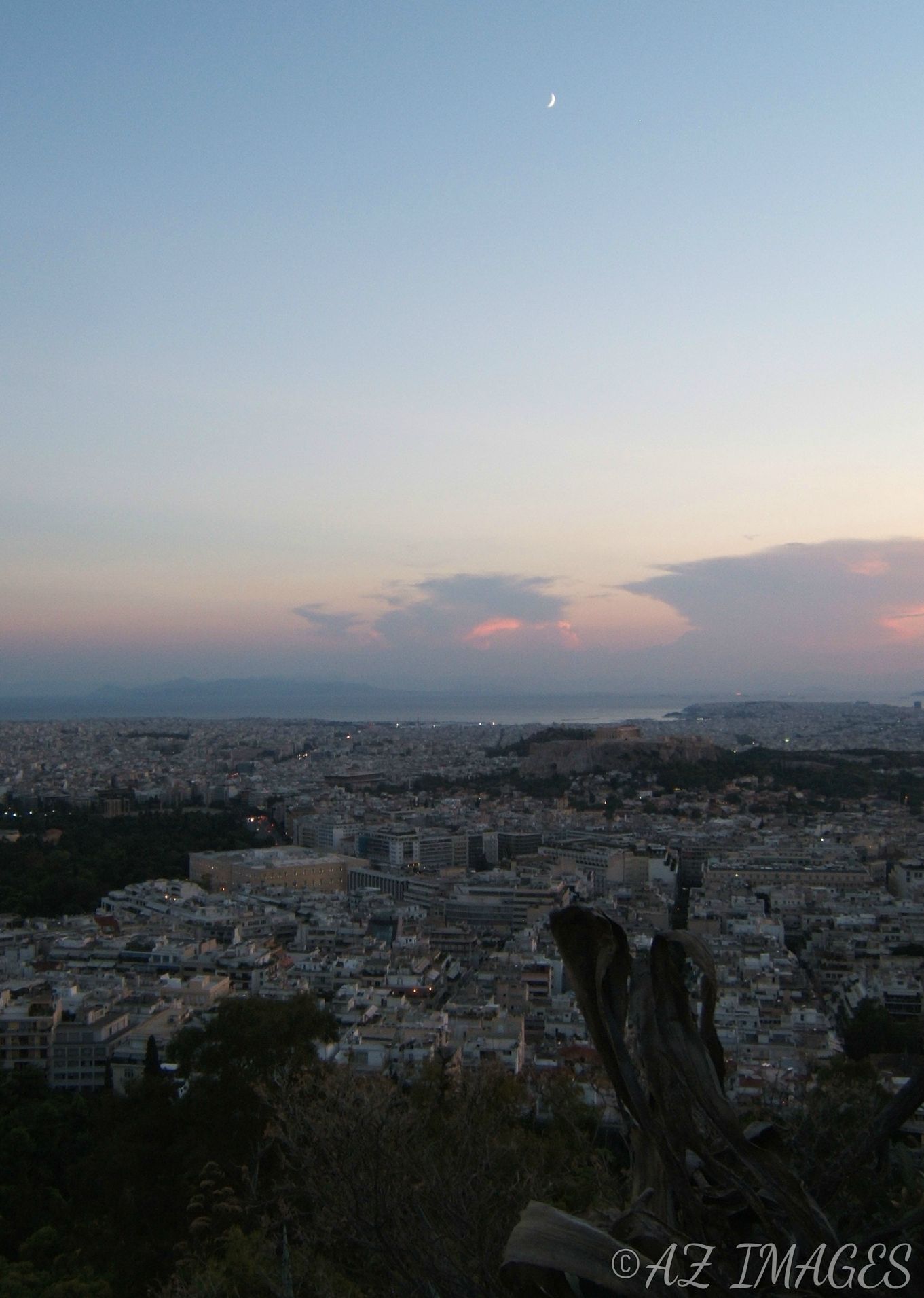
For my birthday last weekend, I decided to head up the highest point of Athens. The highest point is Lycavettos hill a very popular tourist destination, but every able-bodied Athenian should try to make the trek up there too. The name ‘Lycavettos’ means ‘the refuge of the wolves’-‘lycos’ means ‘wolf’ in Greek (fortunately there are no wolves there now). In order to reach the top of Lycavettos hill you have to walk up the many steep steps from Kolonaki street. After climbing up all the steps you arrive at the base of the hill and there is a funicular that will take you to the top. I didn’t want to ride it since I wanted to take photographs and take in the view. It took about a half hour to get to the top-without breaks. I went in the late afternoon when the sun was going down and it was not a hot day-thank goodness. Although, it’s a bit of a work out, the hill-top offers an incredible view of Athens. You can see the Parthenon and Piraeus port, and even some of the islands nearby. At the top of the hill is a restaurant, a theatre and the 19th century chapel of St. George where many weddings have taken place. When I got there a wedding had just taken place and the bride had just come out of the church. By that then, the sun had gone down, and I couldn’t take any proper night shots. Time for a new camera..
I still like this one though:
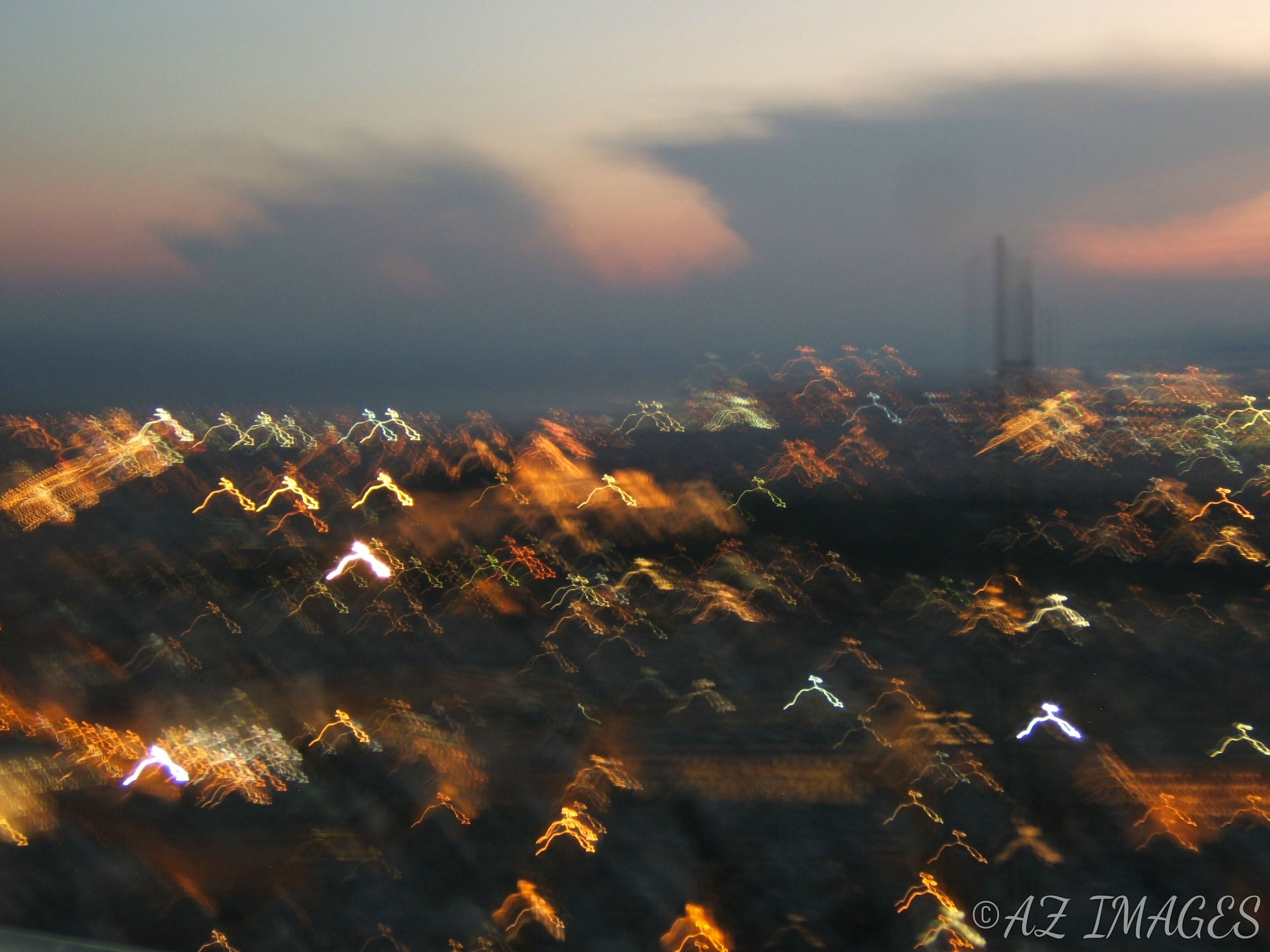 🙂
🙂
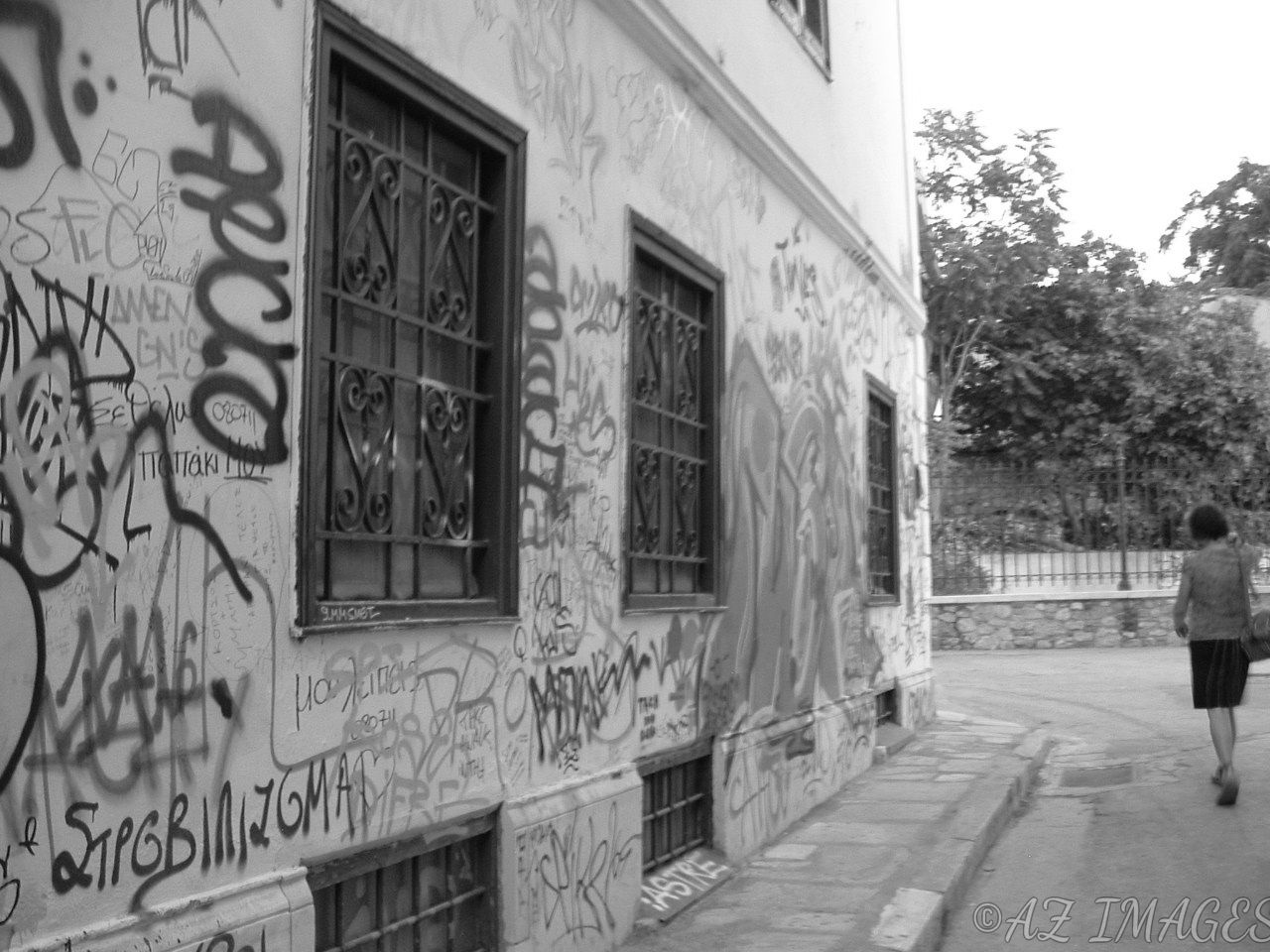
A woman walks by the graffiti.
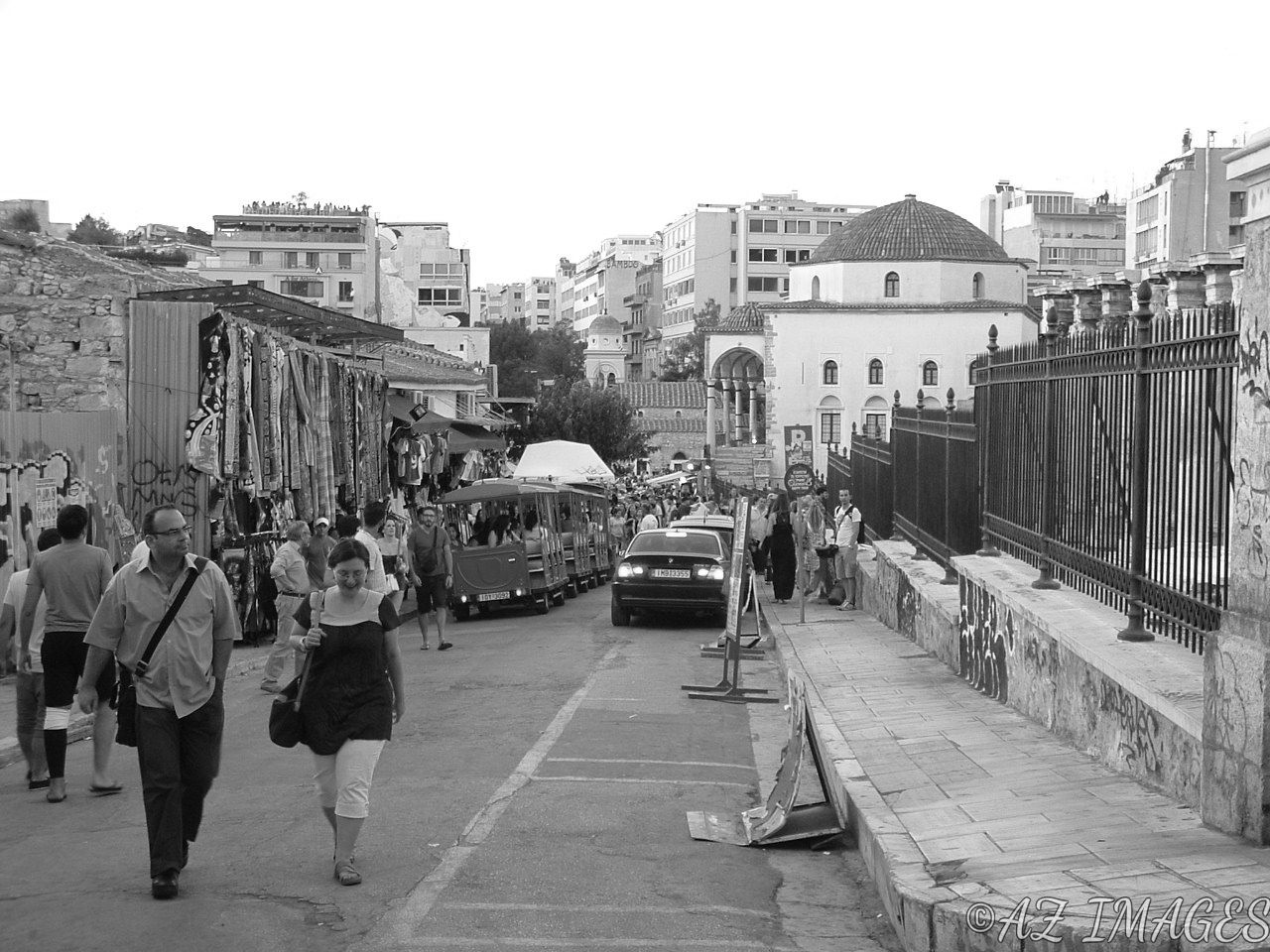
A view of Monastiraki square below from Plaka.
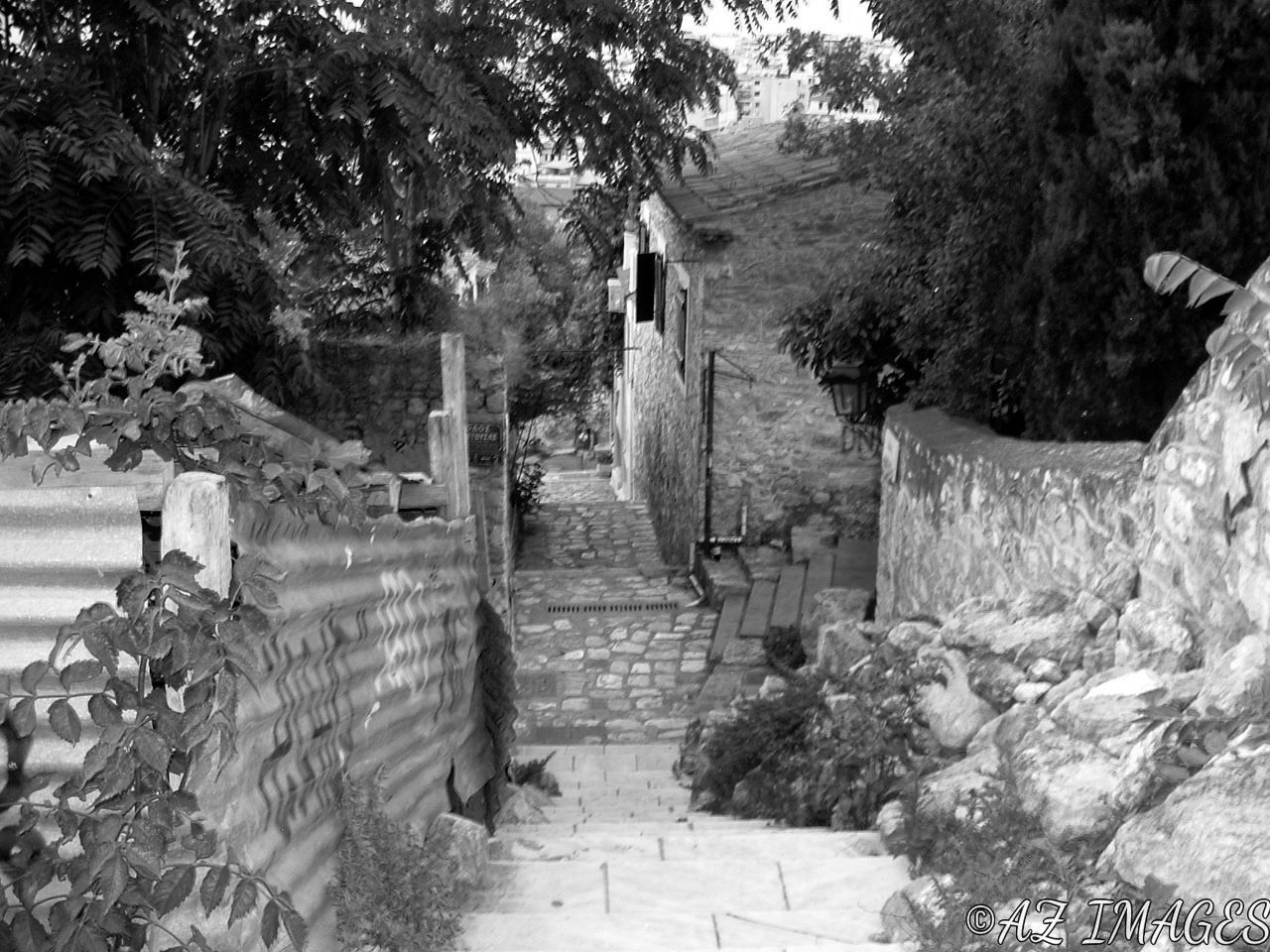
Narrow cobble stone path in Plaka.
The neighbourhood of Plaka in Athens is nicknamed ‘ the neighbourhood of the Gods’ becaue of its close proximity to the Parthenon.
It is a very touristy neighbourhood, and it has so many hidden features. You can never take enough pictures while in Plaka. I read that settlers from the Cyclades built the neighbourhood which explains why the architecture is similar to the architecture of the Cycladic islands specifically from ‘Anfi’ from where the settlers came from.
Η γειτονιά της Πλάκας στην Αθήνα έχει το παρατσούκλι «η γειτονιά των Θεών», καθώς βρίσκεται πολύ κοντά στον Παρθενώνα.
Είναι μια πολύ τουριστική περιοχή, και έχει τόσα πολλά κρυμμένα χαρακτηριστικά. Δεν μπορείτε ποτέ να τραβηξετε αρκετές φωτογραφίες στην Πλάκα. Διάβασα ότι οι άποικοι από τις Κυκλάδες εχτίτησαν τη γειτονιά και γι ‘αυτό εξηγεί γιατί η αρχιτεκτονική της είναι παρόμοια με την αρχιτεκτονική των Κυκλάδων, συγκεκριμένα από το νησί της«Anfi» όπου οι έποικοι προέρχονταν.
 My Creative Wayz