
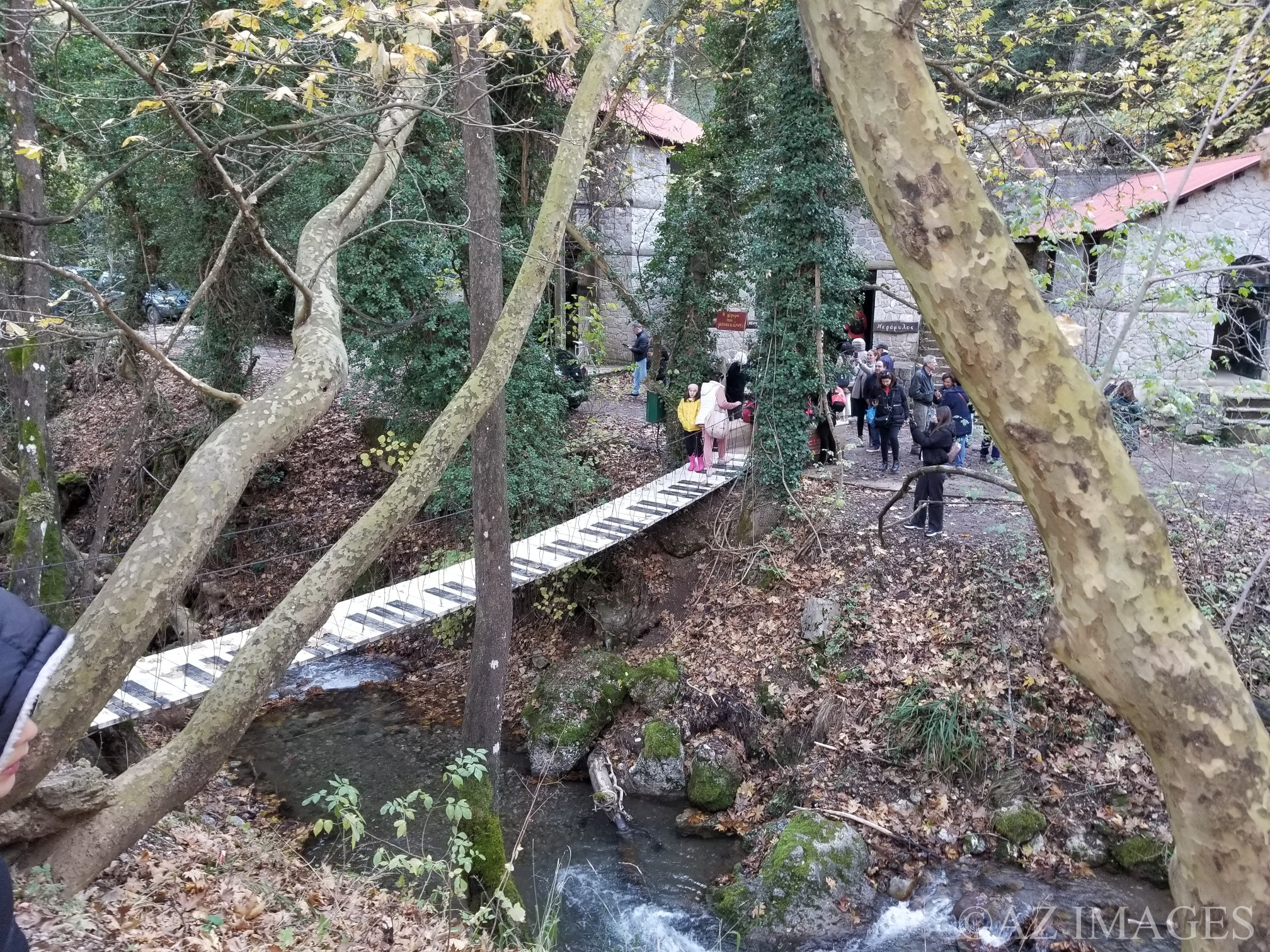
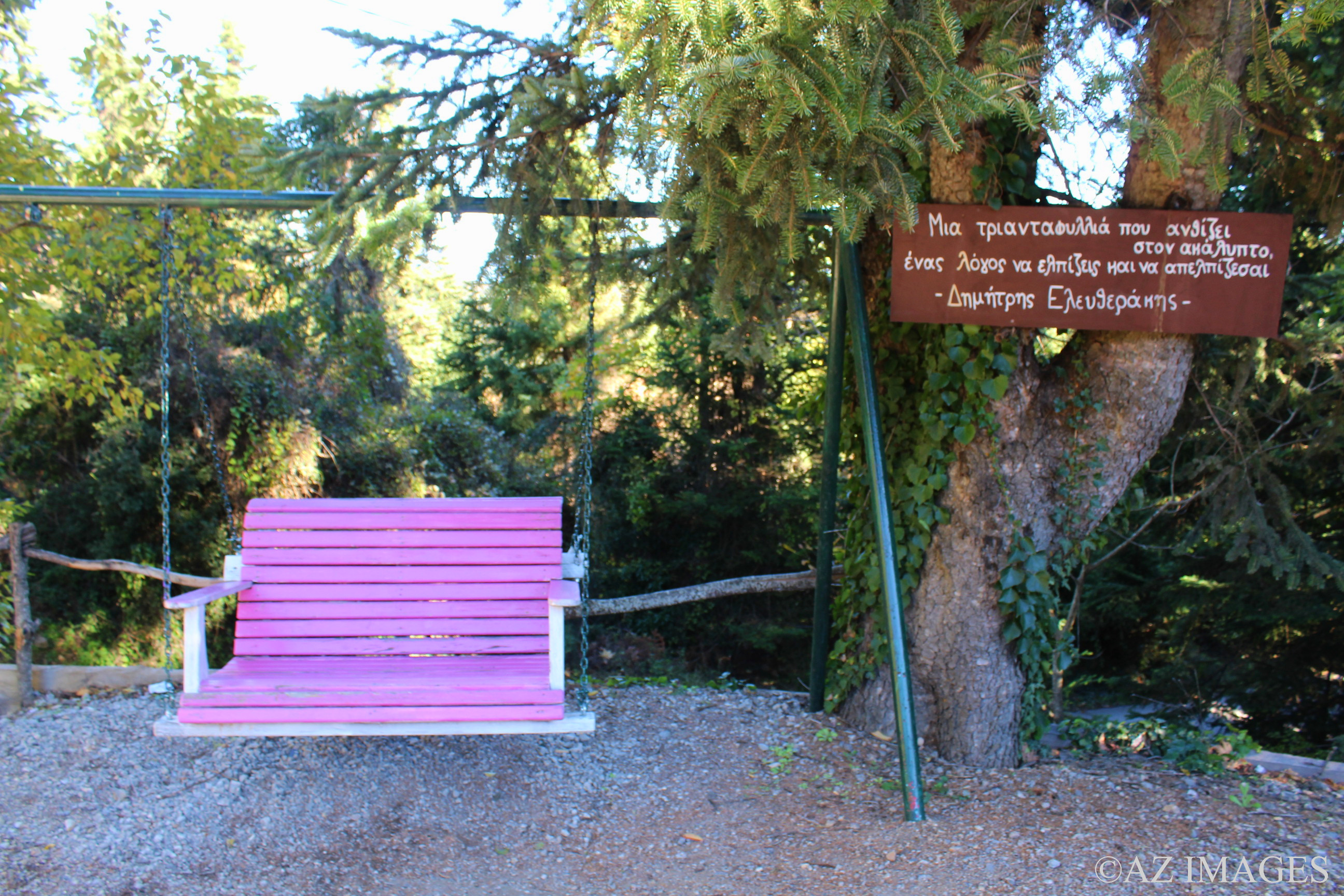
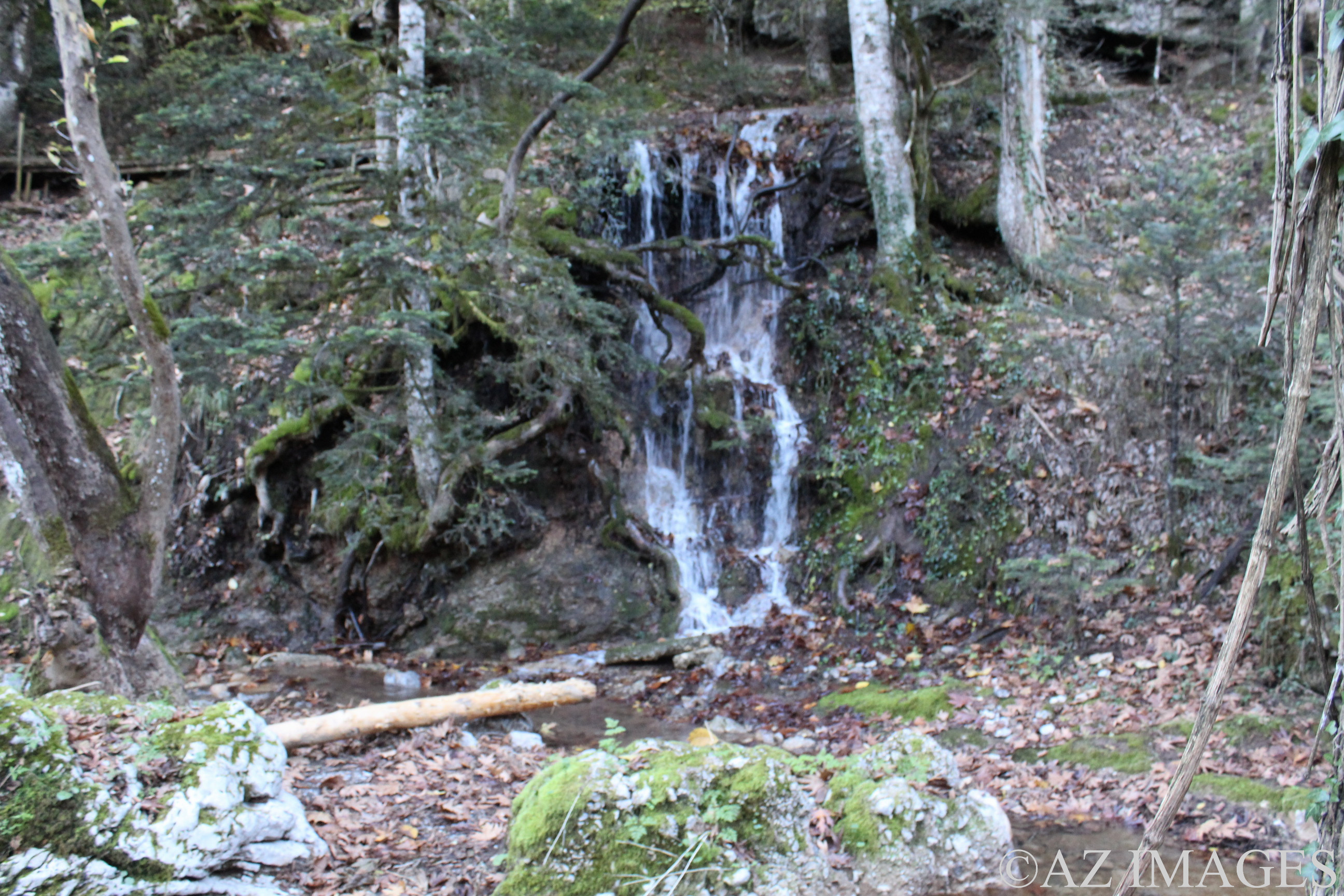
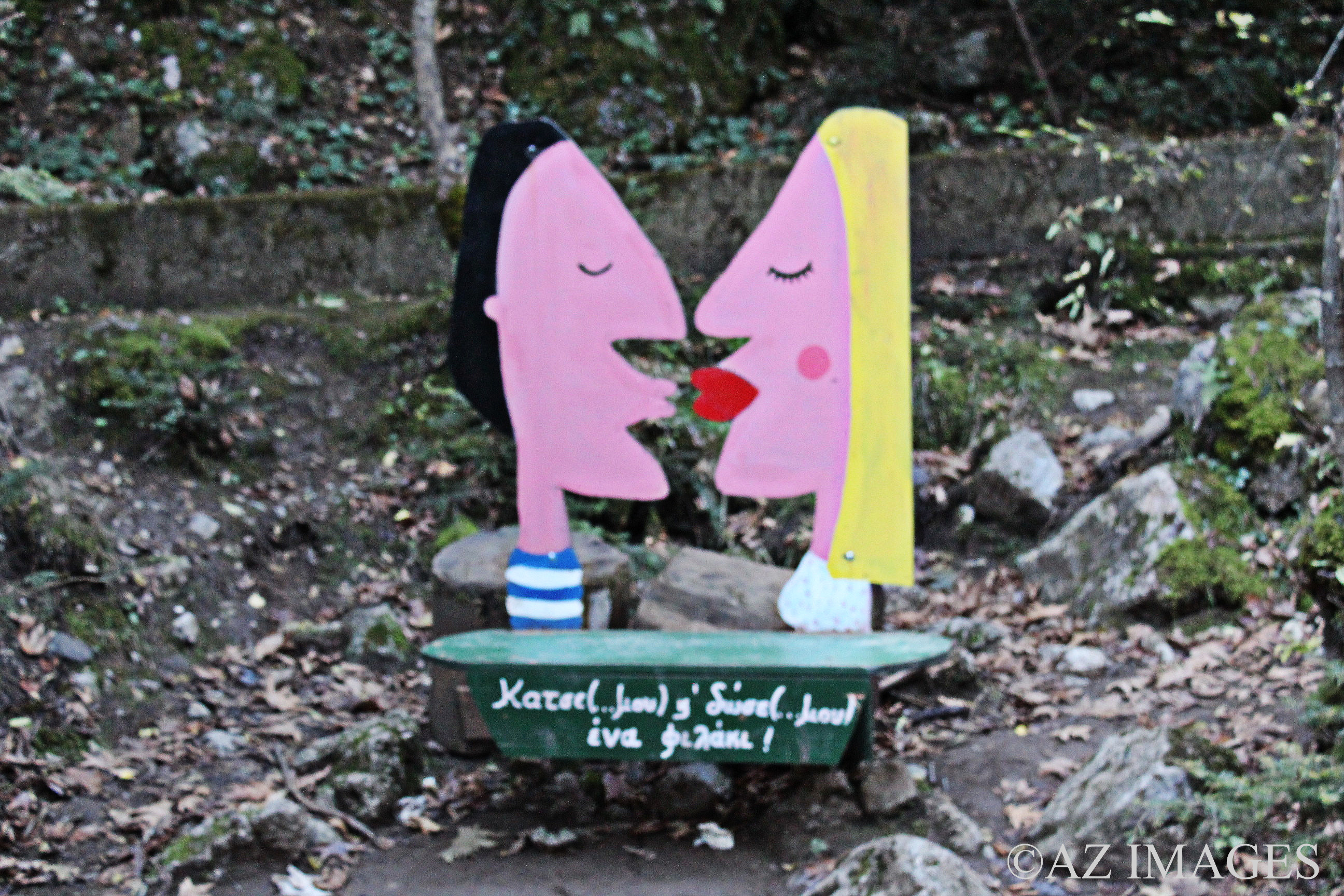

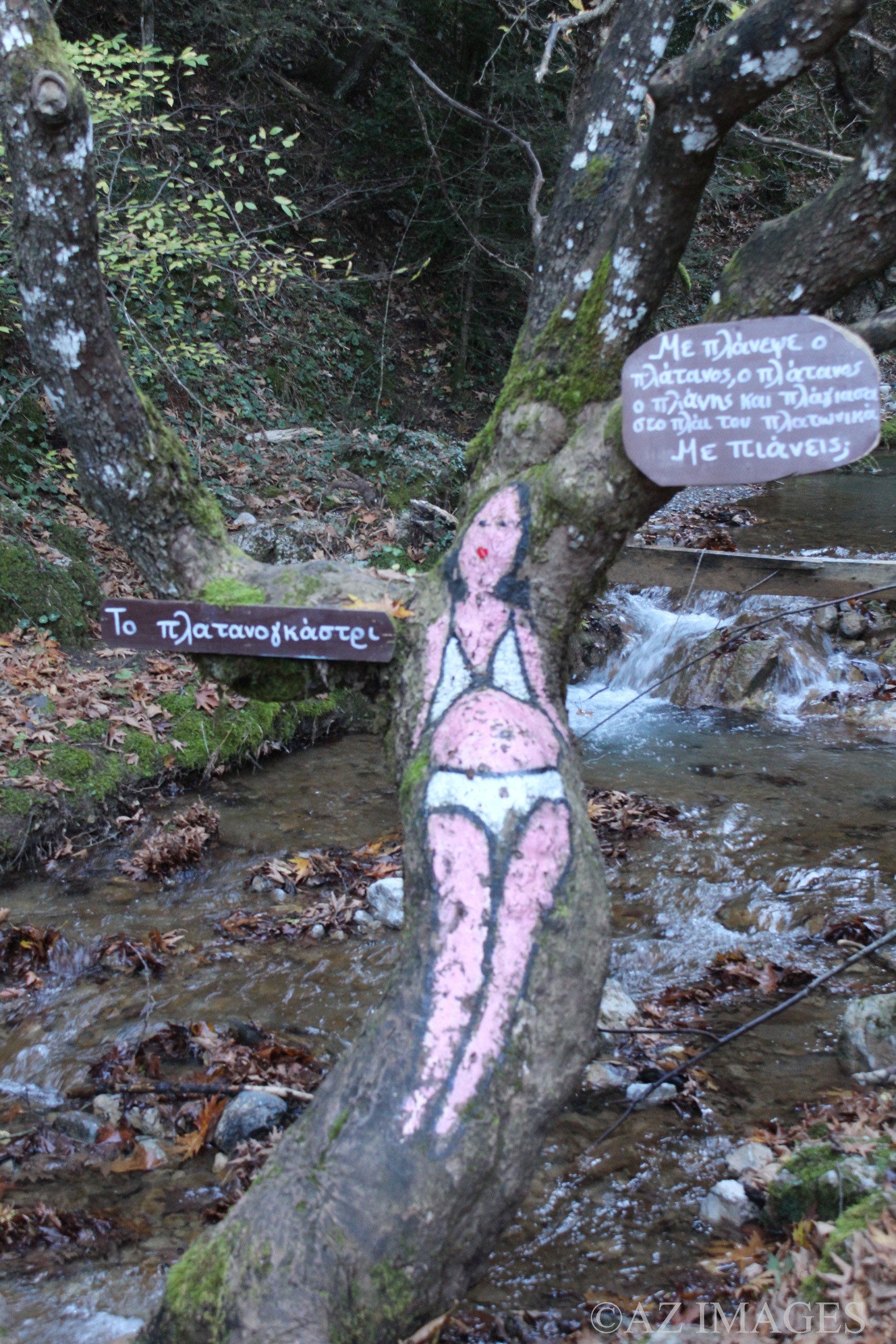
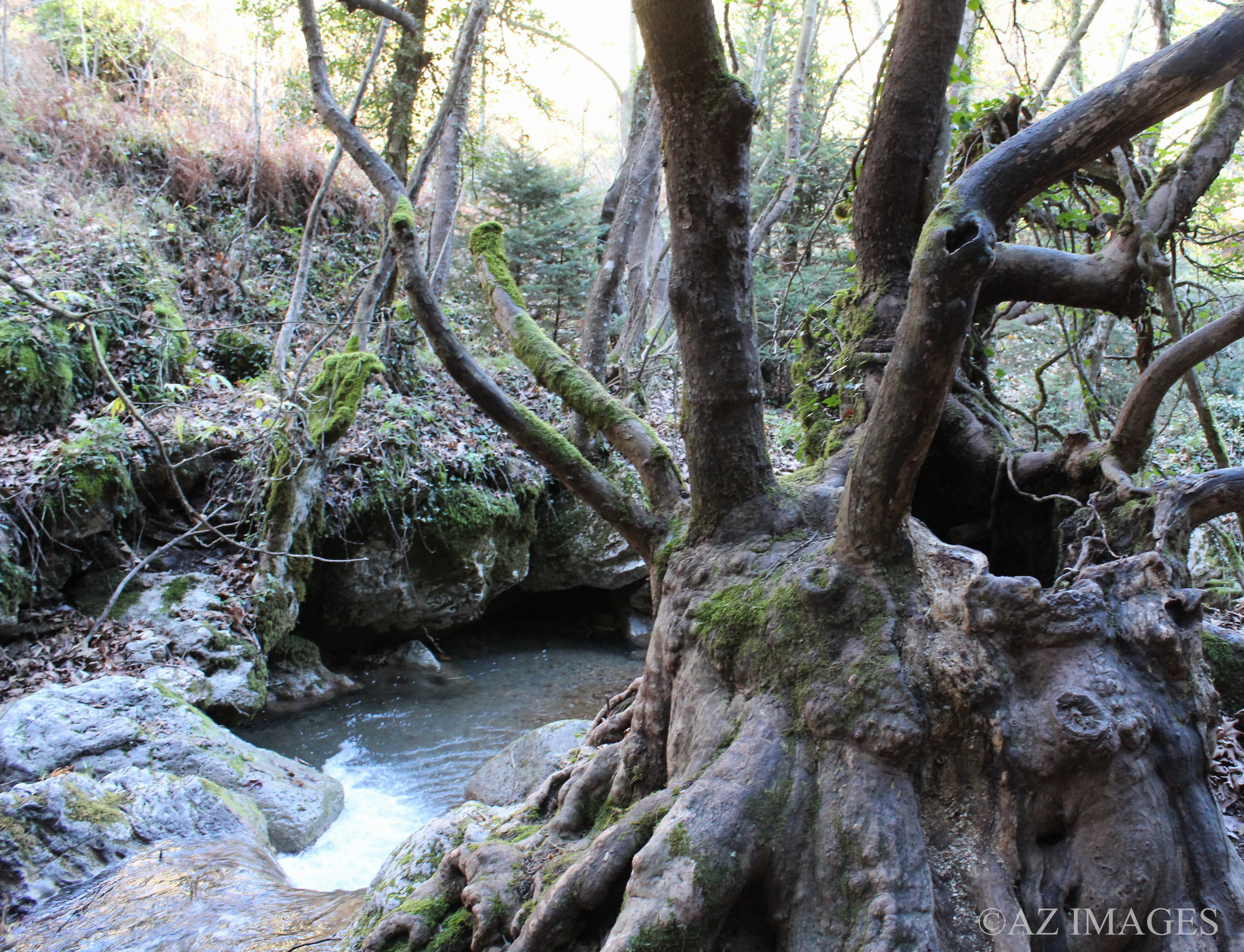
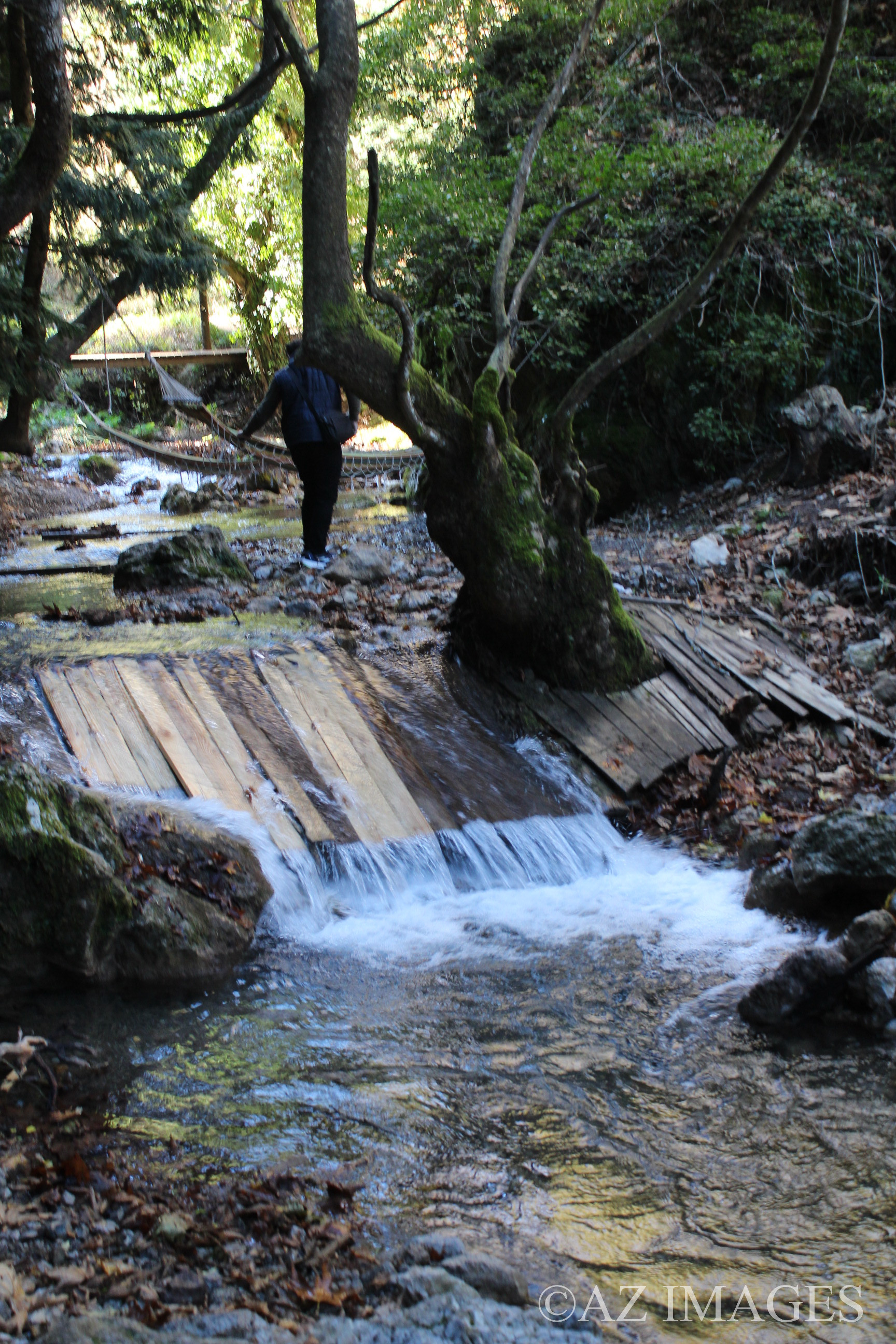
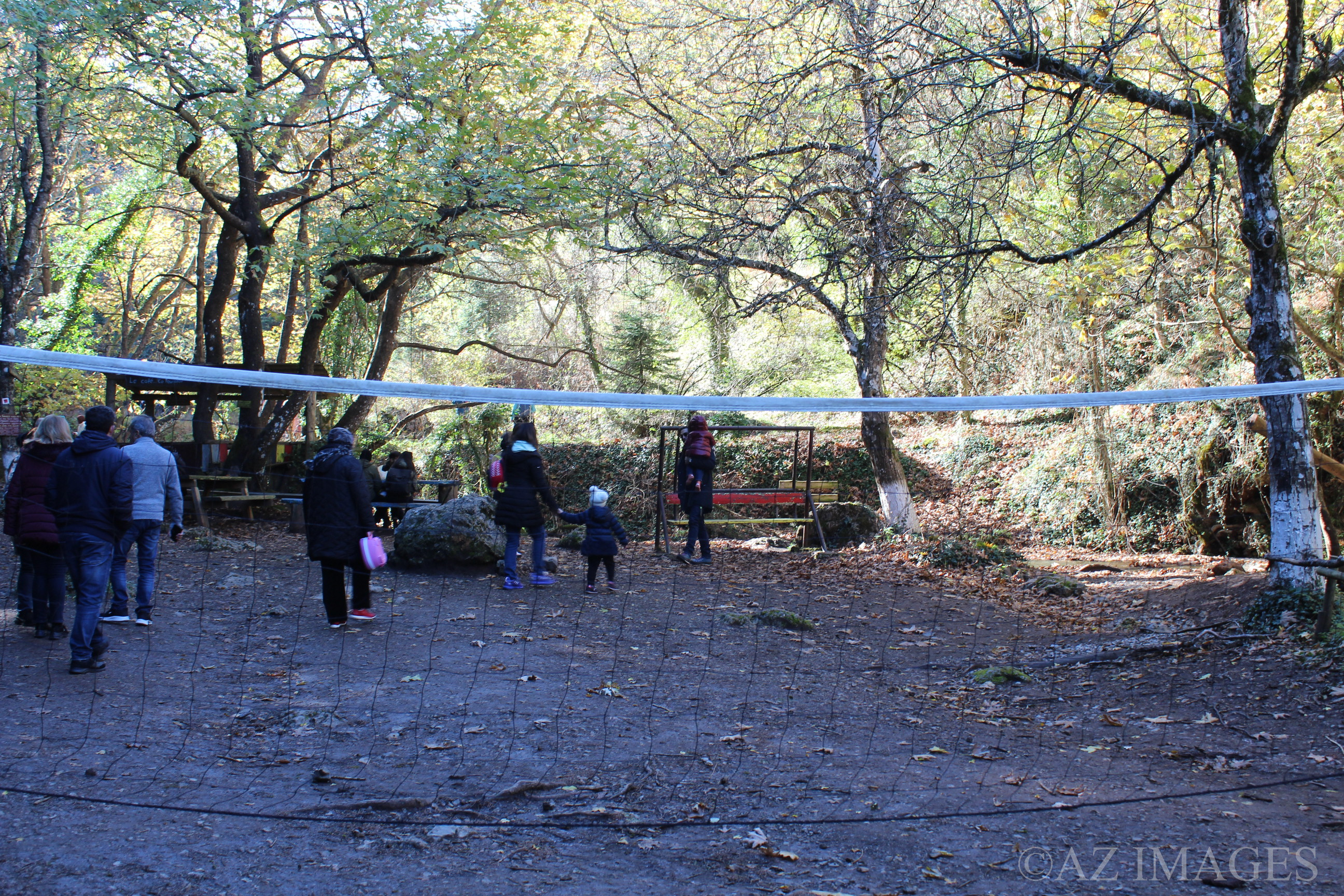
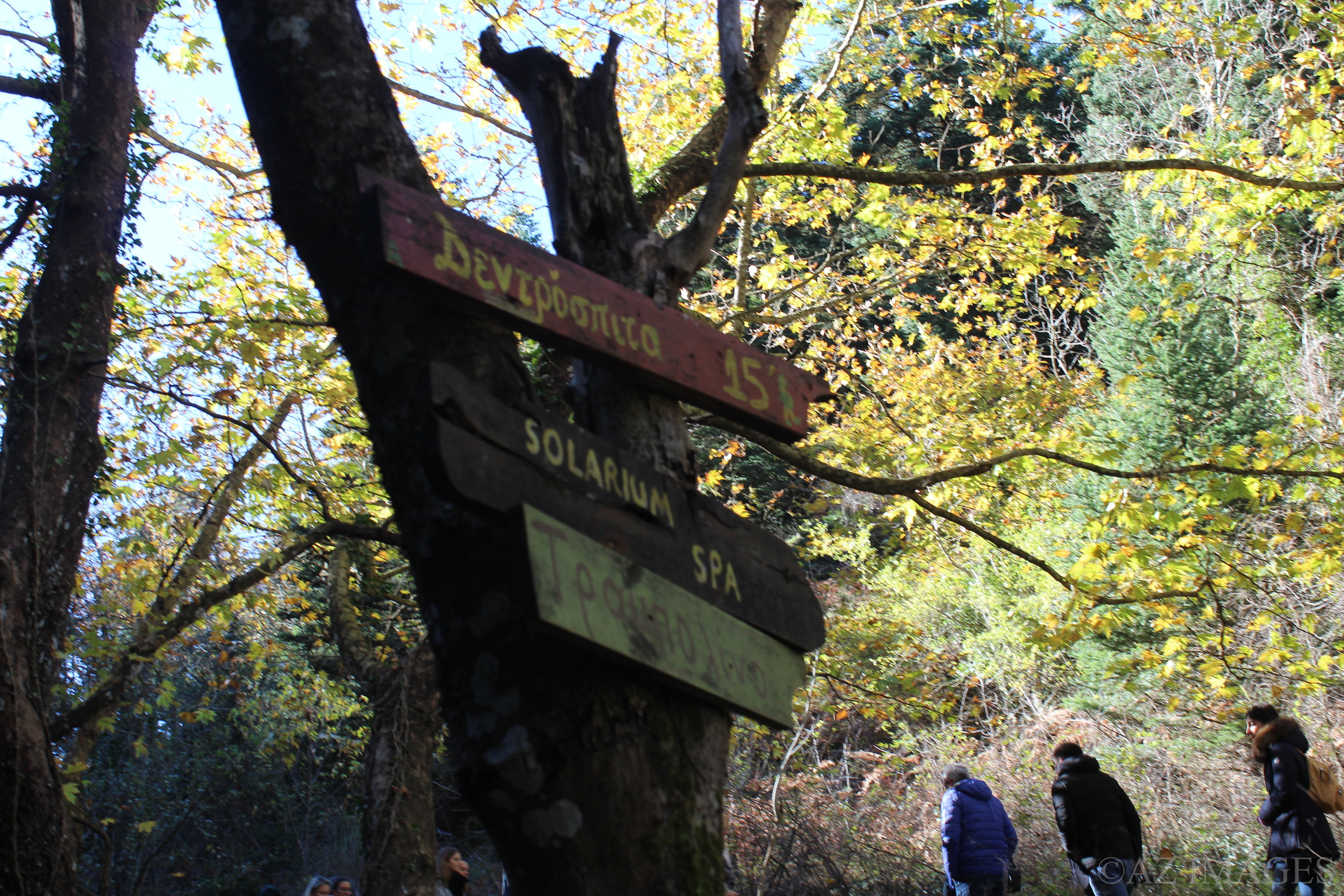
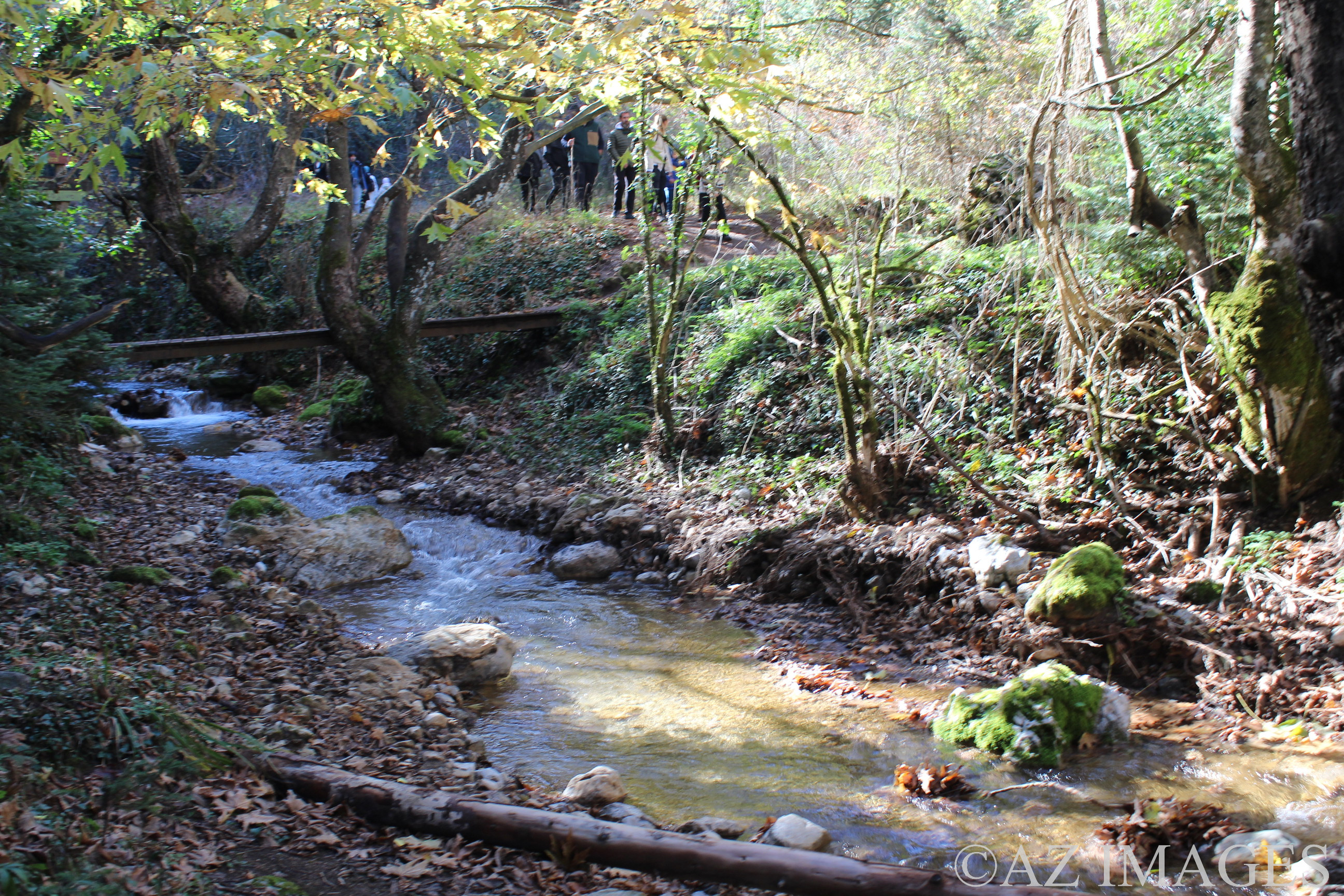
It is an almost three hour long ride to the very popular ‘Pauliani Park’ from Athens. It is part of the Municipality of Lamia in central Greece. There are 498 inhabitants and it is at an elevation of 1.040 m.
It was a chilly day when I went last week, but at least is wasn’t raining. It looked like it had rained before my arrival, as the trail in the park was very muddy. Athletic attire and hiking shoes/boots are a must. It is a popular place for hikers. The hikers said that the two hour hike up the mountain where the replica of the ‘Game of Thrones’ chair is located was gruelling.
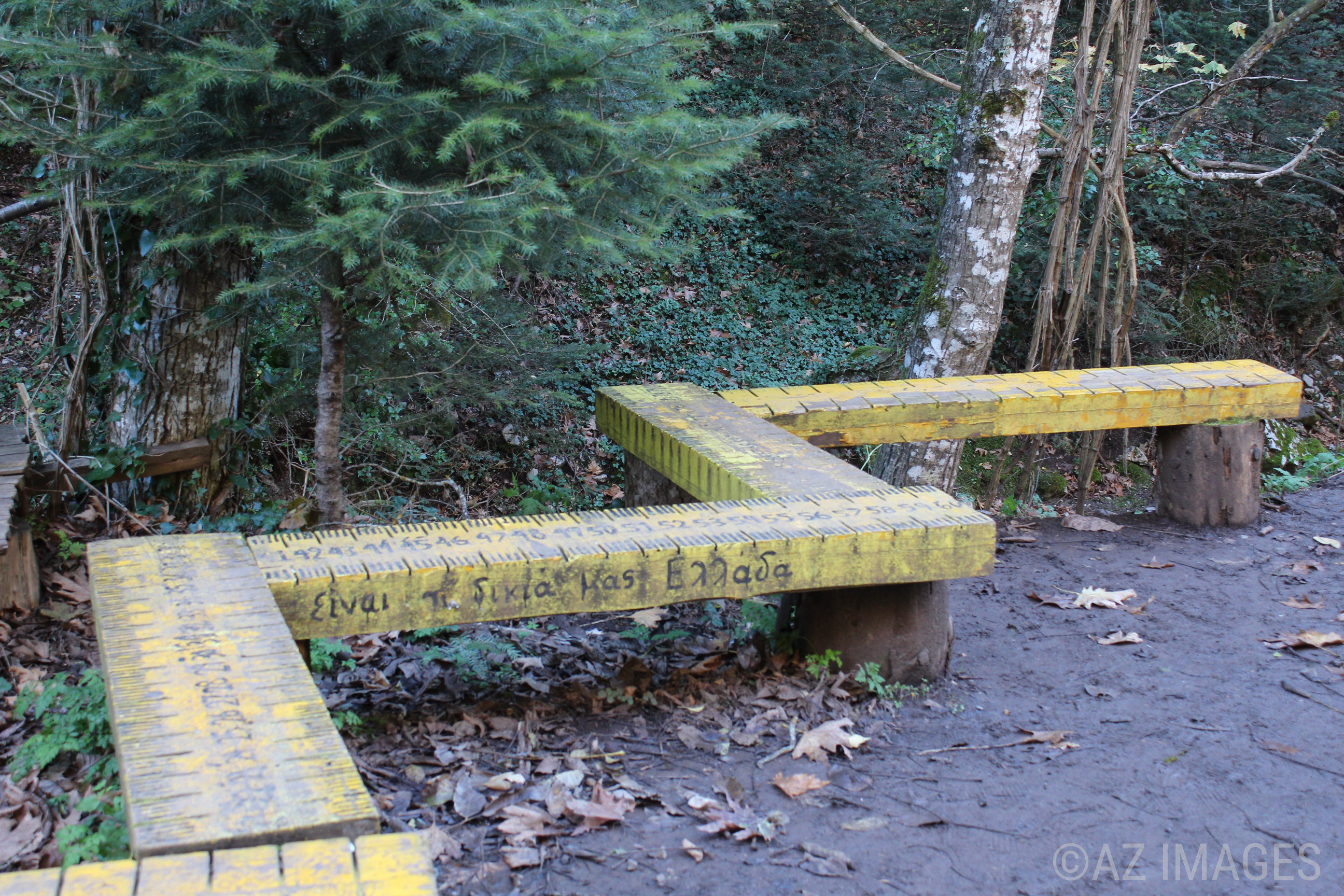
I opted out of the hike as I had my hands full with my camera and was already tired from walking through the park, which takes about three hours to explore. The longer the walk the more the pictures! There was a lot to photograph with the funny art installations and beautiful streams.
Απέχει σχεδόν τρεις ώρες από την Αθήνα μέχρι το πολύ δημοφιλές «Πάρκο Αναψυχής, Παύλιανη». Εντάσσεται στο Δήμο Λαμιέων στη Στερεά Ελλάδα. Έχει 498 κατοίκους και βρίσκεται σε υψόμετρο 1.040 μ.
Ήταν μια κρύα μέρα όταν πήγα την περασμένη εβδομάδα, αλλά τουλάχιστον δεν έβρεχε. Έμοιαζε σαν να έβρεχε πριν από την άφιξή μου, καθώς το μονοπάτι στο πάρκο ήταν πολύ λασπωμένο. Αθλητική ενδυμασία και παπούτσια/μπότες πεζοπορίας είναι απαραίτητα. Είναι ένα δημοφιλές μέρος για πεζοπόρους. Οι πεζοπόροι είπαν ότι η δίωρη πεζοπορία στο βουνό όπου βρίσκεται το αντίγραφο της καρέκλας του «Game of Thrones» ήταν εξαντλητική.
Επέλεξα να αποχωρήσω από την πεζοπορία καθώς είχα γεμάτα τα χέρια με τη φωτογραφική μηχανή μου και ήμουν ήδη κουρασμένη από το περπάτημα στο πάρκο, το οποίο διαρκεί περίπου τρεις ώρες για να εξερευνήσετε. Όσο μεγαλύτερη είναι η βόλτα τόσο περισσότερες οι φωτογραφίες! Υπήρχουν πολλά πράγματα για να φωτογραφίσεις με τις αστείες εγκαταστάσεις τέχνης και τα όμορφα ρεύματα.
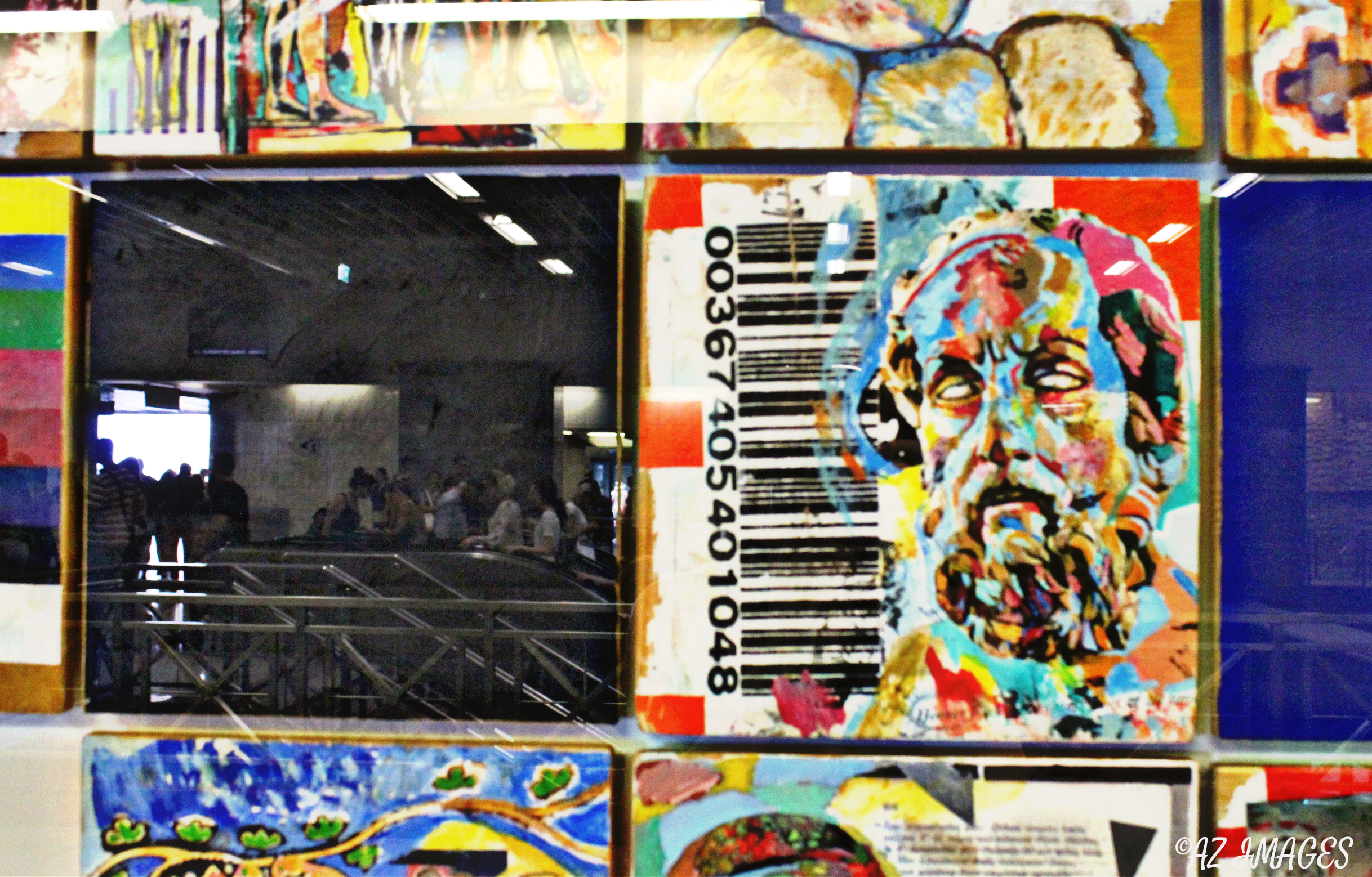
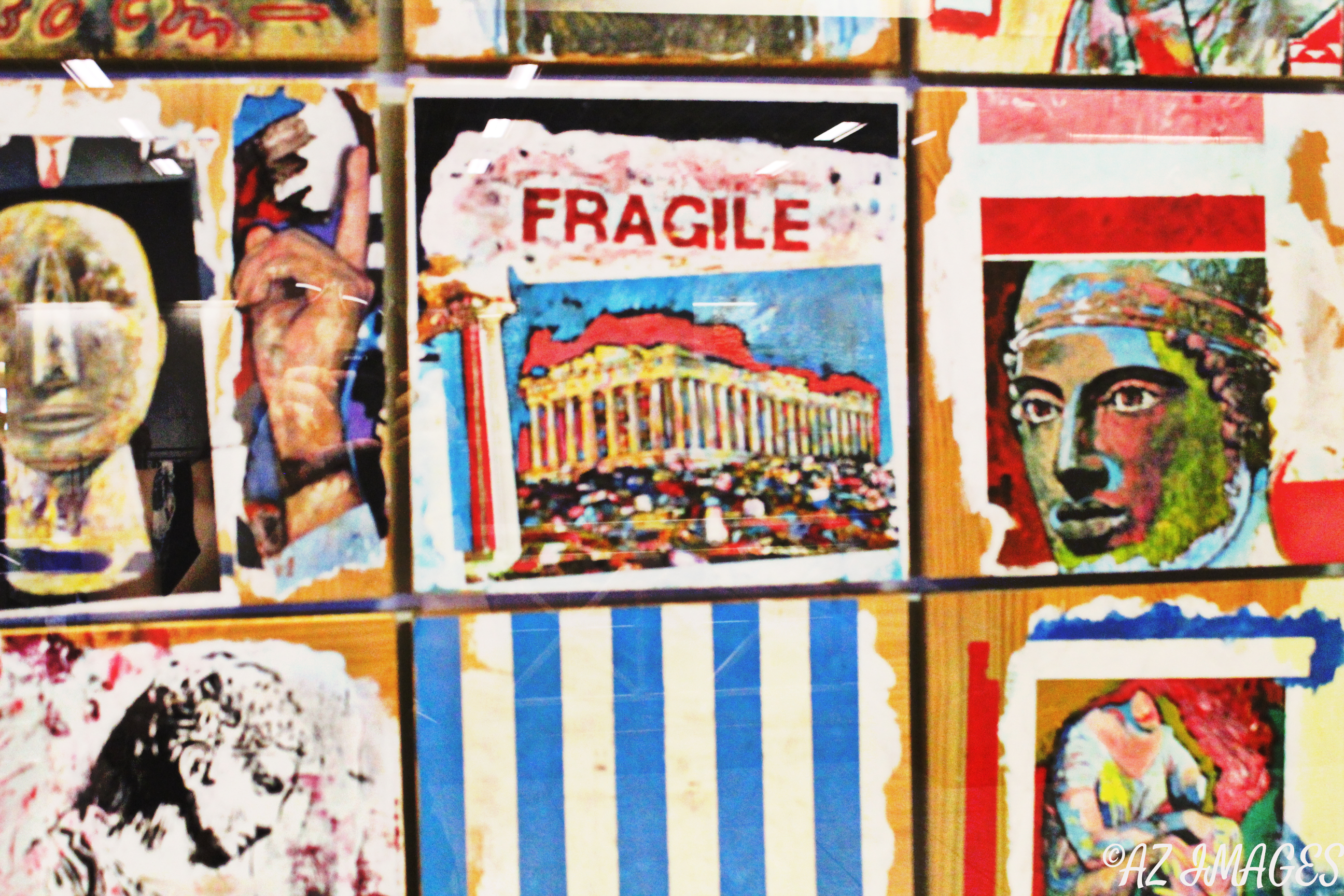
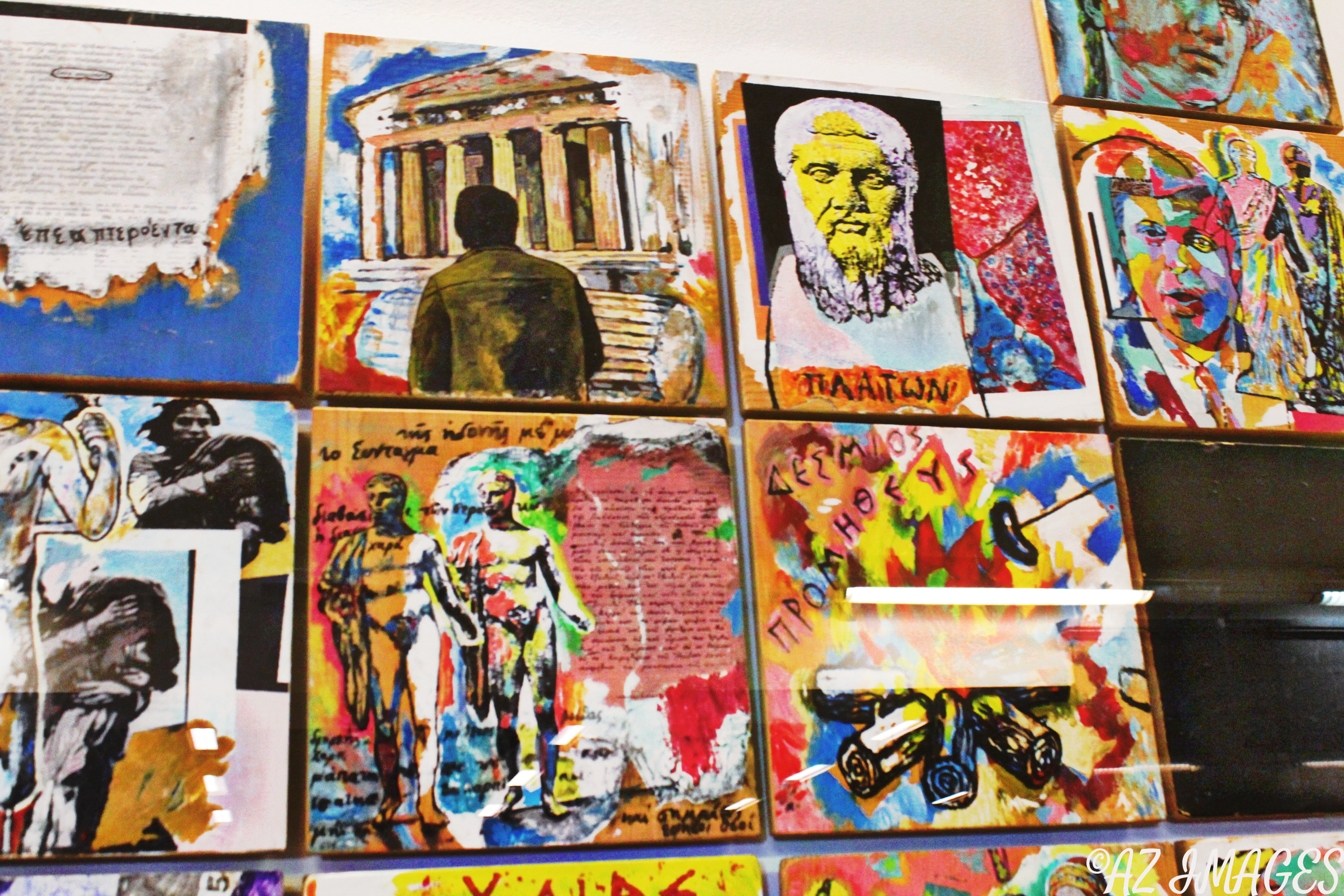
A gallery of modern works of art at the Syndagma Metro station in city of Athens.
Πινακοθήκη σύγχρονων έργων τέχνης στο σταθμό του μετρό Σύνταγμα στην πόλη της Αθήνας.
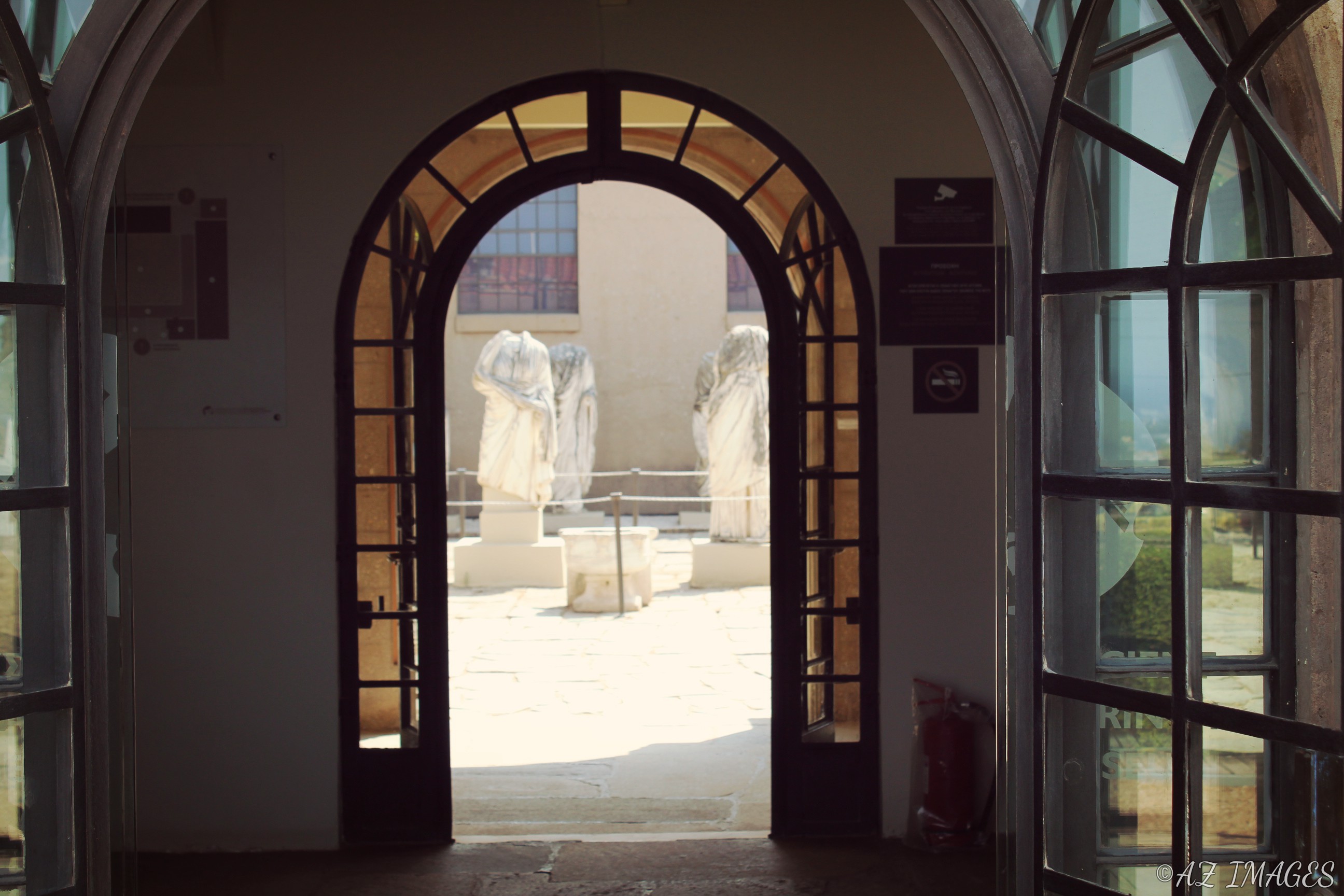
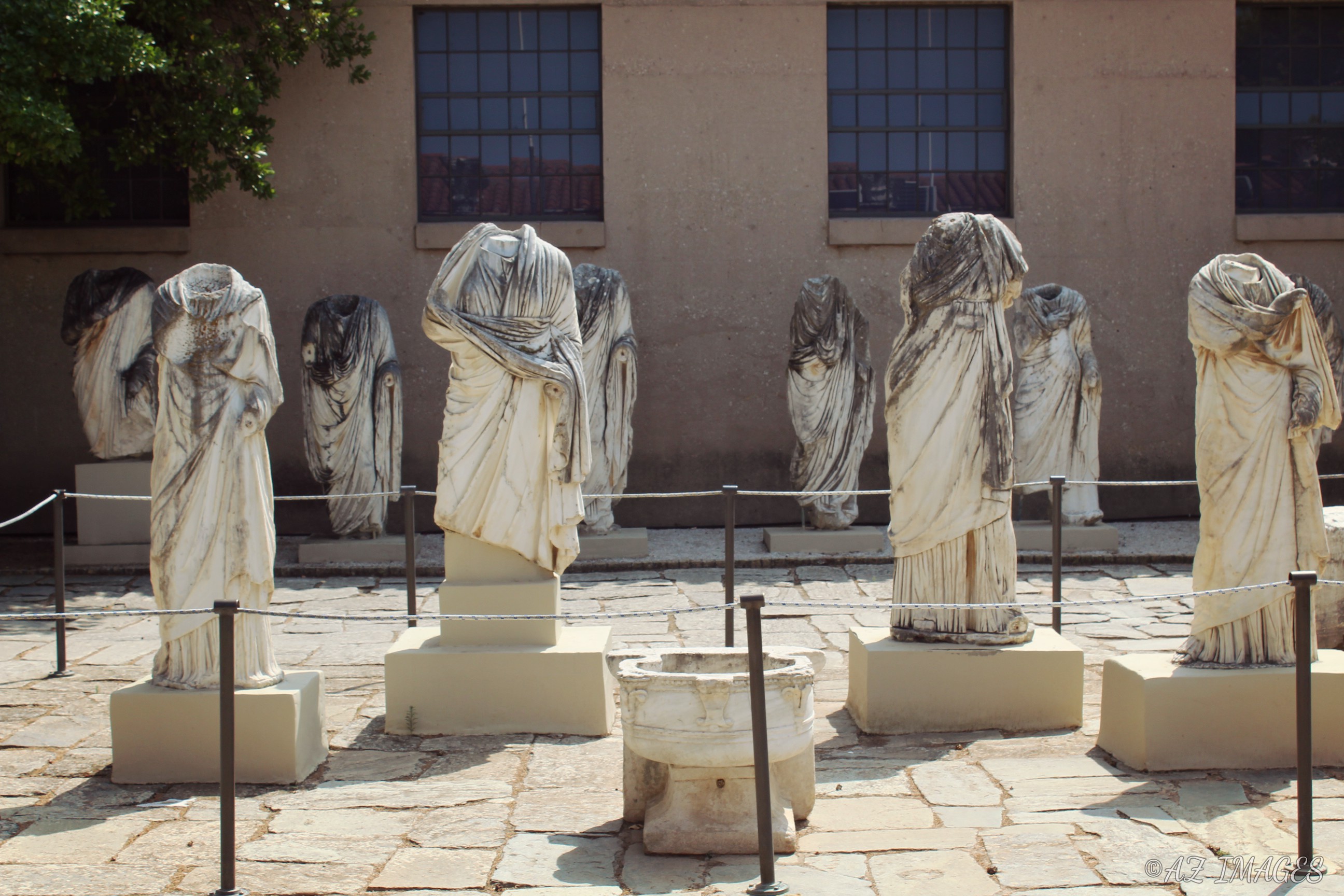
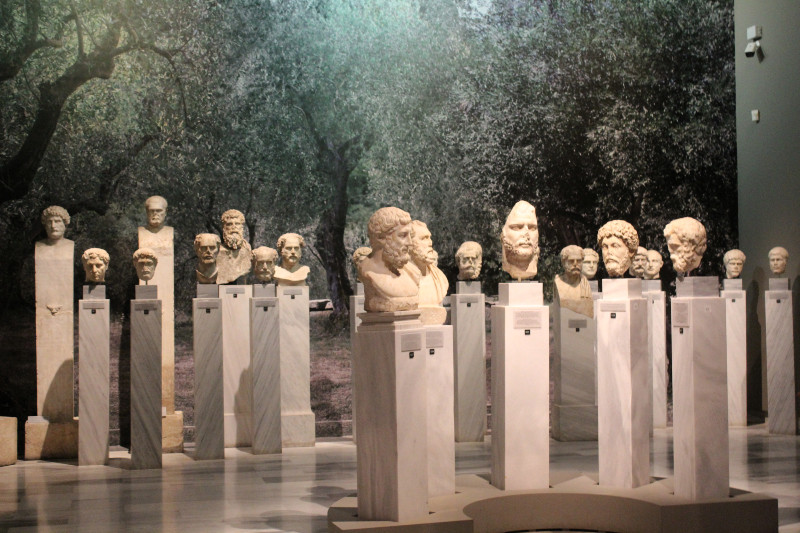
I wonder where all of the heads went?
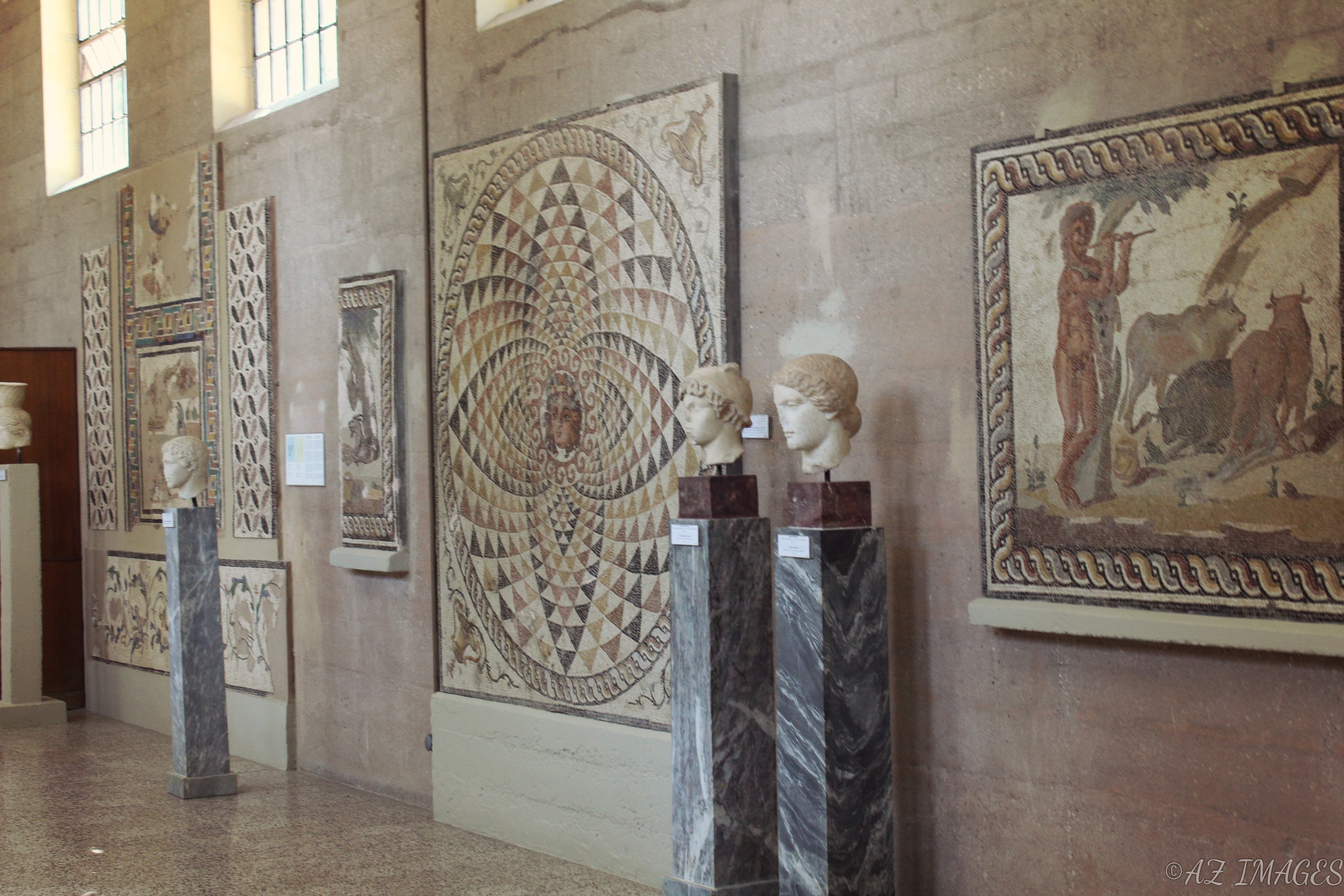
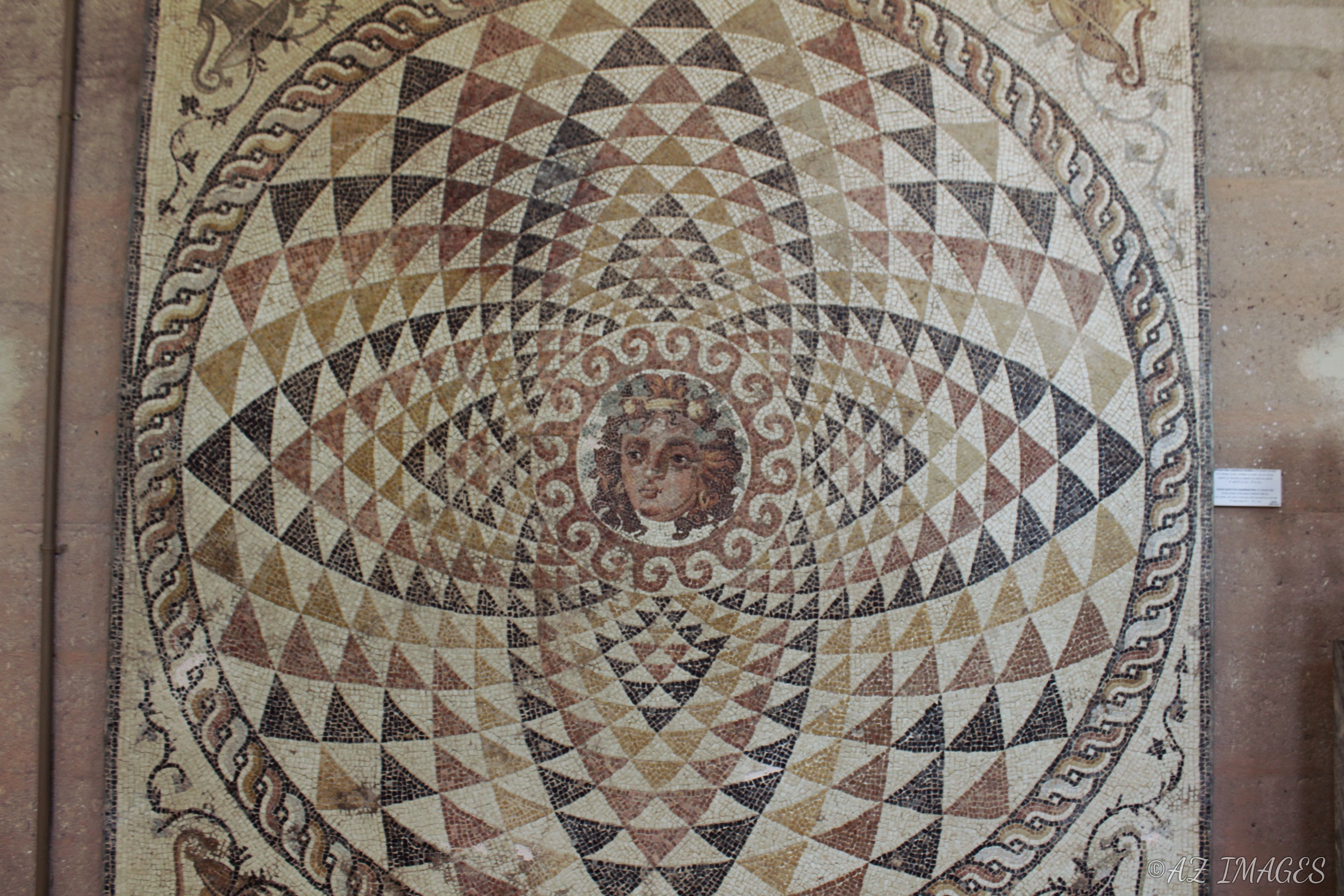
Mosaic floor from a Roman villa. Looks like an optical illusion.
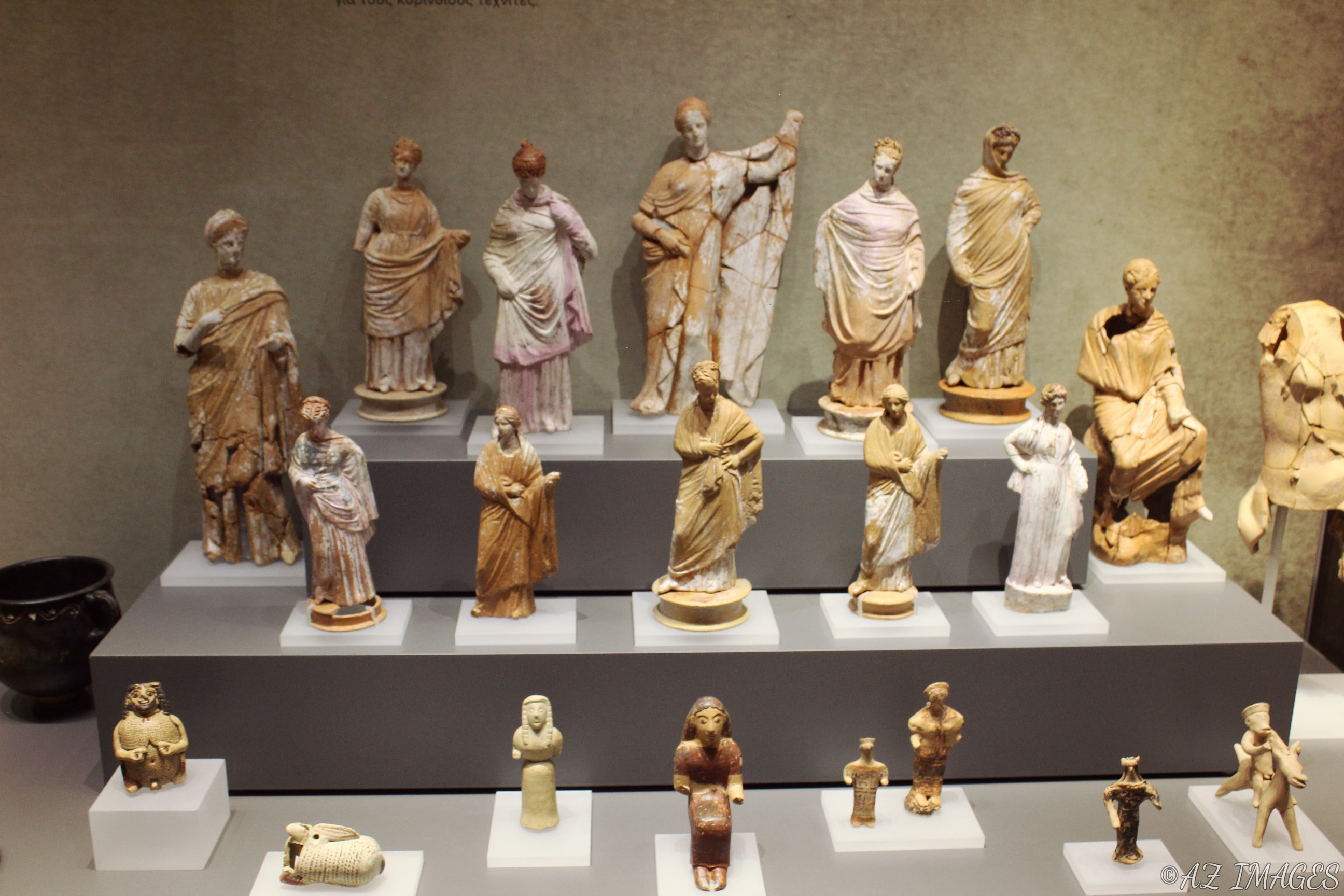
Miniature statues of deities.

An ancient mirror.
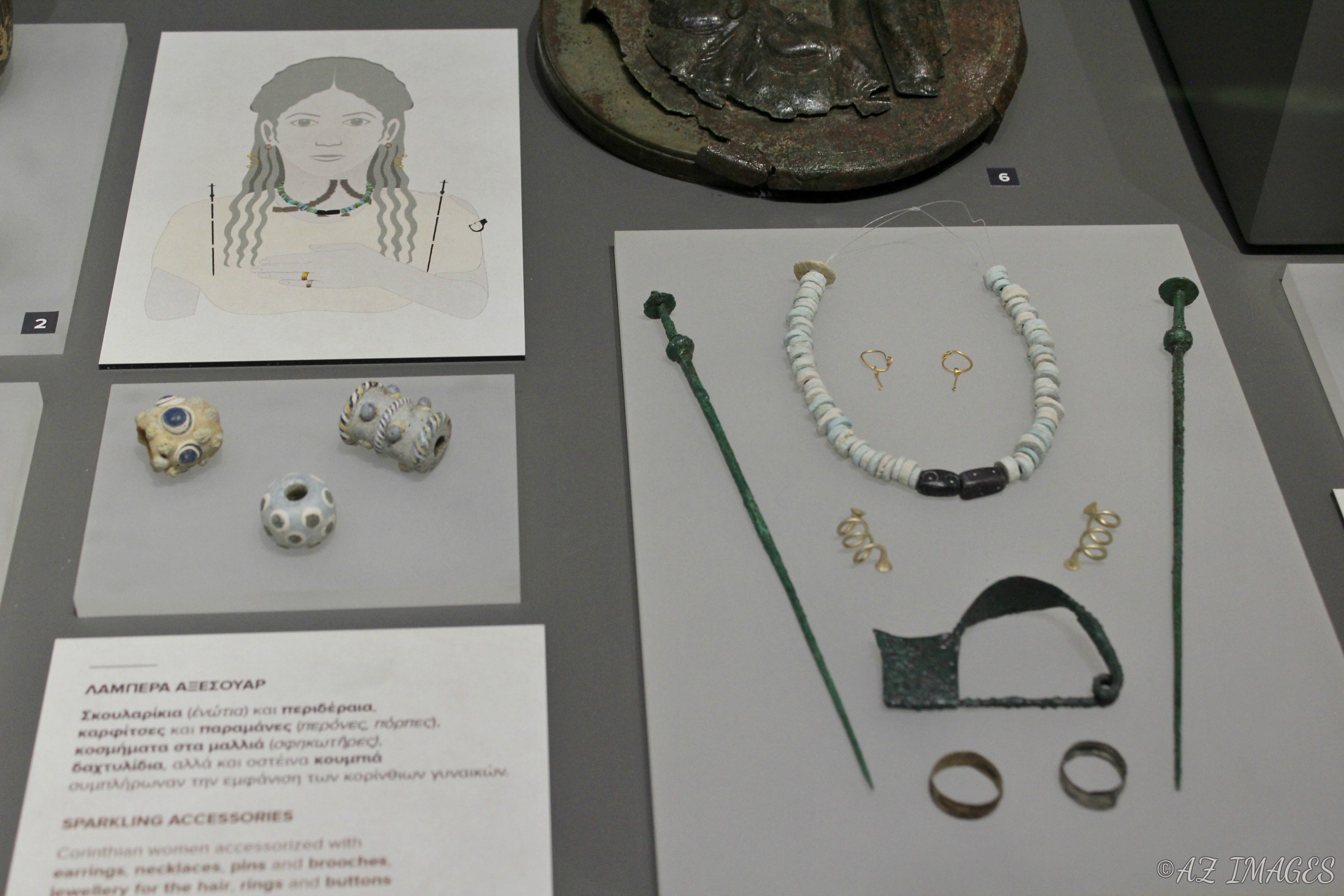
Ancient accessories that can pass as modern ones.
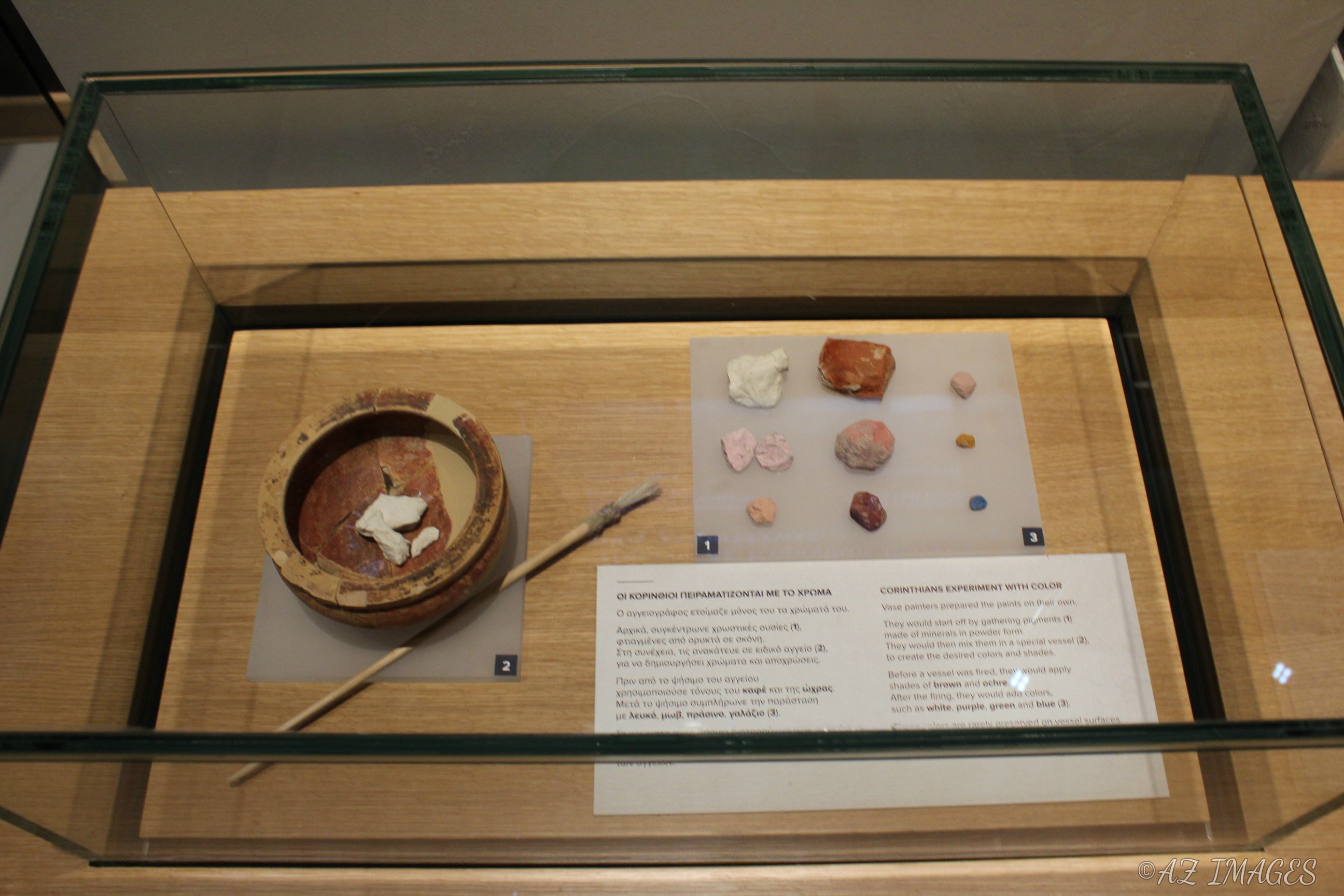
Experiments with colours.
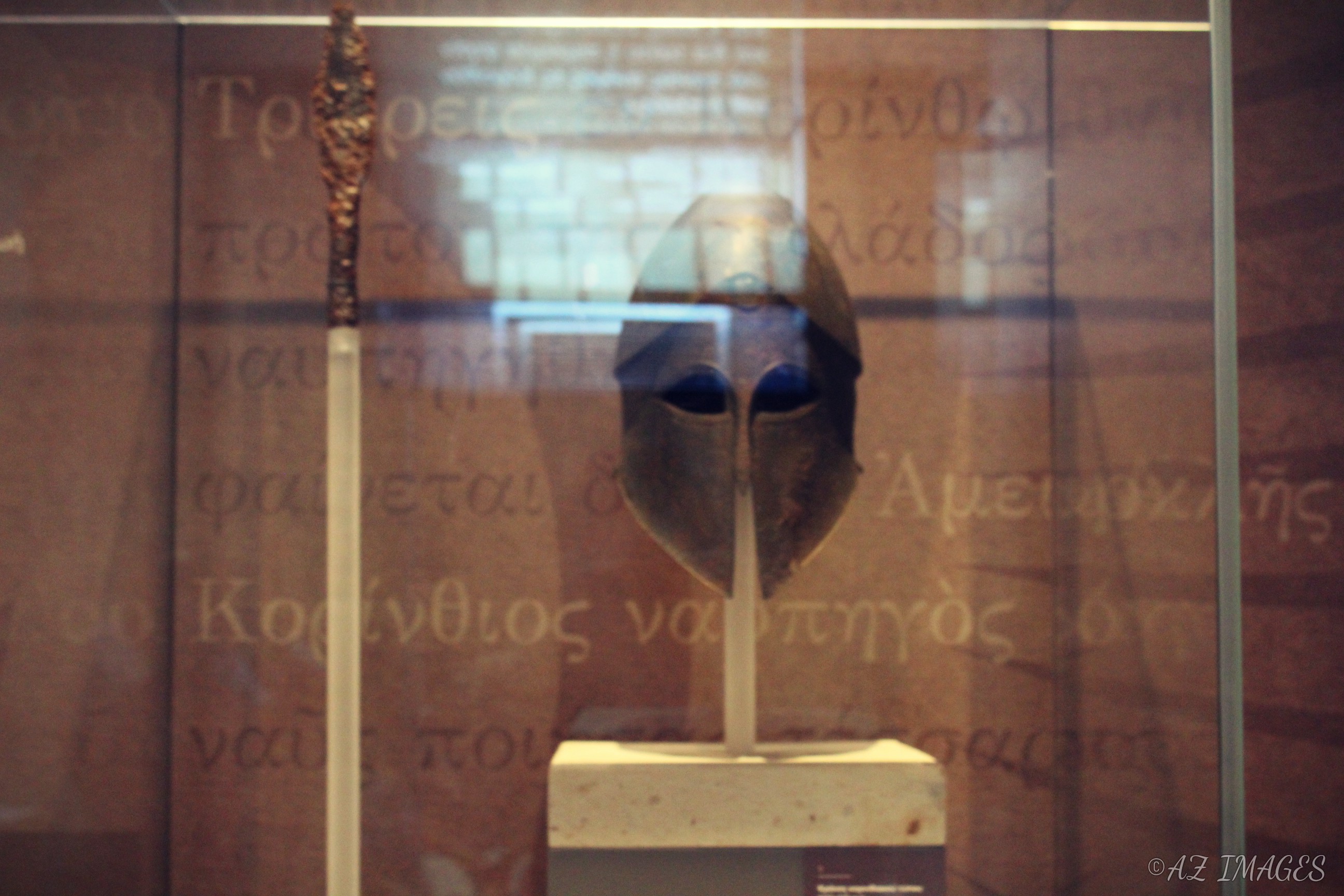
Corinthian soldiers’ helmet and spear.
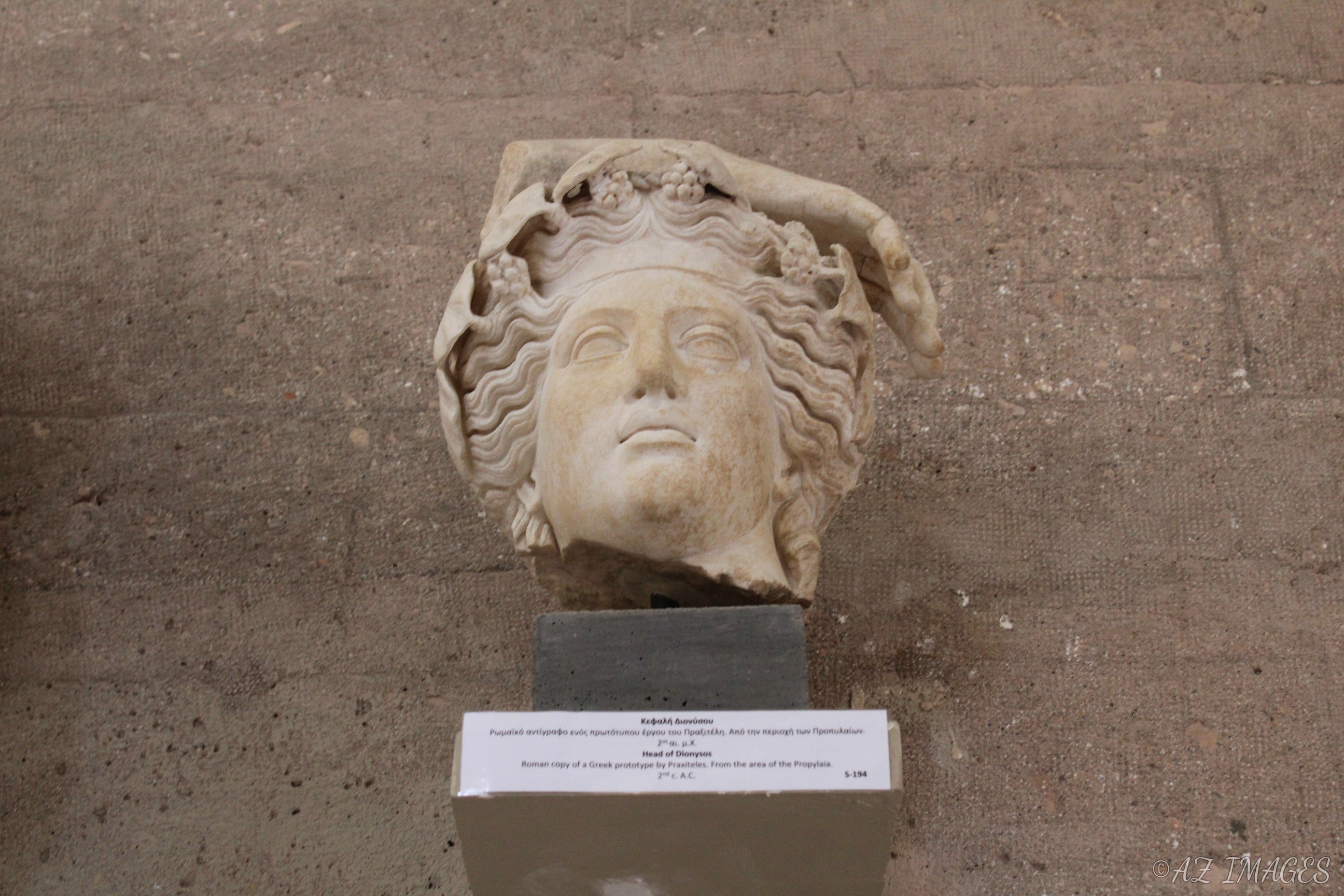
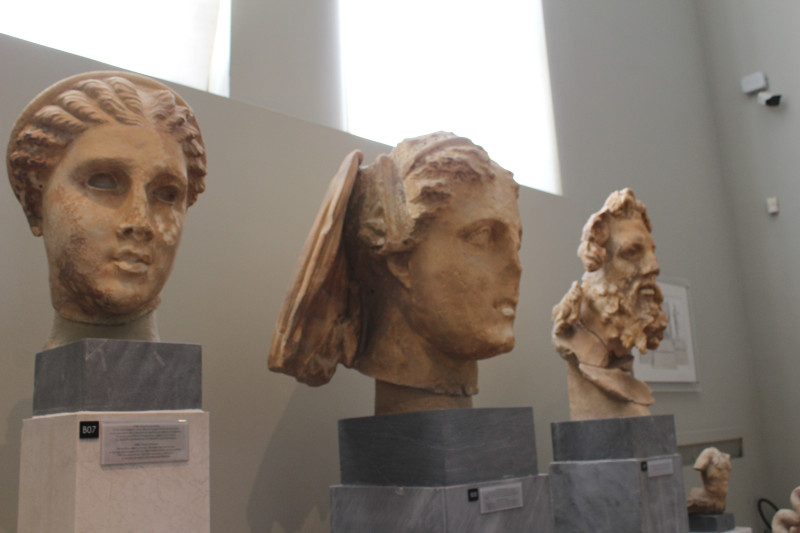
Head of Dionysos. Greek God of wine and revelry.
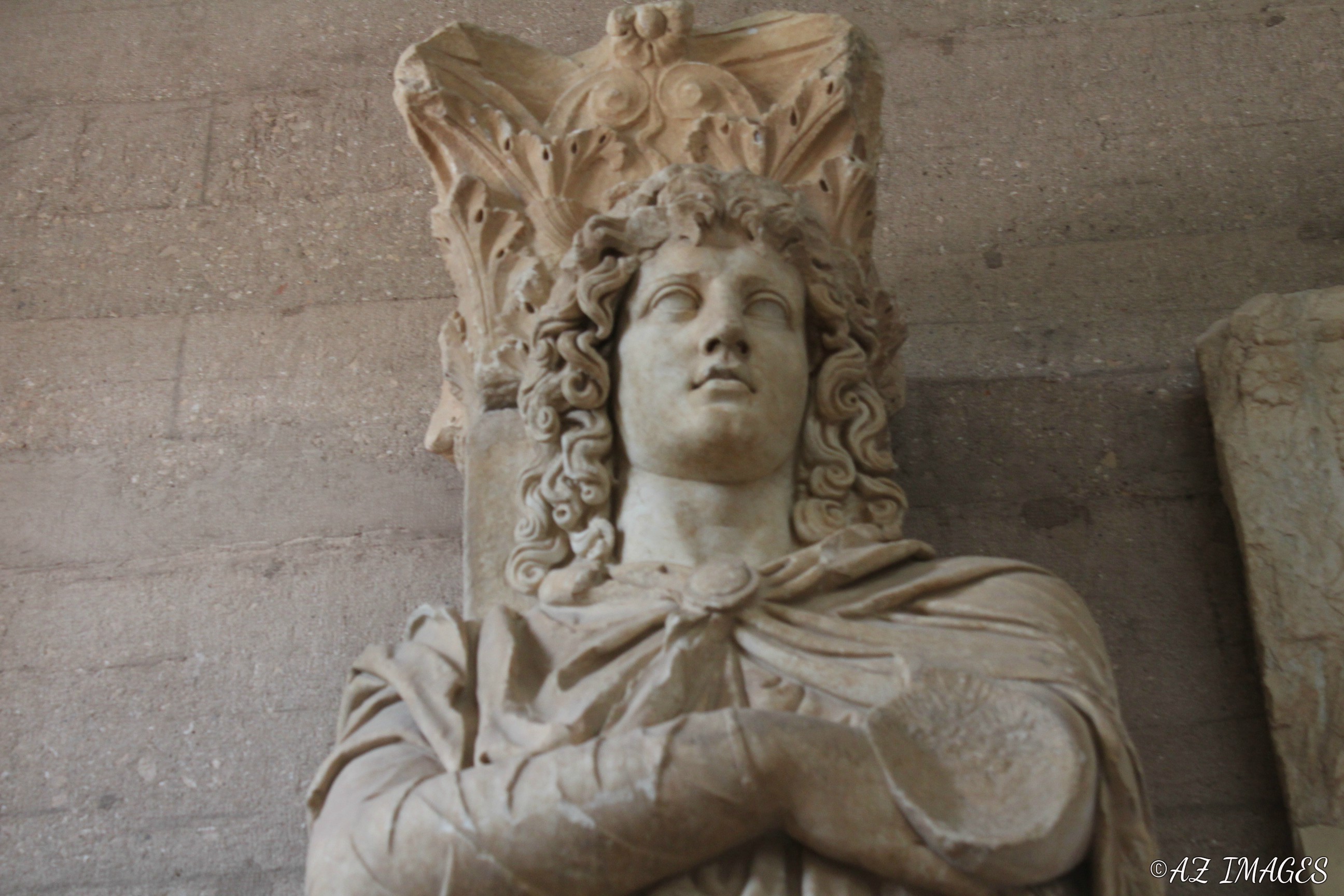
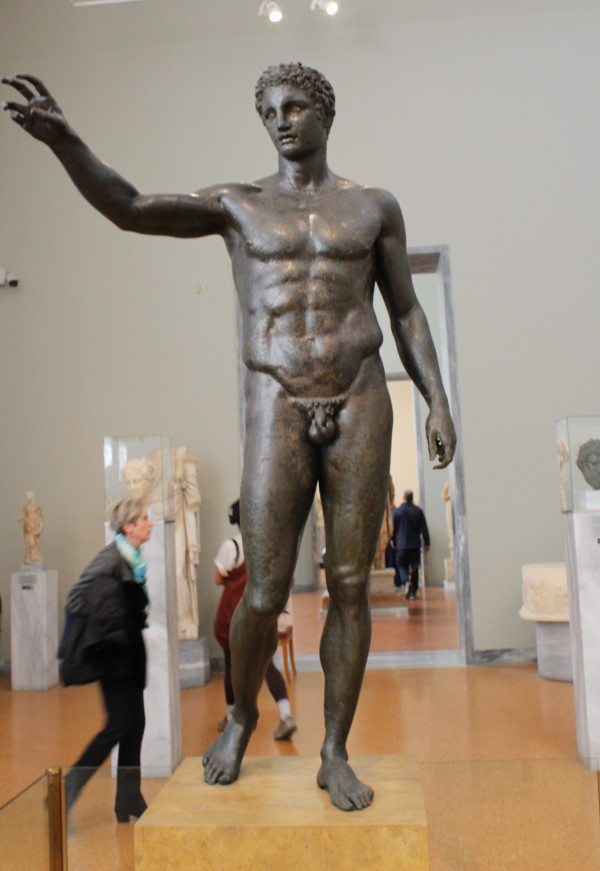
A Roman statue
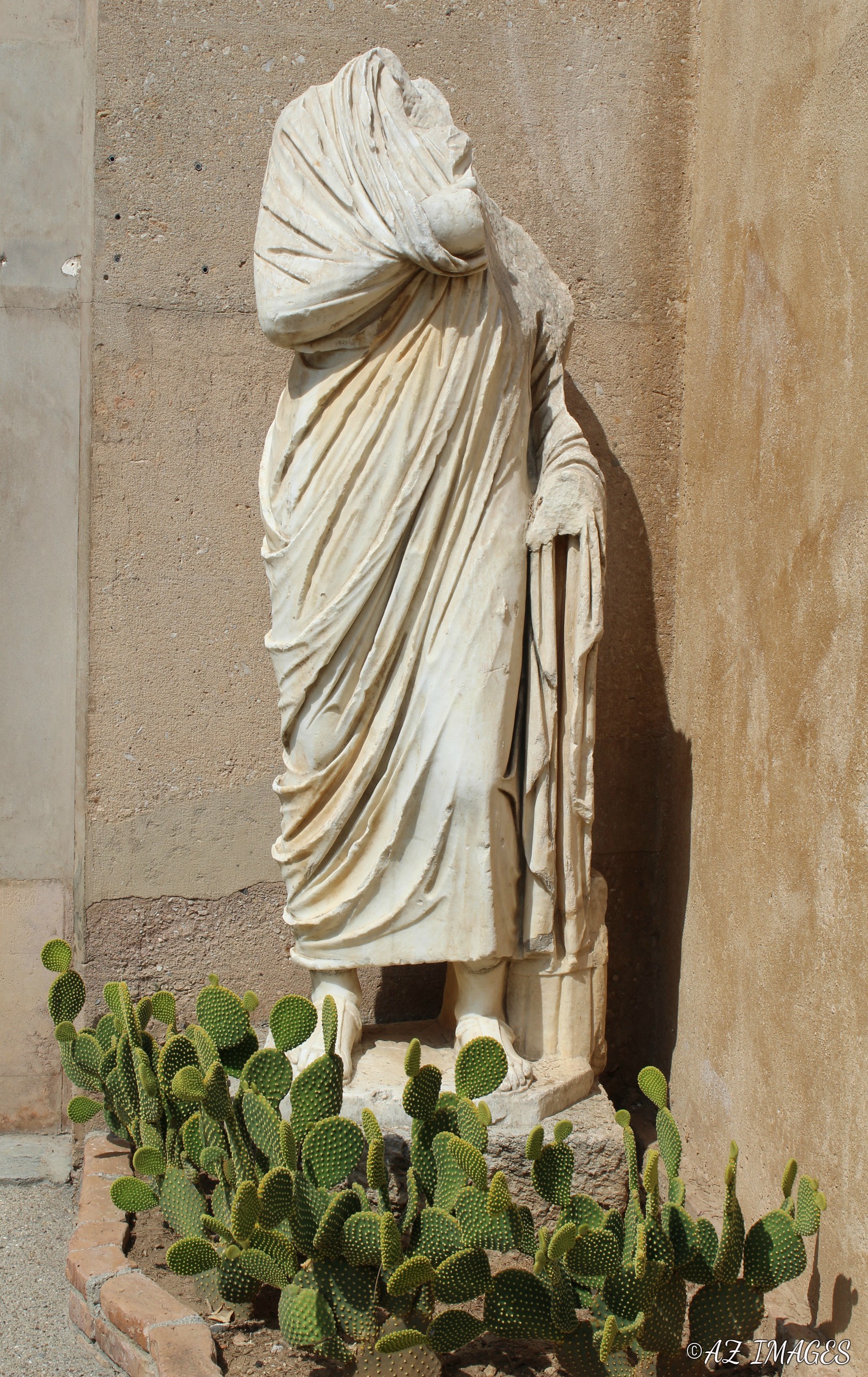
Great garden idea! Love the cacti.
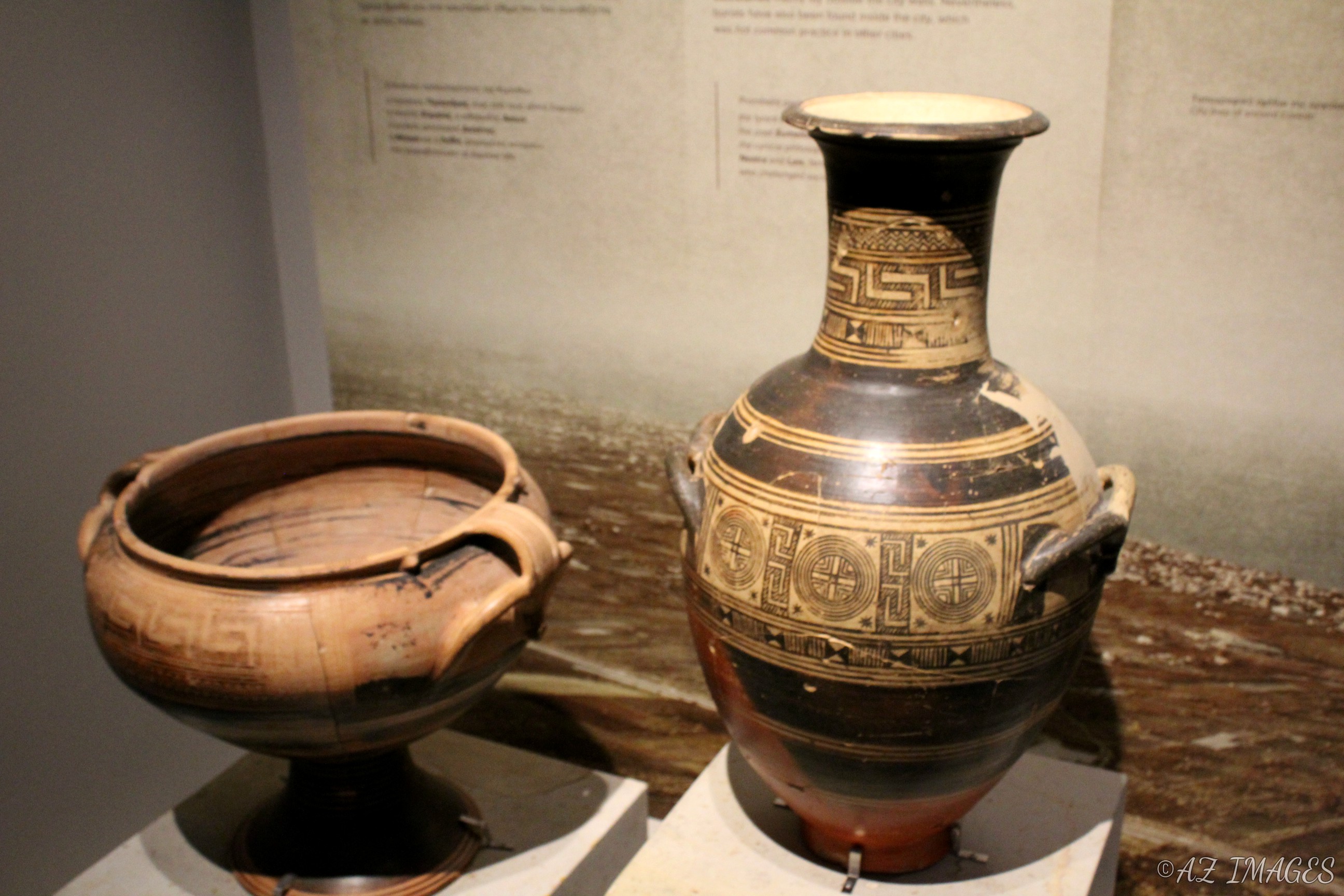
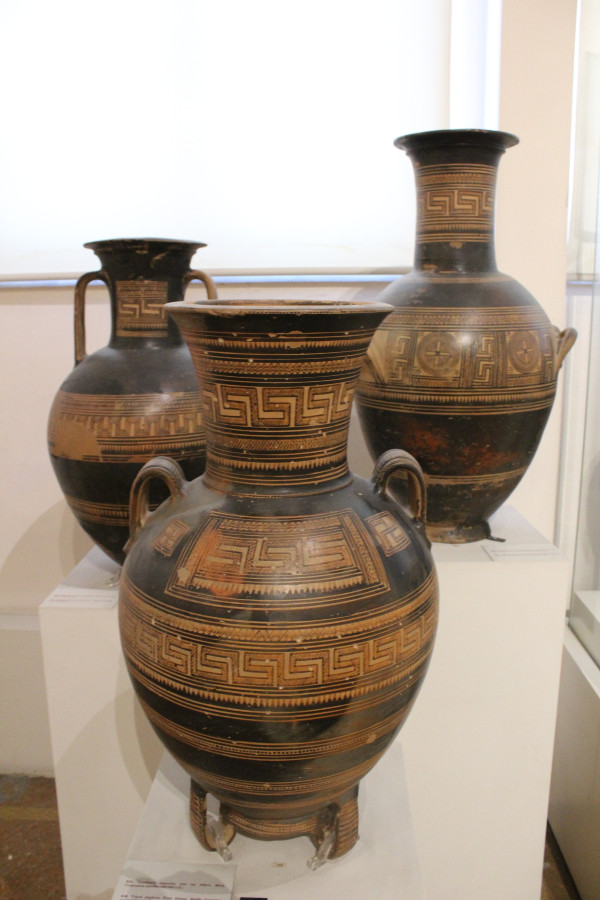
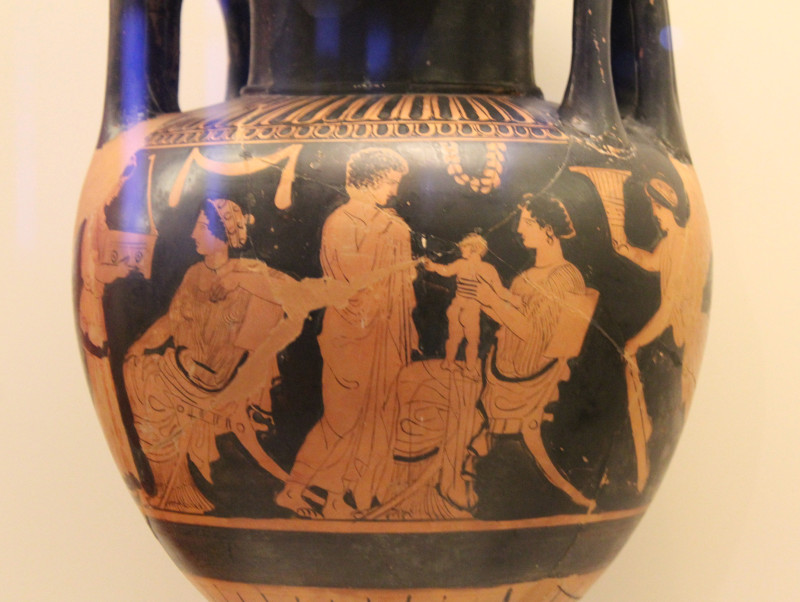
Beautiful Corinthian pots. I wish I had the big one in my home 😉

Another head of Dionysus
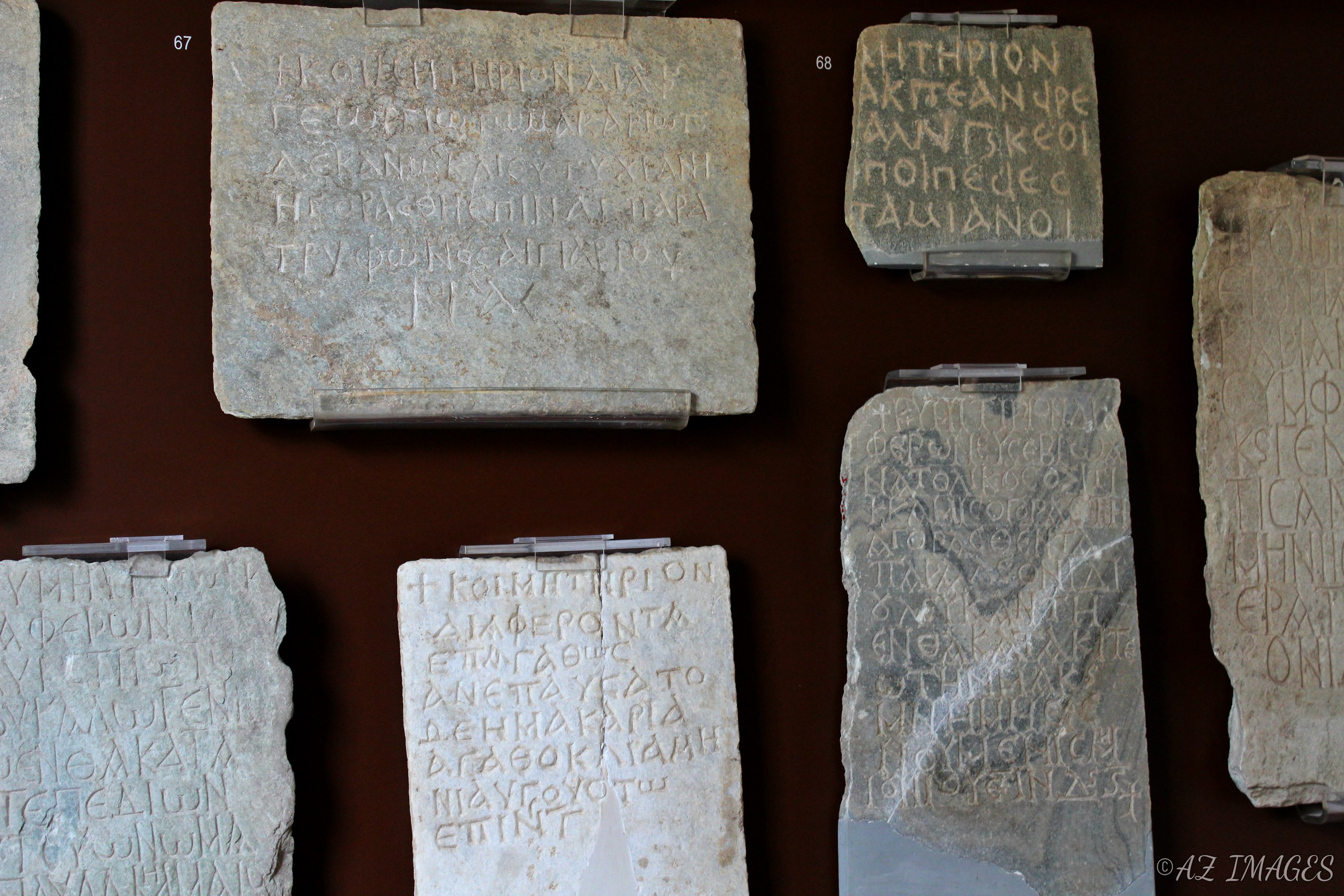
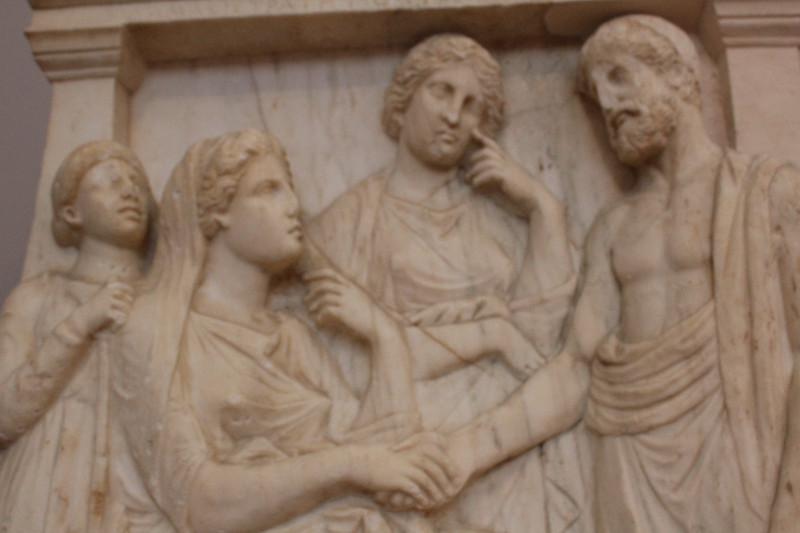
Ancient Greek Gravestones
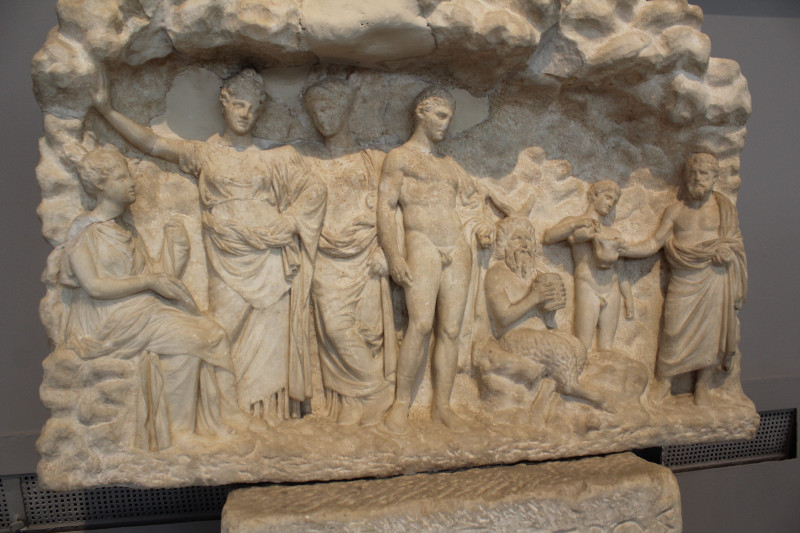
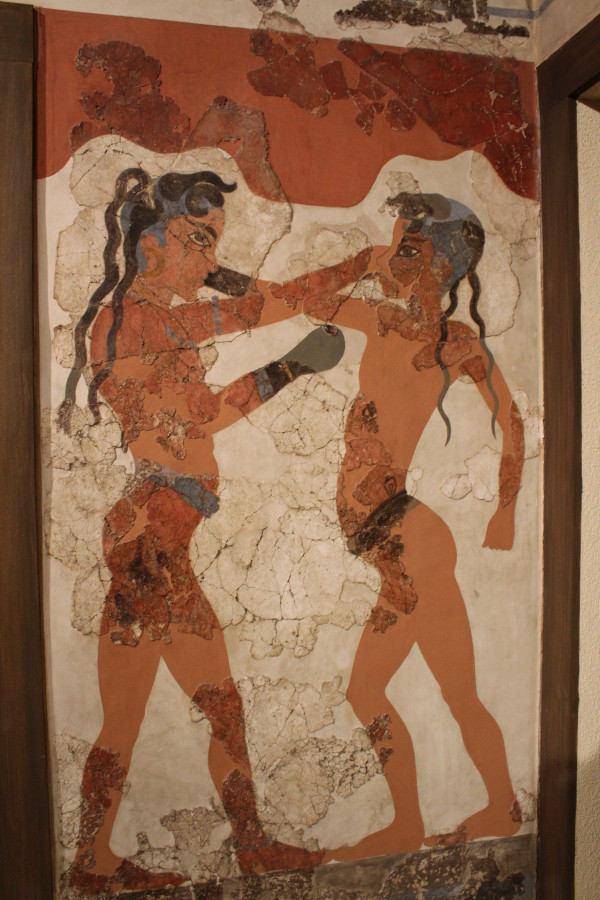
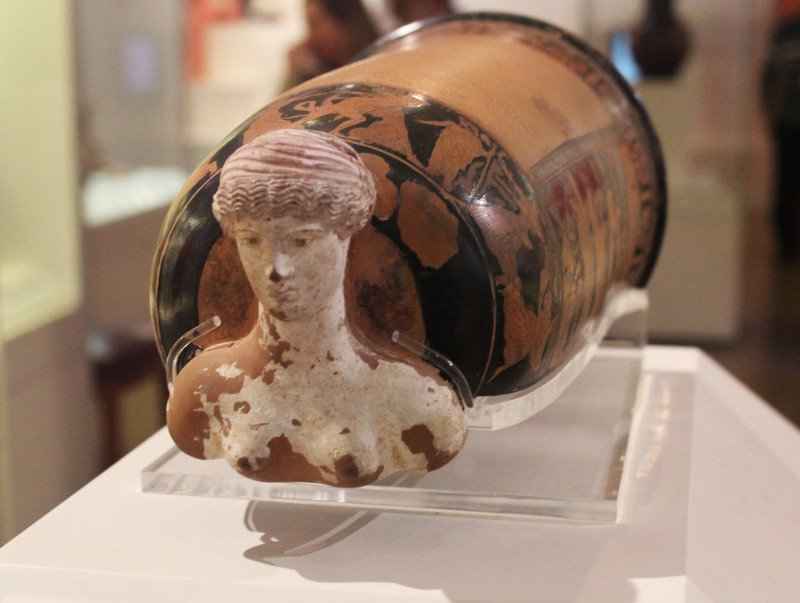
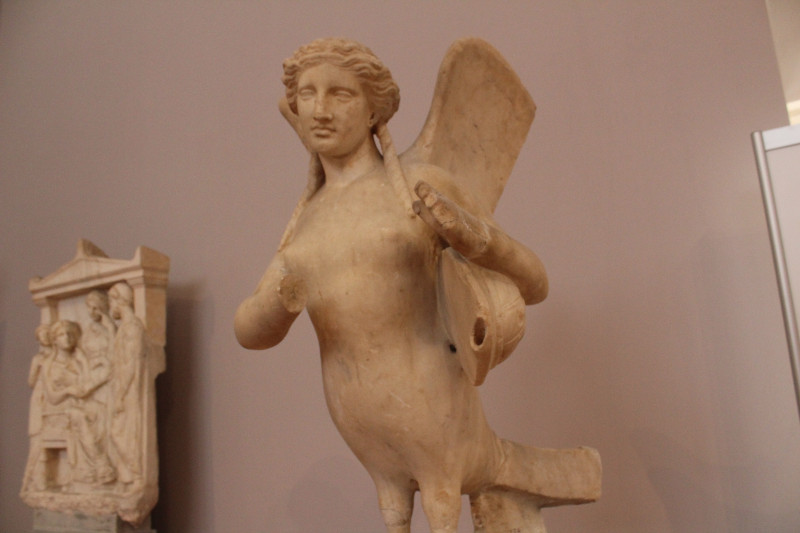
A few photographs from the museum in Ancient Corinth. I got too excited, so I took so many photos that it was hard to sort them out afterwards. I just don’t want to forget everything that I have seen, as being in a museum can sometimes be overwhelming.
Μερικές φωτογραφίες από το μουσείο της Αρχαίας Κορίνθου. Ενθούσιαστηκα πολύ, και εβγαλα πολλέs φωτογραφίες και ηταν δυσκολο να τις τακτοποιησω μετα. Απλά δεν θέλω να ξεχασω ολα οσα εχω δει , γιατι μερικες φορες οταν πηγαινεις σε μουσείο η επμειρία μπορει να είναι συντριπτικός.
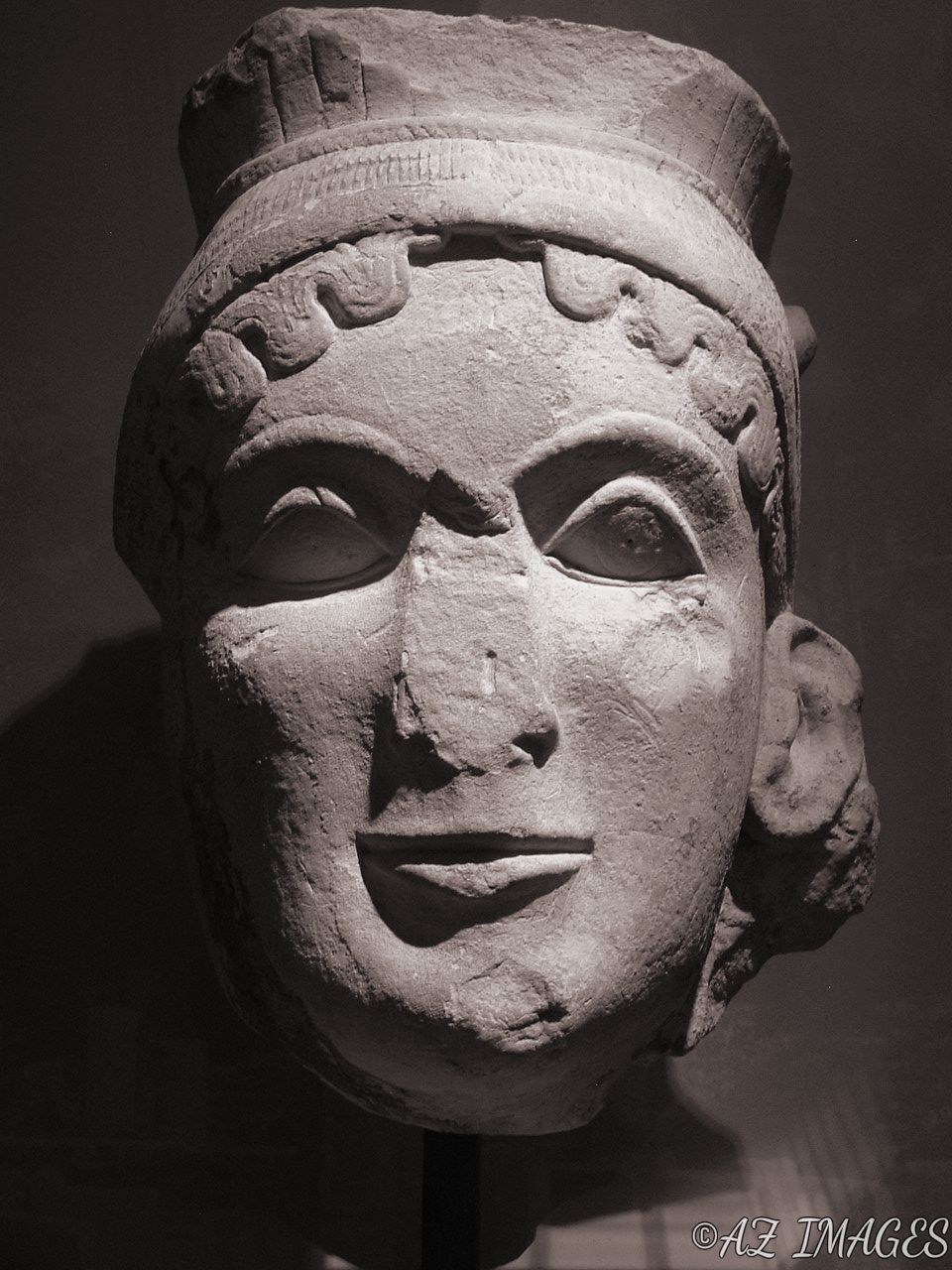
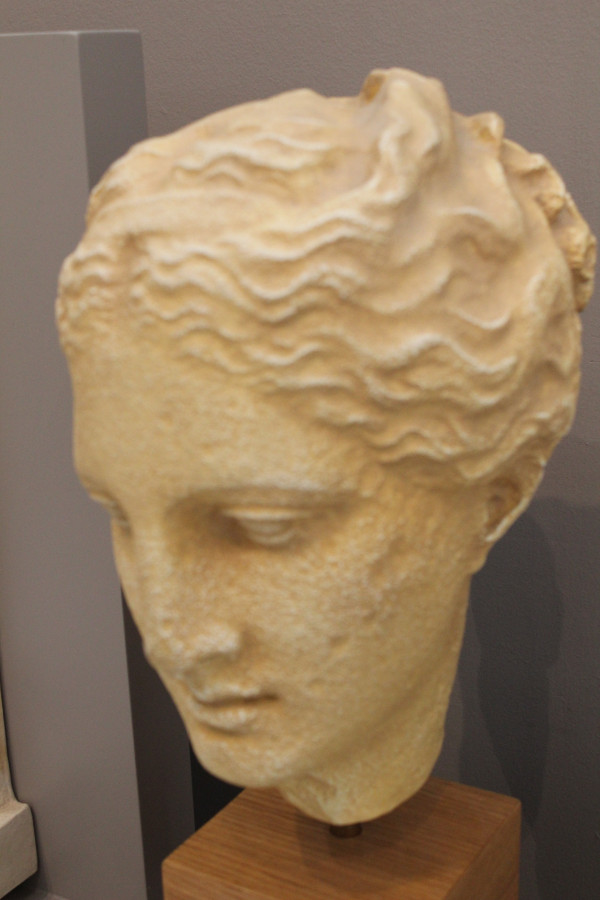
A Colossal female head made of lime stone. Possibly the Goddess Hera.
This was my second visit to the Archaeological Museum of Olympia in Greece. This year, I had some cousins that were working there and they, with their observant eyes and knowledge. were able to point out some things that I did not notice on my first visit.
One of the things that I didn’t notice on my first visit was a snake that is coming out of Hera’s head in the photograph below.
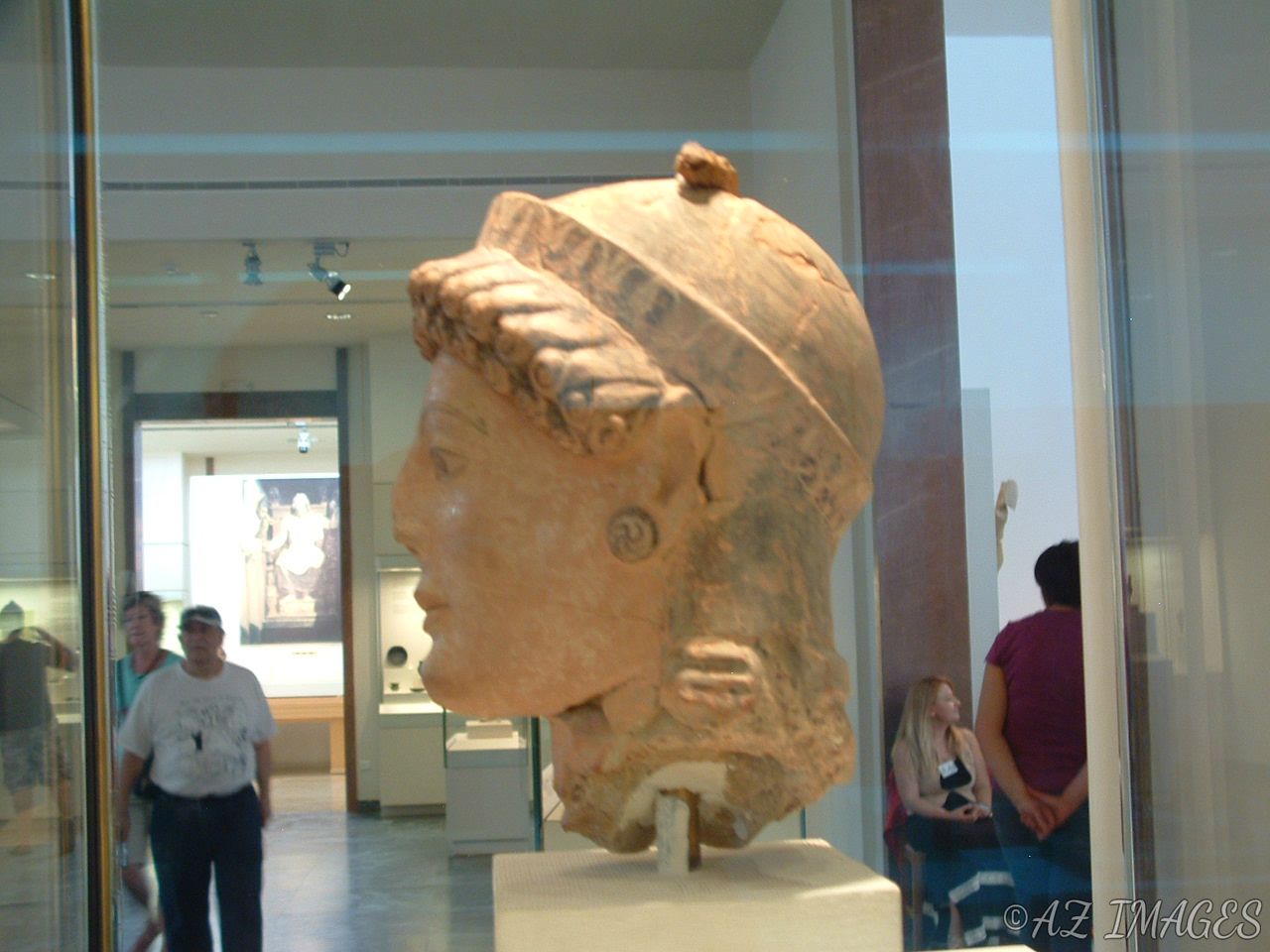
Snake coming out of the Goddess Hera’s Head. Yuck I hate snakes!
I was suprised to discover a heart shape on the upper right side of this sculpture of a bull. It was prominent Greek aristocrat Herod of Atticus who had this statue of a bull made in honour of his Roman wife Aspasia Regilla. He even built the theatre ‘Odeon of Atticus’, which is next to the Parthenon, in memory of her. This man really loved his wife! So much so that he even had a little heart drawn on the upper right side. Who knew people drew hearts back then too?
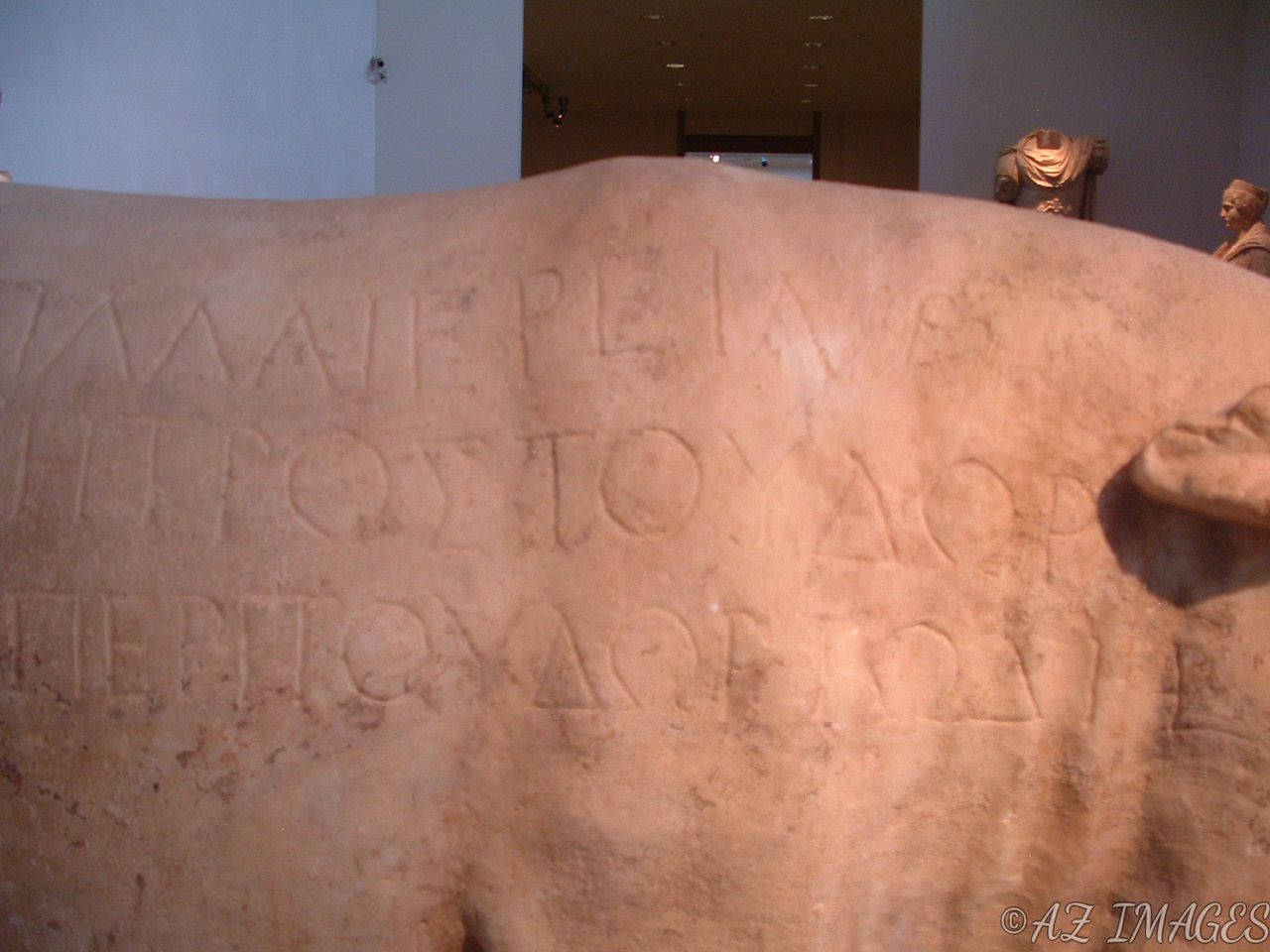
The inscription reads, ‘Regilla priestess of Demeter offers the water and appendices to Zeus’.
Aspasia hung around Olympia a lot and was even the only woman to be officially a spectator at the games. Only men were allowed to take part and be spectators at the games. Yes, my ancestors were very misogynistic. Also, bulls were used as sacrifices for Zeus at his temple in Olympia.

The Bull was a gift for Aspasia Regilla the wife of Herod
The is the very famous statue of Hermes by Greek Sculptor Praxiteles from Athens. This is the only authentic statue that has been saved from Praxiteles. It was found in the temple of Hera in Olympia in 1877 and it dates back to 343 A.D. Hermes (messenger of the Gods) is holding baby Dionysos (God of wine) who is crying trying to grab something while crying. Hermes (when he had his arm) most likely had some grapes in his hand. There are some very skilful techniques in this statue, from the left he looks sad, from the right happy and from the front he looks calm.
 I didn’t know that Praxiteles wasn’t happy with his masterpiece, and that is why the back of the marble statue has not been polished. Artists are such perfectionists!

Front and back view of Hermes. The front is polished the back is not.
This is the breast-plate of Roman emperor Marcus Aurelius. Marcus had an affinity towards Greece. He wrote his famous philosophical book called ‘The Meditations’ in Greek. To show his love for Greece he had carved on his breast-plate the Goddess Athena (with the owl and serpent on each side of her representing wisdom) standing on top of the Etruscan she-wolf who is nursing the twins Romulus and Remus. The twins are central characters in the origin mythology of Rome. The fact that the Goddess Athena is depicted as standing over the twins means that Marcus believed that Athens was superior to Rome. We can see that Athena is being crowned as well.

Breast-plate of Roman Emperor Marcus Aurelius.
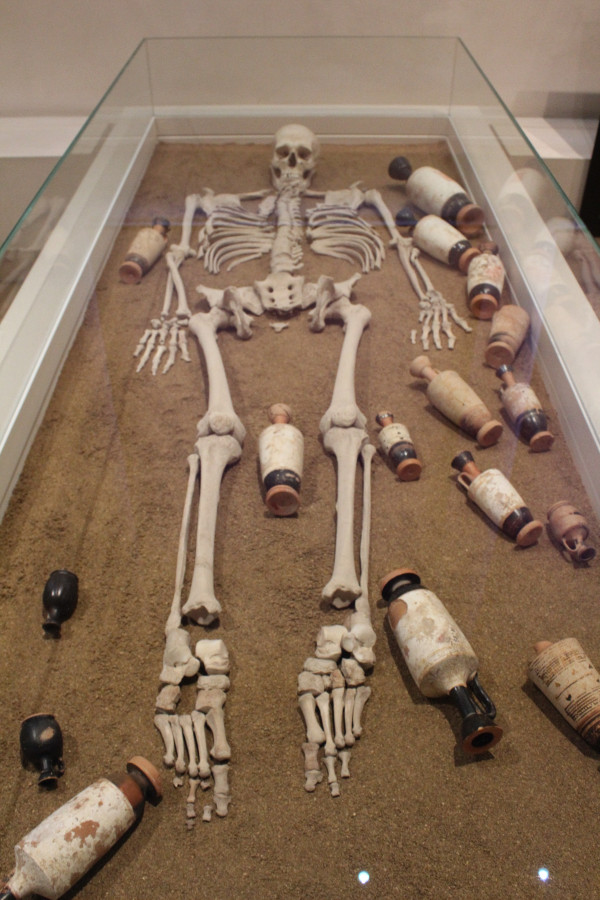
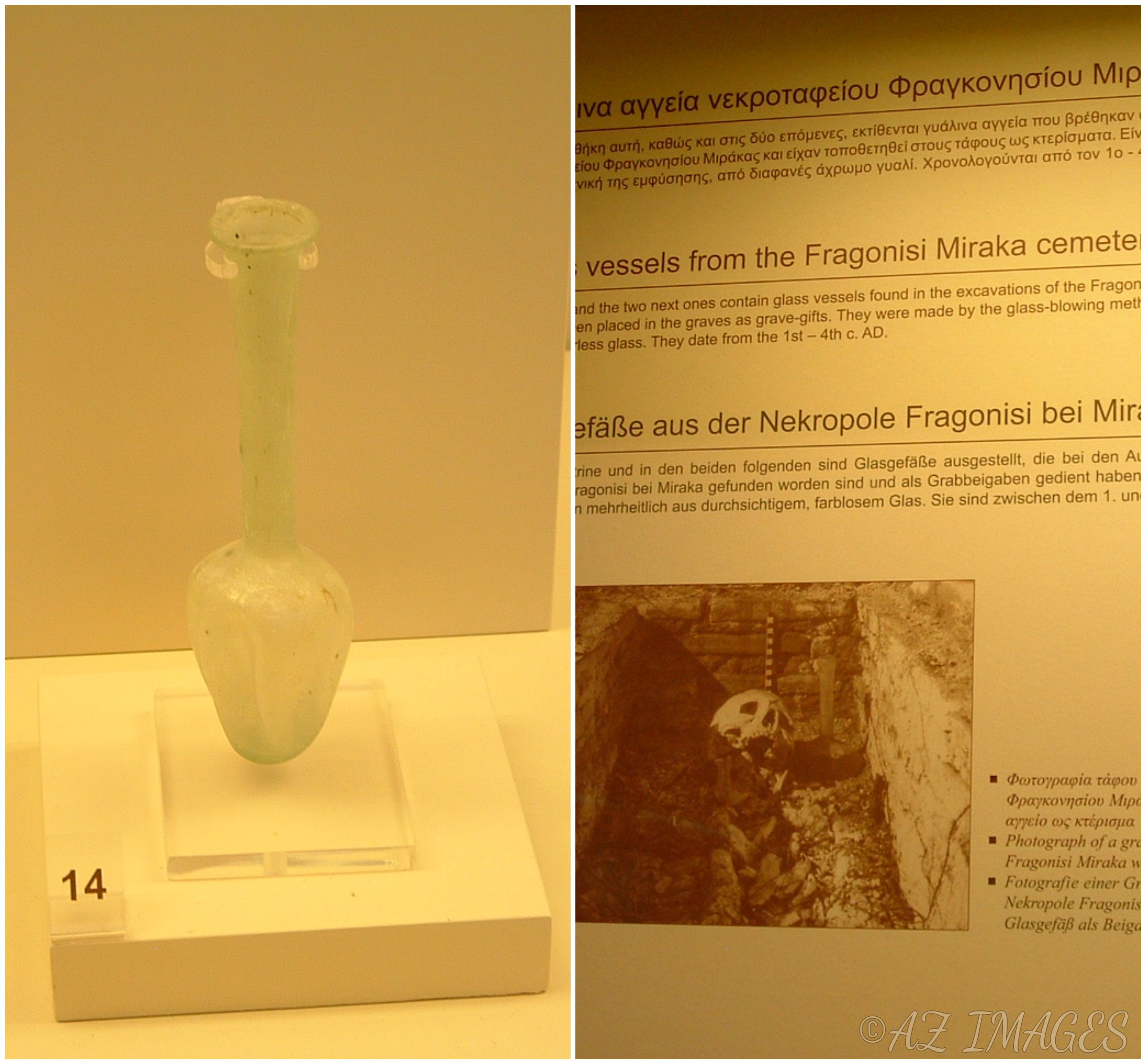
I wasn’t aware of the history of tear bottles. These tear bottles were found in a cemetery in a grave in Miraka cemetery. The ancient mourners of the deceased would collect their tears in the glass bottles and place them in the graves to show their respect and grief. This tradition dates back to ancient Persia, Biblical times, Rome and it made a come back in the Victoria era.
 One of my favourite statues at the museum. The statue of Apollo in the west pediment of the temple of Zeus which was built in 472 and 456 BC. The temple was built by sculptor Phidias at Olympia. The temple housed the 13 m (43 ft) high statue of Zeus-one of the 7 wonders of the ancient world.
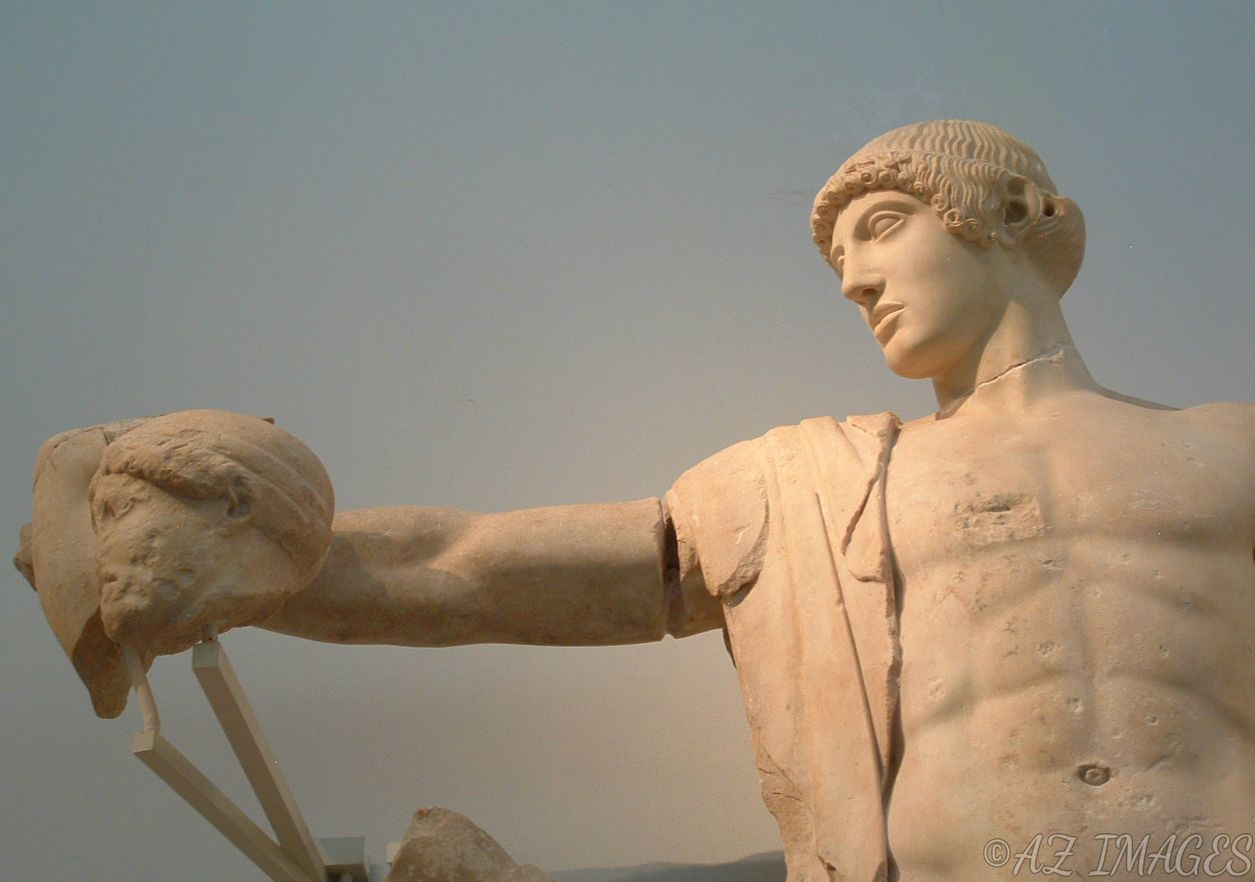
The God Apollo
This old man is not on a cell phone, he is in deep thought, because he is ‘the Seer’.
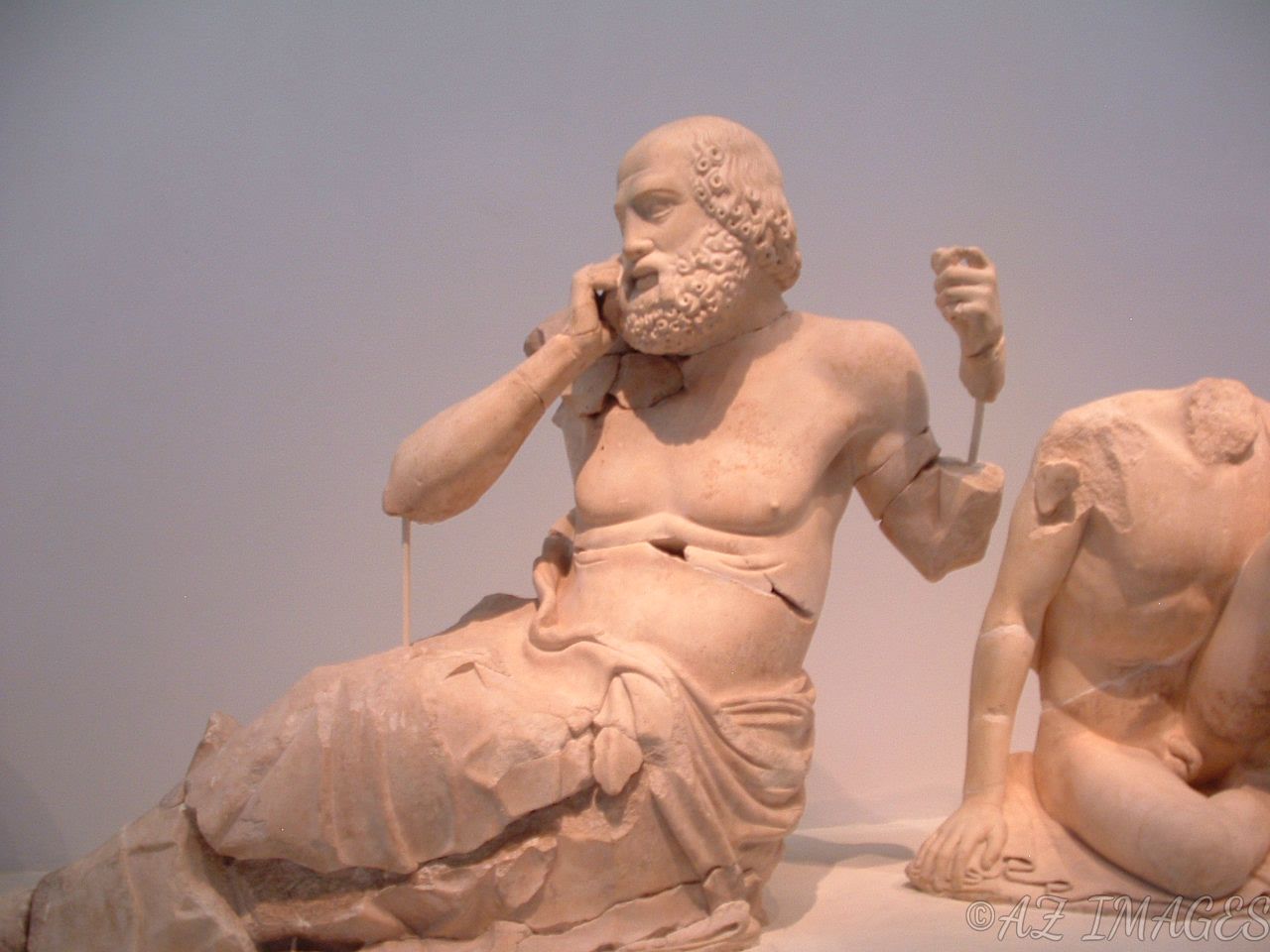
The Seer from the West Pediment of the Temple of Zeus.
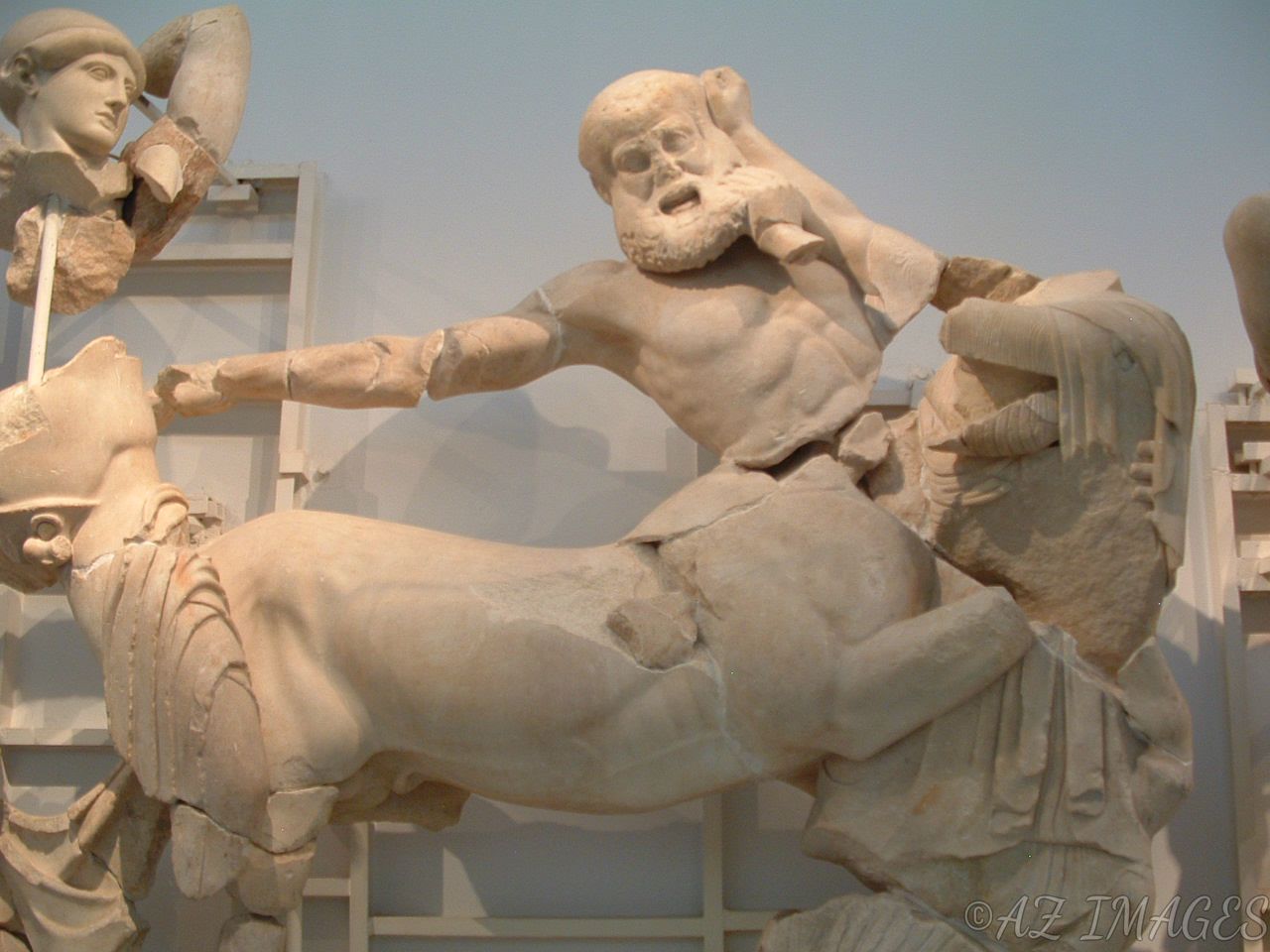
The Centaur in a battle from The West Pediment of the Temple of Zeus.
Notice the veins on the hands-now that’s impressive.
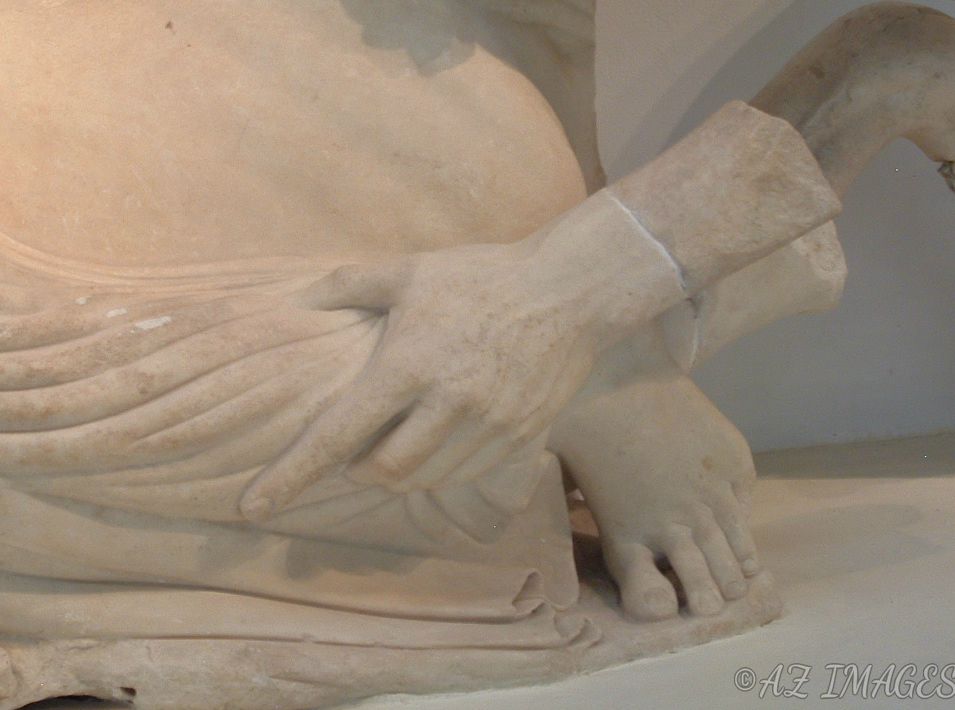
Details of a hand.
Sculptor Phidias’ work shop was as big as the temple of Zeus. It had to be the same size as the temple since the statue was so tall.
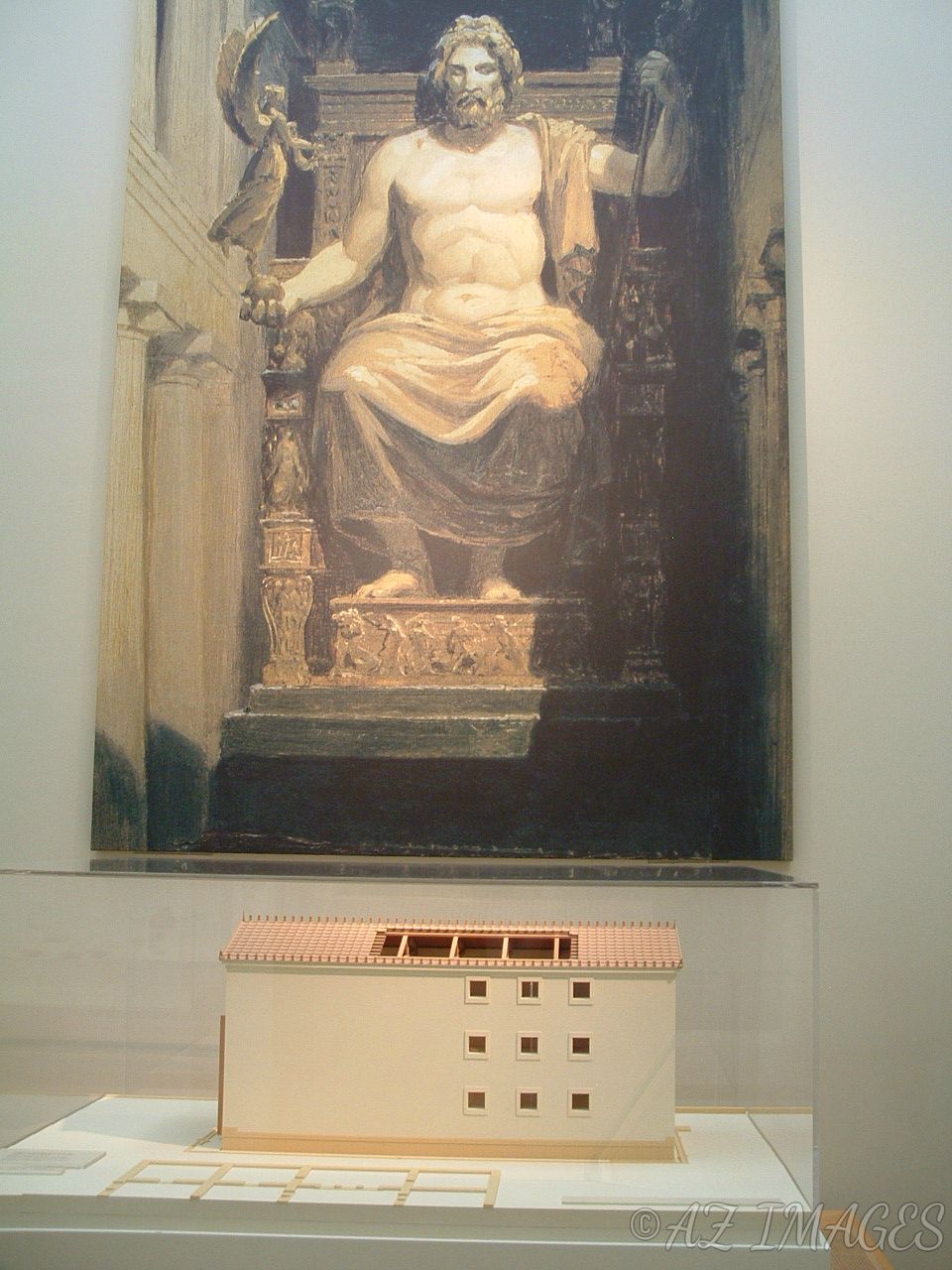
A painting of the statue of Zeus and Phidias’ workshop
There are more ‘secrets’ in the museum, but I can only put so much in a blog post. I find that some the tour guides are more knowledgable than other tour guides and some like to divulge more information than others.

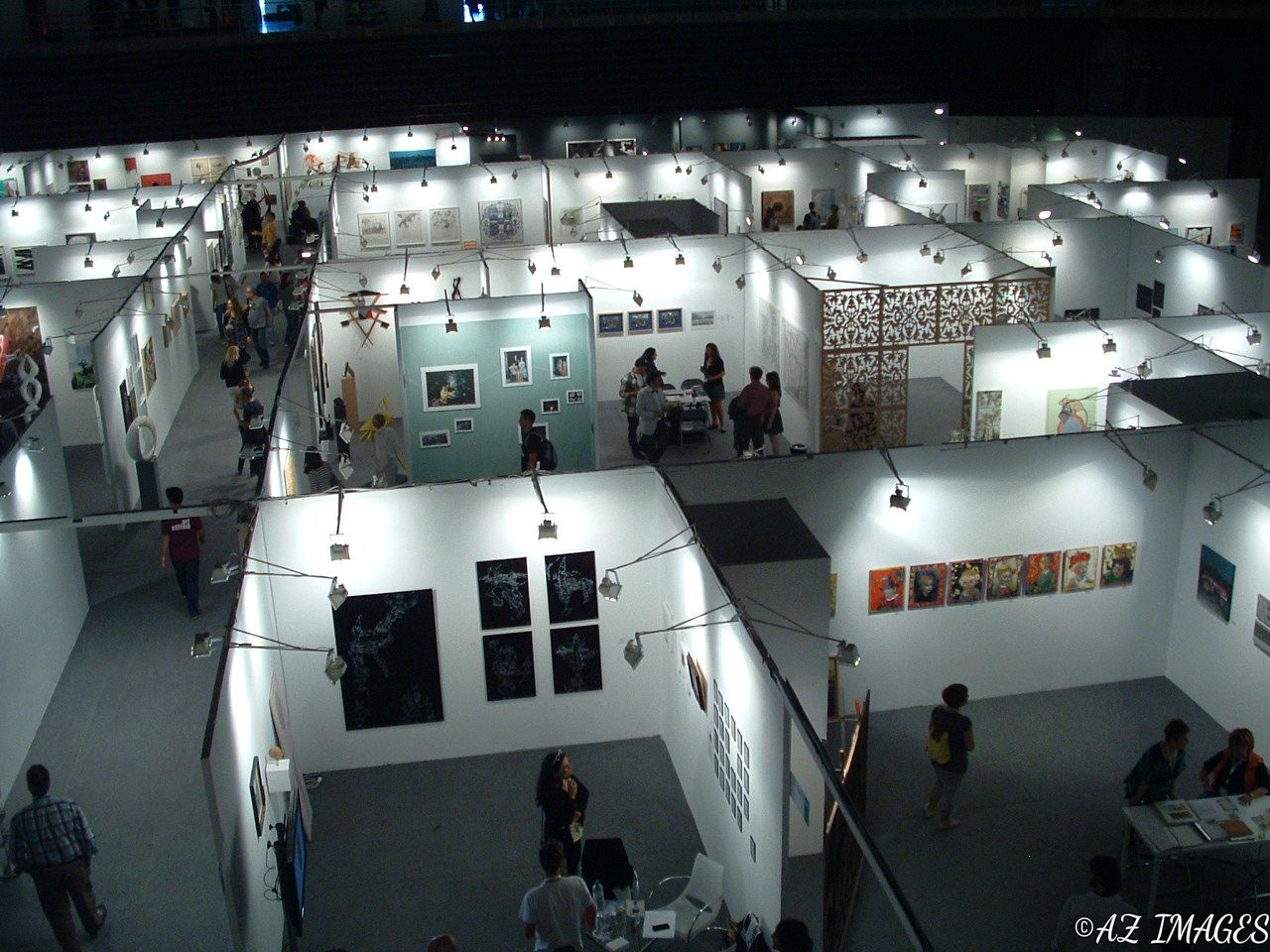
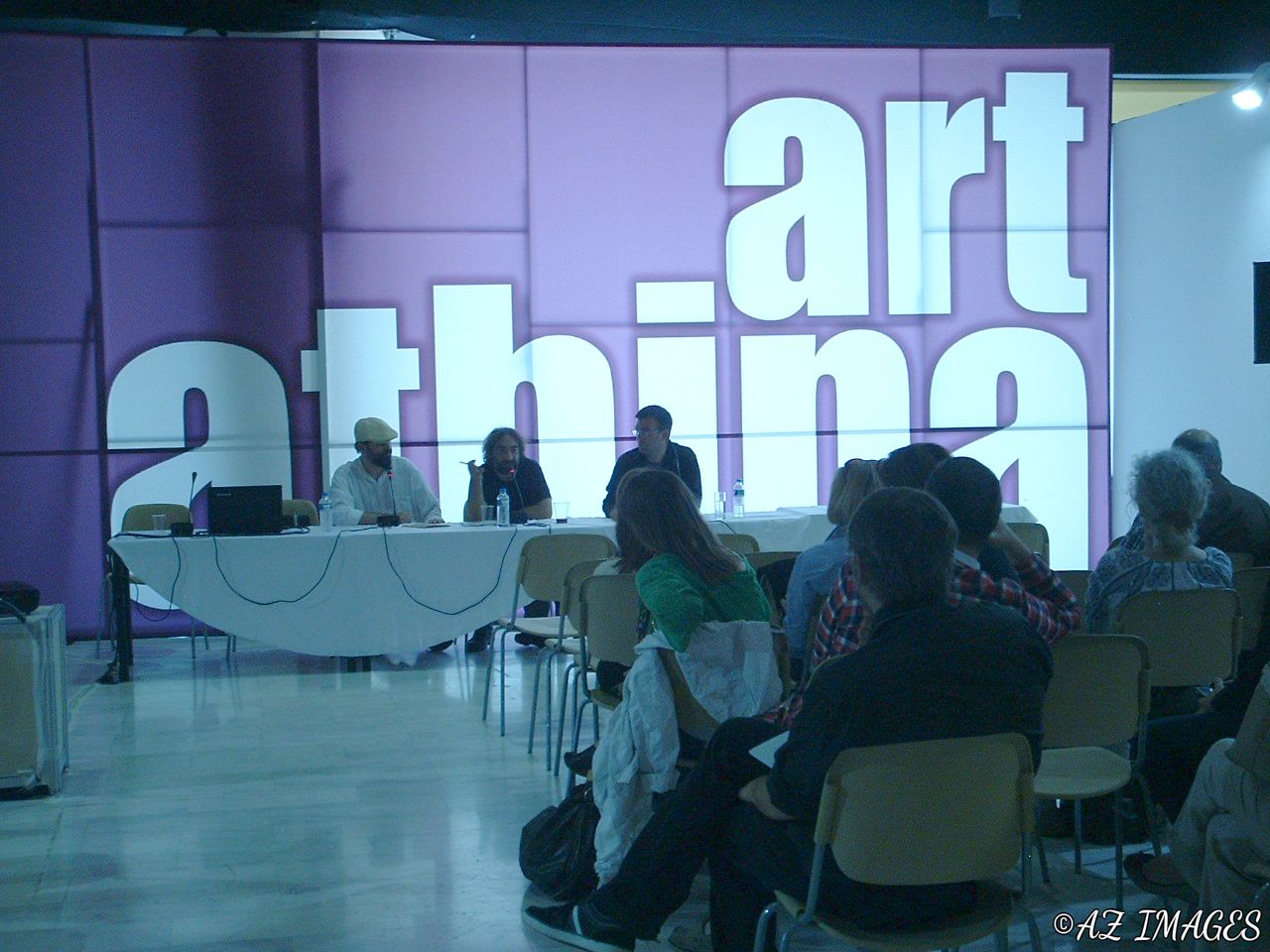
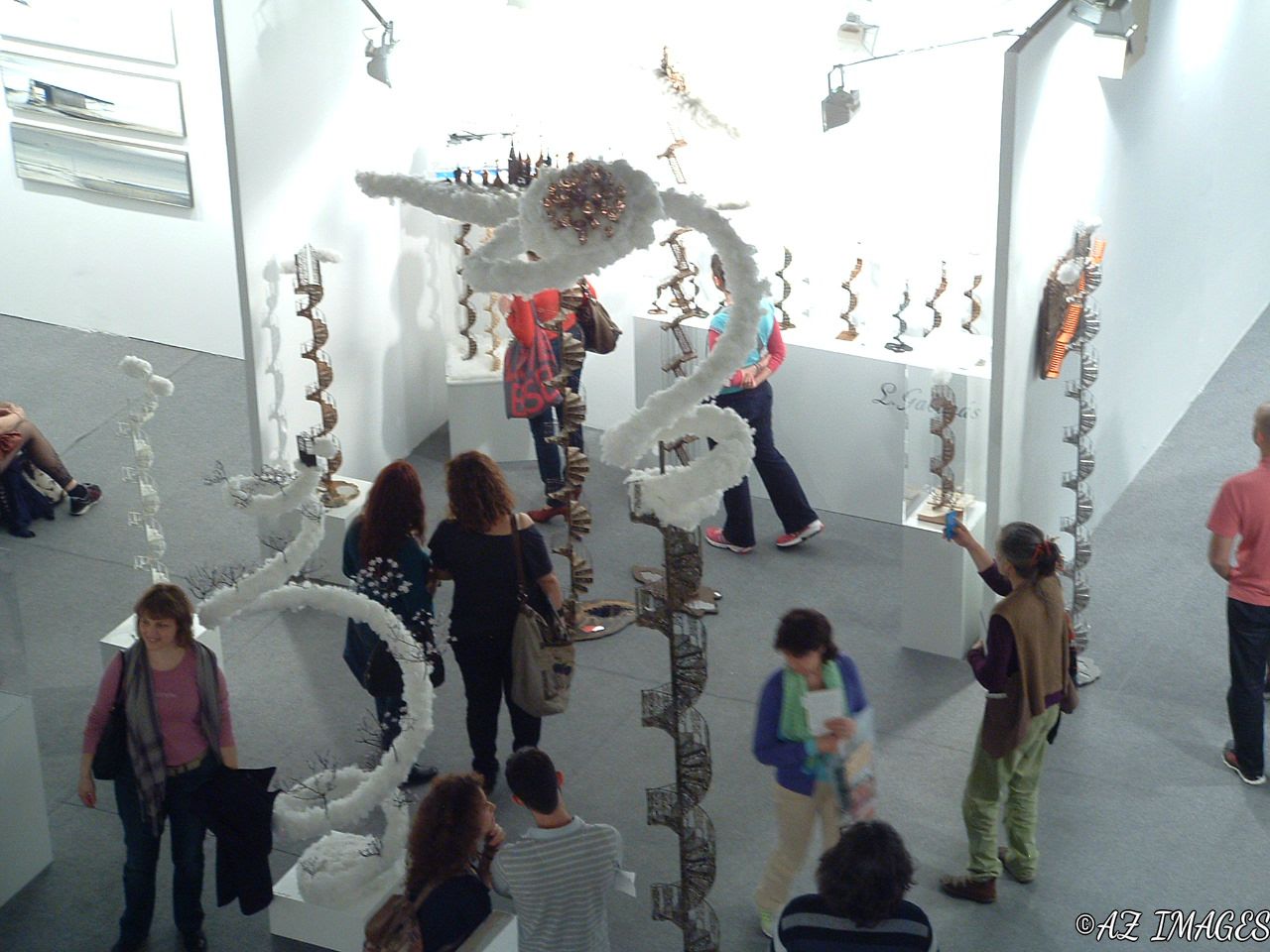 A slide show of some of the most intriguing and inspiring art works. My apologies for not jotting down the names of the artists.
From the 15th-18th of May Athens hosted the annual ‘Art- Athina’. Art-Athina is a contemporary art exhibition featuring Greek and international artists. It was a large exhibition that was held at a stadium (TaeKwonDo). It was interesting seeing how Greek artists were expressing their opinions about the economic crisis in Greece through art. I left feeling very inspired and glad that there are so many people who are passionate about art in this monetary world.


While at Technopolis at Gazi in Athens I decided to check out the modern art exhibit inside one of the buildings. The subject of the exhibit was ‘Anti-design’. Designers were asked to re-imagine and re- create household items i.e. lamps by using recycled material, and thus making the items more affordable for people in these harsh economic times.
Ενώ ήμουν στην Τεχνόπολη στο Γκάζι , αποφάσισα να ριξω μια ματιά σε μια συχρονη έκθεση τέχνης. . Το θέμα της έκθεσης ήταν «αντι–design». Οι σχεδιαστές κλήθηκαν να δημιουργήσουν είδη οικιακής χρήσης, δηλαδή λαμπτήρες, με τη χρήση ανακυκλωμένων υλικών, ετσι ωστε να ειναι η τιμη των αντικειμενων αυτων πιο προσιτη για τους περρισοτερους ανθρώπους σε αυτές τις δύσκολες οικονομικές περιόδους.

