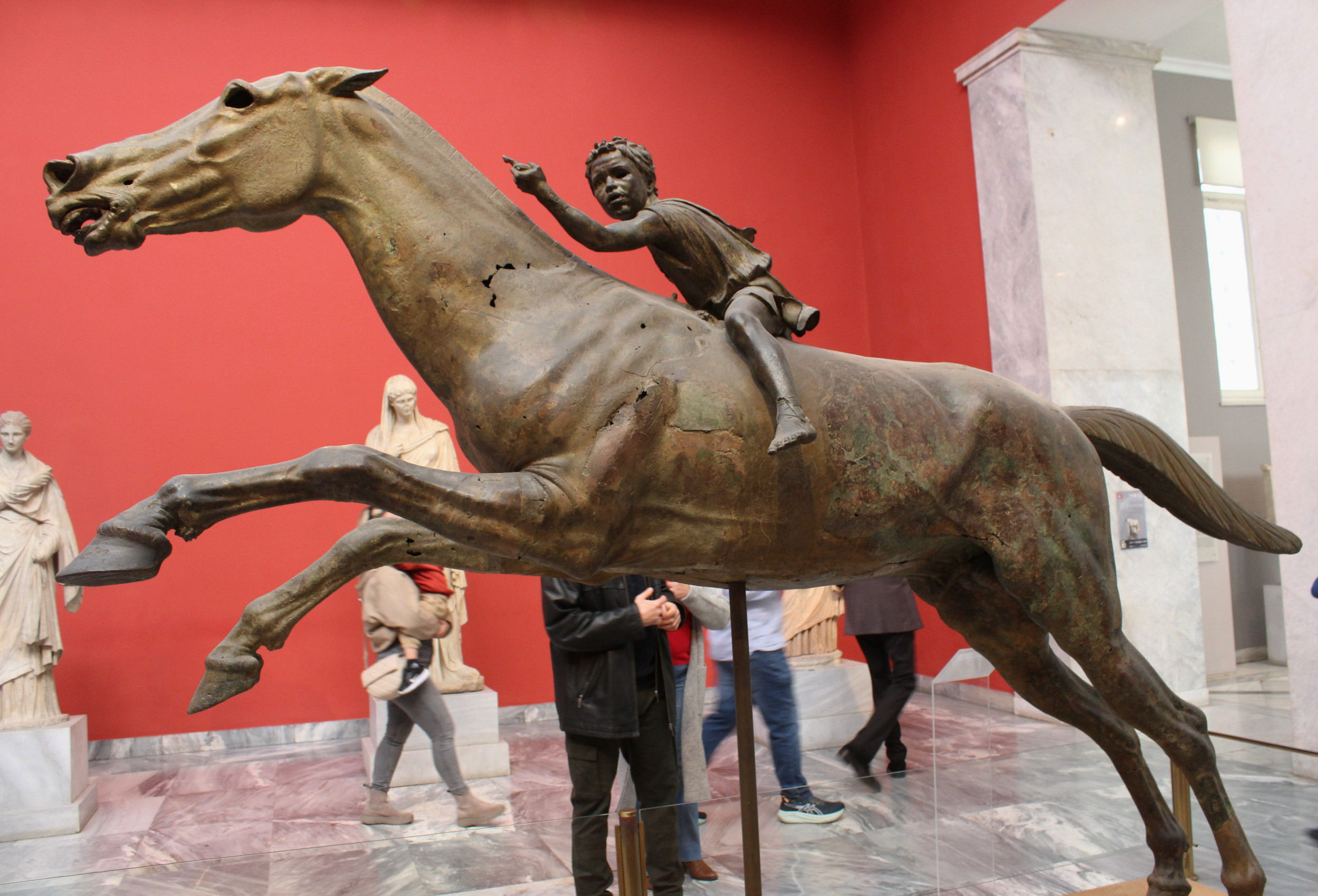
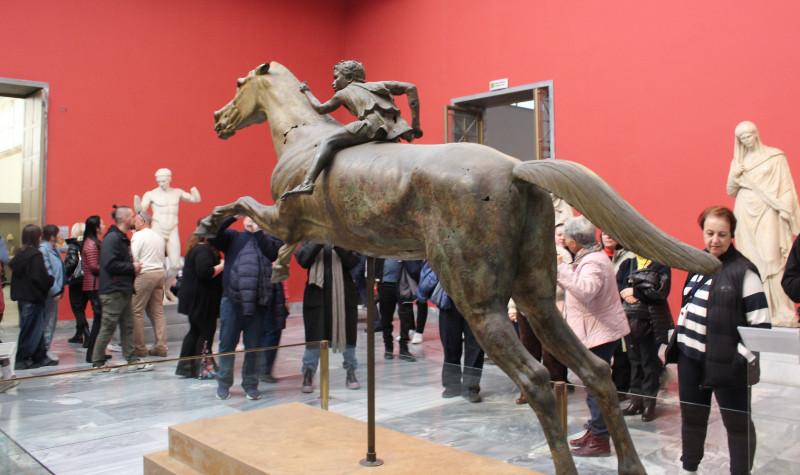
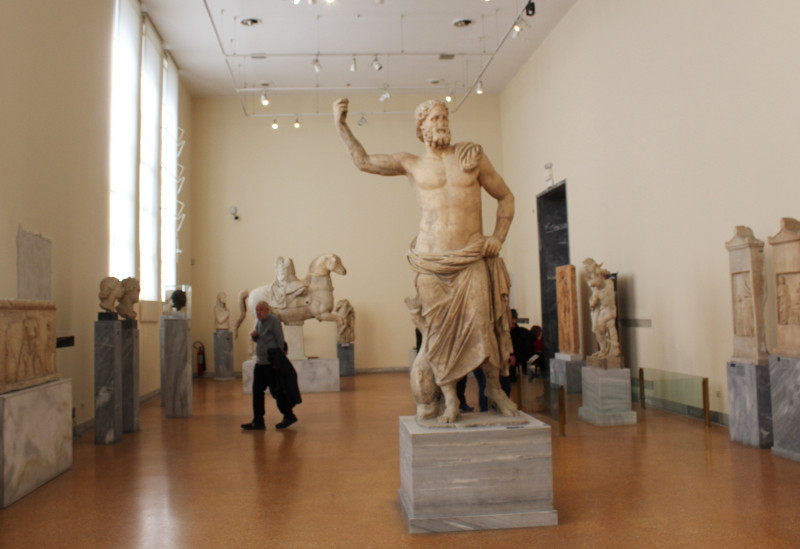
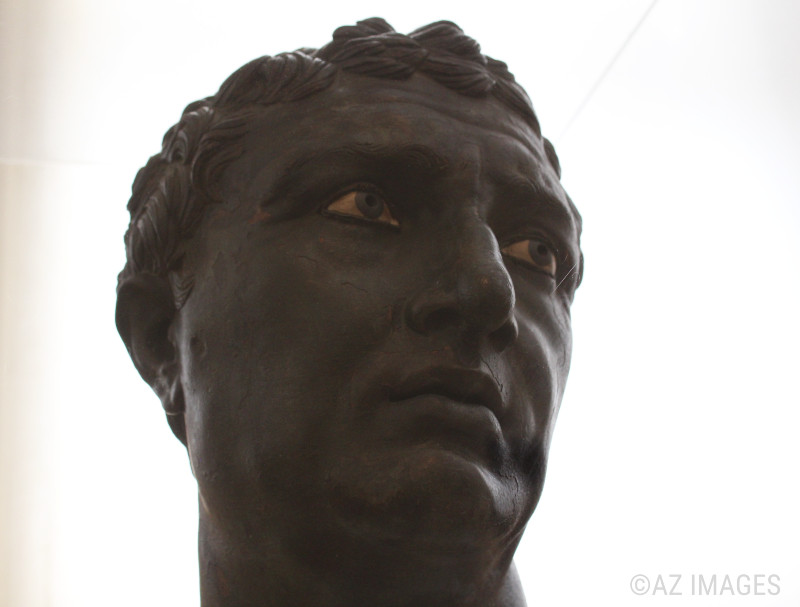
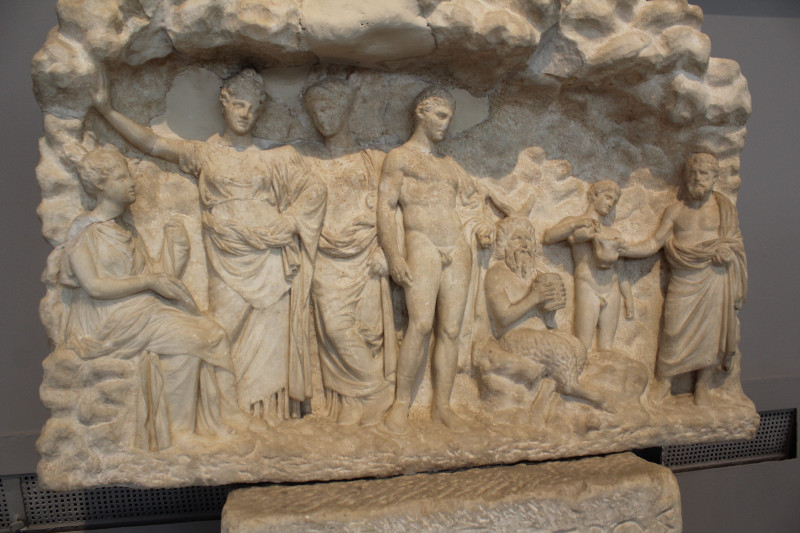
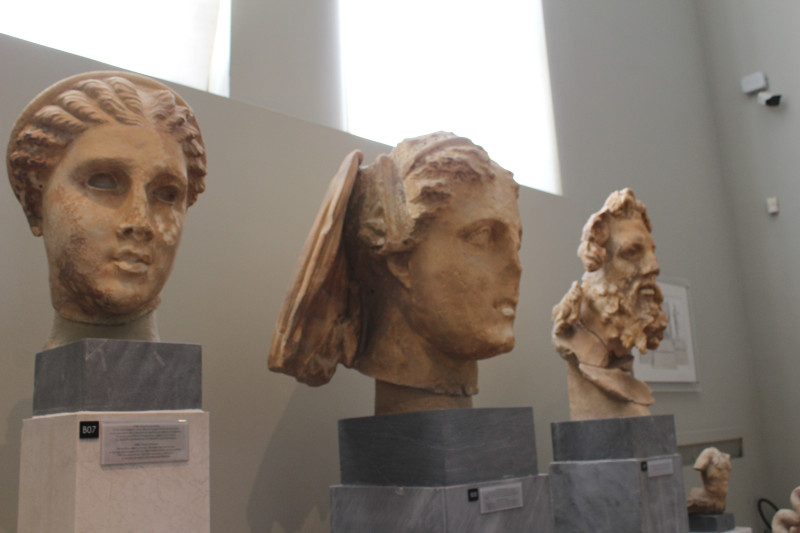
‘Jockey of Artemision’ A rare Hellenistic bronze statue was found in pieces, at different times, in the sea off Cape Artemision between 1928 and 1937. The statue was pieced together. The artist is unknown, although the work dates to around 140 BC. This statue is the Poseidon of Milos. It dates to approximately 125-100 BC, during the Hellenistic period.A bronze portrait of an man dating to around 100 BC, during the Hellenistic period. The sculpture was discovered in the palaestra of Delos island. A characteristic of the work is the intense realism in the rendering of the facial features and the melancholic expression, while the eyes are made of different materials, such as glass and stone.Votive relief dedicated to the nymphs on mount Penteli. From 330-310 B.C Depicted in the relief are the 3 nymphs, the gods Hermes and Pan.
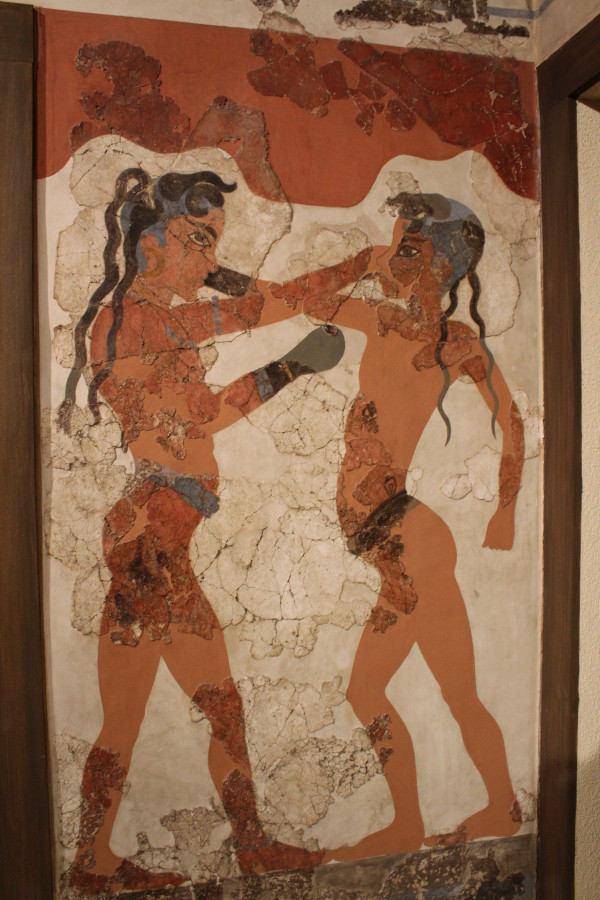
”The Young Boxers’ fresco from Thira, Santorini. Bronze age 16th Century B.C
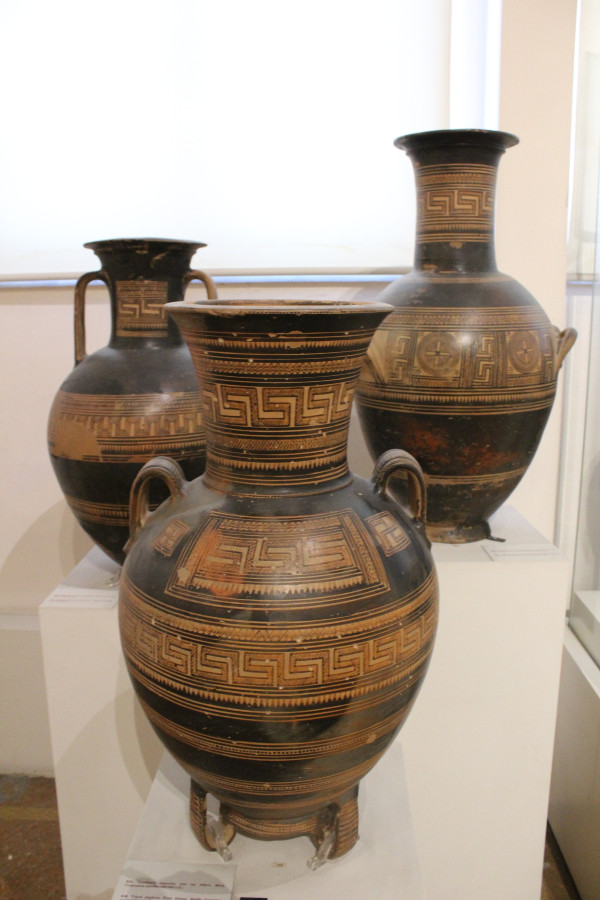
Geometric amphorae from Attica. 800-750 B.C
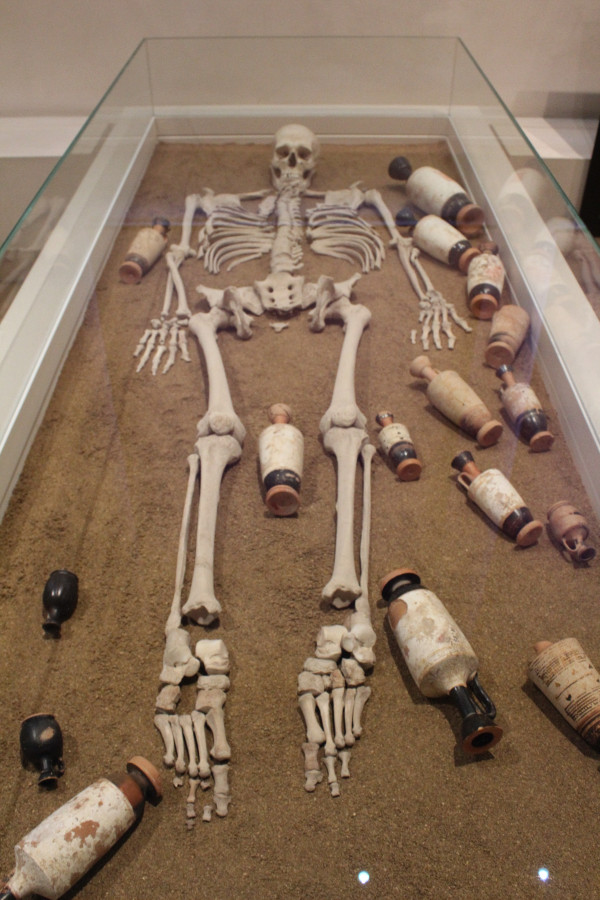
A human skeleton surrounded by funerary objects (burial goods), such as vessels and lekyths. Experts have examined the remains and have identified diseases of the time, such as osteoarthritis. The skeleton was discovered in the ancient cemetery of Kerameikosin Athens.
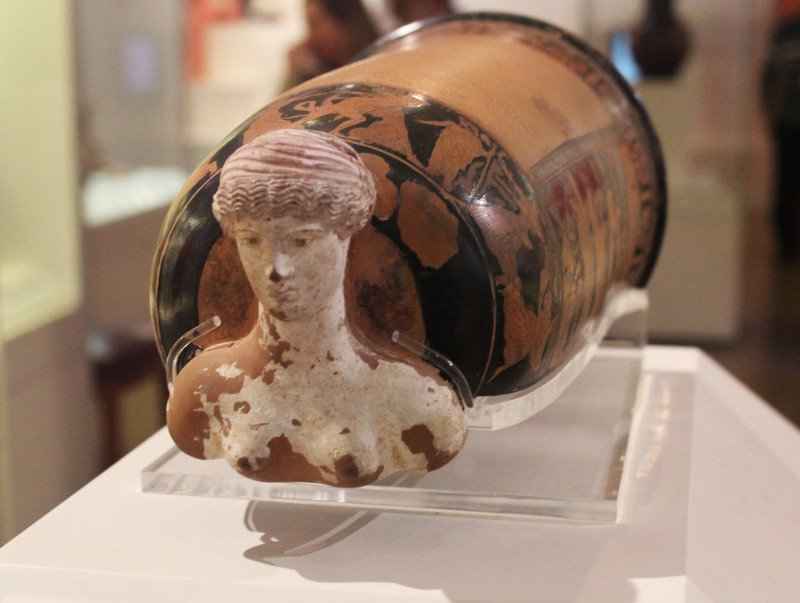
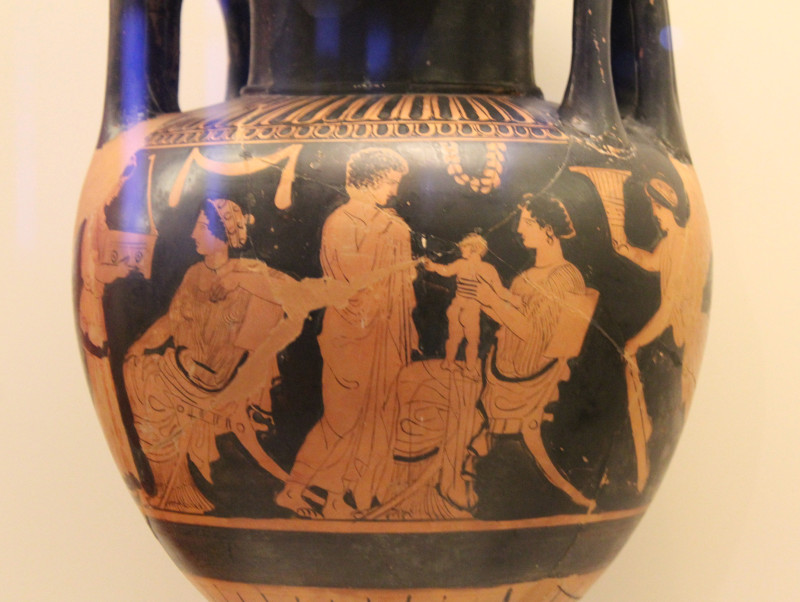
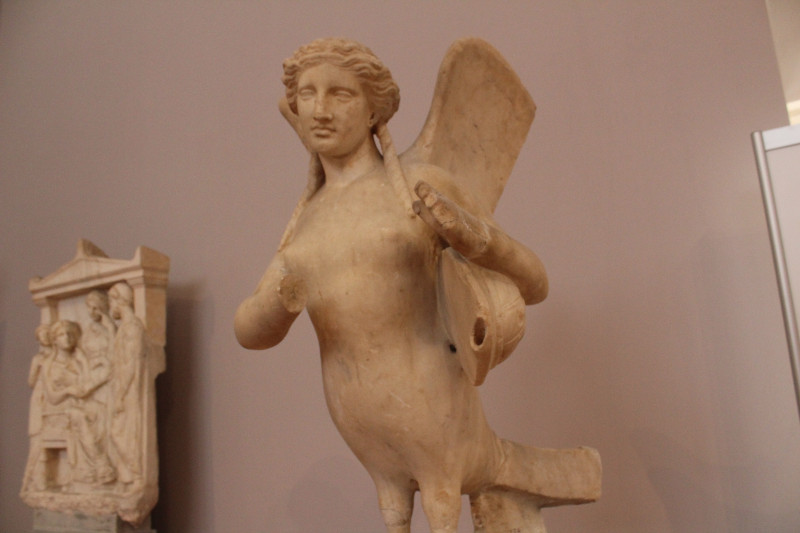
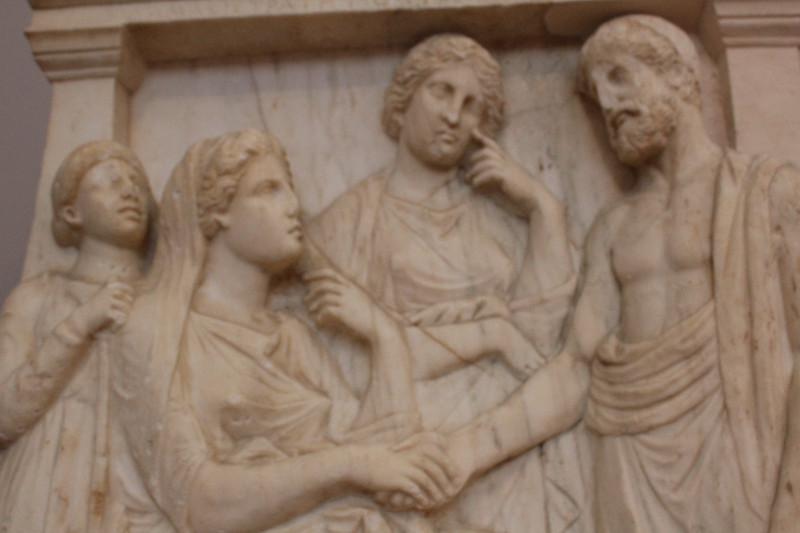
An Attic red-figure epinetron (a thigh guard), a clay vessel used by women in antiquity for combing wool.An Attic red-figure bridal cauldron, dating to around 430 BC. Depicts a family scene in the women’s quarters.This statue depicts a Siren from ancient Greece. Created around 370 BC.In ancient times, Sirens functioned as symbols of mourning and musicians of the Underworld, accompanying the souls of the dead.This relief depicts a farewell scene from an ancient Greek funerary stele.The bearded man, often identified with the father, greets a seated woman, while other figures are present on the scene. This work dates to 360-325 BC and comes from Attica.A group of cult statues in the temple of Despina at Lykosoura.The sculptures date to approximately 190-180 BC and are attributed to the sculptor Damophon from Messene.
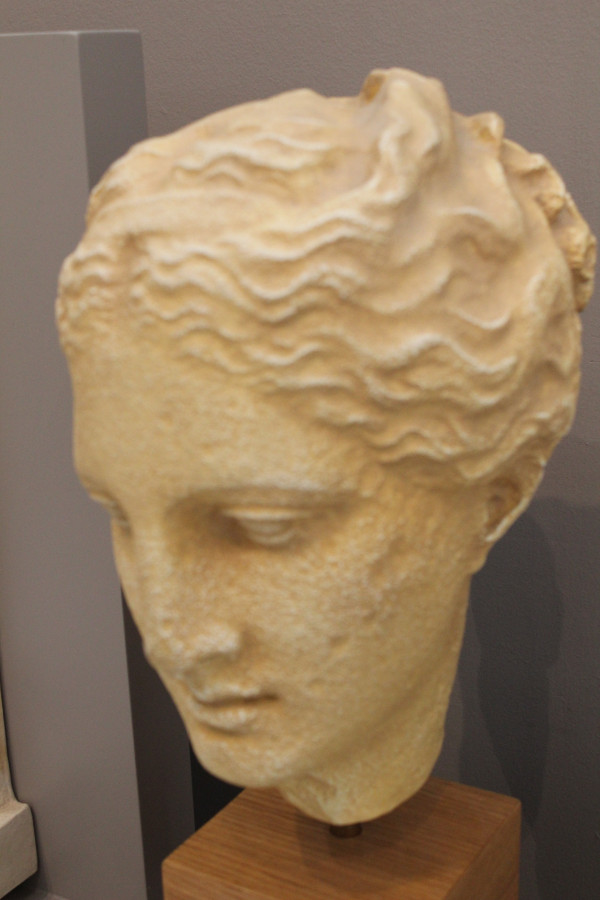
A marble replica of the head of Hygieia, the ancient Greek goddess of health and daughter of Asclepius. The original work is attributed to the famous sculptor Scopas from Paros and dates back to around 360 BC.
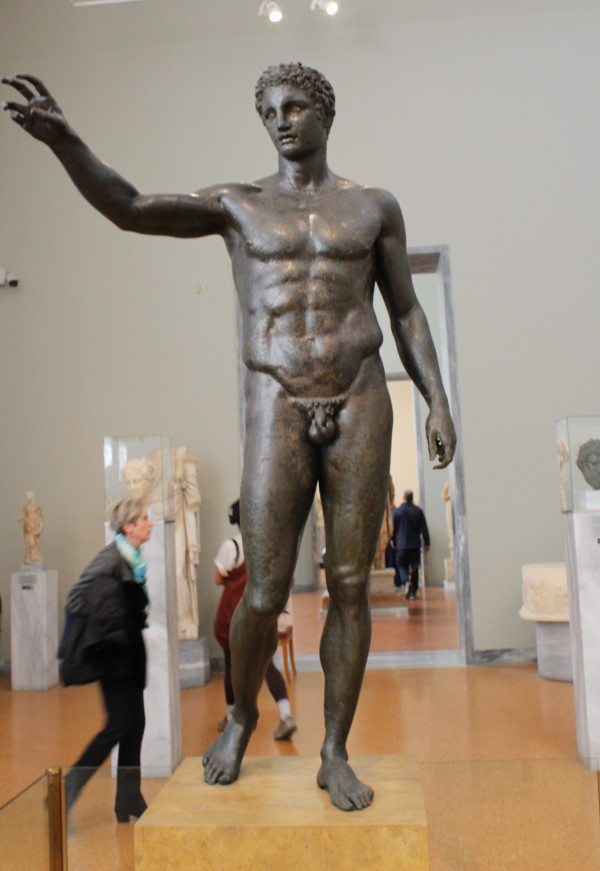
‘The teenager of Antikithira’ bronze statue 340-330 B.C, Some researchers believe he is Perseus holding the head of Medusa, others Paris holding the golden apple.
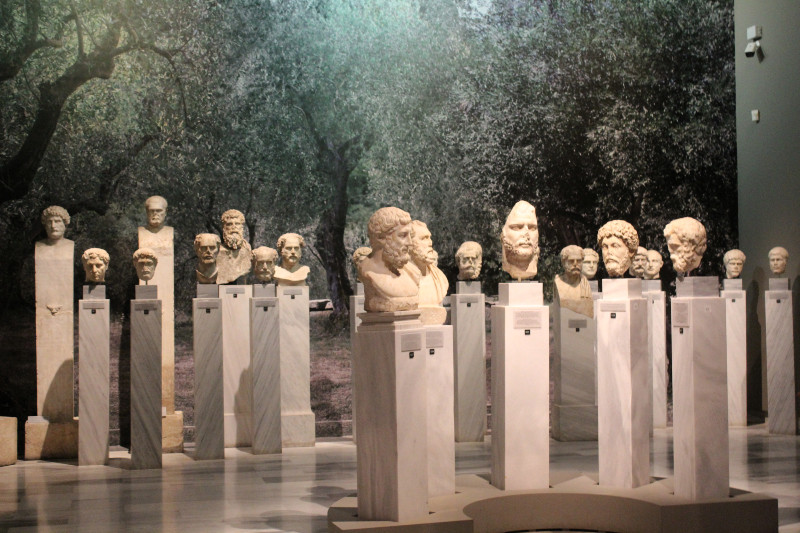
The exhibition presents the philhellenism of Emperor Hadrian and the influence of Greek intellectuals on Roman tradition.
 My Creative Wayz